A Daily History of Holes, Dots, Lines, Science, History, Math, Physics, Art, the Unintentional Absurd, Architecture, Maps, Data Visualization, Blank and Missing Things, and so on. |1.6 million words, 7500 images, 4.9 million hits| Press & appearances in The Times, Le Figaro, Mensa, The Economist, The Guardian, Discovery News, Slate, Le Monde, Sci American Blogs, Le Pont, and many other places… 5000+ total posts since 2008.

Category: World War I

  • German Military Medical Retreat, Coastal Poland, 1915

    JF Ptak Science Books  Quick Post

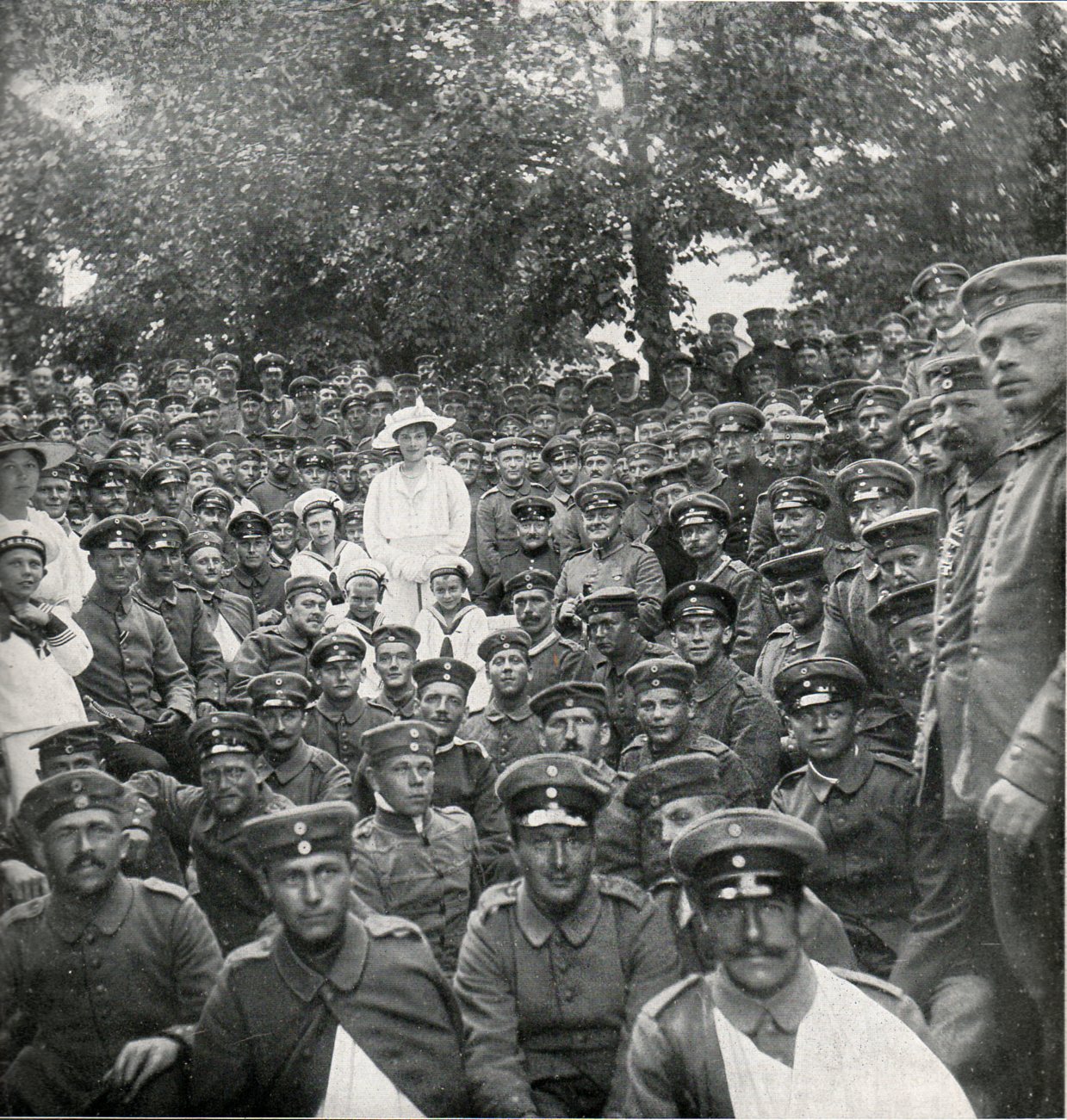
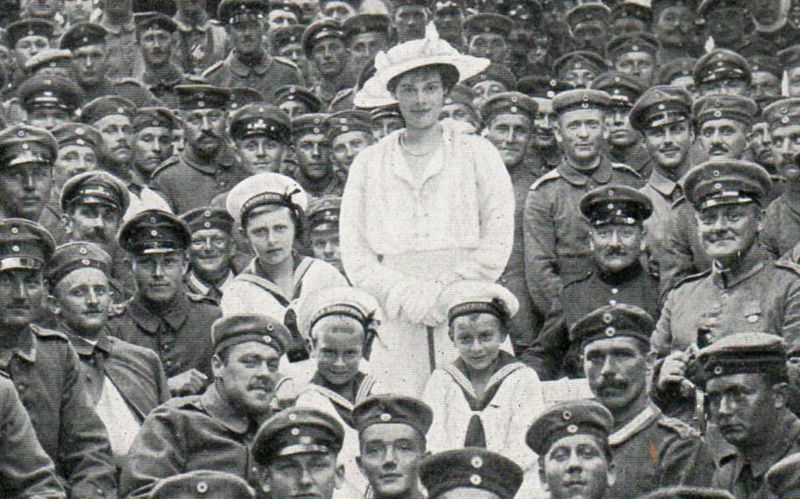
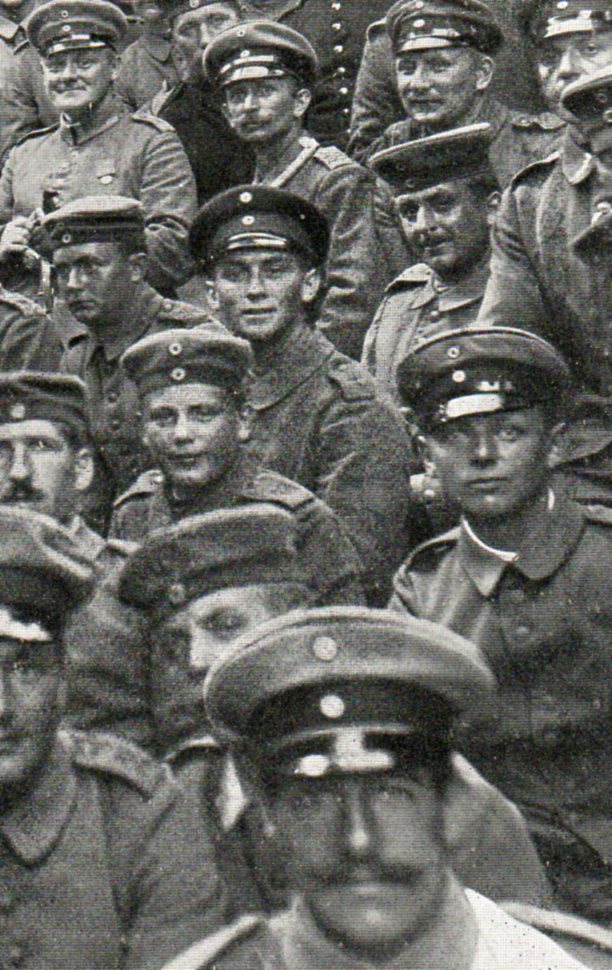
    This image, from the 22 Juli 1915 issue of the Illustrirte Zeitung (Leipzig) shows a collection of German soldiers that were treated at a medical aidstation.  The woman in white is the German crown princess, accompanied by her four navy-uniform-clad sons, are adrift in a sea of wounded and recovering soldiers who I guess were given leave from the war, celebrating their survival at the old spa and vacation spot Ostseebad, in Zoppot (Sopot, Poland).  (The issue may be purchased at our blog bookstore.)

    Wwi german red cross304

    And the detail:

    Wwi german red cross305

    And another:

    Wwi german red cross306

    ·Posted by :

    ·in:

    — —

  • Making Things Disappear–German POWs, 1918

    JF Ptak Science Books    Post 1410

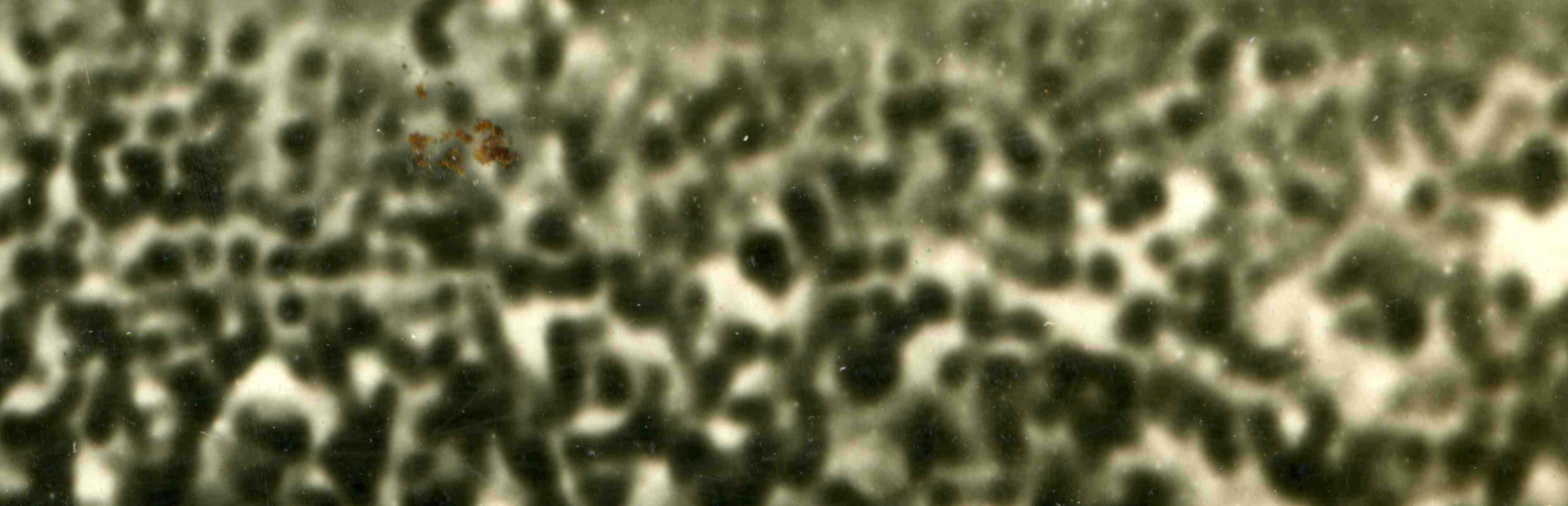
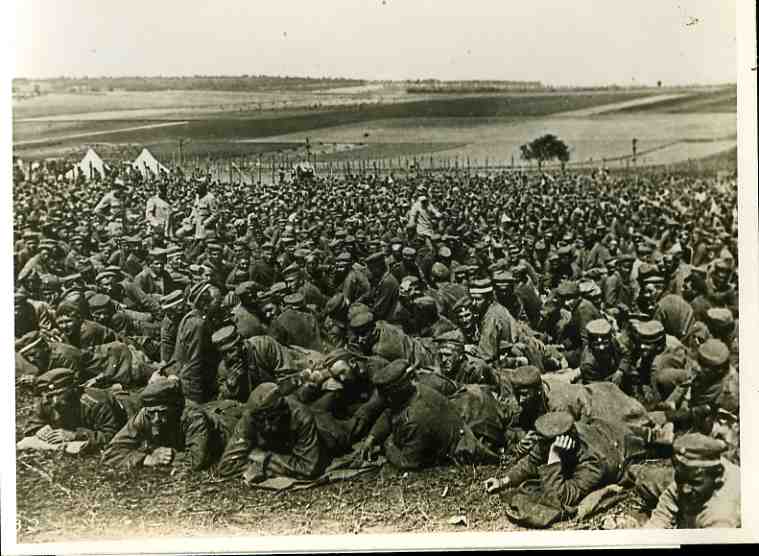
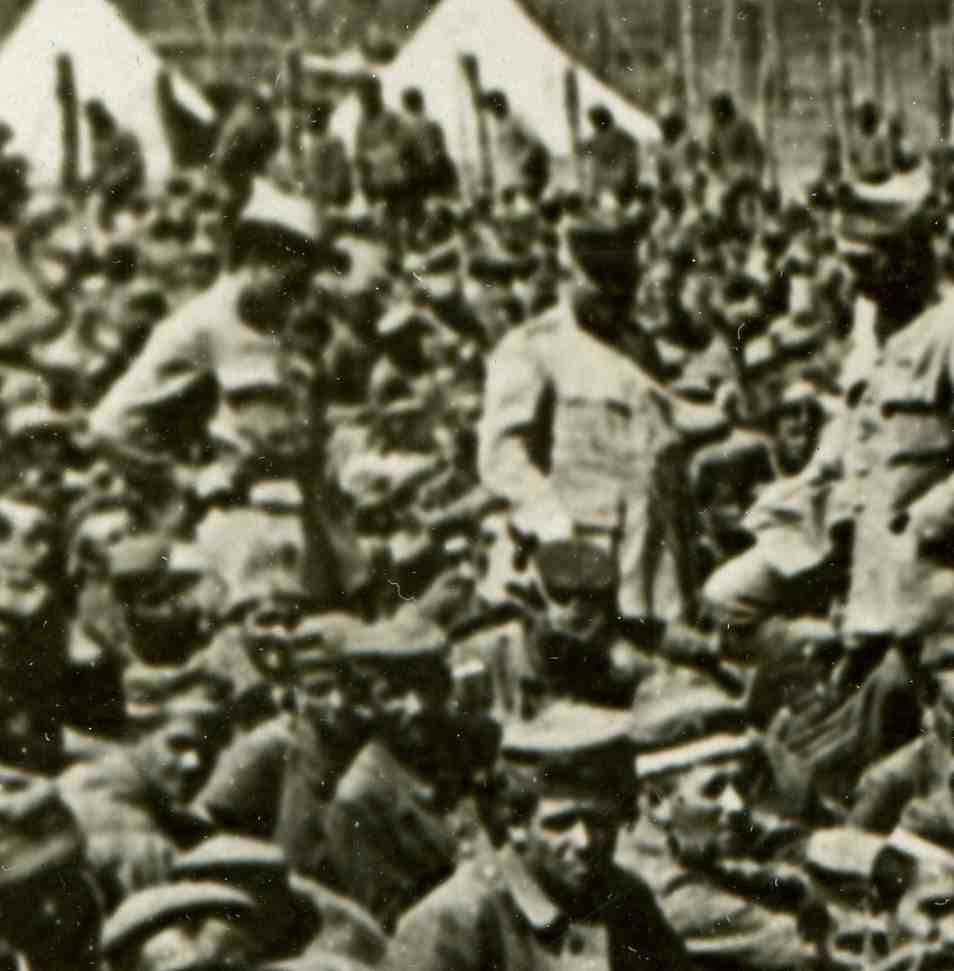
    In continuing series of posts on Blank and Empty Things is this image on fading, disappearing German prisoners of war.  The French had been pounding them in western France in the summer of 1918, and Germans were surrendering and being captured by the thousands.  This news service photograph shows one of the assembly camps with about 10,000 POWs–I made a heavy scan of the group of soldiers in the distance and was  a little taken aback to see that the men had lost their human forms,  looking like bacteria, fading into their future.  (The original photo is available for purchase through our blog bookstore.)

    000-ebay--Nov 8 pows018

    000-ebay--Nov 8 pows017

    The full image is impressive, and shows just a small fraction of the men taken prisoner during 1918; and it shows even a lesser percentage of those killed.

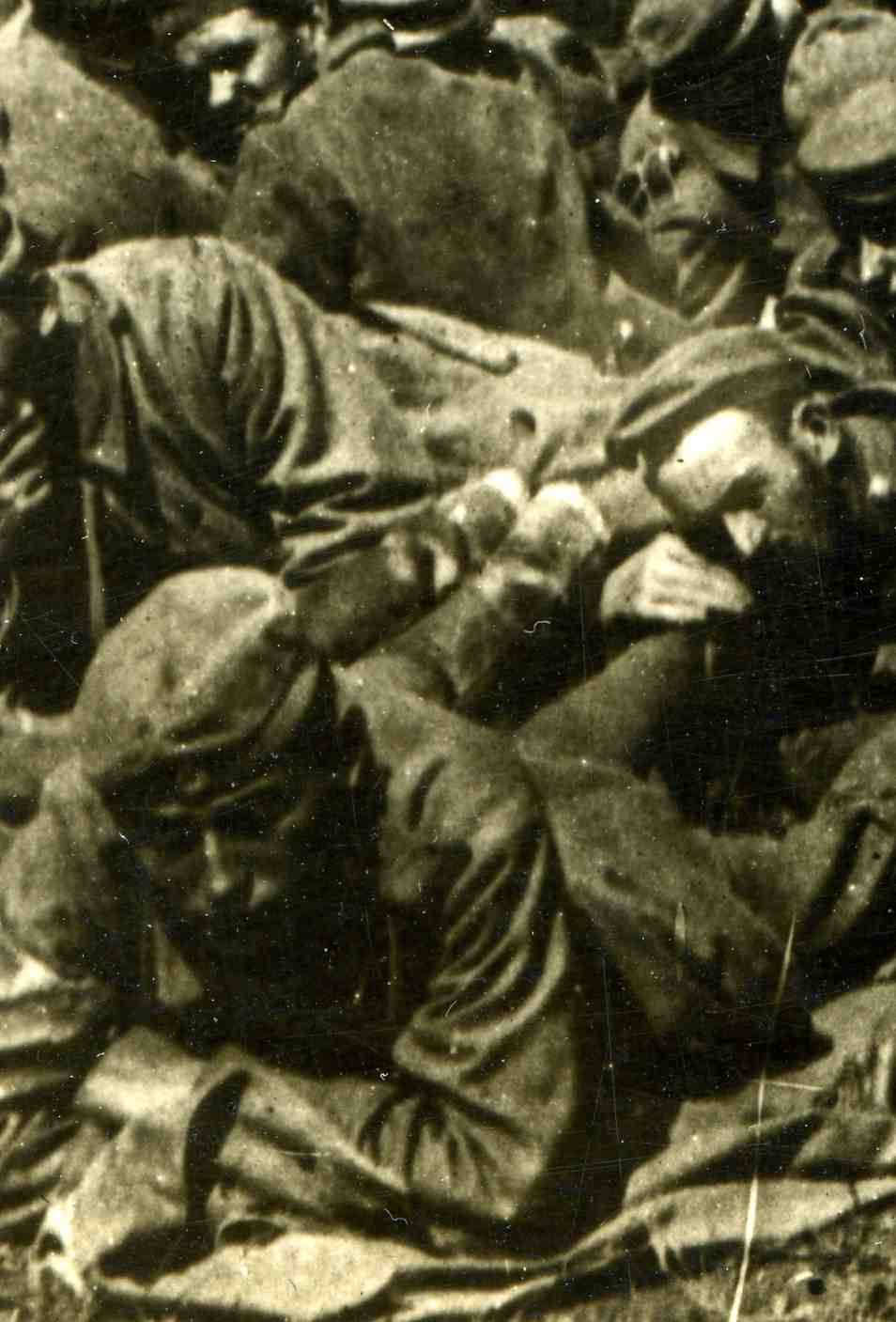
    000-ebay--Nov 8 pows019

    This detail of the foreground shows the familiarity necessitated by the men being pressed so closely together–there was little free ground.

    Also, I thought that the French soldiers in the midst of the prisoner might’ve been feeding them, but it seems as though they were just walking in their midst.

    000-ebay--Nov 8 pows022


  • World War I in Ivory–Pianos and Recovery

    JF Ptak Science Books   Post 1409

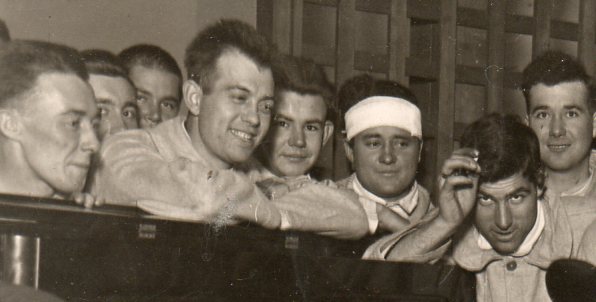
    WWI  piano246

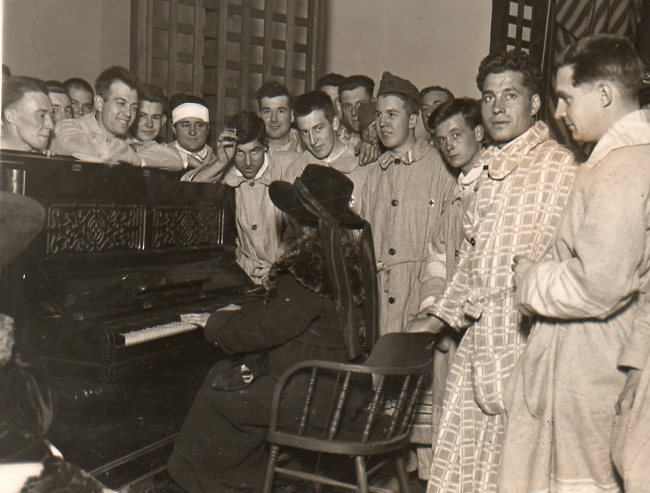
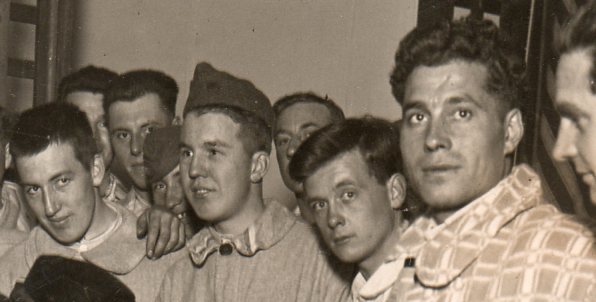
    These images come from my collection of World War I news photo service photographs, and are among the minority that show even momentary happiness.  In both of these cases, the emotion resolves itself in song and in the piano.  The first image takes place in a U.S. overseas hospitals for wounded soldiers, and they seem genuinely relieved to have the attention and the entertainment. (Both images are available at our blog bookstore.)

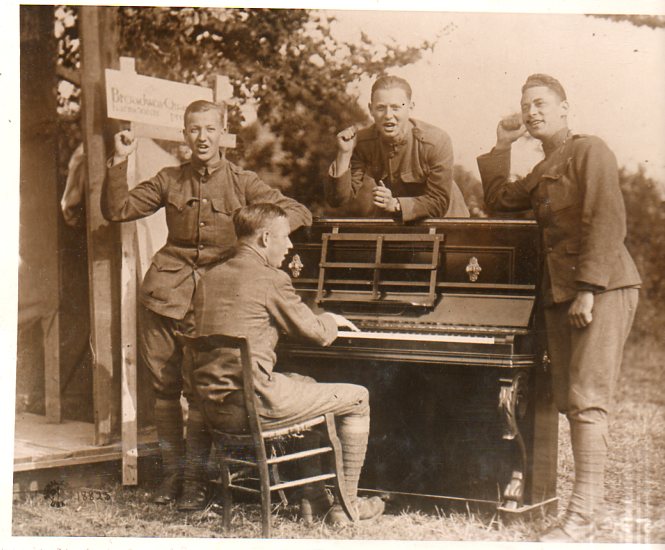
    WWI  piano247
    WWI  piano248

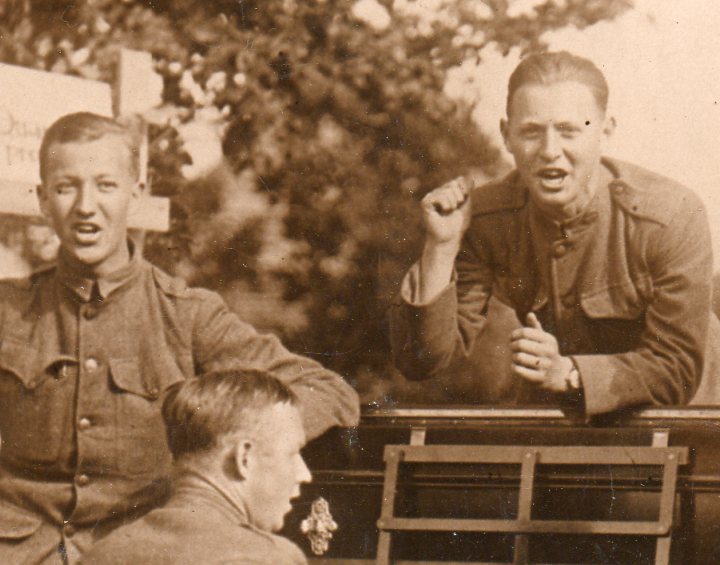
    The second image is dated 2 November 1918–just nine days before the armistice–and shows the “Broadway Quartet” as they rehearse “I’m Only a Buck Private” for a behind-the-lines show for U.S. servicemen, somewhere in France.  The note with the image (from the Western Newspaper Union) says that the staging used for their shows came from found wood, bits of flooring, and camouflage netting torn into pieces.  

    WWI  piano250
    WWI  piano251

    ·Posted by :

    ·in:

    —

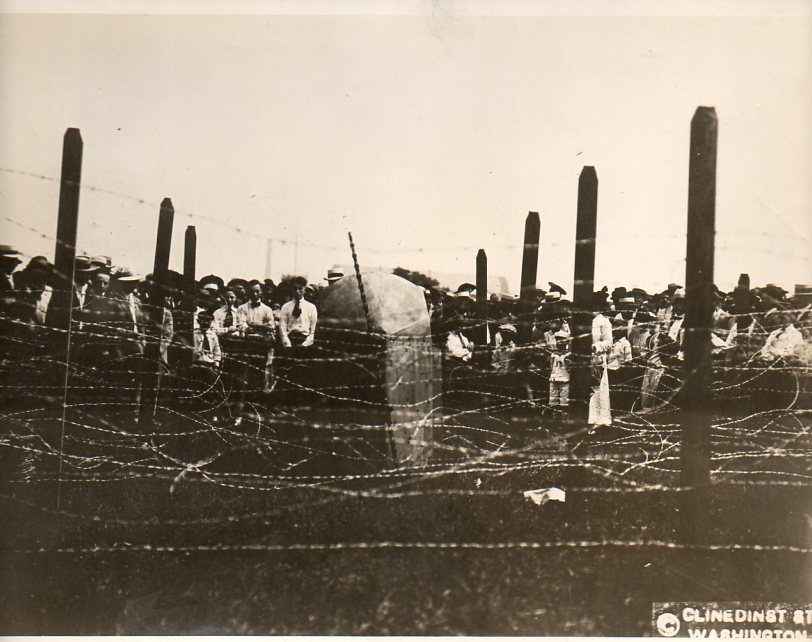
  • Barbed Wire Cutting Device on the Mall, 1918.

    JF Ptak Science Books  Post 1394

    WWI barf wire cutter179
    “Will Cut its Way Through Hun Entanglements” reads the header to the caption for this new photo service war photo from the Central News Photo Service, published nearly at the end of 1918, just a few months before the end of the war. The inventor, John E. Logan, was demonstrating his invention “before senators and representatives of Congress” on a “miniature tank wire entanglement”.  The “entanglement” wire was much nastier than what you’d think of as the “barbed wire” of today–not concertina wire, but something small and nasty that was meant to catch soldiers, to pin them more deeply in the wire like a sharp metallic quicksand, stopping their advance and making them meat bait for machine gunners and everyone else. 

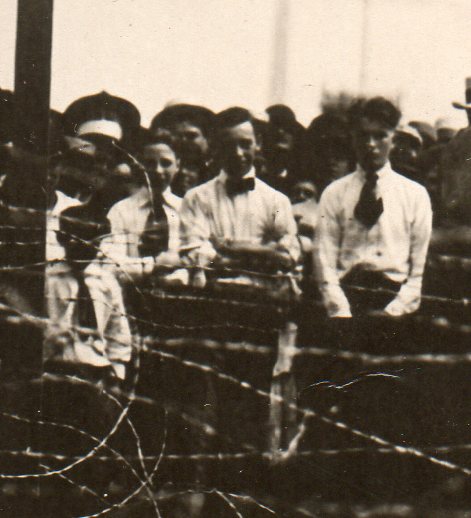
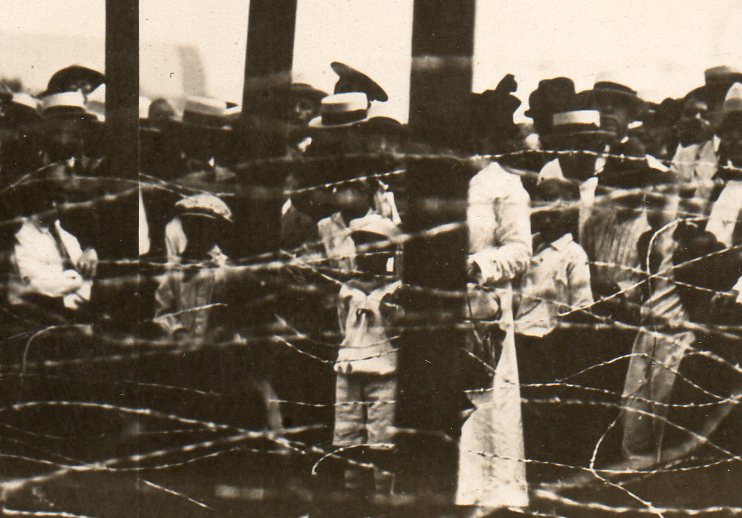
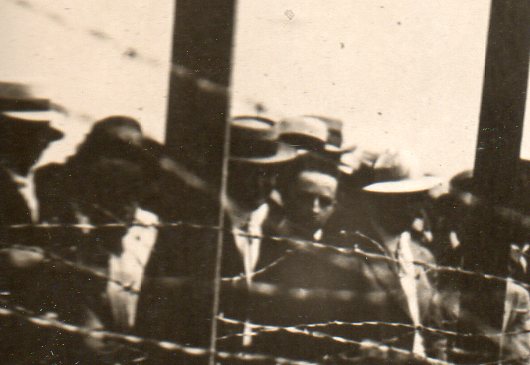
    Logan attracted a fair size crowd for his demonstration in the vicinity of the Capitol.  His machine seemed to work well, too, cutting through 72 strands of wire in about a half minute.  I’m not sure how many of these machines were produced (can’t find anything on them offhand)  but there would’ve been a need for a great number of them, given that since there was something like 12-25,000 miles of trenches dug during the war that there must’ve been millions of miles of barbed wire produced.  (That’s an off-hand guess, but it probably isn’t horribly wrong.)

    (The original photo is available for purchase from our blog bookstore, here.)

    WWI barf wire cutter180

    WWI barf wire cutter181
    WWI barf wire cutter182

    ·Posted by :

    ·in:

    — —

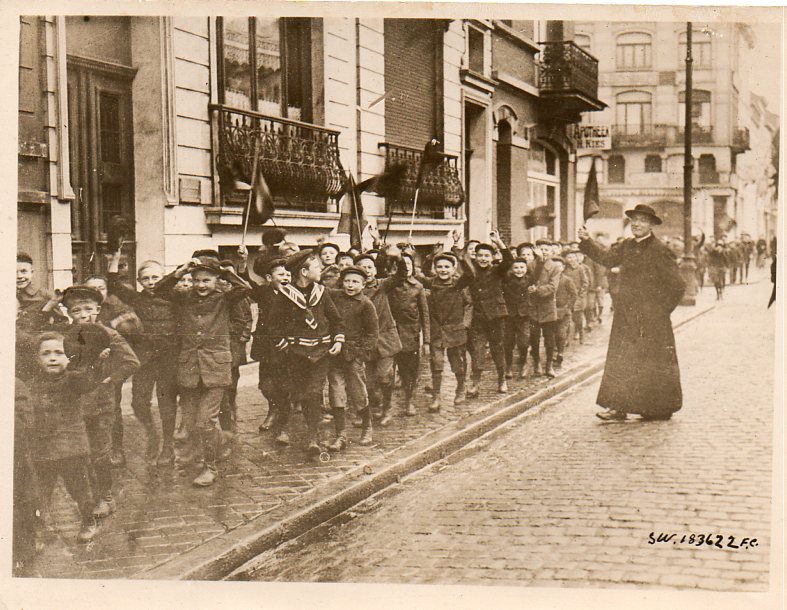
  • The Children’s Parade: Liberation of Ostende, 1918

    JF Ptak Science Books   Post 1393

    WWI children's parade175

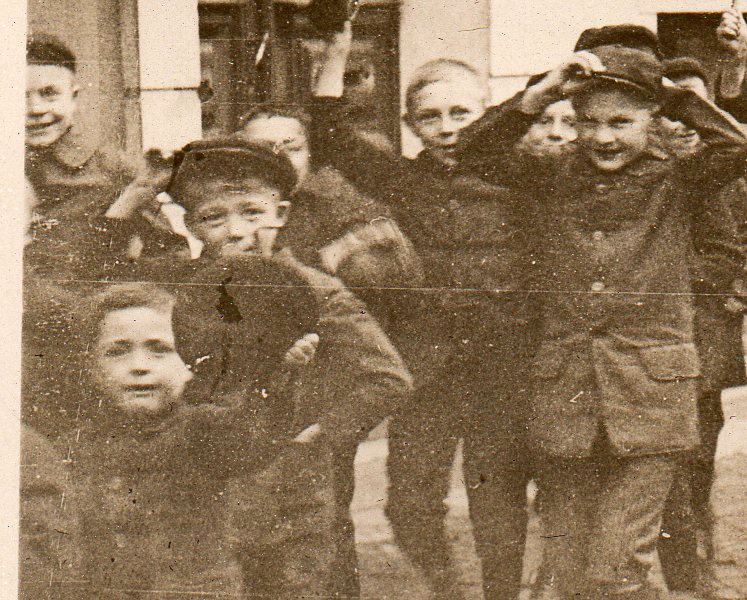
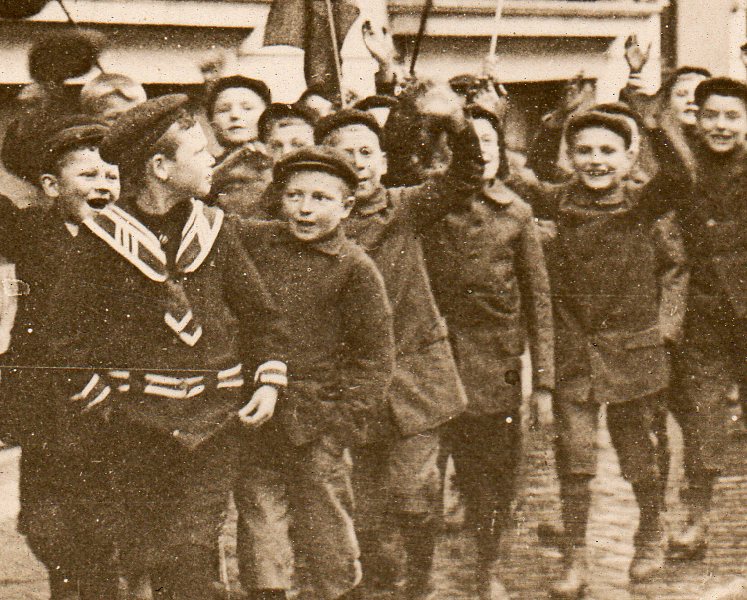
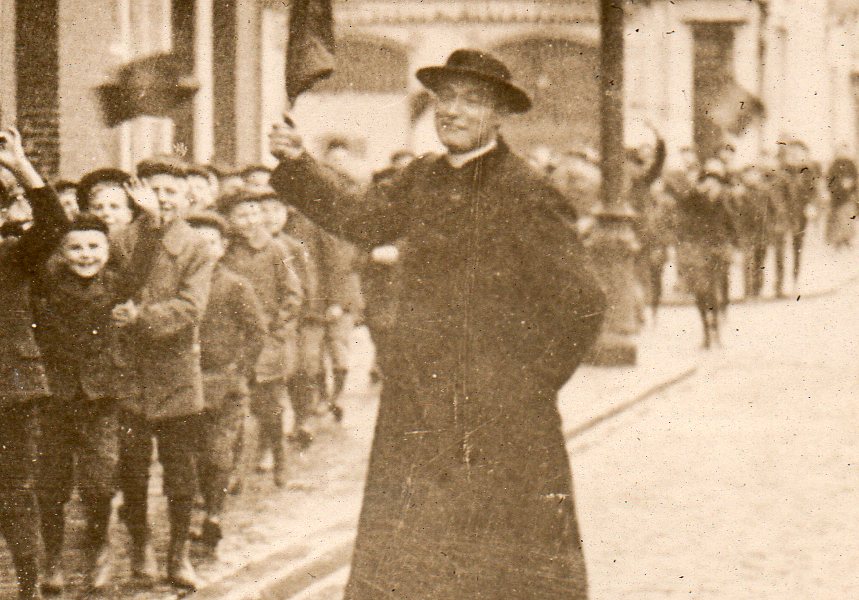
    Ostende, a port city of West Flanders on the North Sea in  northwestern  Belgium, was an important stronghold and also a  key to holding the inland port of Bruges, which is something that the Germany Army was able to do until the very end of World War I.  Under constant occupation by an invading force, the city was only liberated by the armistice signed two days before this photo was made, on the eleventh hour of the eleventh day of the eleventh month of 1918. (The original photo is available for purchase via our blog bookstore, here.)

    Some of these children might still be alive, though all but two of the soldiers of this war are all dead.  I remember talking to my grandmother ten years or so ago, asking her about what she did to celebrate the end of the war.  She laughed, and then told me that she and her sisters and brothers went out to the street (in their small town of Housatonic, Massachusetts) and danced and danced.  She then said that a few other children went to their kitchens to come out with pots to bang with wooden spoons–and then it struck me, taking away my breath, that what she was talking about was celebrating the end of WWI, not WWII, which is what I thought she was going to talk about. 

    WWI children's parade176
    WWI children's parade177
    WWI children's parade178

    ·Posted by :

    ·in:

    — —

  • Cold and Understatement on the Western Front, 1916

    JF Ptak Science Books   Post 1392

    WWI cold173

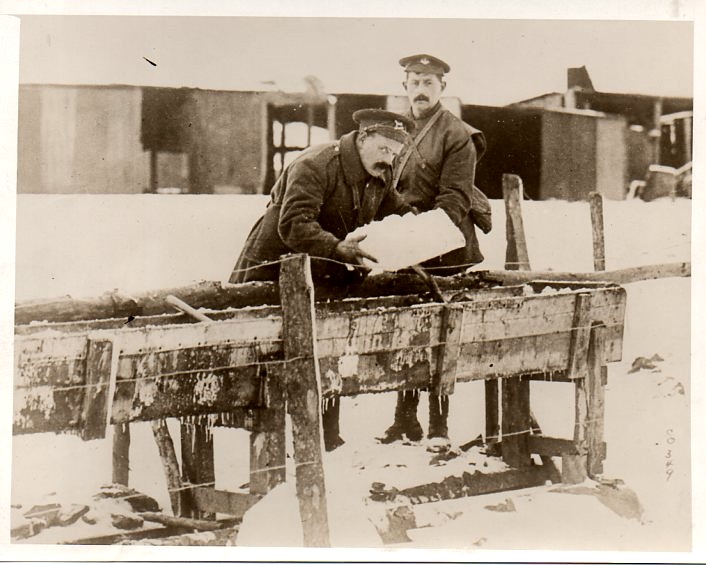
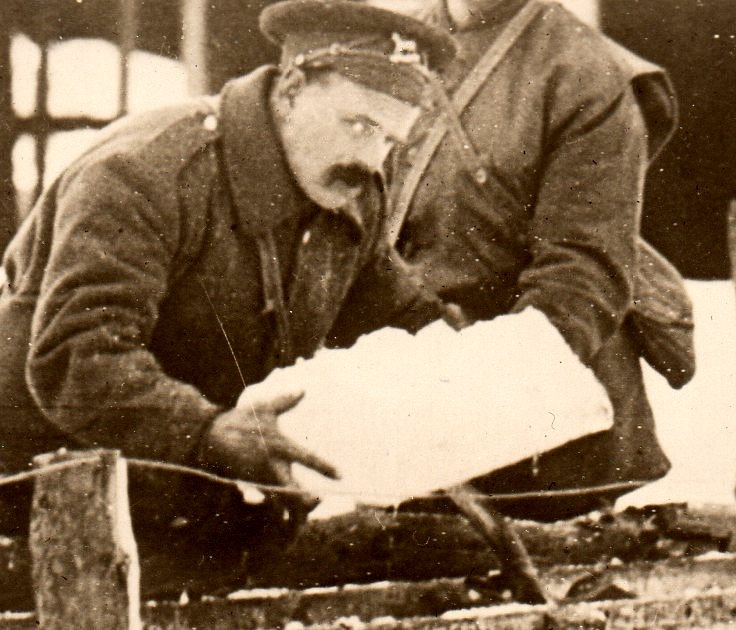
    The caption stamped on the back of the news photo service agency photograph (from the Western Newspaper Union) said that the bitter cold encountered by these Canadian soldiers on the Western Front in the winter of 1916 “was one of many difficulties encountered by the soldiers”.  “Great hardships have been caused by the frigid weather in this region” continues the caption.  Indeed.  Even for Canadians this was a cold winter, though not so cold that the Canadian trooper in the foreground stopped to put on his gloves to remove the ice from the water trough. These soldiers may have been cavalry, as there is a horse-like medallion on the front of their lids. (This photo is available for purchase from our blog bookstore, here.)

    Evidently the role of the cavalry in the BEF along the Western Front is an under-appreciated thing, or misunderstood, at least.  I’m not sure how they influenced the outcome of this stagnant section of the war, where the line of battle remained essentially unchanged throughout the duration of the war.  Millions of troops were deeply entrenched over hundreds of miles of battlefront, wailing away at one another with massive artillery barrages, countless machine gun nests, and then eventually tanks, planes and poison gas.  Back in February 1916 there weather was so tough and frigid that the battle of Verdun was postponed a bit, waiting for less intense weather conditions.  Dozens of millions of artillery shells and  billions of bullets later, in 1918, there was little change in the positions of the armies, except of course for the millions of casualties. 

    WWI cold174


    ·Posted by :

    ·in:

    — —

  • A Field of Artillery Shells–a Miniscule Sample of the 40,000,000 Shells Fired at Verdun, 1916

    JF Ptak Science Books  Post 1388 (out of order!)

    I just finished posting this from yesterday on a sea of shells and what those explosives meant in terms of overall destructive firepower for WWI.  This explosives image is a little easier, in a way, just showing hints of the vastness of what might be an acre of large ammunition.  

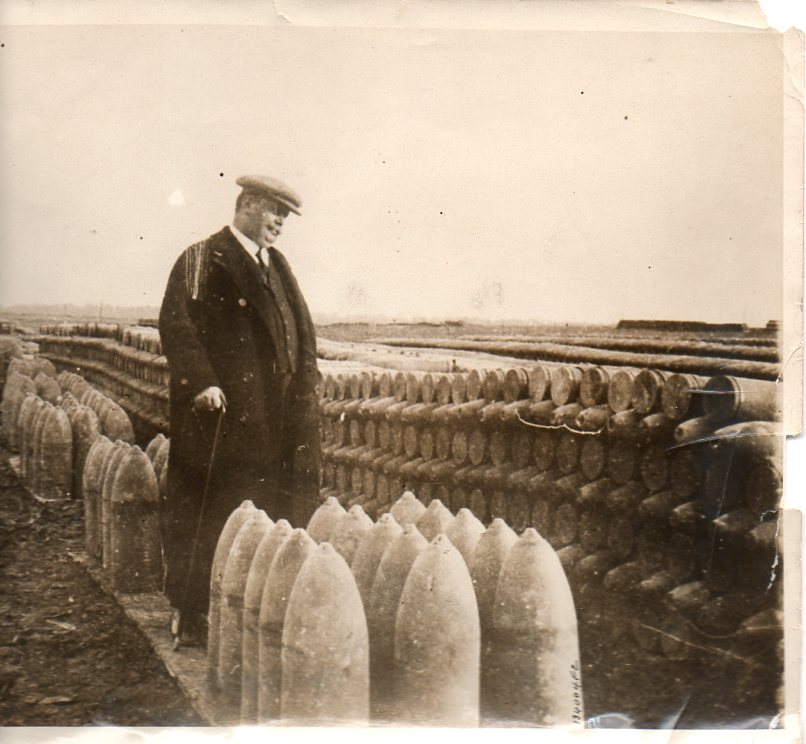
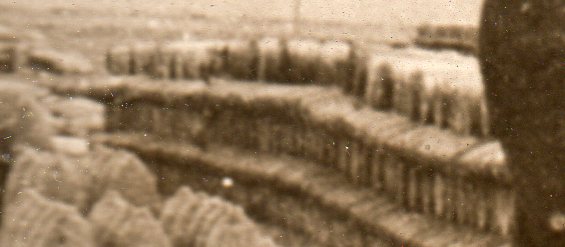
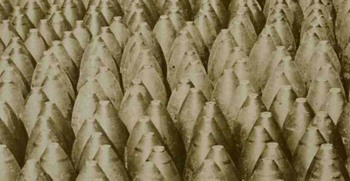
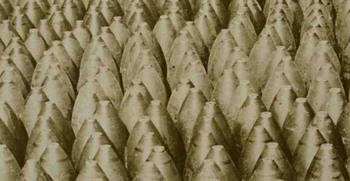
    This photo (dated 15 April 1916 by the news photo service of Underwood and Underwood) shows a French senator–H. Charles Humbert–viewing “a field literally covered with shells”,  the photo really only giving some glimpse of the extent of the palleted shells, which fade into the distance behind M. Humbert and extend deeply into the field in front of him.  (The original photo is available here at our blog bookstore.)

    WWI shells162

    M. Humbert (1866-1927) would’ve had more of an interest in this scene than most, as he represented the Meuse district, and at this point int he war the shells were headed to a part of that area, Verdun. Verdun of course was one of the major battles of WWI, fought from  21 February to 18 December 1916, in the hills and dales of north-eastern France, at Verdun-sur-Meuse. There were 306,000 battlefield deaths at Verdun, plus another 500,000 wounded, in what may have been one of the most gruesome battles of modern times. 

    Humbert was also an Army veteran and wrote on the military, and as it turns out, as the war approached he adopted a call to arms for more canons and more shells for the defense of France the inadequacy of the defenses of the French Army, and the insufficiency of officers and munitions  (“Des canons, des munitions!”).  He certainly would’ve been relieved with what he saw here.  Of course this is photo would represent a percentage well to the right of the decimal place of all those shells used at Verdun, which numbered an inconceivable 40 million.  When this photo was made in April the battle was already wicked and had been fought for two months–there were still eight months of gore to go. 

    WWI shells163
    WWI shells164

    ·Posted by :

    ·in:

    — —

  • Ephemeral Uniqueness in Large Crowds, 1917

    JF Ptak Science Books  Post 1390

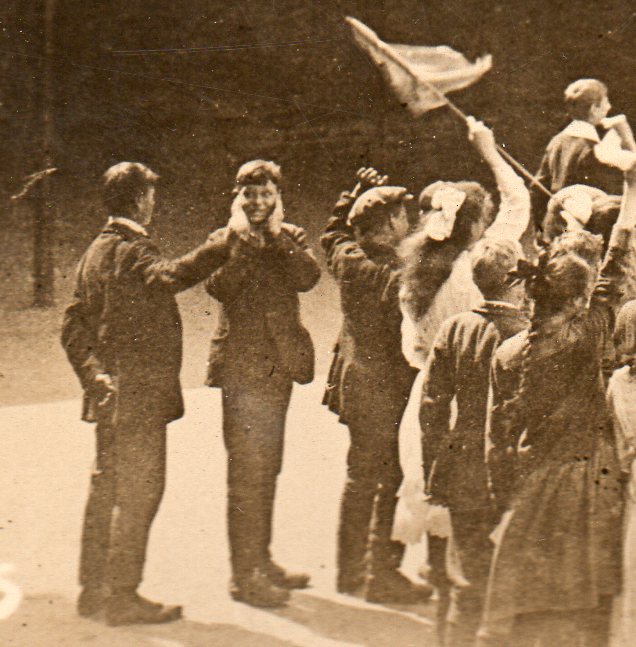
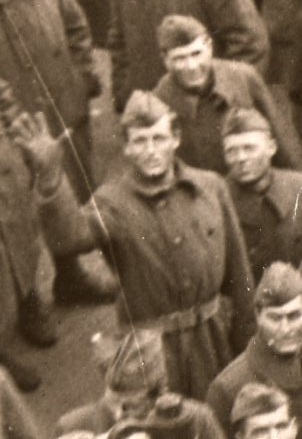
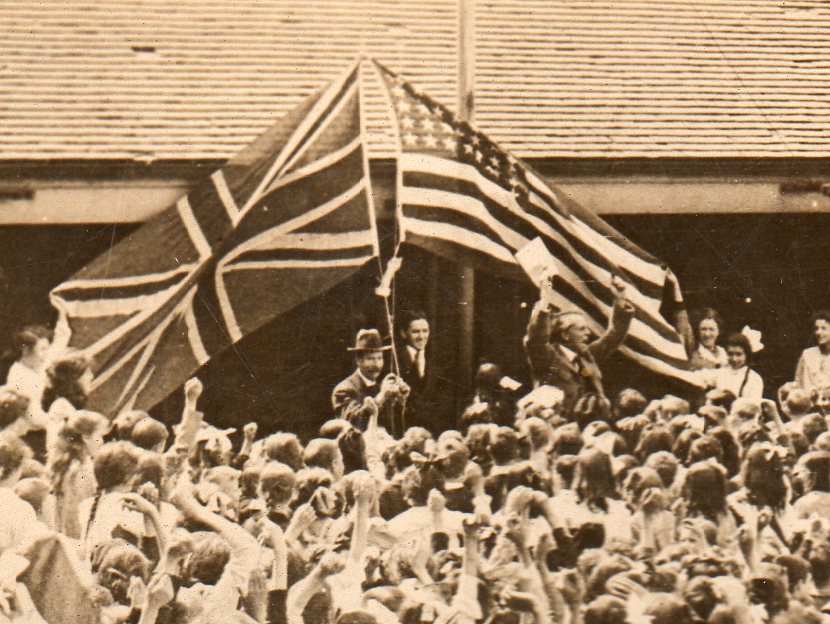
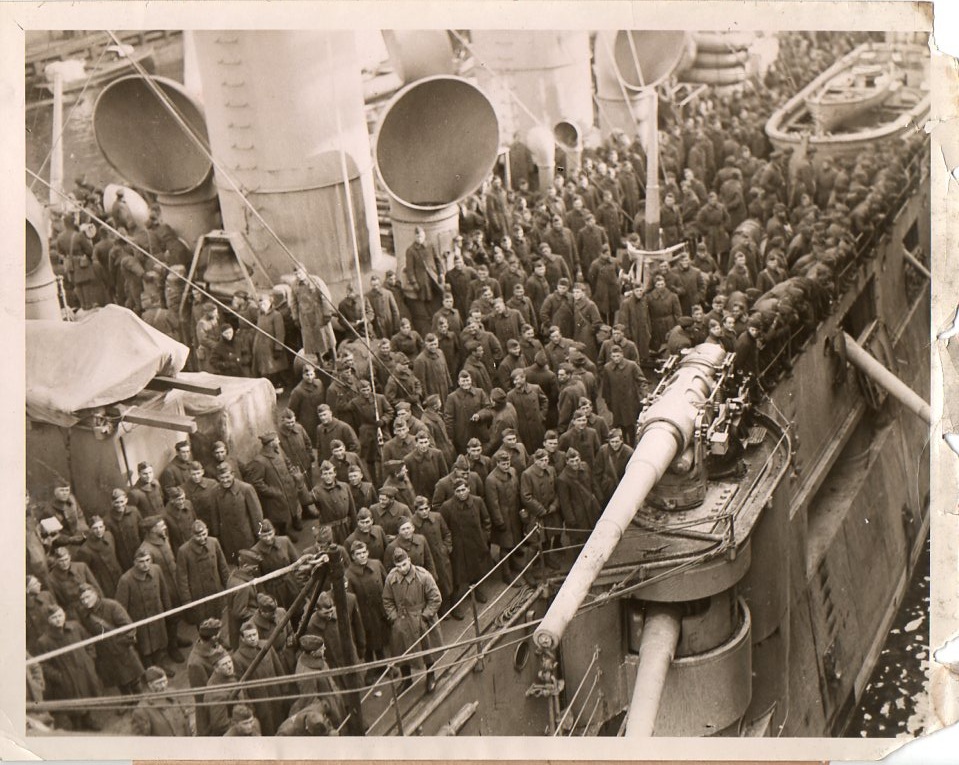
    There are 1500 or so of these news service war photographs here, and one of the remarkable things that I’ve discovered about them–trivial things to be sure compared with their overall message, ephemeral bits of semi-nothing–is that in many of the very-large-group images that there is sometimes just a single person who is doing something that no one else is doing, and it has been captured almost forever in the photo.  There are photos of thousands of troops, all facing east, with on solitary soldier facing west; there’s the solitary waver; there’s the one bare-headed man in  a sea of a thousand men with hats; there’s the one person raising his hat to the photographer in a sea of people looking at the camera but not raising their arms.  Then of course there’s the group photo of a mass of German WWI POWs, with only one soldier without a hat or helmet, and he looks just like me. 

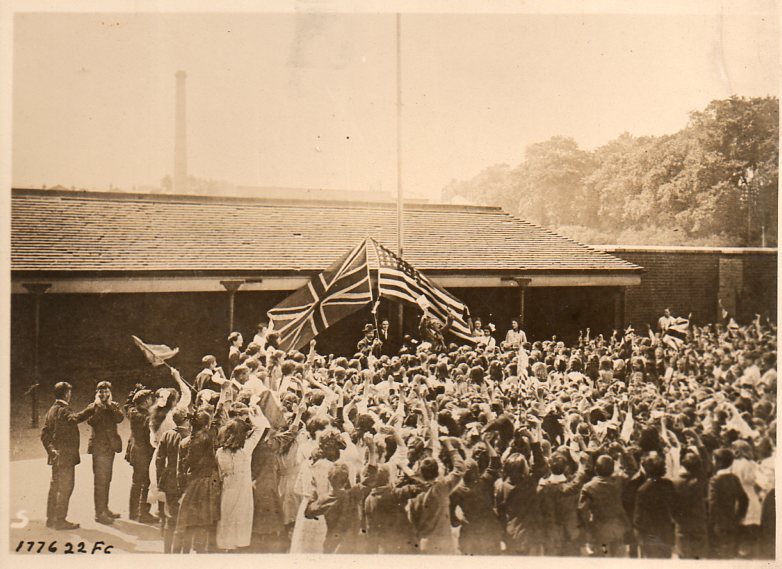
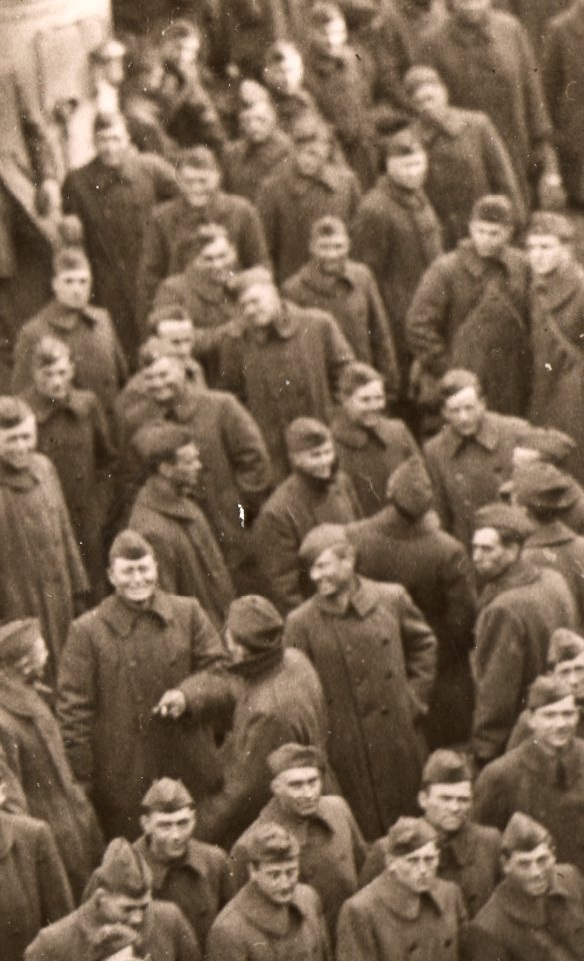
    Here are two other examples–the first is a detail from a photo showing British children cheering their American allies in 1917, showing one man clearly reacting to the hundreds of screams by covering his ears.  And is the only one doing so.  The second detail shows a large contingent of American soldiers leaving for Europe on a steamer–there is only one man  who turns to the camera and waves.

    Both original photographs are available from our blog bookstore, here.

    WWI troops ship171

    The second detail:

    WWI troops ship167
    The entire first image, showing the children cheering the raising of the two flags:

    WWI troops ship169

    And this:

    WWI troops ship170

    And the second, showing a group of hundreds of soldiers waiting to leave Hoboken, New Jersey, for the fight in Europe, 1917.  Most are pulling themselves inside their coats as much as possible; I suspect being right there on the harbor–and seeing the floating bits of ice in the water–that it was wet and very cold.  Our one adventurous Doughboy gives the camera a spread-fingered wave….he also seems to be quite tall.  He is the lone waver.  There also seem to be a lot of smiles in the crowd. 

      WWI troops ship166

    WWI troops ship168


  • The Weight of War–Bombing and Shelling During World War I and a Lesson in Orders of Magnitude

    JF Ptak Science Books  Post 1389

    Blogbomb_master This indelible image was made by an anonymous photographer for the Central News Service of New York City in 1918.  The Central News Service was a photographic supply house that would send requested photos to newspapers throughout the United States for publication as illustrations for  a story.  They would’ve been sent rolled in a tube  with a description of the image and with the stern warning to “Watch Your Credit Line”, making sure that once the newspaper had paid for the use of the photo that it also told its readers the source of the (agency) photographic.

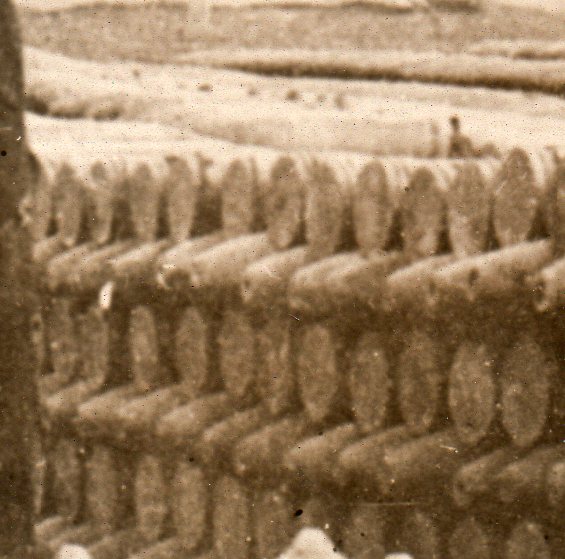
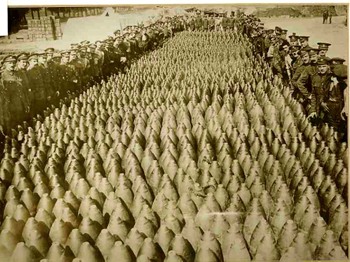
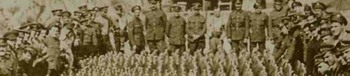
    The image is insatiable–it demands that you look at it and look at it long and hard, as it tries to give some sort of idea of the tremendous number of shells that were shot from canons by the just British against the Germans during the First World War..  There were something like one million tons of these fired against Germany; this picture represents about .001% ( of that total).  We see approximately 800 shells at two hundred pounds apiece, surrounded by a group of about 150 soldiers. 
    Blogbomb_detail_rear

    I looked very closely at this photograph.
    Of this single line of soldiers along the perimeter of the bomb cache, of the 150 of them, there are, it looks like, only five of them who have placed their hands on one of the bombs, and four of them are touching the fuse with just their middle finger.  It is an odd picture of restraint, these soldiers paying the weapons of mass destruction the respect of room.
    Blogbomb_detail_front

    I think that this is an extraordinary photograph of the testament of understatement and small, small percentages–even with this photo being so enormously graphic it still gives you absolutely no idea of how much explosive material was hurled back and forth, even knowing in your mind’s eye that this image represents something like FOUR ORDERS OF MAGNITUDE less than the total tonnage of bombs used.  By the British.
    Blogbomb_detail_front_2

    This difference in orders of magnitude is roughly equivalent to the difference in size between an ant and a human being, or between an amoeba and an ant, or between a human and one of the pyramids, or between the earth and the sun.  Basically, the shells in this photo meant nothing whatsoever to the total of shells used during the war.


  • World War I Photos–Fifth Avenue and Not FIfth Avenue, July, 1918

    JF Ptak Science Books  Quck Post
    WWI--great images--traffic control053
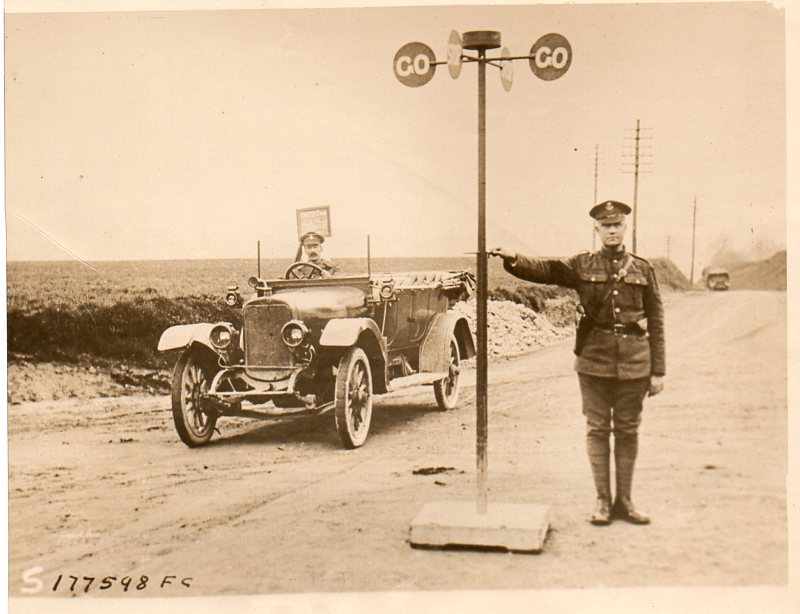
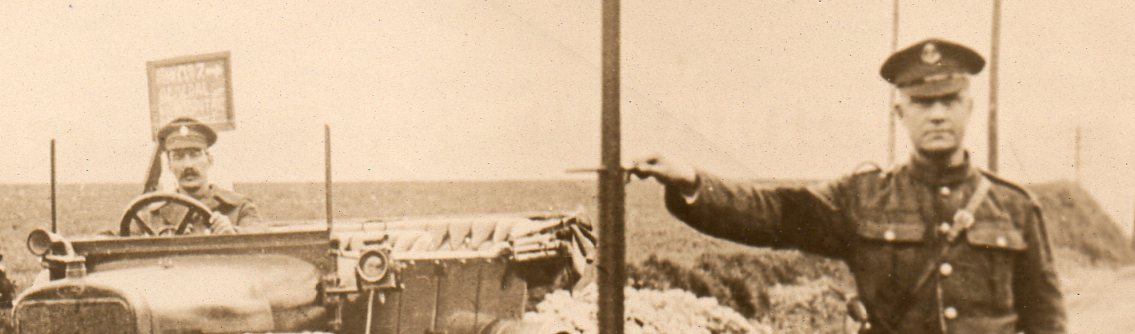
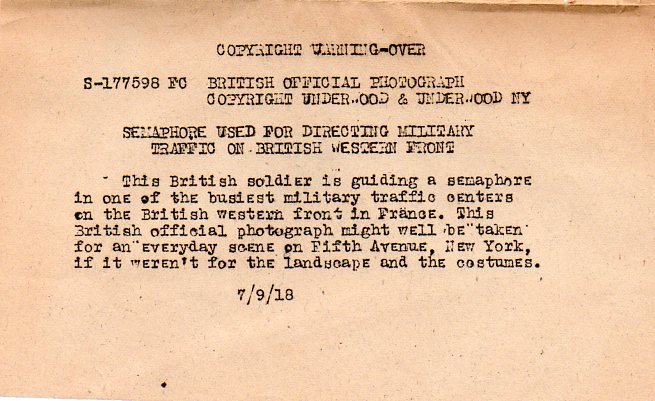
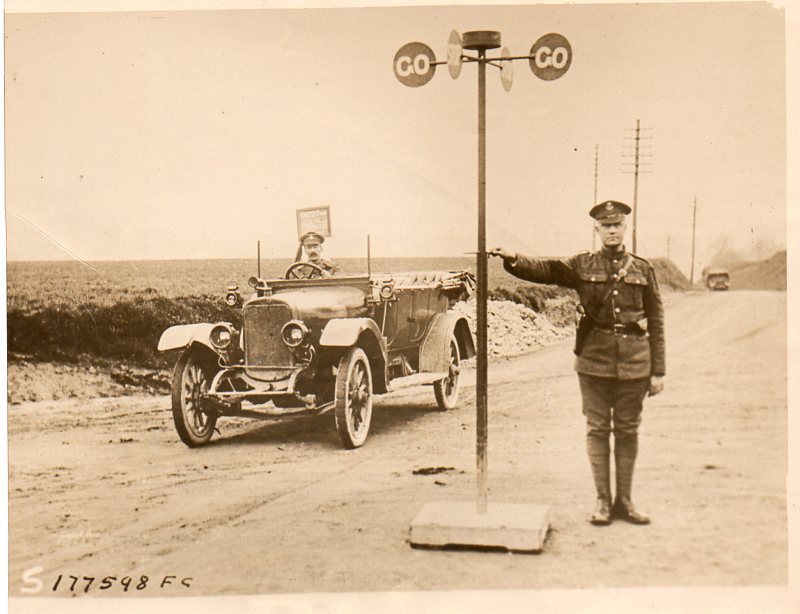
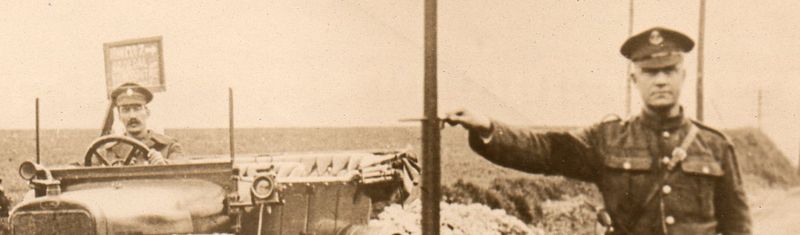
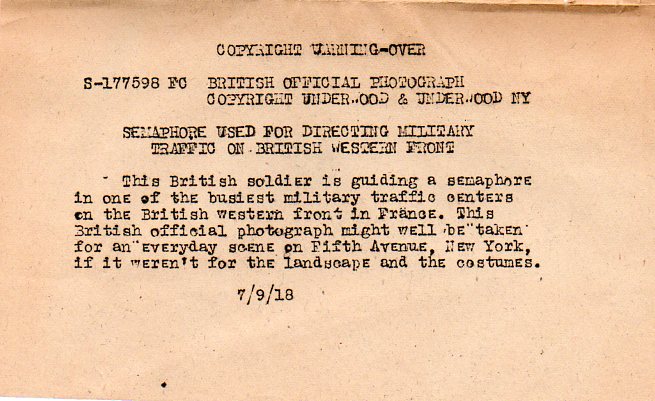
    This news photo service image (available from our blog bookstore) shows the action in “one of the busiest military centers on the British Western Front in France”, with a British soldier using a traffic semaphore to take care of the hustle and bustle.  The caption–almost always supplied with these photos as they were made by a pool of uncredited photographers covering the war for a consortium of newspapers and paid subscribers providing images and content for paying media–reads that the picture “might well be taken for an everyday scene on Fifth Avenue, New York, if it weren’t for the landscaping and the costumes”. 
    WWI--great images--traffic control054
    Indeed.  Actually, if you removed the landscaping, the vehicles, the background and the uniforms (clearly whoever wrote this copy had no feel for the fact that actors wear “costumes” and soldiers wear “uniforms”), and replaced it with paved roads, buildings on all sides, crowds of people and packed it all with automobiles and placed the scene on Fifth Avenue, then the scene would have looked like Fifth Avenue. 

    On the other hand, even if it were never to look at all like Fifth Avenue this intersection would have been exceptionally busy from time to time; I’m sure it could have seen thousands of troops per day, particularly since the Brits fielded probably a million troops in this region alone, and those troops needed to be fed and cared for, which means there would’ve been a constant flow of people, and machines, and materiel. 

    This is a fantastic photograph,though, though the captioning folks did it little justice. 
    WWI--great images--traffic control055

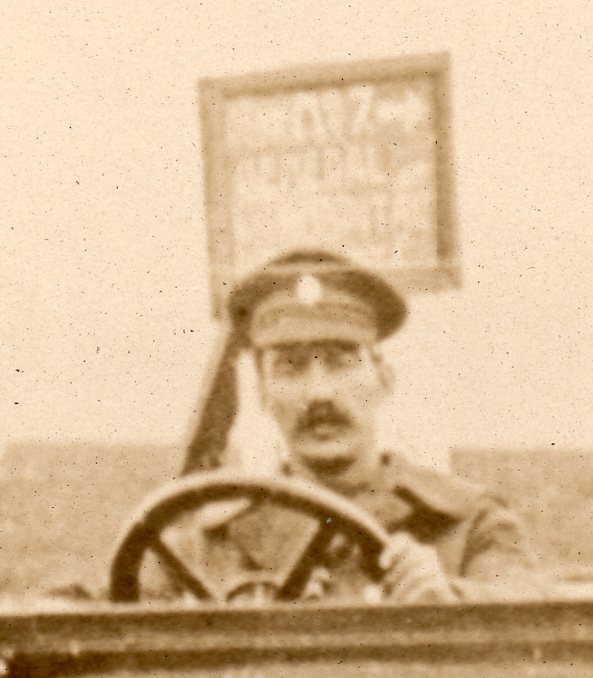
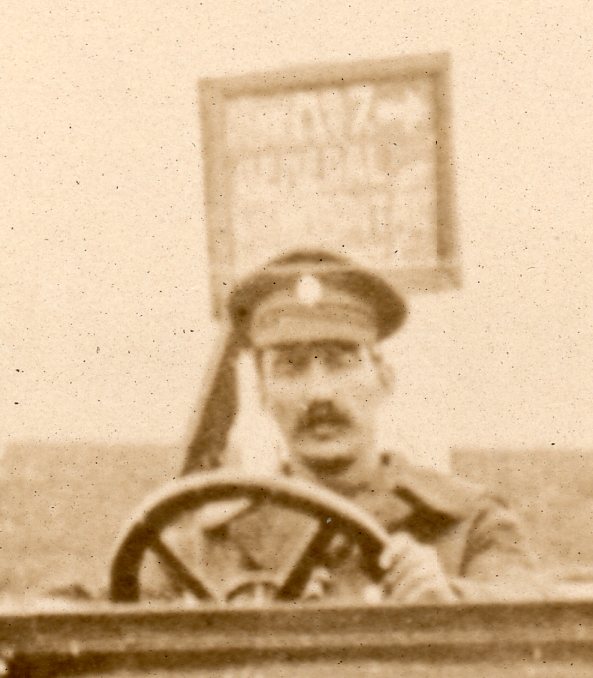
    I can’t quite make out the BEF-made sign in the background, placed for the use of the troops. 
    WWI--great images--traffic control056

    ·Posted by :

    ·in:

    — —