A Daily History of Holes, Dots, Lines, Science, History, Math, Physics, Art, the Unintentional Absurd, Architecture, Maps, Data Visualization, Blank and Missing Things, and so on. |1.6 million words, 7500 images, 4.9 million hits| Press & appearances in The Times, Le Figaro, Mensa, The Economist, The Guardian, Discovery News, Slate, Le Monde, Sci American Blogs, Le Pont, and many other places… 5000+ total posts since 2008.

Category: Women, History of

  • Determining the Particular and Peculiar for Ladies, 1941

    JF Ptak Science Books   Post 1211
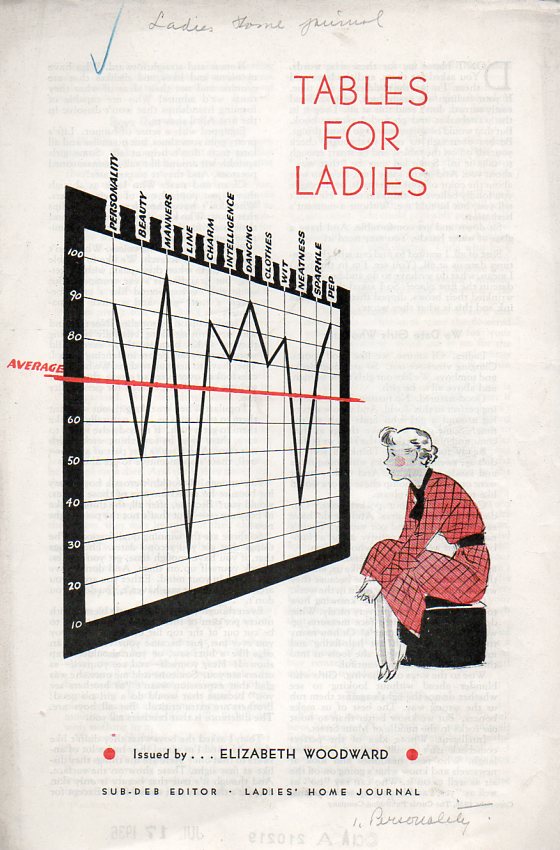
    Girl stuff--tables for ladies828I must admit that I like the first of these two “lady tests” (separate publications from The Ladies Home Journal), cautionary tales as they are, like being able to select your own villainous wardrobe for a creepy (or loud or not) 1940’s version of a Brother’s Grimm fairy tale–instructive, occasionally delightful, often wincing.  It seems that the dividing line between being particular and being peculiar displays its fair share of the miracle of capilary action. 


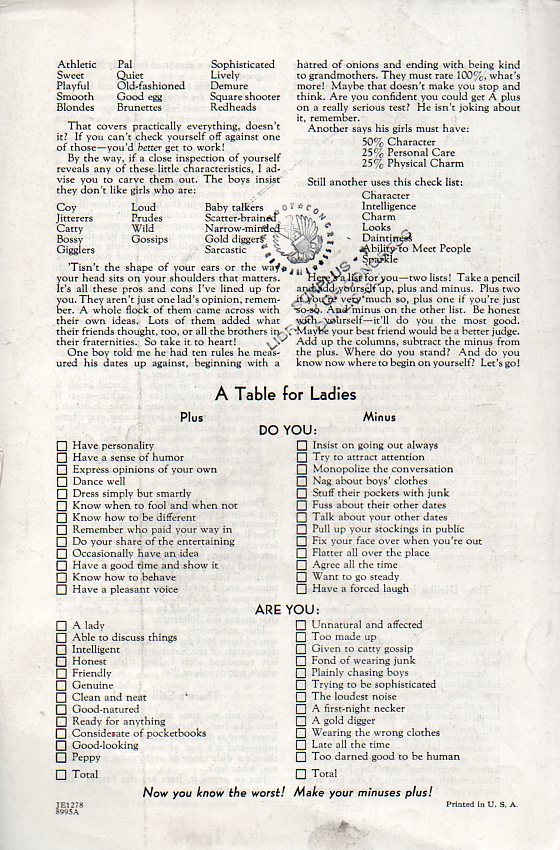
    For example,  in Tables for Ladies (1936), the failing grades (minuses) actually look mostly like, well, problematic personality quirks.  I get the “too made up”, “late all the time” and “gold digger” parts–also the character who has a forced laugh, agrees all the time, and is endlessly flattering while putting on makeup and pulling up stockings and monopolizes the conversation (simultaneously?)–and then wants to “go steady” right away while complaining about her (and his) former dates, does not make for an interesting time out. [Both Tables for Ladies and How Ya Doin’ are available for purchase at our blog bookstore.]
    Girl stuff--tables for ladies test831

    I’m not sure what “too darned good to be human” and “occasionally have an idea”  mean, nor the failing grade for having too much stuff in your pocket.  A lot of the other stuff looks okay to me: intelligent, honest, friendly, genuine, good natured–basic things that translate just fine into 2010.  But then there are those servile, squinty-eyed parts that just give you a coppery feeling in your mouth for how restrictive they are.

    Of course there’s stuff there indicative of the time, just like the awful racism that creeps into Babar or Bugs Bunny from th 1940’s, or the rank use of racial epithets that populate some regional maps of the south (I can easily attest to the very broad use of the n-word in more than a dozen places in a large 1932 map of my own Buncombe County, all gone today), or the portrayal of subservient women in 1950’s common culture–but for the most part, the overall reach of this little pamphlet seems not-terrible.
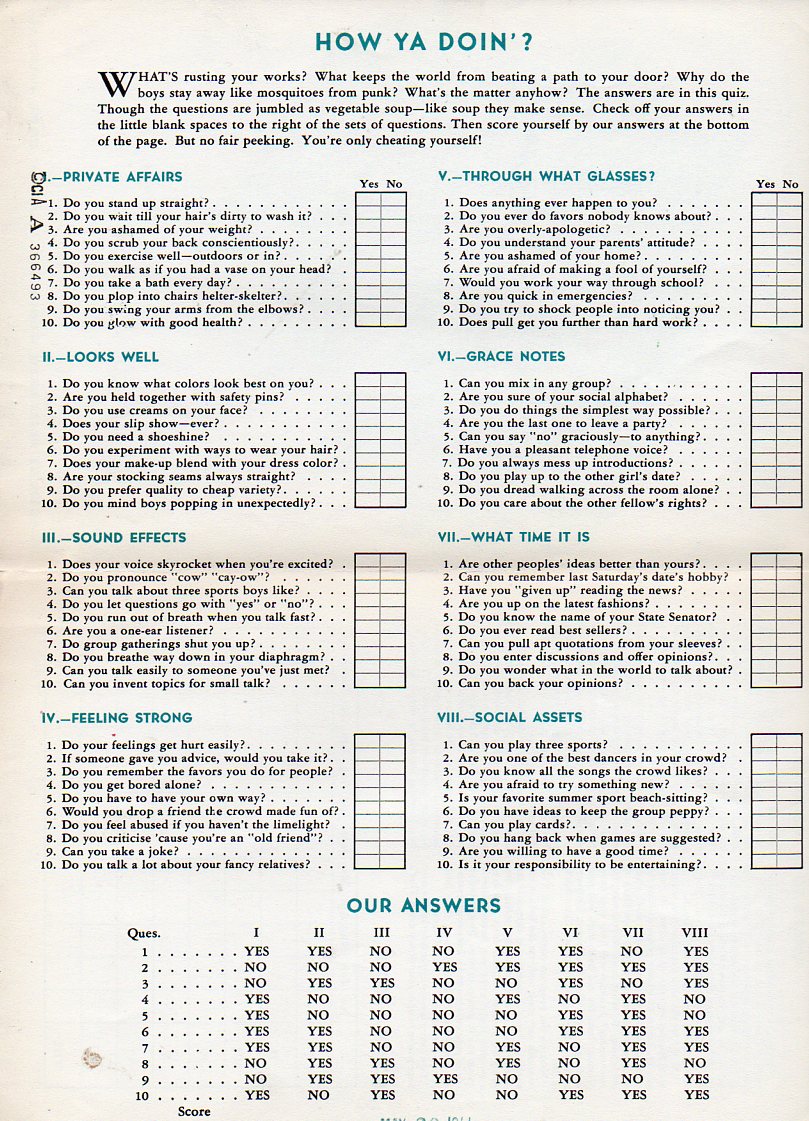
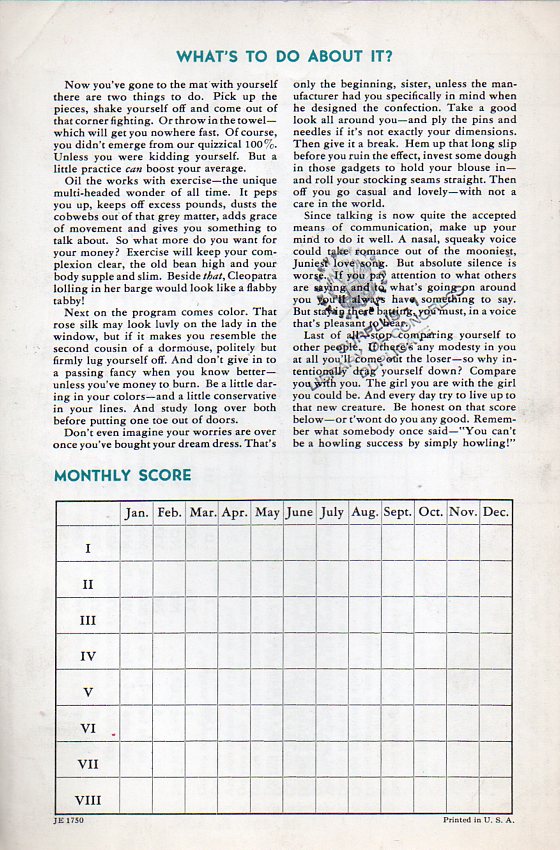
    Girl stuff--how ya doin cvr825 The second little test, How Ya Doin’ (1941), verges more on the need for the mass produced Stepford woman, only this one comes from an earlier period, the mother of Stepford.  Some number of the questions seem less significant but more important, many feeling annoying and trite–many of the graded areas are so unexpected (here in 2010) but were in 1941 thought of as being socially important and, well, marketable. 

    It was important to say “yes” to the questions “do you scrub your back conscientiously?”, “do you walk as if you had a vase on your head?”, “does your make up blend with your dress color?”, “are your stocking seams always straight?”, “can you talk about three sports that boys like?”, “do you breathe way down in your diaphragm?”, “does anything ever happen to you?”, “can you play three sports?”, “do you know all the songs the crowd likes?”, “is it your responsibility to be entertaining?”, and so on.
    Girl stuff--how ya doin test826
    Girl stuff--how ya doin ttest back827
    Not all of the questions feel so sharp and stinging–there are many good qualities (or good qualities from the 2010 mind) that are listed here as well–not to abandon your friends, believing in yourself, inspecting and supporting your opinions, knowing how to decline graciously, feeling good about where you live, being kind, expressing concern, and the like. 

    The quizzes are not without quality.

    In the same vein you might also enjoy these earlier posts in this blog

    What Goes into Making Human Robot Girls 

    How to Look Smart, or Pretty, but Not Both

     Maintaining Women as a Subclass: Major Reinforcements from Minor Non-sequitors

    Missing Pieces of Women: Pope Joan and the Proper Girl of the Ladies Home Journal

    How FDR Made Women (1) Nervous and thus (2) Older. An Appeal to Vote Republican, 1936
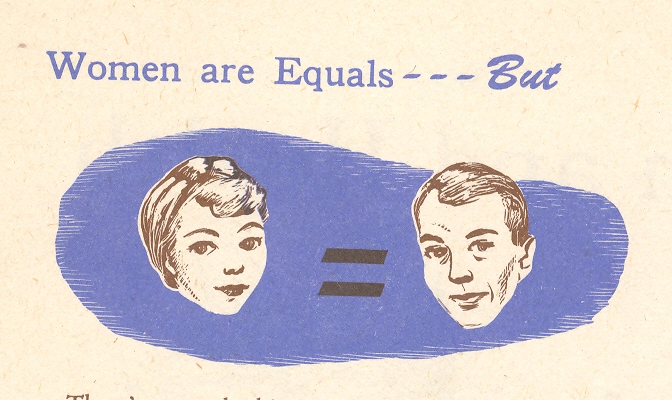
    The Coming Sex War of 1919

    Mar 25 women equals but


    Mar 25 women are humans cvr


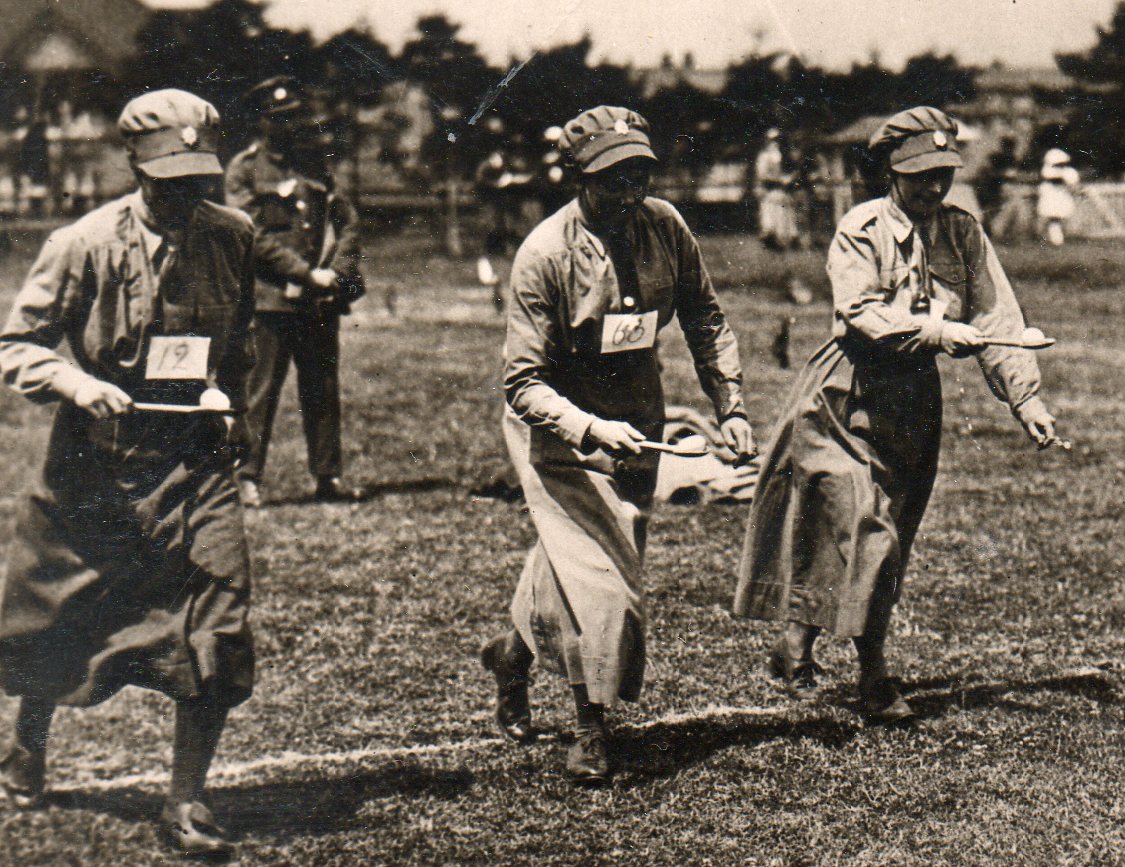
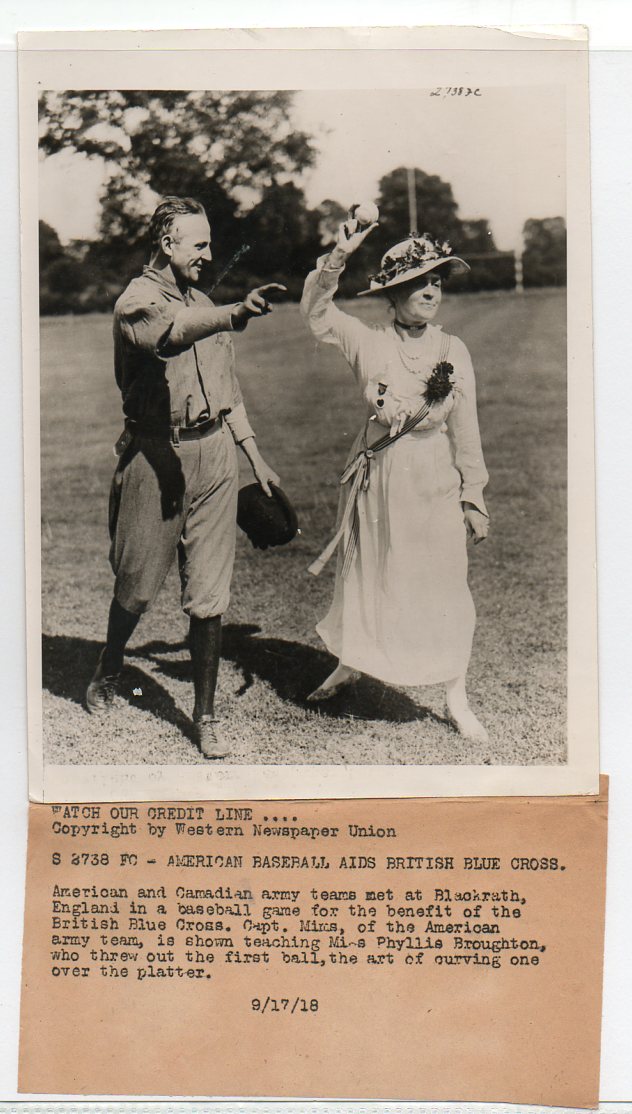
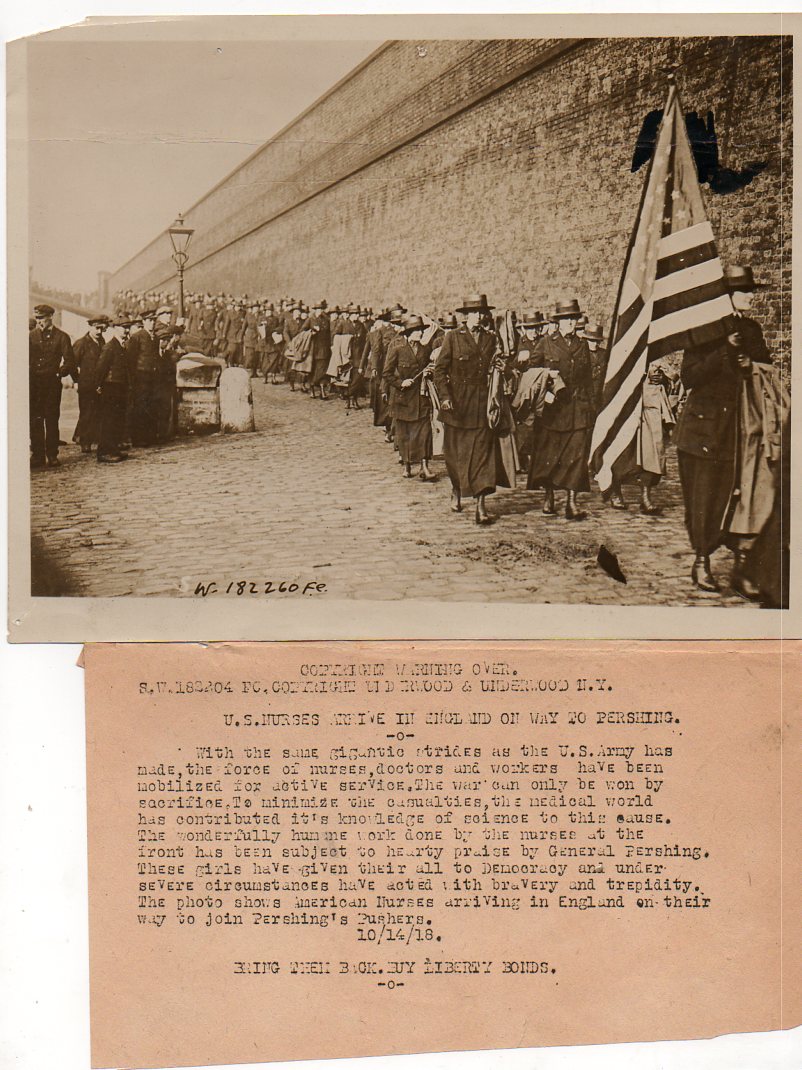
  • Women in World War I–Rare Photographs, 1918

    JF Ptak Science Books  Post 1190

    WWI--e--women ushers684

    [All of the images below are available for purchase; see our blog bookstore for details.]

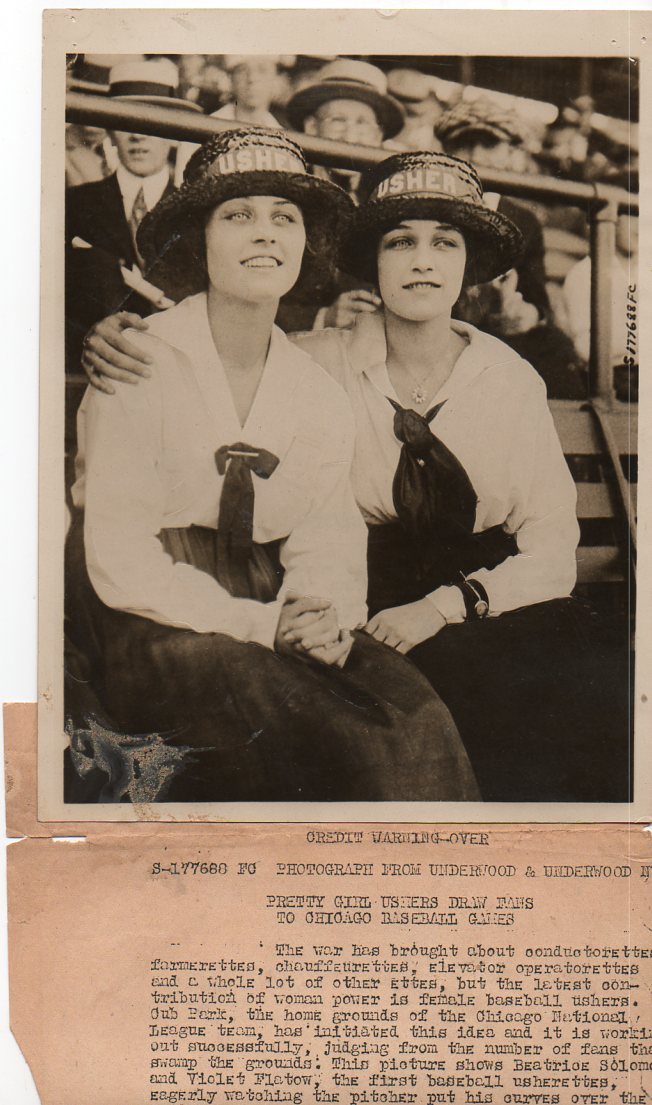
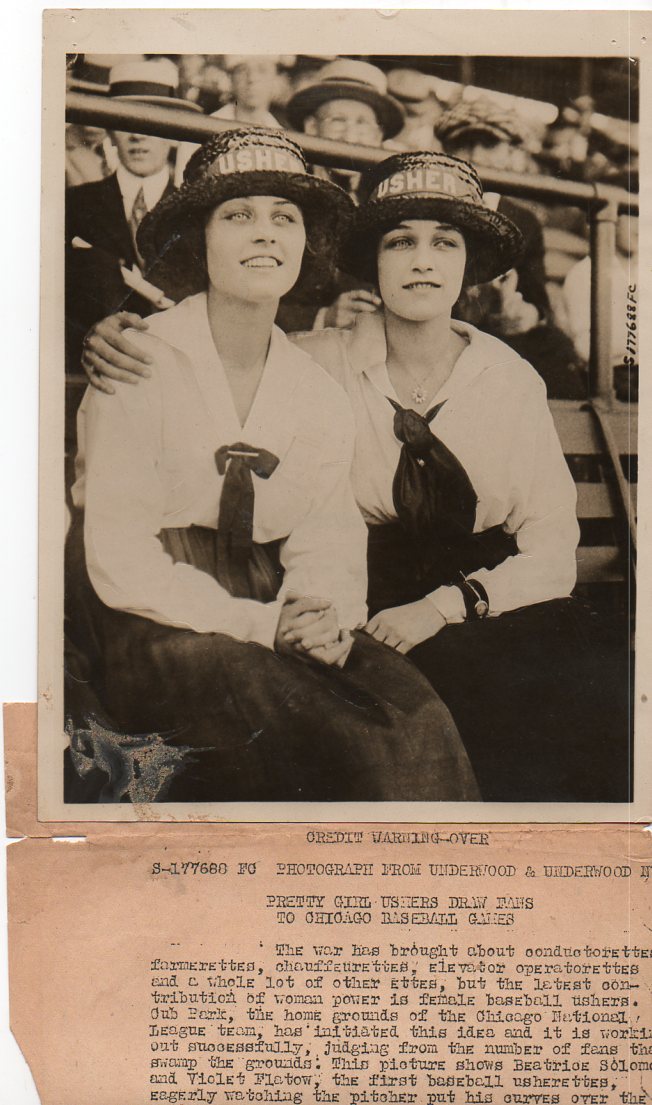
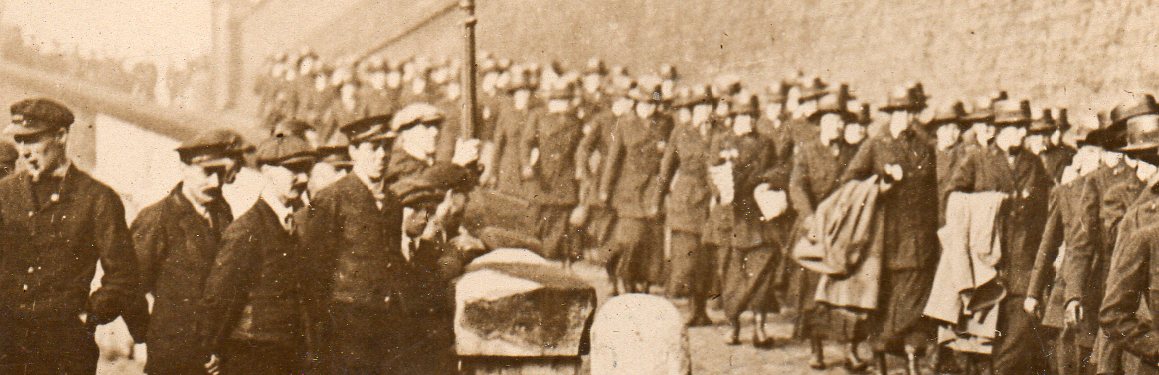
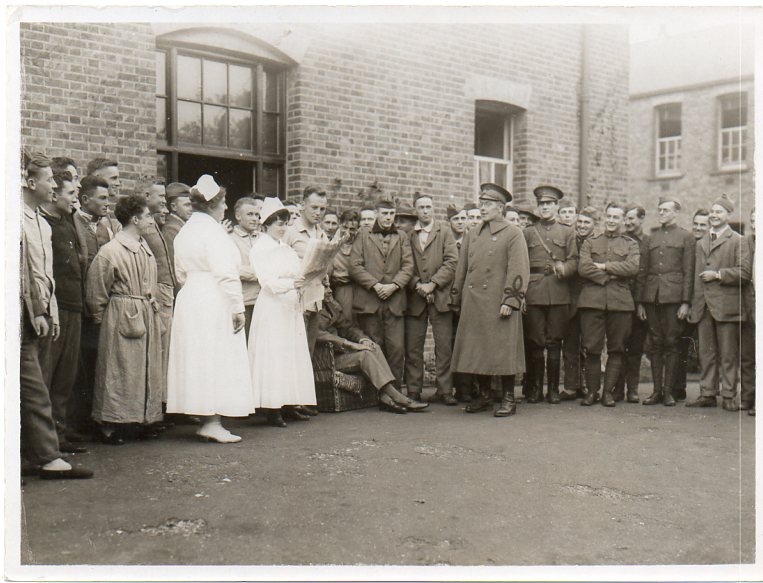
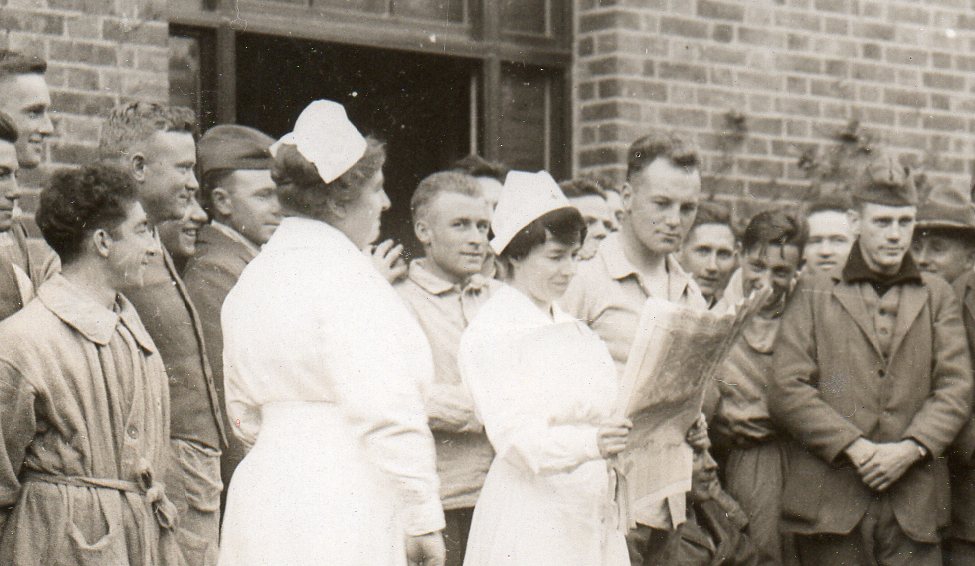
    This is another in a series of posts on images from my News Service Photographs of WWI collection.  All thousand or so of them were made in the last half of 1918 (save for a very few made in 1919) , in the last months of the grueling conflict, and were intended to be used by newspaper and magazines to illustrate stories about the war. An editor would send off a request to one of these agencies for, say, a photograph of marching American nurses, and the agency would send one back (for a fee) along with a caption.   There’s really no way for me to determine if these photos were ever published, and there is never an attribution for the photographer. 

    Most of the images have an accompanying descriptive text–this was to be used by whomever published the photograph, along with the attribution for the source of the photo. 

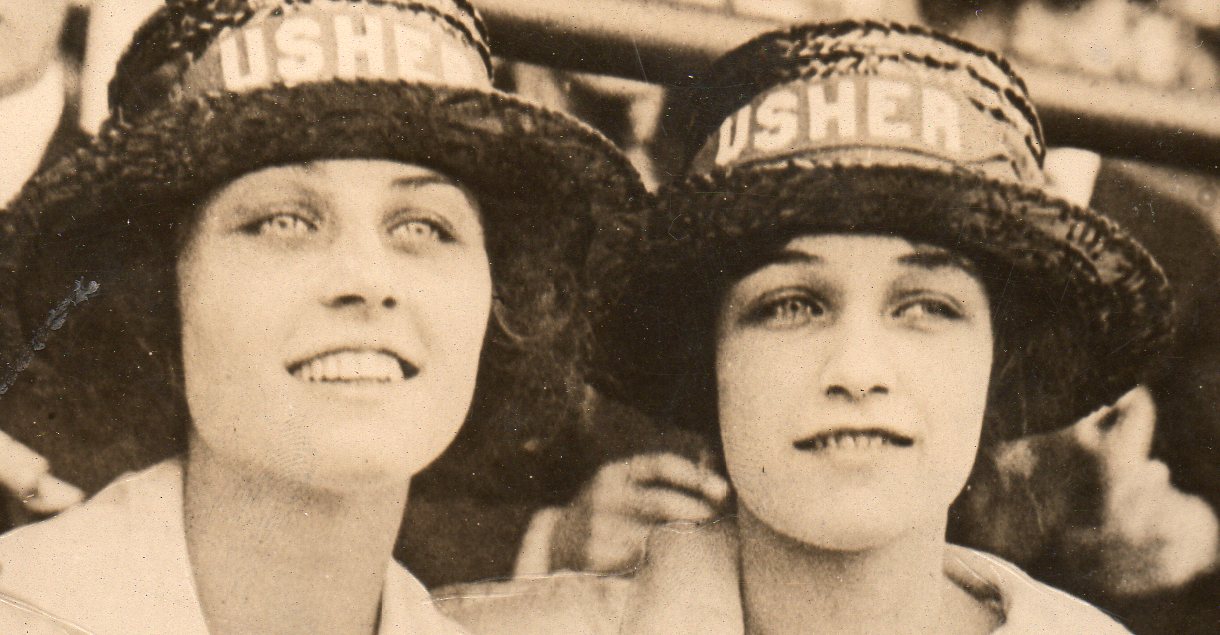
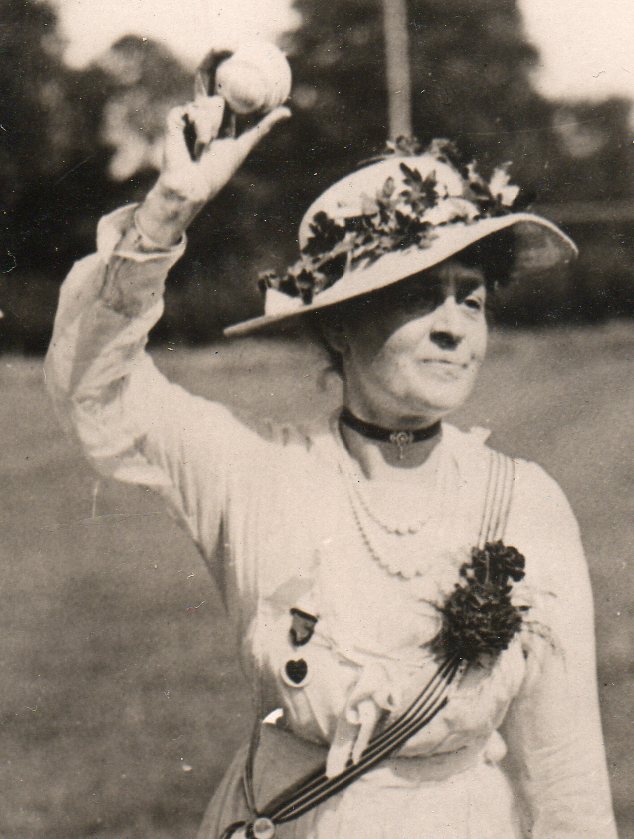
    In almost every case I supplied a detail of the image, hopefully of something that you’d want to see a detail of. 

    WWI--e--women ushers684
    WWI--e--women usher dets685

    ORIGINAL Photograph, 1918.  8×6 inches.  Very good condition.  $150

    WWI--e--women--egg race det664
      WWI--e--women-baseball672

      WWI--e--women-baseball det673

    WWI--e--women--nurse pershing653

    WWI--e--women--nurse pershing det654

    WWI--e--women--nurse reading paper659

      WWI--e--women--nurse reading paper det660


  • Women in World War I–Vermeer of the Tars, 1918

    JF Ptak Science Books

    [This original, vintage image maybe purchased from our blog bookstore, here.]

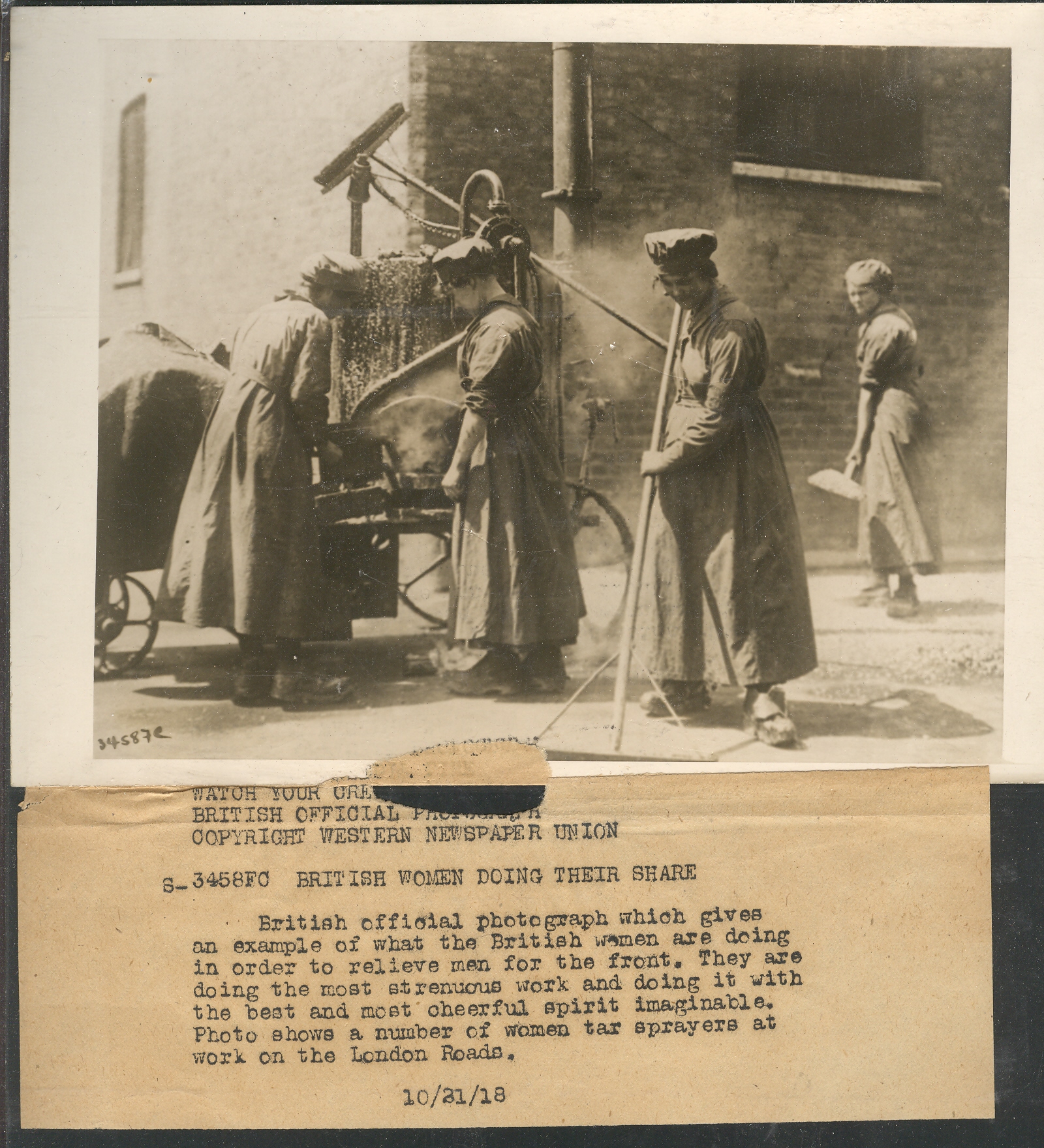
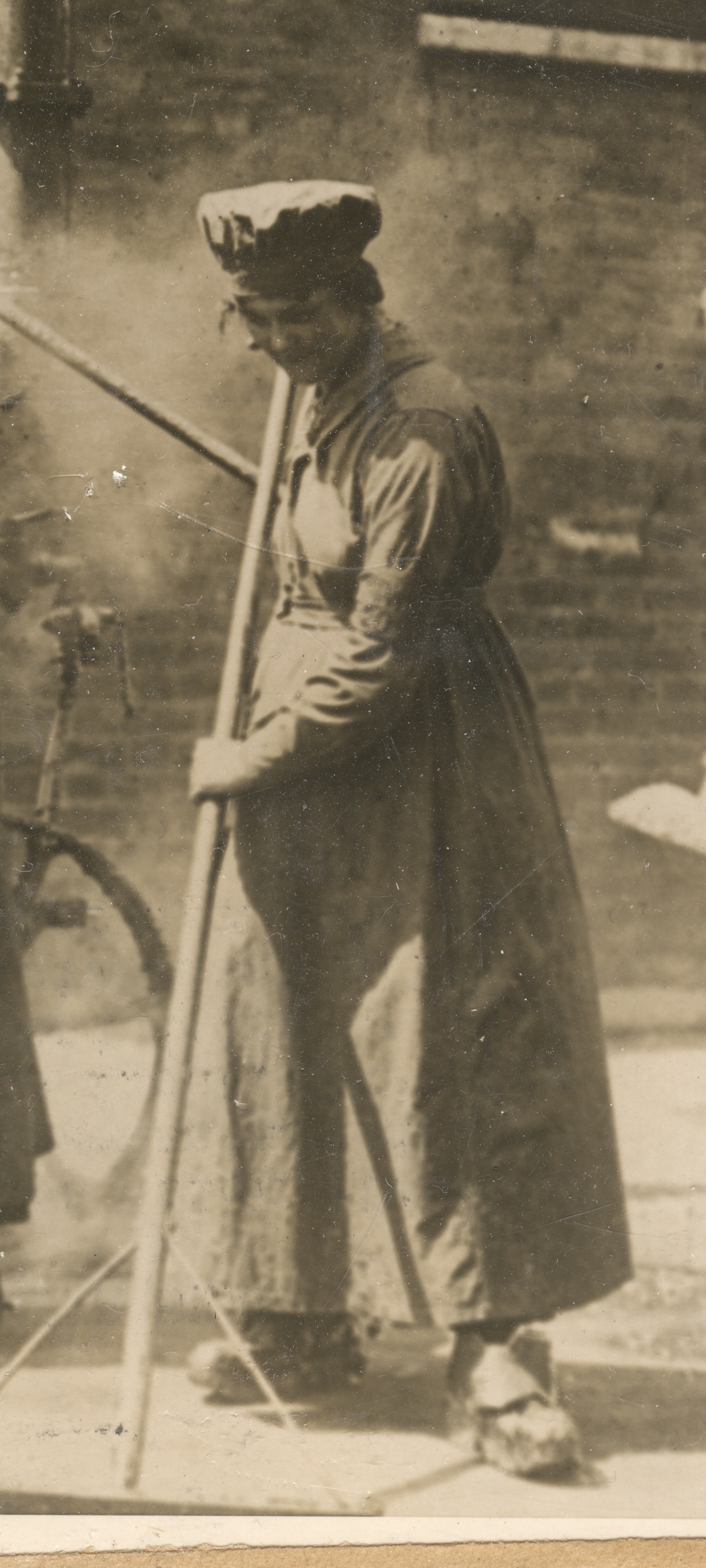
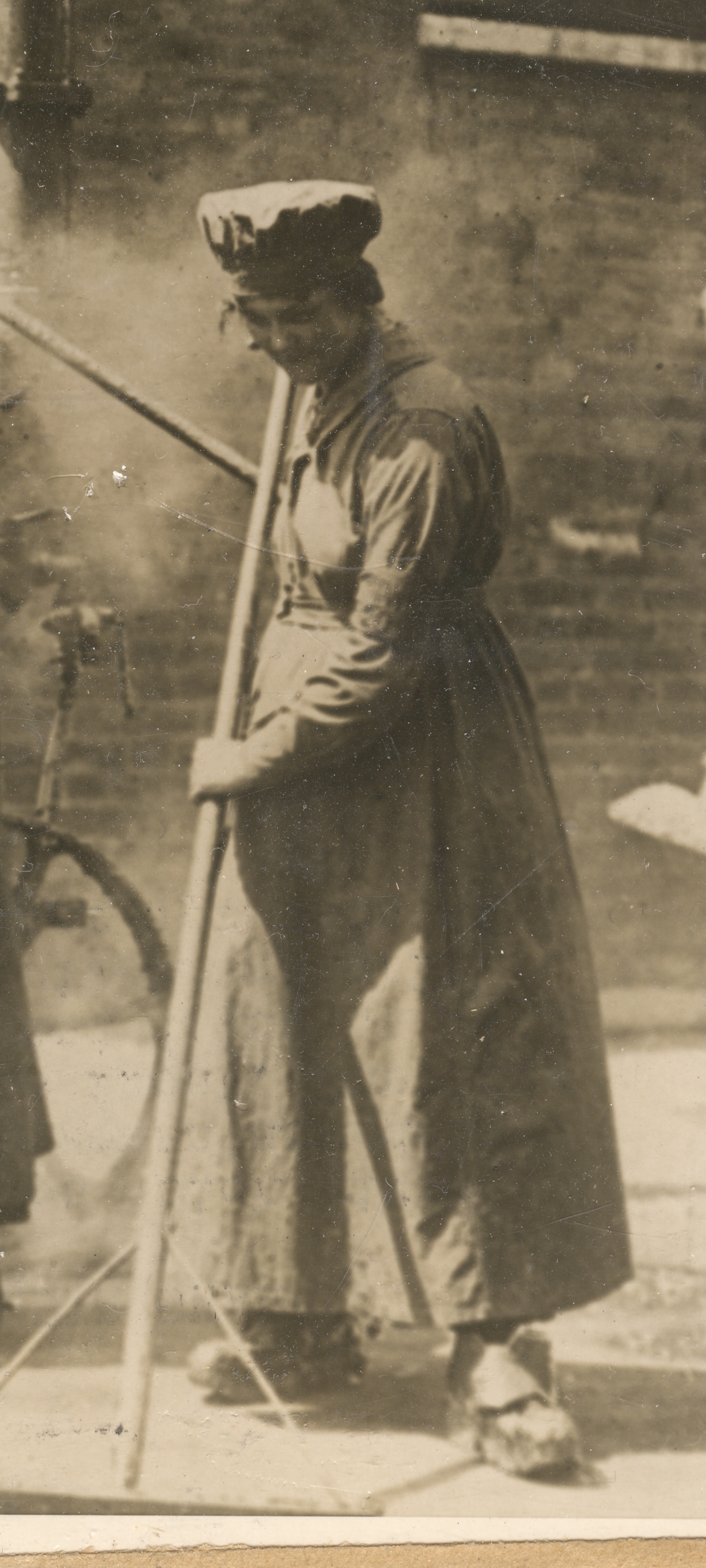
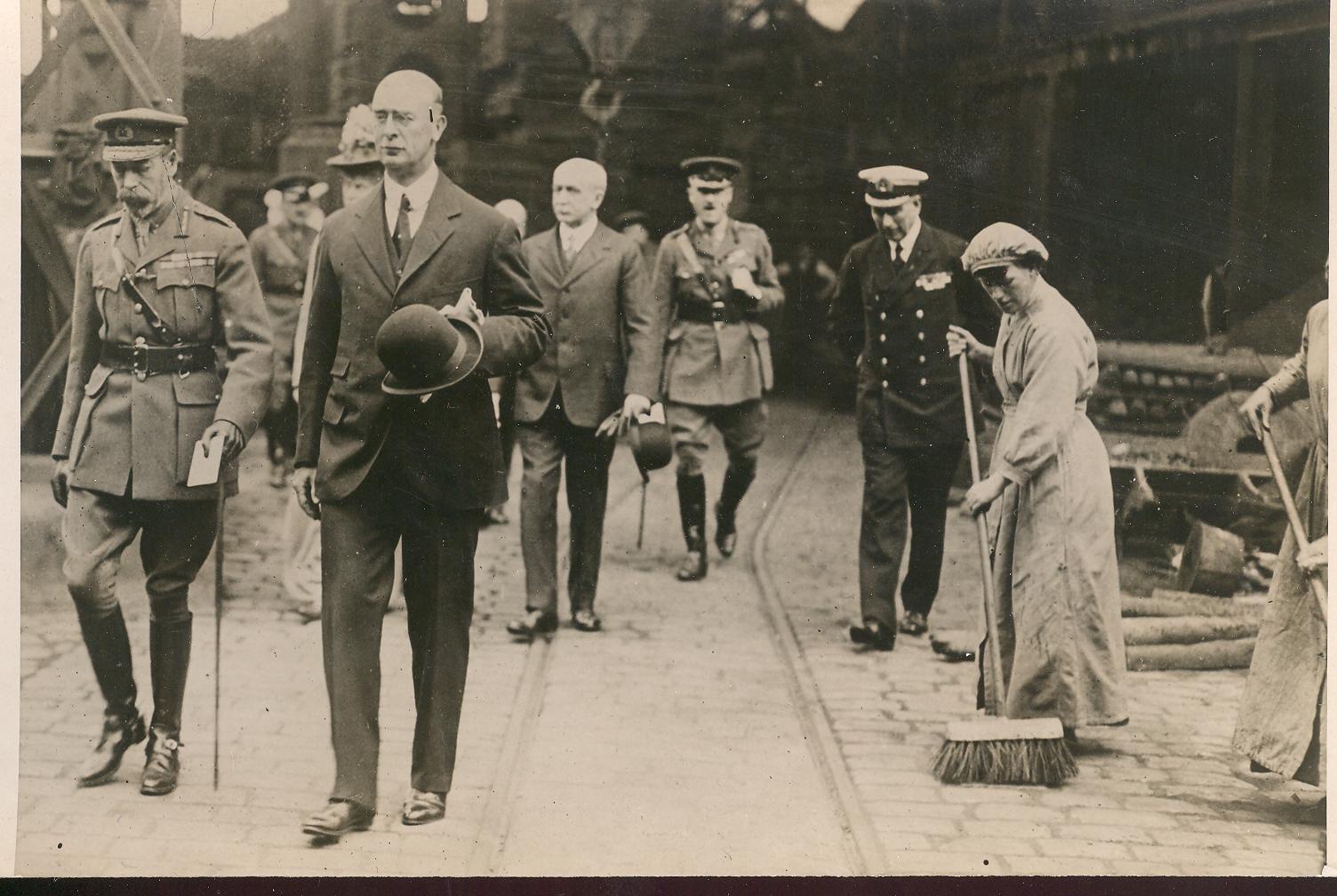
    0 ebay nov 20 WWI Vermeer In England, women were welcomed to the (paid) workforce during the years of the First World War (1914-1918)—their employment in traditionally male positions enabled those they replaced to go out to the front and die for their country.  Thus the women seen here in the News Photo Service Agency photograph (taken in 1918), working at spraying tar in the streets of London, were appreciated, and tolerated.  For women in England the War blasted away the contrivances of formally scheduled employment:  something like 12% of fall women in England were working as servants and house cleaners.   Come the War, women were offered jobs of revolutionary stature in a wide range and variety of work.  The Civil Service employment for women went from 33,000 in 1911 to 102,000 in 1921, and trade union membership rose 160% (357,000 in 1914 to 1,000,000 in 1918 (with men showing a 44% increase at the same time); for the most part, though, employers took advantage of the situation, and the women still generally earned less than half of the salary as comparable male workers did (or the men they replaced). 

    When the end of the War came, so did the appreciation for the women replacement workers—there was bitter feelings in the post-war period because of the weak British economy and a scarcity of jobs.  So the women who took the jobs of men to help the country’s war effort and free up hundreds of thousands of men for war service became an atavistic action, “taking” the jobs of men who had gone out to fight for their country. This of course cost many women their jobs, but the damage had already been deeply done to the pre-1914 British world of the sexual politics of business-being-done, though it would take World War II to really ingrain the appearance of women in the workforce into the national psyche.

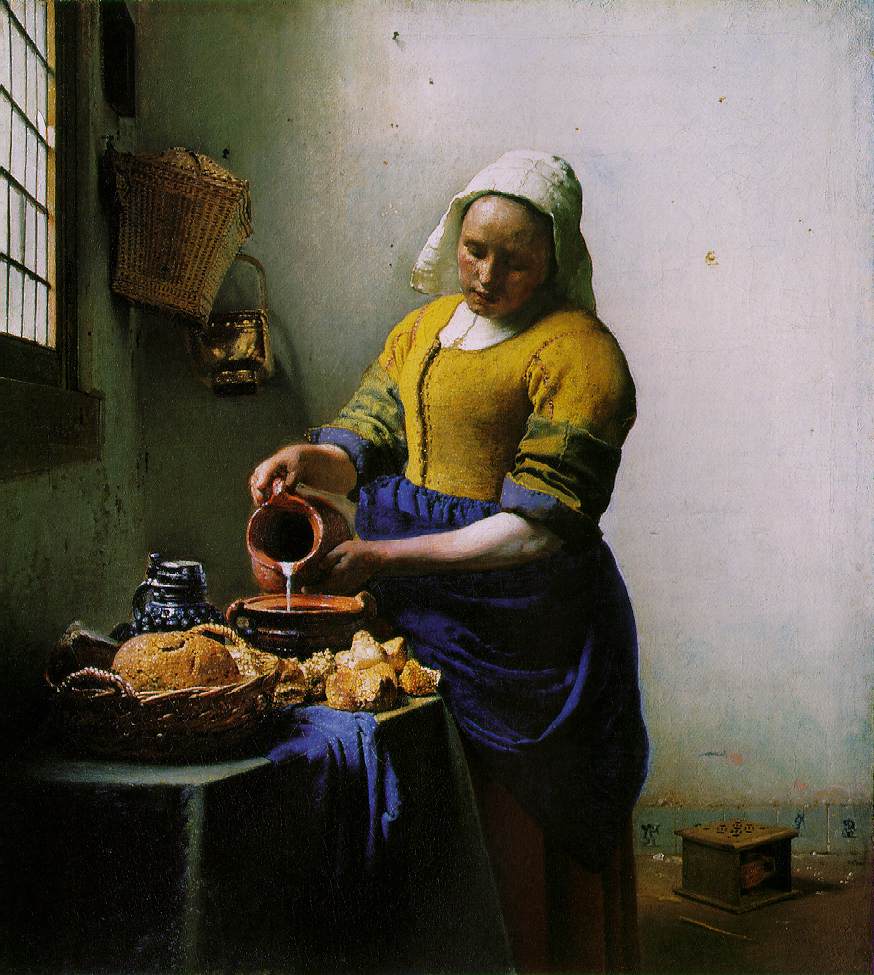
    I’ve liked this photo for a long time, seeing things differently in it over the years.  It struck me just yesterday that the woman in foreground-right–whose close-up reminds me too of a Madonna, a Mona Lisa of the Tars–looks like a Vermeer character from 400 years ago.  Or at least the position of her body does.

    0 ebay nov 20 WWI Vermeer 001 

    0 ebay nov 20 WWI Vermeer 001 0 blog nov 20 vermeer water

    ·Posted by :

    ·in:

    —

  • Equal Rights for Women–NOT a Good Idea. Redefining “Equality”, 1863

    JF Ptak Science Books LLC   Post  1158

    Womensrights_1

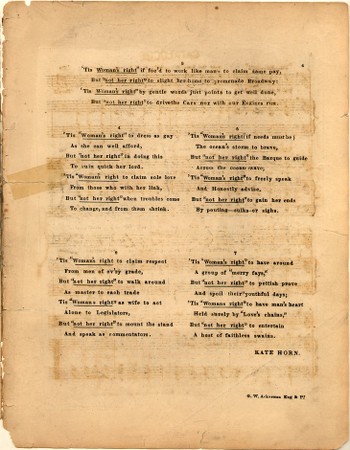
    “Can a woman be said to have a right to life, if all means of self-protection are denied her….Can she be said to have a right to liberty, when another citizen may have the legal custody of her person ….Can any citizen be said to have the right to the pursuit of happiness, whose inalienable rights are denied; who is disenfranchised from all the privileges of citizenship…?” –Elizabeth Cady Stanton, speaking to the Tenth National Woman’s Rights Convention, The Cooper Union, New York, N.Y., May 10 and 11, 1860

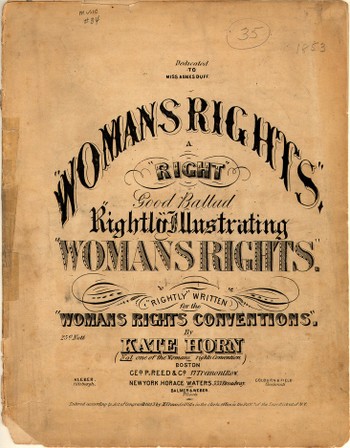
    A Good Woman is “not an equal of man” or so we are told in this peon to the status quo of 1863.  This  semi-sugary attack upon the “Womans Rights Conventions” found the appeal of equal rights to be almost mostly unappealing–no

    t that women should not have “rights”, just not “equal” rights.  Jut rights enough–some of which for 1863, as it turns out, were pretty liberal. [The song was probably addressed in general to the series of ten conventions for women’s rights that had been held in this country beginning with the first–at Seneca Falls, New York–in 1848. Between then and 1860 there were ten conventions, plus one in 1863 that was called the First Woman’s National Loyal League Convention.] 

    The song–Woman’s Rights, a “Right” Good Ballad, Right of Illustrating Woman’s
    Rights, Rightly Written for the Womans Rights Convention…
    –and published in Boston in 1863 was written by composer Kate Horn (emphatically self-stating to be “NOT of the woman’s rights convention”).  She was annoyed with the prospect of overall equality impinging upon traditional womanhood, or at least the current tradition of the feminine, and convinced the publisher Geo. P. Reed to publish her complaint in song. 

    She had many supporters, evidently–the equal rights part not really coming partially true, until, well, not even now.  I guess that this is certainly a debate platform, and I could probably argue a good but wrong response from the republican point of view, but I won’t–differences in pay scales, access to corporate power, under- and mis-representation in government and so on is not evidently enough of a scare to entice the necessary number of state to endorse the ERA.   In any event, women didn’t get a big push towards equal rights until they got the vote in the USA  in 1920 (the legislation which became the 19th Amendment was introduced in 1878; a majority of women didn’t exercise that right until, I think, after WWII), and really didn’t enjoy much power until the 1960’s.  

    As it turns out, Ms. Horn was lyrically resolved to demand some equality–but definitely not the brand of people like Elizabeth Cady Stanton.  The greatest surprise from Horn (at least to me) makes the demand for equal pay for equal work, though women should not be allowed to operate machinery and such.  There are a number of calls to decency and modesty which sound like basic ethics, but they’re also peppered with subservient overtone rejoinders.  Its hard for her to recover from the call to household “pretty trouble(s) brave”, but there are elements of forward thinking in the song.  Horn doesn’t absolutely  reject the ideas of “equality” of the rights conventions, but by taking her stance against universal equality she makes her’s less so and those of Stanton more.

    Woemnsrights2

    ·Posted by :

    ·in:

    —

  • 1947 Anatomy of Womanly Desire–Aprons, Plastics and Meat

    JF Ptak Science Books  Post 1152  {Part of the History of Women series.]

    Looking at just one week’s worth of advertising directed at women in America’s most popular magazine.

    One of the great custodians of American popular desire in the 1940’s and 1950’s was Life magazine, a picture-heavy chronicle of social history and needs and dreams.  I enjoyed the issue of Life for 12 May 1947 because it had an article on the history of skirt lengths (something I wrote about earlier in this blog here), and looking at it a second time I realized that I had entirely missed the ad content that drove the magazine.  The poetry of expectation flavored by the ads directed at women were rive ting to me here in 2010, partially because of their narrow aim, and partially for the simple and simplistic urges that were addressed.
    Women--growing grown451

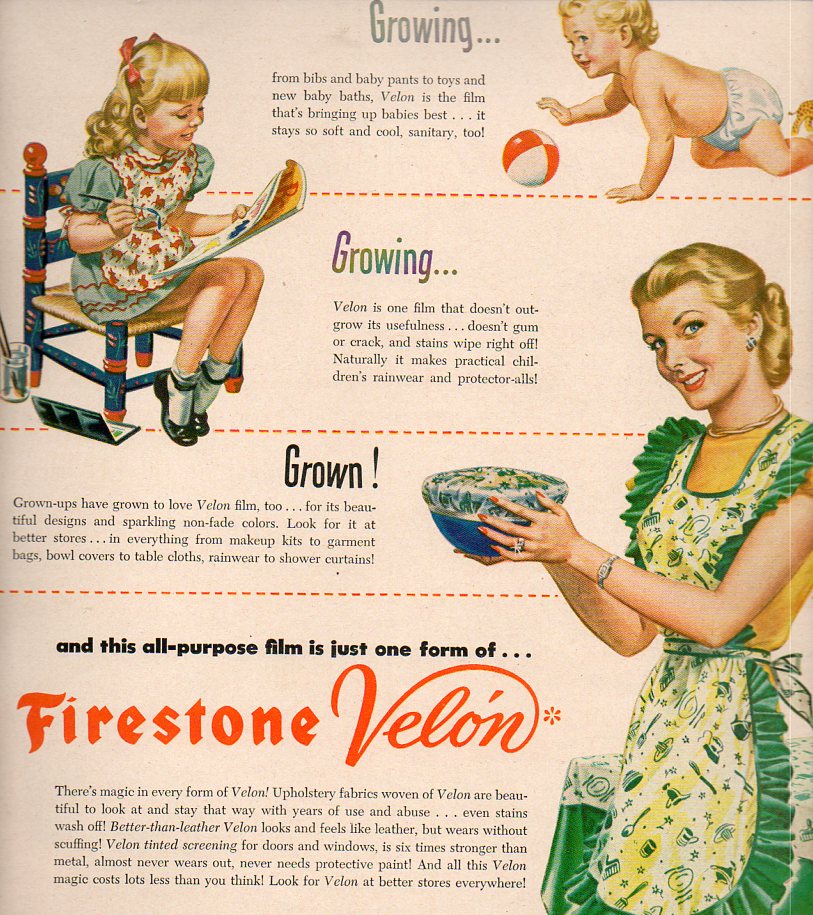
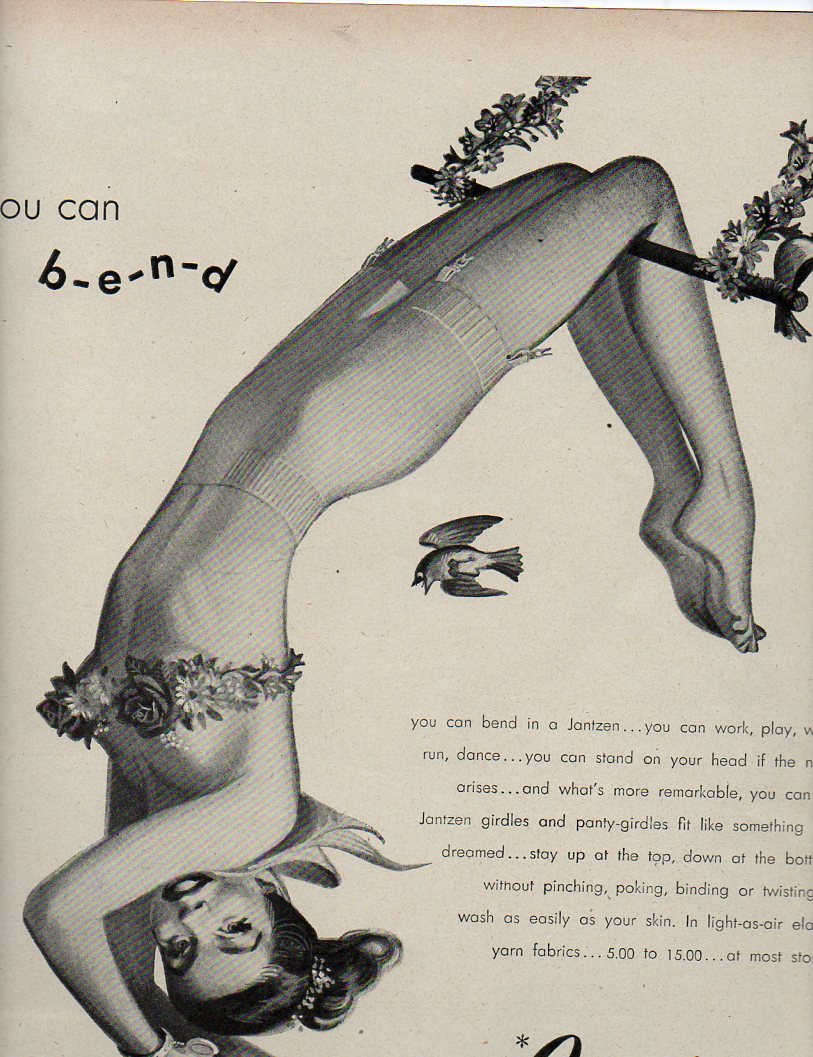
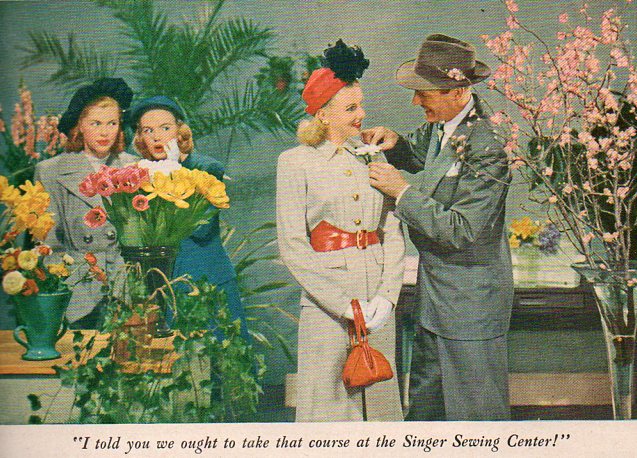
    The basic messages were lace, timid street crossing, plastic conveniences, bendy girdles, smart shoes, refrigerator hope chests, instant coffee, machine made clothes by Singer, DuPont combs, artificial fabrics and diamond-centered bedroom window covers by Textron, “shoes to catch his eyes”,  various flavor secrets, baby insomnia aids (“to help your husband sleep”),  dreams of meat, and some other vaguely painful things.

    The ad that first caught my attention was the life cycle of woman, seen above, picturing the grown woman in a petroleum-product apron  gleaming as she worked  her way through her Firestone-provided kitchen, emerging from babyhood to childhood to womanly-aprony-adulthood. 

    And an impossible position for girdle wears to participate in the wearer’s girdle’s allowances, complete with fluttery Disney-esque birds:

    Women--growing bendy454
    The clustered desire over the another woman’s success in snagging a man’s interest because she could sew:
    Women--growing singer460

    And just one of three ads exalting various refrigerators, though this one had a newly-minted bride inspecting a model that for all the world could’ve been her hope chest, though this version was filled with food and meat (and a whole hell of a lot of potatoes) and introduced by a version of herself in the next chunky-shoed decade:
    Women--growing Kelvinator453

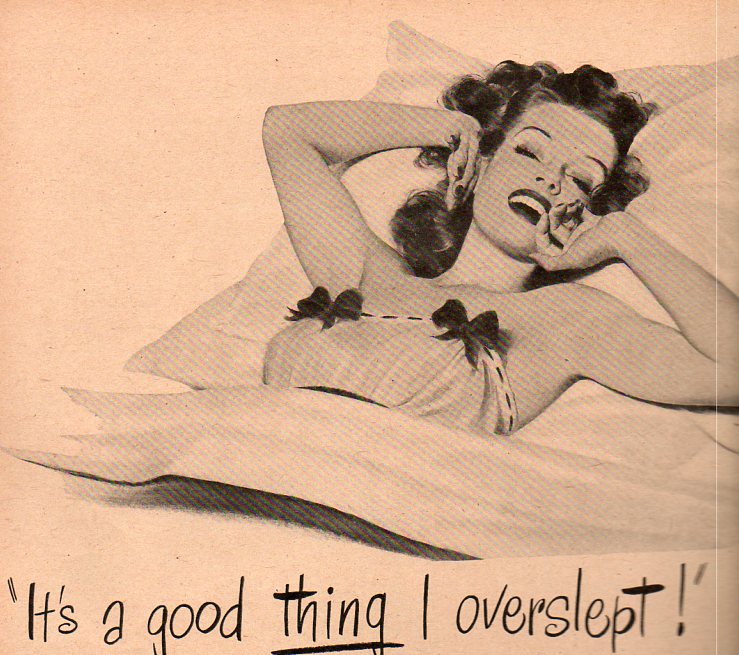
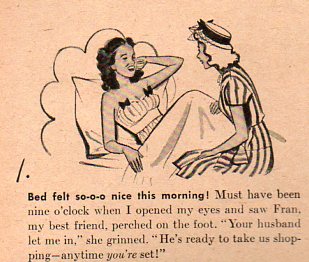
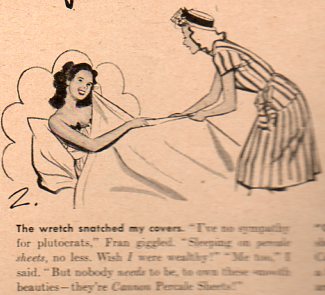
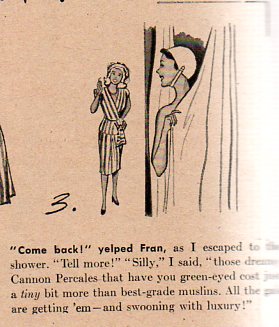
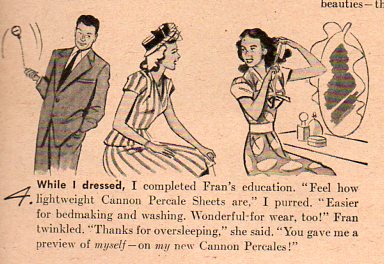
    There were ads for percale sheets, though the segment has a rather odd, vaguely proto-sensual feel to the thing (hardly I think what was intended in 1947).  It plays out a little better when the ad is rearranged in filmstrip style, reading top-to-bottom, rather than side to side:

    Women--growing overslept `455
    Women--growing overslept 2456 

    Women--growing overslept 3457
    Women--growing overslept 4459 

    Women--growing overslept 5458
    Hm.

    Not all of the womanly attention of the magazine was focused on girdles and bras and wedding meat–there was an article on Dorothy Shaver, the President of Lord & Taylor, America’s “No. 1 Career Woman”.  She made $110,000 a year  and was widely successful, but still  “carried a lace handkerchief and cross(ed) streets timidly”, and lived with her younger sister–in an earlier time Life tells us that Ms. Shaver would simply be called a “spinster”, “but now she is called a career woman”.  There was no change in the description or definition of a “spinster” or a “career woman”–they just changed the name, the result being the same, even in describing the first American woman to ever lead a multi-million-dollar international business.  (This in spite of the fact that there were plenty of working women at the time who were married and had families, no to mention the fact that we had just finished a war during which a  near-majority of women were in the workplace.  None of that seems to have come into play here in 1947, when those same war-working women were summarily replaced and sent packing, and the careerist was defined for one and all to be a spinster.)

    I am sure that I will be called to task one day i n the not-too-distant future by my daughters, asking what it  was, exactly, that people were thinking in the year 2000 in regards to women–so strange to them in their version of looking back on their equivalent of my 1947 Life magazine, a version in which I actually lived.

    In any event, these ads weren’t necessarily what women wanted, of course–they were what advertisers wanted women to want. 


  • Women–Muzzle Her, Mask Her and Turn Her into a Cigarette. 1953 Ads

    JF Ptak Science Books   Post 1149

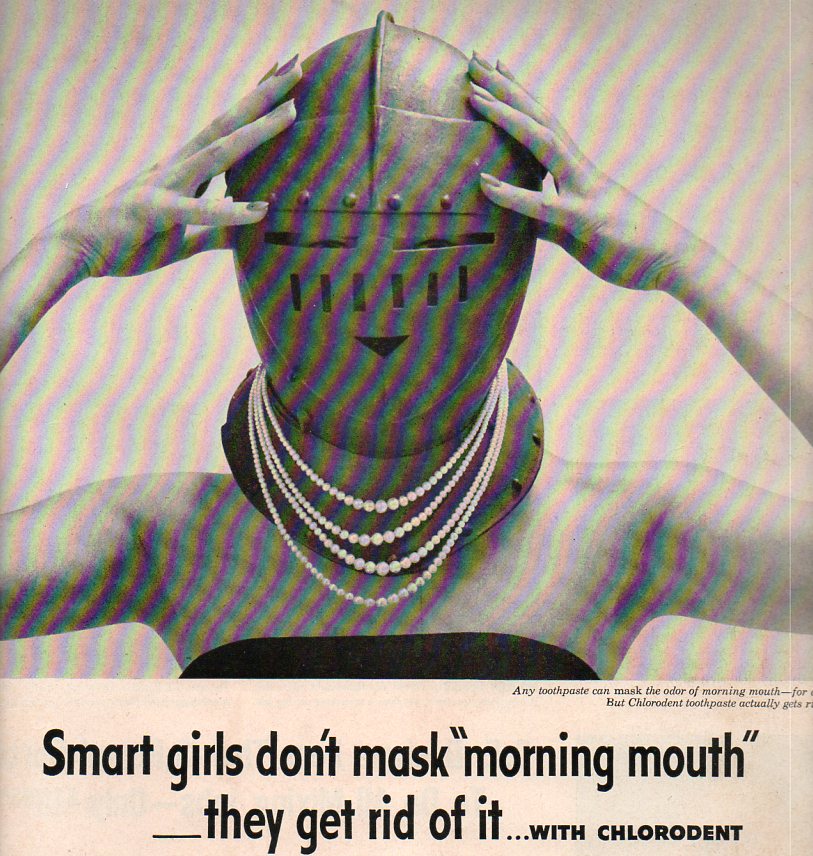
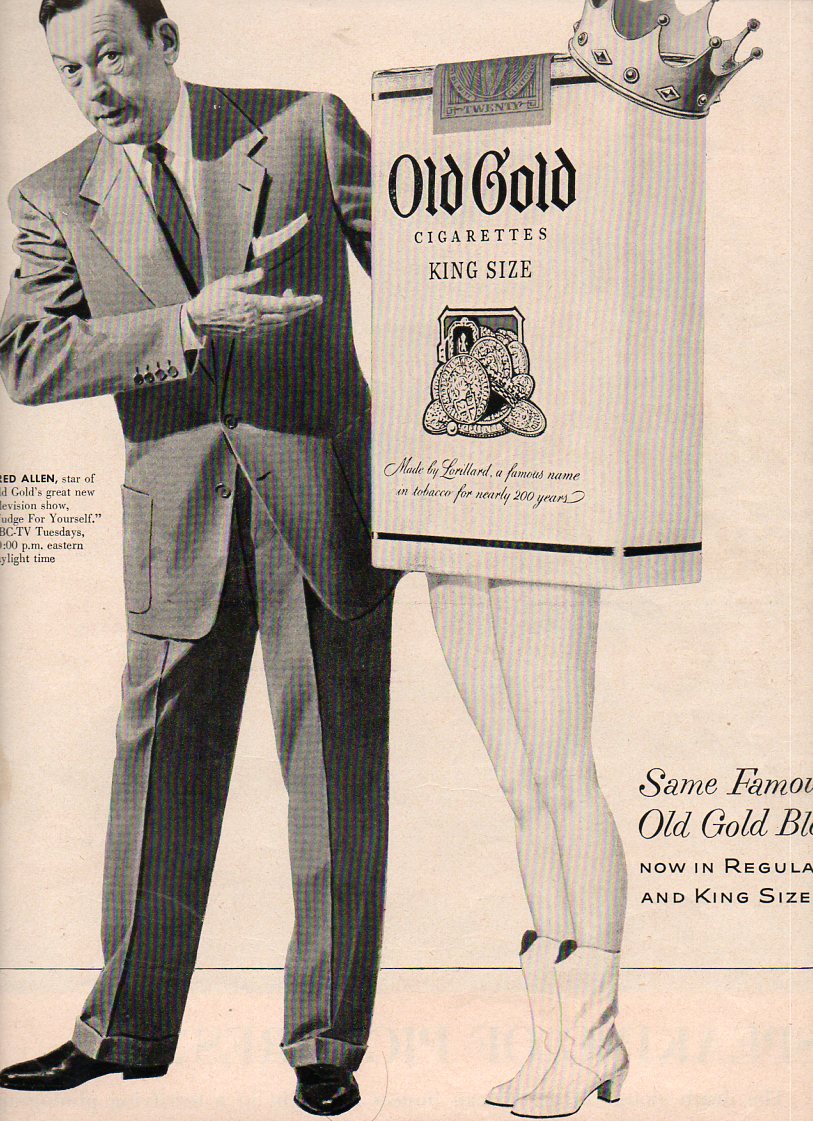
    Three ads disappearing women– first with a muzzle, then with a full head mask, and then there’s nothing left but legs–part of this blog’s History of Women series.

    There’s nothing quite like objectifying women than objectifying them, making their objectification so wide and gross and visible that it is almost impossible to imagine that it was done–but, then, there it is.   And that’s part of what we see as standard operating procedure here in these ads in Life magazine for a four week period in 1953,   I started out on this foray looking for an article about US aid to Vietnam, but kept bumping into these advertisements.  The images today have certainly changed and have become more subtle, but the message is still the same. 

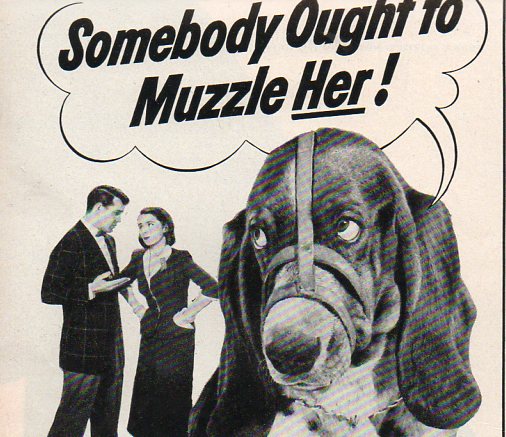
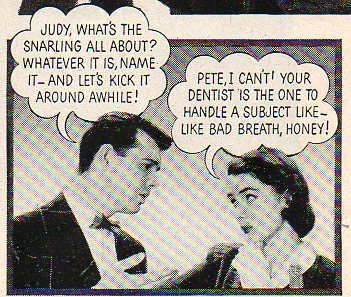
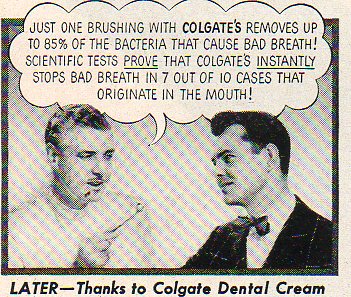
    The first series
    Muzzle 1430 

    Muzzle 2431

    Muzzle 3432

    Muzzle 4433

     Muzzle 5434 

    is so odd; I’m not so sure why the dog was barking to muzzle the woman–she has hardly said anything…but perhaps that’s the entire message.  There there’s this approach:

    Muzzle C helmet436
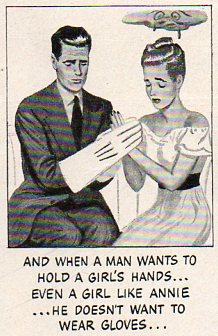
    keeping a beautiful, manicured and jeweled body while getting rid of the face and head and personality.

    And then

    Muzzle b old gold435

    Old Gold makes a final assault on womanhood, replacing her upper half with another oral fixation, keeping the booted lower half for whatever.  I think that there was a refrigerator with high heels in that year, somewhere, but I can’t find it.


  • Center of Attention–a Map of Women’s Visual Exploration of Men (1941)

    JF Ptak Science Books Post 1136
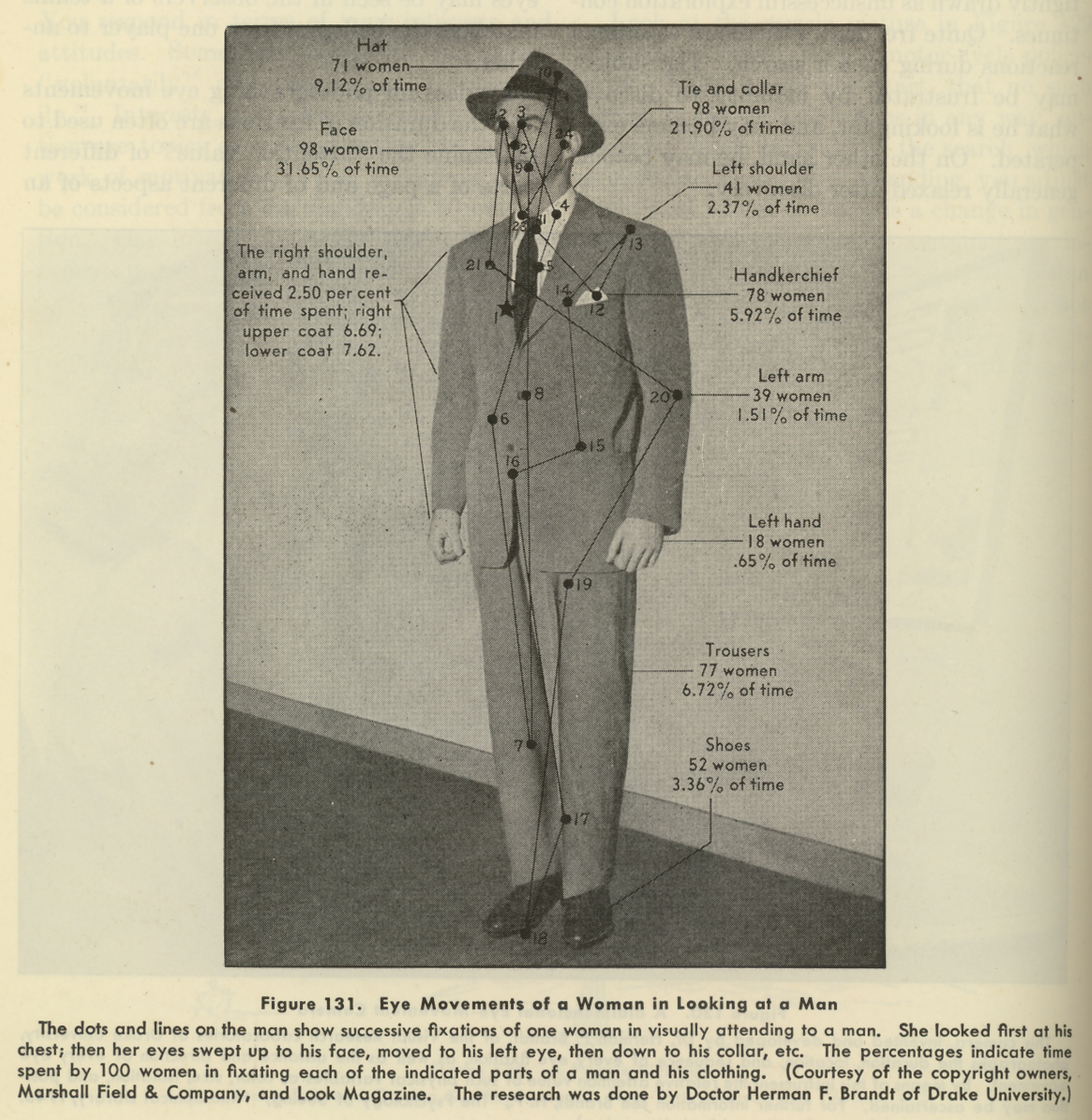
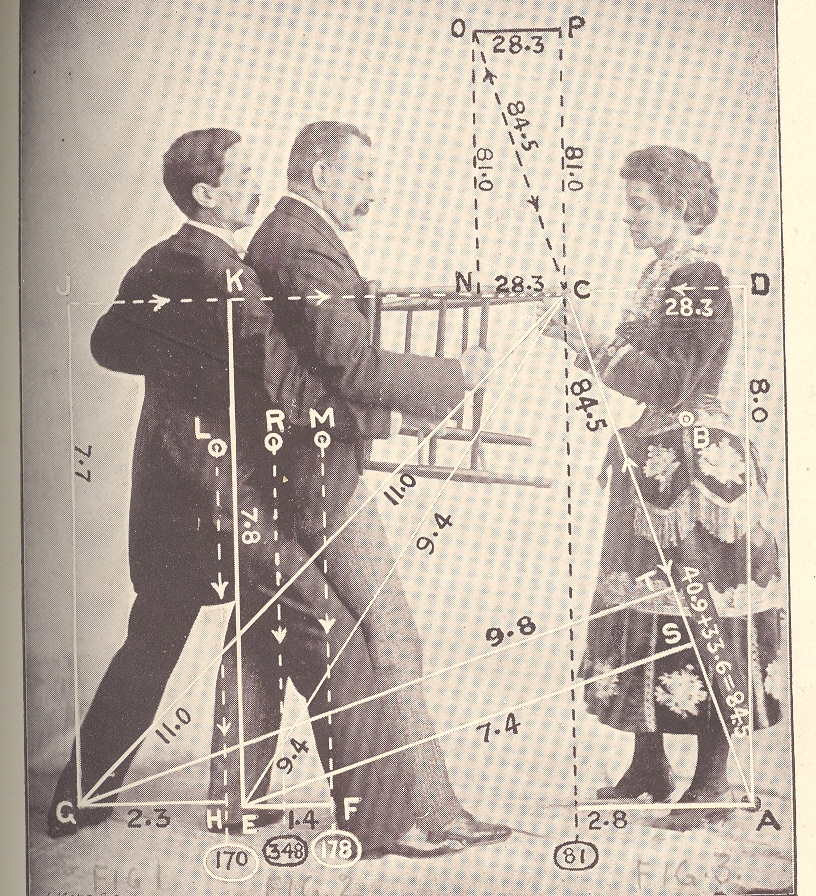
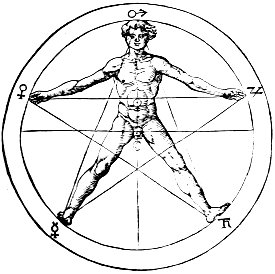
    The eye leads the brain, or the brain leads the eye, and from there, who knows where anything goes, especially when involved with a qualitative survey of a complex entity. This is more-or-less what we are dealing with here, in this image below, found on page 74 of a 1941 issue of Life magazine. (It is related in some way to an earlier post on this blog, a post called “The Center of Levity..”1 , though perhaps not really.)  It is hardly a map of the macrocosmos incised with Pythagorean precision on the body of man2, nor an astrological  or Kabalistic or Vitruvian perspective representation of humanity.  It is just a 1940’s  eye-trail map of where women looked at a man, a non-mathematical treatment of vague interest.

    Eye fixations

    It turns out that the seduction of a man’s body to a woman’s gaze–as difficult as that might seem from this photo–is fairly measurable, and was so even in the 1940’s, when the researcher Herman F. Brandt (Drake University, Iowa) produced this image.  And what it is, basically, is a map of where women looked when their eyes were tracked as they looked at this man.  Brandt had a long career investigating ocular fixation, and (I think) developed a camera that would track the reflection of beams of light on the corneas of his subjects, recording eye movement in horizontal and vertical planes, as they drank in this fine figure of manhood.  In any event his research was of interest to a wide variety of people, from neurologists to fashion designers–I’ve got no idea of how that interest was manifested, or if it turned out to be valuable information.  I do know that the Brandt work utilized by Marshall Field & Co. did produce a remarkable photograph open to all sorts of interpretation.   Visual stimulus point #19 was left uninterpreted and unmentioned, though the great majority of visual hits was above the waist, and above the neck.

    Notes:

    1. One of the images from the Center of Levity post:

    Mar 23 center of levity cvr det 2

    2. For example, this classic from Agrippa von Nettesheim, De Occulta Philosophia (1533):

    Agrippa


  • Creating Bad-Hand Female Trouble, 1954–an Imaginary Reconstructed Filmstrip

    JF Ptak Science Books

    Girl trouble 7360 Retroist excursions like this into the land of social propriety from not so long ago is a bittersweet thing–its concerns can remind of of how far away from something we seem to be, when in reality that distance in time and space just isn’t very far away at all; it is just slightly different,  renamed and repackaged.  For example, this advertisement from LIFE magazine for Trushay hand softener (1954) delivers pretty much the same message as most similar products today, except for the change in packaging and less obvious message.  The message may seem outdated but I think only in so far as the images and clumsiness of the delivery is concerned.  Products like this have increased by orders of magnitude, the target audiences age seems to have dropped considerably, and most of the time the pursuit of this 1954 end-result stays pretty much the  same. Exercises like this are peculiar, and can show us that the people who we are laughing at may very well be us. 

    The reconstructed ad is below.


  • Images from Our History of Women Series

    JF Ptak Science Books 

    I was looking for some of these images from this blog’s History of Women series and thought that I’d post them all to one page. Seeing them out of context is odd, but interesting.   Enjoy!


    File0505

    .
    000 women on a leash012
                                                   

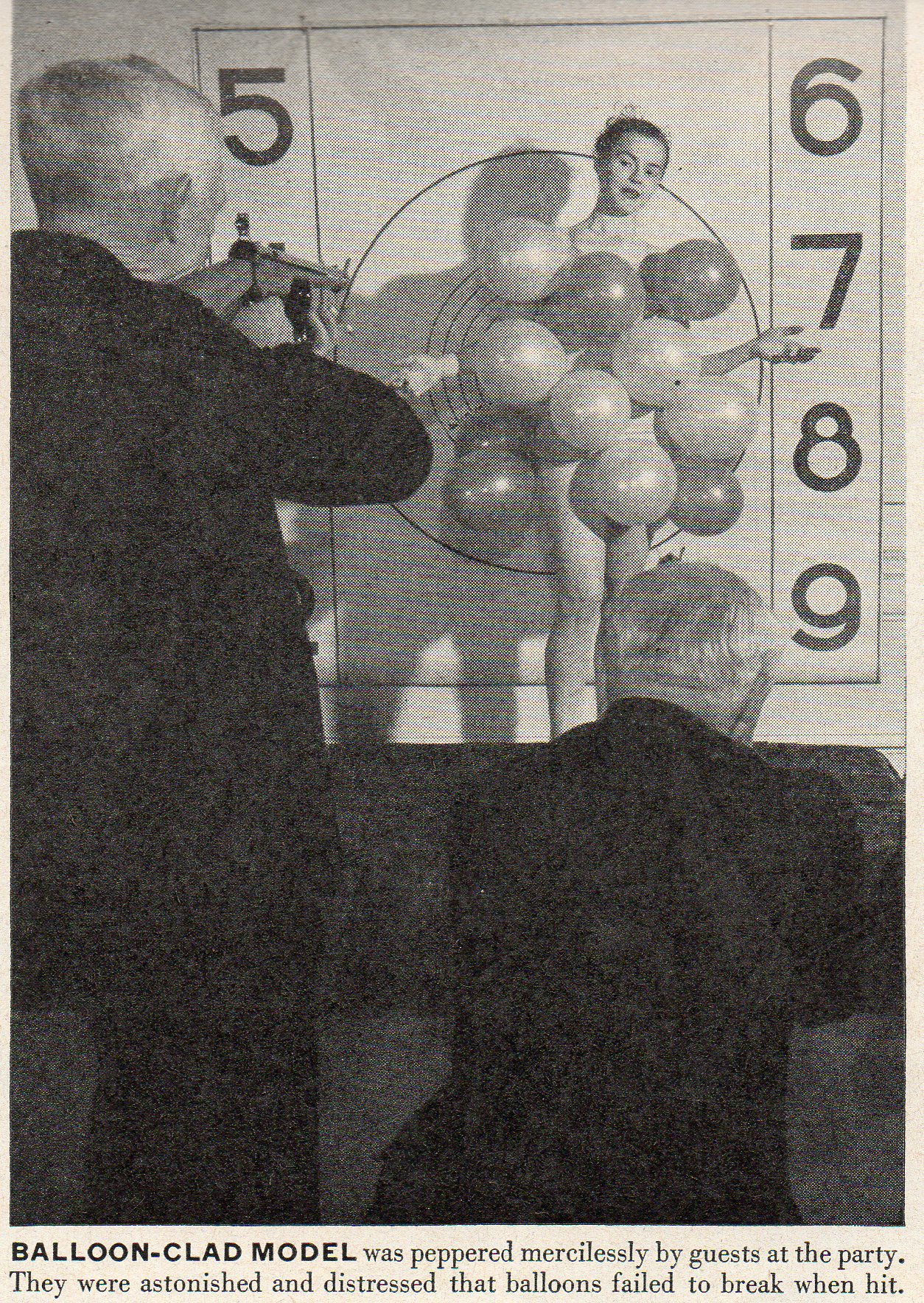
    1 april 26 women king+queen 00--shooting strip tease042


  • On 19th Century Back-of-the-Head Portraits

    JF Ptak Science Books   Post 1125

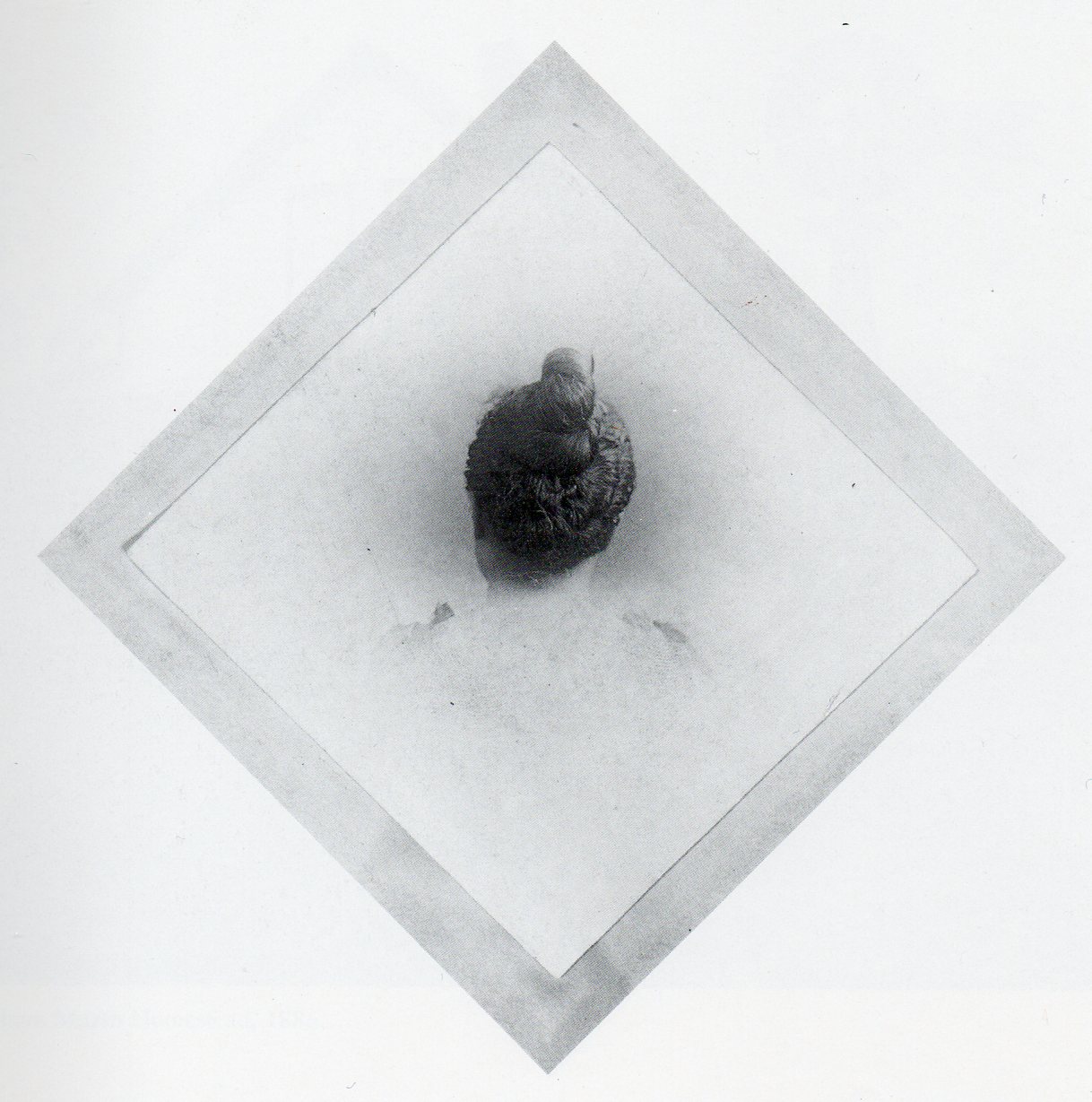
    Back of head back342

    I honestly cannot say when I first started noticing photographs in this odd category–it may have been from police images, early mugshots, that started with (the first) antropometrist  Alphonse Bertillon, showing deformities and cracks and creases and blemishes and tattoos on felons; or in the earlier and  floundered phrenological work of Franz Gall1, who looked pretty much for the same but with more  liberal doses of social philosophy But it is a restricted category, that’s for sure.  Even when you look closely at paintings and engravings it is rare to see even a secondary image of someone’s head squarely, directly form the back. 

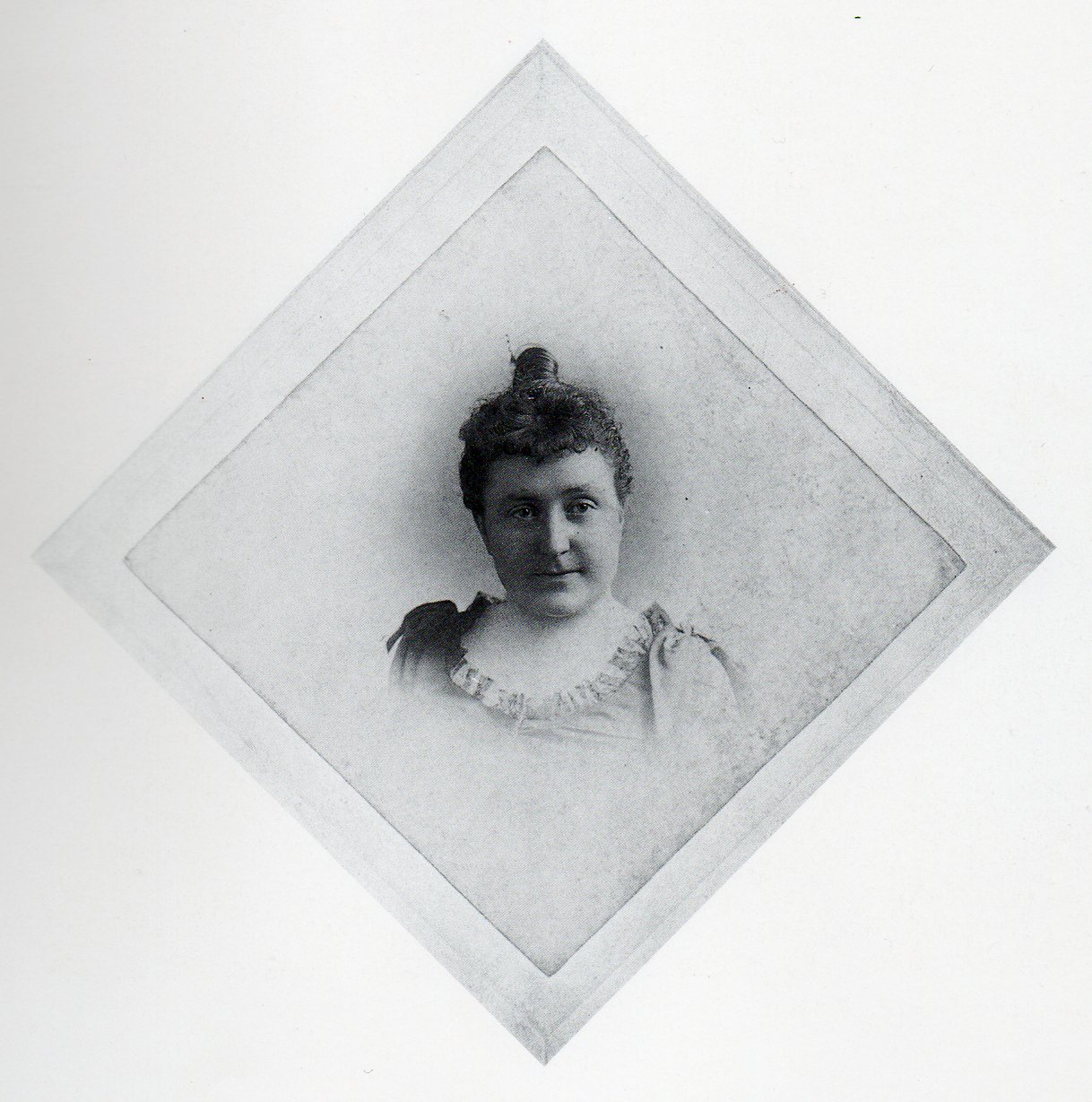
    And then came this pair of photographs presented on the endpages of Cathy Luchetti’s Women of the West (Antelope Island Press, 1982)–its a wonderful book about 19th and early20th century women as pioneers int he American West, told mostly in their own words.  It wasn’t until I closed the book that I found this picture (which is odd for me as I’m mostly back-to-front with a new book) and decided on this post.  The photos do tickle some old memories of 19th c back-of-the-head photos featuring extraordinary hair length,  Civil War wounds, spinal and neck injuries, young Hopi girl hairstyles, and that sort of thing–but in this case, I can’t see anything unusual about the back of this woman’s head.  It looks as though it is just the back of her front.  I think that most of the time that we see back-of-the-head it is for something special or unusual in some way (and I won’t even get into 20th/21st century stuff like Valdemort’s surprising hiding spot)–it seems in this case, it is not.  Its just the back.

    Back of head front343

    Notes:

    1.  Gall’s book’s title really lays it all out: The Anatomy and Physiology of the Nervous System in General, and of
    the Brain in Particular, with Observations upon the possibility of
    ascertaining the several Intellectual and Moral Dispositions of Man and
    Animal, by the configuration of their Heads,
    published 1819.