A Daily History of Holes, Dots, Lines, Science, History, Math, Physics, Art, the Unintentional Absurd, Architecture, Maps, Data Visualization, Blank and Missing Things, and so on. |1.6 million words, 7500 images, 4.9 million hits| Press & appearances in The Times, Le Figaro, Mensa, The Economist, The Guardian, Discovery News, Slate, Le Monde, Sci American Blogs, Le Pont, and many other places… 5000+ total posts since 2008.

Category: Women, History of

  • Alphabet of Retro-Vision Women –1940’s/1950’s

    JF Ptak Science Books   Post 1329

    In a continuing series of odd alphabets (Occupational Alphabet, Action Alphabet and a Touch of Evil, Alphabet of Giants)  that I’ve posted to this blog I offer this, a collection of covers of paperback novels, pulps, mystery magazines, true loves, romance, and of course astonishing science fiction.  That these are considered “Golden Age” is interesting–I understand the overall feel of what “Golden Age” is supposed to mean, though the messages in the images (even exclusive of their texts) are definitely not-so-golden from where we sit in 2011.

    I think that looking at this sort of material is important when considering the fleeting history of normalcy, and that these images help to define what was popularly considered to be the edge of “normal” for that time. 

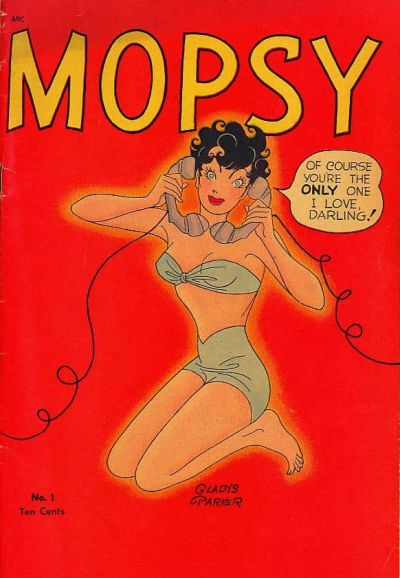
    A is for Ambidextrous

    Grrlz--mopsy


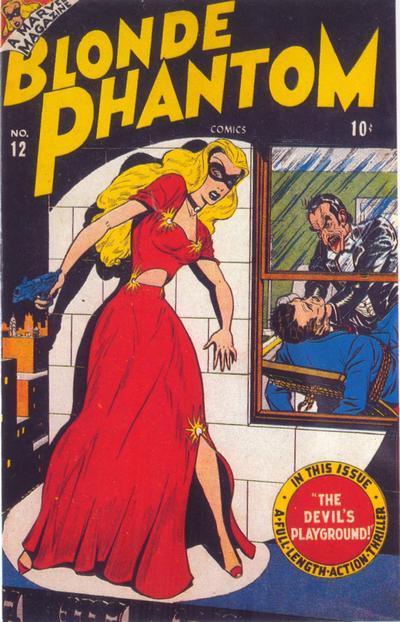
    B is for Blonde

    Grrls--blonde phanom

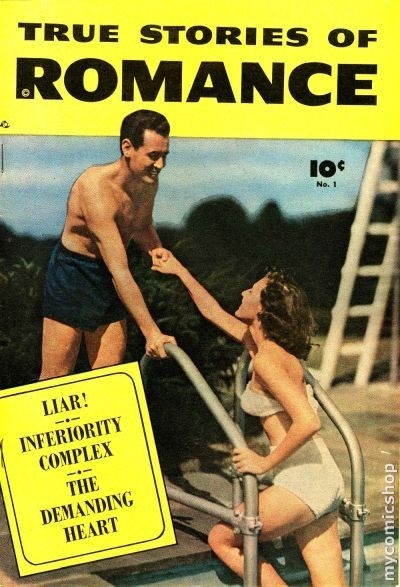
    C is for Complete Love

    Grrlz--true love

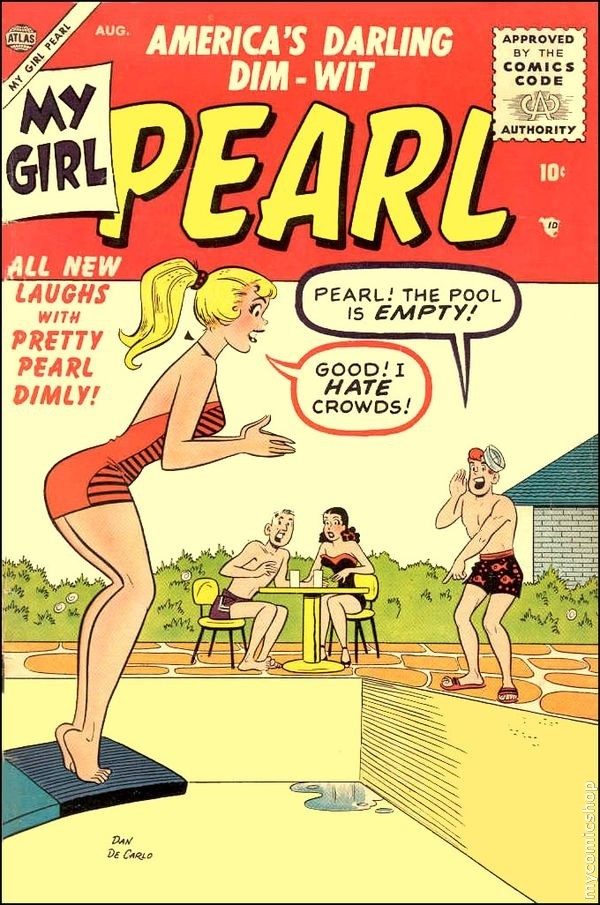
    D is for Dumb

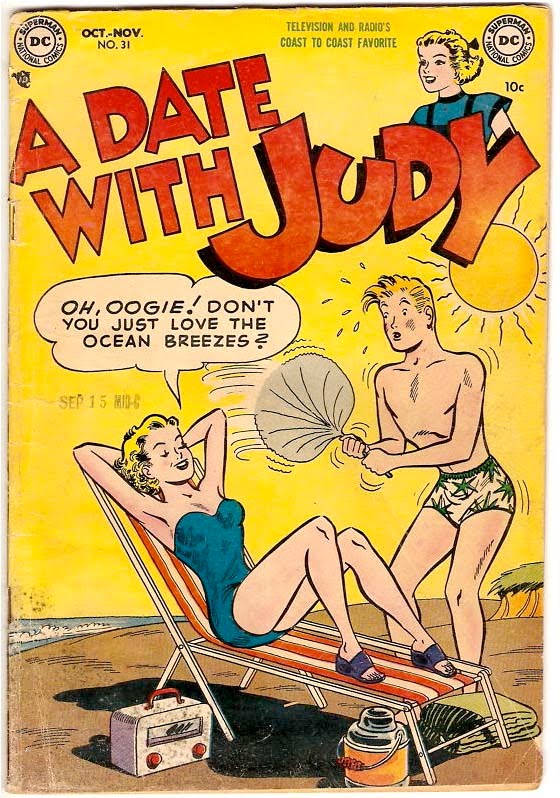
    Grrl--PearlE is for Effortlessness

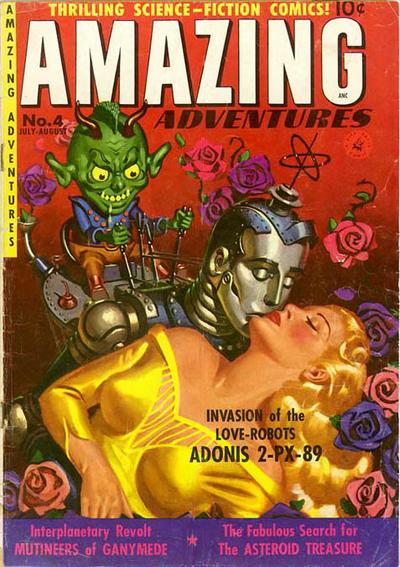
    Grrlz--date with judyF is for Future (Love)

    Grrls--love robot

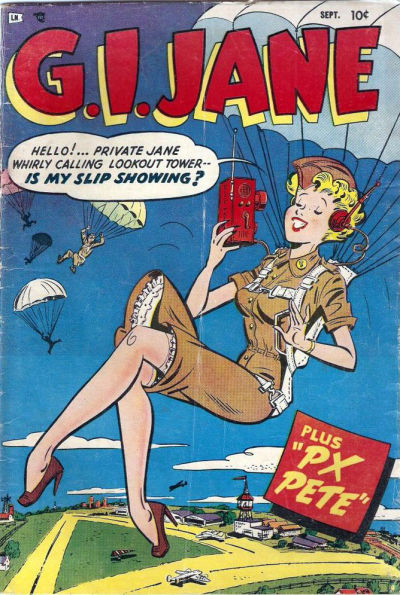
    G is for GI Jane

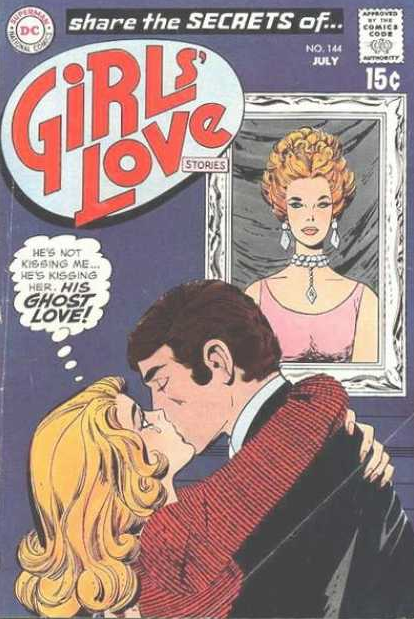
    Grrls--gi janeH is for Hope

    Grrlz--ghost love

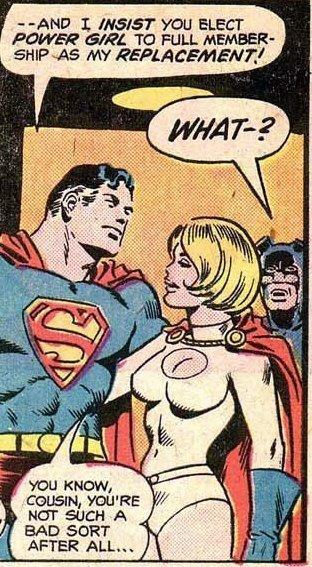
    I is for Insist

    Grrlz--power-girl_super

    J is for Junk

    The Golden Age of Science Fiction: A Pulp Primer, Pt. 2

    K is for (amazon) Knights


    The Golden Age of Science Fiction: A Pulp Primer, Pt. 2

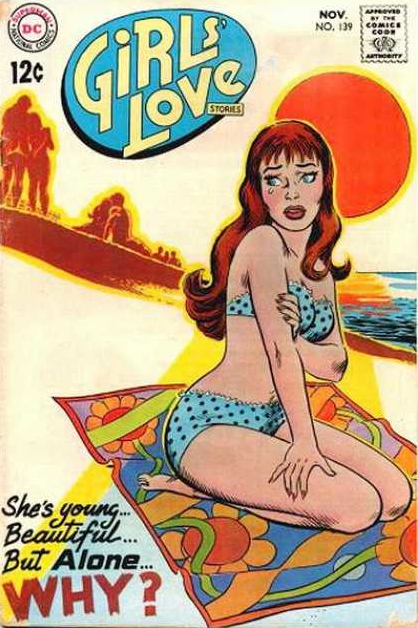
    L is for Lonely

    Grrlz--girl love beach alone

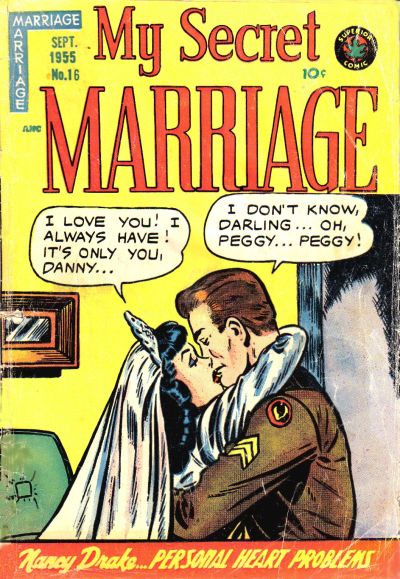
    M is for My, Mine, Maybe

    Grrlz--secret mariage

    N is for Night

    http://www.advertisingarchives.captureweb.co.uk/images/trueimages/30/52/96/72/30529672-1.jpg

    O is for Out

    Rêve d'Opium by UnklNik

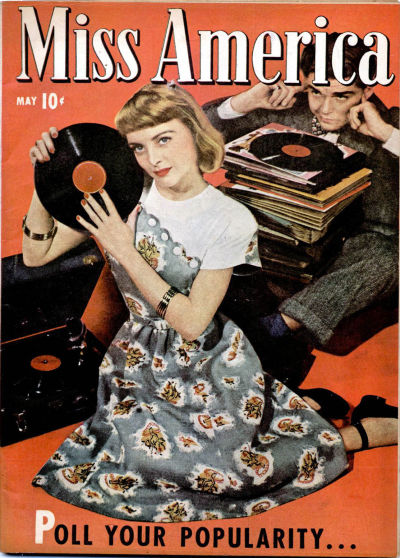
    P is for PopularGrrlz--p for popularity
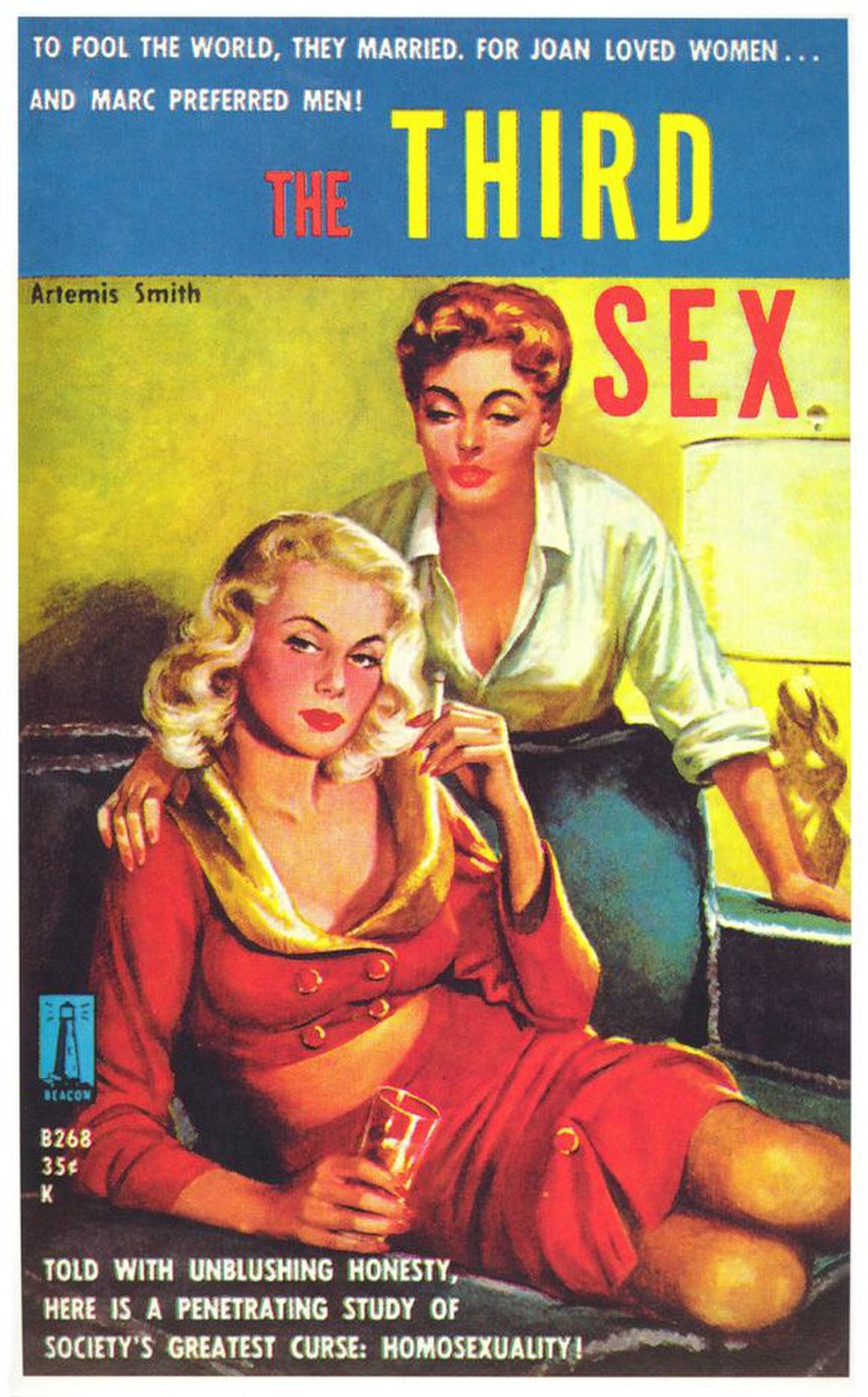
    Q is for Queer (“Society’s Greatest Curse”)  In 1959–the year this book was published–the gay issue outranked nuclear holocaust, civil rights, the Cold War, and everything else according to the cover copy.

    http://upload.wikimedia.org/wikipedia/commons/a/a6/Thirdsex_bookcover_1959.jpg

    (Couldn’t not include this one, possibly the first of its genre when published in 1950, and which over time has sold – 4 million copies.)

    womens_barracks

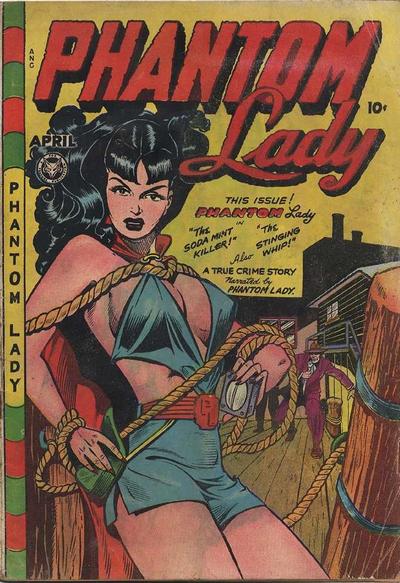
    R is for Rope

    Grrl--phantom lady
       

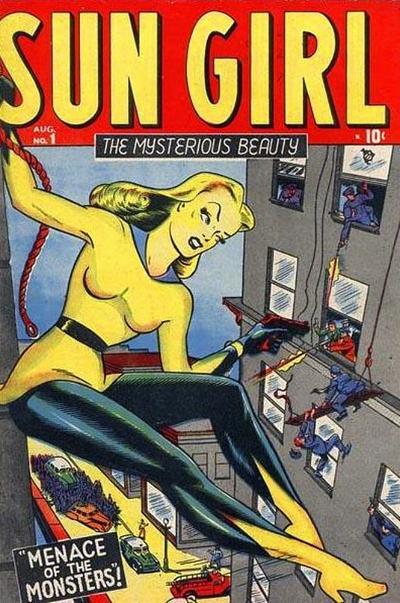
    S is for Soalr is for Sun

    Grrls--sun girl
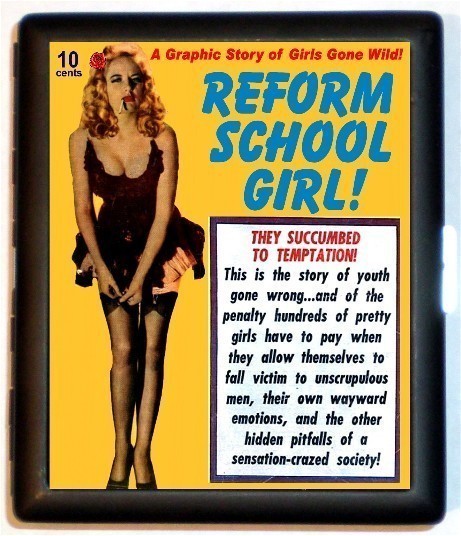
    T is for Temptation

    Grrlz--reform skool

    U is for Under (the Whip)   [See STRANGE SISTERS for more.]

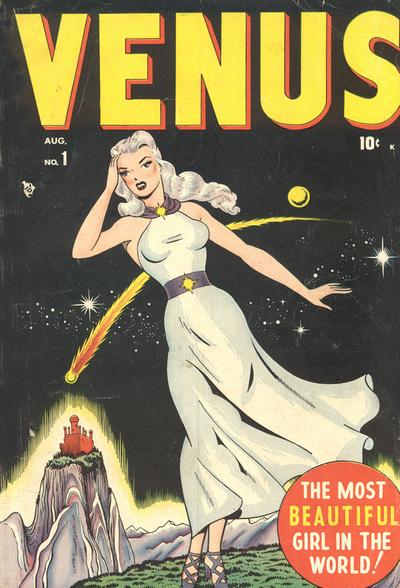
    V is for Venus

    Grrlz--venus

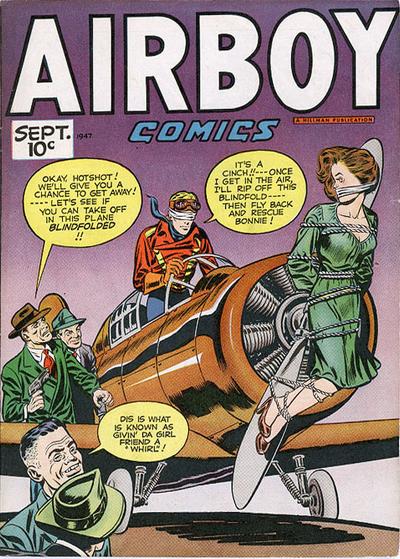
    W is for Whirling

    Grrl--tied to propeller

    X is for X-Ray


     Z is for Zzzzzs


  • Reverse Autopsies of Stick Women–Blank and Empty Art Anatomy, 1941

    JF Ptak Science Books   Post 1304

    Part of our Blank, Missing and Empty series.

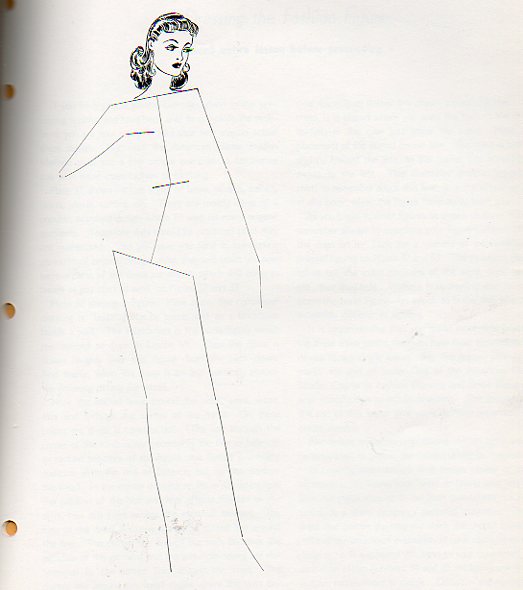
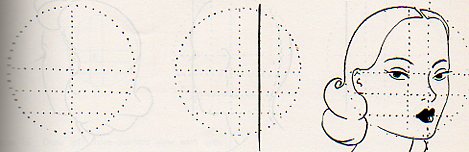
    Coming on the heels of my posts of autopsies of snowmen and donuts comes this semi-remarkable pamphlet (available for purchase here), published by  American Home Studies (of 1700 Eye Street, NW, Washington D.C.1), displaying very restricted instructions on anatomy for art students.  The drawings really work better in reverse, I think, because you really can’t get to the final product from the illustrated series in its how-to sequencing unless you already were finished.

    Blank women--anatomy art full286

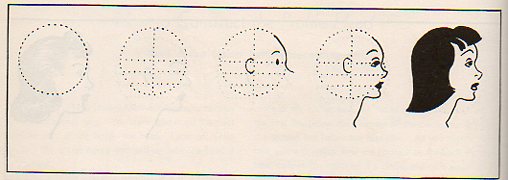
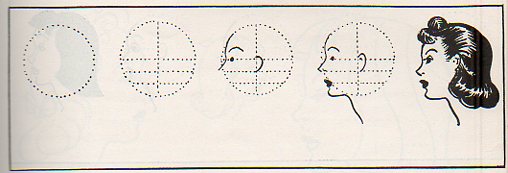
    What happens throughout this pamphlet is what we see below–draw a circle, then divide it by drawing lines over imaginary bones, pop in some eyes and lips, and then fill in the rest.  Not too very helpful.  This is especially so when we look at the image above, which the student was supposed to simply cover with clothing after having added the head.  If this was an animated figure, I think I  would find it disturbingly creepy.

    Things become clear by the time you reach the end of the pamphlet, when you are told that you can detach any page from the work and send it to the D.C. address for correction and advice, for a dollar a page.  That’s when the real education occurs. (Many others have done this–the two guys responsible for creating Superman started out selling their services in just this how-to way.)

    Blank women--anatomy art profile284
     
    Blank women--anatomy art profile283

    Blank women--anatomy art profile285


    But I guess as a sort-of artist one would need to have something else going on for themselves so far as business goes, because its painfully clear that the maker of this pamphlet had special but very limited talent. I think that the faces given to these women are drawn by someone who does not like them, given their emotional range and all:  peevish, dull, bored, haughty, disinterested and, well, dead. 

    Notes

    1.  The building at 1700 I is gone now, replaced by another building of the many nameless buildings that create the corridors of I and K streets.  1700 I is basically right across the street from Farragut Square, and only a few blocks from Lafayette, which is across the street from the White House. Nice location.


  • A Girl and Her Submarine, 1918

    JF Ptak Science Books   Post 1299

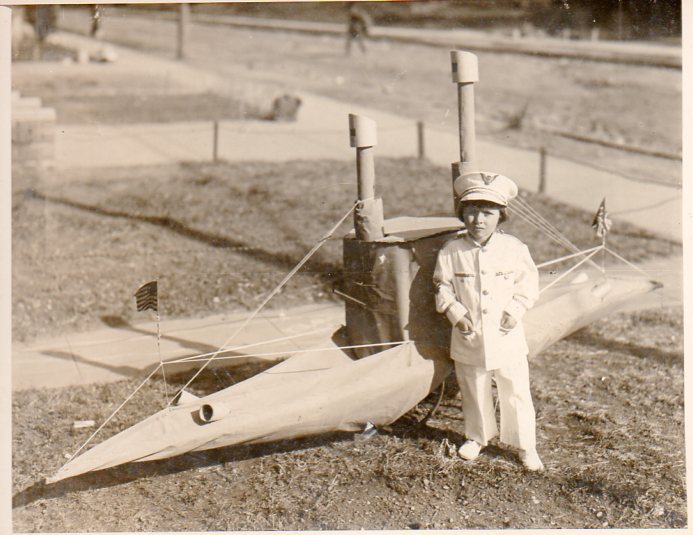
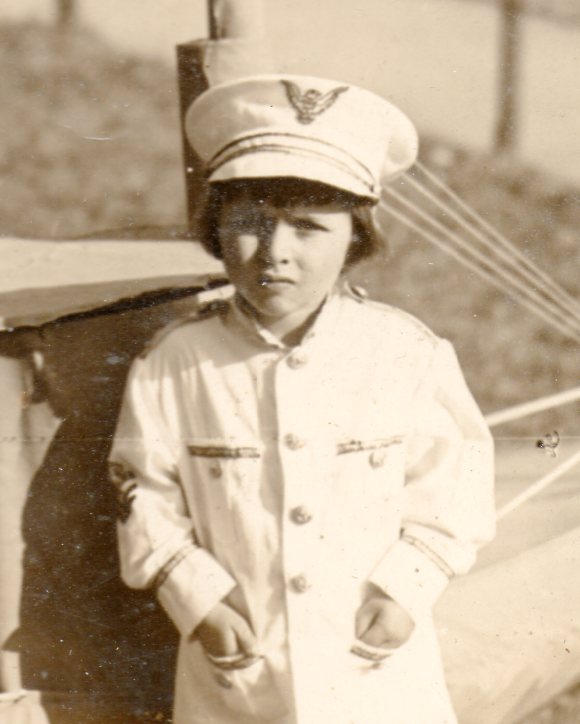
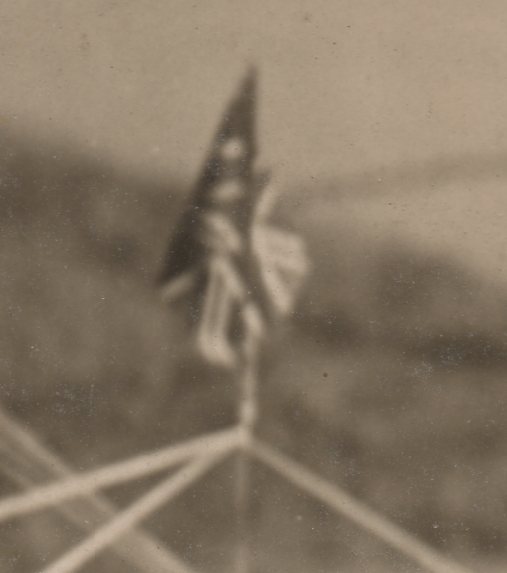
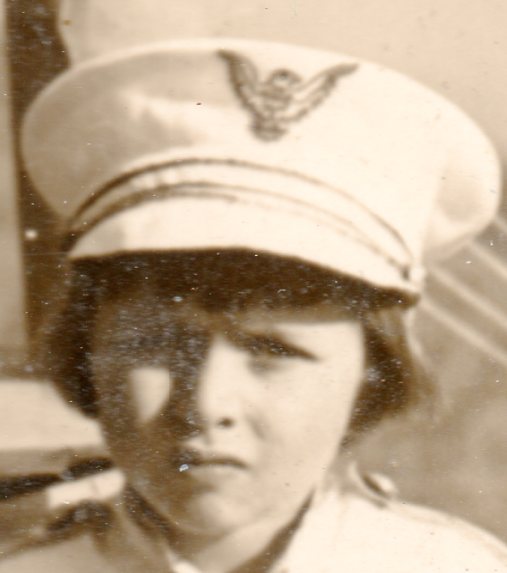
    I could hardly resist this 1918 image:  the young girl, the hands in her pockets, the ribbons on her chest, her submarine fashioned over a tricycle, the two flags (Stars and Stripes and the Union Jack).

    WWI photo--girl submarine249

    The sun is low, rising or setting, and it is catching the girl in the face, the home-fashioned cardboard visor of her home-grown officer’s headgear doing nothing to shade her eyes.  She’s in her dress whites, maybe proud of someone else’s handiwork on her ten foot long submarine.  [The photo is available on our blog bookstore site, here.]

    The image comes from a small archive of WWI  news service photos, this one no doubt intended to stir some home fires to help raise money or spirits.  I have no idea of the image was ever published. 

    And of course the details:

    WWI photo--girl submarine250

    And this of the stern flag, the Union Jack:

    WWI photo--girl submarine251

    And this, with the hand-sewn eagle on the hand-made jacket, with all of the trimmings a creation of mom, or someone else as kind:

    WWI photo--girl submarine252


  • Women Against Women Wanting the Vote, 1909

    JF Ptak Science Books   (Rapid) Post

    One in this blog’s  History of Women series

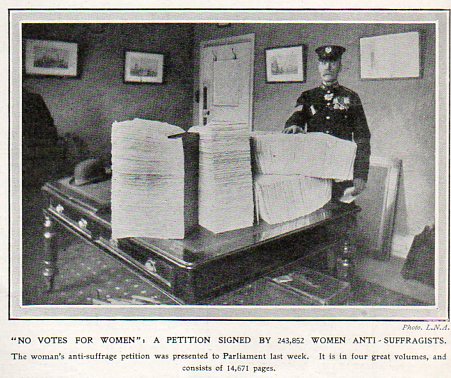
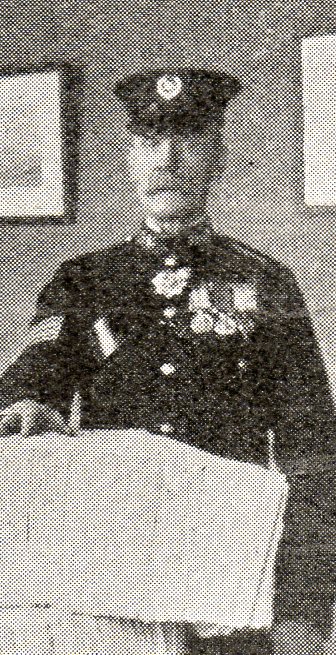
    WOmen--petition against vote121 By the time this photo of petitions against granting the voting to women in Great Britain appeared in The Illustrated London News in 1909, only six other places in the world had given women voting power:  Pitcairn Islands (1838), Isle of Man   (1881) , Cook Islands (1893), New Zealand (1893), Australia  (1902) and Finland  (1906). Admittedly, in the population of nations worldwide this was a very small percentage–smaller still if you considered the figure by population. The idea of universal suffrage was far from being popular, even only 101 years ago, within the lifetime of a few thousand people living today.

    There were no new additions between 1906 and 1913, but after that, from 1913 to 1920, 24 countries1 (including hundreds of millions of people this time) had granted the right,  not the least of which was Great Britain (1918) and the United States (1920).

    WOmen--petition against vote b122

    The complaints and arguments against women getting the vote have a recent ring to them:  the vote for many threatened the home, undermined the scope of the family, would destroy the foundations of marriage, would take women away from their domestic duties, and in general would weaken the nation.  It seems as though you could replace “votes for women” in this series of complaints with any number fof different issues today.


  • A Photograph of the Food Consumed “by the Inebriate in Captivity”

    JF Ptak Science Books   Post 1272

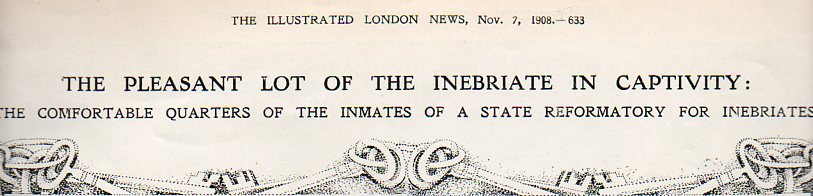
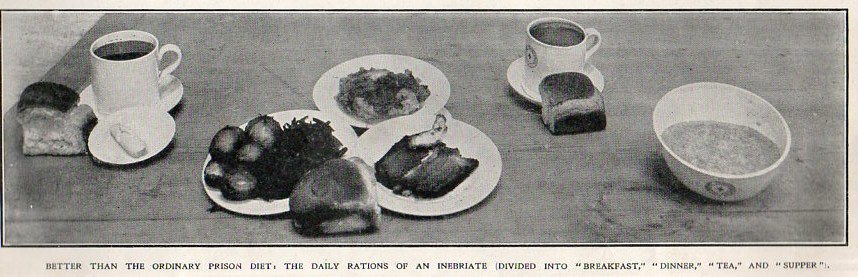
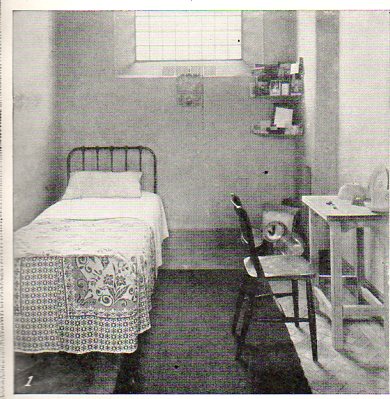
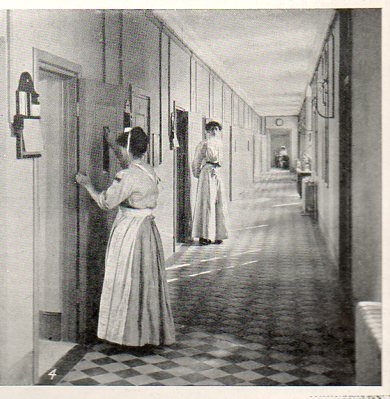
    I stumbled upon this while looking for an article on the Wright Brothers in The Illustrated London News.  I figure that this may be the first opportunity in recent decades that a photograph of the dinner table of  incarcerated British drunkards would be published–and some opportunities need to be serviced.  No doubt that this was an ideal table setting and selection of food because, well, that’s what people do– they normally don’t present an average-something for photographic display in national/international media.  Also the snapshot quality of the daily surroundings of the incarcerated was unusual, as was the Andrew Lang fairyland title to the two-page photo story. 

    Inebriate title115

    And the food:

    Inebriate food112

    A full day’s serving: breakfast included a six-ounce white loaf of bread, a pint of tea–and an ounce of butter on the last day of the term.  Dinner  included six-ounces of white bread, twelve ounces of potatoes, four ounces of French beans, four ounces of fresh meat, and eight ounces of fruit pudding. Supper  “was a pint of gruel”, pictured on right.

    Inebriate 2106

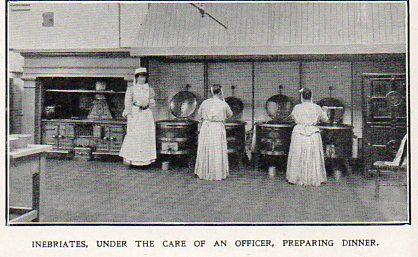
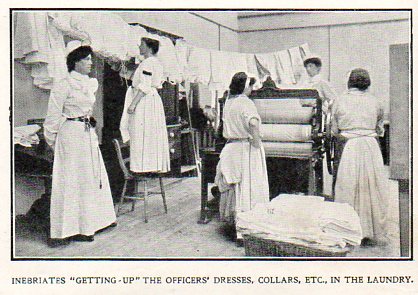
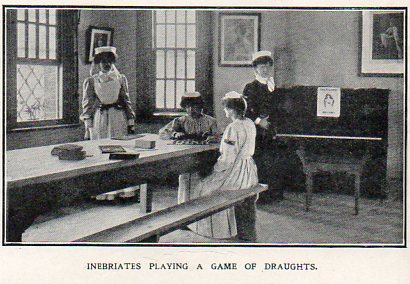
    The life in the state reformatory as an alcoholic British woman was hardly “pleasant” as the title states, though we don’t know what the author was comparing this to.  I suspect it was a general prison that was the benchmark for pleasantness, though perhaps it could have been an insane asylum , assuming of course that they didn’t seem nearly as pleasant as the “pleasant” scenes in these pictures.  The reformatory for alcoholics in Great Britain was established more along the lines of an almshouse or mental institution and seemed not terribly coercive–though given the border decorations for the photos on these pages–keys–there is no doubt that these people were incarcerated “for their own and the community’s good.”. Inebriate 4107

    Inebriate 6111

    Inebriate bed113


    Inebriate hall114


  • Keeping 1935’s Secretaries Unmarried

    JF Ptak Science Books  Post 1261    Part of the History of Women series

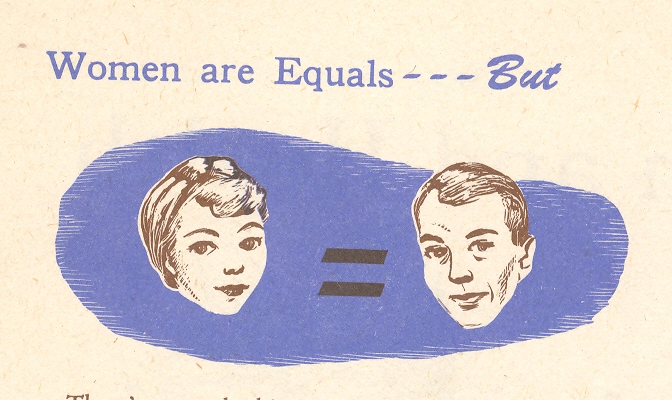
    .Mar 25 women equals but

    It good to remind ourselves of how we got so comfortable here in the present by looking at the uncomfortable parts of the past, and remembering those people who made the sacrifices necessary to ameliorate those differences.  Sometimes that spiked memory looks small but isn’t so, sometimes it’s a tidy and explosive nugget nestled in decent surroundings, but explosive nonetheless.

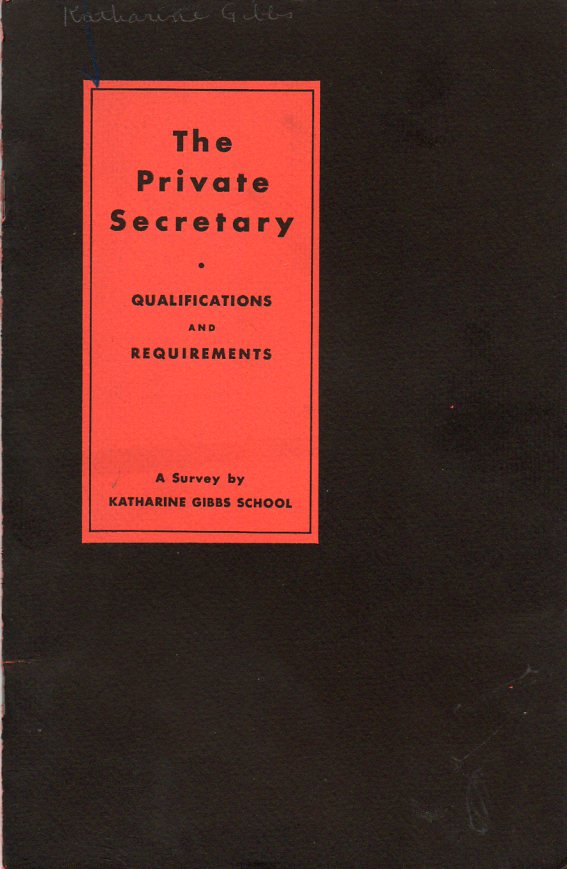
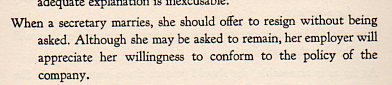
    Secretary marry cvr021 That’s what I found looking through this very considered, nicely designed and well written vocational pamphlet for the Katherine Gibbs School (of New York, Providence, Boston and Bermuda).  The Private Secretary, Qualifications and Requirements (1935) laid out all of the necessaries for the better-placed secretary, many of which no doubt were the teaching specialty of Ms. Gibb.

    The pamphlet described plenty of excellent qualities for anyone seeking any sort of employment–then or now–all of which could be supplied to any student of Ms. Gibb–I kept climbing over them looking and waiting for the now-severely-dated practices to appear.  Mainly they didn’t appear in whole so much as in bits and pieces, sprinkled well throughout the work. But on the last page came this nugget, which I think pulls all of the disparate pieces together in a general statement about the position of women in the workplace in 1935:
    Secretary marry det020

    And there you have it. A key to understanding the status of women in 1935.  You’ll notice that the “company policy” is generic, which means that the practice was wide-spread.  And remember too that this is just for marriage–not pregnancy, which is implied in the company’s dissociation with the married secretary, cutting their ties now before any pregnancy begins.

    [This pamphlet is available for purchase from our blog bookstore.]


  • VIDEO: Smashnose Grindkiss of Lady Archaeology of 1950’s B-Movie Posters.

    I posted something yesterday on this, but made a video of the whole thing (plus extras) this morning, with some decent music.


  • The Lady Archaeology of Smashnose B-Film Movie Posters.

    JF Ptak Science Books  Post 1254

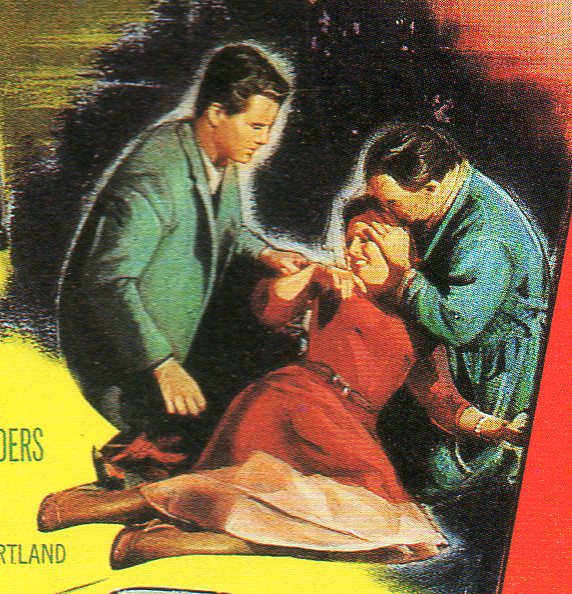
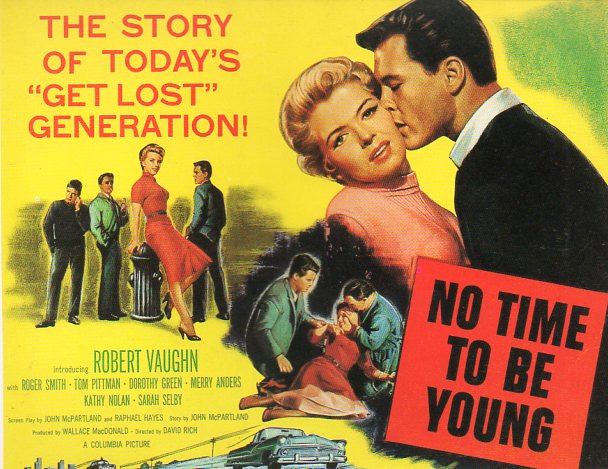
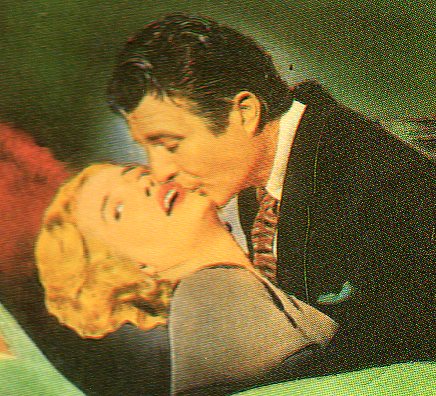
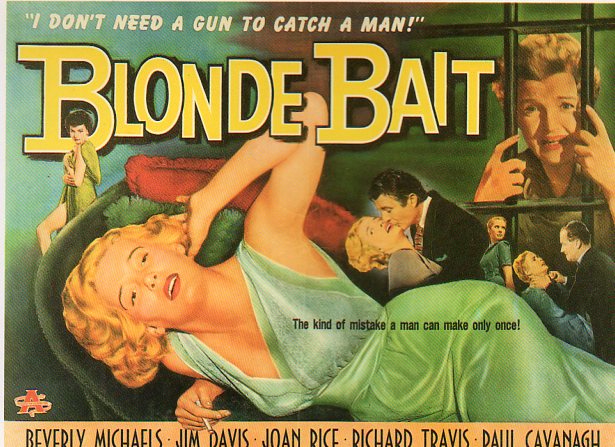
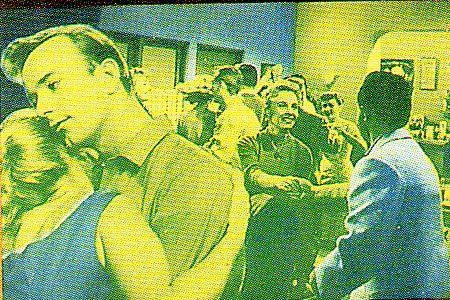
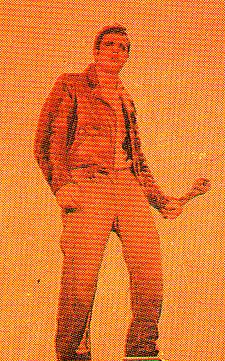
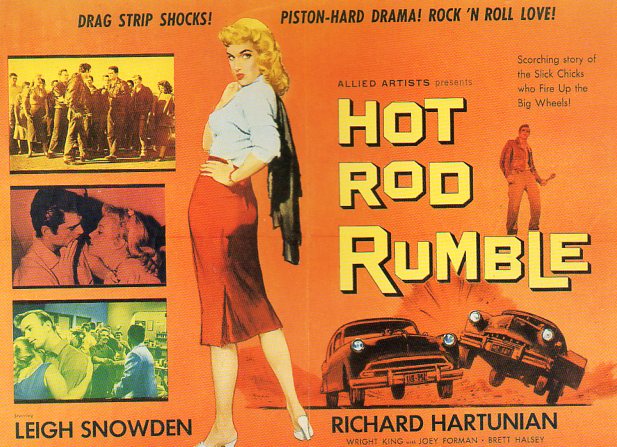
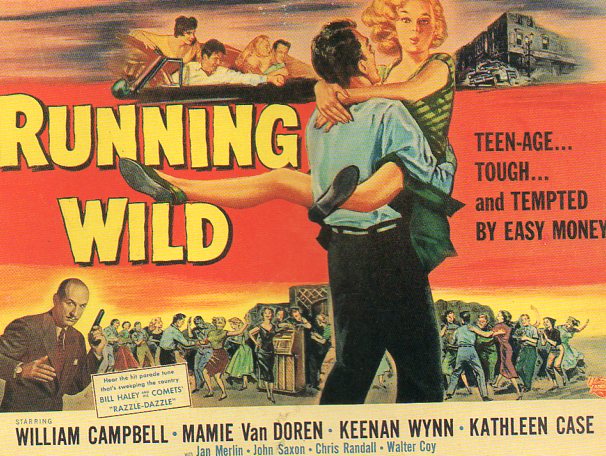
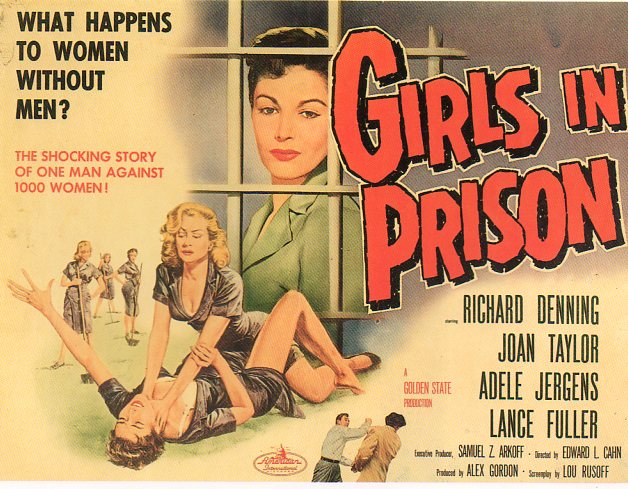
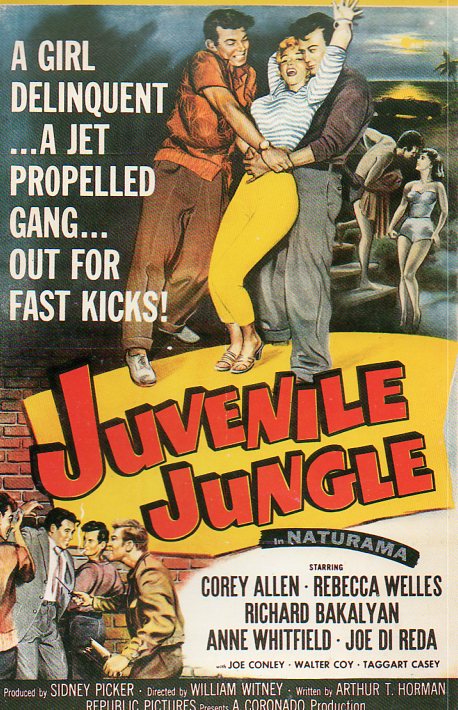
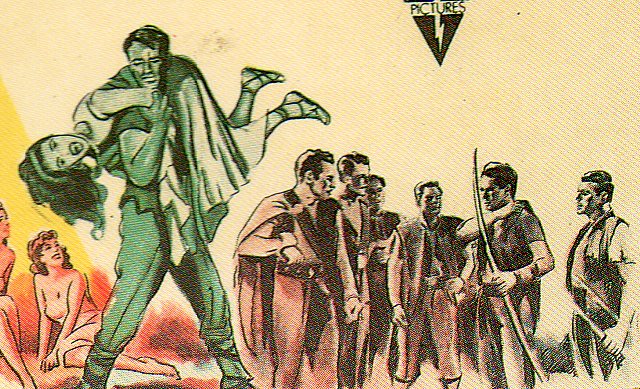
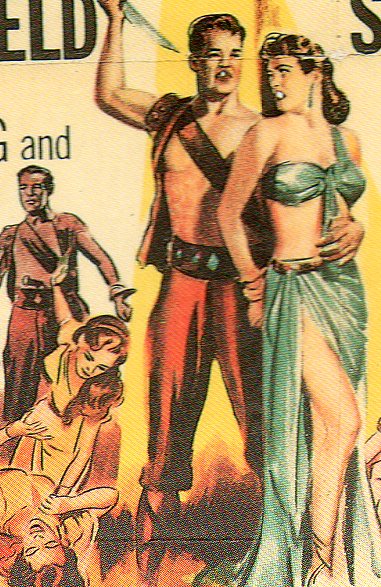
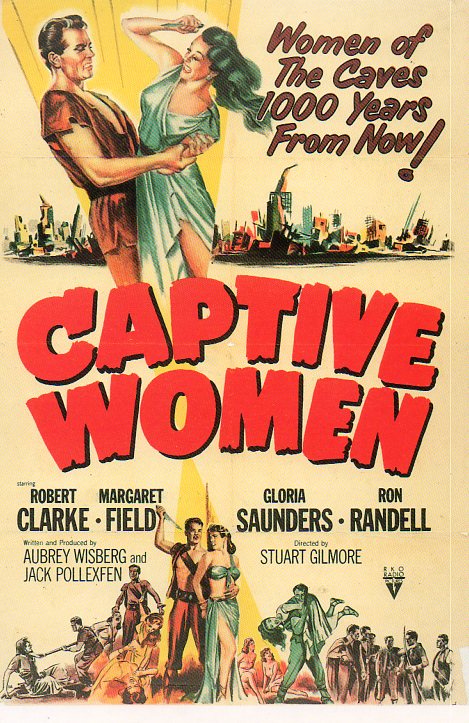
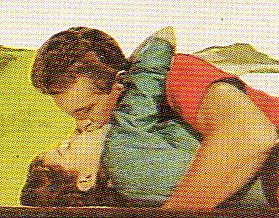
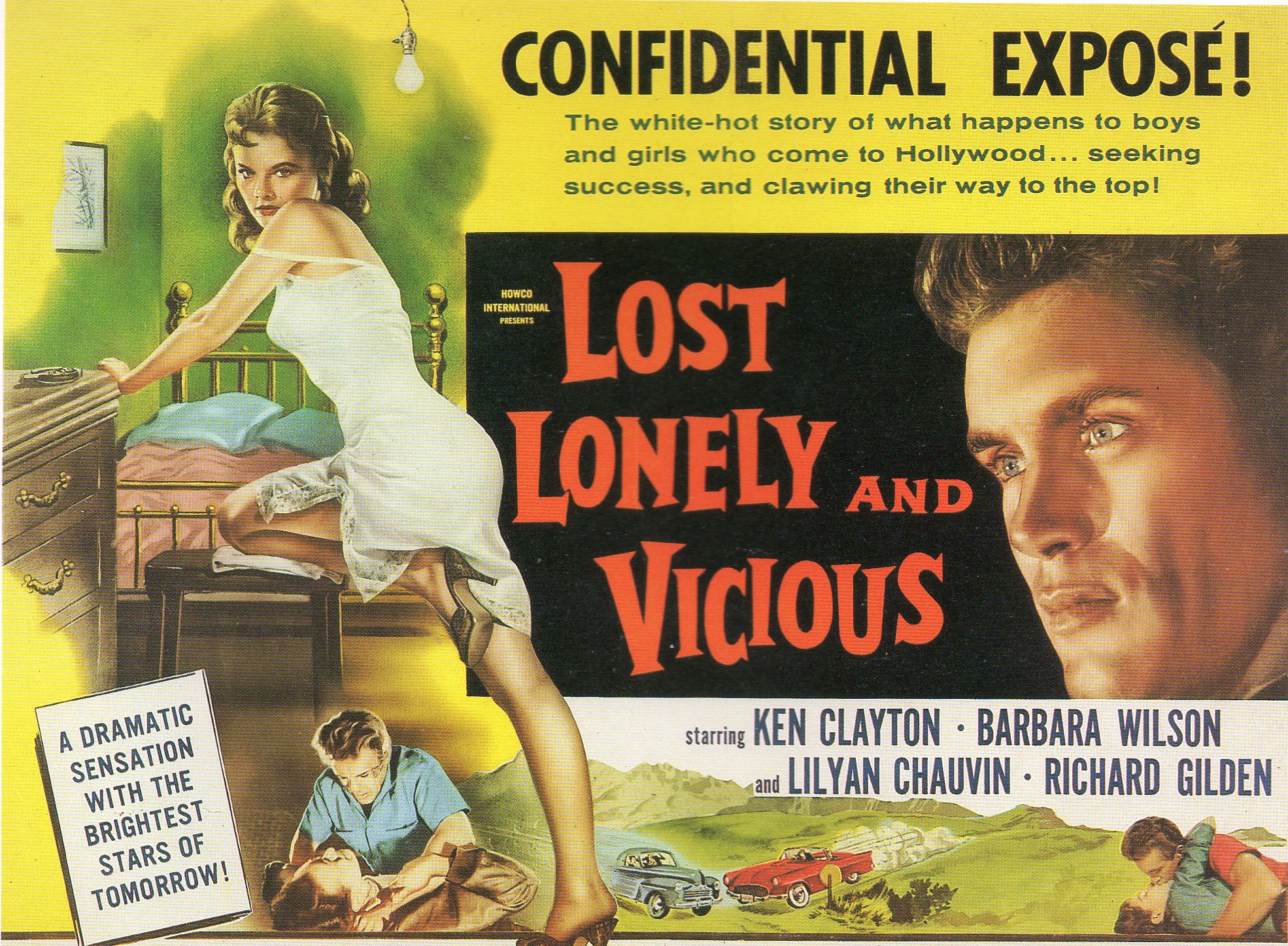
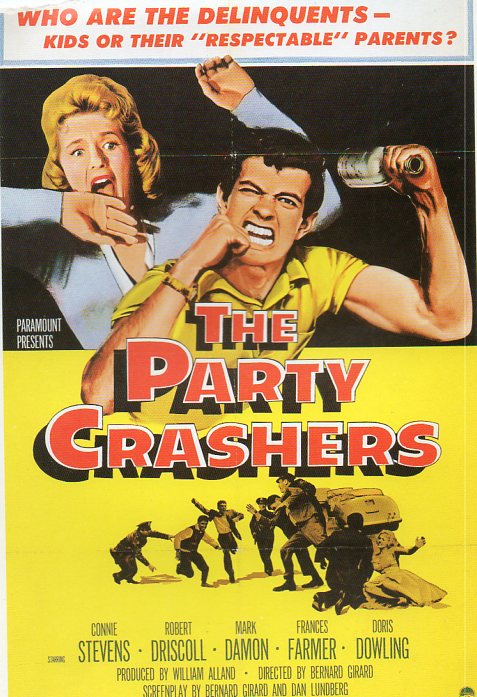
    Aberrant--party crashers SCream992 There was a certain something going on in the 1950’s with nova-express B-film ladys-in-trouble/bad girl/smashnose kissing  movies that were made for $5,600 in three days with two days of quality control.  The posters made for these beauties were a thing unto themselves, a self-contained and self-limiting genre, a found case of bizarro design and muted inelegancies.

    The posters look like their movie names:  Juvenile Jungle, Betrayed Women, Girls in Prison, One Girl’s Confession, Dragstrip Girl, Girls on the Loose, Pick Up, Girls in the Night, Live Fast Die Young, Alimony Running Wild, Hot Rod Rumble, Running Wild, Blonde Bait, Captive Women, The Party Crashers and of course Lost, Lonely and Vicious.

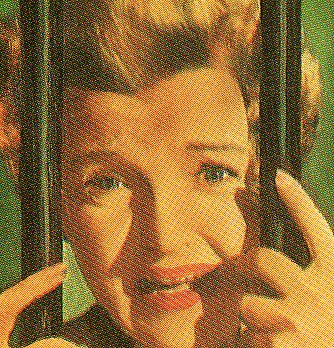
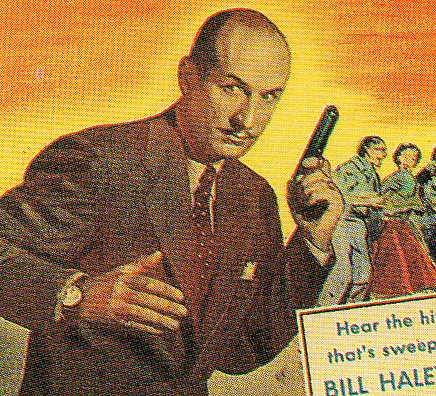
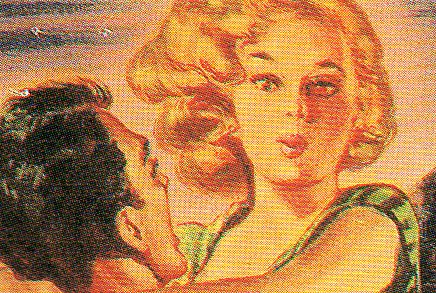
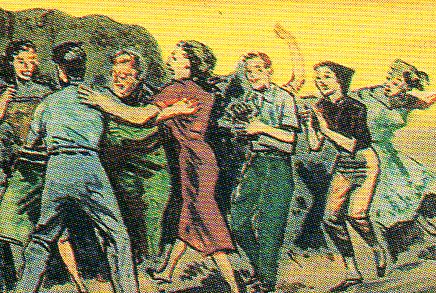
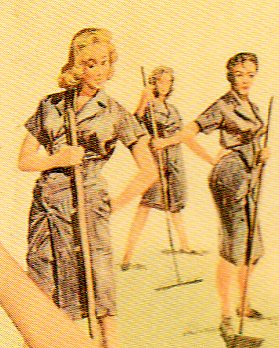
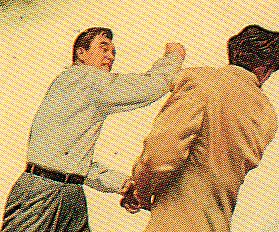
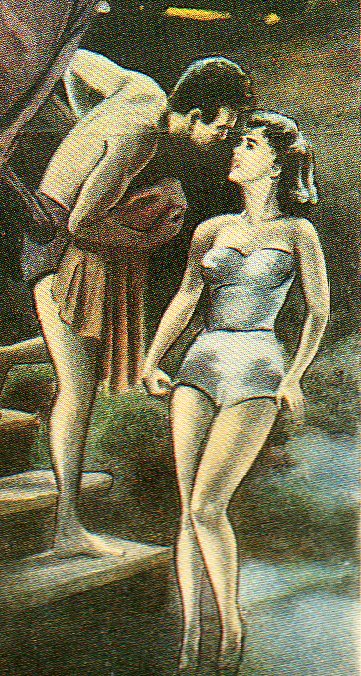
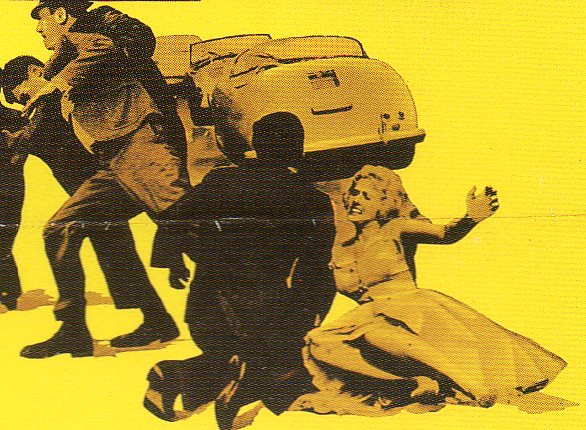
    Generally I think that folks see the big design and the colors, but lurking behind all of that are usually image-bits that sorta tell a part of the story of the film, but in a stubby, grubby way.  So I decided to do a little archaeological dig into some of these and give those small images some life through magnification.  Sometimes they’re surprising and look good big; sometimes they’re just badly design and goofy, and would look better smaller, very much smaller—dot-small.  Here’s a few examples (I’ll show the detail first and then the larger, full image of the poster after):

    Detail

    Aberrant--no time to be young kiss966

    Full poster:

    Aberrant--no time to be young laying down965

    Full poster:

    Aberrant--no time to be young964

    Detail

    Aberrant--blonde bars975


    Aberrant--blonde bait kiss971

    Full poster:

    Aberrant--blonde bait cvr970

    Detail:

    Aberrant--hot rod rumble 967

    Detail:

    Aberrant--hot rod rumble b968

    Full poster:

    Aberrant--hot rod rumble cvr969

    Detail

      Aberrant--running wild gun972
    Detail

    Aberrant--running wild face973
    detail

    Aberrant--running wild crowd974

    Full poster, 1955.

      Aberrant--running wild cvr976

    Detail:

    detail:

     Aberrant--girls prison sm978

    Aberrant--girls prison sm979


    Aberrant--girls prison977

    Detail:

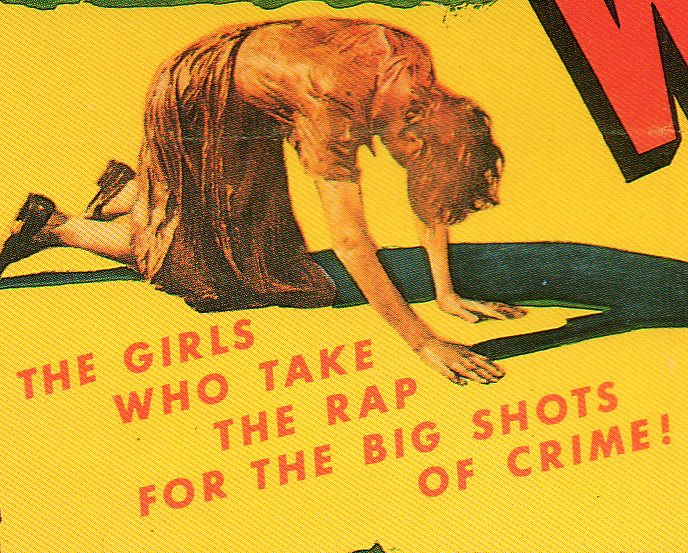
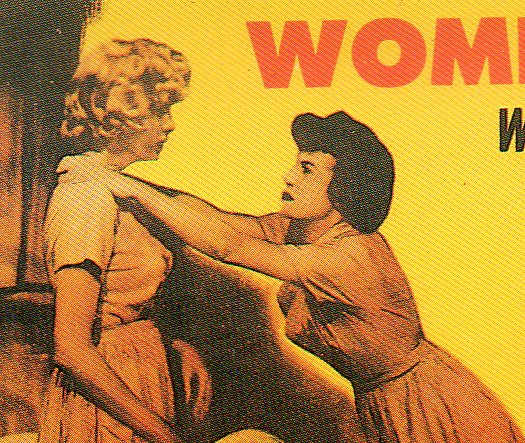
    Aberrant--betrayed women det986

    detail:

    Aberrant--betrayed women det987

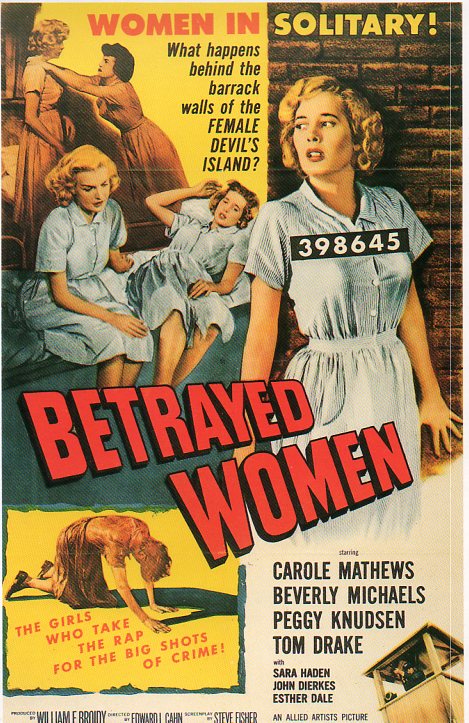
    Full poster, Betrayed Women, 1955:

    Aberrant--betrayed women cvr990

    Detail:

    Aberrant--juvenile jungle cvr det985 |Full poster, Juvenile Jungle, 1958

    Aberrant--juvenile jungle cvr984

    detail:

    Aberrant--cative women sm983

    Full poster, Captive Women, 1952

      Aberrant--cative women sm982
    Full poster,Captive Women, 1952

    Aberrant--catpive owmen cvr991

    Detail:

    Aberrant--lost lonely sm980
    Full poster, Lost, Lonely and Vicious, 1952:

    Aberrant--lost lonely cvr981

    Detail:

    Aberrant--party crashers det989

    Detail, Party Crashers, 1958

    Aberrant--party crashers988


  • Women in World War I–Vermeer of the Tars, 1918

    JF Ptak Science Books

    [This original, vintage image maybe purchased from our blog bookstore, here.]

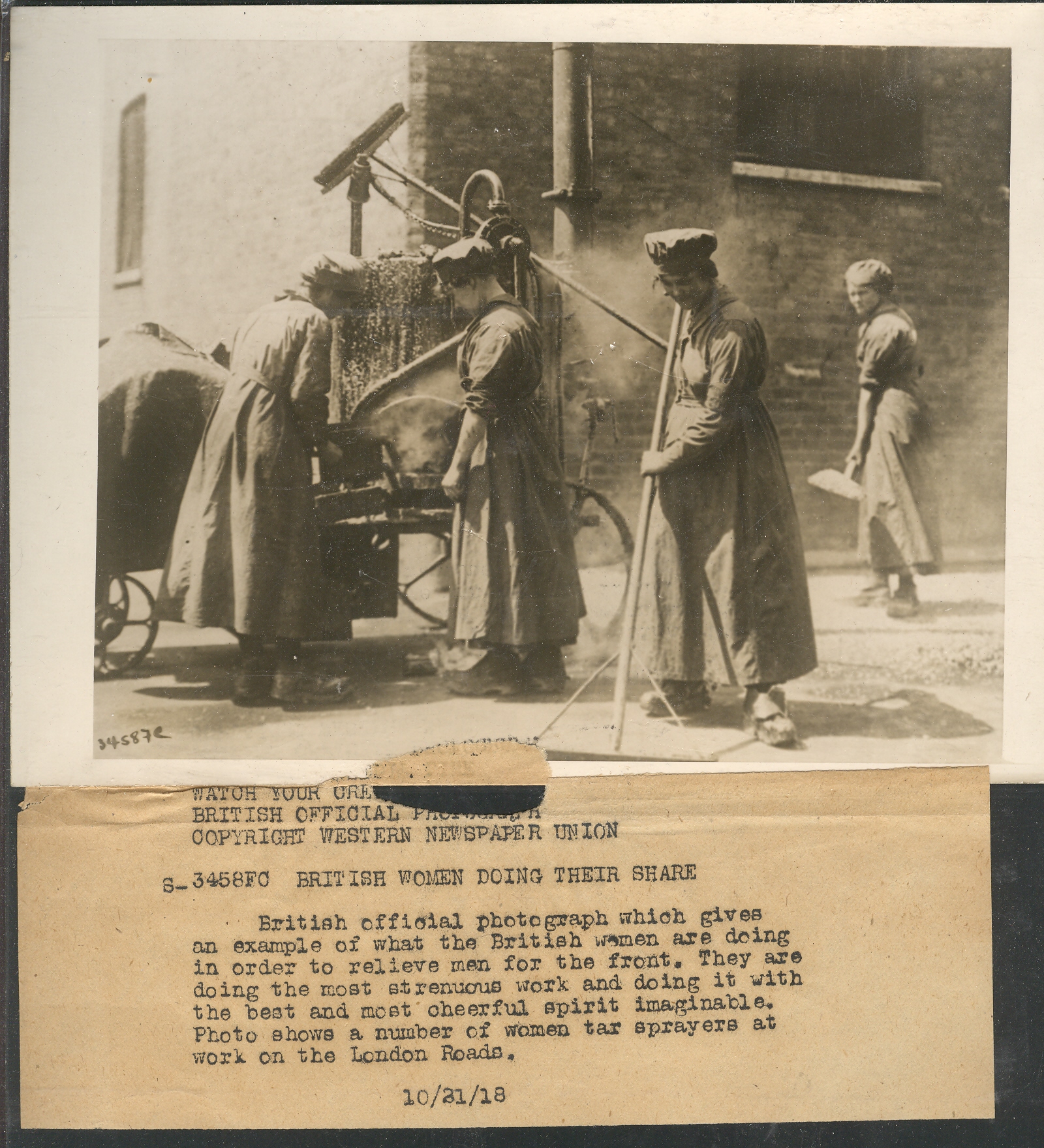
    0 ebay nov 20 WWI Vermeer In England, women were welcomed to the (paid) workforce during the years of the First World War (1914-1918)—their employment in traditionally male positions enabled those they replaced to go out to the front and die for their country.  Thus the women seen here in the News Photo Service Agency photograph (taken in 1918), working at spraying tar in the streets of London, were appreciated, and tolerated.  For women in England the War blasted away the contrivances of formally scheduled employment:  something like 12% of fall women in England were working as servants and house cleaners.   Come the War, women were offered jobs of revolutionary stature in a wide range and variety of work.  The Civil Service employment for women went from 33,000 in 1911 to 102,000 in 1921, and trade union membership rose 160% (357,000 in 1914 to 1,000,000 in 1918 (with men showing a 44% increase at the same time); for the most part, though, employers took advantage of the situation, and the women still generally earned less than half of the salary as comparable male workers did (or the men they replaced). 

    When the end of the War came, so did the appreciation for the women replacement workers—there was bitter feelings in the post-war period because of the weak British economy and a scarcity of jobs.  So the women who took the jobs of men to help the country’s war effort and free up hundreds of thousands of men for war service became an atavistic action, “taking” the jobs of men who had gone out to fight for their country. This of course cost many women their jobs, but the damage had already been deeply done to the pre-1914 British world of the sexual politics of business-being-done, though it would take World War II to really ingrain the appearance of women in the workforce into the national psyche.

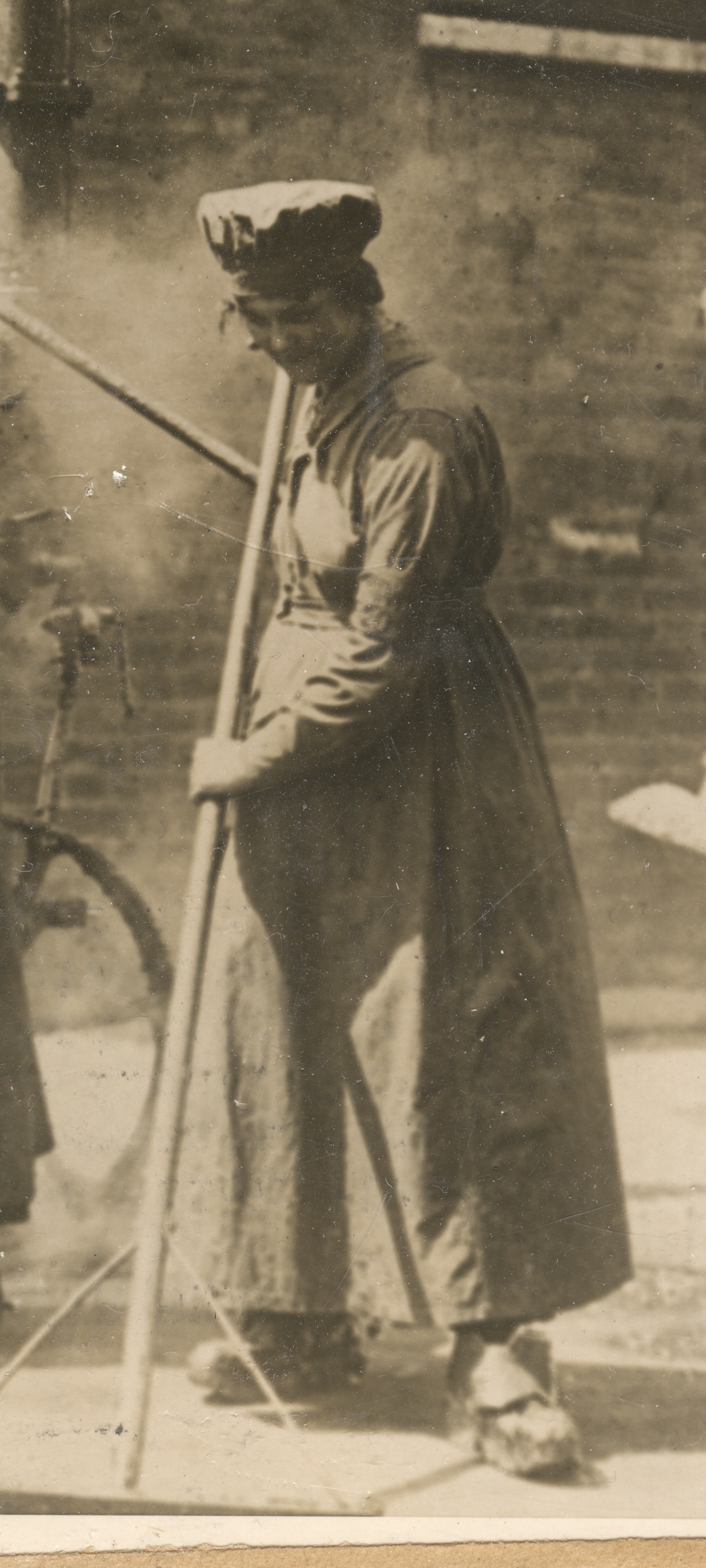
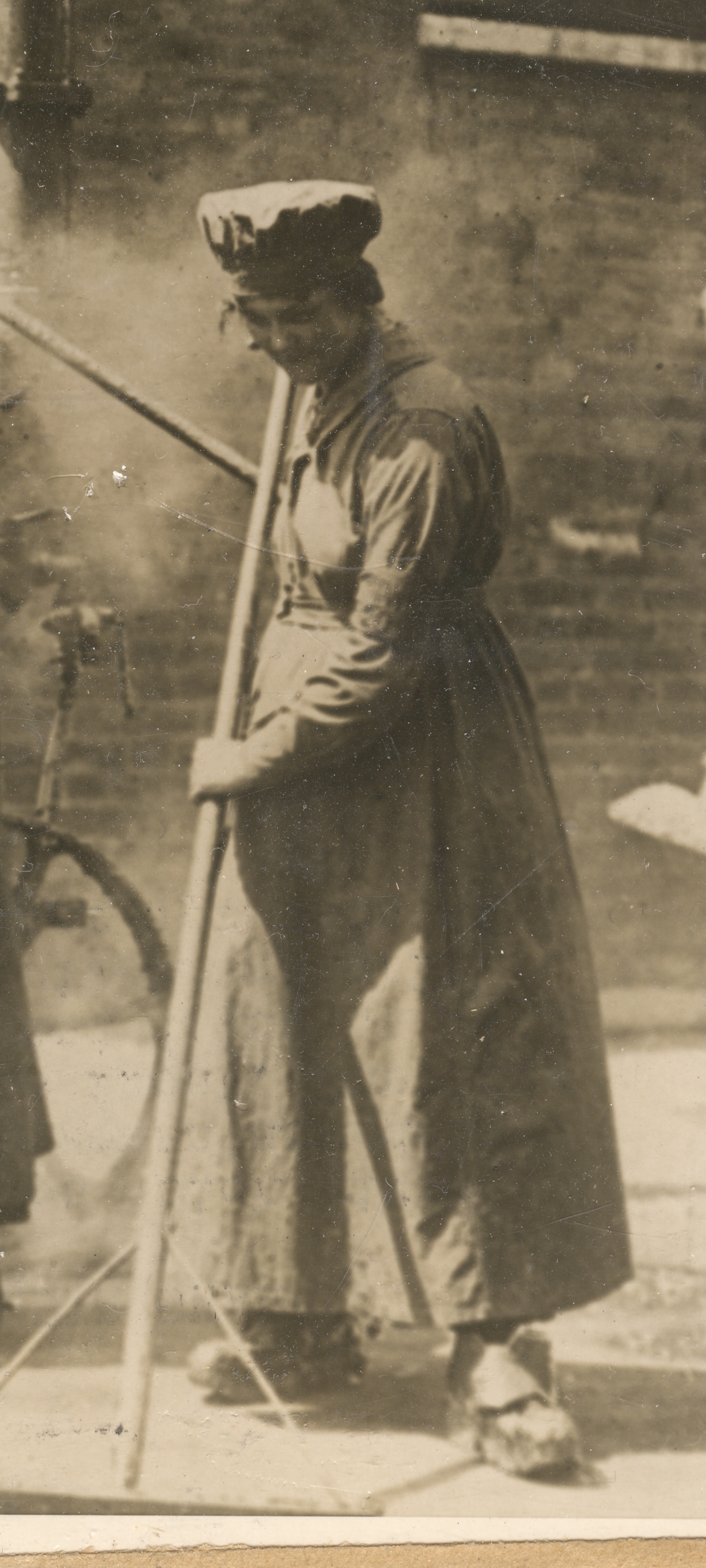
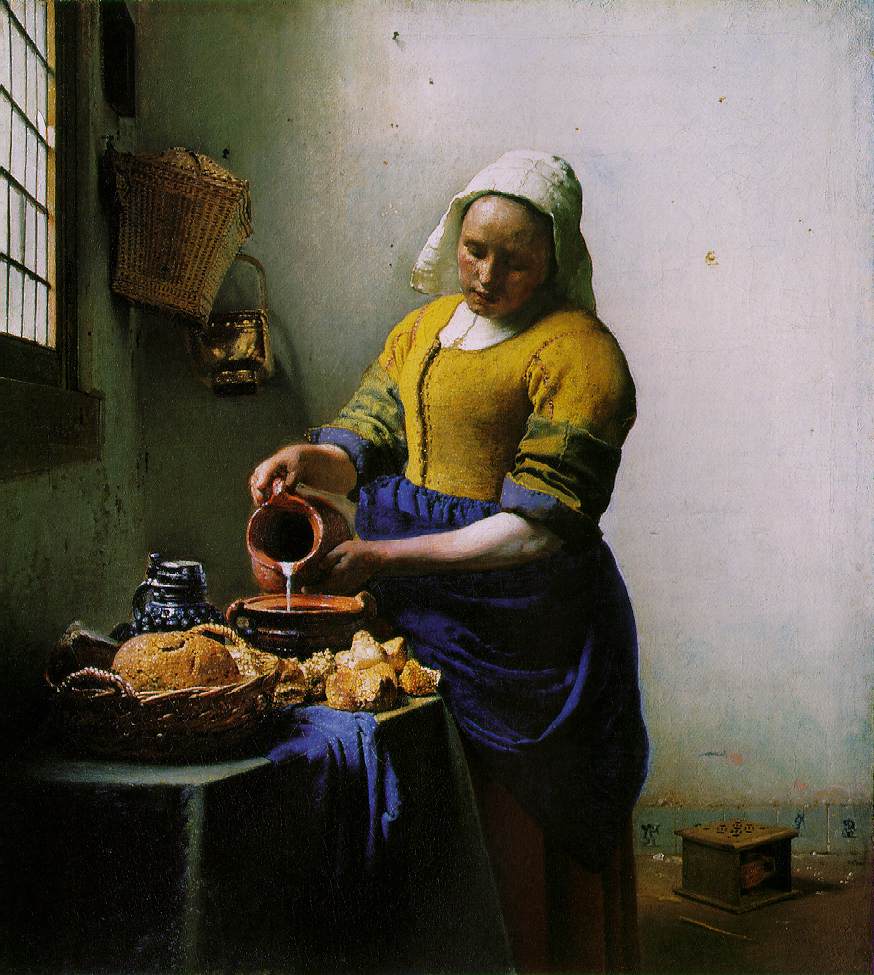
    I’ve liked this photo for a long time, seeing things differently in it over the years.  It struck me just yesterday that the woman in foreground-right–whose close-up reminds me too of a Madonna, a Mona Lisa of the Tars–looks like a Vermeer character from 400 years ago.  Or at least the position of her body does.

    0 ebay nov 20 WWI Vermeer 001 

    0 ebay nov 20 WWI Vermeer 001 0 blog nov 20 vermeer water

    ·Posted by :

    ·in:

    —

  • Mrs. Kennedy’s T.V. Show, 1960

    JF Ptak Science Books   Post 1239

    “Much of what we used for Caroline will serve for the new baby, too. Any new things I buy, I choose in neutral shades, being completely impartial as to whether it’s a boy or a girl”–.Jacqueline Kennedy, on how she will dress her coming baby, November, 1960.
    Kennedy 4.3

    The Kennedy presidential campaign of 1960 was certainly of a different era–it had its fair share of good and bad, but what it lacked was the noble predator of massive television coverage.  There’s was a minor major attempt at utilizing the new medium, and certainly from where we sit today, the effort looks quaint, naive.

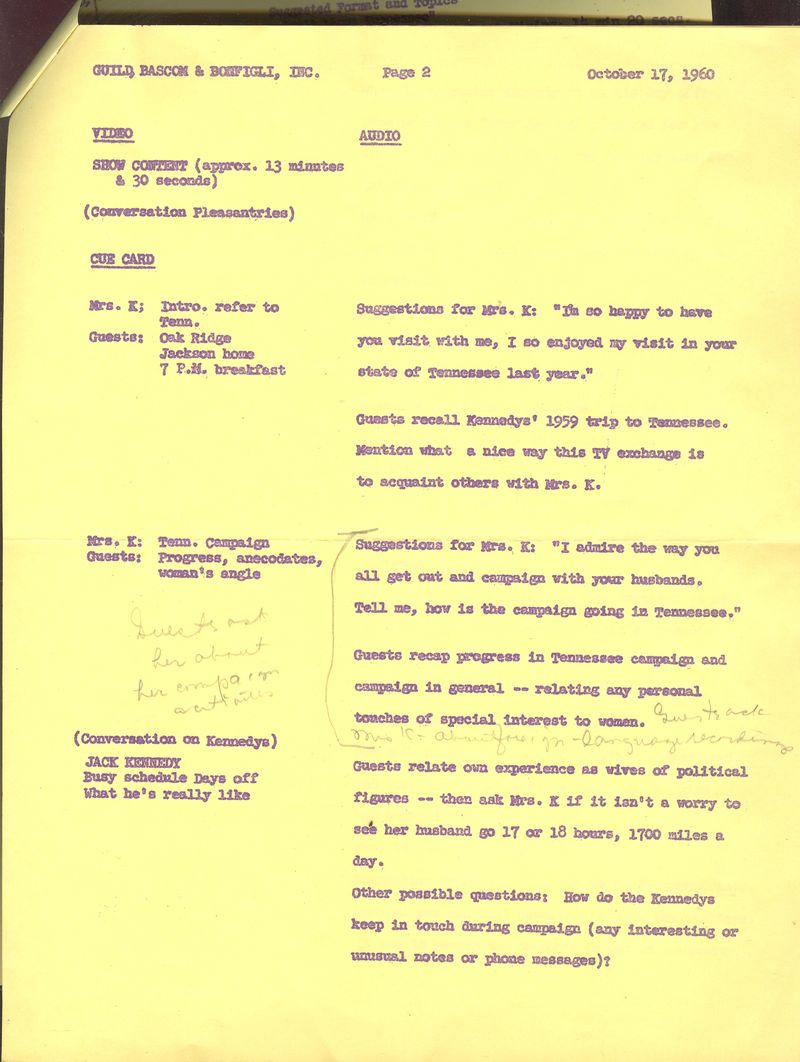
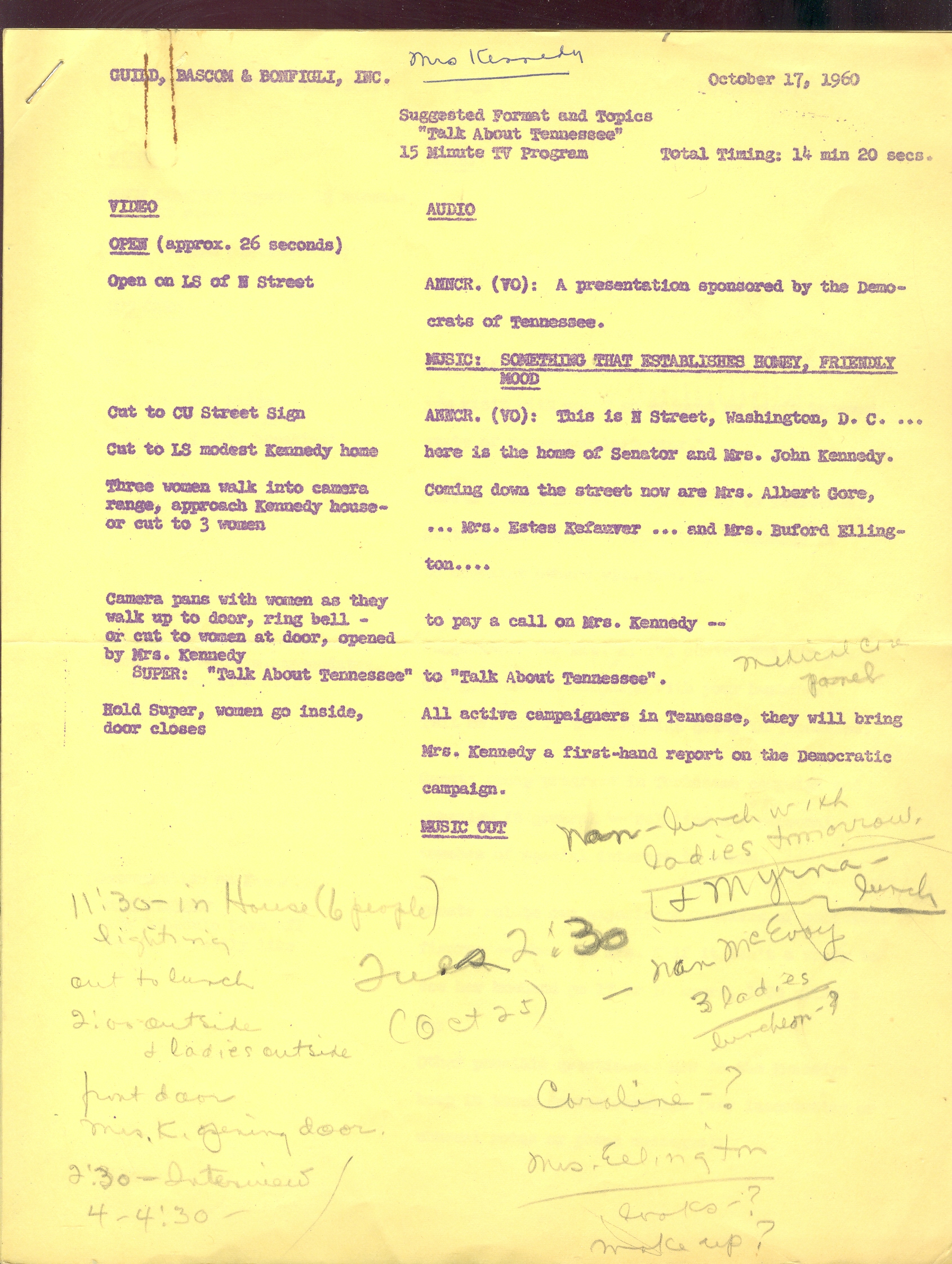
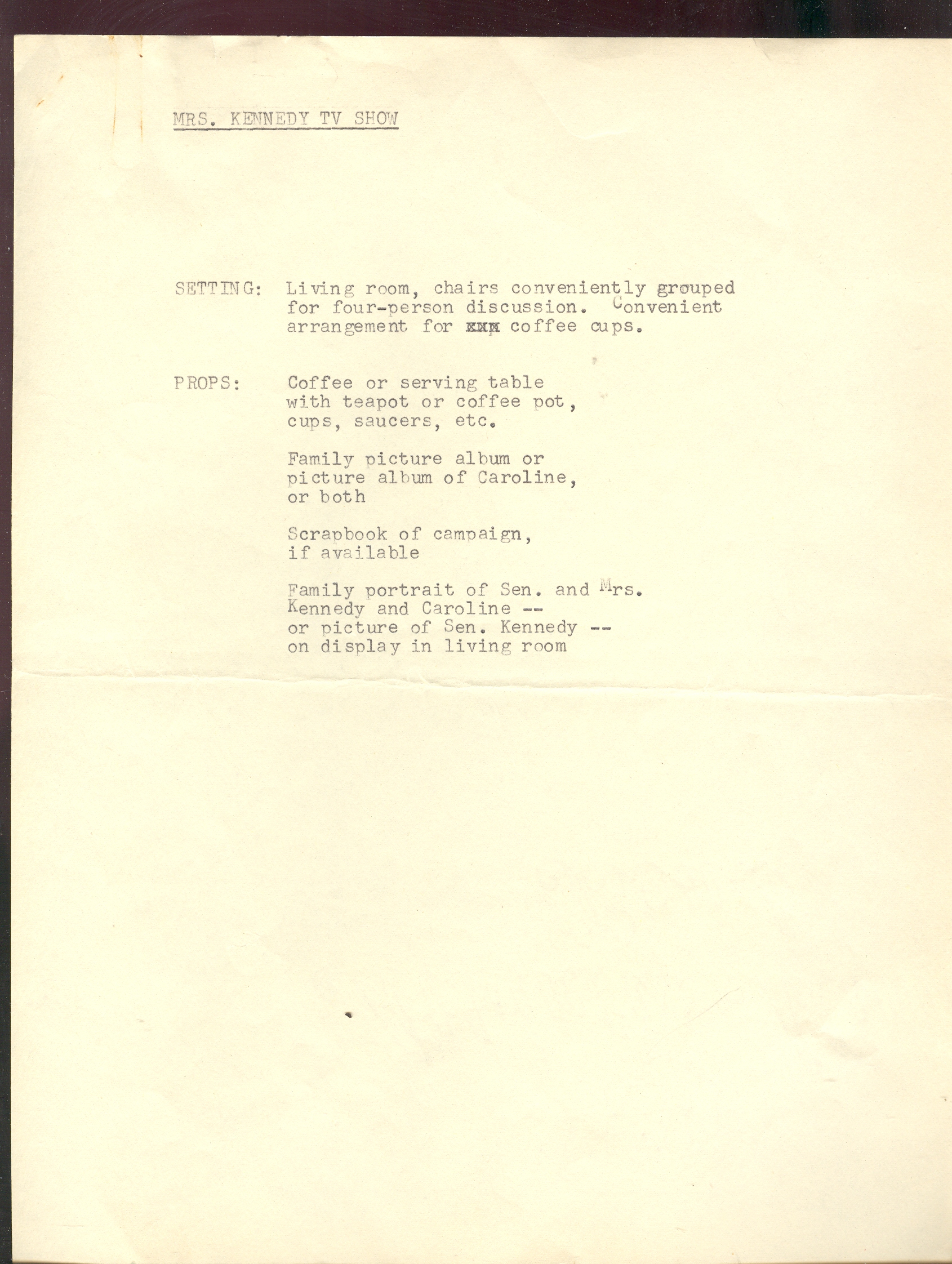
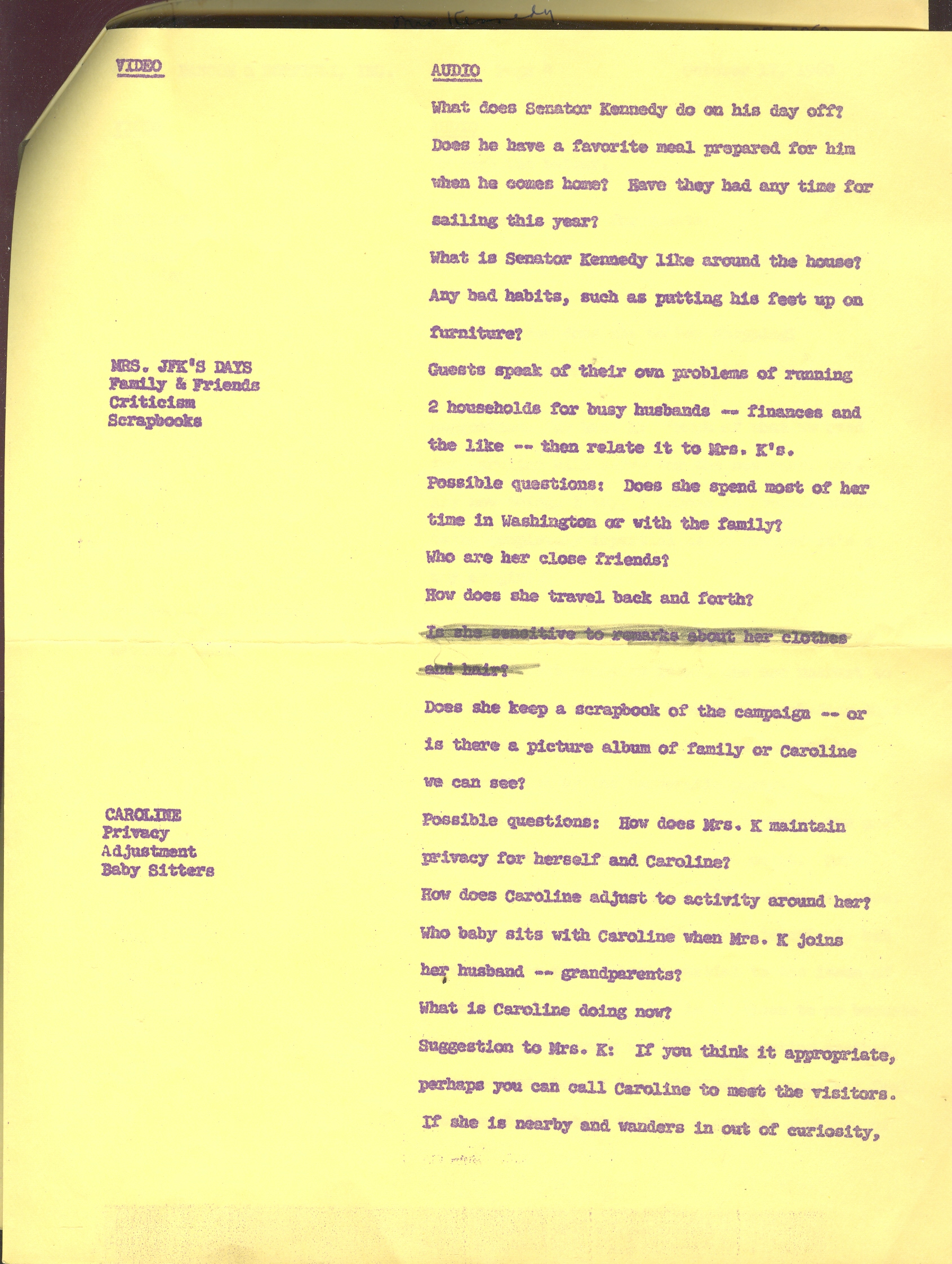
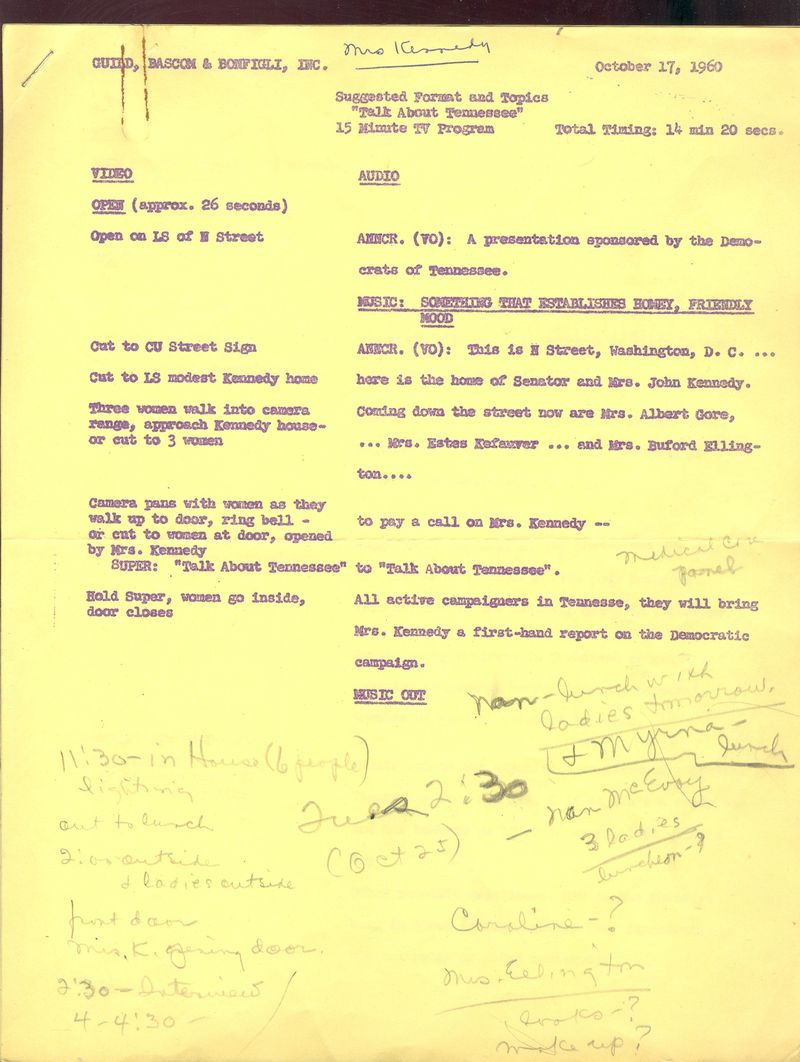
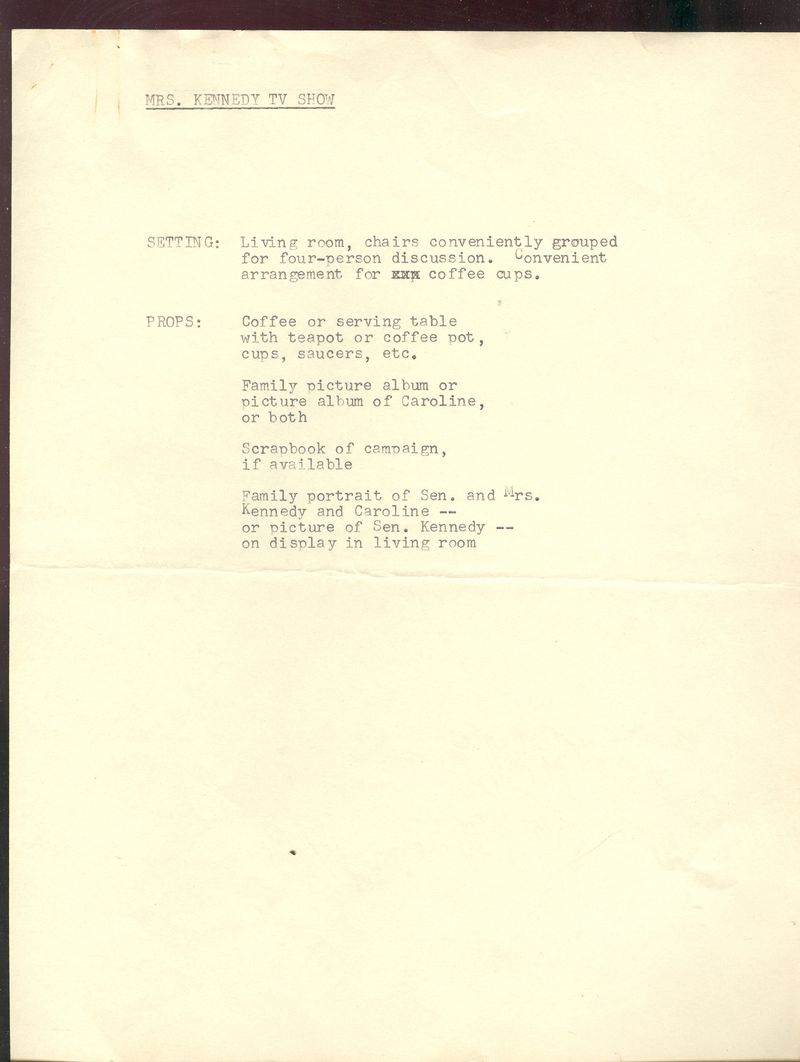
      What we have here is Jackie Kennedy’s copy of a script entitled “Talk About Tennessee”, (dated  Oct 17, 1960) for a 15-minute television endorsement for John Kennedy’s presidential campaign. Its a six-page insight into the workings of the campaign,  an x-ray of fifteen minutes of Jackie Kennedy talking with the leading ladies–featuring Mrs. Kennedy, Mrs. Albert Gore, Mrs. Estes Kefauver, and Mrs. Buford Ellington.of Tennessee–in a hearts-and-minds attempt for women’s votes. In fact, the scripts are titled “Mrs. Kennedy TV Show” in the hand of her acting social/press secretary, Gladys Uhl–it is in fact a full-fledged commercial spot, a long advertisement, though called something a little higher-minded than that.  But an ad is an ad, and this is definitely an ad. We see the enterprise from the director’s eye, who arranges the motion of the camera, the arrangement and style of music, and suggestions for conversation. [This document is available for purchase from our blog bookstore.]

    In the current era of micro-micro-management of micro-details, created nuance, utterly lost spontaneity, carefully crafted breathing and absolutely scripted off-the-cuff remarks, this effort seems extraordinary to the room that it left for instantaneous discussion.

    This material is from the estate of Mrs. Gladys Uhl, who served as the press liason and secretary for Mrs. Kennedy for a short time at the end of the election during the fall of 1960, though she did not follow Mrs. Kennedy into the White House. (Mrs. Uhl was the wife of Alexander Uhl, a very prominent and superb reporter who covered the Spanish Civil War in the front lines for several years, and who reported first hand on action during WWII, and covered many early civil rights movements for the Associated Press, the far-ish Left PM Newspaper, and many others. Her second husband, David Katcher, was the founding editor of Science Today magazine and who served a number of administrations in various high-level capacities.)

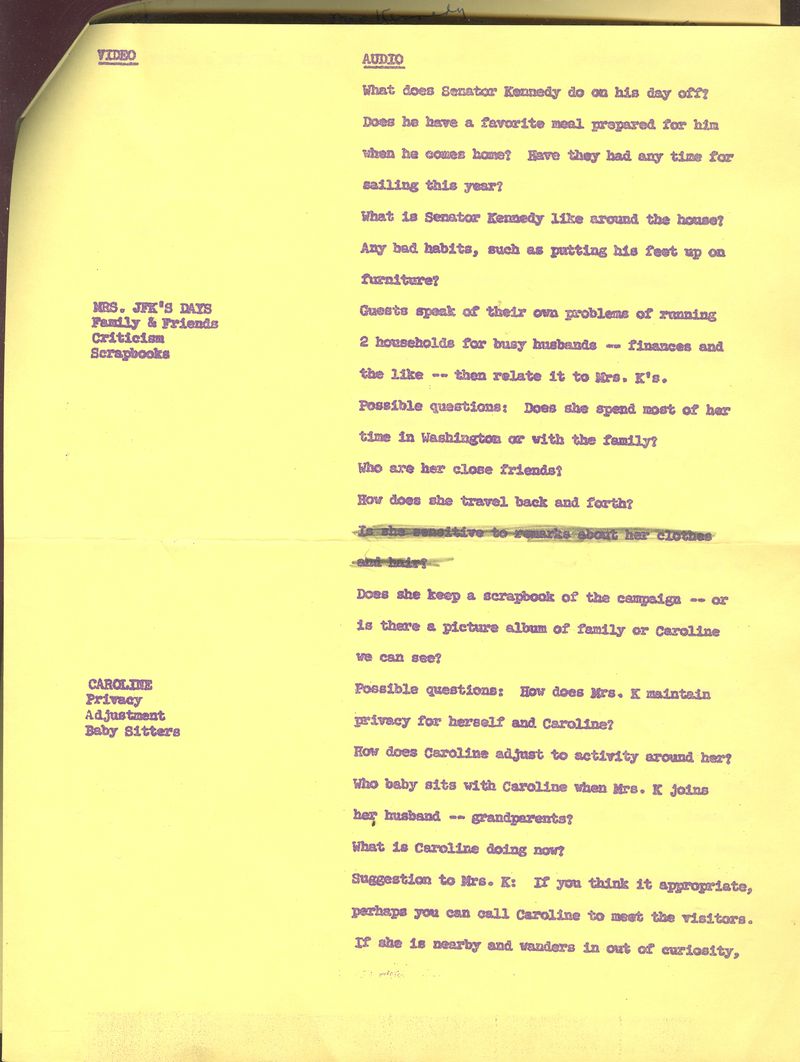
    The document, purple ink printed on yellow paper, and was evidently produced by Guild, Bascom and Bonfigli, Inc., and dated 17 October 1960, and is inscribed (in Uhl’s hand) “Mrs. Kennedy” in ink at top center of the document.  It details the look, feel and sound of the “TV show”, and also has suggestion about the content of the conversation. There are outlines for conversation *only* as there appears not to have been a definite script for each of the women. The entirety of the show does seem to be here, though, directing how the show should look to the viewer. The document is essentially divided into two sections, left and right, one side describing the video segment and the other describing the audio. A sample as follows:

    VIDEO (pg 1). “Open sequence on N street” (home of the Kennedys during this period was 3307 N in Georgetown, DC)

    AUDIO (pg 1). Music: “something that establishes homey, friendly mood”.

    VIDEO (pg 1): “camera pans with women as they walk up to door, opened by Mrs. Kennedy”.  [The conversation is mostly directed towards Jackie and the campaign.]

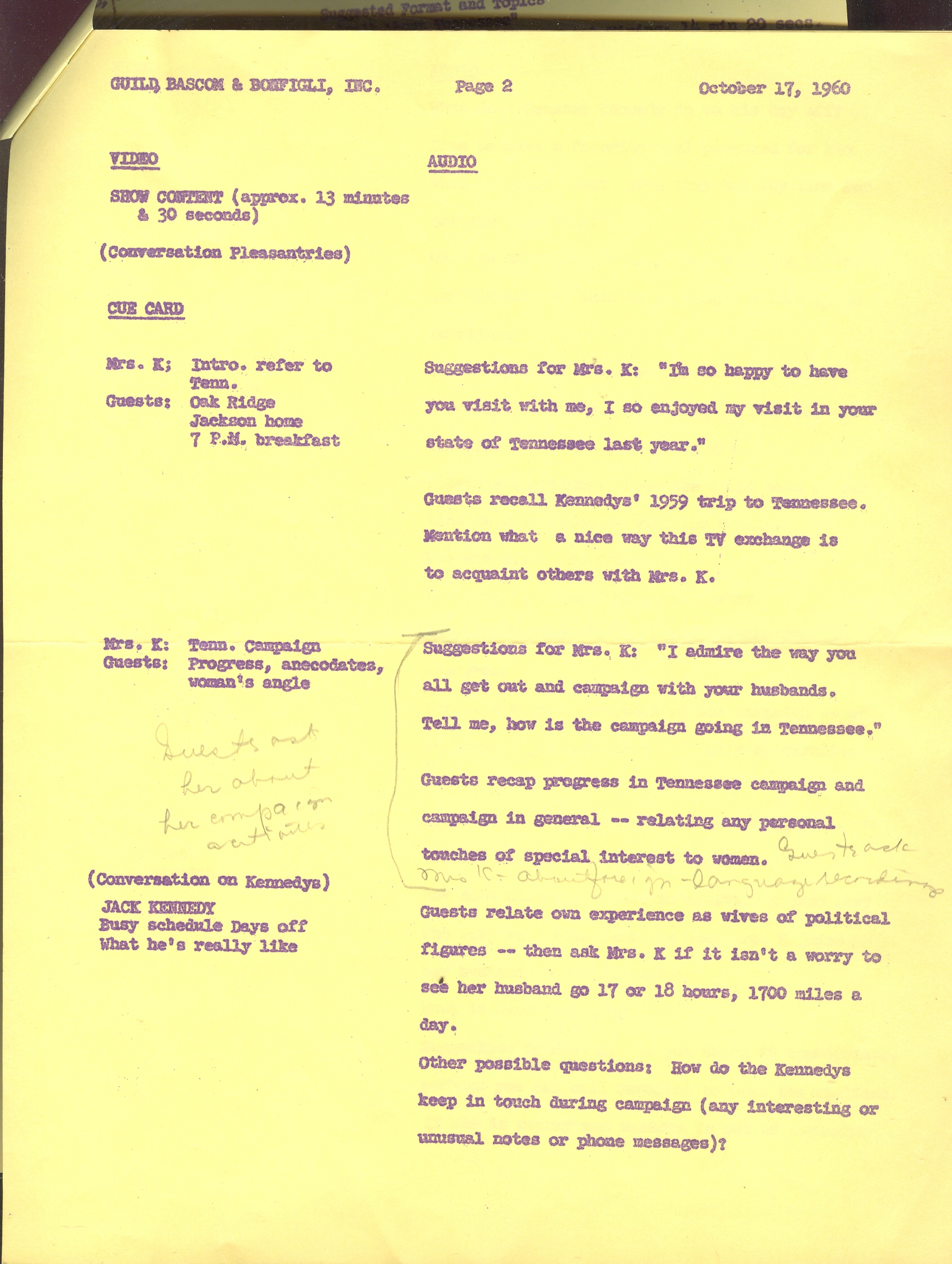
    AUDIO (pg 2): “guests relate own experiences as wives of political figures, then ask Mrs. K if it isn’t a worry to see her husband go 17 or 18 hours, 1700 miles a day”. 

    AUDIO (pg 2): “Other possible questions: how do the Kennedys keep in touch during campaign (any interesting or unusual notes or phone messages)?”.  Other questions put to Jackie: –what does Senator Kennedy do on his day off? –does he have a favorite meal? –how does Mrs K spend most of her time? –how does Caroline adjust to the activity around her? –has Mrs. K had time to fix up nursery, gather baby clothes? –where does she do her shopping? Then there is this nugget (on page 4) about a possible response for Mrs. Kennedy on her impending childbirth: “Much of what we used for Caroline will serve for the new baby, too. Any new things I buy, I choose in neutral shades, being completely impartial as to whether it’s a boy or a girl”.

    VIDEO (pg 5): “suggested to close program: if there is a family picture, or a picture of Senator Kennedy in the room, someone might draw attention to what a good picture it is. Mrs. K could either bring it in closer or rise and walk over to it. Women would then continue in conversation, silent footage, while the announcer concludes the show, voice over.”

    VIDEO (pg 6): “Drop super, camera cuts to picture of Sen. Kennedy, if possible within the Kennedy household”. VIDEO (pg 6.) “Super: Vote Kennedy-Johnson the Democratic Ticket. Ending.”
     

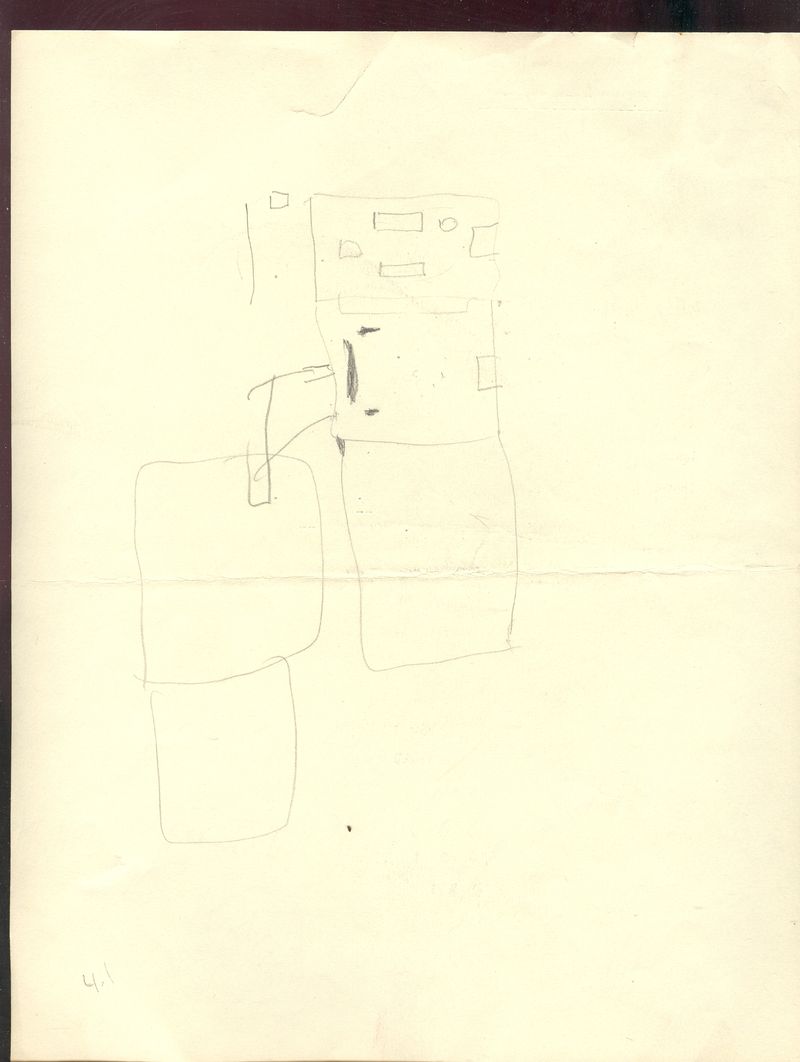
    Kennedy 4.1 

    Kennedy TV SHow, pg 2

    Kennedy 4.2

    Kennedy TV SHow page 3

    Kennedy 4.3

    Kennedy TV SHow 4

    Kennedy 4.4

    Kennedy TV SHow 5

    Kennedy 4.5