A Daily History of Holes, Dots, Lines, Science, History, Math, Physics, Art, the Unintentional Absurd, Architecture, Maps, Data Visualization, Blank and Missing Things, and so on. |1.6 million words, 7500 images, 4.9 million hits| Press & appearances in The Times, Le Figaro, Mensa, The Economist, The Guardian, Discovery News, Slate, Le Monde, Sci American Blogs, Le Pont, and many other places… 5000+ total posts since 2008.

Category: Women, History of

  • Triple Sci-Fi Negatives: Man-Tossing Giant Woman from the inside of Mother’s Wedding Ring (!) 1921

    JF Ptak Science Books   Post 1117

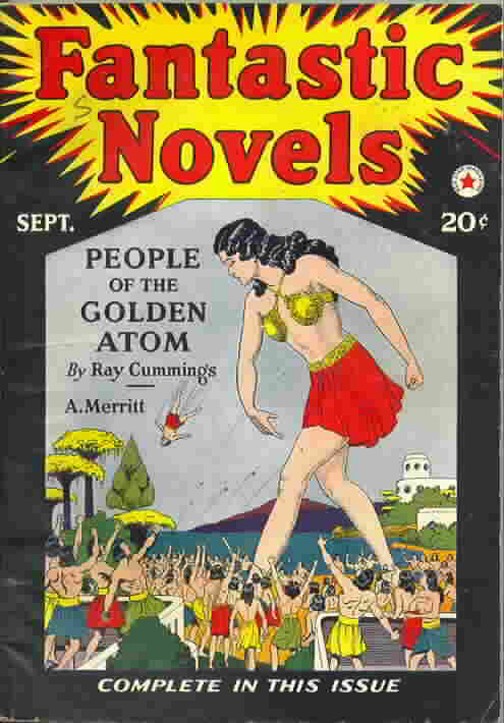
    There are times when even things that are made to look extraordinary and plainly, outrageously identifiable as what they are, simply aren’t–and sometimes they’re not even close.  For example, this cover of Fantastic Novels (1921?) seems to tell a straightforward story, but as it turns out the giant is giant but one living within a world in an atom of a gold wedding ring.
    Man throwing

    Author Ray Cummings (1887-1957) found a nice writing niche for himself in his fictional discovery of a drug that could make people as small as atoms and then, once inside the microworld, could be made as immense as micro-mountains.  The Girl in the Golden Atom was one of a five-part trilogy(?)1 and so far as I can tell, Cummings used the hell out of his original idea.  The prose reads like it is punctuated with invisible periods every fifth word2–evidently Cummings was so very busy writing 750 books and short stories that it  left him little time to edit or, maybe, think.

    Briefly and perhaps wrongly put, what I think that happens in this story  is this–four guys in a 1919 club do sumpin’, the chemist among them figures sumpin’ out and finds a micro world inside the atoms of his mother’s golden wedding ring where he falls in love with a chick  there and goes to visit her himself3; the shrunken chemist finds himself in the middle of a war and grows himself to gigantic proportions in microworld to help out his girlfriend’s people.  Or something like that. I don’t feel a need to understand this one. All I want is the cover art. 

    Personally, I’d rather be a giant rather than be miniaturized to somehow fight for my existence in the microscopical world.  Sure, finding sources of energy if you were 500 feet tall or whatever is going to be a problem; finding whatever problematic but less so. But at least nothing is going to try and eat/crush/liquidate you in the micro-world, where food is the least of your problems.  Color me in big.

    As I said, all my interest here is in the Frank R. Paul cover art.  I find very few images where giant women are throwing tiny men taken from a sea of tiny men into the far horizon. 
    ______   
    Notes.

    1. The other four parts of the five-part trilogy are The Princess of the Atom, The Man Who Mastered Time, The Shadow Girl and The Exile of Time)
    2. Here’s a sample of the writing:
    “Many things they threw,” Lylda [a giant woman]  answered. “But I was so big,” she smiled a little sad, twisted smile. “What they could do was as nothing. And
    because of that they fear and hate us so; yet never have I seen such
    fearless things as those they did. Death to the giants was their only
    cry. And I could have killed them–hundreds, thousands–yet never could
    I have made them stop while yet they were alive.”

    She was speaking to a character named Big Business Man. Makes my teeth fall out.

    3. Sounds like a lot of therapy source material


  • Anti-gravity Atomic-powered Sun-fed Underground Woman of the Year 5000!

    JF Ptak Science Books   Post 1114

    Paul-50.8
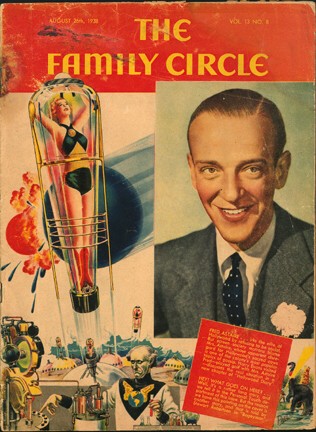
    The woman in this picture is rising from her subterranean world in an anti-gravity atomic-powered crystaline homunuclus, flying out for shopping while being fed by sunbeam converters.  No doubt there’s something strange going on with earth three milennia in the future–since the Earth no longer supports vegetation, people live underground and eat the sun directly via sciencey voodoo.     

    The artwork is provided by my newest favorite science fiction illustrator, Frank R. Paul, for the 26 August 1938 issue of The Family Circle.  And according to the elegant Paul-ophile website, the Frank R. Paul Gallery, the cover article is an interview with the artist, who goes into great detail (again, supplied by the Gallery site), about what exactly is going on in the cover illustration.  Without the explanation, I would not have been able to guess the meaning of the images.

    Another bit of the cover: the blue ball is “solidified energy” of space-time headed into the sun; meanwhile, genius scientists hope that to cushion the exploded sun’s blow to earth by launching burned tired gases into the stratosphere.  The rubber gas cushion worked, except that it would up being pierced by a renegade energy blob which crashed into the Earth and via a great miracle cured the Depression.  I would not have guessed this.

    Lastly, the guy at the bottom is not a mad scientist, but a Supreme Intelligence (as Paul tells us, he is denoted so by the “S I” on his chestplate, which evidently does not stand for “Sports Illustrated” or Staten Island”). I guess if the guy’s intelligence was really supreme he could’ve figured out a way to show more than North and South America in the single hemisphere on the chestplate.


  • Ovaries and Ovens–a Chance Encounter in the History of the Subjugation of Women

    JF Ptak Science Books   Post 1109

    A friend of mine started her facebook post writing “Ovary shipped out…”, a great piece of found story-beginnings, a great opening line, especially when ovariotomically removed from the rest of the sentence.  Alex is an artist and medical/anatomical illustrator by trade, so I knew what she meant–but forgetting that made the segment even more lovely. 
    Ovary homunuclus 1
    Aside from the fiction that the three words created and the half-word that I created/butchered, I wondered about when ovaries were first surgically removed, and then about how the ovary was seen (almost forever) as the home and birthing place of the fully-formed human delivered to it by men in the act of ya’ know.  Ovarian surgery really didn’t exist until the early 19th century, when it was practiced with great success (especially for its time1) by Ephraim McDowell (1771-1830), in 1809 in Virginia–and it was also about the first great American contribution to gynaecology as well  His first patient (“Mrs. Crawford”) sang her way through an anaesthesia-less procedure, surviving her illness and the surgery at a time when non-amputational surgery was half-fatal.2 There were other, limited reports of this procedure, but for reasons not clear to me it didn’t really start appearing as a general procedural possibility until mid-century.  Anyway, before the 19th century, women with ovarian cysts were pretty much out of luck.       

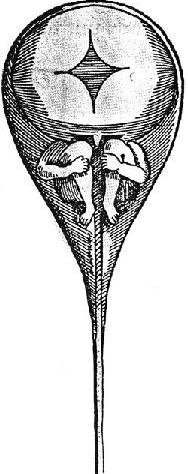
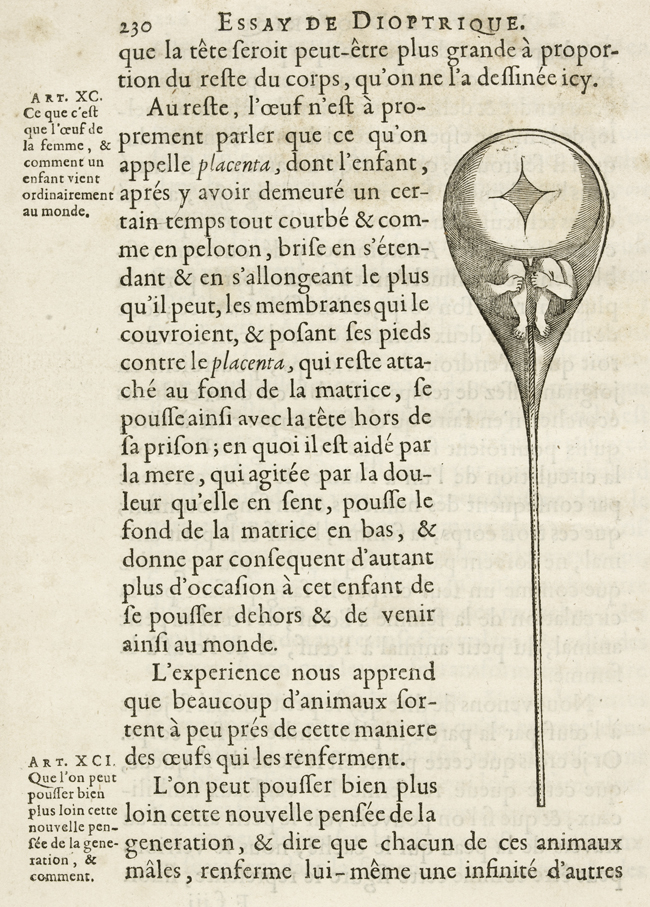
    But the issue of the ovaries as ovens–of homunuclus and palingenesis and epigenesis, the imaginary male-dominant anatomy of reproduction–was pretty much somewhat solved by the end of the 18th century.  Or at least the homunculus, the tiny but perfectly formed miniature human traveling along in sperm, was.  This character is pictured here, riding in the squinty-eyed imagination of researcher  Nicholas Hartsoeker3, who desperately wanted to see the thing, and which found itself published in his book Essai Dioptrique  in 1695. 

    The woman as a simple baker of a gift of preformed life was a medical belief that helped perpetuate the supposed inferiority of women, and that the woman’s part in the procreative process was a simple oven.  It was a difficult image/belief to resist, persisting well into the 19th century.  Anyway, this is where my thinking took me–to the anatomically-inspired subjugation of women–from Alex’s comment.
    Ovary Hartsoeker
    ____
    Notes

    1. This was still in the deep, dark time for hospitals and surgery, in general.  Remember that Joseph Lister was still a half-century in the future with his revolutionary surgical practices that were invaluable to the cause of successful surgery.  And hospitals in general were bad throughout Europe, though their story in England at this point was entirely different.  The Brits really took steps forward in the treatment of the sick, and especially in the treatment of the poor sick, thanks to being a little awash, splashing around in waves of money provided by their contributions to the industrial Revolution.  Funny how it takes major mounds of money-making to initiate good works like that, but, never mind the details–it was done, and hospitals in England during this period were comparative oases in regards to European/Continental hospitals. 

    ** McDowell’s first three cases were all successful , finally published in the Eclectic Repository for 1816.  This was the first real foray into this field by the pioneering American medical institutions; obstetrics and gynaecology before this, and particularly in the 18th century, was pretty much in the hands of the French (especially obstetrics) and the English, and to some degree the Italians (particularly with Mascagni, Santorini and Spallanzani).

    **This is probably unkind and not particularly true of Hartsoeker, who never said that he actually saw the little men of sperm, and had simply postulated them.  Maybe the squinty-eyed part was imbued in the minds of others, though it was Hartsoeker who drew the images of the homunucli to begin with.  I think that he should’ve rested in his better cups–he was a gifted mathematician and a particularly good microscopist and optical person, and probably should’ve restricted his published biological theories to his notes. 


  • Soldier’s Graves for Nurses Killed in Action, 1918

    JF Ptak Science Books   Post 1100

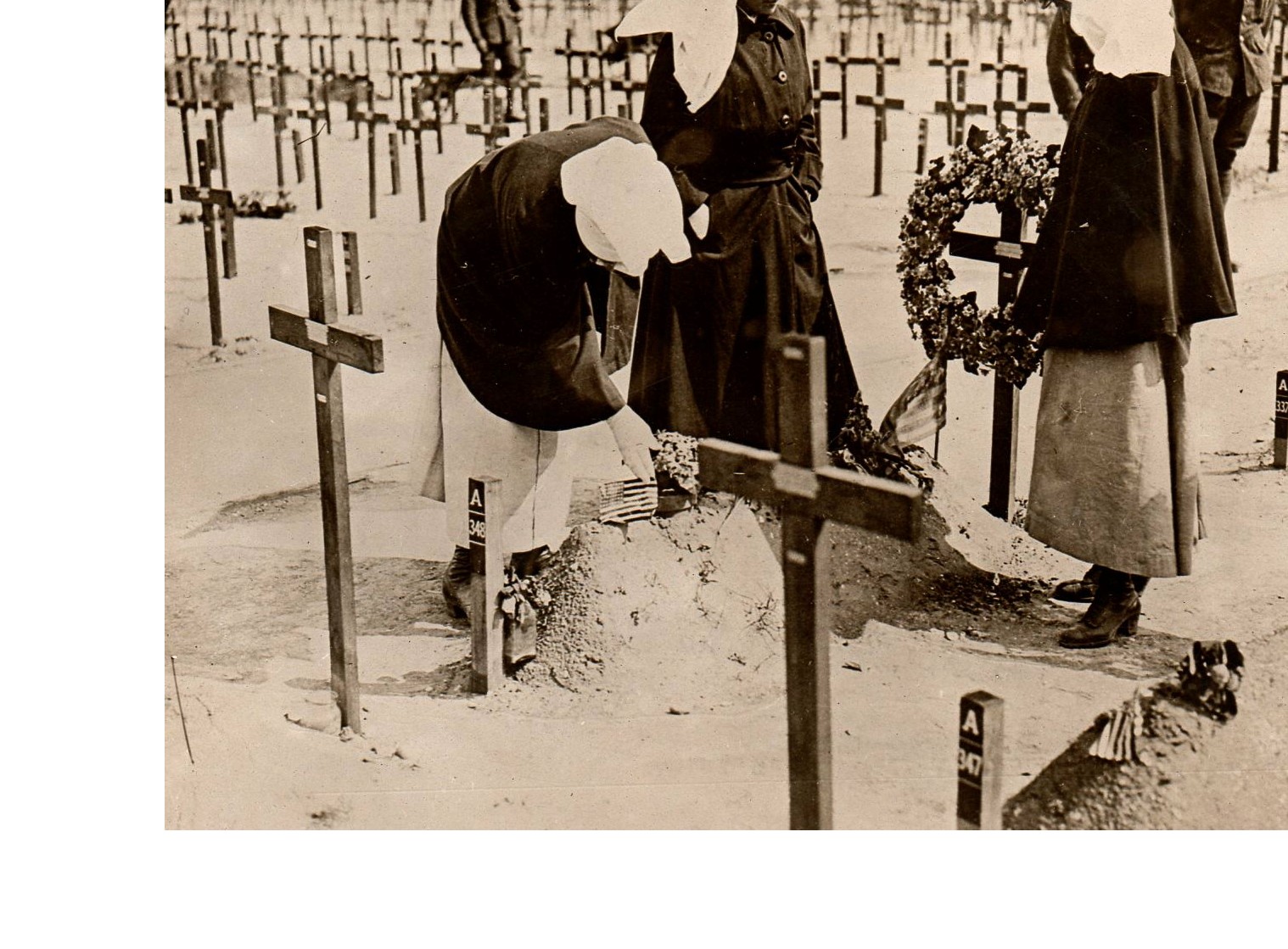
    I was very taken by this image, a photograph made of three Sisters on their way back from attending a funeral service for their compatriot, Sister Lowe, a fellow Canadian nurse killed by a German bomb dropped from an airplane in 1918.  It is from my collection of photo news service images, this one owned and distributed by Underwood & Underwood.  More often than not the photographs were accompanied by a sheet of brief text describing the image.  This photo text was dated 8 July 1918 and reads:


    Women--WWI sister 2259

    Women--WWI sister 4261
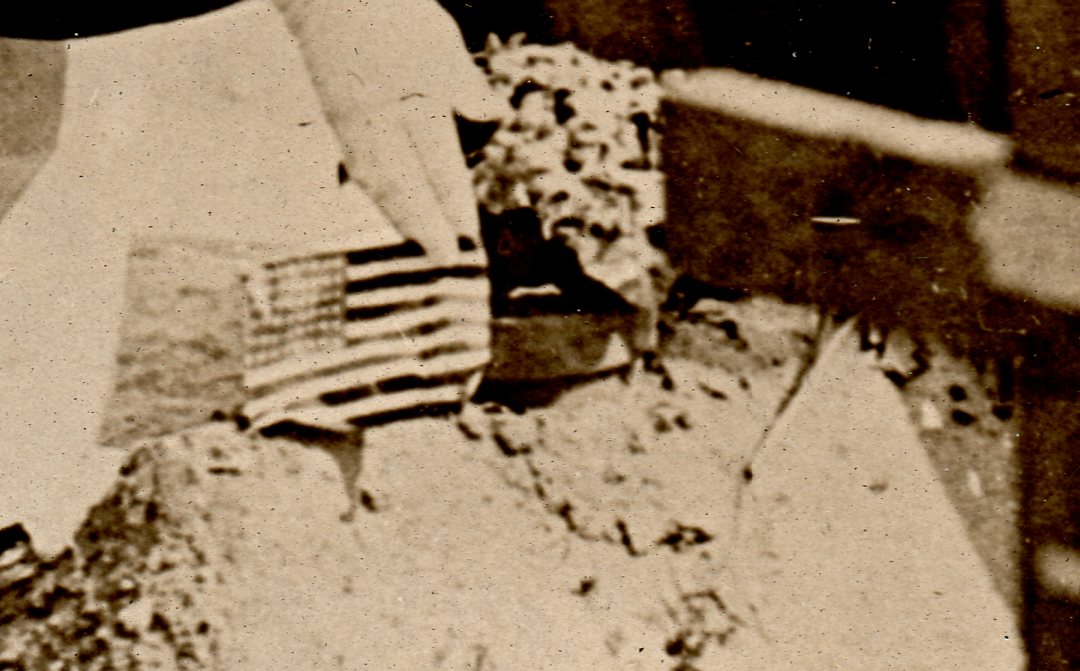
    “Another German victory manifested itself several weeks ago when Boche air flyers bombed a defenceless Canadian general hospital in France.  This Canadian Official picture shows Canadian Sisters preparing to return to their hospital after attending the funeral of Sister Lowe who died of wounds received during the raid. Note the grave of an American nurse who was killed during a previous air raid.”

    They evidently stopped to pay their respects.  Its the tiny flags that got to me–I think they’re homemade.


  • The Future of Women–Helicopter-Delivered Paper Clothing for Woodsy Frolics

    JF Ptak Science Books   Post 1105

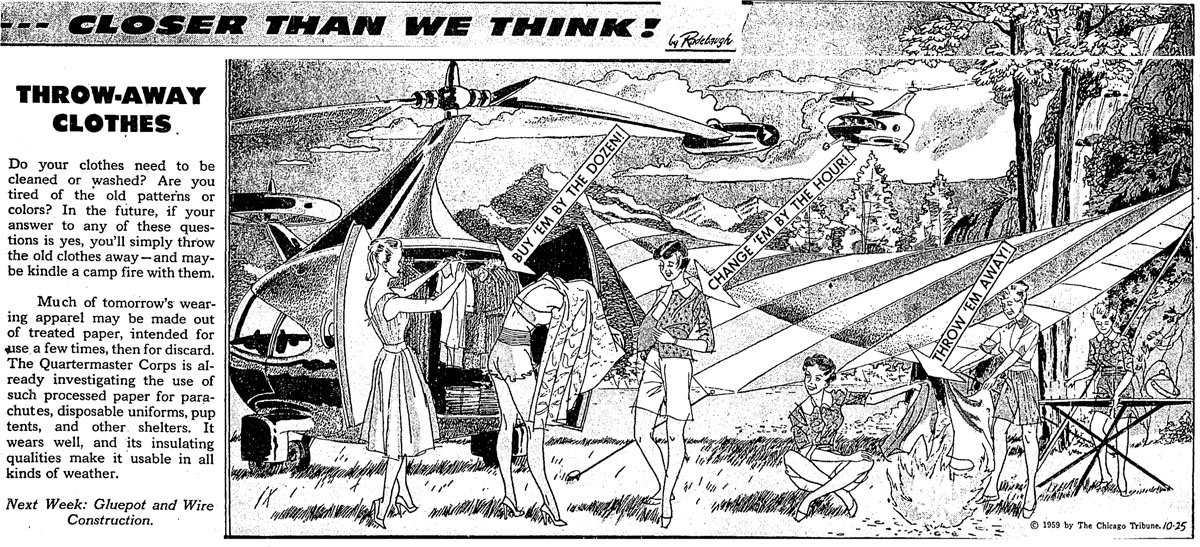
    Future--throw away clothing

    The artist of this perspective of the future offers us a little too much of his personal dreamcastle, I think.  Perhaps the future is filled with paper clothing to be thrown away at a whim, or if not paper then something else besides that, like paint.  Painted clothing might make more sense than natural disposables.  But what makes this image special to me is that none of it makes sense, but for semi-noxiously-underwear-filled reason, it did find its way into publication, even if it was only in the Chicago Tribune.  

    The artist shared a very personal vision of the future which reminded me in a way of a reverse Reclusorium.  Monks and recluses filled out their fair share–men and women alike–of Anchorages and Reclusoria, living down in tiny cells sometimes dressed in chaffing (or worse*) clothing, sometimes being permanently caged (or even walled in), spending their lives devoted to their own unworthiness and penitence and glorification of a private conversation with a god of salvation. 

    This picture offers us a group of non-recluses, living far from any sort of St. Jerome-y existence. For some reason these women are living out in the wild in high heels, enjoying The Nature, and having their disposable clothing delivered to them via helicopter(s).  They choose their paper outfits, and change into them right there, right in front of the helicopter, the artist enjoying their wreckless abandon. Find the clothing, take off old clothing, dress languidly, and then sit down and throw the old paper rags into the fire. Just in case, the lady in the background is serving refreshments.

    Seems to me that the women in this scene are developing a public demonstration of a little private fetish of the artist more so than delineating a vision of a hellfire future filled with semi-naked women frolicking  in the woods.  Or rmaybe I’m being too cranky and seeing things too hard–maybe not…


  • “Woman Bagatelle”, ca. 1905

    JF Ptak Science Books   Post 1085

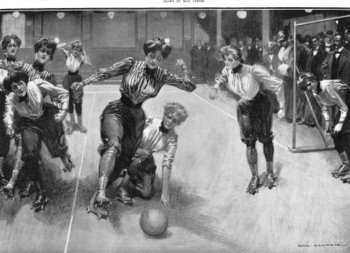
    I’m not sure why these women needed roller skates for this sport, but I guess that they were necessary for the good of this cross-“sport” between soccer and hockey.  The women put their hair up and got down to business, pushing the ball forward to the somber delight of the male audience.  I must say that I was attracted to this image because of the word “bagatelle”, which was nomrally reserved at this time to describe table-top marble game, a sort of passive pinball.  And perhaps that’s all this was, to the spectators, men rarely getting a chance to see women in such exertions, wearing so little. 
    File0180


  • Welcome (Again!) Jezebel Readers! (On the History of Women)

    I’m happy to report that one of this blog’s “History of Women” bits has  been posted on one of  the top-25-popular websites, Jezebel.  I thought that this was the ninth post from here that they’ve shared, but I can only find six. Jezebel is a wide, varied site with considerable interest.  Have a look and have fun!

    The
    Hidden, Mysterious Kisses In Vintage Comics


    Over on John F. Ptak’s site, there’s a post about what

    kisses looked like in the Golden Age of Comics.
    Hint: Lipless and faceless!  Views: 3,8413,841 views on this post, 60 new visitors 
    Comments: 62


    Girlie
    Shooting Gallery Is A Terrible Party-Game Idea


    An innocent Life magazine photo of dinner guests aiming
    harmless toy rifles — so nostalgic, so quaint! Actually, no. Not at all.
    More » Views:5,4115,411 views on this post, 87 new visitors Comments: 30


    The
    Average Housewife’s Workweek: Staggering Since 1947


    “35 beds to be made, 750 items of glass/china and 400 pieces of
    silverware to wash, 174 lbs. of food to prepare, some 250 pieces of
    laundry” — it added

    up to some 100 hours of joy per week. [PtakScienceBooks] Views:3,508 Comments: 69

     
    Click here
 to read A History Of
 Fainting Spells, Headaches, And Sexual Indifference


    A
    History Of Fainting Spells, Headaches, And Sexual Indifference


    “The manual is a codex of denial, submission, ignorance, boredom,
    tiredness, exasperation and triviality so far as sexuality is concerned
    for women—there is no hint of pride, or of enjoyment.” It’s a vintage
    medical hard sell!Views: 4,9654,965 views on this post, 240 new visitors Comments: 23 


    Giant
    Woman Sets Hemline Record!


    We’re not arguing with the

    claim that this image demonstrates “what must be the female record
    for the most distance between the ankle and the hemline.” But the nifty
    hemline chart has us sold.

    Views: 5,1635,163 views on this post, 74 new visitors Comments: 4


    Click here to read "Did You Give Him A
 
Chance To Impress You?"


    “Did
    You Give Him A Chance To Impress You?”


    Writer John Ptak has
    posted 1940s Ladies

    Home Journal piece that instructs young women on date conduct.
    The response of Ptak’s 17-year-old daughter? “It was simply beyond
    listening to…and certainly not anywhere near worthy of a response.”Views:3,9893,989 views on this post, 14 new visitors Comments: 34


  • Duchamp, the Empty Value of Words, and Bra Dreams 1955

    JF Ptak Science Books   Post 1072

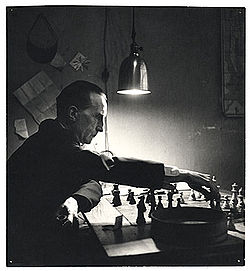
    There is absolutely no chance for a word ever to express anything. As soon as we start  putting ourDuchamp thoughts into words and sentences, everything goes wrong.– Marcel Duchamp

    Which is worth more, wind or stone?  They’re both priceless.  Alexksie Kruchenyh

    This is one of the defining Duchamp quotes for me, the thing that most closely gets at what he was trying to do in his art.  Ultimately I think that he didn’t care about words to define the result of what he was thinking about–or what his art represented.  Or the outcome of a chess game.  To me he was all about the process of getting there, the results not mattering all that much–and certainly not a description of the result.  

    Or perhaps not.  My opinion on Duchamp is that the whole deal for him was a performance, whether he was writing about or discussing or making art, the most important issue was the movement associated with trying to move from place to place.  The destination itself didn’t matter. The message was the thinking, and so identifying it as the same for everyone when the process was so individualized was senseless for him, the message a dynamic thing communicated with images.
    Bras maidenform171
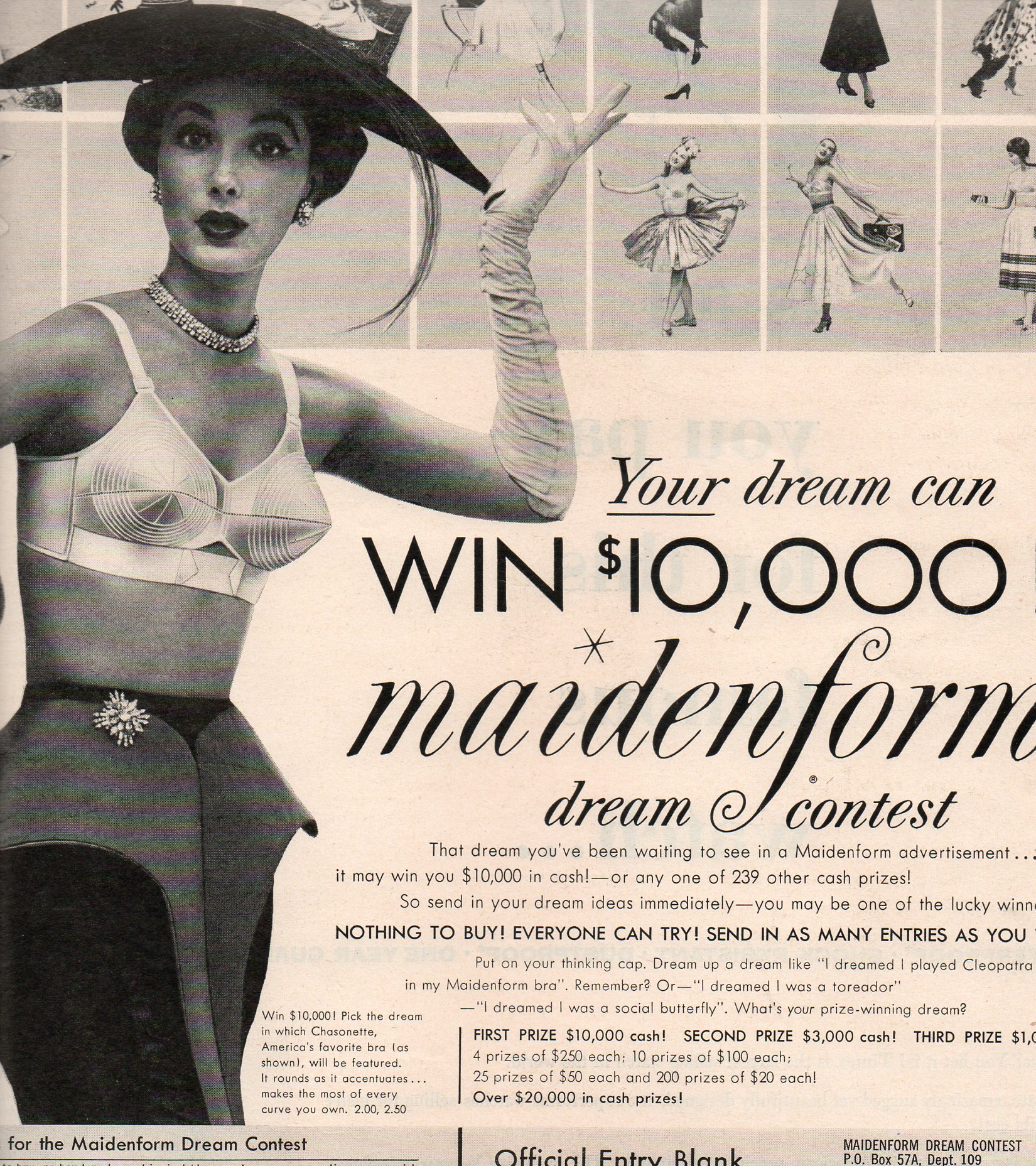
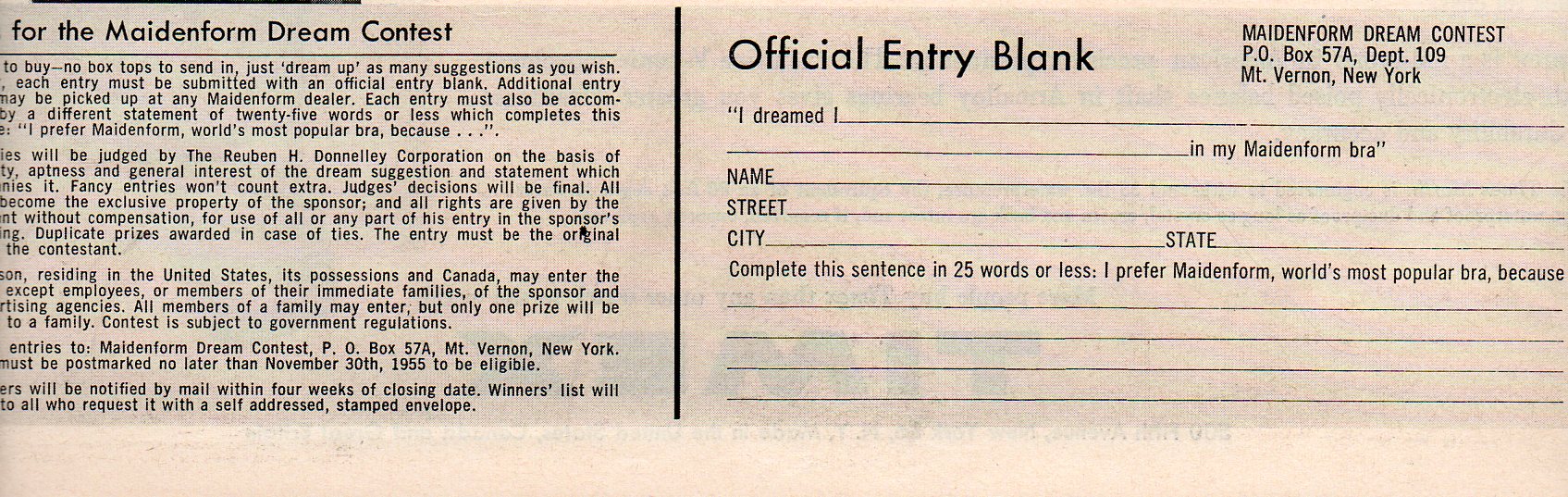
    When trying to use this Duchampian interpretative tool with this odd combination of words and images in this 1955 LIFE magazine ad I still come up a little short on  what was going on.  Maidenform was looking for dreams that women had in Maidenform bras, paying $13,000 for three juicy/saucy/odd samples.  The manikin-like pose, the expressionless face, and the few bits of clothing this woman is modeling apply some sort of robotism on which  rocket-y wire-circled bosoms are encased in a steely industrialism.  On the other hand the bra maker wanted women to share their bra-encrusted dreams.  The central interest is of course making money on bra sales, but underneath that I’m not sure what I come away with as the message in the images outside the obvious peek-inside-the-machine stuff. 
    Bras maidenform form173

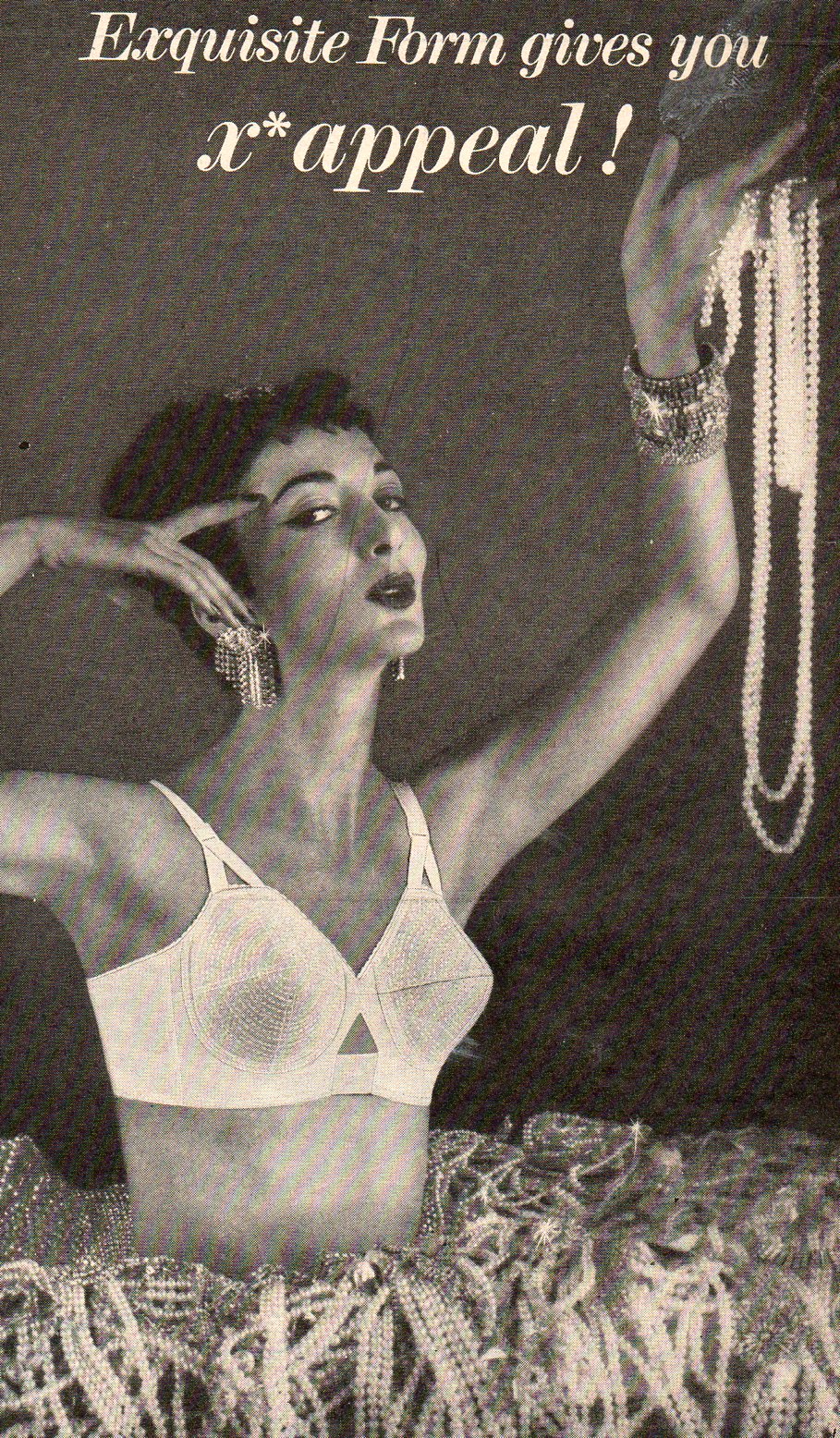
    A little further in the magazine and we find an ad from Exquisite Form (“brassieres give you X* appeal”) that gets to a simpler message instantly.  The instantaneous is lacking in the Maidenform ad, but the inescapability isn’t.

    Bras pearls170


  • The Emptiness of Gun Porn: Burlesque Dancers as Game, 1947

    JF Ptak Science Books   Post 1051

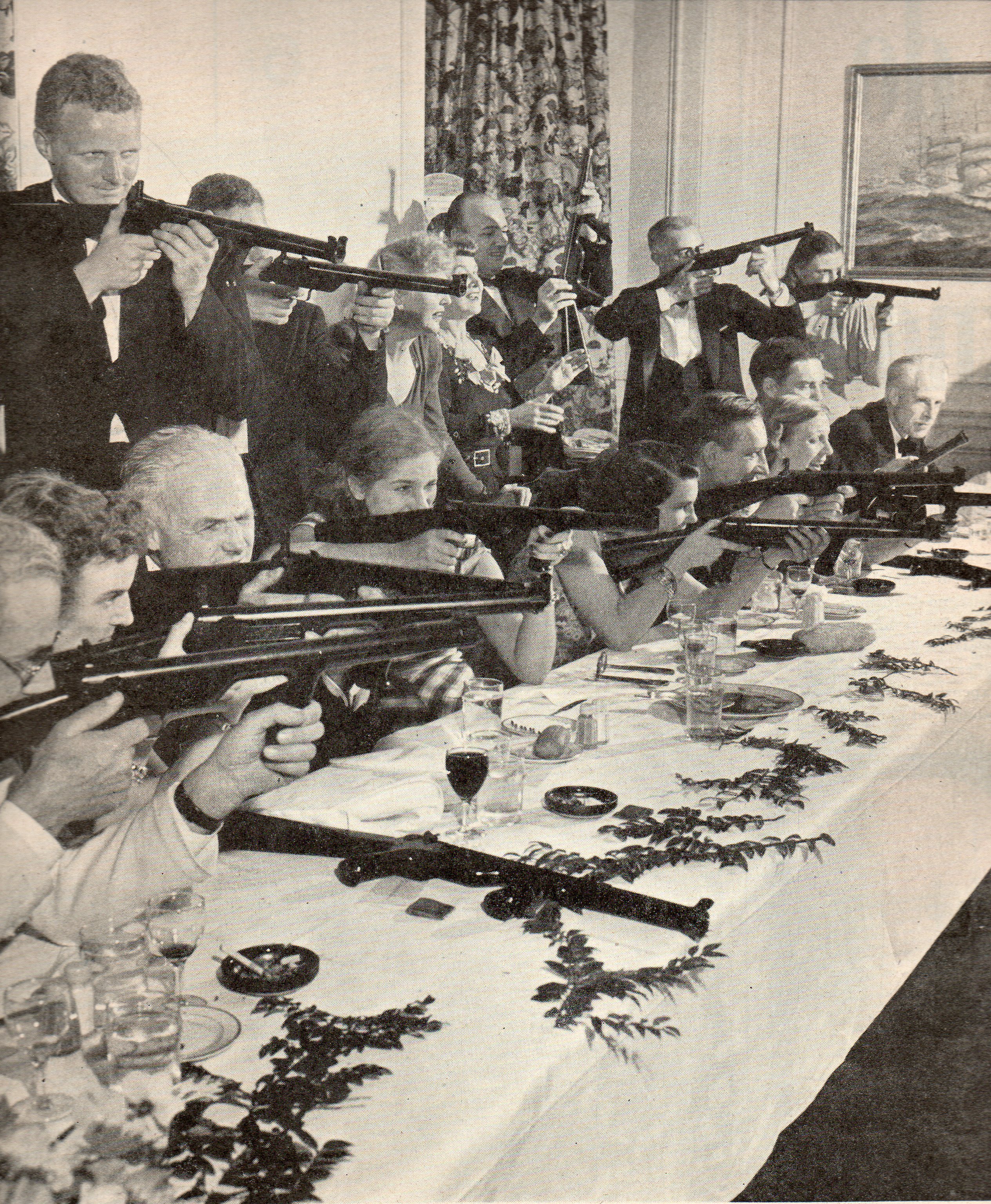
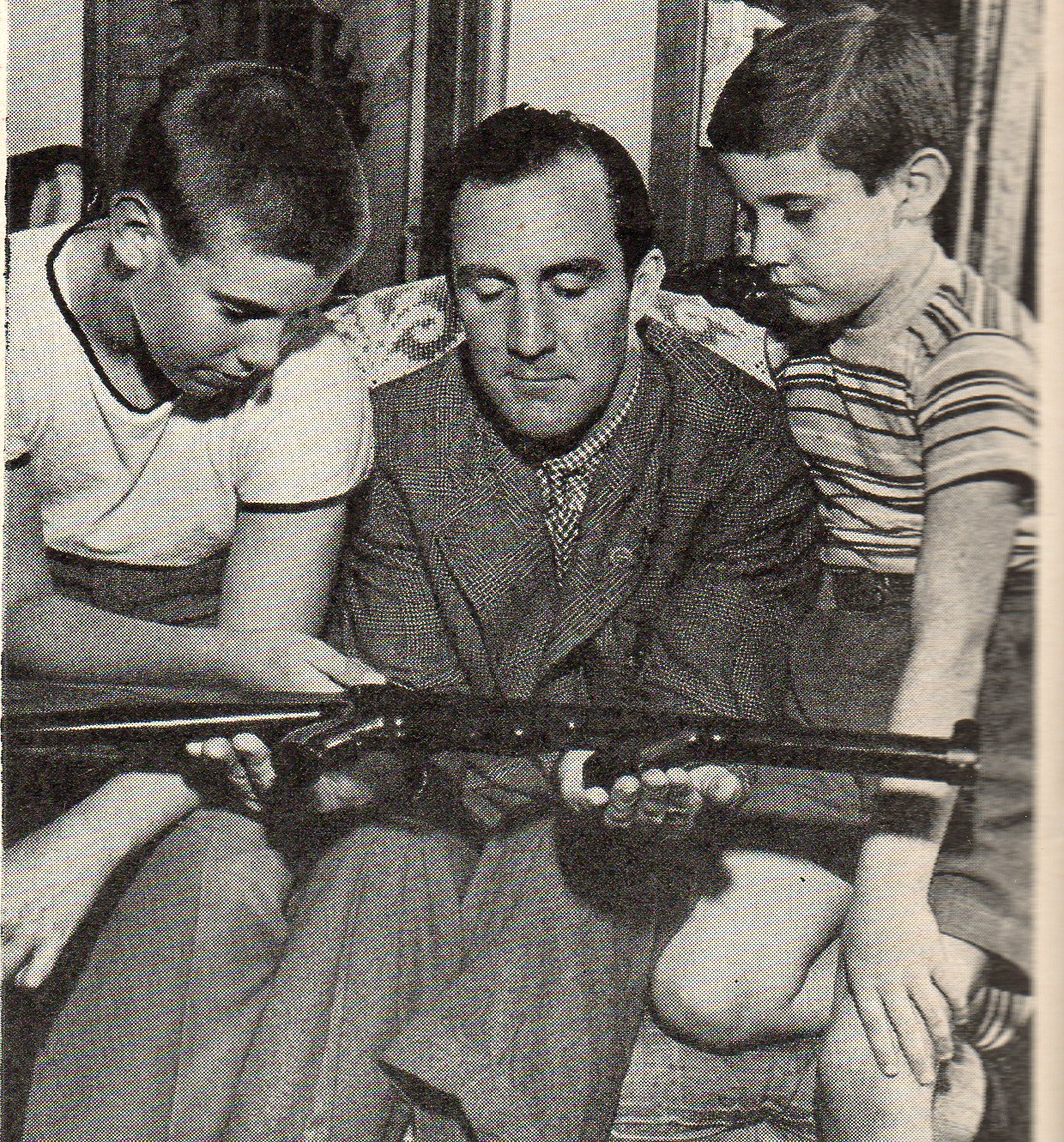
    It is unusual for me to find provocative photos that are more unusual in context rather than out.  But this is certainly the case here, with these photos of gun porn from Life magazine of 1947. This photo spread was meant to celebrate the launch of a “harmless” toy gun, the manufacturer demonstrating this point by having two dozen dinner quests shell dining room targets with imitation Tommy Gun-ish pellet guns. 
    00--shooting strip teas dinnere043

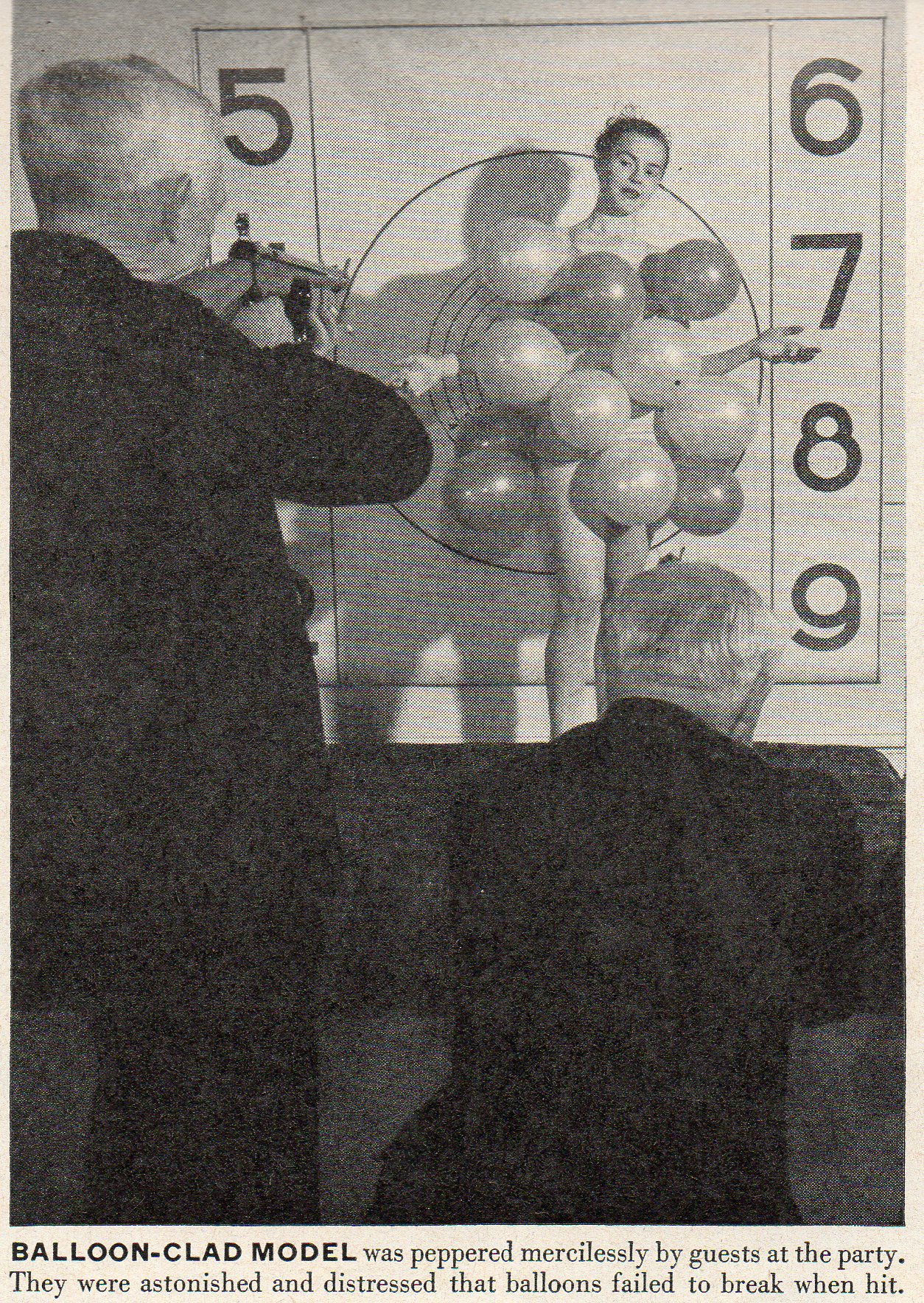
    Perhaps appropriate in more ways than one are these two older men shooting “ineffectually” at a model dressed in balloons–the point being to break the balloons to reveal her nakedness.  But the ejected pellets hit and dribble away, the rubber balloons remaining intact, with the foiled men left feeling “astonished and distressed”.  You can almost smell their impending failure in this picture (as well as the relief of the model).    
                                                   
    00--shooting strip tease042

    Then there’s the Holiness of the Gun moment, a father holding the toy gun in flattened palms., making himself a portable altar for his respectful sons, a deep reverence for the object present in the man’s face.     
     

    00--shooting strip holy grail044


  • The Coming Sameness of Beauty–Lessons from a Soda Bottle of 1947

    JF Ptak Science Books  Post 1050

    The great beauty of beauty is its great unidentifiable qualities–unidentified that is until they are identified, quantified, signified, geometized, libeling the concept of beauty until it is nothing but a soured criminal contempt.
    Barbie-history-2
    In an antiquarian sense one way of establishing what “beauty” meant in a particular time is by looking at painting or sculpture, the idealized form representing gods and goddesses of strength and beauty and grace. For more recent times of less idolatry and more commercialization advertisements using images of women to sell whatever product the seller was trying to push on the viewer could also be used as a certain standard of attraction and beauty. (Assuming of course that we are talking about the recent past when images other than the product itself were being used to try and establish a desire and loyalty to the product. In the history of publishing, this is a relatively recent innovation that I think belongs to the 19th century and not before.)   In the case of using pretty women, the advertiser was trying to associate their product with a certain sense of beauty, or to at least attract the attention of a lazy reader to look at their coal tar soap because a pretty face was lined up next to it.

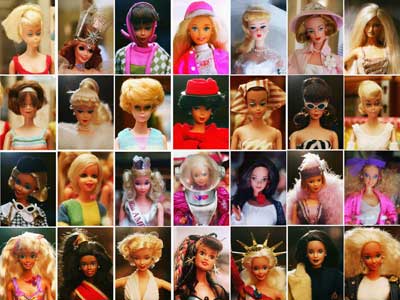
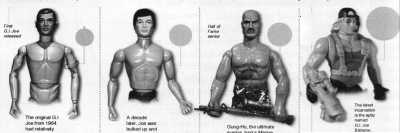
    Another interesting way of evaluating beauty could be found in the evolution of Barbie Dolls or GI Joes.  Or you could consult William Hogarth’s Analysis of Beauty.  And many other things of course, that deal with beauty in the human form (and more, or orders of magnitude more, that deal with beauty outside of ourselves, beauty in the forms of architecture or mathematics or the arrangement of sand or whatever). 
    00--beauty--gi joe
       
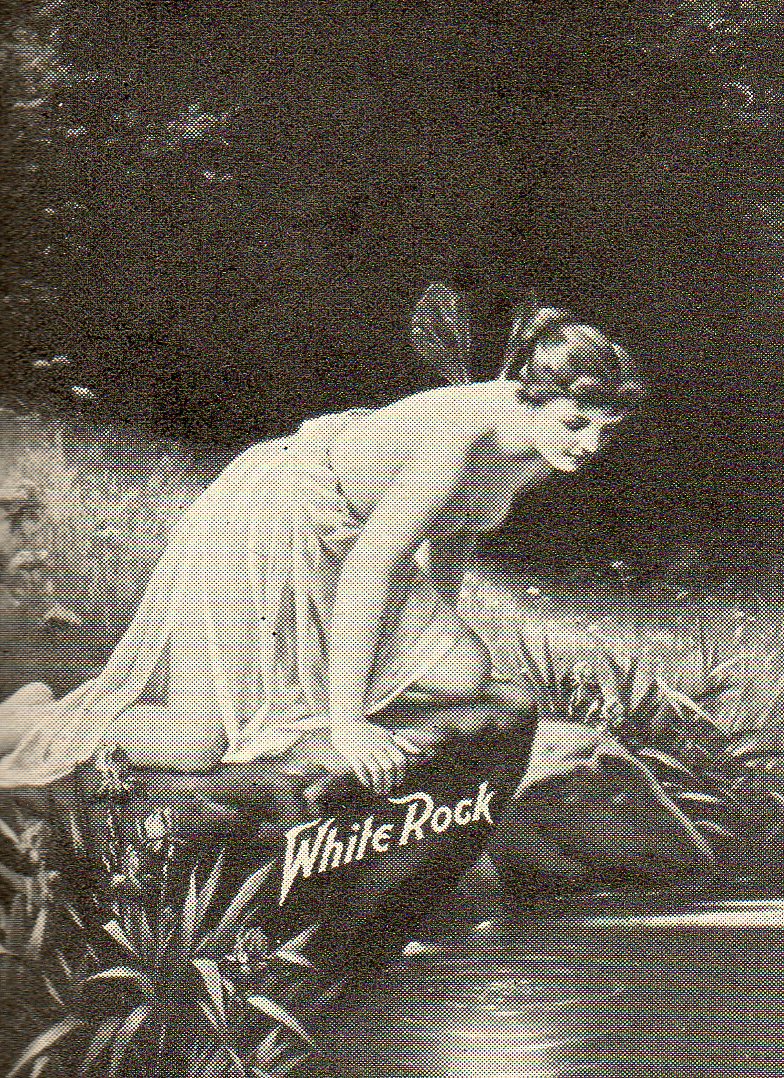
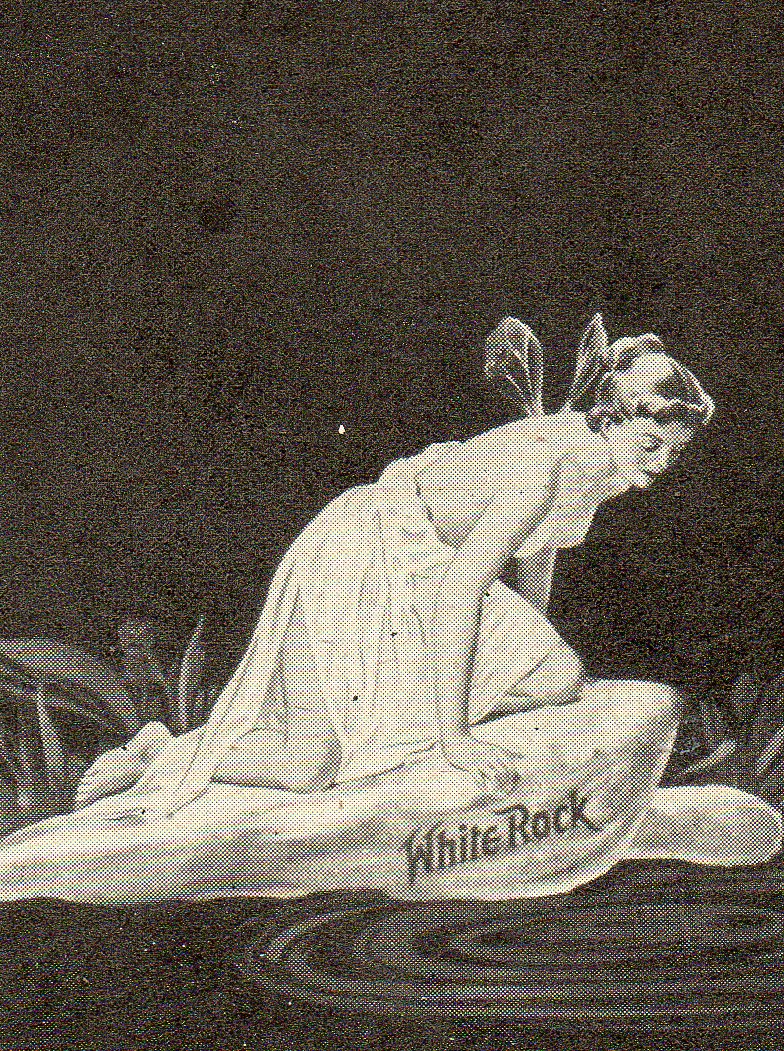
    I’m just going to give beauty 700 words here, or so, and so I’ll concentrate on just one picture of comparative beauty. (I guess that there have been 100 billion words written about beauty, though if you loosened up the definition of what ‘writing about beauty” mean, the number could probably be squeezed up to a trillion, which would mean 4 million books of 250k words each.  Probably the 10^10 is a better guess.)  As it turns out it is a picture from a story in Life magazine for 30 June 1947 of Psyche–the Greek goddess of the soul–used as the logo for White Rock soft drink company’s mineral water.  In general it’s a poor depiction of the goddess, and I’m not so sure that they even had the goddess in mind when the whole thing came into the bottler’s mind (she is after all described as a “sprite” in the LIFE magazine article).

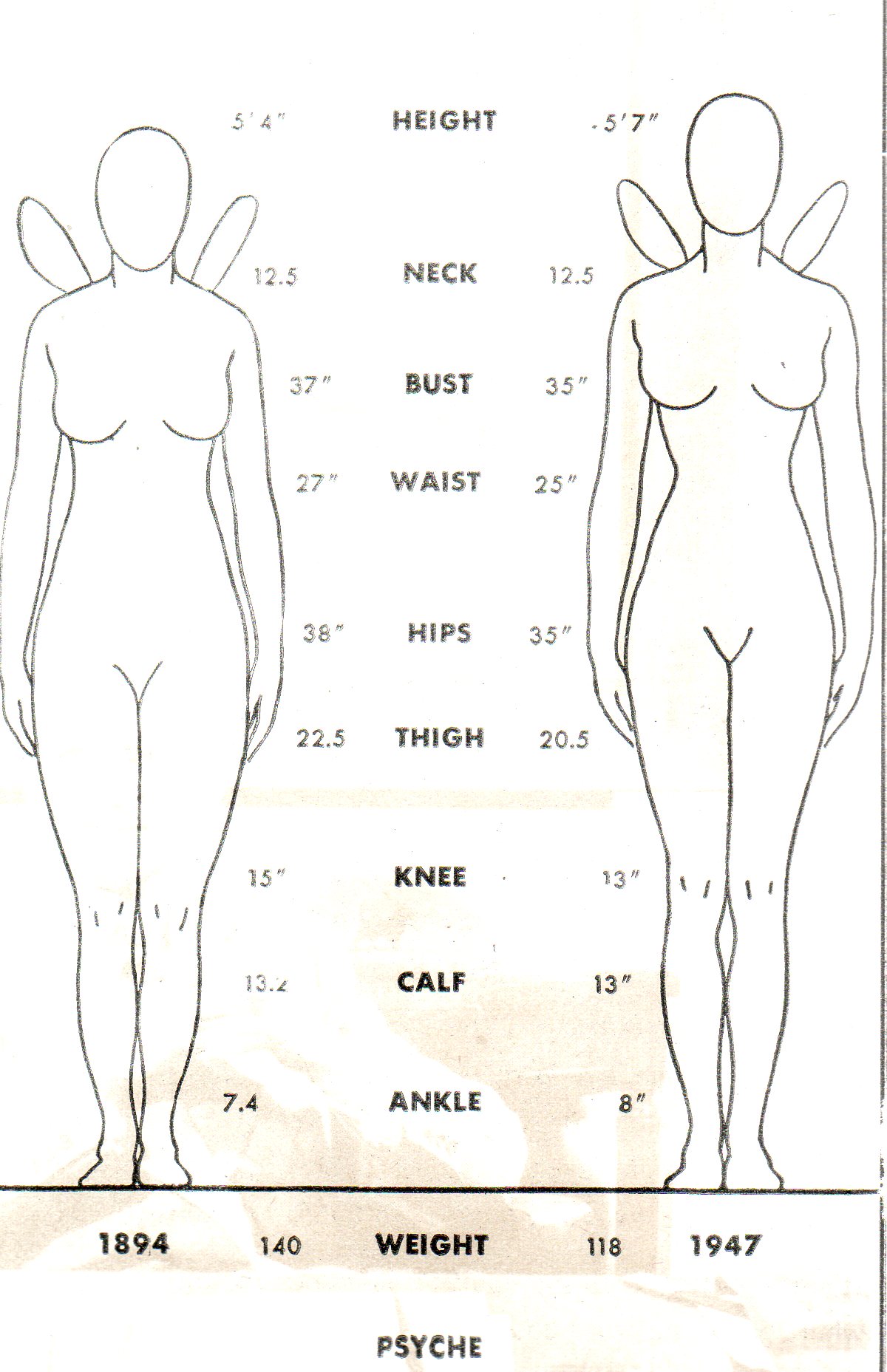
    What is of interest is the change in the image of Psyche on the face of the bottle over the years (shown here for 1893, 1924 and 1947) which is graphically depicted with measurement appraisals.
    00--beauty psyche 1038
    Psyche simply buffed up a little, getting taller, slimming down and generally made to be a little more common.  She did loose her nipples in 1947, or at least they became obscured, trailing away from their depiction in 1893.  (I once attended a U.S. Supreme Court argument on a case dealing with nipples and pasties and strip clubs.  It was a little bizarre, and as my mind wandered I took an interest in the court’s decoration, and particularly the frescoes–which of course included a full-nippled woman, staring down at the court from her height.)   
    00--beauty psyche 3040
    But it struck me that Psyche was simply becoming a more-generic depiction of beauty, which reminded me of this odd bit of beauty sanitizing prevalent among the wealthy of today, or at least among those–actors and advertising types–whose image helps set the stage for the beauty standard.  Now it is possible to vastly augment your appearance via surgical procedures to the common standard of what has been established as “beautiful”.  And the end result of this is that there is merging a certain sameness among the people whose faces everyone seems to know, and whose appearances change the way people think of beauty.  I find it striking that someone (for example)  like the actor Sharon Stone would turn her face into a common mask of someone else entirely, closing the ranks of differentiation in what is presented to mass market audiences as “beauty”.  Everyone is starting to look like everyone else, or so at least among movie actors. 

    And so it is perhaps finally appropriate that I chose Psyche to discuss here, because if the actors tend towards these procedures more and more, they’ll all be wearing the same sort of frozen mask that their ancient Greek precursors used to wear when in performance.  

    00--beauty psyche comp041