A Daily History of Holes, Dots, Lines, Science, History, Math, Physics, Art, the Unintentional Absurd, Architecture, Maps, Data Visualization, Blank and Missing Things, and so on. |1.6 million words, 7500 images, 4.9 million hits| Press & appearances in The Times, Le Figaro, Mensa, The Economist, The Guardian, Discovery News, Slate, Le Monde, Sci American Blogs, Le Pont, and many other places… 5000+ total posts since 2008.

Category: Prints–looking HARD/deeply at

  • The 18th Century Bible on Dutch Canal and Dam Construction: Tileman Horst Theatrum Machinarum, 1737

    JF Ptak Science Books LLC  Post 461

    0 blog jan 08 horst368

    Tileman van der Horst and Jan Schenk produced the Theatrum Machinarium
    Univesale
    *, one of the most celebrated works on the construction of all those
    elements so necessary to keeping life dry in Amsterdam 9the place of the book’s
    publication).  It was perhaps the most
    important work then produced on dikes, sluices, dams, weirs, canals and
    swing-bridges, the very elements of existence in Holland.  Jan Schenck was the engraver of this work,
    which may also be the most accurate and the most sumptuously illustrated book
    of its type in Holland in the 18th century—the technical aspects of the
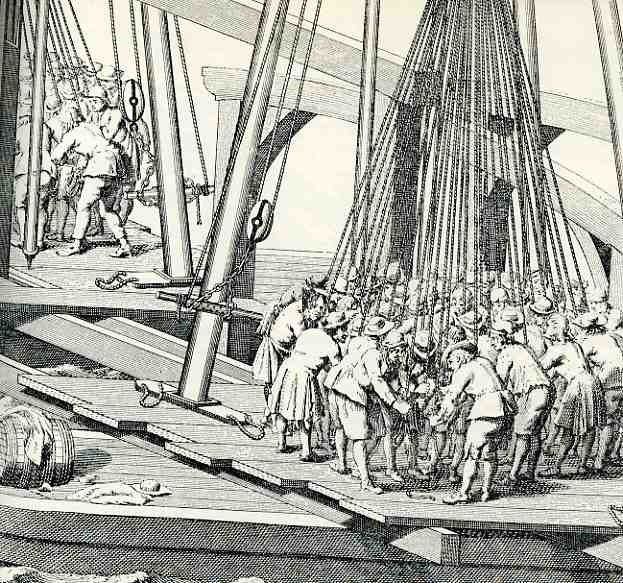
    rendering was just superb. In the image (which is a detail of a detail of a
    larger folding plate) I reproduced at left and below we see that Schenk and Horst weren’t kidding around in their treatise:  what we see here is the elevation for a plan
    showing the laying-in of pilings for a larger structure.  This is still tricky business today in Amsterdam, given the soil
    structures on which the city is built, some of these pilings go down hundreds
    of feet.  This group of about fifty men
    is certainly struggling with something big; but just how big it is I do not
    know.  (They do look rather well-dressed
    for being about to muck around in the foundation area of a structure.) And this
    draws my attention to the planks on which they all stand; the boards seem just
    enormous, looking to be two feet wide and several inches thick, and long.  I’d be very curious to know where this lumber
    was coming from, as I feel it certainly wasn’t local.

    0 blog jan 08 horst367
    *Theatrum Machinarum Universale.. of
    Keurige Verzameling van .. Waterwerken, Schutsluizen, waterkeringen, ophaal- en
    draaibruggen
    . Printed in Amsterdam., by Petrus Schenk en Zoon, 1757-74.  Illustrated with 50 engravings on 47 partly folding plates.


  • Celebrating a Good Idea that Sounds Silly: Concrete Ships

    0 blog jan 06 concrete ship361
    JF Ptak Science Books LLC  Post 459

    0 blog jan 06 concrete ship362

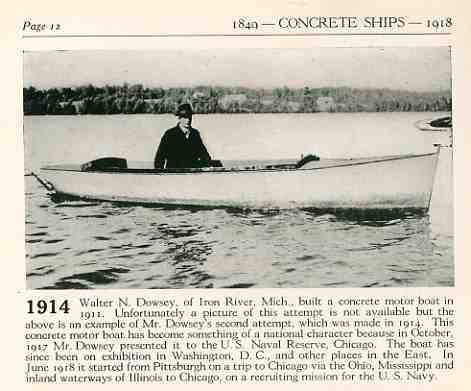
    This 1919 pamphlet’s title certainly sound more odd than the concept it describes:  concrete boats have been around for a long time, (160 years at least), and they make a lot more sense than a quick-think would give them (lumbering, unstoppable, heavy prep trucks come to mind).  For boats over 25 feet long, it is probably the easiest and cheapest material to employ, and it doesn’t need weatherproofing.  And, as an interesting website dedicated to concrete boats (ferro-boats) observes, a 30-foot 8-ton displacement ship made of either wood or concrete will weigh the same, which means that the very first image that comes into our heads when you say “concrete ship” is just wrong. 

    It looks like the French were the first to come up with the idea in about 1848, patenting the most winning methods of construction in 1855.  Since then there have been 12,000 or so of these 25-ft+ ships built, including a 130′ yacht and a 120′ British sub.  This method of construction certainly saw its time, especially during wartime, when steel production was in high demand.

    Please note:  posts over the next seven days or so will be somewhat truncated; I’m moving my store so time is a little scarce. Thanks for bearing with me.


  • Very Literal (and Persuasive) Images–Christ in a Winepress

    JF Ptak Science Books LLC  Post 490

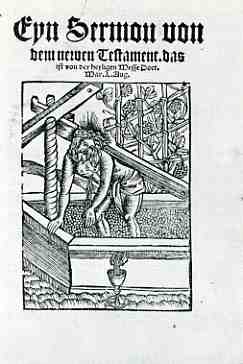
    0 blog jan 24 christ wine420Seldom are images less equivocal than this fantastic woodcut dominating the title page of Martin Luther’s Eyn Sermou von dem newen Testament das ist von der heyligen Messe…, a tallish, 14-page pamphlet printed in Leipzig in 1520.  We see the Christ of Luther (1483-1546) being pressed, crushed under the weight of the crucifix which is also a part of the wine press in which Christ stands–the screw to the press passes through the cross which applies the weight, spilling Christ’s blood which collects in a sacramental chalice.  For Luther, the covenant of Christ’s blood is everlasting, connecting his redemption to man without the need of priests.  And by 1520, Luther certainly had no need of priests.  He was filled with a reforming rage against the papal machine, becoming especially annoyed (in 1517) with the putrifing effects of the funding of the building of St. Peter’s Basilica, which bowed under the flatulent weight of Pope Leo X, who was very busy selling indulgences* from sin to those who could afford to.  So between 1517 and the publication of this pamphlet in 1520, there was the Papal indulgence issue, whose appalling nature led to Luther’s 95 theses on the door at Wittemberg; then came the Diet of Augsberg in October 1518, and then the excommunication of Luther in 1520.  A very busy three years.  

    * (from the Wiki biography on Luther)  “A Dominican monk named John Tetzel was assigned to the sale of
    indulgences in Saxony. A talented and unscrupulous salesman, Tetzel was
    willing to make any claim that improved sales. He thus promised not
    only a reduction in punishment for sin, but complete forgiveness of all
    sin and a return to the state of perfection enjoyed just after baptism.

    “He added that if one would generously purchase indulgences to speed
    the release of a deceased loved one from Purgatory, no actual
    repentance on the part of the giver was even necessary. Marketing
    genius that he was, Tetzel employed a memorable jingle to make his
    offer clear and simple:  “As soon as the coin in the coffer rings, a soul from Purgatory springs.”


  • Finding Hidden Images in Antique Prints: 18th Century Forensic Social X-Rays

    JF Ptak Science Books   Post 484


    Even though I truly enjoy the intimate pathology of antique prints, finding “hidden” images within images within images, it seems as though I’ve only made 25 or so posts about them, and this in spite of thousands of such images to choose from.  Posts like “Hidden Children: Found Art and Social Vignettes Inside Art“,  “Revealing the Worlds Inside of Prints: Finding Hidden Human Geography in Old Prints” and “Finding Hidden Images in Antique Prints: 18th Century Forensic Social X-Rays” are good representatives of this genre.  

    0 blog jan 23 vickers412

    Images hold selective secrets for different people of divergent interests.  Sitting through a motion picture, for example, shows a series of still images flashed before us—in a single scene people bring to bear their own ways of experience and observation.  A forensic pathologist will see things shown within their specialty different from someone with a chemical explosives background who will see a bomb differently from an ER doc who would respond to an emergency room differently from a bookseller who might notice in the scene that the paperback edition of a tree Grows in Brooklyn being read by an American G.I. in 1944 didn’t exist yet, and so on.  A single image can hold a tremendous variety of depth and interpretation depending on the observers’ perspective. 

    0 blog jan 23looking hard surrey414

    Most of the time when I look at prints now in the antique map shop that I own (and now my only public venue now that the history of science bookshop has been alive solely online now for the last 6 years) I am looking at the extraneous “stuff” that is used as filler to the print’s purpose, and I find the uncommitted art just fascinating, sort of like “loose” unnecessary snapshots of common life, everyday life, of people walking by.

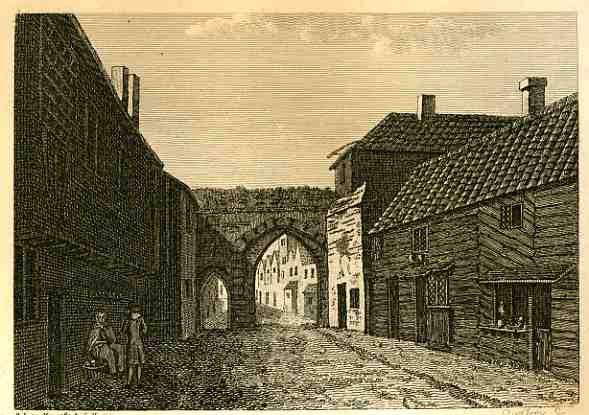
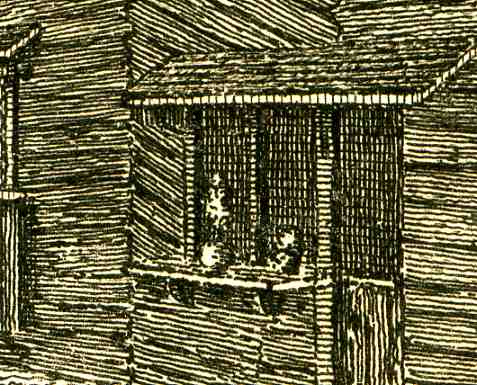
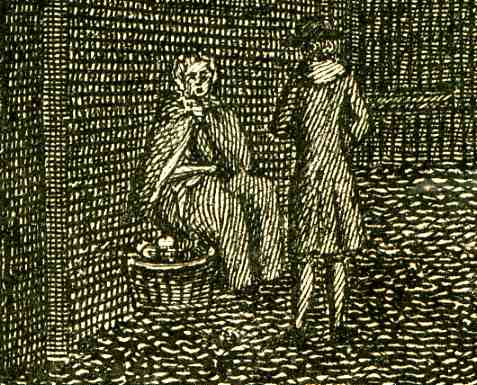
    These two images are from a series of etchings done by S. Hooper in 1785 of ancient and semi-ancient ruins in Surry and Sussex.  The first is of Bermondsey Abbey, Surry, a 12 th century English Benedictine monestary with precursors reaching back another 500 years.  I’m pretty sure that it is the central archway(s) that are the remnants of the structure in this print,

    0 blog jan 23looking hard surrey415


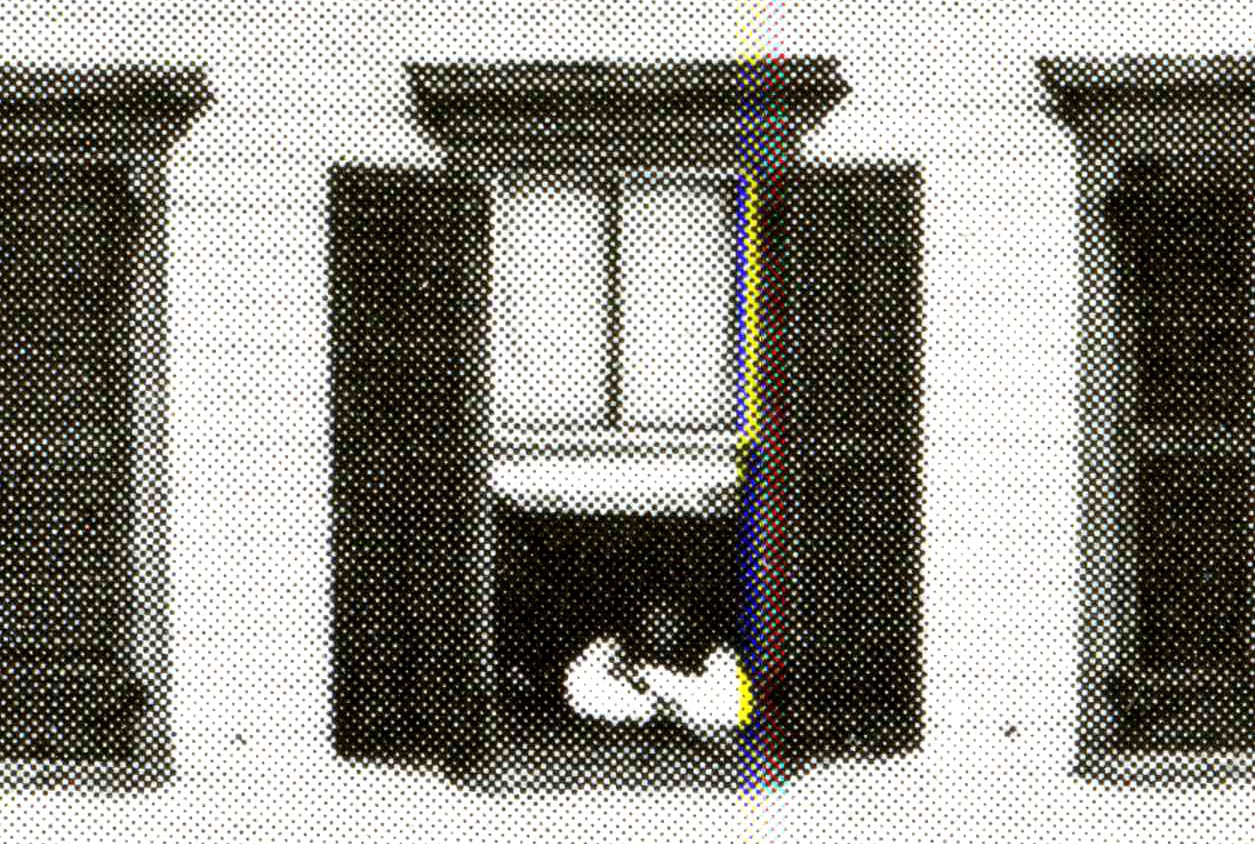
    with Renaissance-era occasional buildings sprouted up around it.  I find the old shopkeeper’s window (i.e. “store”) at the right to be very interesting, someone selling their services or wares from a location that I would bet was hundreds of years old even by 1785.  The shop would be ready for business by opening the shutters and flipping down the table/ledge.  I wonder too about the woodworking on the second floor of this curious structure, placed in an unconventional diagonal.  The shaded feature of the shawled woman selling her goods from a basket to what seems a well-dressed man is another curious addition. 

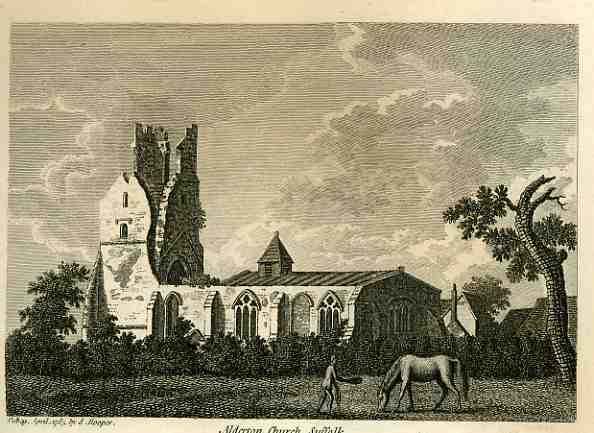
    The second image is of Alderton Church, Suffolk, and the feature of itnerest here this time not so  hidden at all, though it is incidental and it is sweetly odd.  the ruins of the church are

    0 blog jan 23looking hard surrey417

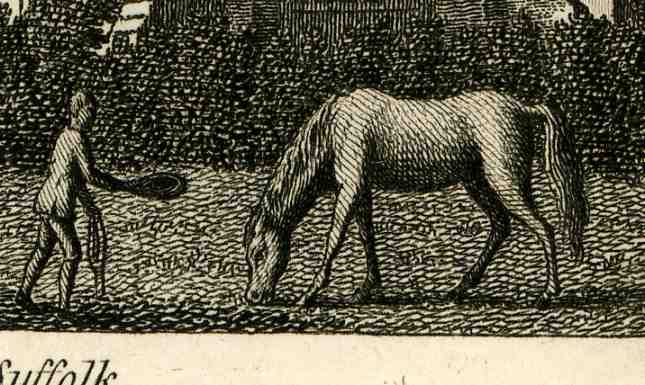
    adequately rendered, but the horse in the foreground is just beautifully done, far more so than required by its half-inch appearance in the full-size original.  Also, the man approaching the grazing horse does so slightly hunched, with a hat outstretched (offering a treat inside?), and doing so I’d say in a kind, respectful manner, trying as he was to put a halter on the horse.  It is just a lovely, quiet sub scene that is unnecessary to the architecture of the ruin but probably very necessary to the artist or etcher who wanted just a tiny flight of fancy now-and-again, and so placed something of artistic merit in a dead space of the print. 


    0 blog jan 23looking hard surrey416


  • Looking Straight-On at Things in Antique Prints, Part 2

    JF Ptak Science Books LLC  Post 483 (continuing Post 20)

    0 blog jan 23 vickers411
    In one of my earliest posts on this blog I wrote: I’ve always been intrigued by antiquarian images
    that looked straight down, or up, at things–90 degree, perpendicular, real
    straight-on stuff, giving a feel for depth (or height) and perspective. 
    Funny thing is that in the wide world of scientific images, they really don’t
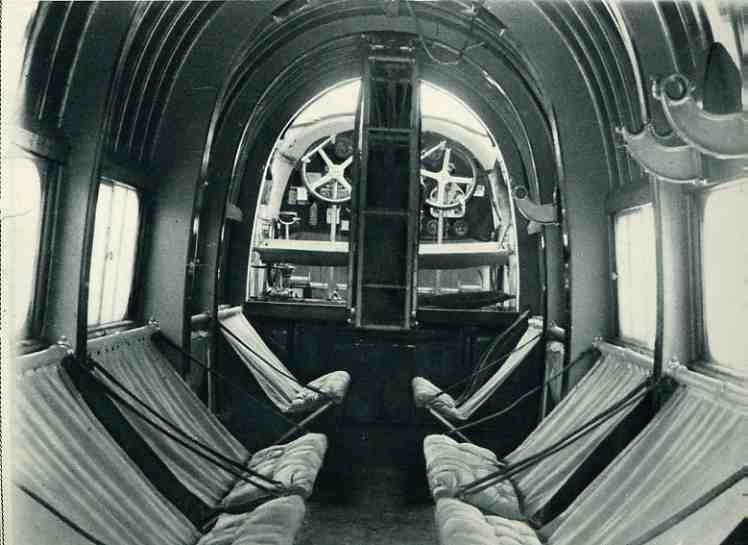
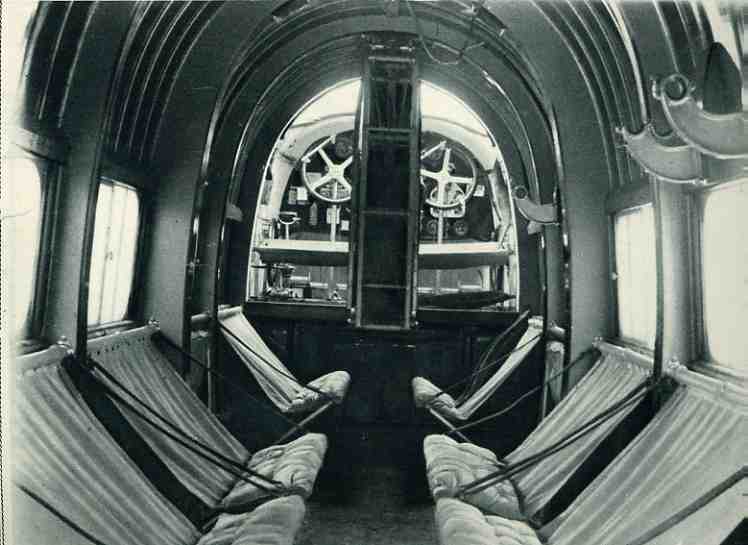
    show up very often.”  Still rue.  I really haven’t noticed that many straight-on images–perhaps the paucity of these things is as simple as them not being “as pretty” as other views.  I have found another, today, showing the interior of the “spacious RAF” Vickers “Victoria” troop carrier aircraft for (January 5) 1929.  It was indeed spacious for the time, and was one of the largest planes in the air. 

    The Vickers Victoria first flew in 1922—this 1929 monster
    was powered by two 570hp engines which allowed it to cruise at a modest 110 mph,
    taking it 11 minutes to climb to 4900 feet. 
    It had a crew of two and carried 22 troops—it looked as though it might
    do more than that, but this was quite a load given the time and the altitude at
    which the plane would function.  As you
    can see by the fellow standing in the foreground, it was a very tall plane—17 feet tall, with a 59’ long body on a massive  87’ wingspan (that made even more impressive
    by the wings’ 2,178 square foot surface). 


    0 blog jan 23 vickers410


    The view here is from the rear of the aircraft looking
    straight forward, and I notice that the pilots didn’t have any backrest for
    their seats.  The interior, even though
    fairly threadbare and essential, did have upholstered seats for the folding
    chairs. 


  • Found People in Windows: Hudson Street, NYC, 1865

    JF Ptak Science Books LLC  Post 438

    0 blog dec 21nyc307

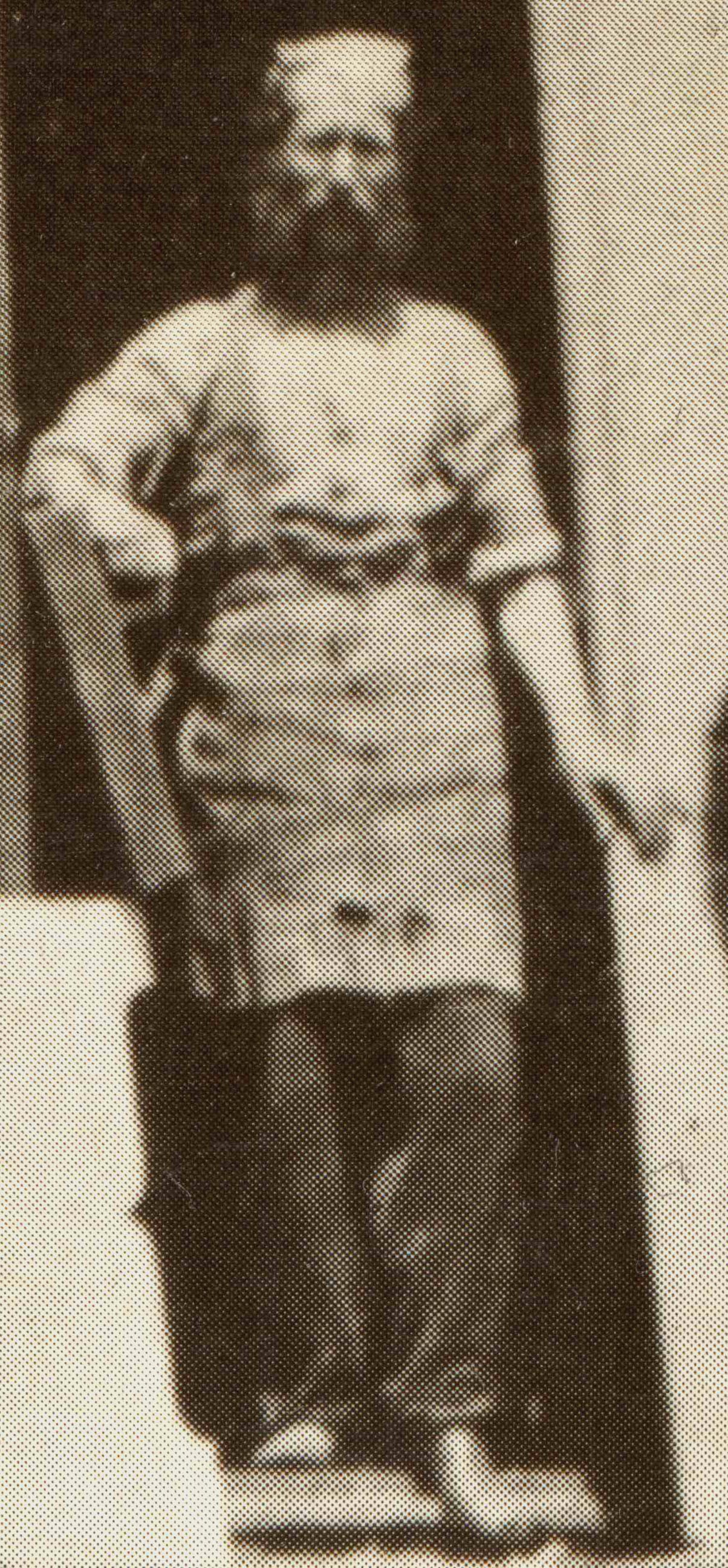
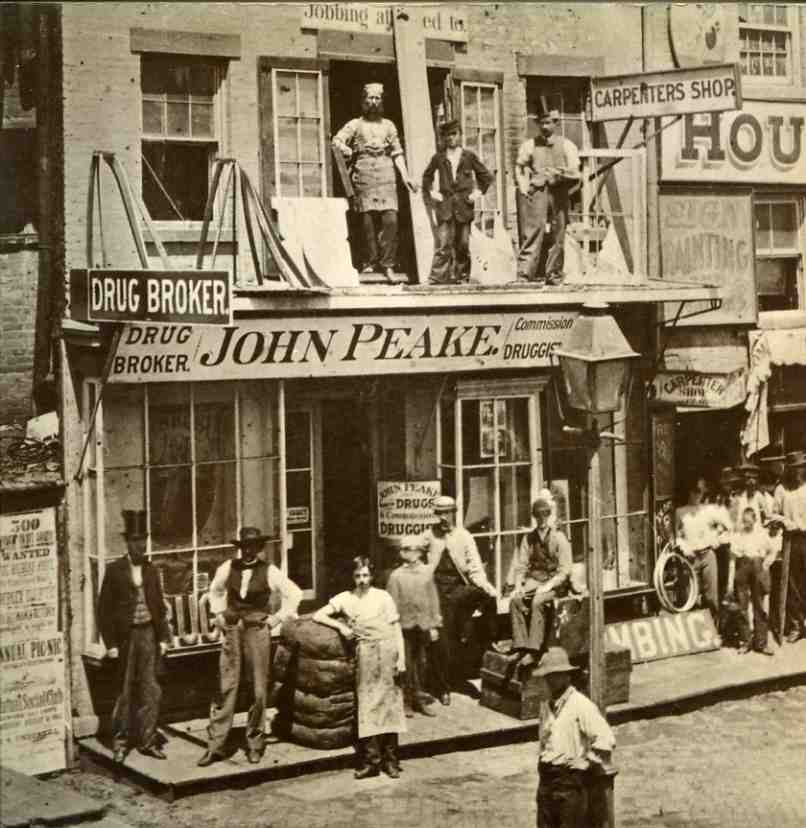
    This fine-looking, serious and imposing specimen steals the show in the photo made to exhibit the John Peake Pharmacy, from whom this carpenter rented his second-story workspace.  I have no doubt that Mr. Peake is the well-dressed fellow in the tall beaver-skinned stovepipe hat at bottom.  The photograph was made by Marcus Ormsby on :Lower Hudson Street in New York City in 1865–one of the signs to the left of the supposed Mr. Peake says something about a picnic taking place in August 1865.  The poster above that one though says something about “300 Wanted” and looks a lot like Civil War recruitment posters that I’ve seen–if it was July/August or thereabouts the war would’ve been over for months….perhaps it was an old poster, perhaps a poster for something else entirely. 

    I do like the carpenter in his working window, there above the “a” in “Peake”–he is holding a substantial planer (or moulder?) in his right hand, and wearing what looks like a union/affiliation 4-square cap.  I’m happy to see that he  is steadying himself with his left hand’s pinkey–for all of that musky confidence he  seems perfectly well in comfort keeping his whole enterprise artistically balanced with a longish-looking pinkey finger.

    The buildings in this photo–not 18th century, I don’t think, but probably thirty years old or so in 1865–are virtually covered by signage advertising what was going on inside:  the larger image shows a printer, carpenter, oil cloth merchant (“oil’d clothing”), pharmacist, paintstore, sign painter and card maker, all there and doing business in about 60 feet of street.  The interesting part of the signs is the very free use of the period “.”, which ends one-word pronouncements, proper names, and just about everything else–I like that. 

    All of this aside, this is just a gorgeous photograph offering a perfect glimpse into a workaday scene in NYC just after the end of the Civil War.

    0 blog dec 21nyc306


  • People in Windows: Found Portraits in Little Places, 1887

    JF Ptak Science Books LLC  Post 437
    0 blog dec 21 johnston nyc304
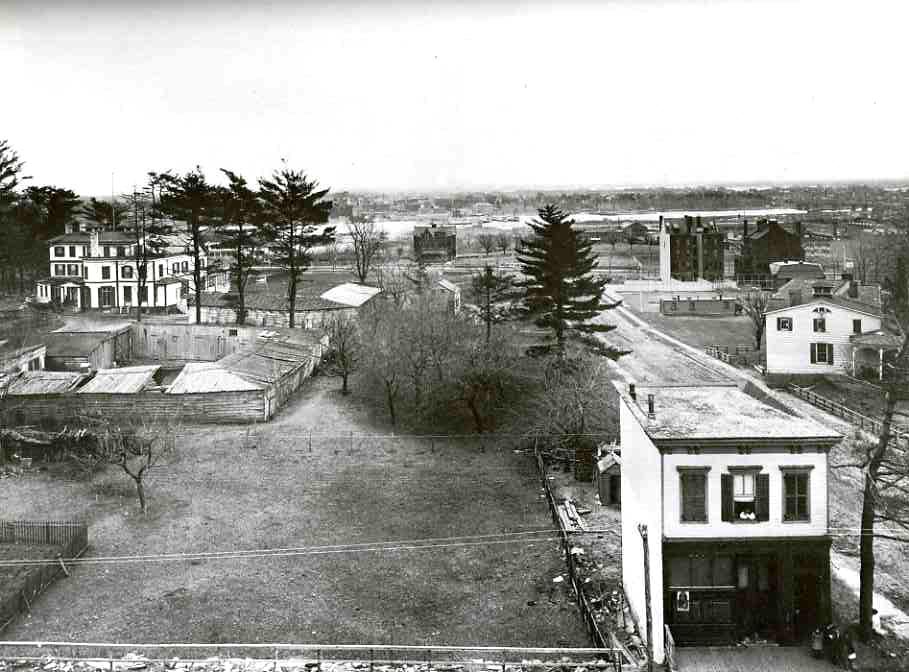
    This photograph was made in 1887 by the prolific if not mysterious* John S. Johnston, taken from Amsterdam Avenue (between 147th and 148th streets) , and looking east to the Harlem River and the Bronx.  My guess is that there was a three- or four-story apartment on the west side of Amstersdam and Mr. Johnston set himself up on the roof with his view camera to make this shot.  As a photographer Johnston’s interests extended to naval/nautical scenes–making photographs of the American fleet as well as racing yachts and such–and recording creeping uirbanism into formerly rural areas in the northern reaches of NYC. 

    Of interest here is the brand-new Mount Saitn Vincent Hotel (at left), and the small animal pen located right in fron of it.  The other interesting deal is that there is a considerable amount of trash that has blown up against the fences (especially at bottom) from the winds coming in off of the river–from where I sit it seems as though there might be a foot or two of trash leaning up against the fence. Actually one of the things that my eyes are trained for now is looking at the trash in the streets of old cityscape photographs–it is really remarkable how much stuff winds up on the street and preserved foreverish in photos….one of my favorite images, which I cannot put my hands on this very moment, shows a few fellows leaning up against the side of a newly opened “New York Store” in Austin, and in the gutter in front of them are four ratty old shoes strewn amidst the other less recognizeable trash.

    The other interesting bit is the found portrait of the man scene leaning out of his second-floor window in the building at bottom right.  Unfortunately I’m not working with the original so I’m picking up a lot of grain from the halftone, but after playing with it a little in photoshop I’ve come up with a reasonable look at this man, who must’ve just been watching Johnston getting his exposure ready.  I have little doubt that if the original were available that we’d be able to discern facial characteristics.  (Actually, I’m looking for myself again–I’ve found images of me lurking in tiny bits of large crowds in old photographs; sometimes the resemblence is astonishing, really.  This guy already looks big abd bearded and bald, which is most of my story.  If you drop in my eyes, there I am.)

    0 blog dec 21 johnston nyc305

    *Johnston lived not far from where this picture was made:  his addresses have been given as 783 Broadway, 1263 Broadway and  508 W. 158th St.  He died at Niagra Falls, where he went to recuperate from a “severe cold” that he caught while making photos at a horse race.  On his deathbed, he refused to identify any friends, or family, and would not give the address of his home.  The obituary reported that he did have a wife and daughter, but they had been estranged “for some time”.  I can respect a man whose wish is to go out very quietly.  (I don’t know the story about his identification and how the obituary came to be written–that woul dmake an interesting tale.)


  • God’s Odds: the (Very) Fine Arithmetic of Heaven and the Infinite Population of Hell

    JF Ptak Science Books LLC  Post 436
    0 blog dec 20303

    Some years ago I purchased a rather large collection from the Library of Congress unimaginatively called “The Pamphlet Collection”.  It was not very distinguished, and for the most part, not terribly interesting on the face of it–but it was LARGE and, as it turns out, most of the material in the collection just isn’t anywhere else (for good or for ill).  After trying to make sense of the purchase–which was categorized and boxed but I couldn’t really figure out what the principle of division was–there was one pile that refused identification because the subject matter was so inescapably unusual, so unexpected, so logic-challenging, that they formed their own genre: they became the Outsider Logic collection.  There are at least 500 of them, maybe more.  They are differentiated from the Naive Surreal collection, which is associated but just happen to look incredibly odd because they are not only way out of context but also their context largely doesn’t exist anymore.  

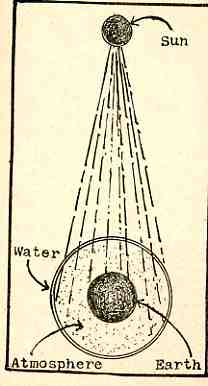
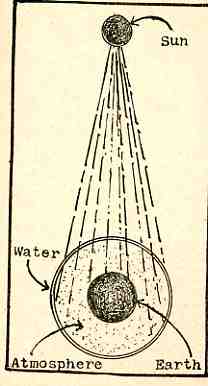
    The sample today is a religious tract of some sort–very scream-y, lots of quotation marks, exclamation points, and is thick and stubbily printed, and which really doesn’t have a title per se, the front cover simply starting  “Behold I Make All Things New. This work by  V.T. Houteff.It is too long to get an idea of what is really going on, but I happened upon this diagram, which, shall we say, is a little on the outsider side, as the author explains that the Earth “lives” in an atmosphere surrounded by a bubble wall of water.  I like the arrow pointing to “water”. 

    On the next page to this attractive image was a longish rant on the number 144,000.  It turns out that 144,000 represents the total  number of people allowed into heaven. 

    If this is so, where is everyone else?  That doesn’t leave much room for pets, or other animals, or insects.  DO plants go to heaven?  What about amoebic life?  When a person “goes” to heaven, what goes with them?  Are all life forms—microscopic and not—that are always present on a person/body given a free ride?  There’s a lot of life going on oh the surface of the skin and of course inside the body…I guess that would be a “no”, as I imagine Heaven would be ultimately clean. 

    I assume that people still have bodies because of the belief—exhibited in this pamphlet of outsider logic and by perhaps millions of other people who are adherents of other faiths and belief systems—that there are 144,000 people allowed into heaven. Wouldn’t there be infinite room for your spirit, which I would imagine to be infinitely small?  Something that has no mass and is not calculable on any level couldn’t ever fill anything up.   

    The 144,000 figure is something like 7/100’s of one percent of all people who have lived and are living, which is something like having a one-in-five million chance of getting into heaven right now—that is IF we allowed that heaven could be filled up right this instant.  If there was wiggle room involved—say if g wanted to include the possibilities that there might be a ultimate human population of 1 trillion or something like that, then, well, there are two more zeroes that would go in front of the percentage number (.0007%), to provide for the prospect of heaven not getting filled up until some point in the next 100,000 years. 

    What if there were 124,000 people already in heaven?  Suddenly competition gets gigantically fierce, allowing 20,000 places for the current 6 billion, which means that .001% of everyone living gets into heaven and then fill it up.  What would it be like to be the last person in?  Do you shut the door?  Are there people behind you on line? 

    And then how good do you have to be to get in?  Better than a baby who dies in childbirth?  That happens about 50 times an hour, worldwide, so far as I can tell.  I’d expect a person like that could get into heaven as they certainly didn’t have much of a chance to do anything to interfere with g_d or its plan.  Once you start throwing in children who die who are under the age where they could commit a foul act, say 5, and then toss in aborted fetuses (which for these cases I’m sure would be called “babies”), that figure of 50-an-hour would jump, probably, two orders of magnitude.  500 deserving babies an hour for thousands of years adds up to a heck of a lot more than 144,000.  Actually the 144,000 total would be hit in less than three weeks.  Which in the course of tens of thousands of years of human civilization and 10,000’s of thousands more to come, that would mean that 99%++++ of all babies and children who die before the age of 5 would go to not-heaven.  It is also hugely
    problematic because humans may be around on earth for another million
    years, which cuts the chances of slipping into heaven to seven (or
    twelve) places to the right of the decimal point.  Those are not good
    odds.

    That, friends, doesn’t sound very fair.

    I guess that means that hell doesn’t have a bottom line.  Hell never gets full.

    I don’t mean to stomp on any belief systems here, but, well, the numbers sorta speak for themselves.  They also mean that for all of the Jehovah’s Witnesses alive right now—a religion that distinctly shares this 144k belief—that basically none of them alive right now stand any sort of chance of going to heaven.  That is a hard sell.

    A statement in fairness to the ancients:

    Historically, speaking for the folks thinking about this 2000 or whatever years ago, 144,000 does loom larger than it looks today, of course.  Not only was the population of the world much smaller (by almost two orders of magnitude) but there was also almost no way for anyone living then to accurately guess the global population.  Given a population of 100 million, if everyone alive in the year 1 were to be considered for a filled-up heaven, then about one-tenth of one percent would make it.   Now, if you were an ancient and thinking about the population of the world in general, my best guess is that you’d be thinking in terms of maybe tens of millions. Maybe.  That means the 144k figure would be something believable, sort of, being 1% of the population.  Say we grant the 1% as a given; and that it was a given that the ancients thought in “low” numbers for populations; it is also a given, I think, that they did think in long terms of time, in the thousands of years, at least.  That means if they gave room for heaven to be :”filled up” in a thousand years, and the population of the world didn’t change, it would mean that of everyone on earth as known to the ancients that 144 people a year for a thousand years would go to heaven.  And frankly, those figures don’t look very promising either.   

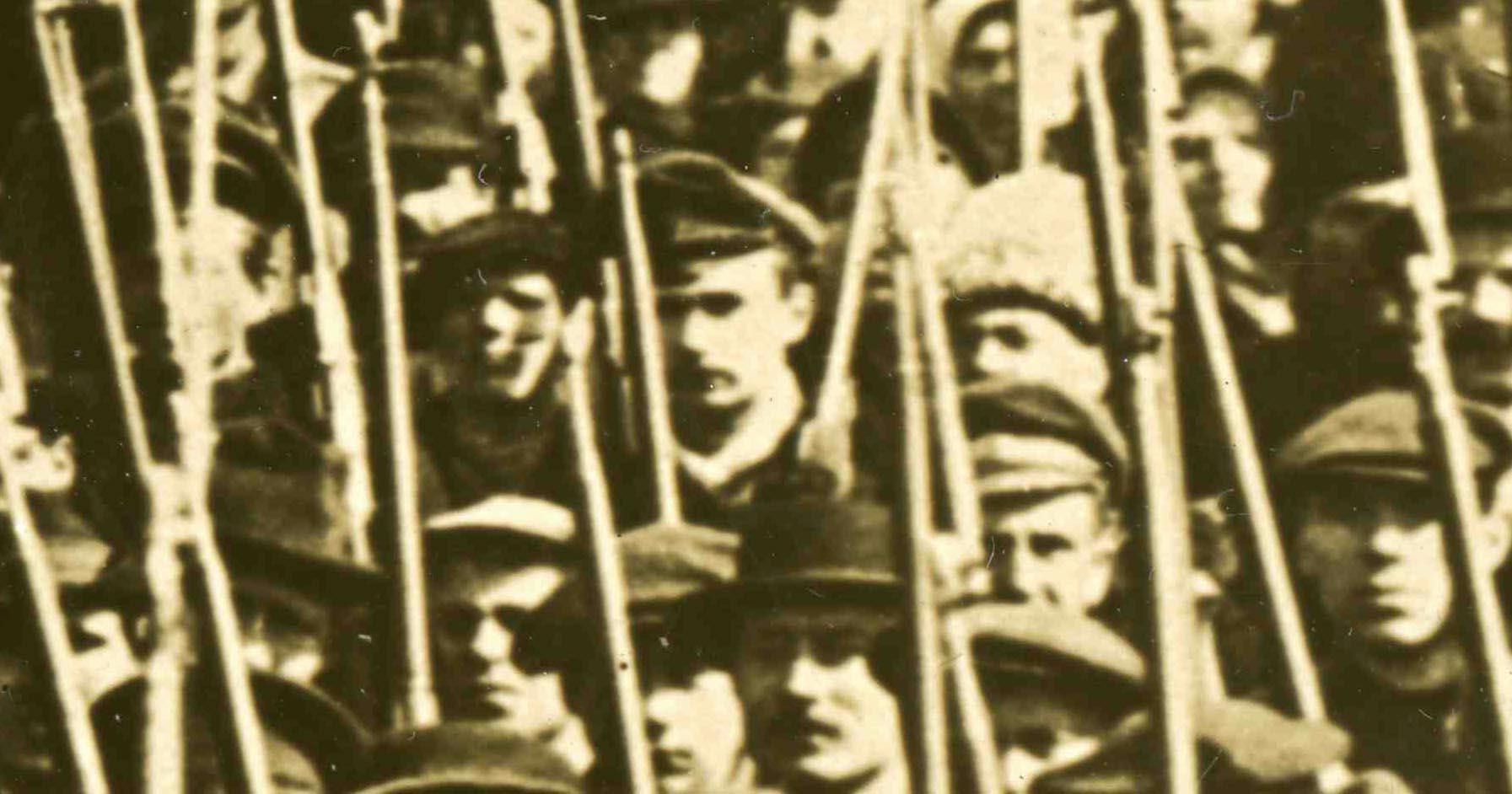
  • “The Fall of the Bolshevik Regime”, Kereneky in Petrograd 1918

    JF Ptak Science Books   Post 435

    0 blog kerens=ky 18 dec285

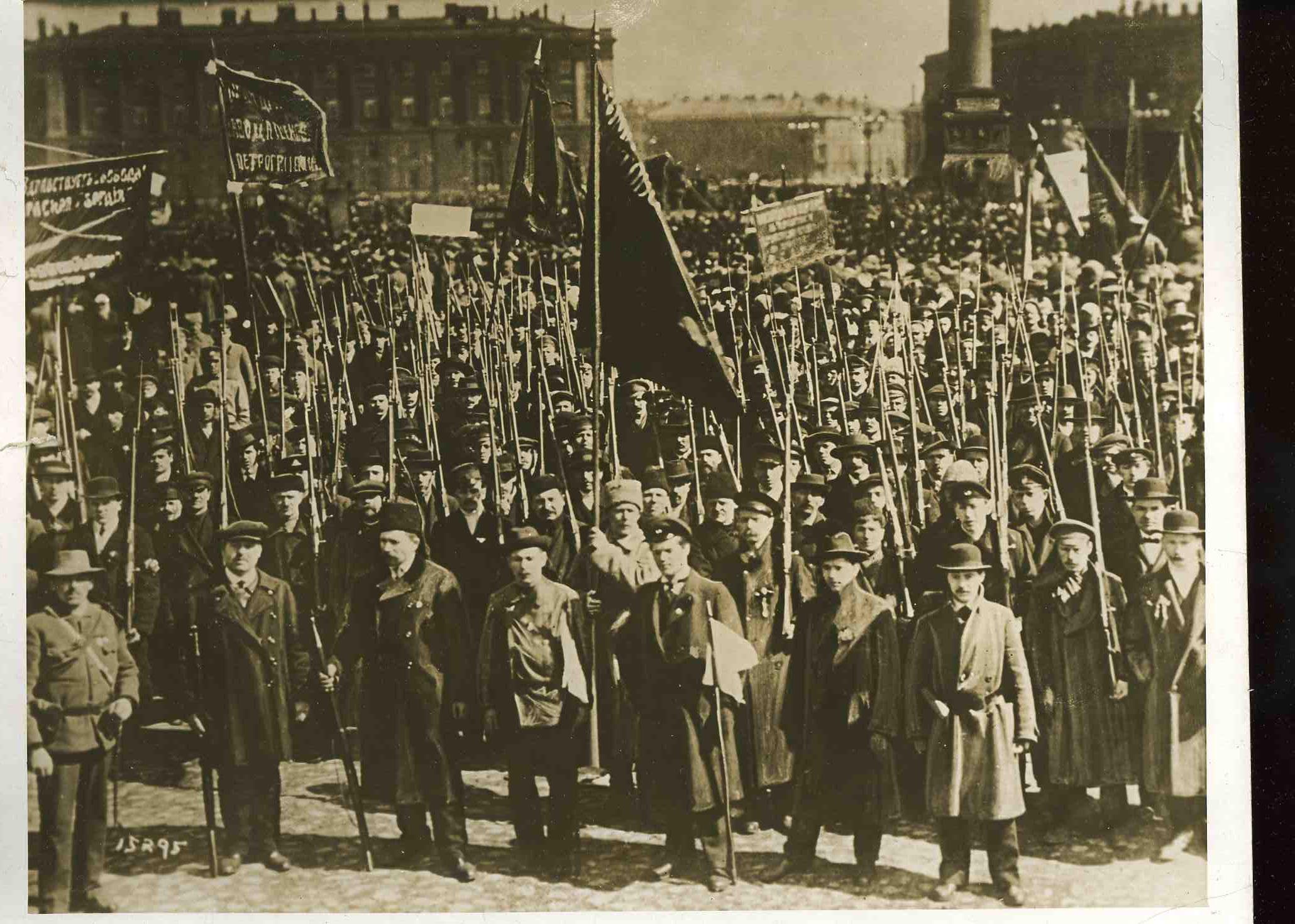
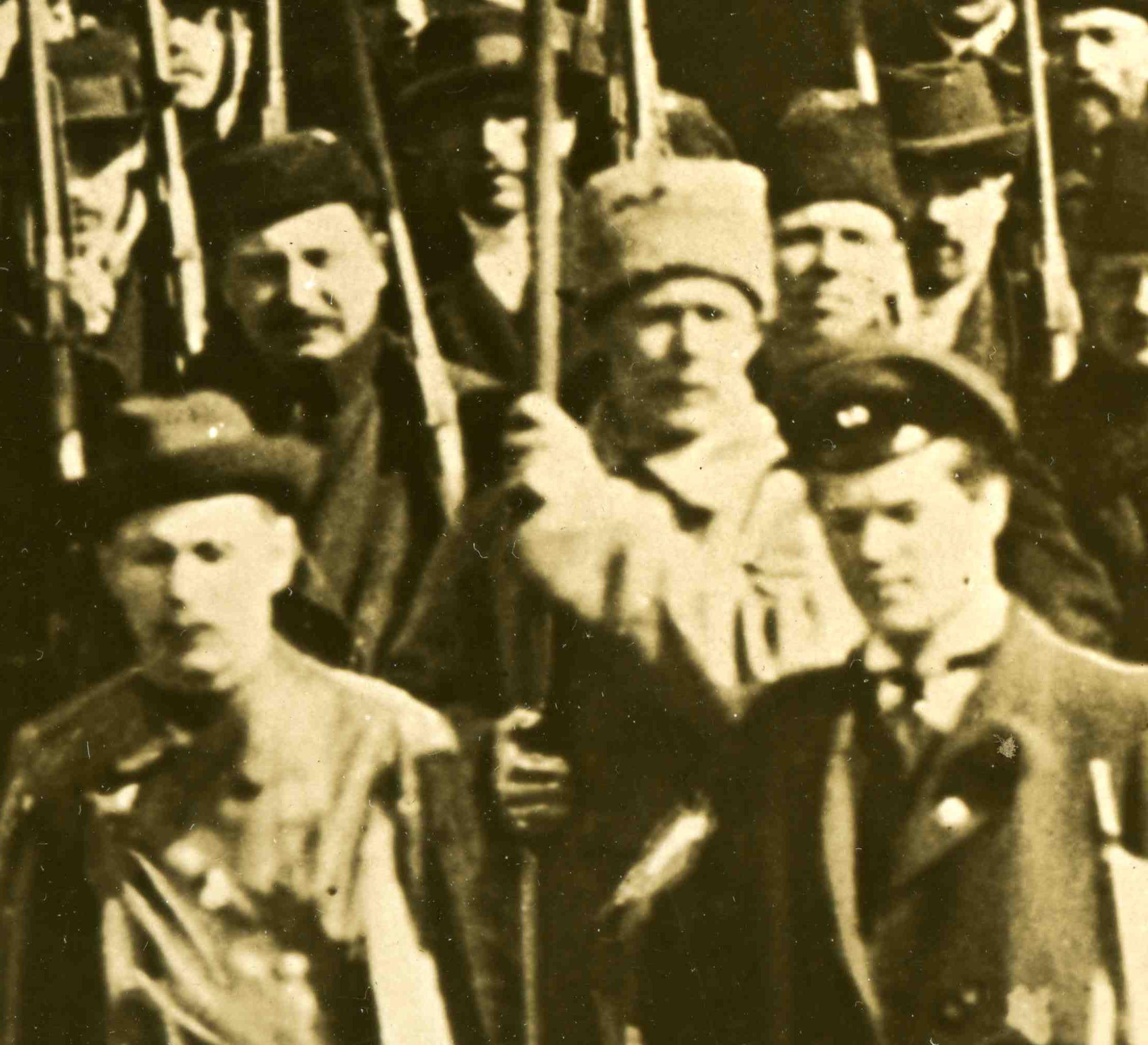
    This photograph–a picture of hope soon dissipated–shows the 1918 portion of the Russian Revolutions of 1917 at just about the time of its, well, “completion”, beginning the period of the Russian Civil War, which would last until the creation of the USSR in 1922.  (The photo is also part of a News Photo Service archive I purchased some years ago in, and was originally released by the Western Newspaper Union.) Alexander Kerensky, who according to the stamped caption of this photograph, was leading an army of “200,000 marching on Petrograd” in order to overthrow “Lenine [sic] and Trotsky” and the “Bolsheiki Revolution”.  Kerensky (1881-1970) was elected second Prime Minister of the Russian Provisional Government under Lenin following the February (1917) Revolution.  A complex of war (WWI) and domestic/social/political directed chaos led Kerensky and Lenin to opposing paths, and, following the October 1917 revolution, the winner was clear.  Kerensky, according to the data on the photo, was a “David” leading an army in opposition deposed to toppling  the Bolsheviks “next week”.  Things did not go as planned, or almost nothing did, and Kerensky’s army drifted, walked and ran, via indifference, fear and belief to the side of the Bolsheviks.  About the only soldiers who stayed loyal to Kerensky was the 1st Petrograd Women’s Battalion, a unit of the 1st Russian Women’s Battalion of Death. (This was the first all-female combat unit in Russia, and although starting out with about a force of 2,000, quickly wasted away under the rigorous and harsh command of its commander, Maria Bochkareva*, down to about a fighting group of 300.)  Kerensky fled the country and began a long series of travels, though ultimately settling in the United States, dying in NYC in 1970 (making him one of the longest surviving principal participants of the Revolutions).

    St. Petersburg/Petrograd has a long and important history in the formation of the Russian nation—established in 1703 as the capital of the Russian Empire and remaining so for more than 200 years, it was also the seat of the 1905 Revolution as well as the February and October revolutions of 1917.  Another bit of full-circle was that Kerensky and Vladimir Ilyich Ulyanov (Lenin) were both born in the not-large town of Simbirsk (now called Ulyanovsk).  Kerensky’s father, as it turned out, taught Lenin at the Kazan State University, a great institution of higher learning featuring non-other than the principal founder of non-Euclidean geometry, Nikolai Lobachevsky, as its rector for almost twenty years (1827-1846). 


    0 blog kerens=ky 18 dec286

    *This interesting, severe, passionate woman through intrigue and loss wound up fleeing the Soviet Union in 1918, winding up in NYC and ultimately meeting with Woodrow Wilson, appealing for American support and intervention to halt the Bolsheviks.  She made the same appeal directly to George V, before winding up back in the Soviet Union, where, in 1918, she was captured.  She was ultimately tried and convicted of being an enemy of the people, sentence to death, and then killed by the precursor to the KGB, the Chaka. 

    0 blog kerens=ky 18 dec287


  • The Fullness of Microscopic Photographic Landscapes — the Impenetrable Complexity of Captured Moments

    JF Ptak Science Books LLC  Post 433

    0 ebay 17 red cross fly282

    Here’s another in the Looking (Really) Closely at Prints series–actually they’re more like a Inner Life of Prints series than anything, each mico-investigation leading to another entirely new world, each a new image, each a new view and vision, an orders-of-magnitude appreciation of one single object. 

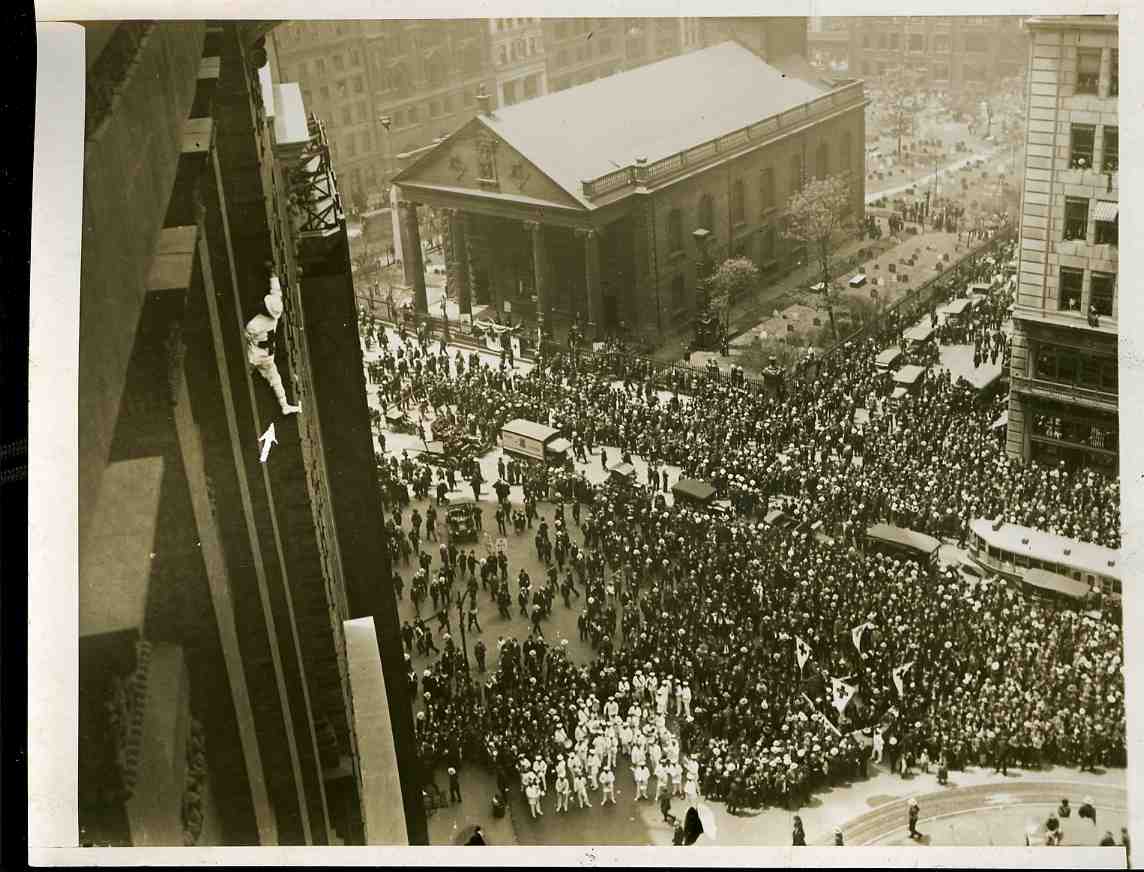
    This photograph depicts a “human fly” making his untethered way up the side of a high rise in Manhattan (?), each foot of his success no doubt raising money for relief effort of American troops or displaced persons or orphaned children, probably in 1918.

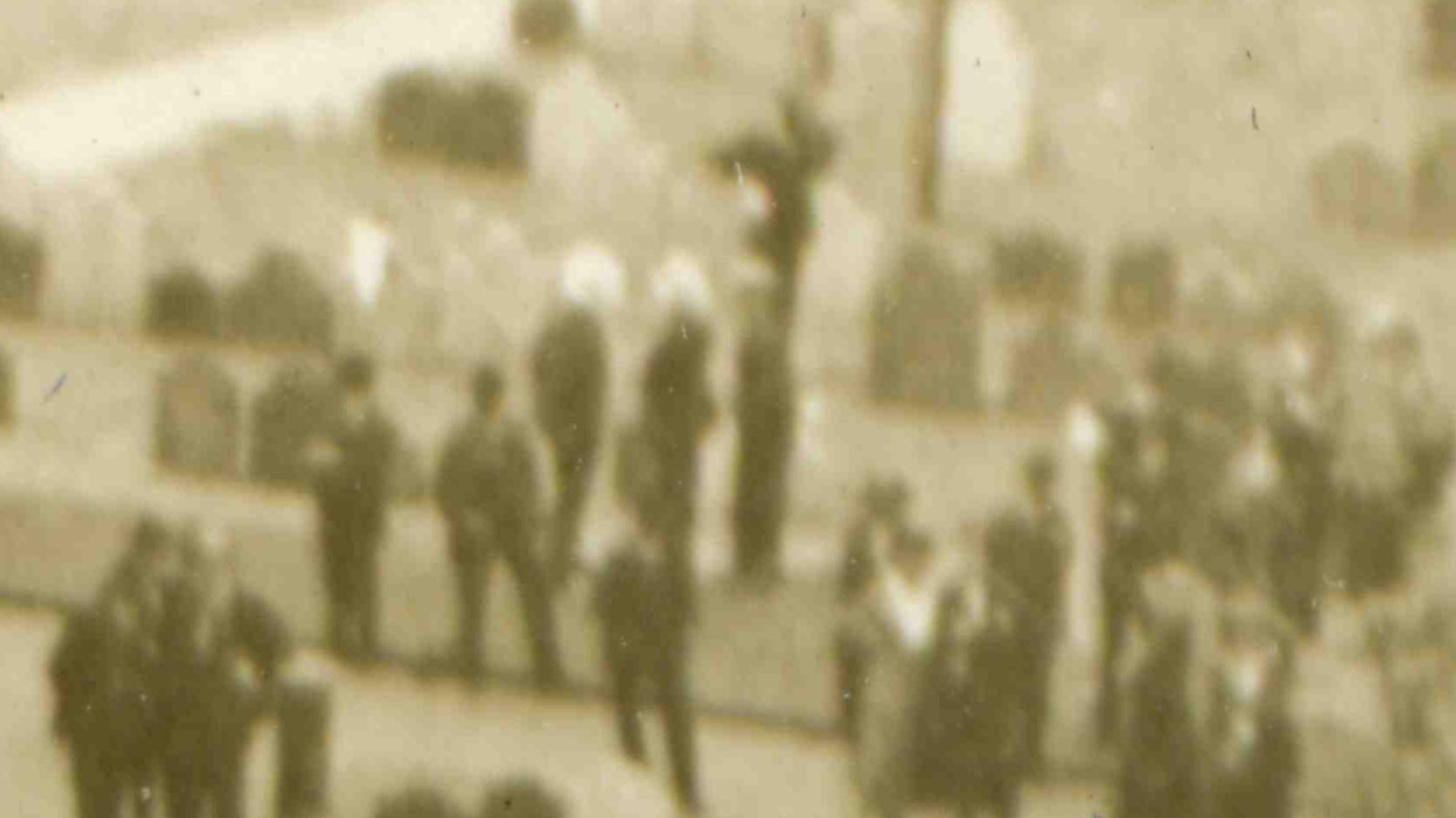
    Perhaps this is Mr. Harry G. Gardiner. the self-styled “human fly” who climbed many buildings in NYC and Boston and Philadelphia in 1918 and 1919.  I cannot identify the church (Episcopal?) in the background, sorry to say (though I’m sure that this will be easy for someone to do).  But I did have a very close and fairly thorough look at the crowd under some fair magnification, and found that not many were actually watching the climber.  On the other hand how interesting can it be to watch someone climb a building–slowly–observing it from hundreds of feet away?  I didn’t see any kids, I don’t think, and there are lots of people looking the other way.  Its difficult not to try and put yourself in the very shoes of these people under the ‘scope, trying to imagine what they were thinking, the heat of the sun on their boaters, the uncomfortable nature in general of wearing all of those clothes for the women, leaning against the black iron fence taking in the stubby sites of the graveyard next to the church….I stopped finally with the two guys in boaters (seen here in the enlargement, the original being just a specky bit at the rear of the cemetery  at the back of the church, to the right), looking very comfortable and relaxed, one with his hands loosely clasped behind, the other perhaps pointing.  Both are looking away from the climber, in the opposite direction, across the graveyard and above the gravestones.  The sun caught their hats perfectly.  They were enjoying a leisurely morning.  There are hundreds and hundreds of these mico-scenes caught in this moment, their suggested fullness revealed only under magnification, like looking through a telescope, in a way, back into a frozen moment of time, yet another photonic jewel.

    0 ebay 17 red cross fly284