A Daily History of Holes, Dots, Lines, Science, History, Math, Physics, Art, the Unintentional Absurd, Architecture, Maps, Data Visualization, Blank and Missing Things, and so on. |1.6 million words, 7500 images, 4.9 million hits| Press & appearances in The Times, Le Figaro, Mensa, The Economist, The Guardian, Discovery News, Slate, Le Monde, Sci American Blogs, Le Pont, and many other places… 5000+ total posts since 2008.

Category: Blank and Empty Things; A History of

  • When Data was Dada: Max Ernst, Dada, Graphs, and the Display of Non-Existent Information

    JF Ptak Science Books   Quick Post  (Part of the series on the History of Blank, Empty and Missing Things.)

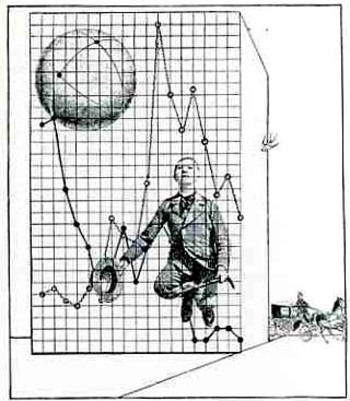
    This quasi/faux statistical/graphical modern art image by Max Ernst is found in the journal Mecano (issue no. 3 “Rouge”), which was the principal Dada publication vehicle, and issued by the artist Theo van Doesburg (in the Netherlands).  It arrived in 1922, just 10 years after the publication of Marinetti’s “Manifesto tecnico dellBlogernst030a letteratura futurista” and a year before Marcel Duchamp retired from painting, and just another two years before Andre Breton nailed down the meaning of Surrealisme (and again like a particle collision changed the direction of some of modern art). 

    The Dada Movement is generally thought to have started by WWI escapes in the neutral haven of Zurich (where the war was escapable for the duration), at the Cafe Voltaire, in 1916, the word “dada” being found as is generally believed by Tristan Tzara.)   I am trying hard to form some sort of memory for other Dadist, Futurist, Symbolist or other modern movements from the ‘teens and ‘twenties to use a graph such as this in the artwork but I cannot think of any.

    (By the way, also appearing in this issue of Mecano were Man Ray, R. Hausmann, Hans Arp, Kurt Schwitters, and others.) 


  • On Being Not Even Wrong–What is the Word for a Wrongness that Transcends “Wrong”?

    JF Ptak Science Books  Quick Post

    This is just a very quick post making use of the excellent cigarette advertisement resource at Stanford University (all images used below are found in their archive, here).  This is the third installment on this blog on cigarette advertisements that are as wrong as wrong can be, so wrong–as I’ve said in earlier posts–that they aren’t even wrong, that they are on-beyond wrong in that classification that defines terminal wrongness. 

    http://elane.stanford.edu/images/exhibits/tobacco/embassy/inhaleheartcontent1L.jpg


    This stuff is worse than wrong–it is substantially a wrongness where the word “wrong” is too weak and impotent to describe a particular wrongness, much like the very-overused and not-replaced “spill” could be used to describe what happened in the Gulf Coast.  There is no one word in English I think that described that occurrence, just as there really isn’t one suitable word to describe this behavior of the tobacco industry.  The wrong that isn’t even wrong isn’t that it is nothing, but that the wrongness of the thing is too weakly described by the word. 

    Rudolf Peierls (a phsyicist of very high order and co-author of the Frisch-Peierls memorandum of 1940 that theorized a workable weapon fahioned of U-235) described the original use of the “not even wrong” phrase, attributing it to the great Wolfgang Pauli (Nobel physics 1945), who when shown a paper by a young physicist commented sadly that it wasn’t right, and it even wasn’t even wrong.  It was nothing. (It is interesting to note that if you took two of the things that these physicists were known for and placed them out of context in a literary/philosophical arena, they kinda work to describe Pauli’s wrongness principle:  that would be the Peirels Instability and the Pauli Exclusion principle.)

    These ads weren’t nothing.  And the odd thing is that they exist in their contemporary flavors today, efforts that will be seen in our short future as being as impossible as these antique ads seem to us today.  More’s the pity when we know almost all of the story. 


    And this one is just “__________”:

    http://elane.stanford.edu/images/exhibits/tobacco/luckystrike/certainlyL.jpg

    http://elane.stanford.edu/images/exhibits/tobacco/cigars_pipes/ronaldreganL.jpg


  • Mysteries of the Smoke Signals–Weird Secondary Enticements in Cigarette Ads

    JF Ptak Science Books    Post 1640

    [Continuing the post The History of Cigarette Eyes and part of the series on Blank, Empty and Missing Things.]

    Mysteries of smoke harrison det

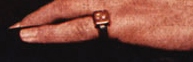
    What is it about the pinky ring that makes you want to smoke?  And makes you want to smoke the cigarette in the pinky-hand’s counterpart?

    The psychology of advertising in cigarette ads in the 1940’s or thereabouts is a strange thing to me.  The secondary items in the ads–the stuff there besides the cigarette–are sometimes baffling and occasionally troubling,  disquieting, unusual things sent to capture the attention once the cigarette has been removed from the field of attention.  I’m pretty sure why those things are there–because of their suggestive natures and their attempt to relate directly with cigarette smoking–but I’m not aure how that connection between the object and the suggestion (of power, or control, or social beauty, or sex and so on) takes place.  The meaning and connection can be forced out with a little muscle, but that wasn’t supposed to be so hard for the viewing public back there eight decades ago.  The social contrivance of the connection seems to have slipped over time into a smoky nothingness, and I think that it would be interesting to try and restore it, if only for the sake of understanding that lost part of advertising’s quadratic equation.

    And so on to a few examples from the advertising world, all of the images coming from the great cigarette advertising archive at Stanford University (here).  Removing the cigarettes as a main focus of attention  in the following ads leaves us with pinky rings, puffy man-ladies, cigarette holders, close touching, electronics, stub-handed stubby cigarettes, wedding rings and suggestive “product  placement”. 

    The vast smokey elegances of pinky ring (from above):

    http://elane.stanford.edu/images/exhibits/tobacco/luckystrike/scientifictestsproverexharrisonL.jpg


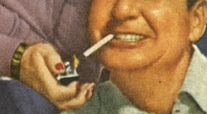
    The smokey, puffy man-lady (“so round, so firm, so fully packed”):

    Mysteries of smoke phil harris det

    Phil Harris just looks entirely and completely out of place, and not comfortable, though perhaps he just wanted to “feel pretty” getting a light from man-handed Alice Fayew?

    http://elane.stanford.edu/images/exhibits/tobacco/luckystrike/philharrisL.jpg


  • The History of Cigarette Eyes

    JF Ptak Science Books  Expansion and Correction(s) of  Post 1638 (Thanks to Orion Pozo at NCSU for starting this off by outing the Marlboro baby.) Part of the series on the History of Blank, Missing and Empty Things, Part 77:  Promises.

    “The world is my dream.”– Sir Karl Popper

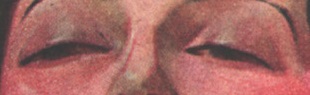
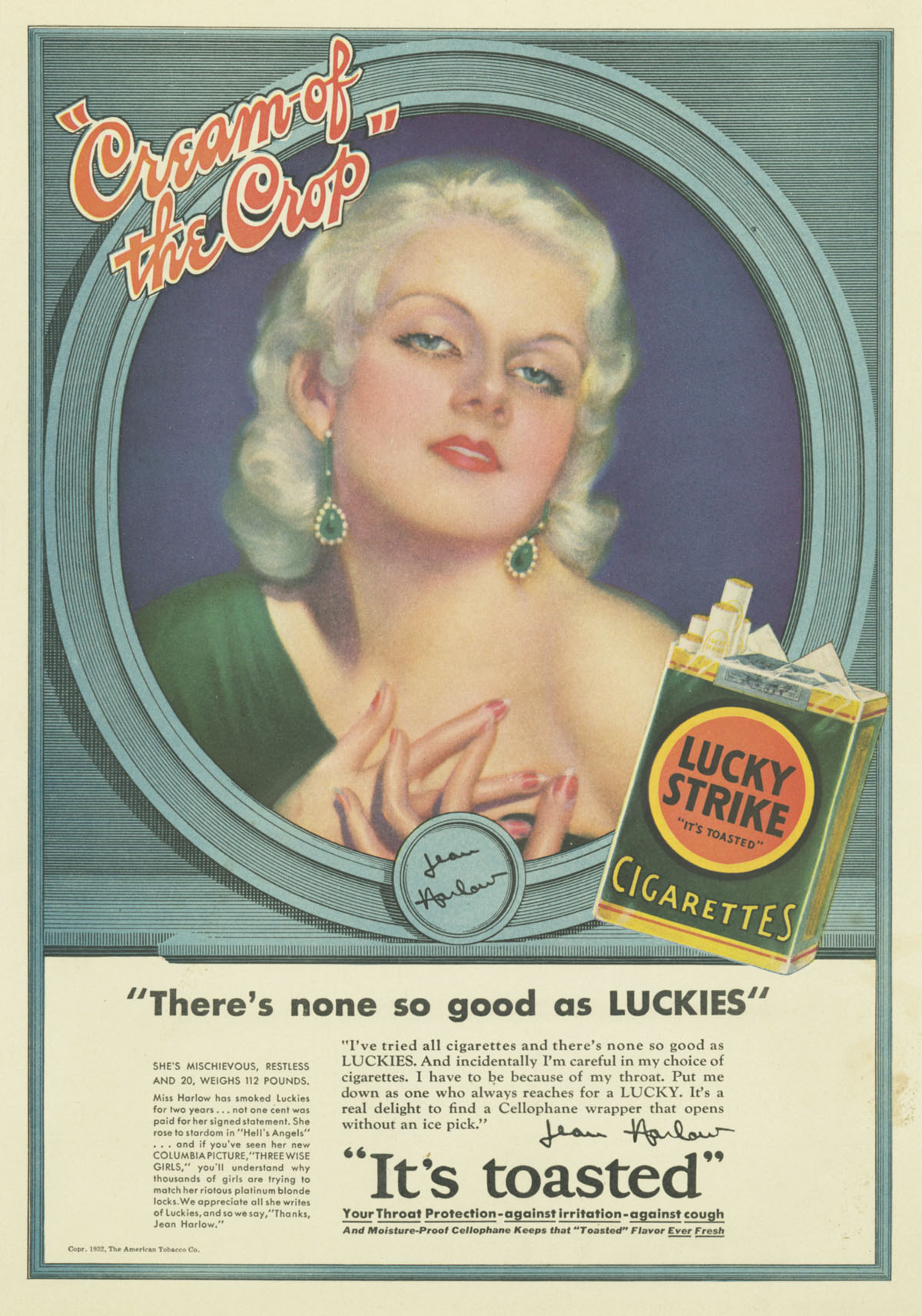
    In the History of Empty Promises advertisements for fulfilling experiences with safe/pleasant/not-addictive/sweet-smelling tobacco cigarettes would find a key position, if for no other very large reason than having killed so many millions of people.  Many of the lies told to the consuming public on the efficacy of cigarettes have come through billions of dollars worth of print advertisement, many of which featured the earnest eyes of someone famous (Babe Ruth, Lou Gehrig, the Duchess of Windsor), or authoritative (football referees, doctors, lawyers, airline pilots), or trustworthy (Santa, the family dog), or even innocent (teenagers and of course babies).  I’ve collected a few examples that I find particularly arresting–there are hundreds or thousands more to choose from.

    • Note–all images are drawn from the great resource at Stanford University on cigarette advertising, here.

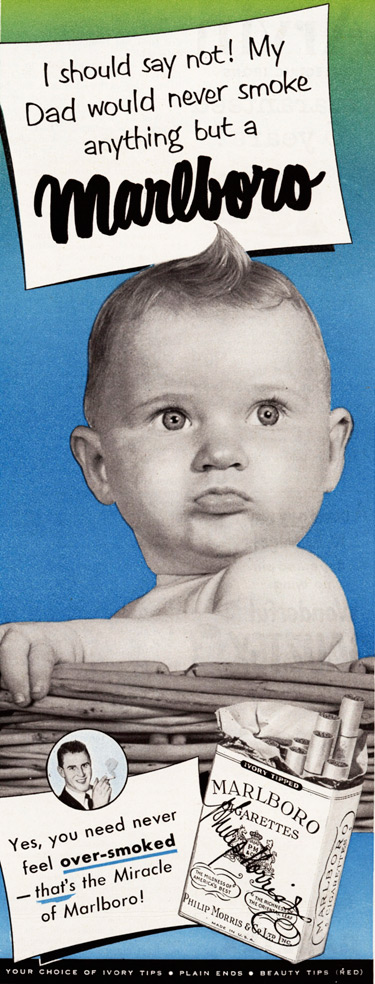
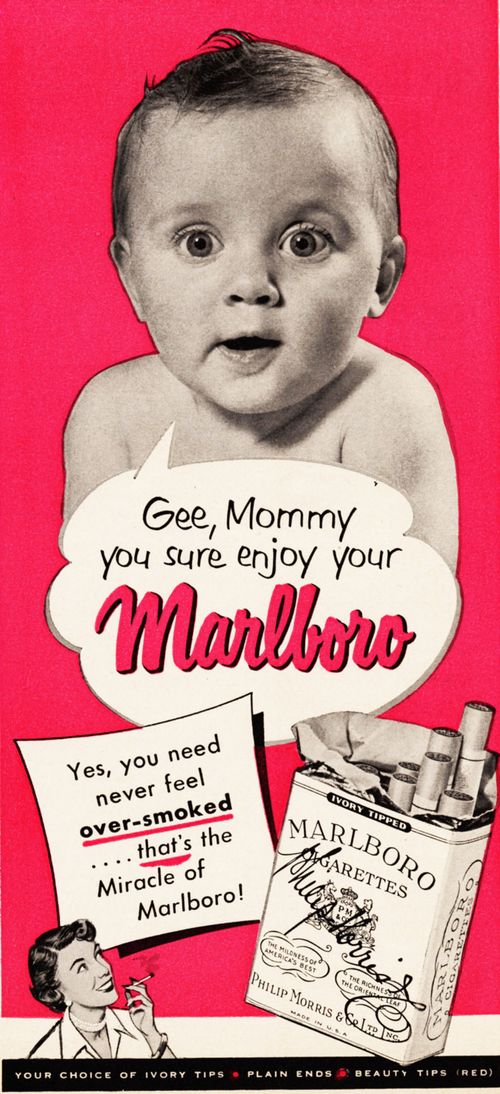
    Cigarette Eyes of Babies (for Mommy–for Daddy, see below):

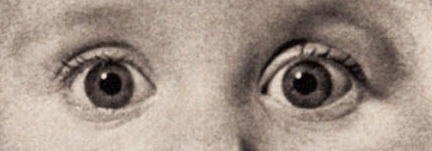
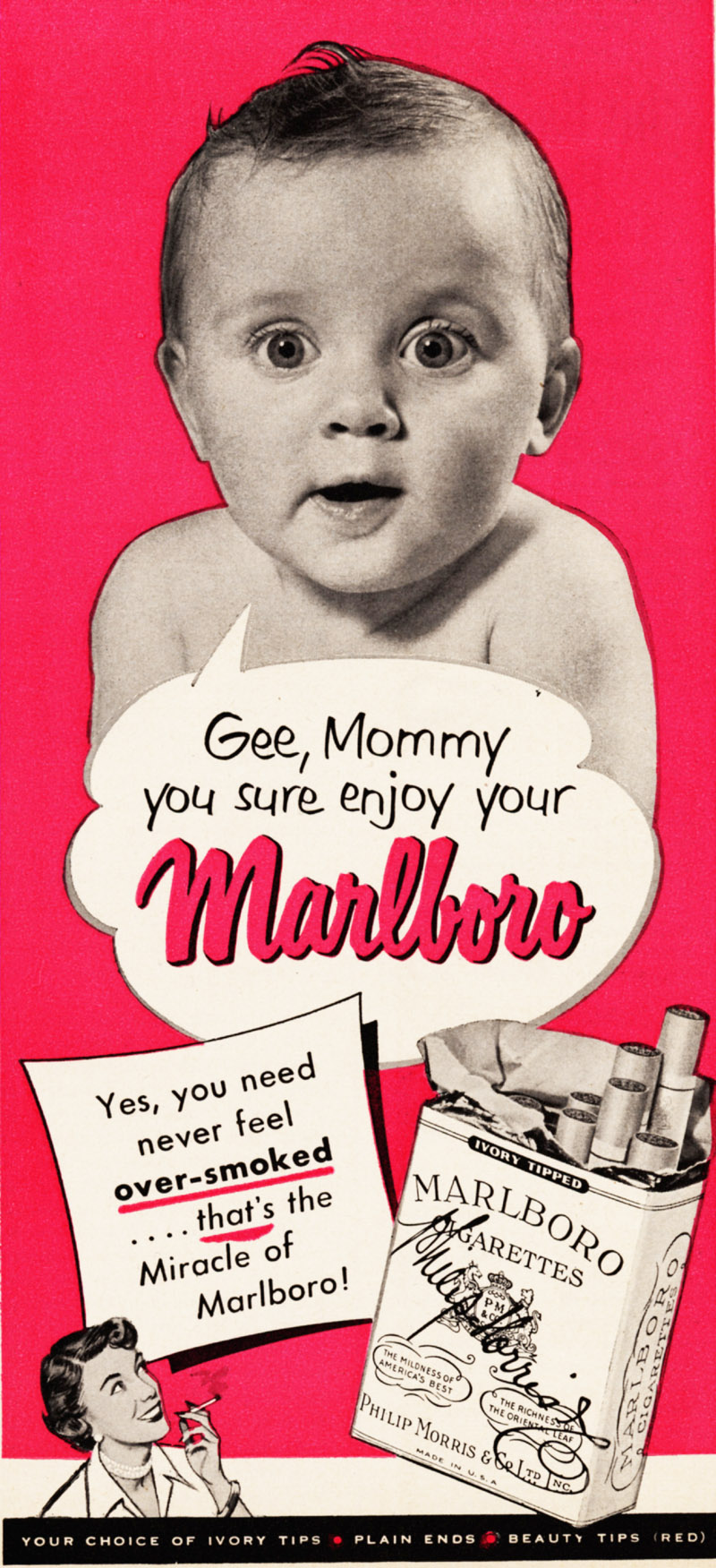
    Ciggie eyes baby
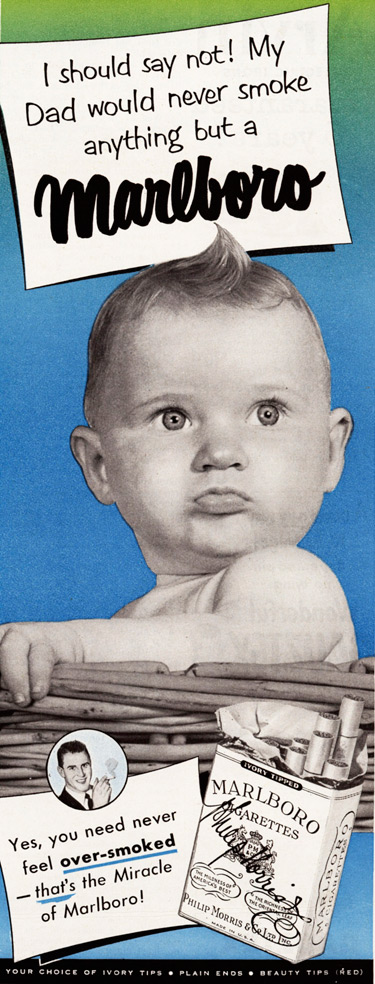
    In one of the high twisted occurrences in the history of Buying Things, Marlboro cigarettes started its life out as a smoke for women, a mild, feminine object for ladies.  And as we can see here an early appeal to the possible consumer came through the eyes of an infant.  The product didn’t sell well, and was repackaged for men, the baby eyes eventually being replaced by the iconic cowboy. This is one of the few times that an a consumer object that began its career as a sales vehicle for women crossed the gender barrier. 
    Ciggies--baby

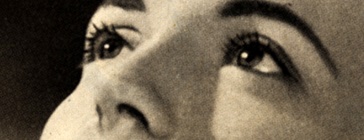
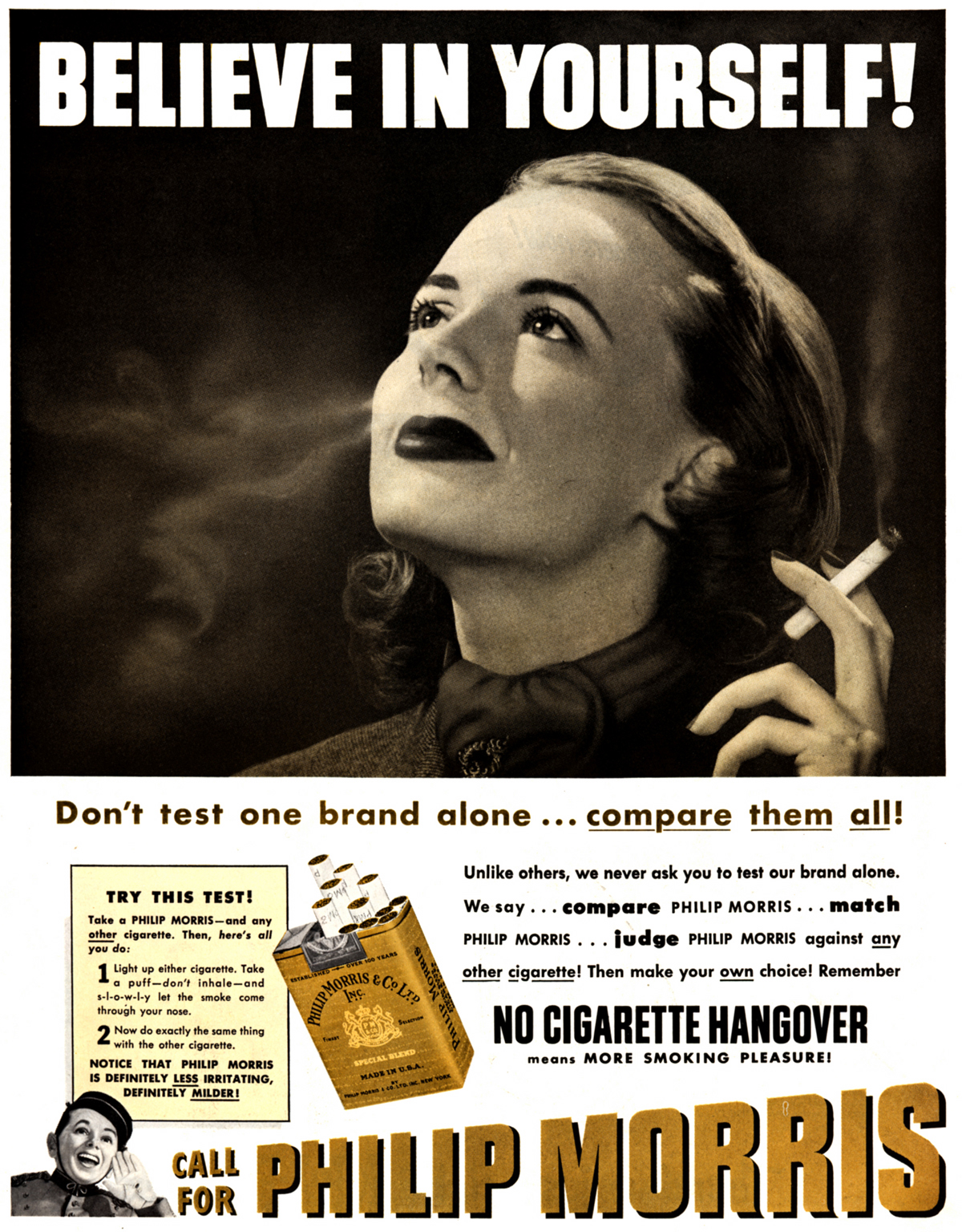
    Cigarette Eyes (and Nostrils) of self-knowledge and belief (because nothing quite spells out personal knowledge than blowing hot smoke through your nose holes):
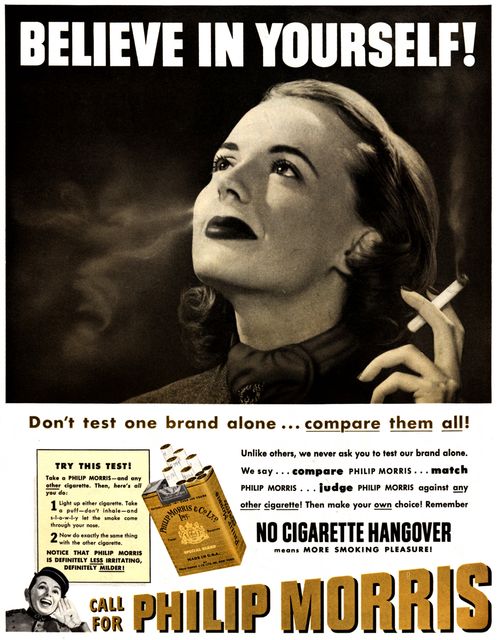
    Ciggie belief detail

    Ciggie belief

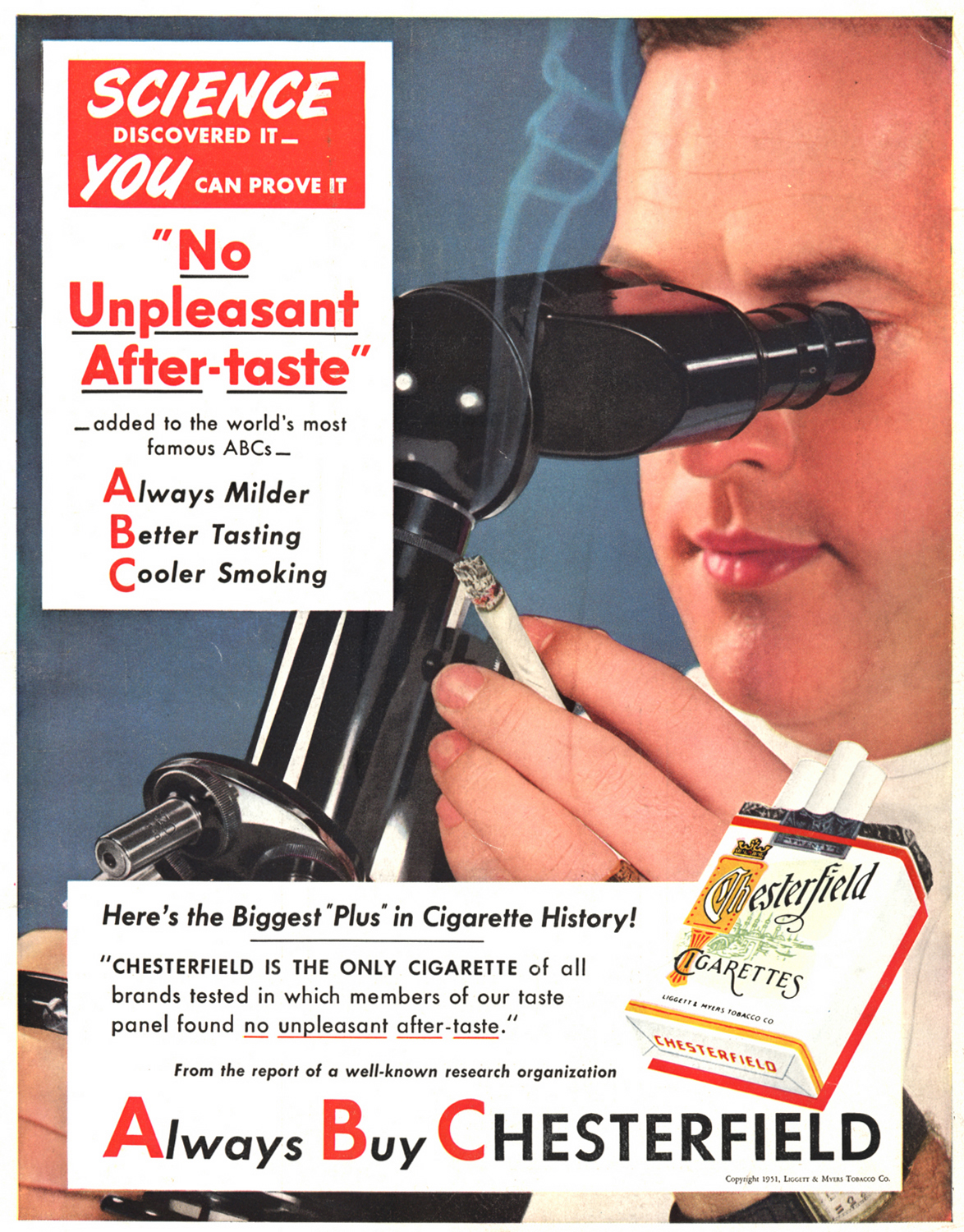
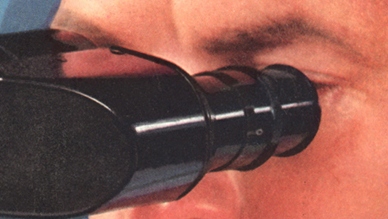
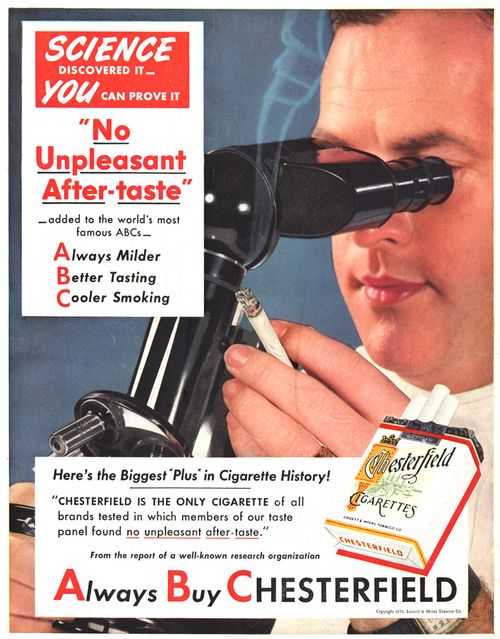
    Cigarette Eyes of the edification of pure scientific support for the glory of smoking:
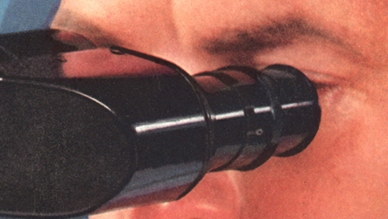
    Ciggies--eyes w microscope det
    Chesterfield not only conquered the alphabet for cigarettes, but “science” as well.  Here we see Big Science affirming the ABC claim that there is no “aftertaste” in their cigarette.  (The ‘scope has no identifiers, probably taken away in the darkroom, but it looks like it might be a Spencer to me.  Maybe B&L.)
    Ciggies eyes of science

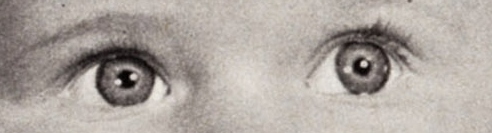
    Cigarette Eyes of Babies (for Daddy):
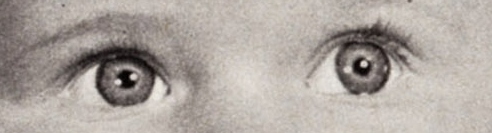
    Ciggie smokes daddy det

      Ciggies baby daddy


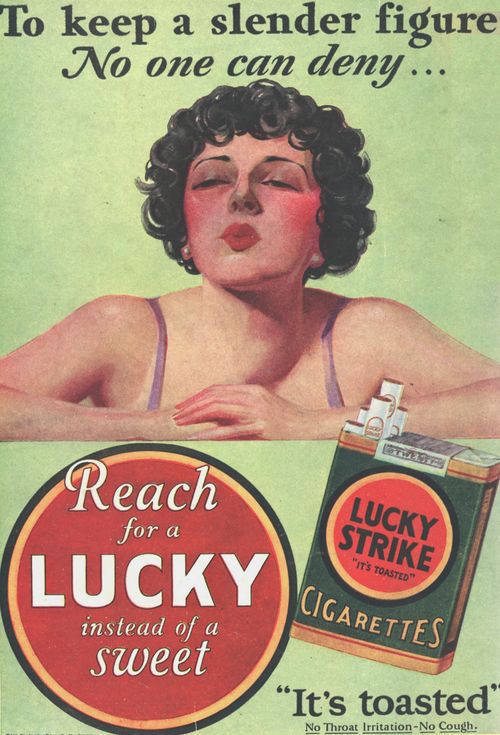
    Ciggie Slim-Lust Eyes:

    Ciggie slim detail
     

    Ciggie slim

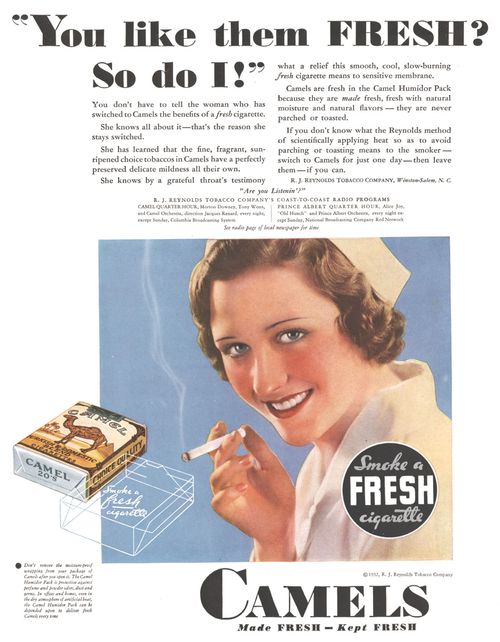
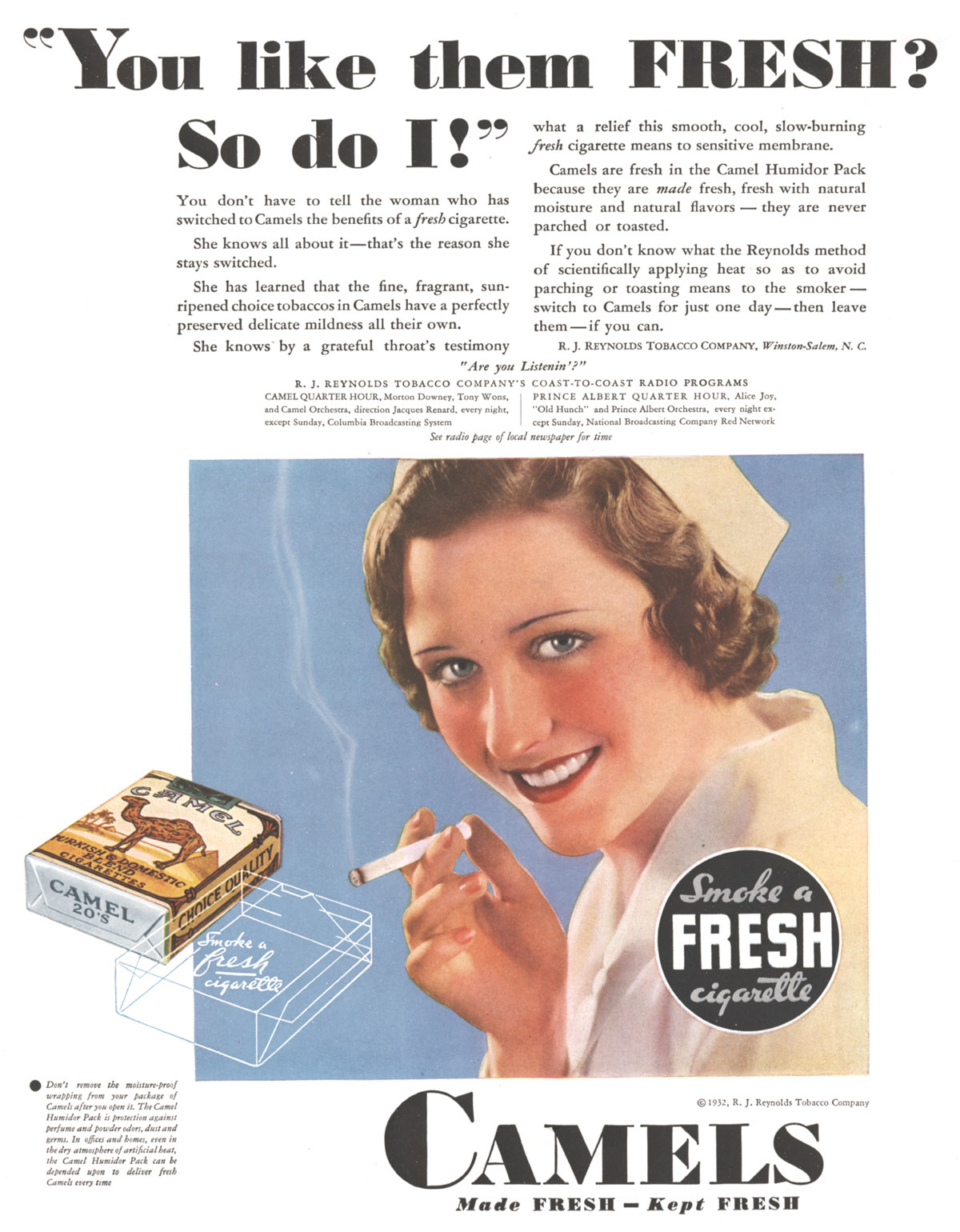
    Cigarette Nurse Eyes of Trust and Responsiveness:
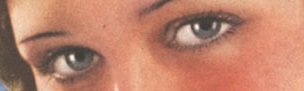
    Ciggie nurse detail

    Ciggie nurse


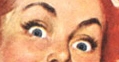
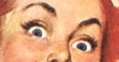
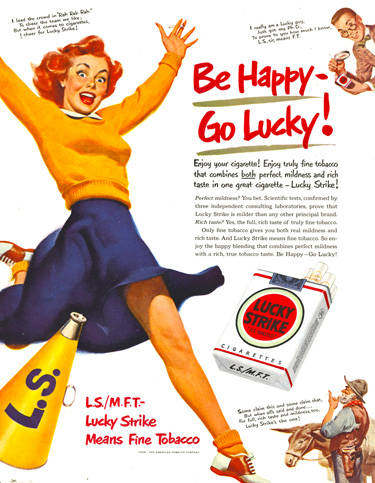
    Cigarette Teenager Eyes:

    Ciggie teens eye det


    Ciggie cheerleader

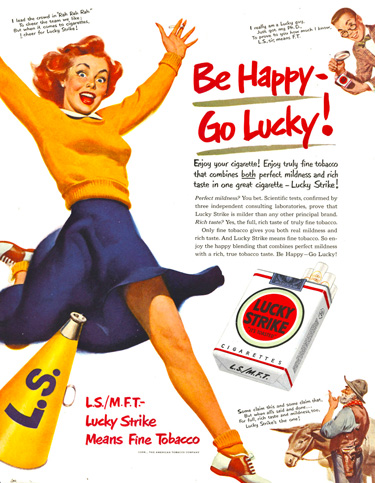
    Nothing quite spells out h-e-l-l (even to non-believers) than those things that are dangerous and targeted at children.  This add provides even a little more than that–the  leaping teenager does have a cigarette in her left hand  (if you look closely you’ll see it)  an is revealing quite a lot of herself in flight…even the angle of descent is suggestive.  At first glance I thought this was a cheerleader to be exposing so much, but, no–she’s just a teenager who is smoking and leaping.  


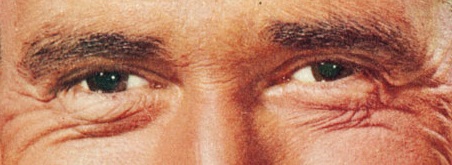
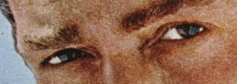
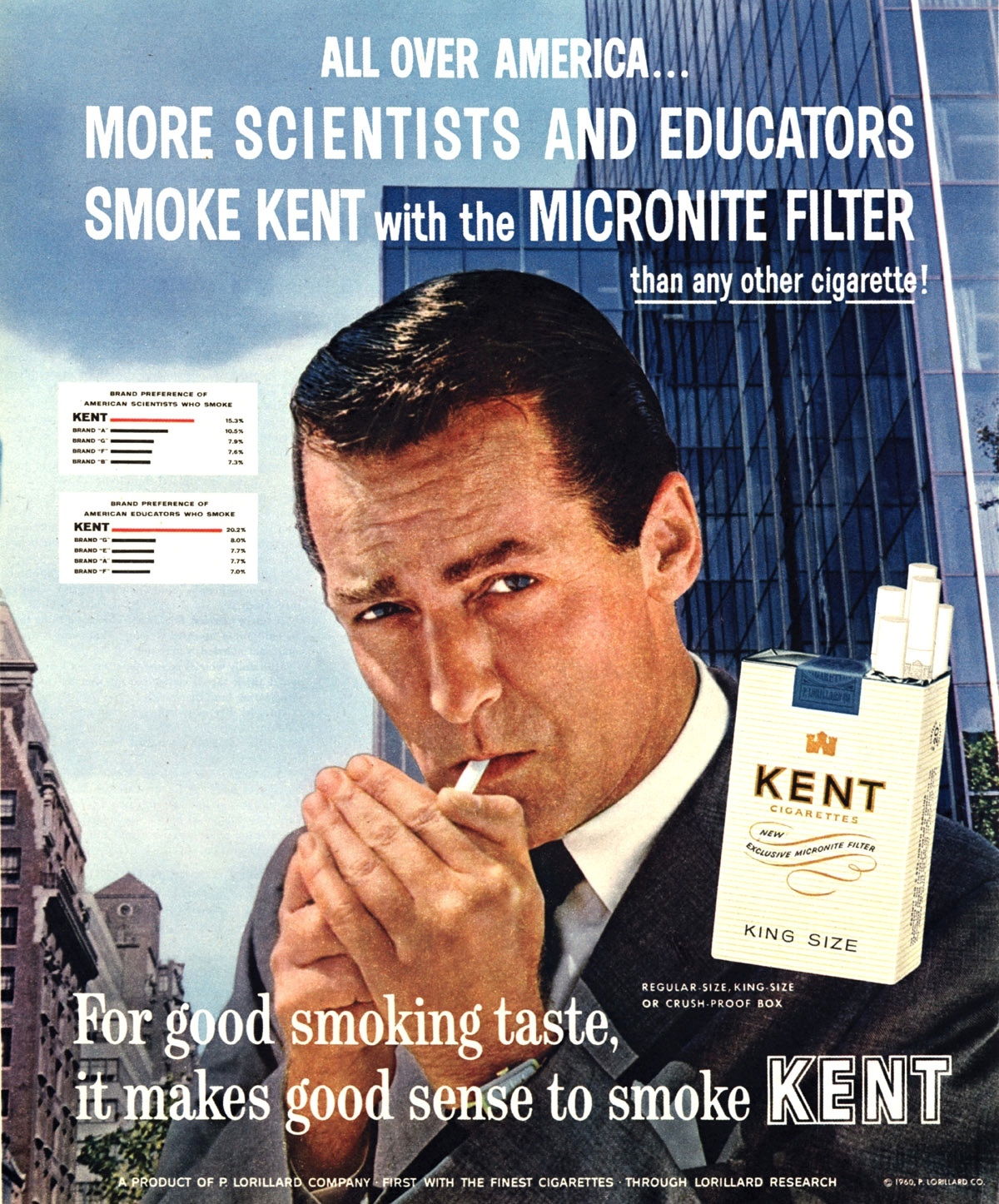
    Cigarette Teacher Eyes:
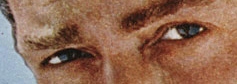
    Ciggie educators det
    Ciggie teacher

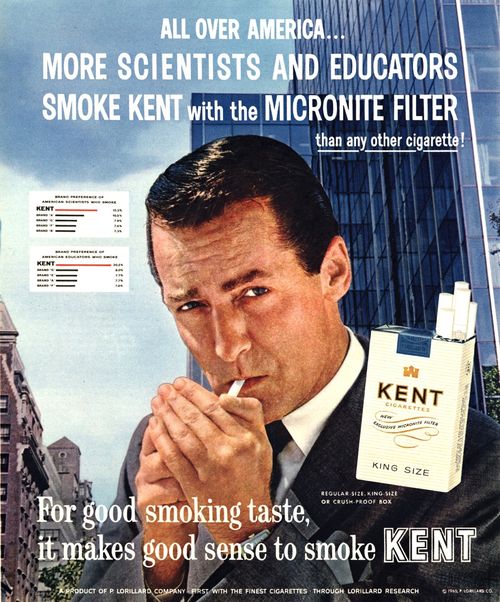
    Well, I guess that these weren’t necessarily teacher/scientist eyes, but the man in the suit was supposed to convey that.  He was after all smoking a smart cigarette, with a filter–something relatively new in the mid-1960’s when Lorilard Company pushed their Micronite filter.  It was supposed to filter out the bad stuff from cigarette smoke, and did so by employing crocidolite asbestos as part of the filtering agent–this is a form of asbestos that is the most dangerous of the amphibole asbestos family.  Evidently something like 18% of the miners who mined this sort of asbestos (also known as “blue asbestos” have died of mesothelioma–not contracted the disease, but died of it.  And here it was, being inhaled with cigarette smoke.)


    Ciggie Eyes of Sex:
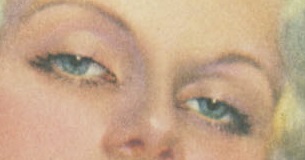
    Ciggie sex detail

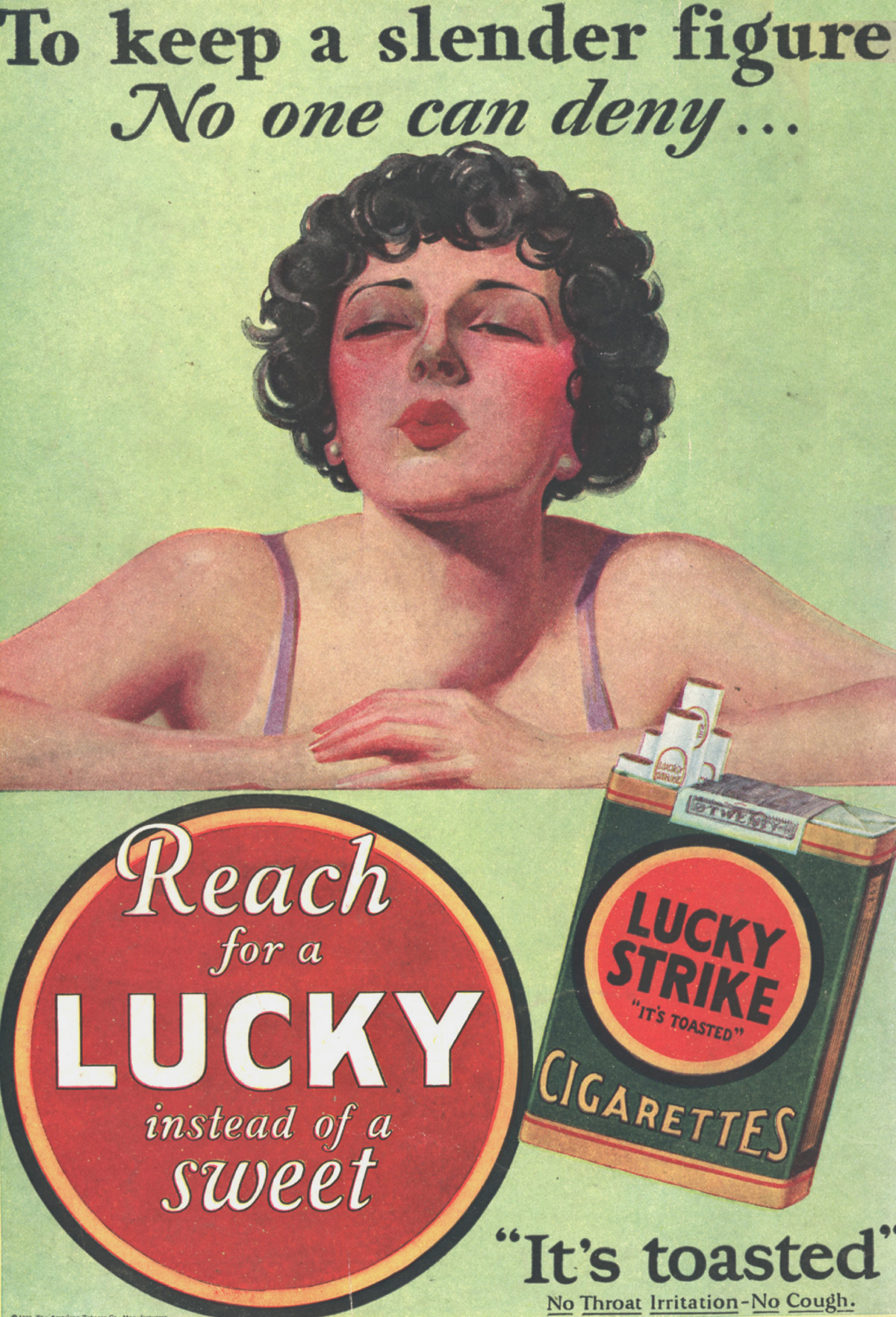
    This was far from being the first round of advertisements using sex as a possibility achieved via the purchase of a commodity. It was also not the oddest promise for weight loss from an unsuspecting product–cocaine was sold for this purpose as well in the early part of the century.  Heroin too.  I can guarantee that if you these this often enough it will loosen your grip on food, almost to the point of exclusion; and then, like magic, food gone, you will lose weight.  Cigarettes offered themselves as a substitute for candy–for women–and in this way became an inglorious end to what still seem the impossible dream of maintaining an always-improbable desired figure. 
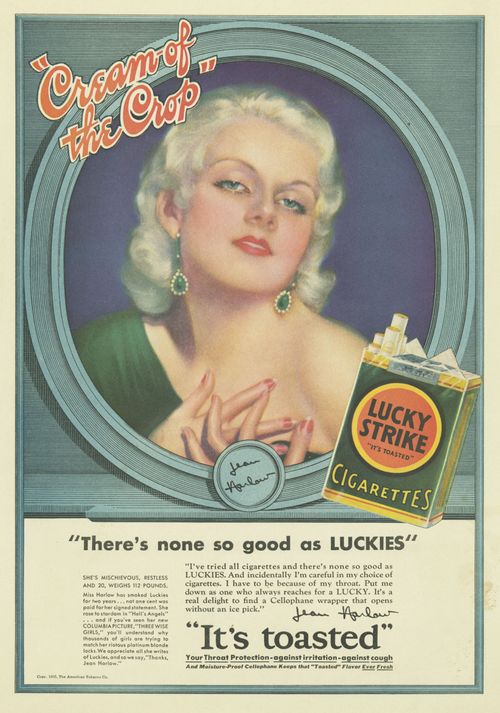
    Ciggie sex


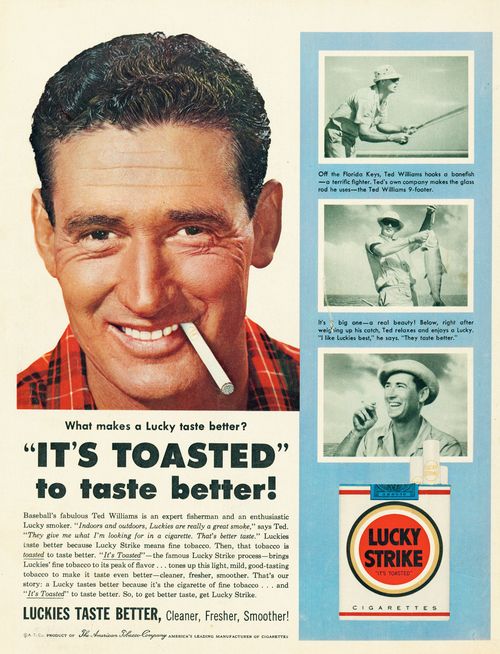
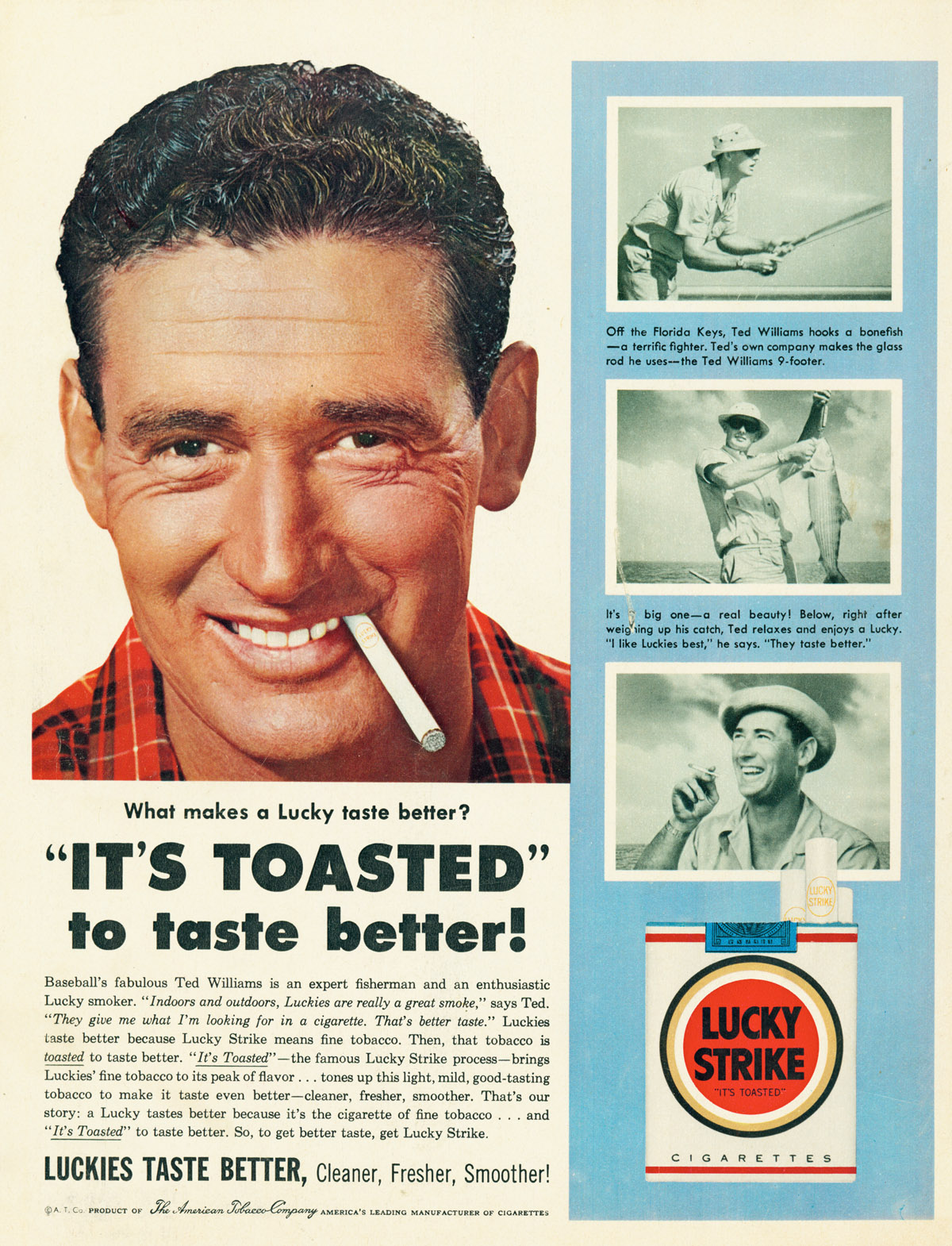
    Ciggie eyes of Teddy Ballgame:

    Ciggiee baseball detail

    Ciggiee baseball

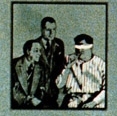
    And from the other end of the field, a little inset picture of Babe Ruth, who evidently could tell his ciggies apart, blindfolded, and in uniform.  It is a creepy and surreal image:
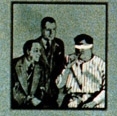
    Ciggie athlete  ruth det last
    He didn’t have the best relationship with his wives, and had some other social factors weighing in against him, but the man was famously kind and generous with children, which gets him a “pass” in my book.  He died of cancer in 1948, aged 53. (His last public address was eloquent and heartfelt, a truly wonderful short speech.)

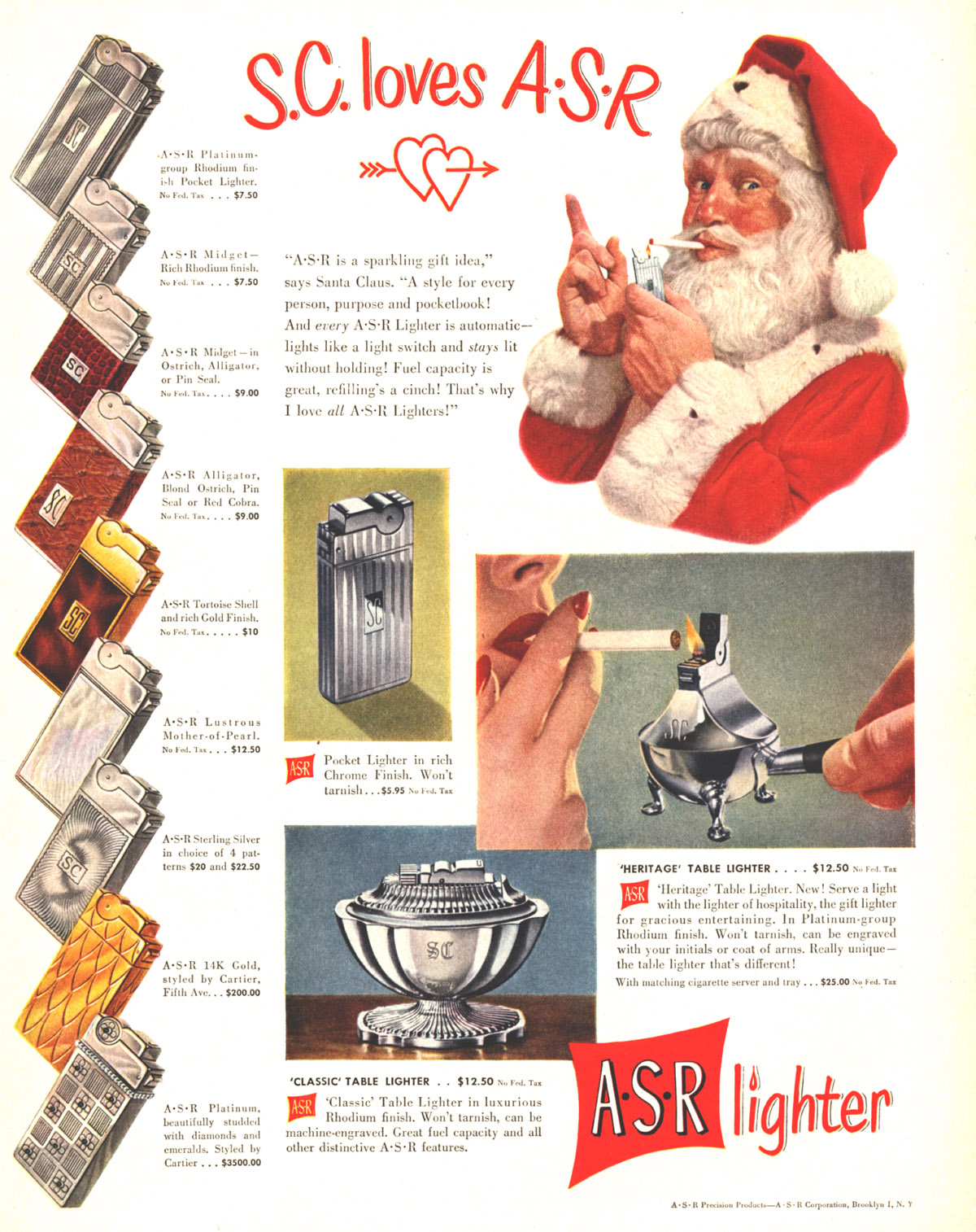
    Cigarette Eyes of Santa:
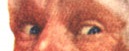
    Ciggie santa detail

    In a world of things in which everything was wrong, this was among the “wrongest”, so wrong it isn’t even wrong. There are many ads featuring Santa, some of which show him decorating a Christmas tree with boxes of cigs, others showing him with his sack full of yet more cigarette cartons.  Even in an Encyclopedia of Bad Taste, this would be a key entry.
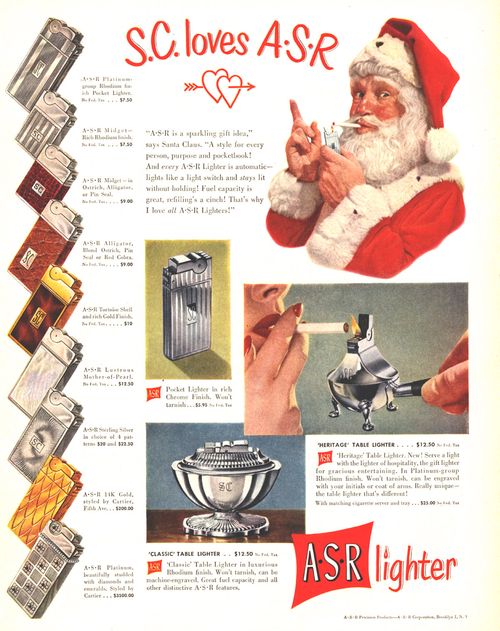
    Ciggie santa


  • Blank, Empty and Missing Things, #35: Empty Trees

    JF Ptak Science Books   Post 1614

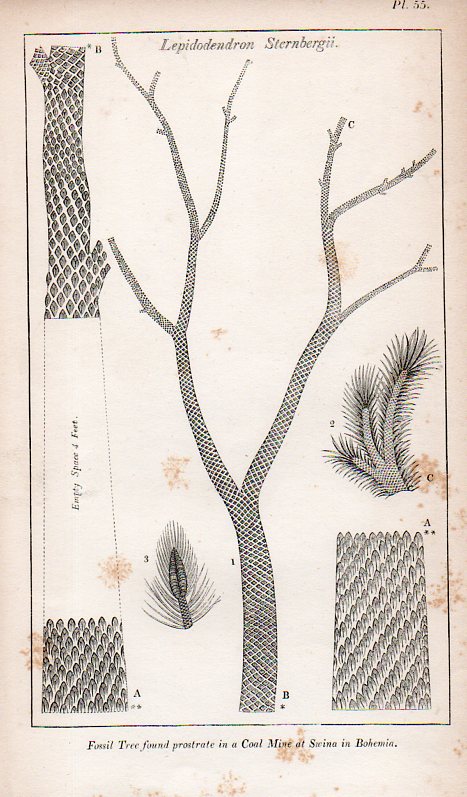
    Blank trees866 sm detail

    Blank trees866

    Continuing a longish thread on Blank, Empty and Missing Things is this very short notice on a beautiful illustration from (Rev.) William Buckland (1784-1756, Reader of Geology at Oxford) in his Geology and mineralogy : considered with reference to natural theology

    Blank trees865

    I think it is a remarkable thing, a beautiful piece of explorative artwork when taken out of context.

    The description of this engraving from volume I, page 466:

    Buckland is well remembered for his analysis of the fossil remains found in Yorkshire’s Kirkdale Cave, which he identified as hyena (and its prey) remains from earlier prehistoric times rather than having been swept from the tropics to England by the waters of the Great Flood.  Of course, Buckland himself held that opinions years earlier, along with many other geologists…as some actually hold today, somehow, in creationist fits of intentional delusion.1

    Notes


  • Disinventing Left, Part II–Eliminating Left Pages

    JF Ptak Science Books   Post 1572

    If (and only if, (iff)) eliminating left turns in auto traffic is a good idea, perhaps getting rid of the left-sided newspaper page is a good idea, too.  (?)

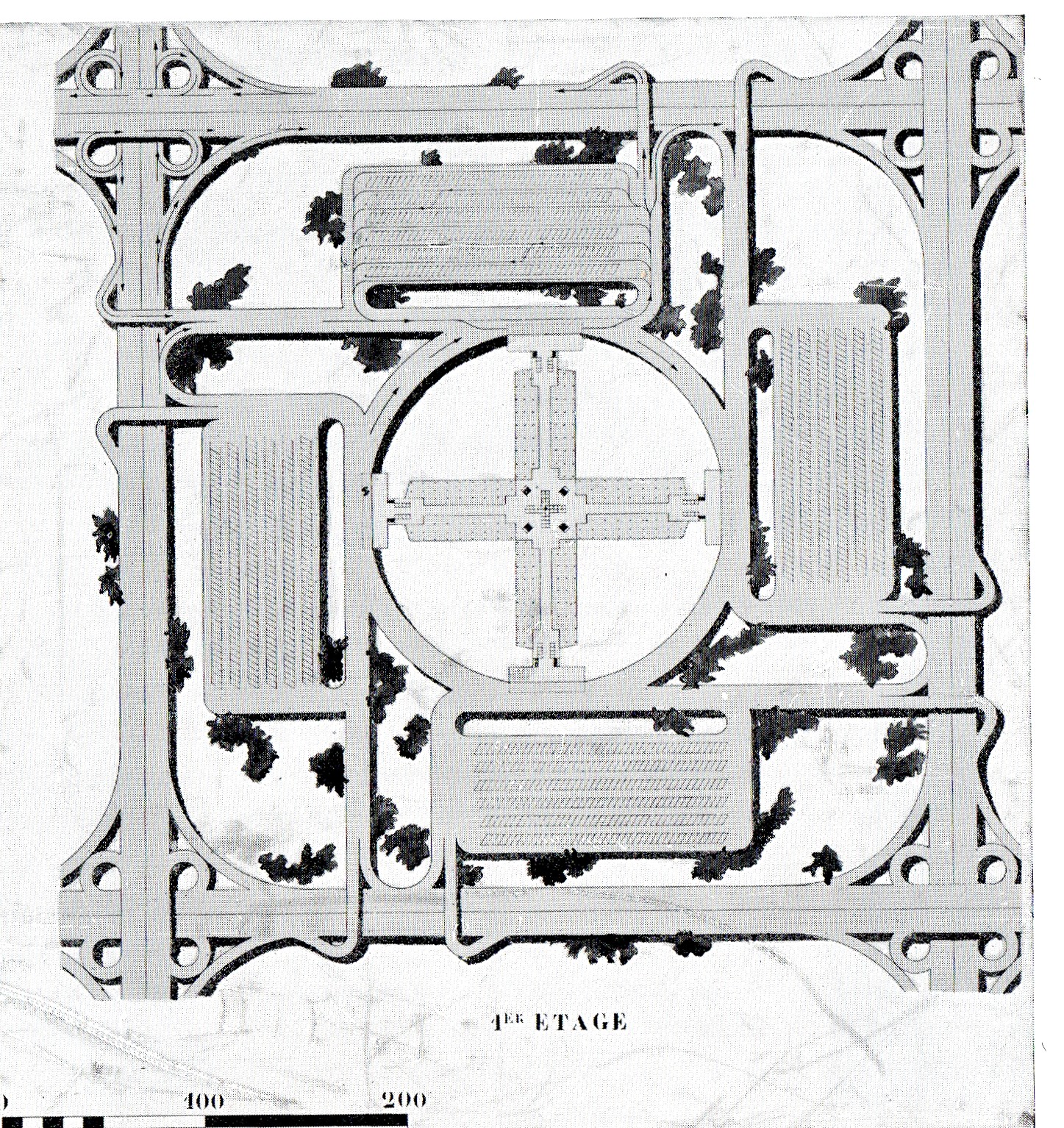
    A post appeared earlier in this blog on dis-inventing the left-hand traffic turn, which for better or for worse was laid at the feet of Le Corbusier, who imagined a new network of inner-city traffic turns as follows:

    Right hand turn 2006

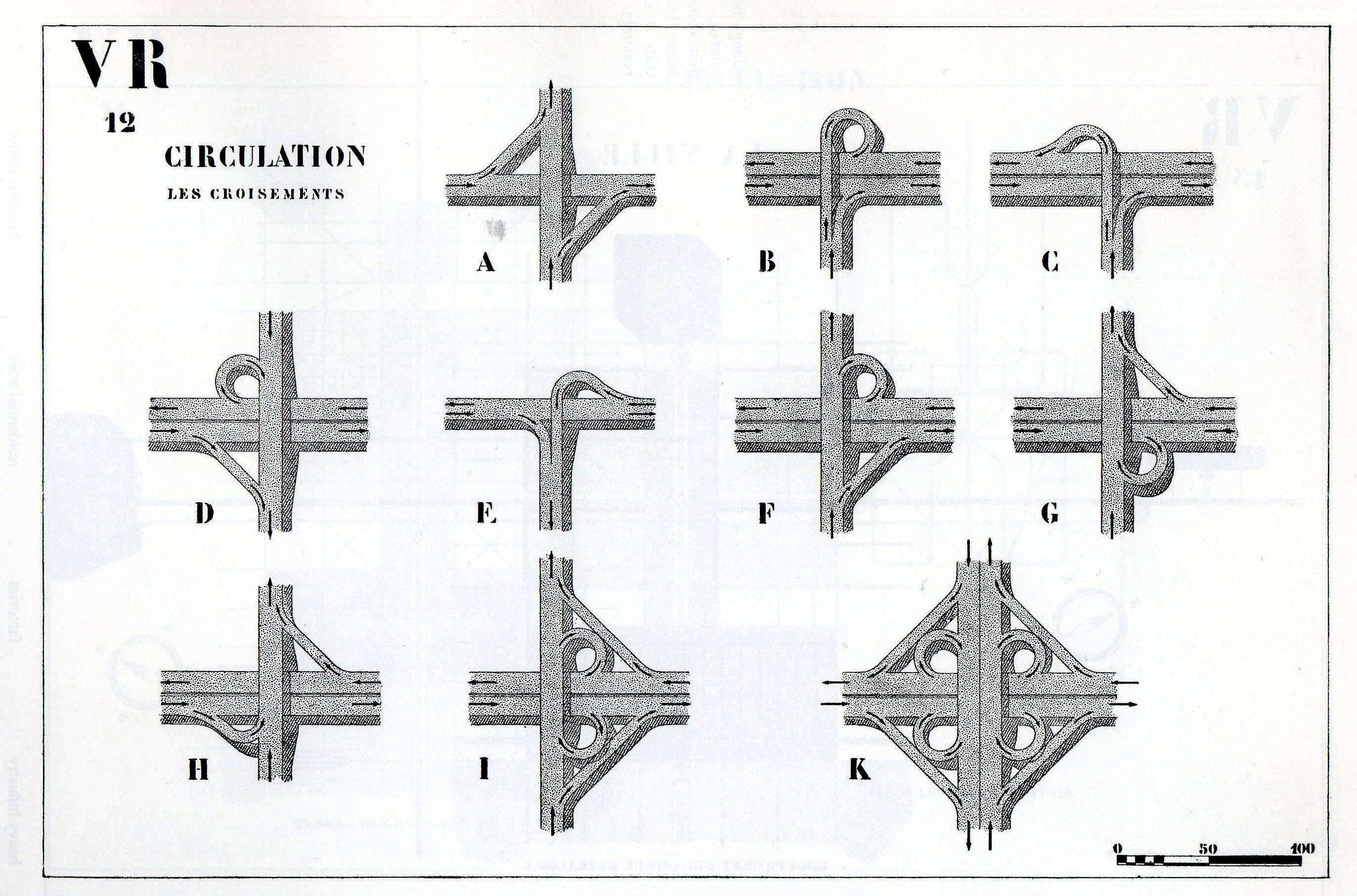
     which appeared in his Radiant City (edition of 1930).   He beautifully includes the following crib sheet for the incremental development of right-turns-only in cities, which I think can stand on its own as the template for x-number of short stories:
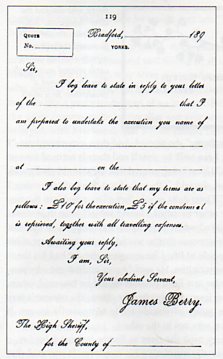
    Right hand turn 10

    This is nestled into one of many plans, though Le Corbu’s recipe for mega-sameness seems desperate to me–this one called for a massive complex of 220-meter-tall structures nested in 400-meter squares, going on and on. 

    But I think at its base that eliminating left hand turns for cars in cities seems like a good idea–making the left turn a series of three rights seems at it base to make traffic flow smoother, and since enormous amounts of time and energy and  everything else comes as a result of volatility in traffic flow, and since a lot of that volatility comes as a result of the formation of lines behind cars that are crossing traffic for a turn, then getting rid of the cause of volatility seems the logical response.  Unless of course it causes volatility elsewhere.

    In 1905–one of the greatest years for ideas in the history of ideas, ever, though the following is not one of them–George Ebenezer Morrison proposed to eliminate a source of unease and volatility in publishing advertising revenue by destroying the idea of the left-hand page of text.  He made the case that the value of advertising space on the left-hand side of newspapers and magazines and such was far less than the ads that appeared on the right-side pages–this because, he said, people tend to hold what they are reading with the right-side centered in front of them, leaving the poor left-side abandoned on, well, on the left.  So, with attention centered on the right, ad space was at a premium. 

    Mr. Morrison’s solution–his idea, for which he was granted a patent in the U.K. 1905/105291–was to print the left-hand pages upside down, so that once the right-side was read, the reader would turn the newspaper etc. upside down to read the second half, and thus the left-side page would be entirely eliminated. So, all things being equal, everything would now be right-sided.

    I am not sure if–like finding new traffic problems in multiple right-hand turns–eliminating the left page doesn’t create the same issue with the left side of the all-right-hand page reading material.

    I am sure that Facebook and Kindle and etc.–having already gotten rid of the pages in toto–are now at work in eliminating the left side of our monitors. 

    And whatever it is going on right now, the same thing seems to be going on, it politics. 

    Notes:

    1.  I’d share the patent image, but it is just a rectangle divided into eighths.


  • Receipt for a Hanging and the Executioner’s Business Card, 1891

    JF Ptak Science Books   Post 1560
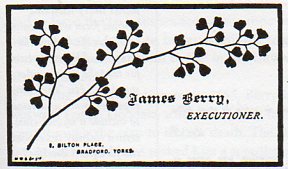
    Executioner card603
    I find a deep, semi-literary dreaminess in the imagination left open by the blankness of empty receipts, questionnaires, incomplete reports and untransmitted half-bits of undone documents.  The missing qualities of these objects can be an open invitation to insight, sometimes allowing their reader to see more in the incompleteness than had the object been completed.  (There are a number of posts in this blog about these qualities, one of which is “Empty Memory, Telephone Number Warsaw 20080, Nazi Occupied Poland, 1941″, with many of them appearing in the series A History of Blank, Empty and Missing Things.)

    And so with this receipt for monies due to England’s executioner, James Berry, found on page 78 of Howard Engel’s very straightforward and intriguing work on execution in England, Lord High Executioner.  James Berry served in this capacity, working for the state from 1883 to 1891, all through his thirties (31-39), hanging 130-odd criminals.  It turns out that he was the third executioner in a row who had something to do with shoes–the preceding two executioners, William Calcraft and William Marwood, were both cobblers; Berry on the other hand was a shoe salesperson, whose replacement in 1891 was a “hairdresser”. 

    Calcraft was a man ill-suited for his job and was replaced by Marwood, who was–he was a deeper thinker when it came to executing people, and applied that too his craft.  So too with Berry, who seemed to have the proper treatment of the condemned first in mind, which meant to have them suffer as little as possible during the execution.  To that end he calculated the most efficient ways of noose construction and placement and the heights at which a person could be dropped to (hopefully) ensure an instant death. 

    He was a particular man, and intended for their to be as little left to chance in his job as could possibly be.  As a matter of fact, to make an assignment function as smoothly as possible, Berry had printed a bill of services so that there would be no question as to what was being paid for with his services and for what.  I can understand that the man needed as little confrontation in this job as possible.

    Executioner615
    The man was a professional who sought to make his job make as much sense as possible, given the circumstances.  While he was executioner, Berry felt as though to note execute someone for capital crimes was an affront to the Bible, which he felt demanded this blood retribution.  Afterwards, after his career, he was less sure of this belief, ultimately becoming a true-enough evangelist who stood firmly against capital punishment. 

    Advert For 'My Experiences As An Executioner' By James Berry.
    Over the years, Berry–who died at age 61 in 1913–seemed to have fewer shadows in his life the further removed he was from his work.  Soon after leaving the employment of the Home Secretary, Berry sold off most of his momentos.   His parlor evidently was a gallery of his work, decorated (perhaps that is not the right word, I am sure of it) with photographs, locks of hair, pieces of clothing and rope and so on of the people he put to death.  He claimed to be more restful with those physical memories removed, and so far as I can recall, he never did recant his actions as executioner for England. 

  • Baby Marriage, Nicot-ine and the Production of Death, 1869-1880

    JF Ptak Science Books   Post 1557

    “The use of tobacco is growing greatly and conquers men with a certain secret pleasure, so that those who have once become accustomed thereto can later hardy be restrained therefrom.”–Sir Francis Bacon (1561-1626)

    In a way the abuse and use of tobacco and the deaths of, what–a billion?–people from diseases caused by it is partially due to the forced/.arranged marriage of two babies. It was Jean Nicot de Villemain who introduced tobacco to France  and thus to most of Europe when he arranged for the plant to be sent home from Brazil tn 1560  while serving as the French ambassador to Portugal.  He was there to negotiate this baby marriage–between six-year-old Princess Marguerite de Valois to five-year-old King Sebastian of Portugal, and so while there took advantage of his new experience with the plant, one variety of which was named after him, and for which the alkaloid (nicotine) is named.  The job of introducing the ethnogen to the rest of the world would fall to someone, and in this case that someone was Nicot, baby-marry-er:  of course this was a royal job and the marriage assured bloodlines more than any sort of lust, a creation of dynasty and ensuring treaties and power consolidation, but it did expose Nicot to the plant in Portugal, and the rest is a nasty history.

    The addictive qualities of tobacco has been recognized for as long as people have been writing about it, going back hundreds of years, deep into the 16th century, almost from the same time of its introduction into England and Europe. 

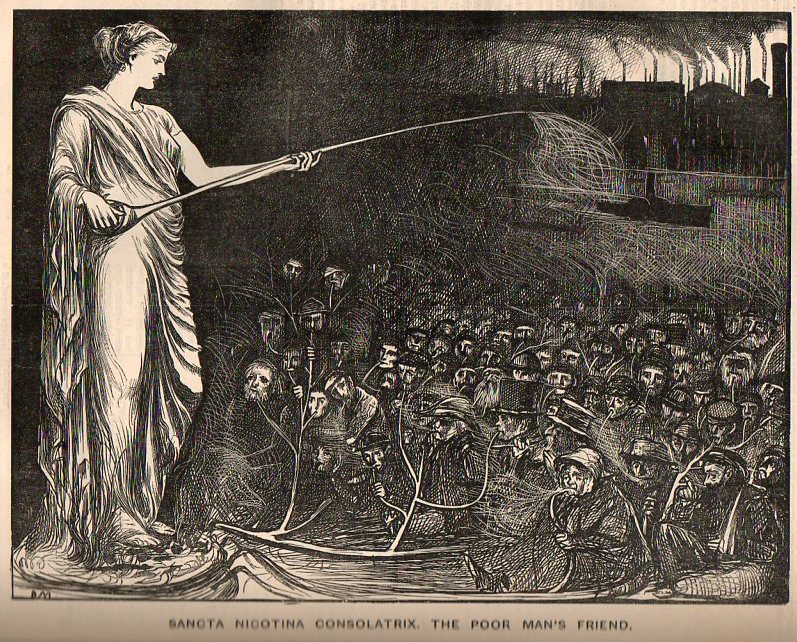
    These images of the horrific nature of the addiction to tobacco appeared in the January1869 issue of the London Punch magazine and are particularly biting–there are few images like them in those years for this journal, so far as my experience can relate. 

    This one is labeled “Old Nick-Otin, stealing “away their brains”

    And this, appearing in next week’s issue: 

    Nicotine598

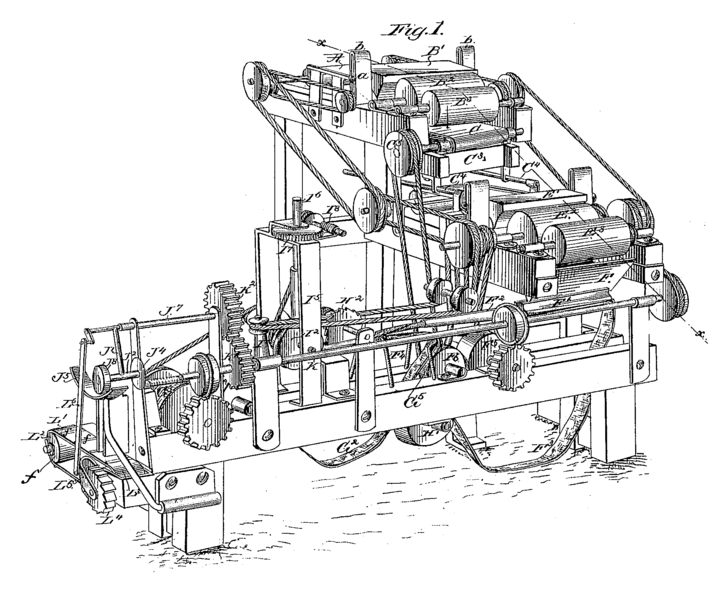
    So the editors of Punch decided to send a strong and distasteful message to their readers on the dangers of tobacco to the high class and the low.  But this was still in the day that tobacco was a luxury to the working classes and the poor, before the introduction of the mass-produced cigarette.  Real death and destruction took place after the ingenious invention of James Albert Bonsack (born just months after this issue of Punch), who patented an automatic cigarette-rolling-making machine from his home in Roanoke in 1880.  What the machine did was this:  it increased the output of the hand-rolled cig from four cigarettes an hour to about 200 a minute.  Getting rid of the human element in cigarette production was a crucial fix in the history of advancing death, and allowed for inexpensive distribution of the lethal addictive habit across all sections of society.    As with Nicot, someone would have developed this machine, and in this case it was Bonsack, who collected a $75,000 prize fr being the first to automate this process for high-speed production.  It was a remarkable machine, really–unfortunately for all the only thing that it did was make cigarettes.

      Cigarette machine

    The Bonsack invention and its progeny sanitized and economized  cigarette production to the point where–in relatively short order–the cigarette was available to anyone, and in the coming decades became a simple part of the landscape, blending into the human environment.

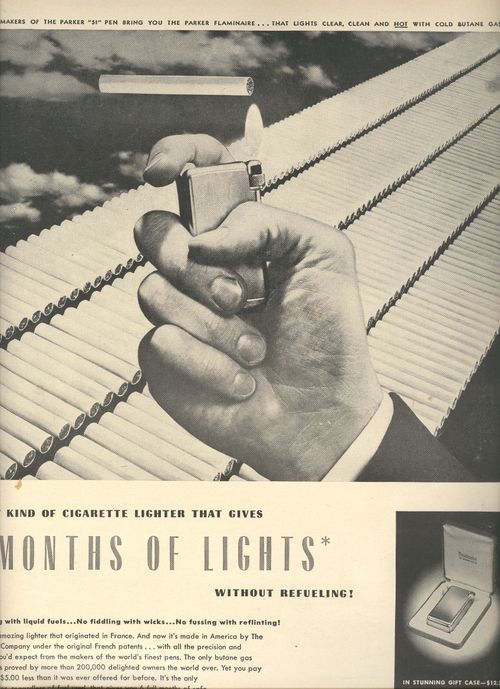
    This is a simple ad for a butane-based lighter (appearing in LIFE magazine for 18 December 1950), lighting the way down Cigarette Road of the Bonsack/Nicot/etc. future.  Actually, it was more a highway than a road, and a superhighway at that. There were few rules on that road to perdition, and government-sponsored warnings about tobacco health issues was still more than a decade away. 

    Cigarettes

    It seems to me that there are about 300 cigarettes in this ad, and that looks like a lot—point of fact though is that in 1950, the average American (of 18+ years) smoked about 3,522 cigarettes a year, which means about 10 cigarettes a day for everyone in the country.  Not 10 per smoker; 10 for everyone in the entire country, smoker or not, who was over 18 years of age.

    The average smoker in 1950 smoked about 2.5 packs a day, or 50 cigarettes or so—that’s equal to this line of cigarettes being smoked every six days. 

    There were few rules on the Cigarette Highway–and, basically, no brakes.


  • The History of Blank, Empty and Missing Things–German POWs, 1918

    JF Ptak Science Books  Post 1556

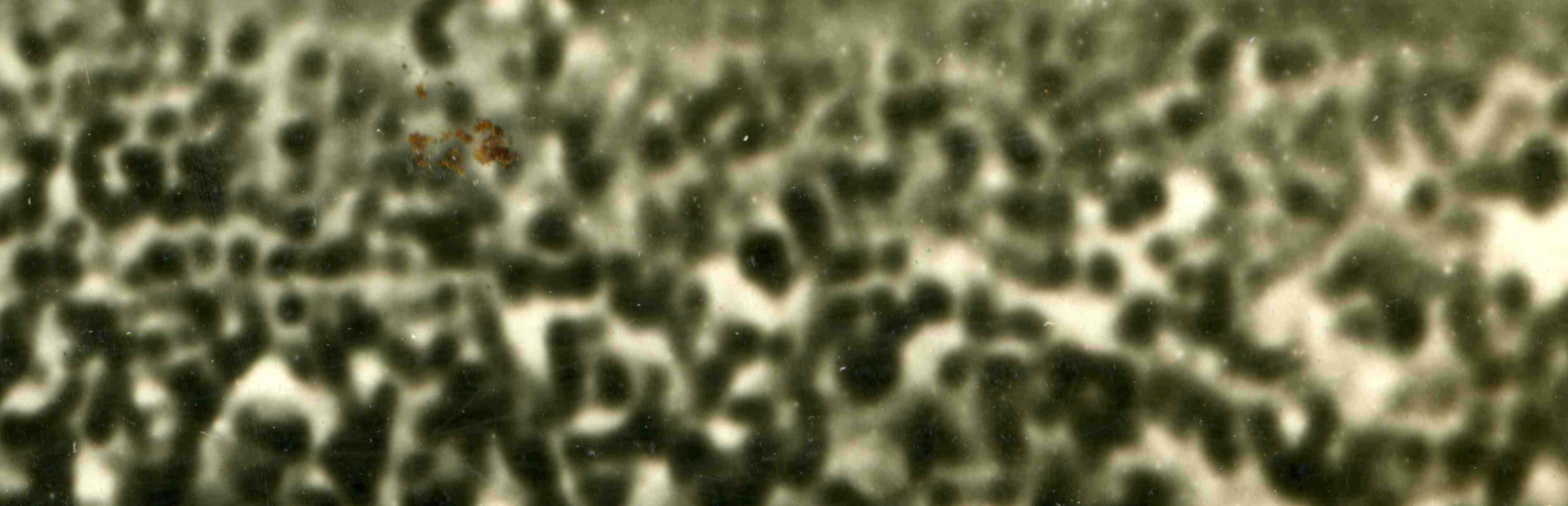
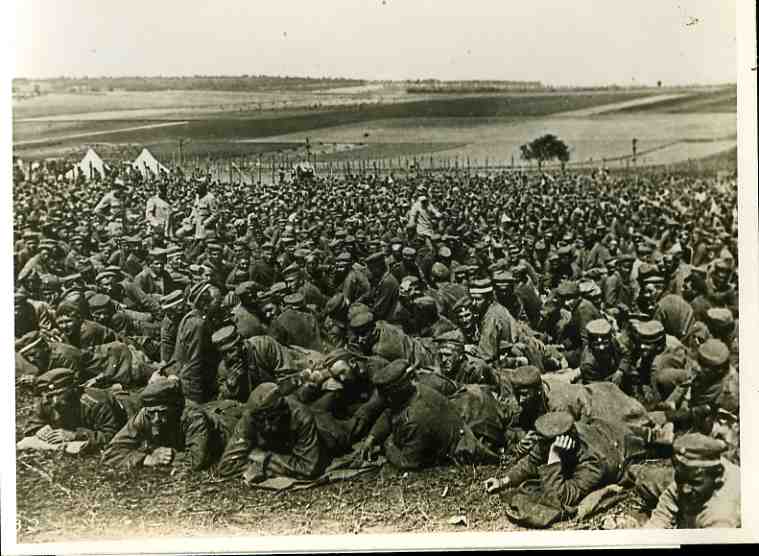
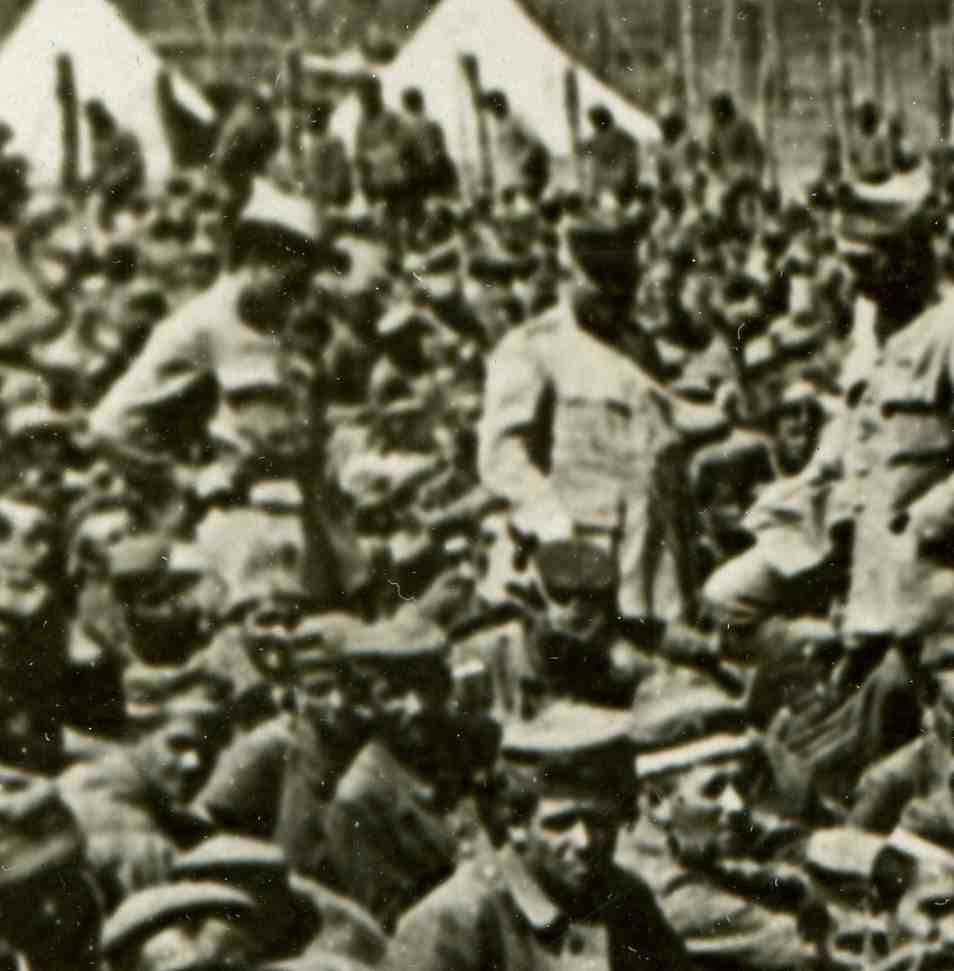
    In continuing series of posts on Blank and Empty Things is this image on fading, disappearing German prisoners of war.  The French had been pounding them in western France in the summer of 1918, and Germans were surrendering and being captured by the thousands.  This news service photograph shows one of the assembly camps with about 10,000 POWs–I made a heavy scan of the group of soldiers in the distance and was  a little taken aback to see that the men had lost their human forms,  looking like bacteria, fading into their future.  

    000-ebay--Nov 8 pows018

    000-ebay--Nov 8 pows017

    The full image is impressive, and shows just a small fraction of the men taken prisoner during 1918; and it shows even a lesser percentage of those killed.

     
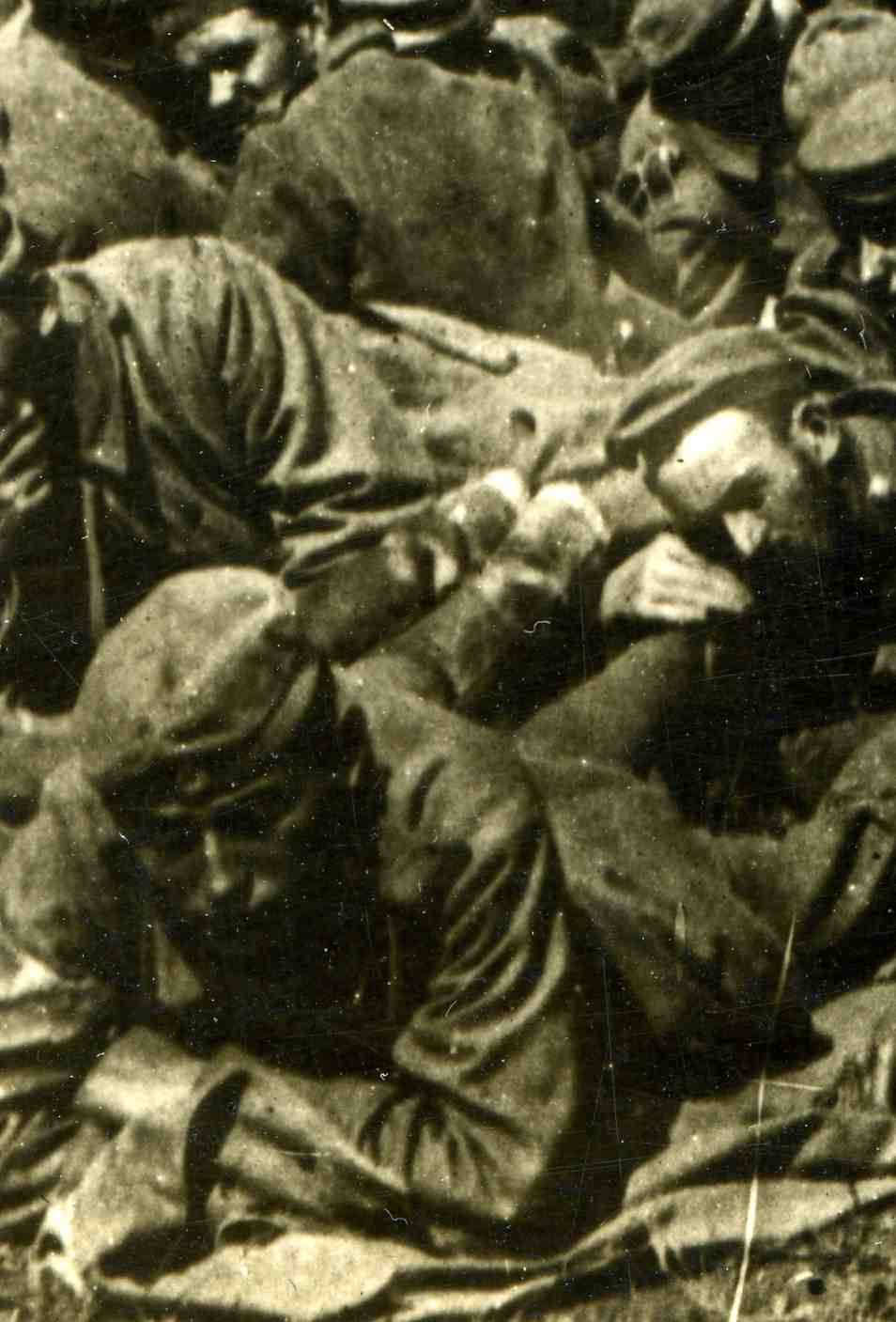
    This detail of the foreground shows the familiarity necessitated by the men being pressed so closely together–there was little free ground
    000-ebay--Nov 8 pows019.

    Also, I thought that the French soldiers in the midst of the prisoner might’ve been feeding them, but it seems as though they were just walking in their midst.


    000-ebay--Nov 8 pows022


  • Are there More People than Knots? Finding the Structure of Matter in Smoke Rings

    JF Ptak Science Books   Post 1541 (Part of the Series Blank, Empty & Missing Things.)

    Embedding a circle in 3-D Euclidean space is another way of looking at a simple and substantial elements of human activities.  Knots have played a large role in human history over a long period of time–not just for connecting things, or determining speed, but also in design, the appearance of, say, objects that would later be known as  Borronean rings that appear in Tibetan Buddhism (endless knots as keys to infinity) to the Celtic knots (decorating, say, the Book of Kells).

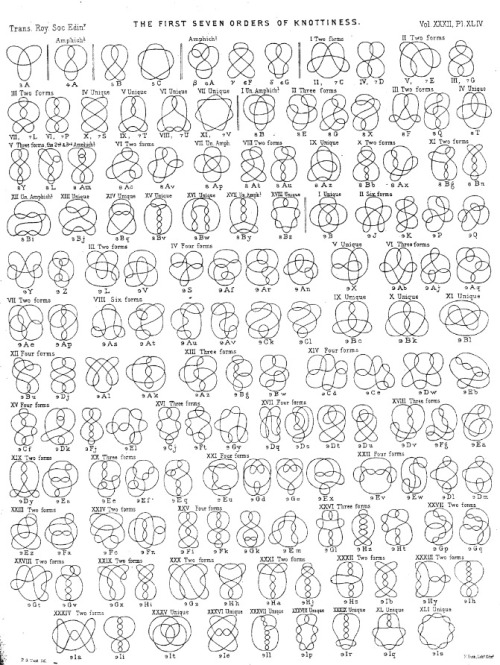
    Gauss did very early work (1)-as is so often the case– on knot theory, as did William Thomson, Lord Kelvin,who visualized atoms as knots in the aether and who was perhaps inspired by P.G. Tait’s experiments on smoke rings (2)  and who in turn had been influenced by  a paper of Hermann von  Helmholtz on vortex-rings in incompressible fluids, and organized the  stability of chemistry around this pricnipal.  In turn  P.G. Tait based his very solid work on knot theory in 1867 on this work of Kelvin and von Helmholtz. .(Kelvin’s theory (3) was rather well received for several decades until it was not, but it did enjoy the support for a time by J.C. Maxwell.  Kelvin was a brilliant man who I think is too often remembered for some of the few hundreds of the millions of words that he wrote and lectured, not the least of which were his pronouncements at the every end of the 19th century on the impossibility of heavier-than-air flight.)   Tait–who also co-authored a very well respected textbook on Natural Philosophy with Kelvin–moved on to firmly establish knot theory and on the elements that makes knots different, formulating tables on how knots form, and in essence believing that he was fabricating a table of the elements. All of this work suffered a fatal blow when the great Michelson-Morely experiment (1887) (4) failed to detect the luminiferous aether. 

     betonbabe:  P. G. TAIT THE FIRST SEVEN ORDERS OF KNOTTINESS, 1884 … super nerdy blog post #01

    • [The first page of how knots come to be as they appeared in P.G. Tait’s earliest work, though he by necessity kept the investigations to  relatively minimal degree: “We find that it becomes a mere question of skilled labour to draw all the possible knots having any assigned number of crossings. The requisite labour increases with extreme rapidity as the number of crossings is increased. … I have not been able to find time to carry out this process further than the knots with seven crossings. … It is greatly desired that someone, with the requisite leisure, should try to extend this list…”]

    This was the beginning of the tabulation of knots, found in Tait’s beautiful work.  To date some 7 billion tabulations have been identified, a number nearly equal to the of the world’s population. Knot theory has taken shape as an area of study within the field of topology, which was developed in the 1850’s through the 1870’sby Riemann/Listing/Mobius/Klein and then which received its algebraic foundation by Henri Poincare (5) just af ew years after Michelson-Morely and in the same year as Roentgen’s x-ray, 1895.

    Notes

    1.  The Gauss linking integral,1833, carried forward by Johann Benedict Listing.

    2. An interesting modern recreation of the Tait smoke ring experiment can be seen here. See malso: Silliman, Robert H., William Thomson: Smoke Rings and Nineteenth-Century Atomism, Isis, Vol. 54, No. 4. (Dec., 1963), pp. 461–47

    3.  Lord Kelvin, Sir William Thomson, “On Vortex Atoms”, Proceedings of the Royal Society of Edinburgh, Vol. VI, 1867, pp. 94-105. Reprinted in Phil. Mag. Vol. XXXIV, 1867, pp. 15-24.

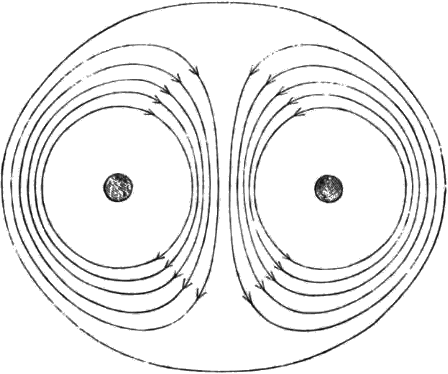
    Cross section illustration of vortex around a ring

    –It was also Kelvin (along with A.A. Michelson) who spoke on the finiteness of physics, with Kelvin in particular stating at a British Association for the Advancement of Science meeting in 1900 that there would be nothing new in physics, and that all that was left was measurement.  I seem to remember a story about one of Einstein’s uncle’s (?) warning him against going into physics because there was nothing left new to do…I can’t remember if this was before or after Roentgen.  In any event, Kelvin’s statement was five years after Roentgen, but it didn’t stop him from making his claim. 

    4. On the Michelson-Morely experiment.

    5.  H.Poincaré, “Analysis Situs”, J. Ec. Polytech ser 2, vol 1 (1895) 1-123.

    –The Journal of Knot Theory and Its Ramifications was founded in 1992, establishing a journal devoted purely to knot theory.