A Daily History of Holes, Dots, Lines, Science, History, Math, Physics, Art, the Unintentional Absurd, Architecture, Maps, Data Visualization, Blank and Missing Things, and so on. |1.6 million words, 7500 images, 4.9 million hits| Press & appearances in The Times, Le Figaro, Mensa, The Economist, The Guardian, Discovery News, Slate, Le Monde, Sci American Blogs, Le Pont, and many other places… 5000+ total posts since 2008.

Category: Absurdist, Unintentional

  • Elements for a Whiskey Alphabet Drawn from an Early Bible of Booze Names

    JF Ptak Science Books  Post 2329

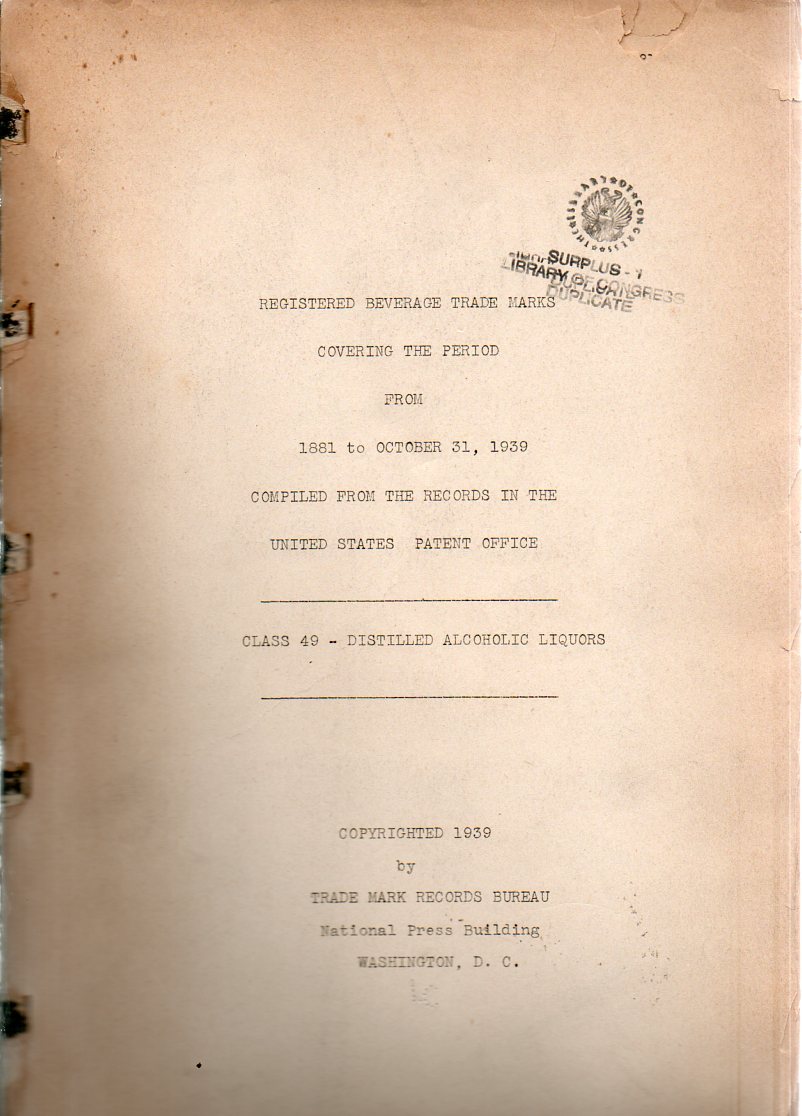
    It may or may no be the case, but this large, flaking book that is balanced on top of a petulant pile of paper, Registered Beverage Trade Marks Covering the Period from 1881 to 1939 Compiled from the records in the United States Patent Office (Distilled Alcoholic Liquors) may be the keys to the kingdom of names of booze(s) trademarked in this country.  15″ tall, and inch thick, and 296 sheets big, this work (copyrighted y the Trade Mark records Bureau (in the National Press Club Building in DC, the one with the problematic parking garage) lists some 7,500 names of whiskey, cordials, gin, rye, bourbon and who knows what else.  I cannot find the book in any online database, big or small, and I’m not sure where this info might be housed and housed in one spot.  I have no doubt that people somewhere need this data, unwieldy and unusable as it might be–you see, it is organized only according to a six/seven digit number which I guess is the trademark filing number, or something; there is nothing else useful about the thing, the data floating around without regard to year or place or liquor type.
    Booze alphabet532

    So I sat down with the book for an hour pulling out interesting, odd, out-of-place, from-another time and bizarre names, inlcuding all manner of expected animal names like bull and elk, and then unicorn; and lots of sunny this-and-that, sloping/sunny/grassy hills, mountains, clubs; and of course the Old _____  category seem fairly filled up. [If you’d like to own this just visit the blog’s bookstore, here, and have a look.]

    If I spent a little more time on this entire alphabets could be produced relating to nothing but names from the animal kingdom, flora, the sciences, professions, religion, states of mind, altered states,  literature, and the labels that suggest a possible medical benefit.  One of my favorite categories is the “conversational liquor label”, the label that speaks to you, invites you, tells you what to do with the bottle of booze:  Hava Cocktail and Uneeda Whiskey are good examples of that, as are You’re Lookin Good, Uvanta and Yugeta whiskeys. Another is the liquor name ending in “o”, like the beautiful Famo, from St. Jo, MO, which unfortunately wasn’t trademarked in ’00.  The label of suggested promise and outcome is another good one:  Kentucky Courage, Pleasant Dreams, Invincible Rye, Solace Whiskey and Ready Moneyare all good examples of the implied end-of-bottle pillow-fluffer…maybe, espcially, The Old Solution whiskey.

    And then of course, there are those where the (creative) spirit has just flown away, like the lumpily-named Standard Spirits Whiskey, its hometown of New Orleans embarrassed by the lack of effort–especially in the light of some many hundreds of imaginative creations, like the fabulous Bone Factor Whiskey (1903), which like som many other great names  (Yellow Hammer Whiskey) comes from Louisville, Kentucky.

    Antediluvium Whiskey, NYC, 1898; Anti-Grippine Whiskey, Philadelphia, 1906; Ash Cake Whiskey, Lynchburg, VA. 1899, Auto Crat Whiskey (St. Louis, MO), 1905

    Bank Check Whiskey, Boston, 1900; Bone Factor, 1903;
    ·Posted by :

    ·in:

    —

  • The Small Story of Animal Glue, and other Small Stories

    JF Ptak Science Books   Quick Post

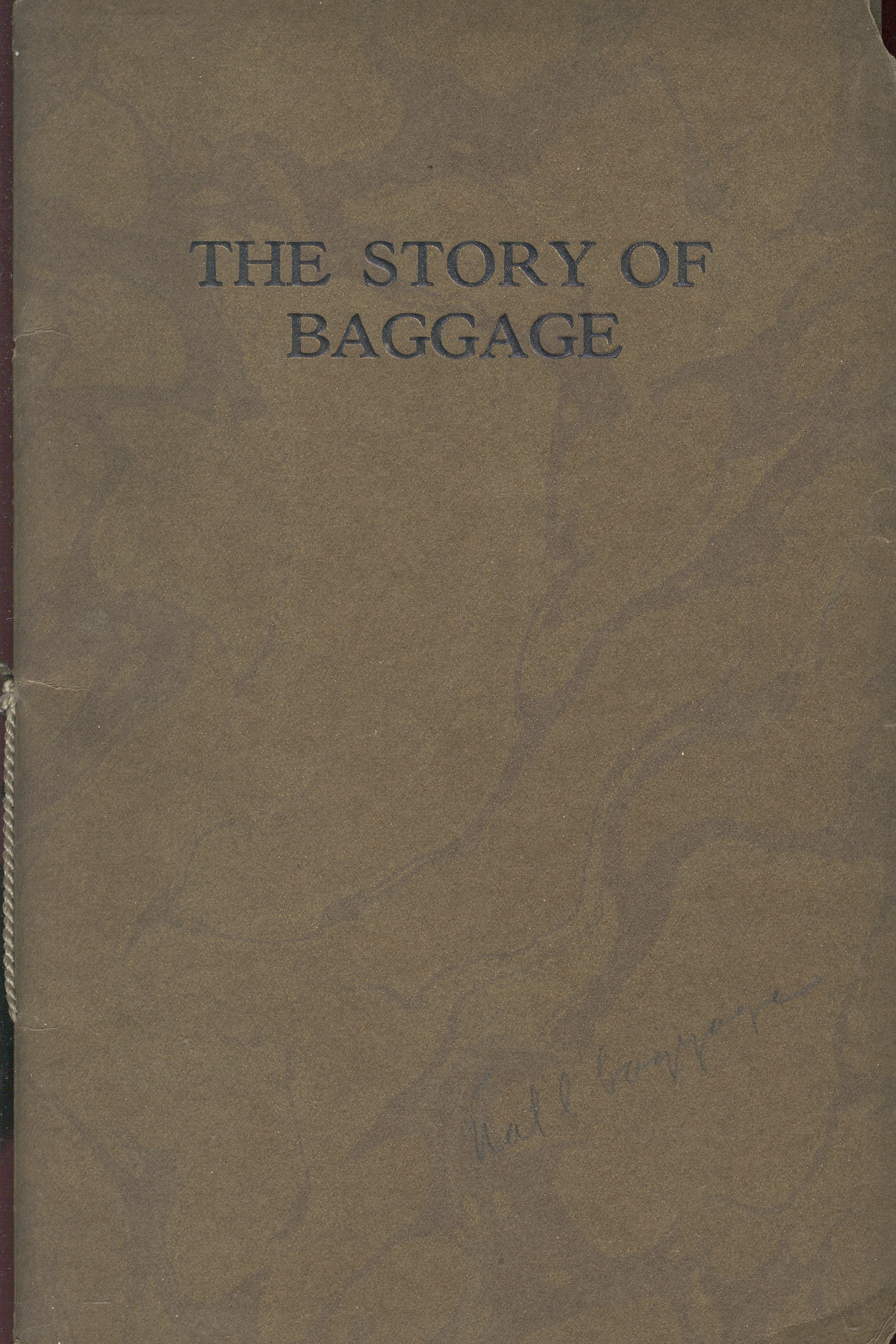
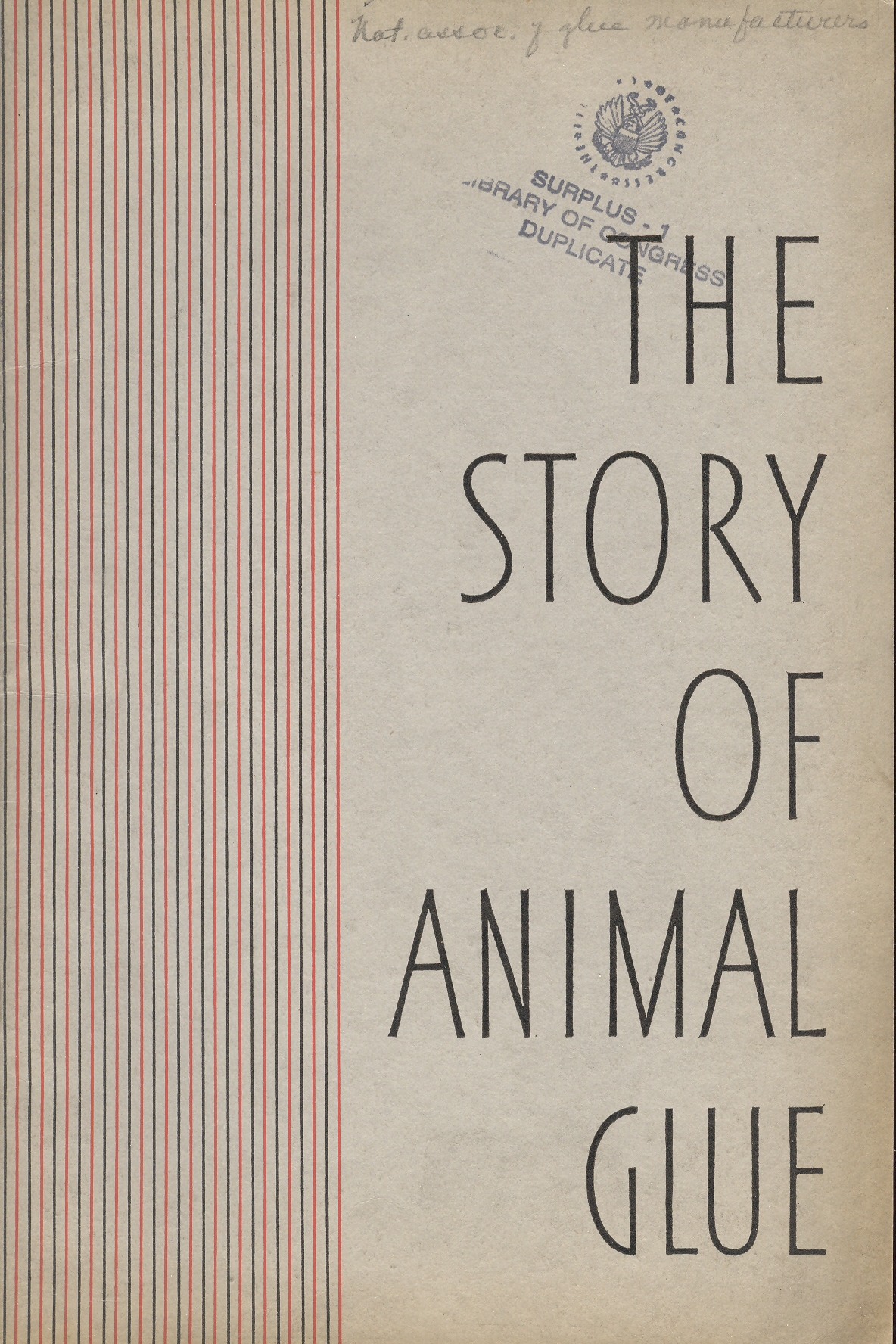
    In my collections of small collections I have a collection of small unusual pamphlets that tell the story of something uncommon. Everything in this sub-collection must have “The Story of …” on the cover; after that, anything goes.  

    This is a small selection, though enough for now…

    + story anim glu + story baggage+ story fertiliz


  • Fighting Fire with Fire, 1837

    JF Ptak Science Books   Quick Post

     [Image source:  Google Books, The Mechanics’ Magazine, Museum, Register, Journal, and Gazette, Volume 26, 1837.]

     This remarkable fire-fighting suit was present in an article in the prestigious Mechanics’ Magazine, and published in London in 1837.  It does seem impossible in its way to the modern reader, particularly for the eye-popping hood and lighted-candle-belt apparatus.  But it is very sobering to think that this would have been a vast step-up from what was available at the time–especially for the leader house of air into the jacket/hood.  Here’s the full text of the description of the apparel:


  • The Mental Sorrows of Left-Handedness (1924)

    JF Ptak Science Books  Quick Post

    Nature (September 13, 1924) posted a long one-paragraph description of the work of Dr. William.S. Inman (1876-1968), who published an article in the Lancet on the causes of left-handedness, stammer, and squint, which he found were related in one form or another, and globally.  Just in case you were wondering, Dr. Inman located the causes of the problems of left-handnedness, and his were devoted “to mental causes”:

    • Left-handedness, stammering, and squinting are all caused by emotional stress;
    • “too severe parenting” can be the cause of stammering, and left-handedness, and squinting;
    • each of these “defects runs in families”;
    • a family predisposed to one is so with the other two;
    • one can become lefthanded as “an unconscious revolt against authority”.

    So, there. 

    This at least seems like a gentle and inquisitive approach to left-handedness, which, it seems, was a “defect” that historically was dealt with by corporal punishment.  For example, in the first book I can find in the global library catalog WorldCat that mentions “left-handedness”–a work by Thomas Lutpon with the long and languid title of A Thousand Notable Things containing modern curiosities. Viz. Divers Rare and Experienc’d Physical Receipts… To Educate Children to learn languages speedily…Also a new help to discourse, and directions to read, write, indite and speak languages readily and speedily…, a note is found with the description of the book saying “21st edition of this book of secrets, first published in 1586, it contains “A New Method to Educate Children” pp. 153-163 with a woodcut of alphabet cubes. The 20th edition appeared in 1706./ Some of the recipes are innocuous, others simply terrifying — in spite of this, the author’s instructions for educating children are surprisingly humane — no corporal punishment and notably, no beating to correct left-handedness”.  Now the purpose of that very long and not-so-pretty sentence was to get aross the idea that for long periods of time left-handedness was treated as something that could be beat out of someone, physically.  That at least is one very disturbing way of teaching someone how to write with their right hand.  

    ·Posted by :

    ·in:


  • The Accidental Absurdist: the Conformator, 1878

    JF Ptak Science Books  Post 2308

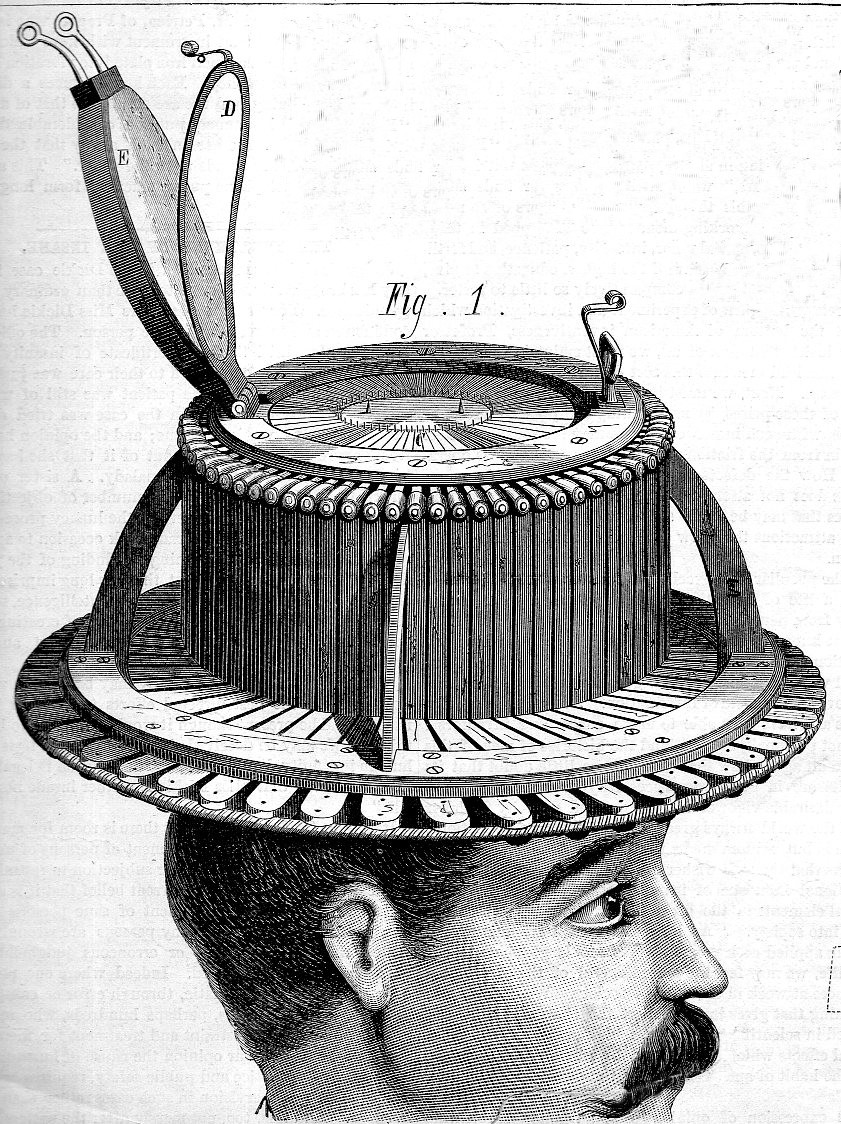
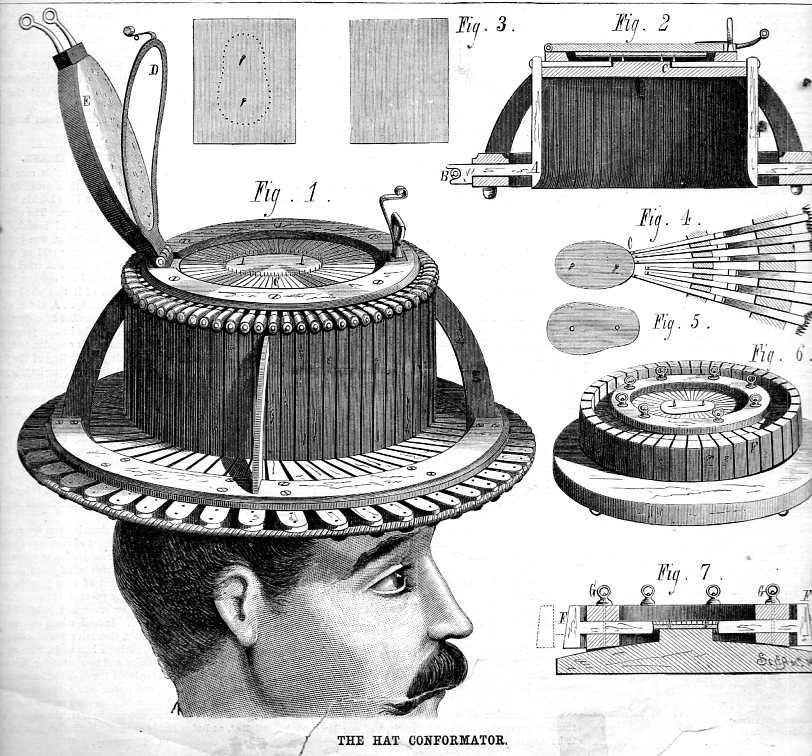
    Here’s another classic of ingenuity mixed with out-of-context accidental absurdist visualisations: the classic (I think) “hat conformator” from the Scientific American in 1878.  


    Hat conformator detail cleaned

    Which is a detail from:

    Hat conformator301

    [Source: Scientific American, March 9, 1878.]

    The $100 instrument (a wide sum in 1878, equal today in buy power to several thousand dollars) was an instrument of use not only to hat makers but to the anthropological and medical professions as well–head shape and its influence on behavior still being a concern to some, the conformator found some occasional use in relating meaning to shape.  That sort of effort would continue for some decades to come.  

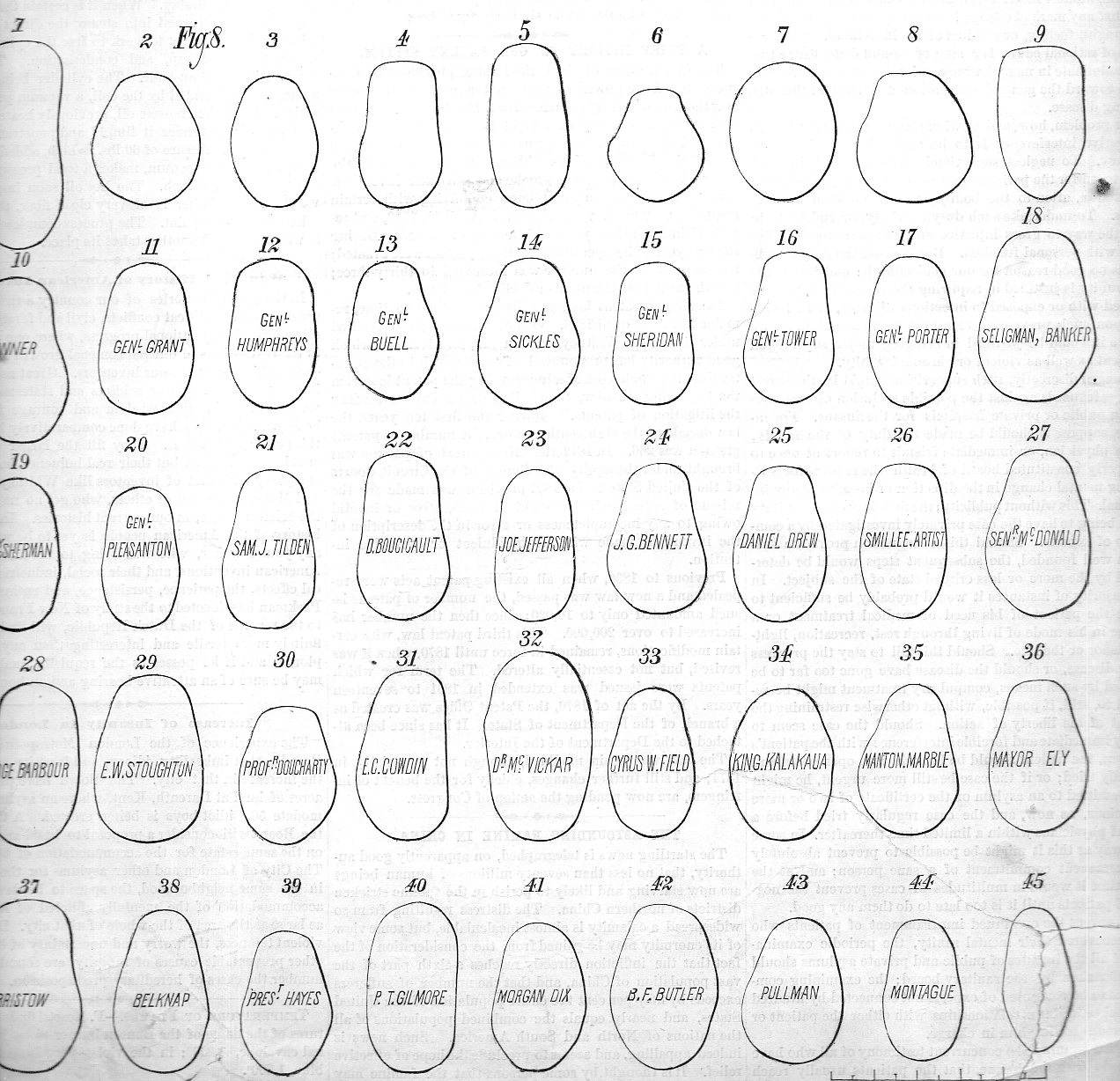
    As a classic illustration the fron page showing the conformator is generally shown when shared online or written about in paper, but I don’t think I’ve ever noticed the posting of the head shapes themselves coming a few pages later. The short chart features the axial view of some famous 1870’s heads–I would say more about this if there was anything useful to say, but really I think there isn’t so I won’t. 

      Hat conformator head shapes303

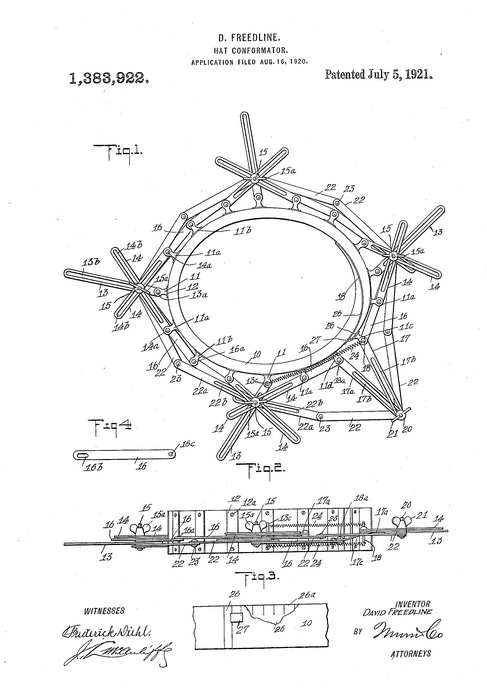
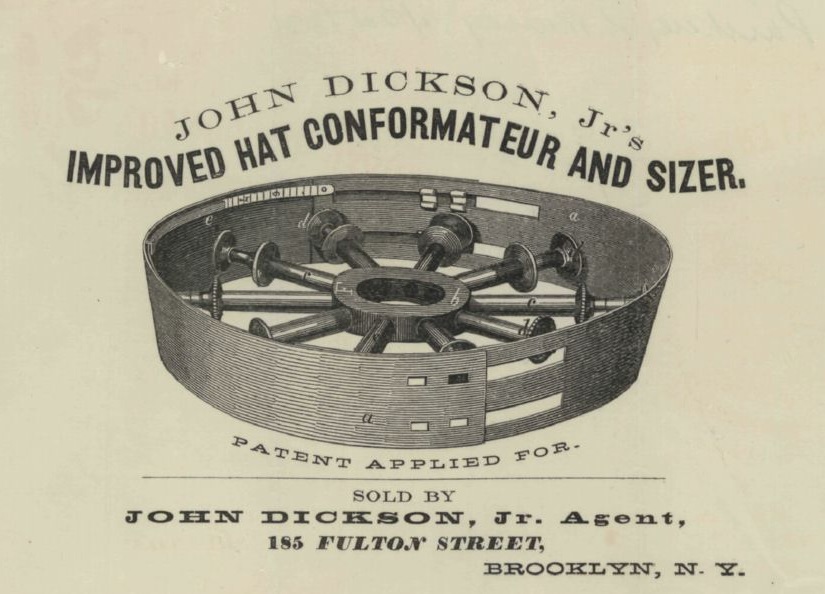
    The 1878 conformator is not unique in the history of head measurement for hats, evidently: “My invention relates to a device to be placed about the head and adjustable to conform to the anatomy thereof”, so states the very wordy originator of another patent device for a “hat-conformator” in 1921–no doubt there are a number of different ways of taking head measurements for a custom-made hat, but I think none are prettier than the 1878 version.

    Hat conformator twoAnd another–no doubt from a field of conformator richness: 

    Hat conformator


    ·Posted by :

    ·in:


  • The Kingdom of Fingers

    JF Ptak Science Books  Quick Post

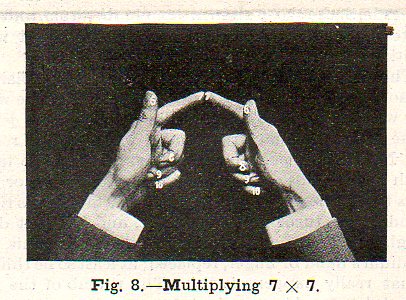
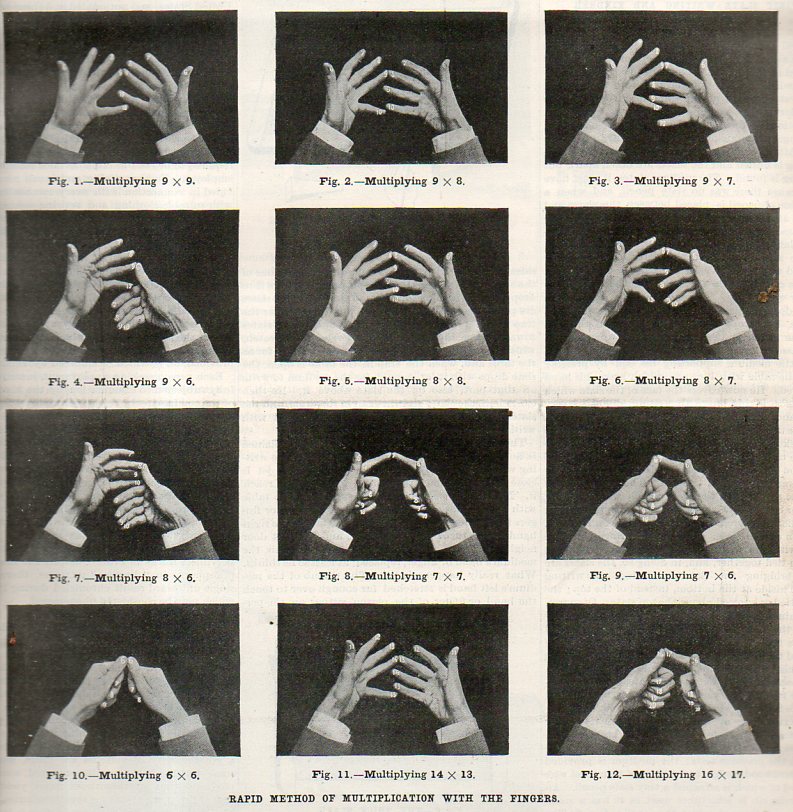
    “The Fingers as an Aid in Multiplication” is another wonderful find coming from a general browse in the great Scientific American (October 22, 1898, page 265). It is an interesting article, using the fingers so that the multiplication tables didn’t have to be memorized by kids–I think that they absolutely should be–but the images taken out of context can also be regarded in some sense for this blog’s “Found Absurdist” series.  (We are told that the system was devised by “a Polish mathematician”, Procopovitch–he is repeatedly referred to as “the Polish mathematician”.)

    • See “Digital “Computers 1450-1750: Memory and Calculating on the Fingers and Hands”, a post on this blog from 2008, here.

    Hand calculating300

    A detail from:

    Hand calculating299


  • Out-of-Context Department: the Flat Iron Building Infographic, 1910

    JF Ptak Science Books   Quick Post      

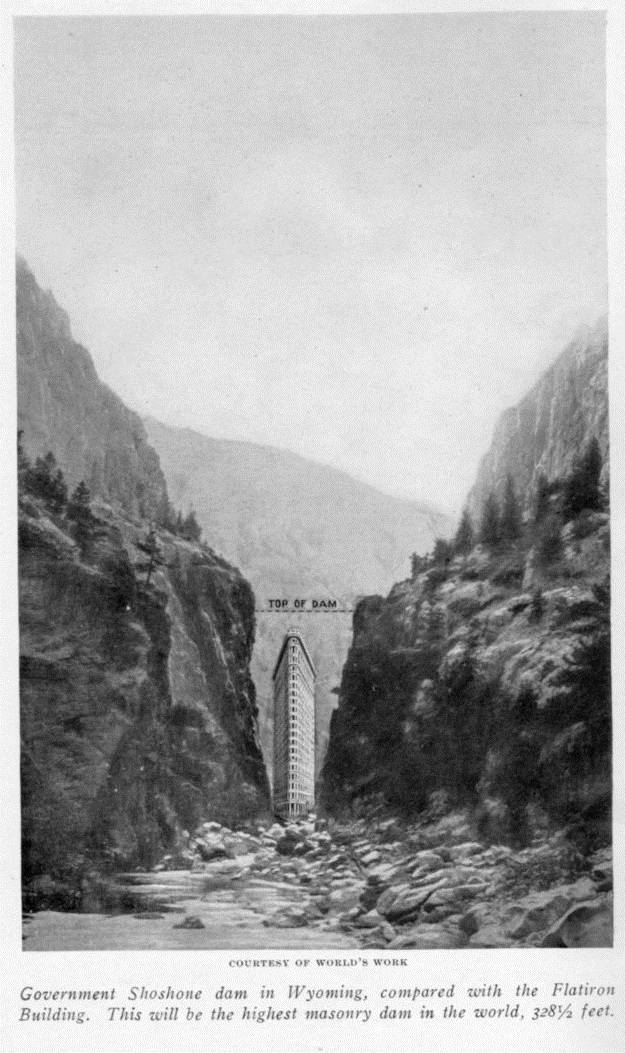
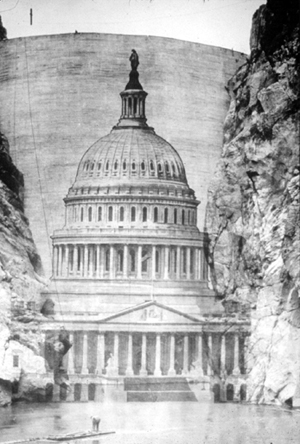
    I do enjoy infographic presentation that employ well-known and/or iconic bits from the environment as measuring implements.  Like using the Eiffel Tower for gauging heights, as shown earlier in this blog (see The Eiffel Tower as a Unit of Measurement, here) and St. Peter’s  cathedral for showing the depths of oceans (here). This surprising images appears in a simple pamphlet called The Conquest of the Desert (and which starts with a quote from Herodotus), published in 1910, and written on the subject of the Shoshone Dam (the Buffalo Bill Dam), which was opened in that same year.  It was a monster at 328′ high, and one of the best ways for the author to show what 328′ tall mean was to compare it to something very well known–and at thee time one of the most famous skyscrapers in the world was the Flat Iron Building in NYC, which stands three feet shorter.  And I’m pretty sure I’ve not seen too many images of famous buildings out-of-context and out-of-place as this.  

    Flatiorn222

    In 1910, in the heady just-getting-started days of skyscrapers coming into full view, and with structures like the Singer building topping out at over 600′, it ws legislated in Washington D.C. that no building in the city would be taller than the Washington Monument, for fear of the thing strapped with teh shadow of something larger.  That’s about the only thing that came to mind seeing this alternative measurement of the Shoshone Project dam:

    [Source: http://www.nps.gov/nr/travel/ReclamationDamsAndWaterProjects/Buffalo_Billl_Dam.html]

    Shoshone Project  capiotl

    ·Posted by :

    ·in:


  • The Elevated Walker and the Super-Elevated Flyer, 1800-1813

    JF Ptak Science Books   Post 2268

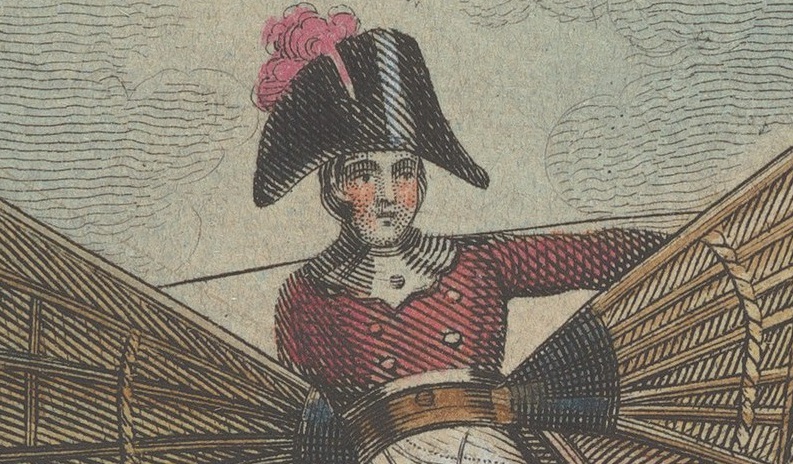
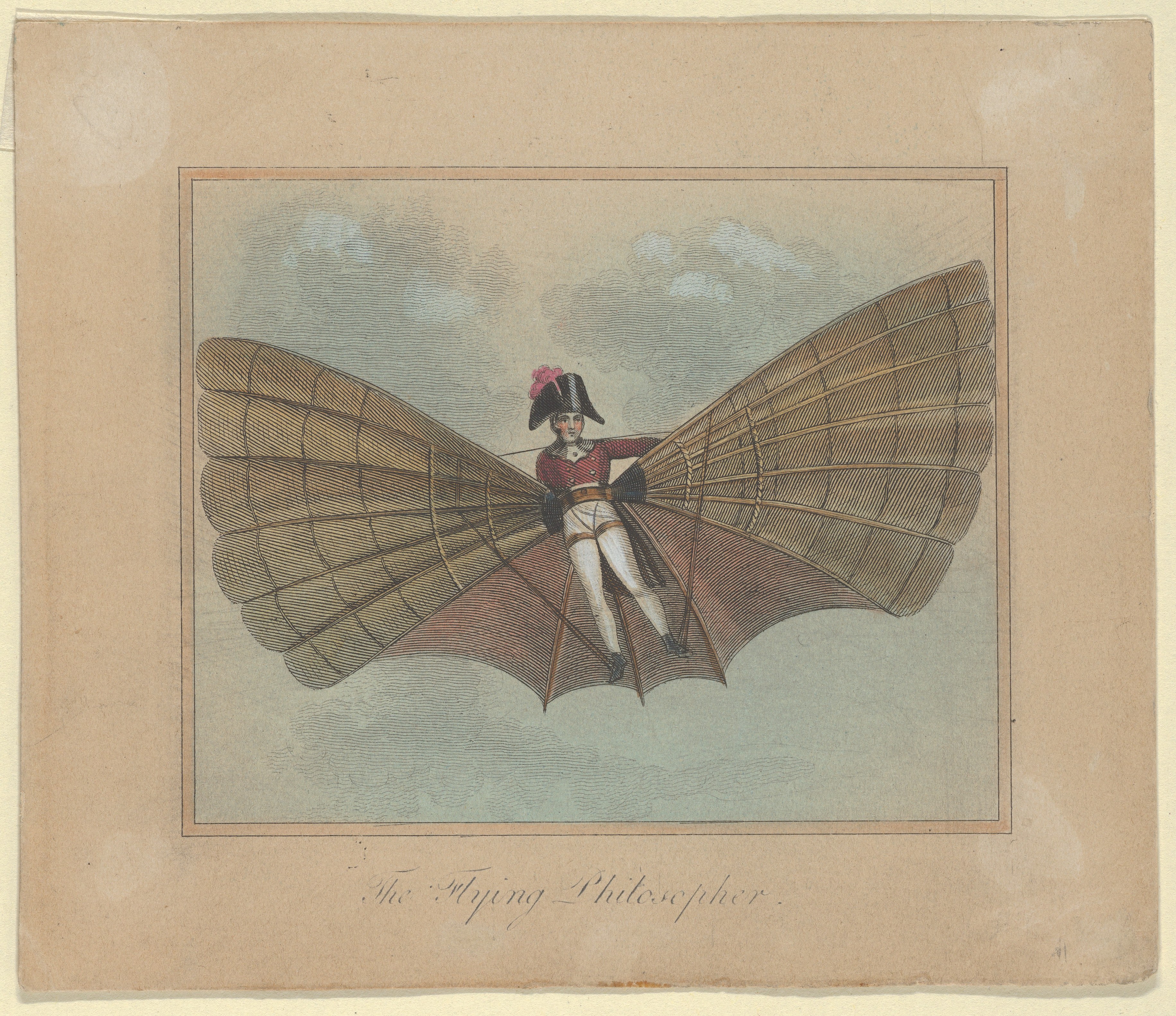
    Is this the philosophical face of concern, or interest, or curiosity?  It is a philosopher’s face, a Flying Philosopher’s face at that, pictured in 1800 or so, but the philosopher is being rather gentlemanly and philosophical about the whole adventure, and he is not letting any subterranean enthusiasms escape his studied countenance.  

    Philosopher flying 4 detail[Source: Memtropolitan Museum of Art, “The Flying Philosopher”, ca. 1800, here, a detail of the image below.]

    Philosopher flying 4

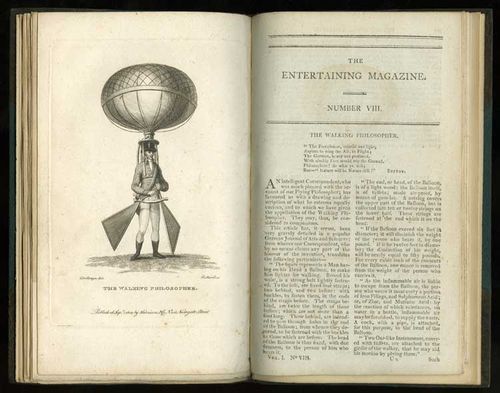
    A variation of the studied philosopher–walking–is found below, both featured in  The entertaining magazine, or, Polite repository of elegant amusement containing pleasing extracts from modern authors : with many original pieces, and new translations, in prose and verse : embellished with beautiful engravings, and published in London in 1813. In this instance the same detachment is seen in the face of the subject even though he has his own personal balloon. a portable aerostation device, which seems to make little impact on his demeanor.  I think they’re talking more about philosophes than philosophers in these two images, though either way it also referred in large part to a different social class of people, many of whom had their lives arranged for them at birth and whose manner and charms were studied and rehearsed, propriety being an assumed trait of privilege.  

    Walking philosopher[Source: Lily Library, Indiana University, here.]
     
    The Walking Philosopher was actually a response to the flying version–this contraption was not meant to send anyone aloft, but to elevate them just enough to facilitate walking, lessening the weight of the walker, so that they could walk faster/longer. I guess that would make some sense, but if you were going to go through the hassles of a balloon and rudders as well as the expense, why not just take a carriage?  I guess the idea of bounding 15 or 25 feet or whatever would be interesting, except that I think you’d also need some ballast; and there’s the danger of the Darwin Award stuff, of taking “too big” a bound, and not coming down (until it was too late?)  In any event, I’m sure that this is the stuff of which some dreams were made…

  • Subtlety and the Lack of It in Advertising

    JF Ptak Science Books  Quick Post

    Anti fat159

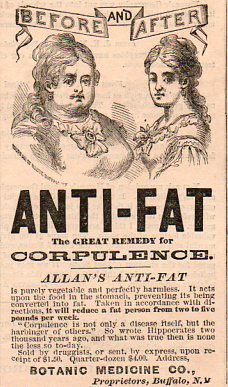
    In my bsuiness and leisure I get more than the common share of exposure to old magazines and images, musty old-book-smelling-cologne old books, basically every day. And in whatever memory shelters I have in my brain that aren’t already closed up and away to the seashore, there is one that is waaay down the hall, and it gets excited when unusual early advertising pops up.  I’ve noticed that at least in the mid/late-19th century that ads for personal improvement items were not shy about their claims and what they did and who it was for and what it would do, and it made me wonder about when the idea of subtlety sneaks into the arena of sales.  I have no data, just a collection of images, but it does seems as though the idea of the undersell comes into being in the U.K. at least in the second decade 20th century–and I say this because I’d notice how unusual it was to see an advertisement where it was not immediately apparent what the ad was selling.  Dunlop tires was one such example.  

    Anti fat158

    In any event, opening this volume of Harper’s Weekly to the June 1, 1878 issue, the ANTI-FAT ad struck me immediately as something in the Most Robust Presentation of an Idea in Advertisement category.  It gets right to the mostly-imaginary point, quotes Hippocrates as their medical authority, and that’s that.  


    ·Posted by :

    ·in:


  • Before-and-After of Massive Moustaches, 1878

    JF Ptak Science Books  Quick Post

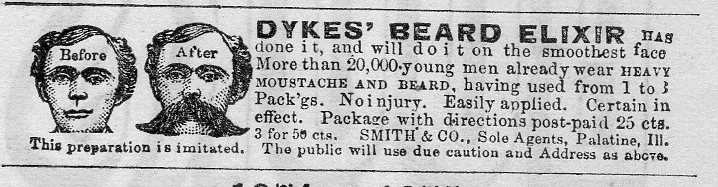
    Moustachedet124

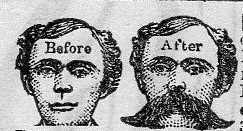
    There was perhaps nothing so satisfying to a fellow in America in 1878 than to have a massive moustache–or at least the idea of one, a call to high fashion in hairstyles for men. But since not everyone could produce a garden on their upper lip there was always someone around to take advantage of the necessity of hope–in this case, the hope was provided by Smith & Co of Palatine, Illinois. They sold a concoction of some sort that promised (on three applications) to produce a heavy moustache and/or beard with ‘no injury”.  

    The detail from the following snippet, which is actually a tiny detail from a full-page sheert of ads (see below):

    Moustache124

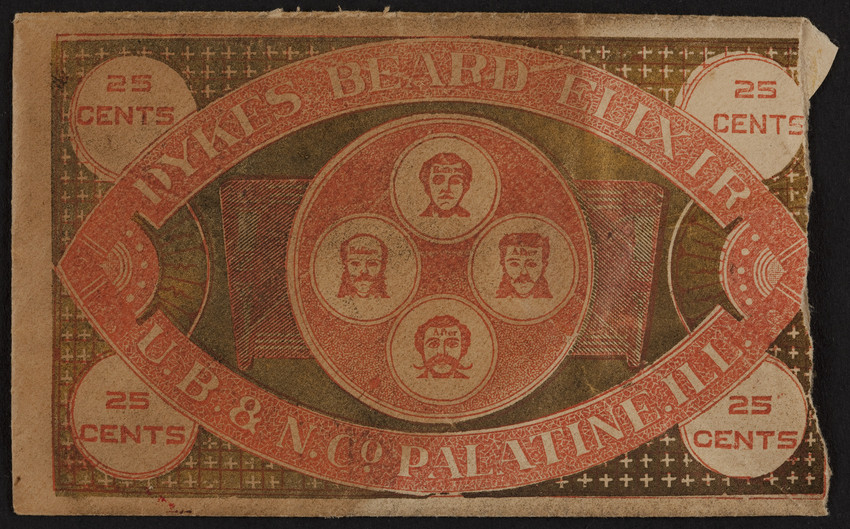
    A little research reveals the packet for the miracle-grow:

    Moustache elixir[Source, Historic New England site]

    I’m sorry now that I didn’t collect these before-and-after images, as I’ve seen dozens over the years–this one was a little too beforey-and-aftery to pass up. 

    ·Posted by :

    ·in: