A Daily History of Holes, Dots, Lines, Science, History, Math, Physics, Art, the Unintentional Absurd, Architecture, Maps, Data Visualization, Blank and Missing Things, and so on. |1.6 million words, 7500 images, 4.9 million hits| Press & appearances in The Times, Le Figaro, Mensa, The Economist, The Guardian, Discovery News, Slate, Le Monde, Sci American Blogs, Le Pont, and many other places… 5000+ total posts since 2008.

Author: JF Ptak

  • Polish Concentration Camps for Russians, 1920

    JF Ptak Science Books  Post 1255

    The name of the concentration camp comes to us from the (Second) Boer War, when the British imprisoned the Boers in what had first been described as refugees camps, and then in 1900/01 termed “concentration camps”.  They were hardly anything more than prisons, for men, women and children, entire families, communities.  These were the people who had escaped the systematic and revolting scorched earth policy initiated by Field Marshall Kitchener (who was in command of events after 29 November 1900), where the Boers were simply hunted and killed, or if not killed, then imprisoned; farms were destroyed, towns torched, livestock killed.  In general, the country of the Boers (all of whom were seen as guerrillas) was being taken and killed.  The survivors of this onslaught were sent to the concentrations camps. 
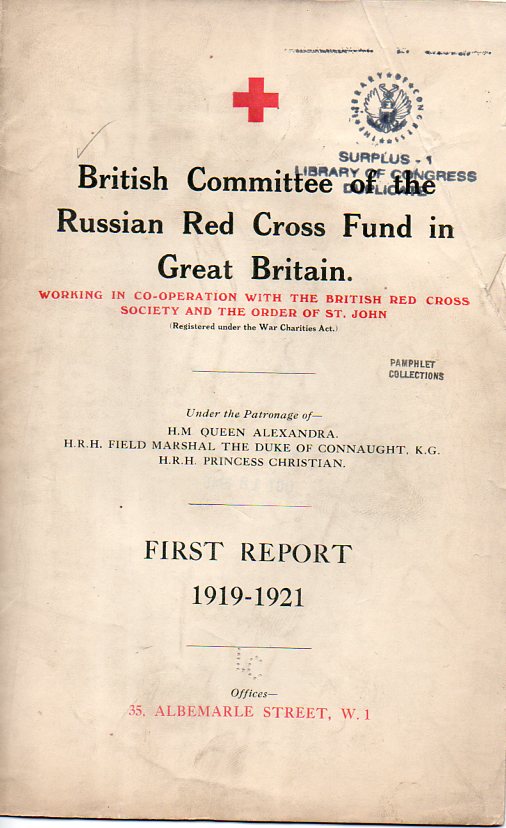
    Concentration camp009 This more modern 1921 reference to a concentration camp comes to us from British Committee of the Russian red Cross Fund in Great Britain, First report, 1919-1921.  This was a tough time for the people of Russia–the Soviet Union–who were on the beginning of a mostly long-arc downward.  Just seven years past the beginning of World War I they were experiencing enormous “hardships” brought about by fighting the war, complicated by the 1917 Bolshevik revolution and the resulting civil wars.  Then of course there was the end of the war, and the beginning fo the war with Poland in 1919/1920.  And then another in a series of natural/mostly-unnatural famines in 1921.  This particular famine–killing about 5 million people in this year–was brought about mostly by the Revolution and prodrazvyorstka–the practice of forcing peasant farmers into selling whatever “surplus” food they produced to the state at the state’s prices, and also by being forced to supply food to the Red Army and to urban areas.  Add a drought to this mix, and it lead to absolute disaster for the peasantry

    Russian Red Cross Fund wasn’t yet concerned with the Povolzhye Famine, not yet, addressing the plight of the country’s response to six long hard years of war, civil war and war again–a poor country made poorer and more miserable, this fund made some attempt at relieving at least a small burden of this impossible situation within the country. 

    What caught my eye was in the discussion of providing relief to the camps of Russian refugee expatriates, the report detailing some of those in Cyprus, Estonia, Latvia and Finland.  And Poland.  The Polish camp, however, was different, and described the attempt to send relief to the 140,000 in “the Concentration Camps”, and then describing another of 110,000 “Russians who have been interned according to the Riga Peace Terms, and that the Poles are quite unable to do anything for them”.    (This pamphlet is available for purchase through our lbog bookstore.)                     

    The reference took me by surprise–I knew a tiny bit about the Russia/Poland War at this time but hadn’t realized the extent of it, nor the extent of the Russian refugees in the country nor the amount of soldiers (and their families) within the concentration camps.  These are not the extermination camps that would appear in Poland two decades later, but the conditions of the people in the camps led to the deaths of thousands. 

    Notes:

    Kitchener (who full title without his bloody shoes on was Field Marshal The Rt. Hon. Sir Horatio Herbert Kitchener, 1st Earl Kitchener, KG, KP, GCB, OM, GCSI, GCMG, GCIE, ADC, PC) described his vision for ending the Second Boer War in the Parkenham’s history: his aim was to  “flush out guerrillas in a series of systematic drives, organized like a sporting shoot, with success defined in a weekly ‘bag’ of killed, captured and wounded, and to sweep the country bare of everything that could give sustenance to the guerrillas, including women and children…. It was the clearance of civilians—uprooting a whole nation—that would come to dominate the last phase of the war.”


  • VIDEO: Smashnose Grindkiss of Lady Archaeology of 1950’s B-Movie Posters.

    I posted something yesterday on this, but made a video of the whole thing (plus extras) this morning, with some decent music.


  • The Lady Archaeology of Smashnose B-Film Movie Posters.

    JF Ptak Science Books  Post 1254

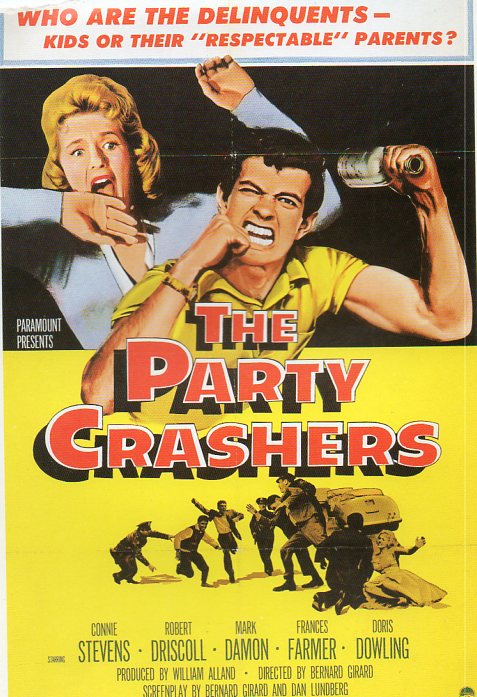
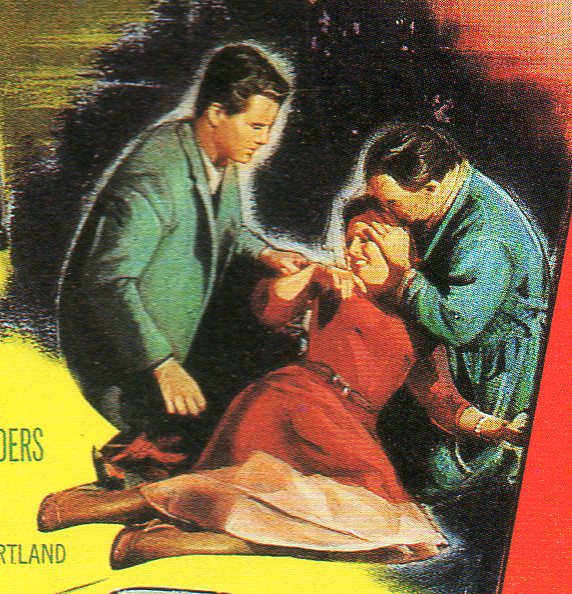
    Aberrant--party crashers SCream992 There was a certain something going on in the 1950’s with nova-express B-film ladys-in-trouble/bad girl/smashnose kissing  movies that were made for $5,600 in three days with two days of quality control.  The posters made for these beauties were a thing unto themselves, a self-contained and self-limiting genre, a found case of bizarro design and muted inelegancies.

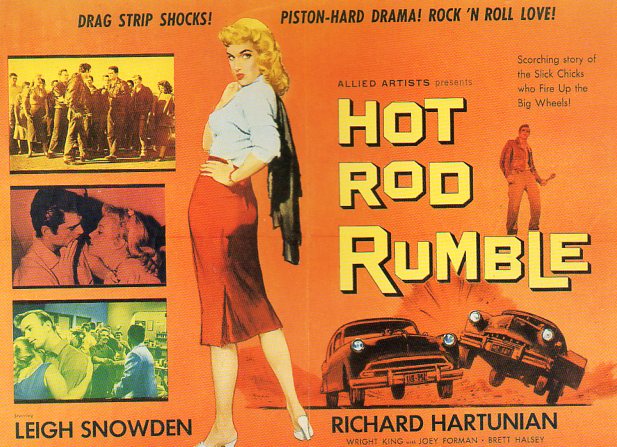
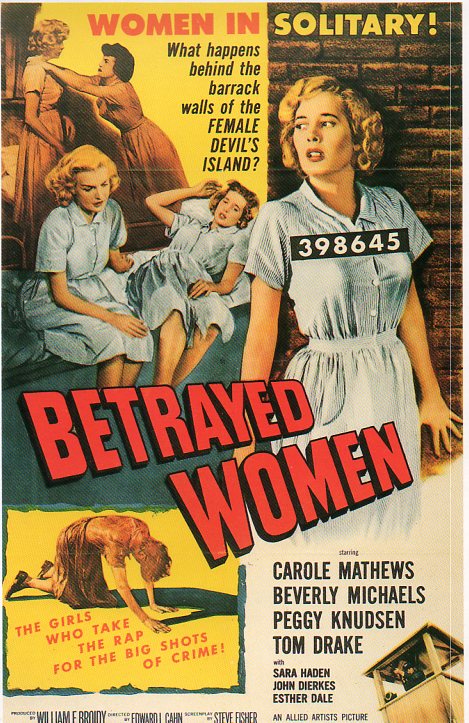
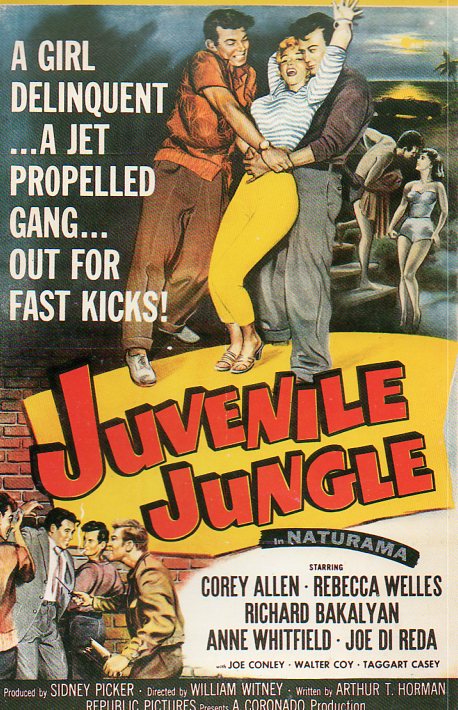
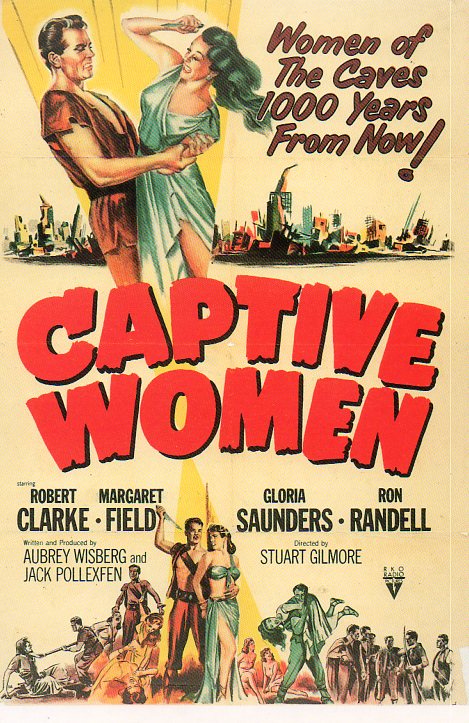
    The posters look like their movie names:  Juvenile Jungle, Betrayed Women, Girls in Prison, One Girl’s Confession, Dragstrip Girl, Girls on the Loose, Pick Up, Girls in the Night, Live Fast Die Young, Alimony Running Wild, Hot Rod Rumble, Running Wild, Blonde Bait, Captive Women, The Party Crashers and of course Lost, Lonely and Vicious.

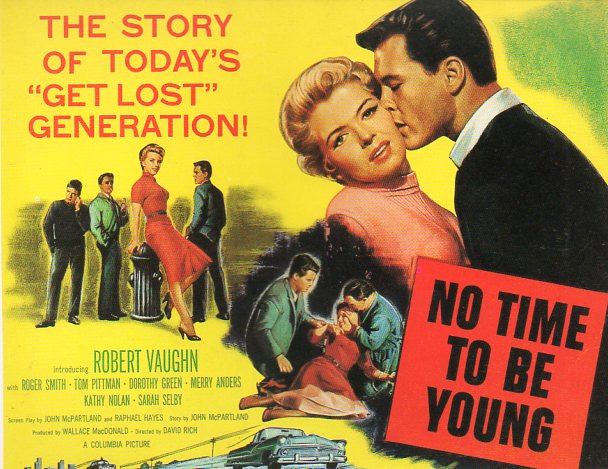
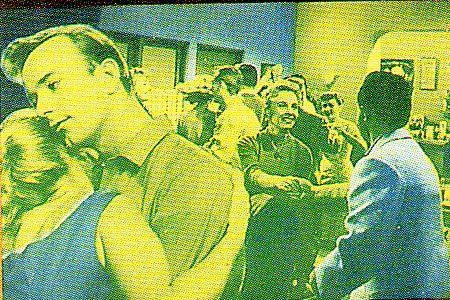
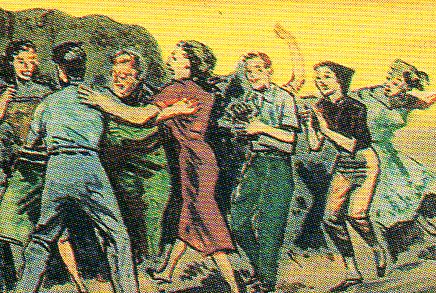
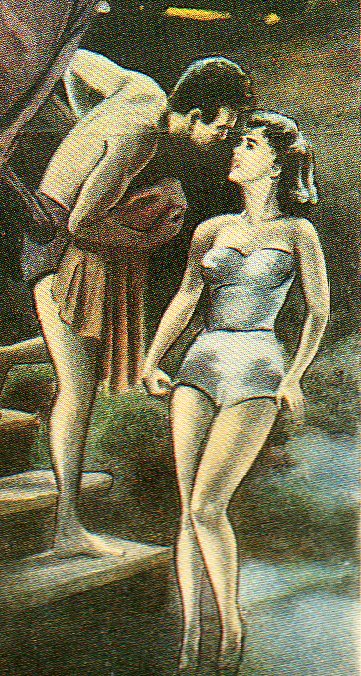
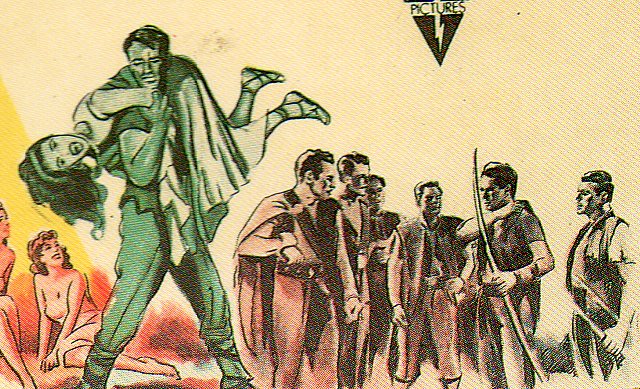
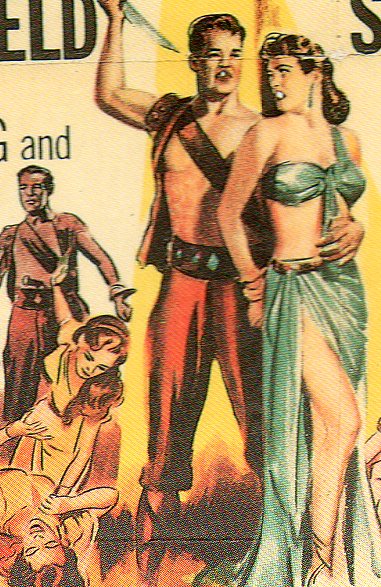
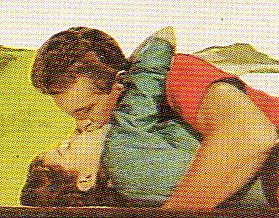
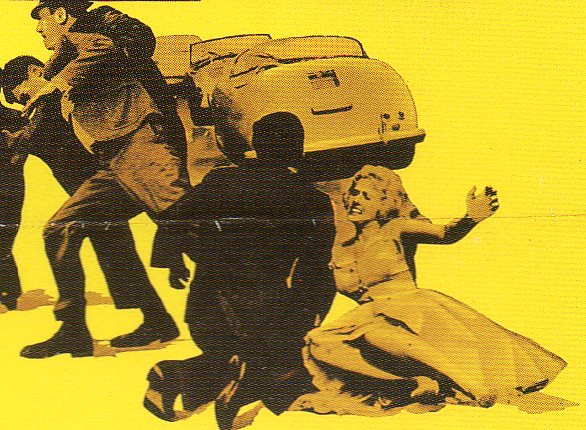
    Generally I think that folks see the big design and the colors, but lurking behind all of that are usually image-bits that sorta tell a part of the story of the film, but in a stubby, grubby way.  So I decided to do a little archaeological dig into some of these and give those small images some life through magnification.  Sometimes they’re surprising and look good big; sometimes they’re just badly design and goofy, and would look better smaller, very much smaller—dot-small.  Here’s a few examples (I’ll show the detail first and then the larger, full image of the poster after):

    Detail

    Aberrant--no time to be young kiss966

    Full poster:

    Aberrant--no time to be young laying down965

    Full poster:

    Aberrant--no time to be young964

    Detail

    Aberrant--blonde bars975


    Aberrant--blonde bait kiss971

    Full poster:

    Aberrant--blonde bait cvr970

    Detail:

    Aberrant--hot rod rumble 967

    Detail:

    Aberrant--hot rod rumble b968

    Full poster:

    Aberrant--hot rod rumble cvr969

    Detail

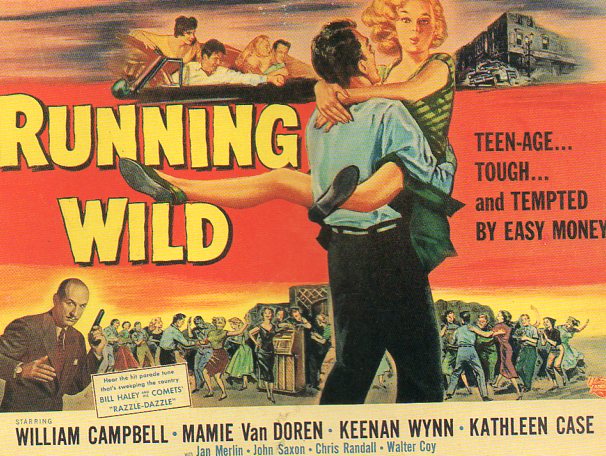
      Aberrant--running wild gun972
    Detail

    Aberrant--running wild face973
    detail

    Aberrant--running wild crowd974

    Full poster, 1955.

      Aberrant--running wild cvr976

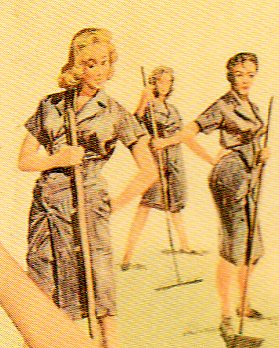
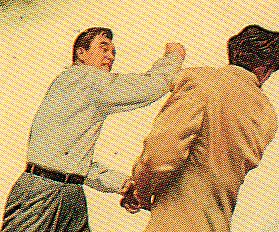
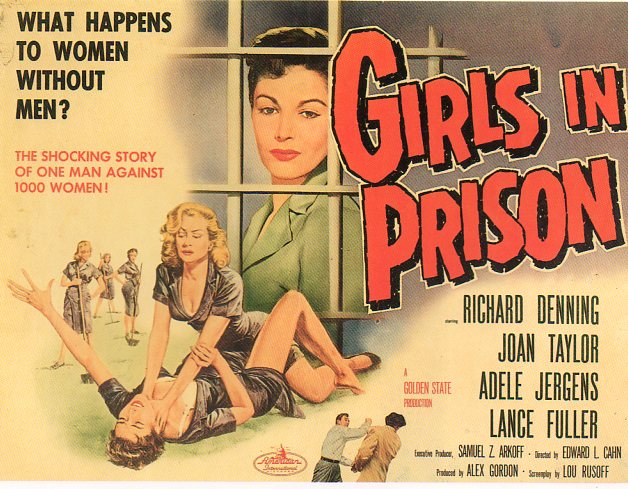
    Detail:

    detail:

     Aberrant--girls prison sm978

    Aberrant--girls prison sm979


    Aberrant--girls prison977

    Detail:

    Aberrant--betrayed women det986

    detail:

    Aberrant--betrayed women det987

    Full poster, Betrayed Women, 1955:

    Aberrant--betrayed women cvr990

    Detail:

    Aberrant--juvenile jungle cvr det985 |Full poster, Juvenile Jungle, 1958

    Aberrant--juvenile jungle cvr984

    detail:

    Aberrant--cative women sm983

    Full poster, Captive Women, 1952

      Aberrant--cative women sm982
    Full poster,Captive Women, 1952

    Aberrant--catpive owmen cvr991

    Detail:

    Aberrant--lost lonely sm980
    Full poster, Lost, Lonely and Vicious, 1952:

    Aberrant--lost lonely cvr981

    Detail:

    Aberrant--party crashers det989

    Detail, Party Crashers, 1958

    Aberrant--party crashers988


  • The Ghetto as a “Threat to Tax Values”–On Missing People

    JF Ptak Science Books   Post 1252 (Rapid Post)

    Part of the series Blank, Empty and Missing Things

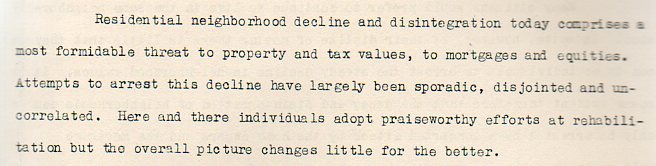
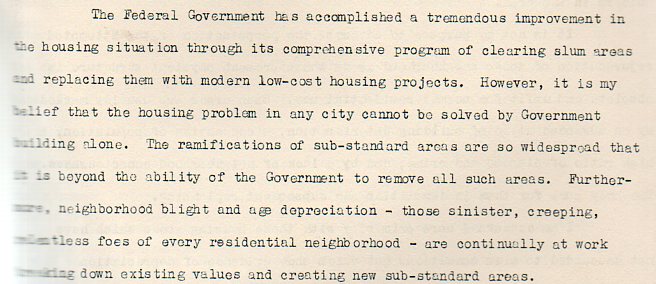
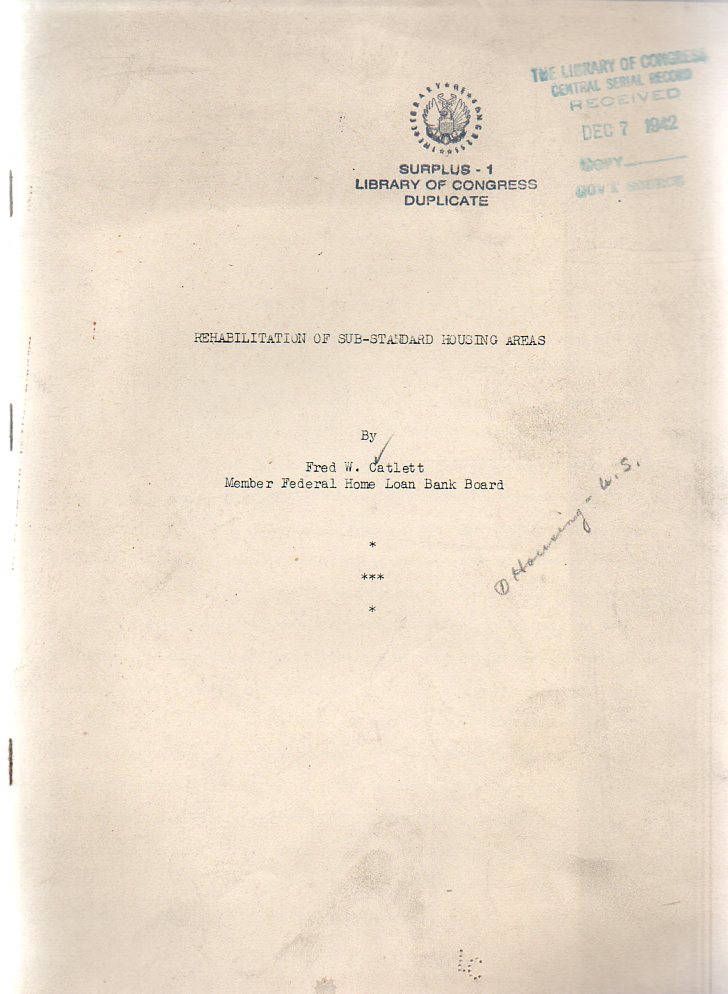
    Fred Catlett’s Rehabilitation of Sub-Standard Housing Areas (1942) isn’t so much about “rehabilitation” of the houses themselves but to their  neighborhoods and surrounding areas–the “inadequate” housing would be demolished, disappeared, replaced, to re-insure the valid tax basis of the larger area/neighborhood.  Nothing is said about where the original people would go while their old neighborhoods were being razed or whether or not they would return to the new housing. 

    Jghetto study b961 The vocabulary here isn’t so surprising in and of itself, but rather with teh overwhelming completeness of it.  I’d suspect that at some point Mr. Catlett  (“Member Federal Home Loan Bank Board”) would throw some sort of bone to the interests of the occupants of those substandard houses, some interest or emphasis to the people involved.  And even though the pamphlet is only 12 pages long, maybe 5000 words, it was certainly long enough to share some concern or kindness to the occupants of those houses.

    Jghetto study c962

    Jghetto study cover963 “Better housing projects break up slums but not until fine homes have decayed and been ruined and many thousands of dolalrs in loses have been suffered”writes the author.  I understand that the man was protecting the material bases of his institution, but ot have the entire document be absent of any consideration to the people being houses I find remarkable. (The original pamphlet is available from our blog bookstore.)


  • A Rare First-Hand Account of the Japanese WWII Surrender(s)

    JF Ptak Science Books  Post 1253

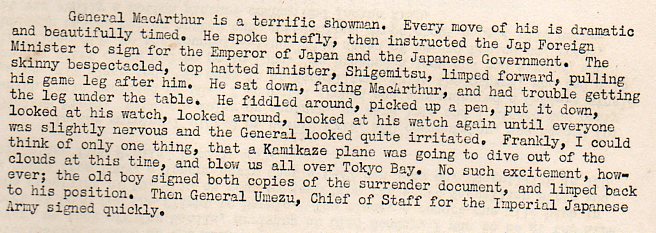
    Deglin c det956
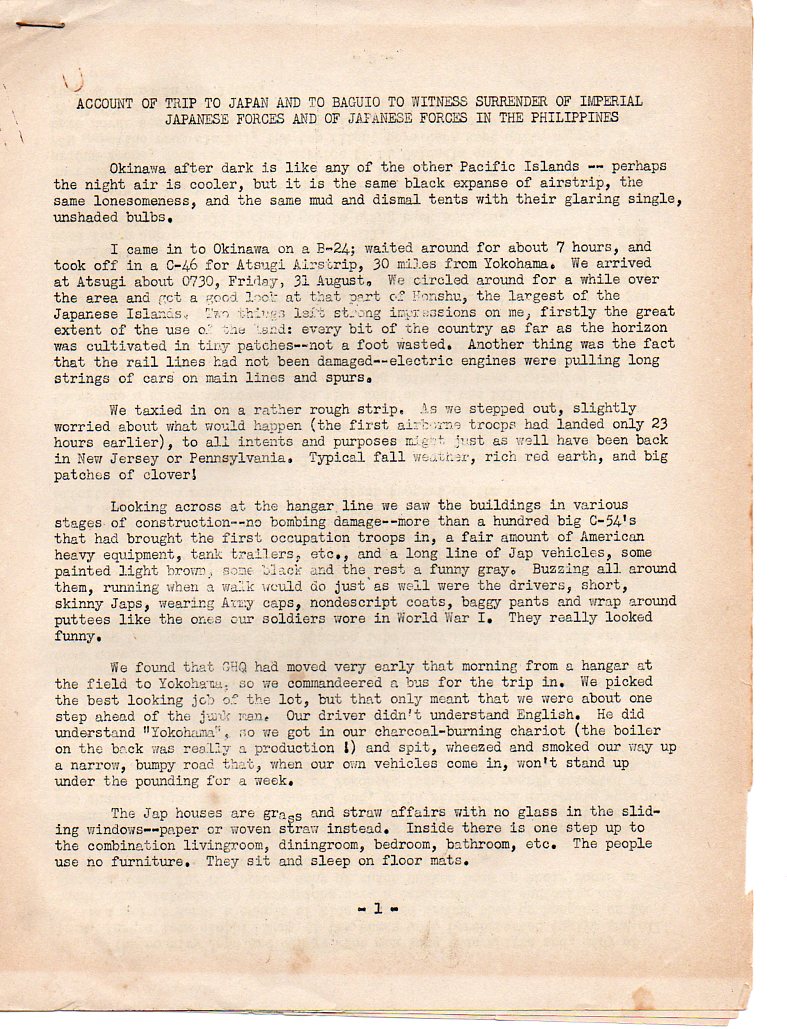
    After serving as public relations director for Madison Square Garden (1935-1942), T.L. Deglin wound up a Lt. Col. in the U.S. Army in a public relations capacity, finding himself a witness on 2 September 1945 to the Japanese surrender on the U.S.S. Missouri and at Baguio (in the Philippines). what follows below is his five-page (1750 word) description of those events.  The report is an offset-printed production, so it did see some sort of distribution, but I can find no mention of it anywhere. 

    My copy came as part of a large group of material (known as “The Pamphlet Collection”) that I purchased of the Library of Congress some years ago–the one cohesive factor to the collection-without-a-purpose was that the material was by and large no located in other libraries.  This may have been because of the great ephemeral nature of some of them, but the pamphlets saw very restricted play in the library circulation game. 

    [Content warning–there’s some very place/time/situation-specific derogatory language here.]

    Deglin a953

    I reproduce the document in full, below.  The original is also for sale at my blog bookstore. 

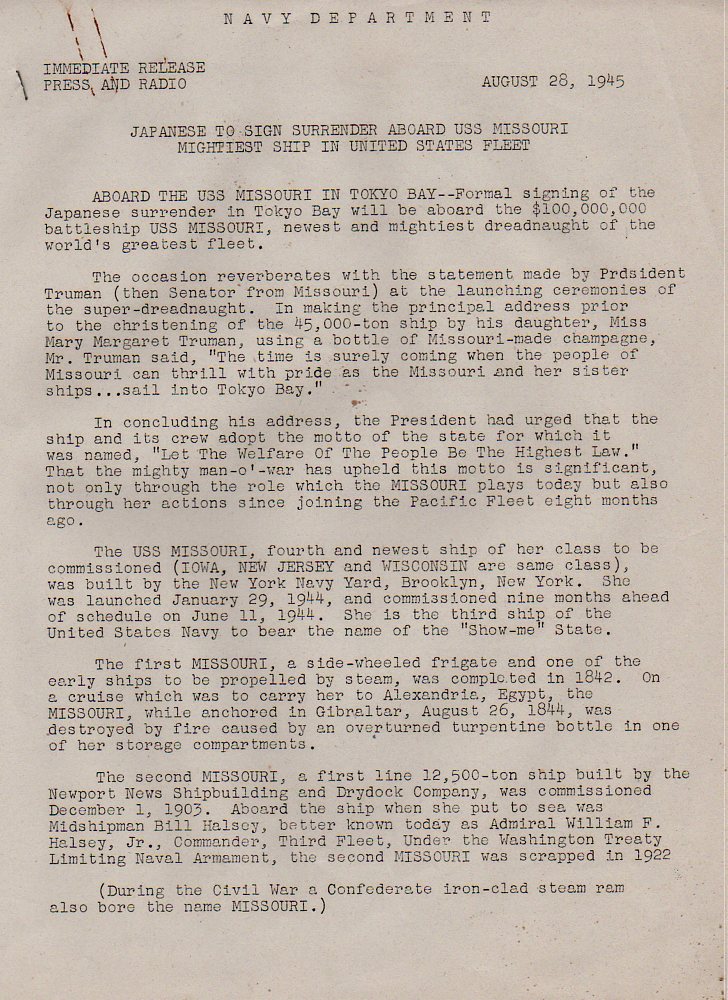
    Additionaly there is this U.S. Navy Department press relsease for announcing the surrender signing agreements, dated 28 August 1945.  This actually comes from the estate of Adm. Grace Murray Hopper via a sale through the Friends of the Arlington Library (Virginia) many years ago. 

    Japan surrender missouri959


    ·Posted by :

    ·in:

    —

  • Ships in the Skyline–Artistic Display of Quantitative Data

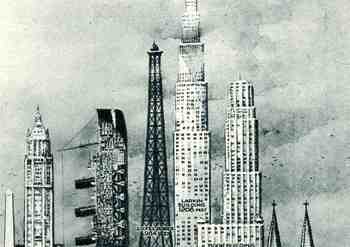
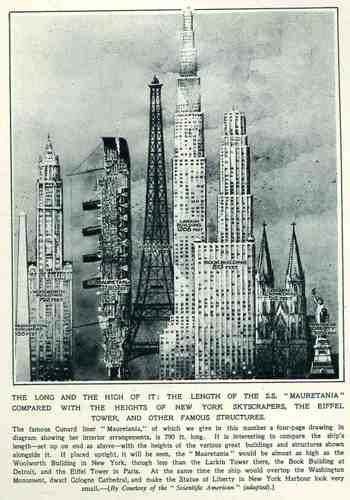
    This wonderful display (appearing in The Illustrated London News for 26 March 1927, page 518) of quantitative data isn’t quite as whimsical as it appears in detail, though I can think of onlyBlog1sept_16_ship_skyline_detail5_2 a few (antiquarian) times that I have seen a ship made part of a cosmopolitan vertical cityscape.  It is a great way of comparing two disparate, out-of-place equals, and certainly can get the idea of the size of something as stand-alone and solitary as a great ship to children (and adults, too) by comparing it to something as obvious as a tall building.,  This time its really just comparing the length of the SS Mauretania with the heights of some famous and notable buildings. (The Mauretania, 1906-1935, was a fabled, luxurious and fast ocean liner of the Cunard line; it was refitted for a resurgent oceanic service at about this time.)   In the larger, expanded second image we see the Mauretania stacked up against (from left to right) the Washington Monument (555′), the Woolworth Building (792′), the Mauretania  (790′), the Eiffel Tower (984′), the Larkin Building (proposed at 1208′), the Book Building (873′), the Koln Cathedral (512′) and the Statue of Liberty (305′).  The Larkin Building (not the F.L. Wright structure of the same name) was a proposed super-tall of 110 floors for 330 W. 42nd Street that was proposed in 1926 and not canceled until 1930, and which would’ve been the tallest building in the world. (For an interesting site on the cancellation of tall buildings, see HERE.)   In any event, this was a big ship–the largest in the world when it was launched as a matter of fact–and the drawing is wonderful.   Upon closer inspection, there is a terrific amount of detail in the cross section of the ship.)     (This original print is available at our blog bookstore.)                                             
    Blog1sept_16_ship_skyline564


  • The Compass of Music

    JF Ptak Science Books  Post 1252

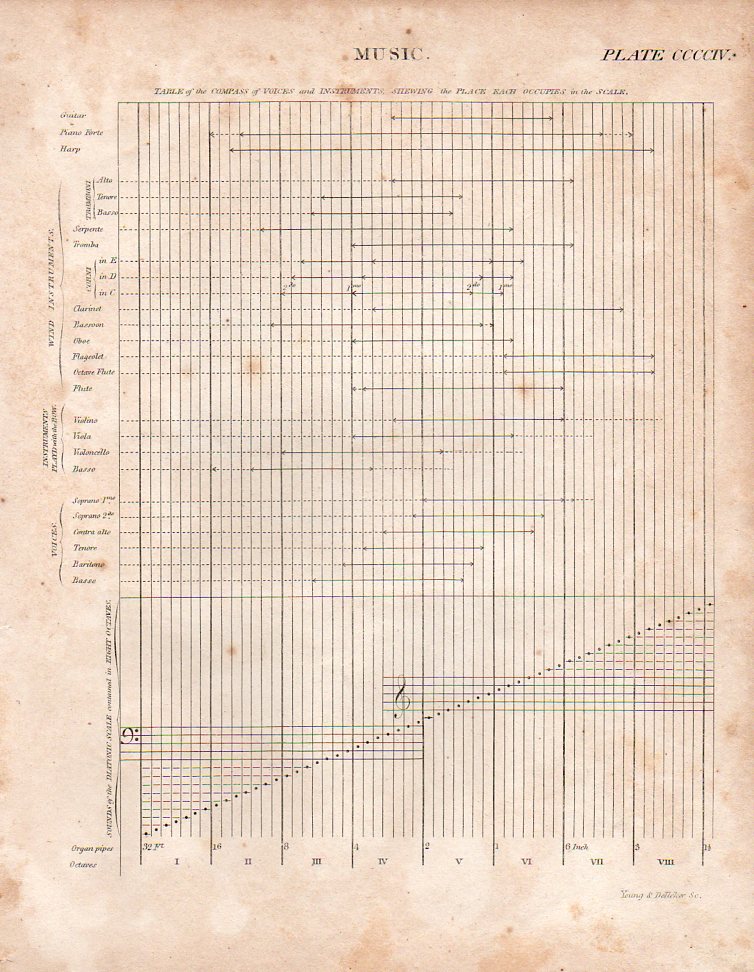
    This engraved plate from Abraham Rees’  Cyclopedia… is the wonderful invention of Alexandre Choron (1771-1834), and appeared (perhaps for the first time in an English press) in London in 1814.  It is a concise and interesting display of the comparisons of the reach of instruments along the eight octaves, and is a very strong example of clear and useful graphical display of quantitative data. 

    Music compass a949
    The full subtitle:  “Table of the Compass of Voices and Instruments, Shewing the Place Each Occupies in the Scale”.  (The original print is also available for purchase through our blog bookstore.)

    From Grove Music Online:

    Choron, Alexandre(-Etienne)

    (b Caen, 21 Oct 1771: d Paris, 29 June 1834). French writer on music, instructor, publisher and composer. While still a boy, he taught himself Hebrew and German and acquired a permanent interest in scientific experiment and a fascination for music theory and the techniques of composition. Although he reached the age of 16 before taking music lessons, he had already attained elementary skill on keyboard and other instruments. He greatly valued a friendship with Grétry which began in his 20th year and which suggests that he moved to Paris after his father’s death.


  • An Alphabet of Giants, Part 1.

    JF Ptak Science Books   Post 1250

    “There were giants in the earth in those days; and also after that, when the sons of God came in unto the daughters of men, and they bare children to them, the same became mighty men which were of old, men of renown.” Genesis 6:4-5 (KJV).

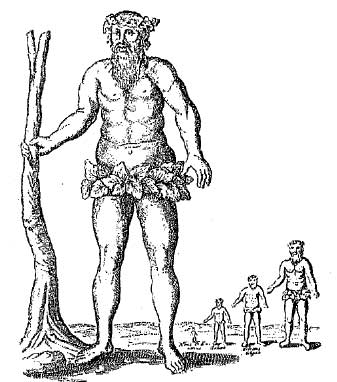
    Our dog Blue is a giant Jack Russell Terrier–mix.  He’s a Jack St. Bernard/Jack Russell–a St. Jack–and at 50+ pounds is either a Giant Jack or a mini St. Bernard.  He behaves like the St. Bernard.  One wonders about the mechanics of the thing–similar to Mr. Gulliver in Jonathan Swift’s A Voyage to Brodbingnag (1727), in which the hero (or anti-hero) though he is disgusted by the gigantic women of the place nevertheless seeks and accomplishes some sort of romantic union with the handmaidens of the giant queen.  And this all puts me in the mind of giants–actually, I’d like to put together an Alphabet of Giants, with this being the beginning. And to start at the beginning is Athanasius Kircher–the incredible Kircher, who produced thousands of pages of excellent analysis and cutting-edge technical/physical thinking as well as hundreds of pages of highly imaginative scientificiana–and his generic giant, featured in Mundus Subterraneus in 1646.

    Giants have certainly been around for a long time, though imaging that imagination is less ocmmmon early on in the history of the illustrated book. 

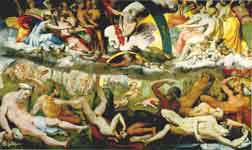
    There’s no lack of giants in ancient mythologies and legends–the Hindu Daitya, Mohamed’s depiction of a 100-foot-tall Adam, the Greek Antaeus (the children of Heaven and Earth, of Uranus and Gaea), the sleepy Encedladus, the Nephialim, and so on.  One of the most glorious of the big people stories is the  beautifully-named Gigantomachy, in which the gods of Olympus engage in an enormous confrontation with Chaos and Aleyoneus. The “good” (though not very) guys win.

    There’s actually about half-an-alphabet residing just within the Greek Titans (Atlas, Crius, Cronus, Coeus, Gaia, Hyperion, Iapetus, Mnemosyne, Oceanus, Phoebe, Prometheus, Rhea, Theia, Themis, Tethys), but I’d like to expand this if I can. A fuller, more diverse listing of giants and giant-groups follows: Anakim (Jewish mythology, references in the Old Testament), Argus Panoptes (Greek mythology), Bestla (Norse mythology), Cyclopes (Greek mythology), Daityas (Hindu mythology), Epimetheus (Greek mythology), Fachan (Celtic mythology), Gargantua and Pantagruel, Gigantes (Greek mythology), Gog and Magog (Jewish mythology), Goliath (Book of Samuel of the Bible), Hecatonchires (Greek mythology), Iovan Iorgovan (Romanian mythology), John Henry (American folklore), Jotuns (Norse mythology), Kaour (Celtic mythology), Menoetius (Greek mythology), Nimrod (Jewish mythology, OT), Oni (Japanese folklore), St Christopher (Roman Catholic saint),Talos (Greek mythology), Titans (Greek mythology–Atlas, Crius, Cronus, Coeus, Gaia, Hyperion, Iapetus, Mnemosyne, Oceanus, Phoebe, Prometheus, Rhea, Theia, Themis, Tethys), Zipacna (Mayan mythology).

    For the most part I’ve stayed old with these images, except for the 50-Foot Woman, the Giants are generally not from the modern fantasy/sci fi gernre. 

    So, Part 1:


    A. ALICE. John Tenniel’s Alice in Lewis Carroll’s Alice’s Adventures in Wonderland.

    File:Alice par John Tenniel 05.png


    A. Arthur.  King Arthur’s Giant.

    File:Walter Crane King Arthur and the Giant Book I, Canto VIII.jpg

    B.  Beanstalk Giant. Jack and the Beanstalk, John D. Batten 

    File:Page 59 illustration in English Fairy Tales.png


    B. Bunyan, Paul.  By Allen Lewis.

    Frontispiece from Paul Bunyan (woodcut illustration by Allen Lewis)

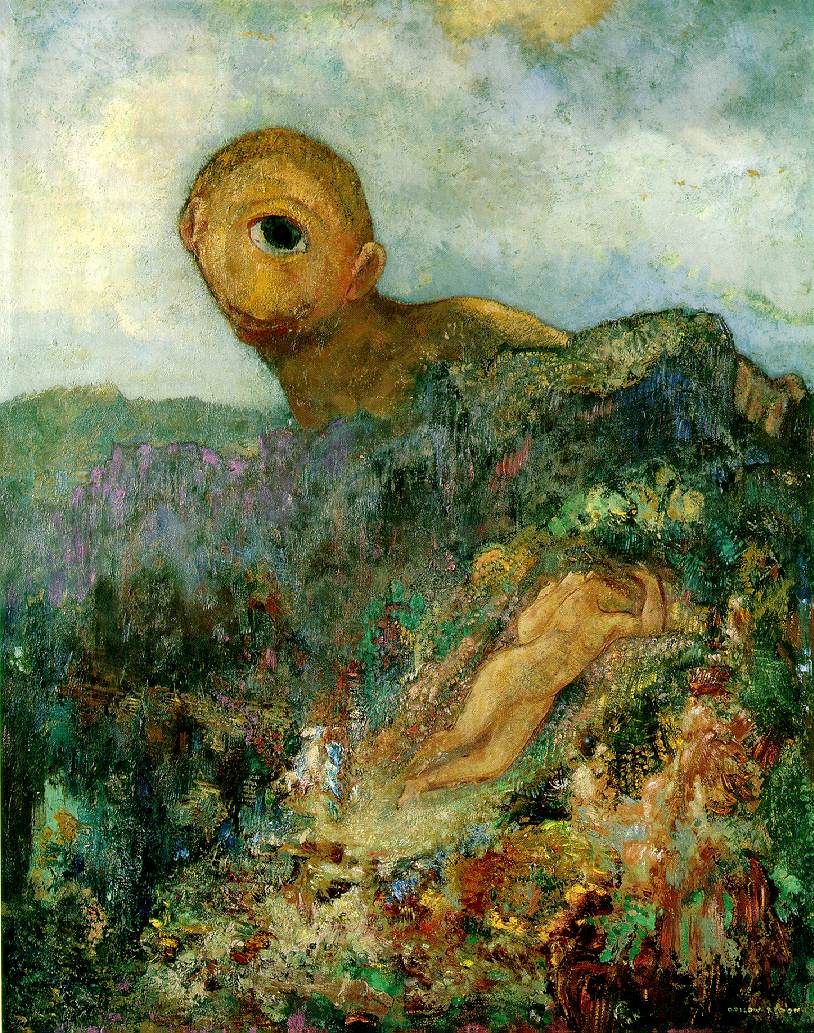
    C. Cyclopes.  By Ordilon Redon.

    .

    File:Redon.cyclops.jpg
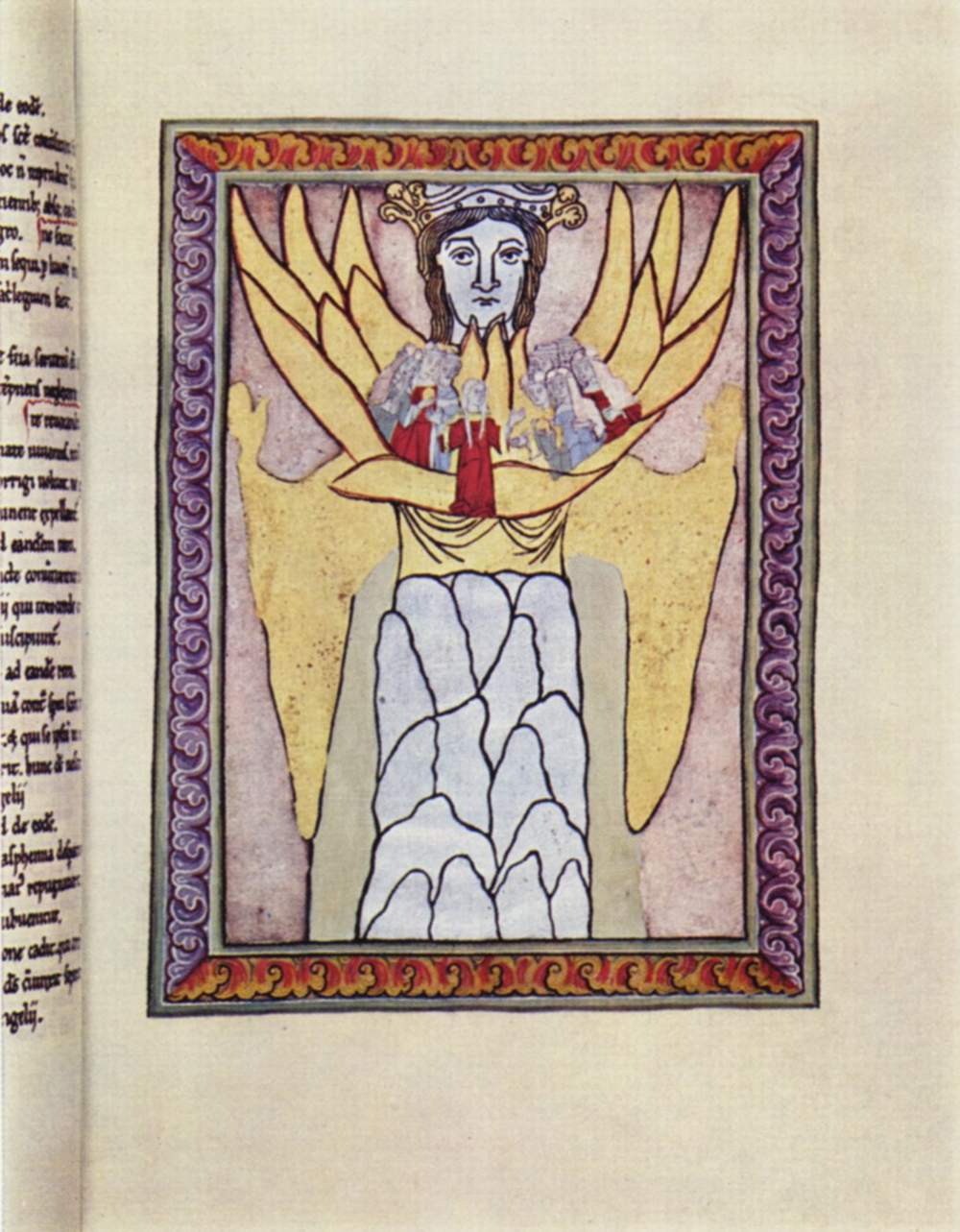
    E. Ecclesia.   “Ecclesia”, or the depiction of Church as the Bride of Christ is a representation of a woman giant, and is seen in  Scivias, by St. Hildegard of Bingen  (1098-1179).

    File:Meister des Hildegardis-Codex 002.jpg

    F. Fatna. The giants Fafner and Fasolt seize Freyja in Arthur Rackham‘s illustration of Richard Wagner‘s Der Ring des Nibelungen

    File:Giants and Freia.jpg


    G. Gargantua
    http://www.gargantua.eu/gargantua.jpg
    G. Gigantomacy.  By Perin del Vagas.

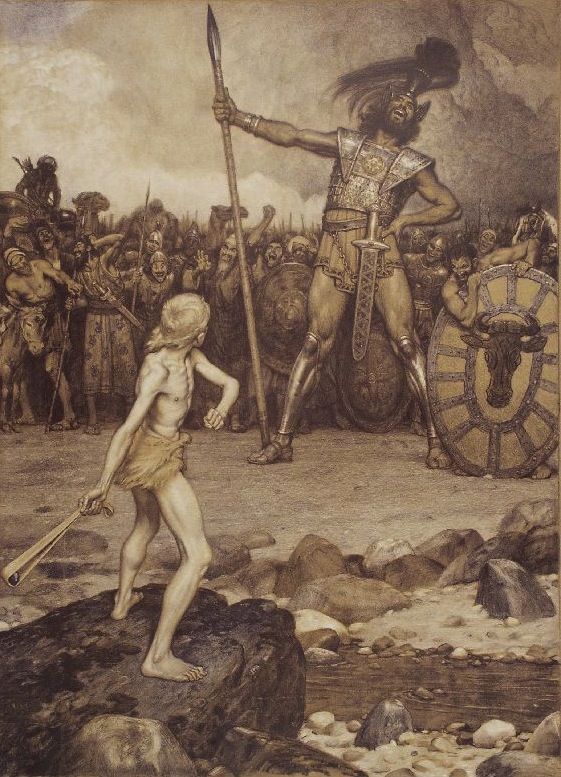
    G. Goliath. Osmar Schindler’s David with Goliath.

    File:Osmar Schindler David und Goliath.jpg

     K.  The Kraken.

    http://bogartswisconsin.com/images/kracken8.jpg

    O. Oni (Japanese folklore.)

    P. Pantegruel.

    http://dramapessoal.files.wordpress.com/2008/01/rabelais-pantegruel-by-francois-desprez-10.jpg?w=460


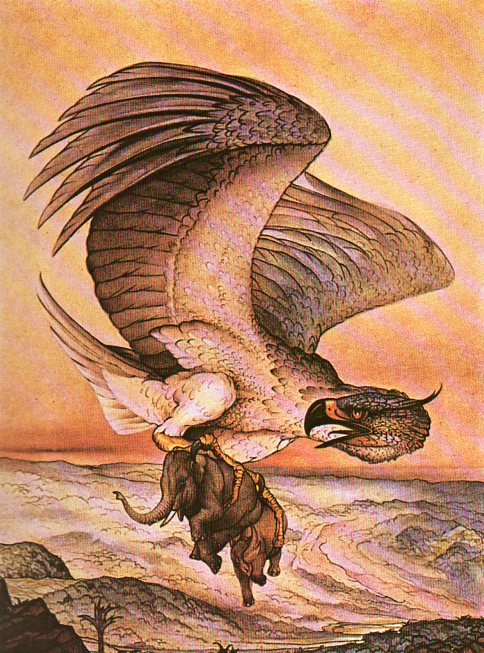
    R.  Rukh.  “The Rukh which fed its young on elephants”, by E.J. Detmold. For The Second Voyage of Sinbad the Sailor from The Arabian Nights, 1924.

    Giant--rokh944

    W. Woman, 50-Foot.

    Women don’t often appear though as giants–at least until modern times.

    Z. Zeus.

    Zeus and three Gigantes, drawing based on the Zeus Pergamon Altar.


  • Antique Circles–Astronomical Prints

    JF Ptak Science Books  Post 1248

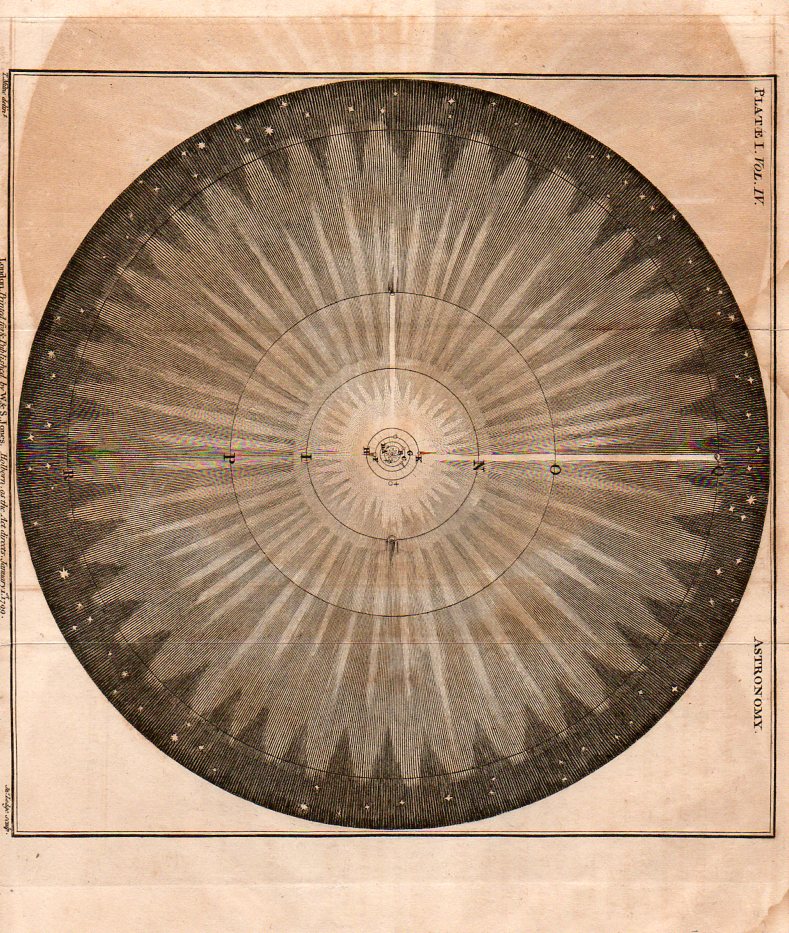
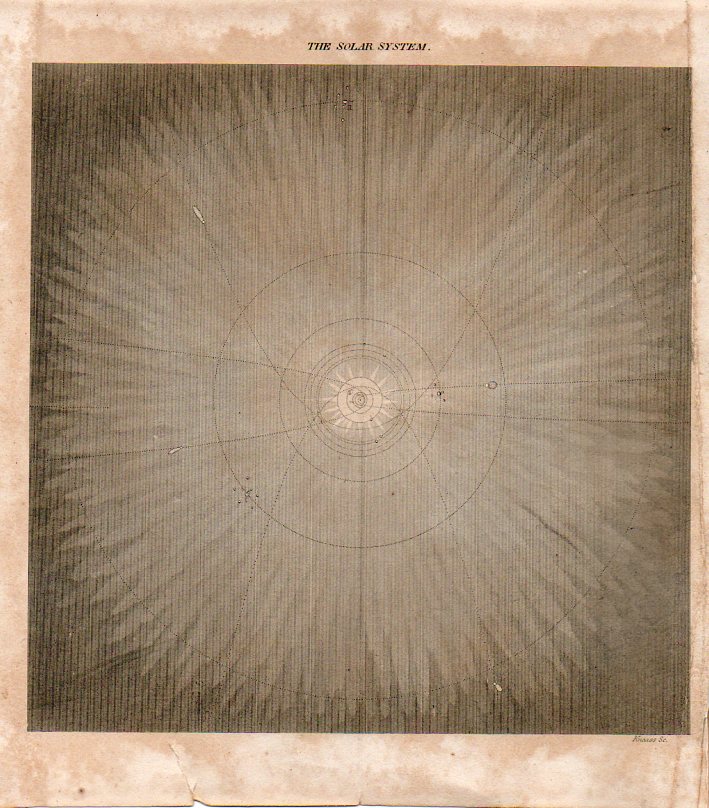
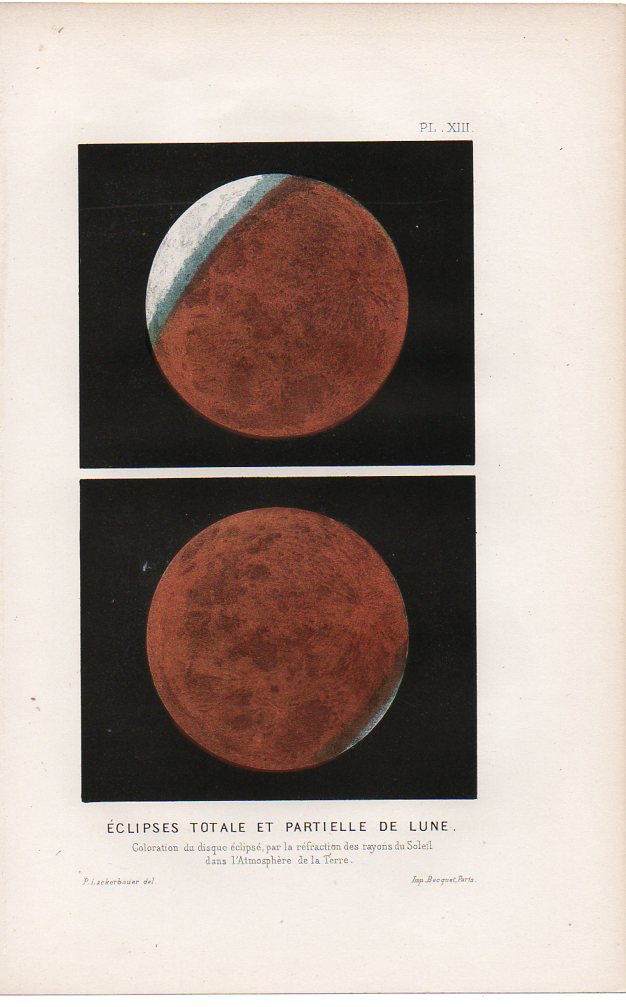
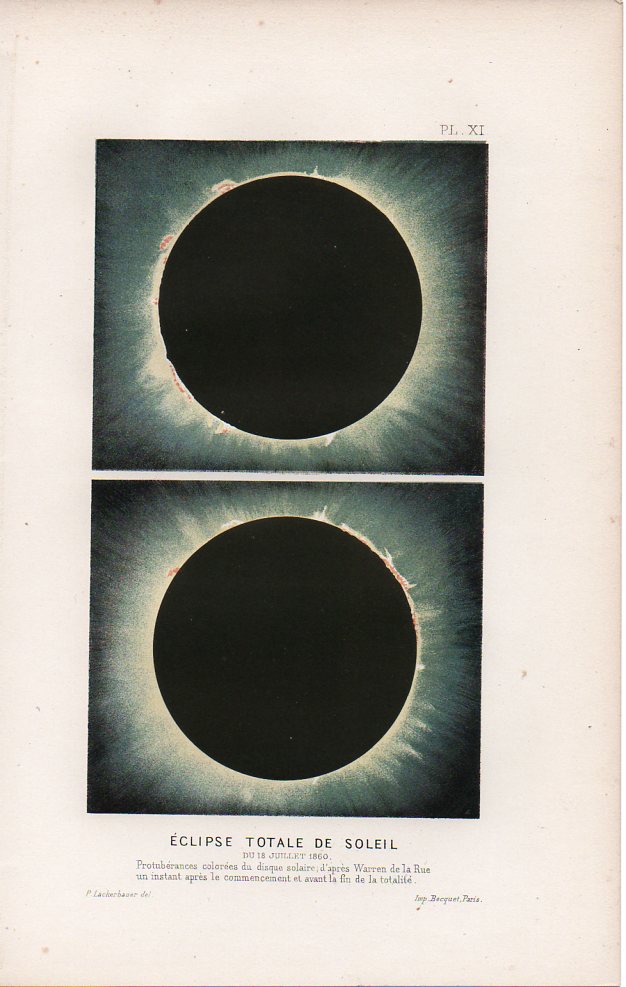
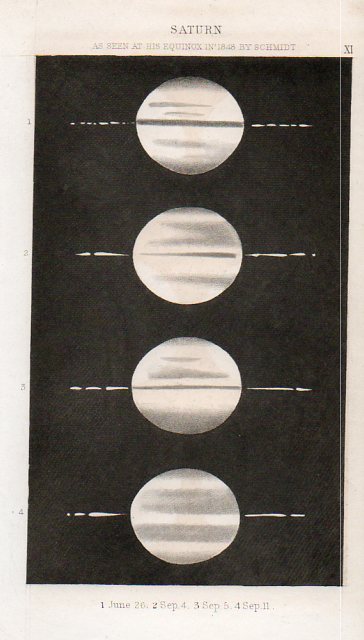
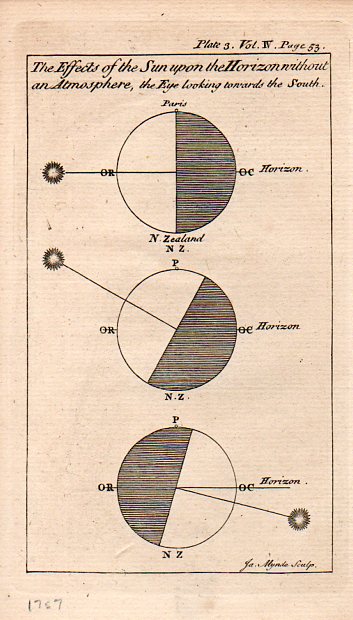
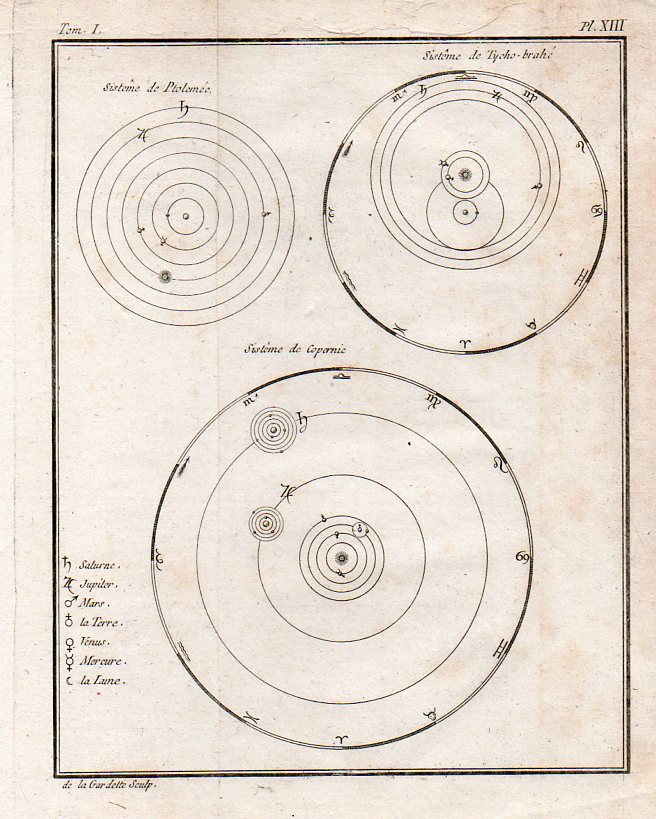
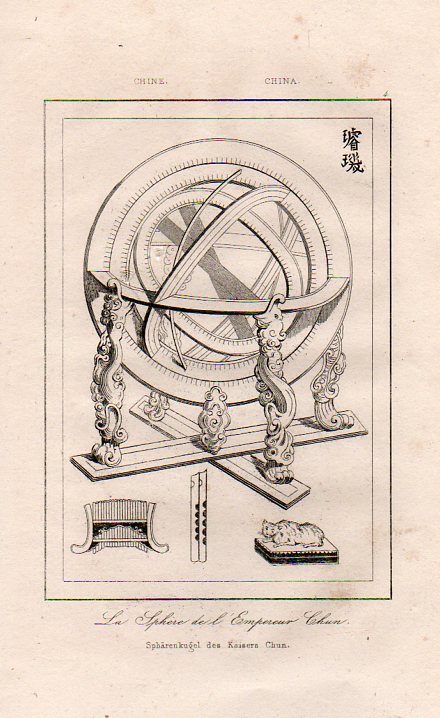
    Yes, the heavens are made of circles, somewhat, especially if you were observing a three-dimensional figure in two-space, where all spheres are circles.  But here we’re making those observations the other way ’round.  In any event, these are lovely images taken from a part of the history of astronomy images here in the bookstore–and I should say that they’re all available for purchase from the store as well.  But in the meantime, click away–you’ll find that almost all are expandable and mine-able for design elements.


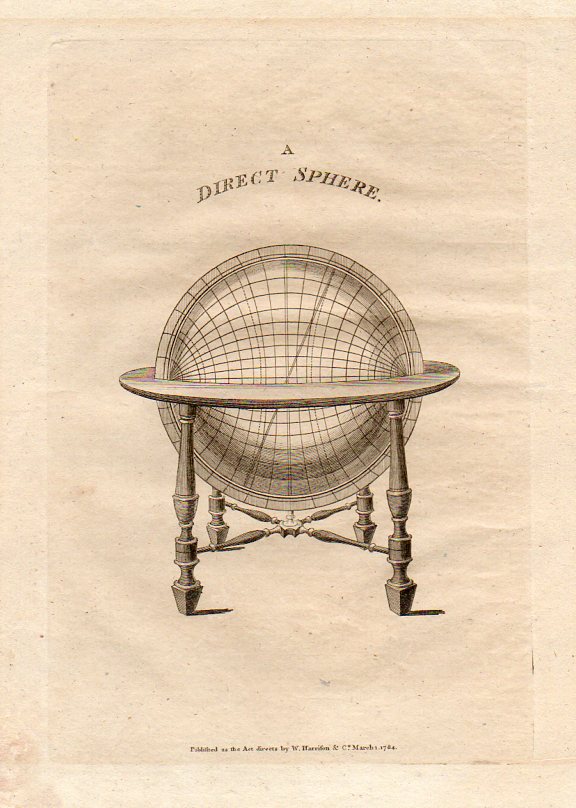
    Circles--direct sphere911

    Armillary Sphere, 1784.
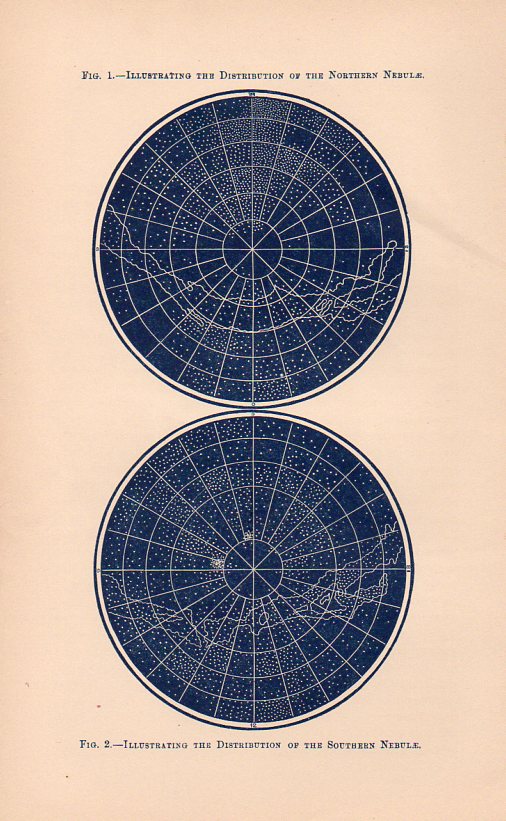
    Circles--distrib north nebulae918

    Distribution of the Nebulae, ca. 1860.
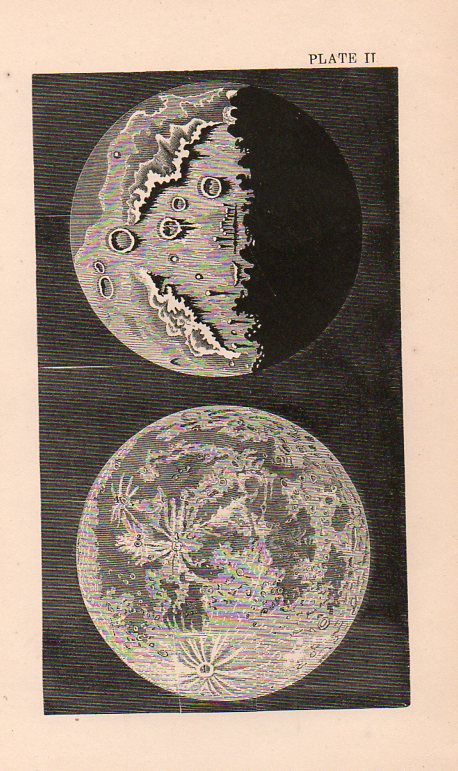
    CirclesDouble Moon908

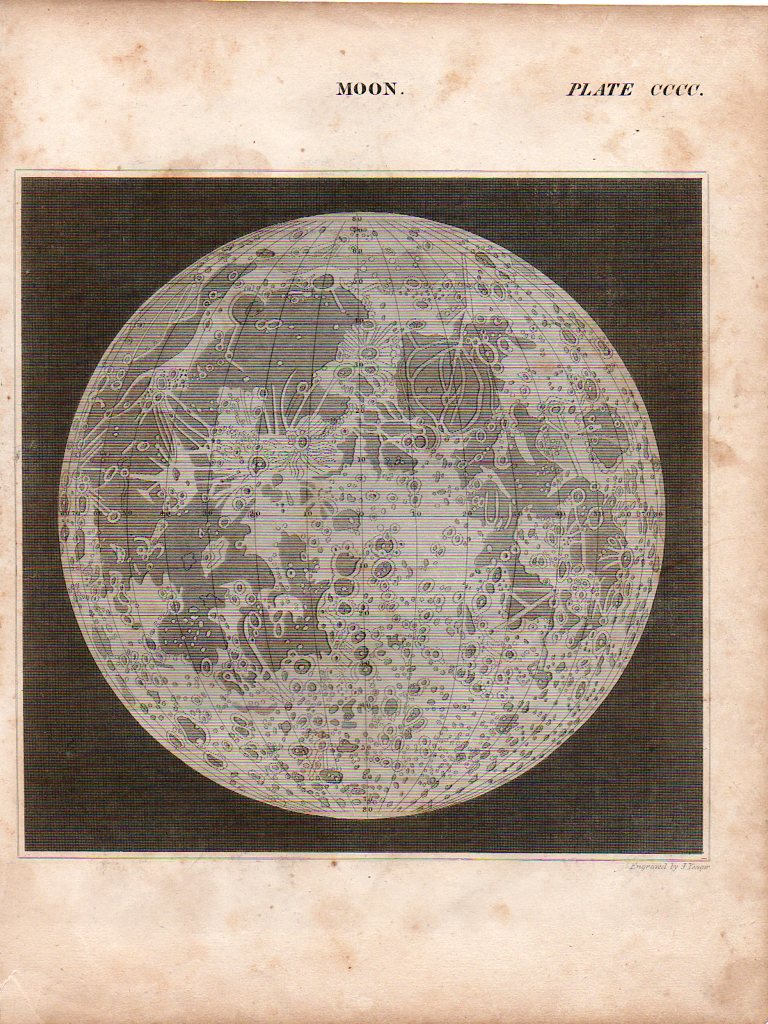
    The Moon, ca. 1850.

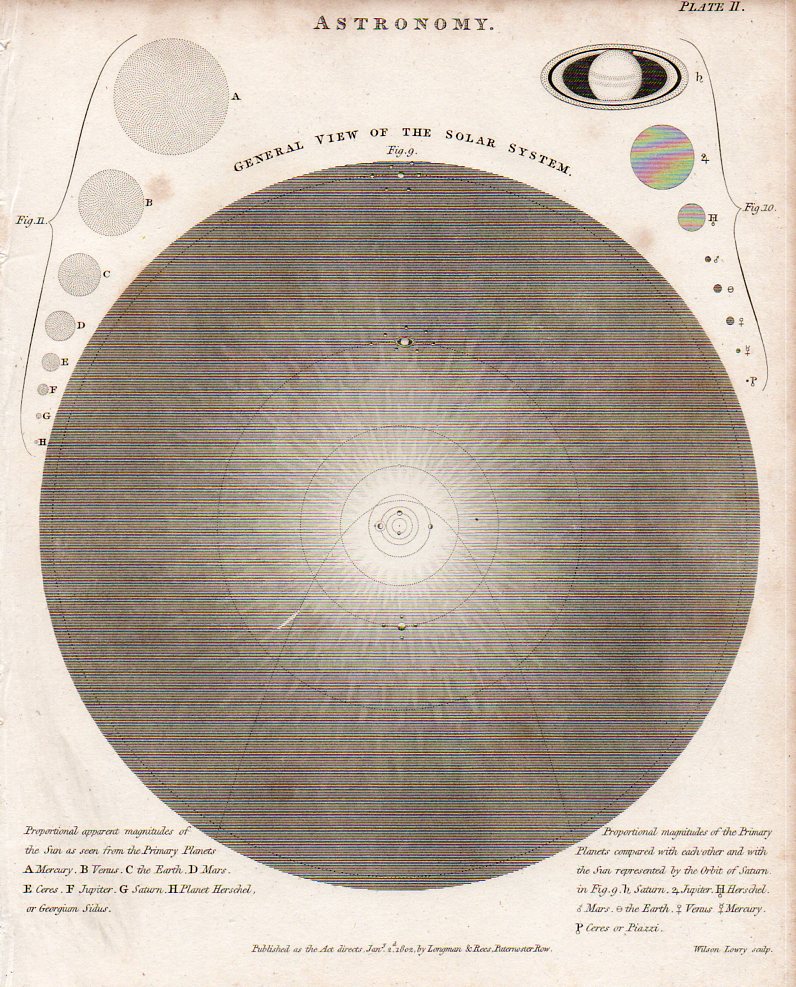
    Circles--general view solar ystem914

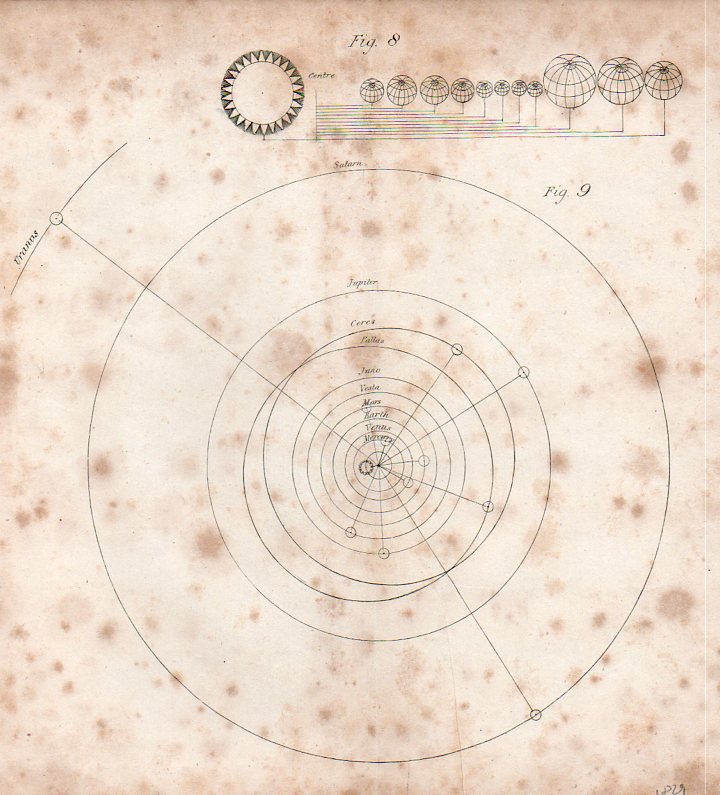
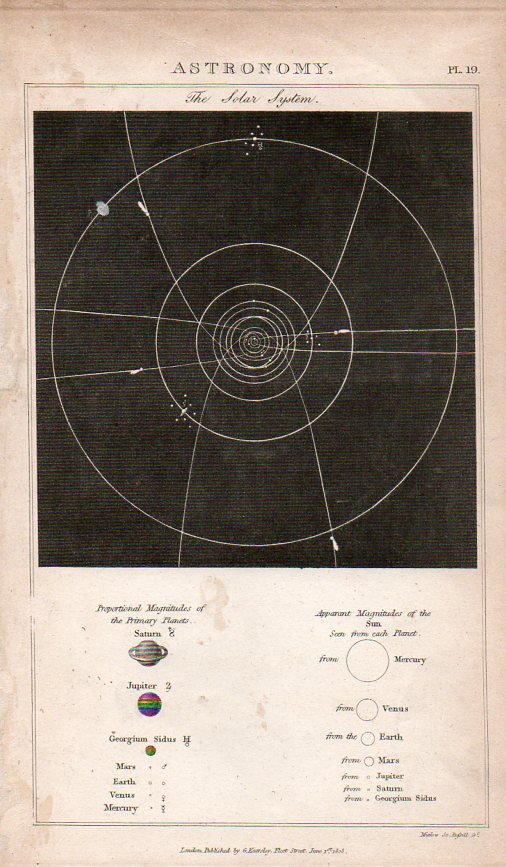
    The Solar System, 1804.

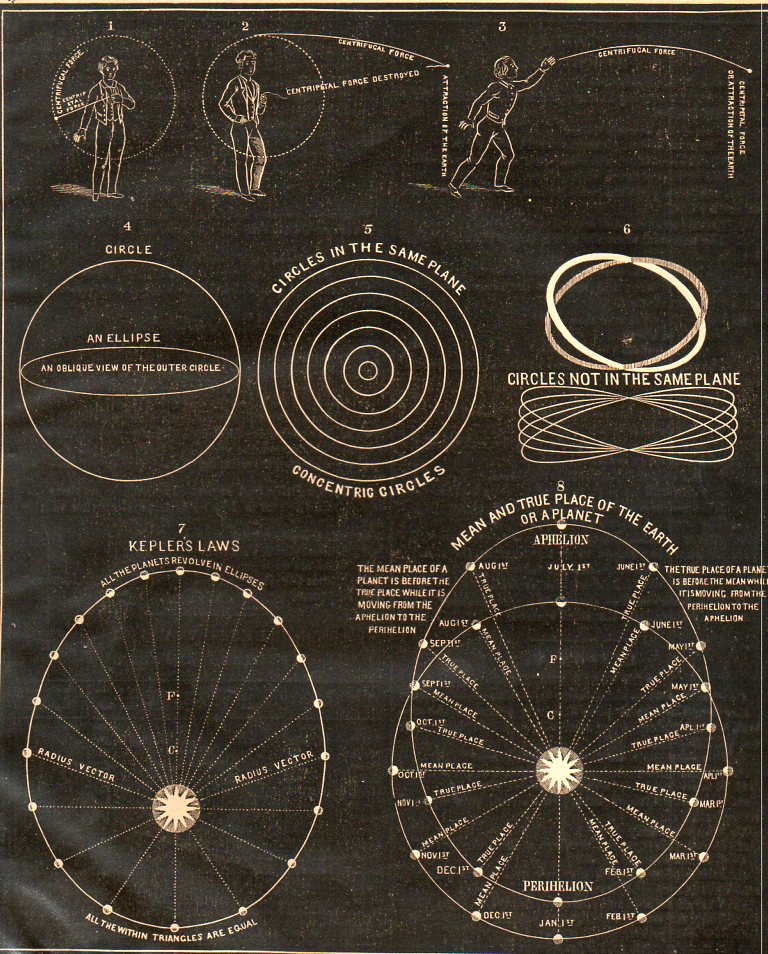
    Circles-in the same plane906

    1855.

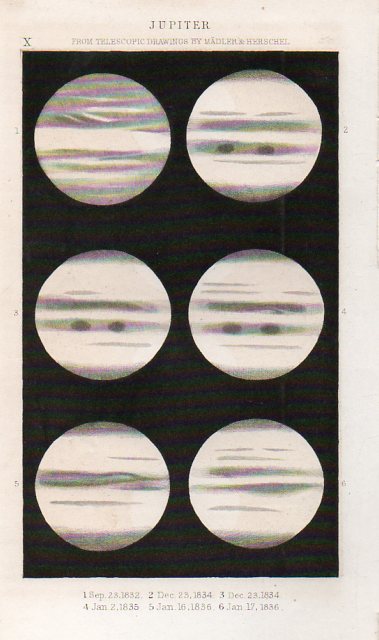
    Circles--jupiter921

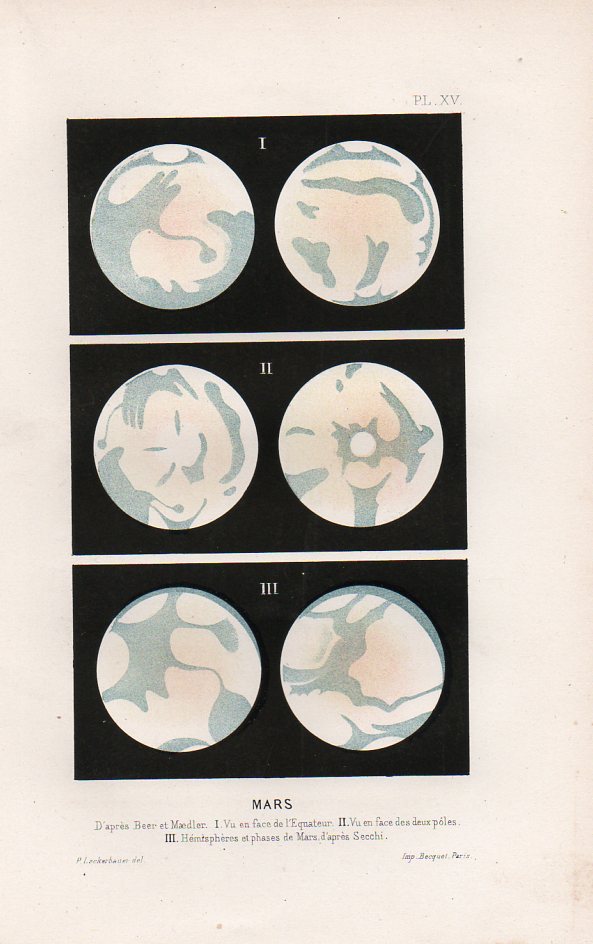
    Jupiter, 1864.Circles--mars913

    Mars, 1864.

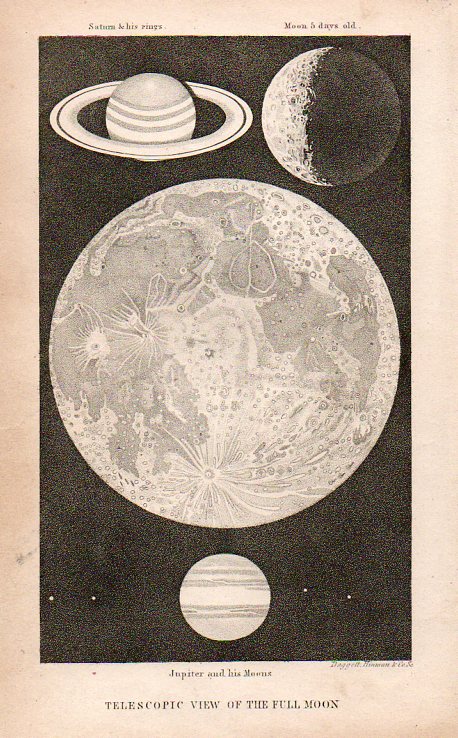
    Circles-Moon and saturn907

    Full Moon, 1836.

    Circles--solar system916

    Solar System, ca. 1820.

    Circles--solar system c919

    Solar System, 1823.

    Circles--solar systemb917

    Solar System, 1808.

    Circles--sun planet comaprison size French902

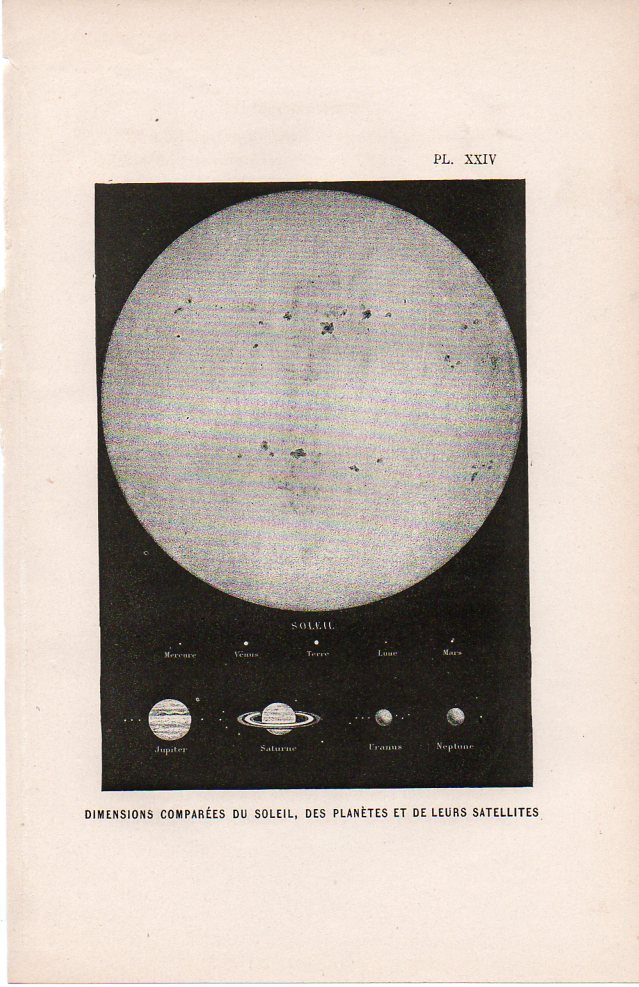
    Dimension of the planets in comarison to the Sun, 1850.

    Circles-the Moon Reesd905

    the Moon, ca. 1810.

    Circles--the solar system912

    the Solar System, ca. 1825.

    Circles--toptal eclipse Moon900

    Partial eclipse of the Moon, ca. 1860.
    Circles--toptal eclipse SUn901

    Total eclipse of the Sun, ca. 1860.

    Circles--saturn922


    Saturn, ca. 1870.

      Circles--effects of sun920
    1757.

      Circles--comparative systems903

    Comparative cosmologies, ca. 1760.

    Circles--chinese armillary910


    ·Posted by :

    ·in:


  • Structure for Wide Thinking–Walter Gropius’ 1942 Design/Exercise Book

    JF Ptak Science Books  Post 1247

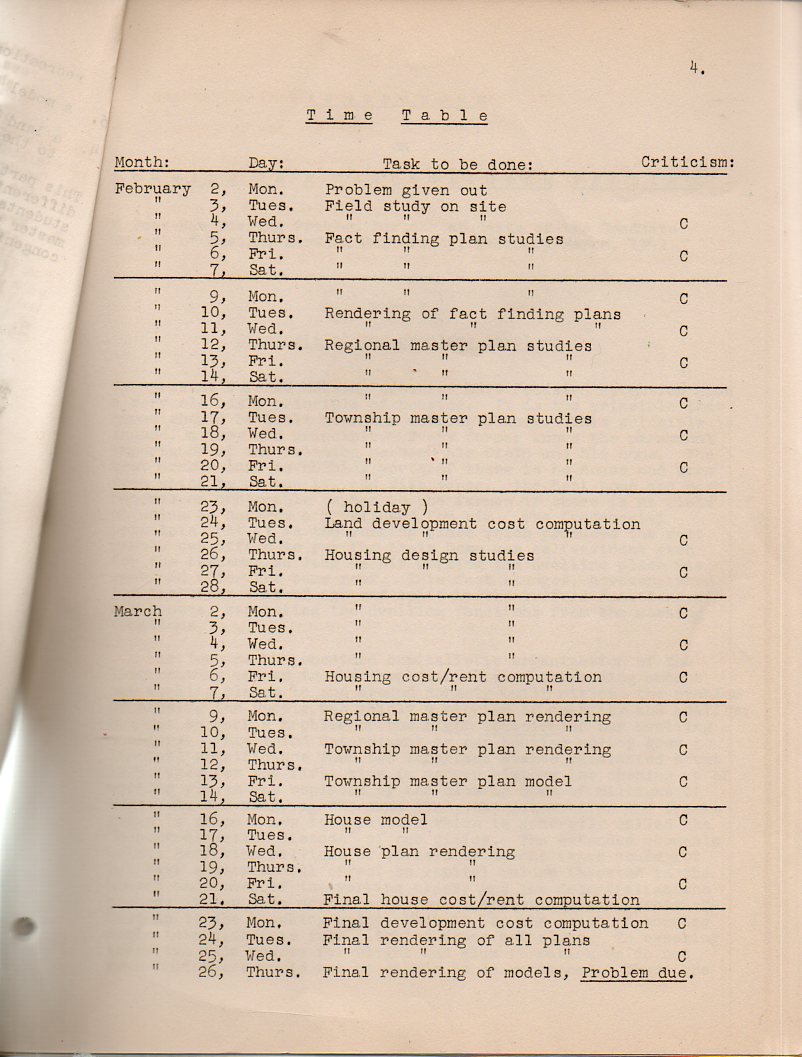
    Walter Gropius (1883-1969, founder of the Bauhaus School and one of the principle builders of modern architecture) and Martin Wagner (1888-1957) were thinking of a new type of “town”, of a different sort of settlement for people, when they wrote this exercise instructional for their Harvard course. Housing as a townbuilding1 problem, written during the war in 1942, was intended to be an exercise (or  “problem”), a case to be studied by the students in the departments of landscape architecture and the graduate school of design at Harvard. The class opened with this rare2 pamphlet as a basis for course work, given to the students on 2 Feb 1942, with the problem’s answers expected to be on Gropius desk five weeks later.  Gropius and Martin put a tough, wide-ranging, landscape-changing question and expected answers in a very short period of time, though they definitely had a very structured plan and approach to dealing with massive implications of their exercise.  The theory was outlined there in the paper, of course, and was expanded much more fully in class.  And then there was this: a full page of datelines and expectations, a way of dealing with a large problem in logical chunks, adding up the answered bits, and then delivering a larger answer at the end and on time. 

    Gropius table899
    [The original work is available at our blog bookstore.]

    I’m not an architecture or design historian, so much of this paper was a little lost on me–but I could definitely appreciate the way in which the great Gropius outlined the process of problem-thinking and solution for his students.  This may be the part of this paper that I liked the most. 

    In  “The Walter Gropius House Landscape: A Collaboration of Modernism and the Vernacular”3 (published in the  Journal of Architectural Education, 1984, 57 (3), p. 39) Eric F. Kramer wrote:

    “Sounding similar themes in a 1942 joint studio problem for landscape and architecture, Walter [Gropius] wrote of the inspiration of the vernacular landscape and of integrating with existing systems: ‘Such a landscape invites the artist planner to observe and preserve its variety of aspects, and to invent a settlement pattern that .ts into its natural beauty. Fortunately our forefathers have already traced out a settlement pattern that fits very well into the landscape.’ Gropius–the grand master builder and master teacher–set out the problem and the solution”.

    There are of course major statements in city-building and human resettlement in this work, but for now, I’m still concentrated on the Bauhaus-founder’s outline for problem solving.   

    Notes

    1.  The full title: Housing as a townbuilding problem; a post-war housing problem for the students of the Graduate School of Design, Harvard University, February-March, 1942.

    And in that publication Gropius writes: “When we speak of ‘new townships’ we think of a new type of human settlement “, with a redefined vision of what a “town” means, using an idea of “reception basins” for spheres of cities as centers of culture, art and commerce “and our open country as furtherer if an industrialized agriculture and of forestry and recreation”. (page 21).  And all of that to be manufactured along the lines of “planned super-highway systems, one branch of which is to go through New England region and will supposedly cut through the towns of Weston and Weyland”.–Gropius and Martin.

    2. This copy was in the Office for Emergency Management; only  six other copies have been found and these in excellent collections: MIT, Harvard Special Collections, Harvard College of Design, Cornell, Columbia and the NYPL (Special Collections).  So the publication is pretty scarce, and given its method of printing and distribution, it looks like not many survived, though it is difficult to say how many were actually printed.  In any event, few survived.

    3. The abstract of this paper is helpful: “The Walter Gropius House Landscape A Collaboration of Modernism and the Vernacular”. “The Gropius house landscape is a potent physical manifestation of the design debates of its era. The landscape is an element of both mediation and integration forging a reciprocal and evenhanded relationship between architecture and site. Shaped by modern architectural sensibilities translated to the landscape and developed at a moment when landscape architecture was struggling to .nd a modernist inspiration and voice, it is an object lesson in the development of a modernist landscape architecture in America…”   
    “In these studio problems, Gropius consistently encouraged students to find new form in the functional requirements of modern times and yet to integrate with existing systems through an understanding of their own functionally driven evolution.”