A Daily History of Holes, Dots, Lines, Science, History, Math, Physics, Art, the Unintentional Absurd, Architecture, Maps, Data Visualization, Blank and Missing Things, and so on. |1.6 million words, 7500 images, 4.9 million hits| Press & appearances in The Times, Le Figaro, Mensa, The Economist, The Guardian, Discovery News, Slate, Le Monde, Sci American Blogs, Le Pont, and many other places… 5000+ total posts since 2008.

Category: Photography

  • An Interesting Photo of False Safety and Loneliness, 1918

    JF Ptak Science Books  Quick Post  Part of the series on World War I    
    Follow Me on Pinterest

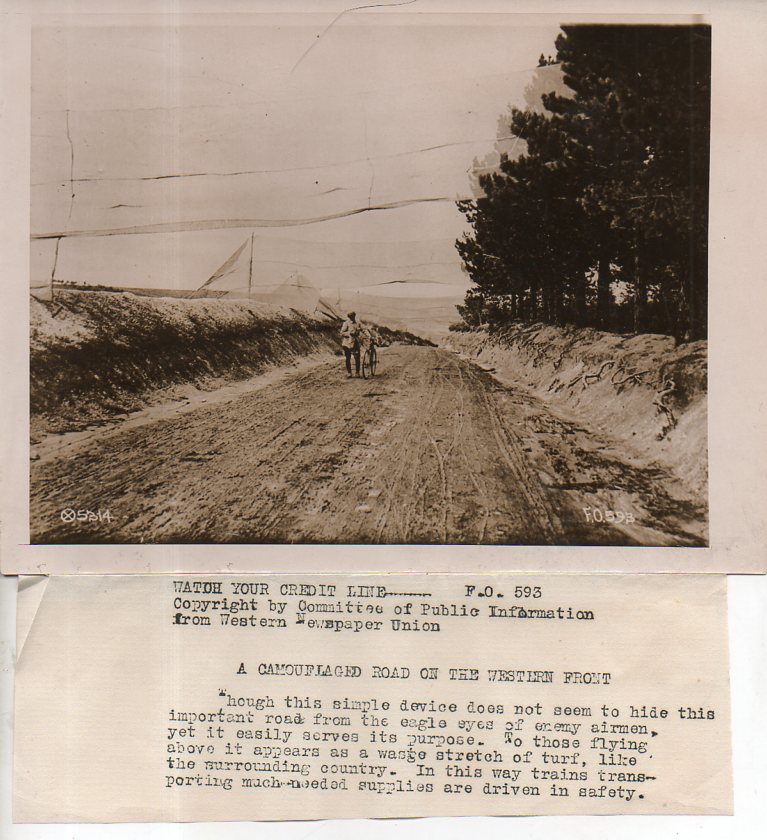
    This wonderful, contemplative, lonely, sad, and ultimately draining photograph depicts a camouflaged road somewhere on the Western Front.  That’s rather a prosaic term for that atrocious line of battle that stretched from the North Sea to Switzerland, where hundreds/thousands of miles of trenches were dug and filled and fought over, where millions of shells were shot and exploded, and millions of soldiers and civilians killed and wounded. 
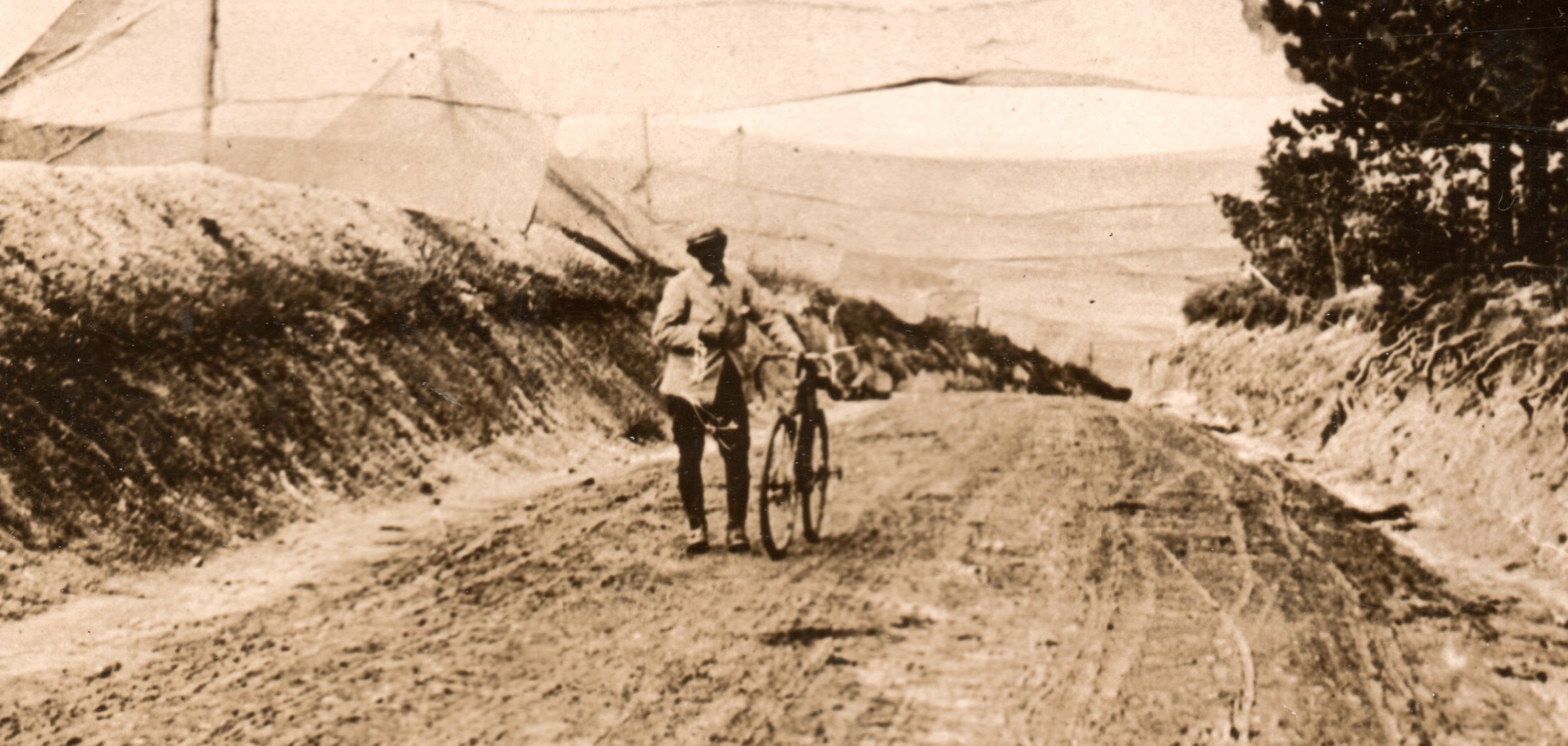
    Camouflage bike822The “Western Front” really doesn’t quite do as a descriptor.

    But here we are, just the same.  And so the image above, with the man on a bicycle on a well-used road–he’s moving along under a long canopy of netting designed to obscure/hide the road from telescopic viewing or eyes-in-the-sky.   When this photo was made for the Western Newspaper Union, mid-1918, the war was nearly over.  But still there was the fighting, and the supply lines for the millions of troops, right to the bitter end at the 11th hour of the 11th day of the 11th month. 

    And the full version:
    Camouflage bike820

    The photograph itself is one from a collection of hundreds here from news photo service agencies, images made of the War from a pool of photographers who covered the action for American newspapers and magazines, and whose work was necessarily censored. The photographs would be selected/ordered by a news agency, and the caption of explanation would be provided by the news photo service (as seen above). 
    ·Posted by :

    ·in:

    —

  • Zoomology of the Lower East Side, NYC, 1900

    JF Ptak Science Books   Post 2038   
    Follow Me on Pinterest

    Part of a Paper Micrscope series, Zoomology

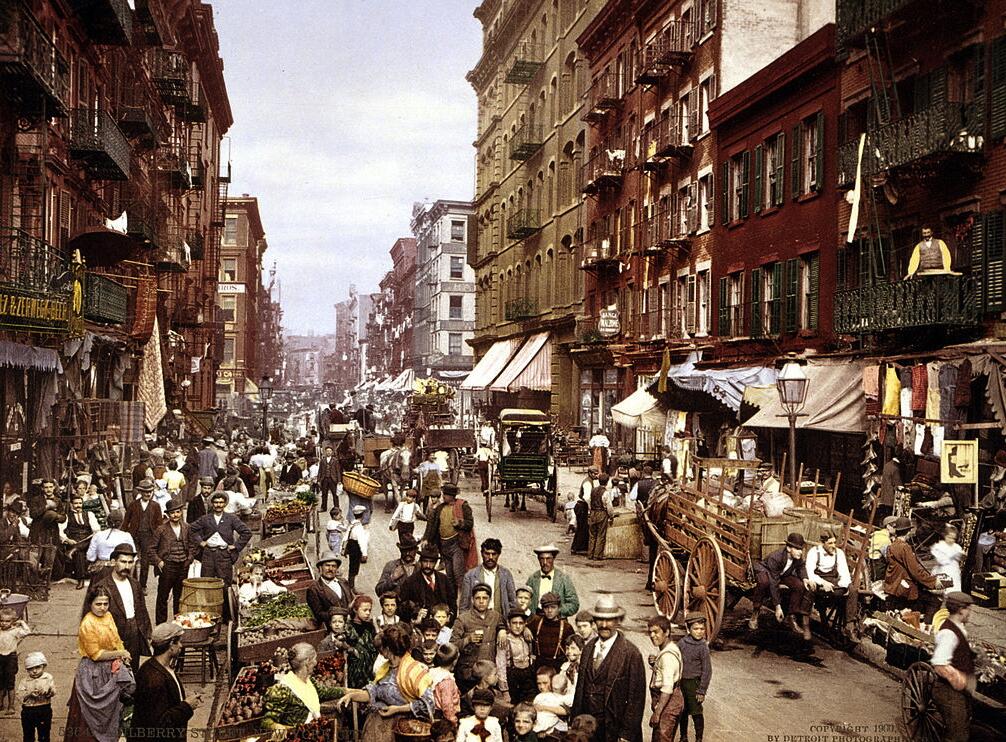
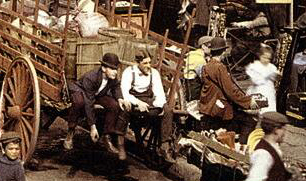
    Michael Beschloss posted this remarkable photograph of the Lower East Side on Mulberry Street, a rare color photo made around 1900.  There is a lot of life going on here–people posing for the photographer (standing on an elevated platform with a large view camera, no telling who or what he was imaging), people caught in their daily lives, people. Under the Paper Microscope the image reveals all sorts of sub-images, photos-within-photos, making it a fascinating exercise in exploration.

    For example, the two men hiked-up on the back of a moving wagon on the bottom-right seem to be enjoying themselves in expectation, the man on the left about to toss something underhanded, the guy on the right in a bow tie getting ready with a smile to enjoy what was going to happen.  To their right:  a man with a sales platform draped from his neck, watching a girl rush by, his pocket stuffed with paper. 

    NYC lower east side--guys tossingAnd the full mage:

    NYC lower east side


  • Paper Microscope: a 10 Millimeter Photographic View of Great Complexity, 1917

    JF Ptak Science Books   Quick PostFollow Me on Pinterest

    Wwi stereo194

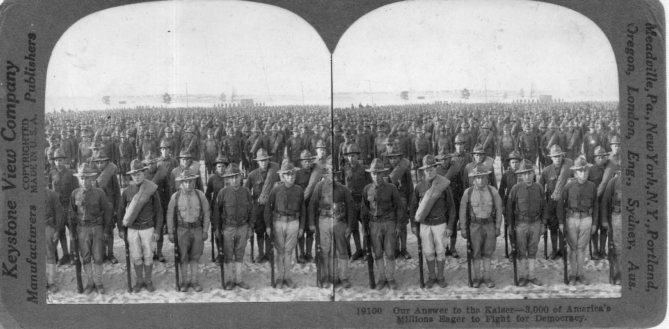
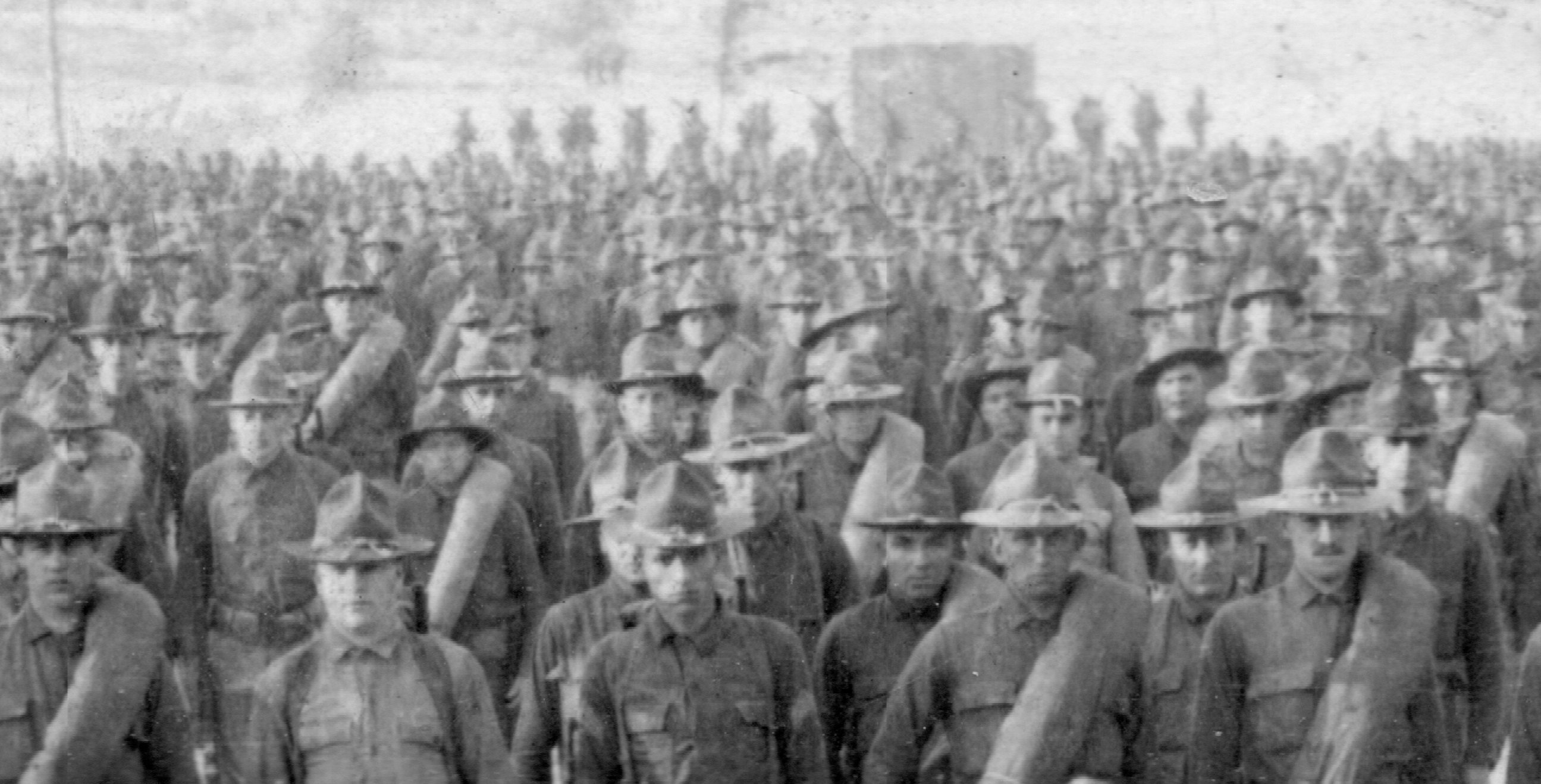
    In this stereographic photograph of a group of 3,000 U.S. soldiers (prepared to fight in Europe in WWI, ca. 1917/1918), there is a smaller contingent in two rows, in front, consierably removed from the rest of the formation.  This is difficult to see in the first image.  However, with a more concentrated view and deeper scan, this is a little more evident, below:

    Wwi stereo195
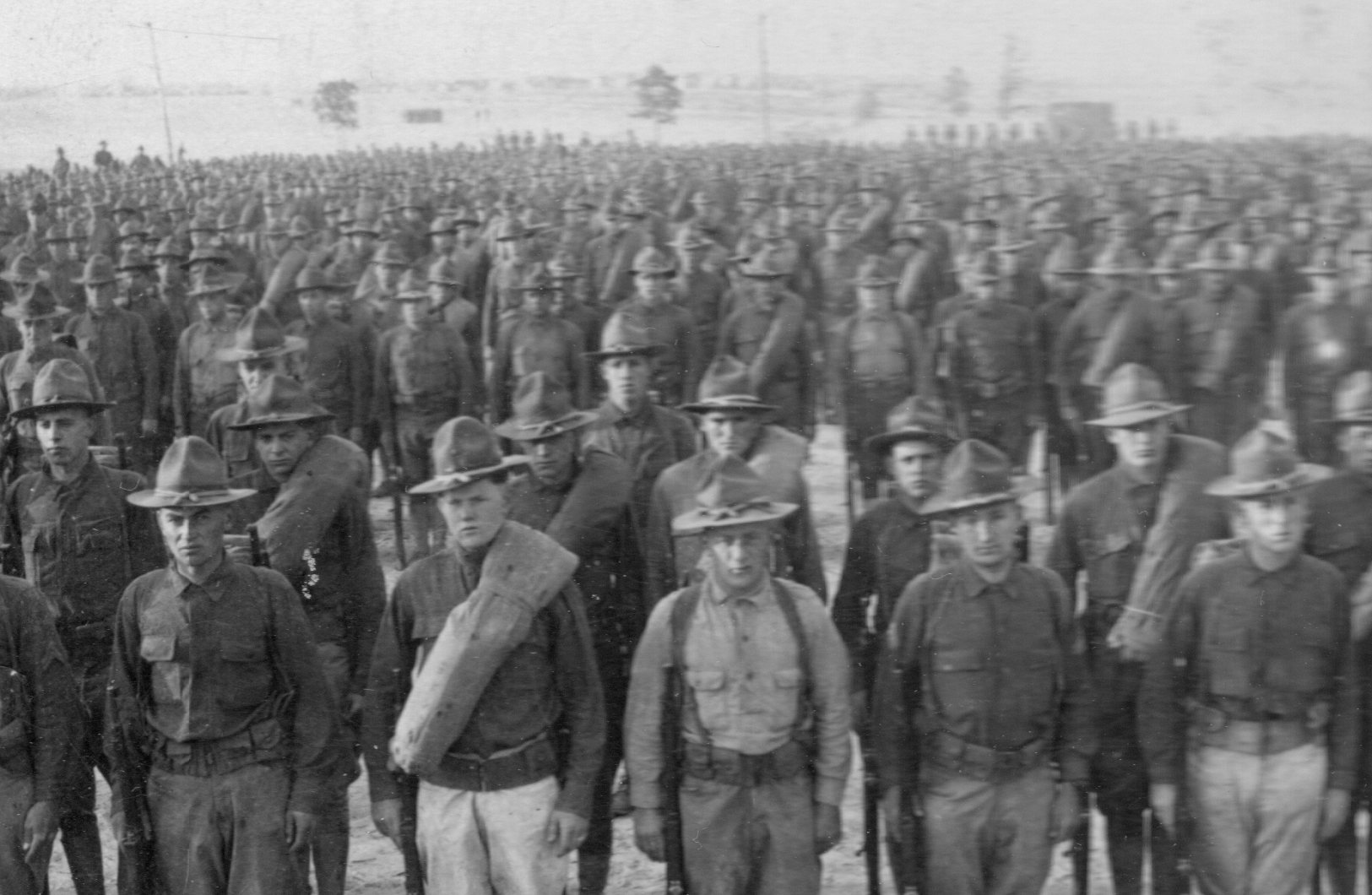
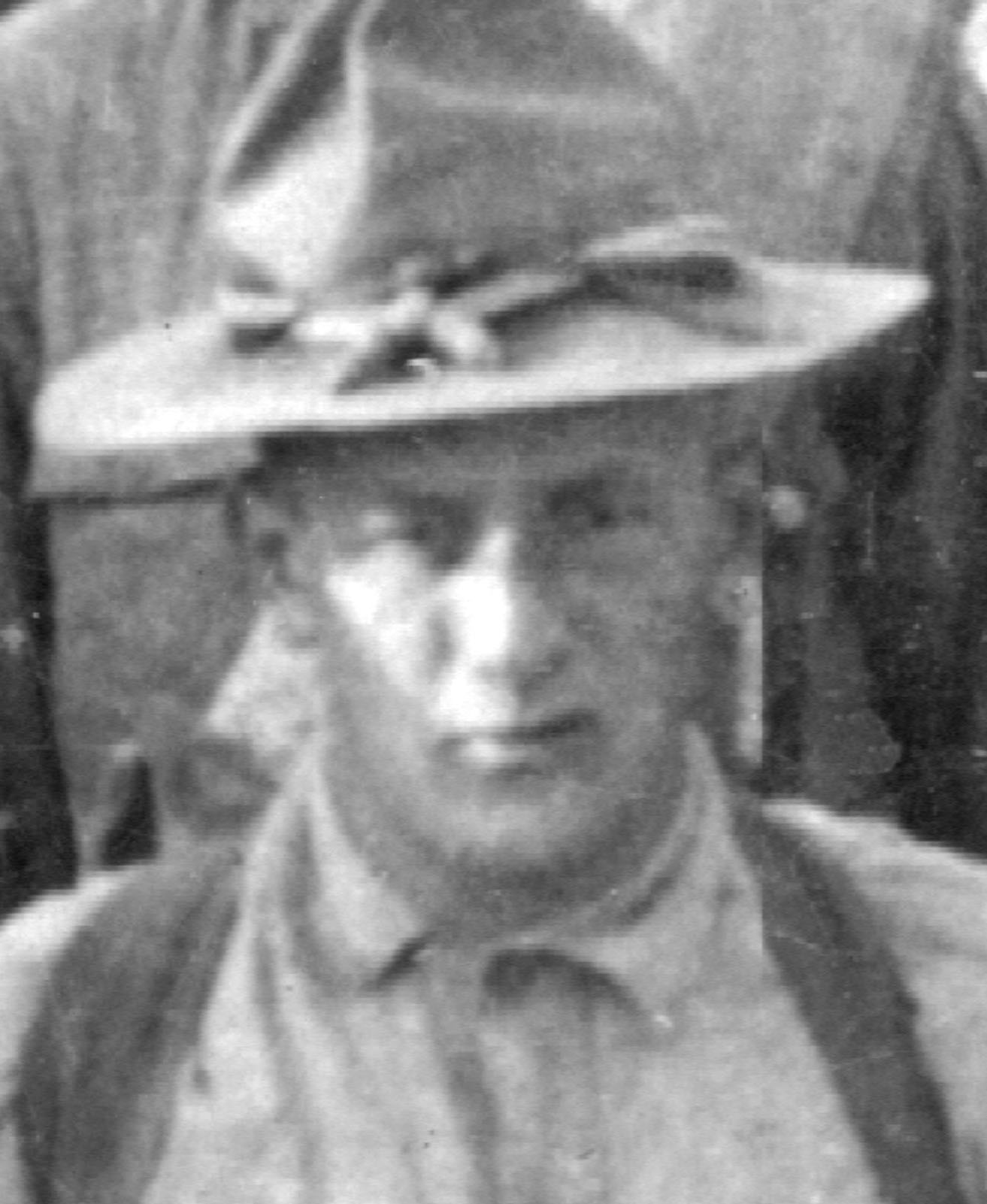
    This view still shows the first row of soldiers; that more-distant third row differentiation is much more defined here–the depth of the mass of the formation is starting to really come into focus.  The next image shows the heads of the men in the second row, but mostly concentrates on that third row, and beyond:

    Wwi stereo196
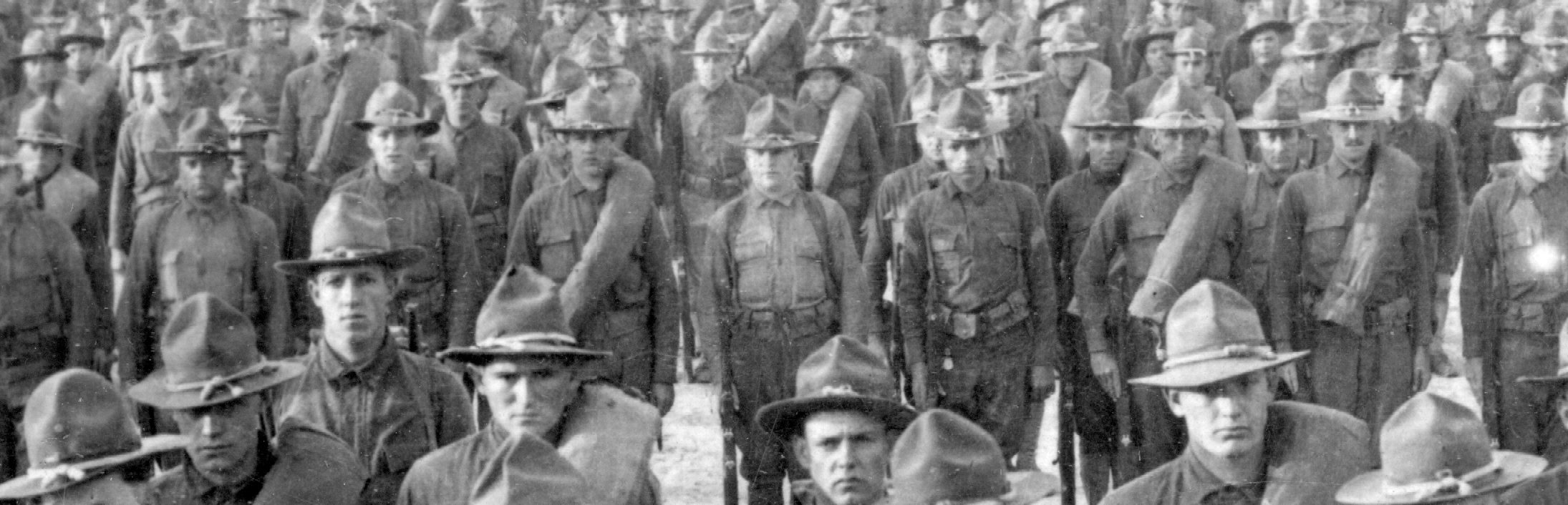
    The final view is just above the heads of the sldiers in the third rank, and more clearly shows the those men in the rear of the formation, including that final rank, which is a profile of men marching.  This enlargement represents a section in the original photograph that measures less than 10x6mm–60 square millimeters of great density, complexity, insight, and beauty. 

    Wwi stereo197

    And finally,

    Wwi stereo198

    ·Posted by :

    ·in:

    — —

  • Photograph of a Street Abacus Seller, Russia, ca. 1860’s

    JF Ptak Science Books   Quick PostFollow Me on Pinterest

    Carrick abacus seller

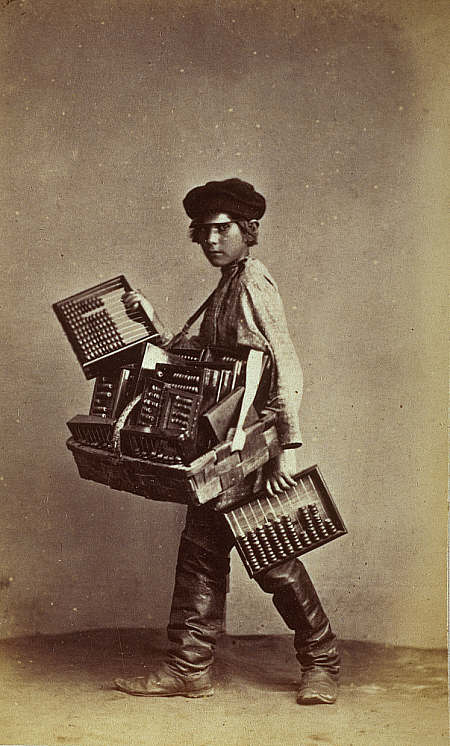
    In my travels in and out of imagery and books, I’ve kept a small space allocated in what is left of my memory palace for images of the working poor and the laboring classes.  Most of the world’s population of course has been and still is composed chiefly of the daily (and not so) laborer, but if you were to measure images that were made of these folks while at work or with the tools of their trade, and compare it to the rest of the images of more-exalted people spending their time doing more-exalted things, I would guess that the images of the working classes would be vastly outweighed by the rest, at least in the ancinet to early-modern times (of say 1925)–that is why it is so very interesting to see third-quarter 19th century photographs of these people.

    This image was made by William Carrick (1827-1878, born in Scotland but who spent his life chiefly in Russia) in the 1860’s, and is found at the National Gallery of Scotland, here.  Carrick made important contributions to the ethnography and the history of photogaphy, documenting the lifestyle and costume of Russian peasants in the country.  It is probable that he made his series cartes de visite images of itinerant trades people as a sort of postcard to the tourist and taveling class–but what happened of course is that he recorded in great detail bits of everyday life that was in general invivible to the main sttream of people who were in the image-making class.  And so Carrick produced images of knife sharpeners, and tool sellers, and milk haulsers, and woodcarvers and hackmen and chimney sweeps and so on, pictures of the people who made the city run.  I was particularly struck by this image of a boy selling abacuses/abaci–Im not sure that I ‘ve seen a photograph/engraving of a street vendor of this sort of instrument, but here one is–a boy in the ‘tween years, wearing boots way too big, with a woven basket full of abacuses/abaci. (The varities here have two ranks of four beads–one for quarter-rubles and the other for quarter kopeks–while the other wires hold ten beads apiece.)

    Maybe the boy isn’t a ‘tween–maybe he’s younger than that. Maybe the boy is a girl.  In any event, the basket looks heavy, and I’m sure the child returned home with a weary back at the end of the day. 

    Other images by Carrick can be found at LuminousLint.com; a short biography of Carrick is available at Oxford Art Online..


    ·Posted by :

    ·in:

    —

  • A Small Mystery Solved: the Large Telescope on Santa Catalina Island in 1923

    JF Ptak Science Books   Quick Post  

    WWI--Doggie photo detail029

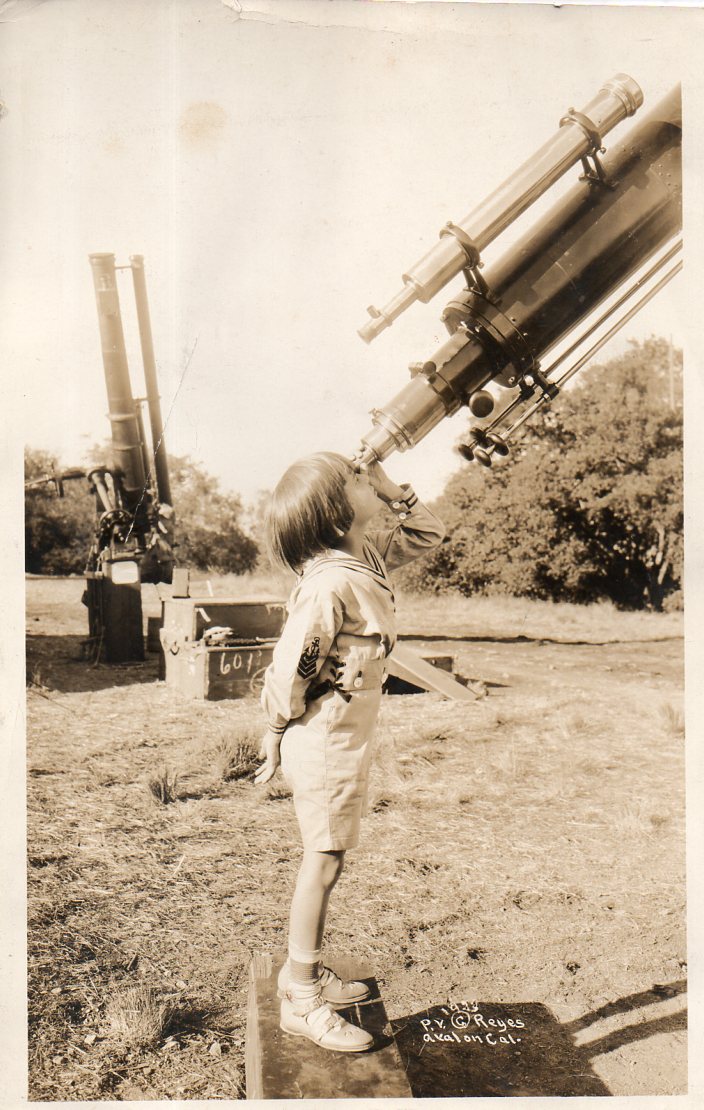
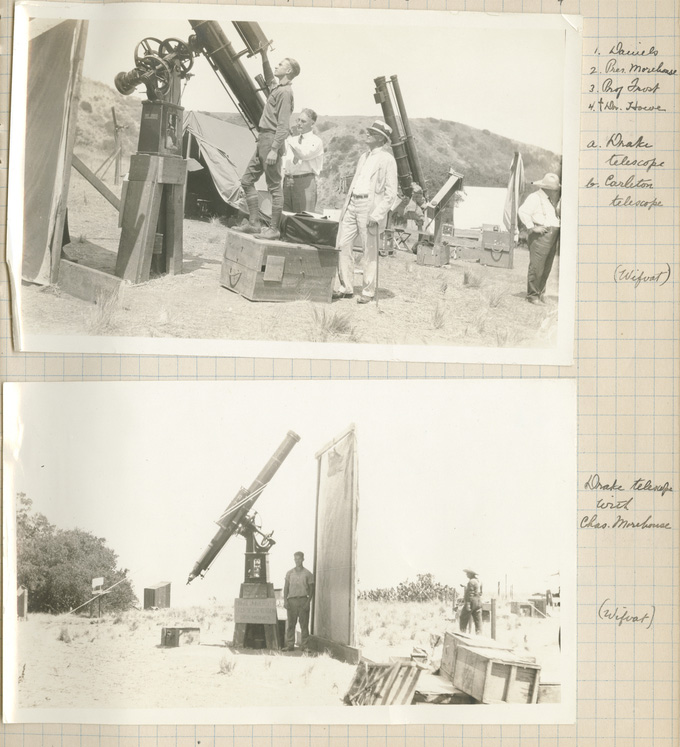
    Many years ago in D.C. I bought part of the estate library of Parmelee C. Daniels–the books had been passed down to the next generation, and after their passing some of those books came into my bookstore. Among them was this wonderful photograph, made by P.V. Reyes of Avalon California in 1923.  But it wasn’t until tonight that I could easily put together the history of the image. (And when I said “small mystery solved” I meant that it was a small mystery to me–no doubt there will be many others who will identify this instrument on first light). 

    I found that the photograph was made during the 1923 Solar Eclipse Expedition to Santa Catalina Island at Camp Wrigley, and was attended by Daniels and a host of the Big Names of astronomy of the 19-teens and ‘twenties.  Daniels was a professor at Drake University in Des Moines, and the school’s telescope was packed up and made the trip to the Pacific. I do believe that this is the 8.5-inch refractor that was the gift to the school of General Drake in 1893, although I could be wrong. 

    Here’s the image of the  telescope (with Daniels standing on the box, President of Drake University and astronomy professor Dr. Morehouse, and Prof. Edwin B. Frost.  The image comes  from the University of Chicago:

    Drake telescope
    [PC Daniels photo on the solar eclipse expedition  of 1923 via the University of Chicago, http://storage.lib.uchicago.edu/ucpa/series6/derivatives_series6/apf6-03446-031r.jpg]

    And so the story of this photograph gained some life tonight by me simply plumbing the intertubes for information.  Unfortunately I do not know the identity of the boy in the sailor’s suit. 

    I received the following information on the telescope, generously supplied by Bart Fried of the Antique Telescope Society: 

    8 1/4″ Brashear/Warner&Swasey refractor, 1894. (Curiously, in a
    dedicatory  article in the 1922 issue of “Popular Astronomy” it is
    described by the chief astronomer at Drake University,  Daniel Morehouse
     as a 9″ telescope). According to Kirby-Smith (U.S. Observatories, Van
    Nostrand Reinhold), it has an interchangeable front flint element for
    visual or photographic work, and has a 5″ doublet Brashear camera and a
    polarizing solar eyepiece. Possibly also, a filar micrometer and a
    spectroscope.


    ·Posted by :

    ·in:

    —

  • World War I Photograph of a Small Kindness

    JF Ptak Science Books   Quick Post  [Part of the series of World War I Photographs]


    Follow Me on Pinterest


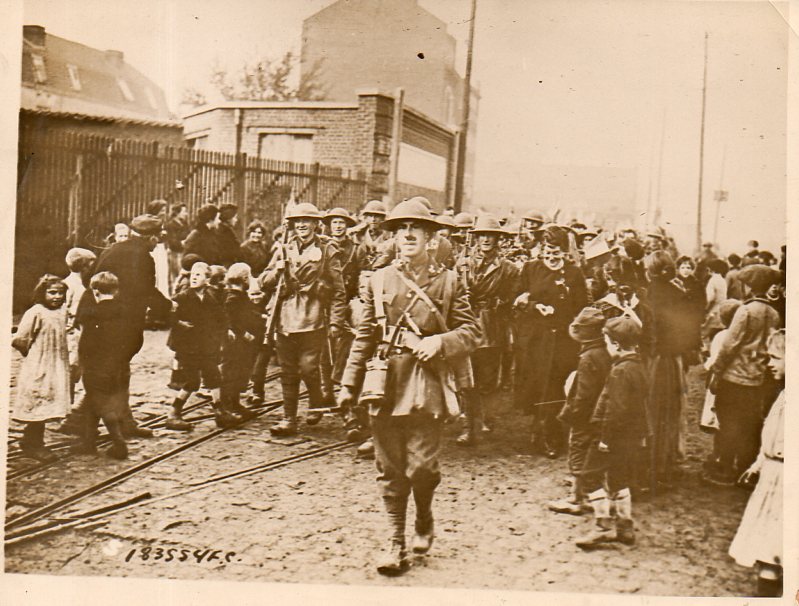
    This image shows one of the happy moments during the First World War–rather, a happy moment right before the end of the war,  just a few days after the Armistice (11-11-1918, on the 11th minute of the 11th hour).  The image shows the British army being welcomed into the city of Lille on October 17, 1918–the city  had been occupied by the Germans right at the beginning of the war in the middle of October, 1914, and was severely punished for a deception perpetrated in its defense, with the German army burning down an entire section of the ancient city in revenge. 

    WWI  Brit Soldier reception001
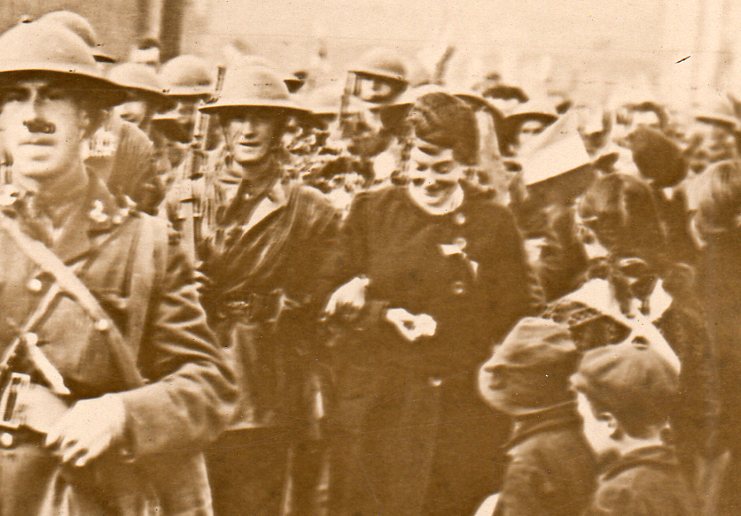
    The picture was published on 15 November 1918, a few days after the end of the war.  In the detail of this photo is revealed a small and unexpected kindness:

    WWI  Brit Soldier reception002

    ·Posted by :

    ·in:

    —

  • WWI Photos: Hope and Compassion Underground, Verdun 1917

    JF Ptak Science Books   Quick Post

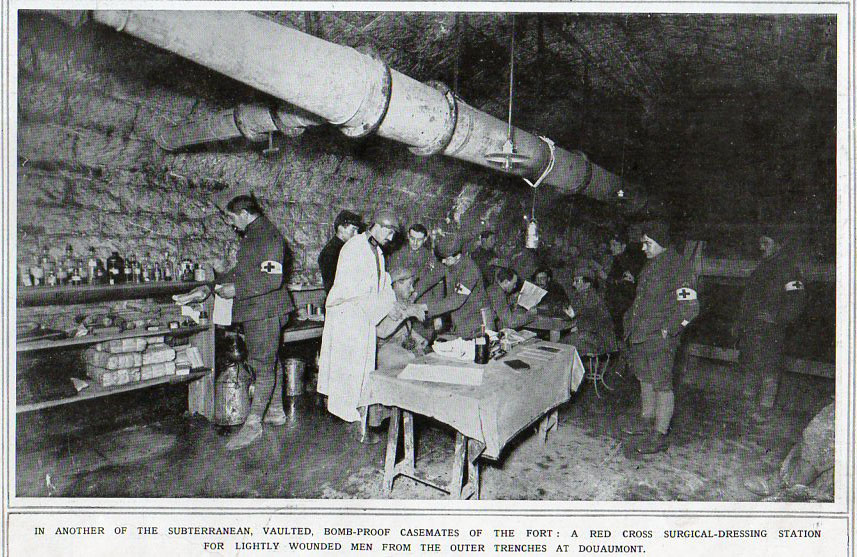
    A bit of calm, or at least a bit of a place that could not be reached by shells or bullets, was found bellow ground in the cellars of Douaumont Fort, in Verdun.  These images were made at the very end of 1916, and published in The Illustrated London News for 13 January 1917.  These images show another side of that battle, of soldiers meeting for religious services and for medical attention in the cellars (“…the subterranean, vaulted, stone-built casements, deep underground beyond possibility of penetration by the heaviest bomb”)  of one of the barrier-forts surrounding Verdun, Douaumont.

    WWI  Religion underground 2 992

    ·Posted by :

    ·in:

    —

  • Seemingly-So-But-Not: Labels on Black Soldiers,1949

    JF Ptak Science Books   Quick Post

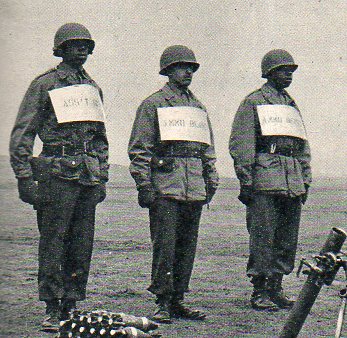
    This image stabbed me right in the eyeball.  It popped out while I was grazing in a heavy lap-busting volume of The Illustrated London News for 26 March 1949–the yearly volume resists being held in just one hand.  Anyway it was first a photo of new tanks in an American cavalry regiment; beneath that, though, was this image:

    Negro troops980

    ·Posted by :

    ·in:

    — —

  • Zoomology: Girls in the Island of Legs

    JF Ptak Science Books   Quick Post       Part of the Zoomology series.

    Follow Me on Pinterest

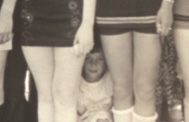
    Bath beauties huntington detail girl


    It would be easy to rhapsodize on the “quieter” or “simpler” lifestyles and demands of society from 90 years ago, especially when you compare this bathing beauty image (below) to the pupal-pulsating extravaganzas of the modern image-formulating beauty fairs.  For people who were alive in this photo in 1925 I have no doubt that their life was just as complexified as any life situations as they exist today.  One thing that has changed are the speeds at which societal inputs can be responded to–we can certainly achieve more-or-less instant satisfaction addressing a problem today than could have ever been dreampt of in 1925. The fluidity of thought and communication that are a given in 2012 were not even a scientific fiction possibility in 1925–as a matter of lexicograph record, the term “science fiction” didn’t even exist in 1925, much less be a bucket for collecting rumblings of future possibilities. There were certainly fewer levels of things to deal with in 1925, but the time it took to deal with the dealables would  have been far greater than today’s timetables of answers, so perhaps the issue of the simple vs. the complex would be a wash/trade off so far as the actual amount of time was concerned in the global addressing of combined complexities.  Anyway, that horrible sentence out of the way, the idea of the “simpler life” is highly relative, and relational.

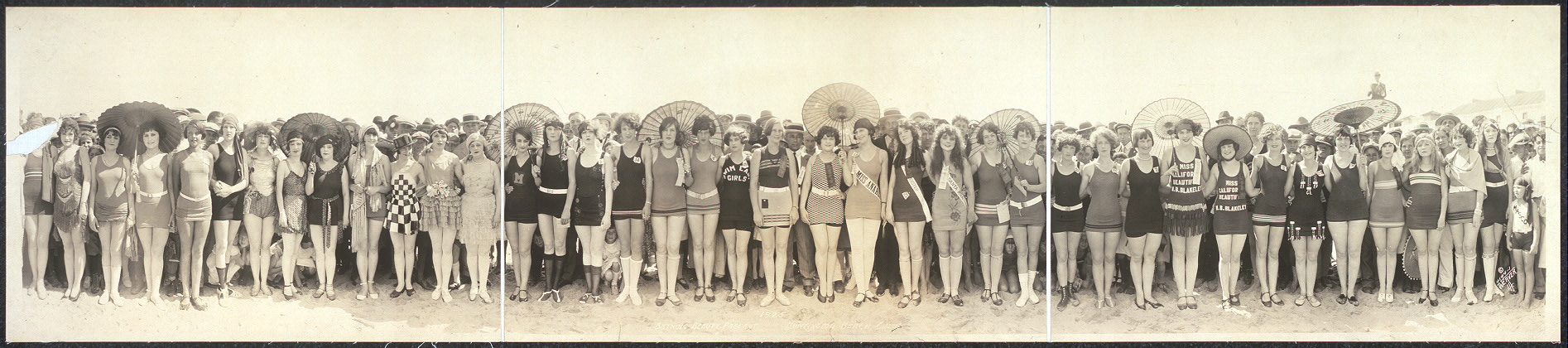
    That said, here is the line-up of contestants for a beauty contest at Huntington Beach, California, in 1925.

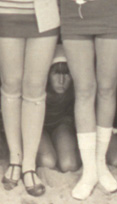
    Everything seems interesting in this photo–the women themselves, their bathing attire, the men standing behind them, the footwear on the beach, and of course the girls peeking out through the legs of the contestants.

    All images are found at the Library of Congress, here. All image are also greatly expandable.

    Bathing beauty huntington beach

    Bath beauties huntington detail girl 2

    Library of Congress, here.

    ·Posted by :

    ·in:

    —

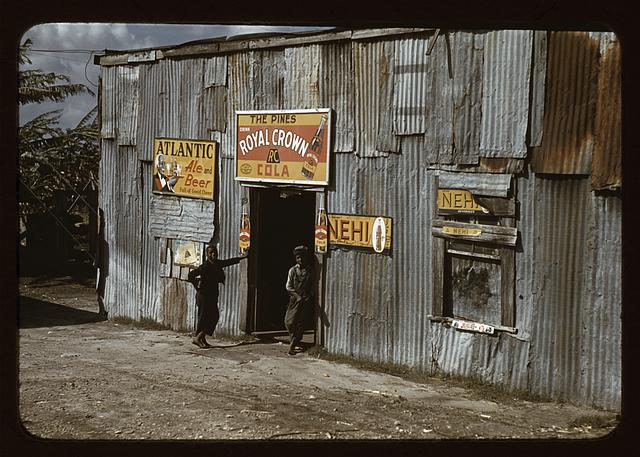
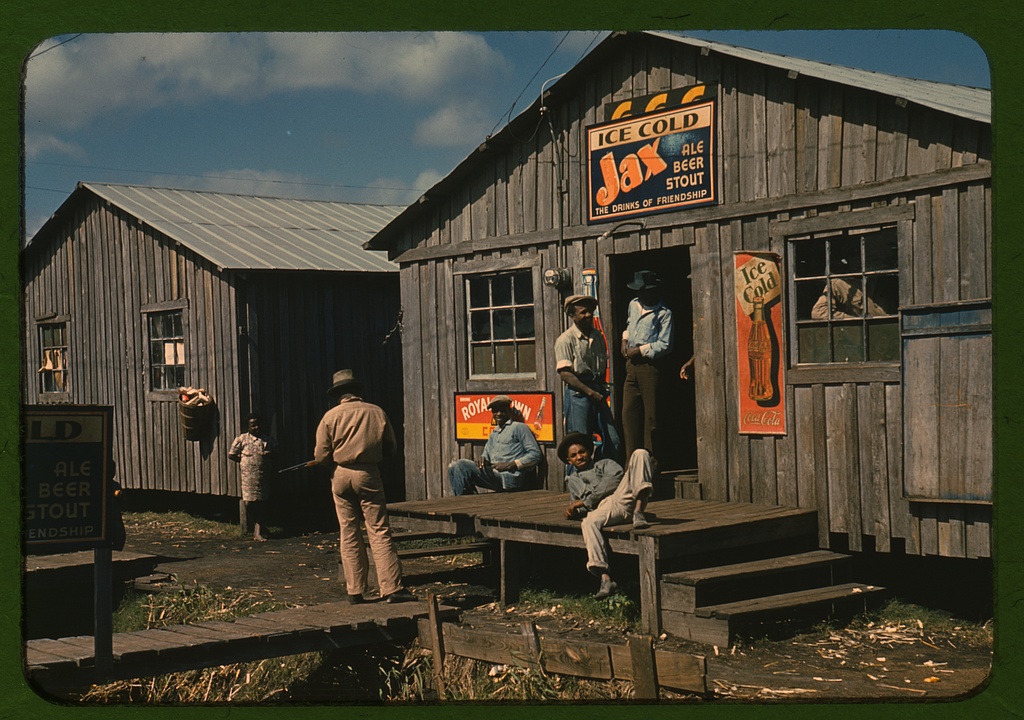
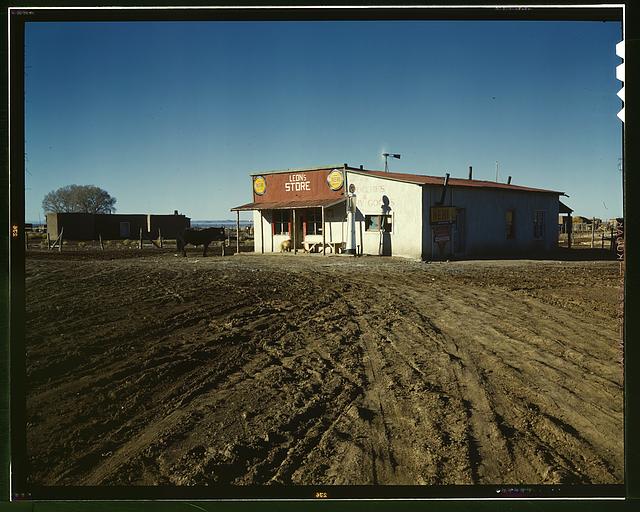
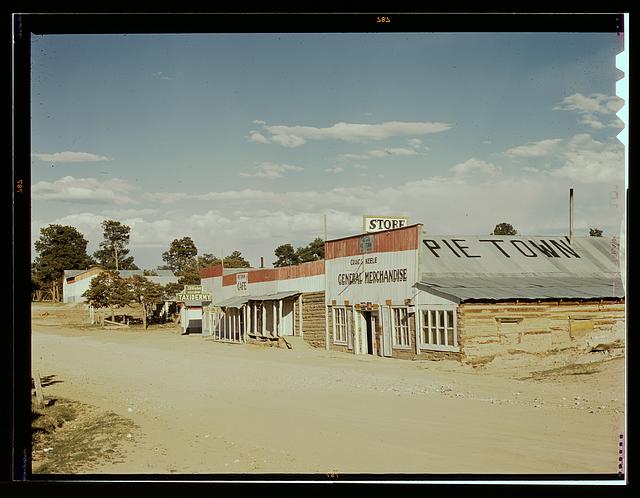
  • General Stores and Juke Joints: FSA Photographs in Color, 1942-1945

    JF Ptak Science Books  Quick Books   

    Follow Me on Pinterest

    The following images were made by Farm Security Administration/Office of
    War Information photographers during World War II and are part of the
    famous FSA photography series that I  have written about here. 
    The color photographs–which were made in the first decade or so of
    the use of this new medium–represented only about 1,600 of the
    collection of 160,000 images in the FSA archive, and are far less known
    than their black-and-white complements, many of which are new iconic
    symbols for this period.  The color images are beautiful works, and
    somehow seem to bring these historic images a little closer to the
    present.

    [Source: the Library of Congress,  
    http://memory.loc.gov/ammem/fsachtml/fabout.html]Fsa color negro juke

    Negro migratory workers by a “juke joint” (?), Belle Glade, Fla.

    Wolcott, Marion Post, 1910-1990, photographer.


    Fsa negro color juke 2
    Living quarters and “juke joint” for migratory workers, a slack season; Belle Glade, Fla. Wolcott, Marion Post, 1910-1990, photographer.

     Image, Source: digital file from original slide

    A cross roads store, bar, “juke joint,” and gas station in the cotton plantation area, Melrose, La.


    Image, Source: digital file from original transparency

    General store, Chacon, N[ew] Mex[ico] Collier, John, 1913-1992, photographer.

    Fsa color general store 3

    General store, near Questa, Taos County, N[ew] Mex[ico]

    Collier, John, 1913-1992, photographer.

    Fsa color pie town

    General Merchandise store, Main Street, Pie Town, New Mexico

    Lee, Russell, 1903-1986, photographer.

    Fsa color plumbing store

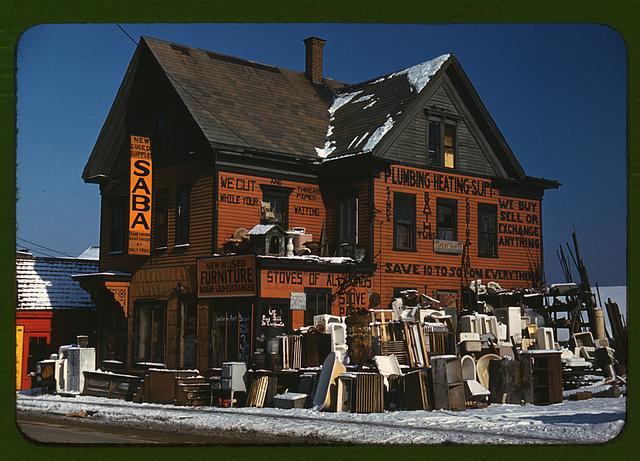
    Brockton, Mass., Dec. 1940, second-hand plumbing store   Delano, Jack, photographer.

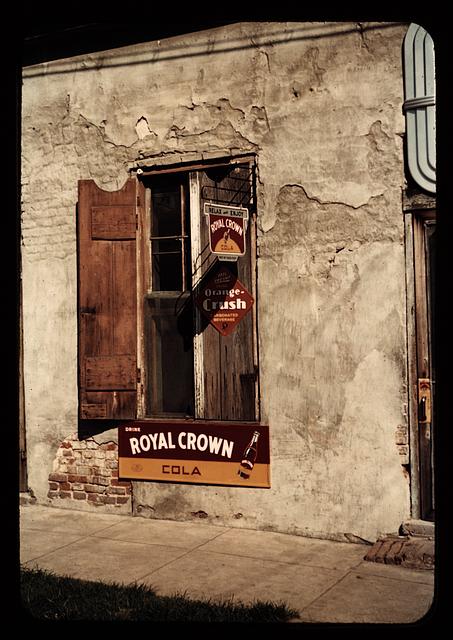
    Fsa color stores natchez
    Natchez, Miss.    Wolcott, Marion Post, 1910-1990, photographer.

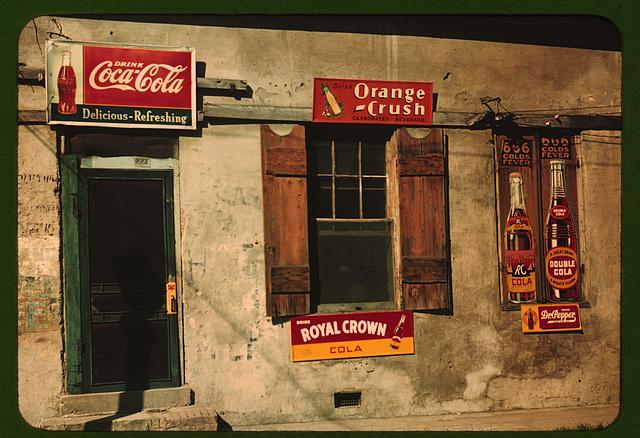
    Fsa color store natchez 2
    Natchez, Miss.  Wolcott, Marion Post, 1910-1990, photographer.


    Natchez, Miss.

    Natchez, Miss.

    A cross roads store, bar, “juke joint,” and gas station in the cotton plantation area, Melrose, La.


    [Grand Grocery Co.], Lincoln, Neb.

    A store with live fish for sale, vicinity of Natchitoches, La.


    ·Posted by :

    ·in:

    —