A Daily History of Holes, Dots, Lines, Science, History, Math, Physics, Art, the Unintentional Absurd, Architecture, Maps, Data Visualization, Blank and Missing Things, and so on. |1.6 million words, 7500 images, 4.9 million hits| Press & appearances in The Times, Le Figaro, Mensa, The Economist, The Guardian, Discovery News, Slate, Le Monde, Sci American Blogs, Le Pont, and many other places… 5000+ total posts since 2008.

Category: Photography

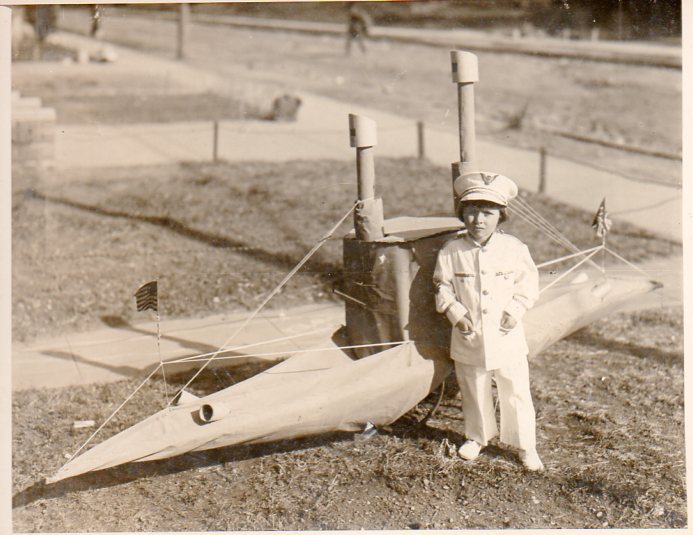
  • A Girl and her Submarine, 1918

    JF Ptak Science Books  

    I could hardly resist this 1918 image:  the young girl, her hands in her pockets,  ribbons on her chest, her submarine fashioned over a tricycle with the two flags (Stars and Stripes and the Union Jack).

    WWI photo--girl submarine249

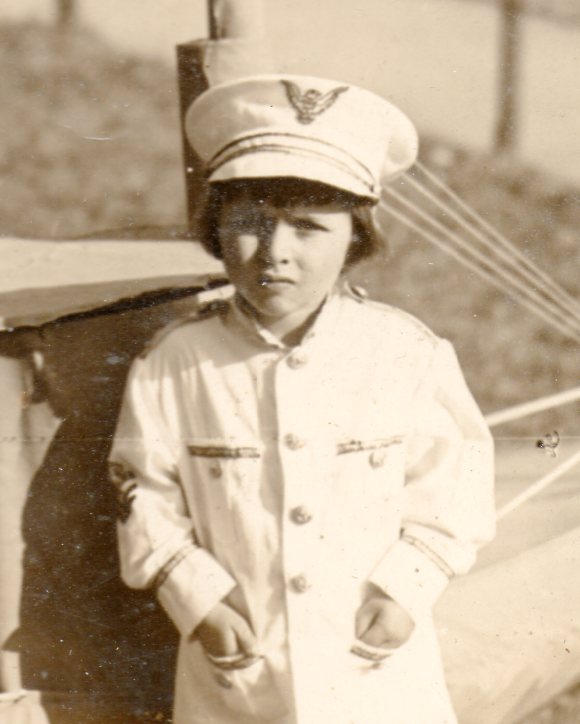
    The sun is low, rising or setting, and it is catching the girl in the face, the home-fashioned hardboard visor of her home-grown officer’s headgear doing nohing to shade her eyes.  She’s in her dress whites, maybe proud of someone else’s handiwork on her ten foot long submarine. 

    The image comes from my small archive of 200 or so WWI  news service photos, this one no doubt intended to stir some home fires to help raise money or spirits.  I have no idea of the image was ever published. 

    And of course the details:

    WWI photo--girl submarine250

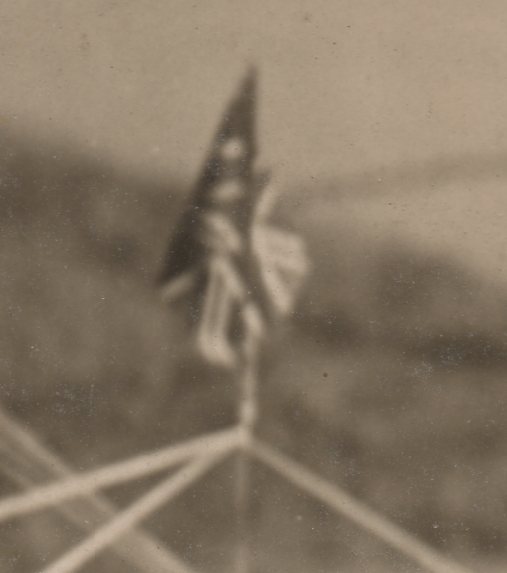
    And this of the stern flag, the Union Jack:

    WWI photo--girl submarine251

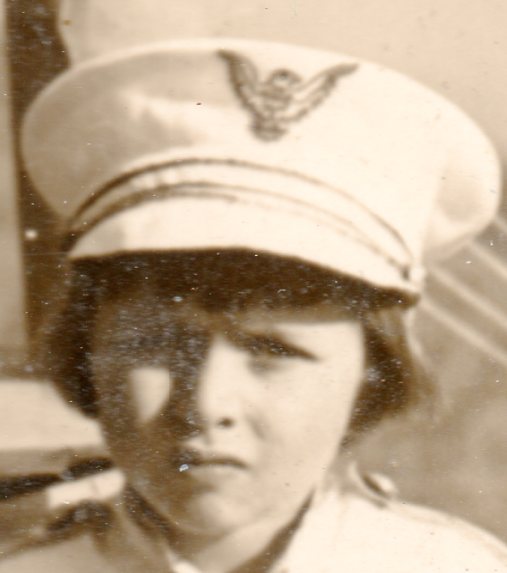
    And this, with the hand-sewn eagle on the hand-made jacket, with all of the trimmings a creation of mom, or someone else as kind:

    WWI photo--girl submarine252

    And you can purchase the original: World War I news service photo, made 1918.  8×6 inches.  Good condition.  $350

    ·Posted by :

    ·in:

    —

  • Everything John Brown Owned in 1842

    JF Ptak Science Books   Post 2235


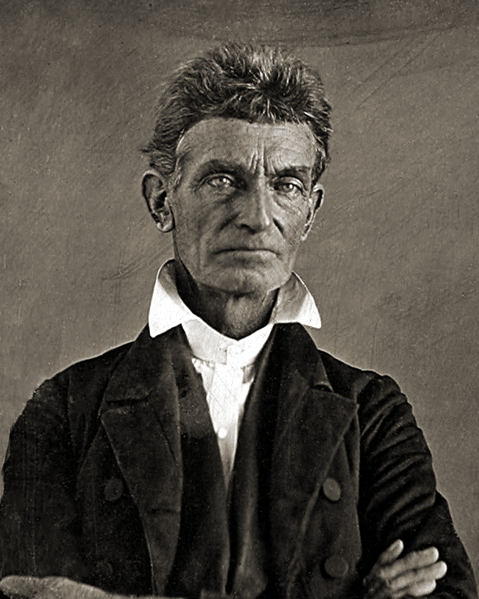
    John BRown

    Long before John Brown led his armed Abolitionist revolt, he was–like many people on the inner edge of the frontier–trying to make his way in the world at a host of different businesses, some of which did well, some not.  He had a farm, operated a tannery, raised sheep and cattle, a bit of this and that, a man with a big family (he would have 20 children in his life) who absolutely had to make some money one way or the other. Some of these enterprises involved loans, which when combined with the Panic of 1837 and the Crisis of 1839 put the man under water.  He was so deeply done that by 1842–at the age of 42–John Brown was bankrupt.

    I’m writing about this now because Rebecca Onion published (in her excellent Slate Vault blog) a list of all of the worldly possessions of Brown and his family, collected and listed out by order of federal bankruptcy laws.  The resulting list is heartbreaking and hopefully, and probably representative of a broad-spectrum slice of American semi-pioneer daily life about what the working family owned at mid-century somewhere along the speedily disappearing frontier.

    What appeared to me first was the worn and worn out material, all listed in workman-like observational undertones, especially in the housewares and daily life category:  “6 feather beds old and poor”, “3 tables old”, “5 chests old”, “6 pots cracked”, “6 bedsteads old”, “4 wooden pails old”, “2 earthen ware crocks broke”. There was the broken stuff, and then just the inexpensive:  the 75-cent writing desk, 50-cent washtub, the pepper mill for a quarter, three soup bowls for a quarter, the pot hook for a skinny dime, and so on.

     Most of the value of the family was in the livestock and food stores, mostly because there was so much that could be done with that, and by every/anyone.  Though even there are found some shriveling disappointments: the 75-cent nail hammer, the 12-cent inkstand, and the 25-cent pitchfork (“work needed to be done on same”).

    The listing of possessions was complete–also found here under guided supervision was the clothing of the family in their house as well as what everyone was wearing; and for a large family, there wasn’t much at home that wasn’t already being worn. “2 overcoats – 5 coats – 10 vests – 12 pairs Pantaloons – 26 Shirts 10 Womens & Girls dresses – 3 Skirts – 2 Cloaks – 4 Shawls – 8 Womens and childrens aprons – 5 pairs of Boots – 3 pairs of Shoes – 13 pairs of Socks & Stockings – 7 Stocks & Handkerchiefs – 4 Bonnets – 1 Hat 5 Palmleaf Hats – 8 mens & Boys cloth caps – 1 Fur cap – & 1 Wool cap.”

    It is the children’s clothing that is really hard to read about.  

     Photographs of the original documents as well as transcriptions are available here


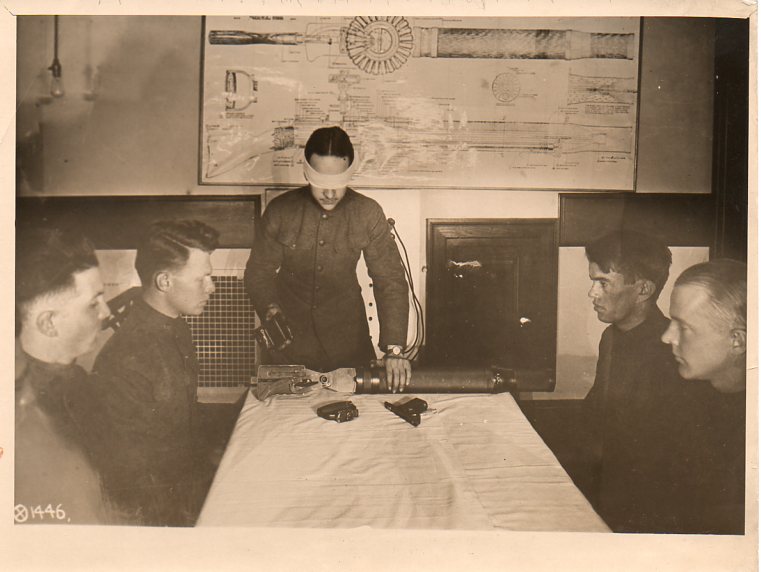
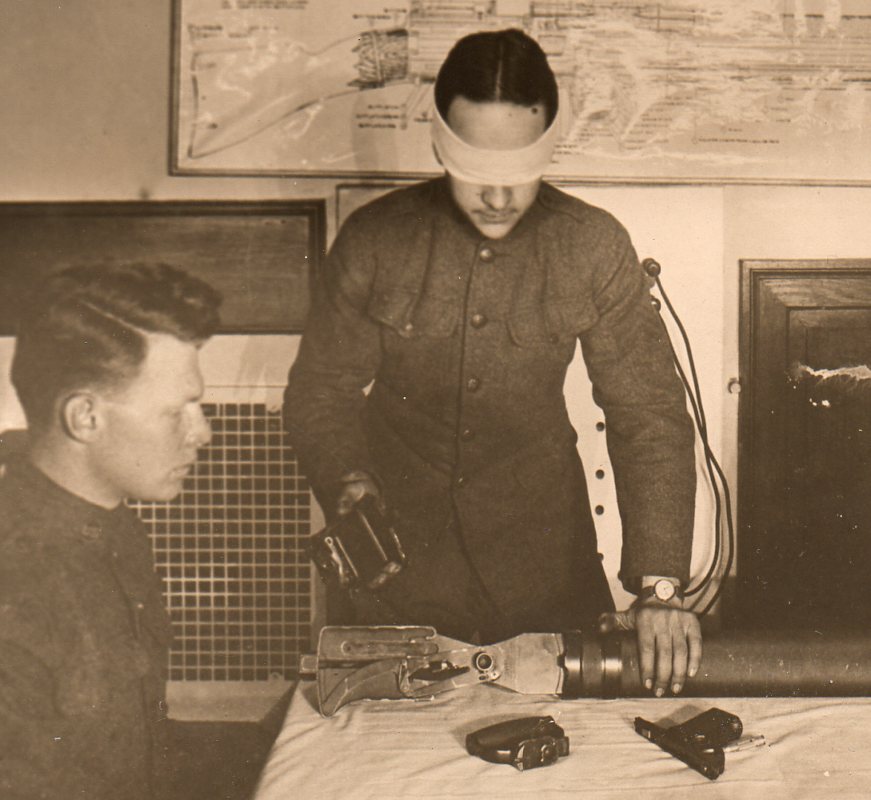
  • Full Metal Jacket, 1918

    JF Ptak Science Books   Quick Post

    WWI Photos Blindfold077

    WWI Photos Blindfold078

    I do believe that this is a Lewis Machine Gun, one of the most popularly-used automatic weapons by the BEF (and of American design). It was a gas-operated weapon firing a .30-06 Springfield at 500/600 rpm withan effective range of about a half-mile.  The drum magazine (not present here so far as I can see) held 47 and 97 rounds.  These soldiers were all business. (Source: this is one of perhaps 400 WWI news service photos down in the warehouse…)

    ·Posted by :

    ·in:

    — —

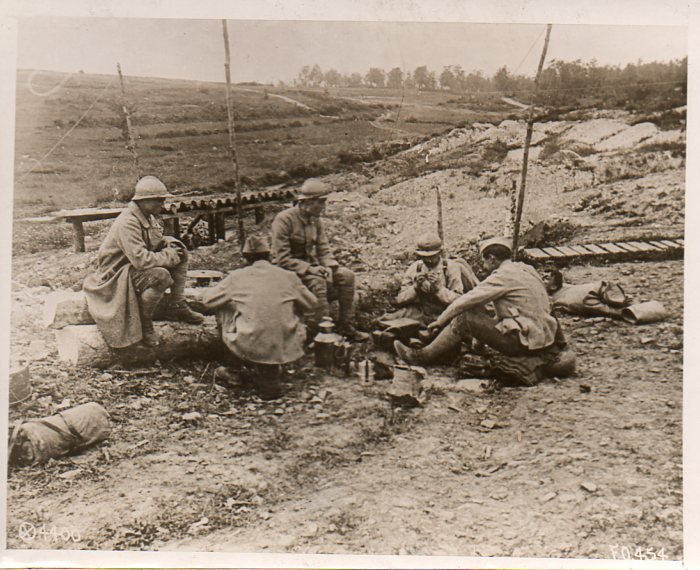
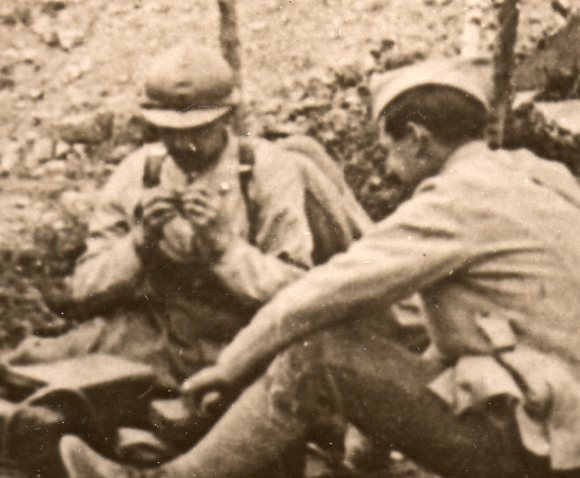
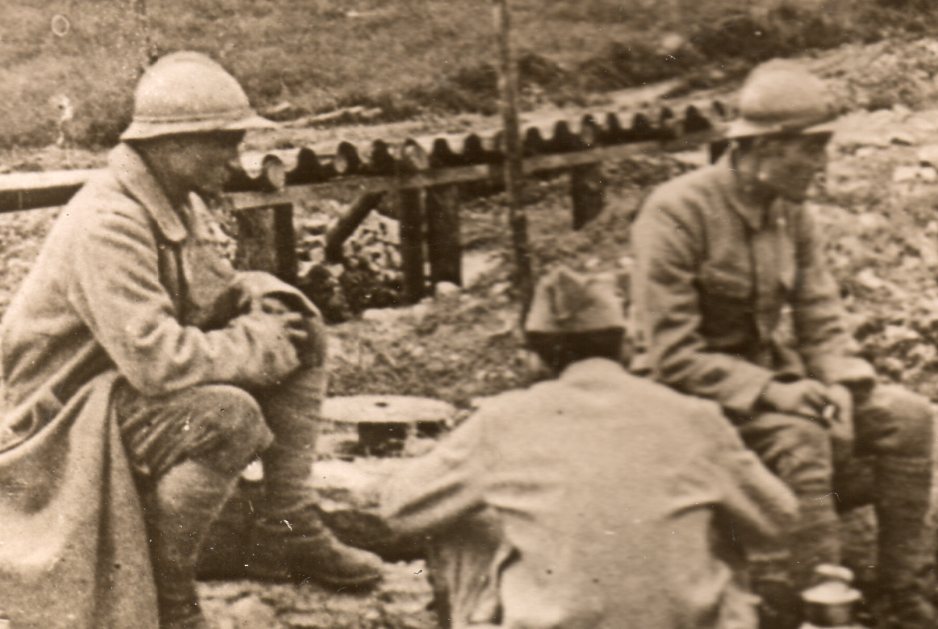
  • Mending Socks on the Western Front, 1918

    JF Ptak Science Books    Post 2213

    World War I photos--sewing in field297

    World War I photos--sewing in field298
    This fantastic photograph calls to mind the importance of the little things of battle–dry socks, headgear, water, food, scissors.  And of course a good coat in the winter–a good coat that can be kept closed to allow the body to stay warm, or dry.  I mentioned in an earlier post here that it was a small thing that may have led to the demise of Napoleon’s army in Russia in 1812–the buttons on the overcoats of the soldiers were made of tin, and as tin becomes brittle in severe cold, it is conceivable that the buttons failed and therefore allowed the jackets to blow open much more easily than normal.  Little change that has an enormous impact.  

    World War I photos--sewing in field299

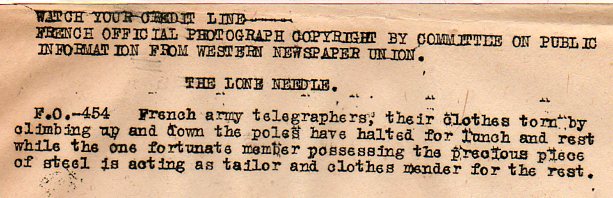
    This photograph–an official French photo published by the Western Newspaper Union in November 1918–shows a group of French telegraphic soldiers, taking a break, and mending their clothes.  The original text for the photograph (below) points out that their uniforms were torn and made shabby by continuously running themselves up and down telegraph poles.  It is important to keep yourself fit and fed and your uniform in good order, so they calmly awaited the repair of their uniforms y the one man with a needle and thread. 

    World War I photos--sewing in field txt300


    ·Posted by :

    ·in:

    — —

  • A March of Millions to Berlin, 1917

    JF Ptak Science Books  Quick Post   World War I Photography series

    Authorization hotel011

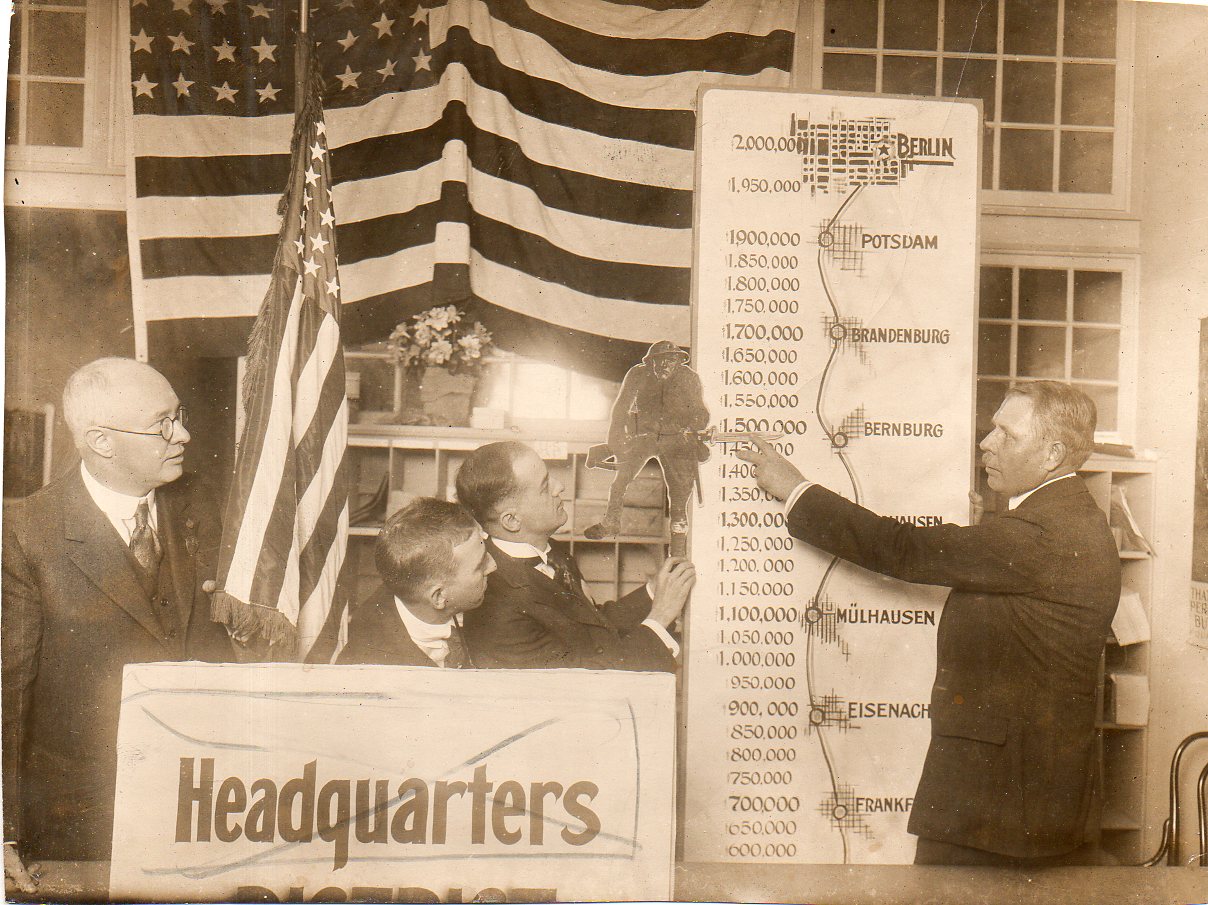
    I’m not sure at what point during the War this image  was made (though I suspect it was midway through the American experience) and shows what I think is the enlistment and draft numbers for U.S. soldiers. The progress of the growth of the Army is charted against German cities that were to be conquered or had already been engaged.  The Doughboy in the graphic along with everything else looks clean and hopeful and determined–the end result of all of this determination was Victory and Defeat and people dead everywhere.  

    ·Posted by :

    ·in:

    —

  • A Rosey-Checked, Ice-Blue-Eyed Man with a Too-Small Hat, ca. 1875

    JF Ptak Science Books   Quick Post

    Hat Man013

    Hat Man014

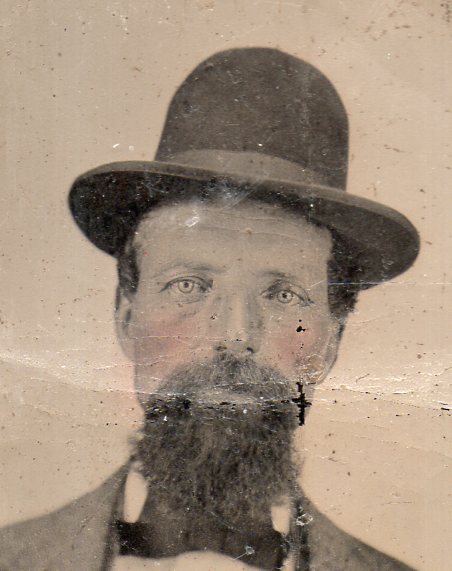
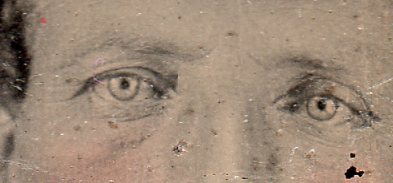
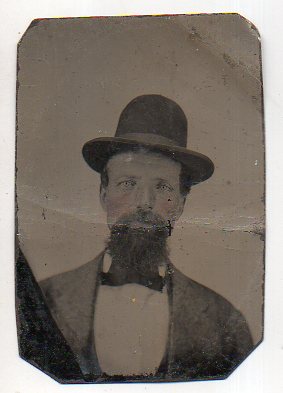
    Both images are details from this lovely tintype, a piece of photographic Americana I picked up in an antique store, found while looking for odd bits like it to construct an imaginary mug book for people who committed imaginary crimes, crimes against teh imagination.  But not this man–he held his imagination in his little hat, a hat too small for his head.  The original is really rather small, only about an inch tall, but for all of its minor dimensions it has major visual attractions.  

    Hat Man012

    ·Posted by :

    ·in:


  • Thirst and Defeat–the Somme, 1916

    JF Ptak Science Books  Post 2180

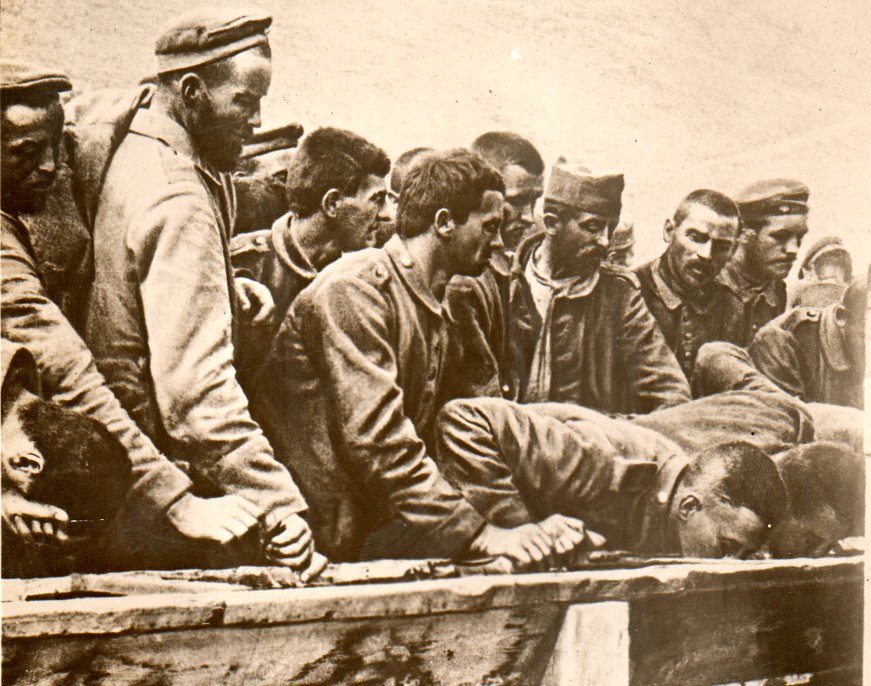
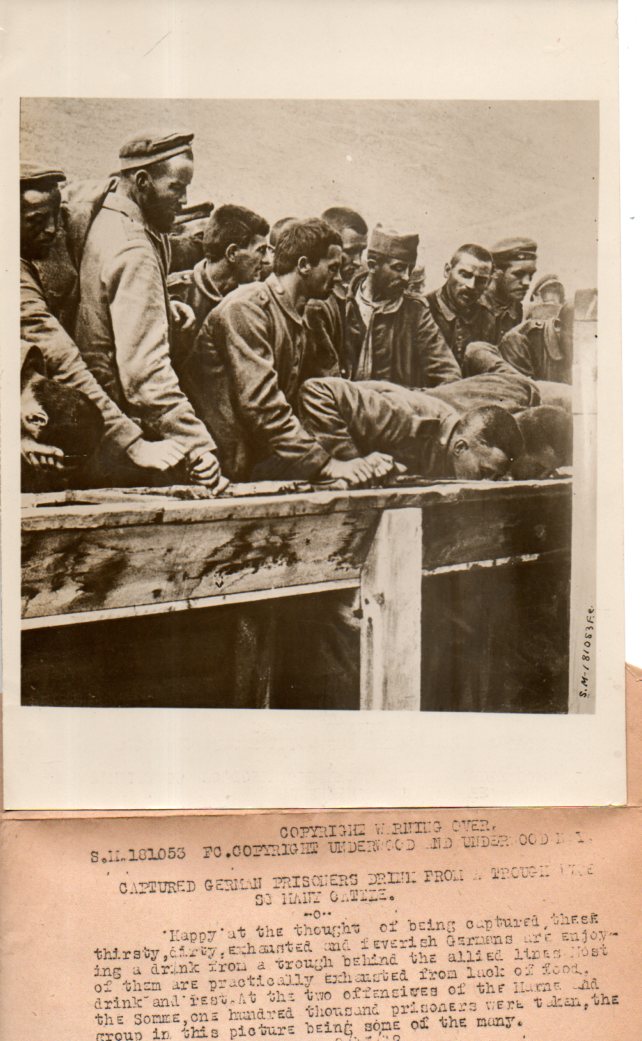
    WWI--German THirsty124

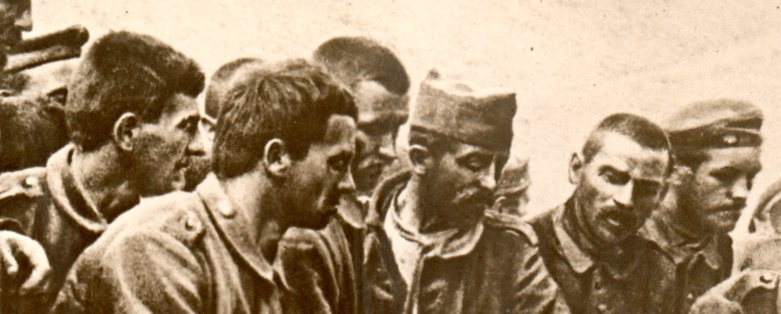
    TO have been on the River Somme, in France, in the summer of 1916, and to be in uniform, and carrying a gun, was perhaps the worst place to be in the whole of World War I.  More than one million soldiers were killed or wounded in that time, with millions more engaged.  It was impossible.  

    This photograph tells part of the story. It was released September 27, 1918, by Underwood and Underwood, a news photo service agency that distributed sanctioned photographs of war action to newspapers and other periodicals.

    The photograph was accompanied by a caption supplied by U & U (bottom) and tells the story of these captured German soldiers–dazed, starving, frightened, hungry, thirsty, and were part of a group of more than 100,000.  They were offered water from a trough, and in spite of it all, they were so thirsty that they were desperate for whatever they could get.  

    WWI--German THirsty123

    For whatever reason, the entire trough was not filled with water–only limited sections were.  The soldiers were holding their place in line with their hands on the empty trough, inching slowly forward. In my collection of these photographs it is rare to see faces in despair or pain like this, and these faces are definitely telling stories.  (This is another example of the unusual display of emotion in WWI news service photographs.)

    WWI--German THirsty122


    ·Posted by :

    ·in:

    —

  • Cold, Cramped, in a Ditch and Under Fire: France, 1918

    JF Ptak Science Books   An earlier post (#1308) expanded
    WWI photo--trench note detail047

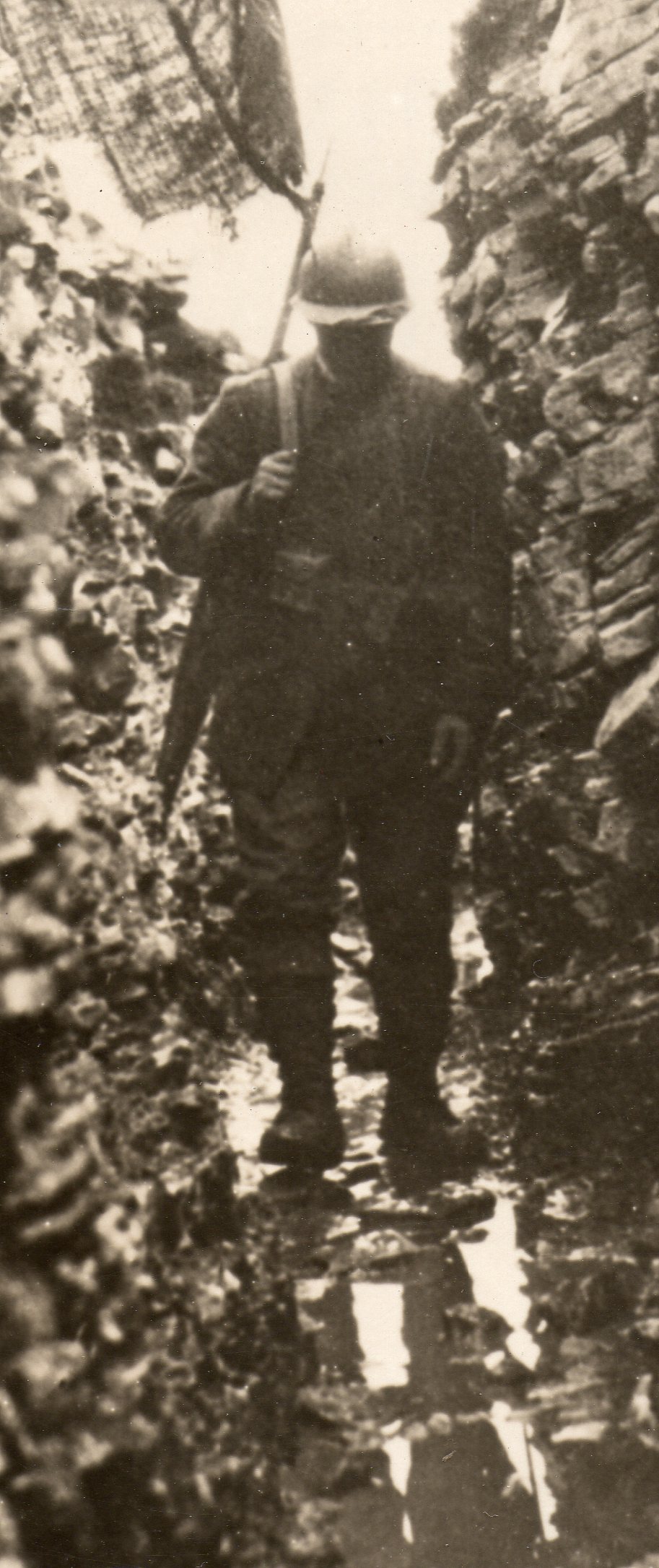
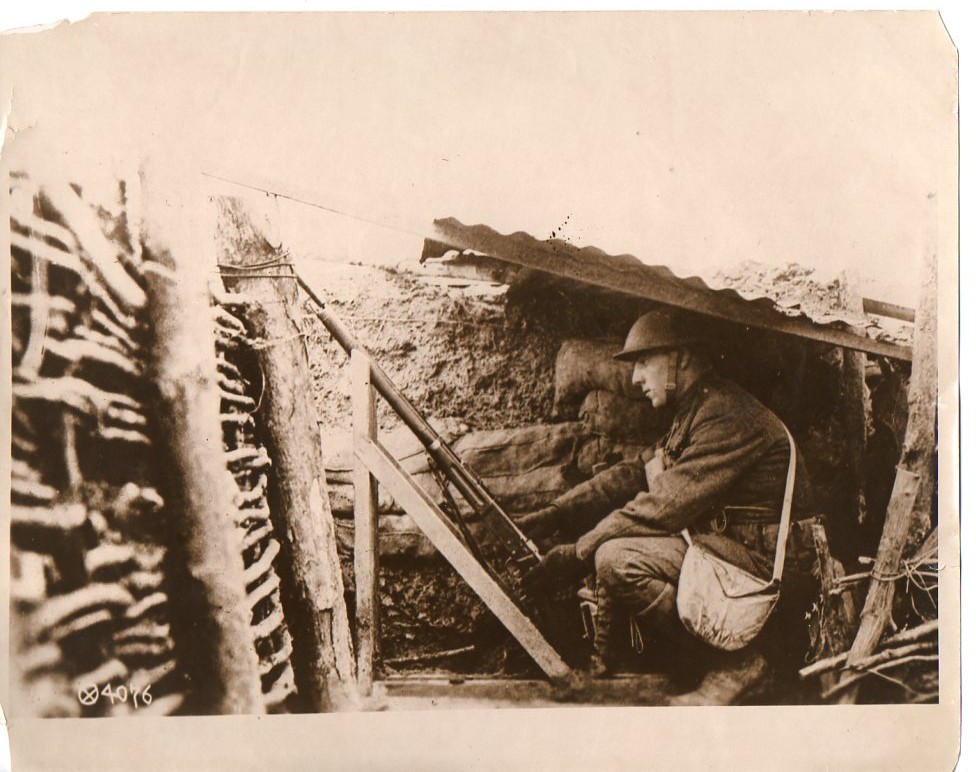
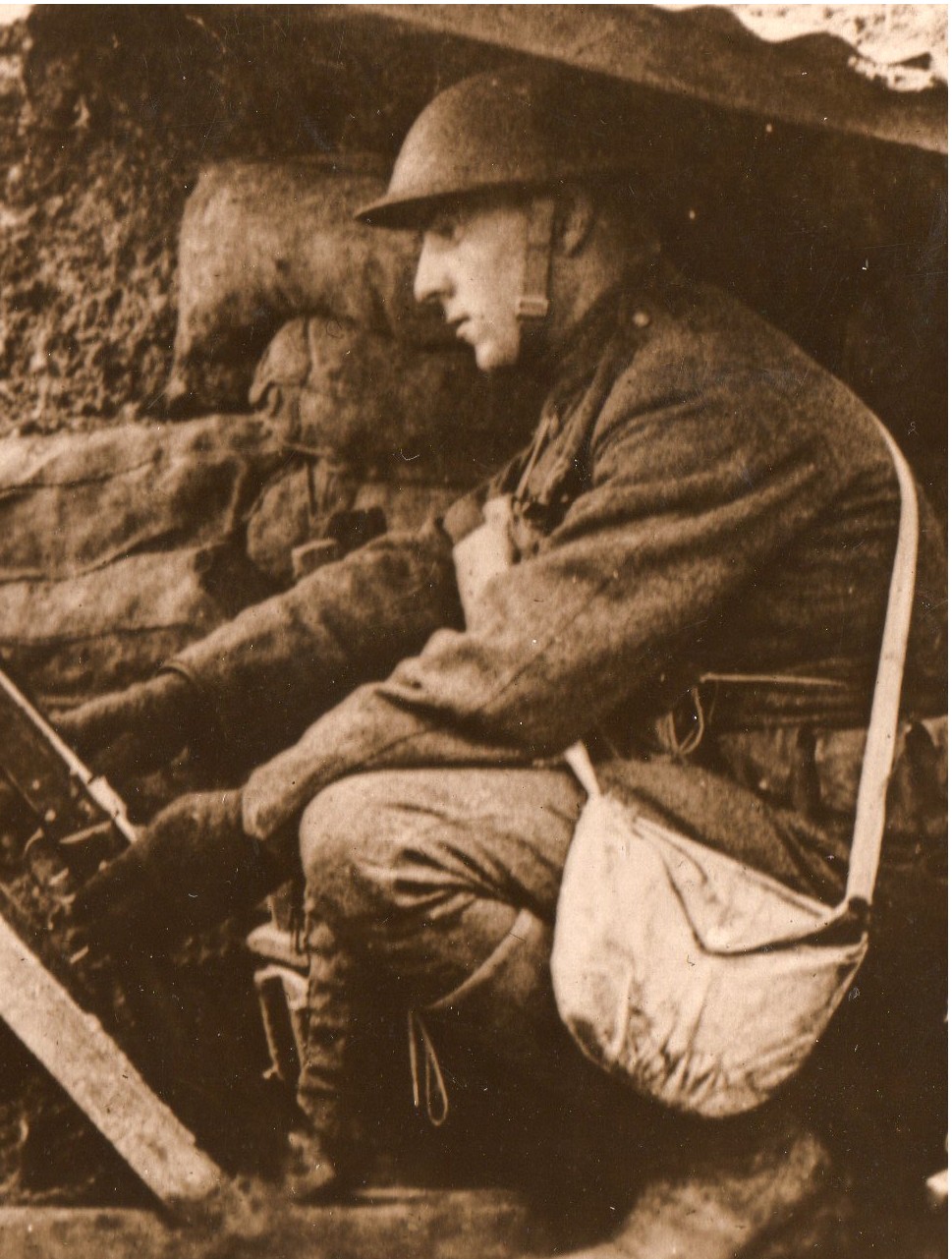
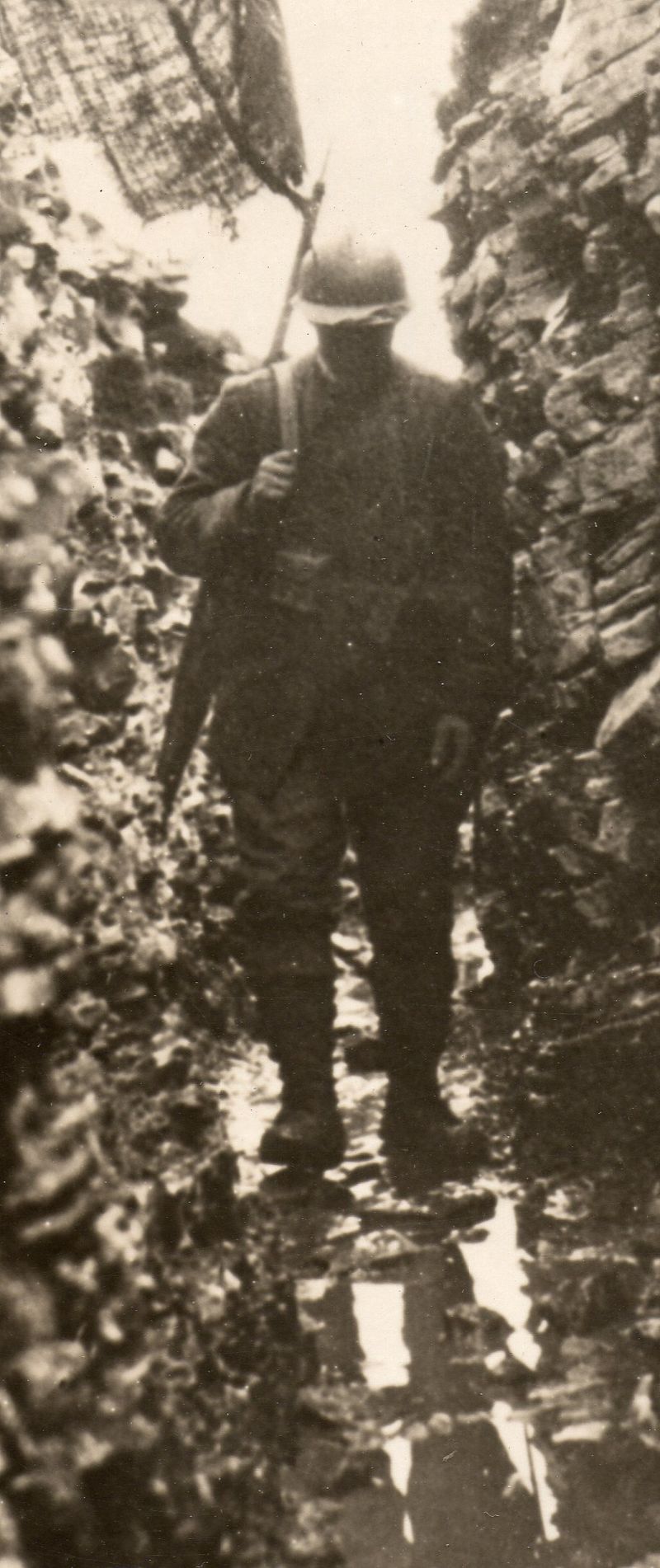
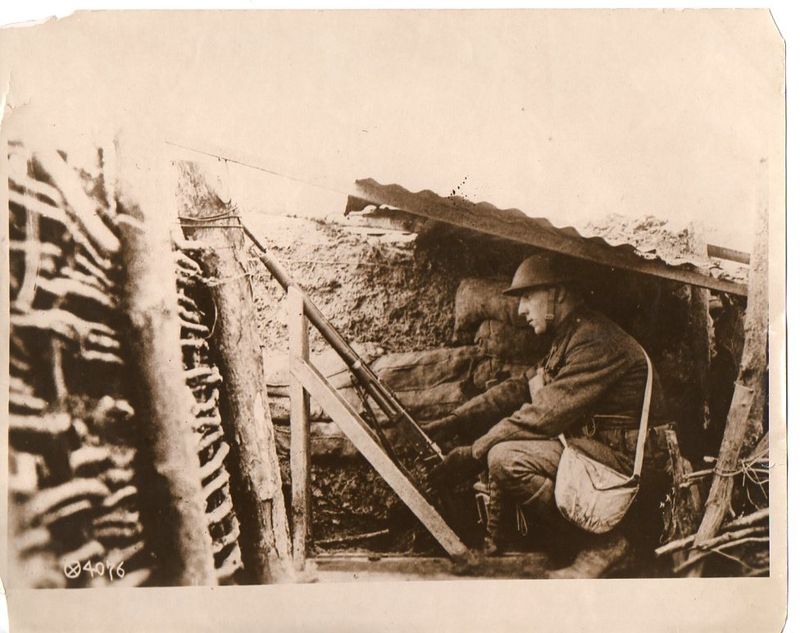
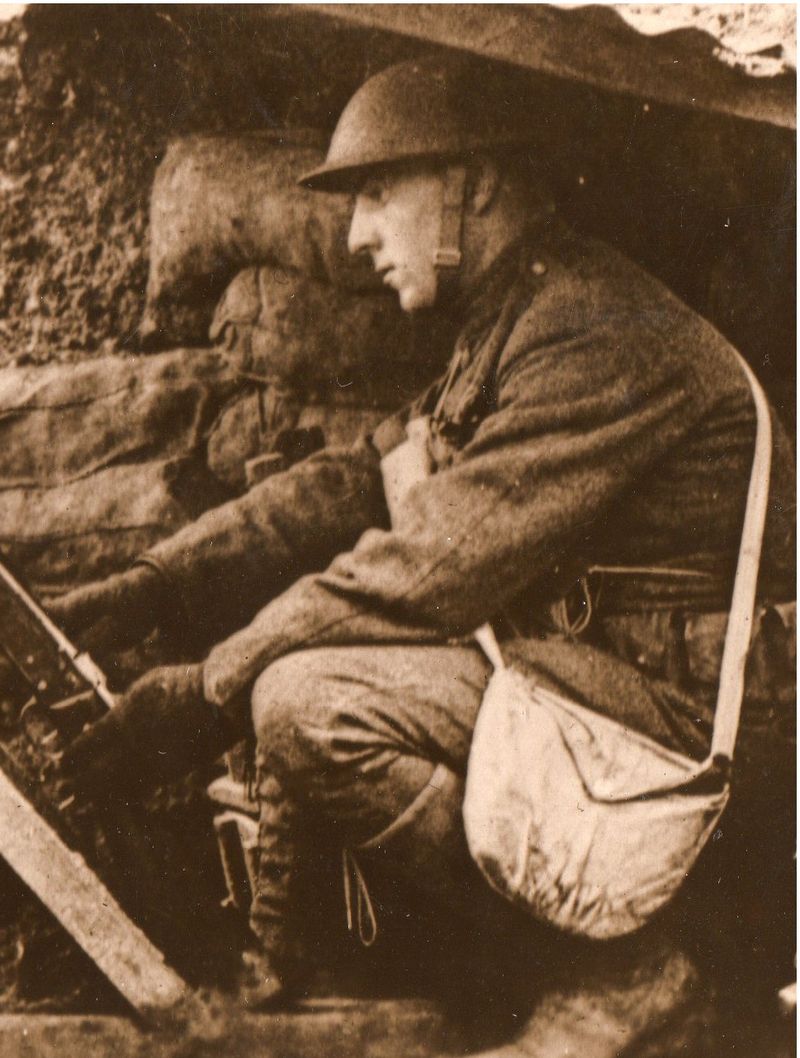
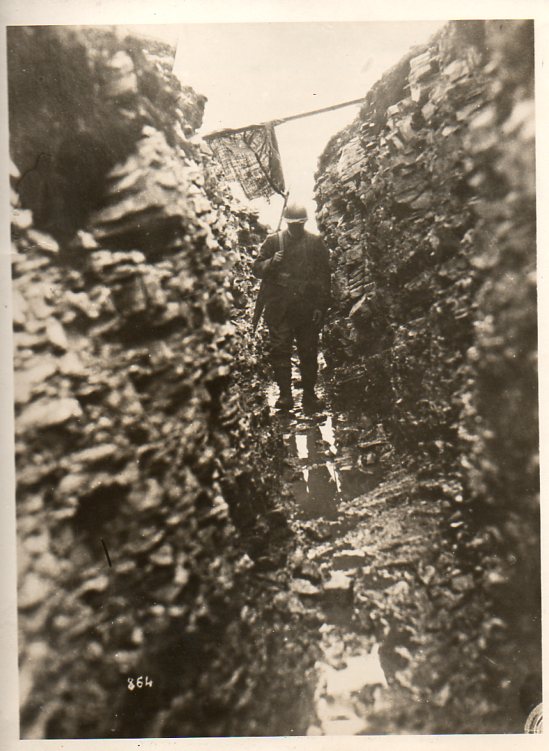
    If I was in a time machine, stepping back through a wormhole and into another segment of another reality, one of the places I’d least want to step into would be a cramped, cold, wet, dirty and dangerous place.  Like this American soldier, waiting for a German attack to begin so that he could launch a warning flare to the rest of the soldiers, hunkered down in a cold wet place in the front line along the Lorraine section in France, mid-way through 1918 and almost all-the-way-through WWI.  

    And even though this soldier looks far too clean, and his uniform far too spotless and pressed-ish, and his calf-skin gloves too calf-skinny, and his duffle too unmarred, and his helmet chinstrap too perfect for this man to actually have been fighting, the sensation of cold/bad/dangerous still gets through the whitewash.
    World War I photos--Cold in trench306

    There are of course much worse places to be, but I think if I limited my time travel to include what I would be on the other end–a U.S. soldier–one of the places at te top of te list would be a generic trench in the front line of a battle late in the fighting in WWI.  Sitting there, watchful, waiting for the advance of thousands of German troops, charging over a ruined and sulfurous landscape, waiting for the ruination to begin as it churned its way through  No Man’s Land.  Of course it could be worse–one could be going “over the top”, charging across the Desolate Place towards a line of thousands of entrenched soldiers all of whom were trying to kill. you. 
    World War I photos--Cold in trench307

    Or of course you could be in a blue coat marching in a straight line towards a series of long lines of men in red coats, everyone getting ready to get close enough to discharge an 69-calibre (or thereabouts) ball across an open plane of hundreds of feet into the ranks of the opponent.  Or being in a Marine uniform in Tarawa, in the Gilberts, in November 1943. Or being in Butternut, crossing the Emmitsburg Road on the way up Cemetery Ridge on 3 July, or being in any uniform whatsoever at Antietam.

    The places and times get worse I think once you allow yourself to be any other solider in any other uniform.  A French soldier, for example, sitting in a similar spot in the same battle along a front line as our American Doughboy, above, would’ve been worse.  A Belgian soldier virtually anywhere also would have fared worse, statistically, than just about anyone else in WWI.  Being a newly-minted soldier wearing the uniform of the Soviet Socialist Republics in the Summer of 1941 would probably have been half-a-death-sentence.  Of course the list goes on, and on. 

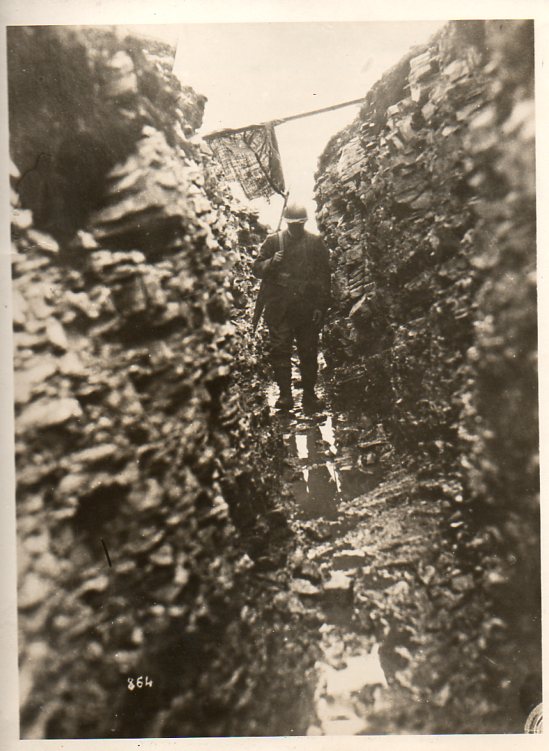
    Perhaps one of the worst inventions in the history of warfare was The Trench. Millions of men were wounded or met their ends while defending one, or attacking one, or being in-between two of them.  Hundreds of thousands of troops spent months charging back and forth between opposing lines, the ground over which they fought made uninhabitable for almost any form of life. Cold, wet, bad.
    WWI photo--trench045
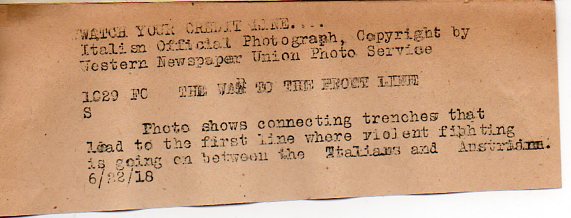
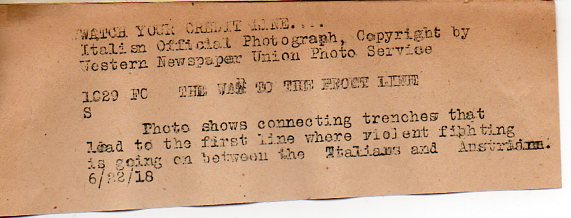
    Here’s another original photograph made by the Western Newspaper Union Photo Service, as a “British Official Photograph”  (with the “British” part penciled out and replaced by an unknown hand, “Italian”),  The photo agency supplied a caption for the image (that was supposed to have been used by the newspaper or magazine that published the picture) as follows:
    WWI photo--trench note046

    And the detail:
    WWI photo--trench note detail047


    ·Posted by :

    ·in:

    —

  • A Classic Depression-era Photo Printed on 180-Year-Old-Paper

    JF Ptak Science Books   Post 2170

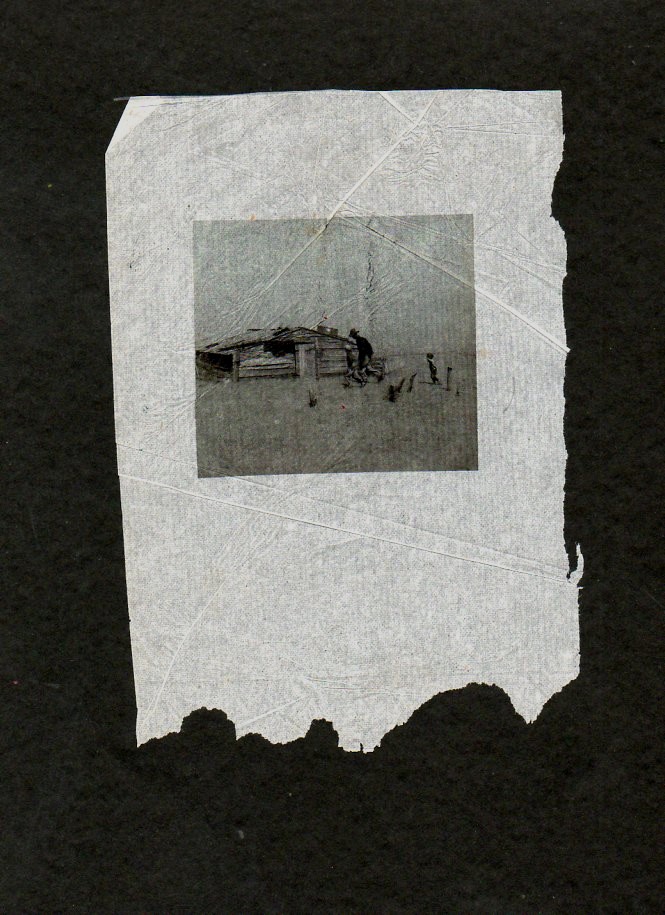
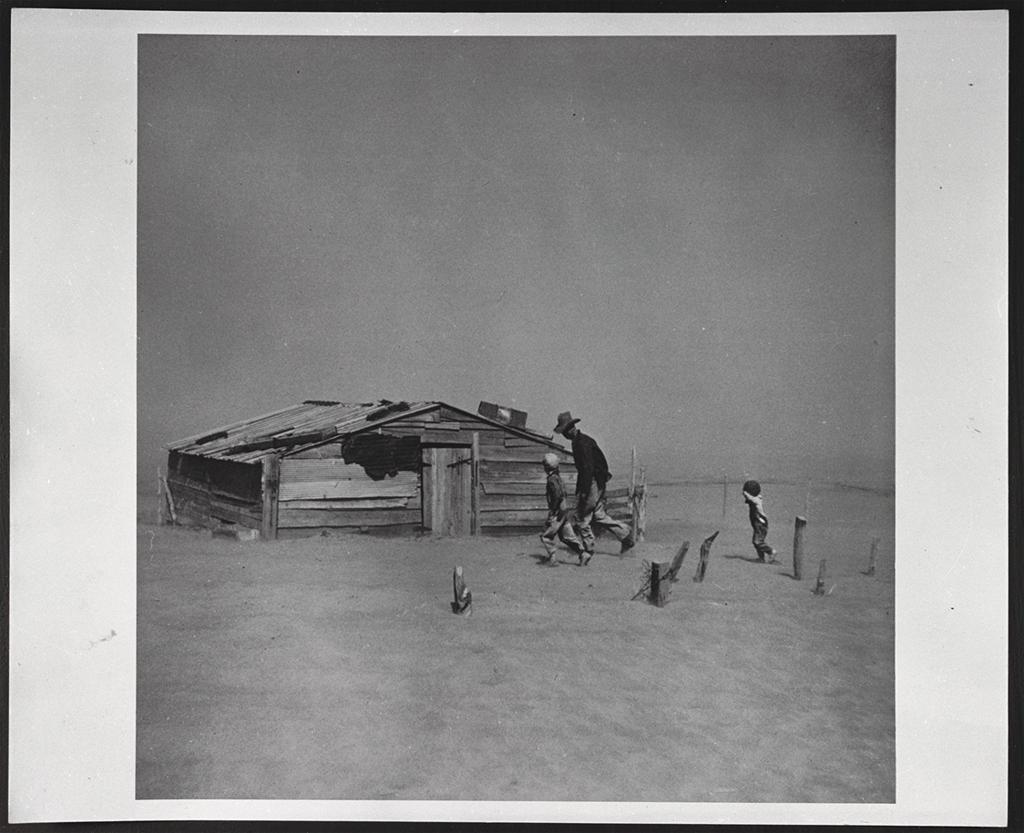
    I’ve experimented a little in presenting photographic images on a slightly different medium, and the results are interesting,  Take for example Arthur Rothstein’s classic 1936 “Father and Son” (actually, the “son” should be a plural, as there are two little kids rushing in the photo): I’ve used a 25 meg file and printed (lasered) rather small on a piece of antique tissue-guard paper–the paper, from 1830, is fantastically light, yet very strong for its remarkable thinness. The result of the modern, small Rothstein printed on the 180-year-old paper looks “believable” in its own odd way.

    The manipulated-printed effort:

    Rothstein--maniulated886

    And the instantly recognized original:

    Rothstein full image


  • The Face of Defeat, Philippines, 1907

    JF Ptak Science Books     [Continuing an earlier Post  #1398]

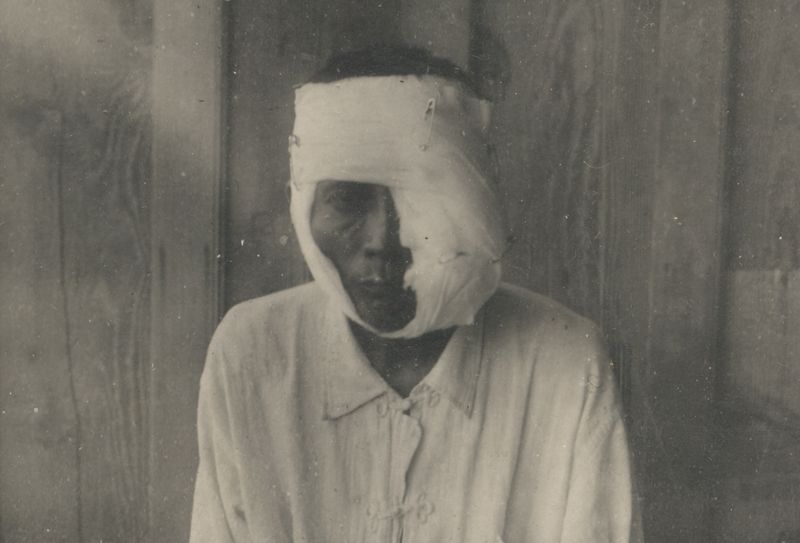
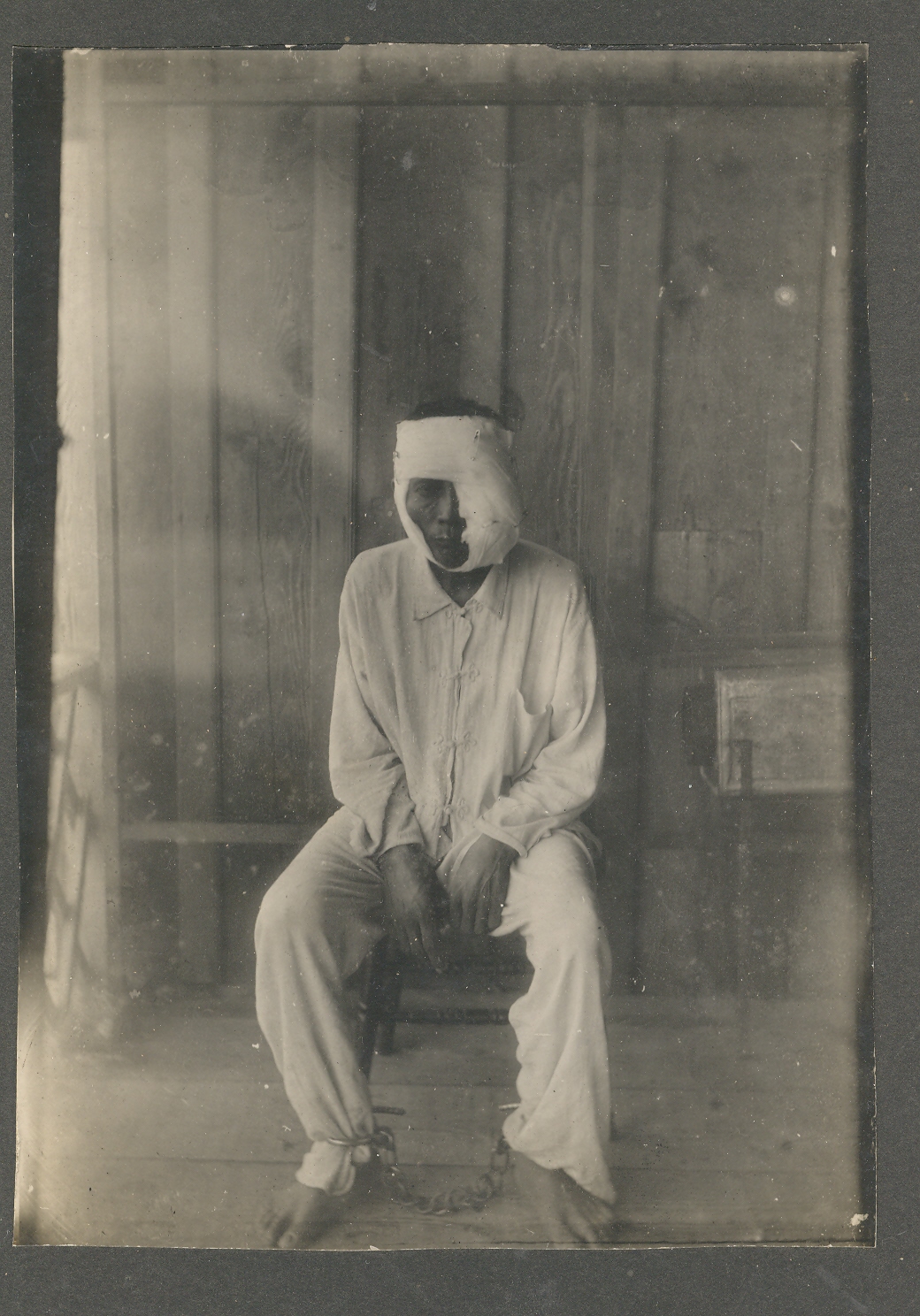
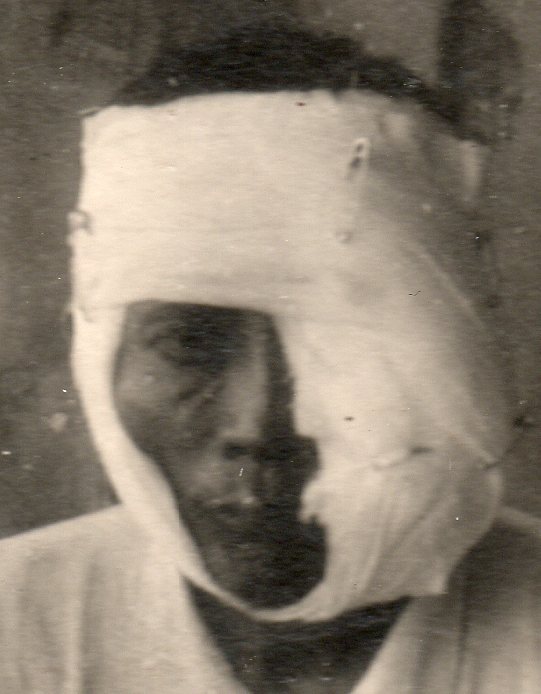
    This is what defeat looks like, or at least so it did in the Philippines in 1907, when the revolt against the Spanish and the Americans was finally at end, for the insurgents. 

    ===blog==aug 24=big faustino face

     Ablen Faustino (fl. 1880-1907), Philippine religious and resistance leader, was still fighting against the  American government seven years after the U.S. had claimed victory over the Spanish in the Philippines, and represented the last bit of Philippine resistance to American occupation and sovereignty.  There are many stories regarding his final disposition—some of which having the man escape into the woods to die an old man—but from the look of Faustino in this picture it seems as though he was going nowhere, except for a short walk into the heart of darkness that would swallow him just after the photo was taken. (The original photo is available on our blog bookstore site, here.)

    ===blog==aug 24=big faustino smaller

    On the one Faustino was a terrorist; on the other he was a patriot and holyman fighting for his country.  He had fought the Spanish occupiers in the 1880’s until he was captured and imprisoned.  After his release and following the American victory, he founded a religious/insurgent group—the Pulahans–whose ultimate religious experience was to defeat the invaders or die trying.  (From where I sit it seems as the requisite belief was death in battle for this struggle rather than the actual victory which was the benefit to the followers.) The Pulahans for the most part eschewed firearms and other “modern” weapons, launching themselves into battle with bolos, knives, and little else, hoping for hand-to-hand fighting.  It is reported that there were 10,000-15,000 of these troops, making them a formidable army,  frightening if you were one of the soldiers that they were going to attack.


    Faustino208

    These post-war Pulahan Wars lasted from 1902 to 1907, ending with their leader’s capture by Philippine Constabulary and the 8th U.S. Infantry.One of the few official reports on Faustino’s capture was recorded in a legal document regarding jurisprudence in the arrest of the others who were with him that day.  In U.S. v. Espiridion Rota et al (found in the Supreme Court Reports of the Philippine Islands, volume IX, published in Manila in 1908), the unfortunate story of the application of law to the other five men is told, as is the mention of Faustino’s capture.  It turns out that when the others were taken into custody and the wheels of justice began to turn, they all pleaded guilty, and charged with the crime of brigandage.  Rota was sentenced to hanging and the others to imprisonment for 35 (+) years.  Plus court costs.  Their case was appealed because it was said the men had no idea what the guilty plea would get for them in the punishment phase; the Supreme Court upheld the conviction as well as the discipline, which was a little moot for Rota as he had already been hanged.

    Faustino209

    ===blog==aug 24=big faustino feet

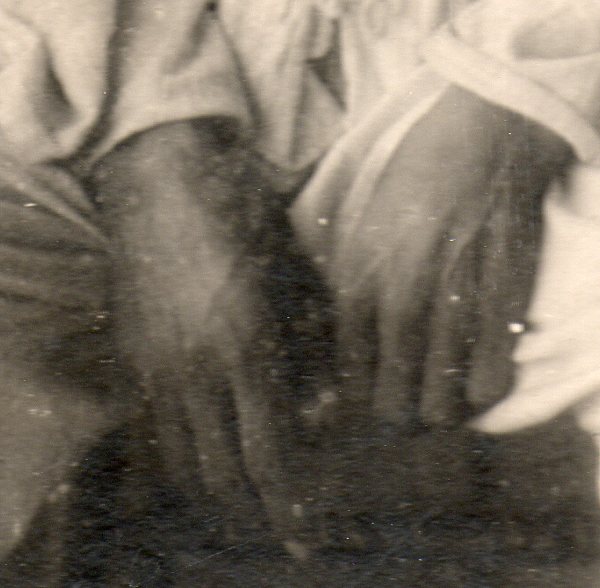
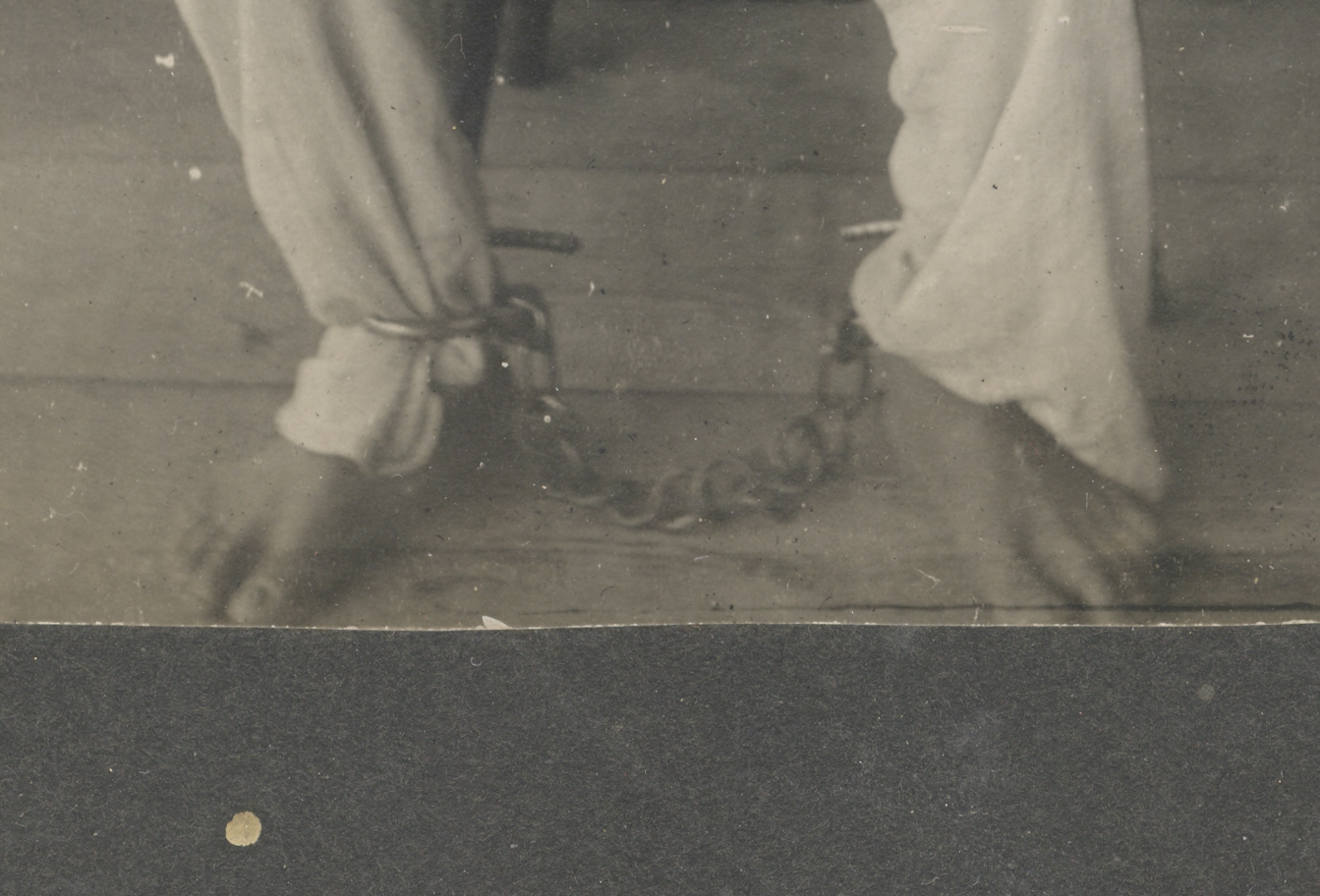
     What one might infer from this, I think, is that Faustino’s date with his punishment was probably met right there by the hut in which this photo was taken; that his destiny was sealed; and that rather than martyr a religious leader, the troops merely took the severely wounded  (and beaten?) man into the woods and disappeared him. 

    According to the historical sites which have used the other two photos of mine of this event (all done freely and without attribution, unfortunately), these are the only known photos of Faustino’s last times. 

    Another version of the capture of Faustino is less shining:


    ·Posted by :

    ·in: