A Daily History of Holes, Dots, Lines, Science, History, Math, Physics, Art, the Unintentional Absurd, Architecture, Maps, Data Visualization, Blank and Missing Things, and so on. |1.6 million words, 7500 images, 4.9 million hits| Press & appearances in The Times, Le Figaro, Mensa, The Economist, The Guardian, Discovery News, Slate, Le Monde, Sci American Blogs, Le Pont, and many other places… 5000+ total posts since 2008.

Category: Photography

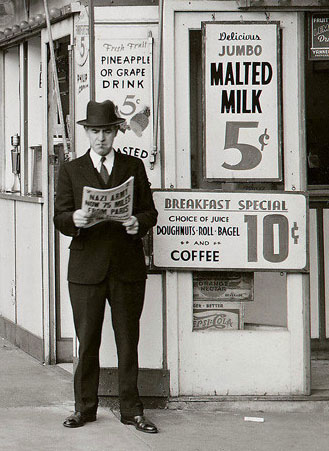
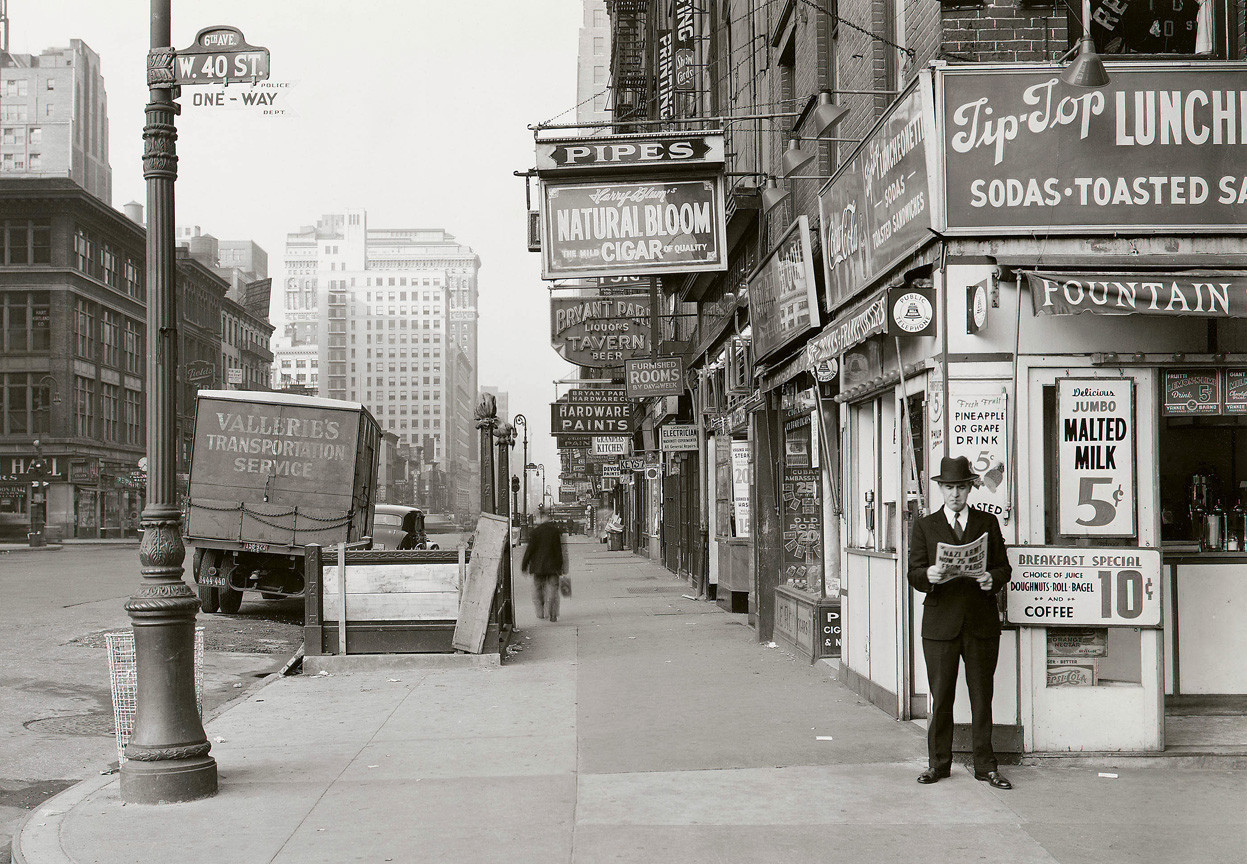
  • Zoomology: Looking into the Heart of 40th St & 6th Ave, 1940.

    JF Ptak Science Books  Quick Post

    I feel that this is an extraordinary photo, full of deep detail with many stories.  The narrative take place on the corner of 40th Street and 6th Avenue, Manhattan, in 1940.

    Historical-photos-pt3-new-york-ww2-nazi
    [Source: iliketowastemytime.com, here]

    In the image above the man reading the paper is just some guy reading a paper–with Zoomology he becomes what he was on that after in 1940: pissed off.  The news was not good (“Nazi Army Now 75 Miles from Paris”) and probably not all that imaginable, following the German victories in the rest of Europe its assault on the U.K. Though since he is reading the New York Daily News and he’s on the back page, that means he is reading the sports, which is where his pissed-offedness might come from.  

    Historical-photos-pt3-new-york-ww2-nazi 1


  • Jack Delano Photographs, 1939-1972

    JF Ptak Science Books   Quick Post

    I found Jack Delano as a photographer for the Farm Security administration where he worked for Ray Stryker making photographs of the vastly changing America during the mid/late 1930’s. He worked with a relatively small group of photographers
    including Esther Bubley, Marjory Collins, Mary Post Wolcott, Arthur
    Rothstein, Walker Evans, Russell Lee, Gordon Parks,
    Charlotte Brooks, John Vachon, Carl Mydans, Dorothea Lange and Ben
    Shahn–as a collective they produced perhaps the greatest body of documentary work this country has ever seen.  Delano was in his mid-20’s when he started with the FSA, a little more than a decade in the U.S. after arriving here from the Ukraine (born Jack Ovcharov in 1914).  Besides his life in photography, Delano was a gifted and versatile composer.  He died in 1997. 

    Here’s an interview with Delano at the Archives of American Art (here).

    Most images below are from the FSA collection at the Library of Congress (here). Another nice selection is found at the Museum of Contemporary Photography (here)


    Delano2003_126

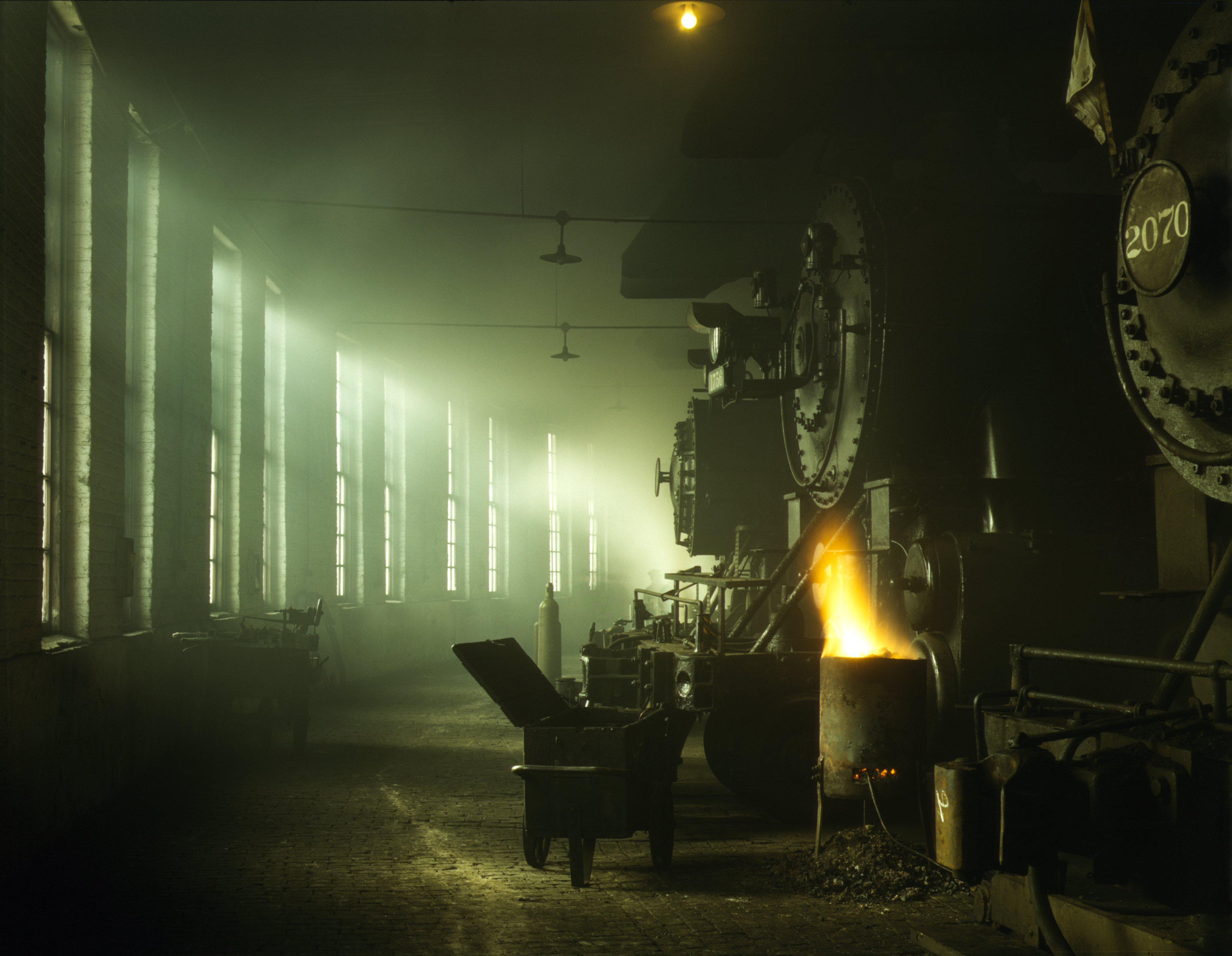
    File:Locomotives-Roundhouse2.jpg


    DelanoEL2003_150


    ·Posted by :

    ·in:

    —

  • Zoomology: Chain Gang, Pitt County, North Carolina, 1910

    JF Ptak Science Books   Quick Post   Part of the Zoomology series

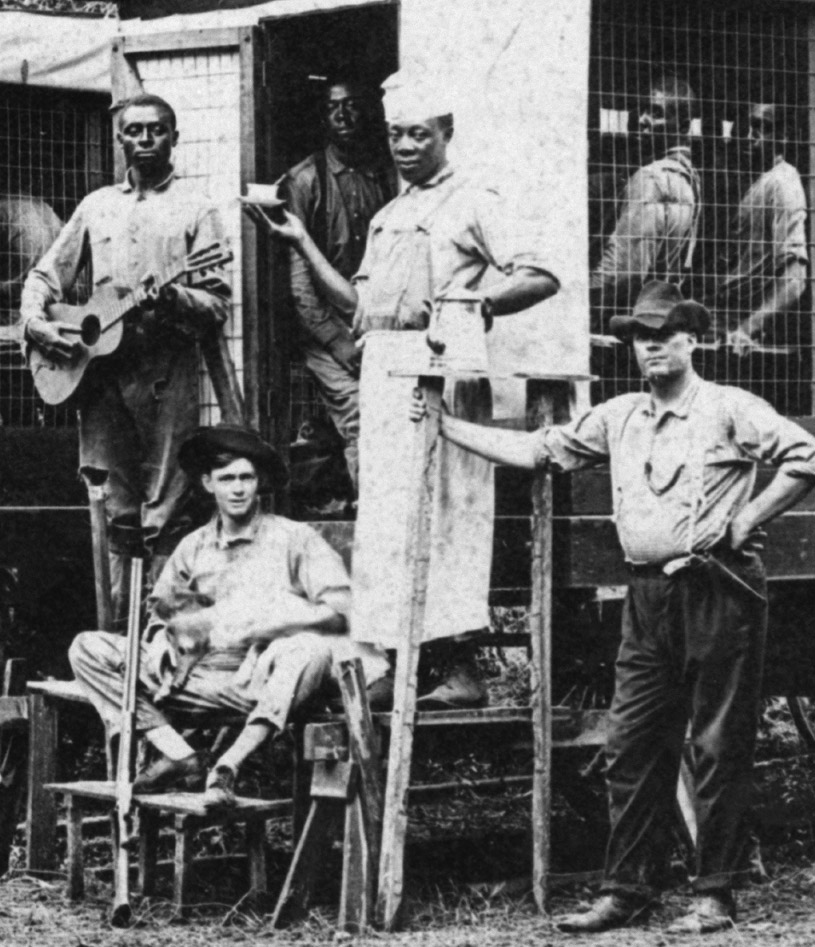
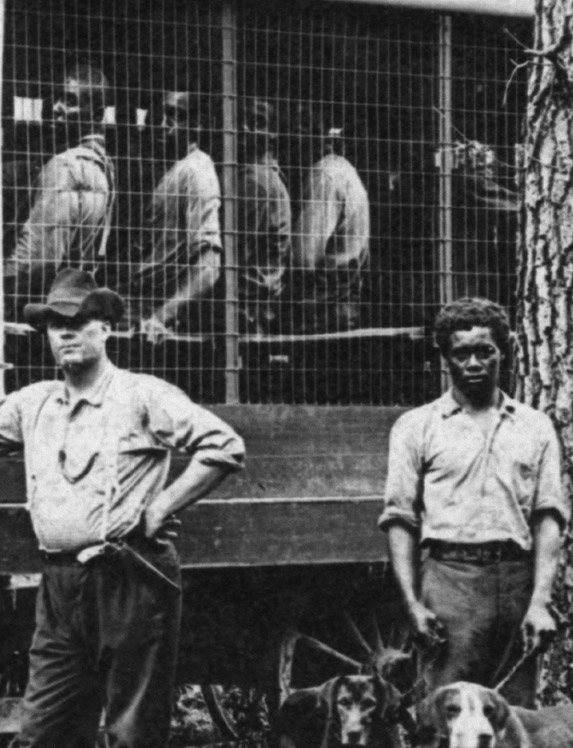
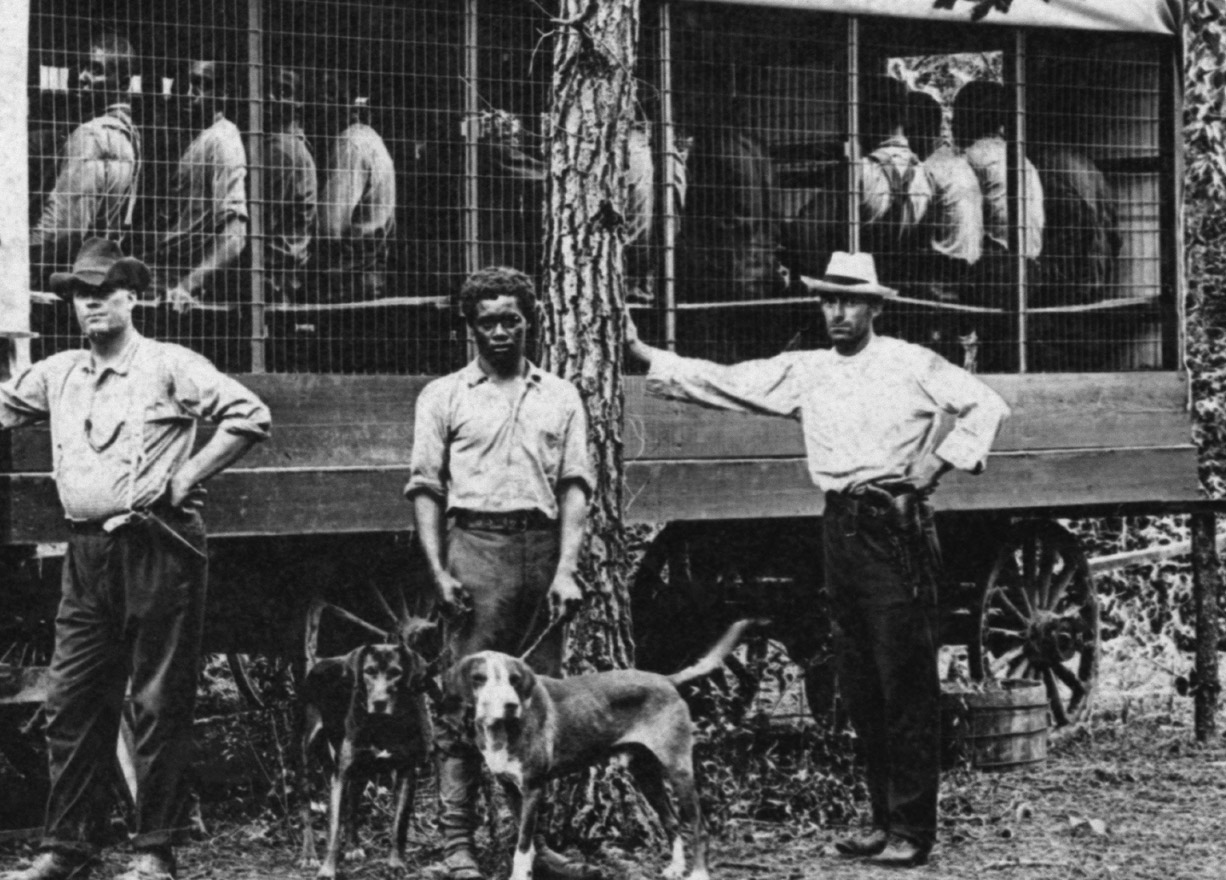
    From the photography collection at the Library of Congress, offering deep and big graphic files. The file photograph looked interesting, but on closer inspection the magnificent central figure is revealed:

    Negro chain gang detail middleedited-1
    “Chain gang of convicts engaged in road work. Pitt County, North
    Carolina. Autumn 1910. The inmates were quartered in the wagons shown in
    the picture. Wagons were equipped with bunks and move from place to
    place as labor is utilized. The central figure in the picture is J.Z.
    McLawhon, who was at that time county superintendent of chain gangs. The
    dogs are bloodhounds used for running down any attempted escapes.”

    The full image:

    http://lcweb2.loc.gov/service/pnp/fsa/8e04000/8e04000/8e04044v.jpg

    [Source: http://www.loc.gov/pictures/resource/fsa.8e04044/?co=fsa]

    Negro chain gang detail middle right

    Negro chain gang detail far right dited-1

    ·Posted by :

    ·in:

    — —

  • Zoomology: Dorothea Lange and the Rex Theatre for Colored People, 1939

    JF Ptak Science Books   Quick Post   Zoomology Series

    This is a short visit with one of Dorothea Lange’s (who I’ve written about several times on this blog, as in this case) interesting FSA photographs. 

    Leland, Miss., in the Delta area. The Rex theatre for Negro people


  • Photographs of American Jobs, Mid-19th (1840-1860) Century

    JF Ptak Science Books Quick Post

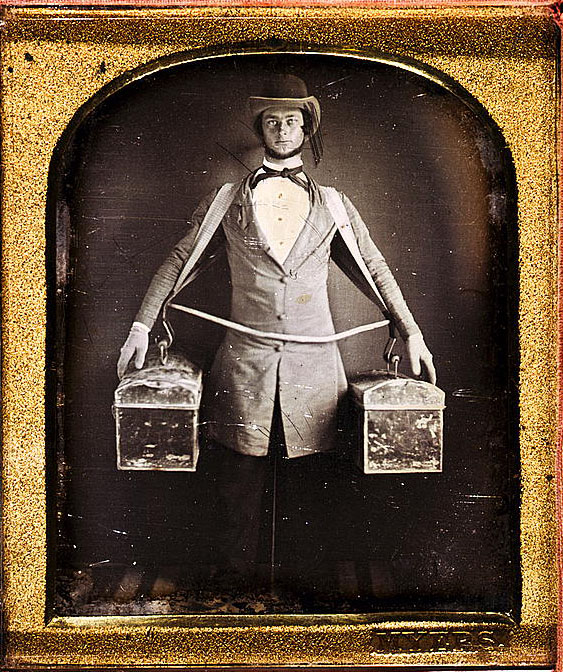
    These images from the Library of Congress daguerreotype collection offer a photographic glimpse into the everyday working life of Americans 150 years ago. Not as many of these jobs are as extinct as their expectations for extinction:

    Peddler

    Dag occupational peddler

    ·Posted by :

    ·in:

    —

  • Zoomology: Beautiful Ruination at the Beginning of Photography

    JF Ptak Science Books   Quick Post

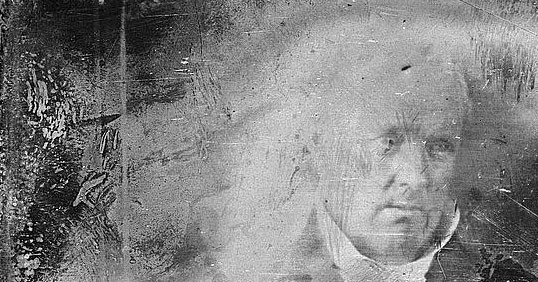
    This is a continuation of sort of this morning’s post, “Massive 500-Daguerreotype Mosaic“, though this one concentrates on the sumptuous ruination and decay that has occurred within and to some of these photographic images.  I’ve looked closely at only five of these images, and within each of these five images there are five more. And, if you manipulated the largest downloadable file of these (which range up to about 150 megs), there are five more within the five within the five. And all that before you start to imagine the artistic fantasies int he non-representational forms, and that before adding color.  So five is all that will be here, for the present.

    
    Ruination old dags detail 1


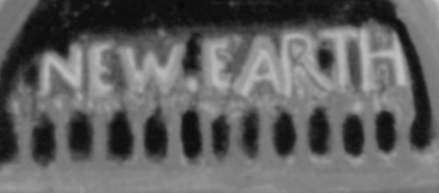
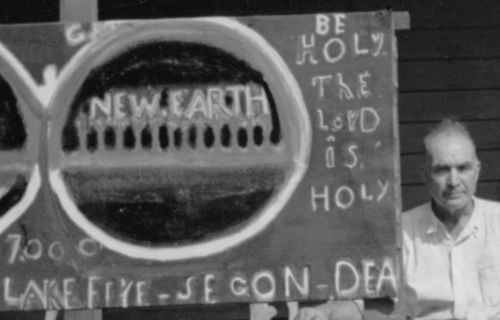
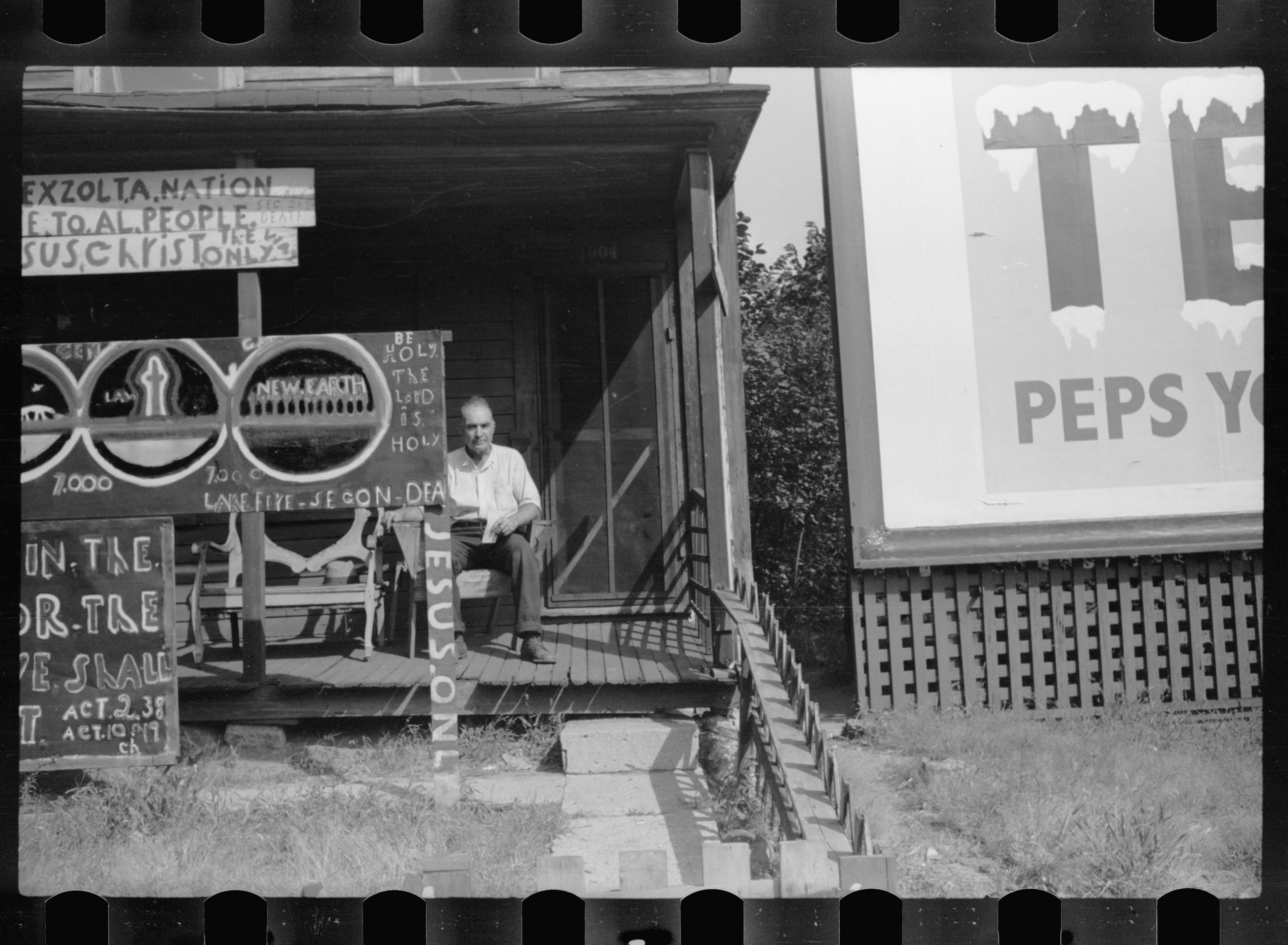
  • Vernacular Landscape–Found-Religious Signs, 1936

    JF Ptak Science Books   Quick Post

    New earth
    Which is a detail from:

    FSA--signs--religious detail

     Which itself is a detail from:

    FSA--signs--religious
    John Vachon; Religious Signs, Minnesota. 1936.

    Image, Source: digital file from intermediary roll film

     Vachon (1914-1975) was part (beginning in 1936) of one of the great groups of photographers in the history of American images: he worked for Roy Stryker in the FSA as part of the U.S. government’s attempt to record the good and ill of American poor.  That group included Esther Bubley, Marjory Collins, Mary Post Wolcott, Jack Delano, Arthur Rothstein, Walker Evans, Russell Lee, Gordon Parks, Charlotte Brooks, Carl Mydans, Dorothea Lange and Ben Shahn.  OF the many images recorded by Vachon, I liked the words in this one.


    ·Posted by :

    ·in:

    — — —

  • Walker Evans’ Indelible Images of The Great Depression

    JF Ptak Science Books   Post 1892

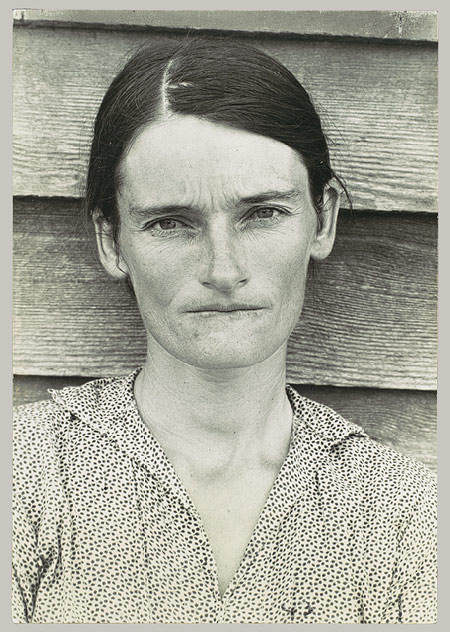
    Evans, walker  farmer tenemnt wife det


    Evans--alabamna tenant farmer wife The photographer Walker Evans (1903-1975) was an ultra-light and lyrical traveler, who didn’t leave a footprint in the country he moved through, though the impact of his work–the result of the travel–fastened a famously indelible image on American history–indelible, and fast, being recognized for his work with a commanding exhibition at the new Museum of Modern Art in 1938.  

    Evans possessed a crystaline lens which yielded both spectacular detail and subtle quietnesses. He could turn a tenement farmer’s rough-hewn wooden kitchen drawer filled with roustabout cutlery into a photographic masterpiece, and then photograph the face of that farmer or that farmer’s family and have it stand as an absolute testimonal to the expereince of the Great Depression in the American life. Evans made some of the core memories of that visual experience. He (along with some of the greatest photographers America has produced) worked for the government for a time during the Depression, answering to Roy Stryker at the Resettlement Administration and the Farm Security Administration, with the mission of taking photographs of America–which he did, establishing himself as one of the early and preeminent masters of documentary photography. 

    I was thinking of him earlier today, adn thought that I’m make a selection Walker’s photographs from the magnificent collection of Farm Security Administration images at the Library of Congress. (Also, see the Museum of Modern Art for a nice appraisal, here).

    Shoeshine stand detail, Southeastern U.S.  1936

    [Shoeshine stand detail, Southeastern U.S.]


  • Dorothea Lange, Imperial Valley, California, 1937. FSA Photographs

    JF Ptak Science Books  Post 1878
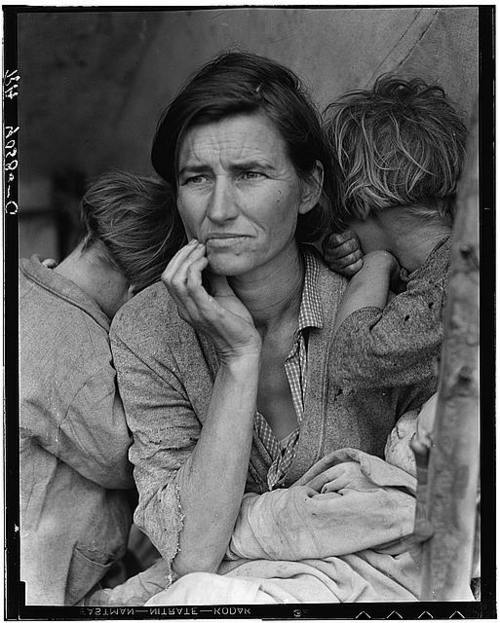
    Migrant Mother


    Dorothea Lange, a standard portrait photographer-turned-superb-documentarian, had a six-year-run of photographic success and inspiration and energy as few people have ever experienced in the history of photography From her 1936 Migrant Mother, which is perhaps the great photograph of the American Great Depression (which I wrote about in The Best Dollar the U.S. Government Ever Spent) to the wicked sharpness of her documenting the terrible business of relocating Japanese American citizens to concentration camps in 1942. Lange traveled the country recording the state of Americans in what may have been one of the great journeys of th 1930’s. 

    The period in which this was all happening was one of the most chaotic in modern history–at least in the West.  The Depression was full-bore-on, of course; as Germany strained its way into confrontation with the rest of the world, taking its calculated and inexorable steps towards world hemispheric chaos. The other images of these six years are almost a dada-kaleidoscopic  assembly of the believable and the not believable:  Sudetendland, Kristallnacht, Neville Chamerbalin, Austria, Poland, Nanking, Canton, War of the Worlds, Munich Agreement, WWII in Europe, Spanish Revolution, lynching, Jewish explusion, concentration camps, Pearl Harbor. In the United States, there was a certain right-wing element that ran deep into the national consciousness, the worst embodied in Father Coughlin’s filthy radio diatribes on keeping America out of war wrapped in Jew-hating monologues, the ridiculous semi-levitating philosopher-fake and home-town-boy-gone-bad Charles Pelley and his Silver Shirts being part of his support; Henry Ford and his assault on Judaism and insistence on The Protocols of the Elders of Zion, Charles Lindbergh and America First, and so on., and for a divisive time until the crystalizing of Pearl Harbor.

    The literature of this time, of this 1936-1942 period, expressing the soul of the country seems pretty full, with these few works standing as good examples of the work of the period:   John Steinbeck’s beginning in “the Harvest Gypsies”/Their Blood is Strong, The Grapes of Wrath,  Faulkner’s Absolom! Absolom! (1936), Pare Lorentz The Plow that Broke the Plains, Carey McWIlliams Factories in the Field (1939), Taylor/Lange’s An American Exodus (1939), For Whom the Bell Tolls (1940), the New Masses,   Abel Meeropol’s anti-lynching poem “Strange Fruit”, and so on, deeply on.

    But perhaps in all of it, perhaps nothing else quite expresses the emotion of the period than Lange’s Migrant Mother.  It seems to have everything, in one photograph.  In the vast result of Lange’s work during this period it is interesting to have a look at her in Imperial Valley, California, in 1937–it seems less-often mentioned, though the work is very strong.  So I decided to post a few of the images with a link to the rest of the collection (below).

    Lange worte:

    “I was forced to switch from Nipomo to the Imperial Valley because of the conditions there. They have always been notoriously bad as you know and what goes on in the Imperial is beyond belief. The Imperial Valley has a social structure all its own and partly because of its isolation in the state those in control get away with it. But this year’s freeze practically wiped out the crop and what it didn’t kill is delayed–in the meanwhile, because of the warm, no rain climate and possibilities for work the region is swamped with homeless moving families. The relief association offices are open day and night 24 hours. The people continue to pour in and there is no way to stop them and no work when they get there.”

    http://memory.loc.gov/pnp/fsa/8b31000/8b31800/8b31812r.jpg
    Former tenant farmers on relief. LC-USF34T01

    Other samples below but a fuller listing of images is available here.

    Imperial Valley, California, February and March 1937
    Resettlement Administration

    Notes:

    1. Lange was still very new to the FSA project when she made this photograph in the spring of 1936.  On the tail end of a month-long road trip she was nearing the end of her day when she spotted a hand-lettered sign “Pea-Pickers Camp” by the side of the road.  Lange briefly considered stopping but went ahead, questioning her judgment continuously for the next 20 miles, when she finally turned around to find the turn-off for the camp.  She drove down the dirt road and found a ramshackle assembly of tents, one of which contained “an exhausted mother sitting forlornly with her children”.  Lange spent only 10 minutes with the woman, making five exposures.  She learned that “the crops had frozen, and the woman and children were living on vegetables scavenged from the fields, and the few birds that the children managed to catch.  The mother could not leave; she had sold the tires from her car”.

    The images were made using a Graflex camera. The original negatives are 4×5″ film.
    ·Posted by :

    ·in:

    —