A Daily History of Holes, Dots, Lines, Science, History, Math, Physics, Art, the Unintentional Absurd, Architecture, Maps, Data Visualization, Blank and Missing Things, and so on. |1.6 million words, 7500 images, 4.9 million hits| Press & appearances in The Times, Le Figaro, Mensa, The Economist, The Guardian, Discovery News, Slate, Le Monde, Sci American Blogs, Le Pont, and many other places… 5000+ total posts since 2008.
Its funny how one can live the future in the present but not
see any part of that future’s future.Evidently
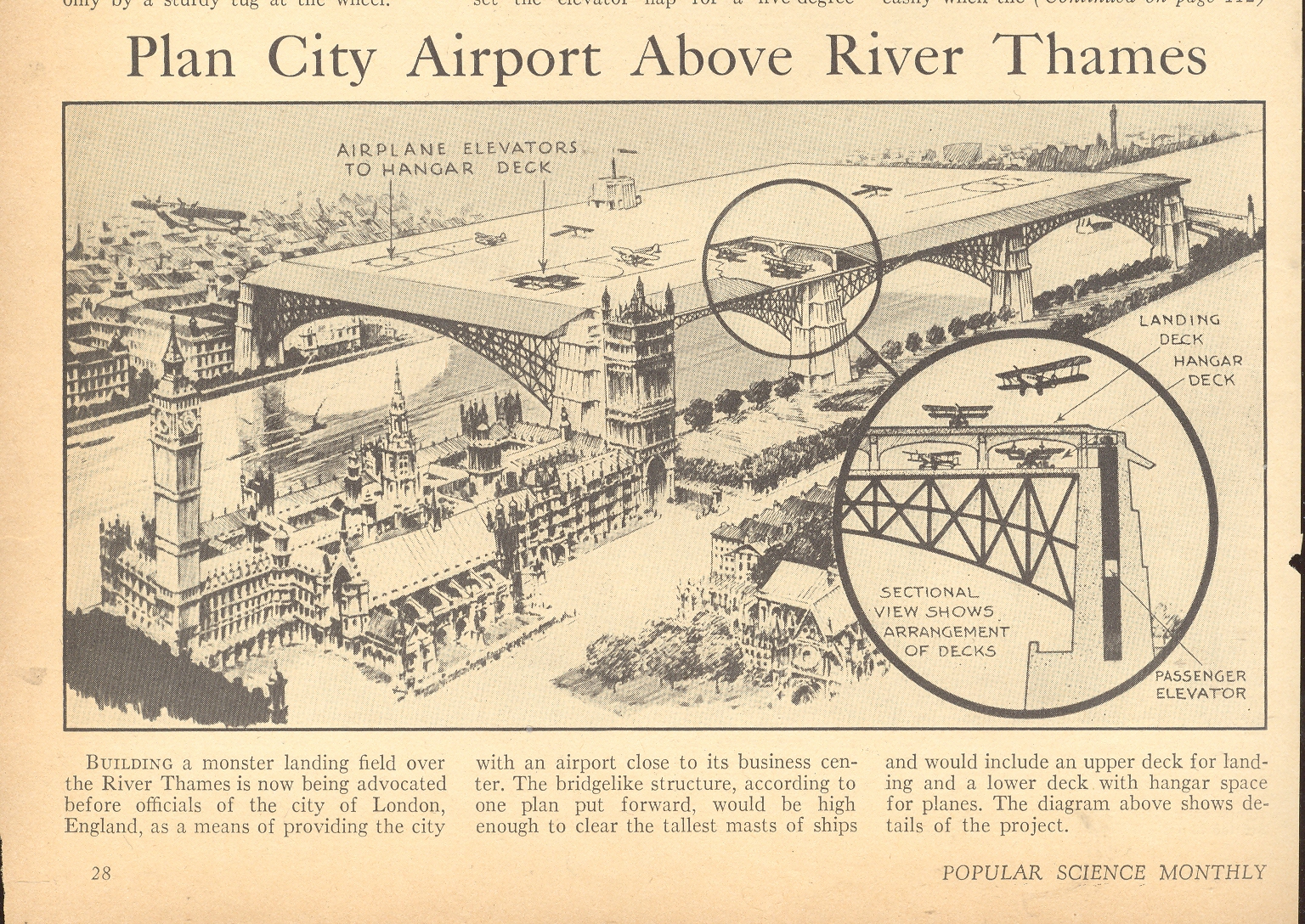
completely enveloped in the flying frenzy of the 1930’s, planners in London considered constructing
an airport above the River Thames.This
rendition from Popular Science Monthly(January 1934) shows the beast laid out from
just above Westminster Bridge to the (newly opened) Lambeth Bridge, covering the
entire width of the river, with the runways running almost directly into the Victoria
Tower of Westminster Palace.
The
structure had almost everything going for it to be built in the bad category department:it was big, ugly, unnecessary, dangerous, a
hideous eyesore and an architectural atom bomb. It also would have been almost antiquated by the time it was built,
serving as it did nothing but very small single-prop biplanes, virtually
useless by the time larger multi-engine propeller planes and jet aircraft would
appear just a decade and a half into the future. The thing was built high
enough (the top looking to be at least 300’ high, comparing it to the VictoriaTower) by the forward-thinking planners
to accommodate “the tallest masts of ships”. No one seemed to take any piece of the future into consideration in planning
this monster—the planning seemed to take place as a retro event, as though the
thinking was being done in 1910 rather than 1934.
This was a piece of engineering so devoid of the
possibilities of future development that just as a crew on one end of the airport
was finishing, it would’ve been just about time for a crew on the first-finished
end to start demolishing it, an exercise in futurizing obsolescence.I’d say
that if you could both build something and take it down in one continuous
movement, the thing should probably not be built
I’ve been reading Nuremberg
Interviews(Knopf, 2004) by the American Leon Goldensohn,a psychiatrist who conducted interviews with
19 of the 24 “premier” Nazis brought to trial at Nuremberg in 1945/6.Goldensohn had a relatively workman-like
approach to dealing with his subjects, leaving many dangling questions and
comments not pursued.On the other hand,
he may not have been the type of psychiatrist who asked any questions at all of
his patients, so at the very least we do have an interesting insight into these
failed people that we would not have had otherwise.
Of all the interviews, I was most struck with the incredible
understatements made by Hermann Goering (Field Marshal and once second in line
to Hitler as a hand-picked successor) regarding the extermination camps.
Goering maintained that he really didn’t know anything about them, at all, but
found them offensive to his “chivalric” (if not moral) code. He felt that the
killing of the Jews in this manner would “give Germany a black eye” and as a tool
of warfare it turned out “not to have been worth much”.But Goering continues:“If killing the Jews meant anything, such as
that it meant the winning of the war, I would not have been bothered by it”.
Goering continues to explain that the killing of Jews as a
result of “Goebbels’ hysterical propaganda” and “is not the way of a gentleman”
.Also, the gassing women and children just wouldn’t do.He found gassing women to be “ungentlemanly,
and thus would not have been able to authorize such a thing.Killing children, he said, would not have
been “sportsmanlike”.
Goering said that he had heard “rumors” of mass killings,
but he “knew that it would be useless” to investigate the rumors “even though
it would have been easy” to be do so. His reasoning: he wouldn’t have been able to do anything about it; and
faced with that, he concluded, “it would make me feel bad”.
I’d give the benefit of the doubt to normal folks who would
say something like this, that there was an error in translation, or some
difficulty, or something.With Goering,
I’d say that this was an accurate statement. Sportsmanship.He didn’t mention men in the gas chambers,
but since he had defined his limits of gentlemanly and sportsman-like conduct,
it stands to reason that the men were fair game in his mind.Only monsters think like this.
This was the man who had very well-monied support from
American industrialists in the pre-1945, deep connections to Ford and Standard
Oil, and thus from Standard to IG Farben, and then to Zyklon-B (and also HERE) and back again
to the gas chamber.These connections
are long and arduous, complex—but they really are there, the American support
for the Nazi government, developed mainly for money but also for ideology. One
of significant front man for the Nazi government is also one of Cornell’s 100
most illustrious alumni, Walter Teagle. Teagle was president of Standard Oil
and partnered with the Nazis in 1938, one result being shared research and
patents, some of which were crucial war materials like tetraethyl lead
and synthetic rubber.
(Tetraethyl lead was a fuel additive that in some respects made it possible for
the Luftwaffe to attack and bomb London.)
I use the term “front man” because of Teagle’s blatant lies to the Securities
and Exchange Commission concerning true ownership and control of I.G. Farben’s
American subsidiary, American I.G. Chemical Corporation.(It was happily believed that a Swiss
subsidiary controlled the company rather than its Nazi owners. Teagle of course
knew the truth.)
This is just one of a geographical dictionary of stories on
the American/Nazi business connection and the financing of Hitler. It is a long
and winding mass of roads, none of which is particularly pretty, many of which
lead straight home, again.Henry Ford
was impossibly ugly in all of this, a moral stain. But there were many like him
as well.
Farben made a heavy contribution to the Nazi war effort, on
many levels, in particular with explosives, where the company produced nearly
all of the explosives used by the German army. Farben also swept into countries
freshly occupied by the Wehrmacht to take over the industrial complexes, using
and discarding indigenous workers as they saw fit and necessary.I
think what most people think of when they think of I.G. Farben is their
sustained involvement and investment in the extermination camps.For example, Auschwitz IG (and Buna-Werke) was
a direct subsidiary of IG Farben which ran the Auschwitz III (or Monowitz,
Monowice) labor camp, using and consuming some 50,000 slave laborers at a time
at its various installments around the vast Auschwitz
complex.These workers would be weeded
out from time to time, with those too weak to work sent to the gas chambers at Birkenau.(Zyklon-B was used at Majdanek, Sachsenhausen and Operation Reinhard .)
In the appalling history of the gas chambers, it was almost
by accident that Zyklon-B came to be used to exterminate human beings.Its function to that time was to exterminate
bug pests, but experimentation showed that it worked lethally upon humans.Monumental amounts of Zyklon-B were sent to
the extermination camps, all without question. Dr. Fritz ter Meer, one of the
directors of Farben and who knew exactly what the vast amounts of Zyklon-B was
being used for, was tried at Nuremberg and sentenced to seven years in prison
for genocide and crimes against humanity, though he was released after four
years after the intervention of U.S. High Commissioner for Germany J.J. McCloy.
(It was McCloy again, working with Standard Oil and the Rockefellers, who
ensured that the massive Farben works at Frankfurt was taken off lists of
American bombing targets in 1943 and 1944.) ter Meer returned to work for Farben after his imprisonment—though it
wasn’t the old Farben anymore, the company having been slightly effaced, broken into
several constituent elements.Ter Meer’s
section of Farben was Bayer, as in Bayer aspirin, where he served as Chairman
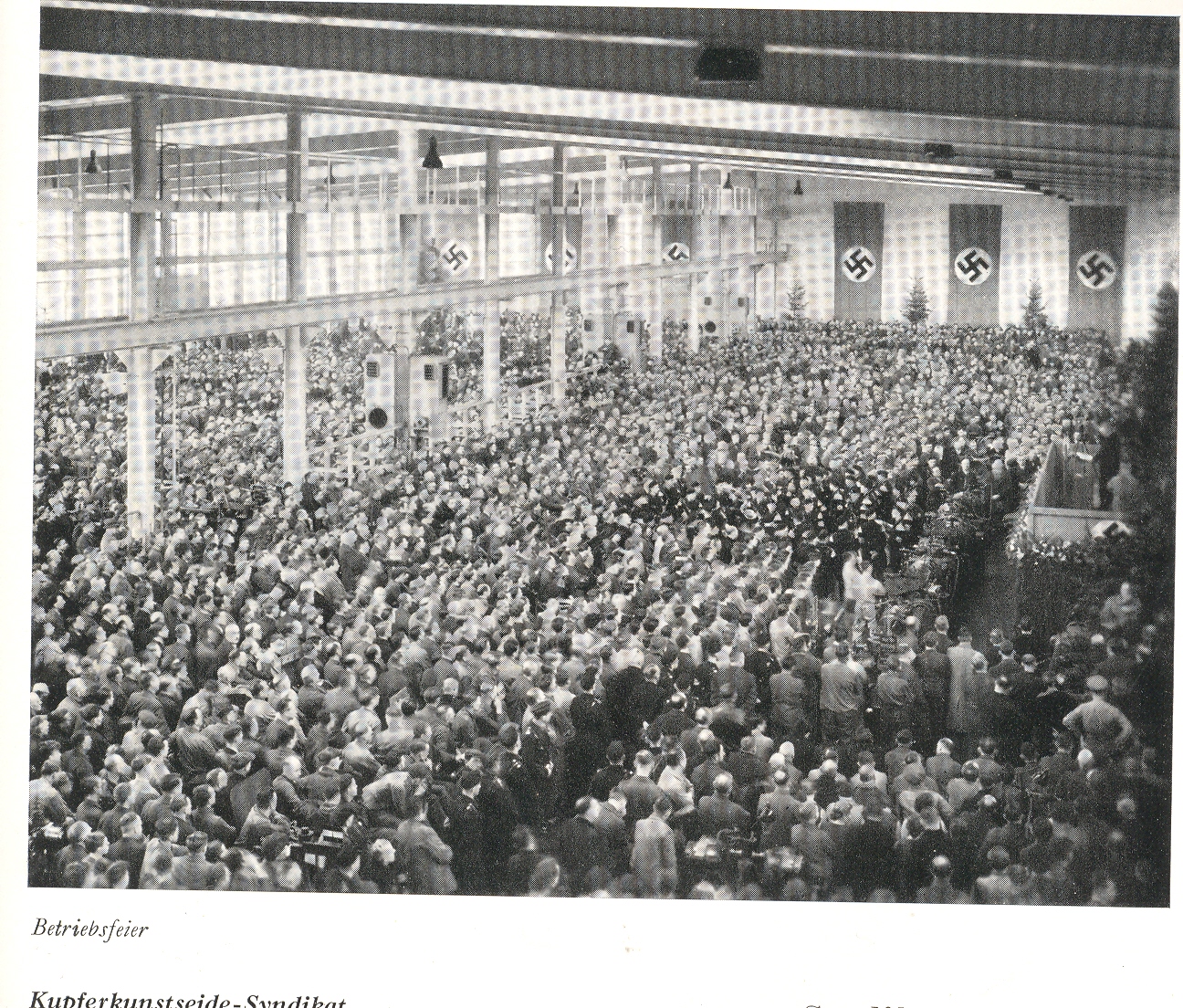
from 1952 to 1961. {Image below: political meeting at IG Farben.]
Dr. Fritz ter Meer, a director of IG Farben who was directly involved in
developing the nerve gas, Zyklon-B, which killed millions of Jews, was
sentenced to seven years in prison but was released after four years through
the intervention of Rockefeller and J.J. McCloy, then U.S. High Commissioner
for Germany. An unrepentant Fritz ter Meer, guilty of genocide and crimes
against humanity, returned to work in Bayer where he served as Chairman for
more than 10 years, until 1961.
Kurt Wurster, another director from Farben who was in charge
of the Zyklon-B-producing subsidiary, Degesch ((Deutsche Gesellschaft für Schädlingsbekämpfung mbH, or German Corporation for Pest Control), was acquitted of all war crime
charges brought against him.He took
charge of another part of the disbanded Farben empire, serving as CEO of BASF
from 1962 to 1974. The directors of Testa, another Farben subsidiary producing Zyklon-B–Bruno Tesch and Karl Weinbacher – met with a different end in a British Military court, and were executed.
And so on and on the story goes, unpretty tales of
undeserved redemptions.For example, in
the coming fight against the Soviets, the U.S.
government developed a convenient amnesia regarding the atrocities committed by
Wernher von Braun et alia, paperclipping them away to the U.S. to help develop the American
missile and rocket capacities.
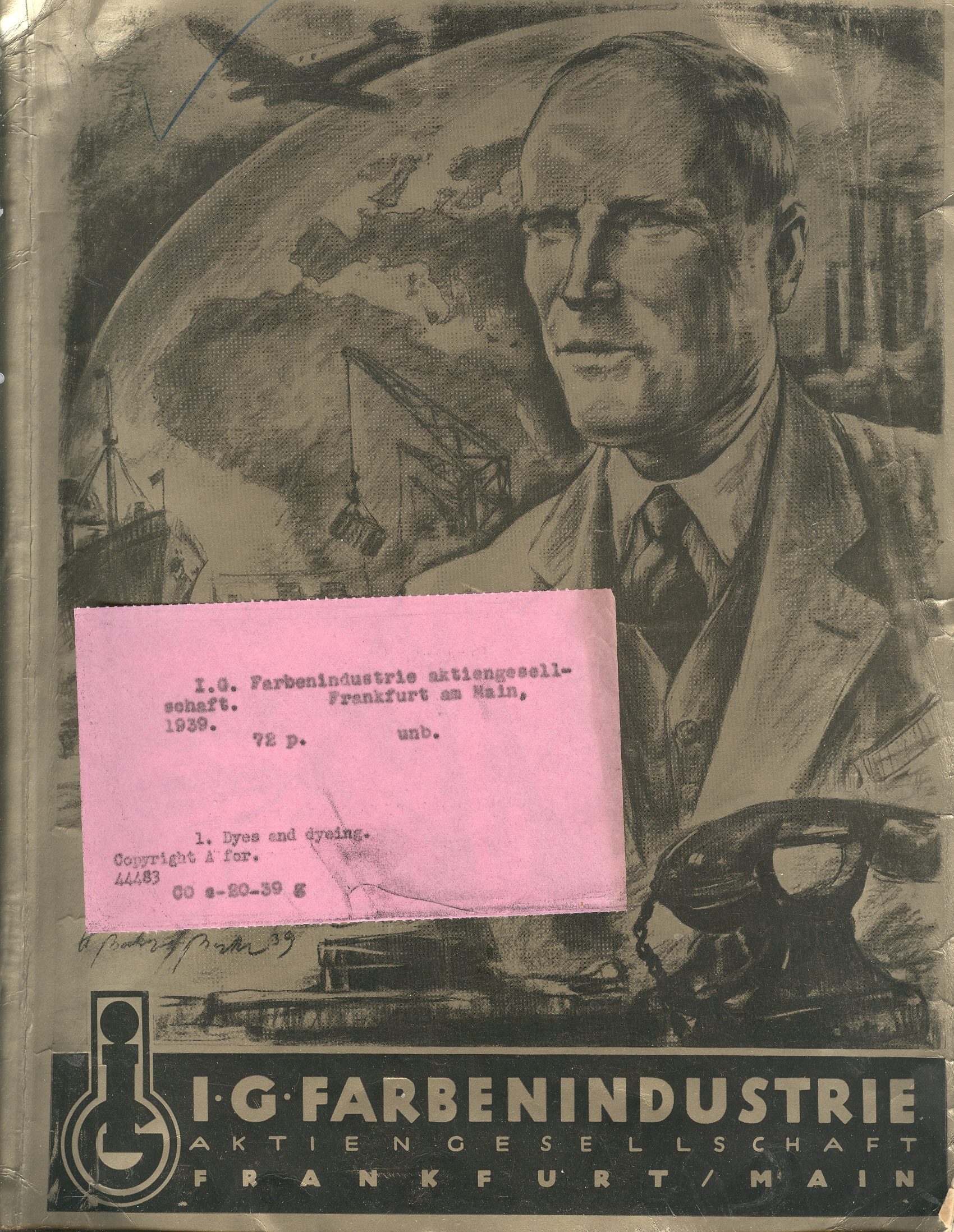
[Above: one of the many appearances of Hitler on the front page of Farben’s newspaper, Von werk zu Werk.]
I think I’ve ground to be a bit of a halt, these posts
supposing to be an hour’s effort—there is simply too much to put into a tiny
synopsis like this.I just got stuck on
Goering and Farben.Seeing these images
from one of the many Farben publications with so many swastikas and so much Nazi symbolism made me terrifically sad…Yes, Farben was the largest backer of Hitler in his rise to power in 1931/32 and supplied even more after the election, and of course Farben received the most benefit than any other company in Germany as a result of the victory, but still, there is just so much of it… [See HERE for an interesting short item on the adaptation of Farben to nazism.]
In all of this the survivor has been Zyklon-B itself: it is still in production in the Czech Republic by Draslovka Kolin (Kolin), and is now known as Uragan D2.
[Some vintage footage from the trials at Nuremberg.]
This is a continuation of an earlier post on mapping the
invasion of America
in 1942.
[It starts: LIFE
Magazine issued a wake-up call of sorts to its readership in their 2 March 1942
issue. I say “of sorts” because even though this hard article (entitled
“Now the U.S. Must Fight for Its Life”) must have sorely sobered some of its
readers, it started on page 15, following big ads for Listerine, Matrix
(women’s shoes, Bell Telephone, Modess, Clapp’s Baby Food, Dot Snap Fasteners,
Goodrich Tires, White Horse Scotch, Pompeian Massage (for shaving), Jack
Benny/Carole Lombard’s “To Be or Not To Be”, Colgate, Yardley powder and
Mimeograph, and a few interspersed puff pieces—and a Ginger Rogers cover
photo. But once LIFE paid its bills, the article got right to business,
responding to a February article by sci-fi/novelist Philip Wylie on the possibilities
of the U.S.
losing the war…]
The article displayed six maps showing possible invasion
routes from the east and west.It was
also illustrated with four unusual graphic images depicting various parts of
the U.S.
attacked and pulverized by Japanese and German forces.[Images like these—outside the science fiction
world–were very uncommon.]
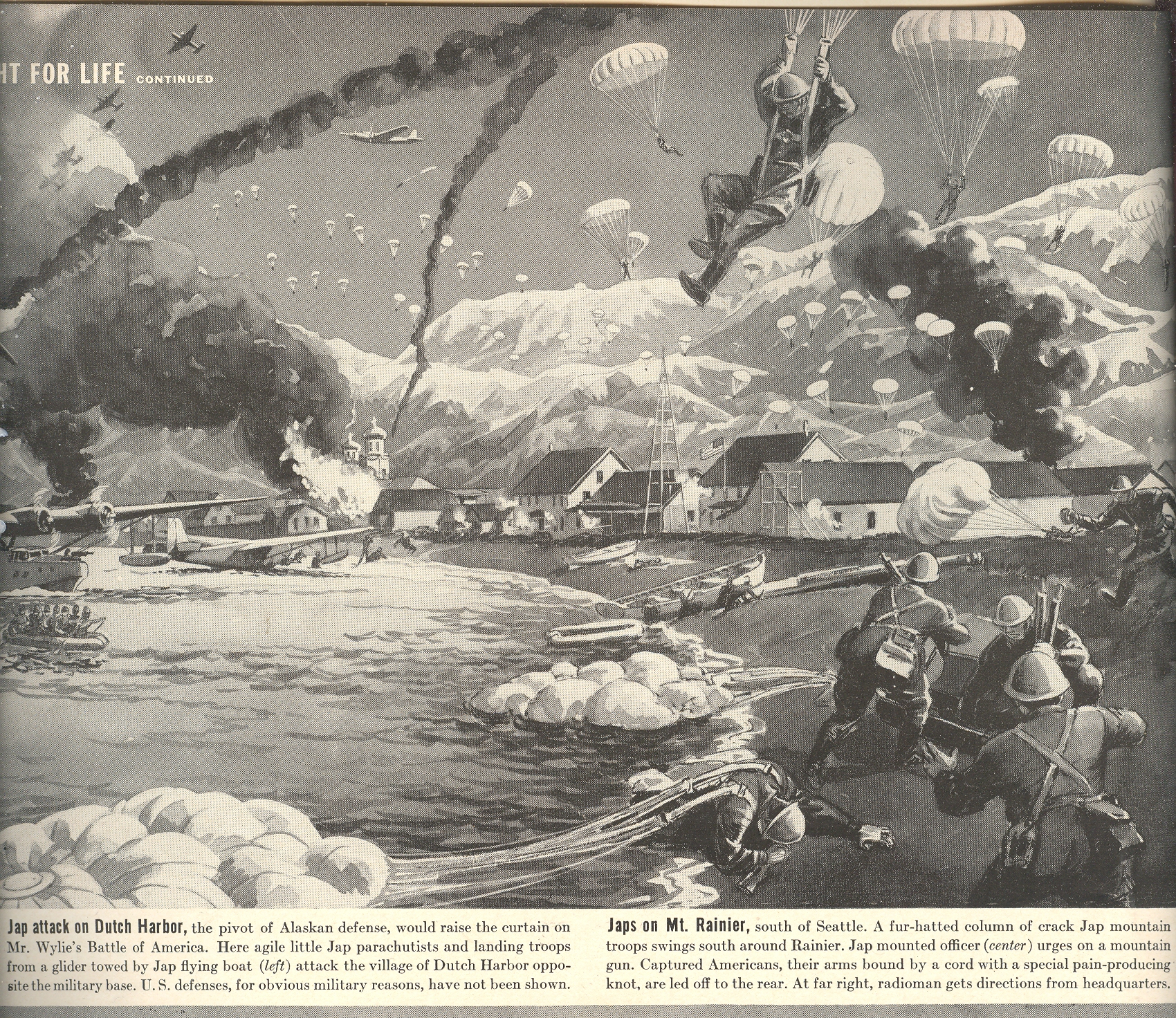
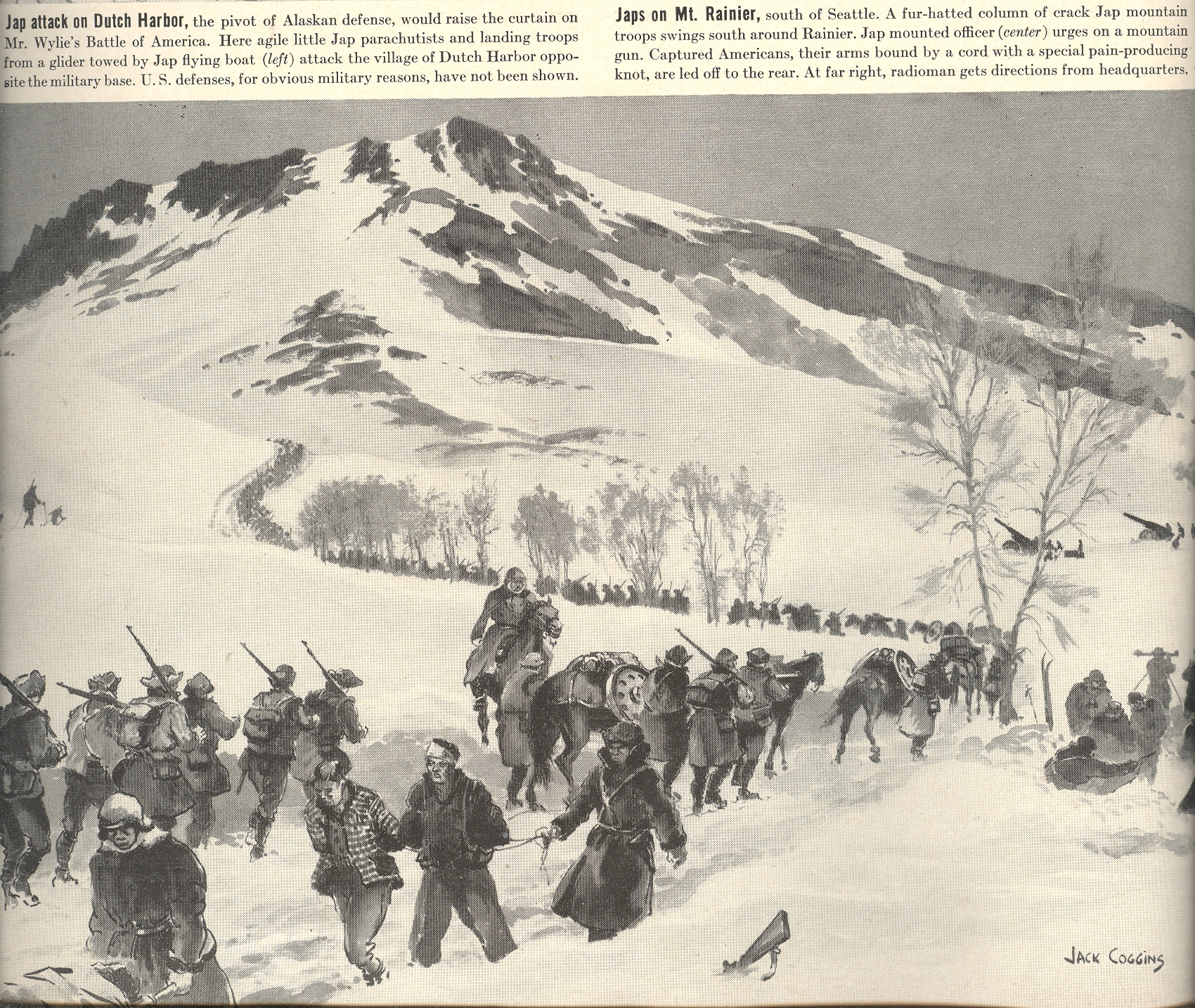
The first image shows the assault and capture of the town of Dutch Harbor,
“the pivot of Alaskan defense” by Japanese forces.I guess we’re to assume that the American
military base on opposite the town has been overtaken already, with the assault
on the town being a mop-up operation. Odd thing here is that DutchHarbor
and FortMears were actually attacked n 3 June
1942 by a Japanese aircraft carrier (and entourage) which inflicted moderate
damage on the harbor and fort, and killed 78 Americans.This was a diversionary movement, meant to
draw away American attention from Midway. It didn’t work.
This image shows Japanese mountain troops rounding up the
locals after their successful attack on Mt.Rainier.I’m not so sure why the force was here and
not in Seattle, as (a) there is no port here, and (b) there wasn’t anything
going on so far as war production goers, which was definitely happening north
of here.That’s a very long column of
Japanese soldiers headed towards Rainier; I’m
not sure where they were going.Also
there are two large cannons (88s or thereabouts) taking aim at the mountain.Again, I think here that the mountain would
win in the long run.
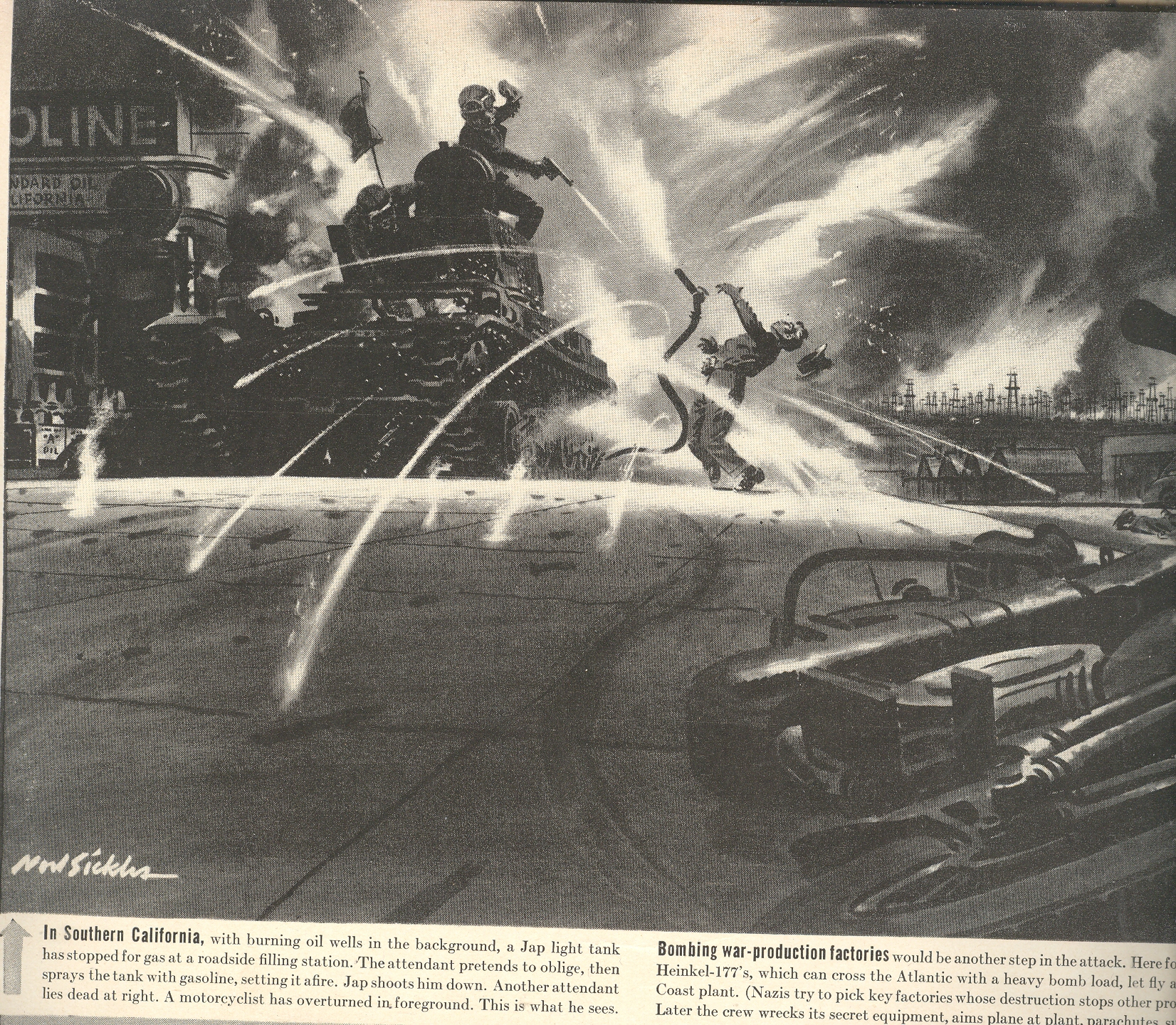
The petroleum culture is under attack here in southern California.The Japanese tank commander is shooting a gas
station attendant who has just sprayed the tank with gas and set it on
fire.I’m not sure why the oil
facilities are on fire, unless we did it.
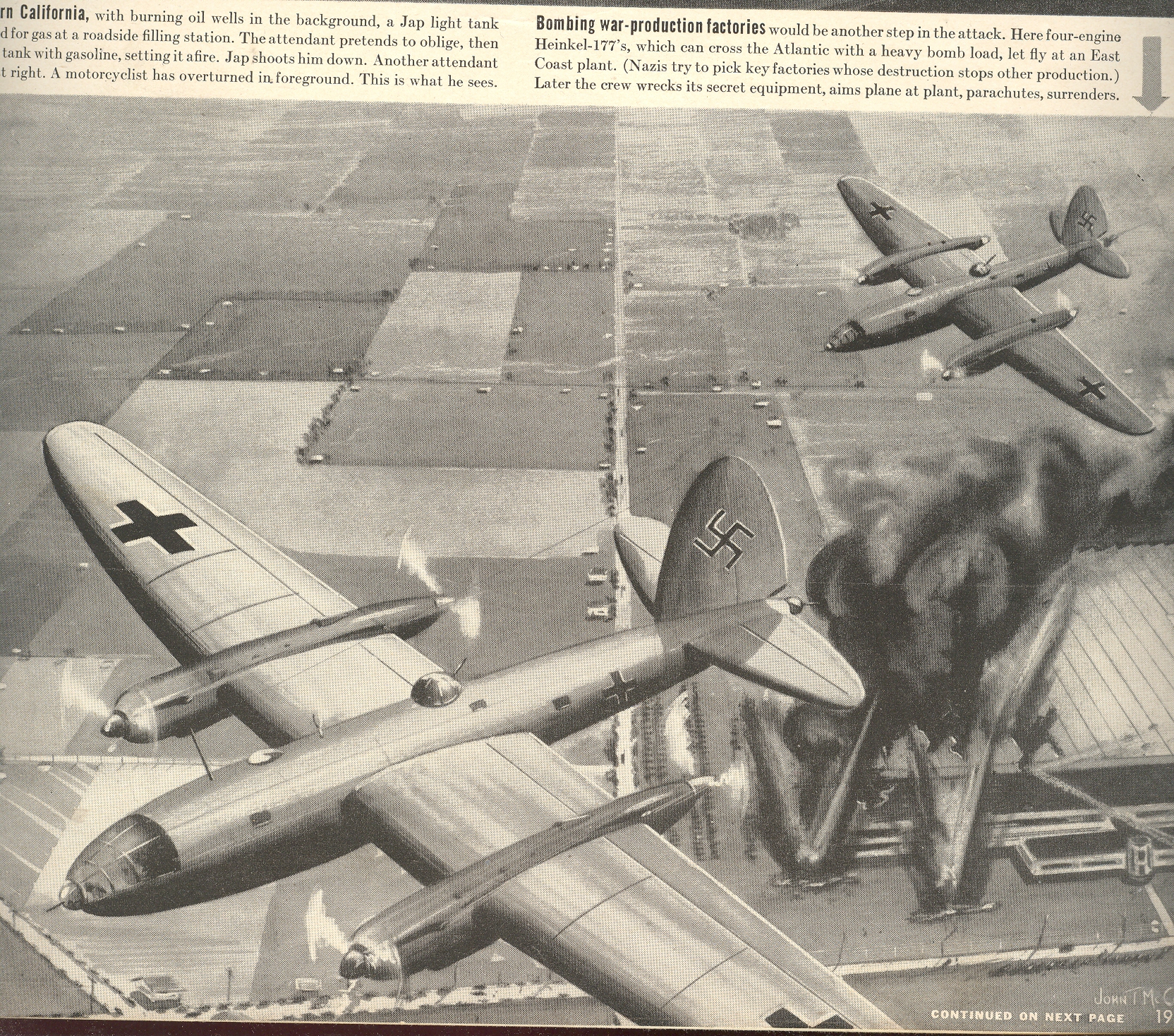
These Heinkel-177’s are bombing an unnamed East Coast war production
plant, crossing the ocean straight from Germany ?). They are presented here essentially as a manned
bomb—the crew was supposed to drop their load, destroy their secret equipment, then
parachute and surrender after auguring in their aircraft. This push-pull
engine configuration on this LIFE magazine
version of a bad aircraft—and the only heavy bomber the Luftwaffe ever produced
in numbers—never was able to drag this aircraft across the Atlantic. Its maximum bombing range was about 925 miles,
which means even if the crew expected not to return it would still only get about
two-thirds of the way across the ocean.
I’d say that this article might well have established a new
fear-line in the minds of many of LIFE’s
millions of readers, introducing them to the possibility of mainline attack
just a few short months following Pearl Harbor.
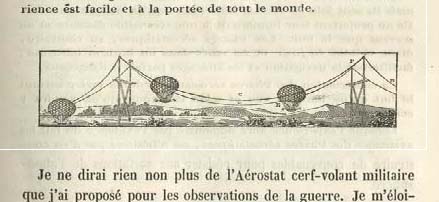
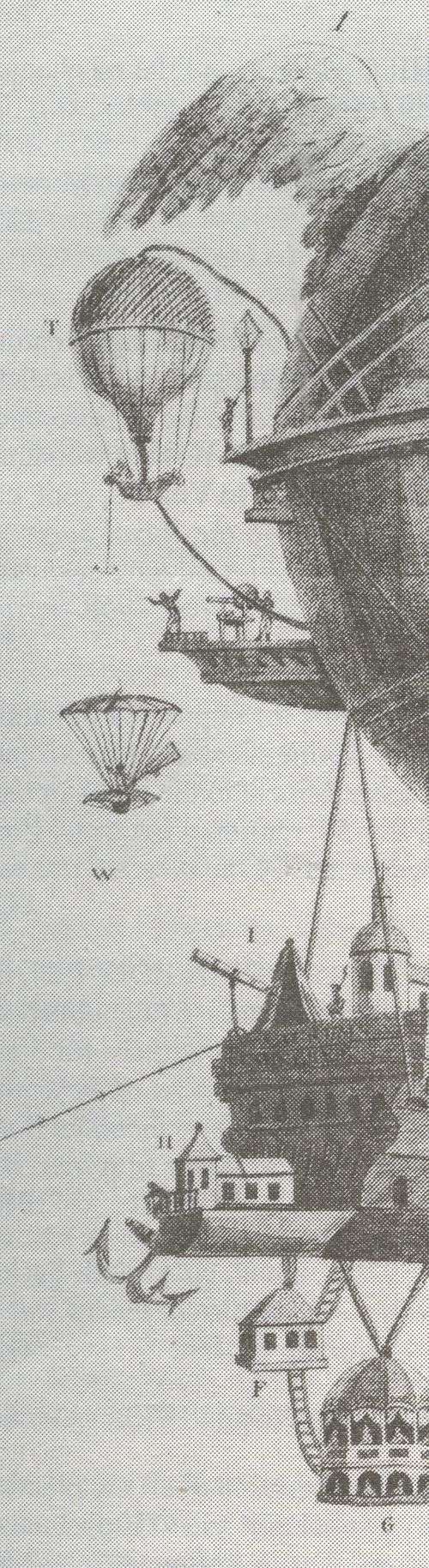
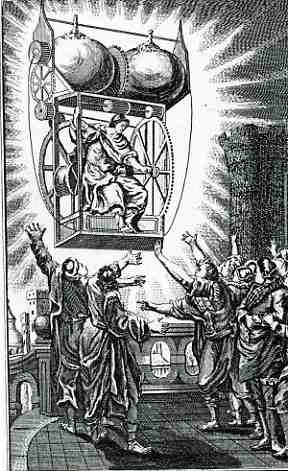
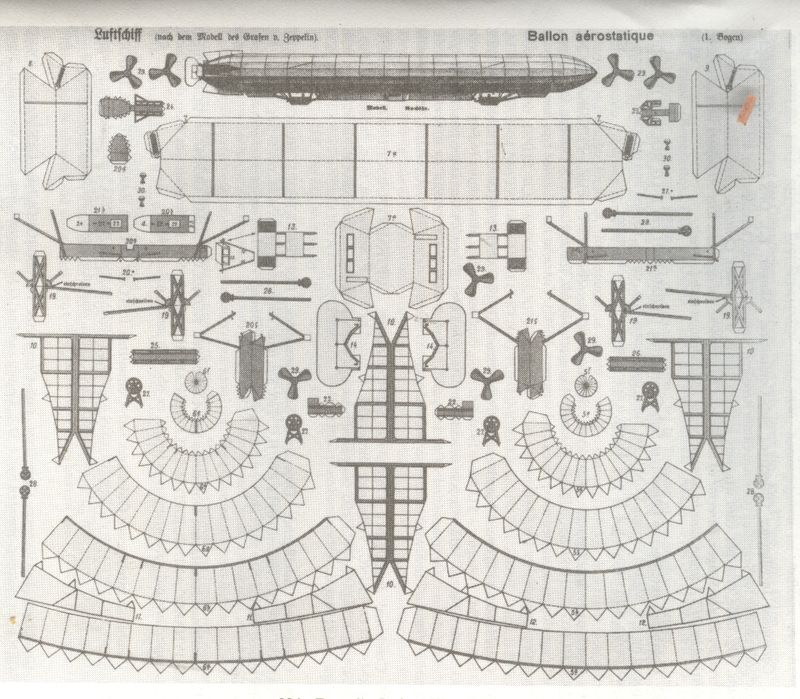
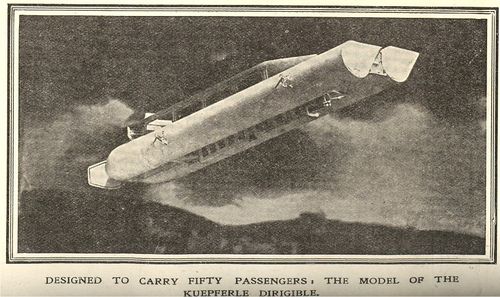
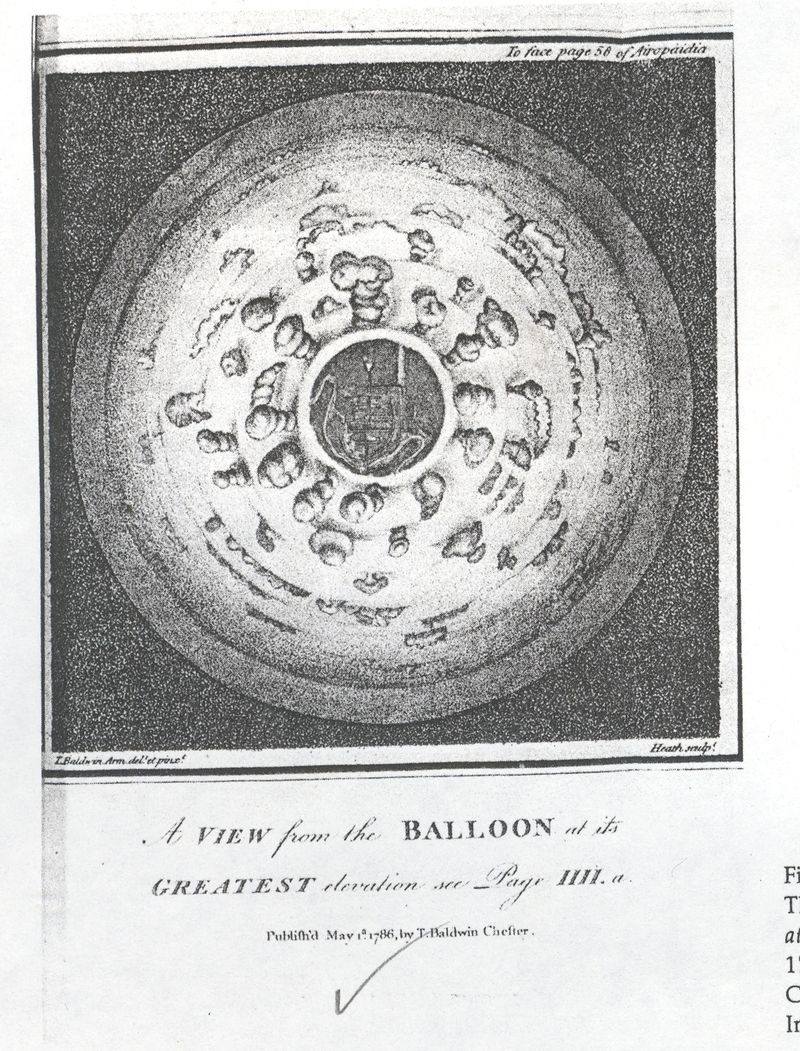
I should’ve included this list in yesterday’s post about a 1909 zeppelin tramway but it slipped my mind. Here then are most of the posts I’ve made on zeppelins, balloons and dirigibles, mostly having to do with unusual deep-thought applications of their soon-to-be-replaced technologies.
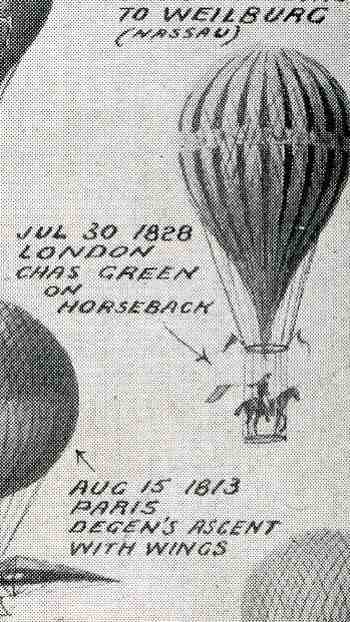
I like the History of Horses in Flight the most…
Towards a History of Horses in Flight in the 19th C (here)
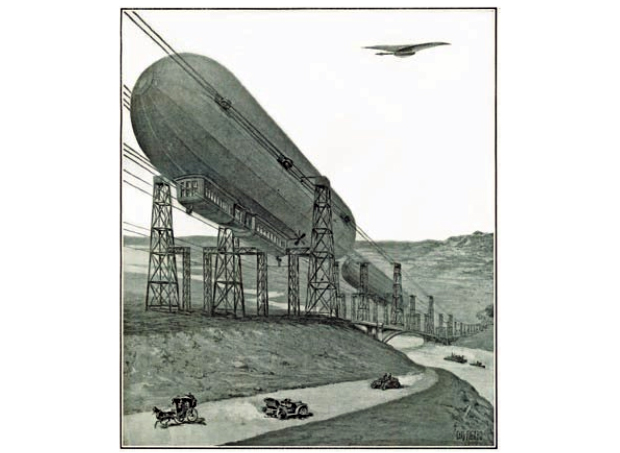
Here’s a highly-flammable, closely-space and
heavy-but-flimsy scenario just waiting for its first monstrous mishap.
This image is from the wonderful website of Alejandro
Polanco Masa’s Tecnologia Obosleta, dedicated to antiquarian, paleofuturistic
and non-existent technologies.It comes
from the December 1909 issue of Scientific
American, and according to the article was an “impracticable mode of
transit” envisioned by an unnamed German engineer.It was a rigid structure airship–which means
that it received its shape from a hard internal frame covered by a skin, rather
than a balloon or dirigible, whose shapes are almost entirely dictated by a gas
filling out their envelope—and looked a lot like Count von Zeppelin’s new
(1899) LZ-1 flying machine.No doubt the
engineer with this land-based system had been caught in the considerable
zeppelin fever which existed at the time. Itstretched the engineering
boundaries of the possible more than just a little, and looks to me like a
disaster that should’ve happened almost immediately.It was also supposed to speed along at 125
mph, by who knows what means. Seems to me that there would be fifty towers per mile for a huge flammable Zep carrying not many people–it doesn’t seem to make sense to me, particualrly when railroads would’ve done a better job safer and cheaper moving more people and, of course, the freight that these things just couldn’t carry. The
SciAmerican ended: “There are engineering as well as financial objections to
this scheme.”
See HERE for other posts on balloons, dirigibles and zeps.
One of my favorite categories/threads in this blog is the
sublime-mundane pamphlet title.
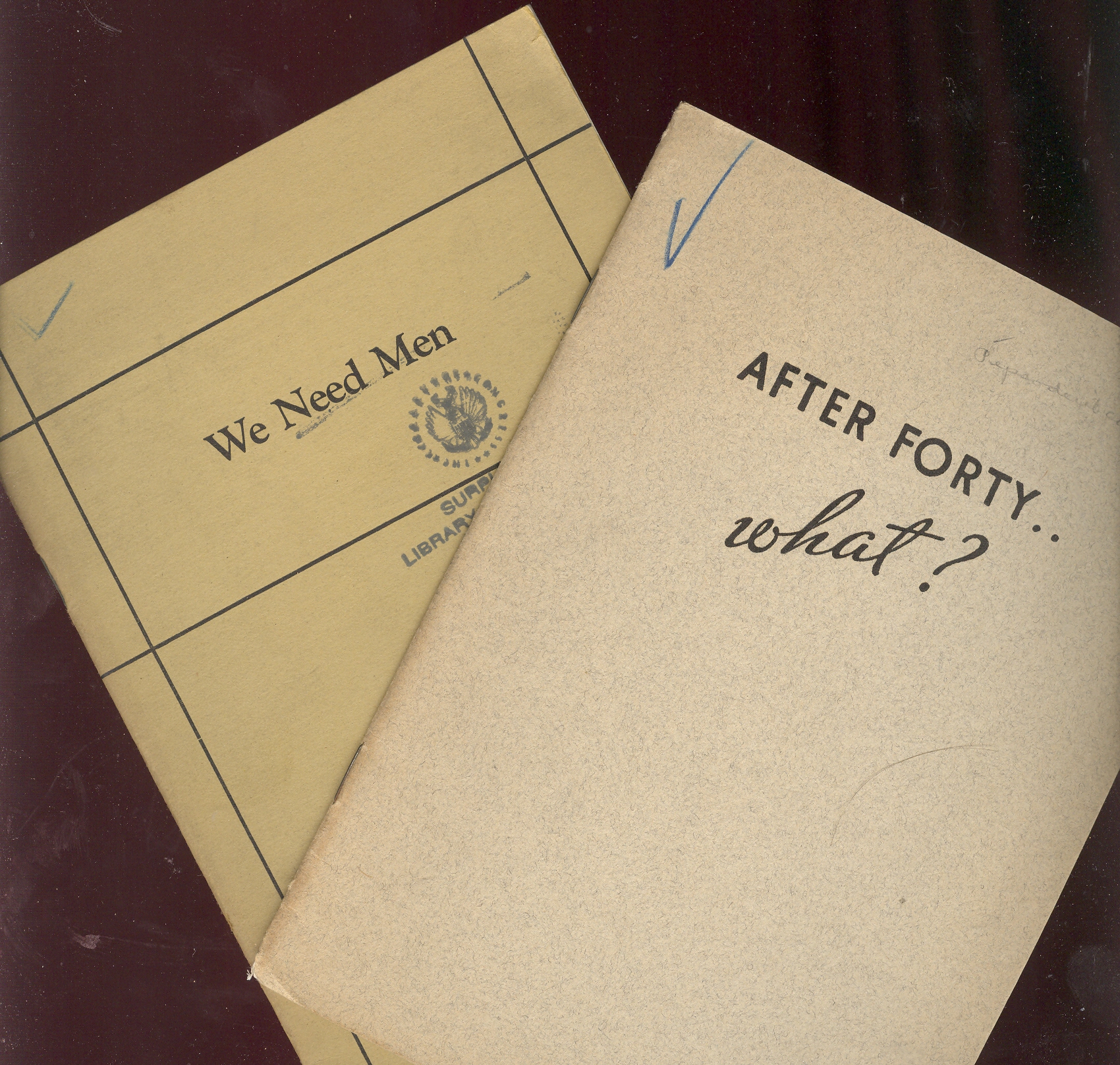
Envelope Facts, Notes on Reading Aloud, Saturn Has Rings, Know Your Groceries, Zipper Repair, Flagpole Painting,The Fine Art of Squeezing, Thirst and two dozen others
have bobbed to the surface here like antique lobster pots finding their way to
the daylight after 50 years of the big dark cold—at this point, no one cares what’s inside, sort of– just the very story and
appearance is good enough.
Sometimes the story and the title of these indredibly-titled beasts are both fascinating, though usually it is
not the case: the contents of the pamphlets with some of these bizarre titles
are just a plain slice of Wonder Bread, a big nothingness.The work on flagpole
painting is an incredible title—and it turns out that the contents make the
pamphlet the veritable Ulysses of
books of its genre, of which it may be the only one. But so it goes. At least everything that you’d need or want to
know is in there if you needed or were moved enough to paint a flagpole.Zipper Repair too is in this category—it
really is an exhaustive treatment on repairing zippers.
Today’s installment of five titles has only one in that first
category, the remainder being fundamentally eyebrow-raiser titles with somnolent
contents, exciting and sleepifying in one five-second motion.
A Short Treatise on Hickory Handles I am
sure is still useful to anyone making their own hickory-handled tools.It is a beautiful work—considered,
referenced, insightful, well-written and nicely illustrated.It is, in its own special way, achingly
wonderful. Not knowing anything about hickory handles I was very surprised to see that their story played out to 30 pages–it was so well written and documented that I read the entire thing. At one point in time, hickory handles were important.
The others are really more bark than bite—but their titles
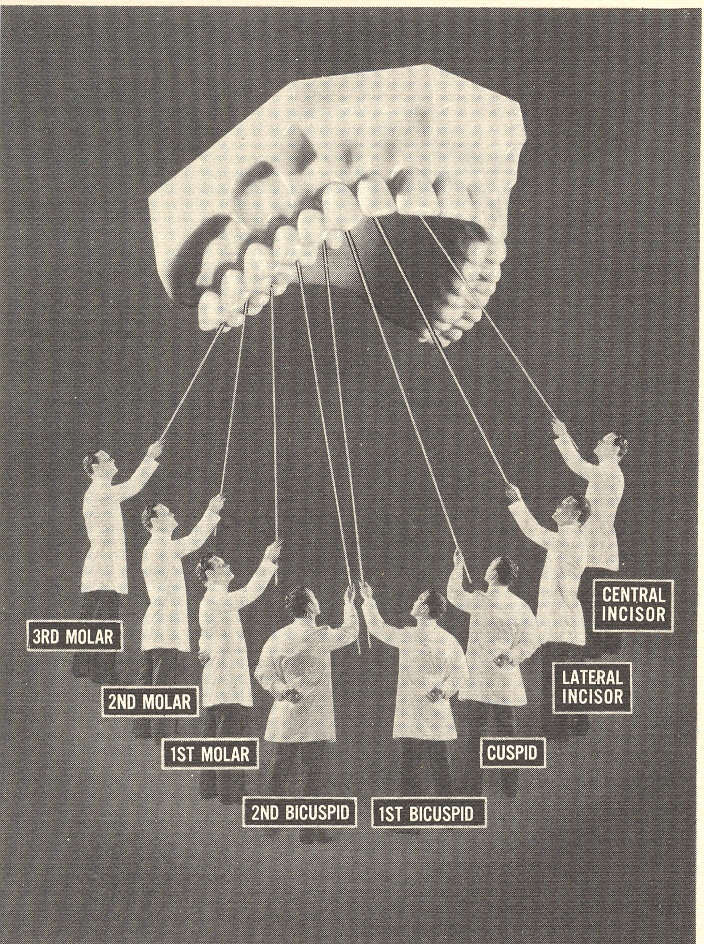
are just weirdly gorgeous. “After Forty…What?” held hope, but the 1934 pamphlet didn’t identify 40 as the new 60–it was concerned with (illustrated) tooth decay, and held no daydreams. Ditto “The Most Important Tooth”–I was hoping fo rit to be some one gigantic tooth in a field in Kansas, but I was wrong. Somehow the six-year-old molar is the most important, the seat of its infection leading to disease throughout the body. I dunno. I won’t even go into the other two for fear of spoiling their titled wonders.
The Maxim Gorky (Gorkii, ANT-20) was the largest plane of its time, a craft intended to show the world of the vast technical prowess of the Soviet Union. There is now doubt that the plane was huge–112’ long, 22’ high, with a wingspan of 206’ (and 5,200 sq ft surface area), and weighed in at 59 tons—and was indeed the largest plane in the world.
The reality of the craft was closer to its rear wheel, which was manufactured of metal and filled with cement.
The plane was built by TsAGI was big—it was also ponderous, pretentious, terrifically slow (cursing speed of 141 mph and top speed of 171), and just a beast. It was built very quickly, and it showed; it offered nothing new so far as design is concerned, being a cobbled montage of existing blueprints. It did set world records for lifting stuff, but beyond that, it was a half-dead behemoth..
Construction on the Gorky began in the midst of the Great Famine, a murderous Stalinist rampage which the result of planning and control on the collectives that killed 7-8 million Russians and Ukranians1 and which also destroyed the Ukrainian resistance, and which was also one of the most disgusting of the 20th century genocides…but there are so many to choose from. (See Robert Conquest, the Harvest of Sorrow2).
The Gorky was a magnificent nothing. It was dedicated, finally, to a serve as a propaganda tool for the inglorious voice of Joseph Stalin, fitted into service with a movie/film, theater, print shop, photo lab, press room, radio station, and other creature comforts. The Gorky, the “Victory Over the Air”, met its end 18 May 1935 in a crash with two other Soviet planes during maneuvers, crashing near Sokol Station, killing everyone on board and another 35 on the ground.
I’ve included photos of the interior of the plane which illustrated and article in the 19 January 1935 issue of The Illustrated London News. I could find no other pictures of the inside of the plane online.
Nothing
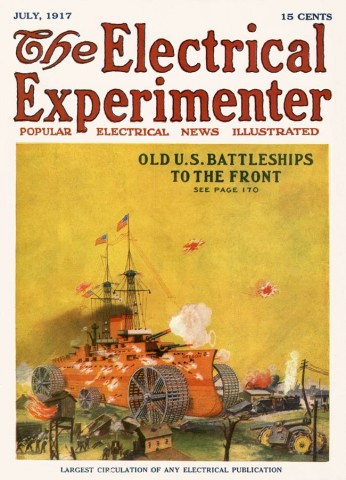
quite gives me the rumbles as seeing pictures of Great Heavy Land Things on the move.The NASA launch crawler is one of the biggest,
though it doesn’t come close to this impossible LandClad pictured in Brett
Holman’s excellent AirMindedblog:the
terrestrially-motorized and tankified version of obsolete ironclad (and I guess
pre-Dreadnought) battleships.I doubt
that there would be more things more fearful than seeing something like this
coming over the rise, Martian tripod death machines notwithstanding. The
ironclad/pre-dreadnought would certainly have some problems moving around on
the land, considering the huge power sources needed to move them while they
were floating in water. The giant tank also
looks pretty pervious, all things considered, and (among many other things)
looks as though it probably wouldn’t do so well in rainy weather—it looks like
it would generate its own Operation Barbarossa
mud wherever it went.My guess too is
that if got stuck, it was, well, stuck.
The
pursuit of sea-land machines has always had a huge ‘wow” factor, if for no
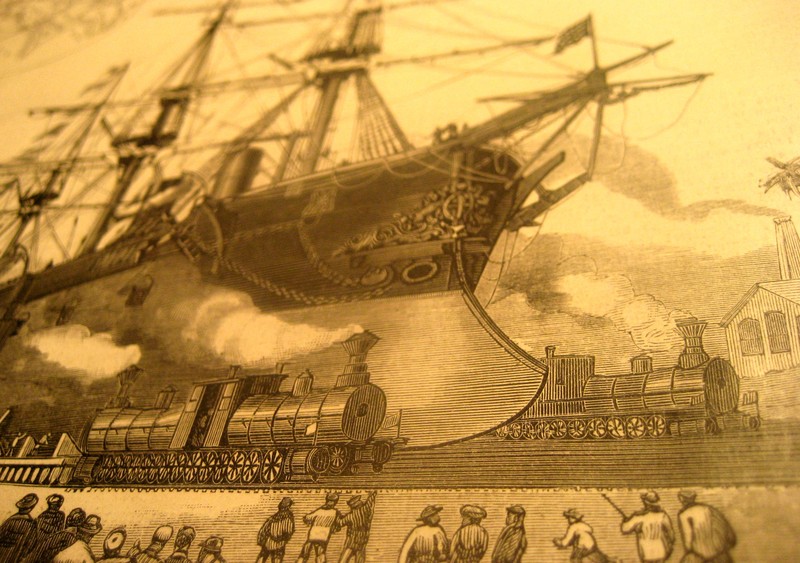
other reason than it was just out-of-place and big.I’ve written earlier here on Elmer
Cotherell and James Eads proposal to build a combination railroad ship canal
across the Tehuantepec isthmus in Nicaragua, hauling ships up and out of the
water and transporting them across land on six railroad tracks pulled by juggernaught
teams of locomotives.In the
fiction-made-fact world, Werner Herzog hauled a real steamship up and over a mountain for
the filming of his quixotic Fitzcaraldo,
which was simply a fabulous thing to see. (The film is a glory as is the film made on the making of the film.)
Getting
back to Holman’s landship—I remembered something similar to this, and actually
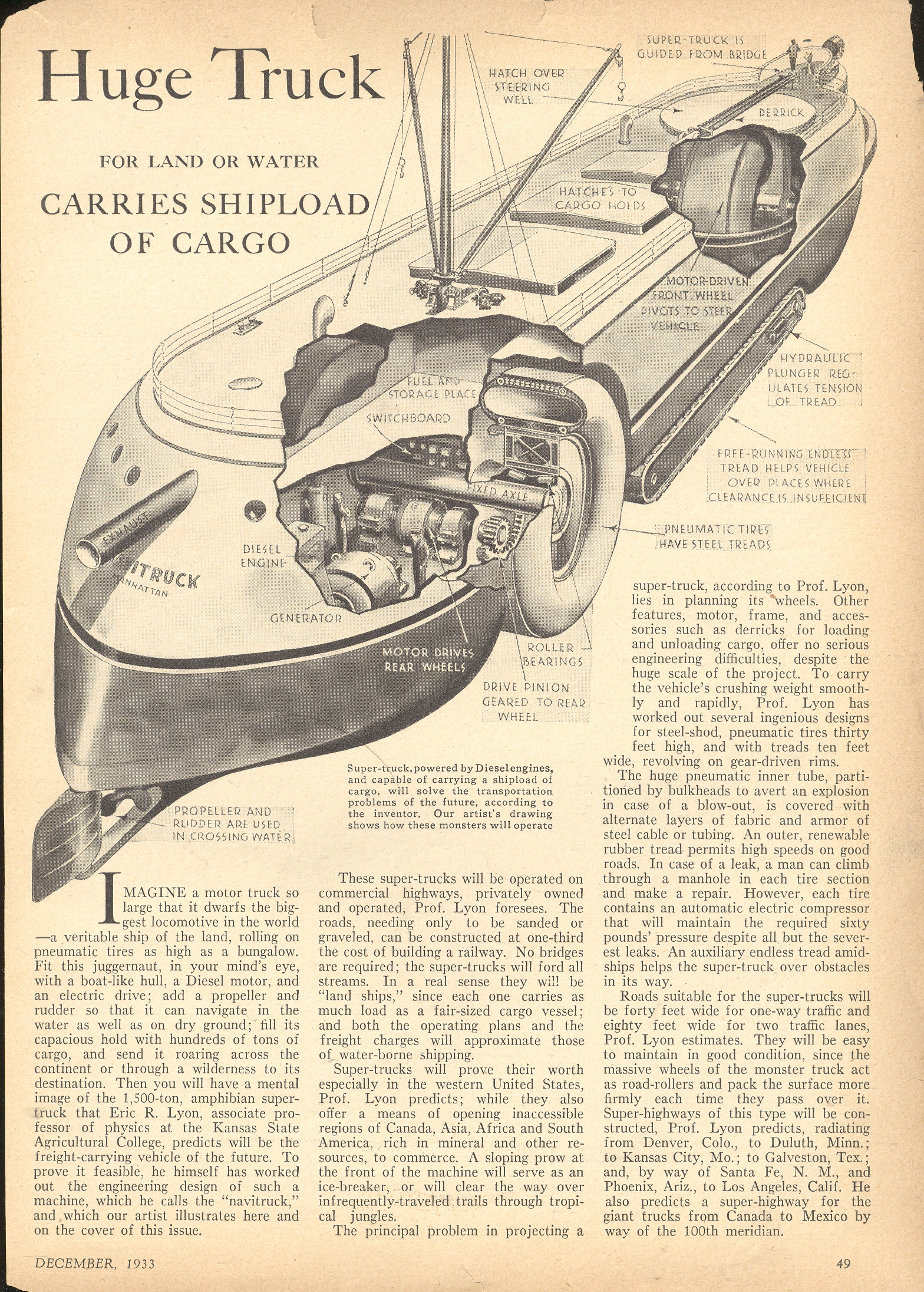
found a picture of it right here in my bizarre-archive.Popular
Science (December 1933) published this account of professor Eric R. Lyon’s1
conception of the Diesel-powered “Navitruck” (its name looking like quite
something different and not so pretty at the thing’s stern), a 1,500-ton
amphibious truck with (what Lyon states to be ) 30’-tall (and 10’-wide) tires. Given
this I approximate the monster would be 40’ wide and 100+’ long, and I guess at
least 35’ tall. A flattening tire on
land would be a problem; I guess a blowout would be catastrophic.
Did I
mention that this thing could float?
Anyway
Prof. Lyon envisioned a veritable Western ribbon of these things radiating from Denver to Duluth,
to Kansas City (MO) and Galveston, and to Phoenix and on to Los
Angeles.Special
gravel roads would be built for his trucks (cutting down on construction costs
for more permanent roadways), and in the case of no roads, Lyon saw that the
bow of his ship could both cut through impenetrable South American jungles as
well as break ice in frozen Arctic waters. Somehow the roads are seen as being 40’ wide for single lane traffic,
and 80’ for double lanes, which doesn’t leave much room for error.
There are
some real mammoth trucks rumbling around
mining operations, the Caterpillar 797e and Terex trucks, being two of the world’s
biggest.They are 22’ and 24’ high and
300 and 280 ton machines, respectively, and although they begin to approximate
the brutishness of the Lyon machine, it would still take five (or ten) of these
beasts to fill the shoes of the “Navitruck”. Also, a big point which isn’t addressed with the Lyon’s machine is fuel. The thing would have to have something like a 10,000-gallon fuel tank–which means the fuel alone would weigh 60 or 80 tons–to avoid having fuel stations spread like flies along the landship byways. Fuel consumption wouldn’t be measured by the gallons/mile with something as monumentally heavy as this–it would be measured by the gallons/minute. Since the Caterpillar 797e drinks about a gallon a minute with a modern efficient engine, I’ll make the wild iterative guess that the Navitruck would gulp 20/gallons a minute (?!), which would be a very hard rate of pumping at the gas station this afternoon. That means that this trucks would be filling-up twice a day after getting 225 miles/tank. At 15 cents a gallon (in 1933) that would make a $3,000 fill-up, which means it would cost about six thousand 1933 dollars to make it from Denver to L.A. Provided it didn’t break down. [The wheels were on a fixed axle. Yikes.] The average salary in 1933 was a little more than half the cost of this fill-up, or about $72,000 in 2009 dollars. On the other hand, if these things hauled 3 million pounds the fuel costs for moving each pound would be about 2 (2009) cents. Or maybe not. (All of this scratch-pad reasoning might be wrong, but not horribly so, I don’t think.)
There were definitely more convenient and already-exiting ways of hauling freight at this time, and the system had a much more robust delivery system and reach. That system was called “railroads”.
All in
all, I’ve come to the conclusion that ship should stay in the water.
Note:
1.Professor Lyons (KansasState University physics
department), was no stranger to big ideas, appearing frequently in popular magazines
like this and the Electrical Experimenter,
among others.
I wonder what our human world would be like if we had evolved living in horizontal linear cities?
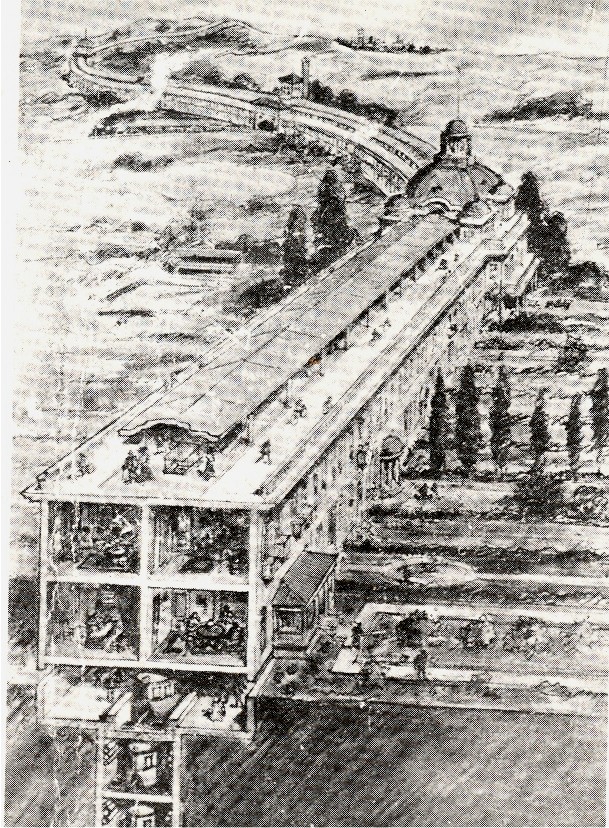
The idea had never occurred to me before seeing the work of Edgar Chambless, whose Roadtown (the entire 172pp of the 1910 work located here) projected the idea of super long linear road-cities. Actually it was the illustrations that attracted me more than Chambless’ pamphlet, though I’m surprised to admit, there’s some interesting bits and pieces in that exceptionally odd work of city/future planning.
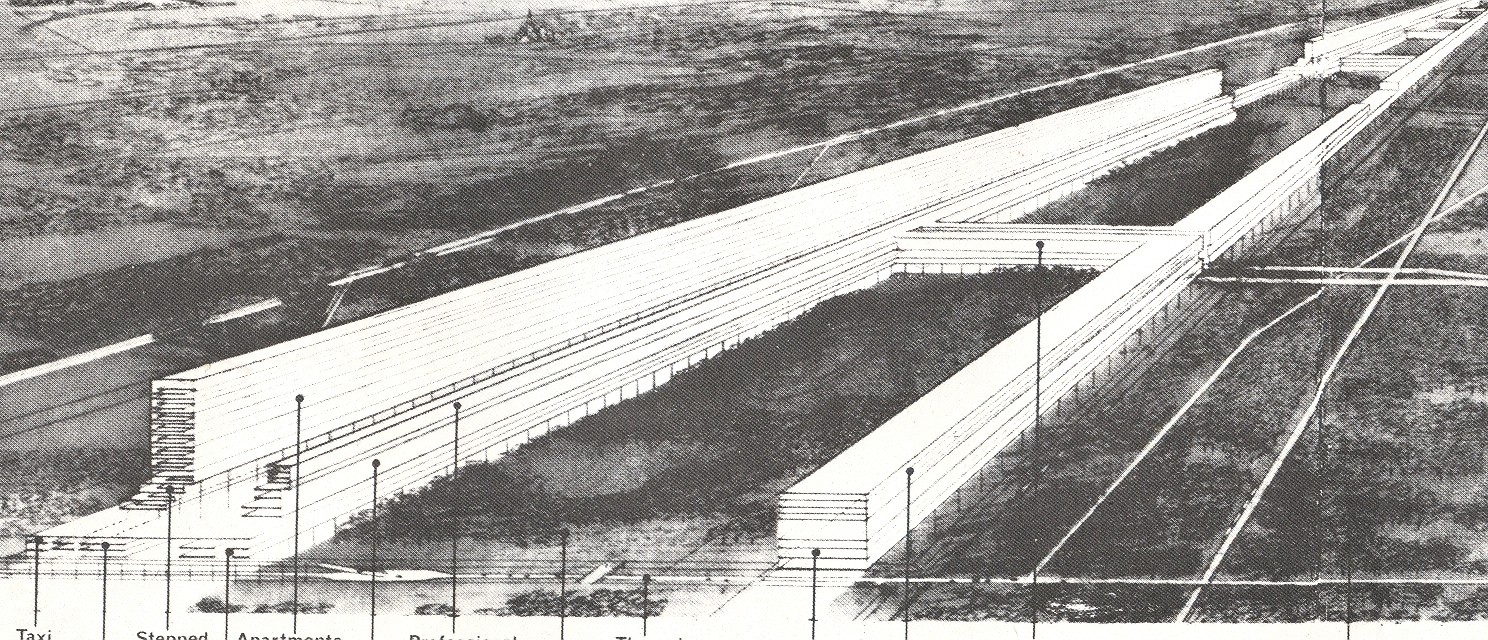
Michael Graves also proposed a linear city [aerial perspective below] to form a contiguous, living corridor between New Brunswick and Trenton, and alluded to the development of “consequent new patterns of life” though doesn’t say what they might be.
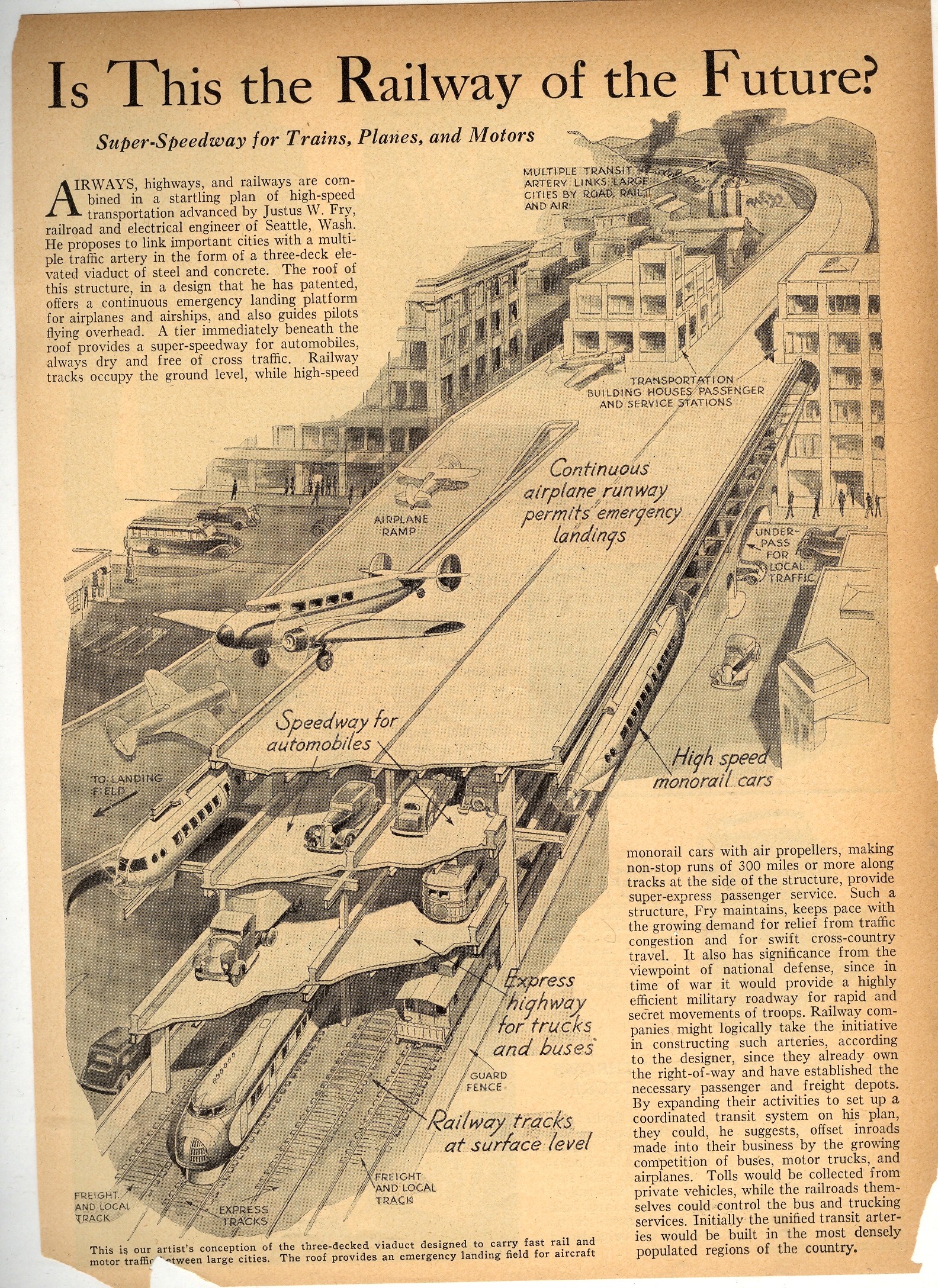
And certainly there have been many plans for incorporating, engulfing, transportation systems into the very fabric of a city (as seen in the “Is This the Railway of the Future” image that ran in Popular Science in 1932), though the idea of combining transportation and the city itself into a linear creation is far more uncommon.
But getting back to this living-in-a-line part: according to some rough napkin-logic, I figure that in order to house 300 million Americans in one long structure, it would take something like a building 400′ wide, 12 storeys high and 3000 miles long (not including infrastructure and so on) to allow 400 square feet of living space for every person. Oddly enough I randomly chose an individual unit of 400x800x120 feet to work with, which is within just a percent of two of the total volume of the Empire State Building (bizarre!), meaning that it would take about 20,000 Empire State Buildings placed end-to-end to perform the housing of every American in this straight J.G. Ballard-like world.
Now Chambless offered an architectural-something much less complex1 than this notion I just imagined, though his philosophy of life and living in such a city was developed well enough to get the interest and attention of major movers and shakers (including Tom Edison). There was evidently quite a buzz about Roadtown though that’s all that ever happened–buzz and no sting, meeting after meeting, happy attendees, then off to another meeting with apparently nothing to show for it all in the end, an interesting idea that took a decade or two to die.
Notes:
Edgar Chambless and Michael Graves images from the wonderful book, Unbuilt America, by Alison Sky and Michele Stone. (Sky and Stone–very close to sky above/mud below.)
1. (From The People’s Almanac, 1981): “In cross section, Roadtown would, beginning at the top, consist of: (1) a roof promenade–a glassed-in sun parlor in winter, shaded walk in summer, with bicycling and skating paths and towers housing schools, nurseries, recreation facilities, stores, and power plants; (2) a two-story, above-ground house, with a workroom at street level, a living area above it, and utility lines (electric wires and gas and water pipes) enclosed in a runway beneath the house; and (3) three below-ground levels of railroad lines for expresses and locals, to carry both passengers and freight”
“Building
skyscrapers is the nearest peace-time equivalent of war. In fact, the analogy
is startling, even to the occasional grim reality of a building accident where
maimed bodies, and even death, remind us that we are fighting a war of
construction against the forces of nature.” -Col. William A. Starrett, Skyscrapers and the Men Who Build
Them (1928)
Indeed!I wonder if Starrett (whose book, or at least
its cover, is beautifully designed and a roaring bore to read) had this
proposed building (below) in mind—if so, we could’ve skipped right past WWII
and declared WWIII.
It’s a good thing
that the Roman skyline isn’t punctured here and there by skyscrapers—especially
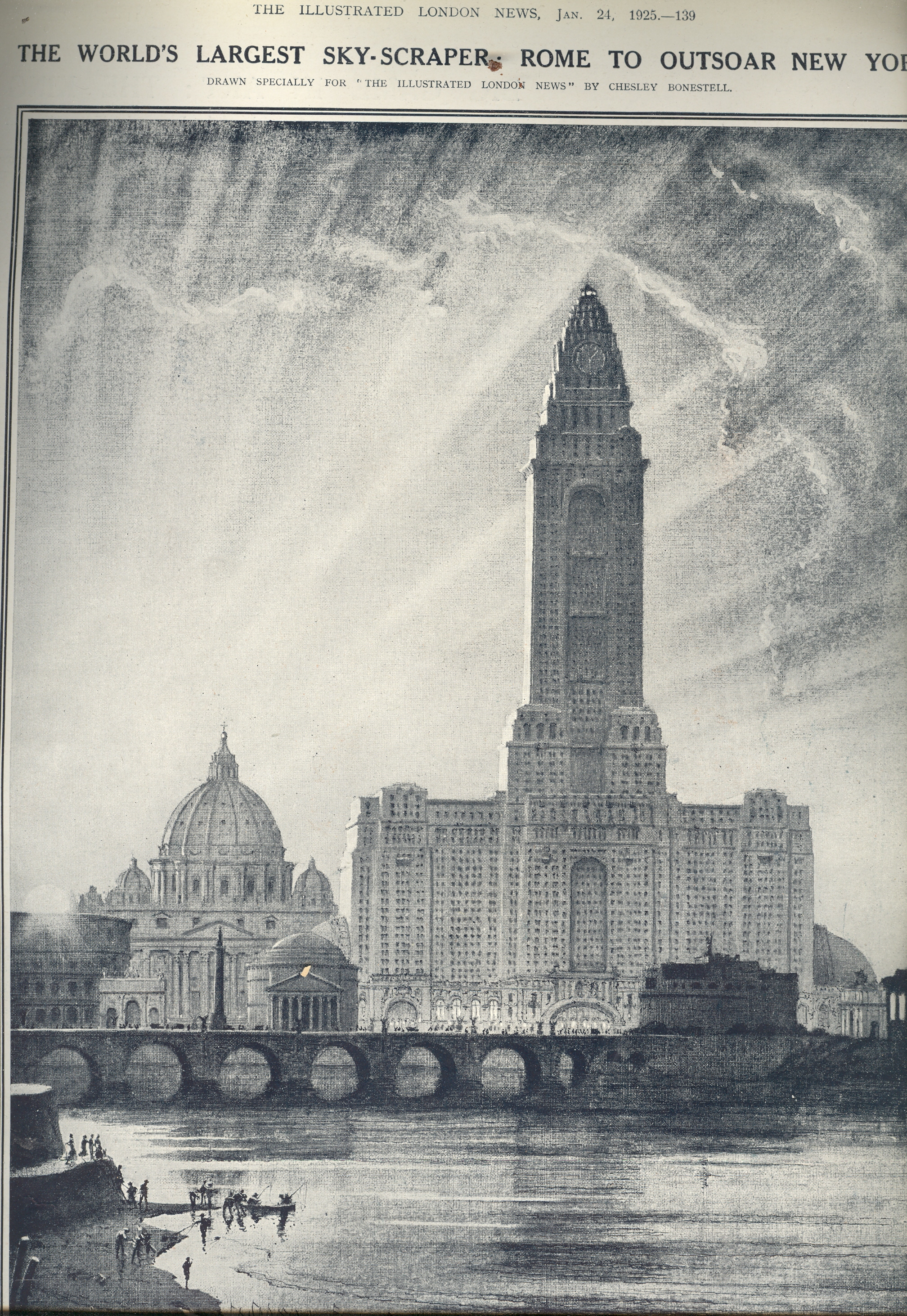
those that would’ve been built during the Fascist era.Take, for example, this planned 1100-foot
monster, proposed in 1925, in the third year of Mussolini’s government.This is an idealized cityscape of course,
created to show height comparisons with famous buildings, but this thing
(looking very much like Moscow University) would’ve
created a hole in the sky and thrown a suffocating, shadowing presence all over
the city.Granted it isn’t as monstrous
as many of the international style buildings could’ve been had they been a fifth
of a mile high–that work was left to the cobbled hand of Philip Johnson in
America—but it is still horrible enough all on its own.More horrible to think that it could’ve
swallowed whole the seven biggest buildings in Rome, and was taller than the seven greatest architectural
wonders of the ancient world stacked one on top of the other.
It is curious to
note that this spaceship-like building was drawn for The Illustrated London News (24 January 1925) by Chesley Bonestell
(1888-1986), an artist and designer, and known as “the Father of Space Art”.The best thing that this building could’ve
done was to light its afterburners and take off.