A Daily History of Holes, Dots, Lines, Science, History, Math, Physics, Art, the Unintentional Absurd, Architecture, Maps, Data Visualization, Blank and Missing Things, and so on. |1.6 million words, 7500 images, 4.9 million hits| Press & appearances in The Times, Le Figaro, Mensa, The Economist, The Guardian, Discovery News, Slate, Le Monde, Sci American Blogs, Le Pont, and many other places… 5000+ total posts since 2008.

Category: Absurdist, Unintentional

  • Atomurbia: Responding to Atomic Threat by Moving Everyone Everywhere. 1946

    JF Ptak Science Books LLC  Post 1018

    “It is probably not worth putting (all) railways under ground.”  Ed Teller, 1947

    [See also our 50+-part Atomic & Nuclear Bomb series here]

    There is a universe of alternate universes constructed of nothing but the dim bits of bad thinking that is the very DNA of the history of bad ideas.  In those realms there are bad ideas that are bad, bad ideas that are toweringly bad, and bad ideas that are so bad that they’re not even bad as they transcend communication capacities of badness.  The idea I’m writing about today lives at that unspeakably-bad level.

    And that bad idea is this: relocating and dispersing the entire population of the United States into a geometric grid-work covering all parts of the country, emptying all American cities into a vast nothingness of exurban Atomburbs. 
    1-may 3-atomic 2

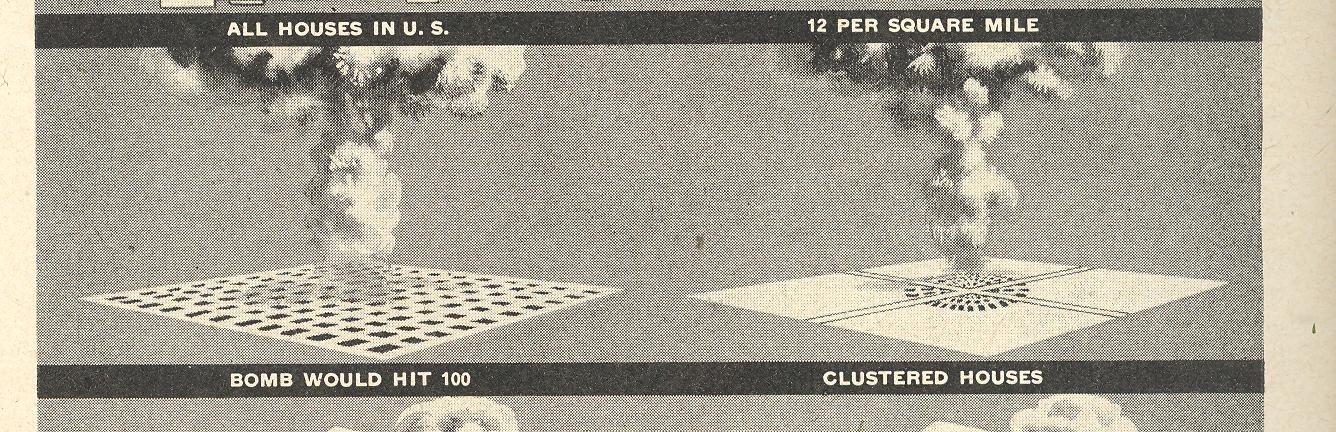
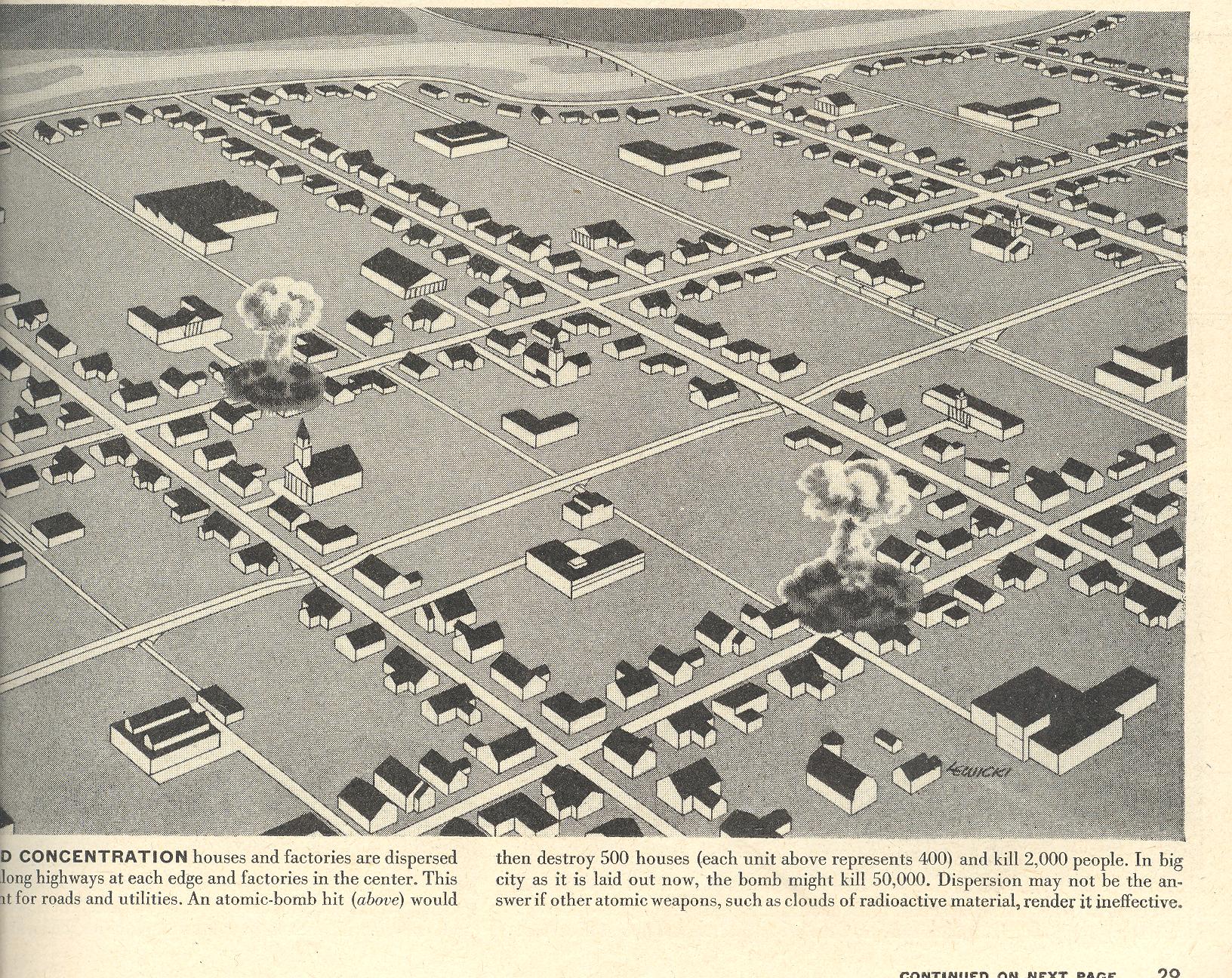
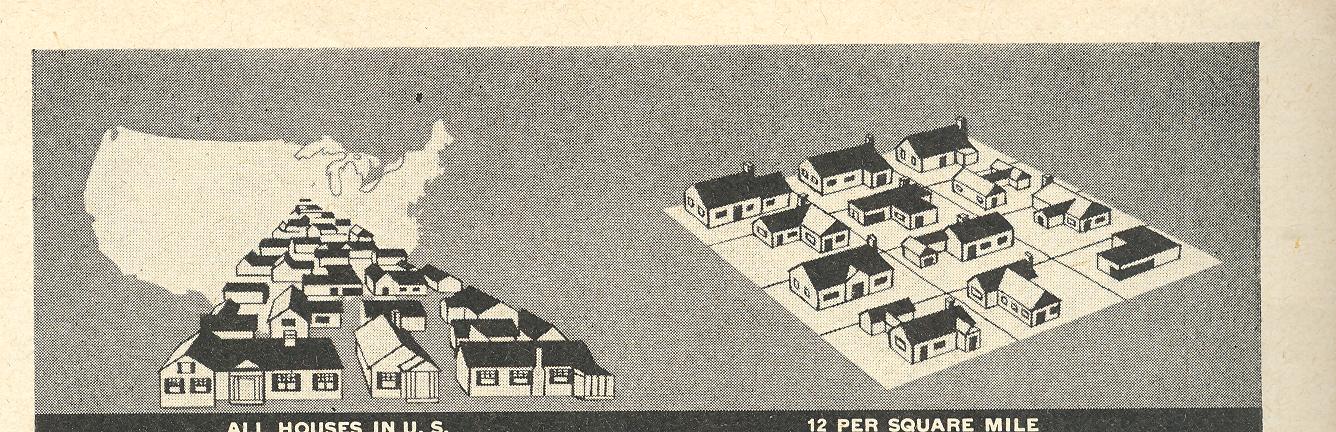
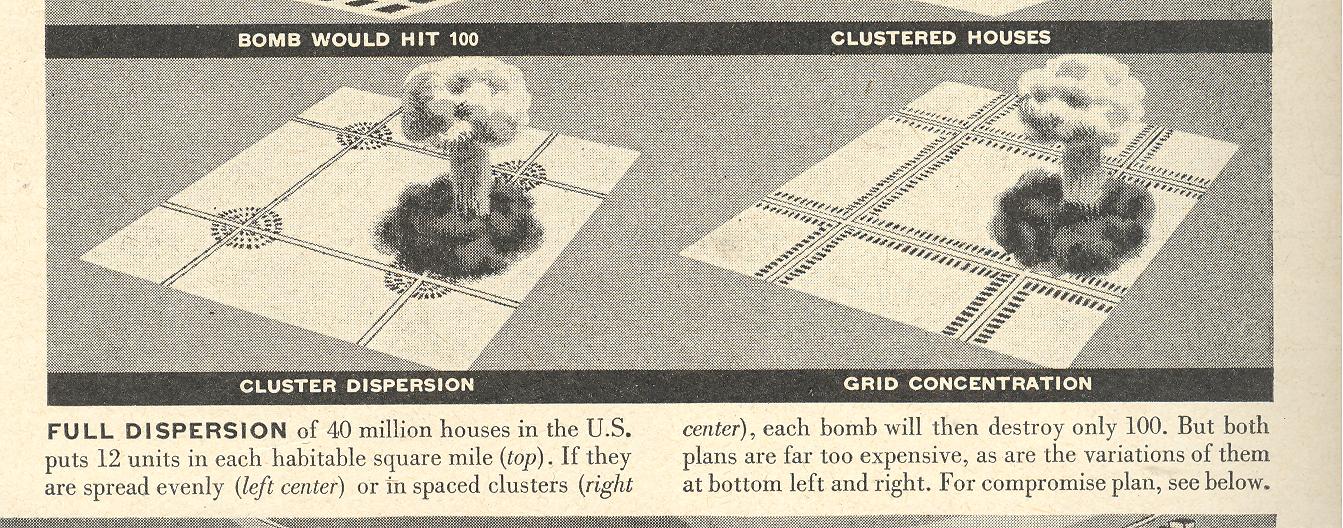
    There.  I said it.  Unfortunately, the thoughtfully blank idea was “real” and  was worked out by three smart guys, the result published in the Bulletin of Atomic Scientists in 19461.  The kernel of the proposition was republished for the masses in LIFE magazine in (15 June) 1947, complete with maps which stand on their own as being spectacular and peculiar examples of visual propaganda.         

    Listen: the crux of the issue was to remove everyone from any American city with a population greater than 50,000 people and place them in newly-built communities set out across the country’s landscape (mostly) like a chess board, the towns existing on all of the connecting lines. [As weird as this sounds, the great Norbert Wiener came up with a similarly astounding, untouchable idea using circles.]. The authors proposed to build 20,000,000 new homes, relocate industry (preferably underground), reallocate and redistribute energy supplies and natural resources, and recreate the very fabric of social and economic life in America.  
    1-may 3-atomic 4
    The governor of this thinking was the coming arms race and the American susceptibility to clouds laced with Soviet atomic weapons–and worse.[The calculations for destruction being used here were for the Hiroshima atomic bomb; in 1952 the U.S. would detonate the first hydrogen bomb, followed by the Soviets the next year.  These bombs would be measuring explosive force in terms of hundreds of thousands–and then dozens of millions–of pounds of explosives.]  How does this idea get thunk in a group and not abandoned?  And then how does it manage to be published by a a reputable organization?  These are smart men, these authors, and I just cannot think of how they could’ve come to these conclusions–though Teller, who was part of the genius flotilla of superb and essential Hungarian scientists, was undoubtedly mentally affected by his supernova hawkishness. I didn’t know this about Marshak, and I really am not very familiar with Klein.  They were all University of Chicago, and the Bulletin was originally published as the Bulletin of the Atomic Scientists of Chicago. 

    There are deeper, more disturbingly anti-spectacular ideas laced through the short article, some of which are so soaringly and diligently insane that it is difficult to address them.  For example, the authors suggest that the “ribbon cities” wouldn’t necessarily have to be “laid out in exactly straight lines” and that the lines could be adapted to the terrain.
    1-may 3-atomic 1

    Even though the authors propose moving and rehousing 20 million people (and so on), this was not what they really wanted to do.

    They wanted to put everything in lines and underground. 

    “We shall have to forgo elaborate schemes of underground cities” because of expense, they write.  And what of the cost, as long as we’re at it?  Somehow a figure of 200 billion is floated around–200b in 1947 dollars, which is 5 trillion in 2010 dollars (or so), which really doesn’t seem to be a figure that is in any way near to what an undertaking of this magnitude would cost.  (The odd thing about this figure is that $200 billion is about the same percentage for a single year of 1950 GDP as the $5 trillion is of the 2010 GDP.) [It seems unfair to take things out of context like this, but, well, it isn’t–the entire article is filled with almost nothing but these statements.  In a way I’m doing the authors a service by taking things out of context so that the entirety of their madness isn’t revealed as the ugly road-kill thinking it is.]

    Of course, g_d knows where all of this building material was going to come from.  Or the people who would actually do the work.  Were there 3 million construction/building folks in the 1950 census?  I don’t think so.

    And so in spite of the overwhelmingly underestimated cost, and the rerouting of the infrastructure of the entire country, and moving everyone in the country, and building 20 million houses, and finding the material to do so, and finding the workers to build them all and reconstruct all of the infrastructure and build all industry underground and have the tools to do it all with, the authors felt as though the whole thing could be pulled off in 10 years.

    Someone, somewhere, was certainly going to be working late.
    1-may 3-atomic 3

    And so the interesting part of this thought-tragedy for me is–what is the equivalent idea of this going on right now?  I know there is one, and there will be a new one tomorrow. 

    Notes
    1.. Jacob Marshak, Edward Teller, and Lawrence R. Klein. “Dispersal of Cities and Industries.” Bulletin of the Atomic Scientists 1, April 15, 1946, 13.

    See also:
    “Naked City.” Time. Nov. 28, 1949, 66. Also at.  Also see .The City Under the Bomb.. Time, Oct. 12, 1950

    Charles Grutzner. “City folks‘ fear of bombs aids boom in rural realty.. “ New York Times. August 27, 1950, 1.

    Michael Ray Fitzgerald.  Sitcoms and Suburbia. The Role of Network Television in the Deurbanization of the U.S., 1949-1991.
                   
    Molella, Arthur P. “The City as Communications Net: Norbert Wiener, the Atomic Bomb, and Urban Dispersal” Technology and Culture – Volume 45, Number 4, October 2004, pp. 764-777


  • 1947 Atomic-Powered Farm Industry and the 1945 Internet–Interesting Future Visions Fueled by Booze

    JF Ptak Science Books LLC  Post 1017

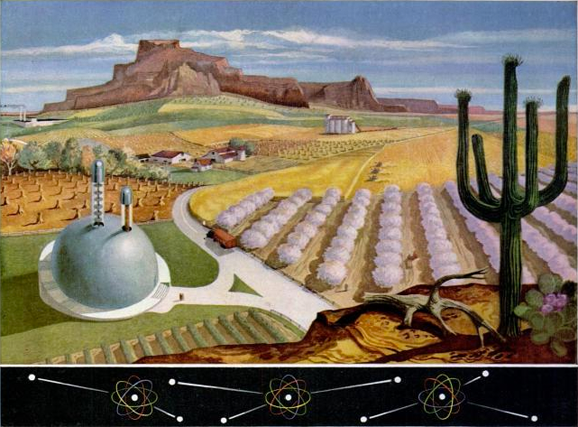
    Seagrams V.O. Canadian Whiskey powered the future through a series of a dozen or so ads for itself in the 1945-1947 period, taking a usually-strangled though occasionally interesting peep into what the future might bring.  (And of course the future is brought by men who drink Seagrams.)  In this ad, appearing in the 12 May 1947 issue of LIFE Magazine, we are told “deserts will bloom through atomic power”–how this might happen is left to the imagination. Also left to fantasy is what exactly is being farmed there in front of the incongruous “atomic energy plant”. Plastic smoke?  Taking a fractured approach to the possibilities one might say that atomic bomb mushroom clouds are being grown from seedlings here from the ground up, nurtured until the day they too will be as big as the blasts of August 1945.

    Atomic garden

    Oddly enough, the illustrator–who after all was just trying to sell alcohol–came pretty close to the truth, except that they got the power source wrong.  Rather than nuclear energy, it would be petrochemical industries that would lie there at the heart of America’s farm production (via seeds and fertilizers and so on)–I’m sure that it would’ve made more sense in a weak way back there in 1947 to believe the atomic story rather than thepossibility that it would be petroleum that would drive the entire production of food forward.  

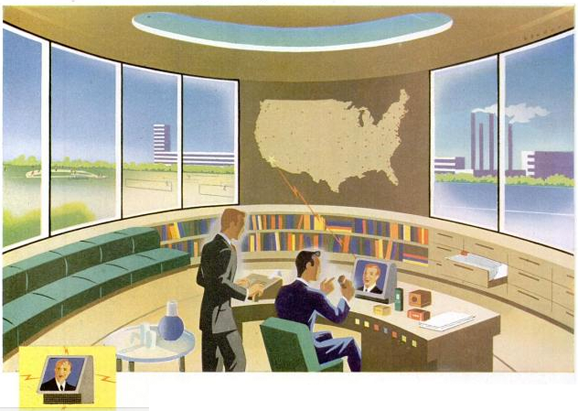
    In another weirdly prescient image–“weird” anyway for a quick effort made by an artist trying to sell drunk juice–is this proto-internet office view, made in May 1945. There’s lots of passive solar going on here(though not really very effective when you consider the other ways of directing and filtering exterior light inside) in the office of tomorrow, but more important is the desk and the file cabinets.  The seated man is talking to someone across the country  via phone/wireless, with data en masse at his fingertips, a “computer” (in the old sense of the word, that being a person–and usually a women–given the charge of adding long columns of number or whatever and then doing the arithmetic, like a comptometer) working some sort of calculating interest on the largish calculating instrument. In general we see a decision-maker awash in responsibility connecting all of the parts of his world: a primitive, secular, analog internet.  And this too just at about the same time that Vannevar Bush introduced his own vision of the informational future with his superb Memex (which I wrote about earlier on this blog here.)

    Internet 1945


  • Picture Dictionary of Extinct Semi-Luxuries, Part 1

    JF Ptak Science Books LLC  Post 1016       

    Luxury for the not-wealthy, the luxuries of the working classes, is a relatively new invention in the West.  Virtually unmolested except by the aristocracy, “luxury” was a thing defined to exclude nearly everyone in Europe, the United Kingdom, America and virtually any other place.  Not until the second Industrial Revolution did capital become more “absorbent” to those working for it, with the working classes allowed to be paid more and keep more of it–money in the hands of the mass of society became expendable on the stuff of life that wasn’t necessarily “necessary”.   This picture dictionary–collected but not assembled by the social muse and graphical strategist Malcom Mumbry (of Landrum, South Carolina, working-class neighbors to the wealthy in the horse country of northern South Carolina)–displays some of the many new luxuries of the 1880-1920’s period, most of which have now been lost to the dust and short memory.

    The images are beautiful and unusual–their content may be even more so, and generally unexpected and–occasionally-unimagined. We’ll be making posts to this site until we can construct a few representative alphabets of lost luxuries–their initial presentation will  not be made alphabetically.

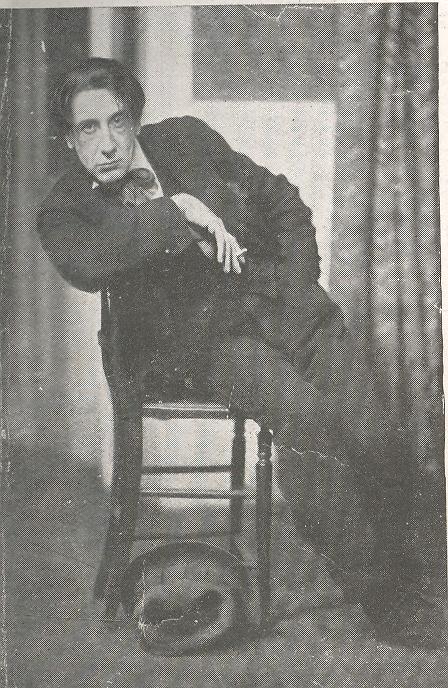
    H     Hat Ennui.  


    1-apr 29--luxury--hat ennui

    By the time this photo was made in 1920 hat-need had surpassed itself to the point where only ennui could quench the continuing hat-thirst.  So much so as a matter of fact that Giles Rope, a French playwright, wrote and co-produced  (along with Guy la Flembeur) “Ennui Chappeu”, an absurdist work on the developing hat anti-lust.  Intended as a silent/violent statement against hat ennui, it became a pro-ennui sensation–not only did men want hat ennui, they evidently wanted to watch other men with hat ennui, as well. The play ran 85 weeks in Paris, 50 in London and 102 in New York, closing in 1926.

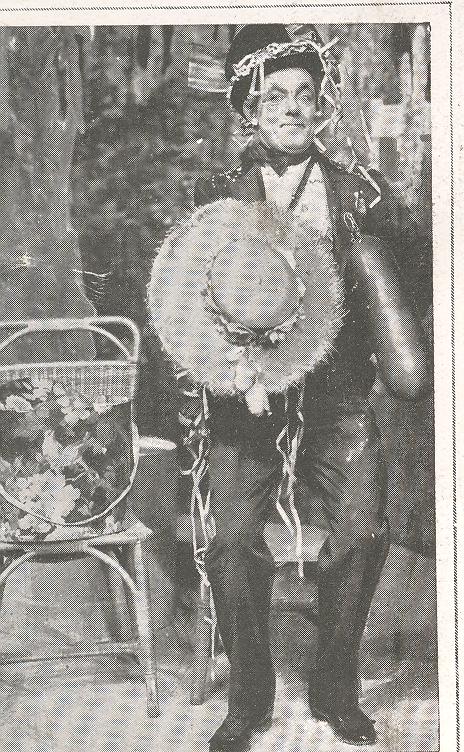
    H  Hats, Bologna

    1-apr 29--luxury--bologna hats 

    Perhaps a more unusual hat story in 1921 was the appearance of party hats for over-sized bologna.  The delicatessen standard was new in 1921, and in order to make it more somehow appealing to customers the bologna were dressed in large, flat-brimmed party/sun hats.  By 1922, bologna hat racks began to appear in some eateries; by 1923, the hat craze was over, and bologna had shrunk. 

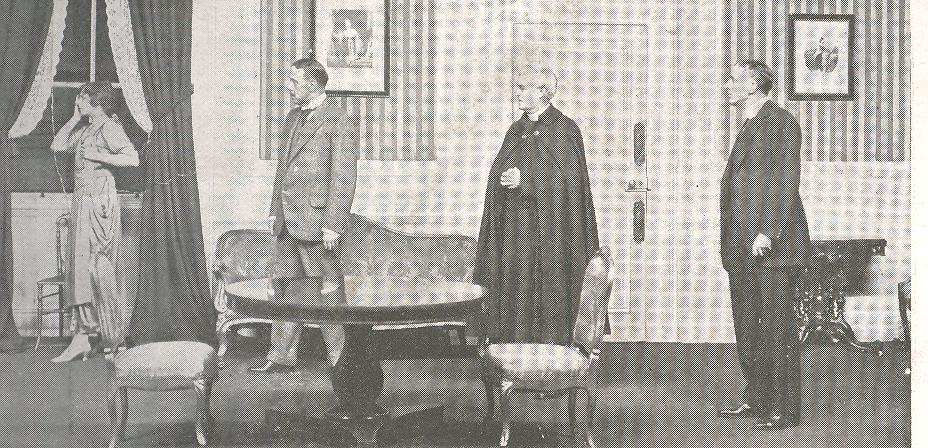
    S  Sob-watching/sob-watchers

    1-apr 29--luxury--sobwatch
    The somewhat wealthier classes were offered a short “Exclusive Hirelings” pamphlet by Bent Gruel Company (of Chicago),  where well-dressed “Attendants” could be hired to “engage at a distance”. This amounted to polite watching–interested parties could now hire one (or more) of Gruel’s sophisticated cadre to “attend to the visual needs deserted” of people in joy or crisis so that whatever it was being experienced was now not necessarily experienced alone. (In the above scene a client has hired three men to equidistantly observe her weeping by a painted window.)

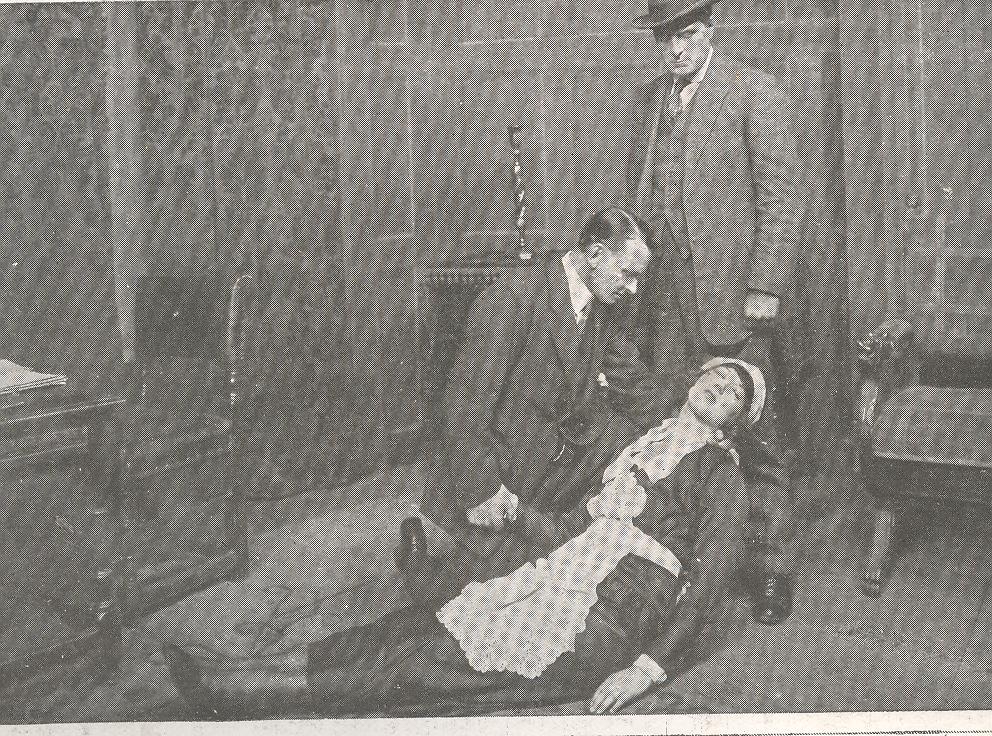
    M   Maid Fainting

    1-apr 29--luxury--maid fainting

    For the millions of Americans who were newly affluent in 1925 but not affluent enough to afford a fainting maid that they could attend to came the Maid Fainting Society Inc of America.  Bonded in 15 states, MFSA sponsored overseas maids to faint in good American homes.  They were hired out at $4/hour (a handsome hourly sum in 1925), the fainting maids being allowed to keep half.  In 1926 a sub-cult of Extra-Tall Fainting Maids was born (an example of which is picture above), and provided an income to thousands for several years.  (One of the last silent films ever made, Fainting Maid Maiden, with Clara Bow, 1944, used this phenomenon as a basis for its story; by that time however the craze had passed, the war was on, and no one cared anymore for silent films about fainting maids.)

    C   Cigar Cane Rentals

    1-apr 29--luxury--cane
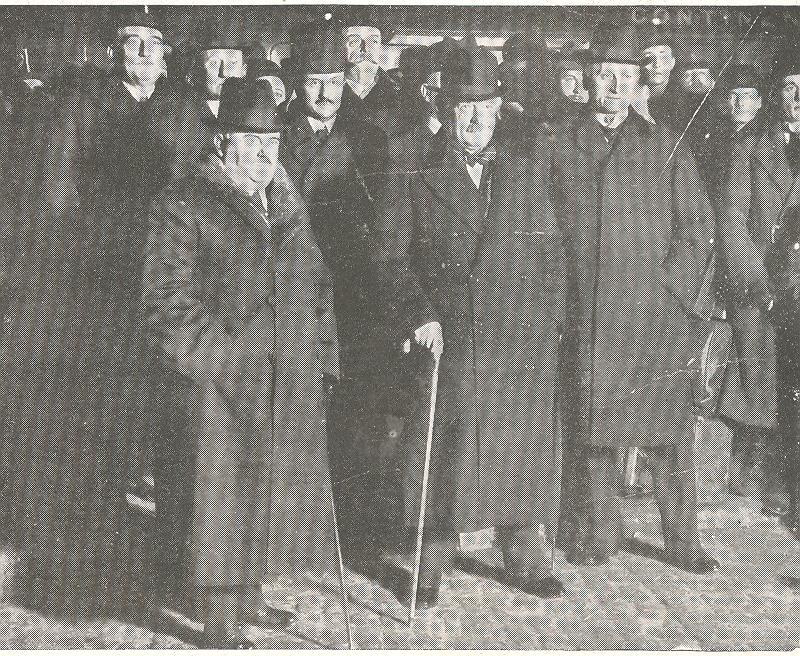
    An excellent example of an extinct semi-luxury that was almost entirely based in England and which never caught on anywhere else in the world was cigar cane rentals.  As seen in this photo (made in London in 1922), well-intentioned better-clothed country pensioners were brought into the city and made to pose with their renter canes.  Wooden canes evidently deprived Londoners of a “cigar aromaticity” need that was fulfilled with these canes made of cigars.  The short craze lasted for about 15 months, during which time better than 500 cane renter holders were stationed around London at walking parks on any given evening.  It was an essential part of care rental to do so on brick, as the cigar cane tip made a distinctive sound  (a harley-like individuality if you may), which was enjoyed by the renter and the non-renter alike.  AS we can see in the photo above, nearly all of the cane renter men have already rented their canes, pushing the last two men with canes to the front for greater visibility.  

    –end, Part I


  • A History of Blank & Empty Things #70: Thought and Fox-Tossing

    JF Ptak Science Books LLC  Post 1015

    1 april 27 fox tossing

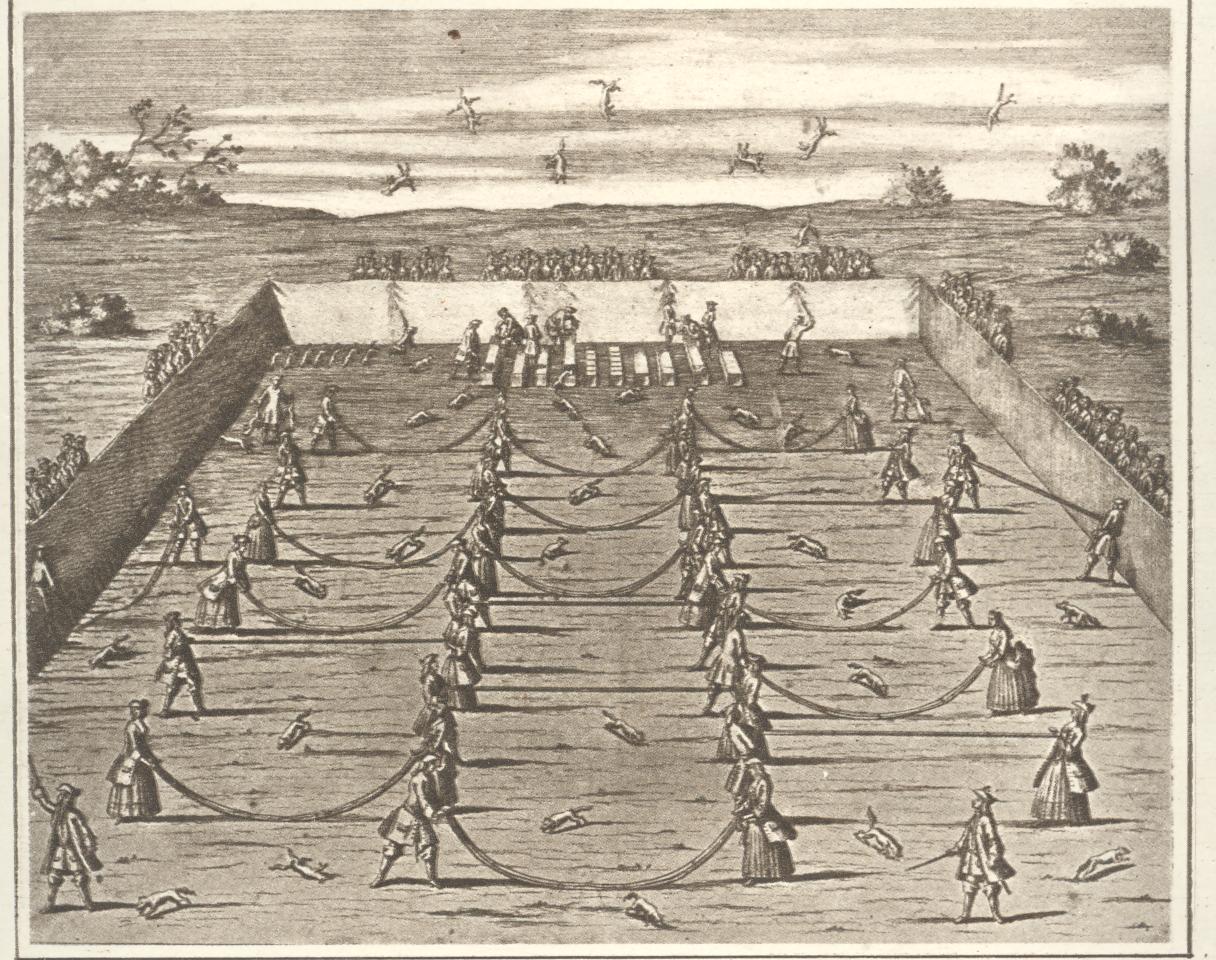
    In the ten-level history of blank thought none are more cardinally ninth-level than the abuse of animals–except of course the abuse of animals for sport. (As unspeakable as this is there is always another level of the truly unspeakable.)  In the early 17th century, at about the same time that the two Electors of Saxony were legendarily and grossly dispatching animals of all shapes and sizes (including 110,530 deer, 54,200 wild boar, 6,607 wolves, 477 bears and all manner of small “prey”) there existed a German Court sport of fox-tossing.

    What would happen is this: a coral would be made of cloth screens; court favorites would entire the enclosures with ropes while disabled foxes were also introduced; the people would pair up with a long rope between them, held slack t the ground; the animals would run in an enforced terror around and through the pairs and over the slack ropes; when the fox tried to run over the rope, the pair would yank the rope taught, launching the fox into the air.  And so on until everything was up in the air or dead.  And that’s it. 

    Fleming’s  Deutsche Jaeger  (published in 1719) produced this (above) image, and commented on it: “Skilled male tossers could toss a fox 24 ft. high…At a famous fox-tossing in Dresden there were tossed some 687 foxes, 533 hares, 34 badgers, 21 wild cats, and at the end 34 young wild boar and 3 wolves….”

    Oscar Wilde famously skewered fox hunting, which pales in comparison to this thing; I find it difficult to imagine what he might have said about fox tossing. 


  • Giant Airship as a Floating Tuberculosis Hospital, 1930

    JF Ptak Science Books LLC  Post 1010

    Tuberculosis has been killing people in its nasty, eat-you-alive-from-within way, for thousands of years.  TB (for tubercles bacillus), also known as consumption (for just those properties mentioned), phthsis and scrofula, was the cause for every fourth death in early industrial age England (1815), and tended to nest among the urban poor.  It really wasn’t well understood until the 19th century. when it was first actually named as a disease (by J.L. Schoenbein, 1839), and it wasn’t identified as contagious for another 42 years or so.  The bacillus causing

    April 21 dirigible
    tuberculosis wasn’t identified until 1882 (by Robert Koch, who wound up
    getting the Nobel Prize in Physiology or Medicine for his work in 1905),
    and although some early forms of immunization began as early as the
    first decade of the 20th century, it really wasn’t until just after
    WWII that immunization and antibiotic treatment bean in earnest.

    There have been many ways of dealing with the disease in the history of man and mythology, but prior to the late 1940’s the mainstay of effective treatment for TB was isolation (or collection of affected in “clean air” sanitoria) or penumothorax–there wasn’t much that could be done with this mass murderer. 

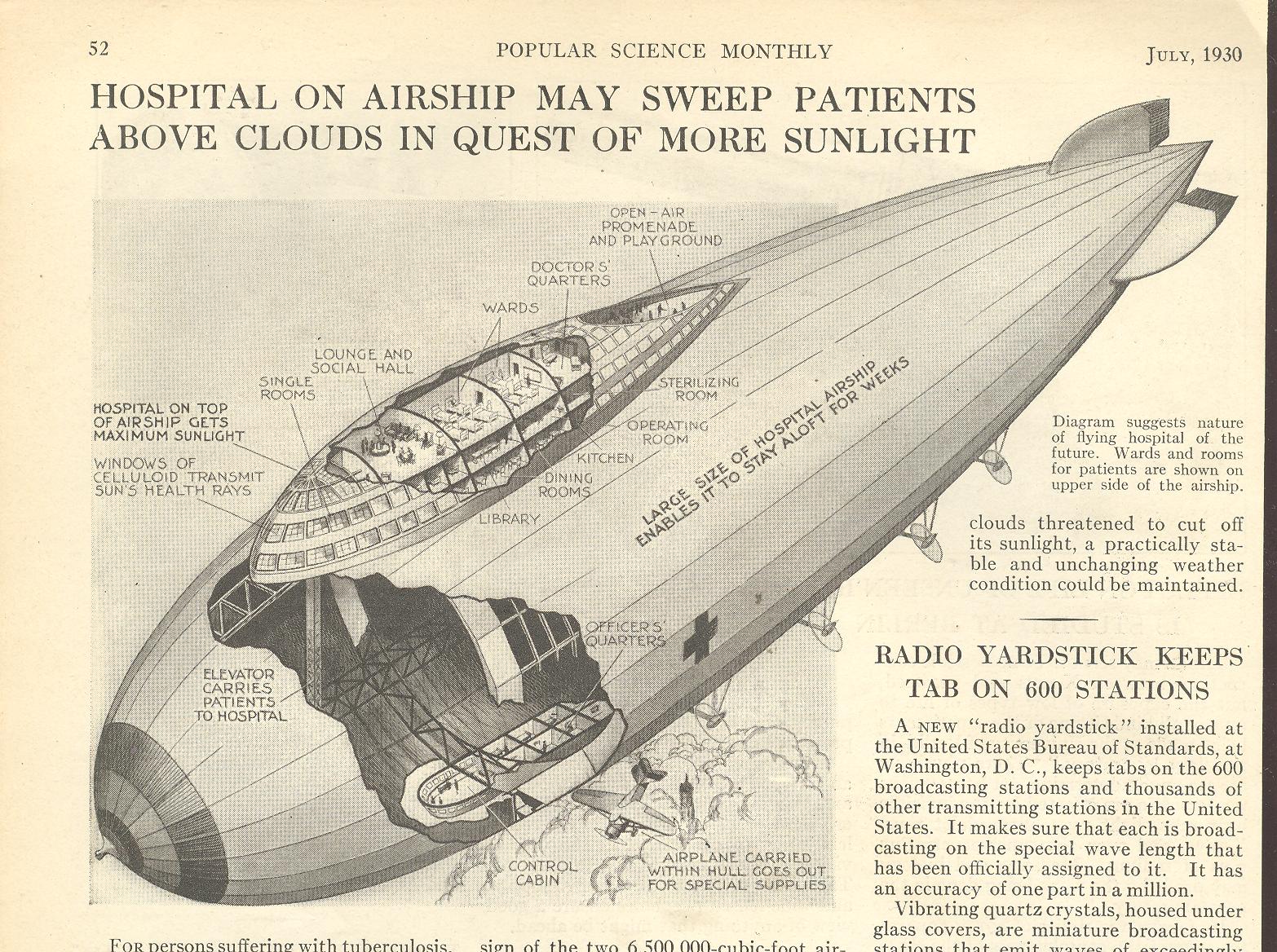
    And so it came to be that  Dr. Karl Arnstein (a significant engineer and  the chief designer of the U.S. Navy airships USS Akron and USS Macon) proposed this flying hospital ship—a 6.5 million cubic foot airship, actually. The hospital was “a blister on the skin” of the airship, occupying very little of the entire surface area, looking as though it might be able to accommodate 75 or so patients, staying aloft for weeks at a time–there would even be an aircraft in the belly of the beast that could be released to fetch supplies from time to time (though I don’t kow how  the whole return trip would work).  The airship was intended to follow the sun, skirting clouds and bad weather, keeping the TB patients “in the health rays of the sun” to help cure them of their disease.  It was an odd and desperate idea, which seems on one level to be a good effort, the best that could be done with the data available. 


  • NYC Miniatures, Glass Diaries, Cannon Alphabets and the Bio-Secrets of Sing Sing

    JF Ptak Science Books  Post 1009

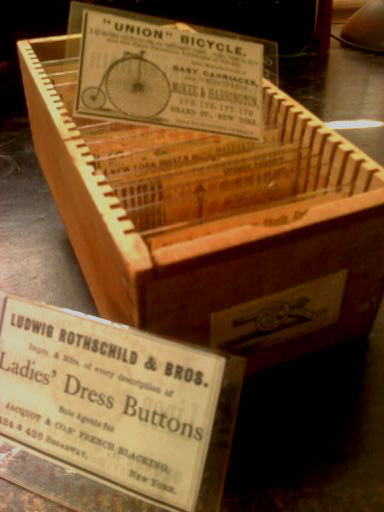
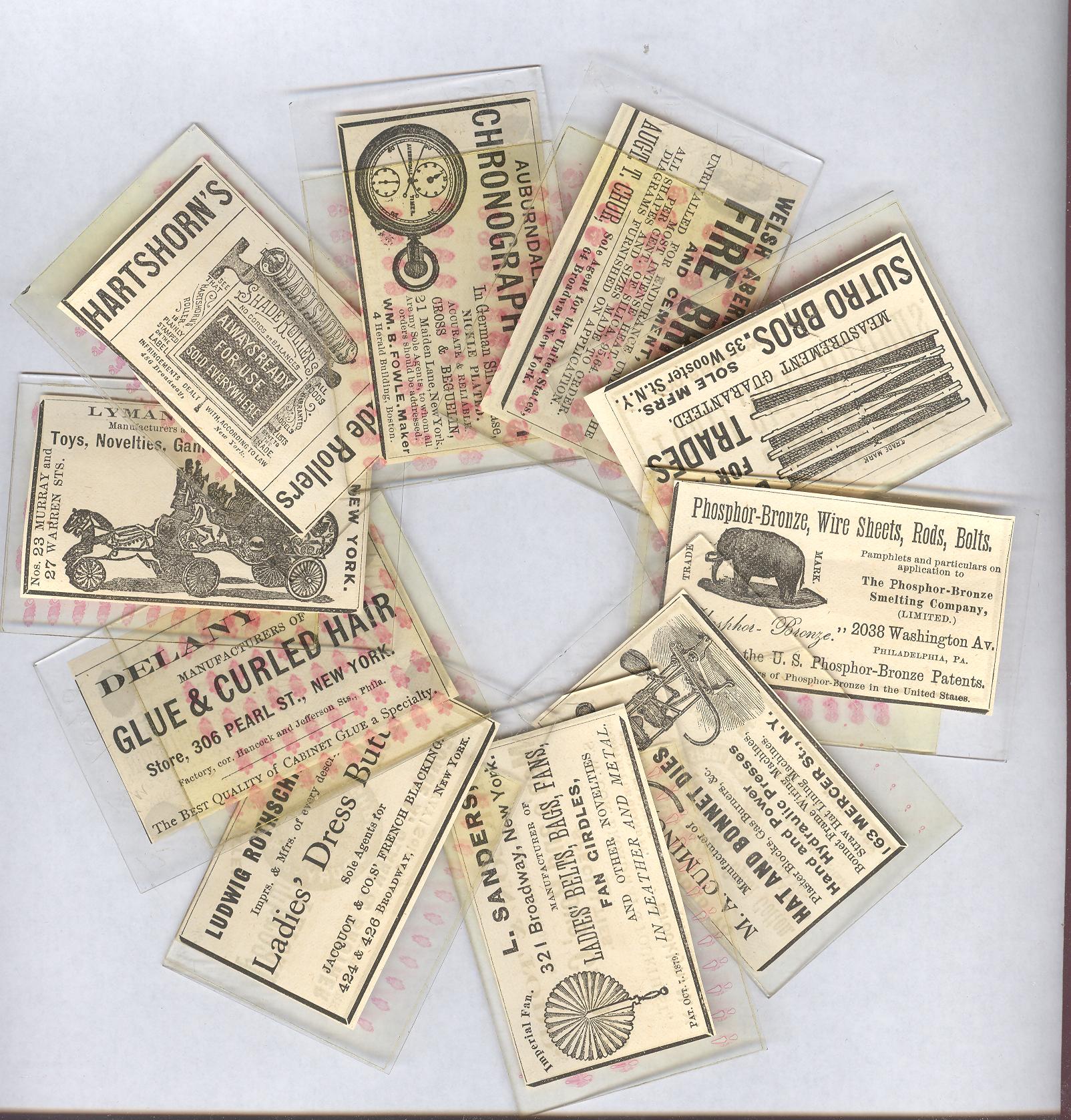
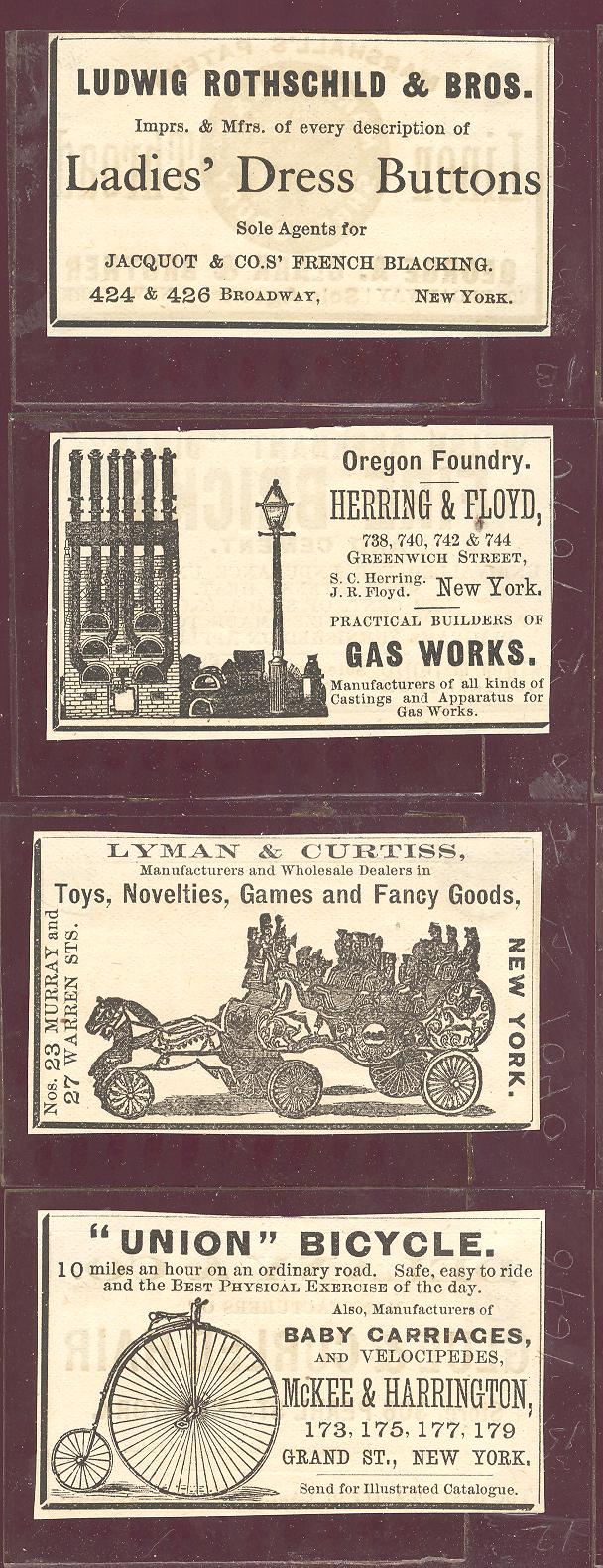
    Lost commonness is never so sweet as when it is unexpectedly recovered–and today it has happened for the second time in three days via tremendously obscure sources working in the same almost entirely unused medium.  Several days ago I wrote about the lost work of a German diarist who recorded tiny advertisement images for posterity on glass slides. “Onkel Karl’s Berlin” is an assembly of tiny advertisement images published mostly during the days of Weimar Republic; the artwork for these images are now almost entirely lost to time.  

    April 19 glass slides

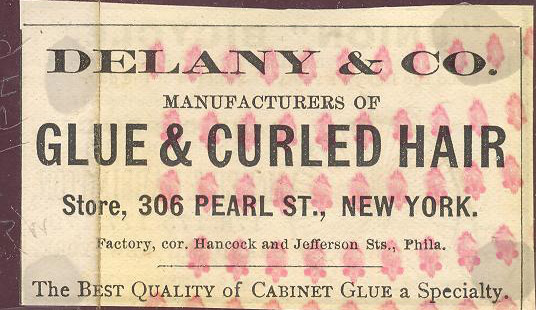
    Another entry is made here today in the infrequently dynamic glass diary category–“The New York City of Karl von Onkel”.  Aside from the advanced astonishment of another similar collection is the almost miraculous similarity of the names of the collector/observer, neither of whom were related, and who were also separated by an ocean and 50 years in time.  These two diarists also shared a great closeness in their appreciation for the ephemeral bits of their attractive present, with Mr. von Onkel’s dedication directed towards miniature business cards from NYC in the late 1870’s, most of which were almost entirely unknown before the unveiling of this collection.

    The highly  attractive but perhaps dubious other soaring aspect of originality in this later collection was the method used to record written information.

    Mr. von Onkel constructed an alphabet composed entirely of cannon and cannon parts. 

    What is more remarkable is that he evidently outfitted an 1872 Remington typewriter with these miniature cannon bits, replacing the English alphabet keys with his own creations.  No one has yet deciphered the entire 118-page manuscript (entitled in script “The Other Anthon”), as there seems to have been a further bit of cyphering added to the cannon mix–the elements of the cannon-part alphabet would (evidently) change every third line or so, making the decoding part of it toweringly difficult.  

    April 18 glasss slides

    For example, the letter “e” which appeared in the first line of page one was represented by a spoke/half spoke/screw/burned spoke–four elements for one letter! But this would change by line three, where the letter “e” became fuse/spoke/broken half-spoke/powder/harness–a delightful but maddening mess.  Thus “he saw a dog” might be rendered in 45 cannon part bits, all of which would change every few lines.  Without the encoding device and without the means of determining when and where the symbols were changed in representing the alphabet, it is impossible perhaps to ever know the contents of the manuscript. There is also the further added difficulty of “missing” cannon parts–these are “blanks” that weren’t so, their nothingness standing for something depending on their placement in the page.  

    April 18 glasss slides 1

    On the other hand, it seems as though all Mr., von Onkel was recording was the information already printed on the business card–plus a veritable haiku of his personal observation. (This could be determined from the few English language entries in the journal.  His narrative for “Stemp’s Used Nail Emporium” was “not on corner; walked past; where breakfast used to be”, while “Phlob’s Gun Enameling” was limited to simply “Walked past”. Perhaps there is no need to know anything beyond this. 

    There are over 3,000 slides in the van Onkel collection, covering everything from braided baby hair ropes to margarine slippers to corset burners–items all relegated to a history that is almost beyond memory. 

    Carter Crotchgroin, a registered library card holder and patron of the Port Authority Department of Lost Things and renowned glass-transfer image collector, remarked that the Onkel collection “:is a savagely didactic ensemble, a color opera in shatterable black and white”. 

    “True and not so true”, says Dr. Grownhand Heap, Director of the New York Center for the Advanced Invisible. As an Invisibility Expert, Dr. Heap has discovered the collection’s beauties and its “unfortunabilities”.  “It was not known until we investigated the background of the slides” said Dr. Heap, “that all of the background glassware was appropriated somehow from the state correctional facility at Ossining. More accurately, they came from the archives which held the Medical Welfare Support Society, which was a group of “medical” doctors intent on improving the position of society in general by experimenting on the prisoners. (The Socity existed apart from Sing Sing proper, their samples collected by the prison barbers.  Of particular interest is the sub-colelction of the blood and hair of every prisoner executed at Sing Sing, most of these being the work of one man, the longest-serving barber-of-the-condemned, Scott “Simple” Malfesance.)  The Society was disbanded in 1872 for its questionable practices, and it was thought that their medical collection was either removed to the archives in Albany or destroyed.   The slides contained blood and hair samples of every prisoner who was part of the Sing Sing system for the 1830-1873 period.  To find this sort of ancient biological archive is nothing short of phenomenal”.

    A detail April 18 glasss slides blood 1of one of the slides clearly shows the blood samples; an etched numbering system refers to prison records which clearly identifies the prisoner.  

    The contention now is to how to deal with the von Onkel collection–as art, or as a medical goldmine. 

    April 18 glasss slides blood hair

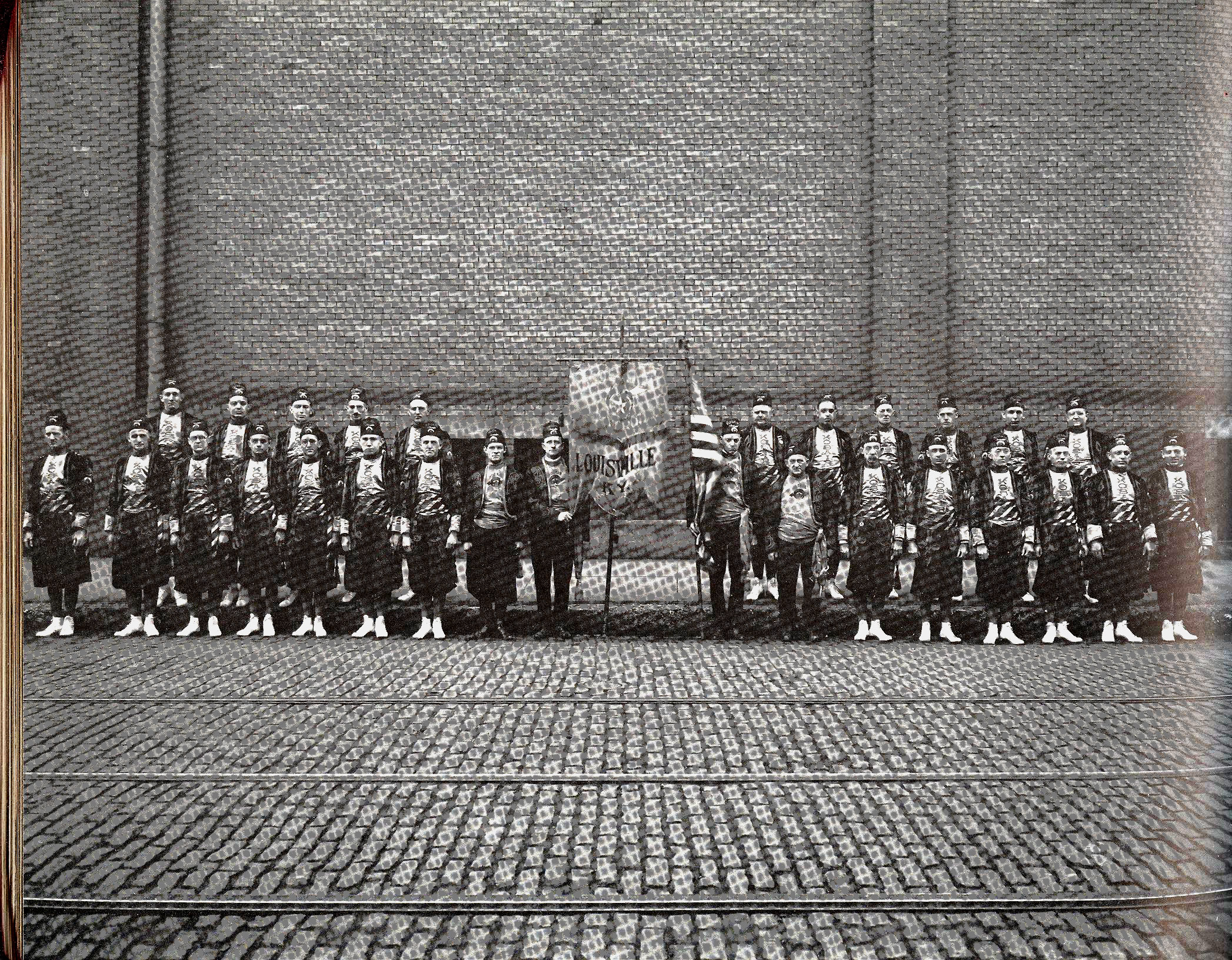
    In addition to his glass diary, Mr. Onkel was also a lateral brick collector, and was founder of the Louisville (Kentucky) Society of Line Collectors (a subsidiary of The Horizontal Society of Wilmington, North Carolina AND the Right Angle Society of Grove Park, Indiana).  A 20th century photo of the Louisville group celebrating their 25th anniversary in honor of their founder is shown below.:

    April 20 bric k


     Additional images from the von Onkel collection can be seen below:


  • The Sanctity of Sainted Truck Drivers, 1942

    JF Ptak Science Books LLC  Post 1005

    April 15 trucker 1

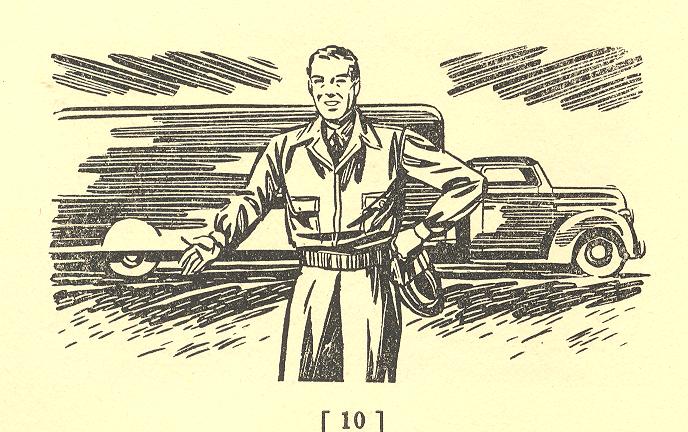
    Every so often I meet a pamphlet that makes me want to travel back in time, even if that time was mostly a wispy bit of creative analogy.  Men You Like to Meet (subtitled Stories of Highway Heroes), written and published by the American Trucking Association in 1942, is one such example:  what a handsome truck!  The driver greets you with his snappy brimmed cap in hand, neat jacket and a tie (!), looking like he takes his job seriously.  (On the other hand, I take my job seriously, and I don’t wear a tie; I do know though that people take me more seriously the more clothing I wear.) 

    April 15 trucker 3
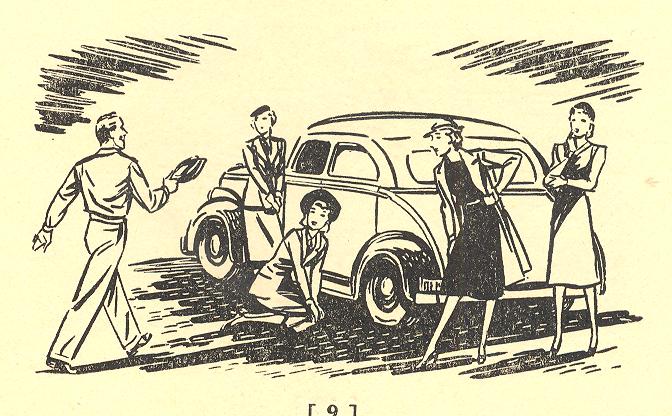
    The Trucking Association wasted absolutely no time in this publication in telling he very many stories of the superb highway behavior of its members-it fills the publication with stories of heroism, courtesy, delightfulness, courage and general human respect with as much as could possibly fit in 23 pages including illustrations). Here, four women can do nothing with their tire but look at it, waiting for the knoght of the road to come and help them out.

    April 15 trucker 2
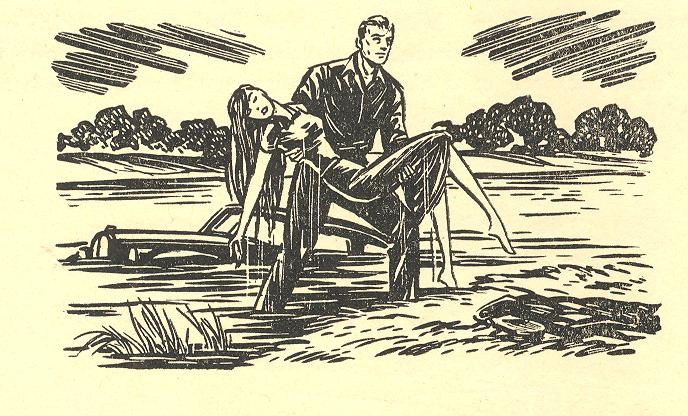
    (I’m not sure why this woman is unconscious and missing her shoes–the car seems to be only about half covered.  I’m surprised that the trucker lost his hat, though he did have the presence of mind to make sure that the unconscious woman’s blouse covered her knees.)

    Well.  The roads were evidently filled with Good Trucking  Samaritans, and the Trucking Association wanted the public to know that–especially when they were butting heads in D.C. with the railroads and battling a poor public image.  I’m not saying that truckers weren’t/aren’t saints–I’m just saying that I like the idea of truckers with caps nd ties.  


  • Controlling Motion and Time—Primitive Robotics and the Extension of Human Control: the Telephone Answering Machine, 1958.

    JF Ptak Science Books LLC  Post 1003

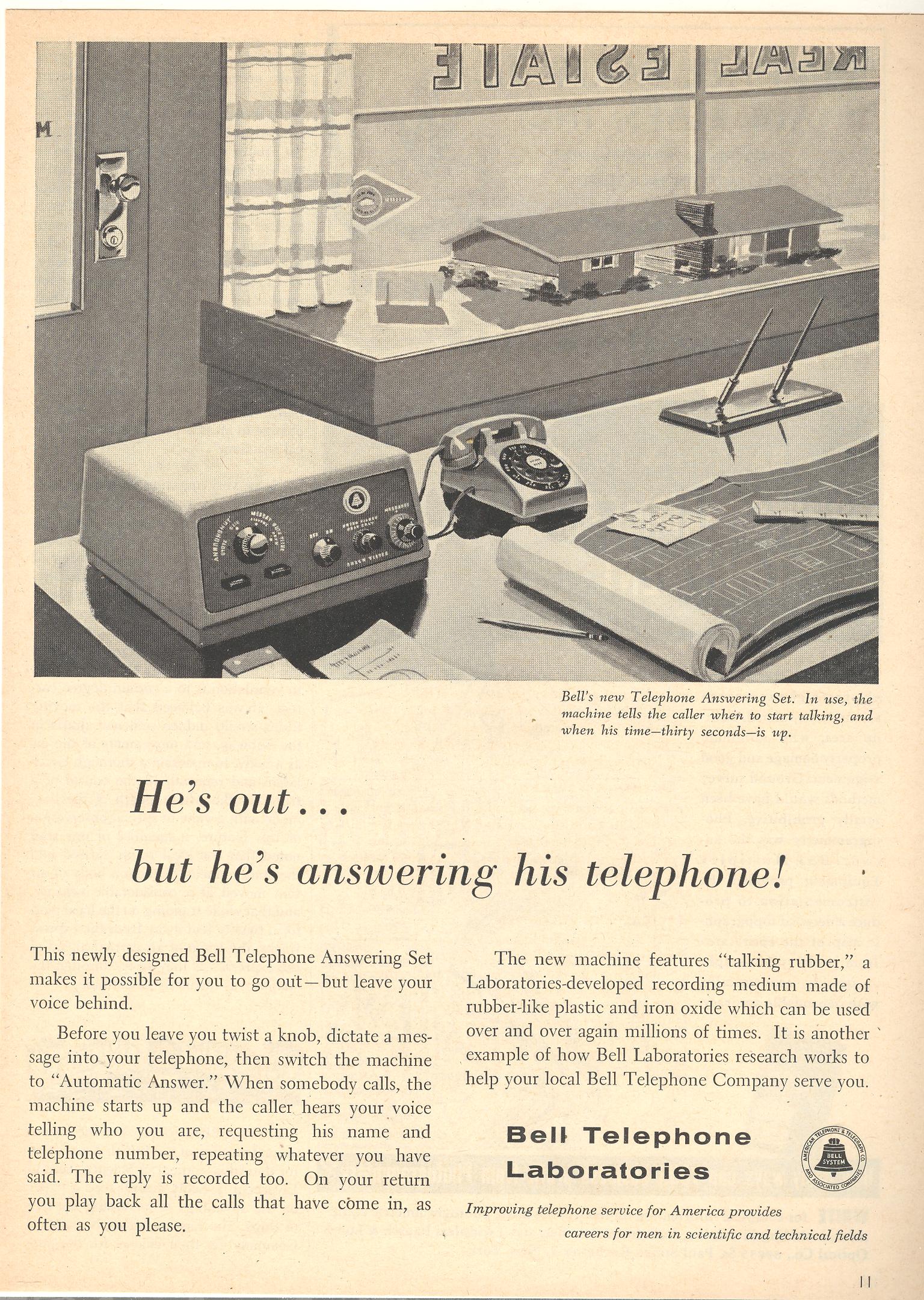
    Is the telephone answering machine
    the greatest non-transportation contributor to expanding human motion and time
    in the 1850-1950 century?  Certainly
    photography (from an earlier period, invented in 1839 and more or less
    popularized by the mid-1840’s) should be considered in this category, what with
    the visual capture of a moment in time and all; Marey/Muybridge and their
    primitive photographic motion studies is another; George Carey’s prehistoric
    selenium/light sensitive “seeing by electricity” invention and the more modern
    television by Jenkins and Farnsworth are others. And of course there is the invention
    of the telephone itself by Alex Bell  in
    1876 (and a man whose house and lab was only a few blocks removed from where my
    store used to be on Volta Street in Georgetown DC many years ago) as another
    paramount example.

    Telephone answering

    But I think the telephone
    answering machine is certainly one of them, I think, and not a modest example
    either.  The answering machine (for “him”,
    of course) allowed a person to be in two places at one time, allowing the
    telephone to function not only as a communication device but as a secretary,
    liberator, device as well.  Now (in 1958,
    when this ad appeared) that people had completely embraced the phone for
    business and for pleasure, it added immeasurably to the well of free time.  The telephone enabled immediacy; but for that
    immediacy to work, a person had to be there to tend it.  With the answering machine, however, a person
    could in a way save that immediacy for a more convenient time, liberating their
    necessary presence the telephone experience. 

    The telephone allowed as
    person to instantaneously be in two places at the same time, basically; the
    answering machine contributed a third (or more) place, and freed up the time
    element. 

    In effect the thing was/is a
    time machine, making it possible to either instantly speak with someone 12,000
    miles away, or save the conversation for a more convenient time, sort of going
    back into the past to replay the communication..(Or dump it, extracting the
    necessary info or whatever without having to actually interact with the caller.
    ) 

    Its easy to slip and refer to
    the machine as simply “an answering machine”, leaving out the “telephone part;
    it would be nice to have a machine that could reliably answer questions like
    that (though I think that this is what Google imagines itself to be).  The “answering machine” four generations or
    whatever from now may be something that is today unimaginable.  Maybe there will be a general death of the question,
    because everything has been answered.

    Maybe the greatest machine in
    the future will be the questioning machine, something that skirts all of the
    known answers in whatever earth-sized database exists at the time.  Something that asks for information or for a
    synthesis of answers that doesn’t (yet) exist. 

    Anyway, I like what I think is
    the great importance of the telephone answering machine.  And I don’t know how The Rockford Files would’ve
    functioned without one.  


  • French Visionary Architecture: Jean-Jacque Lequeu. Image Dump.

    JF Ptak Science Books LLC   Picture Dump

    I’ve made a number of references to the great French visionary architect, Jean-Jacque Lequeu, throughout this blog, here. (Included are a number of Lequeu’s unusual self-portraits…)

    Lequeu


  • French Visionary Architecture: Ledoux. Image Dump.

    JF Ptak Science Books LLC   Picture Post/Image Dump

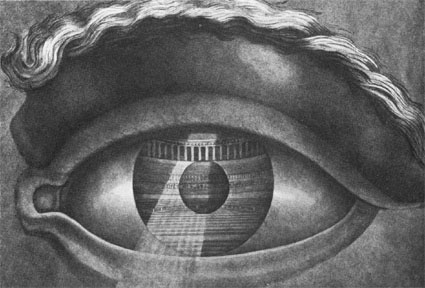
    For the  posts and references on this site to the great French visionary architect, Claude Nioclas Ledoux, see here.

    Ledoux