A Daily History of Holes, Dots, Lines, Science, History, Math, Physics, Art, the Unintentional Absurd, Architecture, Maps, Data Visualization, Blank and Missing Things, and so on. |1.6 million words, 7500 images, 4.9 million hits| Press & appearances in The Times, Le Figaro, Mensa, The Economist, The Guardian, Discovery News, Slate, Le Monde, Sci American Blogs, Le Pont, and many other places… 5000+ total posts since 2008.

Author: JF Ptak

  • A Flying Mega-Brick and a Postal Torpedo Metallic Email–the Future, 1928

    JF Ptak Science Books  Quick Post

    In the midst of a short article on bits of transportation advances of the future are these two wonderful futuro-peeps, selected here because of their appearance more so than anything else, as there isn’t really anything else to go on. The article has 13 illustrations over four pages and perhaps is 750 words long, so the narrative is heavily dependent upon the images and imagination. That said, the two I’m interested in here have almost no text accompanying them. So be it.  

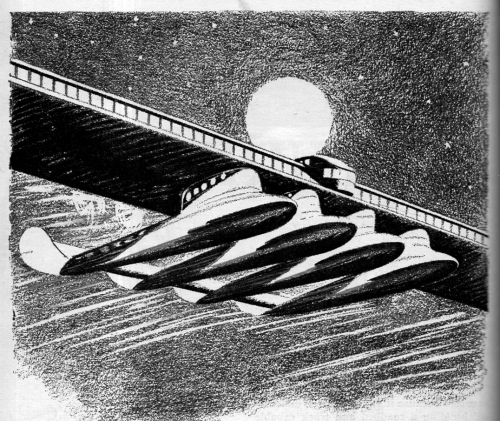
    The first is a mammoth transatlantic seaplane, “proposed by a German inventor”–and that’s it. I can’t tell how “giant” it is supposed to be, nor how many engines, or if there’s anything going on inside the wings, and so on. But it does look streamlined and tubular and blocky, which is a hard thing to do at the same time, in a loud-stealthy way.
    Pop mech future 1928679

    [Source, Popular Mechanics, August, 1928.]

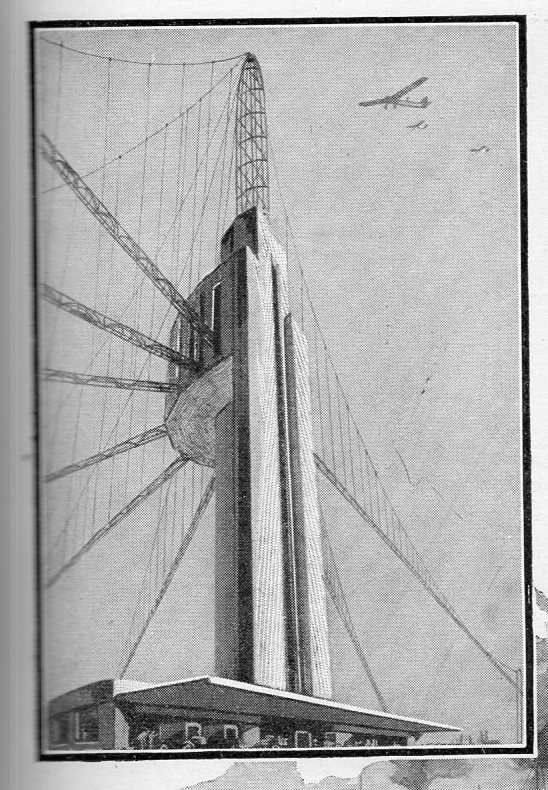
    The other image is that of one tower in a series of untold numbers of such towers popping up throughout France, much like Rommel’s asparagus in Normandy, I guess, except more numerous, and far taller. Iterating the height of the structure by the cars at its base, I take this one to be about 150-175′ high, from which there are many suspended tubular cages within which travels a 10′ long torpedo-like tube that would speed mail from station to station across France at 200 mph.  The engineers were Hirschauer and Talon, and from another source1 I see the invention described as “la torpille postale”, which is what the mail carriers looked like, except sitting on four wheels, and going really fast on a skinny track suspended a hundred feet off the ground.  

    I can’t but help to think about this arrangement of wire and cable and flowing mail as a kind of non-computer email–it has seemed odd to me for a long time that the one of the backbones of our communication existence is strung up above the ground on wires that are for the most part hung on dead recycled trees.  Granted the mail would travel a lot faster in France in 1928 at 200 mph, but completely unforeseen and not-knowable is that email would be a little faster, cruising along at a big chunk of the speed of light.  Seems as though there would have to be thousands of these lighthouse-like structures built to accommodate the French mail demand–no doubt they would have been pesky reminders of a past’s attempt at the future, though perhaps being France and all the mail carriers might have blown them up.  
      Pop mech future 1928 cable mail680

    [Source, Popular Mechanics, August, 1928.]

    Notes:

    1. http://www.luxemburgensia.bnl.lu/cgi/getPdf1_2.pl?mode=page&id=1386&option=

  • On What Cost What–Medical Costs of the U.S. Navy 1813-1817

    JF Ptak Science Books   Post 1659 (expanded)

    Us navy medical 1817683

    Medical  expenses995When you think of expense and medical care, why on Earth should any of it cost so much?  Well, that question would make more sense if asked in the year 1819, because–according to the make-believe history of Medical Billing Capacity– the need for compensation for knowledge or spent stores or supplies or whatever was not very great, at all. 

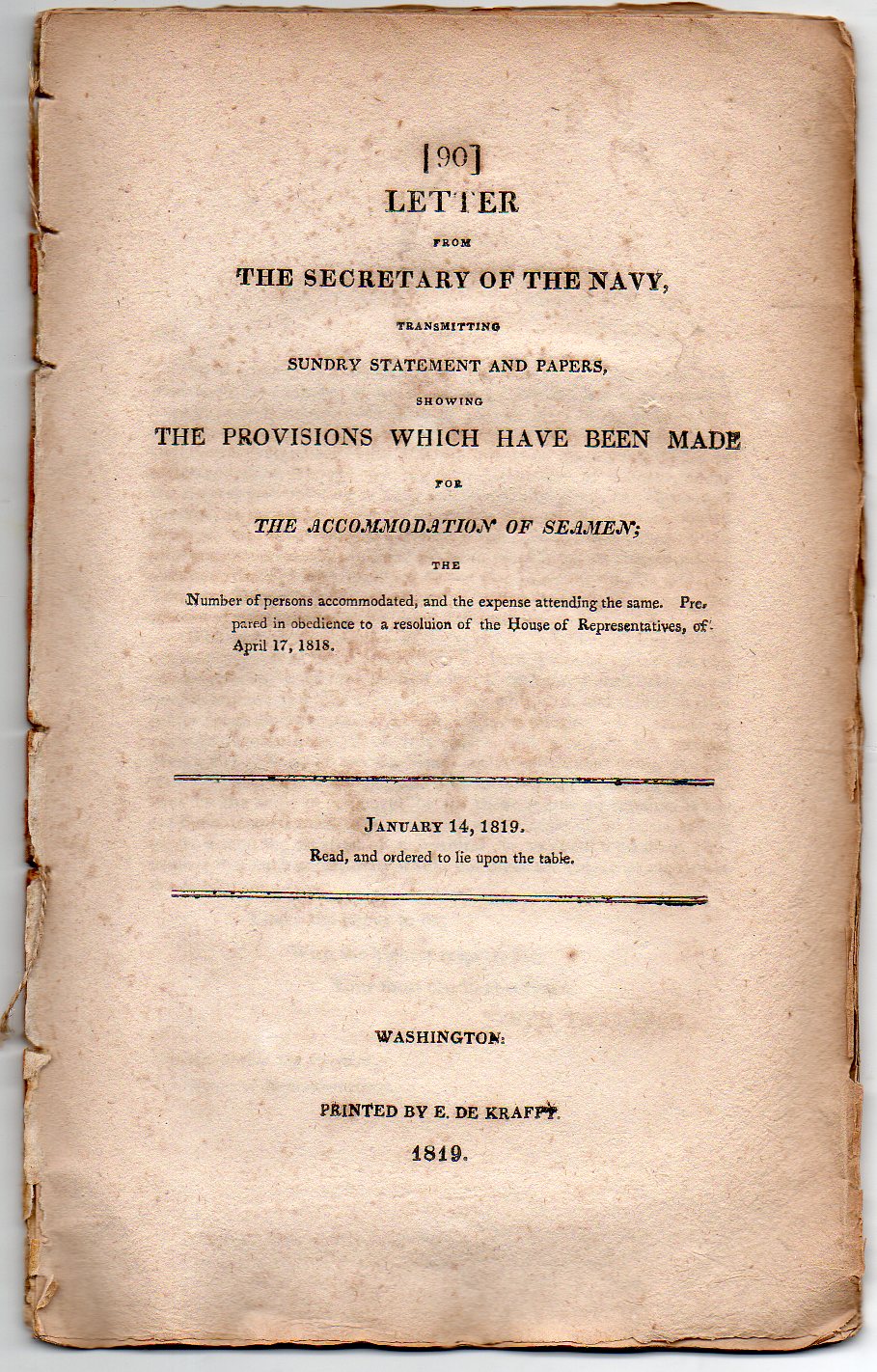
    E(ward) Cutbush, a very capable naval surgeon (and noted as the father of modern American naval medicine) attests to this, and did so in this report on the status and expense of the hospitals and medical care facilities available to the U.S. Navy (and which was published in 1819). He didn’t of course know necessarily that health care wasn’t very expensive at all–especially if relation to the price of wine–Cutbush just reported the numbers. 

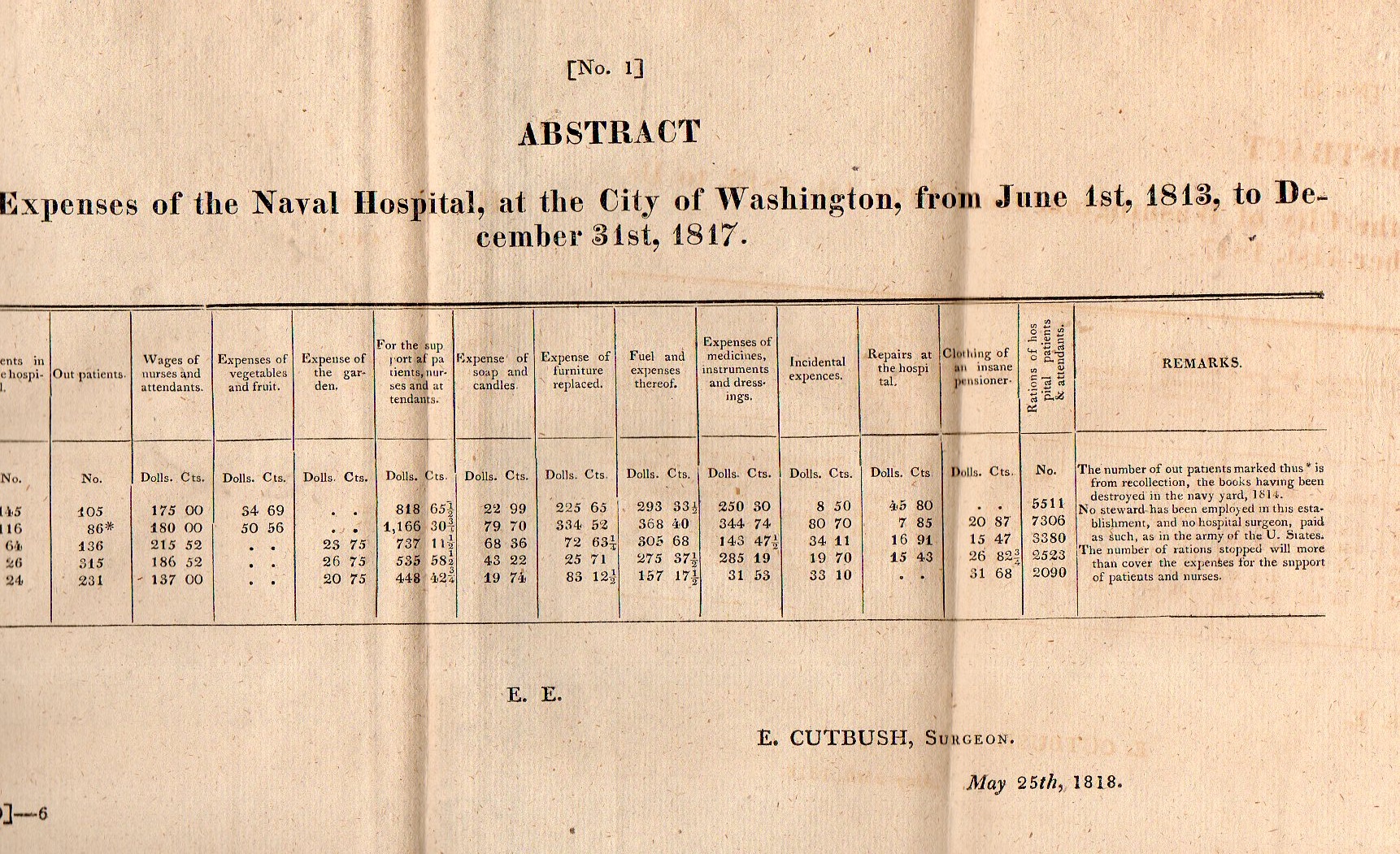
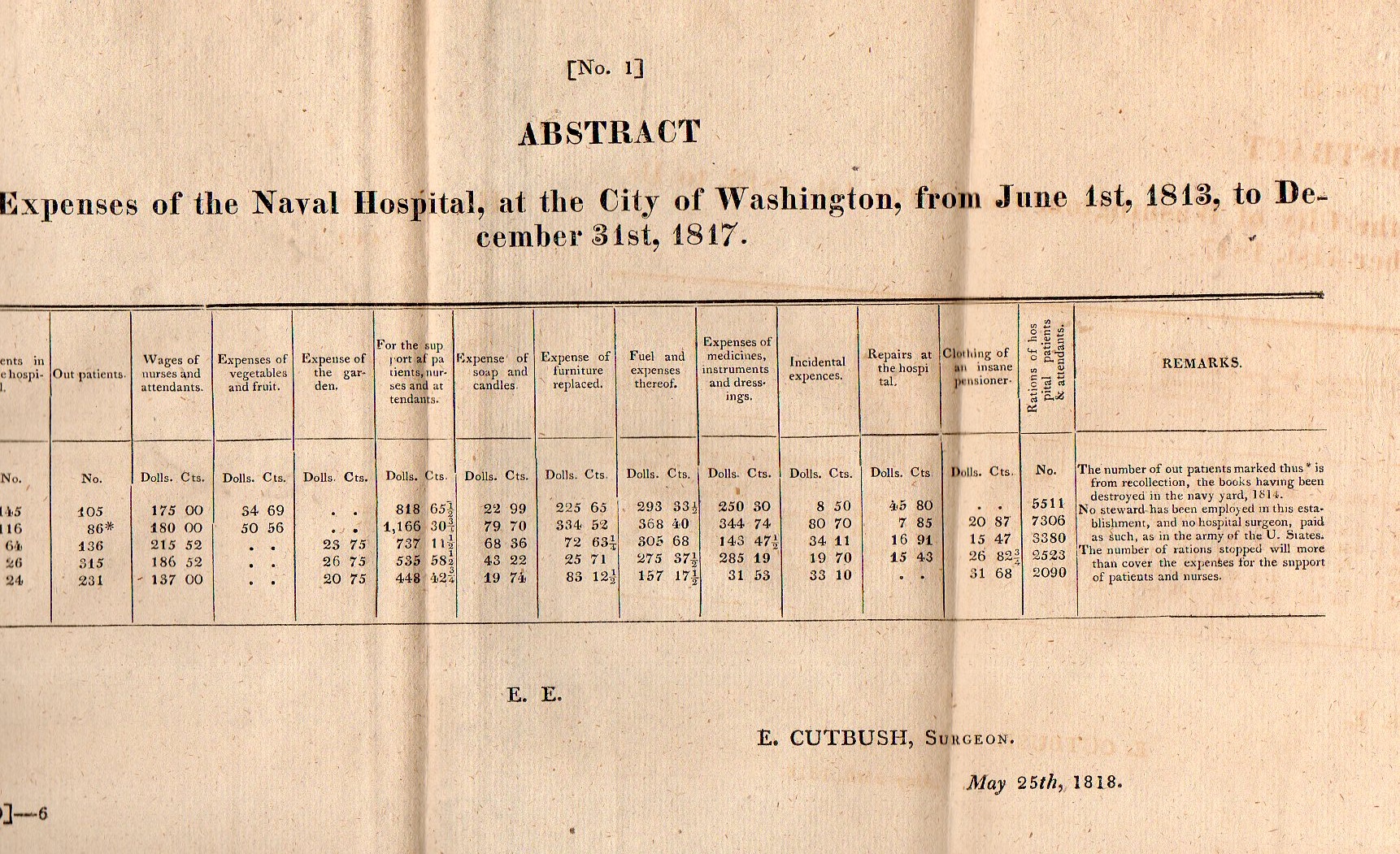
    And the numbers are interesting:  in 1814, for the U.S. Naval Hospital in Washington, D.C., for the 116 inpatients and 86 outpatients seen during the year, a total of $344.74 was spent on “medicines, instruments and dressings”, $1,166.30 on “support of patients, nurses and attendants” (which really meant food and sundries),  and another $180.00 in wages for  “nurses and attendants”.  By comparison, $79.70 was spent on soap and candles, $334.52 on replacement furniture, and $368.40 on fuel. $50.56 was spent of fruits and vegetables.

    And somewhere in there, we are shown that about $30 was spent on “clothing of an insane pensioner”, which I guess must mean that some old Seamen were judged to be “insane”, and needed clothing, before they were sent off and away from the hospital. 

    US navy medical spreadhseet

    [This image is clear once enlarged.]

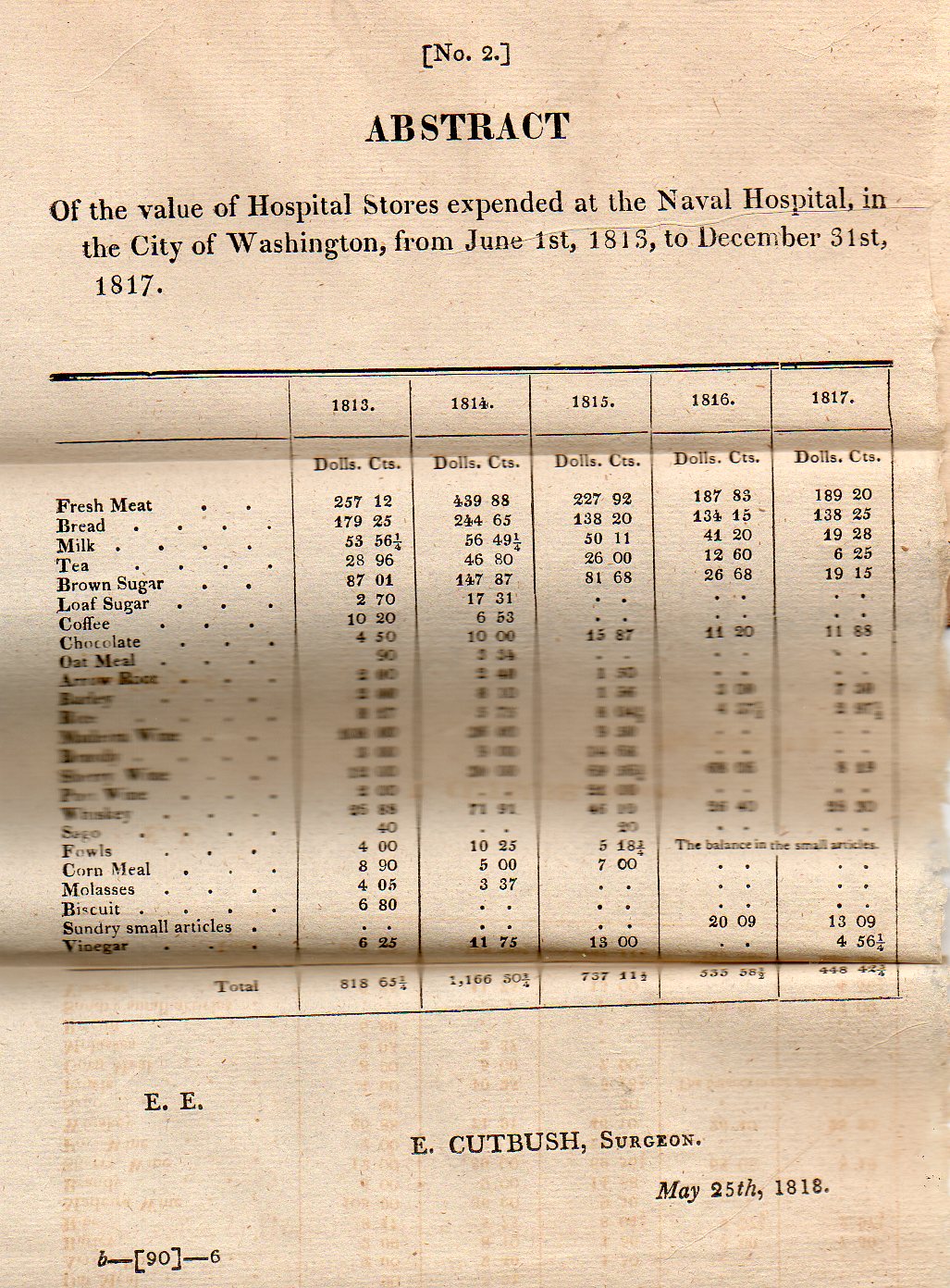
    A little bit further on, Cutbsuh tells of the more exact expenses on food/”support” for the folks at the  D.C. hospital  in 1814.  By far the leading expense (in the total of $1,166.30 3/4) was meat, meaty fresh meat, which accounted for nearly half of the total outlay ($439.88).  Bread was next ($179) followed by Madeira wine ($108).  Actually all of the alcoholic beverages–which included Madeira, brandy, sherry, port and whiskey) added up to $153.00, almost as much as bread.  Meat, bread and booze then accounted for $726, or 62% of the food budget (less the minimal cost of fresh veggies).  Milk, tea and coffee weighed in at $92, which means the drinking-goods totaled $245, or 21% of the food outlay.  Barley, rice, oat meal corn meal and “biscuit” came in at $24; vinegar, molasses and brown sugar surpassed those staples at $97.

    Medical  expenses993

    We don’t get any information on the surgeon’s pay, unless we look at the stats for the naval hospital at Baltimore.  There, for 1814, we see that $352.00 was spent on medicine, $80 on surgeon’s instruments, $231 on fuel, $1645 on provisions, $18 for nurses, $18 for cooks, and $1282 on surgeon pay.  Unfortunately, I cannot find how many surgeons were called to receive this compensation, but we can see that their pay consumed 26% of the hospital expenses while caring for a total of 244 sailors over the run of one year.  It is not impossible that there was one surgeon on hand, and one nurse.  So, each sailor getting care from Baltimore received about $1.44 worth of medicine for their stay; the nurse and cook each got about 7 cents for each of the patients receiving care there, and the doctor picked up about $5.25 per sailor.

    Of course there wasn’t much in the way of surgical tools when compared with even the late 19th century to spend money on–ditto medicine.  Stand-alone hospital machinery was virtually non-existent in 1814, and so the major factor upon which all hopes were laid was the surgeon, a sort of walking hospital–a job of superior messiness and long and lonely responsibility.

    These numbers were for the late period of the War of 1812, when more than 2,650 servicemen were killed and 4,500 wounded.I could not in a cursory effort find the number of surgeons serving or employed during 1814, nor an overall figure on total medical care cost for seamen.  But it does seem likely that more was spent on milk, bread and booze than on medicine and surgical instruments.  And certainly the doctor cost far more than any other single unit int he medical care scheme–and, given that the greatest part of all care necessary resided with the physician, it was probably worth every penny (or fourth thereof.)

    Notes:

    1.  Cutbush at this time was given the direction of the “Marine and Navy Hospital establishment and of the medical and hospital Stores, which may from time to time be required for the use of the hospitals, or for the vessels of the United States equipped at this place.”-–Dudley, William S.. The Naval War of 1812, a documentary history, Volume 3.. Naval Historical Center, 1985.


    ·Posted by :

    ·in:

    —

  • Medical Metal Splinter Removal, 1915

    JF Ptak Science Books

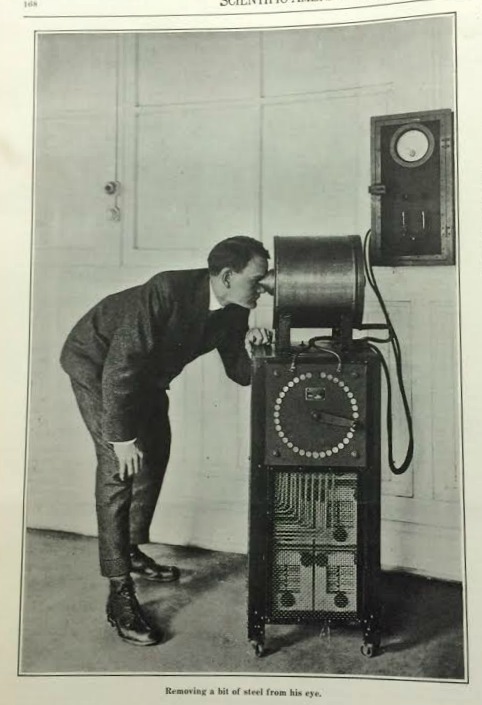
    This image was a cringeworthy expedition–the thought of being filled with metal shards and splinters and slivers in 1915 and needing them to be removed filled me with a Johnny-Got-His-Gun-Trumboian dread.  If you didn’t read the caption or know what this machine was intended to do, you might think it a humorous image–it isn’t.

    WWI project medical metal

    ·Posted by :

    ·in:

    —

  • Cross Section of a German U-Boat, 1915

    JF Ptak Science Books  Quick Post

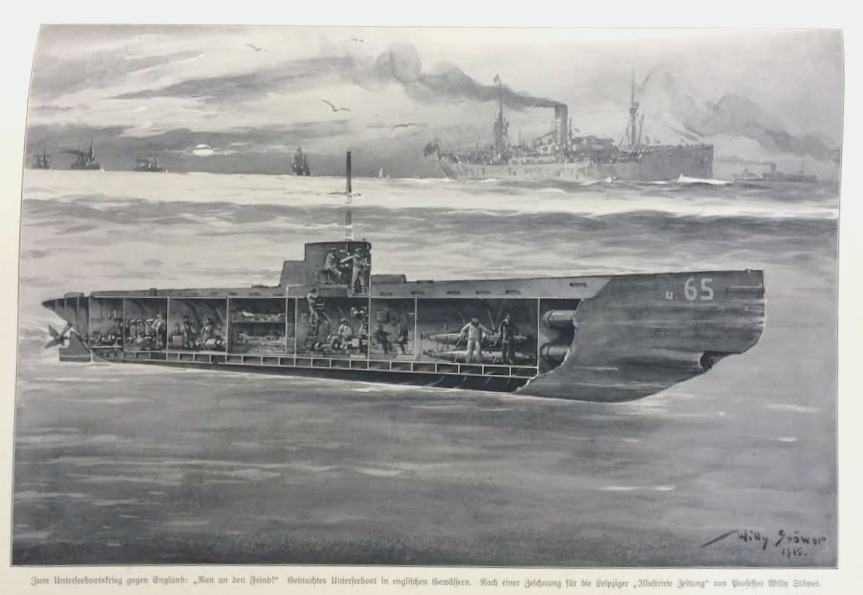
    I have paged through the entire Illustrirte Zeitung for the war years 1914-1918 and I’ noticed a number of naval works by the illustrator and painter Willy Stower, but I do not recvall offhand any other cross sections, which is why the image below struck me so. Stower’s (1864-1931) drawing appears in the September 7, 1915 issue of the magazine, and depicts one of the early German U-Boats.  [Evidently the U-65 began its career in 1916, and registered at 226′–this rendition doesn’t look like it would be as big as this, and I’m not sure then what we are looking at…] 

    Submaruine WWI _1_


  • Benjamin Franklin, in Love with the Sea, 1786/7

    JF Ptak Science Books   Post 2632

    Franlin b631

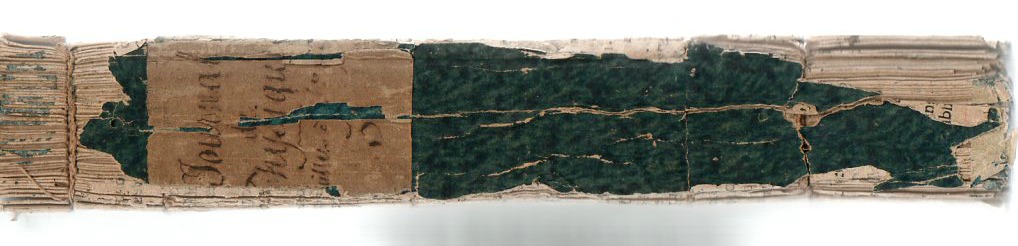
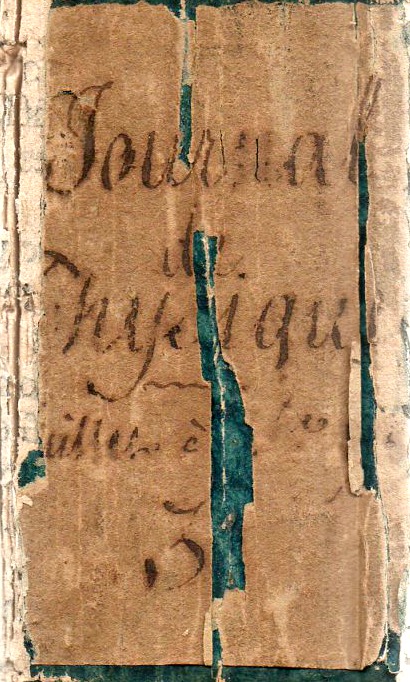
    Franklin, Benjamin. Suite de la Lettre de M. Benjamin Franklin, a M. David le Roy, Membre de pluisseurs Academies, Contenant Differenres Observations sur la Marine, a three-part series printed in Observations sur la Physique sur l’Histoire Naturelle et sur les Arts, avec des Planches en Taille-Douce.…dedicated to M. Le Comte d’Artois, and edited by l’Abbe Rozier, J.A. Mongez, and M. de la Metherie, in the issue for July-December 1787, volume 31, and Printed in Paris at the Bureau of the Journal de Phyique, 1787. (he title of the Franklin, translated: (A) Letter(s) from Dr. Benjamin Franklin, to Mr. Alphonsus le Roy, member of several academies, at Paris. Containing sundry Maritime Observations.) The papers appeared in  September  pp 224-231; October, pp 254-264;December pp 456-468.

    Franklin

    By the time Benjamin Franklin published these three pieces—letters he had written at sea— he already had a lot of experience with the voyage, having made numerous trips oversea since 1754. At this point he was the American envoy to France, and had been (very successfully!) busy at securing arms and agreements from France, and put his time during the crossing to some concentrated use.

    These three letters by Franklin to le Roy are remarkable for their insight and invention, describing new types of ship sails and anchors, propulsion systems, hull and planking designs—and of course the first description in a scientific publication of the Gulf Stream. And in all of this Franklin as shipboard, biding his time at sea, thinking and experimenting, coming up with ideas that were of high interest though not necessarily workable, and some just frankly beyond his big grasp.

    Franlin c632

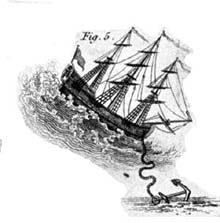
    I was really shocked when I started piecing my way through this volume, and finding the Franklin. Honestly, I didn’t know the significance of the Franklin starting into it, the thing only dawning on me as I got half-way through the second letter, and with a squint recognizing that what he was talking about in the waters off of the coast of “Floride” was in fact the Gulf Stream. “Oh” is what I said to myself. This is that paper. At least it wasn’t a terribly obvious overmiss—this version of the famous description of the Gulf Stream didn’t come with a map, and the illustrations were little bits showing flouncy sails (of dubious application, sorry) and sea brakes. Even when I realized that this was the Gulf Stream Paper, its significance still wasn’t significant, as the great report occupies just a small portion of one of three letters. So it goes.

    The first publication of these letters appeared in the Transactions of the American Philosophical Society of Philadelphia (the society founded by Franlin in 1743) about a year earlier, and which contained the famous map (15×8” or so,  A Chart of the Gulf Stream with Remarks Upon the Navigation from Newfoundland to New-York In order to avoid the Gulf Stream . . . and nor included here) which he completed with the help of his first cousin Thomas Folger. Actually the two had printed an earlier version, in 1769/70, though the map received basically no circulation and was famously disappeared for 200 years before being unearthed.

    There were earlier references to the Gulf Stream—as with the ignored Walter Haxton chart of 1735—though nothing nearly so complete and accurate as the Franklin map.

    This is the first French version of the letters, and so the first French translation of the description of the Gulf Stream; it was also the first appearance of the article in Europe.

    It has been said that the work by Franklin was ignored and associated with inferiority by the Brits because of the adolescent nature of the American Republic and the inexperience of its navy, especially in regard to the Royal Navy. The Gulf Stream simply couldn’t be a discovery of a “river in the ocean” as described by a bunch of fisherman in a colony far from the birthright of a proper navy and scientific inheritance. But of course the Brits were wrong.

    Here’s a bit from the letters on the Gulf Stream, appearing in my journal on page 460-1, translated:

    “This stream is probably generated by the great accumulation of water on the eastern coast of America between the tropics, by the trade winds which constantly blow there. It is known that a large piece of water ten miles broad and generally only three feet deep, has by a strong wind had its waters driven to one side and sustained so as to become six feet deep, while the windward side was laid dry. This may give some idea of the quantity heaped up on the American coast, and the reason of its running down in a strong current through the islands into the Bay of Mexico, and from thence issuing through the gulph [gulf] of Florida, and proceeding along the coast to the banks of Newfoundland, where it turns off towards and runs down through the western islands. “

    Well, sheesh. There was a lot of thinking going on in this letters—not bad for a guy with other things going on in his head regarding the founding of a new nation.


  • “There is No Necessity to Kill the Babies”–Fight the Famine Council, 1919/1920

    JF Ptak Science Books  Quick Post

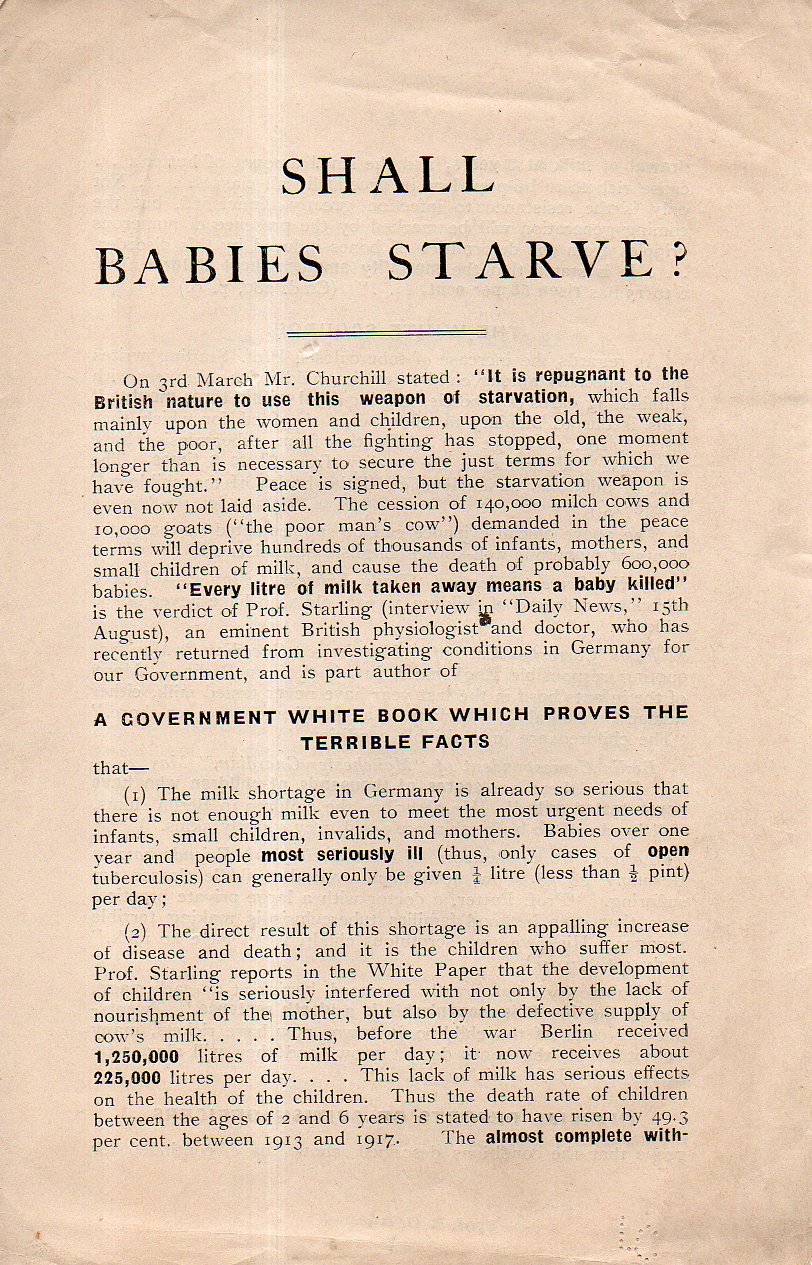
    This is one of the pamphlets published by the Fight the Famine Council, published in London in 1919/1920/ Fight the Famine was founded in January 1919 to fight for the lifting of the embargo still in place for Germany and its Allies by alerting government figures and agencies about the conditions brought on by the continuing years-long embargo.  Leading the Shall Babies Starve pamphlet is (as you can see below) a strong quote by Winston Churchill (who at the time was Secretary of State for War, 1919-1921), who insisted that using food as a weapon was “repugnant to the British nature”. Of course this one of the results of the embargo, which no doubt lead to the deaths of hundreds of thousands of bystanders, including women and children.  Shall Babies Starves outlines the effects of the continued embargo on on infants and children, including short sections on “what a milk famine will mean”, tuberculosis, and “there is no necessity to kill the babies”.  This was a four-page leaflet, reprinted in full:

    British handouts Babies Starve _1_630

    ·Posted by :

    ·in:


  • A Superior Musical Review Hidden inside a Superior and Obscure Journal, 1923

    JF Ptak  Science Books  Post 2630

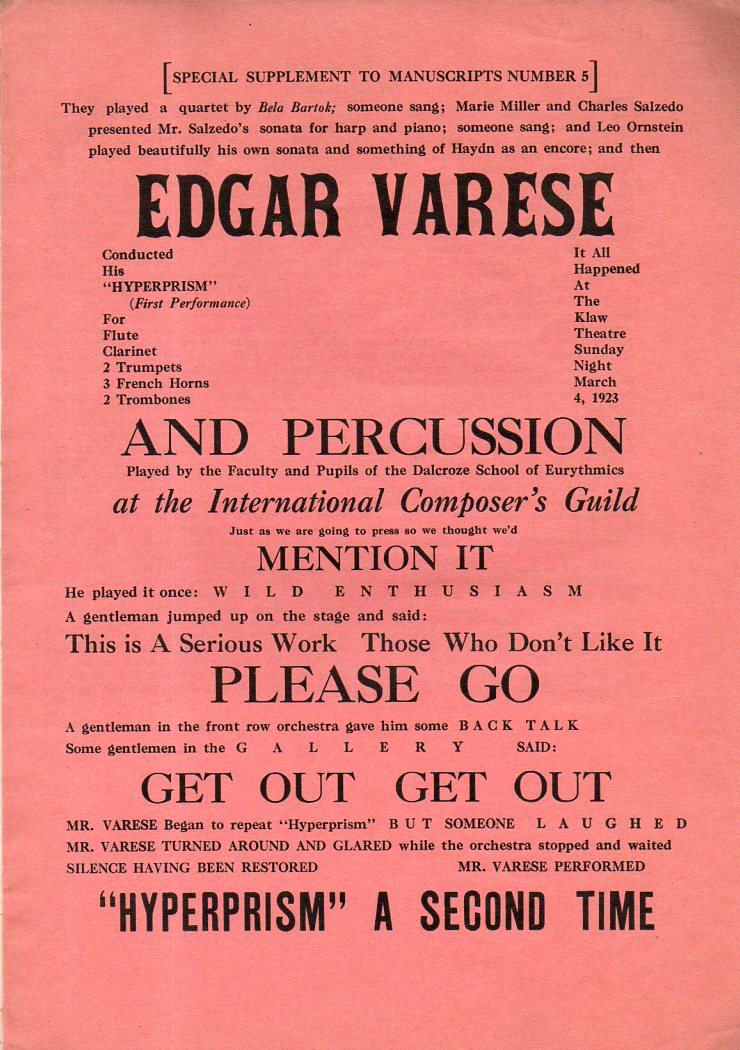
    Manuscripts (MSS), edited by Paul Rosenfeld in New  York, 1922-23, was a Small Magazine, a wonderful Dadaist publication with contributions from the leading artisitc/intellectual community including Georgia O’Keefe, Alfred Stieglitz, Paul Strand, John Marin, Charles Demuth, and many others. What I’m writing about right now is issue #5–appearing in March 1923–of the six (total) issues that were printed of this short-lived and very highly spirited magazine–the issue shockingly emerged from a box in the studio last night. The striking cover was designed by Georgia O’Keefe, and underneath the cover for issue #5 “one of the most remarkable issues” (according to the Dada Once and For All catalog by Ex Libris in 1983), was the work of the critic and Stieglitz-supporter Herbert Seligmann. 

    All this aside, what really struck me was the broadside “review” tucked into the twelve-page publication–a very segmented, highly typefaced and fonted (sorry!), very creative look at the composer Edgard Varese’s Hyperprism, a very adventurous work for wind, brass, and percussion instruments was completed in 1922 and revised in 1923, and then obviously reviewed by Seligmann in this issue of MSS in 1923.  Varese (1887-1965) was a very-modern modernist whose reference to his music as “sound-mass” (among many other things of course) that was in a way similar to the process of crystallization/chemical crystallography gives an insight into the name of the piece to be performed. The review admonished “This is a Serious Work, Those Who Don’t Like It PLEASE GO” among other such tidy phraselets.  I reproduce this fantastic little gem below:

    Varese615

    Also if you’d like to listen to it:


    By the way Music and Modern Art by James Leggio  reproduces (on page 141) the Varese review as a full-page illustration. 

    See also Herbert  Seligmann, Alfred Stieglitz Talking: Notes on Some of his Conversation, 1925- 1931, New Haven: Yale University Library 1966, for more on MSS. 

    For more on MSS:


    • All six issues reproduced at Monoskop, here: https://monoskop.org/MSS
    • Full text of the MSS Number 5 https://monoskop.org/images/3/3d/MSS_5_Mar_1923.pdf

    And this from issue #5 on the previous issue of the magazine:  “MSS. Number One contained writings by Sherwood Anderson, Kenneth Burke, Waldo Frank, Paul Rosenfeld, Herbert J. Seligmann, William Carlos Williams. MSS. Number 2 contained writings by John Marin, Alfred Stieglitz, Paul Strand, Charles Duncan. MSS. Number 3 was entitled “What Is True Art?” by J. B. Kerfoot and W. Rhea Moreau. MSS. Number 4 was entitled “Can A Photograph Have The Significance Of Art?” by Sherwood Anderson, Thomas H. Benton, Ernest Bloch, Oscar Bluemner, Stephan Bourgeois, Gilbert Cannan, Charles Chaplin, Thomas J. Craven, Elizabeth Davidson, Charles Demuth, Marius De Zayas, Arthur G. Dove, Marcel Duchamp, Alfeo Faggi, Waldo Frank, Hutchins Hapgood, J. B. Kerfoot, Gaston Lachaise, Walter Lippmann, John Marin, Kenneth Hayes Miller, George F. Of, Georgia O’Keeffe, Leo Ornstein, Joseph Pennell, Carl Sandburg, Evelyn Scott, Charles Sheeler, Leo Stein, S. Macdonald Wright, Carl Zigrosser, Bibliography. The price of MSS. Number 5 is 15 cents. Subscription to 10 numbers one dollar. The entire cost of this MSS. Number 5 is the printing bill of $130.00 for the present edition of 1,000 copies, presented by Clarence S. Nathan, Inc., and paid by the Tin Whistle Fund. Each author is solely responsible for what appears over his signature. Complaints should be sent to individual authors. Subscriptions will be received by Herbert J. Seligmann, 129 East 10th Street, New York City. Donations of money will be received with thanks by the same. For the cover design: apologies to “Dada” (American), Marcel Duchamp, Man Ray, and acknowledgment to “Anonymous.” Copyright, 1923, by Herbert J. Seligmann.”–from page 2 of MSS Number 5. 


  • Anti-FDR Cartoon Book, 1944

    JF Ptak Science Books   Quick Post

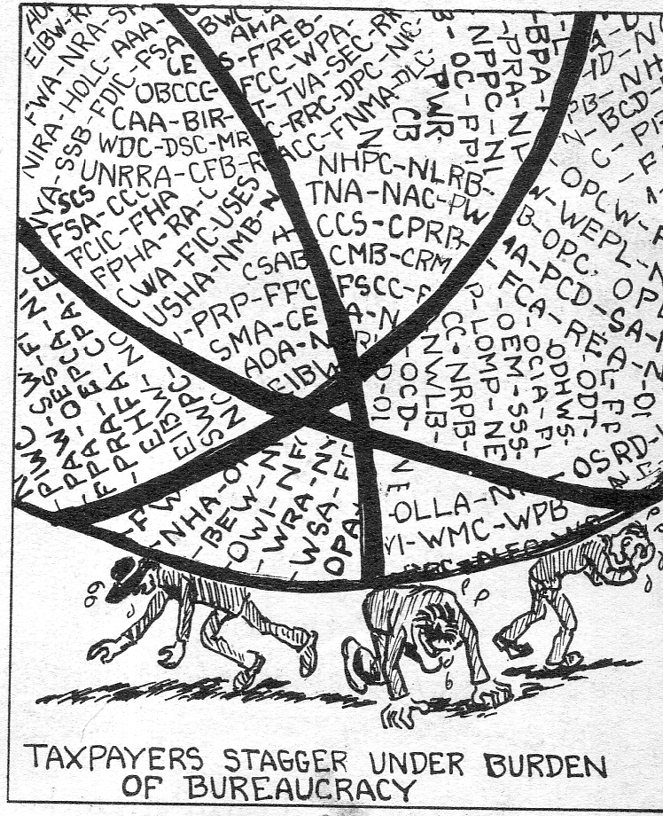
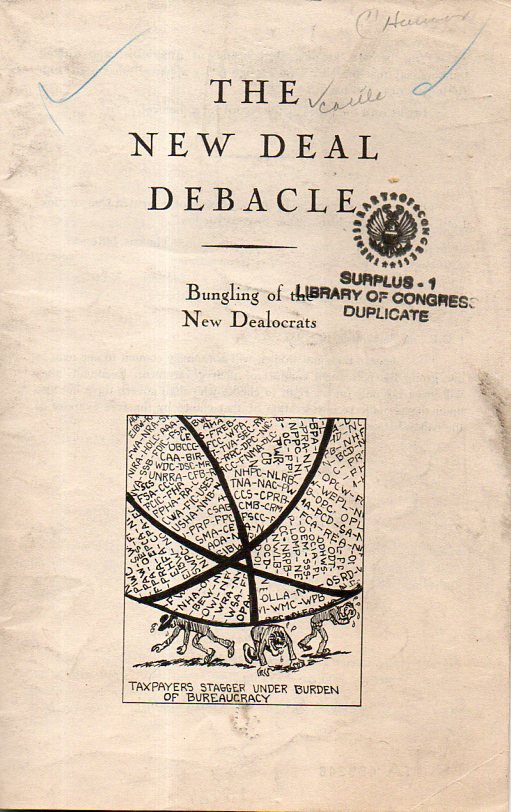
    It takes all kinds, as this pamphlet clearly if not not cleverly shows. There was some opposition to FDR as he went for his fourth term as president in 1944–by the summer of that year the outcome of WWII had swung positively towards the Allies, the Depression was broken, and for fighting in a world war the U.S. was in pretty good shape. There was of course opposition to his re-election, though in hindsight it is hard to see the why of the question, even including the unprecedented fourth term following the unprecedented third term. But the man was doing his job: he had basically saved the country and now was winning the war.  Even though FDR trounced Thomas Dewey in that election, it wasn’t as though a sizable percentage of U.S. citizens hadn’t had enough of him: FDR received 53% of the popular vote, won 36 of 48 states, and slammed the electoral college 432-99.  Still, there were only 3 million votes separating Roosevelt from Dewey in the popular vote (25 mil-22 mil), which seems odd, as it feels particularly uncomfortable thinking of Thomas Dewey heading the U.S. war effort for the closing two years or so of the war. Lincoln crushed the lead-footed Gen’l McClellan in the electoral college in 1864, and wound up beating him handily in the popular vote–but given the stature of Lincoln at that point, one might have expected him to pull more than a 10-point difference over the field commander who felt he never had enough troops, but he didn’t. Anyway, this pamphlet–written by Melissia Castle with cartoons by Pearl Porterfield–took long and myopic aim at the New Deal, trying to crush the enthusiasm for FDR.  I can’t find anything on Ms. Castle, and can only find a possible little bit for Ms. Porterfield (as a studio hairdresser and colorist to Marilyn Monroe and Jean Harlow, though I am not sure if this is the correct Pearl Porterfield)–the book itself also seems to be pretty much nowhere, so it looks as though it probably was published to little effect.   

    New deal debacle613

    New deal debacle612

    And the confusing back cover: 

    New deal debacle614

    ·Posted by :

    ·in:


  • Beautiful Oil Rigging Supplies, 1899

    JF Ptak Science Books   Quick Post

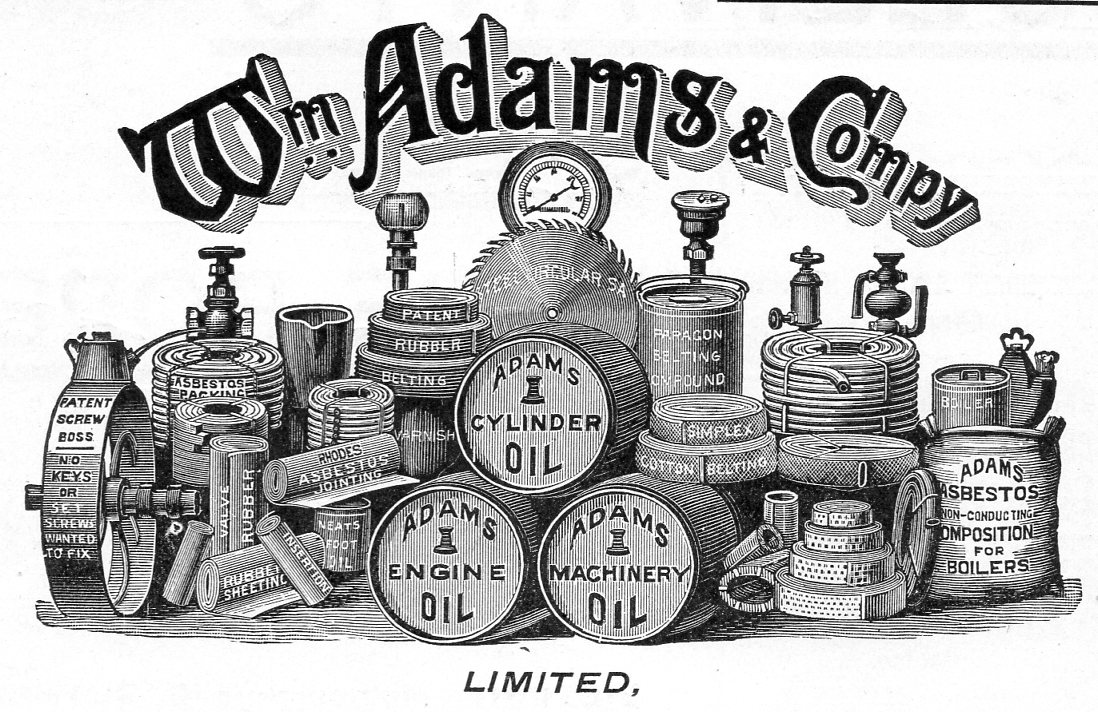
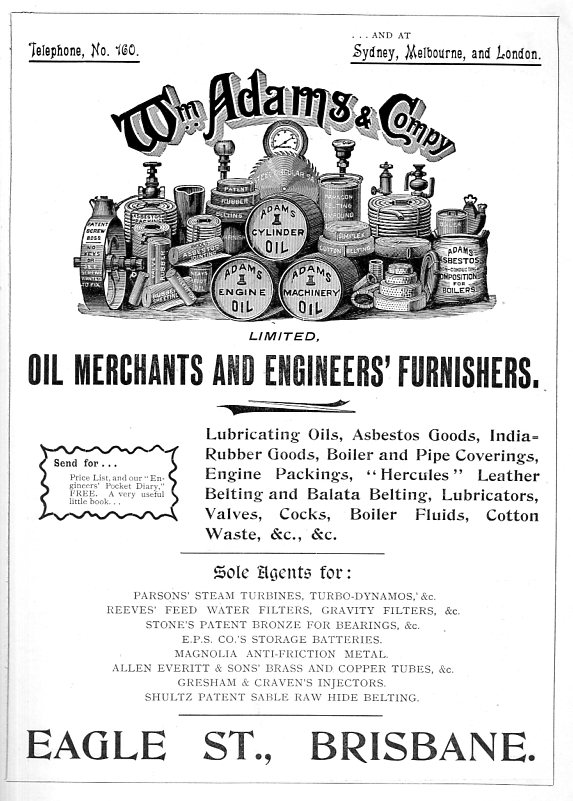
    I couldn’t resist this display found in a short work on the gold fields in Queensland, Australia. William Adams & Company furnished the necessaries for running oil rigs and various mining instruments. The gear is just nicely displayed and presented:

    Simoil merchant611

    Source: The Goldfields of Queensland. Charters Towers Goldfield, by William Lees. Queensland, Outridge Printing Company, 1899. 24.5x18cm, (xii), 34pp. Numerous small inset throughout, including larger images of works, as well as birds-eye views of Charters Towers, Queensland, and four other full-page photo images, plus a full-page plan of the works. (The title page calls for “With Plan” and I’m pretty sure that the full-page plan is it; I can find no evidence of a folding plan or any such thing in the table of contents. The publication is also filled with many advertisements. 


    Simoil merchant610

    ·Posted by :

    ·in:


  • Unbuilt New York City, 1935–Almost-Closing the NYC Harbor


    JF Ptak Science Books 

    Liberty Landing _1_602

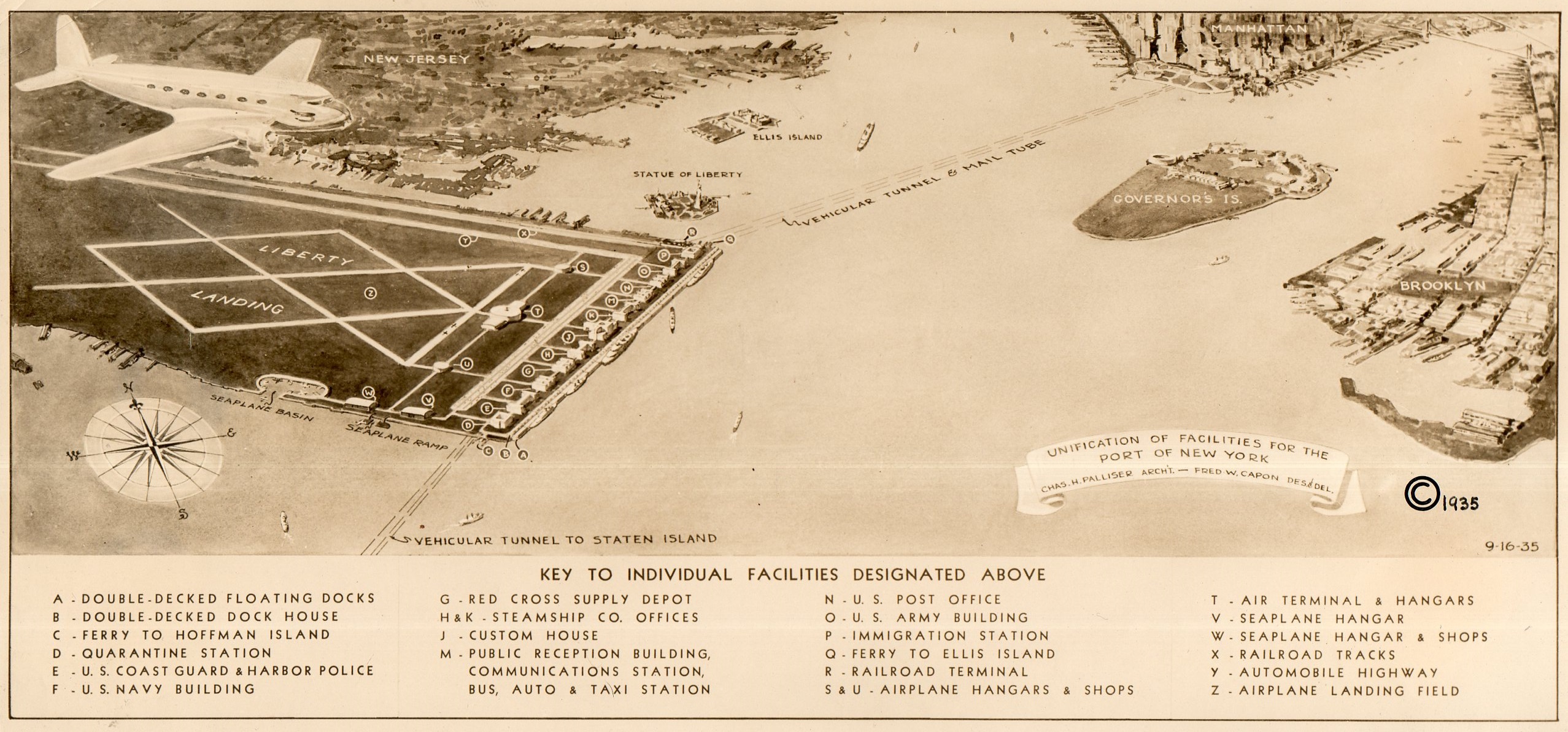
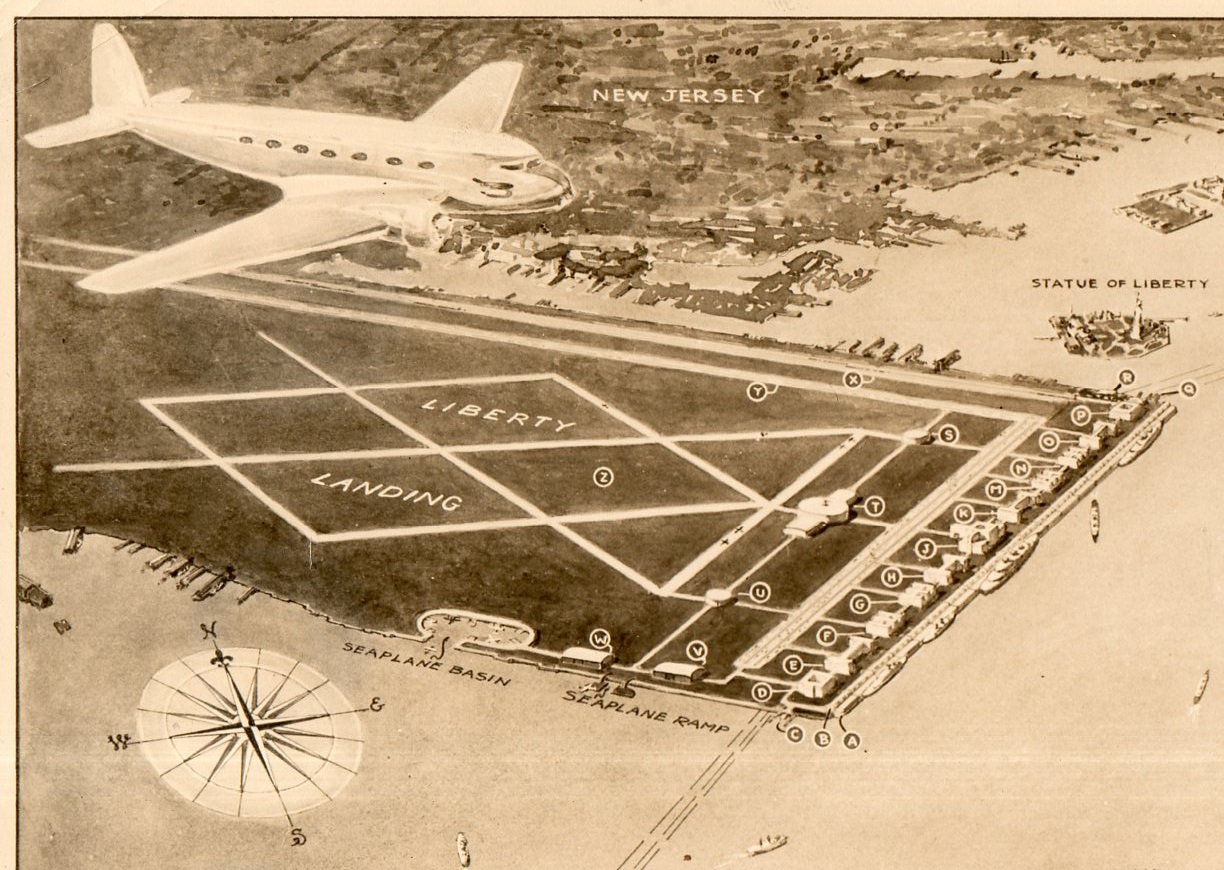
    I recently uncovered an interesting, unpublished and probably not-acceptable engineering report to extend the ports capacity in the Hudson River at New York City–the ports of the  area being famously over-busy for a long period of time, especially right before World War II.  Charles Palliser and Frederick W. Capon presented a proposal in 1935 for a unification of the port and airport facilities to take care of the overcrowding and overworked problem.


    Liberty Landing _2_603

    What they came up with was Liberty Landing, a mile-long and half-mile-wide facility that nearly bumped into the Statue of Liberty (and hence its name).  The plan called for backfilling the “flats” that were just south of Jersey City, as “the natural formation of these were very favorable”, which meant that the airport-port combo would extend all the way into the harbor to the edge of the channel, which would put it further out than the Statue of Liberty, which would also be just hundreds of feet away from the end of the north runway.

    Also attached to the backfill and new land would be a one-mile-long floating dock.  Oh my!

    The floating island would also have vehicular tunnels that connected it to Staten Island and the Battery.  There were facilities for seaplanes, airplanes, railroads, dirrigbles, and trucks, plus a military installation, a custom’s house and the US Mail Service, so that all commerce would converge at this one point, which sounds interesting (for about 20 seconds). 

    Dsc04773

    This is a good candidate for the “Better Left Undone” award for 1935.

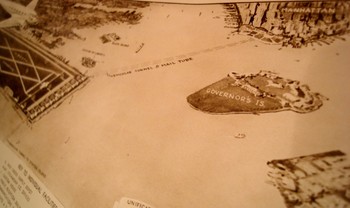
    As I look at the photograph of the aerial view of the plan it strikes me that if the designers increased the surface area by only 125% or so they could’ve connected the new facility with Governor’s Island AND Brooklyn, building a land bridge from Jersey City to Coney Island—a superbly bad idea to cap an already strongly bad idea. 

    The report is called, simply, Liberty Landing, and published by the architect in Jackson Heights, NYC, 16 Septmeber 1935.  This is also the U.S. Copyright Deposit copy (accepted 10 October 1935), which is where the history of this project ends.

    ·Posted by :

    ·in: