"A QUARTETTE OF MATHEMATICAL GYMNASTS. "

This is a pretty devastating review of the work of four mathematicians/engineers that
appeared in the Scientific  American on May 6, 1867:

The article concludes:
“We have a few other mathematical acrobats on our list,
but as their summersaults were turned on another stage, we
will not mention them at the present time, but we hope be-
fore long to place them before the readers of the Scientific
American. We will briefly observe, however, that one of
them is not a thousand miles from the Navy Department, and
he is still, we believe, accumulating figures with extraordi-
nary cunning and industry.”

It is pretty cutthroat beginning-to-end:


"The errors which have lately been made in calculating the
power of projectiles, the resistance of armor plates, and the
force of steam vessels when used as rams, seem to indicate
that a knowledge of first principles is more necessary for a
correct appreciation of mechanical problems than any amount
of abstract mathematical skill..."
Author: JF Ptak
-
A Quartet of Mathematical Gymnasts (1867)
-
Misty Formaldehyde Cocoons, 1899
JF Ptak Science Books Post 2332 (expanding an earlier post from 2009) Blog Bookstore
Gustave de Rechter, the author of this pamphlet (The Application of a New System for the Preservation of Dead Bodies, Grammont, Belgium, 1899) had, as you might guess, a very specific reason for keeping the dead from being entirely, decomposedly, dead. As the director of the School of Criminology and of Scientific Police of Belgium, Dr. de Rechter tried to find a way of preservation of bodies for forensic and legal purposes.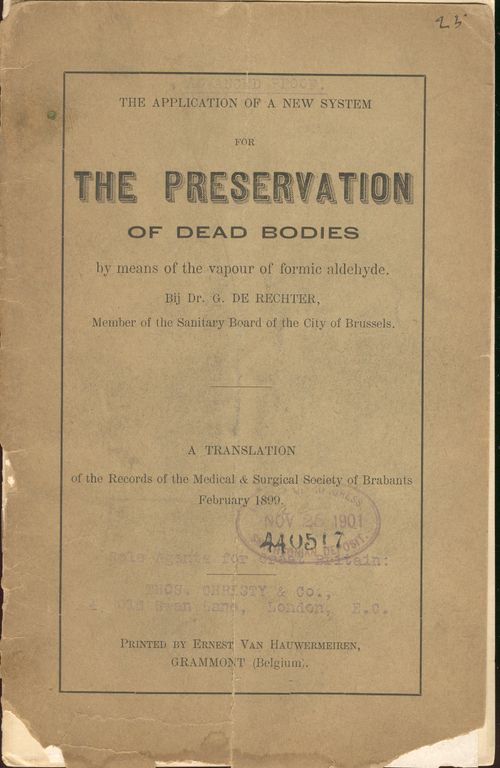
He followed in the footsteps of people like Alphonse Bertillon (France) and Hans Gross (Austria) in helping to establish a scientific basis for criminology in the late 19th century. In his case, the preservation of the dead would allow the bodies (of the murdered or suspiciously departed) to be re-examined at a much later date (at least months down the road) should the defense in a murder case challenge the original findings of the medical examiner.
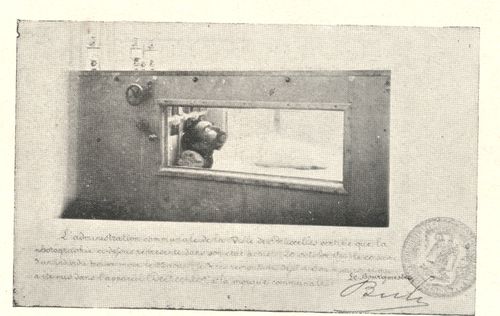
As de Rechter points out, this was particularly true in the case of poisoning, where in 1899 the evidence would be all but dissipated
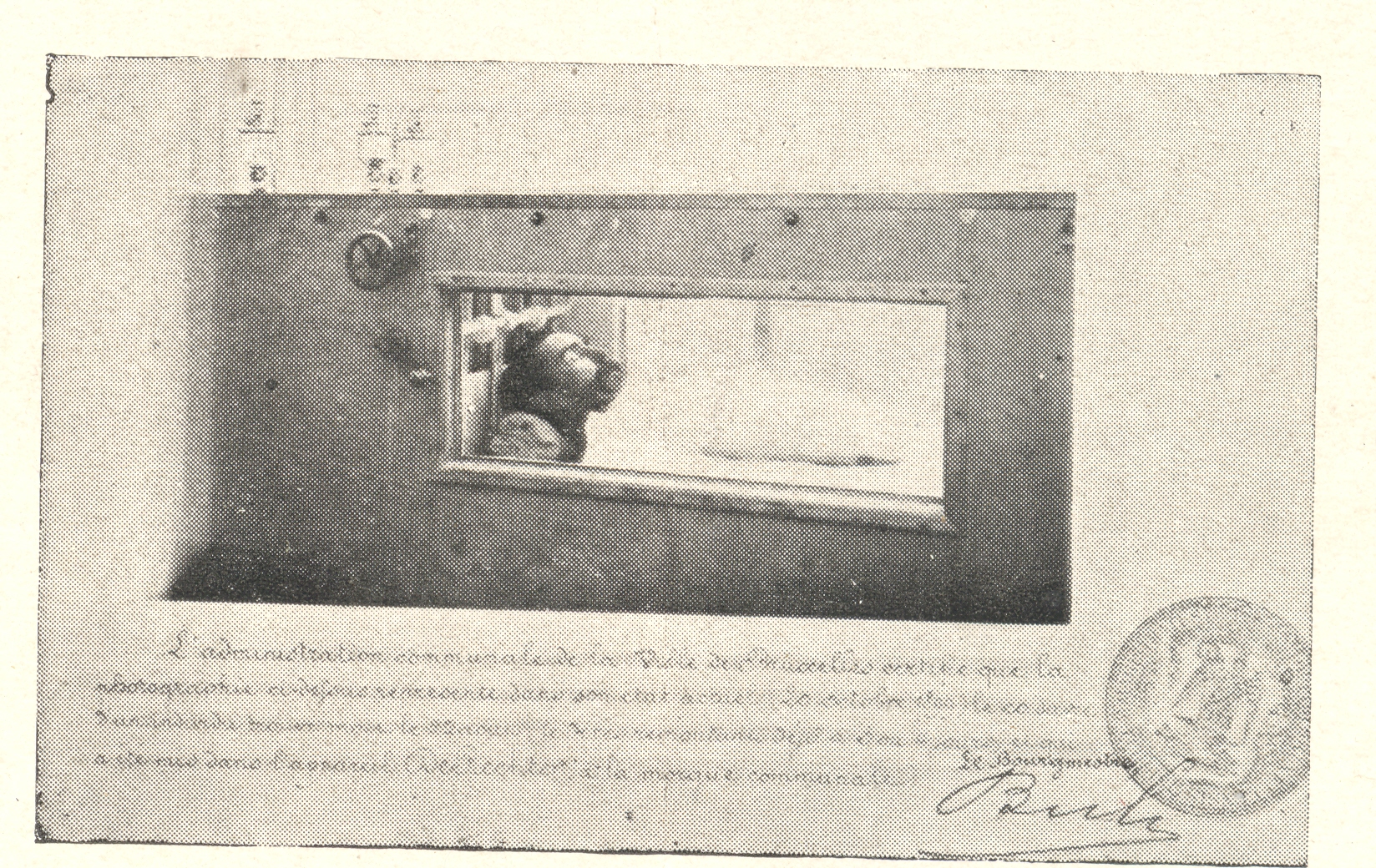
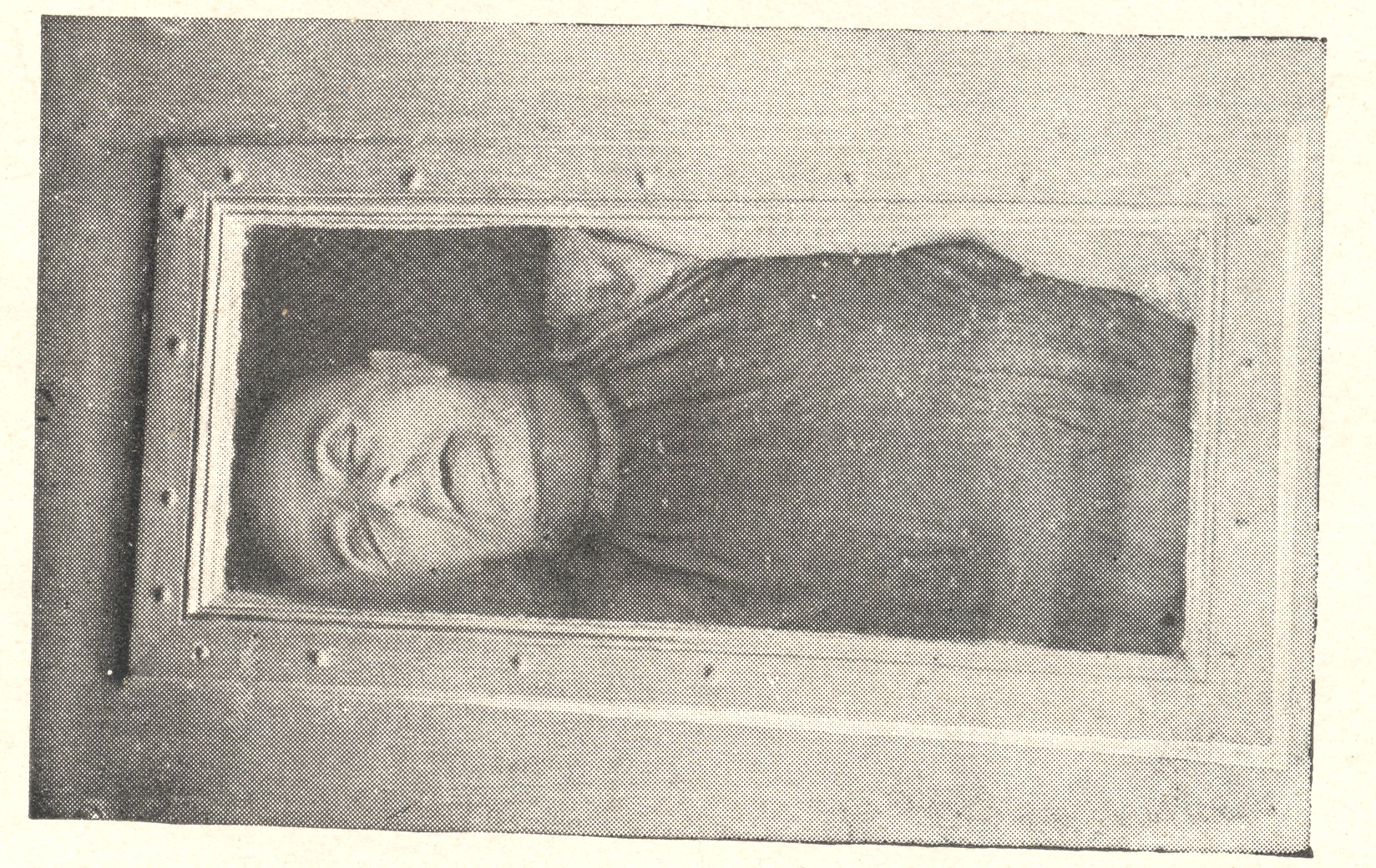
from the body following even a week of death—he maintains that his new method of preservation (via an incubated spray of formic aldehyde, or formaldehyde) would enable further inspection even months after death. De Rechter manages to forestall the inevitable, the great crumbling that awaits everything, everyone, at some point, the “distinguished thing” of Henry James’ (last words), to return everything to the earth, to what Larry McMurtry (in Lonesome Dove) refers to as “nothing but a boneyard”.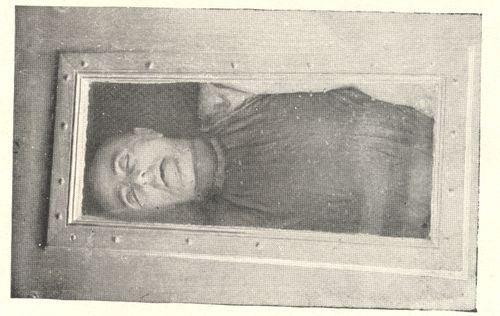
(The images here are from the pamphlet, with de Rechter showing the effects of his nasty spray on corpses and what they looked like after some months sleeping in their formaldehyde cocoons.)
-
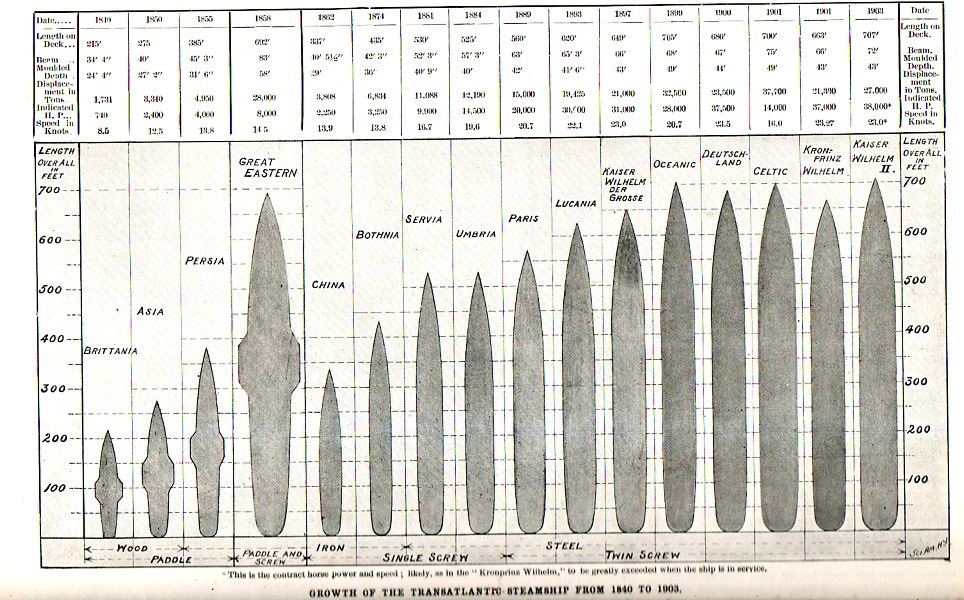
Good Infographic: the Length and Footprint of Trans-Atlantic SHips, 1840-1900
JF Ptak Science Books Quick Post
This is just a very quick posting of an interesting bit of data that I stumbled across while looking for William Ferrel’s tide predicting machine in the May 3, 1902 issue of Scientific American. I should say it it an unusual piece of info, showing the lengths of trans-oceanic ships and utilizing their plan to locate it on the graph:
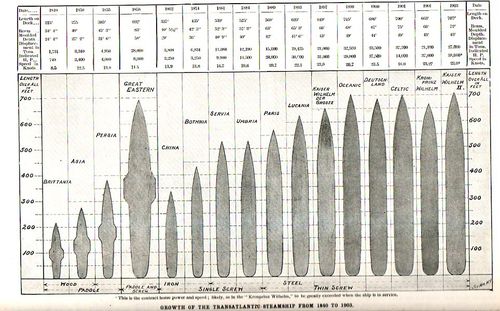
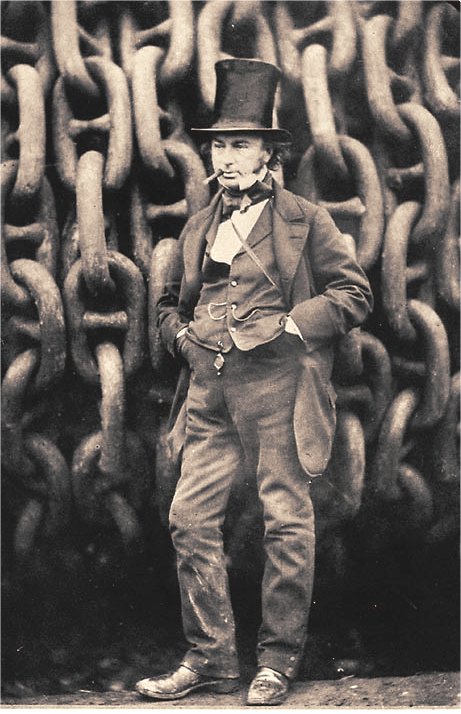
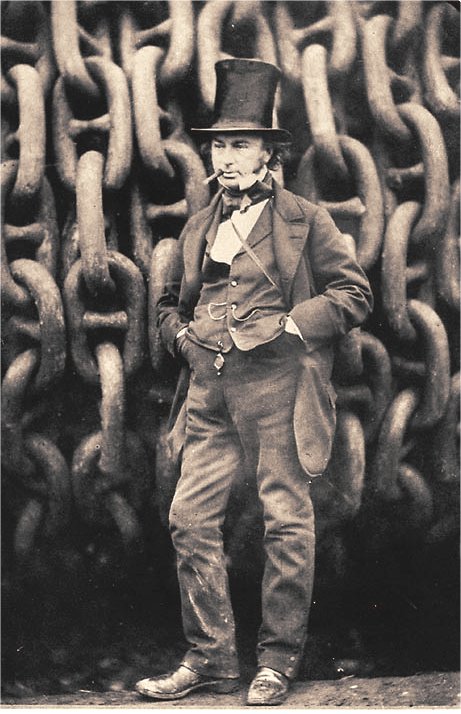
One thing is for certain: the Great Eastern was a beast–the Titanic would be 192′ longer than this, and the QEII and USS Enterprise another 300′ longer than that.The designer of the Great Eastern, Isambard Kingdon Brunel, was pictured against the very impressive launching chains of the ship, seen here in this iconic photograph by Robert Howlett in 1857. (Howlett tragically died at a very young 27 just at the beginning of a brilliant and innovating career.)
-
Feynman on Symmetry
JF Ptak Science Books Quick Post
Richard Feynman wrote this about symmetry in section 52 of the first volume of his Lectures in Physics (1963) the three volumes now beautifully available online at CalTech here. The last two paragraphs are also quoted in Mario Livio’s “The Equation that Couldn’t Be Solved”, Martin Gardiner in “The Ambidexterous Universe”, and many other places, probably hundreds of times; I’ve included the previous two paragraphs for interest’s sake. Feynman, the symmetry master, included a statement about a beautiful gate in “Neiko” Japan, which must “Nikko”, though I can hardly identify the gate that he was talking about. There seem to be many–see the UNESCO Shrines and Temples of Nikko, here–though the candidate in my mind is the extraordinary Yomeimon gate, here.
52–9 Broken symmetries
“The next question is, what can we make out of laws which are nearly symmetrical? The marvelous thing about it all is that for such a wide range of important, strong phenomena—nuclear forces, electrical phenomena, and even weak ones like gravitation—over a tremendous range of physics, all the laws for these seem to be symmetrical. On the other hand, this little extra piece says, “No, the laws are not symmetrical!” How is it that nature can be almost symmetrical, but not perfectly symmetrical? What shall we make of this?…”
-
Gin Lane, the Moral Thermometer, and Booze Crazes
JF Ptak Science Books Post 2332
“…the Distillers have found out a way to hit the palate of the Poor, by their new fashion’d compound Waters called Geneva, so that the common People seem not to value the French-brandy as usual, and even not to desire it”. –Daniel Defoe The Complete English Tradesman, 1727, volume 2, page 91.
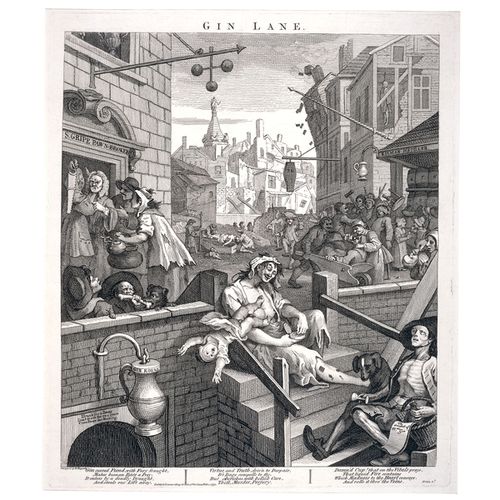
[Source: the British Museum, here.]
I was moved to this post after reading a wonderful piece by Rebecca Onion at Slate Vault on an infographic/metaphorical social thermometer of drinking and temperance, a beautiful engraving published in 17971. (See here.) [Another, illustrated, version can be found at the College of Physicians, London, site, here.]
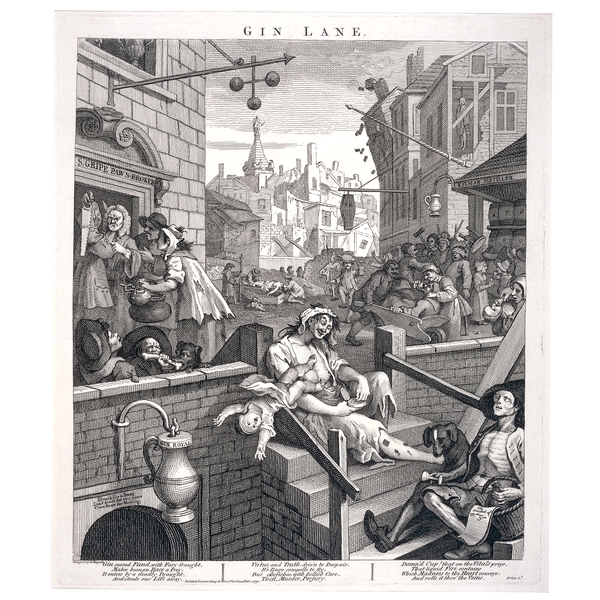
It reminded me of another great and iconic image regarding the evil of drink—it appeared earlier in the century, at a more difficult time in the history of London drunkenness. It is the William Hogarth’s Gin Lane, published in 1751. I’m not sure what drove Hogarth to the subject matter—except of course he was a societal reporter, making art of what he saw, turning him observations of everyday street and cultural life in to parables. Certainly he needed go far to find subject material like this.
As we can see he only had to go as far as Bloomsbury (in the background and the tower of St. George towering) to find the location of his stage. The characters are well established, showing us in this unfolding tragedy a scene of drunken depravity and wantonness, of lechery, and forgetfulness, illness, crime, and death, all brought on by the continuing increase in gin and other alcohol consumption. But mainly gin. Gin was cheap, was sold everywhere, and was very effective. It was a disease, really, that affected London deeply throughout much of the 18th century, though the greatest part of the gin craze took place earlier in the century. Some of the problem was ameliorated by several governmental acts that interested with the sale of gin, though the major part of it occurred in the Gin Act of 1751, which was created to restructure the distribution of gin and make I more difficult (and expensive) to purchase—the logic of the move wasn’t so much to convince the public not to drink gin, but to make it more difficult to buy the drink.
So gin was in the air, for sure—literally, and figuratively.
Hogarth attacked it. The most arresting figure for me is the scabbied drunken (syphalitic ?) mother in the middle foreground, passing out or wasting away, completely unconscious to the plight of her baby, falling, desperately, to certain major injury or death into a stairwell, without the attention of the mother, a vignette that is horrible and striking. At her feet is a starving skeleton, asleep or dead, dead or asleep, in a miserable state, although he does have a nice wicker basket with a bottle in it. This may be an allusion to Death from the Renaissance (and earlier) illustrations and depictions of Death coming to people at their play or profession—the Dance of Death, only this Death isn’t dancing, it is only dying.
There’s no relief in this print—an almost-calming scene at mid-left midground is Gripe’s pawnbroker, the jaw-thrusting and disapproving proprietor assaying the tools of a man (a carpenter?) while a woman waits her turn, her pots in hand, waiting to pawn the stuff of existence or work. The three balls of the pawnshop’s sign form a sort of upside down crucifix, which via a perspective tick hangs just above the steeple of St. George’s. Under this cross all sorts of hellish behavior takes place.
At mid-right we find the distiller, with a big, ruddy, rheumy and raucous crowd in front of it, swinging chairs and crutches, close set, and depicted in such a way that you know everyone reeks.
In the upper right, forgotten, a man is seen hanging by the neck, a probable suicide, dead. Next door to his ruin house is a stable one, an undertaker’s shop, with a sample of wares hanging as a sign—no doubt doing a decent business, though it seems as though any money left for coffins in these folks would’ve been drunk up a long time ago. To complete this architectural scene the house on the corner is collapsing, much like everything else.
Then in the gentle mist we see the coffin and body, and the men either putting the body in or taking it out—I think the viewer can choose for themselves which.
This image is the opposite of subtle, though you need to look for the messages a little; once found, they are forever present. Mr. Hogarth got his point across.
NOTES:
1. Lettsom, John Coakley, 1744-1815.History of some of the effects of hard drinking: The sixth edition. By J. C. Lettsom, … The illustrations in question is “A MORAL AND PHYSICAL THERMOMETER; OR, A SCALE of the Progress of TEMPERANCE and INTEMPERANCE. LIQUORS, with their EFFECTS, in their usual Order”. Summarizing, some drinking led to good health and tolerance; other sorts, not. The “Vices” perpetrated by the Bad Drink included the following: Idleness; Peevishness; Quarrelling; Fighting; Lying; Swearing; Obscenity; Swindling; Perjury; Burglary; Murder; Suicide. And the “Illnesses” associated with Bad Drink”: Sickness; Puking, and Tremors of the Hands in the Morning; Bloatedness; Inflamed Eyes; Red Nose & Face; Sore and swelled Legs; Jaundice; Pains in the Limbs, and burning in the Palms of the Hands, & Soles of the Feet; Dropsy; Epilepsy; Melancholy; Madness; Palsy; Apoplexy;Death. The social and economic onsequences: Debt; Black-Eyes; Rags; Hunger; Hospital; Poor-house; Jail; Whipping; The Hulks; Botany Bay; Gallows.
-
The Phonic Graphing Phonograph of Fleeming Jenkin, 1878
JF Ptak Science Books Post 2331
Fleeming Jenkin was a very considerable man with a huge range of interests and talents, along the lines of a William Thomson/Stanley Jevons. His main deal though and the place where he earned his keep was in engineering, and here he was virtuosic. I call him up now because of an article that appeared in the 1878 issue of Nature magazine, entitled “The Phonograph”. The instrument was invented by Edison in 1877 (and patented in February 1878)–it was an extraordinary thing with great promise, though not so much in the ways we think of today. In any event, Jenkin was able to produce one for himself–to reverse engineer it–from descriptions he read of the machine in the newspapers, which is a big accomplishment.
What he set to do with it was impressive–he began to study the components of speech. And not just by audio comparison–he devised a method to make transverse sections of the recording wax so that they could be magnified and allow him to study the visual differentiations made by speech in the medium. Now that is very good–making the phonograph into a phonic graphing machine.
Here’s the article, written by Alexander J. Ellis, as it appeared in the May 9, 1878 issue of Nature:
-
Reverse Memory, Synesthesia, and Modern Art (1880)
JF Ptak Science Books Post 2330
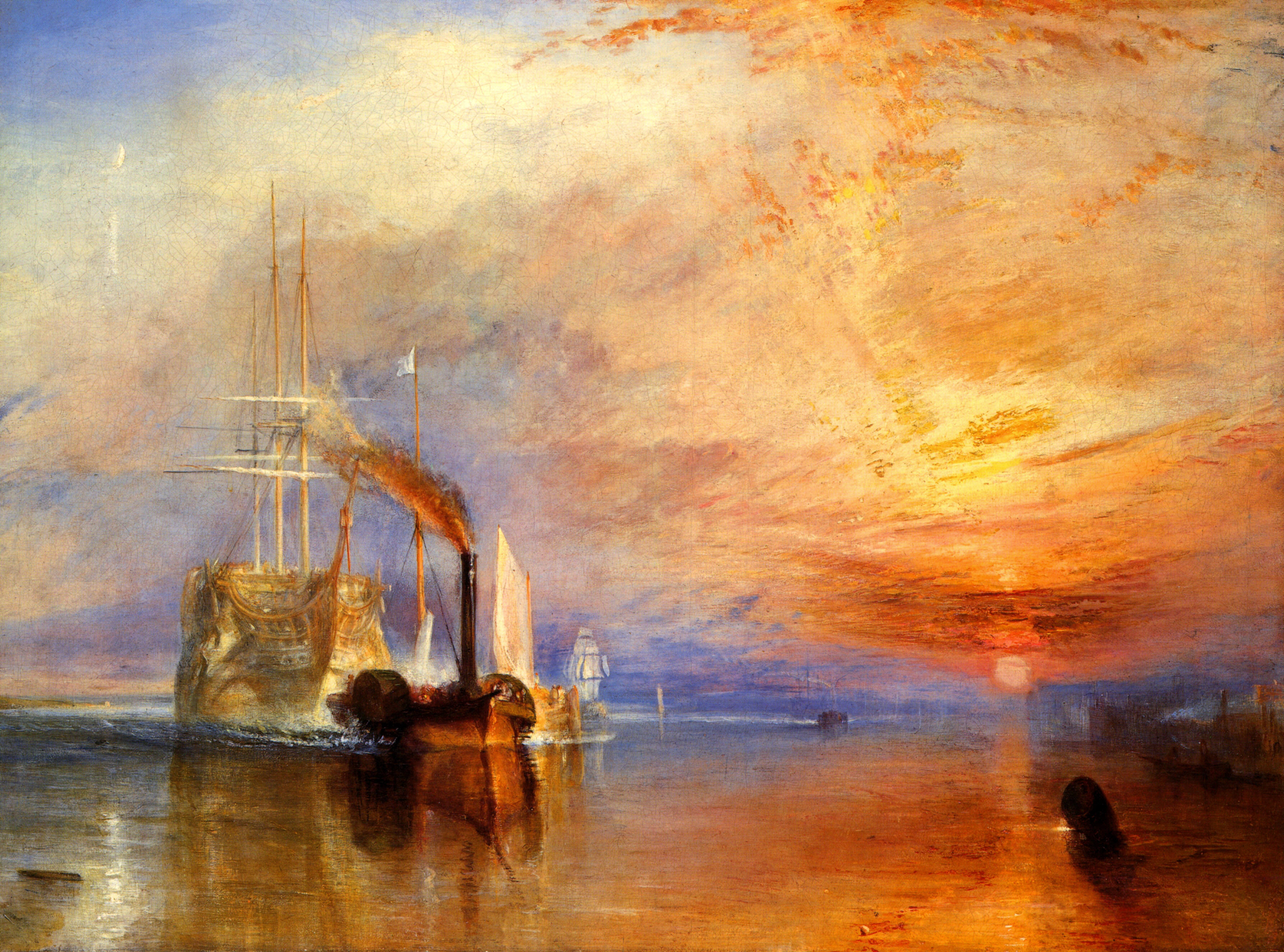
I was very excited to bump into this article, ” reversals of Memory” in an 1880 issue of Nature magazine.1 Henslow2 (1835-1925) was an accomplished botanist, cleric, and Darwin correspondent who for years was a lecturer in botany at St. Bartholemew’s Hospital amongst much else in his long and accomplished career. In the middle of it all he wrote this note in Nature which attracted my attention, though I think mostly for scifi aspects of the title, though the content is interesting, tending a little towards the brand new ideas of synesthesia. (Actually Francis Galton wrote about people who could “see” their process of mental arithmetic in their minds while calculating–this is seen as one of the earliest published efforts in synesthesia. I wrote about this article–which appeared in January of 1880 in the same publication–here about 3,000 posts ago.) It refers to a painter who painted J.M.W. Turner’s The Fighting Temeraire (completed 1839) from memory, but who had very curiously reversed the positions of what sounded like all of the elements of the painting. I’ve reproduced the article below and included the Turner:
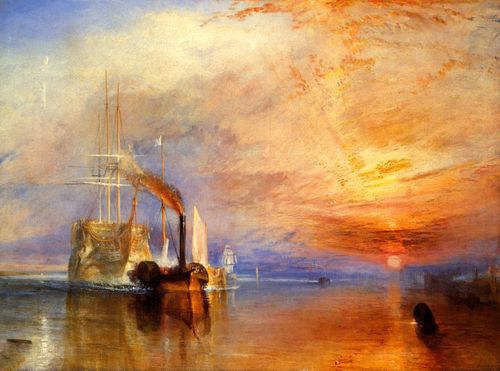 [Image source: Wikiart.org]
This may well be more symbolic about the reversed memory here, with the Turner and all. Turner was at the forefront of the pre-Impressionists, or so it seems to me, what with so much of his work headed into symbolist and suggestive territory, impressionistically, as with the detail we see of the setting sun:
 Perhaps it really can be seen as a reversal of memory…that is, the Impressionists come along soon afterwards and begin to paint things that are suggestive of hard elements, this after many centuries of human endeavor to perfect a true representation of the world around them. Suddenly, by the half or 3/4s of the 19th century, there is a movement away from this, of losing and replacing detail with something that suggested it. And by the time Kandinsky roles around in 1911, painting with no factual representational elements in them at all, it seems that the memory business of modern painting has been completely changed, or challenged. So, the Turner may be very appropriate in this case after all…
Reversals by Memory

"I SHOULD much like to know if it be a common thing for
people to reverse the positions of objects in the memory. An
artist, on returning from the National Gallery, painted the
Temeraire from memory. Taking his picture to compare it with
Turner's, he found to his surprise that he had reversed the
positions of the ship, tug, sun, &c. His daughter tells me that
if she wants to refer to a passage in a book she as often looks
for it on a left-hand page, while it is on a right-hand page, or vice
versa. Another lady, on looking at a wood-engraving made from
a sketch which she had seen some time previously, asked if the
engraver had not reversed everything? These are the only cases
known to me.

Is the following universally true? —

Let some one write with a blunt instrument the letter P on
your forehead, or anywhere on the front half of the head from ear
to ear, and the P must be written backwards for you to "see" it
correctly. But if it be written anywhere at the back of the
head, it must be written correctly both for you and the writer to
read it. The change takes place abruptly in a line over each
ear."
–text of the Henslow from the Victorian Review, vol 5, “Outposts of the Most Advanced Physics”, p 667, by H. Mortimer Franklyn, editor.
Notes:
1. HENSLOW, George. “Reversals of Memory” in Nature, July 15, 1880, short note on page 241.
2. [Henslow: “Clergyman, teacher, and botanist. BA, Cambridge (Christ’s College), 1858. Curate of Steyning, 1859–61; of St John’s Wood Chapel, 1868–70; of St James’s Marylebone, 1870–87. Headmaster at Hampton Lucy Grammar School, Warwick, 1861–4; at the Grammar School, Store Street, London, 1865–72. Lecturer in botany at St Bartholomew’s Hospital, 1866–80.”–Darwin Correspondence Project. Remembered as “the Cambridge mentor” of Charles Darwin
-
Elements for a Whiskey Alphabet Drawn from an Early Bible of Booze Names
JF Ptak Science Books Post 2329
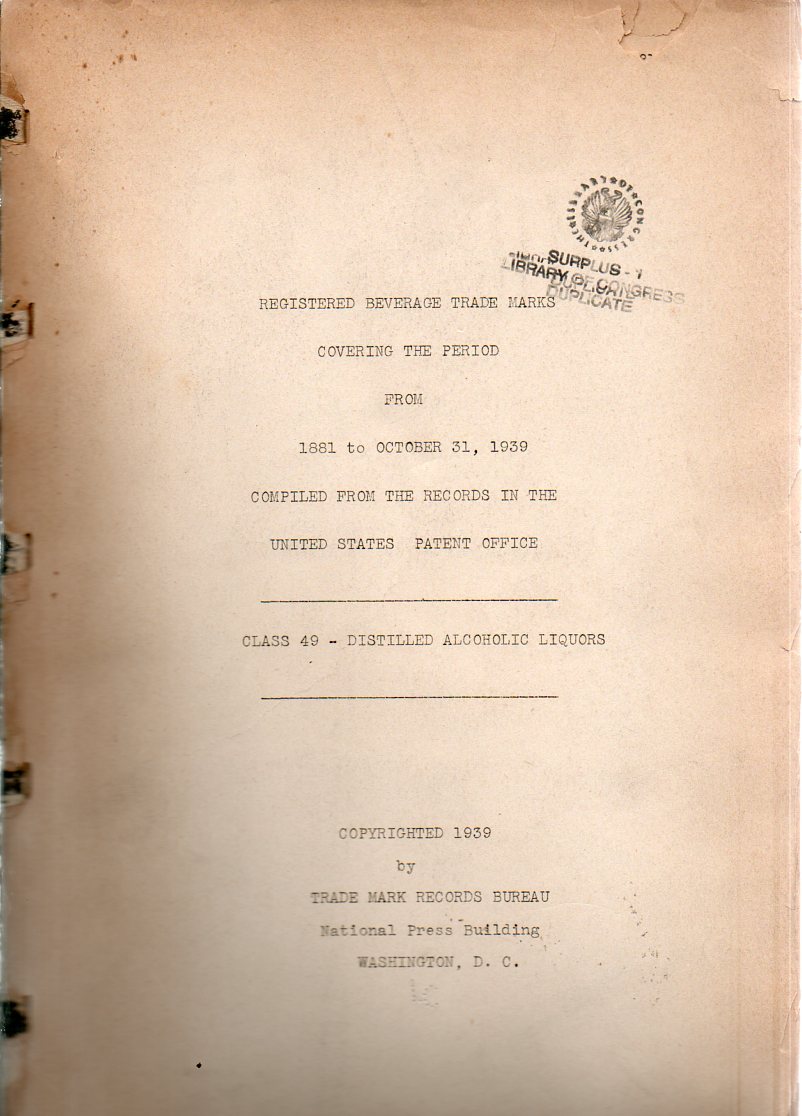
It may or may no be the case, but this large, flaking book that is balanced on top of a petulant pile of paper, Registered Beverage Trade Marks Covering the Period from 1881 to 1939 Compiled from the records in the United States Patent Office (Distilled Alcoholic Liquors) may be the keys to the kingdom of names of booze(s) trademarked in this country. 15″ tall, and inch thick, and 296 sheets big, this work (copyrighted y the Trade Mark records Bureau (in the National Press Club Building in DC, the one with the problematic parking garage) lists some 7,500 names of whiskey, cordials, gin, rye, bourbon and who knows what else. I cannot find the book in any online database, big or small, and I’m not sure where this info might be housed and housed in one spot. I have no doubt that people somewhere need this data, unwieldy and unusable as it might be–you see, it is organized only according to a six/seven digit number which I guess is the trademark filing number, or something; there is nothing else useful about the thing, the data floating around without regard to year or place or liquor type.
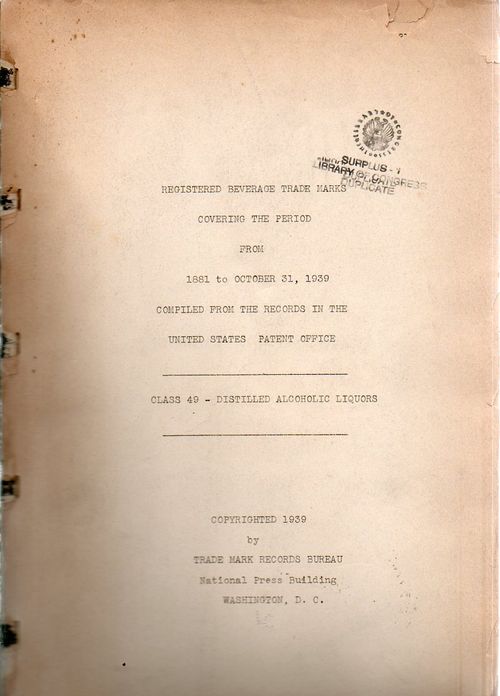
So I sat down with the book for an hour pulling out interesting, odd, out-of-place, from-another time and bizarre names, inlcuding all manner of expected animal names like bull and elk, and then unicorn; and lots of sunny this-and-that, sloping/sunny/grassy hills, mountains, clubs; and of course the Old _____ category seem fairly filled up. [If you’d like to own this just visit the blog’s bookstore, here, and have a look.]
If I spent a little more time on this entire alphabets could be produced relating to nothing but names from the animal kingdom, flora, the sciences, professions, religion, states of mind, altered states, literature, and the labels that suggest a possible medical benefit. One of my favorite categories is the “conversational liquor label”, the label that speaks to you, invites you, tells you what to do with the bottle of booze: Hava Cocktail and Uneeda Whiskey are good examples of that, as are You’re Lookin Good, Uvanta and Yugeta whiskeys. Another is the liquor name ending in “o”, like the beautiful Famo, from St. Jo, MO, which unfortunately wasn’t trademarked in ’00. The label of suggested promise and outcome is another good one: Kentucky Courage, Pleasant Dreams, Invincible Rye, Solace Whiskey and Ready Moneyare all good examples of the implied end-of-bottle pillow-fluffer…maybe, espcially, The Old Solution whiskey.
And then of course, there are those where the (creative) spirit has just flown away, like the lumpily-named Standard Spirits Whiskey, its hometown of New Orleans embarrassed by the lack of effort–especially in the light of some many hundreds of imaginative creations, like the fabulous Bone Factor Whiskey (1903), which like som many other great names (Yellow Hammer Whiskey) comes from Louisville, Kentucky.
Antediluvium Whiskey, NYC, 1898; Anti-Grippine Whiskey, Philadelphia, 1906; Ash Cake Whiskey, Lynchburg, VA. 1899, Auto Crat Whiskey (St. Louis, MO), 1905
Bank Check Whiskey, Boston, 1900; Bone Factor, 1903;
-
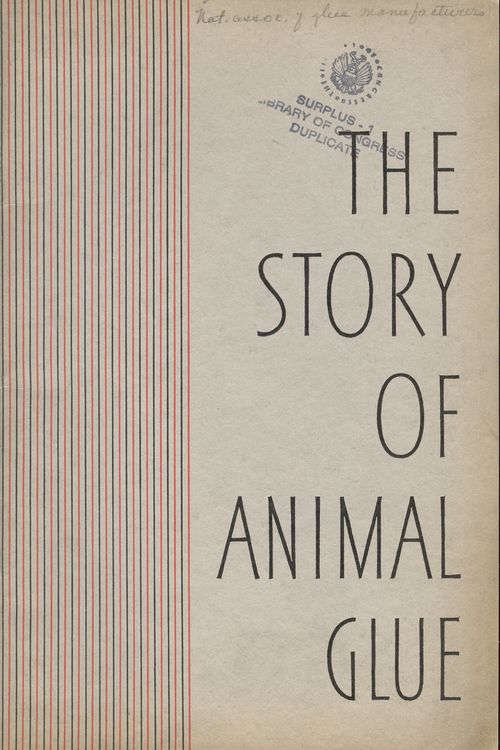
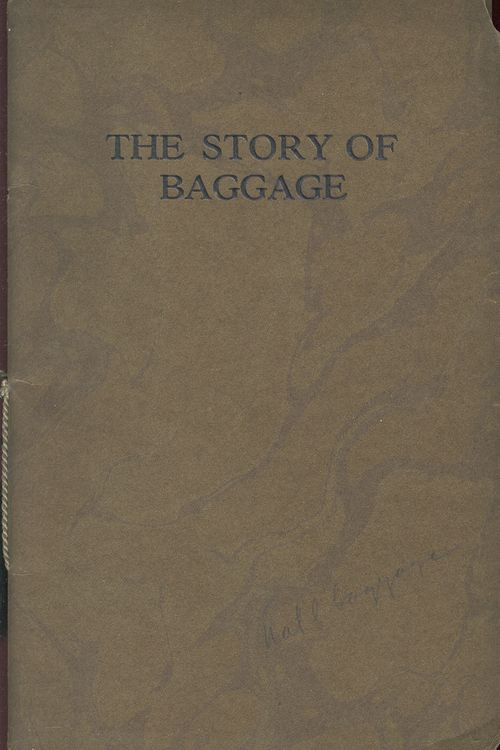
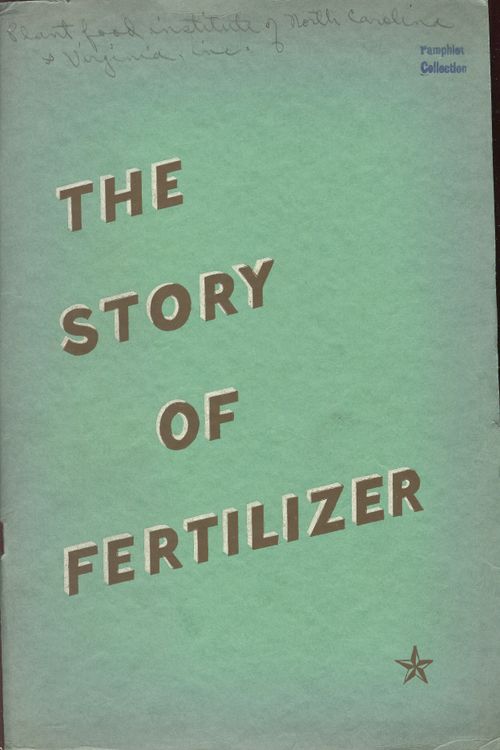
The Small Story of Animal Glue, and other Small Stories
JF Ptak Science Books Quick Post
In my collections of small collections I have a collection of small unusual pamphlets that tell the story of something uncommon. Everything in this sub-collection must have “The Story of …” on the cover; after that, anything goes.
This is a small selection, though enough for now…
·Posted by :
·in:
-
12 Trillion Slices of Pi
JF Ptak Science Books Quick Post
The mathematician Hermann Schubert wrote in his 1889 text on the uselessness of calculating pi past 500 digits–I haven’t located a copy of the original 1889 publication though the story is often repeated: I’ve seen in in Petr Beckmann’s A History of Pi (1993 edition) on page 101 and also in Cliff Pickover’s Keys to Infinity (John Wiley, 1995).
“Conceive a sphere constructed with the earth at its center, and imagine its surface to pass through Sirius, whis is 8.8 light years distant from the earth [that is, light, traveling at a velocity of 186,000 miles per second, takes 8.8 years to cover this distance]. Then imagine this enormous sphere to be so packed with microbes that in every cubic millimeter millions of millions of these diminuitive animalcula are present. Now conceive these microbes to be unpacked and so distributed singly along a straight line that every two microbes are as far distant from each other as Sirius from us, 8.8 light years. Conceive the long line thus fixed by all the microbes as the diameter of a circle, and imagine its circumference to be calculated by multiplying its diameter by to 100 decimal places. Then, in the case of a circle of this enormous magnitude even, the circumference so calculated would not vary from the real circumference by a millionth part of a millimeter.”
“This example will suffice to show that the calculation of to 100 or 500 decimal places is wholly useless.”
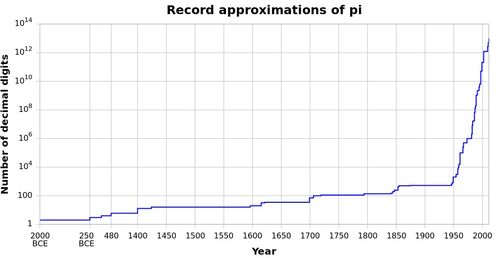
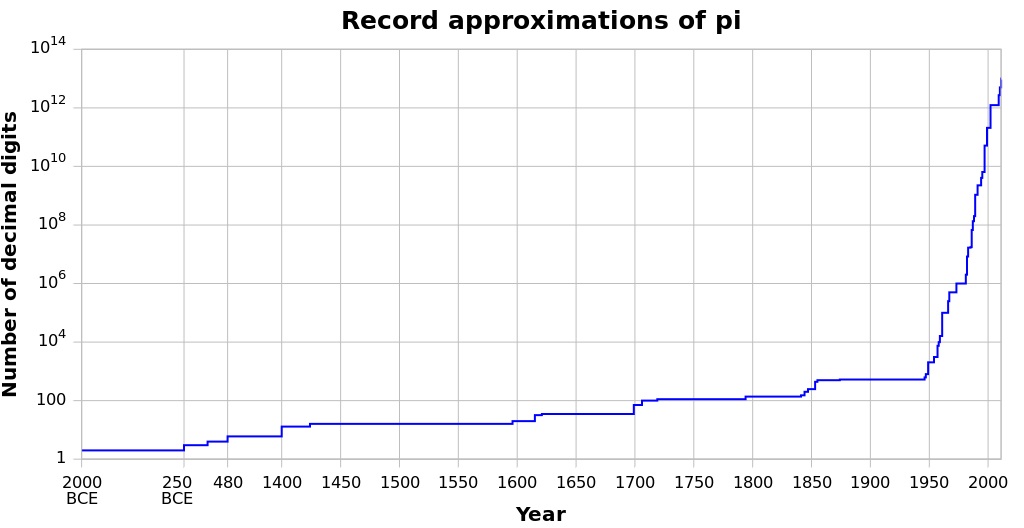
Long before Schbert pi was being calculated to quite a degree: it was computed to 9 places by Francoise Viete in 1579; 15 places by Adriaan van Roonan, 1593; 32 by Ludolph van Ceulen in 1596; 35 by Willebrord Snell in 1621; 38 by Christoph Grienberger; 75 by Abraham Sharp in 1699; 100 by John Machin in 1706; 137 by Jurj Vega in 1794; and 152 by Legendre in 1794, which is nearly 100 years before Schubert. William Rutherford came in with 248 in 1847, and then William Shanks with 527 places in 1874. D.F. Fergusson would break 1000 places in 1949, followed by F. Genuys (using the IBM 704) breaking 10,000 i 1958. Daniel Shanks reached 100,000 in 1961, Jean Guillyud finding 1 million in 1967, and then many others, right up to the 12 trillion mark by Shigeru Kondo in 2013.
All of which leave Dr. Schubert without very much crust.