A Daily History of Holes, Dots, Lines, Science, History, Math, Physics, Art, the Unintentional Absurd, Architecture, Maps, Data Visualization, Blank and Missing Things, and so on. |1.6 million words, 7500 images, 4.9 million hits| Press & appearances in The Times, Le Figaro, Mensa, The Economist, The Guardian, Discovery News, Slate, Le Monde, Sci American Blogs, Le Pont, and many other places… 5000+ total posts since 2008.

Author: JF Ptak

  • Episodes in the History of Cigarette Eyes

    JF Ptak Science Books  Expansion and Correction(s) of  Post 1638 (Thanks to Orion Pozo at NCSU for starting this off by outing the Marlboro baby.)

    Part of the series on the History of Blank, Missing and Empty Things, Part 77:  Promises.

          “The world is my dream.”– Sir Karl Popper

    In the History of Empty Promises advertisements for fulfilling experiences with safe/pleasant/not-addictive/sweet-smelling tobacco cigarettes would find a key position, if for no other very large reason than having killed so many millions of people.  Many of the lies told to the consuming public on the efficacy of cigarettes have come through billions of dollars worth of print advertisement, many of which featured the earnest eyes of someone famous (Babe Ruth, Lou Gehrig, the Duchess of Windsor), or authoritative (football referees, doctors, lawyers, airline pilots), or trustworthy (Santa, the family dog), or even innocent (teenagers and of course babies).  I’ve collected a few examples that I find particularly arresting–there are hundreds or thousands more to choose from.

    • Note–all images are drawn from the great resource at Stanford University on cigarette advertising, here.

    Cigarette Eyes of Babies (for Mommy–for Daddy, see below):

    Ciggie eyes baby
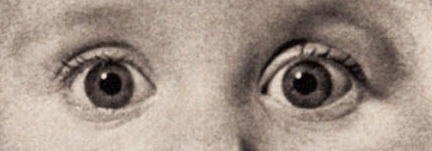
    In one of the high twisted occurrences in the history of Buying Things, Marlboro cigarettes started its life out as a smoke for women, a mild, feminine object for ladies.  And as we can see here an early appeal to the possible consumer came through the eyes of an infant.  The product didn’t sell well, and was repackaged for men, the baby eyes eventually being replaced by the iconic cowboy. This is one of the few times that an a consumer object that began its career as a sales vehicle for women crossed the gender barrier. 
    Ciggies--baby

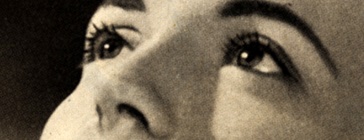
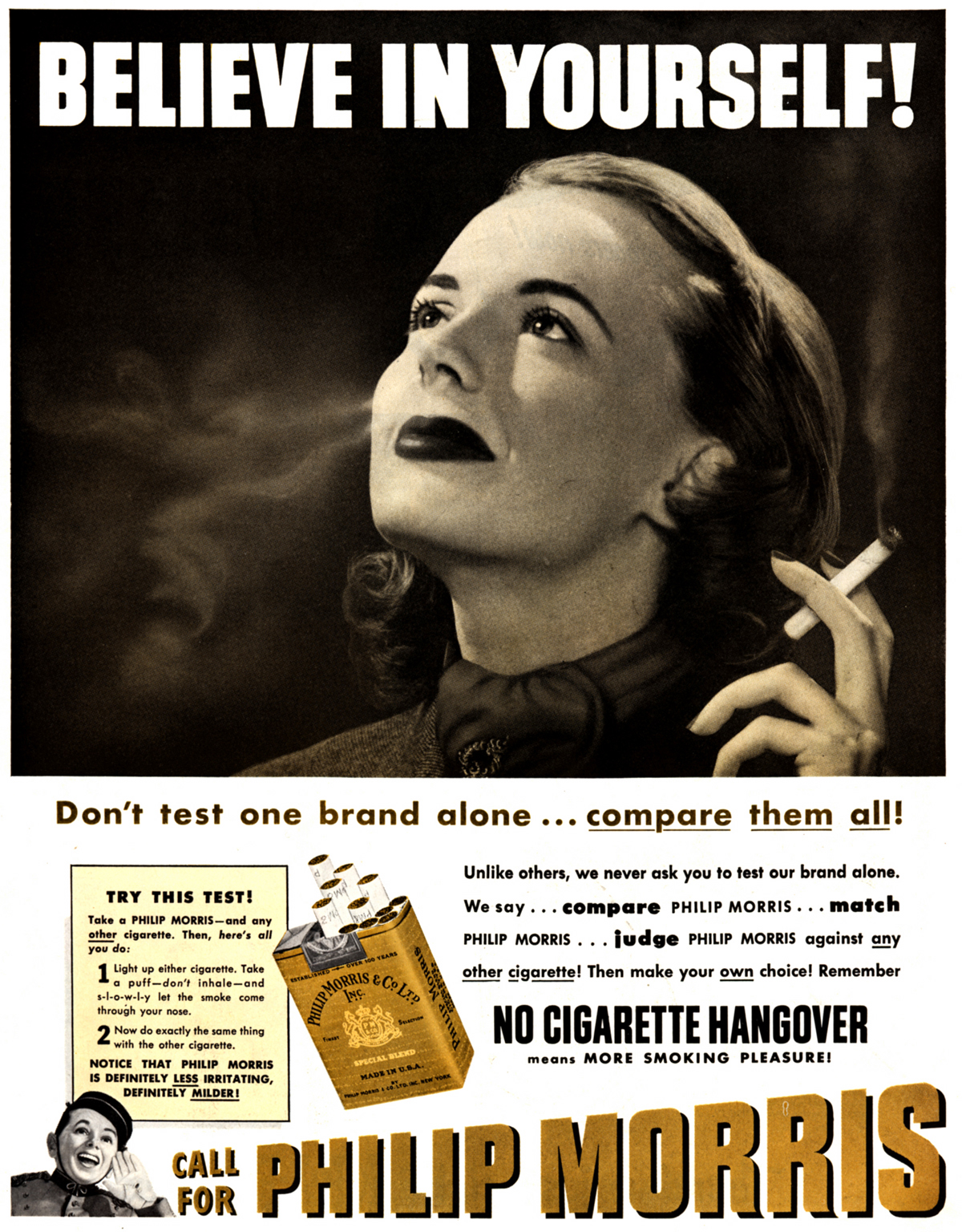
    Cigarette Eyes (and Nostrils) of self-knowledge and belief (because nothing quite spells out personal knowledge than blowing hot smoke through your nose holes):
    Ciggie belief detail

    Ciggie belief

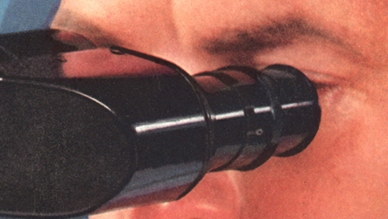
    Cigarette Eyes of the edification of pure scientific support for the glory of smoking:
    Ciggies--eyes w microscope det
    Chesterfield not only conquered the alphabet for cigarettes, but “science” as well.  Here we see Big Science affirming the ABC claim that there is no “aftertaste” in their cigarette.  (The ‘scope has no identifiers, probably taken away in the darkroom, but it looks like it might be a Spencer to me.  Maybe B&L.)

    Ciggies eyes of science

    ·Posted by :

    ·in:


  • Maps: Climate Change, Population, Drought

    JF Ptak Science Books  Quick Post

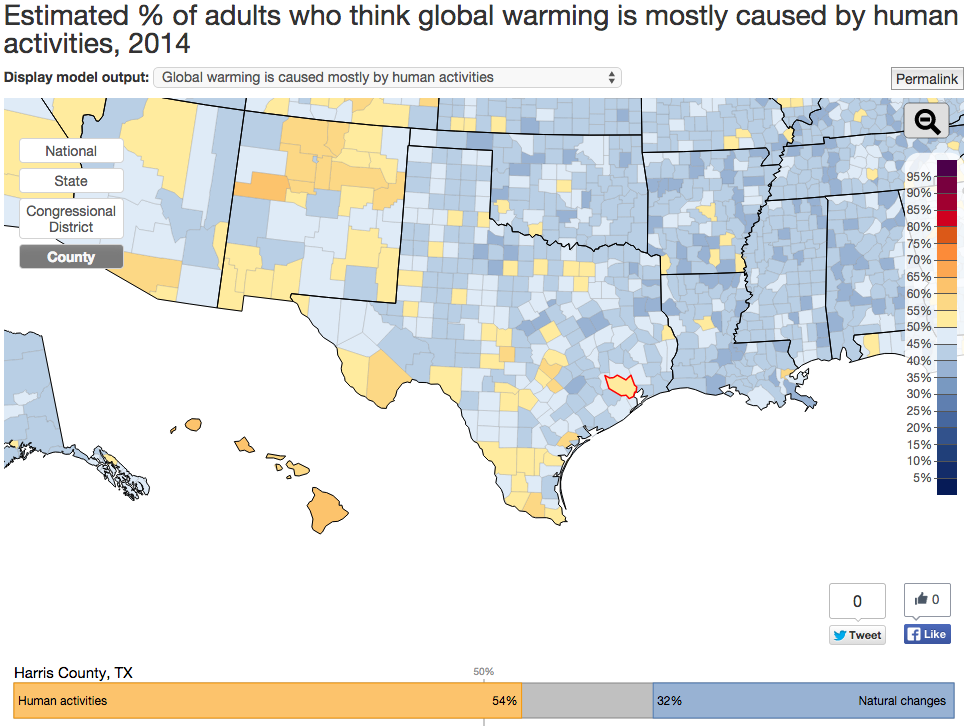
    Interactive Map on Global Warming Opinions

    Click a state and more detailed parts of the questionnaire are revealed, including whether the climate change is largely a result of human action and thirteen other questions arranged in the three areas of policy  support, risk perception, and beliefs.  

    One odd thing is the percentage of people opposed to renewable energy R+D–I’m not sure why 21% would say so, why someone would be against becoming more-or-less self-sufficient. Another 25% are opposed to regulating CO2 emisisons, which combined with the renewable opposition is frustrating to comprehend.  

    Data map global warming

    SOURCE:  http://environment.yale.edu/poe/v2014

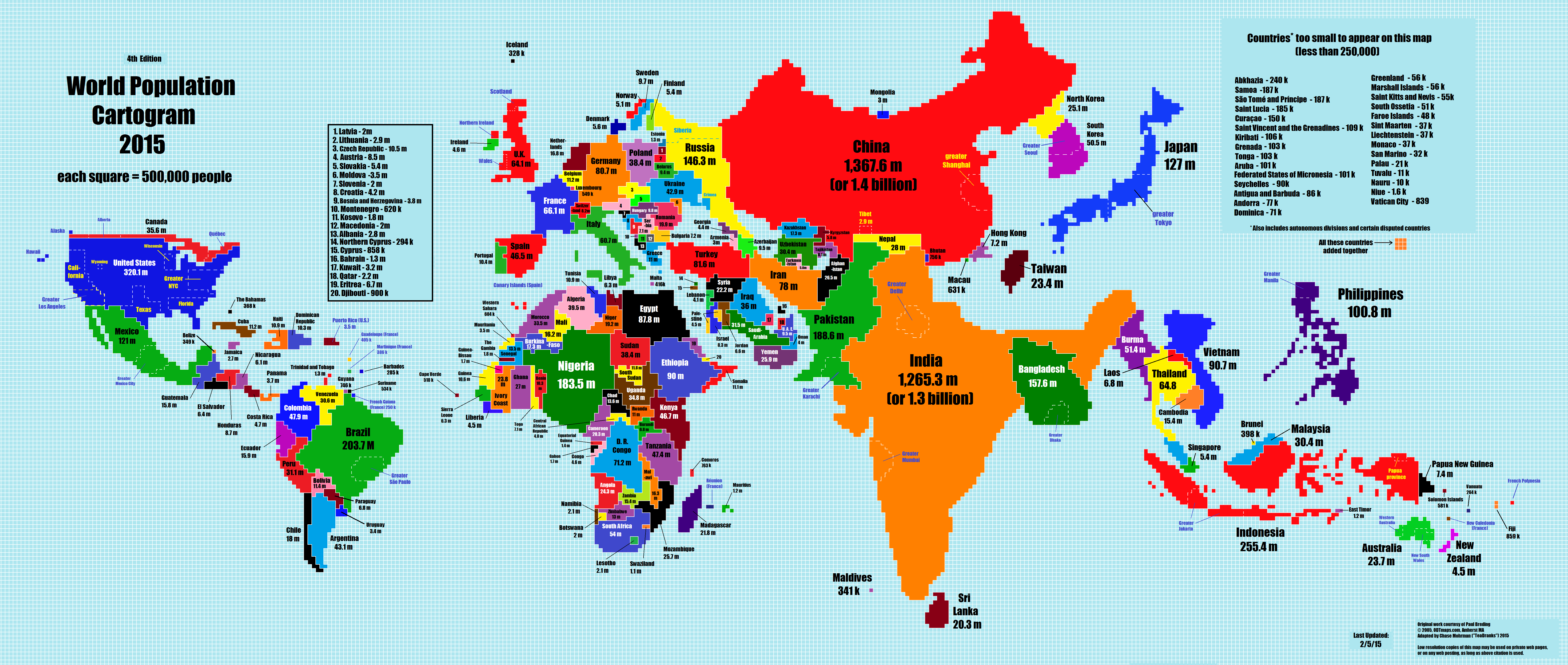
    Population

    The 2015 World Population Cartogram, showing country population in discrete blocks equal to one million people each.  Not a projection but looks like one, and interesting:

    Data maps pop growth

    SOURCE:  NPR blog, here  http://i.imgur.com/I81xSNt.png


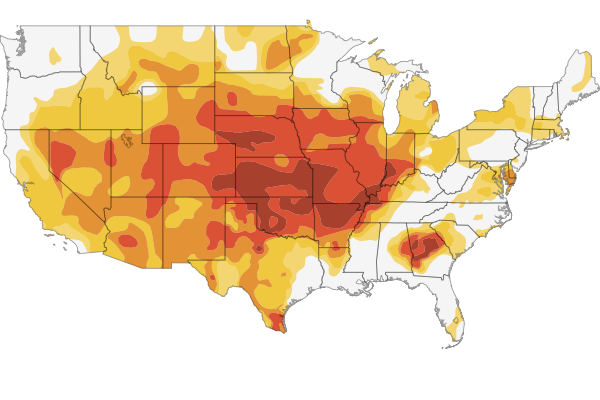
    Drought Map, 2011-2015.
    Data map interactive drough mapThere’s a fine and scary interactive map if you follow the link to the NPR site showing the development of the drought situation in 1200 counties in the U.S.

    SOURCE:  http://www.npr.org/2012/07/18/156989764/interactive-mapping-the-u-s-drought


  • Cross-Section Series: Battleship “Deutschland”, 1931

    JF Ptak Science Books   Quick Post

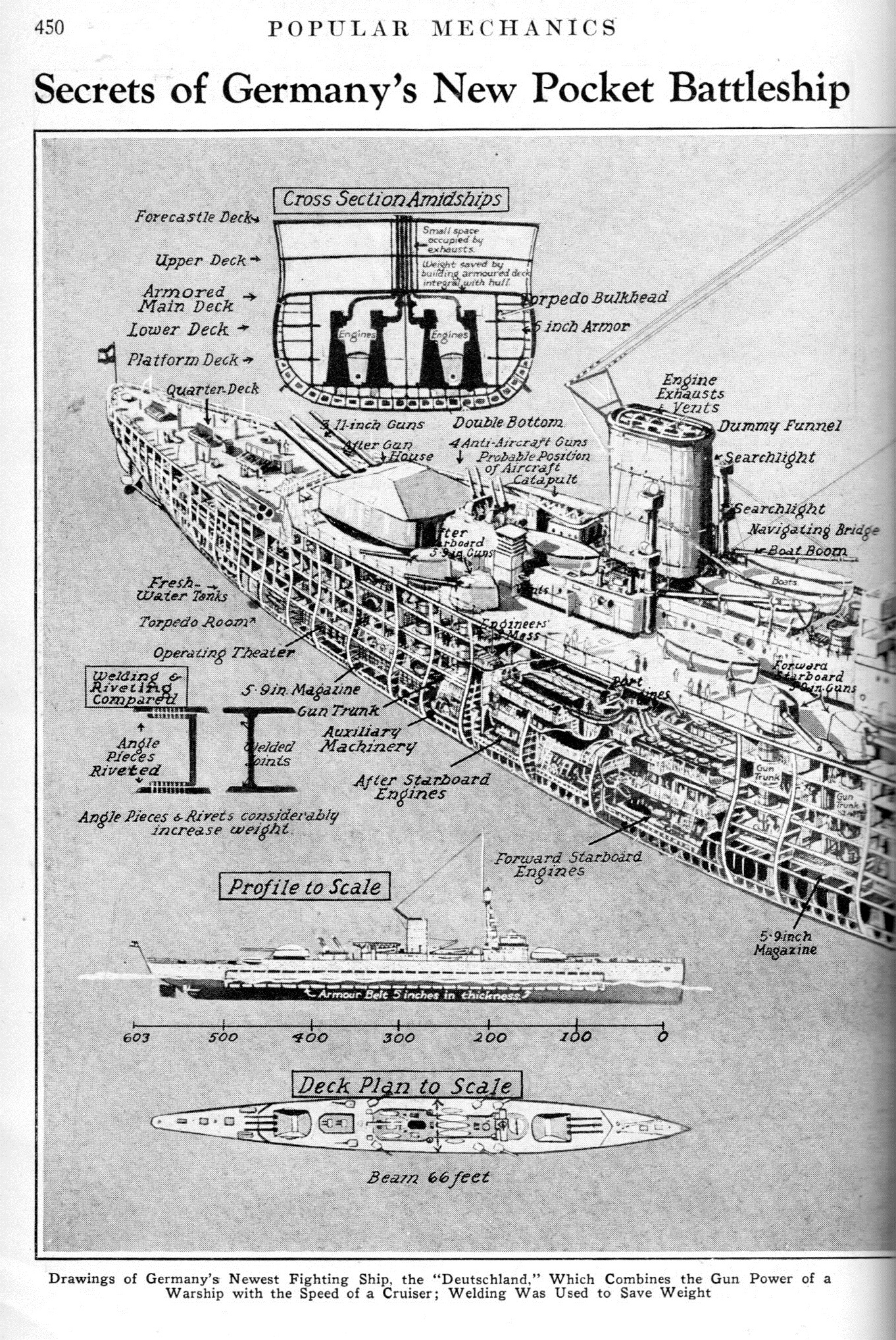
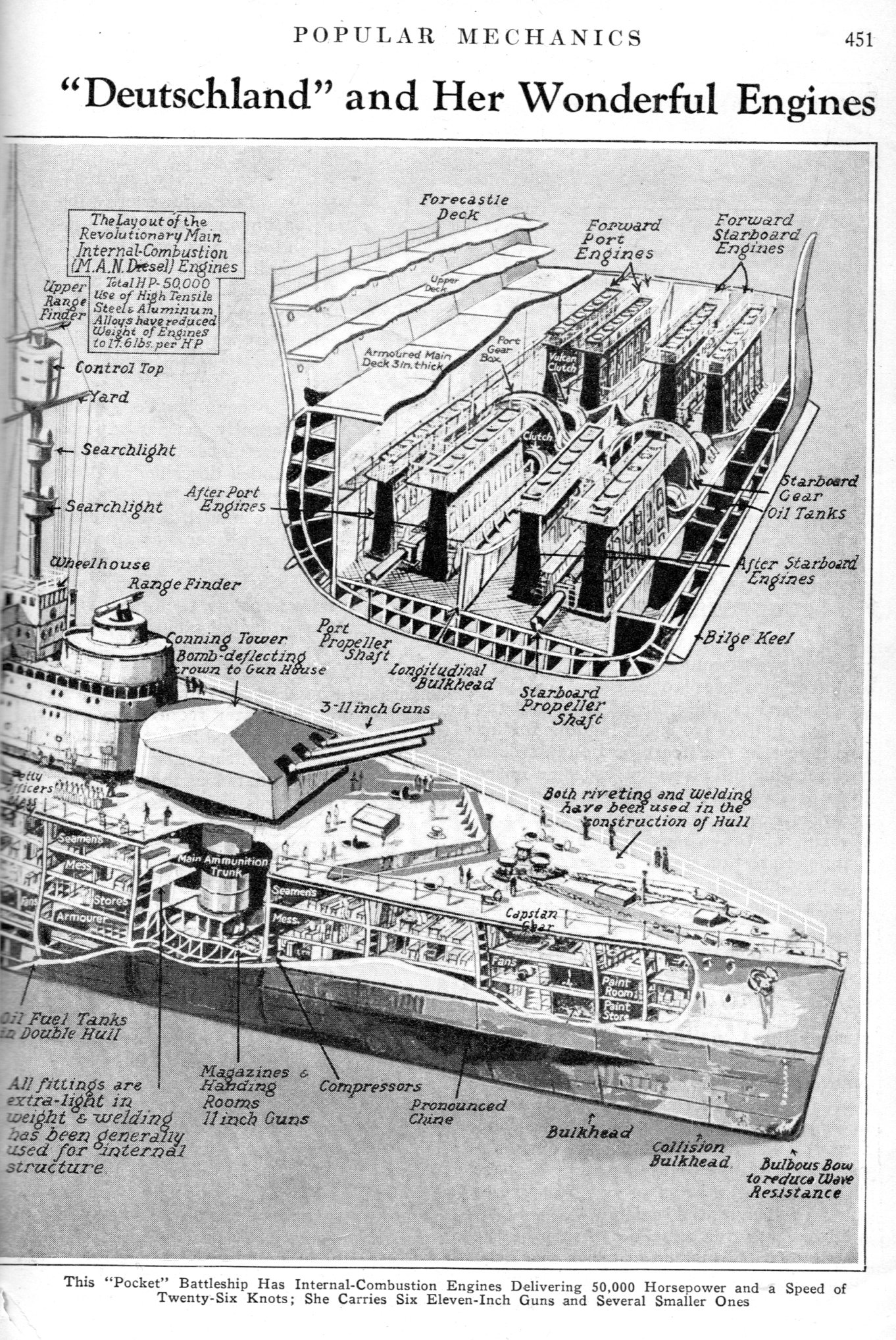
    This fine two-page spread, “Secrets of German’s New Pocket Battleship “Deutschland” and Her Wonderful Engines” appeared in Popular Mechanics in September 1931. I’m not sure offhand how the Weimar government was able to build this ship and abide by the Versailles Treaty, but it did. The ship–a 610′ heavy cruiser, also known as a pocket battleship–saw a lot of action during WWII, mostly under the name of Luetzow, as it was called after a major upfitting.  Anyway by 1939 the ship’s engines were probably not seen as being so “wonderful”, any more.

    [The images are very expandable] 

    Schematic deutschland868 Schematic deutschland867

    ·Posted by :

    ·in:

    —

  • A Shadow for a Mask–the Pivot Person in the Execuiton of the Lincoln Conspirators

    JF Ptak Science Books   Revisiting and adding to Post 1166

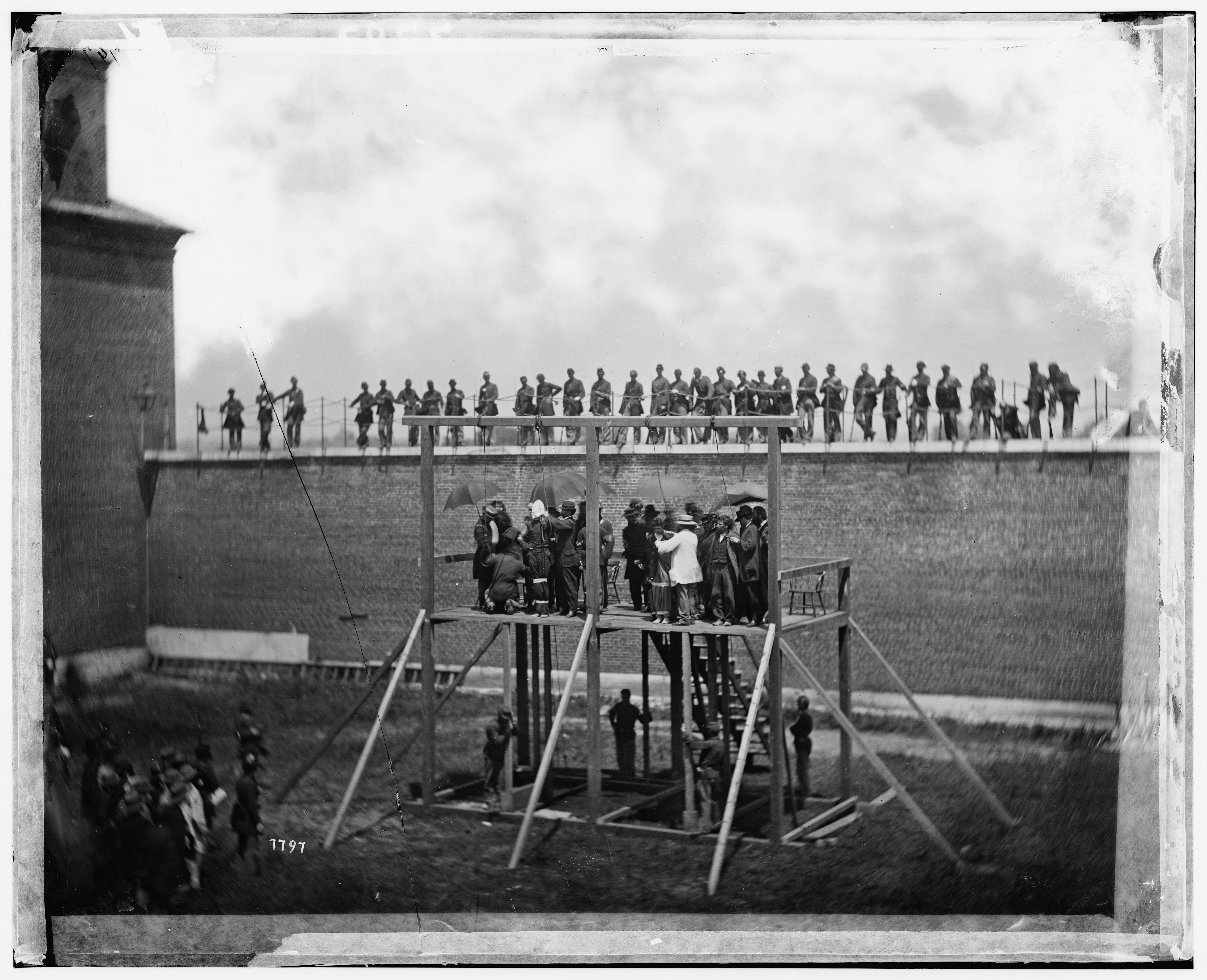
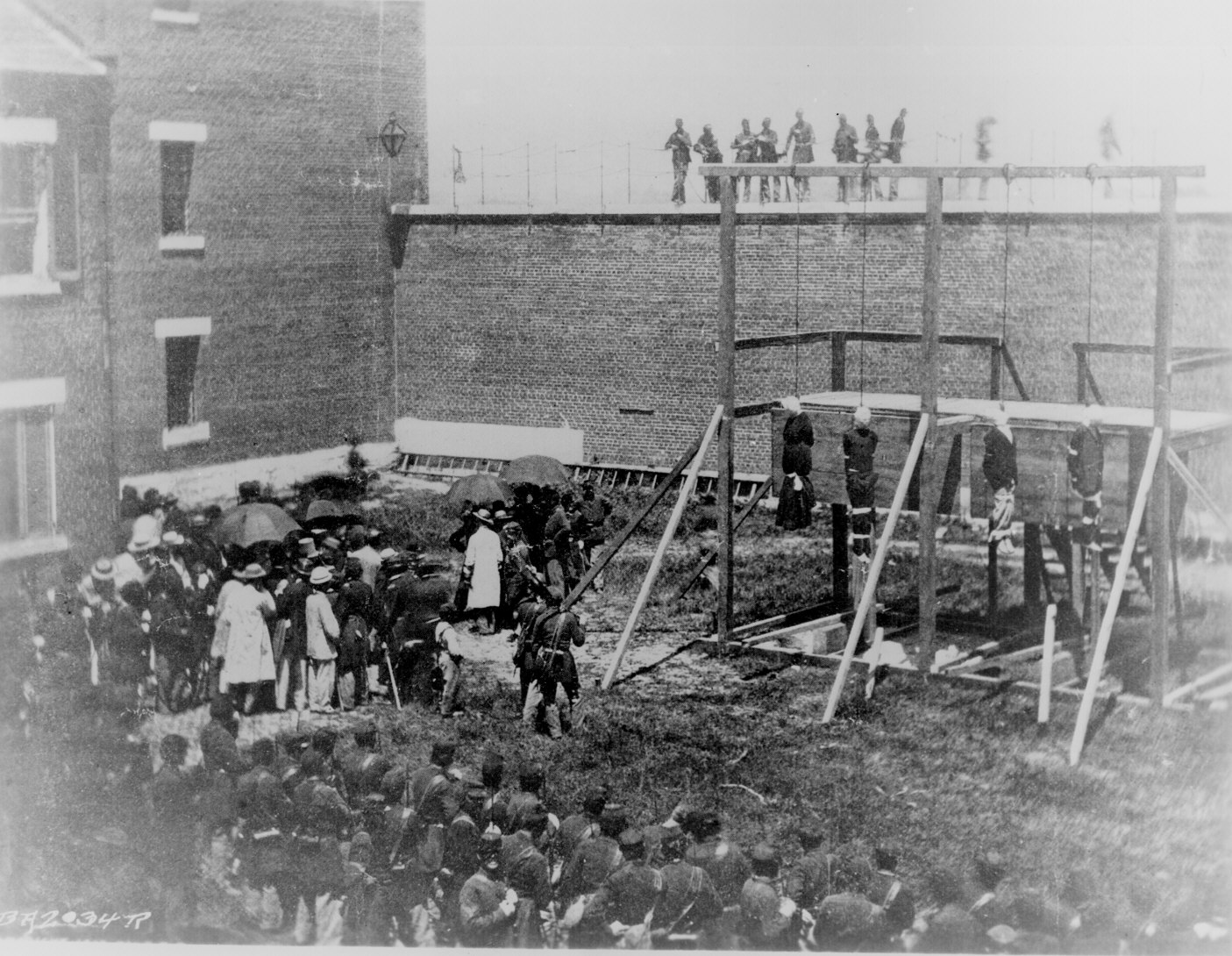
    On a hot 7 July, 1865, photographer Matthew Brady was the only photographer present at the old Washington Penitentiary to make images of the execution of the Lincoln assassination conspirators  Mary Surratt, Lewis Powell, George Atzerodt and  David Herold.  All of these stories of the assassination are best told elsewhere–in many other elsewheres, a story that is legion–but I can’t seem to find anything about one special, particular  person captured in two of the series of these photos.

    Lincoln conspirators

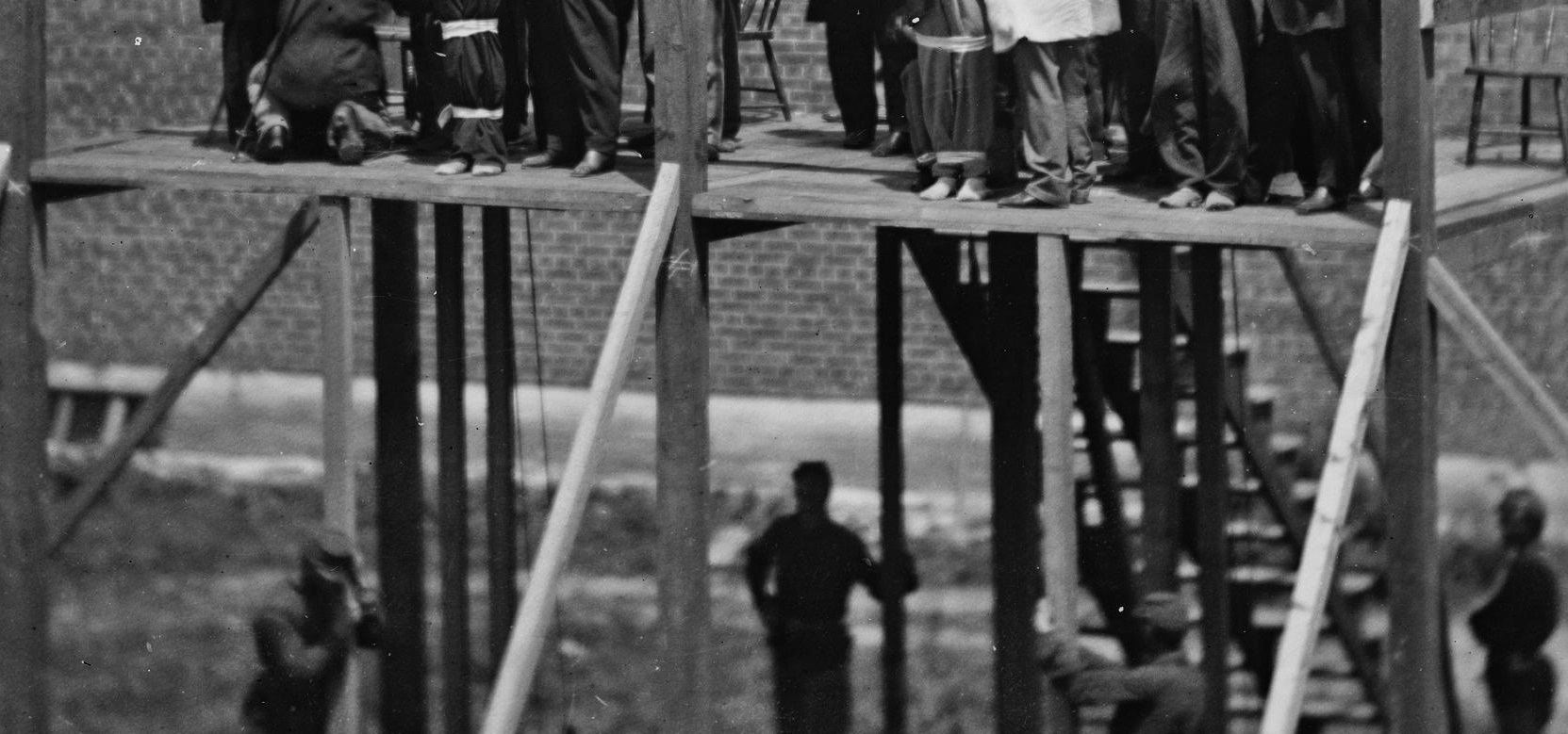
    If you look closely at the first photograph, there is a man leaning against a pole that is directly under the first condemned conspirator, Mary Surratt.  That pole, a substantial 6x6x10′ or something like that, is the only thing that is holding the trapdoor closed on which Surratt stands. Or kind of standing…she seems to have swooned a little, or at least is not upright at this point.  Actually, I think that two conspirators occupy one trapdoor–there is a second pole just to the right, another man standing nearby.

    [Imagine greatly expandable]

    Lincoln conspirators detail

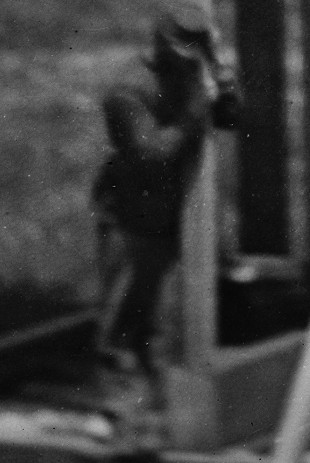
    I guess the execution was at high noon.  The shadows seem to be falling straight down, our man–standing just out of the reach of the shadow of the gallows–has his face obscured by the shadow of the brim of his cap. Like a mask.

    Gardner execution detail man pole jpg 

    What was that first man doing, exactly?  He seems to be in a  nonchalant attitude, given his position and circumstance, as well as the crowds and significance of the event. Why was he leaning on the pole?  Was this just the last part of a long morning?  Was the pole not terribly secure? Was he bored?  Was he overcome?

     He was surrounded on all sides, and he was hearing the boots-on-wood above him, the conversations in the preparations of the nooses, the shuffling of the shackled feet of the condemned, and perhaps the last words of the people waiting now for the last noose to be fitted over the last man.  At that point, an order would be given, and our man–who was now positioned behind the gibbet–would simply push another long pole against the bottom of the supporting pole, dislodging it, and allowing the trapdoor to open, the conspirators dropping to their deaths with broken necks. Or I hope for their sake that their necks were broken–by the looks of the position of one of the nooses, its in a bad spot so far as assuring a quick death is concerned.  Maybe the noose’s position was changed after this picture was made  Maybe not.  What did our man do after pushing the beam out of position?  He would’ve been very close to the action, within a few feet.

    I wonder what the trapdoor pole pushers do afterwards?  What were their jobs?  From the looks of the last picture, someone put the beams in order, placing them alongside the execution structured, tidied up. 

    Where did the man go?  Since they were the few folks right at the base of the scaffold, right there where the mandrake were supposed to grow, did these men wind up with the job of cutting the bodies free from their ropes and burying them?  Someone did it. I wonder what that someone thought as they returned home, or to the barracks, and st down to dinner.  What did they see in their dinner plate?

    Civil-war-201

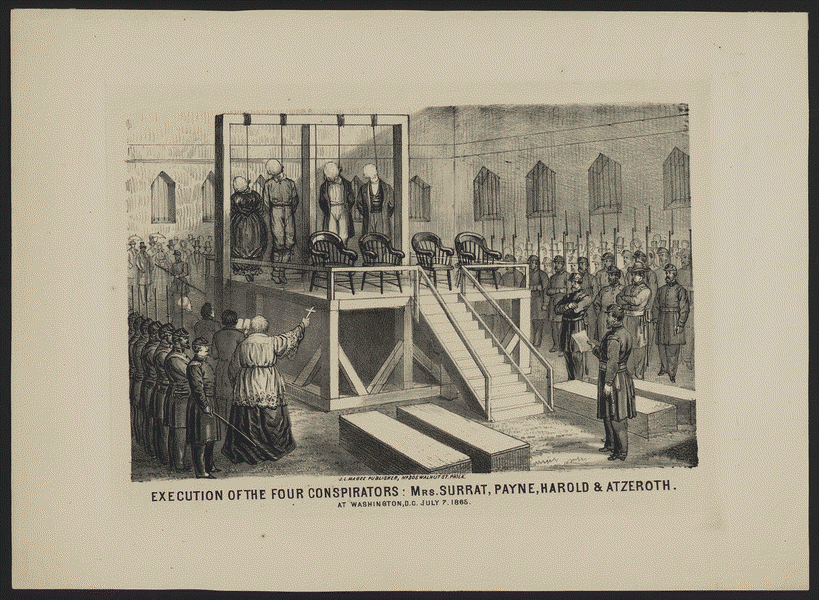
     This contemporary print of the scene gets little correct, though the chairs for the conspirators are about right.  The scaffolding is much nicer than in the original, and the place looks certainly far less austere than the penitentiary. The awful thing here is the actual, physical manner of the hanging–the attitudes depicted here  would have been even more bestial,  the lack of a trapdoor suggesting that the were all dropped or raised a few inches and basically strangled to death.  Also in the real scene of the execution there were four coffins for the condemned nearby–except that three of them were piled one on top of the other.  I’m not sure why they were stacked. It seems to me that they were within the visual range of the conspirators.

    Lincoln conspirators

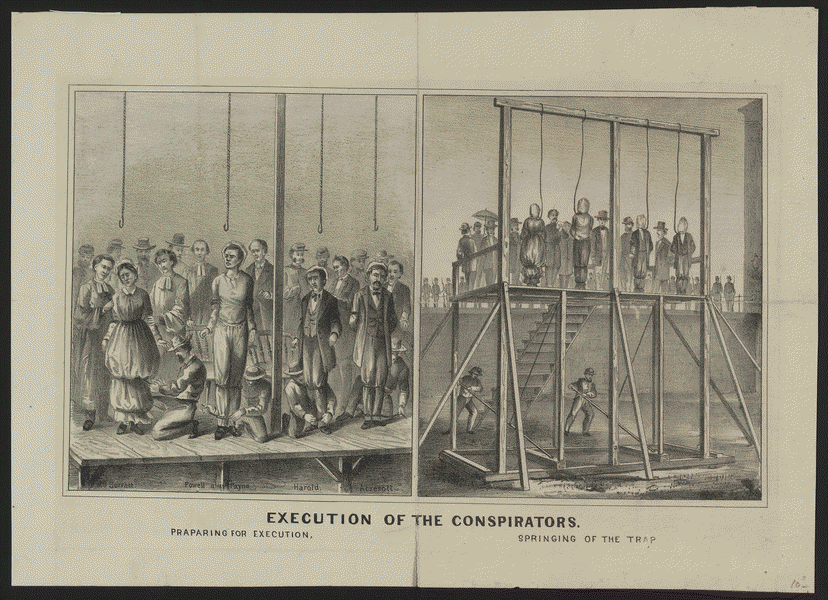
    The next contemporary print gets a little more of the reality of the scene correct, both mechanically and emotionally, and shows how our own character of interest did his job. The actual hanging part–the ropes and the nooses–is again wrong, suggesting strangling more than hanging.

    Lincoln execution 2

    The pictures raise far more questions to me than anything else, as witnessed by my personal record use of the question mark in this post. . 

    [Sources: photographs courtesy of the U.S. National Archives; prints, courtesy of the Stern Collection, U.S. Library of Congress.]


    ·Posted by :

    ·in:


  • Dots of Death, 1937

    JF Ptak Science Books  Quick Post    

    This intriguing and striking collection of dots is actually an articulated portrait of death. Road death.  The composite picture appeared in the Illustrated London News on December 18, 1937, and when the reader opened the magazine to the big two-page spread–11×18″ big–they were probably shocked. The picture represents 67,000 people killed on British roads in auto accidents over ten years.  “Nothing less than appalling” is what the heading reads. 

    Just down the road, at the end of WWII eight years later, you would need 1,200 of these double sheets to represent the dead of that conflict. 

    Auto deaths865

    Auto deaths865


     Here’s a detail of one of the images:

    Auto deaths865


  • The Outsider’s Outsider PoliSci Insider (1910)

    JF Ptak Science Books   Post 2429     Outsider Logic series

    Outsider  classic drama859 detail

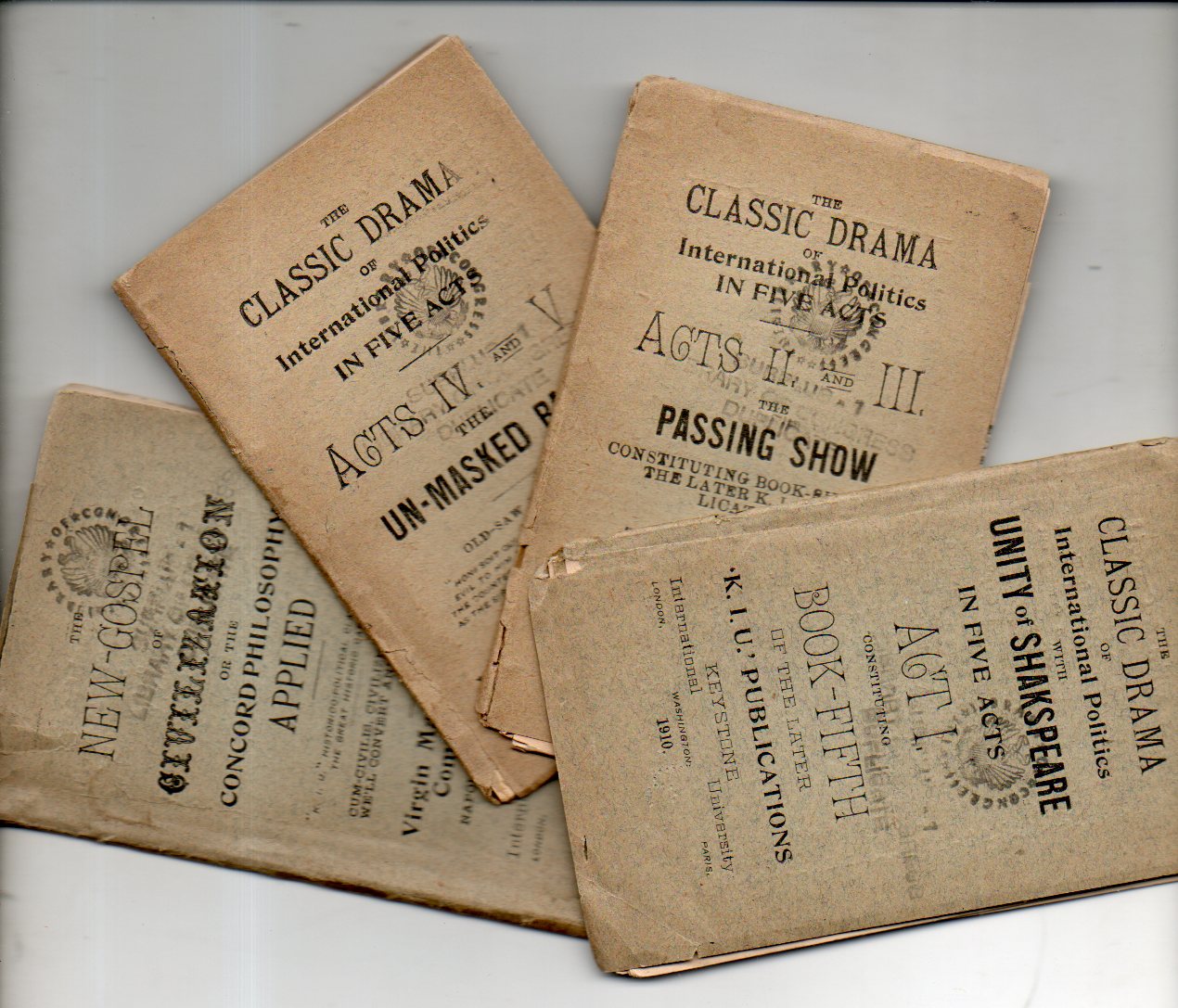
    There is a new find in my collection of Outsider Texts: The Classic Drama of International Studies with Unity of Shakespeare in Five Acts, written anonymously by the Keystone International University in 1910.  

    It is impenetrable. Well, it is impenetrable as a whole going from page to page, and maybe from sentence to sentence, but within sentences is where there is some sense and the series’ most penetrable aspects; but at the end of a “chapter” somehow the words you’ve read have all gone away into some brittle aphasic two-dimensional soup.

    The work is complete in three pamphlets covering five parts which constitute two parts (but not three) of the fifth and sixth book “of the later K.I.U. Publications”, all of this happens before we open the covers of these little five-inch-tall publications–they are packed and are already confusing, and it only gets more so from there.  Every chance interaction with the text is baffling, though it does seem to be about the Teddy Roosevelt administration/Babylon, I think, a satirical Old Testament-laden prophetic-something–in rhyme.  

    My guess is that the anonymous author of this three-part series (paginated from page 122-192) may have been the university itself (?) in spite of the proclamation of it being in London, Washington, and Paris. I can find in a not-deep investigation no evidence of the university, nor can I find any copies of these pamphlets on the web, nor is there any trace of them whatsoever in WorldCat. 

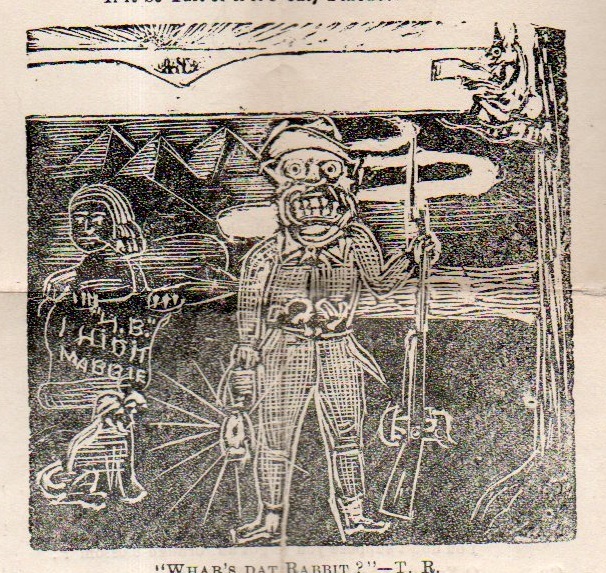
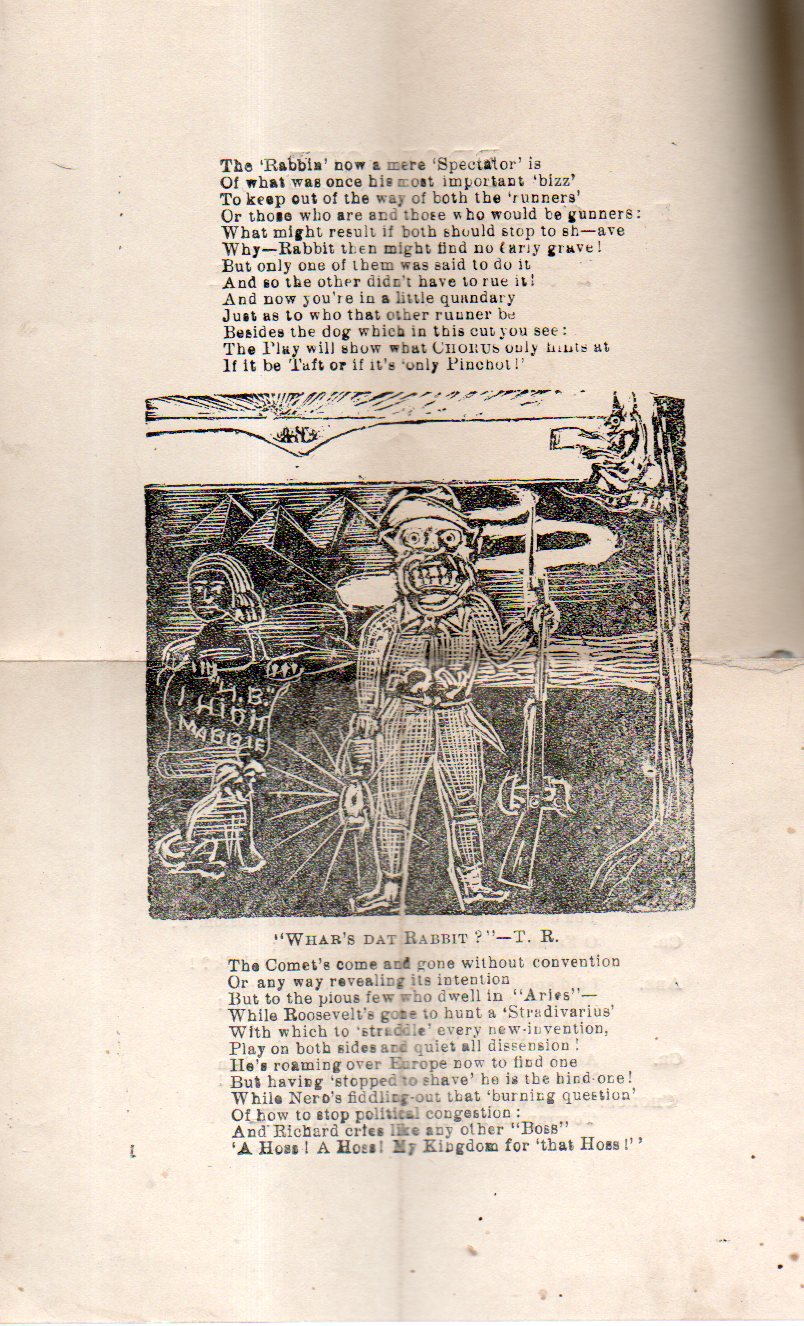
    I just like these personal logical systems–or at least I like the idea of them, even though many are just impossible to read.  There is a surprise, though, in one:  a political “cartoon” of suits, a very odd representation of Theodore Roosevelt and I-don’t-know-what-else.  

    Outsider  classic drama859

    The illustration makes everything worthwhile…or maybe it doesn’t. There is a high creep factor to it, though it was carefully prepared as a woodblock or cut of some sort.  

    I wasn’t going to spend this much time on this adventure in words and just publish the artwork, but I got sucked in a little to see if there was anything there, but the entrance is also the exit, and as soon as you’re in you’re out.  As my brother-in-law would say: “It is what it is” though maybe it wasn’t what it was.

    Outsider  classic drama861


  • I’ve Never Done This Before, and I’ll Never Do It Again (1918)

    JF Ptak Science Books  Quick Post

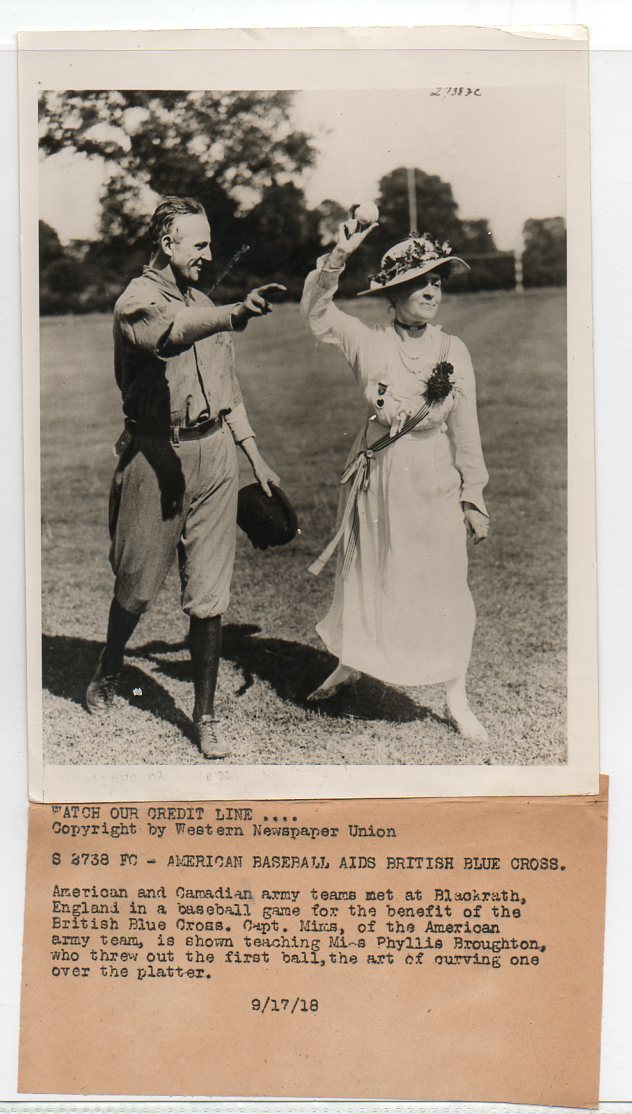
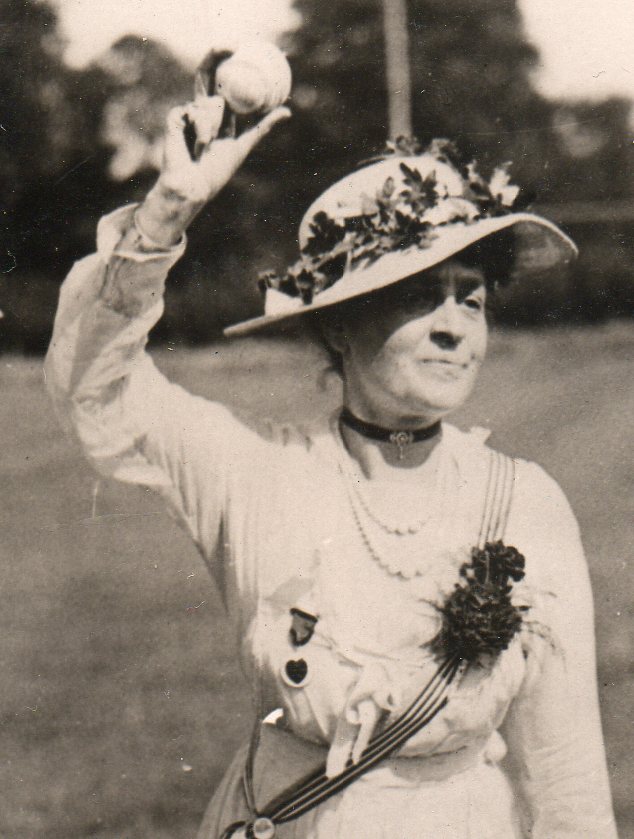
    Here we are at the beginning of a new baseball season, everyone daisy-fresh and dazzlingly shiny, so I thought I’d share this fine image from my collection of World War I news service photographs.  In 1918 all was for fun and  charity of the British Blue Cross, and Ms. Phyllis Broughton joined the festivities, though whether see is entirely reluctant or determined, we’ll never know.  Perhaps both–whatever the case, she did what she was asked to do for a good cause, with a stiff upper lip. 

    (The typed description on the coarse paper was intended for the newspaper ro journal that published the photograph to use for the caption.)

    •  This photograph is available for purchase on the blog’s bookstore, here.

    WWI--e--women-baseball672

    WWI--e--women-baseball det673

    (It seems that this Phyllis Broughton is Ms. Phylis Broughton, star of stage and, well, stage. Read about her here.)


    ·Posted by :

    ·in:


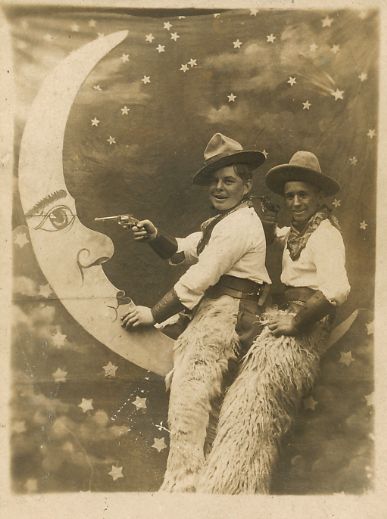
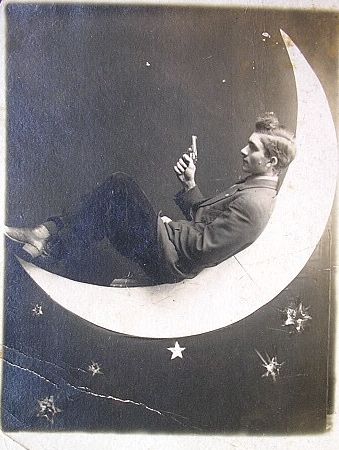
  • Eye-Poking Cowboy Dream-Pompadour Nose-Nudging Moons

    JF Ptak Science  Books   Quick Post

    Moon cowboys

    Moon Cowboys [Source: https://www.pinterest.com/pin/419468152769394154/]


    Moon man with gun

    Low Spark of High-Heeled, Zenith-Gunned, Pompadour-pumped, Velveteen-panted Luna Dreamer  [Source: https://www.pinterest.com/pin/343751384029706393/]

    ·Posted by :

    ·in:


  • Human Advertising Bots: Berlin, 1919

    JF Ptak Science Books   Quick Post

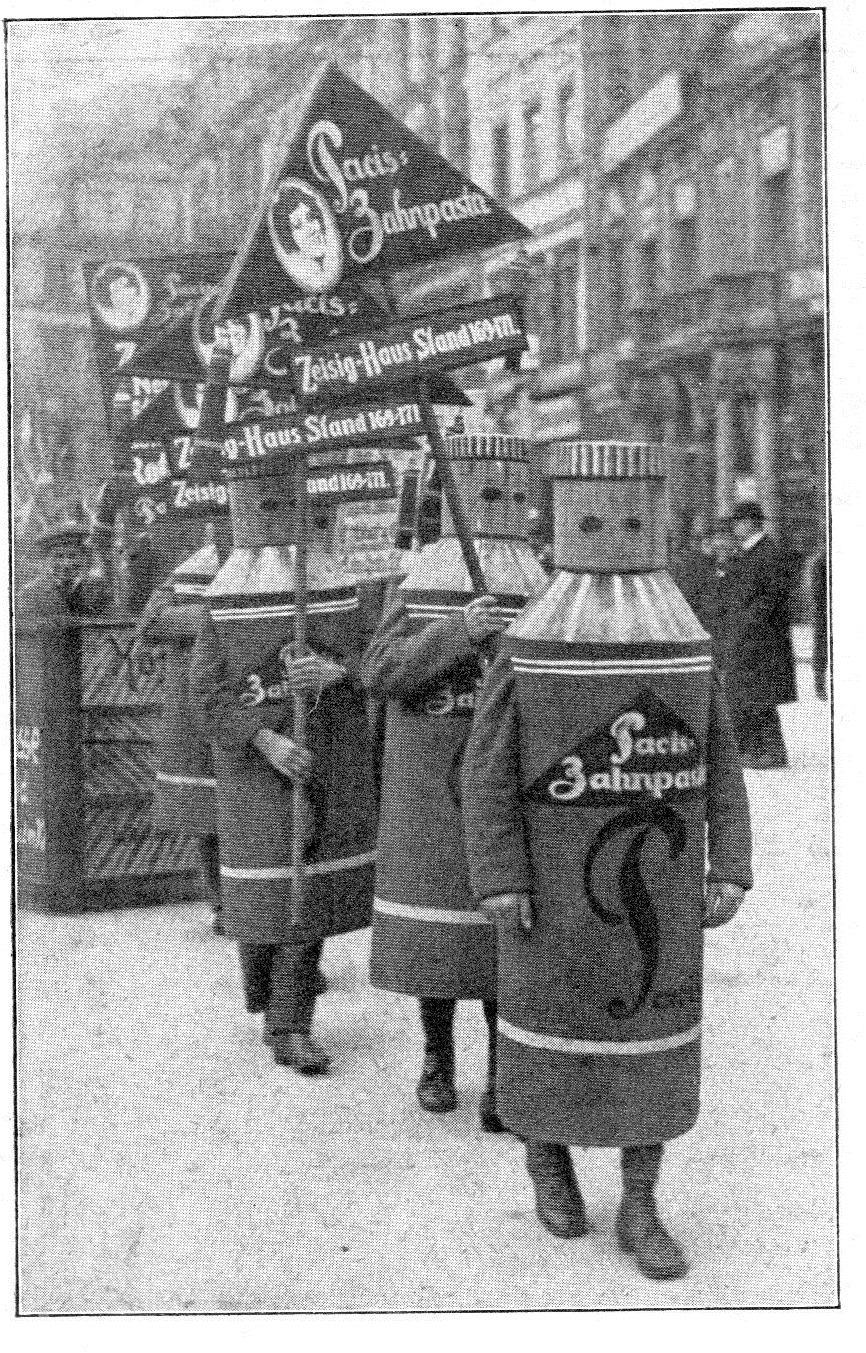
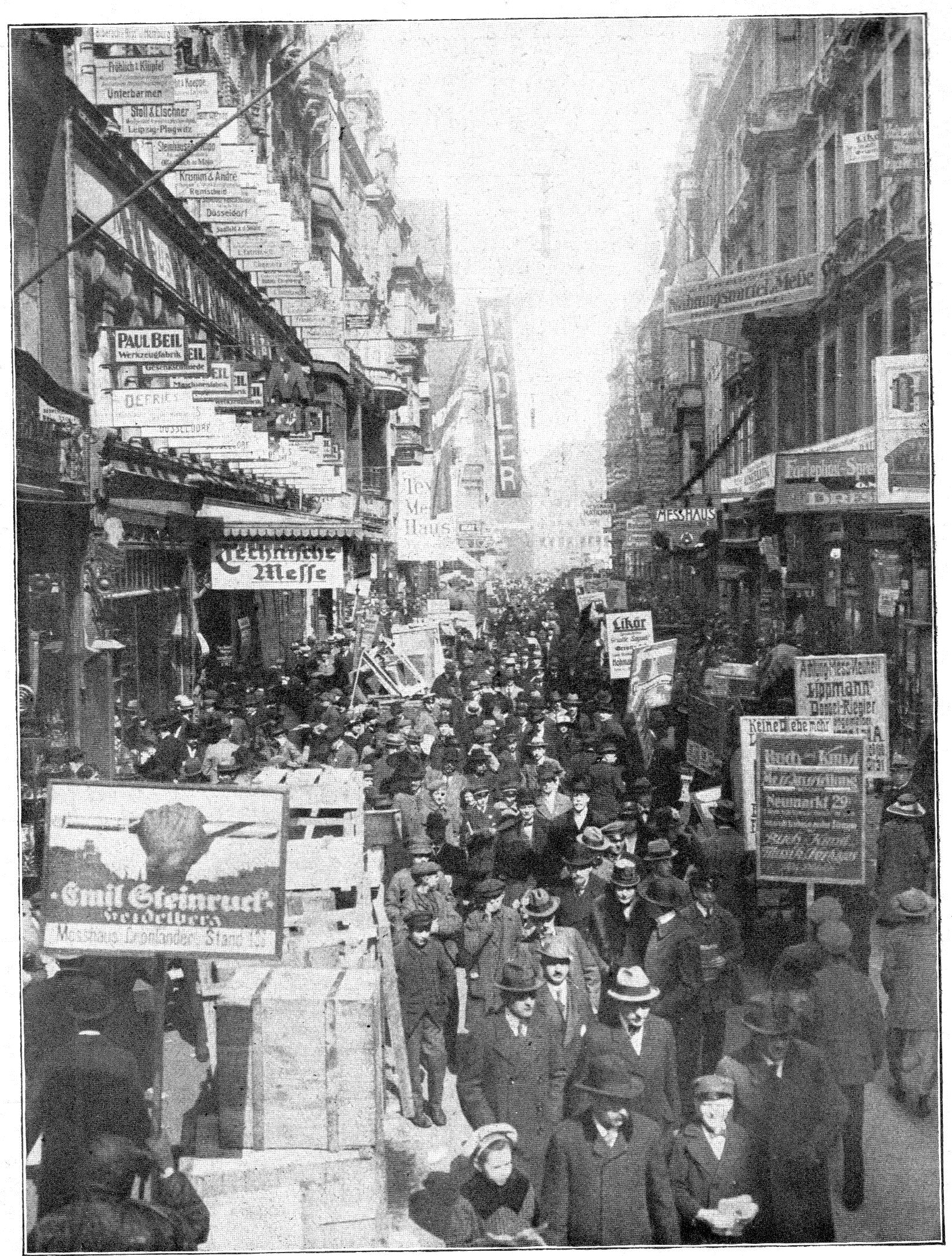
    These two photographs of the streets of Berlin come from the 19 May 1919 issue of Illustrirte Zeitung. Evidently there are lots of people carrying placards and advertisement vehicles, and–as we see in the lead photo–some people wearing costumes of the advertised product. Between the two images, it seems that a good percentage of the crowds are actually advertising media.  

    Gereman ads 1919864

    I don’t know  why this is the case.  Germany certainly was in a bad place seven months after the end of WWI, (recovering from food shortages, experiencing money shortages, numerous political parties fighting among themselves and everyone fighting with Communists),  and just three months before the adoption of the Weimar constitution, and two months after what would be the disastrous Versailles Treaty was signed. Maybe there was a shortage of newsprint, or a shortage of money for people to buy magazines and/or newspapers, which mean people weren’t seeing advertisements and which means that perhaps retailers were being hurt even further, and so an army of placard-holders was let loose on the streets of Berlin and other cities to get out the consumption-reminders..  Or maybe not. In any event, the photographs are stunning.  

    Gereman ads 1919863


  • List of African-American Newspapers, 1895

    JF Ptak Science Books   Quick Post

    African-american

    I found this list (below) of 19th-century African-American newspapers in James T. Haley’s Afro-American Encyclopaedia (Or, the Thoughts, Doings, and Sayings of the Race, Embracing Lectures, Biographical Sketches, Sermons, Poems, Names of Universities, Colleges, Seminaries, Newspapers, Books, and a History of the Denominations, Giving the Numerical Strength of Each. In Fact, it Teaches Every Subject of Interest to the Colored People, as Discussed by More Than One Hundred of Their Wisest and Best Men and Women), which was published in 1895 in Nashville (639pp,by Haley & Florida). The book  was digitized by the University of North Carolina at Chapel Hill as part of their digitization project,   Documenting the American South. It is a fantastic thing absolutely filled with information and insight.  

    • Full text found here: http://docsouth.unc.edu/church/haley/haley.html

    The newspaper section starts with this introduction about the need for newspapers followed by a statement on the involvement, intelligence, and capacity to publish a newspaper:

    Shall I Take a Paper?

    “AT this season of the year, when publishers are making special offers to the reading public, we are all debating the mental fare with which we shall spread our table in 1895. We ought to have first a good church paper thoroughly representative of our denomination.”

    “The Methodist ought to have the South- Western Advocate, published at New Orleans; the African Methodist ought to have the Christian Recorder, published at Philadelphia; the Congregationalist ought to have The Congregationalist, published at Boston, or the The Advance, published at Chicago, and so on for the Baptists, Episcopalians,”

    “Evangelists and other denominations among us. Each home ought to have its church paper. Next to that stands some good clean helpful race journal. Get one, in the columns of which the editors are seeking to help the race up, and not working to pull it down. When you subscribe for a race journal get one in which the editors display not pessimistic, but optimistic views of the race.”

    “It will be well to remember that it takes brains to edit a newspaper, and men who have not been trained to think are hardly men to be entrusted with the perilous task of giving direction to public opinion. The editorial chair requires more than that culture gotten from the reading of newspapers. The editor who is sending out week by week his paper into the world ought to be able to grapple with the problems of the day and think them through. There is too much guessing on the grave social problems of the day by editors. Riots and mobs are the result of false teaching, both on the part of the hotheaded anarchists and incompetent editors who are not anachists. In selecting your race journal for the next year find one whose editorial columns show moderation, and one which is not always squared off with a chip on its shoulder daring someone to knock it off. The paper which busies itself with fighting its contemporaries cannot be of very much help to you. When you raise the question about taking a race journal remember there are two reasons especially to be remembered why you should. The first is a duty you owe to yourself to keep up with the movements among your own people. Second, you owe it to the race to support laudable enterprises which look to the betterment of the race. Let us remember, too, that the press, the pulpit and the platform have been the great liberators of the nations In this land of ours we need the influence of all of these to plead our cause up and down the length of our land. Put some good race weekly on your list for 1895.”–Cleveland (Ohio) Gazette.

    NEWSPAPERS

            The following is a list of newspapers and magazines edited and published by and for Afro-Americans. Alphabetically arranged by States:


    ALABAMA.
    1 Birmingham Harrison’s Pet Weekly.
    2 Birmingham Wide Awake Weekly.
    3 Birmingham Southern Broadaxe Weekly.
    4 Eutaw Weekly Blade Weekly.
    5 Huntsville Huntsville Gazette Weekly.
    6 Huntsville Huntsville Journal Weekly.
    7 Huntsville Southern Freeman Weekly.
    8 Huntsville The Independent Weekly.
    9 Lovan The Eagle Weekly.
    10 Mobile Southern Watchman Weekly.
    11 Mobile Ferret Journal Weekly.
    12 Mobile Weekly Sentinel Weekly.
    13 Mobile West Alabama Advocate Weekly.
    14 Montgomery The Argus Weekly.
    15 Montgomery Baptist Leader Weekly.
    16 Montgomery Odd Fellow’s Journal Monthly.
    17 Opelika The People’s Choice Weekly.
    18 Selma Student’s Voice Weekly.
    19 Tuskegee The Tuskegee Student Monthly.
    ARKANSAS.
    20 Fort Smith The Post Weekly.
    21 Helena Helena Progress Weekly.
    22 Little Rock Arkansas Dispatch Weekly.
    23 Little Rock Baptist Vanguard Weekly.
    24 Osceola Afro-American Leader Weekly.
    25 Pine Bluff The Echo Weekly.
    CALIFORNIA.
    26 Los Angeles The Vindicator Weekly.
    27 Los Angeles The Eagle Weekly.

    ·Posted by :

    ·in: