A Daily History of Holes, Dots, Lines, Science, History, Math, Physics, Art, the Unintentional Absurd, Architecture, Maps, Data Visualization, Blank and Missing Things, and so on. |1.6 million words, 7500 images, 4.9 million hits| Press & appearances in The Times, Le Figaro, Mensa, The Economist, The Guardian, Discovery News, Slate, Le Monde, Sci American Blogs, Le Pont, and many other places… 5000+ total posts since 2008.

Category: World War I

  • World War I: Prisoners at the End of December, 1914

    JF Ptak Science Books    Quick Post

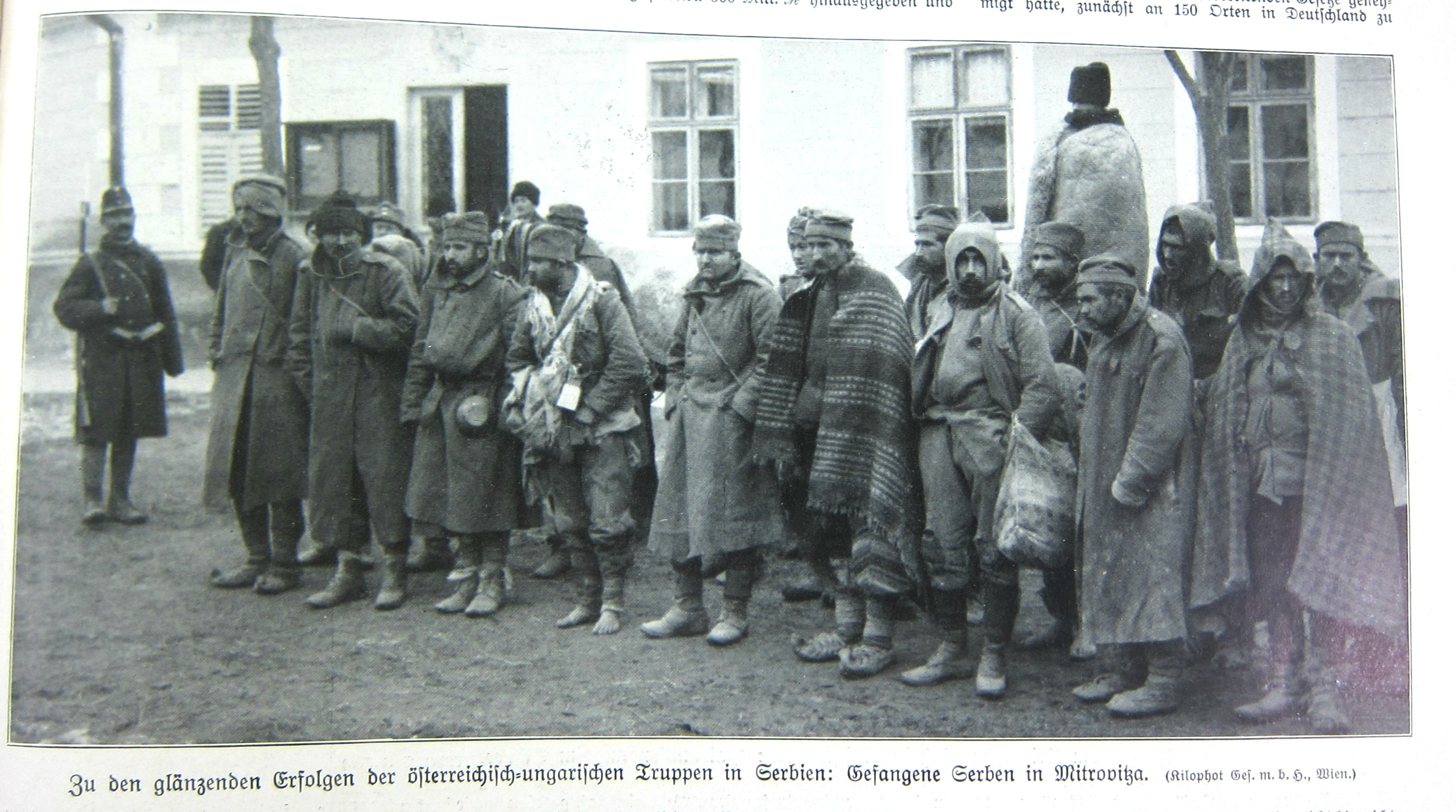
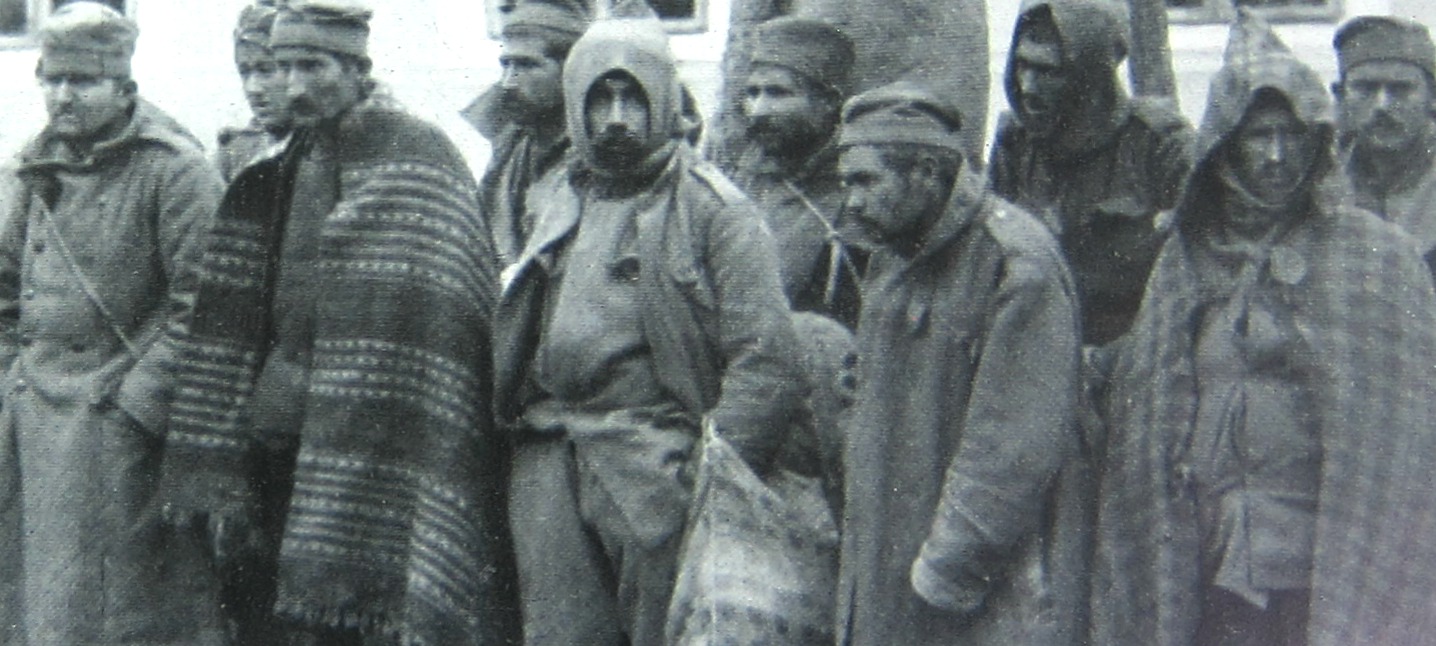
    I don’t know what the fates were of Serbian taken prisoner in WWI.  I do know that Serbian military and civilian losses were extraordinarily high as percentages. It has been shown that more than a quarter of the Serbian population (civilian and military) were lost during the war, with about the same percentage of soldiers being lost (relative to France at 17%, Germany at 15%, and Russia at 11%).  So for these ‘glassy-eyed” Serb prisoners appearing in this photo in Illustrirte Zeitung for December 4, 1914 the war was over–what happened to them over the next four years of captivity, I don’t know.  

    WWI Project 1914 Serbian prisoners


    WWI Project 1914 Serbian prisoners detail

    ·Posted by :

    ·in:


  • Heavy Metal, 1918

    JF Ptak Science Books   Quick Post

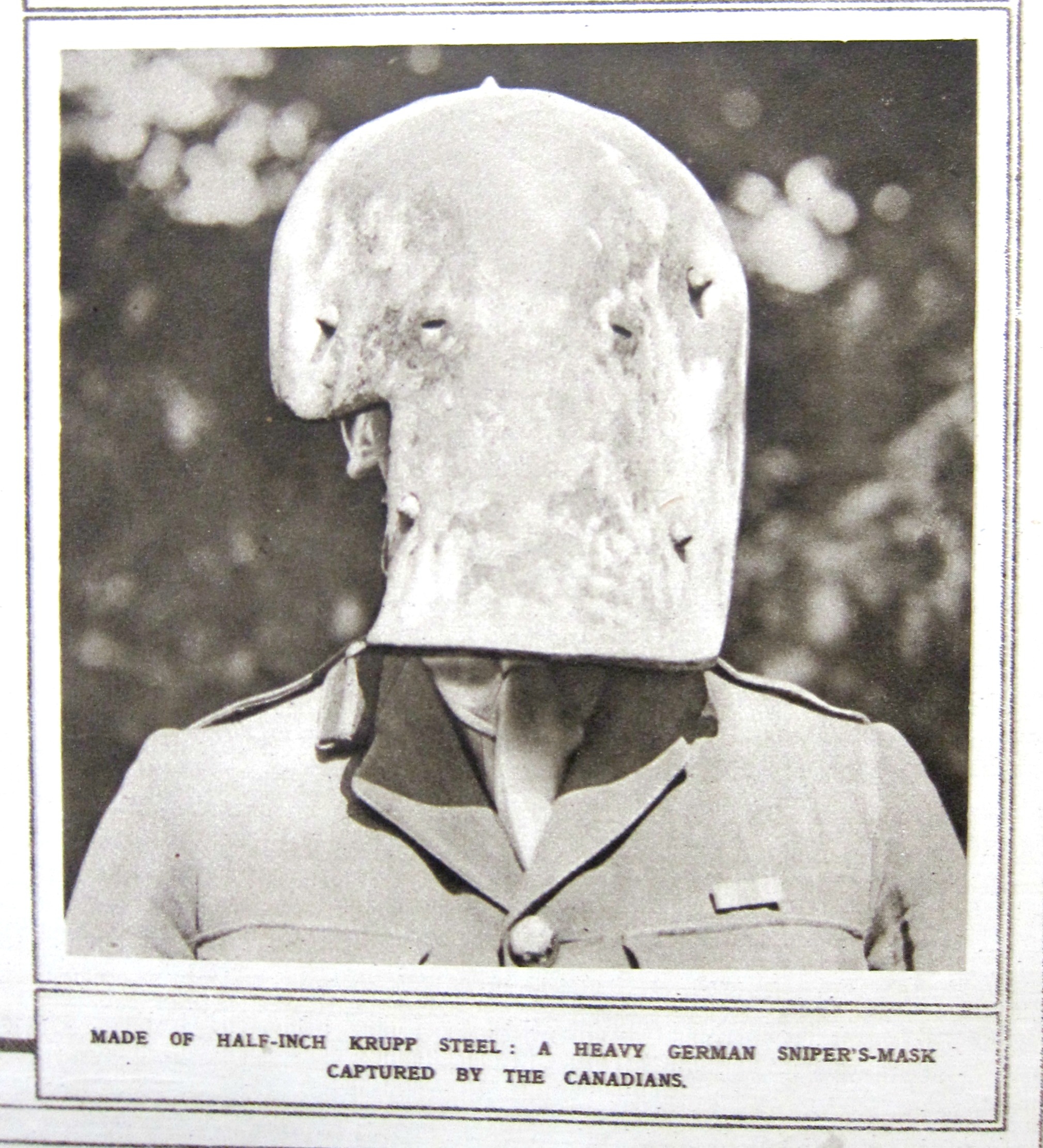
    The title for this post is a little shiny and slippery for its subject, which was anything but that–this was cold, hard, heavy metal, with the dual purpose of killing and preventing a killing. This was a sniper’s face mask and helmet, and as the caption says it was captured at the front by a Canadian contingent. Snipers operating from the trenches were in a precarious position–needing a field of view the sniper would necessarily risk some amount of exposure to a sniper on the opposite side. Hence the heavy mask to protect the face and head from incoming fire. There were more elegant versions on this idea, some of which were borne out to full body renaissance-y armor. This mask was no doubt home made, and probably made right there in the trenches.  

    WWI pROJECT sniper mask

    ·Posted by :

    ·in:


  • Moving Product by Embracing the War–Making Memory Dents in 1914

    JF Ptak Science Books  Quick Post

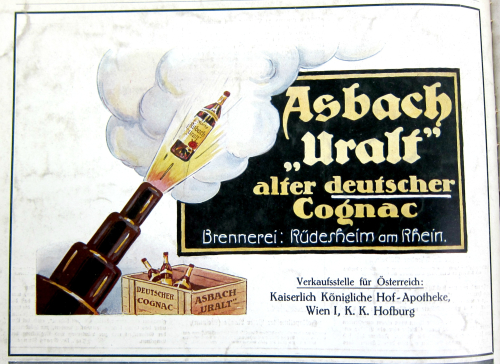
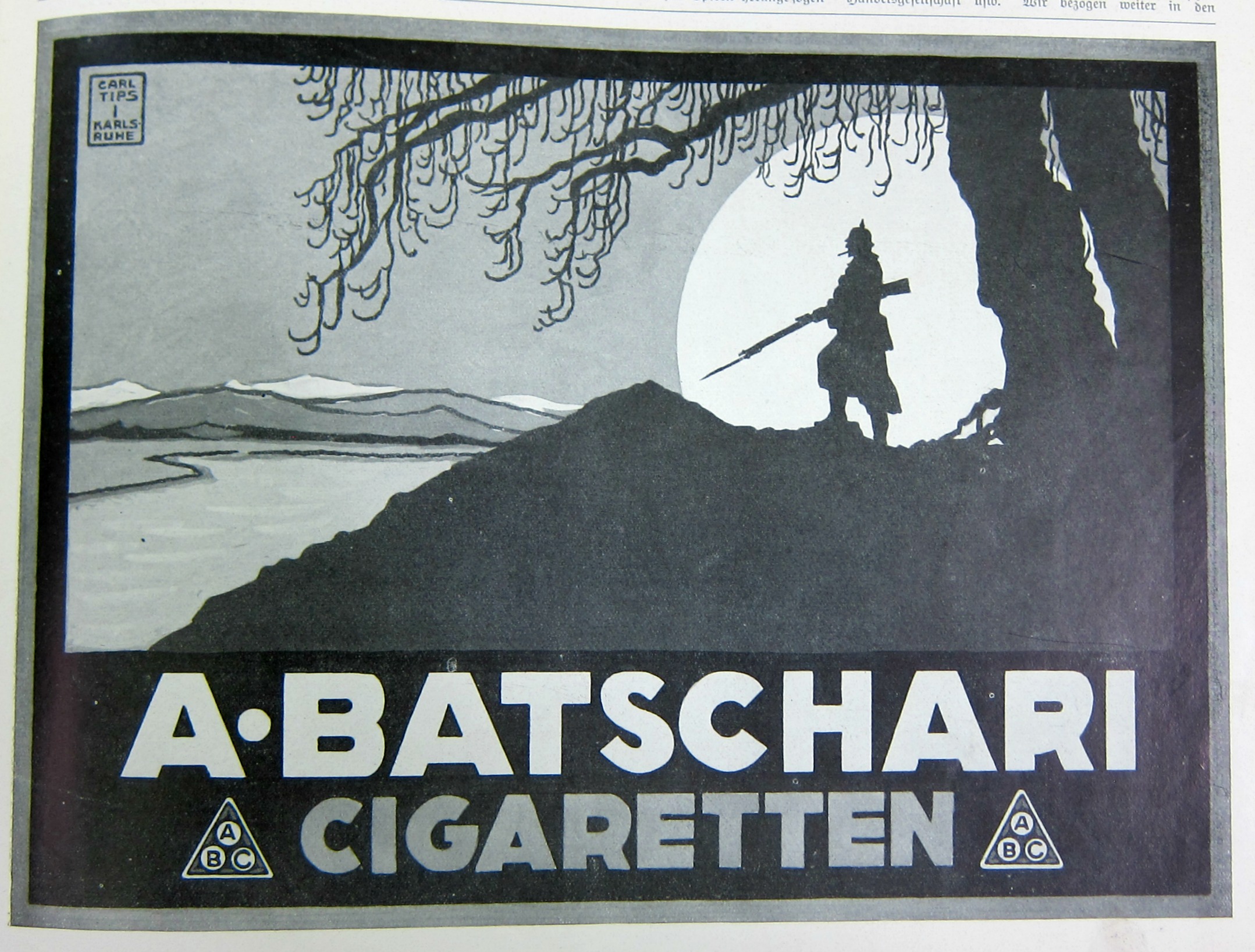
    There is some inexplicable something about advertising in popular magazines and newspapers during war time, and how inappropriate it seems to used the circumstance of conflict to sell a product.  Of course, everything doesn’t come to a standstill in war time, not even in World War, as economies still run and society still functions (at least to the very end).  So, even though there could be millions of soldiers in uniform, and millions dead, and tens of millions (hundreds of millions peripherally) involved in the conflict, the daily life of living and the stuff of society keep on.  This is what strikes me about these ads, all seen in two consecutive weekly issues of the Leipzig-based Illustrirte Zeitung in November 1914: chocolate, cigarettes, cognac, and of course a Benz automobile, though it was the cognac that seems to me to have the most noise about it–I don’t know how you relate cognac to a war effort (let alone having it being fired from a howitzer) but they did manage to wrap themselves up in a patriotic-something and associative themselves with the national war effort. Over time manufacturers and ad folks would manage to see connections between the war effort and whatever it was they were producing–scissors, laxatives, buttons, razors, toys, pool tables, and so on.  Then again, in a presidential cycle such as what we are witnessing in the U.S., people can relate anything to anything else in spite of the nonsensical and mythological nature of it, like the impossible Donald Trump stating he can relate to racism because “the system” has been “stacked against” him. You can say anything you want in these circumstance, evidently–the point is not making sense, it is about making a vague memory dent, and how that dent got there is immaterial to the lingering notion of the association.  

    WWI Project Ads _7_

    WWI Ads _7_


  • Fighting Chlorine Gas With Cotton and Gauze, August 1915

    JF Ptak Science Books  Quick Post

    WWI Project gas protection b475


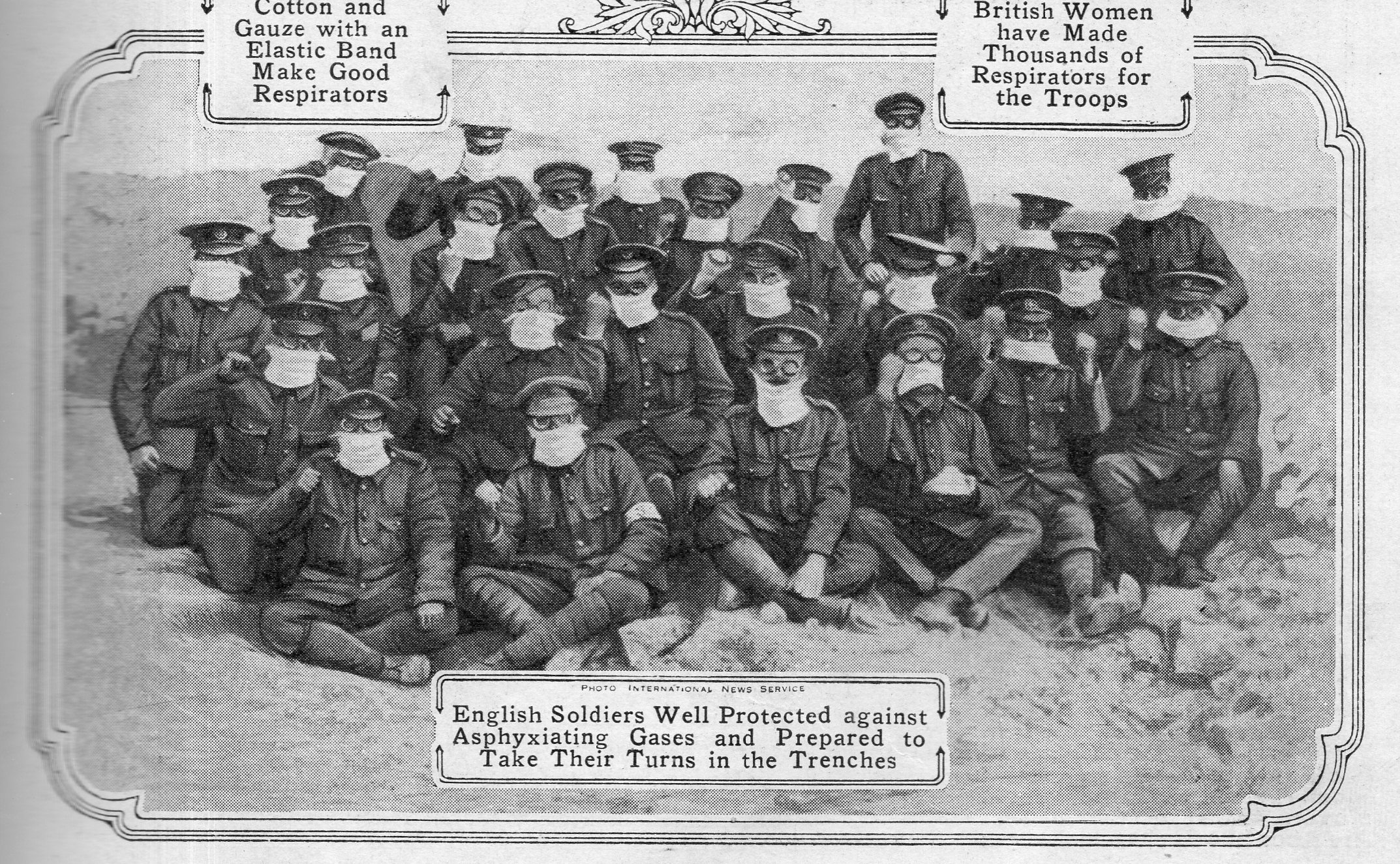
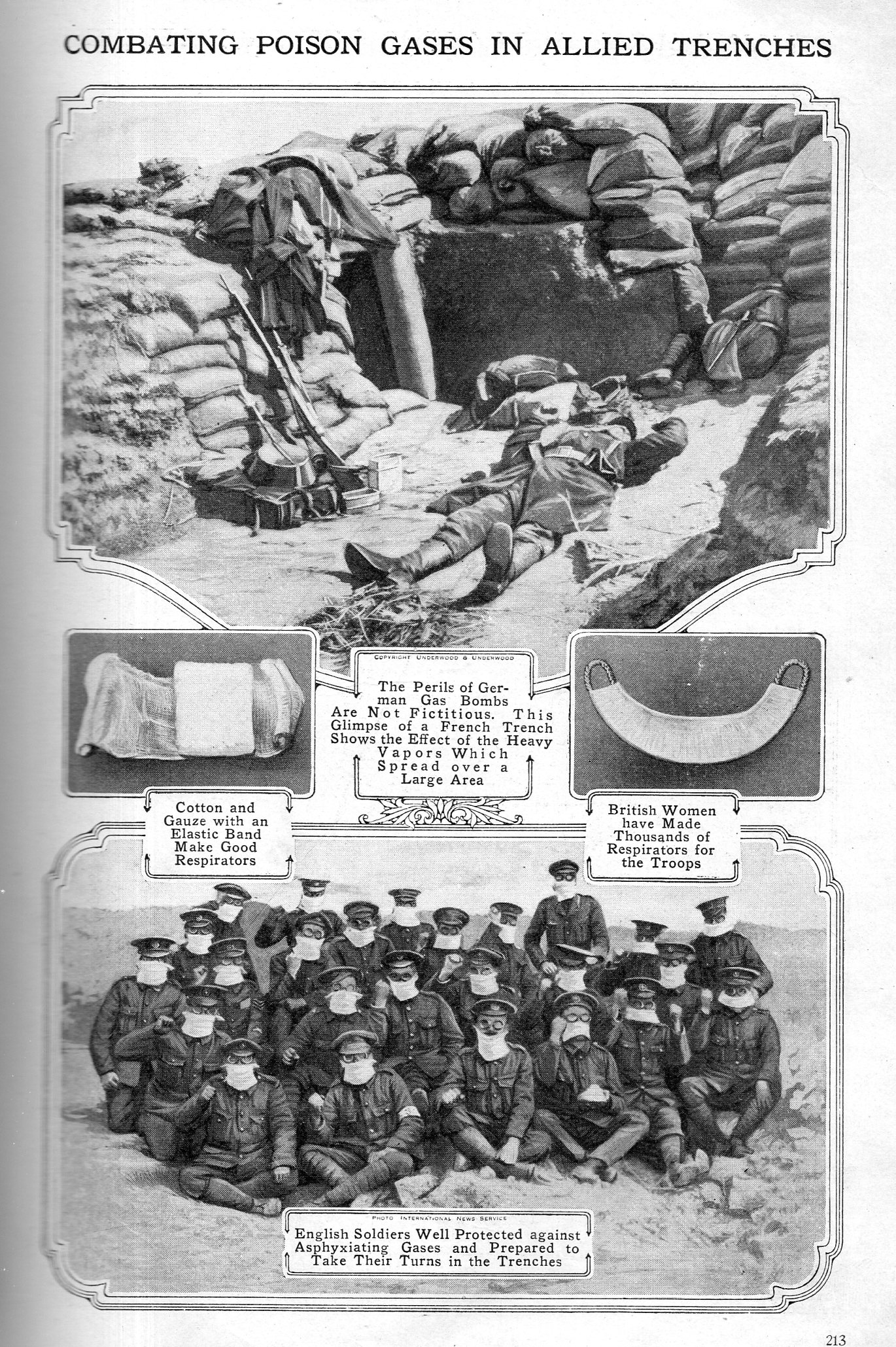
    This photo is so filled with dread and sadness, a squad of English soldiers posing with their volunteer-made cloth gas masks.  The image appeared in the August, 1915 issue of Popular Mechanics, and showed the state of gas protection for infantry as it existed in the earliest stages of gas warfare in WWI.  Popular Mechanics addressed the issue of poison gas in an earlier (monthly) issue, but it really wasn’t until this present issue where there was a series of articles/photos relating to poison gas protection. The first employment of poison (chlorine) gas occurred a few months earlier on 22 April 1915 against the French by the Germans at Ypres, in Belgium, and it turned out to have a ripping and widely disastrous effect on the French lines in what would be the first and only major offensive launched by the Germans that year. .  


    WWI Project gas protection474

    ·Posted by :

    ·in:

    —

  • A Bad Place to Be in 1917

    JF Ptak Science Books  Quick Post

    “From my mother’s sleep I fell into the State,
    And I hunched in its belly till my wet fur froze.
    Six miles from earth, loosed from its dream of life,
    I woke to black flak and the nightmare fighters.
    When I died they washed me out of the turret with a hose.”–Randall Jarrell, formerly of the USAAF

    Jarrell explains the poem so: “A ball turret was a plexiglas sphere set into the belly of a B-17 or B-24 and inhabited by two .50 caliber machine guns and one man, a short small man. When this gunner tracked with his machine guns a fighter attacking his bomber from below, he revolved with the turret; hunched upside-down in his little sphere, he looked like the fetus in the womb. The fighters which attacked him were armed with cannon firing explosive shells. The hose was a steam hose.”–(Wiki)

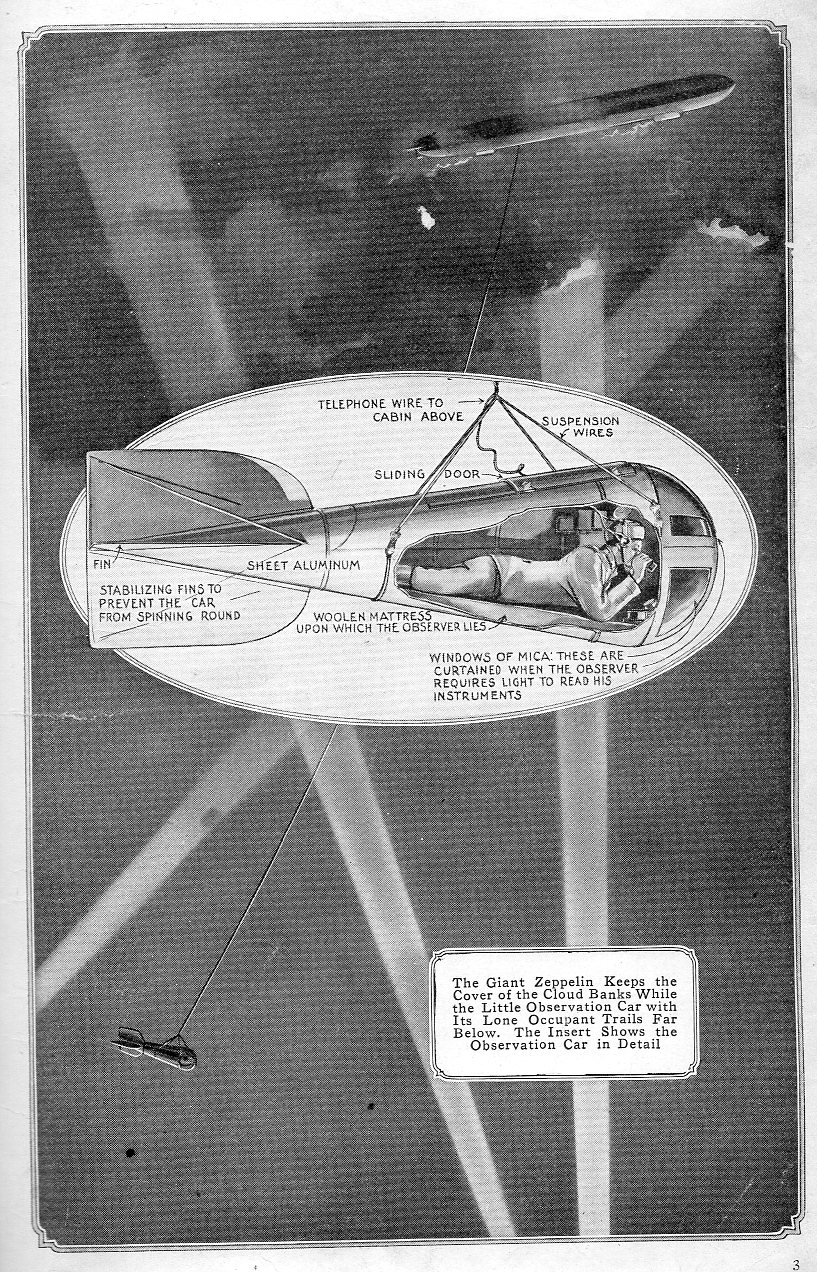
    I used to think that the belly gunner (in a ball turret) in a B-17 (or B-25, or PB4Y-1) was about the most dangerous/wrenching position to be in an aircraft–that is, until I saw this illustration in the January 1917 issue of Popular Mechanics:

    Aviation  zeppelin observation car472


    This was just a bad place to be, in a 14′-long bomb-like aluminum casing, hanging from a 3000′ 3/8″ cable suspended from a Zeppelin, trying to relay the positions of whatever you could find, and with people shooting at you. At least, though, the observer had a woolen mattress on which to lie (so says the caption).  

    ·Posted by :

    ·in:

    — —

  • Very Early Spotter’s Guide for Enemy Aircraft, London, February 1915

    JF Ptak Science Books  Quick Post

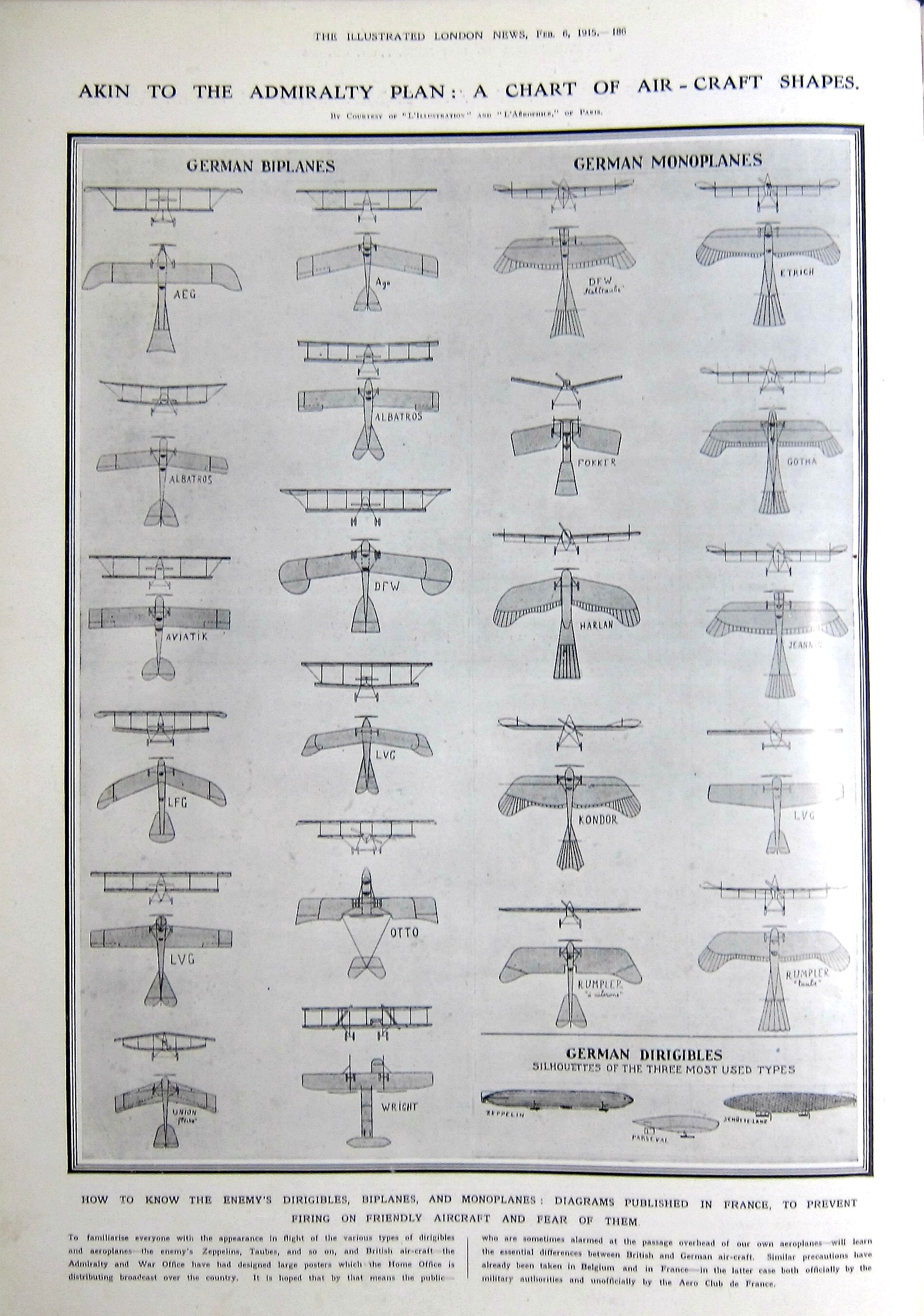
    It seems to me that this is the first time that a spotter’s guide to enemy aircraft appeared in The Illustrated London News for WWI–ditto the Illustrirte Zeitung.  I luckily own both journals covering the war years, and I’ve been through every page of coverage, and I do believe that this is probably a very early display of German aircraft identification for popular use.  Of course it couldn’t really get that much earlier, as the war was on for 150 days or so. And the “air forces” in general were very new–the German army received their first aircraft in 1910 for what would eventually become the  (for France it was 1911), so the concept of a unified fighting force of the air was still very new.  In another 1111 days or so, the aircraft losses for the Entente and the Central Powers would be about 110,000, or about 5,500 of these pages showing destroyed aircraft.  

    WWI Aviation German spotters guide


  • Electrocution in Trench Warfare (?), WWI (Patent for “Electrifying War”, 1917)

    JF Ptak Science Books  Post 2623

    In my limited knowledge of World War I I  have been exposed to various ways in which trench warfare was conducted–there was of course the infantry charge with guns and bayonettes, snipers, artillery bombardment, aerial bombing and strafing, land torpedoes, tank assaults, underground/sapper bombings (in which mines are laid underneath the trenches via tunnels, and of course gas, among other things, but I have not until today encountered electrifying to air in a trench to “incapacitate” soldiers.  And by “incapacitate”, according to my reading of the patent for this mode of warfare, I do think that it talks about electrocuting soldiers. With my limited non-interwebtube sources, I haven’t found any other references to this, so perhaps it was anomalous, or against the sense of decency of warfare that was even beyond the sensibilities of using poison gas.
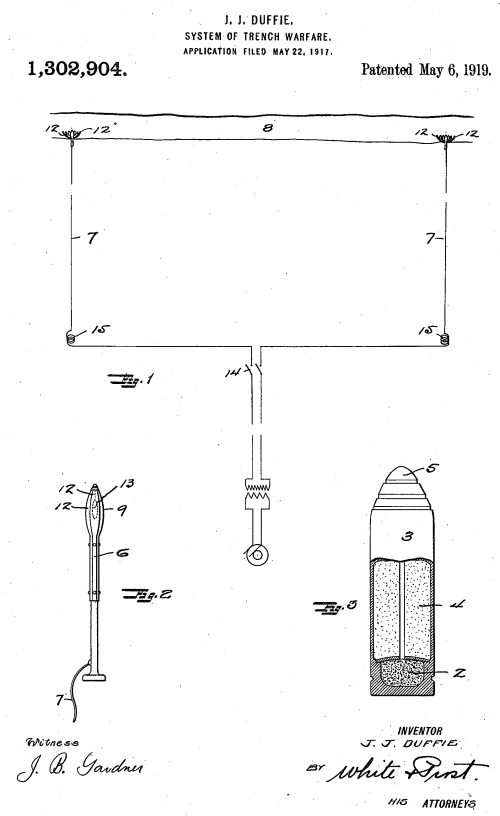
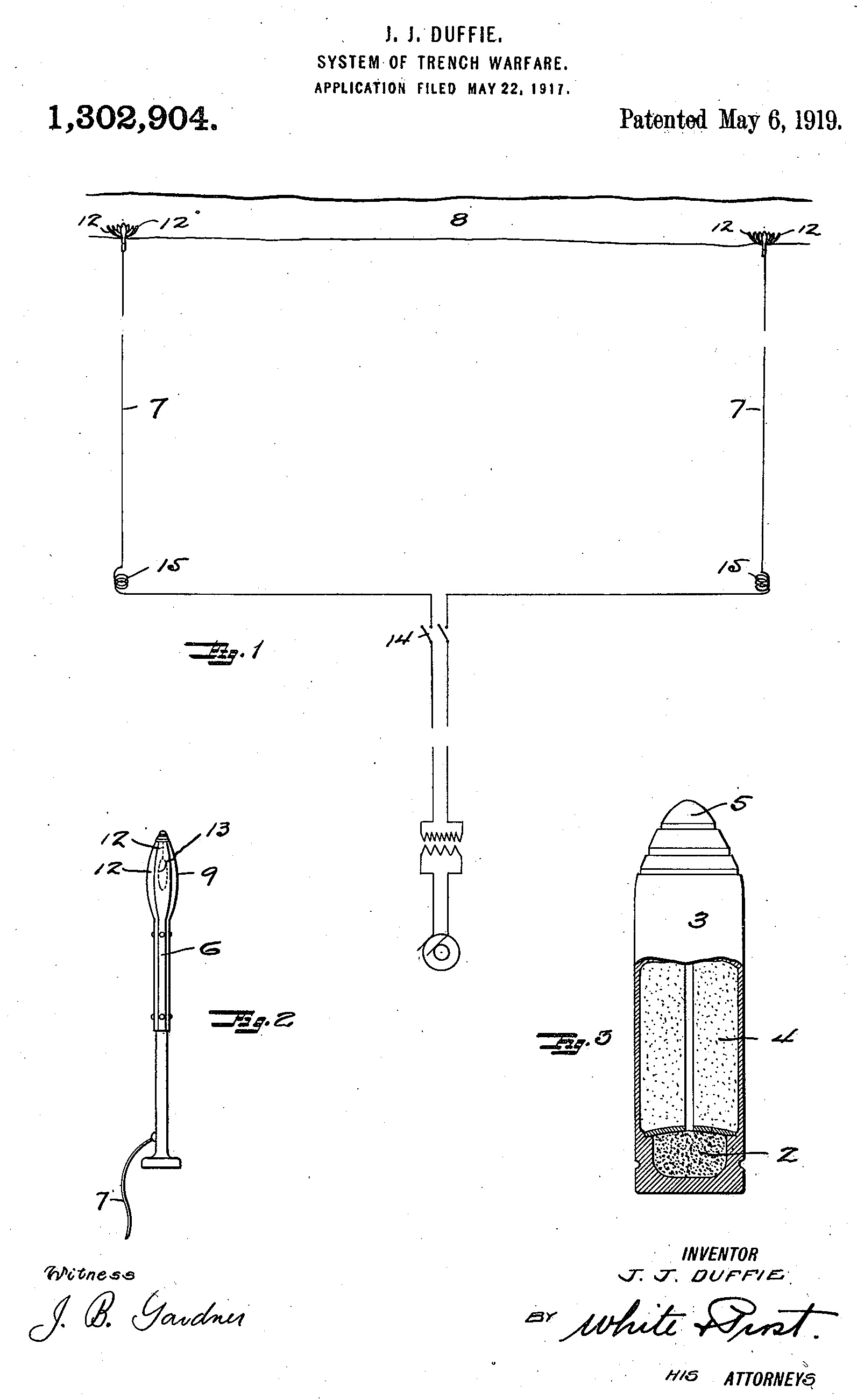
    Patent trench electrocution The work was by J.J. Duffie, US Patent 13029041, which was applied for in 1917 and granted May, 1919 (seven months after the war, though the idea could haven been used “patent pending”), and was called “System of Trench Warfare”, the patent stating  that “An object of the invention is to destroy or incapacitate that portion of the enemy occupying a trench” and “(a)nother object of the-invention is to provide a system for waging warfare by electricity”. 

    And so according to the patent, “The system of warfare of (the) invention consists in filling or charging the air over and in a trench or a section of trench with finely divided particles of an electricity-conducting substance and then causing a high potential electric current to flash through the conducting atmosphere in the trench. The conductive material may be mercury vapor or flake graphite or other substance which will remain in suspension in the air. This material is dispersed in trench from explosive shells provided either with time or impact fuses and by directing a barrage fire of such shells at the trench, the air will become very heavily charged with the conducting templates attached to opposite sides’of a source of high potential are then fired at the ends of the trench and by closing the circuit, the high potential current will are through the conducting material in the air, producing an are extending for the length of the trench section. The arc will have the effect of incapacitating the men in the trench.”

    I don’t understand how you would place the “conducting templates” at the ends of  the trench, but so be it. 

    The following explains the elements of the patent drawings:

    “Fig 1 is a plan view of a trench, with the electrodes forming part of my system disposed at the ends thereof.”

    “Fig.2 is an elevation partly section of charge 2. This charge may be exploded by a fuse or detonator controlled by the cap 5, so that the explosion of the charge may be timed or may be caused by impact. A sufficient number of shells are fired to completely fill the air in the trench with the conductive material, and then an electrode projectile 6 is fired at the trench at each end of the prepared zone or at suitable distances apart, depending upon the potential employed.”

    “The electrode projectile may be fired from a Lyle gun, such as is used in marine life saving work. Attached to the projectile is an electric conductor, preferably in the form of an insulated wire or cable 7, which is carried forward to the trench 8 by the projectile. The head 9 of the projectile is preferably formed of a plurality of. overlapping sheet metal leaves 12 covered on the outside with some insulating material and the cable 7 is connected to these leaves.- A small charge 13 of explosive within the head is exploded preferably by the impact of the projectile, causing the leaves to spread out, to present their clean surfaces to the charged air. A switch in the circuit is then closed, or is previously closed, causing the high potential current to bridge the highly-conductive gap in a flash. The cables and the outer surfaces of the electrode leaves are insulated to prevent grounding and the cables are arranged in coils 15, sot readily carried forward by the projectiles.”

    In closing the patent is described in ten different ways, including

    (7) “An explosive shell containing a charge of material which on the explosion of the divided form in the air in shell forms an electricity-conducting zone in the surrounding air. 8. The method of trench warfare, which consists ‘in making the. atmosphere in a trench electrically conductive and (passing a high potential current through a conductive atmosphere.”
    ·Posted by :

    ·in:

    —

  • WWI Aircraft Identification Poster, 1915

    JF Ptak Science Books   Quick Post

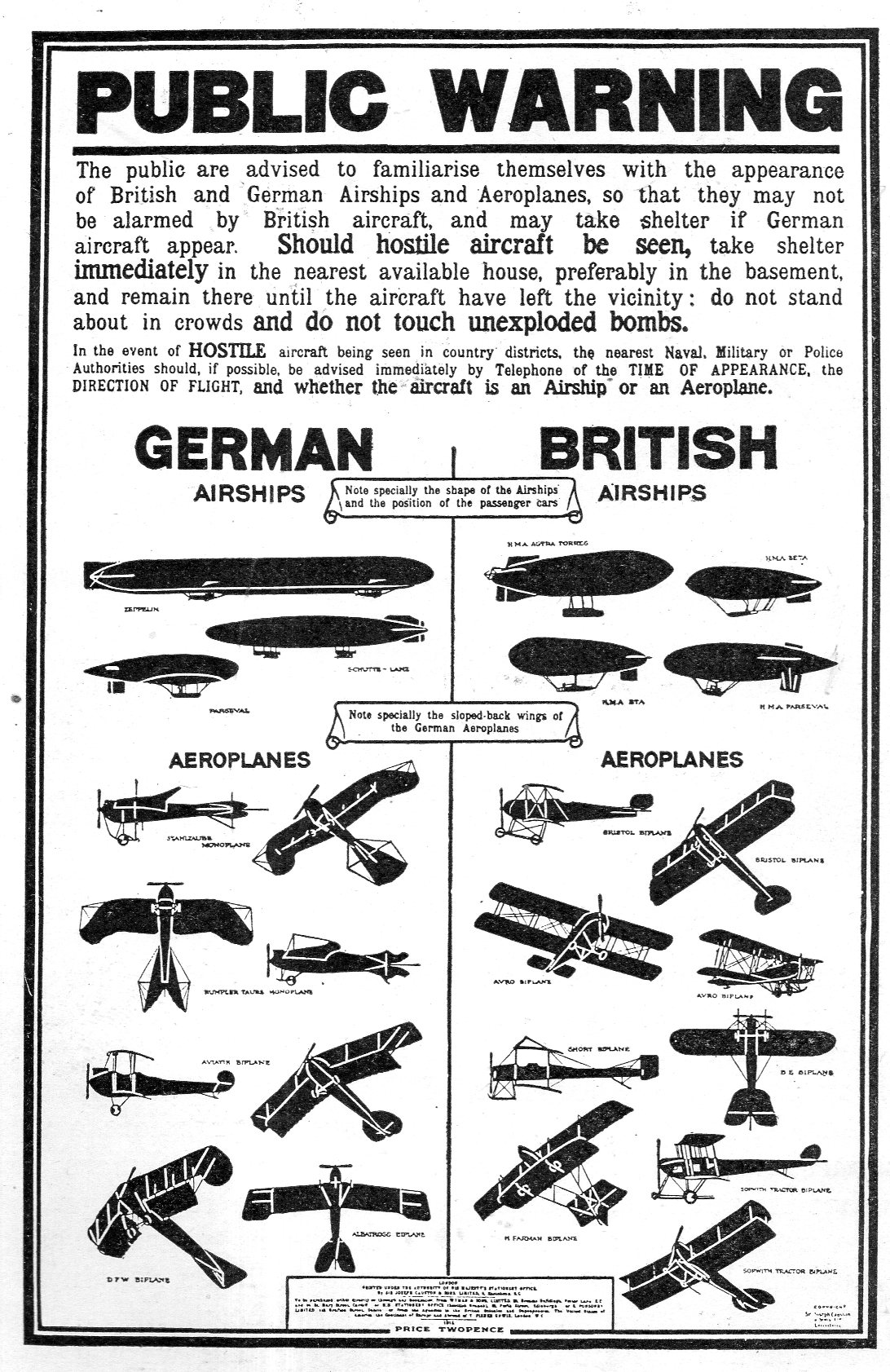
    “Public Warning” was a large, billboard-sized poster that appeared throughout England, posted in the first year of the war, appeared in Technical World Magazine in May 1915. Outside of delivering some good, solid information on behavior and bombing it supplied German/British aircraft silhouettes to help people distinguish between friendly/enemy aircraft, meaning that they could take cover and report the actions of enemy aircraft (valuable information in pre-RADAR days) and also not fret with British aircraft sightings. 

    Wwi poster public warning457

     The National Archives (U.K., http://www.nationalarchives.gov.uk/pathways/firstworldwar/transcripts/spotlights/public_warning.htm) transcribes the poster, identifying the aircraft (just in case you can’t read the text on the poster):

    ·Posted by :

    ·in:

    —

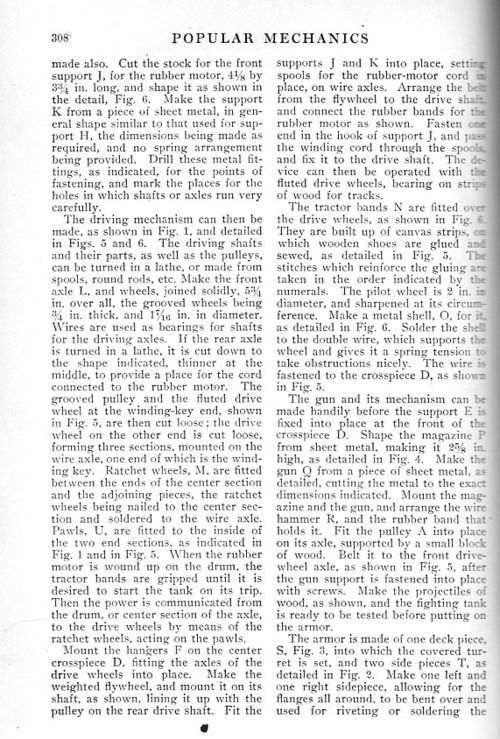
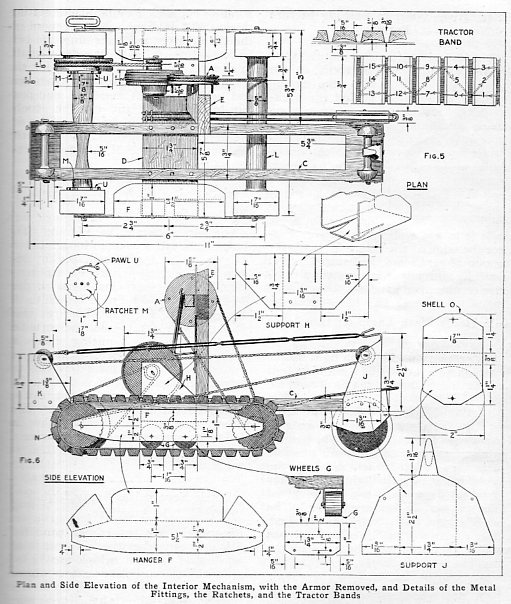
  • DIY Tank Model, 1917 (Full Text)

    JF Ptak Science Books   Quick Post

     In the last day or so I’ve been checking through some of my popular journals looking for references of the first usage of a tank in combat in WWI (which occurred in April, 1917). Popular Mechanics had a quick reference in their monthly issue for Map 1917, though now that I am into September 1917 for Scientific American I haven’t found anything on the tank in its pages. (Still to come is the Illustrated London News which I do recall having a large piece on the tank in April, 1917; and also the Illustrirte Zeitung, which I also recall having something on the tank in their place quite quickly following the tank’s appearance, which was an introduction to a new form of warfare that caught Germany very much by surprise.  

    Tank model 1917444

    [Popular Mechanics, August, 1917, pg 307]

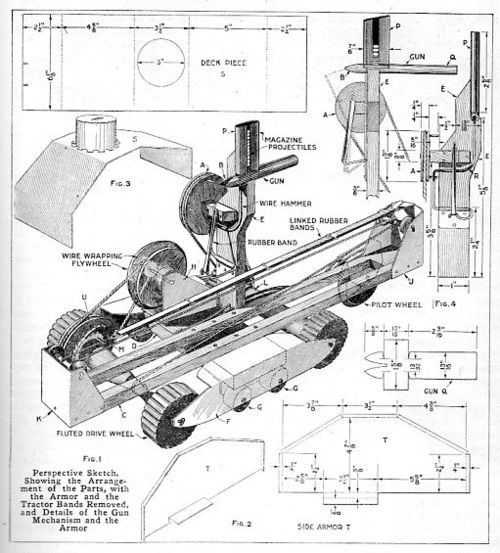
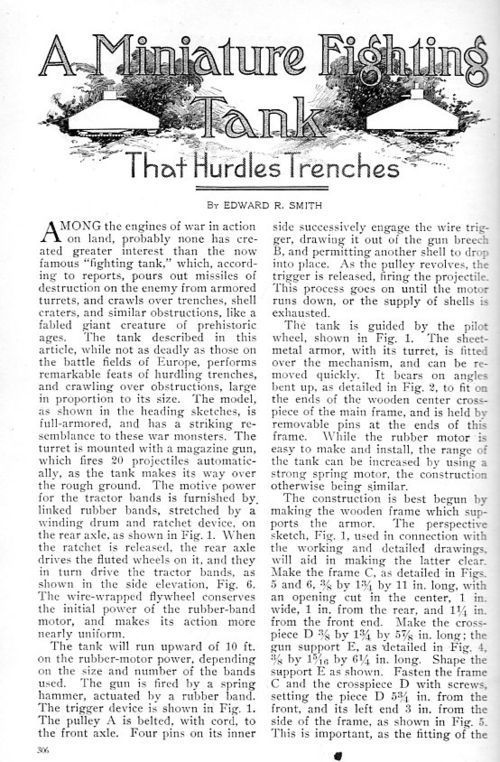
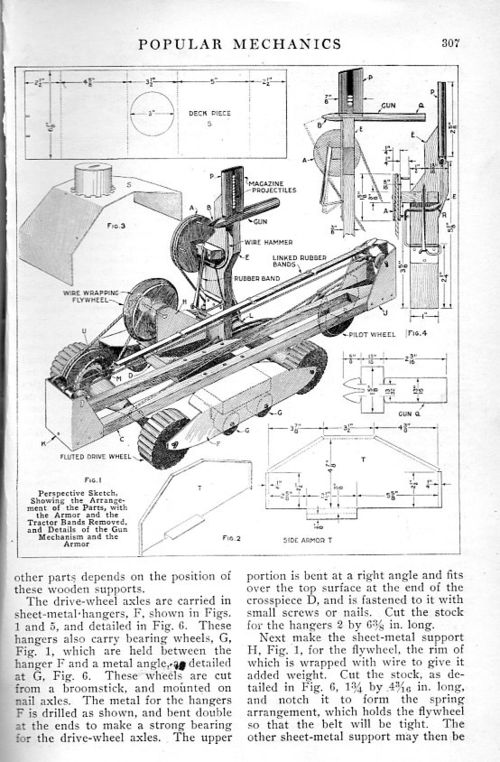
    It will no doubt be of interest to many that in August 1917, just four months after the first use of the tank that Popular Mechanics had a fairly detailed article for children of all ages on constructing a toy tank. Almost as quickly as a monthly magazine can report on an event, Popular Mechanics did so and then very quickly thereafter had a DIY project in its pages of the new innovation. I reprint the four-page article in full:

    “A Miniature Fighting Tank that Hurdles Trenches”

    Tank model 1917447


    Tank model 1917448

    Tank model 1917446

    Tank model 1917445


  • Missing the Sounds of War for the Din of Traffic (1917)

    JF Ptak Science Books  Quick Post

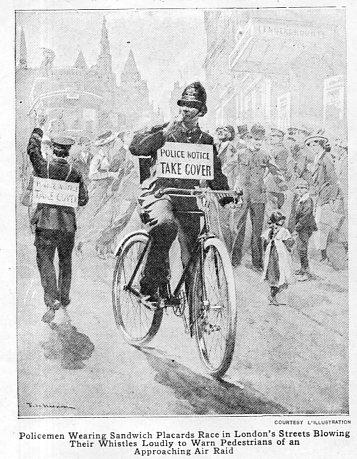
    The idea of bombing people from the sky was less than a decade old at the start of WWI, though the  idea of aerial strategic bombing took off quickly beginning in 1914. When this image was published in Popular Mechanics in October 1917 (page 662), the bombing of London by aircraft and Zeppelin had been well established. In order to effect more efficient evacuation and coverage, and in order to be heard over the considerable amount of traffic noise in London, the warning signals for a possible attack were sounded in addition to three explosives shot into the air in 15-second intervals, after which the police were dispersed into the streets with whistles and placards, trying to warn people above the sounds of the city.  It is an interesting peep into a small piece of time in a moment of possible terror. 

    Bombing london wwi443

    ·Posted by :

    ·in: