A Daily History of Holes, Dots, Lines, Science, History, Math, Physics, Art, the Unintentional Absurd, Architecture, Maps, Data Visualization, Blank and Missing Things, and so on. |1.6 million words, 7500 images, 4.9 million hits| Press & appearances in The Times, Le Figaro, Mensa, The Economist, The Guardian, Discovery News, Slate, Le Monde, Sci American Blogs, Le Pont, and many other places… 5000+ total posts since 2008.

Category: Social History

  • The Other Three German “B”s: Berlin, Barbed Wire, & Bayonets (1944/5)

    JF Ptak Science Books   Post 2700

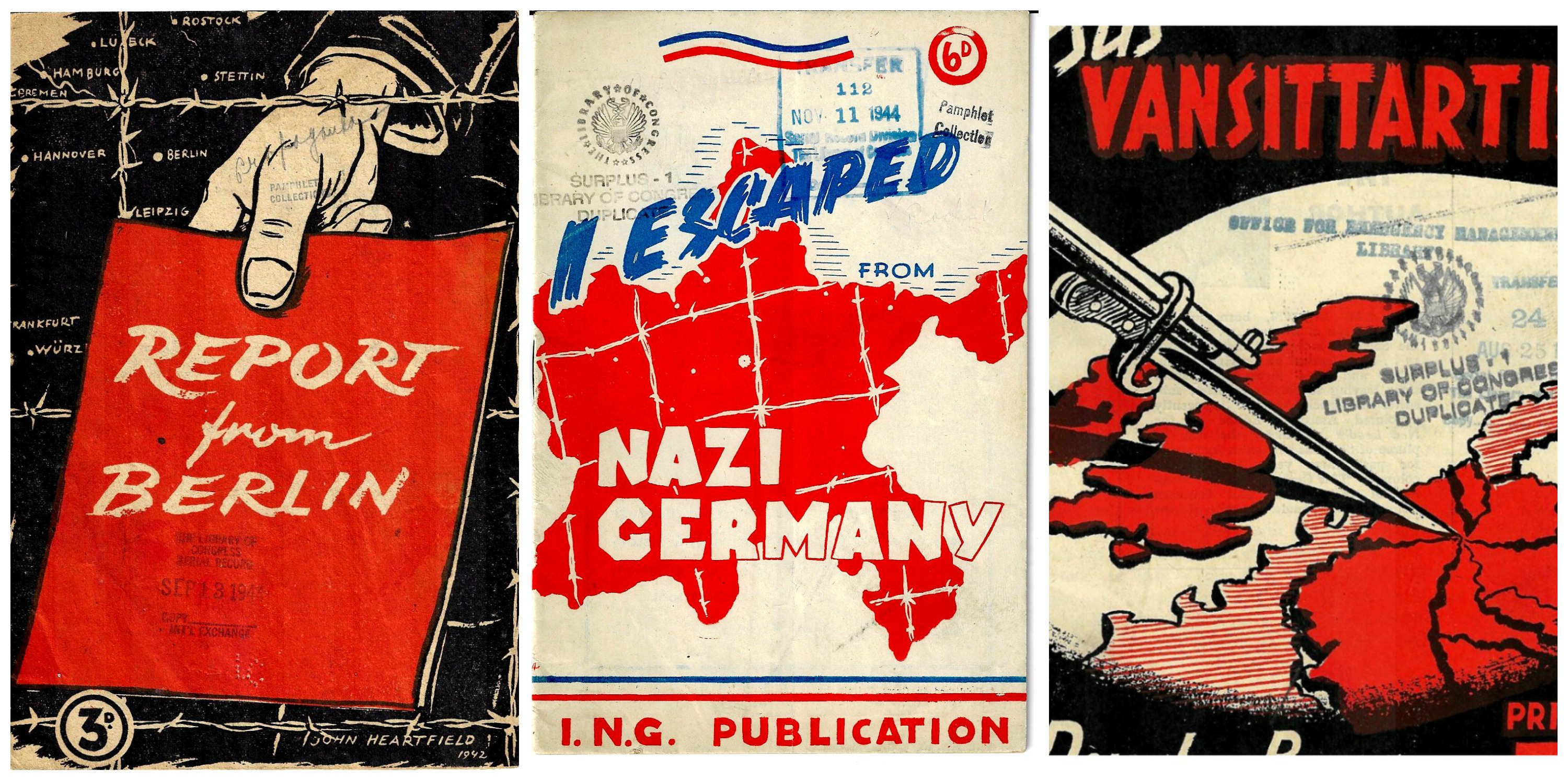
    There is probably no doubt that a lot of book and pamphlet cover art printed during the war would feature plenty of Berlin/Germany/Barbed wire/Bayonets and other sharp and pointed things leading their dagger-y way to the hearty of the country. I really hadn’t recognized it as a motif despite its pretty obvious design implications until I had three examples from my own collection right in front of me.  I’ve written about the first two on the blog before for various reasons unrelated to the sake of its design. The third, Report from Berlin ” by a German Communist” is something I thought I had addressed earlier but hadn’t, and presents a strong case in itself, as with the others.

    Germany 3 Bs


    The overall tenor in the pamphlet shows the position of doomed Germany from the inside out,  and starts the whole thing noting that “June 22 [1941] was the most fateful day in Germany’s history”, stating that “at 6 a.m.” Hitler gave a speech announcing the invasion of the Soviet Union, which the writer in 1942 finds the beginning of the end for Germany, and in this was mostly correct.  The author goes on to describe the food shortages, working conditions, morale and teh consequences of bombing, the fear and loathing of the secret police, and so forth.

    The “author” end of this equation is not clear: outside of “German communist” the writer isn’t explicitly identified. There is an “introduction” signed by Hans Kahle, who was a very prominent figure as an anti-fascist in the history of modern Germany, an impressive force, and he may well be the author of the entire text.  WorldCat/OCLC–which finds about ten copies of this work in libraries worldwide, and those mostly overseas–lists Kahle as an author, and then in another listing also lists the illustrator of the cover, the great John Heartfield, as an author as well. (Heartfield is remembered as with Georg Grosz as elevating the use of art as a political weapon, exercising it in both wars as well as the rise of Hitler and the National Socialists, and as a photo-montagist and Dadist.) In any event, the pamphlet was published by this German Communist whilst in exile in London in 1942, and was a general screed on the doomed damnation of the Nazis.  

    ·Posted by :

    ·in:

    —

  • TubePunk–Electronics Returns from War (1946)

    Book covers electronics reutn from the war 1946JF Ptak Science Books  Quick Post

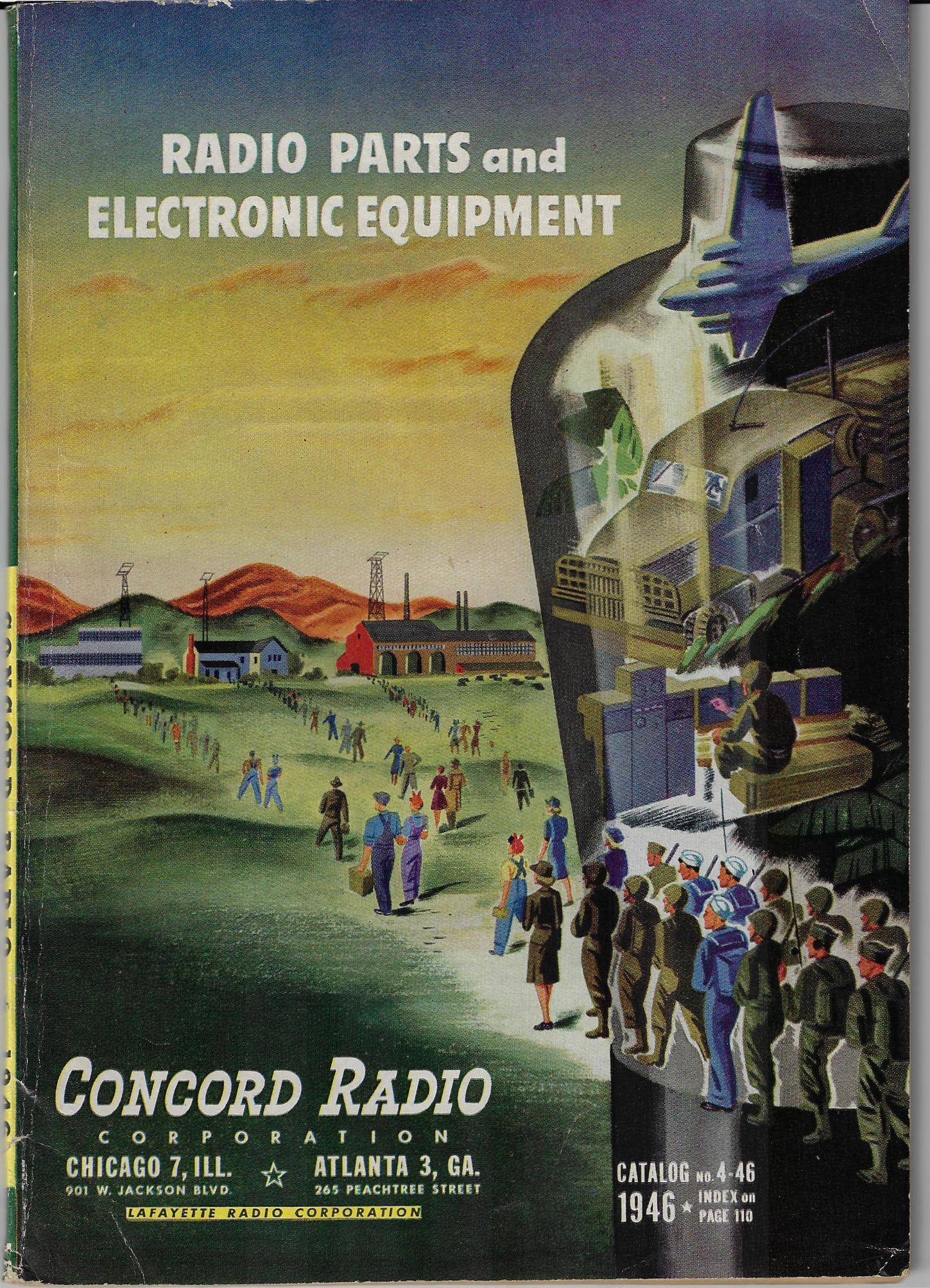
    Of the numerous things that “won the war” for the Allied forces–besides Churchill, and Roosevelt, and millions of Soviet soldiers, and Eisenhower, and V Bush, and cracking Enigma and MAGIC, and the enormous production capacity of the U.S., and so on–there was “also” the warm electrical/dusty scent of active vacuum tubes, which somehow always remind me of “precision”. The importance of RADAR I think cannot be overstated, plus SHORAN, and the Harvard Mark I, directional finders, and etc., all combined into a massive electronic war-winning effort that certainly helped define victory in WWII.  

    This is sorta what I was thinking about when I saw this lovely Concord Radio catalog for 1946–the enormous vacuum tube in which various military ops were happening, and then the troops marching out of it on the bottom, back into civilian life, carrying the promise of the new electronic world with them to home, industry, and business, and that electronics was here to stay.  Another “here to stay” thing here was the female worker–if you look closely at the crowds returning to their lives-left-behind there is no shortage of women, which I think was pretty progressive for 1946.  


  • Prison Camp Music of Stalag VIII B (1944)

    JF Ptak Science Books  Post 2693

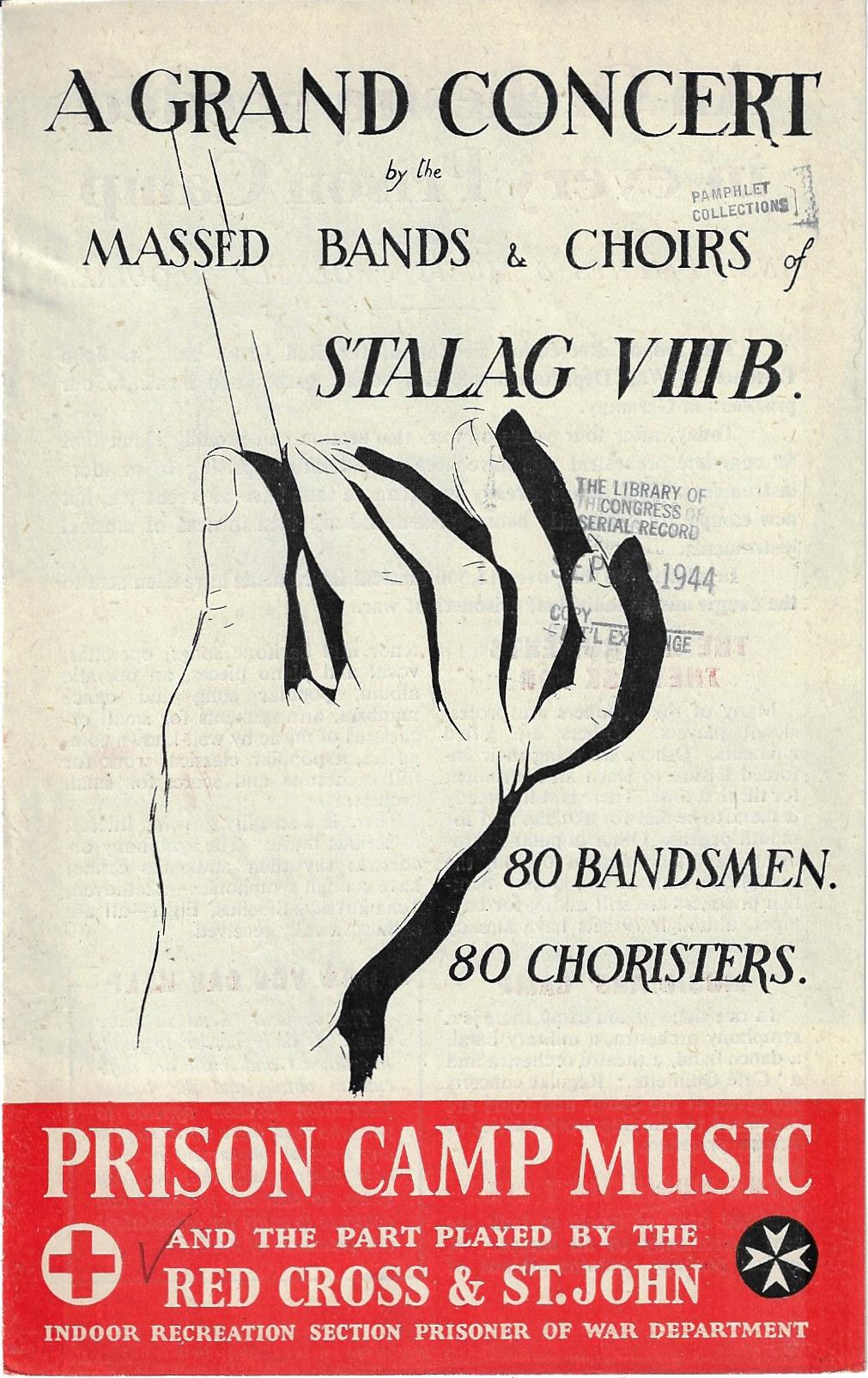
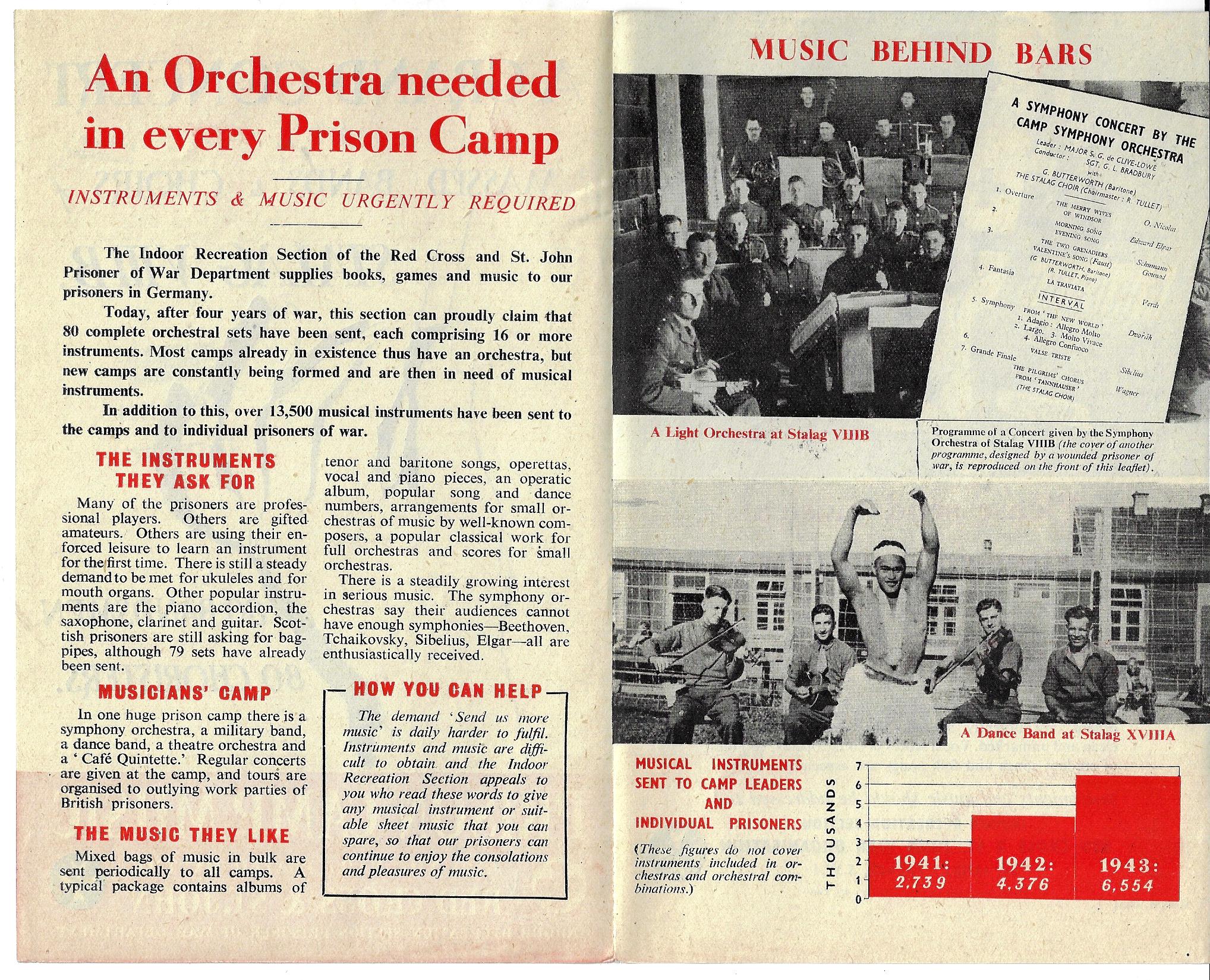
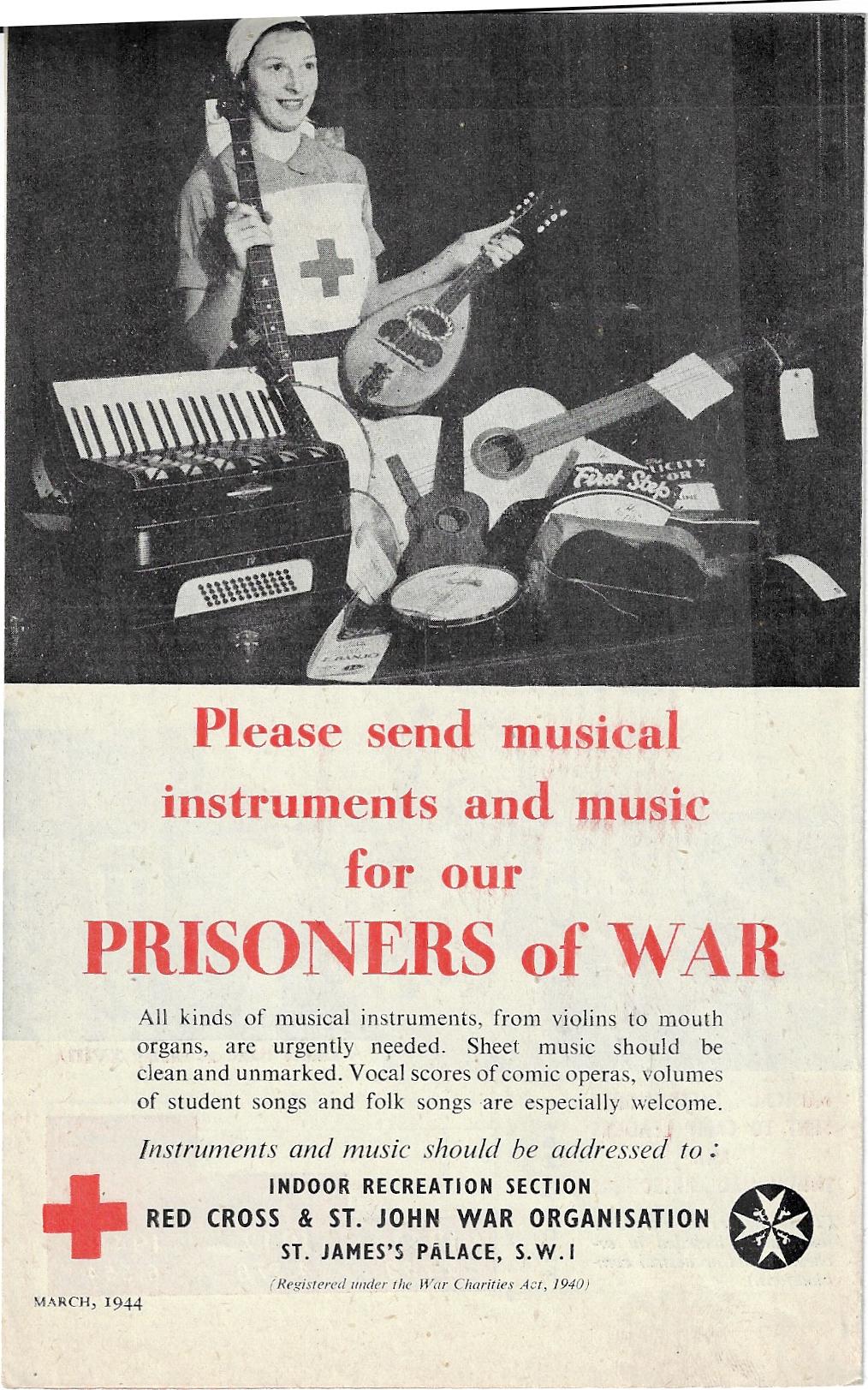
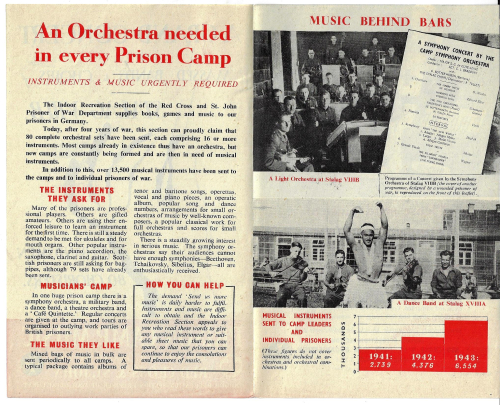
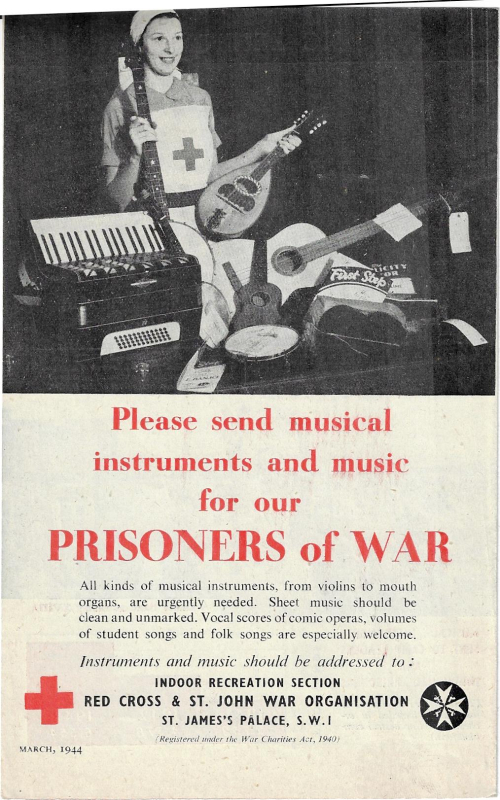
    I found this unexpected leaflet this morning, the title of which is enough to stop anyone: A Grand Concert by the Massed Bands & Choirs of Stalag VIII B. 80 Bandsmen, 80 Choristers. PRISON CAMP MUSIC and the Part Played by the Red Cross & St. John. It was printed in London in 1944, and printed by by the Red Cross and St. John War Organization and is a leaflet (20x13cm, 4pp, single sheet folded vertically) which I reproduce in full below.  (Provenance: Library of Congress, received by them September 1944, with their rubber stamp on the front cover.)

    There are no listings for this item in the WorldCat/OCLC, and a google search has one hit, finding the leaflet at the National Army Museum in London–outside of this, I cannot find it. This is a little surprising given that it was sued to raise awareness and funds; that said, it was also highly ephemeral, meaning it was probably thrown away very easily and often.  
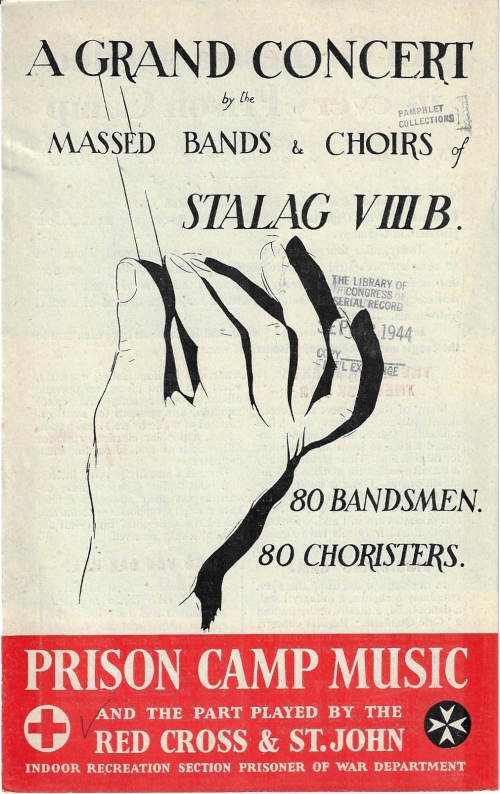
    Prison camp orchestra _1_I am not an expert in this field, though one thing that can be said for sure was that overall British and U.S. held as POWs by the Germans were treated much more humanely than other nationalities of soldiers (particularly the Russians), and so it was possible for some POWs to enjoy receiving Red Cross packages while interned. I did not know about an orchestra with 80 instruments and a choir of 80 voices. At first blush this seems like a work of home front propaganda, an attempt to establish hope for normalcy for the families of soldiers taken prisoner, though it seems as though these accommodations were made by the Nazis in deference to the British and Americans. (Again, this is a broad generalization and no doubt those enjoying POW music at Stalag VIII B were in the distinct minority. At Stalag VIII B it looks as though the main group of POWs were British, and then segregated in different parts of the camp were Indians, and then another section for Greeks, Cypriots, and Palestinians, and then in an entirely different section of the camp under lights and interior barbed wire was a camp for the RAF. British airmen were treated “differently” than the rest given at that time the terrific damage being inflicted upon Germany from endless nighttime British bombing raids. 

    On the reception of Red Cross packages at Staalg VIII B and other Stalags in general, from “MEDICAL SERVICES IN NEW ZEALAND AND THE PACIFIC: CONDITIONS AT STALAG VIIIB, LAMSDORF”, from New Zealand Electronic Text Collection:
    Prison camp orchestra _2_

    “Owing to a Red Cross parcel bottleneck at Lisbon there was a complete parcel failure from January 1942 until May 1942…Regarding Red Cross parcel shipments: “The year 1943 was relatively full, except for three months following the German occupation of Italy…During early 1944 Red Cross supplies were adequate, and, in fact, most camps, both large and small, endeavoured to build up a three months’ reserve of their Red Cross food. Unfortunately, on …17 September 1944)…most Wehrkreise (war districts) came an order from the Oberkommando der Wehrmacht: ‘All prisoner of war tinned food must be destroyed forthwith.’ This order was ruthlessly enforced, particularly on the many (over 600) working parties of Stalag 344 [part of Stalag VIII B], with the result that, whilst there was a week’s feasting on salmon, sardines and meat roll, lean and hungry months followed. Even in the Lazarett at Lamsdorf, where the patients and staff enjoyed community messing, much of their tinned food was destroyed, with the resulting onset of semi-starvation, which did not abate till the end of the war.”
    Prison camp orchestra _3_

    “The Russian prisoners had no Red Cross food and they were starved on bread and turnip soup. In vain did the British medical officers at Cosel plead with the German medical authorities for food, rather than drugs, to treat their Russian patients. Only after a change of senior German medical officers and the start of the Russian offensive towards the Reich in March 1943 did the German attitude change and the health of those miserable Russians improve.”–


    Also this story at the end of the war should be shared (although it has nothing to do with this leaflet): “In January 1945, as the Soviet armies resumed their offensive and advanced into Germany, many of the prisoners were marched westward in groups of 200 to 300 in the so-called Long March. Many of them died from the bitter cold and exhaustion. The lucky ones got far enough to the west to be liberated by the American or British armies. The unlucky ones were ‘liberated’ by the Soviets, who instead of turning them over quickly to the western allies, held them as virtual hostages for several more months, until the British agreed to release to the Soviet Union POWs of Soviet origin who had been fighting on the German side, which left the British Government with little choice on the matter, even though they were understandable reluctant to hand these men over to the Soviet Union for their inevitable execution. These soldiers from states such as Latvia, Lithuania and Estonia for example, had fought with the Germans in an effort, as they saw it, to release their own homelands from Soviet occupation and oppression.”–lamsdorf dot com
     

    ·Posted by :

    ·in:

    —

  • Classic Work on the French Resistance, 1944

    Kessel armee des ombresJoseph Kessel, L’Armee des Ombres, Chronique de la Resistance. Pantheon Books, New York, 1944, edited by Jacques Schiffrin.  185x18mmm 266pp. Written in London, completed in the summer of 1943.  Original red, white, and blue wrappers, and printed on a nice paper stock, and mostly unopened. Overall a nice production, in a “paperback” size but hardly a paperback format. Rather thick for this format, which usually means that the spine is cracked, though in this case, it is not. Very nice copy.  About Fine. $75

    Kessel (1898-1979) was a very interesting man of long accomplishment, a significant figure in the history of modern French literature, and a patriot, and a resistance fighter. He wrote this book using himself as a model for the main character (named “Philippe Gebier”), and used his experiences along with those of others to create this story of resistance–it seems that while the characters were composites, the overall story was real and accurate. As he states in the opening sentence of the book, “Il n’y a pas de propaganda dans ce livre et il n’y a pas de fiction” (“This is not a work of propaganda nor a work of fiction”). He makes it abundantly clear in this book that the absolute duty of all French citizens was civic disobedience and resistance, period. 


    ·Posted by :

    ·in:

    —

  • “I Escaped from Nazi Germany” (1944)

    JF Ptak Science Books  Post 2692

    I Escaped from Nazi Germany, a French Deportee’s Report, is a short, compact story by a French resistance fighter (of the “Armee de l’Ombre”) and observer/informationist. The writer is not identified, though the translator ( Egon Larsen) is, along with author of the author of the foreword (Waldeck Rochet). It was published by I.N.G. Publications in London in 1944, and although it is unclear whether this is pre/post 6 June, the writer does make it clear that the end was near for the Nazis.

    Perhaps the most emotional part of the pamphlet is the section (“Slave Workers and  Prisoners-of-War Under the Swastika”) on “foreign workers”. There’s a fairly longish description of the types of slave labor being done in Germany, and of the accommodation of the ‘workers”, with some insight on those who were kept in private houses/stables/billets and not in a camp. There’s also an interesting statement that speaks to the numbers of “foreign workers” in sections of Germany, saying that amidst the sea of these slaves that it was difficult to find an actual German resident. Then, at the extreme end of the treatment of foreign workers, in listing the tragedies of those people forced into cruel labor, the author ends with:

    “Foreign workers run the risk of being sent to concentration camps; and everyone knows what that means.”

    This may be the Great Unspoken of the war–unspoken though spoken, or unheard, or partially heard, or heard but not believed. 

    “A terrible fate await those who are sent to Dachau, the notorious torture camp” the pamphlet continues, followed by a short discussion of terrible working conditions and brutal treatment. Then there is a curious statement, an attempt to show the essential savagery of the Nazi/German, relating how there were “other Germans who were there fellow prisoners” [italics mine], not “just” foreign slave workers at the camp, “and whose treatment was even worse than that of the foreign workers”.  These “other Germans” could have been political, or gay, or a host of other legislated offenses–but in 1944, these people were no doubt Jewish, though the “Jewish” part of this explanation goes unmentioned.And so far as I can tell the only time the word “Jew” or “Jewish” appears in this pamphlet is a description of serendipitous punishment levied on the foreign worker for simple infractions of not-necessarily-exiting codes of behavior: “A Jew who tried to pick up a cigarette butt was ‘shot out of hand’”. This person, this Jewish person, was identified as a “Jew” as a social indicator (like telling someone to go ask Moshe, the Jew) rather than identifying the person as a class of people signaled out for particularly brutal treatment.  Rather than just say “a person” or “someone” being shot for picking up a cigarette, the writer identified that someone simply as a “Jew”. 

    I escaped Nazi Germany

    So, most of the pamphlet is an outsider’s view inside Germany–how the Germans live, what they eat, traffic conditions, Hitler Youth, and so on. There’s a discussion of R.A.F. (nighttime) bombing and the “catastrophe” of rail travel. There are also plenty of attacks on the social fibre and people of Germany laced throughout the work: “the uniformity of the masses can be found everywhere”, “their faces betray an enormous tiredness”, “the faces of the Germans do not show anything but appalling mediocrity”, “not human beings but automatons”, that sort. Also there’s a fair amount of notice on the state of terror instilled by the Gestapo on the German population (“Himmler’s Gestapo terrorism”): “individual expressions of dissatisfaction are suppressed with fantastic brutality”.  

    I wonder that in all of this ability of insight how the author missed the particularly brutal treatment of the Jews–especially when he knew about Dachau (to some degree), and spent so much time in Germany, and it was 1944.  It is certainly possible, I guess, but I don’t know how likely that possibility is, knowing so much about a big piece of the picture.  Perhaps much of what he says in hearsay, or second hand, or contrived for propaganda purposes, and perhaps not; I doubt it is a knowable thing. 


    ·Posted by :

    ·in:

    —

  • TV and the Nazis, Redux (1944)

    JF Ptak Science Books  (Expanding an earlier Quick Post)

    Television 1939

    Nazi tv770

    In all my exposure to the history of WWII  I am pretty sure that the only reference to Nazi television has been along the lines of the Berlin Olympics or Carl Sagan’s Contact–that and some dim memory about Hermann Goering somehow in the great bowels of the labyrinthine Nazi bureaucracy being in control of the fledgling German television broadcasting. The International Future of Television, an address by Paul Railbourn before the American Television Society in NY in January 1944, discusses the possibility of television in the Post WWII era–and in that, stresses in no uncertain terms that the to-be-defeated Nazis should not have access to the new medium. Railbourne (who would later become a VP at Paramount Pictures) talks about how Hitler utilized and dominated the radio, and how after the war re-education of Germany was necessary along with free enterprise undertaking of newspapers, radio, television, and motion pictures. (He does make a good point, especially with the Nazi domination of radio–not only did they control development, sale, and distribution of radios but also the overwhelming majority of the content of broadcasts. The Nazi control of popular broadcast and live performance culture was virtually complete. 

    He notes that “The Nazis are well aware of the importance of television…destroy the Luftwaffe and the Krupps Armament works, but leave television in their hands, and we shall be leaving them with the most powerful weapon of all…”

    To that end the author discusses post-war control of radio and television in German. He also talks about establishing television networks throughout the U,.S. as quickly as possibly to “capture world leadership in television programming” and “carry the gosphel of the Four Freedoms to all mankind”.  “…Television will play a vital role, for good or ill as it is intelligently or evilly directed, in the establishment and maintenance of an enduring peace, once the present war comes to an end.”

    Railbourne made good sense, and had I think a pretty good idea of the coming possible influence of the new medium.

    A recent book does a fantastic job in investigating and telling the history of the Nazis and sound: Carolyn Birdsall’s Nazi Soundscapes: Sound, Technology and Urban Space in Germany, 1933‑…(published in 2012)

    (“In Nazi Soundscapes, Carolyn Birdsall offers an in-depth analysis of the cultural significance of sound and new technologies like radio and loudspeaker systems during the rise of the National Socialist party in the 1920s to the end of World War II. Focusing specifically on the urban soundscape of Düsseldorf, this study examines both the production and reception of sound-based propaganda in the public and private spheres. Birdsall provides a vivid account of sound as a key instrument of social control, exclusion, and violence during Nazi Germany, and she makes a persuasive case for the power of sound within modern urban history.”–Goodreads. I highly recommend this book. )


  • High Above Brooklyn, Looking at Manhattan (1938)

    JF Ptak Science Books   Quick Post

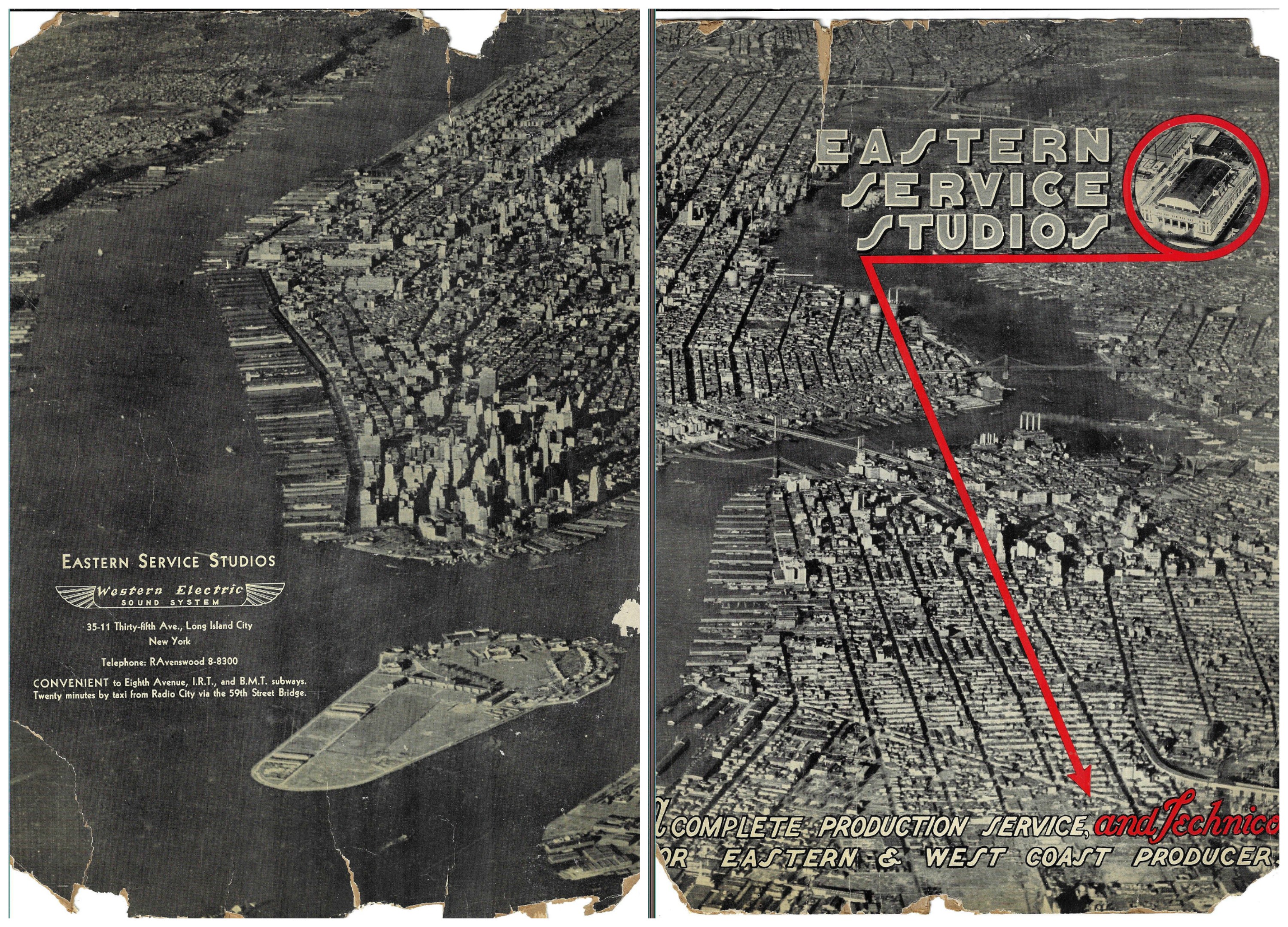
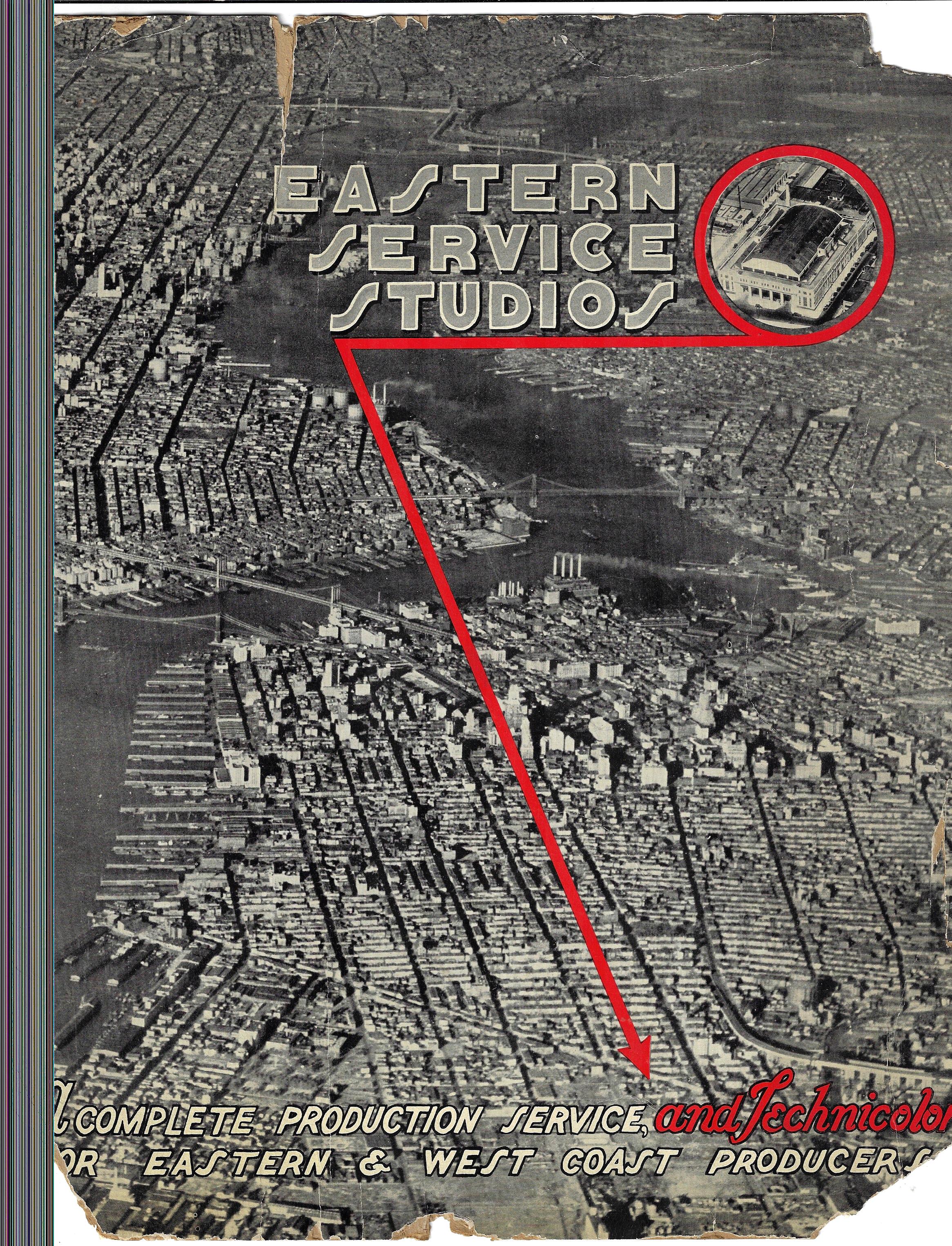
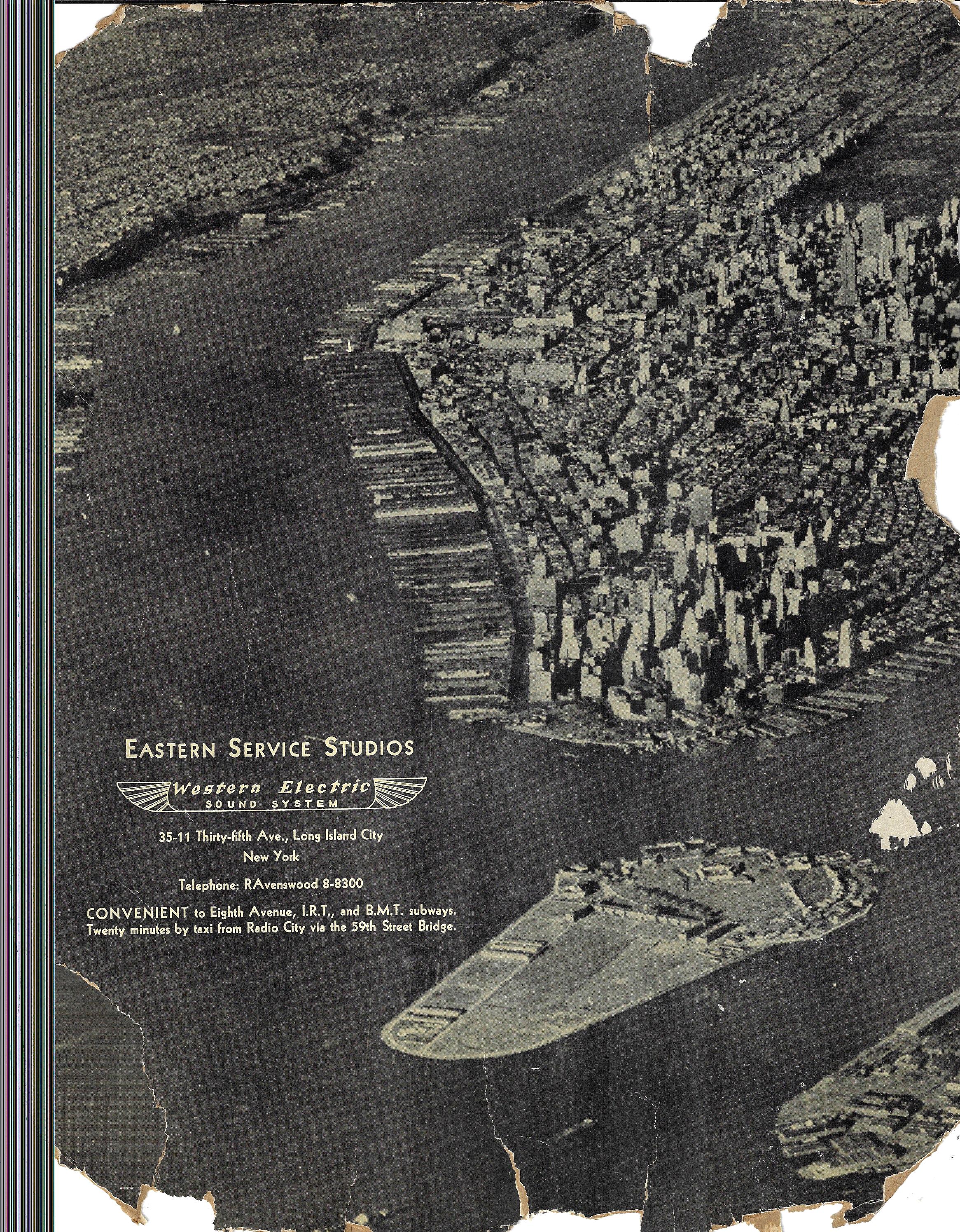
    As much as I like the history of the film industry in NYC in the early days (and then of television in the 1940s and 1950s) this post will not address that–I’m simply interested here in the cover art of NYC on this 1938 pamphlet about Eastern Service Studios. The place has a long and fine history–built by Paramount in 1920, it is still in service today as Kaufman Studios, in Long Island City…there’s plenty on the place online, detailing the history of production there from the first two Marx Brothers  movies through Law & Order.  But as I said, it is the cover that really interest me, as they’re almost an artwork on their own. The pamphlet is huge, 15×10″, making the photograph of the city front and back about 20″ long–it is a large piece.

    What we see is a view of New York City from about the Brooklyn Navy Yard and Brooklyn Heights,  at bottom and just north of Green-Wood and west of Prospect Park/Grand Army Plaza; in the East River we see the Brooklyn, Manhattan, and Williamsburg Bridges, and as we move a little to the west, we see all of Manhattan, all the way up to east Harlem and Randall’s Island, and then some. It is a marvelous photo. Unfortunately, the covers of the pamphlet are big/thick cardboard, making them very crumbly, and so the chips and missing pieces. Still, it is an aggressively interesting work.  

    Eastern Service montage


    The images in detail:

    Eastern Service Stuido _1_

    Eastern Service Studio _2_

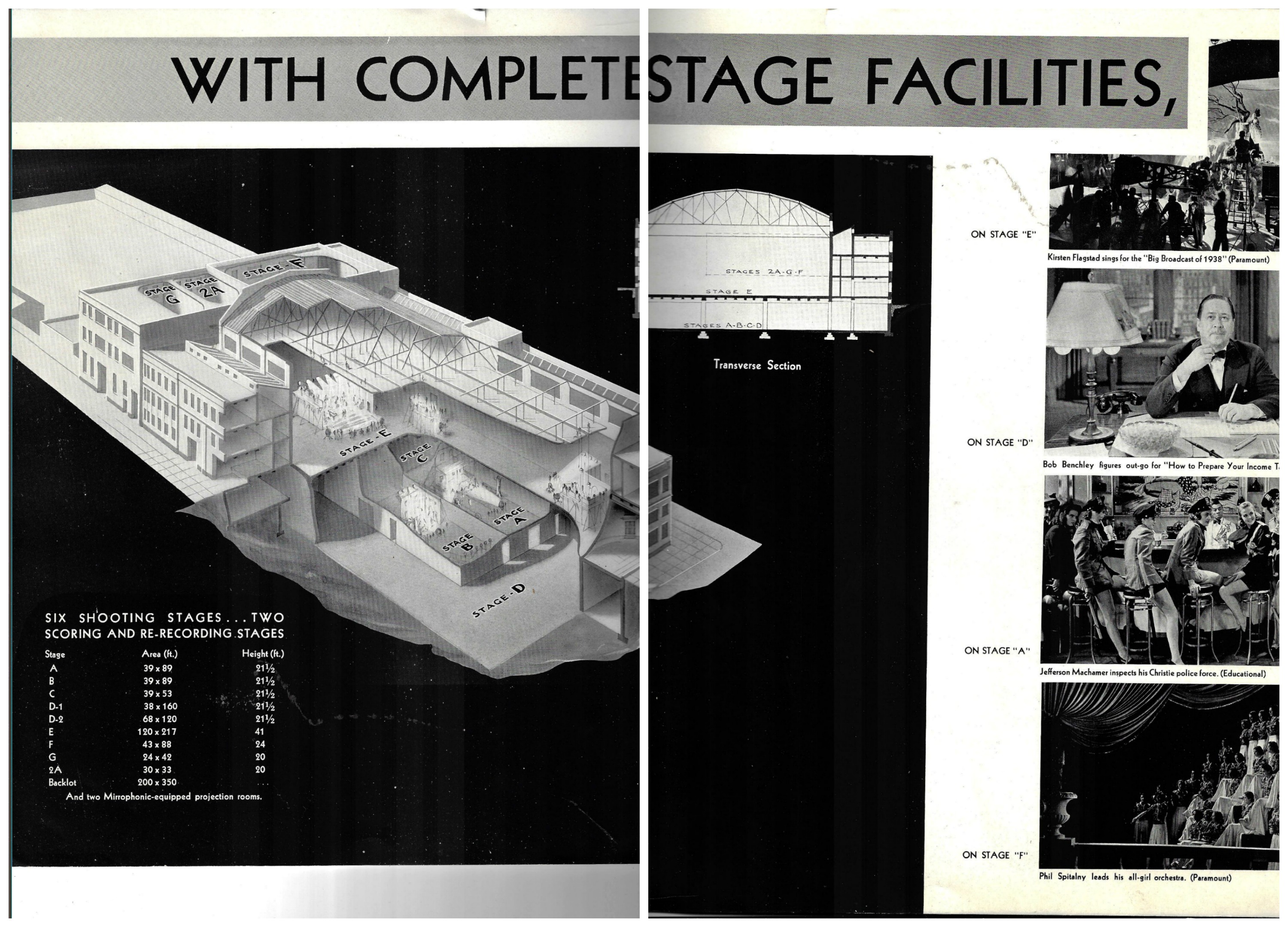
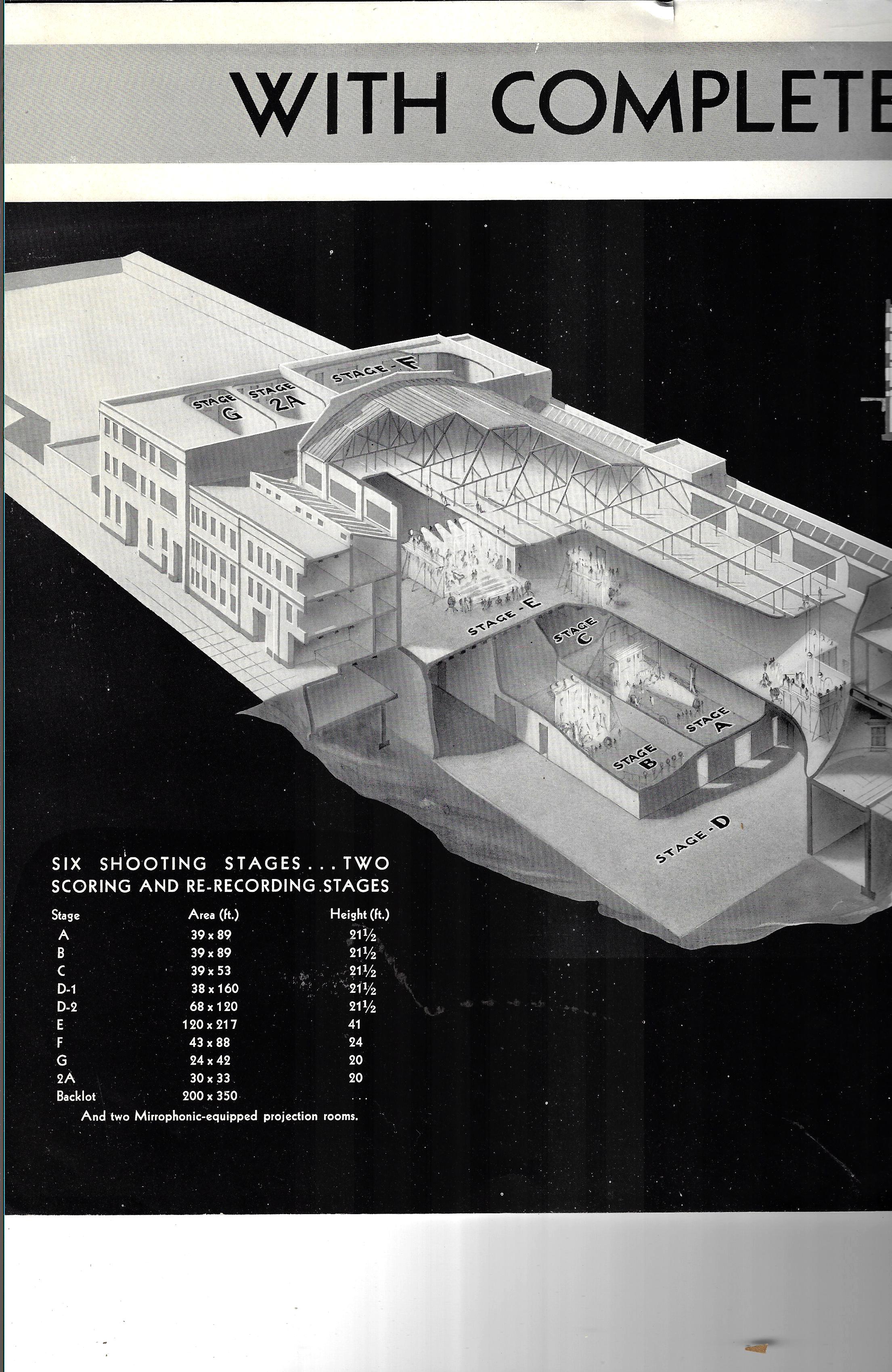
    And the stages at the studio:

    Eastern service studio stage montage

    Eastern service studios _3_


  • How Much White House Manure Cost in 1849

    JF Ptak Science Books   Post 2683      [Images are expandable]

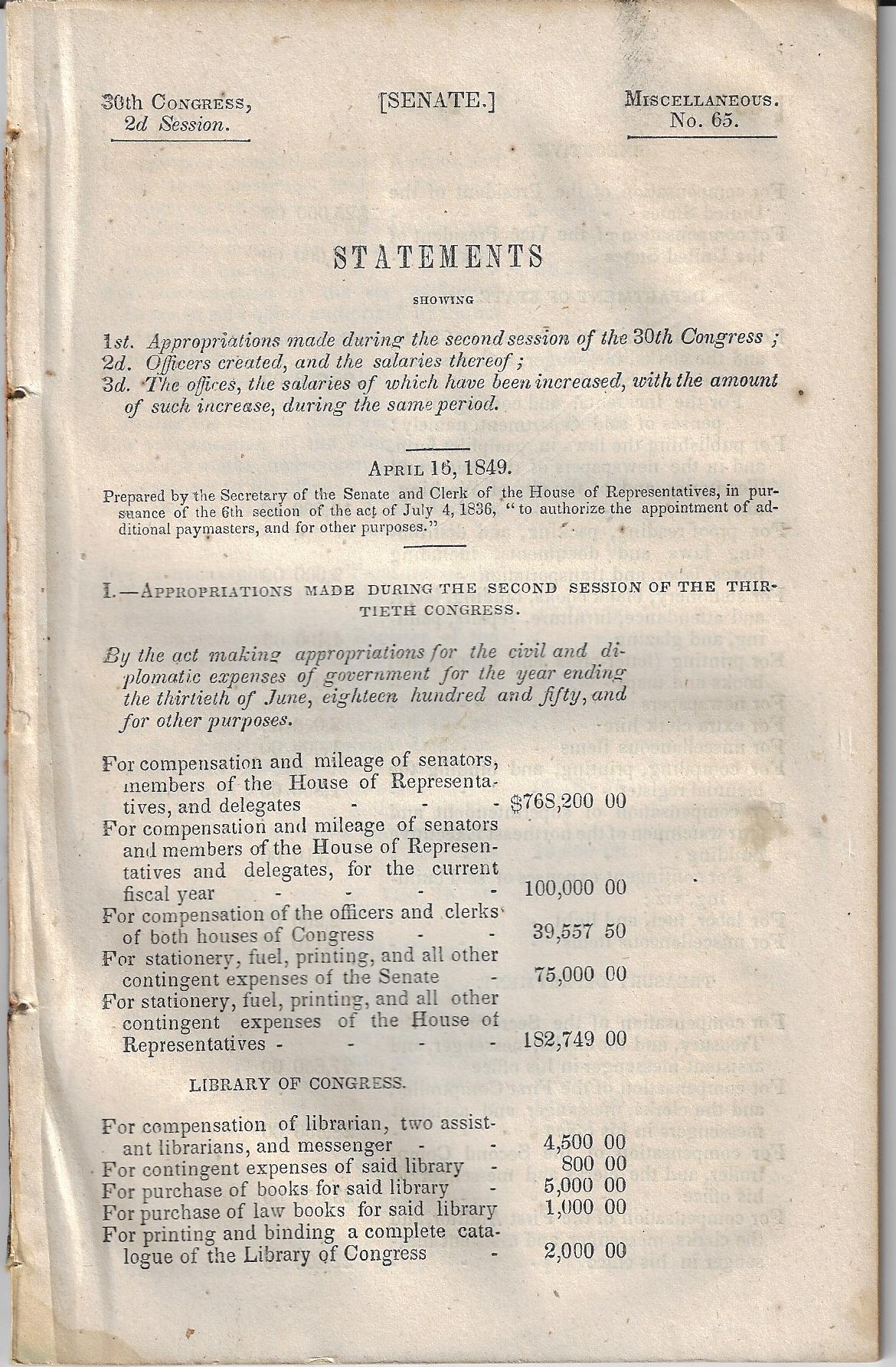
    Wages and payouts US Govt  _1849 1_There are many points of interest in this little pamphlet that I uncovered on the trail of money, seeing a simple 63-page document covering the endgame of Congressional appropriations back in 1849. Aside from its immediately absorbable and relative simplicity as a general consumable, there are of course the details in the paper trail. The first to register is the cost for running the staff of the Library of Congress, which included a librarian, two assistant librarians, and a messenger for $4,500 a year, which is a bit of a far cry from the LC’s 5,000 current employees.  The next big bit was the salary of the U.S. president, which in 1849 stood at $25,000 a year.

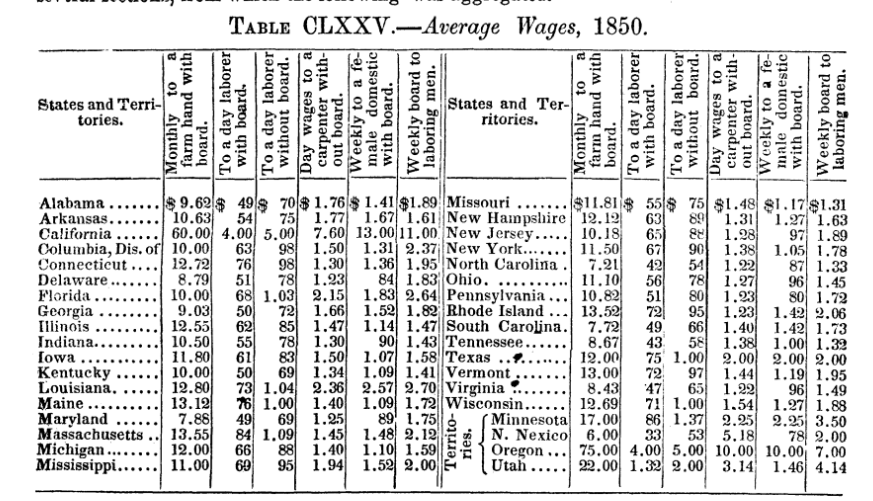
    $25,000 1849 dollars in 2017 dollars explodes quite a bit in reference to its purchasing power, though I can’t really find a good indicator of just how much that might be. For later figures closer to the 20th century I enjoy using the Bureau of Labor Statistics’ (U.S. Department of Labor) Consumer Price Index and Inflation Calculator (or the USDL’ BLS CPI calculator) which I think gives a better taste of the value of money over different periods. Looking at that $25k in another way, for most states in the U.S. a day wage for a carpenter (without board) was about 2 bucks, or $40-50 a month, or about .02% of the president’s salary. In those terms a craftsman making the same cut of the POTUS salary in 2017 would be making about $8,000/yr. There are many different ways of looking at this but in general I’d say that the president making that money was doing nicely in comparison to the rest of the country. The salary was doubled to $50k in 1873, and then again by 50% in 1909 to $75,000. This is the first level at which the BLS calculator comes into play, equating that salary with about $1.8 million in 2017 dollars. The president’s salary (alone) wouldn’t reach Babe Ruth’s high dollar until 1949, when there was an increase to $100,000 ($1.02 million in 2017 dollars) and then again doubling to $200k in 1969. But according to the BLS tool the presidential salary has been going down since then, even when the president began to make $400k in 2001 (still about $550 in 2017 dollars). The job has a ton of perks, of course, but the dollar end of it (salary alone) has been on the general downside for about the entire history of the payment schedule (in constant dollars) 

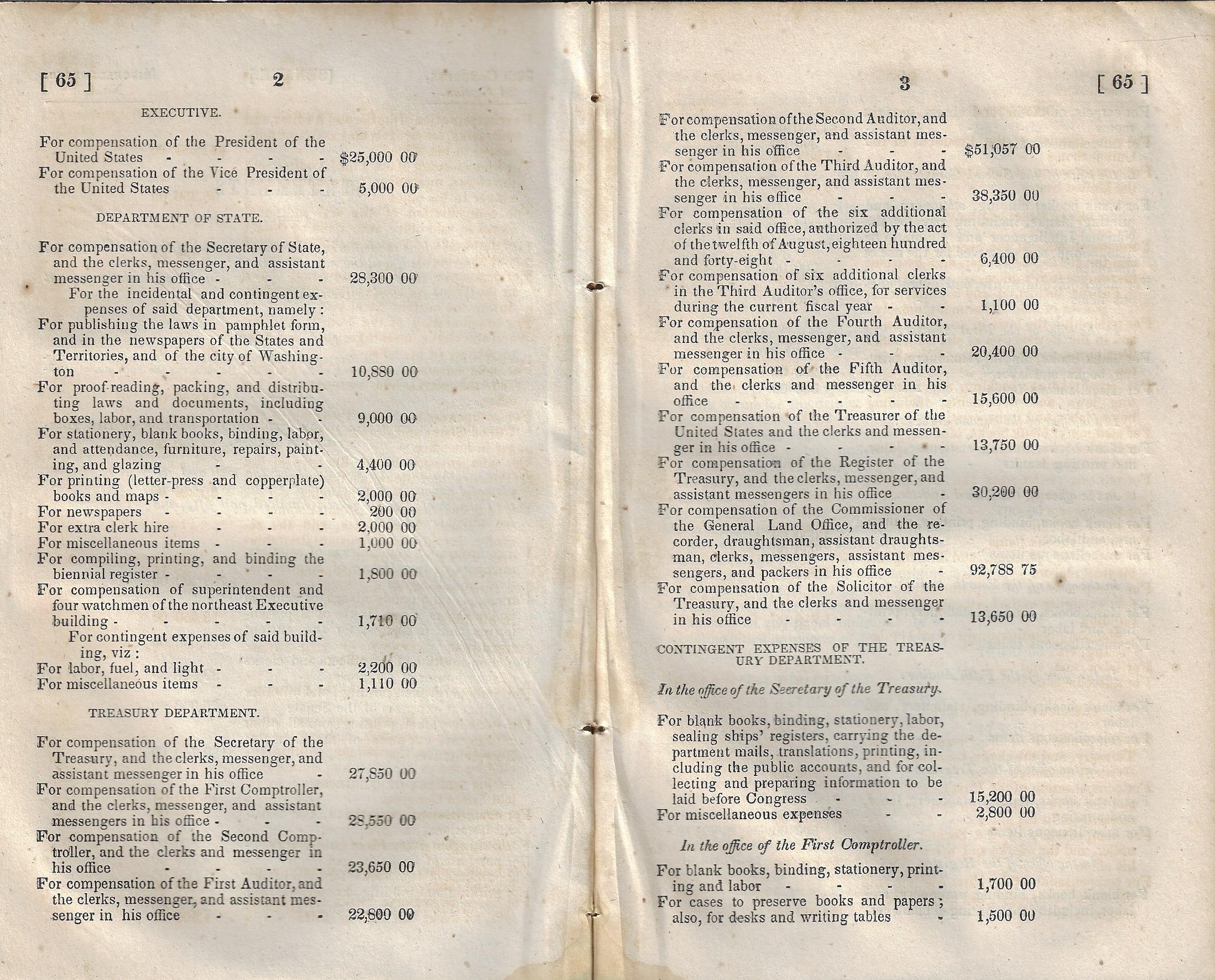
     So getting back to 1849, here’s a scan of the next two pages in the report. where we see that the vice president made a small fraction of his boss ($5000 a year versus $25). There was more allocated ($6,000) for a section of “lighting Pennsylvania Avenue” , as well as the White House (then the “President’s House”) and the U.S. Capitol and grounds…and for compensation for one lamplighter for the same”. There was also an allocation of $3,500 for annual repairs and upkeep at the White House and for running the physical aspect of the place (but not staff) for $3500, which included paying for cartage, “manure, leather, nails, tools &c.”.

    Wages and payouts US Govt  _1849 2_

    And so on and on it goes, but on for those 60-odd pages, which today wouldn’t hold very much info at all unless it was all microdot.In this instance, in 1849, 63 pages would do the trick, outlining the expenditure of $35 million or so. Mostly though I found this interesting for the staffing of the Library of Congress, because at this point, that is all it was–a library for Congressmen. It was still a decade or two away from expansive collecting, and more than 40 years off from having its own building. 


    Wages in the U.S. 1850

    The long-titled source for this boxed data:  Statistical view of the United States, embracing its territory, population–white, free colored, and slave–moral and social condition, industry, property, and revenue : the detailed statistics of cities, towns and counties; being a compendium of the seventh census, to which are added the results of every previous census, beginning with 1790, in comparative tables, with explanatory and illustrative notes, based upon the schedules and other official sources of information, by J. D. B. De Bow, superintendent of the United States census. Lots of cool data in there…


    ·Posted by :

    ·in:


  • Delight is Where You Find It: Wagon Axle Catalog for 1905

    JF Ptak Science Books   Post 2682

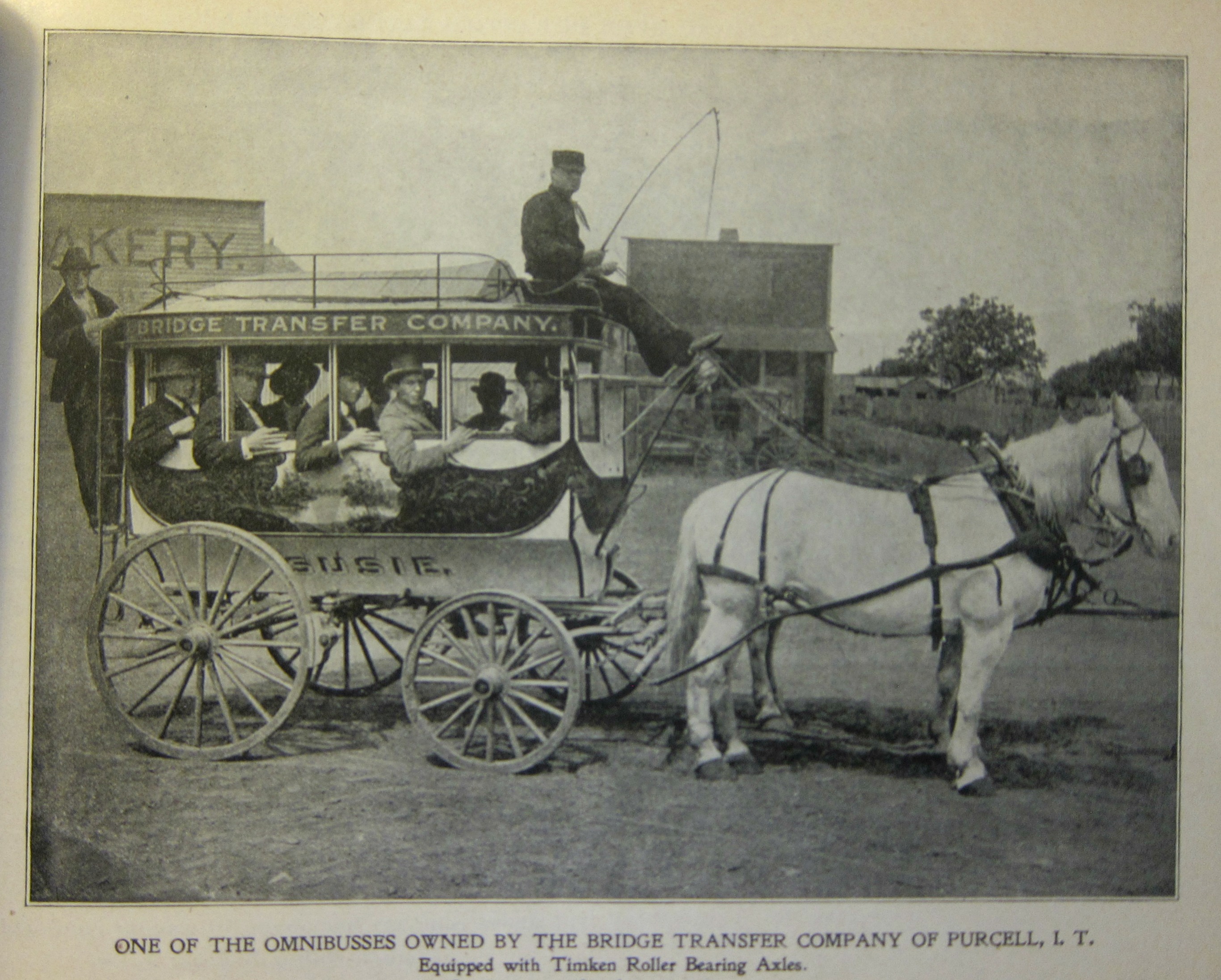
    The short story here is that less friction makes for happier conveyance and easier hauling. And evidently the founder of the Timken Roller Bearing Axle Company, Henry Timken, figured that out in the early 1890’s1, rolling his engineering insights and acumen and successful experimentation and founding his eponymous company in 1899 (and which exists as an international entity today). There’s great beauty in a fine idea, and in well-engineered parts and machinery, and no doubt the Timken axle is one of these–but what drew my attention to this catalog were the wagons and carts that benefited from the engineering. There is a superior sense of place in some of these images, an unexpected and quiet beauty found in the pages of a manufacturer’s catalog:

    Timken coaches _1_

    [Image source: Timken Roller Bearing Axle Company, Catalogue No. 5, published in Canton, Ohio, ca. 1902 (not later than January 1905).  7×9.5″,  unpaginated though 42pp long, including 9 plates of photos (some of which are above), plus 3 plates of drawings. Printed wrappers.  Provenance: Library of Congress, with their surplus stamp on the back. There are no copies of this title located in WorldCat/OCLC; there is another version, entitled “Carriage and wagon axle department, Timken Roller Bearing Axle Co., manufacturers of Timken roller bearing axles for all kinds of carriages and wagons …” ca. 1908, that is located in two locations: the Hagley Museum, and the Henry Ford Museum. I can find no other library of museum holdings.]


  • First Beer in Manila Post War, 1945

    JF Ptak Science Books  2689

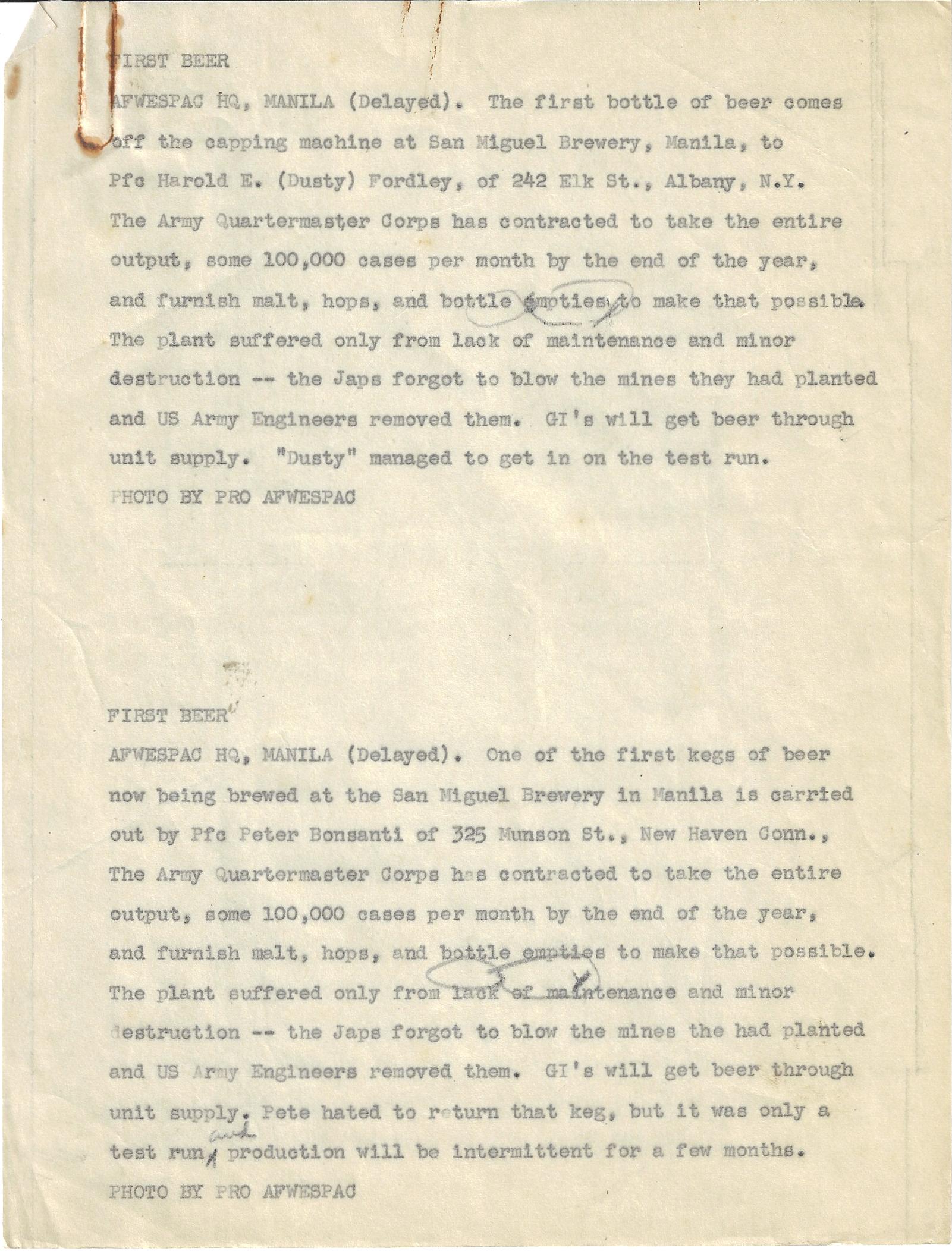
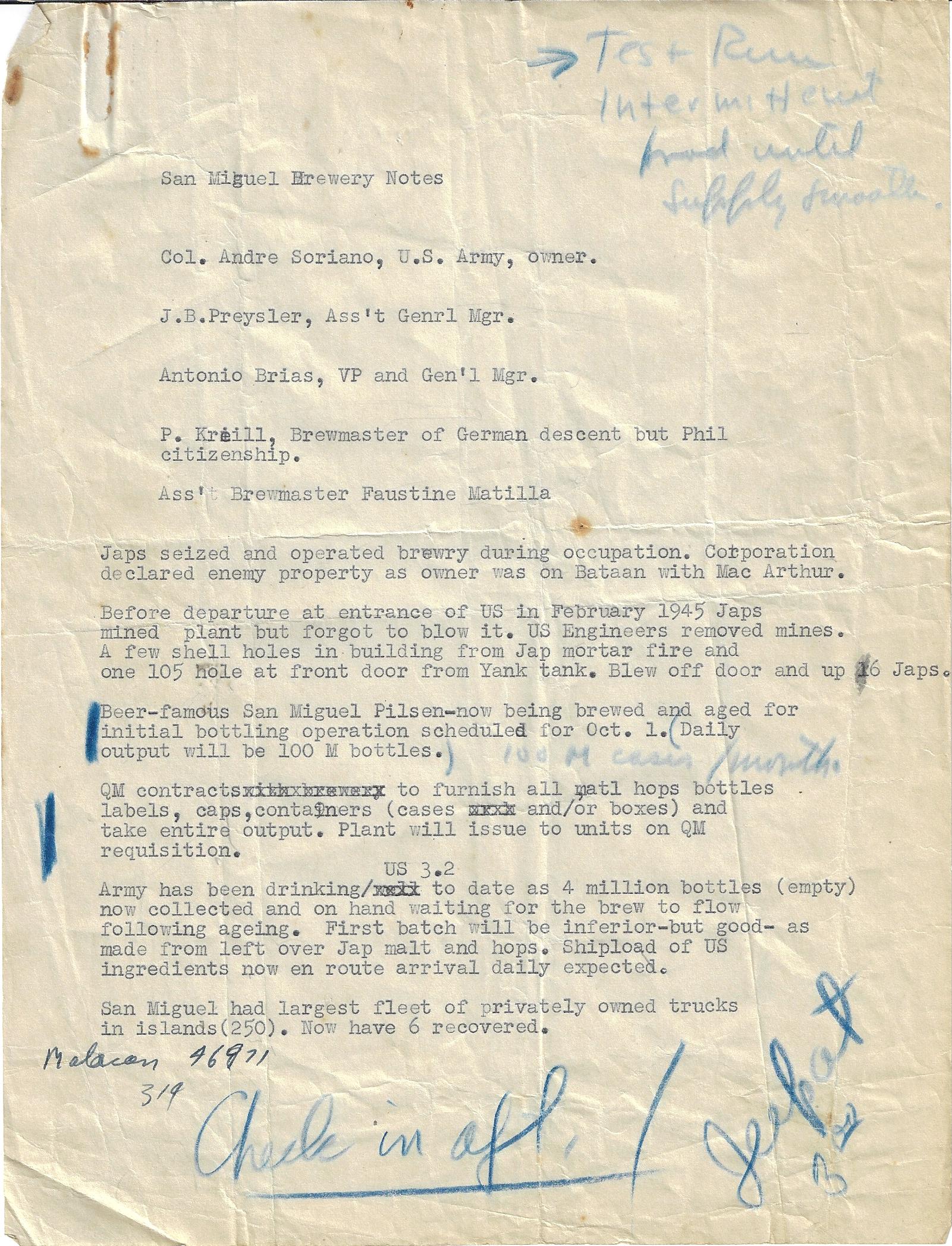
    Several years ago I purchased part of the papers of David Katcher, who was the founding editor of the journal Physics Today. Before that, several years before that, in 1945, David Katcher was Lt. Katcher, serving as a correspondent/writer in the public relations office of the U.S. Army Headquarters of the Western Pacific (GHQ USAFPAC), and seems to have worked closely with the U.S. Commissioner to the Philippines, Paul V. McNutt. There was a 6-inch stack of paper here of mimeographed offprints of the daily grind of running the PR department of the Army in the Philippines, which, taken as a whole, is pretty interesting, showing the concerns and trials of the Army in reestablishing the government and infrastructure of the country.  Some of the individual reports/publications are stand-alone, straight-up f interesting things, and so far as I can determine, have not been published anywhere else.  The item I’m about to describe is one of those stand-alones.

    This two-page document seems to have been the draft for a press release on re-starting the formerly Japanese occupied San Miguel Brewery in Manila. (I don’t need to say very much about how tremendously devastated Manila was after MacArthur came back and reclaimed the city, as I think that this is generally understood and a given. It was enormous amount of loss of life to Philippine civilians, with estimates of those killed in Japanese massacres at 100,000+, plus battle casualties, and of course a tremendous amount of destruction laid to the once-beautiful Manila that went along with that.) Putting the city back together again after the end of the war was obviously essential, and the movement with the brewery was evidently very quick. The brewery evidently suffered minor destruction (I suspect in the final fight as the Japanese occupied and ran the brewery during the war) and although the structures were lined with explosives, “the Japs forgot to blow the mines”.

    There were a million things to do in Manila in 1945, and the resurrection of the San Miguel Brewery was one small part of that. It is interesting to see this internal U.S. Army document to see how this was refitting was being transacted.  


    San Miguel _1_


    SAn Miguel 2_


    ·Posted by :

    ·in:

    —