A Daily History of Holes, Dots, Lines, Science, History, Math, Physics, Art, the Unintentional Absurd, Architecture, Maps, Data Visualization, Blank and Missing Things, and so on. |1.6 million words, 7500 images, 4.9 million hits| Press & appearances in The Times, Le Figaro, Mensa, The Economist, The Guardian, Discovery News, Slate, Le Monde, Sci American Blogs, Le Pont, and many other places… 5000+ total posts since 2008.
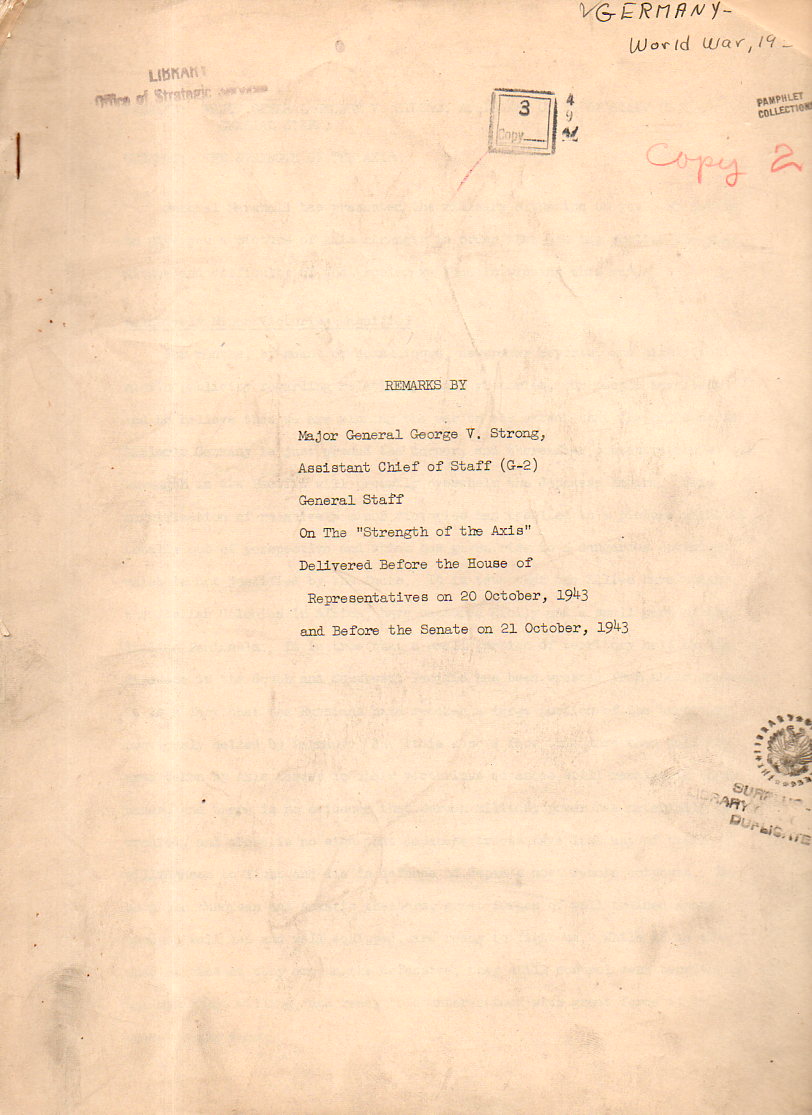
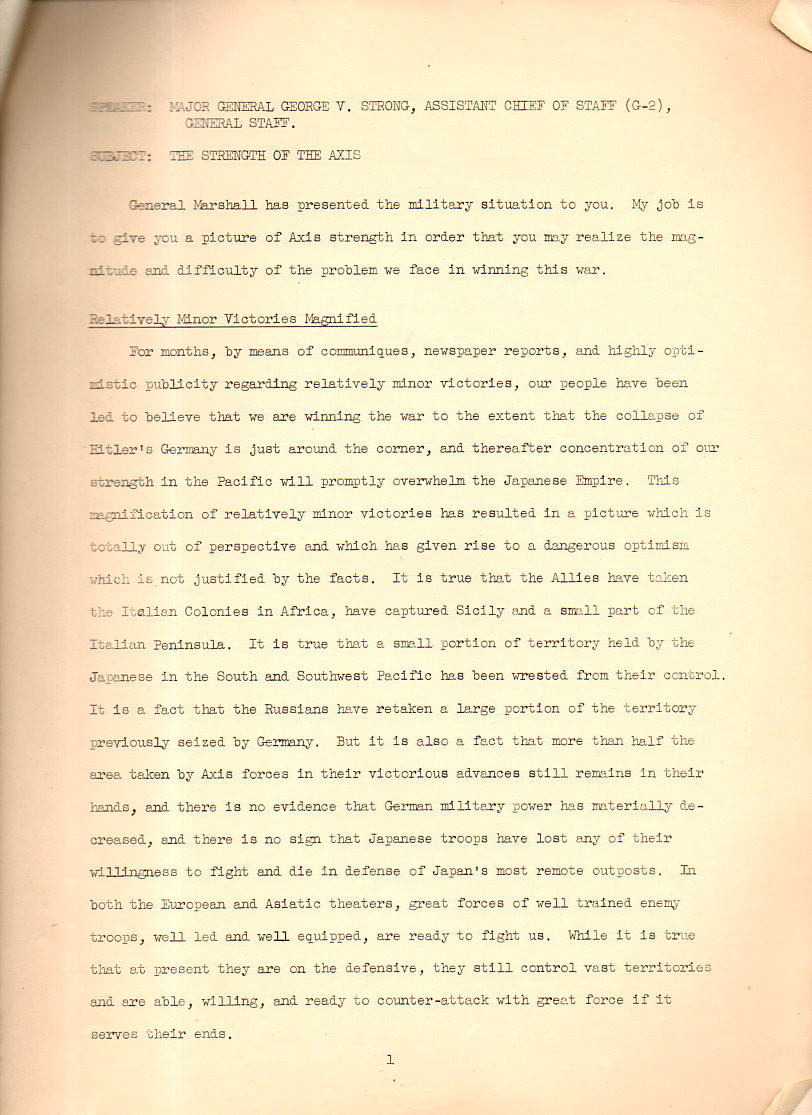
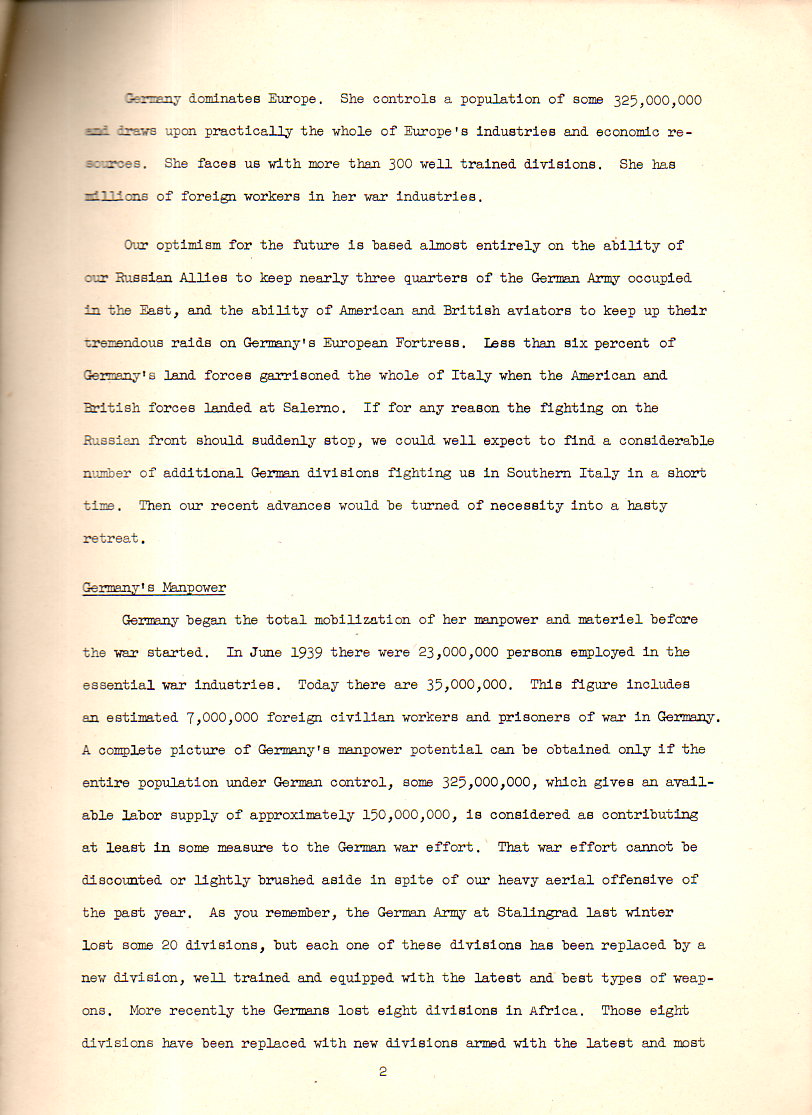
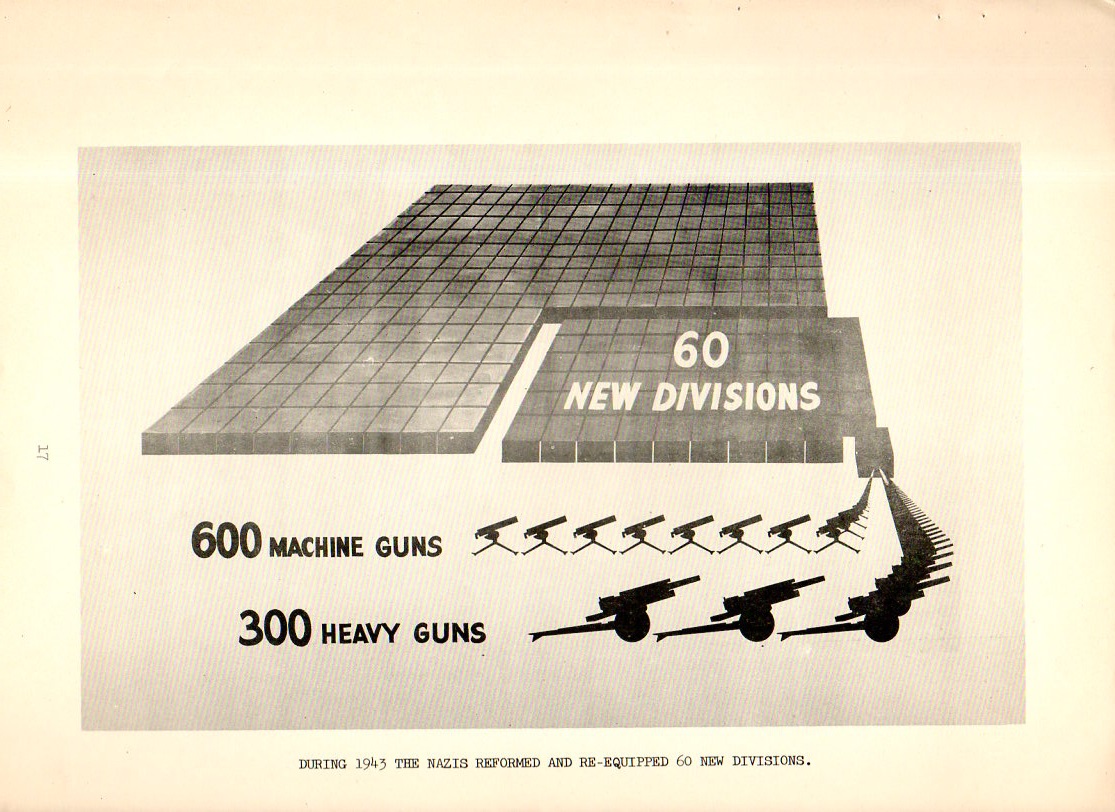
Major General George Veazy Strong (USMA ’04), in 1943 as the Assistant Chief of Staff of the Army Intelligence Unit (G-2)–a position of enormous importance–delivered his very sober and reasonable summation on the strength of the Axis forces before the U.S. Congress (on October 20 and 21, 1943). which was printed in this report. (It is of historical and bibliographical interested to note that this document was in the library of the Office of Strategic Services (the O.S.S., the precursor to the C.I.A.) before it was sent to the Library of Congress and deaccessioned.)
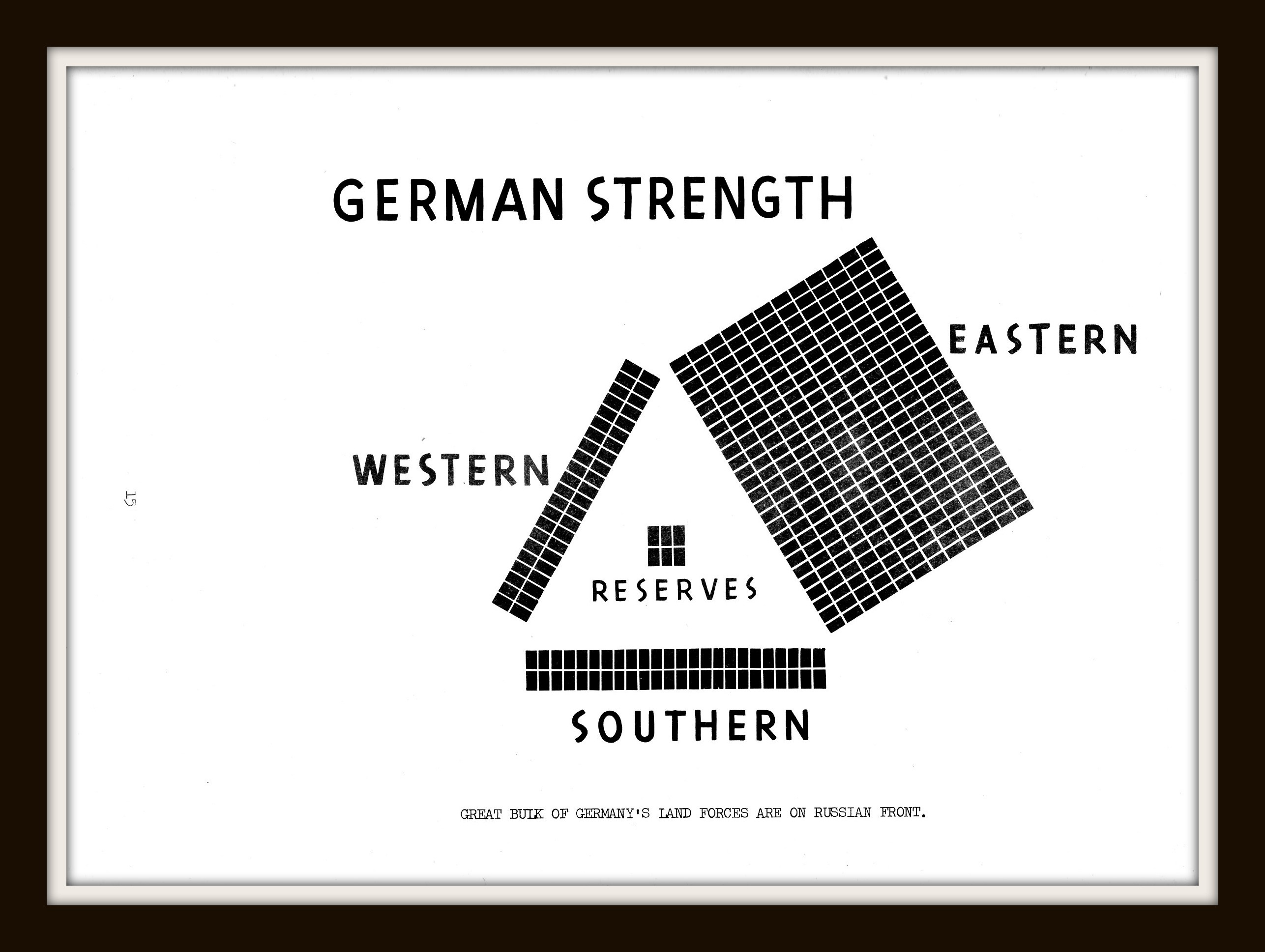
The document is somewhat over-sized (at 12×9″) and is 13 pages of text, followed by 17 leaves of diagrams, some of which are very strong images of superior design. Strong was very highly accomplished, of very wide experience, and was an excellent thinker. His report was concise and thorough, and must have made a mark on his listeners in the House and Senate.
The report seems to be rare–I cannot find mention of it popularly in the social media, and there seems also to be no trace of it in the WorldCat outside of an LP recording (at the Library of Congress), meaning that there seems to be no copies of the printed version in libraries worldwide.
This is an interesting read, and since it appears to be nowhere I believe I should reprint it, here, shortly.
The original is available via the blog’s bookstore, here.
There is an image that I have in my head of a grey train car of WWI. There were trains that would pull into stations of large cities, trains with cars of wounded soldiers back from the front, with Red Cross designations on the car sides. Crowds would come to the station to see and cheer the wounded soldiers.
There were some trains that would pull a car at the very end of the line, a car with no cross. It was in these cars that the shell shocked soldiers would sometimes be brought back home.
“War neurosis” and “combat stress” was generally what was known as “shell shock” (not named until 1917 by Charles Myers), and what we’d more commonly referred to today as post traumatic stress syndrome (PTSD). Shell shock was little understood during the war, and soldiers who manifested the behaviors associated with it were often accused of cowardice, and desertion, and in some cases faced disciplinary action that could end in jail or (in some cases) death. They certainly weren’t necessarily treated as “wounded”, and so it seems for the most part they were treated as separate cases.
Given what was known of shell shock the treatment to the modern eye can look severe, odd, and austere, and wrong–soldiers were subjected to electro-shock therapy, physical routines leading to exhaustion, solitary confinement, and simple incarceration. In other cases the condition would be recognized as a defense detriment and in order to alleviate it the soldiers would be sent back from the front for a few days’ rest. The problem with shell shock though would continue to grow, and could be seen as a threat to a fighting force in general, and therefore some of the official responses to it left no doubt that succumbing to shell shock was a serious business, and that soldiers so afflicted would be treated differently from other wounded soldiers.2
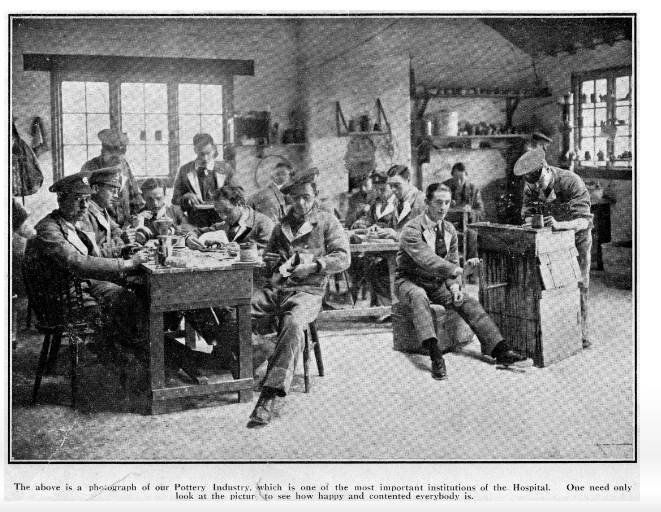
By 1917 though Major Arthur Hurst devised a new method for treating the shell shocked soldier, with a major emphasis establishing the condition as caused by battle, and not a flight-not-fight syndrome. At the Seale-Hayne Hospital, in Devon, Hurst treated some 300 soldiers over the course of 15 months, from April 1918 to July 1919, and seemed to have caused some real improvement. That said, there were many detractors of his methods, and many more who questioned its effectiveness–to that end there seems to be no longitudinal data to support much of a claim for long-term success in Hurst’s treatment.
He did however make a major contribution to the treatment of PTSD by attempting to deal with it medically, and also employing a large dose of occupational therapy in additiion to many other proactive responses to shell shock. In another interesting and pioneering move Austin made use of motion picture cameras to record the before/after effects of his treatments. This however has also come into question because some amount of the “before” images were dramatized1.
I found these videos of the Hurst treatments on youtube, and whether some of the “before treatment” footage was acted or not, the images are very jarring:
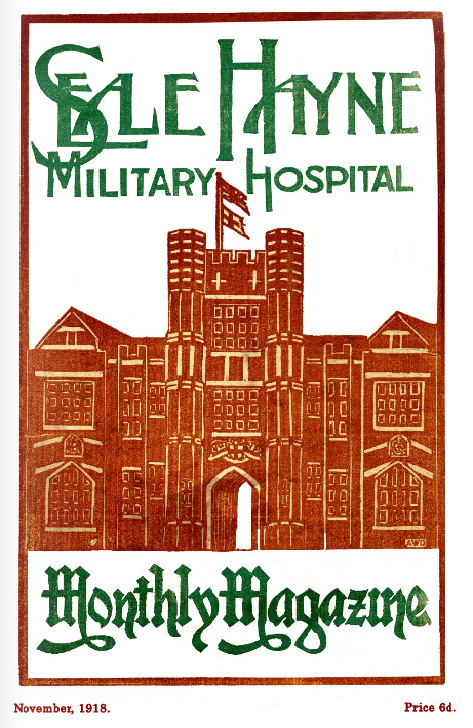
There are also a few samples of the magazine/newspaper produced at Seale-Hayner Hospital during this time, with contributions by the patients, some of which is reproduced below:
More photographs are available here: http://seale-hayne.com/?flagallery=seale-hayne-military-hospital
And more: http://www.seale-hayne.com/books/mag1st/#p=1 http://www.seale-hayne.com/books/magWW1/#p=2
The poet Siegfried Sassoon (1886–1967) described victims of shell shock in his 1917 poem “Survivors”, written while Sassoon was himself being treated for the condition at the more-enlightened Craiglockhart medical facility in Edinburgh, and published in Counter-Attack and Other Poems (1918):
NO doubt they’ll soon get well; the shock and strain Have caused their stammering, disconnected talk. Of course they’re ‘longing to go out again,’— These boys with old, scared faces, learning to walk. They’ll soon forget their haunted nights; their cowed Subjection to the ghosts of friends who died,— Their dreams that drip with murder; and they’ll be proud Of glorious war that shatter’d all their pride… Men who went out to battle, grim and glad; Children, with eyes that hate you, broken and mad.
Notes:
1. “From 1917 to 1918, Major Arthur Hurst filmed shell-shocked patients home from the war in France. Funded by the Medical Research Committee, and using Pathé cameramen, he recorded soldiers who suffered from intractable movement disorders as they underwent treatment at the Royal Victoria Hospital in Netley and undertook programs of occupational therapy at Seale Hayne in Devon. “ From: “War Neuroses and Arthur Hurst: A Pioneering Medical Film about the Treatment of Psychiatric Battle Casualties”, by Edgar Jones, Journal of the History of Medicine, May 2011, http://jhmas.oxfordjournals.org/content/early/2011/05/19/jhmas.jrr015,
2. “When evacuation to the base hospital is necessary, cases should be treated in a separate hospital or separate sections of a hospital, and not with the ordinary sick and wounded patients. Only in exceptional circumstances should cases be sent to the United Kingdom, as, for instance, men likely to be unfit for further service of any kind with the forces in the field. This policy should be widely known throughout the Force.”–Report of the War Office Committee of Enquiry into “Shell-Shock”, 1922.
See also a good entry “War Psychiatry”, in WWI Online, http://encyclopedia.1914-1918-online.net/article/war_psychiatry
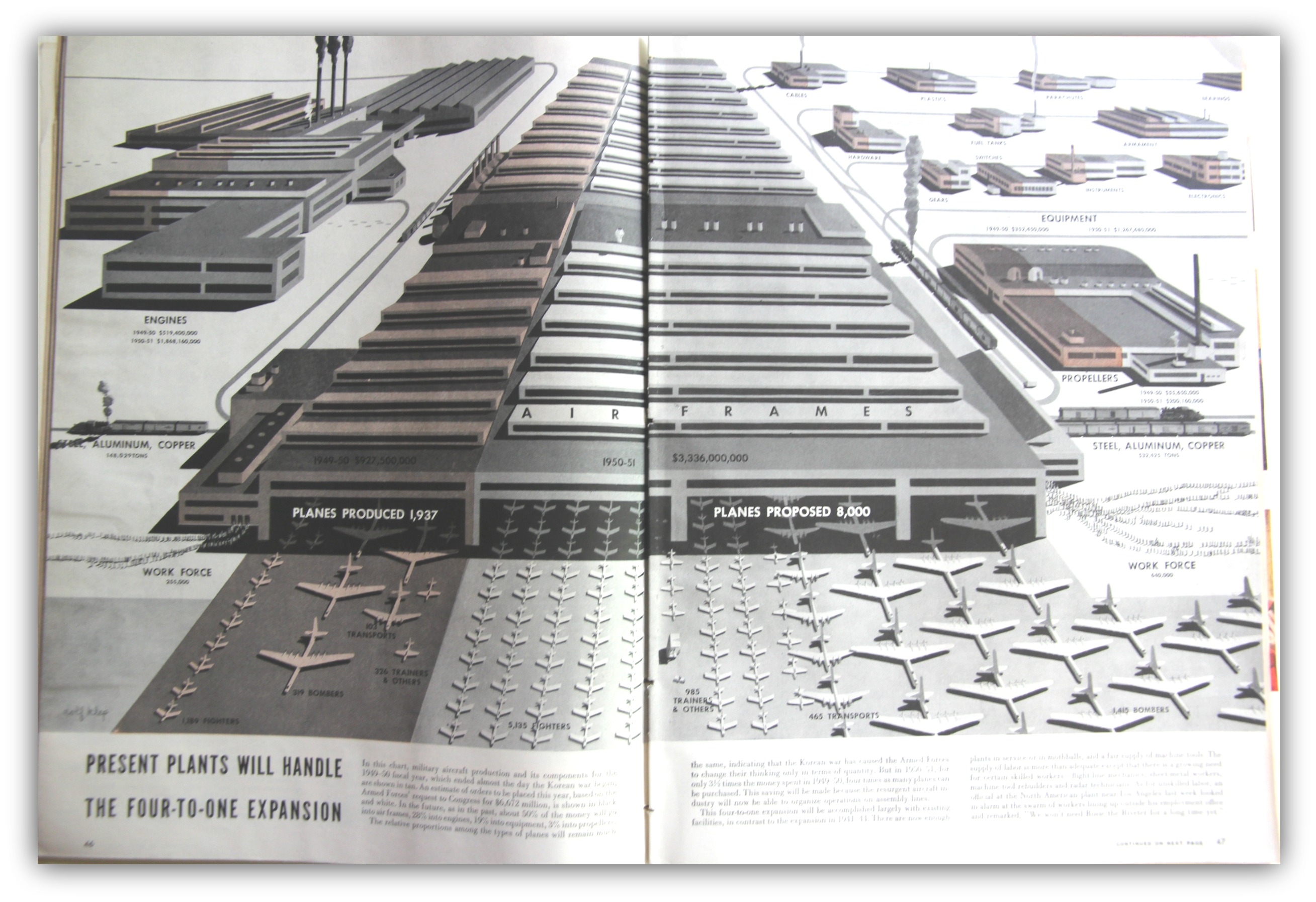
As stated, this is a simple post of an interesting piece of graphical display of data, this time coming from Life magazine, August 28, 1950. It vividly compares the general production of military aircraft for 1949/50 versus what was coming in 1950/1. We can see comparisons for budget, workforce, aluminum, copper, engines, and of course aircraft (trainers, fighters, transports, bombers), and shows the huge difference between the relative peace of 1949 and the beginning of the Korean War two months earlier than this article in 1950.
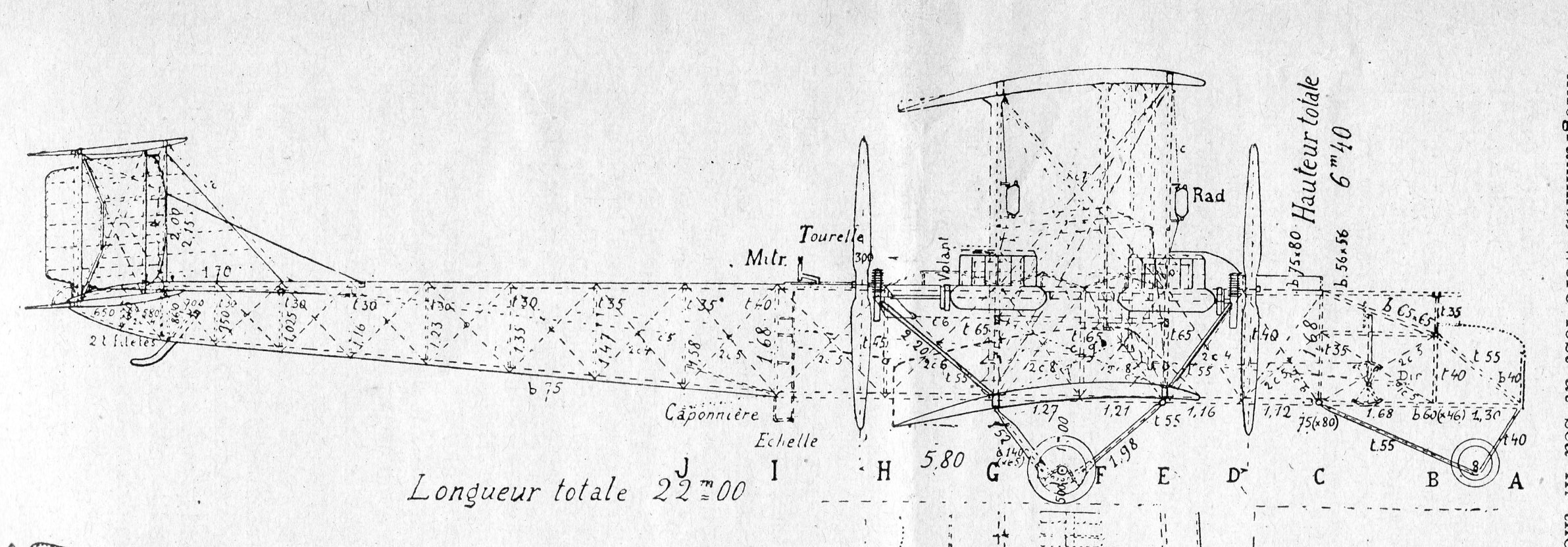
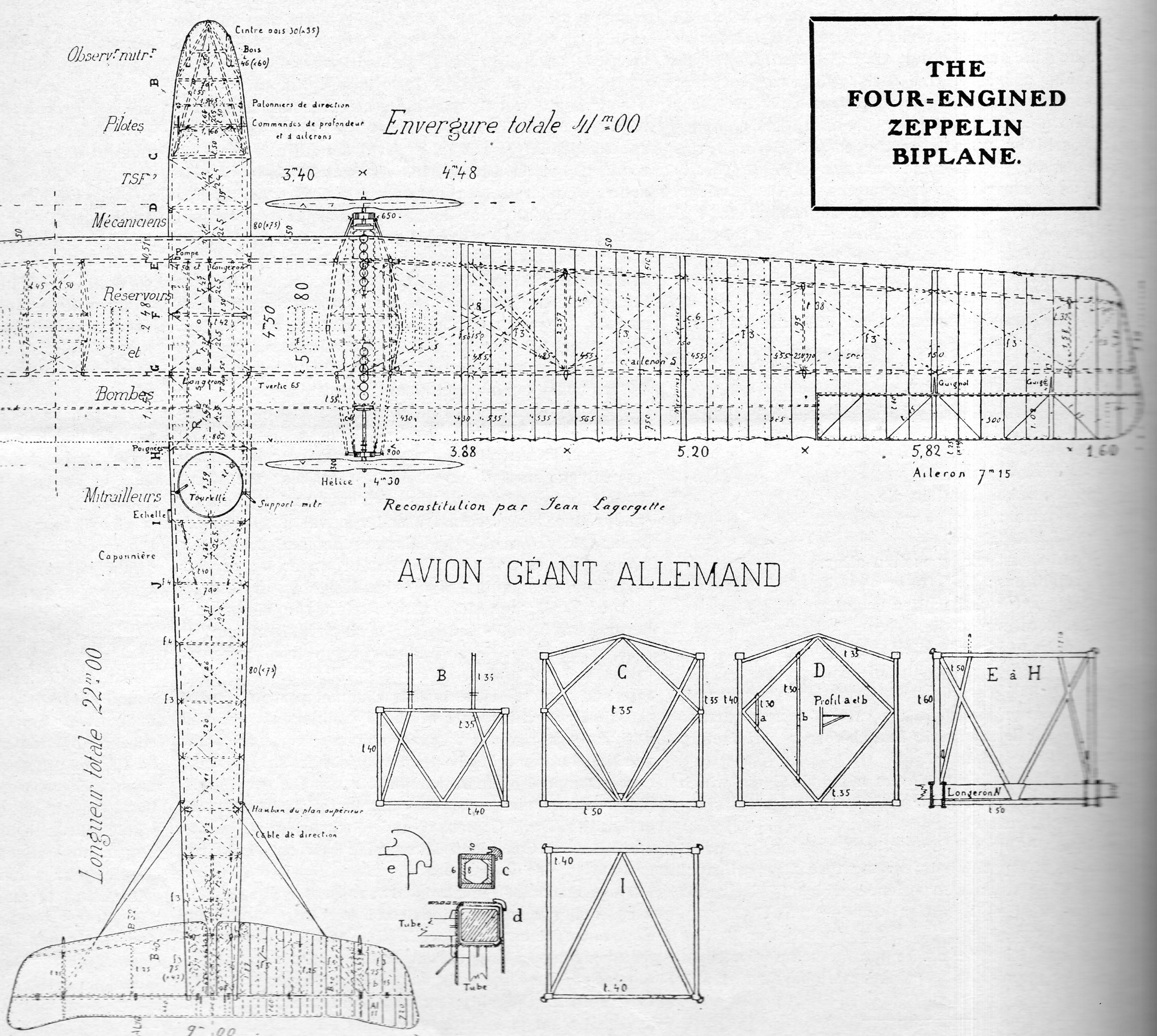
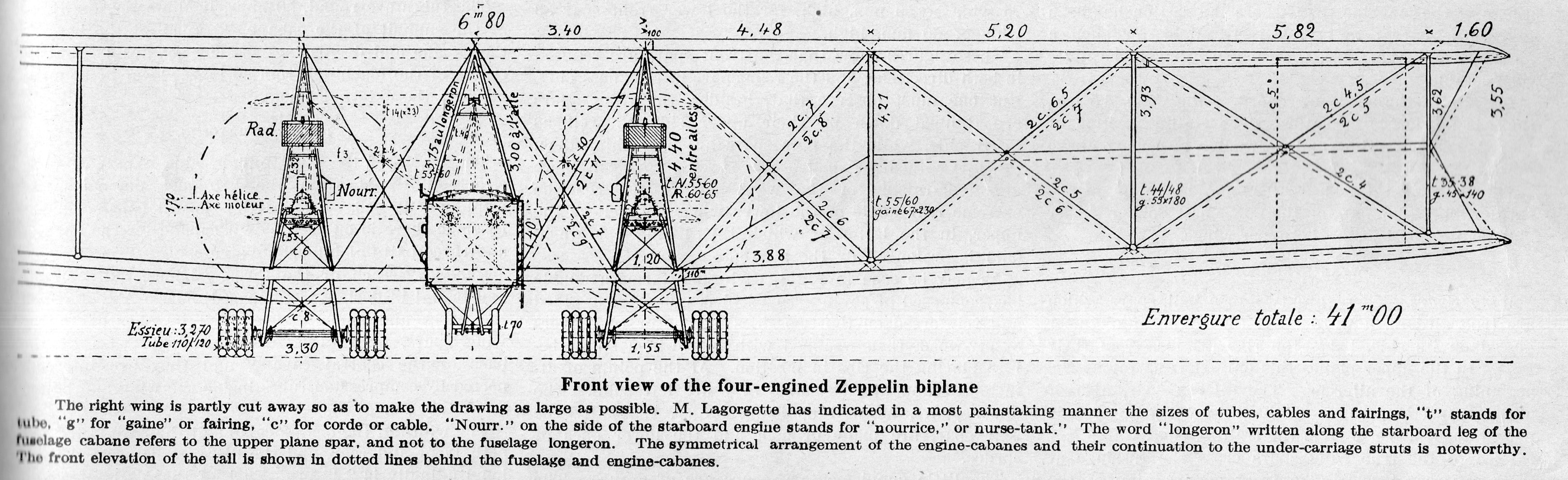
I found these schematics in the November 16, 1918 issue of Engineering, published just a few days after the eleventh hour of the eleventh day of the eleventh month. No doubt the plans were made from a downed aircraft, and I suspect it was probably not published during the war. This was about the largest plane produced during WWI, and it was a beast. In any event, I’ve reproduced the plans below.
and
and
And a larger version of the above, just because it looks so cool:
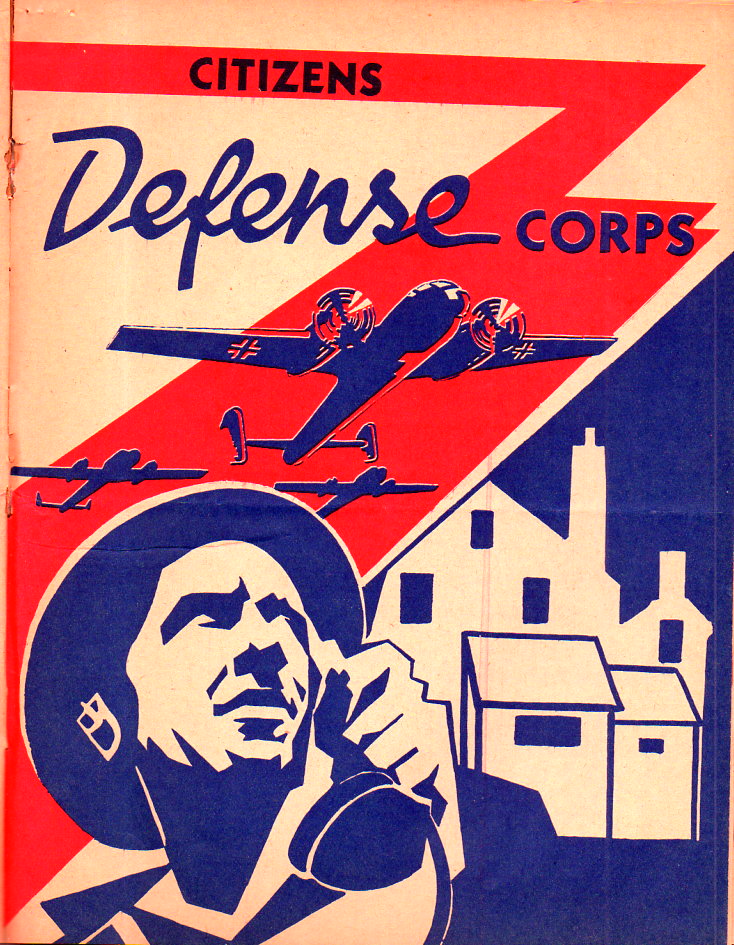
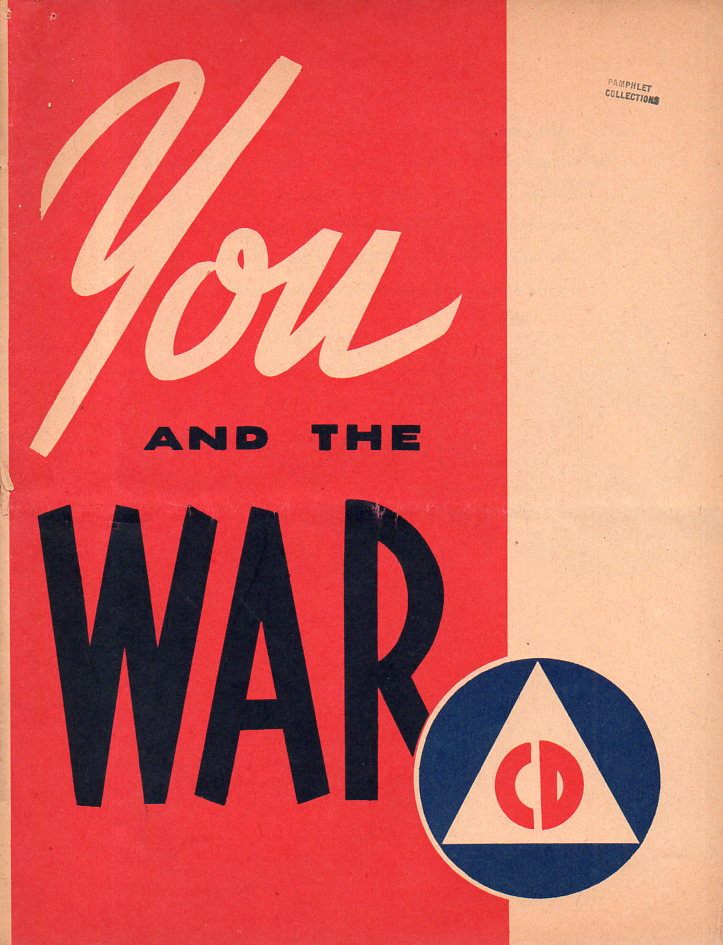
There’s some very strong stuff in this U.S. Civilian Defense (CD) pamphlet–the graphics are as razor-sharp as the suggestions that the pamphlet was making. This was issued in the hurtlocker year of 1943, and it called for all manner of civilian volunteers to train for keep-society-together stuff should there be an attack on the United States.
[Image depicts an air warden calling in his observation of a German air attack. The aircraft looks to me like a Dornier Do 17 “The Flying Pencil”.]
The “Civilian Protection Jobs” on notice and advised in this pamphlet included calls to citizens for: command section (3 per 1,000 population, 20 hours training); Drivers Corps (5 per 1,000, 38 hours of training); Messengers, (8 per 1,000, 20 hours of training); rescue squad (2 per 1000, 40 hours of training); auxiliary police (4 per 1000, 23 hours of training); auxiliary firemen (4 per 1000, 27 hours of training); fire watchers (15 per 1000, 10 hours training); demolition and clearance units (2 per 1000, 10 hours of training); decontamination units (1 per 1000, 20 hours of training); emergency welfare units (1 per 1000, 7 hours of training). There is also an index for another hundred or so jobs that needed to be filled in time of national emergency.
The cover:
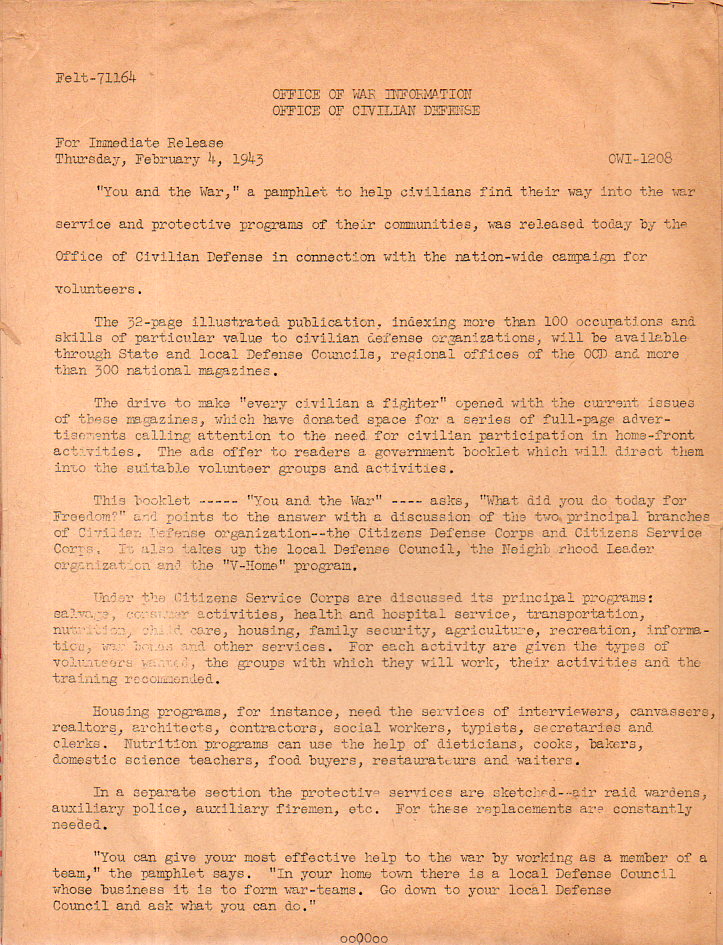
As it happens my copy was one of two sent to the Library of Congress for copyright purposes and it includes this press release, which explains the pamphlet:
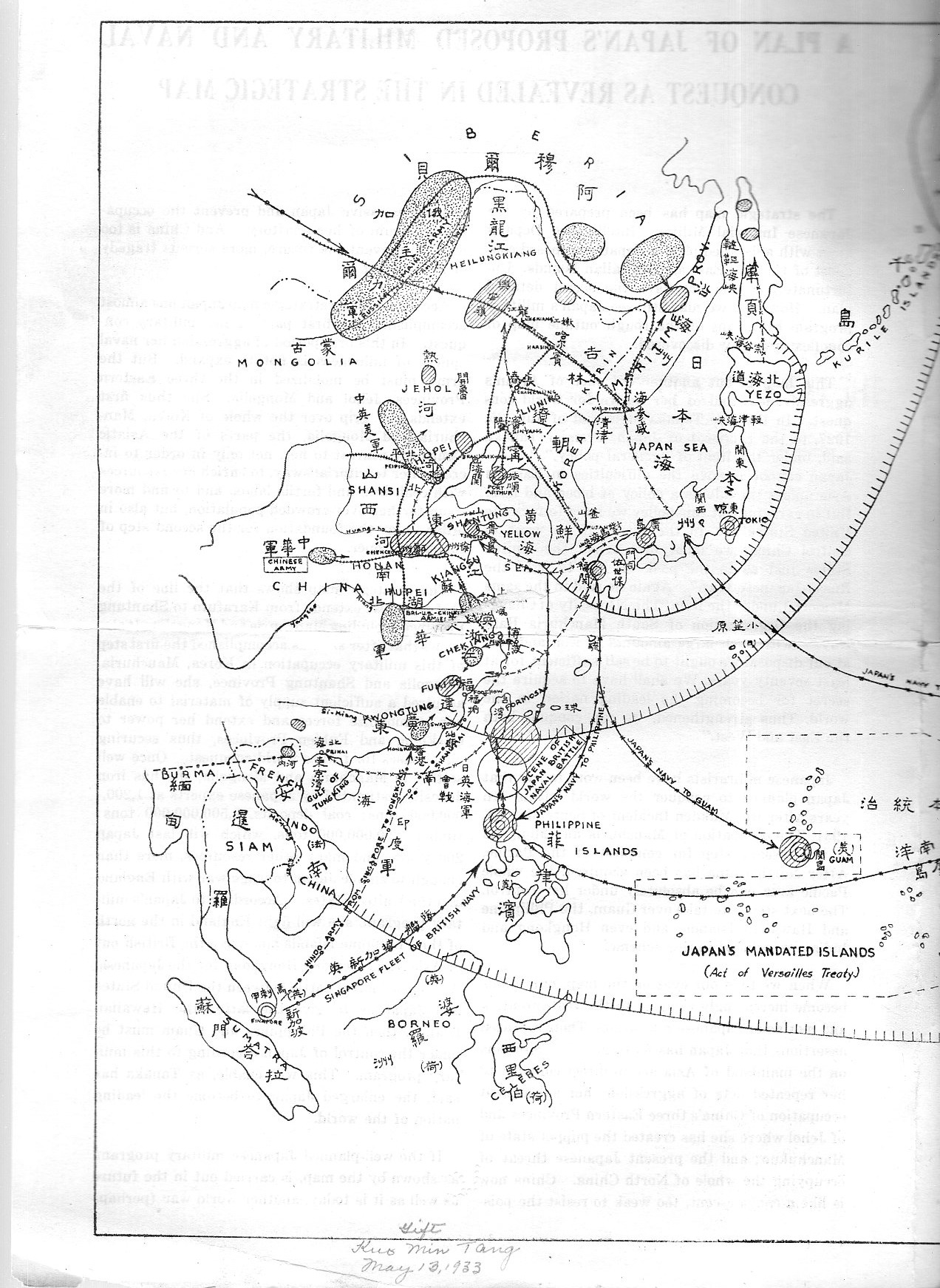
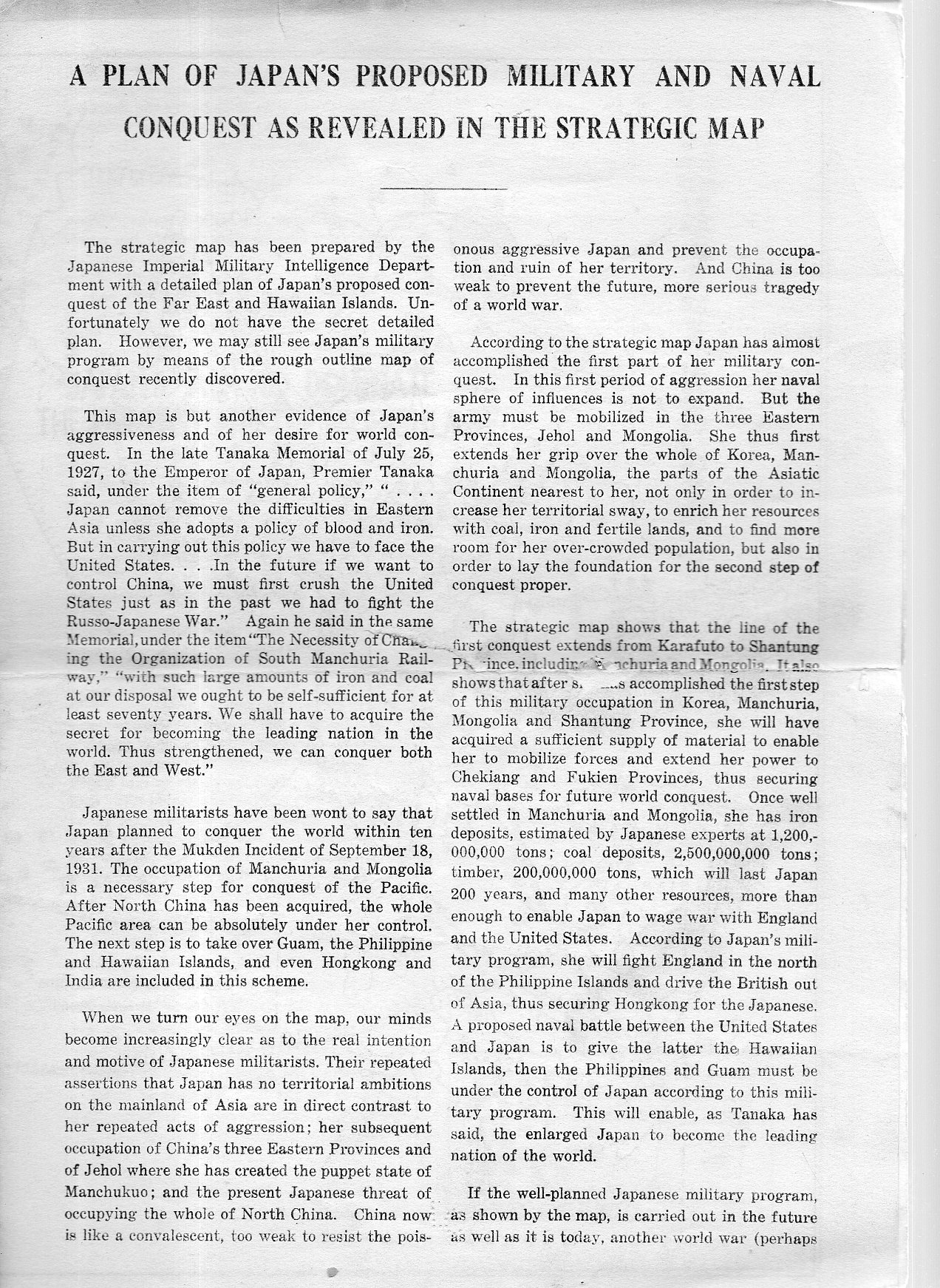
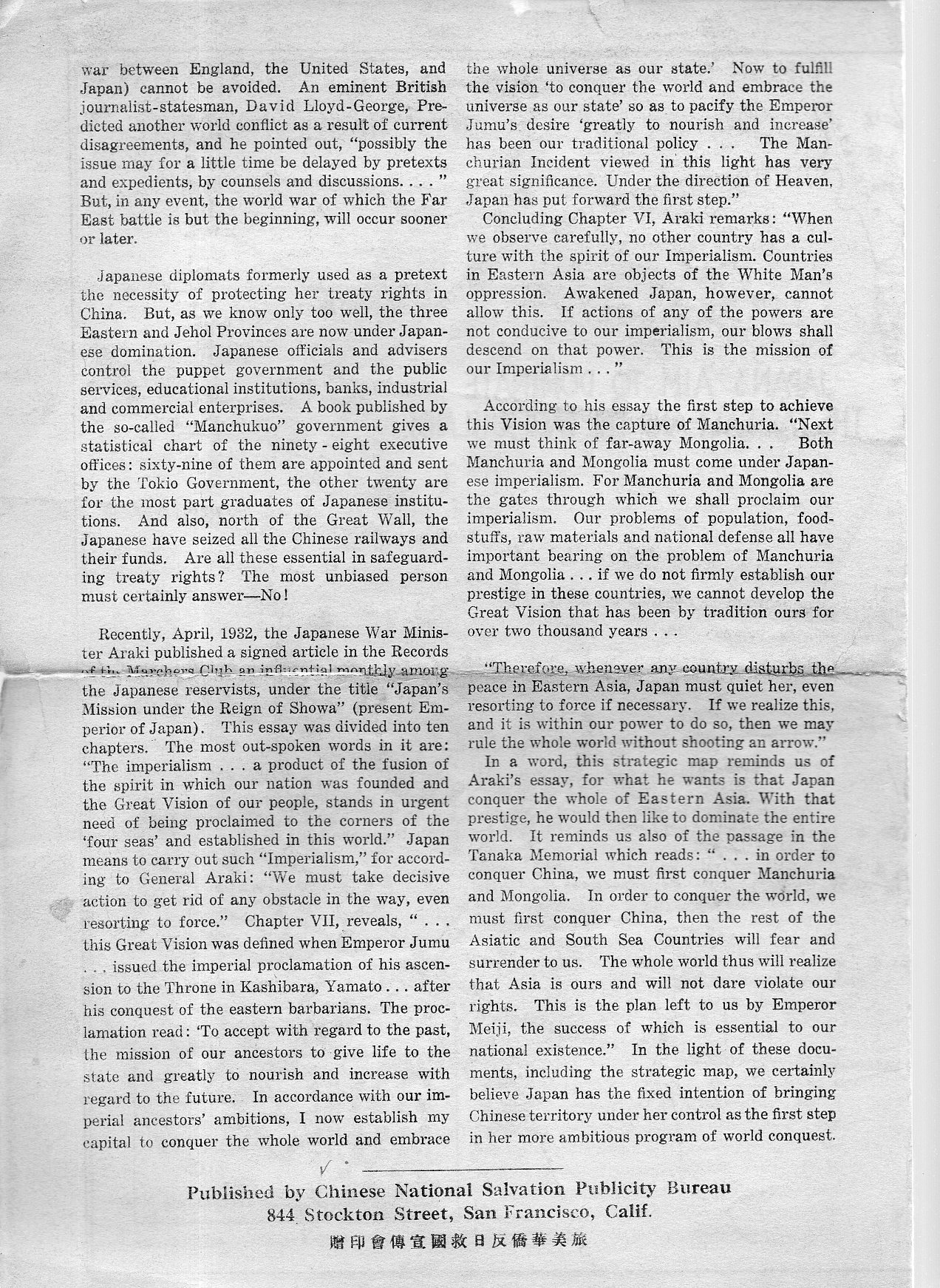
I do not unfortunately have much information on this very interesting (and to me unexpected) map, nor do I know very much about the history of Japanese militarism and planning 1925-1935–I do though want to at least post/share it for interested parties.
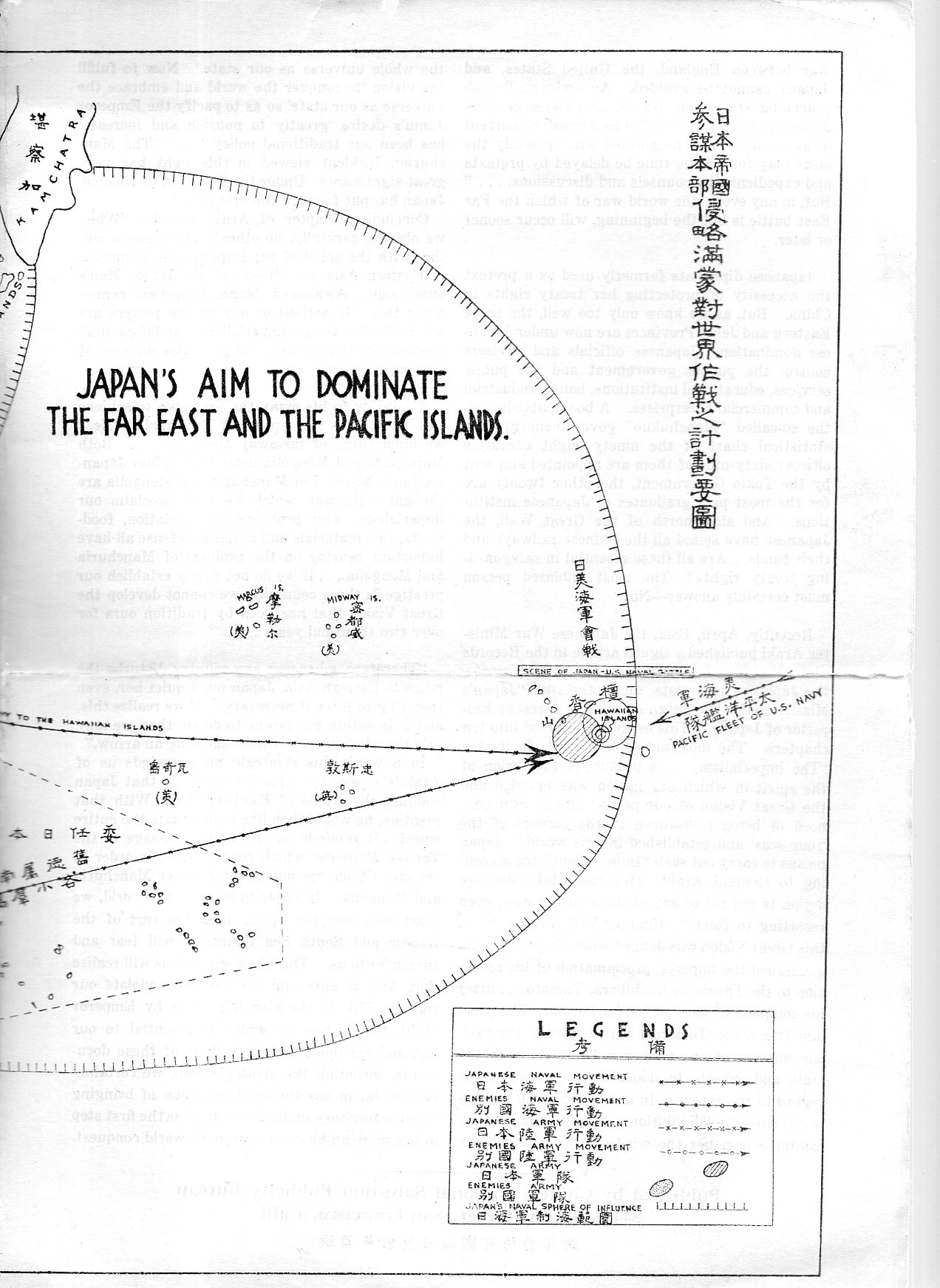
A Plan of Japan’s Proposed Military and Naval Conquest as Revealed in the Strategic Map appears no later than 1933. The single-sheet folded pamphlet contains two pages of text along with the middle two sheets of the map, “Japan’s Aim to Dominate the Far East and Pacific Islands”. The document was part of a very large collection I bought of the Library of Congress, and according to the pencil notes on the pamphlet it was sent to the L.C. by the “Kuo Min Tang” on May 13, 1933. (It was curious to see the KMT referred to as though it was someone’s name, rather than a political party begun in the People’s Republic of China in 1894.)
This is a piece of anti-Japanese propaganda coming from the KMT, and it is published by the Chinese National Salvation Publicity Bureau (844 Stockton Street, which looks today like it is the Sun Yat-Sen Memorial Hall) in San Francisco, After all, the Japanese had been savaging around in China on and off since the First Sino-Japanese War at the end of the century, and then again heating things up in the early ‘thirties with the Japanese-instigated the Shanghai War and the invasion of Manchuria–the Chinese no doubt were seeking allies wherever they could them.
There are a lot of lines of conquest on this map, encompassing nearly all of South East Asia. The largest sphere of “influence” extends all the way to the Hawaiian Islands, where the Japanese would take the islands by a “naval battle” with the U.S.
I’ve checked WorldCat for other copies and found only one mention–same thing for the internet.
This map is available for purchase via the blog’s bookstore, here.
There’s another interesting story on the use of “Archie” as a nickname in another military situation, here, in an earlier post, “George and Archie: Two Misty Names in Making Everything Into Nothing. Hiroshima, 1945.”
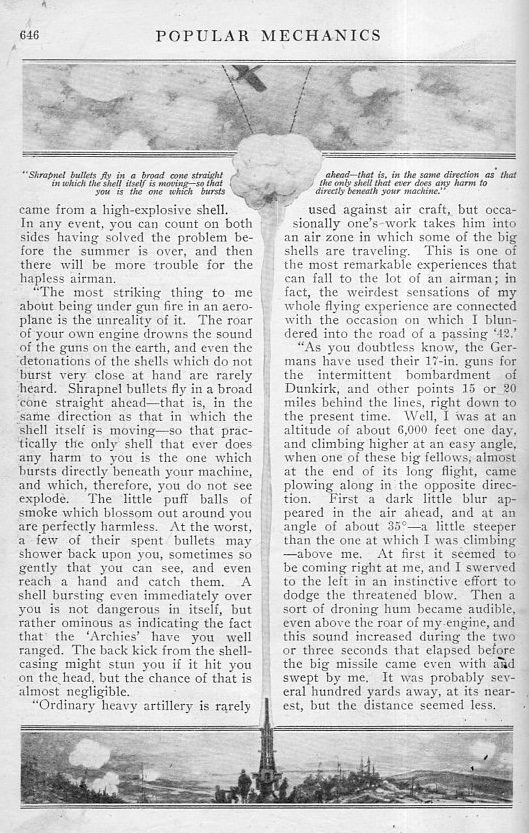
This interesting graphic appears in the article “Airmen’s Sensations in Battle” in Popular Mechanics, November 1916. It hows a cross-section, of sorts, of an air battle with antiaircraft involvement, and to my experience is of a very unusual design. The author writes of being chased by Fokkers and then met by “Archie” (British slang for antiaircraft guns) fire from below. Overall it is an effective design that heightens the sense of the story.
Notes:
“Archie”: “Nickname given to anti-aircraft fire during First World War. Said to derive from a British pilot who reacted to enemy anti-aircraft fire by shouting the line from a music hall song ‘Archibald certainly not’. This caught on and was inevitably shortened to Archie.”– Phil Jobson Royal Artillery Glossary of Terms and Abbreviations Briefly put, the AA situation during WWI was, well, primitive–necessarily primitive, I mean. There was some improvisation against balloons earlier on but the first AA-downing of a military aircraft was evidently in 1912 in the Italo-Turkish War. In 1916, two years into the war, the development of firepower against aircraft (and the detection of them, which extended to acoustical devices for the greatest part) was still in its very earliest stages.
Major General George Veazy Strong (USMA ’04), in 1943 as the Assistant Chief of Staff of the Army Intelligence Unit (G-2)–a position of enormous importance–delivered his very sober and reasonable summation on the strength of the Axis forces before the U.S. Congress (on October 20 and 21, 1943). which was printed in this report. (It is of historical and bibliographical interested to note that this document was in the library of the Office of Strategic Services (the O.S.S., the precursor to the C.I.A.) before it was sent to the Library of Congress and deaccessioned.)
The document is somewhat over-sized (at 12×9″) and is 13 pages of text, followed by 17 leaves of diagrams, some of which are very strong images of superior design. Strong was very highly accomplished, of very wide experience, and was an excellent thinker. His report was concise and thorough, and must have made a mark on his listeners in the House and Senate.
The report seems to be rare–I cannot find mention of it popularly in the social media, and there seems also to be no trace of it in the WorldCat outside of an LP recording (at the Library of Congress), meaning that there seems to be no copies of the printed version in libraries worldwide.
This is an interesting read, and since it appears to be nowhere I believe I should reprint it, here, shortly.
The original is available via the blog’s bookstore, here.
I was cataloging some WWI material today and came across this book–again. I thought I had placed it in with the early mimeograph/reprographic materials but then there it was, with the WWI pamphlets. But then it struck me that I had seen it in that mimeo collection–and so I decided to check out my associative memory and, oh weird joy of weirdness, there was another copy of the work. Generally this would be rather uncommon with my stock since so much of it is really fairly obscure and scarce, but this one is exceptionally odd because it seems already to be near-unique.
The book is History of the Second Division (Regular) AEF. Text. -AND- History of the Second Division (Regular) AEF, Notes., and reads “Copyright 1936, The Second Division Historical Committee, Major General Preston Brown, Chairman”. The work stands in two tall (13.5×8″) volumes, a chunky 282+156pp; each page contains about 550 words, giving the work a length of about 250,000 words.
This is evidently an earlier version of a work that would be popularly published in 1937 as the The Second Division, American Expeditionary Force in France, 1917-1919, by J.W. Wright (text) and Oliver L. Spaulding (Notes), as the work above and this share the same copyright number. The authors are not identified in this work, and for its year of publication there are no copies located in the OCLC/Worldcat.
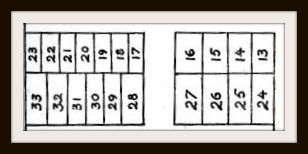
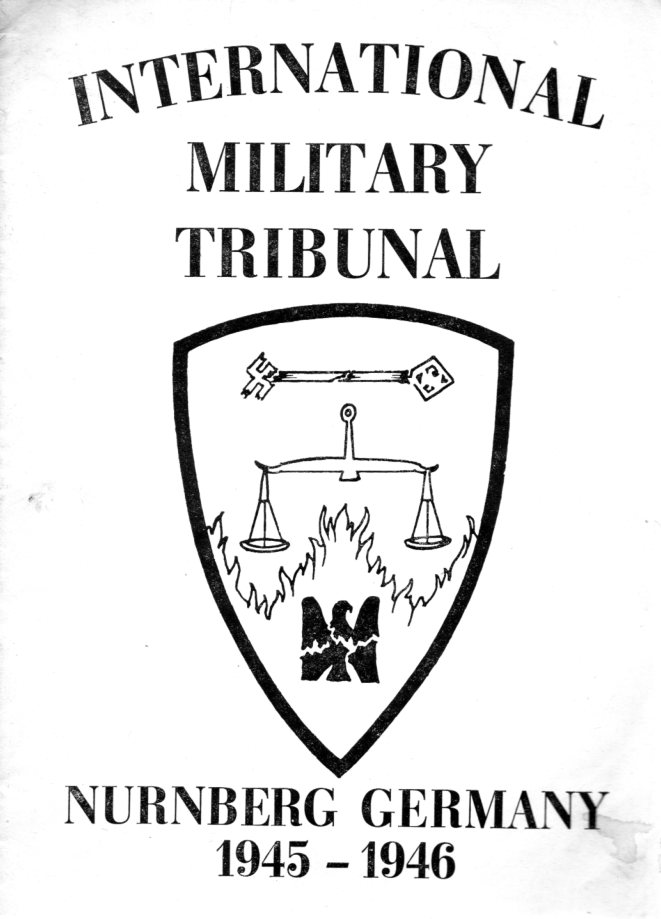
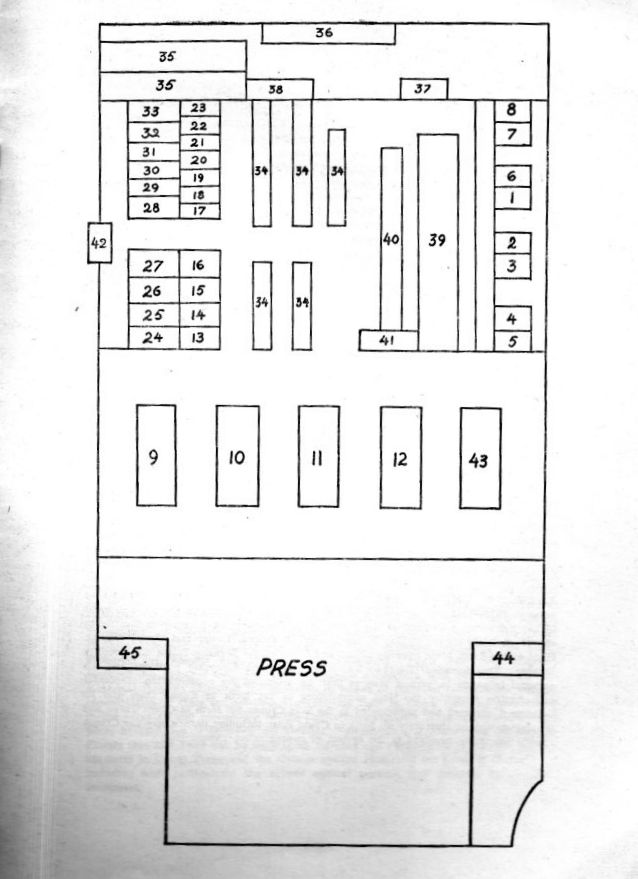
In all of the reading that I have done about WWII, I haven’t done that much on the war crimes trials and tribunals afterwards, save for Goering, Schacht, and several of the companies/industries like I.G.Fraben–still, I think I’ve never seen a diagram of the seating arrangement at Nuremberg. But here one is, in this small pamphlet introducing the International Military Tribunal printed by military order in 1946.
We have all seen images from the newsreels shown in documentaries, which seems to give the physical auditorium a rather large feel–with this diagram, and seeing how closely the accused Nazis sat next to each other, the proceedings looked as though they took place in a rather not-large space.
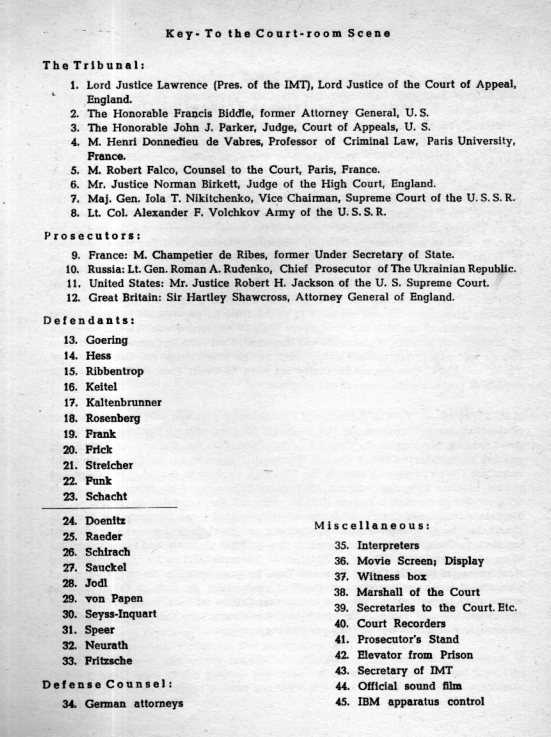
More to the point though is the detail which I’ve segregated above. These are seat assignments along benches for the Nazis being adjudicated for war crimes. The diagrams make the seating arrangements look segmented, by they are not. (The key to the seating arrangements is reproduced below.)
There are 21 names associated with those space, 21 of the most infamous names in the Nazi regime; 11 would receive the death penalty; 3 would receive life, 4 would receive various sentences of 10-20 years, and 3 would be found not guilty.
For the record, and in order as they appear on the list below: Goering, death; Hess, life; Ribbentrop, death; Keitel, death; Keltenbrunner, death; Rosenberg, death; Hess, death; Frick, death; Streicher, death; Funk, life; Schacht, noty guilty; Doeniotz, 10 years; Raider, life; von Schirach, 20 years; Saukel, death; Jodl, death; von Papen, not guilty; Seyss, death; Speer, 20 years; Neurath, 15 years; Fritsche, not guilty.
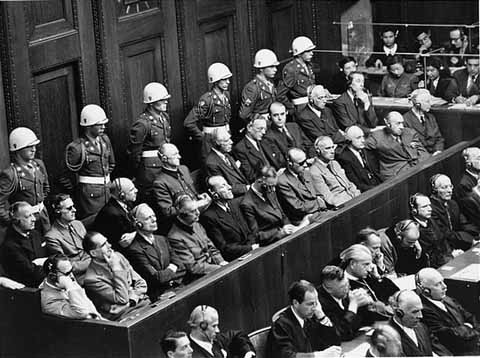
Here’s a photo of the seated group from above, Goering (#13) is seated at bottom left center, head in hand. He would soon be dead by his own hand.
I’ve not had anything to say about the Nuremberg Trials ebcause I think that everyone coming here already knows enough about them to appreciate this “map”.