A Daily History of Holes, Dots, Lines, Science, History, Math, Physics, Art, the Unintentional Absurd, Architecture, Maps, Data Visualization, Blank and Missing Things, and so on. |1.6 million words, 7500 images, 4.9 million hits| Press & appearances in The Times, Le Figaro, Mensa, The Economist, The Guardian, Discovery News, Slate, Le Monde, Sci American Blogs, Le Pont, and many other places… 5000+ total posts since 2008.

Category: Industrial & Technological art

  • Graphical Display of Data–Profiles of British Destroyers, 1949

    JF Ptak Science Books  Quick Post     

    Display of Quantitative Information series.

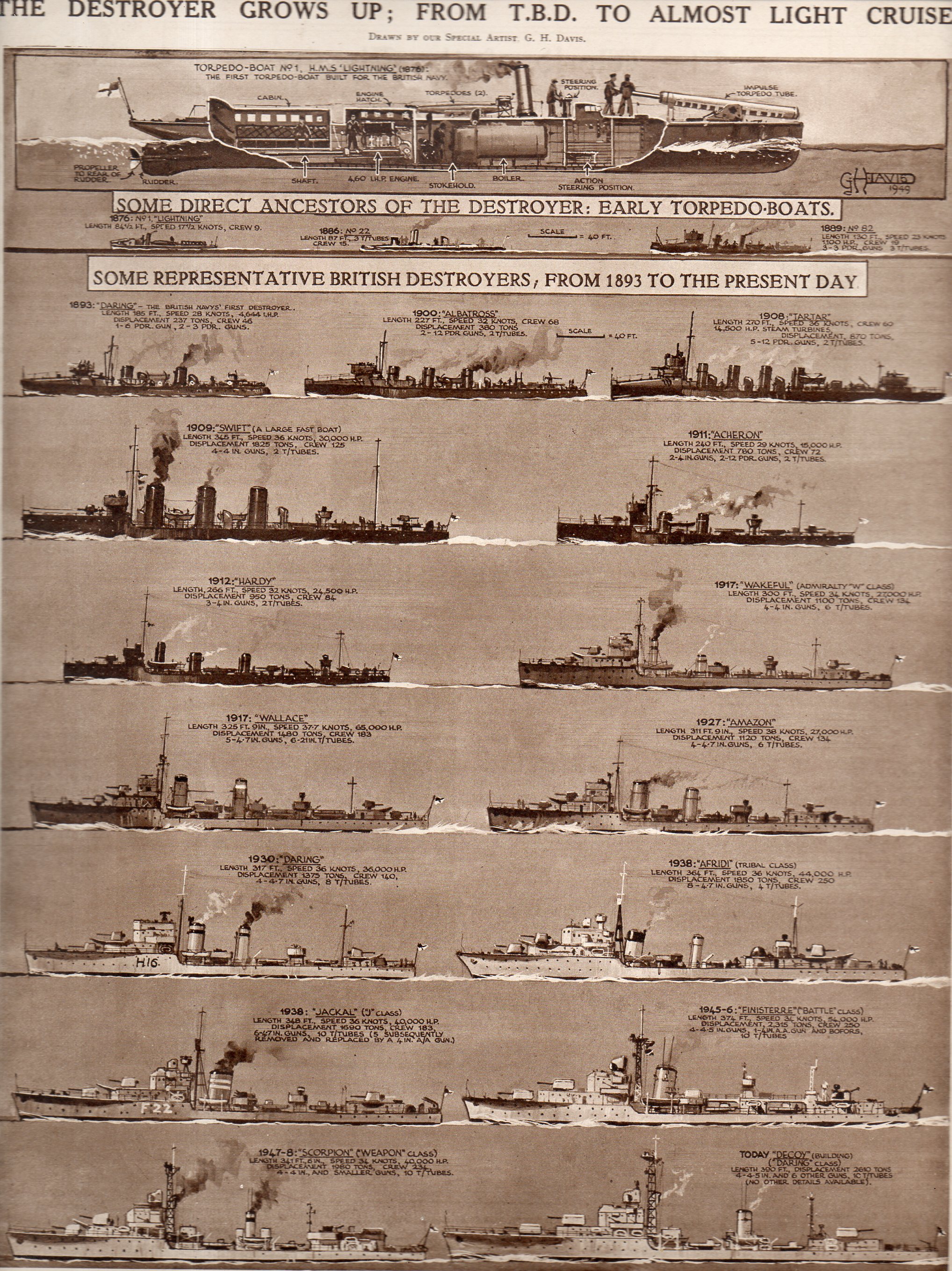
    I found this interesting and lovely display of empirical data, and I like it quite a bit, even though it really isn’t a good example of a graphical display of information.  The chart was intended to show the differences in the profiles of British destroyers, and not much more.  The image appeared in The Illustrated London News, April 23, 1949.  

    Hic--the Destroyer191

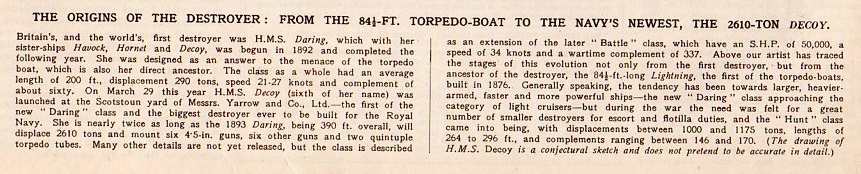
    And the text:

    Hic--the Destroyer text192

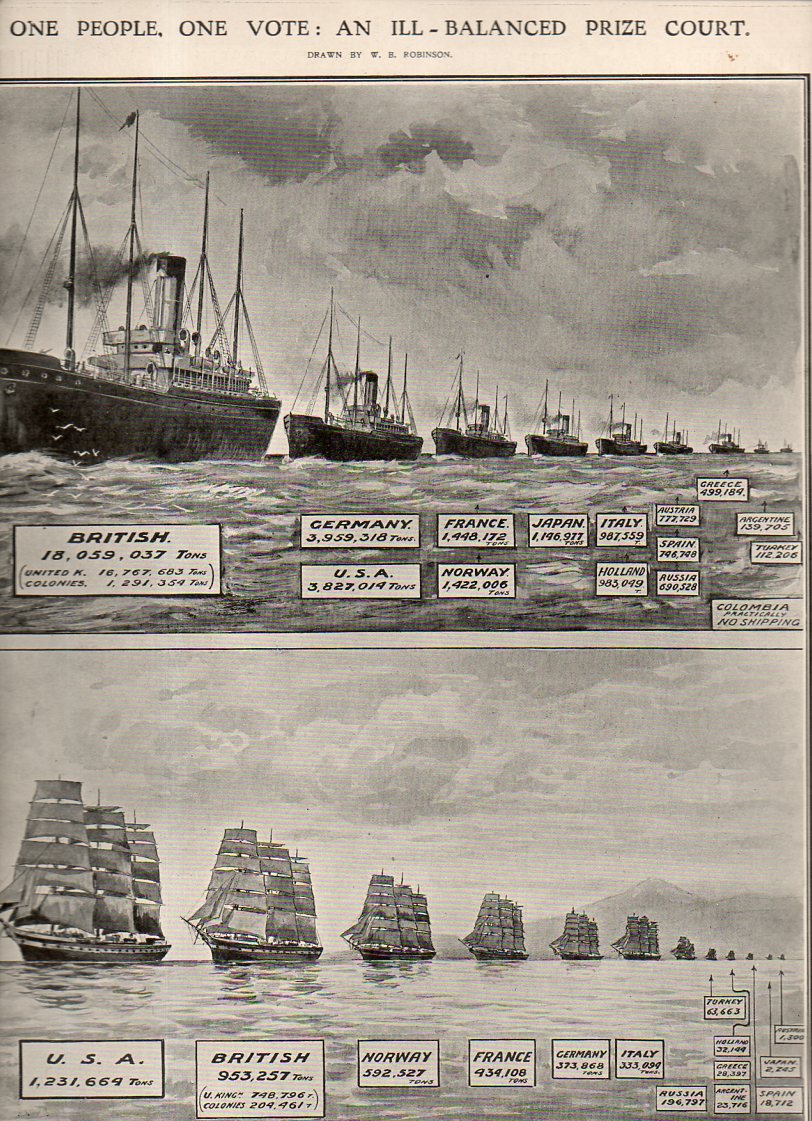
    Then there’s this (below) a good graphical representation of the size of fleet strengths, steam and sail, appearing in The Illustrated London News  for January 28, 1911, just a few years before the start of WWI:

    Graphic fleet size193


  • What 1.5 Billion Pounds Bought the Military in 1938: Finding a Gem Inside a Great Graphic

    JF Ptak Science Books    Post 916 (from 2010, expanded)

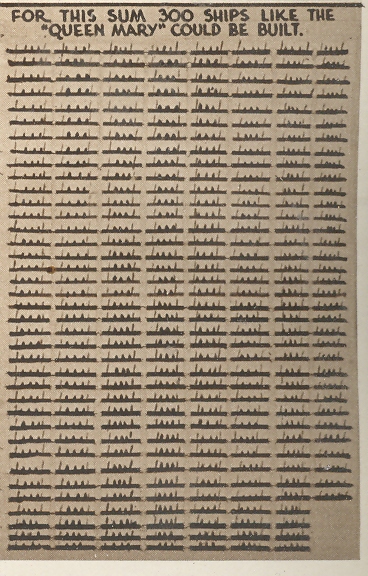
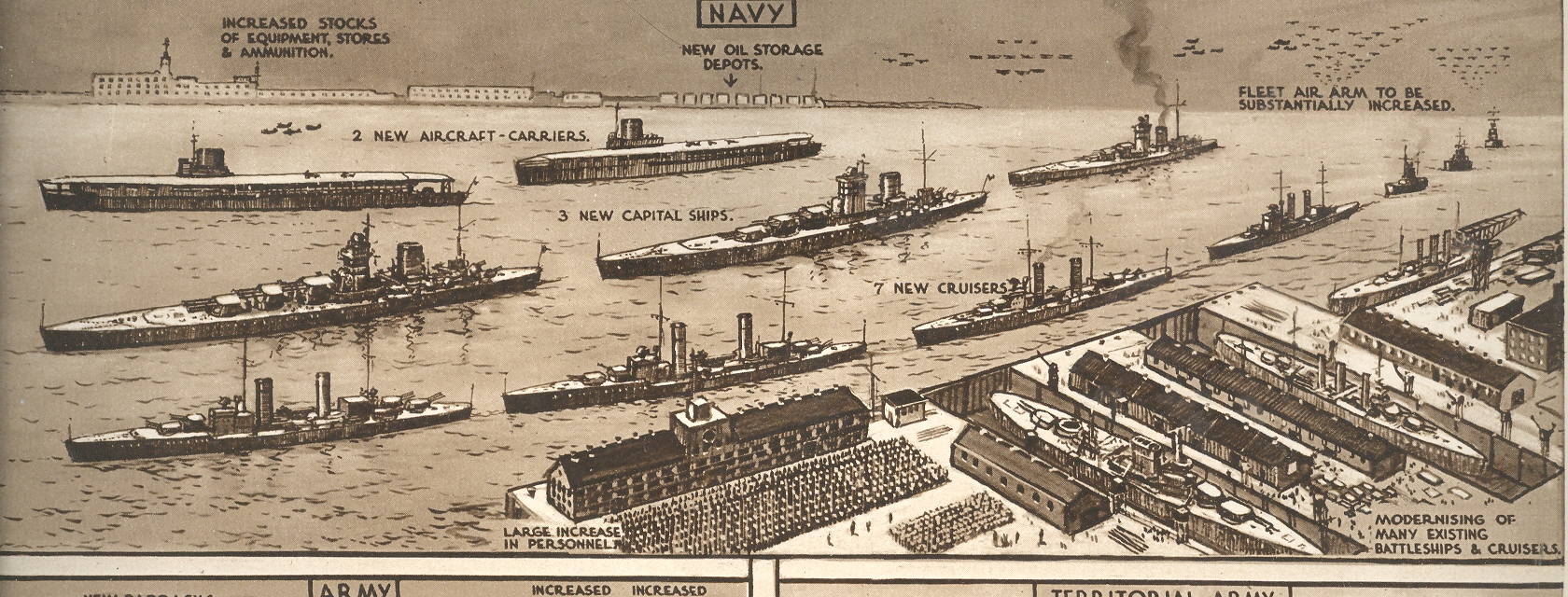
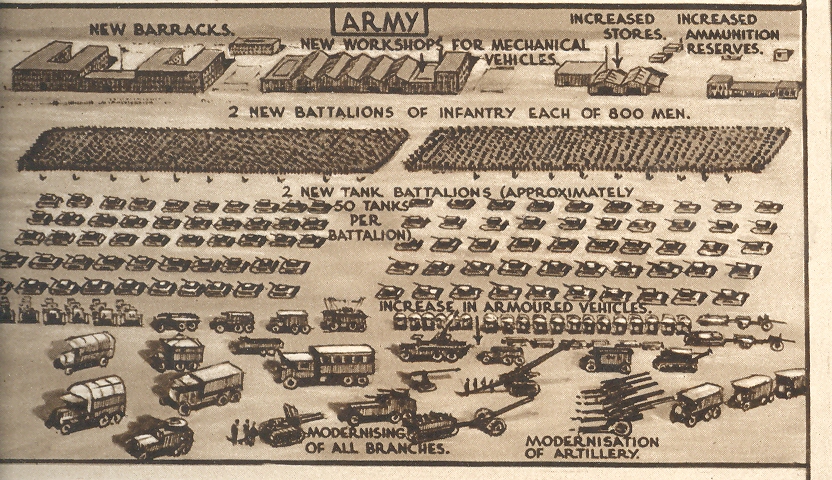
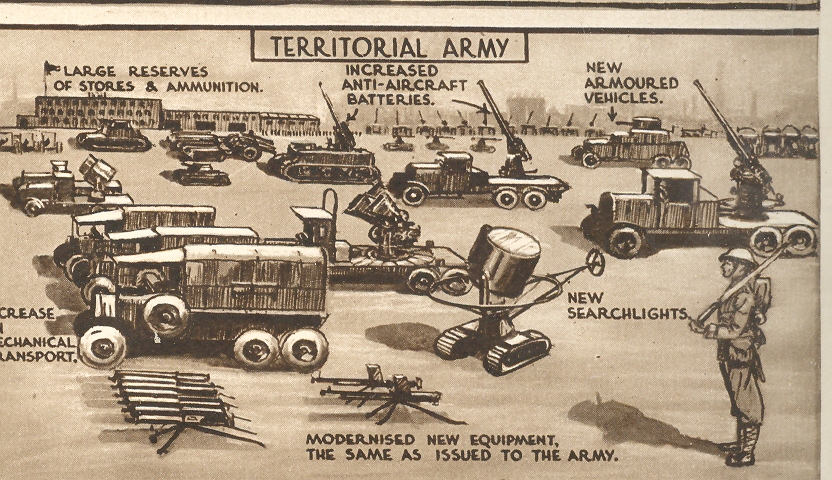
    The Illustrated London News for 27 February 1937 hosted a brilliantly designed graphic illustrating the ways in  which the British War department could/should spend 1.5 billion pounds (or about $100 billion in 2009 dollars, sort of) over a five-year period as the price of keeping the peace.  Of course they wouldn’t make it but a quarter of that distance as Austria fell to Czechoslovakia which fell to Poland and the end.  The full-page pictorial effort is to the right:

    Nestled in the corner of this page–at about 2×1 inches–is this lovely little graphic, showing that 1.5 bil could purchase 300 Queen Marys, which this delightful little design showed to great effect, and a hidden gem inside of a gem. First is a detail of this detail,

    Blog jan 22 Brit Mil bot right det 

    Followed by the full smidgen of the overall page of comparisons and analogies:

    Blog jan 22 Brit Mil bot right

    Then there’s the semi-standard presentation of what the Navy could purchase:

    Blog jan 22 Brit Mil top

    And then the Army:

    Blog jan 22 Brit Mil middle l

    And of course the Territorial Army:

    Blog jan 22 Brit Mil middle r 

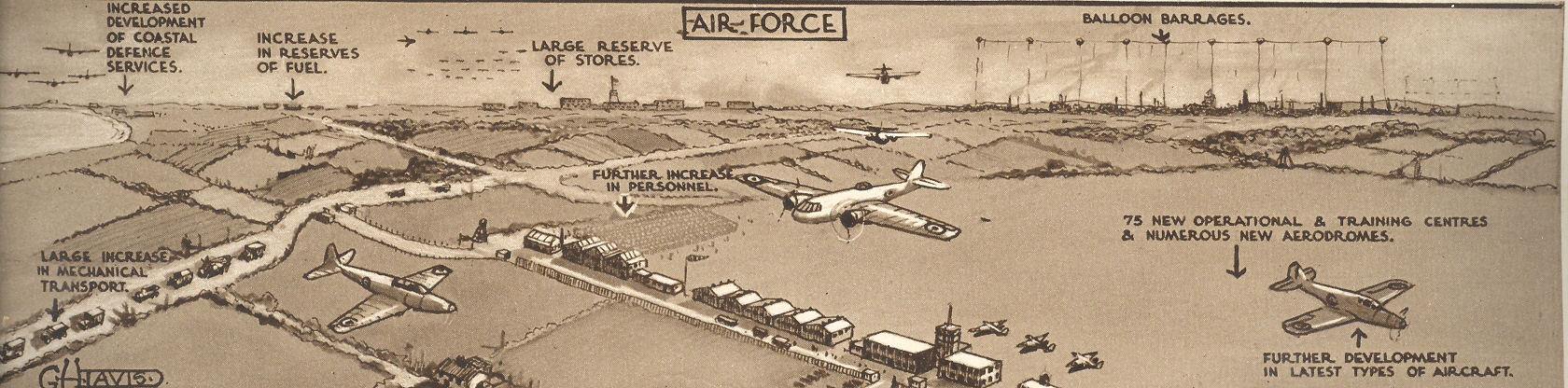
    And the Air Force (which if you look closely includes a balloon barrage  facility at upper right):

    Blog jan 22 Brit Mil middle bot

    By far the most interesting to me is the hidden gemoid of Queen Marys, all produced by the fabulous G.H. Davies, who did many hundreds of such images and sectional cutaways and plans and technical drawings for the ILN over a 25-year period.  M.r Davies may well be my favorite technical artist of this period.


  • A Finely Designed Microscope Ad, 1890

    JF Ptak Science Books  Quick Post

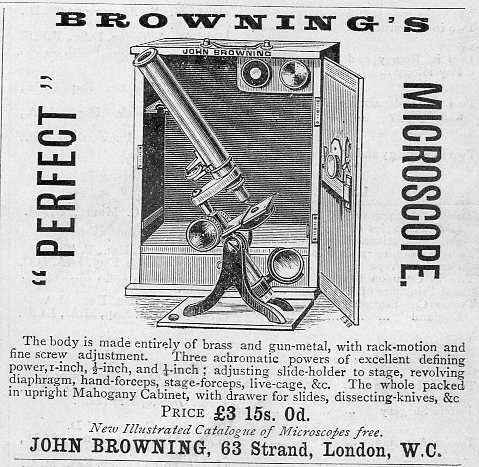
    I’m just stopping for a moment in the MArch 16, 1890 issue of Nature to admire this lovely add for Browning’s “Perfect” Microscope.  In the issue it is about two inches square–it is just a nicely designed thing. 

    Microscope154


  • Robotic Preachers of the Year 2000, as Seen from 1834.

    JF Ptak Science Books    Post 2260                                          History of the Future series

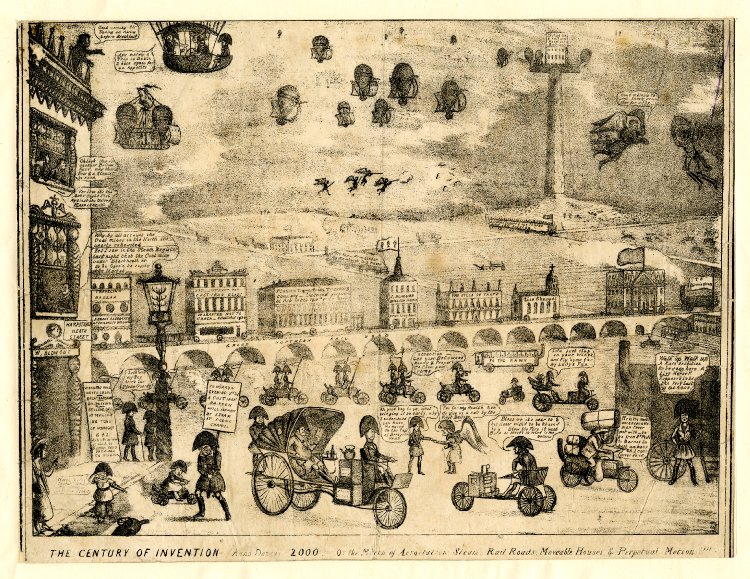
    “The century of invention Anno Domini 2000 or the march of aerostation, steam, rail roads, movable houses & perpetual motion” is a terrific lithograph, made ca. 1834, the handiwork and imagination of Charles Jameson Grant, a satirist and observer of high order.  He tried looking into the future 165 years hence, and in some practicable ways he got a lot of it right–the imagery wasn’t there, but the ideas were.  

    Grant year 2000

    [And as long as were slightly on the subject, the idea of “anno domini”, or “the year of our savior”, was an idea controlling the past and future aspects of time that came into being about 500 years after the birth of the event upon which the savior years are based.  The idea of anno domini was really in widespread use until the Middle ages were well underway, around the year 800.]

    It is difficult to make out from this print (found at the British Museum site, here) but the small visual clues and textual bits are very interesting.  First of all the print displays things like small and large individual steam-powered four-wheeled vehicles, as well as plenty of balloons (in the spirit of aviation, at this point in its fourth decade and entering a great heyday) passing each other in every which way, off on adventures, or work, or in a race (as with the “out of Sight Club”).   There are also numerous people flapping around in the sky (“winging it so early”)  with their (something)-powered wings, some of whom are hunting birds. 

    The main sensation here is speed, though I would not say it was democratic–the means to be able to got to Dublin in your balloon “for an appetite” and return later in the day would have been fantastic to the 1834 reader trying to image doing such a thing on such a whim, with a newspaper in your lap–but certainly it would be available to the leisurely class.  

    There was also an idea for balloonic (first time I’ve ever typed that!) communication, as one man in a balloon shouts to another to “give me a call by the first balloon”, meaning perhaps it is a communication device, or a balloon-delivered letter.  

    The dialog certainly portrays an attitude of unremarkable observation, conveying how commonplace flight and mobile towns and steam cars would be in the year 2000.  That’s where one of the great insights comes into play–at lower left there is a person remarking about a race, and the exclamation upon a great rarity being shown: a live horse.  That Grant would make this an issue is interesting, as it would certainly rub the 1830’s consciousness the opposite way of what the brain expected to see in the street, and that was horses.  Horses powered much of transportation at this time, and to imagine a world in which the horse would be gone would’ve been, well, unimaginable.

    Ditto too the great and extensive coal mines fueling the Industrial Revolution (and it isn’t as though factory workers in 1834 woke up int eh morning cheerfully exclaiming that, “Hey, We’re in the Industrial Revolution!”) going dry, the coal consumed.  

    Also at bottom there is a very unusual placard concerning robotics: “a cast iron Parson will preach by steam at Fudge Church”. Now this is doubly intriguing because it not only invokes a steam-powered person, but a (perhaps) thinking one.  It is also putting the word of god into the care and trust and tending–and right into the mouth–of a machine.In short–a robot preaching to a human choir.  This is still far removed from the singularity (and the assumption that Our Robot Overlords would have any interest in humans or their religious beliefs), and seems a bit on the primitive side in its display, but the intellectual imagery is pretty powerful stuff.  I assume that the power of this would’ve been less so at the time of publication, guessing that Grant was making more of a not-so-subtle satire on the steam-driven puffery of some preachers with the creativity of kettles, and that in the future this would be magnified to the point of steam and smoke. But still the idea of placing the deeply emotional stuff of belief systems in the control of a machine is extraordinary for the time, I think.

    So I think that if you hard enough at this print and don’t get distracted by the images Grant uses to try and visualize his ideas of eh future and concentrate on what these things represent, then I think that Grant got a lot of his vision right.  


  • Table Top Calculator that is the Table, and the Top

    JF Ptak Science Books   Quick Post

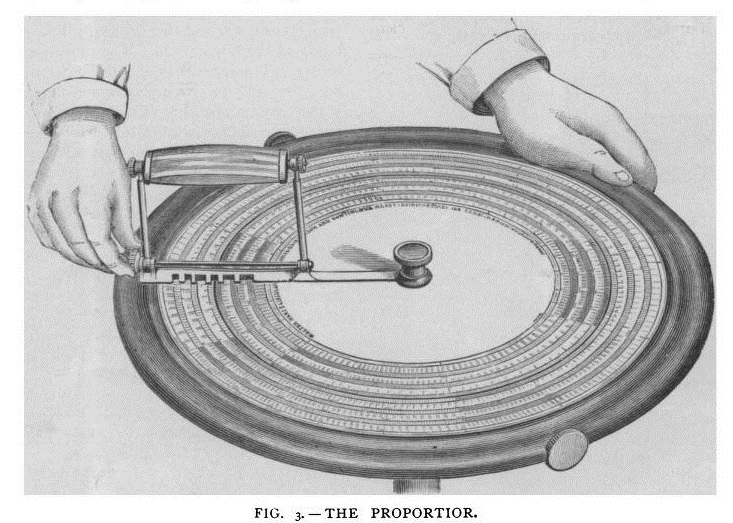
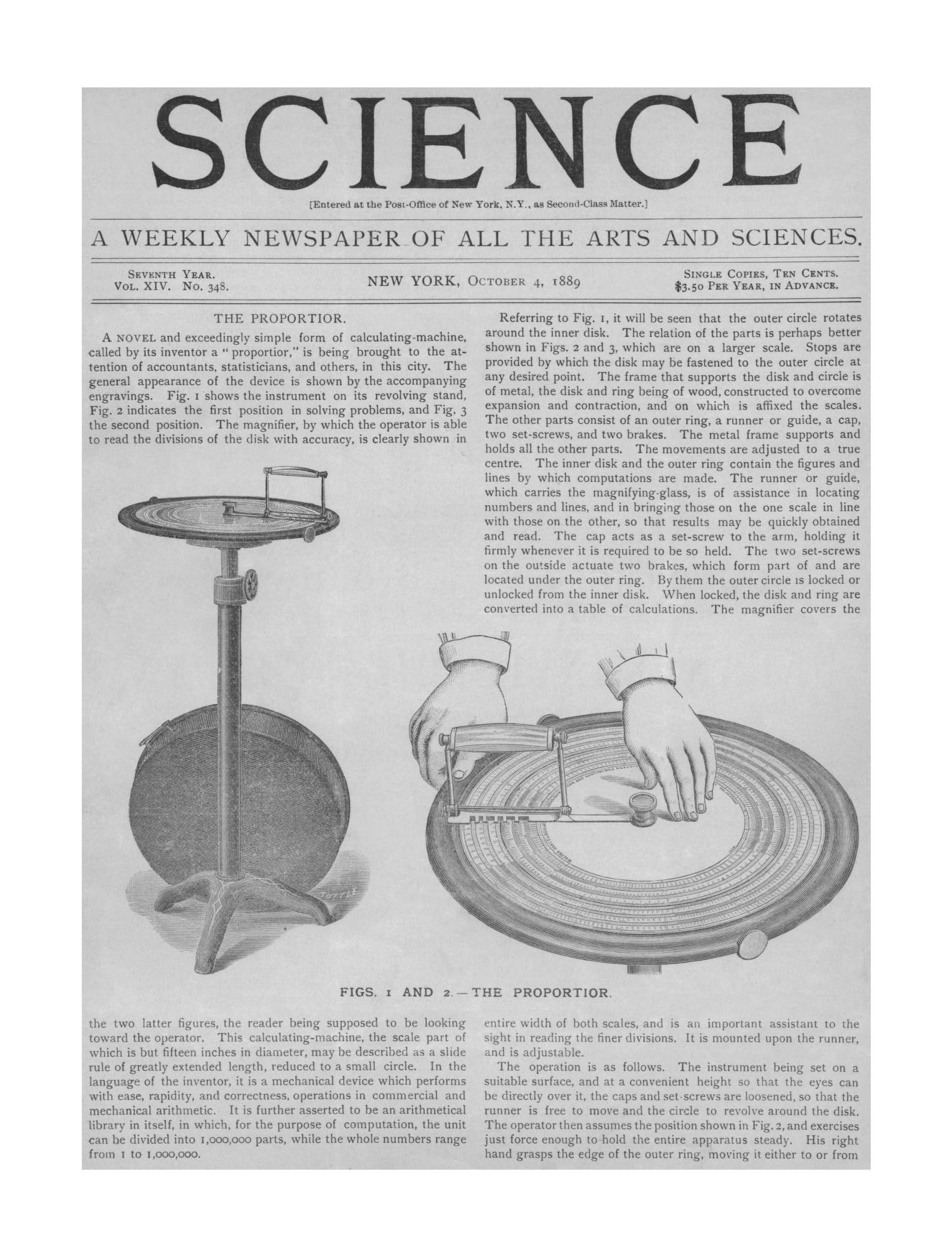
    The “Proportior” (sounding somewhat like an exclamation, like Excelsior!, and looking for all the world like it should be spelled some other more appropriate way) a fabulous desktop/tabletop calculator, as seen in the Science, October 4, 1889:

    Proportioner

    Proportioer2Thanks to Ray Girvan for the link to a successful download of images for this!


  • An Early Steam-Driven Robotic Society-Scrubber (1829)

    JF Ptak Science Books  Post 2183           History of the Future series

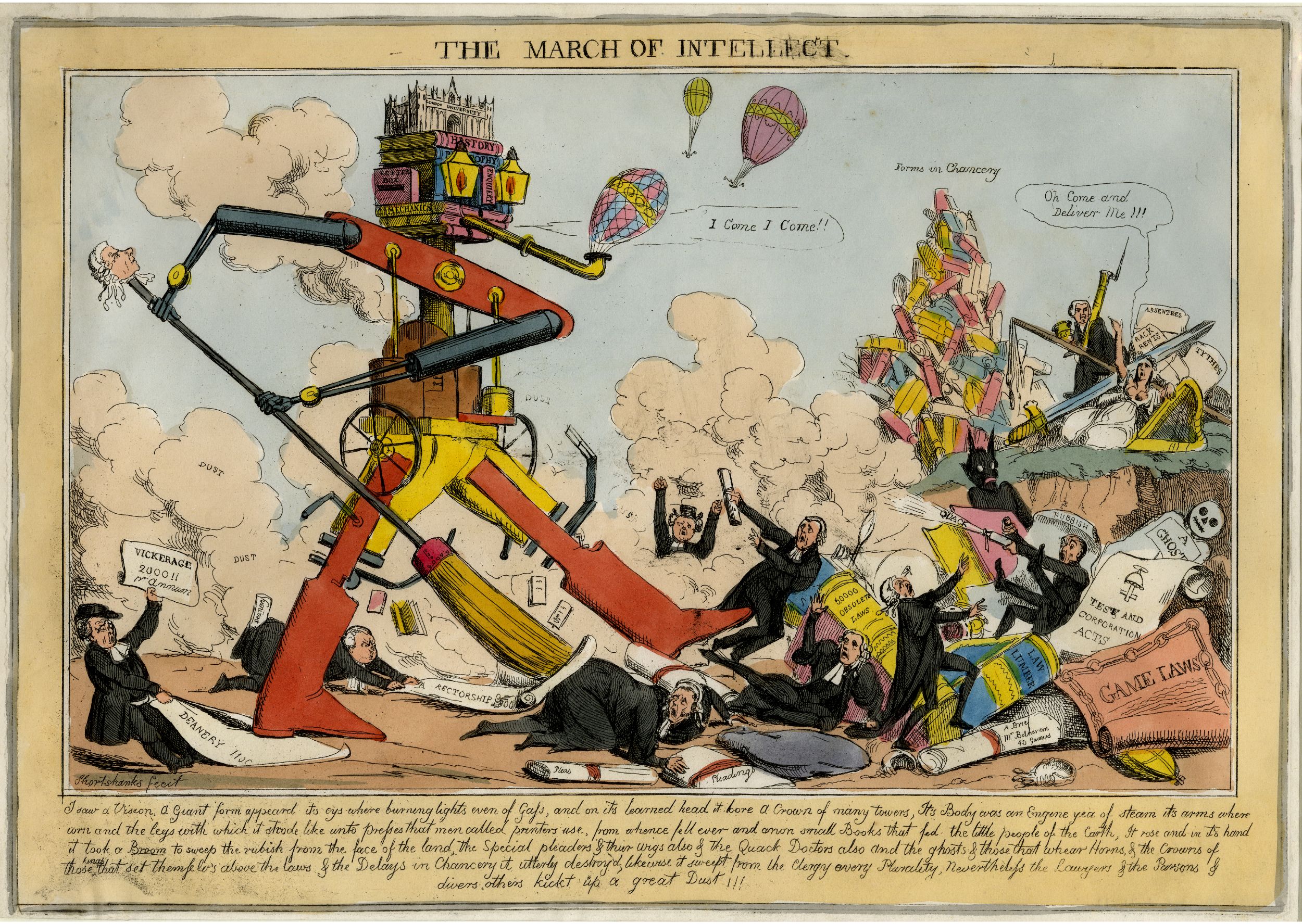
    I’ve addressed the ideas of early mechanical men elsewhere in this blog (just enter “robot” in the site search box at left and you’ll find two or three dozen related posts on the subject), but failed to include this very fine and early example by William Heath in his March of Intellect series (printed from 1825-1829).  

    Steam man heath

    He was particularly bitter about what he saw as an aristocracy of official ruination, and created an unusual steam-driven mechanical man with a book-driven intellect that swept up the great “rubbish” and “dust” of society.  At the top of this early robot (preceding the invention of the term by about 100 years) was a pile of books with a “crown of many towers”, which was London University, beneath which was a set of gas-light eyes, iron arms, and legs made of printer’s tools, sweeping away useless and insulting lawyers and jurists and their legal wigs and obsolete and repetitive rules, medical quacks, and the dust of other official abuses, “sweeping rubbish from the land”. 

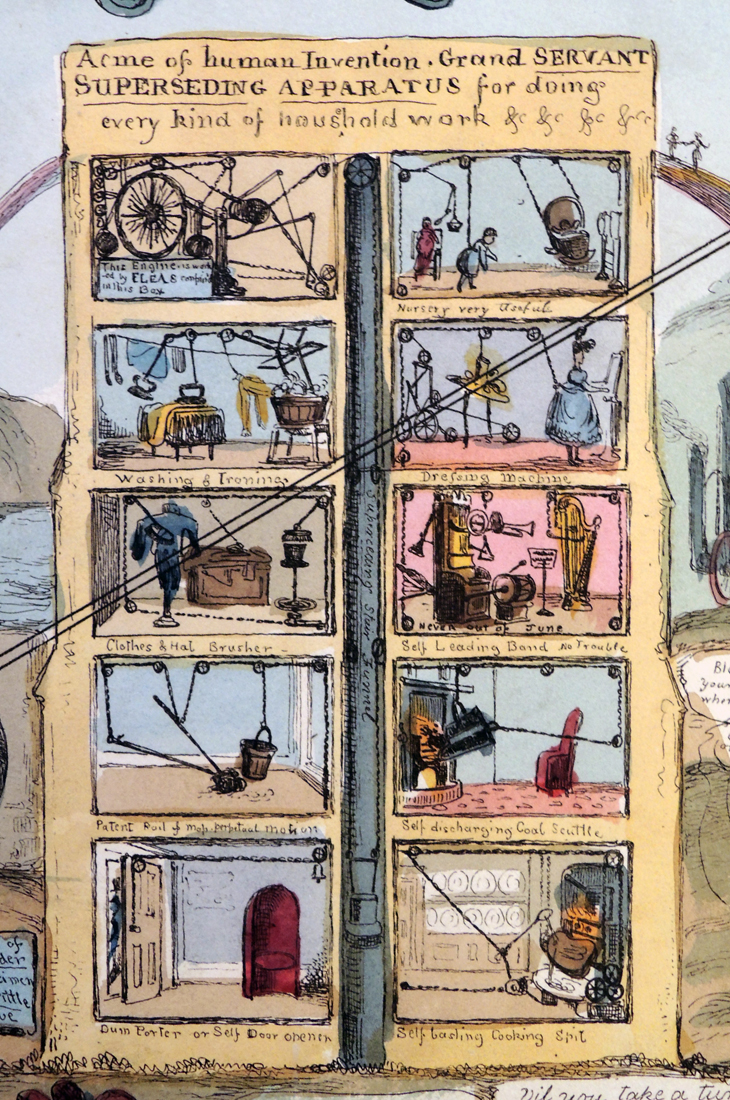
    Another near-robotic image by Heath is his pre-Rube Goldberg automatic house, a central feature in the March of the Intellect No.2 (1829) which features fantastic flying machines hovering and screaming past the house. 

    Heath march of intellect 3

    [Source:  Graphic Arts Collection, Princeton University libraries, here]

    It isn’t a robot unless you consider the entire house as a host for all of the things going on inside itself, and then you have something else entirely.  


  • Crystallizing a Scarce Perspective: Looking Straight Down & the Art of Photography

    JF Ptak Science Books   Post 2195

    There are many posts to this blog on this Looking Straight Down topic–just enter this phrase in the search box at left for a list.  

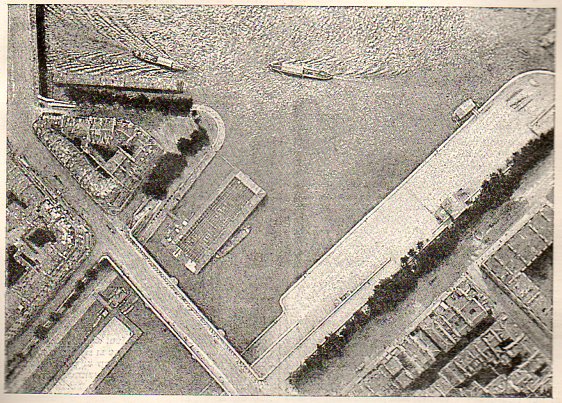
    The idea of representing a view straight down, of looking straight down from some height, is a relatively recent occurrence, this view being somewhat rare in the antiquarian world pre-balloon or pre-heavier-than-air flight.  The pre-human-flight reason for its scarcity is understandable, but even after the first Montgolfier ascension in 1787, there’s another 120+ years of scarcity yet to come before these views would start to pop up in common (and uncommon) literature..  Now I’m not talking about cartography, which is basically a straight-down view of the world—what I’m referring to is that same view but not as a map per se, but what you would see if you were dangling out of a plane or balloon. It is an unusual and scarce perspective.

    Looking down balloon181

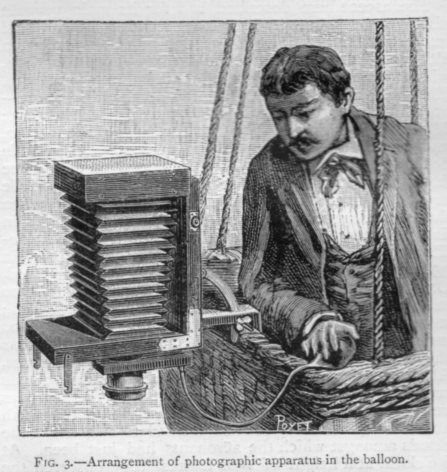
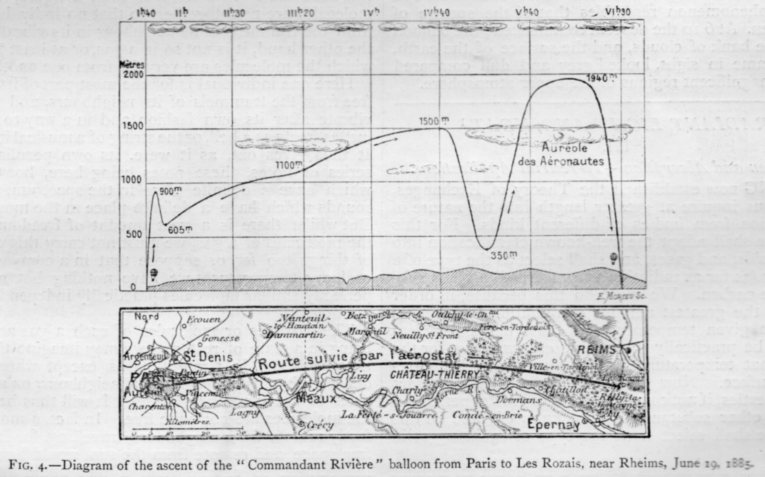
    This series of images was found in Nature (September 3, 1885, and already well established and in its third decade of publication) and shows a very scientific exploration of looking straight down. The images show the pioneer and bibliophile Gaston Tissandier and his equipment and their position in the research balloon engaged in “photographic aerostation”. Their experimentation was a clear success, the results of which were immediately applied to cartography, with the journal reporting “aerostatic photography has a great future”. And so far as the looking-straight-down part is concerned, it certainly crytalizes a moment in time in that part of visual history.


    Looking down balloon182

    And the cross-section of the map showing the progress of the Tissandier expedition and of the progress of looking straight down:

    Looking down balloon183


  • Homer Simpson on Perspective: the Rare Antique Image Looking Straight Down from a Height

     JF Ptak Science Books    Revisiting and expanding Post #20 from 2008
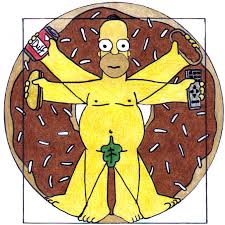
    Homer vitruvian

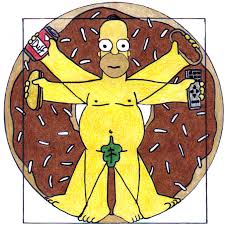
    I welcome the chance today to use our non-classical Homer instead of the beautiful Paolo Uccello to look at an issue of imaging a certain form of perspective drawing.  I’ve always been intrigued by antiquarian images that looked straight down, or up, at things–90 degree, perpendicular, real straight-on stuff, giving a feel for depth (or height) and perspective.  Funny thing is that in the wide world of scientific images, they really don’t show up very often.


    A Mock-straight-down is found in this prettily-designed example (French, ca. 1860)–it seems to be view form a height of 250 feet or so down on the square of a low- (Western) renaissance town. That’s partly true, except that it is a mosaic from Pompeii (or Herculaneum), found embedded in the floor of one of those mummified houses. 
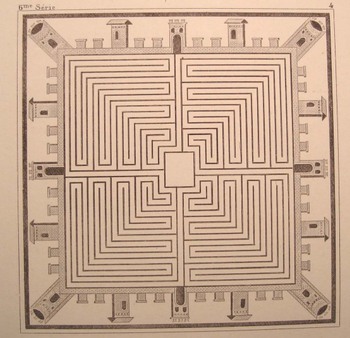
    Dsc04640

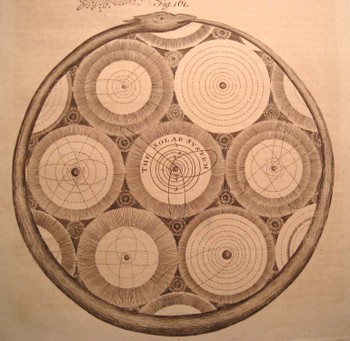
    Another pretender is this god’s-eye view (from Abraham Rees’ mammoth encyclopedia of 1800-1820) of the universe, centered upon our own helio-centric Solar System, which is centered, nested, amidst a whorl of other (contiguous and touching but not overlapping) solar systems, all of which is held in the
    infinite but knowable confines of an ourobus.   This again qualifies as a straight-down/up if and only if (iff) you squint real hard and imagine you’re seeing the scene through your CreatorView (TM!) glasses.  (The Creator needs glasses?)
    Dsc04642

    The drawing by Leonardo of the town of Imola (currently resident with the Windsors) does come quite close to the concept–it has more artistic features than the common city plan , and is definitely at a perpendicular to its subject.
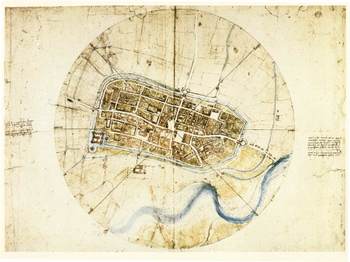
    Blogstraight_imola[Source for Imola image: www.leonardo-da-vinci-biography.com]


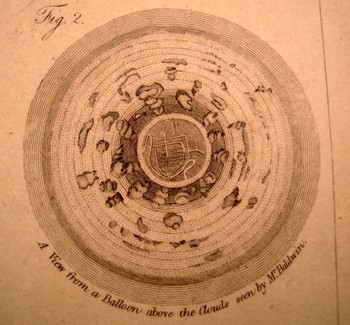
    But it is this that is so terribly interesting to me–a small part of a little print from an unidentified encyclopedia from the turn of the 19th c. It shows a picture of the earth looking straight down from a balloon, looking through an opening in the cloud cover, down to a small town. There is an iconic work on the representation of the world as known to succeeding generations where the picture of the world is seen through a succession of gradually diminishing clouds (being opened like drapes over time), but I honestly cannot think of an early image of looking at clouds from above and straight down.  My sense is that this image would have caused as muchinterest and wonder as the first (Soviet) images of the other side of the Moon (back in 1959). 
    Dsc04639_2

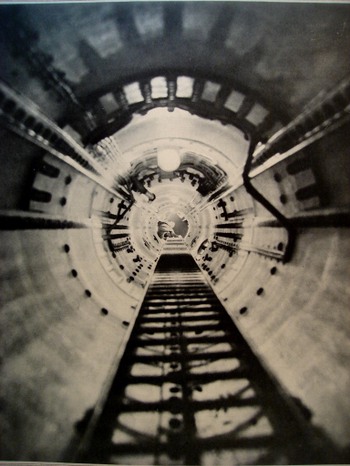
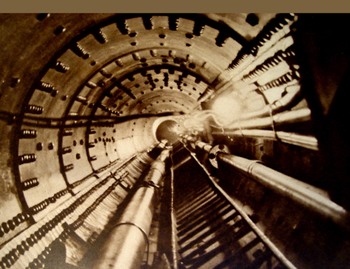
    Even when moving into the pre-satellite 20th century image, the straight-down picture is a rarity. In the last few years after having looked at dozens of thousands of popularly-published images (for another project), the straight-down/up were a scant tenth or perhaps hundredth of a percent of the total. There were a number of photographs made looking straight up (as in the two examples here, looking up the main mast into the crow’s nest of the Queen Mary, and the other with the same view, only in the Bremen. 

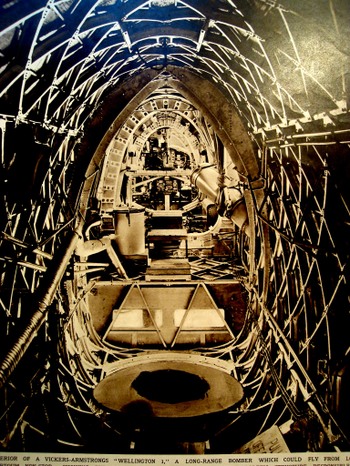
    Occasionally the view like this will show up (looking laterally through the Vickers-Armstrong “Wellington I” bomber aircraft (June 1939)

    I can’t leave this topic without mentioning two recent additions to this genre–the first is the Eames’ wonderful Power of Ten movie (go to youtube HERE, where in 40 steps we look at existence from quark to quasar. 
    Dsc04643_2

    The second is a little goofy but I like it nonetheless–the introduction to the Jodie Foster movie Contact (go to youtube HERE)  built on the bones of the Carl Sagan book. Here we swing out from the Earth and into space, following a broadcast-audio trail of humanity into the not-too-distant time/space (ignoring the signal degradation bit but so it goes), and then leaving that quickly behind, hurling itself backwards, to the outer reaches of the universe, until (and we don’t see this in the youtube clip) we wind up back in the iris of the heroine (and a bit too much like the Dave Bowman trip in “2001 a Space Odyssey”). 

    But we don’t see stuff like this very often, and I’m happy to go along for the ride. It really is just about seeing something new, after all.
    Dsc04644

    Perhaps the lack of this perspective is summed up by our old friend Homer J. Simpson. In one episode of the Simpsons (long ago and far away…or last week) Homer explains (to Lisa?) why cartoon characters’ faces are always oblique in profile. Homer turns and looks directly into the
    camera,” and his face gets all pancakey. It’s just not done “because it’s goofy” he says. And at least in Homer’s case, the proof is definitely in the puddin’.
    Dsc04645


  • Motion Bones

    JF Ptak Science Books  Post 2077  

    Follow Me on Pinterest


    Dance comptes422

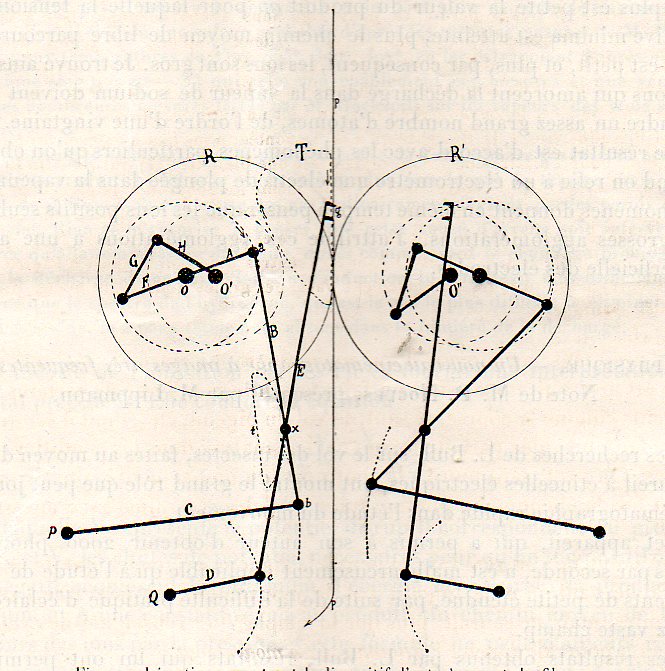
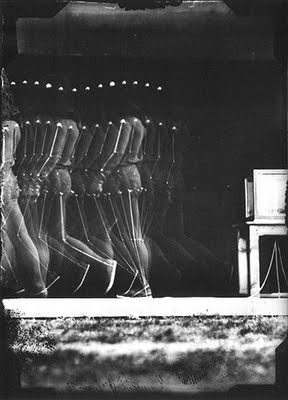
    While looking through an issue of the Comptes Rendus for the announcement of the funeral of the great mathematician and all-around genius Henri Poincare1, I found in the weekly issue (a fraction of an inch comprising the three-inch-thick half-yearly volume of papers published by the French Academy) this wonderful illustration.  It looks a bit like the superstructure to a Cubist dance, and bears a good strong attraction to many of the still images produced by Etienne Marey, maybe even a little like a mirrored representation of a stick figure skeleton of Duchamp’s Nude Descending, which interestingly was finished in this same year. 

    Marey-_Man_walking,_1890–91[Etienne Marey, ca. 1880/1]

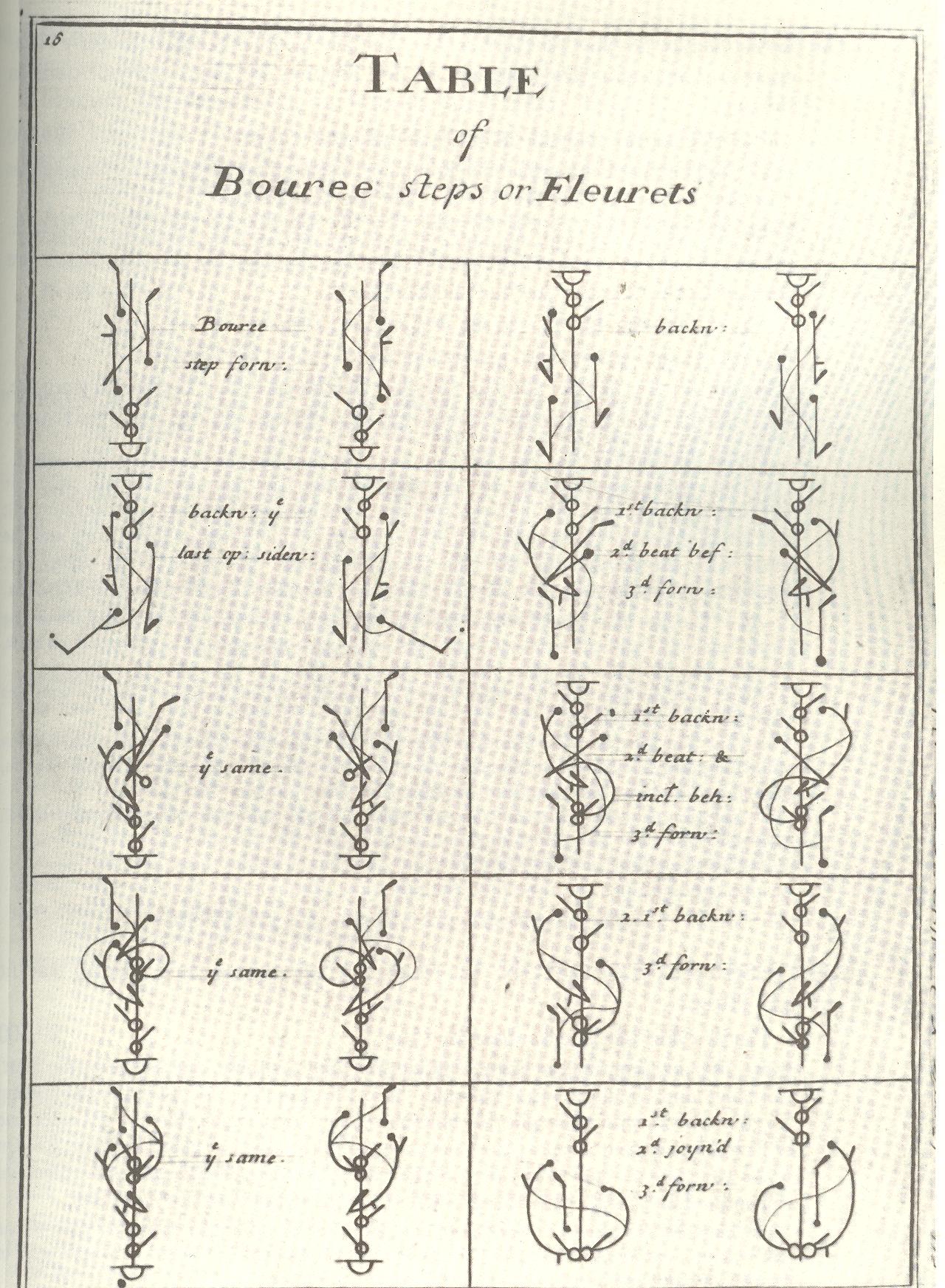
    There’s also a bit of early dance notation that the image reminds me of, particularly Raoul Feuillet’s publication of Pierre Beauchamp’s Orchesography4 ,
    a work published first in 1700  (and then in English in 1706) and
    dedicated to instructing people on the movements of the dance:

    Blog--apr 7 dance

    The image is an illustration for the article “Un nouveau cinematographie a images, tres frequentes”, by P(ierre) Nogues, and was a technical rendering of a device that ran film through a projector at a very high speed.  Nogues (1878-1971) was an assistant and collaborator to Etienne Marey, who was one of the earliest and perhaps the greatest figures in early cinematography and who–like Eadweard Muybridge–successful managed to create articulate optical machines that could capture and record minute and fast motion in people, animals, blood, and so on.  Nogues and his contemporaries lie Georges Demeny, Francois-Franck and Lucian Bull were among the founding encyclopedists of motion.  The drawing above was an outline for a sprocket device that feed flexible film through a camera at very high speed (ultimately reaching some 380 frames per second).  It is a beautiful thing. 

    [M. Duchamp, Nude Descending a Staircase, No. 2 (Nu descendant un escalier n° 2, 1912.  It is interesting to note in passing that this painting was supposedly rejected in the Salon des Indépendants show of 1912 and then caused a massive set-to in the NYC Armory Show of 1913. The infighting and family strife in the Salon in the 1900-1912 period is so big and complex it would make a fine if drippy daytime television romance drama.]

    Notes:

    1. Poincare died 17 July 1912, aged 58; the announcement of the funeral for one of the intellectual kings of the 19th century appeared on page 263 in this issue for 22 July 1912. 


  • An Underground Tornado of Coal

    JF Ptak Science Books   Quick Post  #427 

    Follow Me on Pinterest


    Coal tornado220

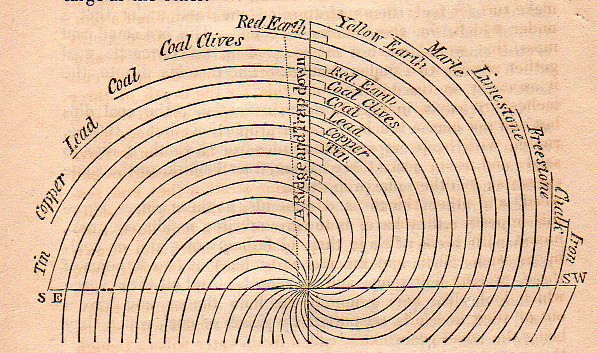
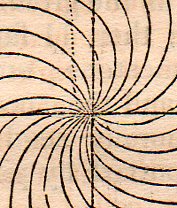
    This simple theoretical map is an invented scheme of John Strachey (1671-1743), an early geologist who with this thinking introduced the very big geological idea of strata. The original appeared in the Philosophical Transactions in 1725 (full text here, and another, with a more-realized version of representing strata, is here), and was reprinted I believe in Popular Science Monthly in 1869 with the above illustration (somewhat changed from the original).   My interest in the image is tinged with design, as it reminds me of an enromous subterranean tornado of coal, even though what Strachey is doing here is establishing the idea of strata.  

    Coal tornado221

    These lines then are the strata of these geological elements as they fan themselves out like pages from a book from the center of the Earth outward.  Its all very vague at this point, but the kernel of a great idea is present.

    The phrase “underground tornado” appears very few times in the intertubes with the world “shelter” accompanying it.  It is nonsensical, mostly, to think of underground weather and particularly extreme weather, but it has certainy playud itself out many times in literature in the pre-science-fiction fiction days. In some stories there are multiple suns, amd waterfalls, and vast canyons many times the size of the Grand Canyon, and so on–there just doesn’t seem to be much bad weather, down there.

    [Note: Strachey, a country squire and gentleman of science, published his theories and findings in two papers in 1719 and 1725, and then in a small pamphlet in 1727.]