A Daily History of Holes, Dots, Lines, Science, History, Math, Physics, Art, the Unintentional Absurd, Architecture, Maps, Data Visualization, Blank and Missing Things, and so on. |1.6 million words, 7500 images, 4.9 million hits| Press & appearances in The Times, Le Figaro, Mensa, The Economist, The Guardian, Discovery News, Slate, Le Monde, Sci American Blogs, Le Pont, and many other places… 5000+ total posts since 2008.

Category: Fantastic Titles

  • Naive-Bizzare Book Title: Selecting Radio Stations Like Lining Up Pigs, 1931

    JF Ptak Science Books LLC  Post 385

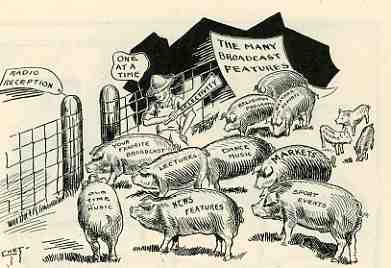
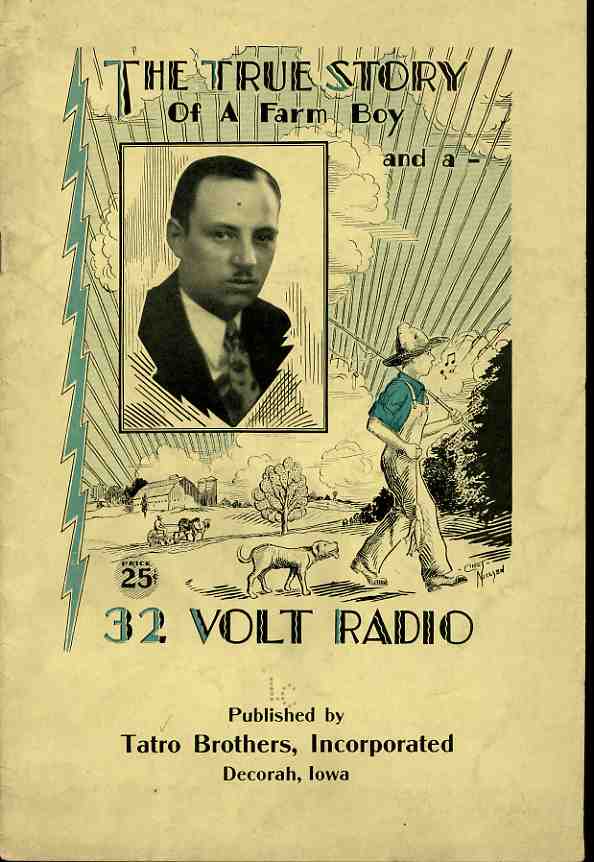
    0-blog---Nov 21 bizarre--radio091I am very attracted to the innocence and softly bizarre category of the Naive Surreal collection here, like this little pamphlet that came out of Decorah, Iowa in 1931.  The titles in this category are odd but still understandable, and the “what the ____!” response to the subtle ones isn’t quite so high and the exclamation points not so many as in the cases of the Naive Surreal titles. 

    This work was really just a sales vehicle for a radio sold by the Tatro Brothers’ store, although the pamphlet did have this wonderful cover going for it as well as some very unusual cartoon illustrations.  The cartoons related everything back to the farm community of the pamphlet’s origins–even the channel selector for the radio related the broadcast stations to pigs going through a gate. 

    0-blog---Nov 21 bizarre--radio092

    The other weird bit on this one is that it is from the Herbert Hoover collection, coming from the White House library in June 1931.  No doubt the author, J.A. Nelson, sent the President a copy of his effort, and the President(‘s staff) no doubt sent it directly to the Library of Congress. 

    ·Posted by :

    ·in:

    —

  • Growing a Junk Yard: Salvaging Fat, Bikes and Stockings for Guns and Tanks, 1943

    JF Ptak Science Books LLC Post 379
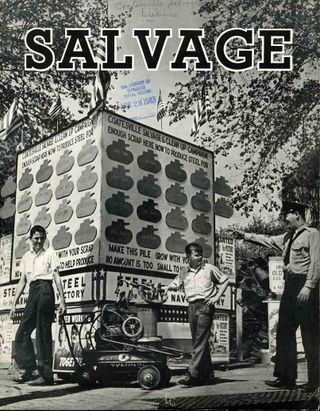
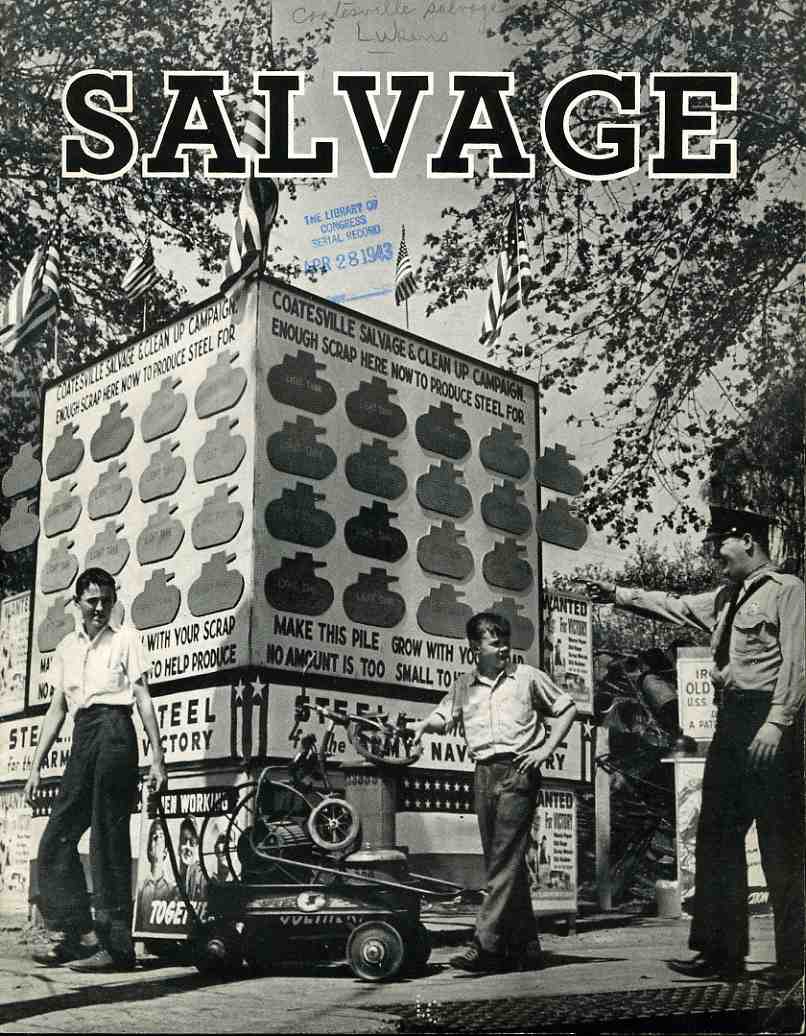
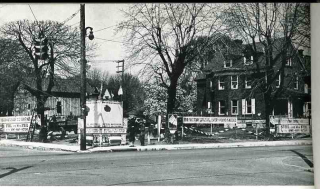
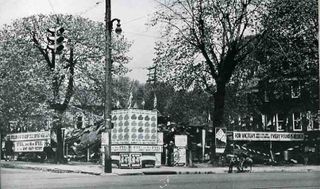
    00-blog-Oct 25 salvage922 Salvage (1943) is just simply brilliant!  It is a superb design, getting its inelegant point elegantly across to the reader, making the collecting of junk  a bona fide war effort, triumphant, superior; it delivers the message gorgeously.  Who wouldn’t want to rush out and look for some metal scrap and bits and grow a neighborhood junk yard so that the community could build a tank?  Certainly these two boys–under the watchful guidance of a smiling cop in a black tie–couldn’t resist, and from the looks of the progress billboard behind them, nor could anybody else in the neighborhood, as the community collected enough metal junk for 14 tanks.  (Or at least pieces and chunks for fourteen tanks.)

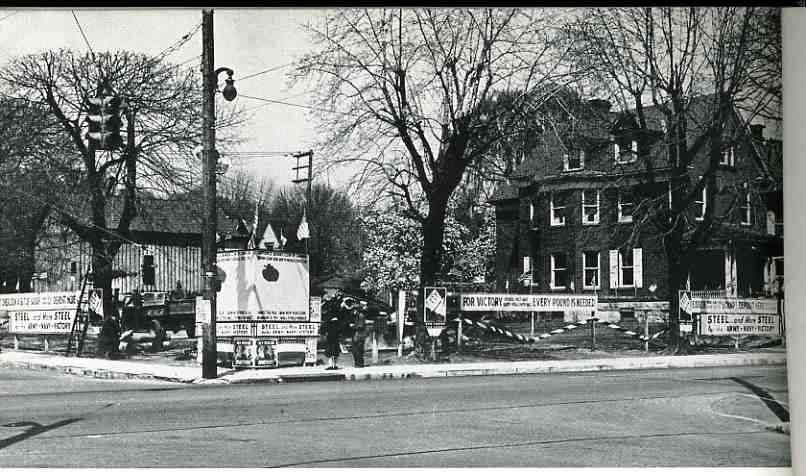
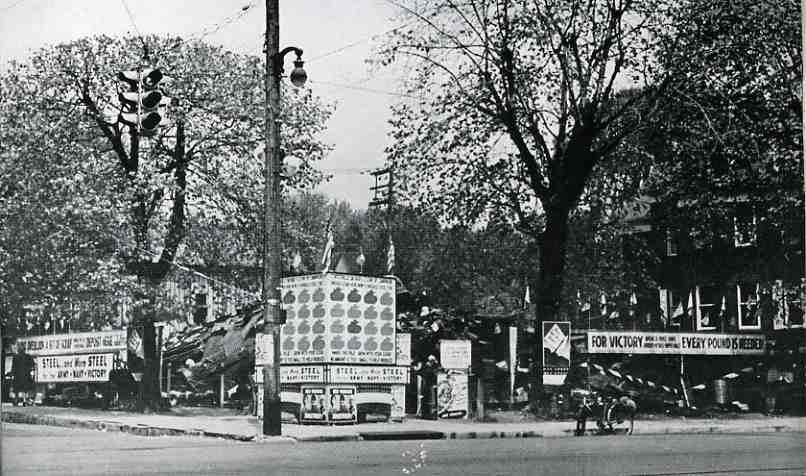
    The community was Coatesville, Pennsylvania, and they certainly did their collecting-best.  The two photos below show (top) the scrap yard after two days of collecting, and (bottom) the end of the campaign two months latter.

    “One pound of fat contained enough glycerin to make a pound of black powder, enough for six 75-mm shells. Twenty three hundred old nylon stockings contained enough nylon to make one parachute.
    Thirty thousand razor blades contained enough steel to make fifty 30-caliber machine guns.”   (Lingeman, Richard R. Don t You Know There Is a War On? The American Home Front, 1941-1945. New York: G.P. Putnam’s Sons 1970, 254-55).  When you have an entire town doing this, you can build tanks; when you have millions of people throwing together to collect this “junk”, then you get part of a war effort.  It is also part of a giant propaganda hearts/minds machine, especially for the U.S., which was (and I use this word with some hesitation) cushioned from the effects of the war by two oceans–it reminded people who hadn’t contributed a life to the war that there was actually something tangible going on, and that they could do something to help.  It kept peoples’ minds in the game.  Rubber was another big concern, as was silk (the controlling exporter of both coming largely from overseas, and in the case of silk, the exporter was Japan.)  Of course there was the introduction of synthetics for both silk and rubber, but the point in fact was that there was indeed a shortage, and the donated and salvaged stuff was necessary. 

    Here’s a beginning picture for the burgeoning community scrapyard:                                                                                                                                              00-blog-Oct 25 salvage before923
    Some interesting works relating to salvage drives:

    Barringer, Edwin C. The Story of Scrap. Washington D.C:Institute of Scrap Iron & Steel Inc., revised edition, 1954.

    Cohen, Stan. V for Victory: America’s Home Front During World War II. Missoula Montana: Pictorial Histories Publishing Co., Inc., 1991.

    And afterwards:
    00-blog-Oct 25 salvage after924

    Hoopes, Roy. Americans Remember the Home Front: An Oral Narrative. New York: Hawthorn Books, 1977.

    Lingeman, Richard R. Don t You Know There Is a War On? The American Home Front, 1941-1945. New York: G.P. Putnam’s Sons, 1970.

    O’Neill, William L. A Democracy at War: America’s Fight at Home and Abroad in World War II. New York: The Free Press, 1993.

    And here’s one I’d like to see (the cover of):

    Wolf, Howard. The Story of Scrap Rubber. Akron, Ohio: A.
    Schulman, Inc., 1943.
    ·Posted by :

    ·in:

    —

  • Fat Redux, Redux: Fat Bullets, 1945

    JF Ptak Science Books LLC  Post 377

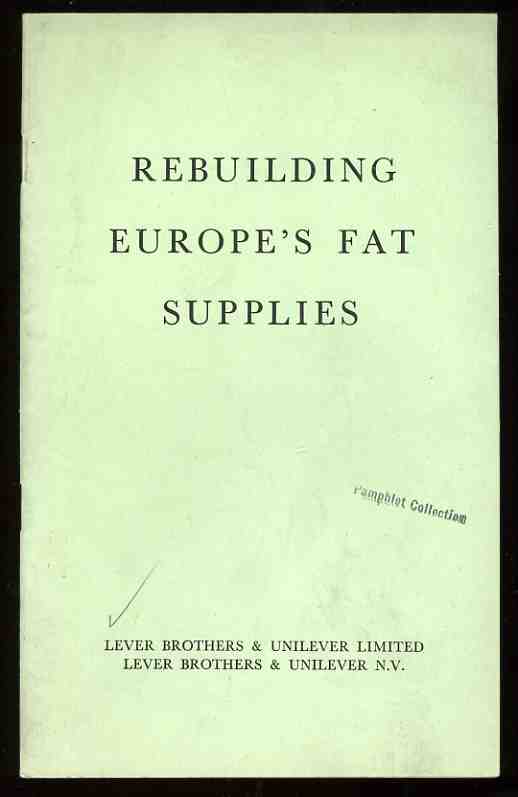
    000-ebay--Nov 8 fat025
    This is the third in the stumpy but cushiony series in this blog on fat, all of the items coming from my purchase of a 90,000-item pamphlet collection from the Library of Congress.  It was unimaginatively called, and stamped, “The Pamphlet Collection”, and was organized into 2,800 or so document boxes, all of which were painstakingly categorized and alphabetized, but done so via a secret and mysterious way that I’ve never deciphered or understood.  Listen:  the pamphlets were organized indifferently in general but diffidently in particular, so an Aa-At box might’ve contained pamphlets categorized via title or author or place of publication or subject matter or publisher. The pamphlets’ placement was almost random, but not quite, as there was a thin thread of logic tying them all together, but just not in a way that it would all be sensical. 

    But back to fat:  it really is just the pamphlet’s title that’s so unexpected, as the content is all about replacing the oils and fats that had gone missing, sucked up by the war effort, that were actually pretty essential. For example, one pound of fat contained enough glycerin to make a pound of black powder, which is also enough to make six 75mm shells.  Butter, margarine, vegetable oils include: olive oil, palm oil, soybean oil, canola oil, pumpkin seed oil, corn oil, sunflower oil, safflower oil, peanut oil, grape seed oil, sesame oil, and so on, were definite parts of the diet and the economy, and, well, did actually have to be replaced.  There.  I’ve killed the humor in this title.  

    ·Posted by :

    ·in:

    —

  • A Map of a Fortune in Frogs (1936)

    JF Ptak Science Books Post 263

    Blog1sept_16_frogs_detail555

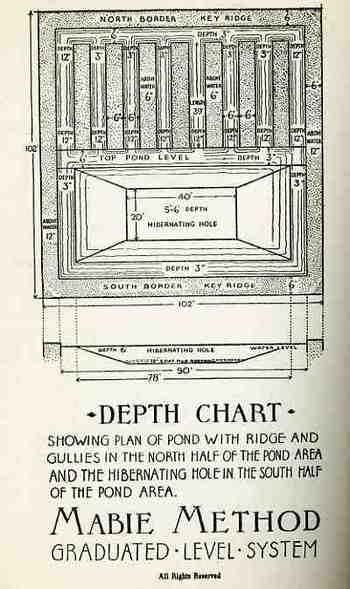
    This is the great promise of this remarkably mundane and contemporarily-wholly-removed pamphlet, which promises rewards and riches to be made in even the simplest backyard frog ranch, and all done with water, cement and no secret decoder ring. I mean, good night! I really had no idea whatsoever about such frog-goings-on in the depths of our country, even if the “depths” was Ridgewood, New Jersey, and it was the Depression (this pamphlet published in 1936).  I don’t have too much else to say about this remark effort except that–for all I know and I am not going to research it–this may well be the earliest Frog Ranch Plan published in the U.S.  There.  I said it (though my “key words” section says it all: “Frog farm, frog ranch, frog raising, frog map”).

    Blog1sept_16_frogs554_2

    Blog1sept_16_frogs_map556

    Blog1sept_16_frogs_contents557


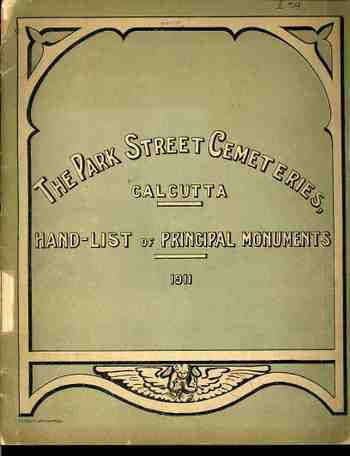
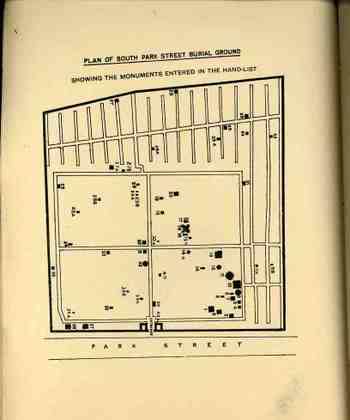
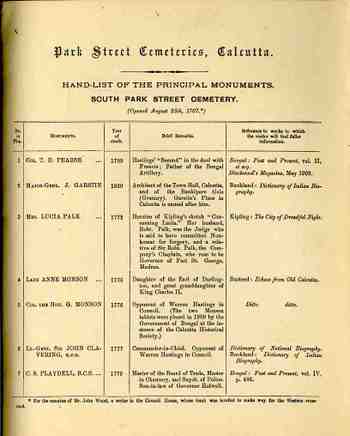
  • Imagined Neighborhoods of the Far-Away Dead: Park Street Cemetery, Calcutta

    JF Ptak Science Books LLC Post 257

    Blog1sept_13_calcutta547
    I wonder what this cemetery looks like now, this colonial funiery landscape, all these British occupiers buried in their imagined death community? (Lord Curzon, for one, found it to be “the most pathetic site in Calcutta”, which in 1900 was saying allot According to the piece below from the Telegraph, Calcutta, things haven’t gotten much better.)  Is there any melancholy left for a place like this, filled with the British working class in the heart of Calcutta?  Perhaps they could never have imagined their Further India slip away on its own, and that they’d be buried in a so-incredibly foreign land?

    Seems like this would be ripe terrain for post modernists, having a go at the real and imaginary architecture of dead colonials in a post-colonial world, using a language that only the initiated can understand. (Constructing self-referential vocabularies with slippery exterior-to-the-argument reference points isn’t exactly the best way to get to a general discussion…nor doers it seem to be additive when the vocabulary has a life of its own.)

    (I had a little go at the post-modernists and constructed a little language generator here.)

    Blog1sept_13_calcutta_map548
    From The Telegraph, Calcutta,  16 September, 2007:

    South Park Street Cemetery

    “First stop: a grim place. But a haunting, beautiful place.
    Maintained
    by the Christian Burial Board, the South Park Steet Cemetery was
    founded on August 25, 1767. Henry Louis Vivian Derozio, William Jones,
    founder of Asiatic Society, John Hyde, a judge famous for his papers,
    are buried here, as is Rose Aylmer, the woman who inspired the poem of
    the same name by Walter Savage Landor. The tombs are in various stages
    of decay. The sight of the mossy tombstones, mostly imposing, some
    addressed to persons never known to history, as the headstone that says
    “here repose the earthly remains of James Miller”, in various stages of
    decay, but exuding serenity along the network of lichen-covered paths,
    brings soothing thoughts. If this is the end, it is not so bad. The
    caretaker is not very cooperative, though, and the place also invites
    criminal elements after the dark.

    But then visitors are not allowed.”

    Blog1sept_13_calcutta_map549_2


  • The Magnificent Mundane: an Instructional WITH PROP on How to Use the Telephone, 1946

    JF Ptak Science Books LLC  Post 236

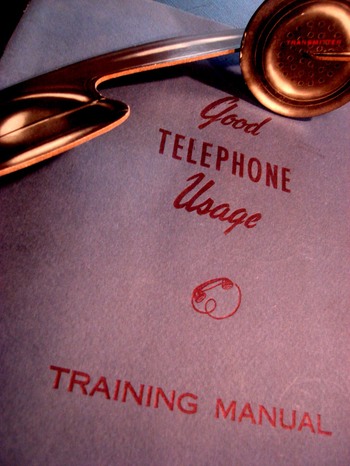
    Ballistics_049Yes, this elegant, well written (oversized) 1946 pamphlet, which explains
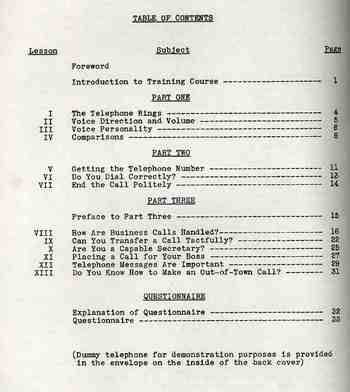
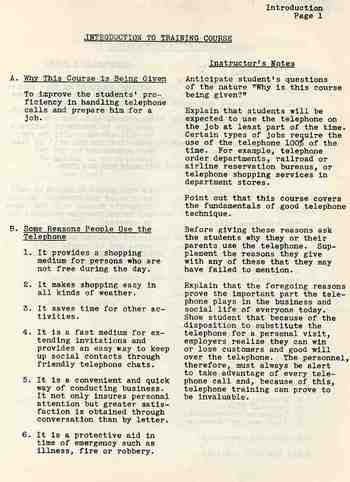
    in fabulous and excruciating detail how to use the telephone, does
    indeed come with a two-part heavy paper telephone receiver for the reader’s practice. It is packaged in an envelope in the back of the
    pamphlet with a large drawing explaining how to put the two pieces
    together.   The work is just so fulsome, wholesome, forthright,
    exacting and thorough that it just makes the casual reader stop in
    their tracks.  For example, it isn’t until page 13 that we get to pick
    up the receiver (and listen for the dial tone). I’ve reproduced some of
    the table of contents to give an idea of the extent of the telephone
    usage. 

    What brings this so close to being from out of the science fiction
    past is that the booklet is ten years older than me.  Atanasoff’s ABC, Bell Labs Mark II, Bletchley’s  Colossus, and Harvard’s Mark I machines existed, television was getting off
    the ground, and telephones were exploding their way into more American
    homes and businesses.  But somehow, here on the verge of the greatest electrical revolution in history, we’re still getting instructions on how to pick up the telephone.  But I’m really not complaining here, not at all–its just the nexus of the “how to listen for a dial tone” and the coming of the ENIAC one year after this pamphlet is published that is so startling.

    Even so, this instructional is more complete and (of course) better written
    than any of the pc manuals that came with any of the machines that I’ve
    purchase int the last 25 years. It is a thing of great and supra-obvious beauty.

    Again, this is another example of a small job done Very Correctly.

    (Click on image to expand.)

    Blogsept3_tele489
     

    Blogsept3_tele490


  • Chicago Jails Reality Check, 1947

    JF Ptak Science Books  Post 231

    Chicago Lockup

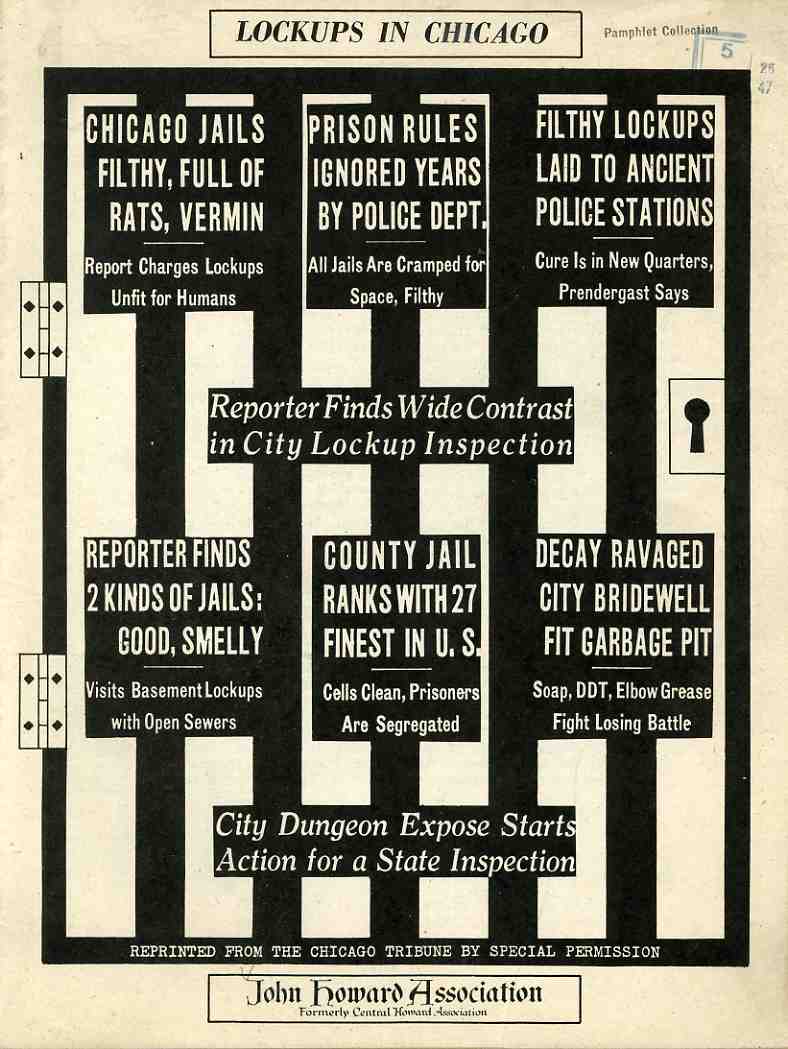
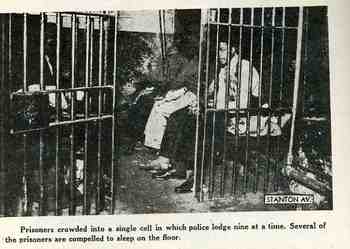
    The appearance and tenor of this pamphlet is very deceptive–my initial reaction was an eyebrow-raising surprise, followed by a humorous deception, all aroused by the incredible, screaming cover design and the somewhat bizarre stories and headlines in the text.  How can one refuse an article like this (seen below)? The “funny” part of the pamphlet was stopped dead cold when I started to actually read  the  stories accompanying  the  sub-title malaprops.

    Blogaugust_20_chciago_jails_clip4_2

    The point underlying all of these design elements which seem so much sugar to my eyes was that the prisons in Chicago were horrific–especially for African Americans, a point which is not explicitly made but alluded to.  None of this seemed particularly surprising to me, except that there were just so many reports–the shear numbers of bad prison conditions was just staggering. 


    Blogaugust_20chciago_jails_photo420


  • Where are the Dead? When is a pit a hell, a hell a grave, a grave a pit, and Hades not Hell?

    JF Ptak Science Books  Post Post 271

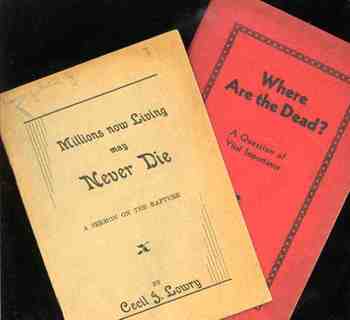
    Blogsept20_where_are_th_dead612 Oscar Lowry attempts to answer the question in the subject line of this post in a very red book of 46 shouty pages.  What he’s really concerned with, in Where are the Dead (1930), and what he maintains is of “universal interest to the saved and unsaved, the hearers and nonhearers”, is what happens to people after they die; more particularly though, Mr. Lowry is interested in differentiations in eternal damnations versus eternal doom.  And there is evidently a very wide difference here, as people in Hades are just in “prison”, waiting for their final judgment which will fling them into Mr. Cash’s ring of fire (well,”lake” of fire, actually).  There’s also little chance that the snakey charms of Orpheus’ poetry will ever change anyone’s mind at the gates of Sheol-Hades, leading anyone away from the firey pit.  The discussion of Hades and Hell and Sheol is interesting if not scary in Mr. Lowry’s hands, describing “Sheol-Hades” as a “prison”, its occupants waiting for final disposition to Hell.  Strong’s Hebrew opens the possibilities of definition with a number of translations for Sheol: the underworld, the abode of the dead, place of no return; without praise of God; wicked sent there for punishment; righteous not abandoned to it; of the place of exile; of extreme degradation in sin.  The most troubling of these in my book is the definition of what it is not, as in “when the righteous are not abandoned to it”, which seems both reassuring and really terrifying.. 
    Millions now Living May Never Die (1939)  is  a great title which leads ultimately to a not terribly interesting pamphlet about The Rapture.  Its also very badly timed for such a title–1939–as 20 or 30 million extra people would die who shouldn’t’ve by 1945.  I’m not sure why capitalization is required for the rapture, as it will probably not be confused with Another Rapture, or the Pseudo Rapture or even the Pre-Rapture–I must admit though that the mechanics of the rapture are not obvious to me, coming as it does after the Advent and Second Advent (which comes after seven years of Tribulation, or something like that).  The author, another Lowry , this one a Cecil from the Southwestern Bible School of Enid, Oklahoma,  writes with an abundance of capitalization about the impending “return of Jesus for His Bride”, and how the rapture will take you where you are, leaving the righteous to live on the earth, and others, well, not. The word “doom” appears more often than a semi-colon.  “Because the world is round, it will be night on one side of the earth and day on the other.  So many will be translated [i.e. “terminated”] that the great newspapers of the earth will carry in their headlines words similar to these:  ‘Millions have mysteriously disappeared from the earth’.  I am told that a certain large newspaper already have their type for for that event.”  The rapture will take you from “Satan’s slime pits” wherever they are, “at beach bathing and beer parlors ” to name a few, though I think that one can stop reading at being sucked into oblivion for sitting in the sand at Tybee Island, particularly if you’re five years old.  Be that as it may, probably everyone who read these the works when they were first published are now probably dead, enraptured or not.

    ·Posted by :

    ·in:

    — —

  • A Quiet Masterpiece on the Zipper, and Why it is Better to Repair a Zipper than Blow Up a Tree Stump

    JF Ptak Science Books  Post 229

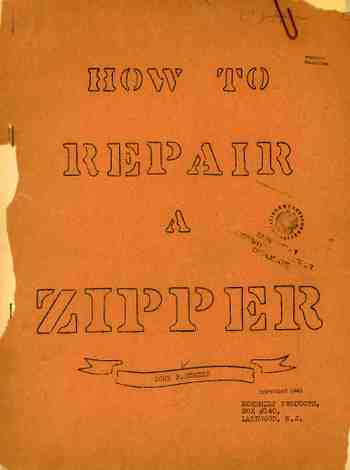
    This is an example of a quiet, naive masterpiece, and is a perfect companion to a fantastic pamphlet that I wrote about earlier this month on flagpole painting. This tall (11×8 inch) 35-page 1945 work with an impossible title has everything that you would need to know–as its title promises and delivers–to repair a zipper.  Not replace a zipper–repair it.  It is so beautiful as to want to make every engineer residing in the deepness of everyones’ soul just simply weep.  The pamphlet is simply but well illustrated and addresses 50-odd contingencies for zipper malfunction and failure, and speaks to a particular WWII mindset that that addresses problems in this very fashion. Repair rather than replace.  The bottom line here is that this is as good as any book of the history of fluxions or the making of the atomic bomb or cooking up a virus, given the parameters and limitations of its subject. 

    . 

    Blogaugust_28zipper469_2

    (I have a pamphlet somewhere that was published by Dupont that would’ve been a great cross-purpose reference, only I cannot find it. It was called Stump Blasting.  And, yes, since it was published by the DuPont Chemical Corporation it heavily sold the idea to farmers of how useful dynamite can be for just about any job.  And I don’t disagree outright, but the approach to the philosophies of problem-solving couldn’t be more different, especially contrasting the Stump Blasting pamphlet with the Stump Removal one produced by a chain manufacturer. 

    And so how does it come to pass that someone ostensibly trying to write a history of science blog that has been changed to a history of ideas blog finds himself at almost-midnight on a Sunday plugging away on a post about zipper repair and stump blasting?  (And how often to do those five words come together in a sentence? ) Simple:  its about the methodology and the approach to figuring out a problem.  On the one hand, you have a circumstance where the problem is addressed, solved and eradicated; on the other, the problem is simply eradicated without the “solved” part.  (Zippers really shouldn’t fail all that often–the guy who patented the modern zipper in 1906 said that the zipper should work 200,000 times.) Personally I think that it is better in the long run to solve the problem rather than just replace it or blow it up. Perhaps we’re just living in a BIU (“blow it up”) kind of world, but I think we could use more zipper-repair approaches to thinking.

    ·Posted by :

    ·in:

    —

  • Book Design–The Weight of Humanity on Book Covers

    JF Ptak Science Books  Post 225

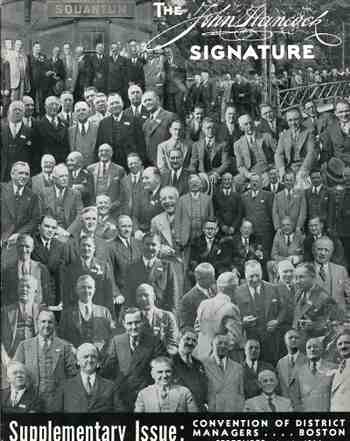
    I don’t often see covers of pamphlets featuring hundreds–or thousands–of people as a part of the design.  In my continuing role as finder and re-finder of things found I have re-surfaced four of these designs, and I feel I should post them before they’re captured in the un-finding process.  Again. Back to the design:  these are very striking, persuasive images, unavoidable in many ways, completely intriguing, beguiling.  People just have to look at these things.  Look:  I made a little experiment today placing ten  very interestingly-designed pamphlets on display, all with compelling and distinct merits, and including one with a big spread of humanity on the cover (the “Life” pamphlet. The very unscientific results is that people were generally first drawn to the complex people image, and stayed longer looking at it–by far–than any other image.  Perhaps its the same sort of reaction going on when you watch people walking in front of a mirror or reflective surface, with the vast majority of folks checking themselves out in it.  Maybe its just people looking for something familiar.  Maybe the faces are simply, strictly more interesting than just points o the page.  I’m not sure. 

    The first image is Life, the story of the fraternity lamda chi alpha, published around 1935; second, a one penny Labour Party publication coming from the National Executive Committee of the Labour Party, published in London in 1937; third, a program for the Liberal Party, published in London in c. 1938; lastly, fourth, a program for some course of semi-statistical study with the John Hancock life insurance company.  These beautiful designs were much more interesting than the very casual contents they covered. 

    Blogaugust_27_crowds_life459

    Blogaugust_27_crowds_socialist_mil4     

    Blogaugust_27_crowds_stand456


    Blogaugust_27_crowds_hancock460