A Daily History of Holes, Dots, Lines, Science, History, Math, Physics, Art, the Unintentional Absurd, Architecture, Maps, Data Visualization, Blank and Missing Things, and so on. |1.6 million words, 7500 images, 4.9 million hits| Press & appearances in The Times, Le Figaro, Mensa, The Economist, The Guardian, Discovery News, Slate, Le Monde, Sci American Blogs, Le Pont, and many other places… 5000+ total posts since 2008.

Category: Bad Ideas

  • What if Marx had Dedicated Das Kapital to Darwin?

    JF Ptak Science Books LLC  Post 741  Blog Bookstore
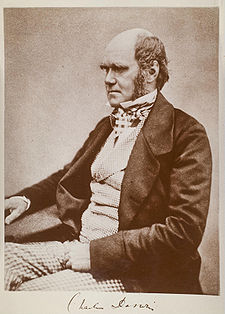
    Darwin

    It’s a kind of intriguing question in the world of “what ifs”–even though the thought had been taken seriously for years, the
    issue has been (for decades) safely put to sleep in misty mythtime, except in the minds of some
    creationists and conservatives.

    The issue came up again for me while reading I.B. Cohen’s Revolution in
    Science
    (Harvard 1985) in the “Influence of Marx and Engels” chapter, where the idea of the dedication gets resurfaced. Leaving aside the whole aspect of Das Kaptial
    and the thought of Karl Marx (1818-1883), I’d just like to concentrate on the
    Darwin-Marx “connection”.  One thing is
    for sure:  Marx thought a lot of Darwin
    (1809-1882), particularly in the way that he could use aspects of Darwin’s
    theory (On the Origin of Species by
    Means of Natural Selection, or the Preservation of Favoured Races in the
    Struggle for Life
    , the title changing in the sixth edition in 1872
    to simply The Origin of Species.)
    to bolster his own thought.  Marx thought
    Darwin’s theory
    to be “very important” dealing a death blow” to “teleology in the natural
    sciences”.  He was particularly
    interested in Darwin
    as it was, in his mind, “the natural history foundation for our viewpoint [of
    historical materialism], “serv[ing] as a …basis for the class struggle in
    history”. 
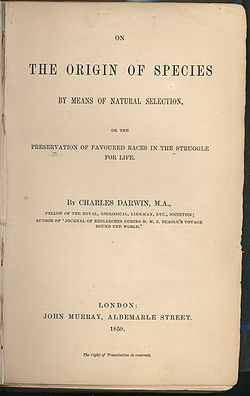
     

    Darwin origin

    The business of the dedication is slightly knotty, as there
    is supporting correspondence that seems to support it all.  Darwin did
    receive a letter and he did respond, but it related to Marx’s son-in-law Edward
    Aveling’s (1849-1898) book The People’s Darwin
    (1881).  The issue is dealt with often
    and elsewhere on the web, so I won’t go into it here, except to say that the
    issue of Darwin
    being the dedicatee of Das Kaptial has been put completely to rest as
    untrue. 


    It is interesting to read Darwin’s very thoughtful, old-school  thanks-but-no-thanks response to Marx (found at
    Friends of Darwin)

    Dear Sir:
       I am much obliged for your kind letter & the Enclosure.—
    The publication in any form of your remarks on my writing really requires no
    consent on my part, & it would be ridiculous in me to give consent to what
    requires none. I shd prefer the Part or Volume not to be dedicated to me
    (though I thank you for the intended honour) as this implies to a certain
    extent my approval of the general publication, about which I know nothing.—
    Moreover though I am a strong advocate for free thought on all subjects, yet it
    appears to me (whether rightly or wrongly) that direct arguments against
    christianity and theism produce hardly any effect on the public; & freedom
    of thought is best promoted by the gradual illumination of men’s minds, which
    follow from the advance of science. It has, therefore, always been my object to
    avoid writing on religion, & I have confined myself to science. I may,
    however, have been unduly biased by the pain which it would give some members
    of my family , if I aided in any way direct attacks on religion.— I am sorry to
    refuse you any request, but I am old & have very little strength, and
    looking over proof-sheets (as I know by present experience) fatigues me much.
       I remain Dear Sir,
          Yours faithfully,
             Ch. Darwin
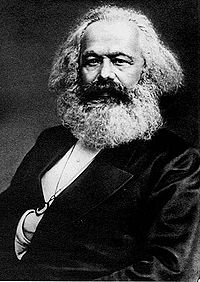
    Marx

    By 1865 Marx moves on a bit, finding a new champion in the
    natural history world, Pierre Tremaux, whose Origine et transformations de
    l’homme et des autres êtres
    (1865) which he found to be “a very important
    advance over Darwin”.  I have no idea
    what Marx was thinking with Tremaux, except that history has forgotten the1865
    work and its author.  M. Tremaux has
    disappeared; Darwin
    continues to prove out as fantastically correct. 


    All quotes from Cohen’s revolution, pp 344-347

    ·Posted by :

    ·in:


  • Propaganda in Maps: the Polish “Corridor”, 1939

    JF Ptak Science Books LLC  Post 739  Blog Bookstore
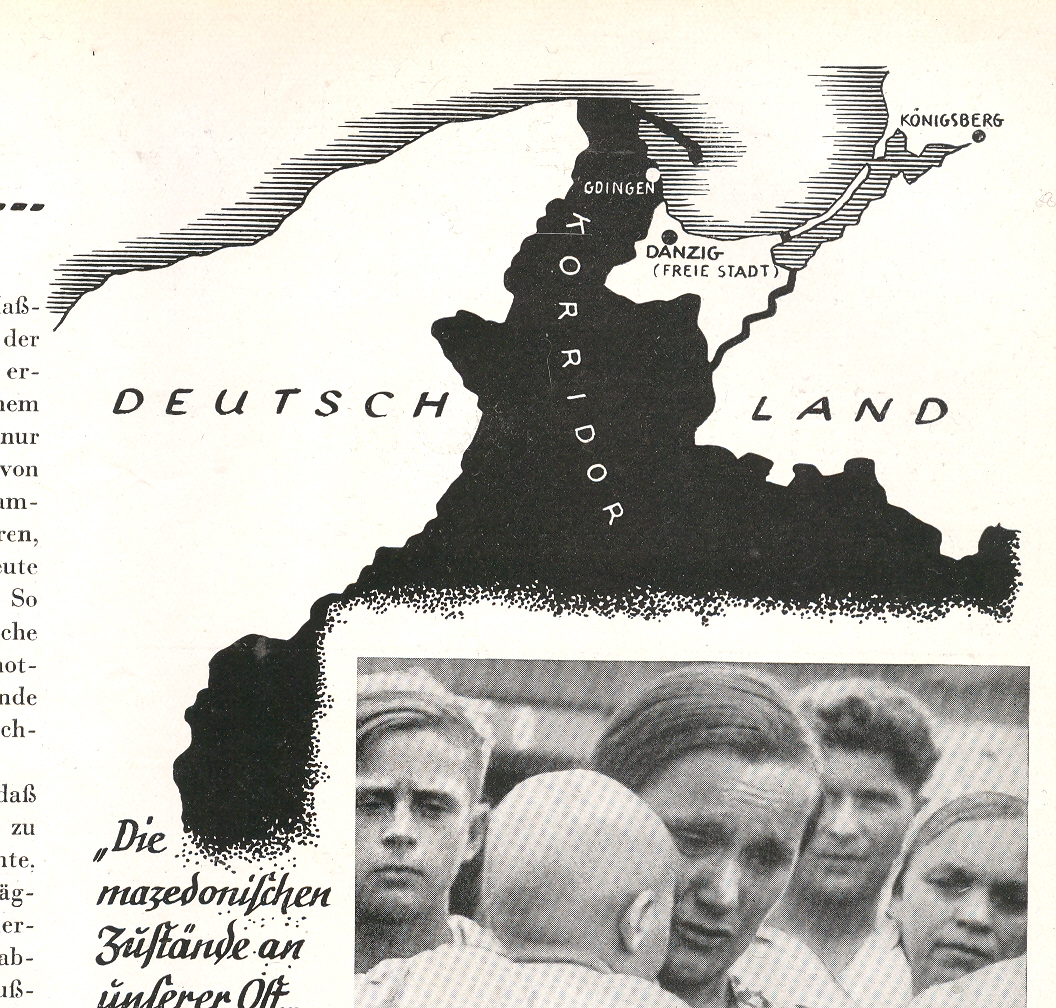
    +++korridor 2
    There’s a war on?  Really?  You wouldn’t know it from the cover page of the most popular magazine in Germany, the (Leipzig) Illustrirte Zeitung, published 7 September 1939. The odd thing is that for months, years, previously there was a huge and occasionally overwhelming militaria scent to this magazine (a sort of LIFE magazine-like affair in its way), paving the way for the reading population (which I’m sure must’ve been in the millions) for the stuff to come.  I’ve looked at every issue of this magazine from 1933 to 1939, and there is simply no mistaking the under- and over-current of the war preparation.  It was just relentless.  And so to finally come to the real fighting part of the beginning of the war it is a little odd to see the cover of the mag decorated with Mother Earth in the herb garden.  The contents of the issue is not what I expected either–not much dedicated to fighting outside of happy and relieved Gdanskers saluting their warm welcome to the advancing Nazi machine, images of the “mongrels” who were living in the places that had once been occupied by Germans, and an “apology” of sorts as to why all of this was necessary.All of which was bluster and diatribe–its hard to imagine, really, how someone living in Leipzig reading this thing over breakfast could’ve nodded their head in logical consent with the magazine’s specious arguments.

    Which brings us to the small inset map depicting what was one of the major “problems” for  Germany with Poland–the northern stretch of Polish land that touched the Baltic, the so-called Polish “Corridor“.  This polemical affair shows exactly what the Germans thought of the territory, a piece of Germany now in enemy hands, a dagger struck through the heart of Prussia.  

    +++korridor Poland of course didn’t think of the land in terms of a “corridor”, and as a matter of fact the term was an offensive one.  It was simply a part of Poland, one which was returned to the Poles with the rest of the country (which had been disappeared, absorbed, with the Treaty of Vienna in 1815) in 1920.  It was essential with repatriation that this land be included, giving Poland a natural access to the Baltic, and an ability to follows it major river (the Vistula) all the way to the sea.  Without access to the Baltic, Poland’s economy would have been strangled, the country simply wouldn’t have had a good stake to survival.  It was a return of land that had been connected to the Polish Crown from 1466-1772.

    The ethnicity issues are long and deep, and something I can’t get into right here. But Germany certainly made the claim that there were huge German populations in the corridor who needed to be rescued, and who suffered under the control of the inferior Polish people. But as I said, this is a complex issue–the population in the area was probably around 45% in 1920, and this before the huge repatriation efforts to bring those German people home.  There may have been so many Germans in that area because of a massive Germanization of the area in the 19th century…and on and on.

    The Polish government did sign a Non-Aggression Pact with Germany in 1934, after which everything got on the slow boat to hell.  In the months before the Germans attacked, through the summer, there was much frenzied back-and-forth, an awful lot of negotiations that were so much meaningless talk as a mask for the inevitable.  Whatever was agreed upon and signed, Germany was going to attack, anyway, come what may.  And so they did.

    [I should point out in closing that, just a few days ago, the Airminded.org site reminded us all of H.G. Wells’ 1933 The Shape of Things to Come, and his prediction on the start (or re-start) of the next great war, right there at the Polish “corridor”, and right soon.] 


  • What Things are and what things Aren’t Department, #3: Things that Aren’t ‘Bridges” or “Floating Land”.

    JF Ptak Science Books LLC  Post 772  Blog Bookstore

    My friend Jeff Donlan sent me a link to a site in which librarians-on-coffee-breaks
    were busily renaming classic book titles as they might be re-titled today. For
    example, we have:

    Old: Richard III ;
    New: R3: Judgment Day

    Old: Frankenstein, or
    The Modern Prometheus;
    New: Frankenstein:
    Wrath of the Supercorpse

    Old: Das Kapital;
    New: Labor Value: How Today’s Companies
    Get the Most out of Their Workforce.


    You get the picture. And so it was with this in mind that I
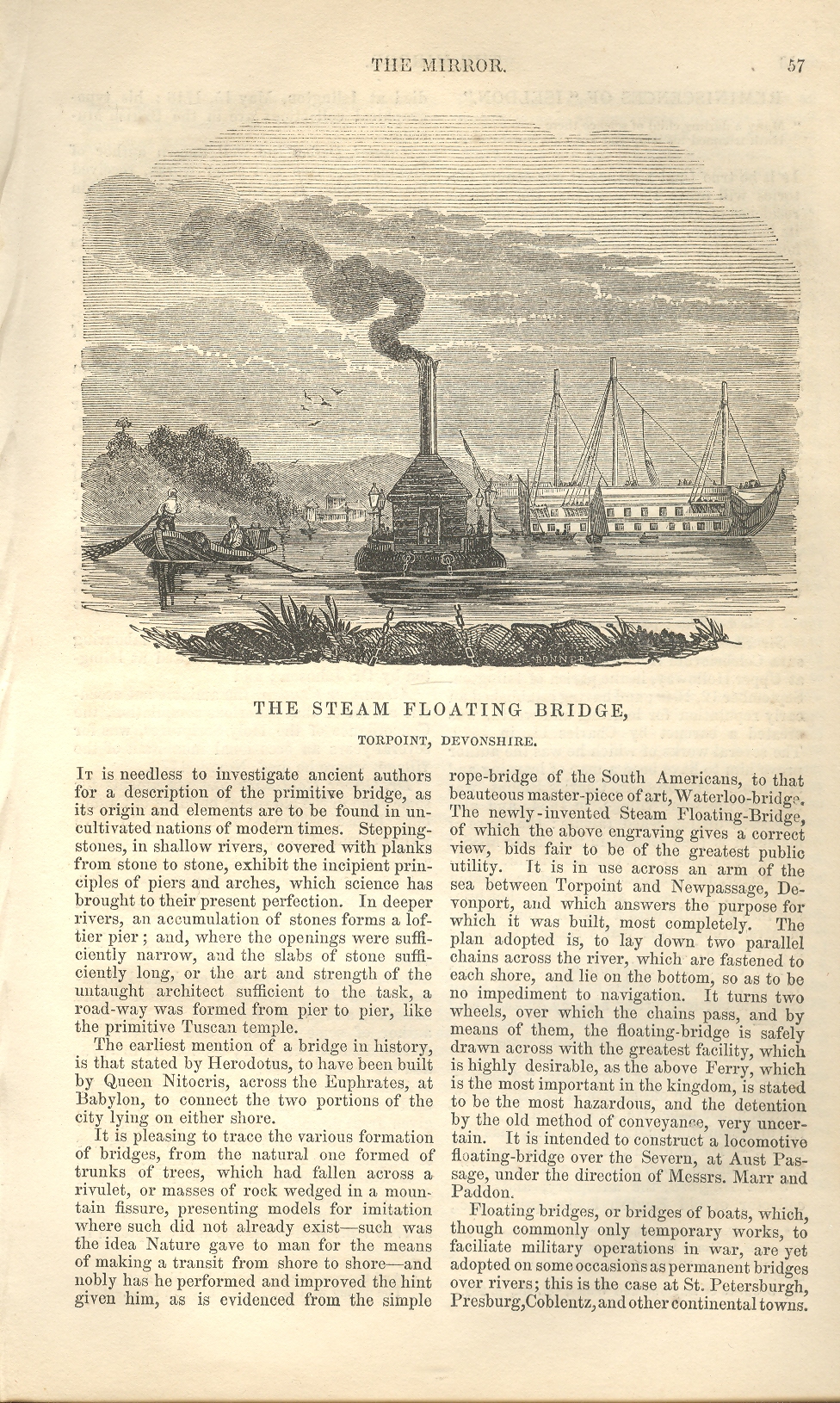
    came across this unusual woodcut in the delightful publication called The Mirrour of Literature, Amusement and
    Instruction,
    published in London on 25 January, 1840.  There are all
    manner of fringe-interesting and ephemeral materials here—necessarily
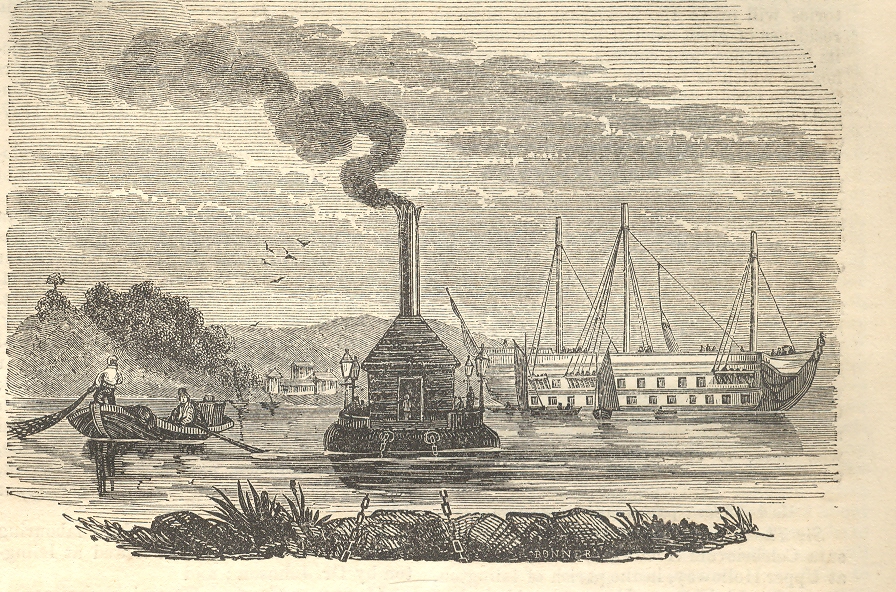
    unexpected, as in this short article about “The Steam Floating Bridge”
    (of Torpoint, Cornwall to Devonport, Devonshire crossing the Hamoaze).


    ++00++ 9.29 floating bridge 001

    At first glance
    this looked like a remarkable modernized way of reformulating the word and concept
    for “boat” or “ferry”. (What audacity!—though perhaps it was someone trying to
    evade patent protection by calling a boat “a bridge”, leading an entirely new
    wave of renamed inventions into a shadow industrial revolution…)  But luck on this was only half-full—on closer
    inspection (and of course before actually reading the article, set aside like
    so many instructional manuals) you can see the “bridge” part of the
    steam-driven barge:  two chains leading
    from the land, then under water, then up again on the bow/stern of the business
    end of the barge, then down again, and then on to the other shore.  This all does sound quite like an old common
    ferry to me, but if the good Cornish people felt it to be a bridge, then a
    bridge it is.

    ++00++ 9.29 floating bridge

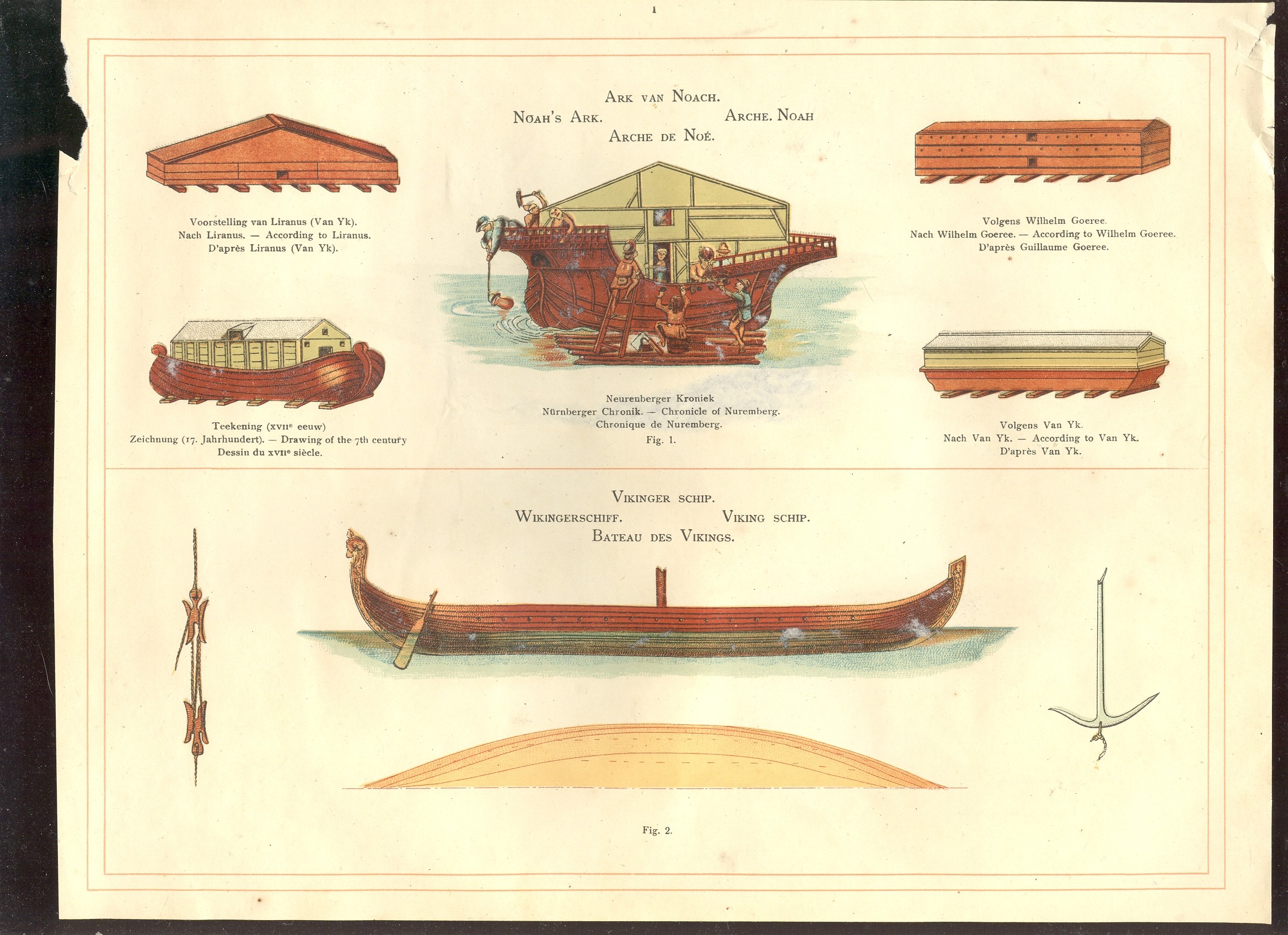
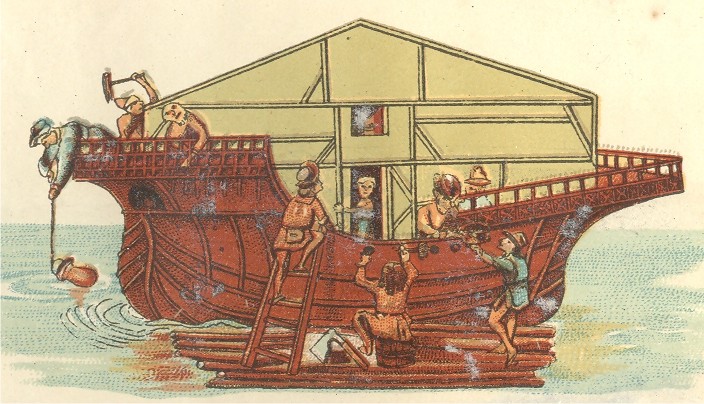
    Loosely connected to this floating “bridge” is the so-called
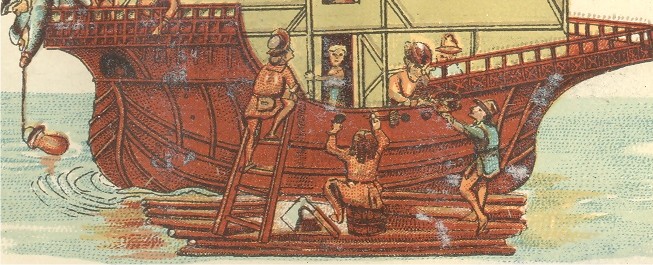
    floating “land” used by associates of the mystical Noah to help in the
    last-moment construction of the great ark. 
    The activity on board is a little confusing to me, as is the
    room-enough-for-three bit of floating “land”, which I would hazard to call a “raft”. 

    ++00++ 9.29 noahs ark

     I
    should point out that the guy with the hammer-like tool is working on the roof
    and not the head of the person in the flattened foreground, though this would
    make for a better story, taking a step towards an ancient Murder on the Orient Express.  


    ++00++ 9.29 noahs ark detail2

    I wonder also about the guy collecting water with the jar, as it seems
    that if he waited for just a little bit longer the water would be coming to
    him. (This image is a 19th-century republication of the scene from the 1493 Nuremberg Chronicle.)

    **A longer and fuller description of the “bridge” is found in
    the Saturday Magazine for 1842, here. 


  • The Kennedy-Nixon Debate that Wasn’t: Mrs. vs. Mrs.

    JF Ptak Science Books Post 770  Blog Bookstore

    ++00++ 9.27 kennedy debate detail

    Television made a grand, sweeping entrance into the presidential political arena, becoming a tertiary, occasionally  biased and highly visible invisible determinant in the contest, 49 years ago yesterday. Nearly half of the country tuned in to watch the first debate on 26 September 1960–which would actually be considerably more than half of the voting population—for a first-ever nationally visual spectacular of seeing two presidential aspirants face each other.  Nixon turned from being an aspirant into a perspirent:  deciding not to use makeup and sweating badly under the heat of the studio lighting, Nixon looked dark and foreboding compared to the just-returned–from-California Kennedy, tanned and nicely tailored  Also of course Kennedy had that charisma bit going on, and spoke very well, was charming, and funny—most of which Nixon was not, though he did have his (version of the) facts under command, had a certain presence because of being Vice President for eight years, and was a formidable debater. 

    ++00++ 9.27 kennedy debate


    But things did not go well for Nixon in the debates, and probably cost him the election which was determined by a squeaky-small margin of  49.7% to 49.6%  (34,220,984 to 34,108,157) of the popular vote.  But as we have seen recently the popular vote doesn’t mean anything if you have the electoral college, which Kennedy had reasonably wrapped up 303 to 226.  Too bad the Kleig lamps didn’t do their magic in 1968.

    What I’d like to address here was the (very little known?) second-tier, non-existent but evidently proposed debates between the candidate’s wives. 

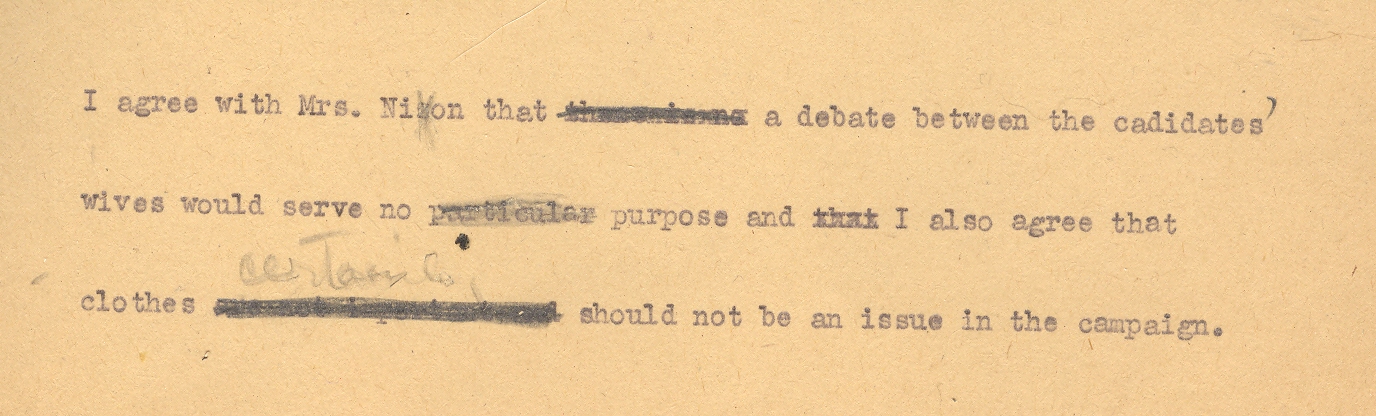
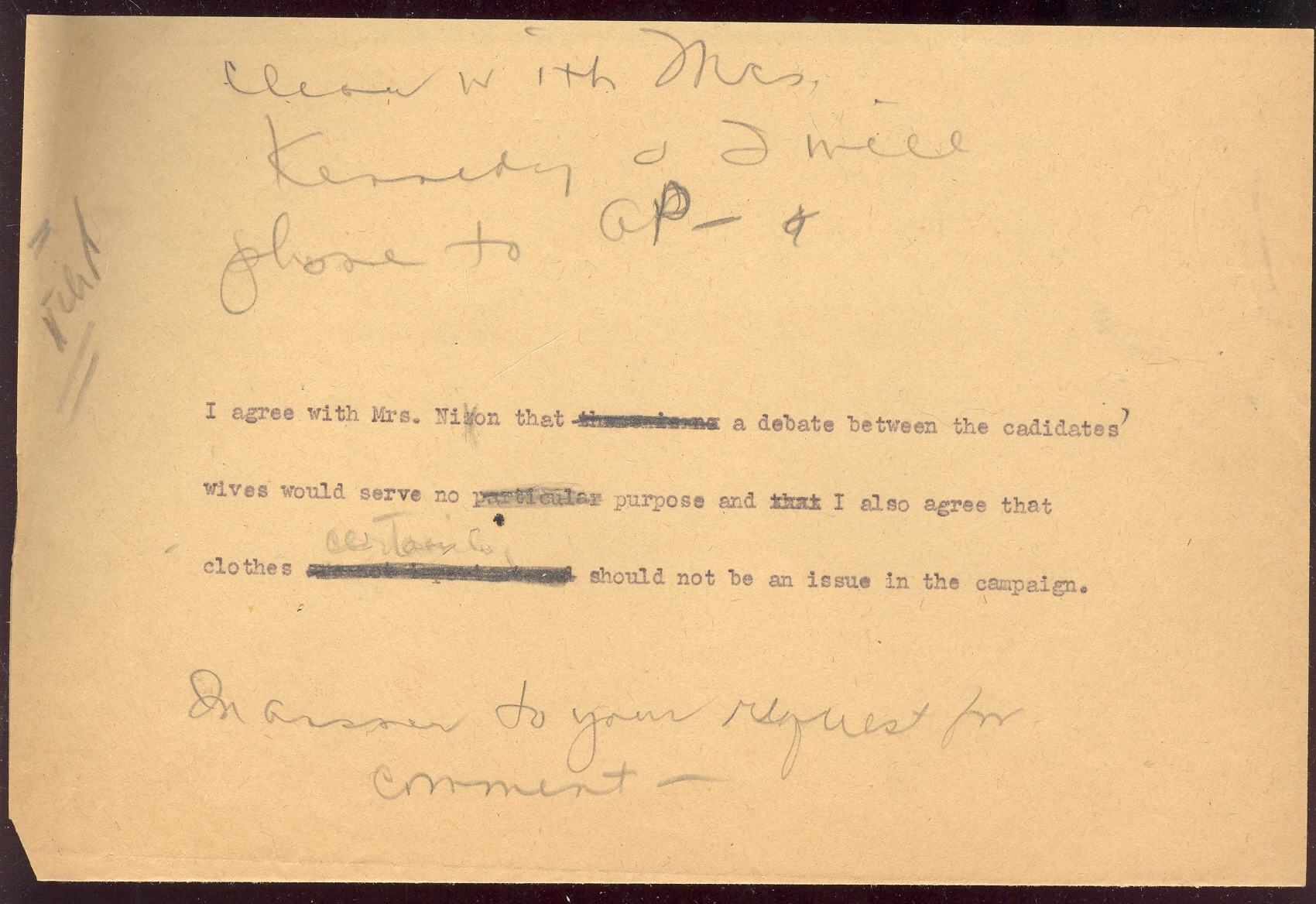
    I own a small archive of Jacqueline Kennedy-iana that came to me via her first, pre-White House press secretary, Gladys Uhl.  Among these 50-odd pieces is this fantastic response from Mrs. Kennedy’s office regarding the proposed wives’ debate.

    The edited typed-carbon response reads:  “I agree with Mrs. Nixon that a debate between the candidates’ wives would serve no purpose and I also agree that clothes should not be an issue in this campaign.”

    The penciled note at top reads:  “Clear with Mrs. Kennedy and I will phone to AP – G”  (The “G” being Gladys Uhl, the press secretary.)  The note at bottom, from Mrs. Kennedy, reads: “In answer to your request for comment.”

    And so ended a truly bad idea, cut to the quick by Mrs. Kennedy and Mrs. Nixon, thankfully sharing the belief that the wives of candidates needn’t get officially involved in the presidential contest. 


    ·Posted by :

    ·in:


  • Blank and Empty Things Post 54: The Cowboy Race of 1893

    JF Ptak Science Books LLC  Post 769   Blog Bookstore

    Some other posts on the Cowboy and the West:  The
    Advancing Frontier and the Increase in Bloody Names of Literary Heroes
    ;  
    Where is the West? 
    How to Find Nowhere
    ;  
    Lines that Closed the West: 
    Wires, Rails and Words

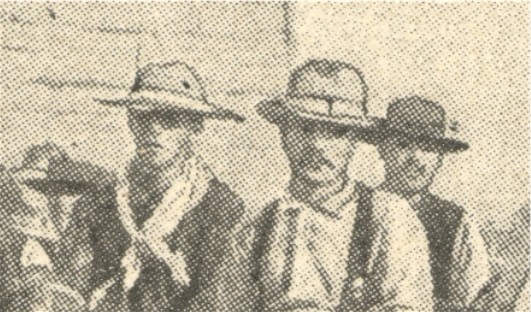
    ++00++ 9.25 coboy

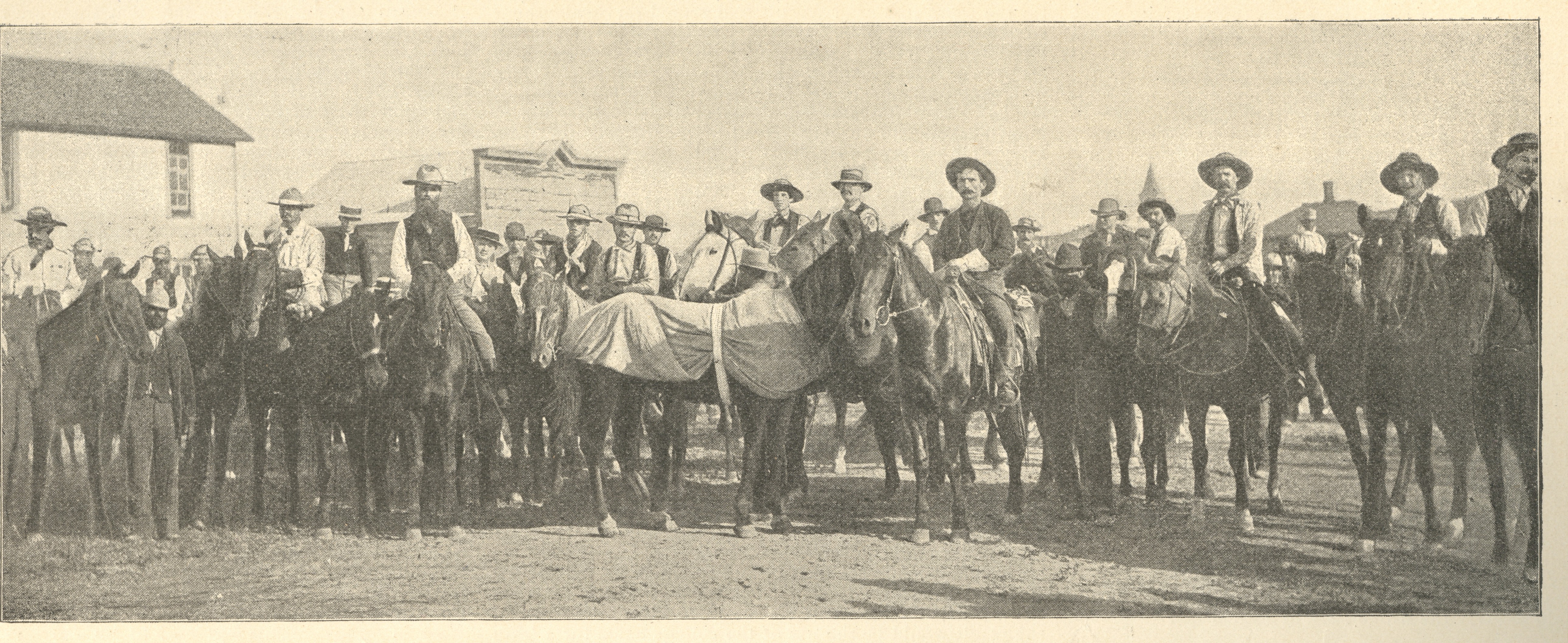
    I’ve not seen this picture of the nine cowboys who starred
    and started the Great Cowboy Race of 18931. 
    They gathered with a frenzy on the little town of Chadron, Nebraska
    (population 2,000, which doubled in size as the event’s opening grew near)
    determined to announce the “best “ cowboy, the first to cross the finish line
    near the Chicago World’s Fair of 1893 and shake the hand of Buffalo Bill
    Cody (well on his way to becoming a shell of what used-to-be).  The contest was supposed to take
    two weeks and average 50-75 miles a day, which is a lot to ask of a team of
    horses (and the riders).  So there was
    the expected shenanigans, and the man who “won” evidently helped plan the secret
    route, and someone else rode a trains with his horses for a bit, and so
    on. 

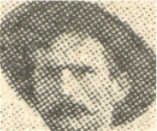
    The result doesn’t matter–it seems an overall sad story, these guys winging their way to the windy City, a race to oblivion. (Some of the cowboy contestants were already about half-faded away into Limbo judging from the photo touch up that had to be done of their faces.)  

    ++00++ 9.25 coboydet2

    Ironically these cowboys were racing to the cosmopolitan
    host of the World’s Fair in which the historian Frederick Jackson Turner read
    his paper “The Significance
    of the Frontier in American History
    ,” —a
    significant theoretical piece announcing why Americans are so different from Europeans, and
    also that the American frontier had clearly, absolutely, been broken and installed in the gauzy national psyche.  The fate of the Cowboy had already been determined 20 years before with the introduction of refrigerator cars, railroad expansion and barbed wire–all of which cut the West into smaller and smaller parcels, until they restricted the Cowboy to its own Reservation. A crooked race to Chicago seemed to crystalize the Cowboy’s tenuous grasp on  existence, depicted finally by the new(ish) half-tone photo process of Stephen Henry Horgan, making a half-portrait of empty circles, the image disappearing more and more the closer we look at it..

    ++00++ 9.25 coboydet

     It was just a sorry show for the cowboy all
    the way around, and a story that doesn’t need to be told here.  I did just want to publish this picture.  There’s a long and good story here http://www.thelongridersguild.com/chadron2.htm
    about the entire affair. 


    I include the list of the riders, mainly for the names of
    their horses:

    Emmett
    Abbott riding Outlaw and Joe Bush.

    Joe
    Campbell riding his one horse, Boom-de-aye.

    Davy
    Douglas riding Wide Awake and Monte Cristo.

    Old Joe
    Gillespie riding Billy Mack and Billy Schafer.

    George
    Jones riding Romeo and George.

    Charlie Smith
    riding Dynamite and Red Wing.

    Rattlesnake
    Pete Stephens riding General Grant and Nick.

    Doc
    Middleton riding Geronimo and Bay Jimmie.

    John Berry
    riding Poison and Sandy

    .


  • Things Not Meant to Fly: Big, Heavy, Underpowered Planes

    JF Ptak Science Books 

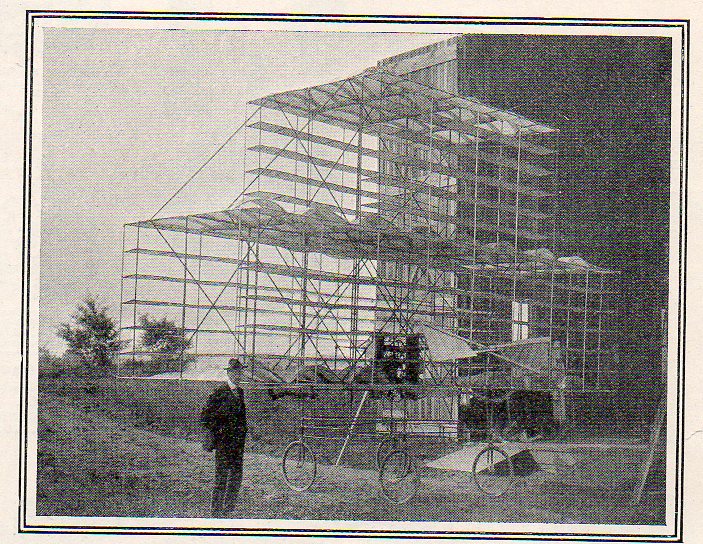
    Airplane tallest041
    “The tallest airplane ever built” is the title to this picture which appeared in the “Chronicle of the Car” section of the  Illustrated London News for 22 February 1908.  The plane is the work and vision of J.W. Roshon, a photographer from Harrisburg Pa.  Somehow, Mr. Roshon designed this thing to fly–that it could roll, and perhaps even taxi, is one thing, but flying really doesn’t seem to be part of its performable agenda.  The plane was made of “aluminum and steel tubing, bamboo, and steel wire… and measured 24 feet wide, 8 feet deep, and 17 feet high”, and held 900 square feet of canvas.  This all sounds very heavy to me, especially when you consider that the engine weighed 50 pounds and generated seven horsepower. By contrast, the Wright I Flyer (the famous first-flight airplane of 1903) had a wingspan of 40 feet, weighed 625 pounds and sported a 12 horsepower, 170 pound  engine (and which by the way was all produced for about a thousand dollars).

    Its hard to see, but the pilot is prone, and laying left-to-right, and the plane really does seem to be 8 feet long, stem to stern. I cannot find out what happened to the canvas and tubing and pilot after the test flight (where “flight” means “roll”).

    ++00++ 9.25 airplane 001

    ·Posted by :

    ·in:

    —

  • Dreaming of the 10-Ton Eiffel Tower Bullet, 1891

    JF Ptak Science Books  Post 736

    ===blog==aug 30--eiffel People find inspiration everywhere, insight to creativity in the obvious and not so.  Great statues have been envisioned in the depths of slabs of marble, solutions to mathematical problems in the step of a bus, the beginning of a new physics in the rolling ball in a wagon.  Its an old and very warn cliché, but the world can be seen in a grain of sand if you could just pieces together the bits of glass:  just as pointillism was seen in the not-simple intercession of two colors and cinematography in the latent image and the structure of the universe in a patch of dancing dust.

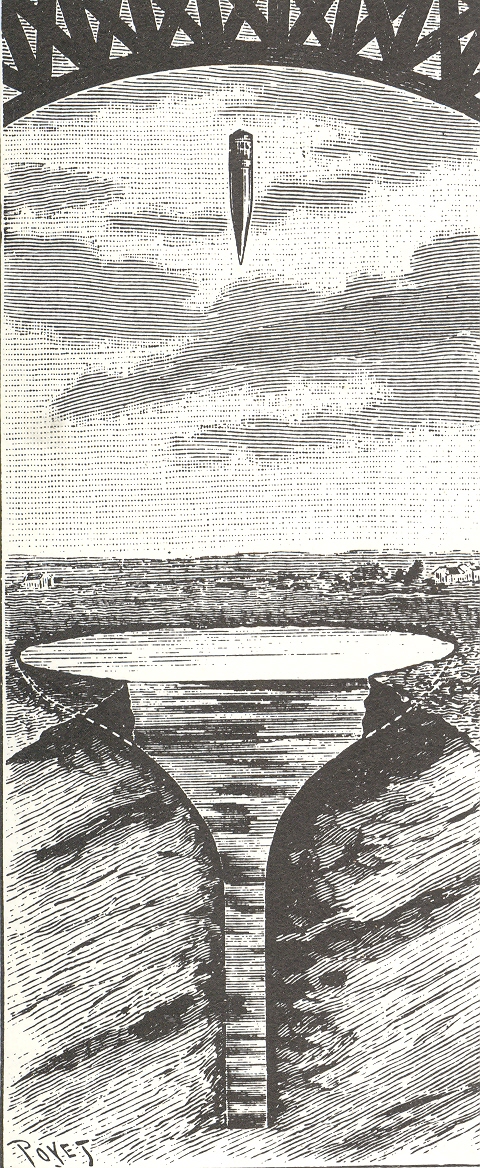
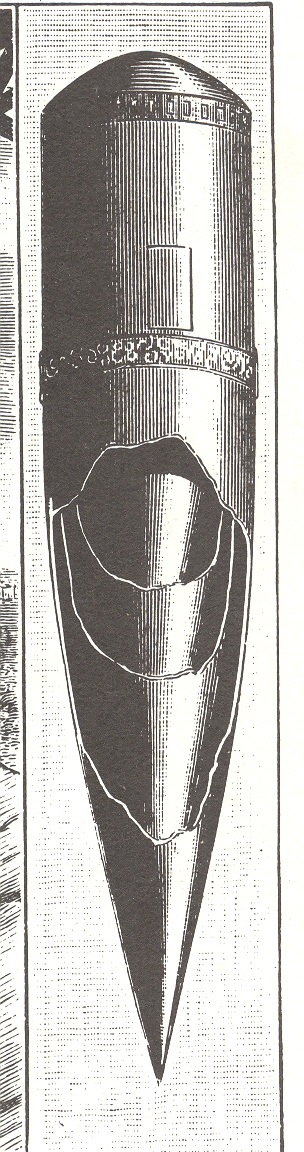
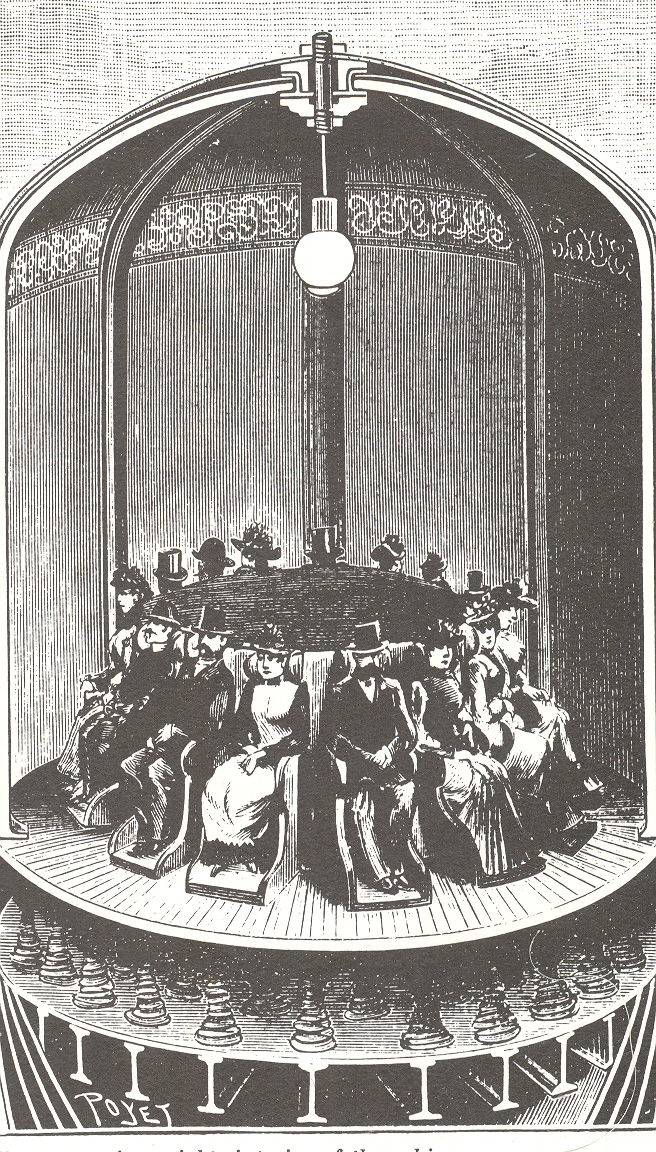
    The Eiffel Tower has had its own way with the visions of people, from it representing the birth of The Modern, to an icon of passion, to architecture and engineering innovation, and to general  adventure and the call of possibility.  It has moved other people to think “special” thoughts:  like, for example, what a lovely canvas it would be to place a 700’-tall electrified sign.*  And to M. Carron of Grenoble, who may have the most unusual inspirations from M. Eiffel, the tower was the perfect place to drop a 40-foot tall, 20,000-pound bullet filled with 20 people in leather armchairs into a 200-foot deep champagne-glass pool.

    ===blog==aug 30--eiffelbullet

    This is certainly a singular insight.  But in 1891 it represented something a little more than just giving people a thrill ride.  Physics of impact aside for the moment, M.Carron’s bullet capsule would be released from the top of the interior of the Tower, about 1000 feet high, and released to fall into an excavated pool 150’ across and 200’ deep.  The idea was that in addition to the springs inside the capsule, the water would act as a “shock absorber”, and so “the shock felt by the occupants on landing will be in no way unpleasant”.  

    [Okay, so the thing would hit at 178mph or so, and, assuming that the whole thing didn’t get completely crushed on impact, I’m not so sure that 200’ of depth is very much wiggle room for the thing to come to a halt (if it didn’t deform).  I Also it would have to not have any wind deflection so as to not veer off its perfect entry into the water.  And so on.  Calculating the force of impact is difficult without knowing how far down the bullet would go, but hitting the water at 80 m/s and stopping at 30 meters would yield something like 28,600,000 KE and 1,274,000 N. There are lots of problems….]

    ===blog==aug 30--eiffelinside

    The thing is, though, the thing that made this so appealing, is that for the 20-francs that get a person a seat in the bullet, that they would each get to go twice as fast as any human had ever traveled before ( 65 miles per hour was about the speed of the fastest train constructed).  So it was an extraordinary claim, an done that doesn’t get made all that often in the history of locomotion.

    And so this wasn’t a practicable or workable idea; but, well, so what?  It was an unusual idea, inspired by some sort of different thinking, which are both good places to be in according to the Gazetteer & Atlas of Ideas.  Sometimes thinking like this is just prelude to something else, thought avenues that had to be explored before the real thinking could get done, introducing you to a new geography of thought.  That’s what M. Carron had going for him; the newness of his thinking was much more important than the wrongness of it.

    *This story comes at the end of a post called Bad Ideas Department:  the First Image of a Hypnotized Chicken, so in spite of the title you’ll wind up in Paris.


  • Trikewriter: 19th C Bicycle as Outdoor Printing Press

      JF Ptak Science Books  Post 735 Blog Bookstore

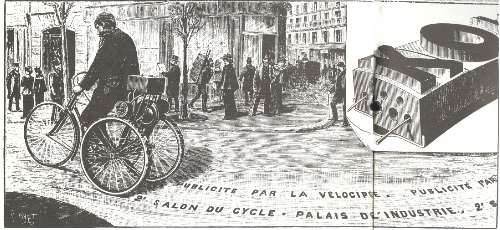
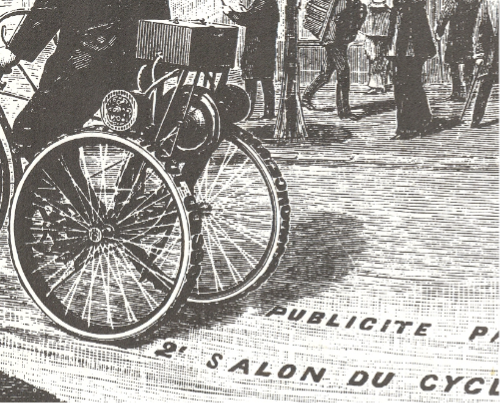
    Yesterday I posted a short note on the History of Extreme Writing with the example of cloud writing.  From clouds above to the mud below comes this second, very peculiar example of this exclusive genre:  tricycle writing.  This may actually come “on he heals” (so to speak) of another ancient form of writing coming from ancient Greece, where prostitutes would mirror-write ‘follow me” on their footwear so that prospective clients would follow their message writ in the dust to their home. This present shows the invention at work in the streets of Paris: as you can see it really was a printing press, applying the messages that were attached to the two rear tires in a way similar to that which prints lines in the street. 

    ===blog==aug 30==bike writer


    The wheels actually could be fitted with movable type, making the message changeable. I imagine too that the messages could be written with water-soluble ink or whatever so that the advertiser could be paid again and again, and that the street canvas would be refreshed constantly.   I hate to say it–what with the possible destruction of public property aspect of it–but it looks to me as though this sort of thing would be very successful in getting a message across. At least the first time–it is easy to imagine hundreds of these buggers crisscrossing a city, messages on the ground everywhere, the streets confusions of sentiments and exclamation.  We have that now with billboards and other fixed advertising; so I imagine the only thing preventing ads from appearing on the roads are public safety issues. 

                                                                                                                                                                       
                                                        ===blog==aug 30==bike writer


    ·Posted by :

    ·in:

    —

  • Cloud Writing

    JF Ptak Science Books LLC  Post 734  Blog Bookstore

    The History of Extreme
    Writing (for communicating across an uncommon distance) is relatively recent,
    given the thousands of years that humans have been communicating.  The 17th century semaphore system
    for relaying telegraphic messages might be one, if you consider the semaphore’s
    decoration of a

    ===blog==aug 29=cloud writing 001

    building- or hill-top to be a piece of writing. Smoke signals
    and forms of communication relying on interrupted transmission of a powerful
    light source might look to be part of the environment, epically in regards to
    smoke, it message bright and visceral, and somewhat lasting, as it message
    moves and grows and dissipates (depending on the area’s climatic conditions for
    the hour).Church bells might apply (reminding the faithful and the fearful to
    consecrate  hope and fear), as might the
    Mullah’s voice, or the sound of a ram’s horn. Outside of things like mail, or
    the very short-lived super-mail Pony Express system, there was precious little
    that could be seen as a pre-electrical telegraphic regional internet. 


    Perhaps the greatest example
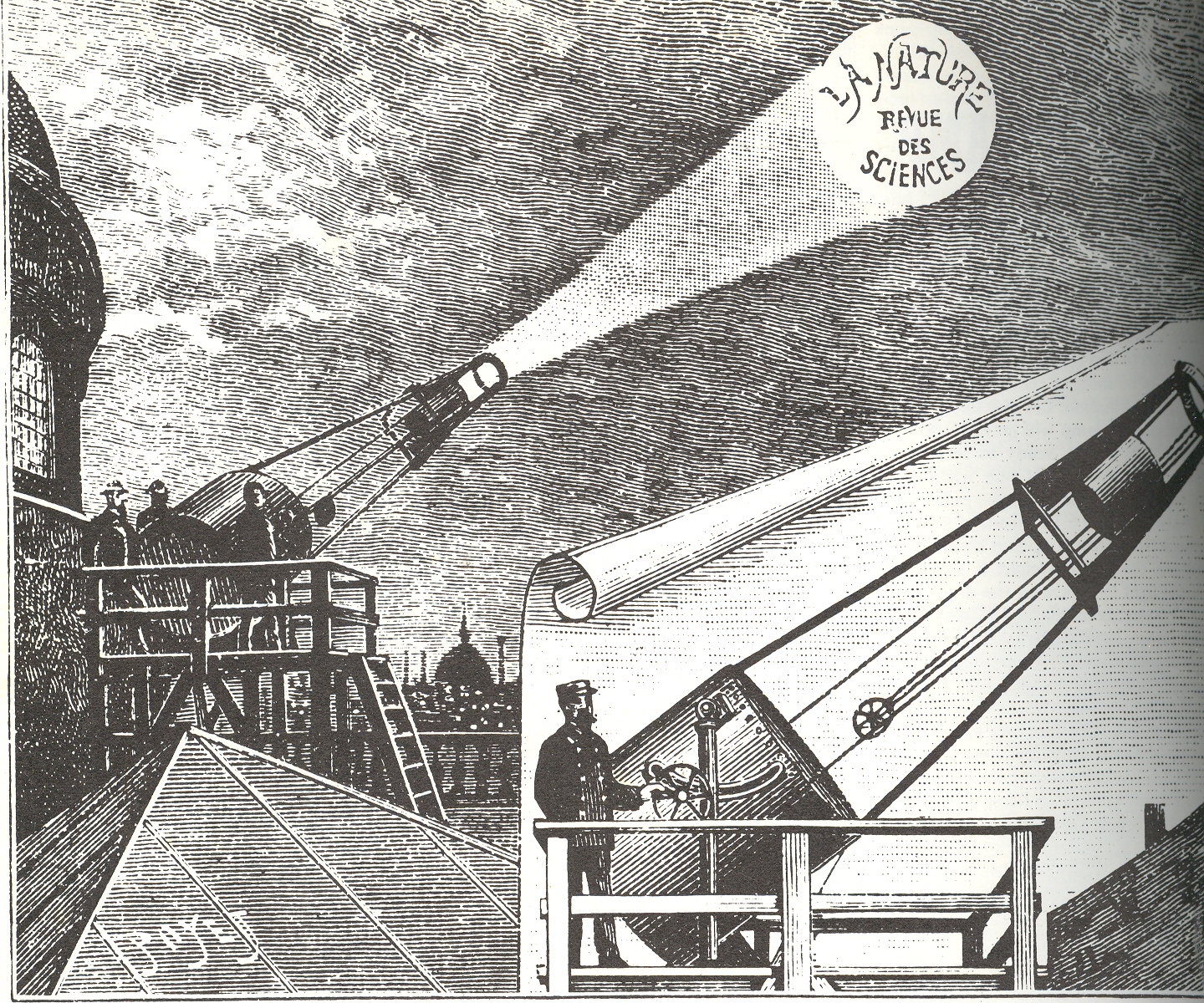
    of Extreme Writing came this French effort to advertise on clouds.  Electrical advertising in general came a
    little slowly following the invention of commercial electricity.
    The,
    um, adventurous PT Barnum contracted the first electric bulb writing (utilizing
    the Edison invention) in Manhattan
    in 1892 to envious attention, resulting in less than 15 years with the Great White Way. 
    The world’s largest electric bulb writing was on the Eiffel Tower ,
    with Andre Citroen agreeing to light the outline of the tower if he could put
    his name on the rest of it.  I’m not sure how this was seen as a good
    idea, but the sides of the tower were used for this purposes until somebody
    wised up and put an end to it all in 1937. 
    But the writing-on-clouds- bit was enormous and terribly disrespectful,
    and never really took any sort of hold in Europe, though it did get some amount
    of play in the U.S.
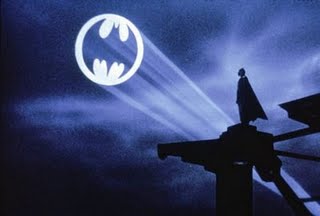
    from time to time.  Mostly, cloud writing
    worked best in fiction, and for one particular person—and there it worked
    rather well.  Batman

    ·Posted by :

    ·in:

    —

  • Fabulous Victorian Technical Attempts at the Future Commonplace

    JF Ptak Science Books Post 733  Blog Bookstore

    ===blog==aug 28==floating device


    [Source: Scientific American, July 11, 1869; also [The full description of the apparatus (as seen in the American Phreonological Journal, September, 1869) can be read in the continued reading section, below.]

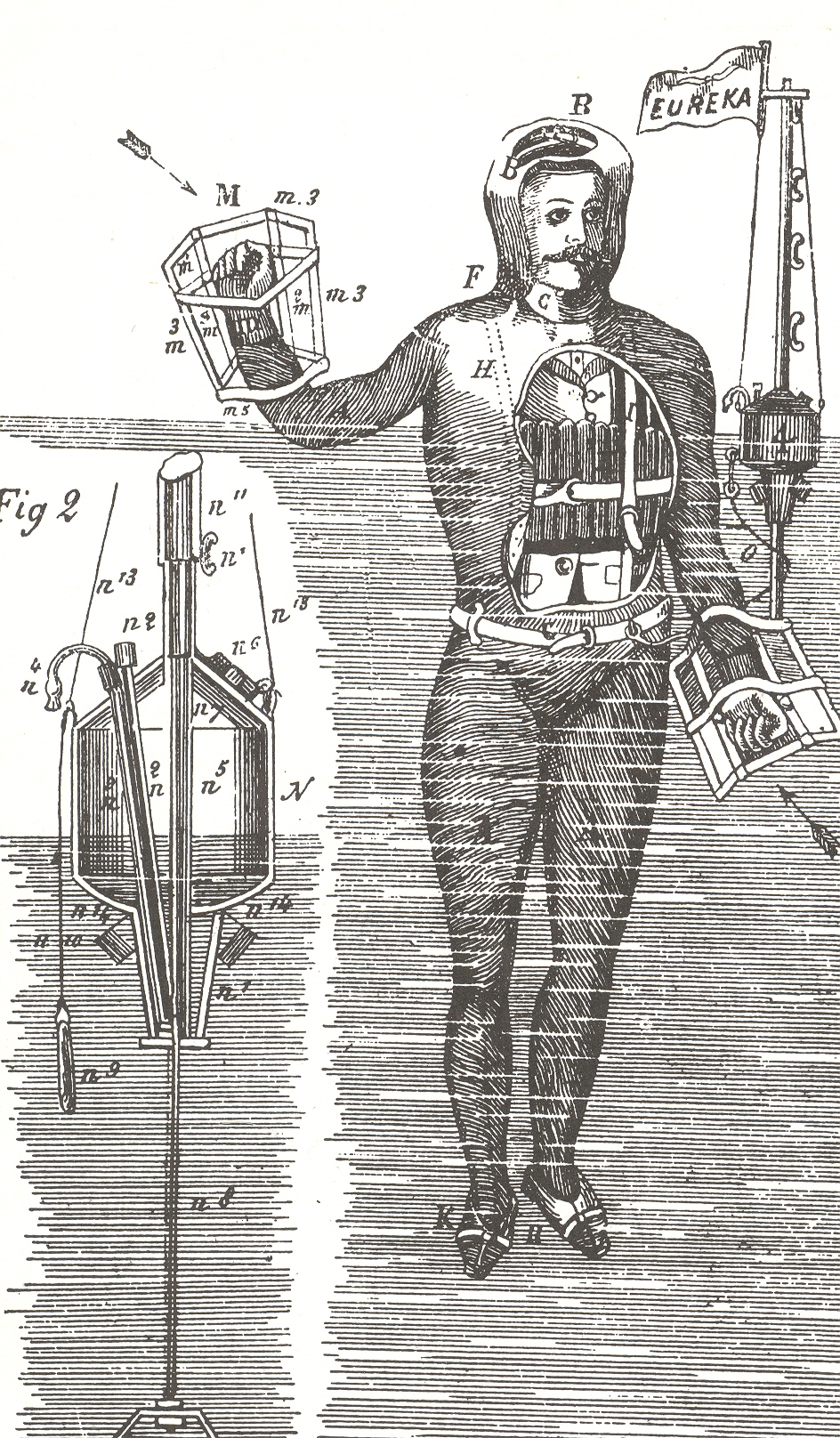
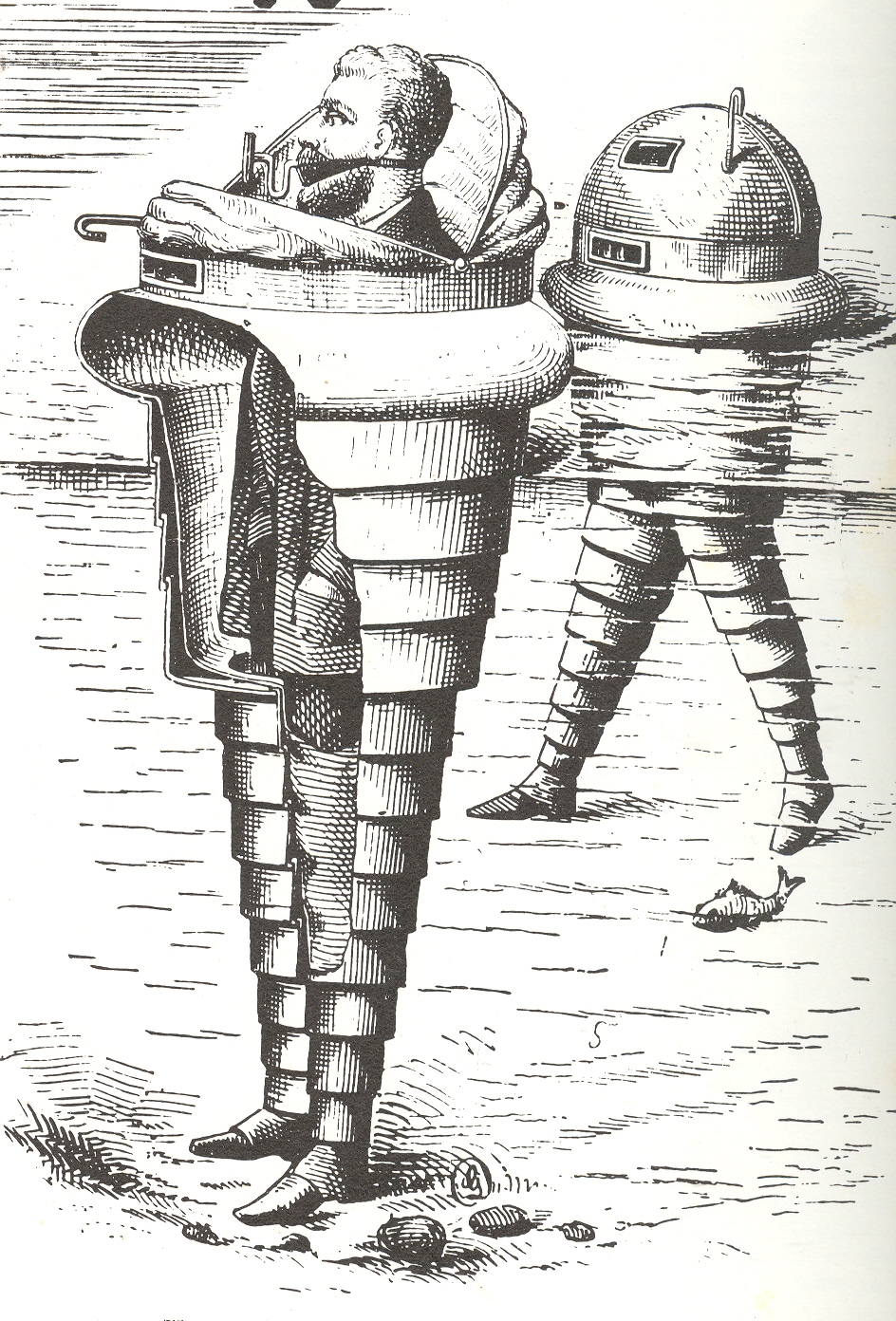
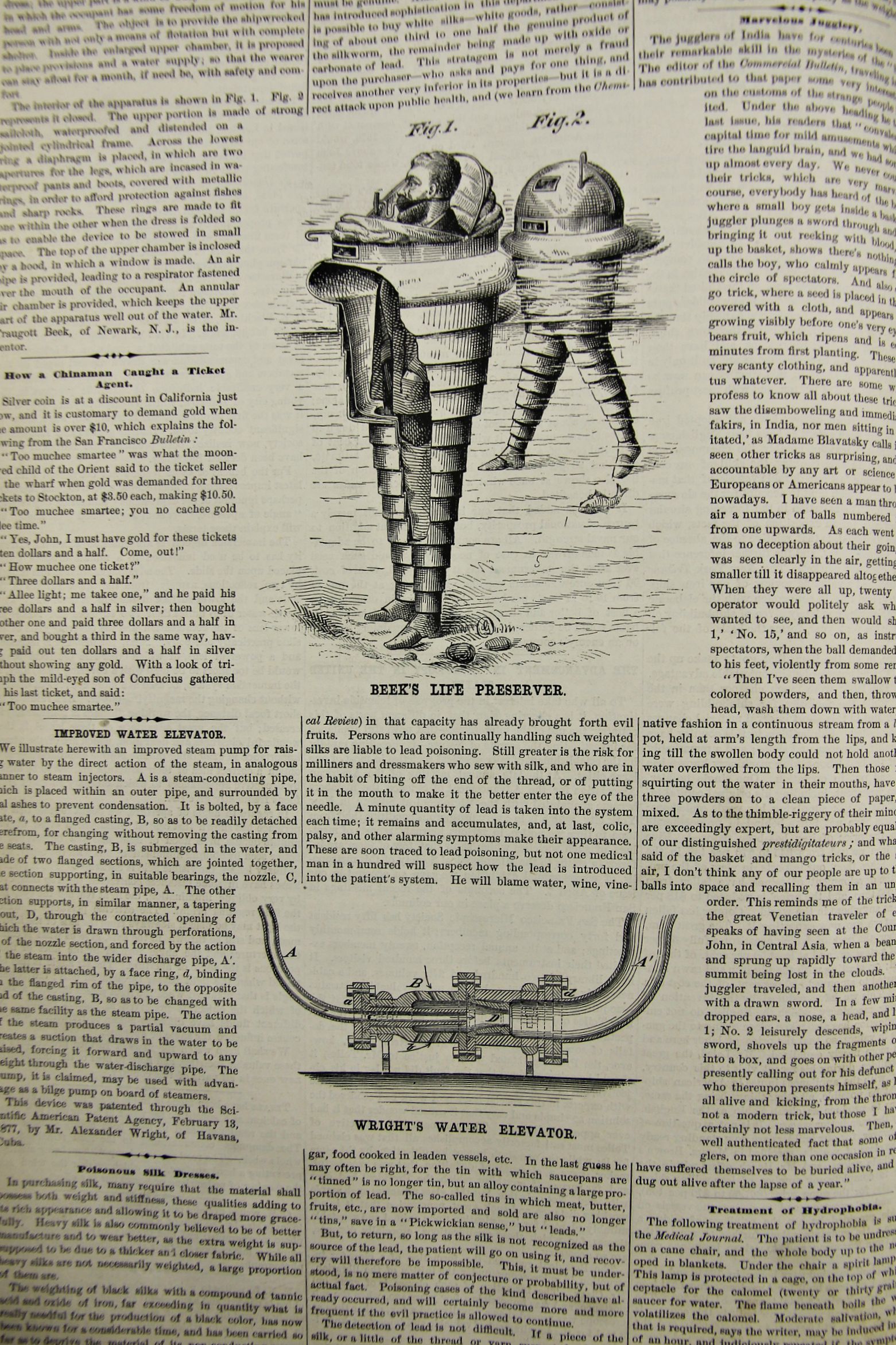
    And so in 1869 came this odd Victorian appeal to a frosty blend of survivability and entertainment.  The fellow in this woodcut was decked out in the very latest lifesaving apparatus for making one’s waxed-mustachioed way through disaster. The surviving member donned a very resistant, very heavy suit made of rubber, including a helmet (of some sort), all of which was made to make the wearer impervious to cold or heat./ Under the rubber suit was a floatation/buoyancy undersuit which seems to fit snug around the wear’s waistcoat.  It looks as though the whole of the suit would increase the mass of the wearer by something like one-third.  Most intriguing here is the little companion buoy (complete with a “Eureka” flag), which was outfitted with water, food, “reading material so that he may read the news to pass the time of day”, cigars, a pipe and tobacco, plus torches.  Evidently, this was to keep the person afloat, alive, and entertained for days on end. 

     [Source: Scientific American via Google Books]

    This magnificent 1877 non-SteamPunk telescoping india-rubber screw, invented by Trauggott Beek (of Newark N.J.), is supposed to be waterproof, so that the wearer could put it on over evening clothing (as is the case in this illustration) and enjoy a spin in the surf before contemplating other Victorian nighttime reveries.  It was said that the wearer could stow away a month’s worth of food in the suit, somehow–I don’t see how this could be, especially if there was a month’s worth of water, which would like fitting in the suit with another (larger) person.


    ===blog==aug 28==fswimming device

    [Source: Scientific American, May, 1877, issue #18.]

      Beek's life preserver

    ·Posted by :

    ·in:

    —