JF Ptak Science Books Post 22
Unusual cross sections have always fascinated me–they are an X-ray of the techy-inards of the physical world , showing you a slice (literally) of the Unseen and Unapproachable.

The first engraving here is of an (unidentified) Western-U.S. mine, printed 1869, and shows the comparative depth of an un-effacing mining operation in terms of height, nestling it in against Trinity Church (NYC). The “21 stories” depth of this mine would have been astonishing to the 1869 mind thinking of it in terms of height. Few office buildings in NYC for example exceeded 5 or 6 stories at that time. [It was in 1872 that the tall buildings’ fortune turned, as C.W. Baldwin (working for the Otis Company) invented the geared hydraulic elevator, meaning that buildings could now be taller than the strength and endurance of its occupants’ legs. (Actually, to my mind it is the invention of the elevator safety brake that clinched the deal, making it safe to enter an elevator and expect to survive the experience. There’s a lot of other stuff that comes into play, not the least of which is steel framing, lightening the buildings weight and displacing the weight from its’ normal receptacle of the foundation, but I digress.) ] So trying to imagine something that was 15 time the height of the spire of Trinity Church was doing some pretty large-scale imagining.
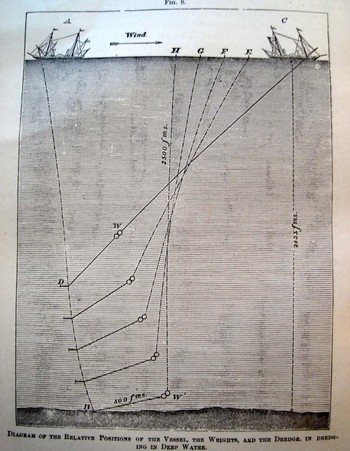
A corollary the the height of the mine is, perhaps, a cross section of the depths of waters. Here we see an 1877 illustration from an article on new methods of determining the depths of ocean waters, giving a very clear indication of the enormous “height” of the ocean even in its most measurable (and not-so-deep) section.
I simply could not resist this 1875 engineer’s drawing (“Plan of Ten-Stall Stable….for W.D. Wight’s Paper on Underground Horses”)–and yes indeed these were horses kept underground, used for hauling the heavier wagons (on tracks) of whatever, brought out to these larger chambers by men doing the same work with lighter loads in smaller areas. (For perhaps the best description ever of men at work in a coal mine, see the gorgeous George Orwell’s Down and Out in Paris and London)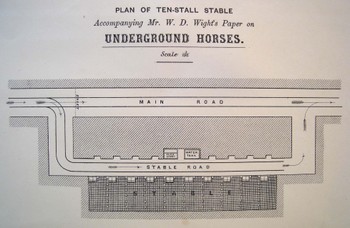
This is one of those images I think that will elicit a pretty light-hearted reaction until your brain catches up to the reality of what the print is really depicting.
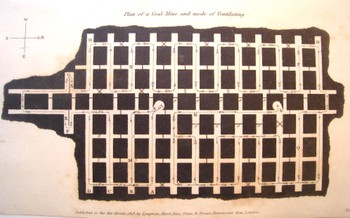
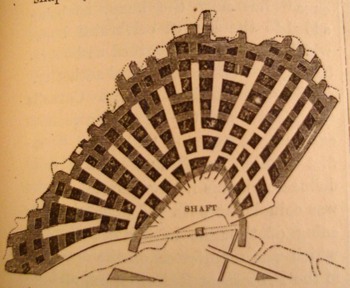
This image is actually much rarer than a mining cross section–it is a plan (looking from the top and down) of a mine showing the mode and direction of ventilating the whole bit, printed in 1818. (As it turns out it is rarer still to see a plan depicting a mine’s numerous layers–I’ve honestly not seen another one of these done before 1900.) What an incredible image this must have been to the early 18th-century eye, seeing such a novel, and rare, depiction of (important!) data.
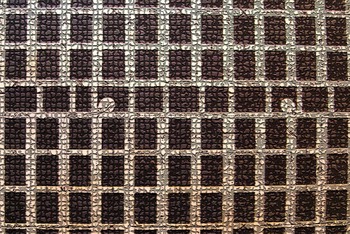
In the Victorian panoply, the technological temple ma have had an entryway mosaic constructed from the idea of the mine cross section or plan–it is a structural, semi-architectural bit after all, made to withstand advanced weight and pressure. Or how about a mine cross section template for a stained glass window? I can imagine the Temple of Technology boasting a design schema of nothing but elements like these–those people trusted, perhaps even worshiped, the small and great mechanical machines and contrivances of their era. All you have to do is look at the housings for even some of the simplest objects and you’ll find a metallic skin of awe and beauty, a symbol of admiration and respect for analog creativity.


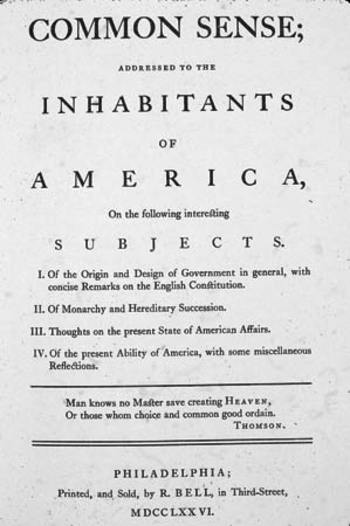
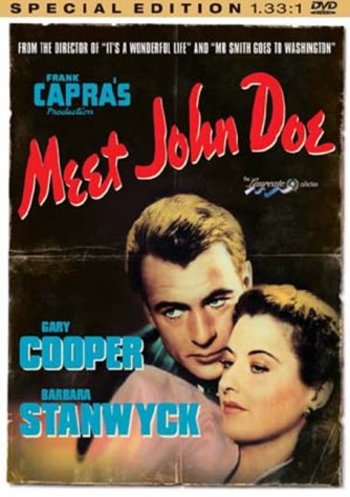 Anonymous seems to come more into play in our present culture via the need for a place holder—when tallying and accounting the death of unknown people, for example, the name “John Doe” or “Jane Roe” is used (in the U.S.) to take up the forever empty space calling for The Departed’s name. (Our most famous “Jane Roe” is Norma McVorvey of Roe v. Wade; I think the Gary Cooper film (“Meet John Doe”) still ranks the highest for the male equivalent.) Something has to go there in that empty space, and so it does–the placeholder name. (The practice of using such names is actually pretty old, and is practiced worldwide. See
 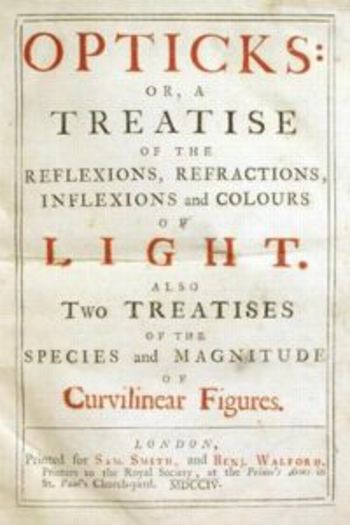 Opticks without his name on the title and in fact only used his initials in the preface as his personal identifiers.
 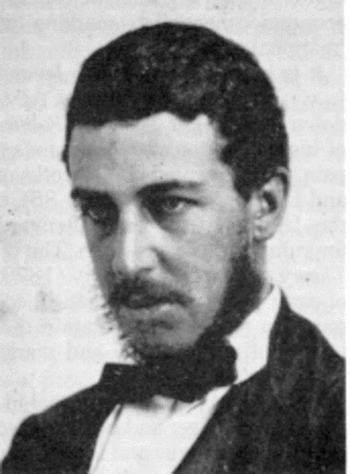 An early study of attention and perception (or “How Many Items Can it Embrace at Once?”) popped out at me while muscling my way through another year of Nature magazine for 1871. The article was by
 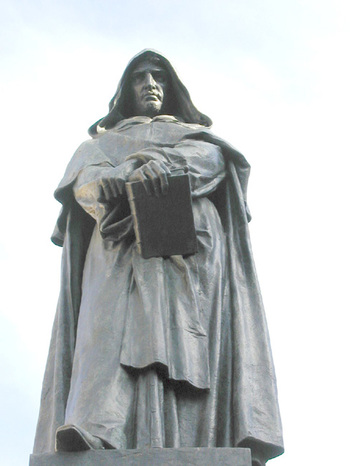 and semi-scientific work on memory formation and retention. This of course goes back as far or as deep as you want to go—taking a stab at random we’ll use
 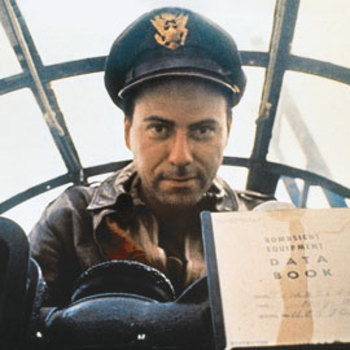 Seems scary to me. Maybe memory is affected, maybe it makes it go away, shriveled because recollection is being eliminated. Or demented like the wonderful Yossarian (his first name is John, btw) from Joe Heller’s beautiful Catch-22 who develops for himself a condition in which he remembers everything twice (whatever that means).
 nothing versus a culture that remembered everything. The unspeakably lovely
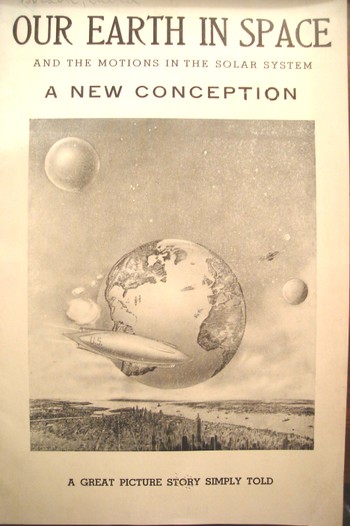
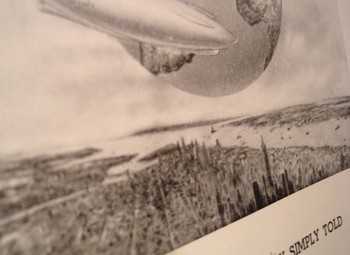
 The full title of this work: “A Picture Story Explaining Our Earth in Space and the Motions in the Solar System, a New Conception, a Great Story Simply Told”, by David Gordon.