A Daily History of Holes, Dots, Lines, Science, History, Math, Physics, Art, the Unintentional Absurd, Architecture, Maps, Data Visualization, Blank and Missing Things, and so on. |1.6 million words, 7500 images, 4.9 million hits| Press & appearances in The Times, Le Figaro, Mensa, The Economist, The Guardian, Discovery News, Slate, Le Monde, Sci American Blogs, Le Pont, and many other places… 5000+ total posts since 2008.

Author: JF Ptak

  • Mail Call, War’s End, 1918

    JF Ptak Science Books   Quick Post

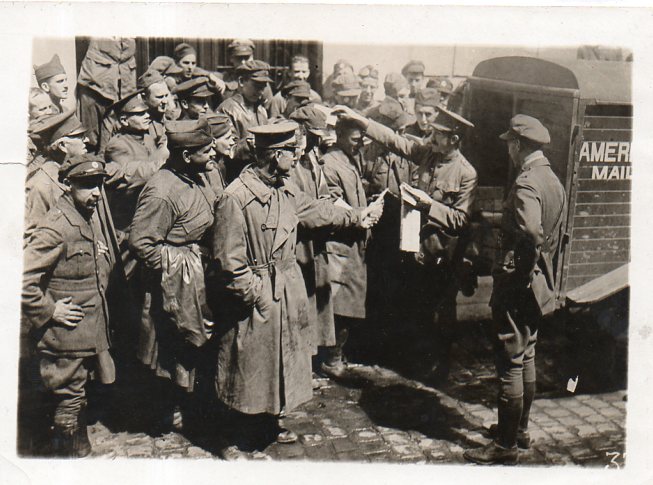
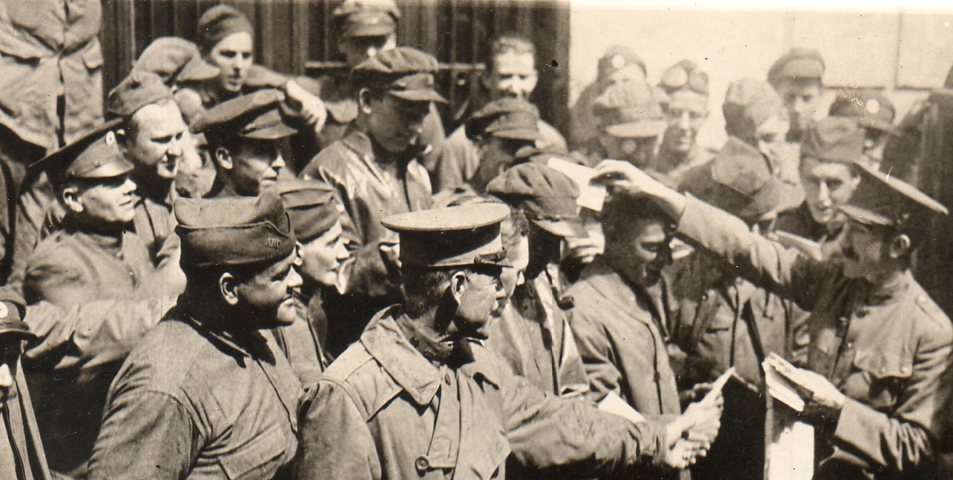
    Yes, this was undoubtedly a posed shot to some degree, but these U.S. soldiers were still very serious about getting their mail. This is a new photo service image made by a pool of photographers whose work was passed by a censor before being distributed1.  The photo was made in the closing weeks of the War in 1918.  On the back of the photo is stamped:  “What a letter from home means in France/Group of American Red Cross chauffeurs in Paris at mail distribution at their garage”, and “Bureau Publicity Lake Div. American Red Cross, for release October 2”.


    WWI Photo Mail167


    WWI Photo Mail168

    ·Posted by :

    ·in:


  • Examples of the First Use of Words by George Orwell Found in the OED

    JF Ptak Science Books  Quick Post   [Part of the series on Naming Things.]

    While looking for something else in the Oxford English Dictionary I looked up the instances of the works of “George Orwell” being used as illustrative/descriptive examples for a word and found 484 usages and 9 first-time-use references. That’s a lot for a modern writer in the OED–Shakespeare on the other hand has 15,986 listings and 1,591 first uses, the orders of magnitude fully expected; coming to another massive wordsmith in Gibbon,  we see the numbers skewed deeply down to 1,741 and 32. Anyway, Orwell/Blair shows well in comparison to The Rise and Fall, which to me is impressive.  Here are his 9:

    Doublethink: The mental capacity to accept as equally valid two entirely contrary opinions or beliefs.

    • 1949   ‘G. Orwell’ Nineteen Eighty-four i. iii. 37.   His mind slid away into the labyrinthine world of doublethink. To know and not to know, to be conscious of complete truthfulness while telling carefully constructed lies, to hold simultaneously two opinions which cancelled out, knowing them to be contradictory and believing in both of them, to use logic against logic, to repudiate morality while laying claim to it, to believe that democracy was impossible and that the Party was the guardian of democracy.

    ·Posted by :

    ·in:


  • Comparative Naval Strength in an Infographic, 1905

    JF Ptak Science Books   Quick Post  (Quantitative Display of Information Series)

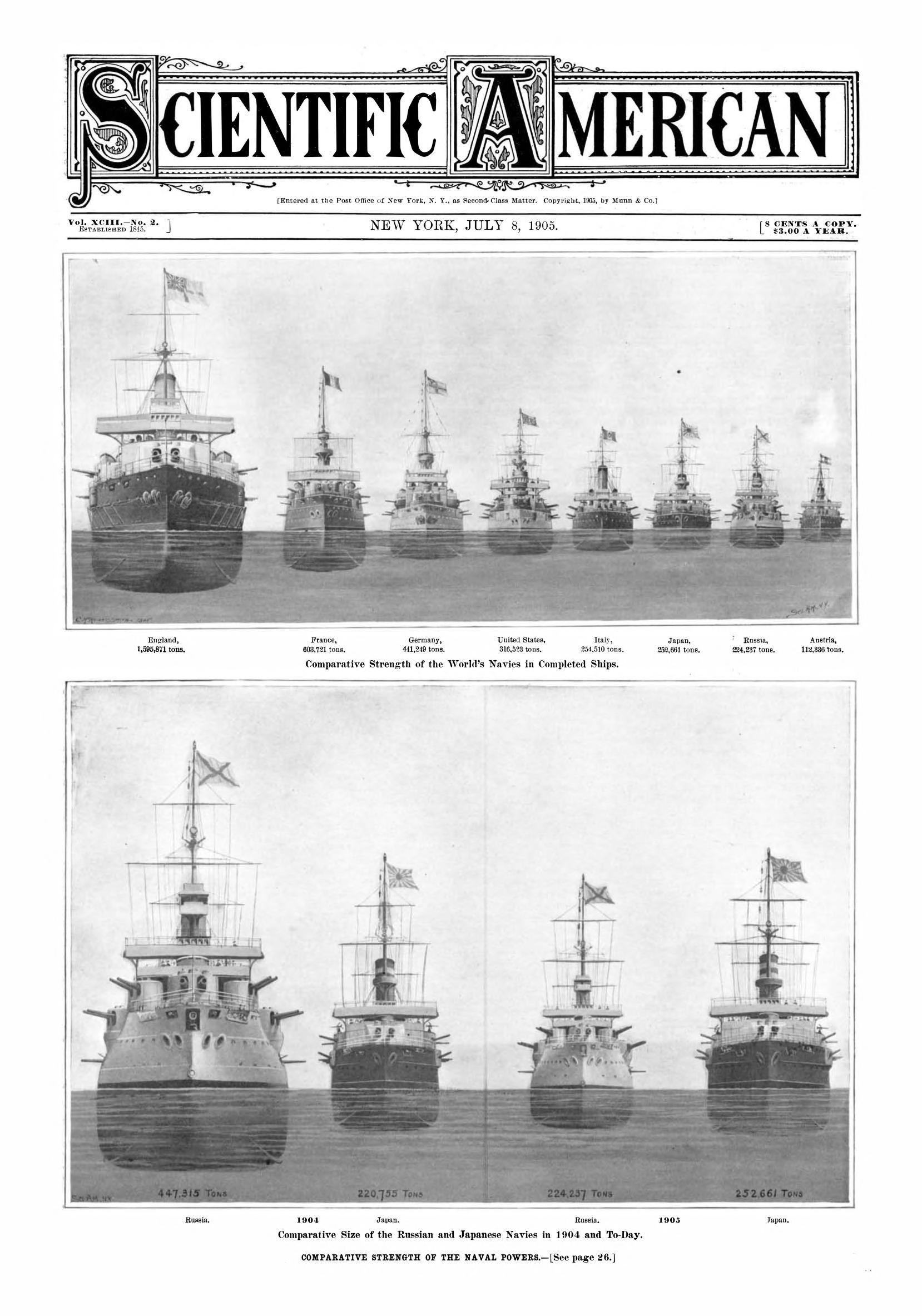
    Here’s another in a long series of Quick Posts on the artistic display of data: this one shows comparative naval strengths just after the turn of the century around the time of the First Moroccan Crisis, and appears in the 5 July 1905 issue of the Scientific American, home to a great number of these examples of popular numerical presentation.  Rule Britannia:
    Sci Am 1905 comparative naval strength


  • Human Maps of Cyborg Parts, Wounds, and Blood

    JF Ptak Science Books

    A Map of Man’s Ability to Replace Himself, 1610-1723

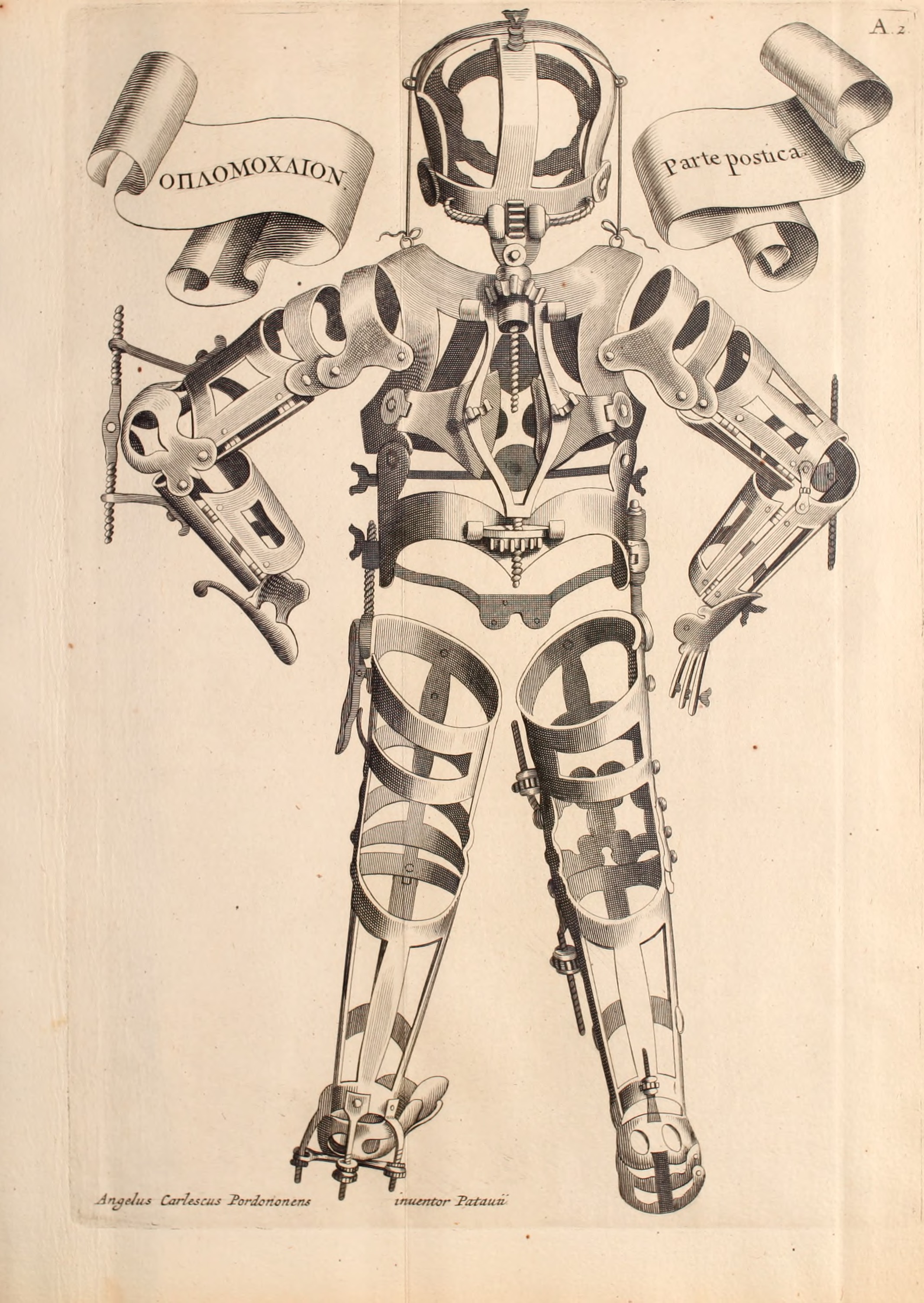
    FabriciThis woodcut of applications and applicators to injured humans, lacking the human, waiting for the human, the missing human, was made by Hieronymous Fabrizzi (or Jerome Fabricius, 1537-1619), and found in his Opera Chirurgica… printed in 1723.  Even though this is a pretty straight-forward image, it strikes me as a little odd, a little off,  looking a bit like inhuman trappings, the entrapments of a human waiting to be built, an artificial skin with artificial bones.  It was much less than that, and in its way, much more—it was a statement of the advances of medicine in the 16th century, a map of the ability of man to replace himself; a map of the artificial man. Perhaps the image of our own artificial man, showing our ability to replace organs, bone, skin, limbs, etc.may come to look to the people of the near future the same way that we here in the present look back on Fabricius’ image. 

    [Image source: Wikimedia Commons]


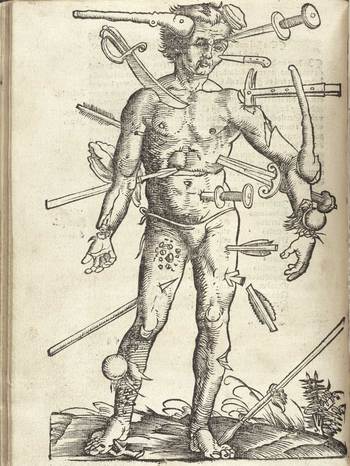
    A Map of Getting Wounded

    This map of the wounded man was a very popular, much reproduced

    Gersdorff_p21v_3image, seeing publication in many works since it first appeared in
    Johannes de Ketham’s Fasciculus Medicinae,  printed in the year Columbus set sail for India.  It was a battle map, really—a battle for the human body, showing the effects of what happened to that body when someone tried to erase its existence.  The image is graphic, realistic and fairly gruesome, and highly useful.  It was accompanied by instructions on how to deal with all of the trauma, and to save the man thus that he could fight again. 

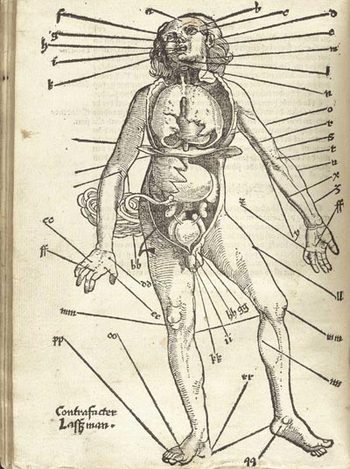
    This woodcut, as the next, appeared in Hans von Gersdorff. Feldtbüch  der Wundartzney (printed in Strassburg, by  H. Schotten, in 1528).


    A Map of Letting the Blood out of the Human Body

    Gersdorffx400jpg_other_2Well, it really wasn’t like that, not how I mean by a snippy modernist viewpoint looking back on medical history with no contextual appreciation.  Bloodletting was an approach to healthfulness, as blood was seen as one of the four major elements (or “humours”) of the human body that needed to be kept in balance.  This was accomplished via the application of leeches or by the more common (and quicker) practice of venesection, or opening a vein to allow the blood to come out. (Let’s reference Steve Reich’s magnificent “Bruise Blood” creation of 1966 at this point—I don’t think that I’ll ever have a better chance to drop a reference to this piece of revolutionary music in regards to venesection again.)  Thus this map was map for the practitioner of bloodletting—the physicians, and more probably the barbers and other assistants who would inherit this lesser procedure from the more-busy doctors.  In the history of maps of anatomy and the general practice of mapping the human condition, this woodcut x-ray of the best places to drain human blood would not survive close to the age of modernity, disappearing almost entirely by the 18th century, and becoming much more scarce well before that.


  • On Great and Anonymous Works: Doe, Roe, John Q. Public, Average Joe, Joe Schmoe, and Darwin, Newton, & Co.

    JF Ptak Science Books  

    There was a brief point in Charles Darwin’s publishing life when the old (then young) man got stiffed.   Darwin’s magisterial contribution to Narrative of the Surveying Voyages of her Majesty’s Ships Adventure and Beagle between the years 1S26 and 1836…, (published in 1839) appeared in the third volume,  (by far and away the most important volume), and was issued without his name on the title page, which as it turns out was okay by the standards of the day.  The real oddness turns up in  the publisher’s ads that appeared in the later issues of those volumes in late 1839 for what would be a separately-issued volume of Darwin’s contribution (Journal of Researches into the Geology…), where there was no mention of the author’s name. (Captain Robert Fitz-Roy,  the man whose name adorned those early volumes, was the Captain of the Beagle and a man of high accomplishment and some pioneering meteorological ideas.)  
    Anonymouspaine

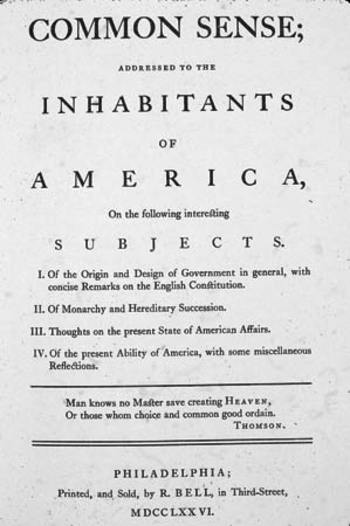
    The history of world literature ancient and modern abounds in silenced or self-silenced authors—there is even a four volume encyclopedia to help you identify the unidentified. . Political and religious work are also particularly heavily laden with unattributed or disguised efforts—the U.S. Constitution and the Federalist Papers are of course both anonymous (and of necessity), as was the most beautiful work of Voltaire.  The Declaration of Independence, on the other hand, and also of necessity, was not.  What is that  they say?  Anonymity is the best defense against the tyranny of the majority”?  It still feels a little Orwellian to see the unattributed source in the newspaper or read an anonymous editorial.   On the other hand Thomas Paine’s On Common Sense may not have made it into print if its author had been required to identify himself. 

    Art is perhaps the longest-lived area of anonymous work, the signed canvas being a relatively recent invention.  There are thousands of years of unknown hands and eyes represented in millions of works, but really we only get solid confirmation of the intellectual origin of a work through the invention of the ornament of the signature, and this just within the last 500 years.  And even after this defacement begins to appear there is still a relatively stout history of semi-anonymous works coming from painting studios doing work “in the manner of ____”.  Of course there were other considerations at play here, what with guilds and patrons and all—the artist was one person in a lengthy bureaucratic trail of aesthetic production.

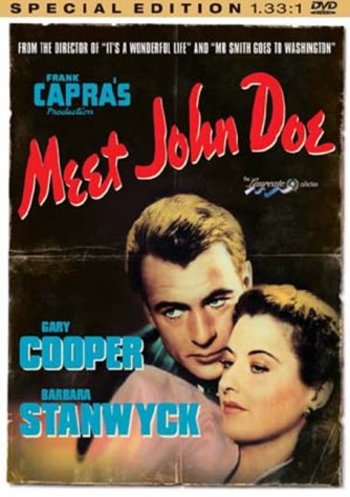
    Anonymouscooper Anonymous seems to come more into play in our present culture via the need for a place holder—when tallying and accounting the death of unknown people, for example, the name “John Doe” or “Jane Roe” is used (in the U.S.) to take up the forever empty space calling for The Departed’s name. (Our most famous “Jane Roe” is Norma McVorvey of Roe v. Wade; I think the Gary Cooper film (“Meet John Doe”) still ranks the highest for the male equivalent.)  Something has to go there in that empty space, and so it does–the placeholder name. (The practice of using such names is actually pretty old, and is practiced worldwide. See HERE  for an entertaining look at multi-cross-cultural “John Doe” equivalents.)

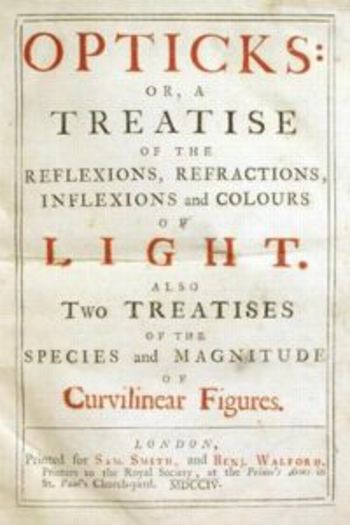
    And now that I’ve had some time to think about non-Darwin examples from the sciences, I’m a little stumped.  Robert Boyle is a good example, what with more than a dozen of his works (at least according to John Fulton’s bibliography) were published without his name carrying the title page-but these were the philosophical and political works of a scientist, and not scientific.  Same too for Pascal, who wrote his Pensees undercover—and again, not scientific but by a scientist.  Isaac Newton published his Annoymousopticks_2 Opticks without his name on the title and in fact only used his initials in the preface as his personal identifiers. 

    That leads us to a final example of Thomas Malthus, who really did publish the first printing of his massively important Essay on Population without his name—it would make an appearance soon after, though, in the second edition of this contentious work making the first edition of this great near-scientific work one of the most influential anonymously published  books of the last 250 years.   

    An unusual example of “anonymous” was Copernicus, the ultimate anonymous author of a scientific work because he intended not to publish i fearing reprisals for his challenging and revolutionary work. He waited until he was basically nearly dead to have his effort put into print, and so overcame his anonymity issue in print to adopt a biological anonymity enjoyed by the dead, his body loosened from the grip of his name so far as reprisals went.  He was free from fear of all anxiety and moral espionage at this point, and he did see the work brought to public display. with his name very boldly displayed on the title page. 


  • Giant Bottles in the Skyline, Part 8 (1909)

    JF Ptak Science Books  Quick Post

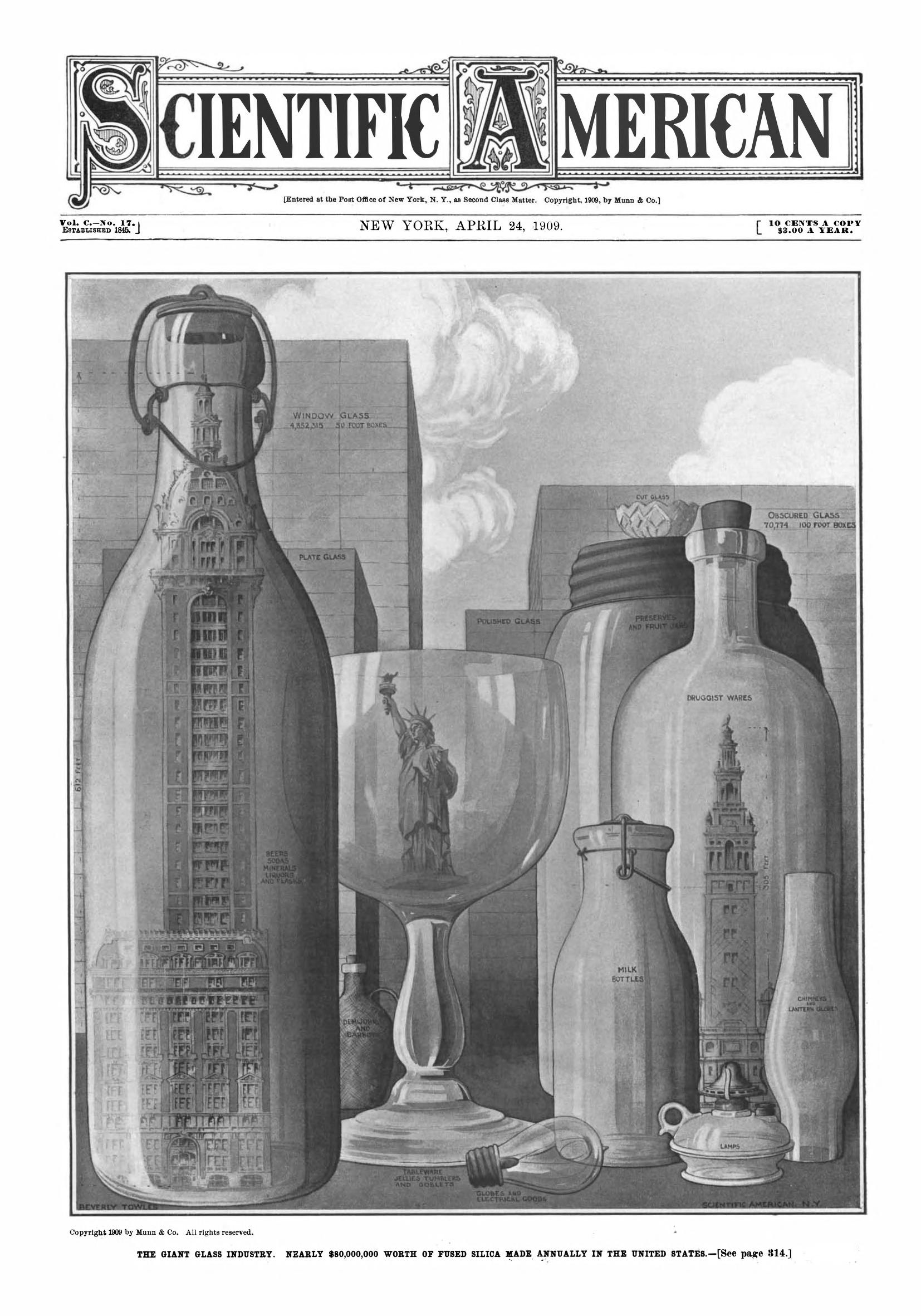
    This I believe is the eighth installment of a series of posts on articles using infographics comparing objects to buildings and skylines. Ships are often seen this way–comparing the newest/largest to some well-known building in, usually, the NYC skyline. There are variations: for example, nail and salt production are depicted as enormous single objects showing that if you combined all nails made in the U.S. into one 100′ diameter nail, it would be as big as the Singer Building, or some such. The current example is the first I’ve found where the gigantic production item encloses the building against which it is being compared, showing the  size of famous structures relative to all of the glass of a particular sort had they been manufactured and produced as one single unit. This makes for a striking non-sequitur object, and gets the intended point across of how large the various glass manufacturing industries are

    Sci Am 1909 stuff in skyline


  • Aircraft Cross Sections, WWII

    JF Ptak Science Books   Post 2781

    Aircraft Cross section Collage

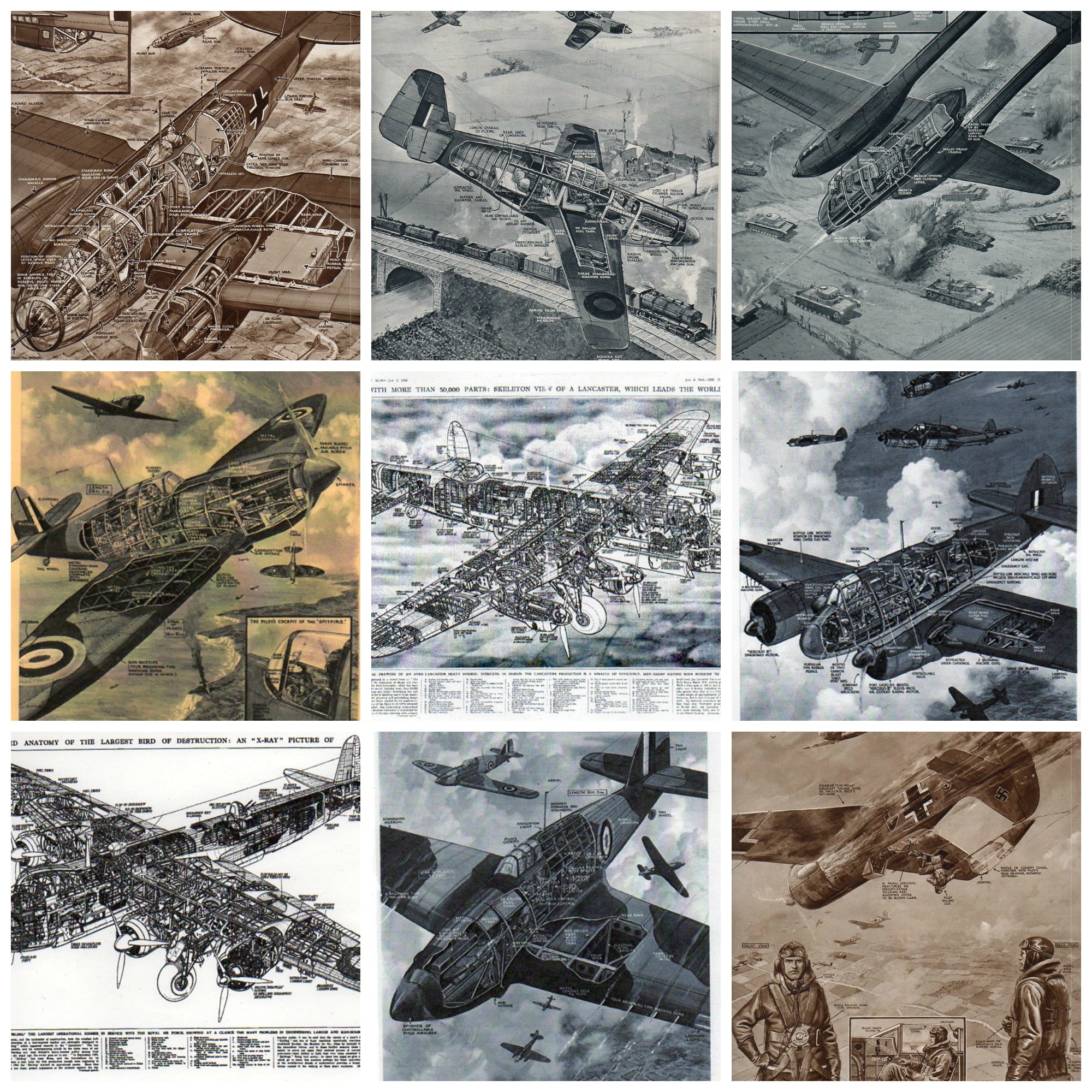
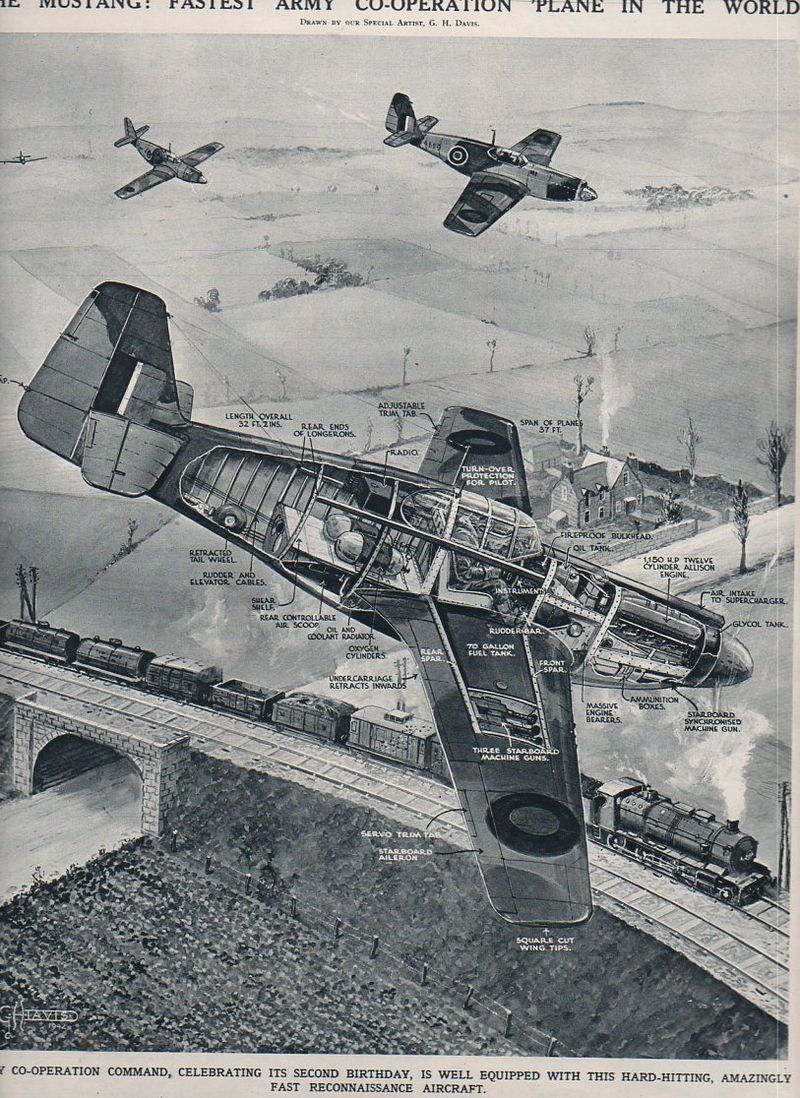
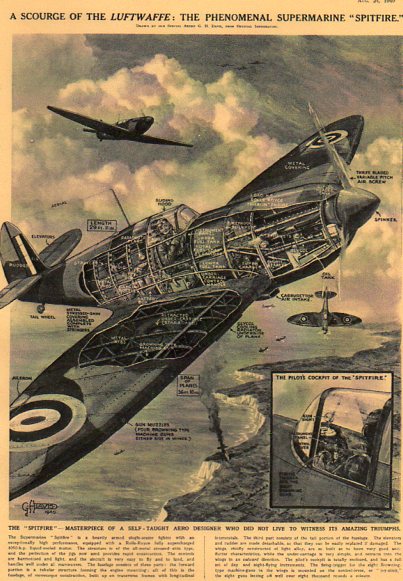
    I’m sharing some of the collection here of the published work of George.H. Davis (1881-1963), the prolific and vastly accomplished artist for The Illustrated London News. His work with that magazine for the forty or so years that I am familiar with is superb, and his great strengths can be found in rendering technical cross sections and infographics.  He had a great sense of design and a very fine hand, and so far as I can tell he displayed an excellent control of his subject, thousands and thousands of times (2,500 times, according to Mr. Davis).

    Here are some fabulous examples of technological cross sections of WWII aircraft by Davis–the drawings are just superb, and you can easily get lost in them, following the geography of engineering detail from one logical place to the next.

    Blohm u. Voss BV141 

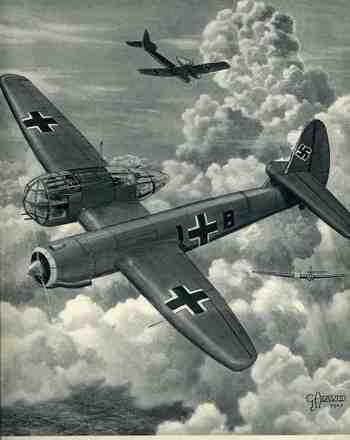
    Aircraft cross section BV 141Surprise!  My first cross section isn’t one–I just couldn’t resist posting it, though. This aircraft is the Blohm u. Voss “BV 141″a very unusual-looking aircraft as it appeared in The Illustrated London News for 23 May 1942–it gives an excellent view of what the editors called “a lop-sided freak”.  Perhaps the editors of the ILN wanted to educate its readers on the plane since it was supposed to be widely employed on the Russian Front, though it looks like only 38 were ever built (and none survive today). Actually, the plane, designed by Dr. Richard Vogt (1894-1979),  was a high-flying three-seater  surveillance aircraft capable of 220 mph at 17,000 feet, powered by a single 1000 hp Bramo Fafnir 9-cylinder radial engine.  The idea for the design was to give the pilot and co-pilot a very wide field of view–and by this, I’m guessing that the field of view most affected and aided by this would be straight down. The rear gunner also had an enormous field of view. 

    As it turns out Vogt survived the war and spent his Golden Years in the U.S., seven of them (1960-1966) with Boeing to evaluate hydrofoils and vertical liftoff systems:  he had built other odd planes during his career, and carried them with them into near-retirement, making this sort of design his metier.

    “The Mustang–Fastest Army Co-operation in the World“, appearing in The Illustrated London News for 12 December 1942.  

    Aircraft cross section Mustang
     

     The Spitfire (perhaps the most beautiful-sounding aircraft of WWII):

    Aircraft cross section Spitfire


    ·Posted by :

    ·in:

    —

  • The Early Airplane in Popular Culture: Sheet Music (1897-1911)

    JF Ptak Science Books  Post 2780

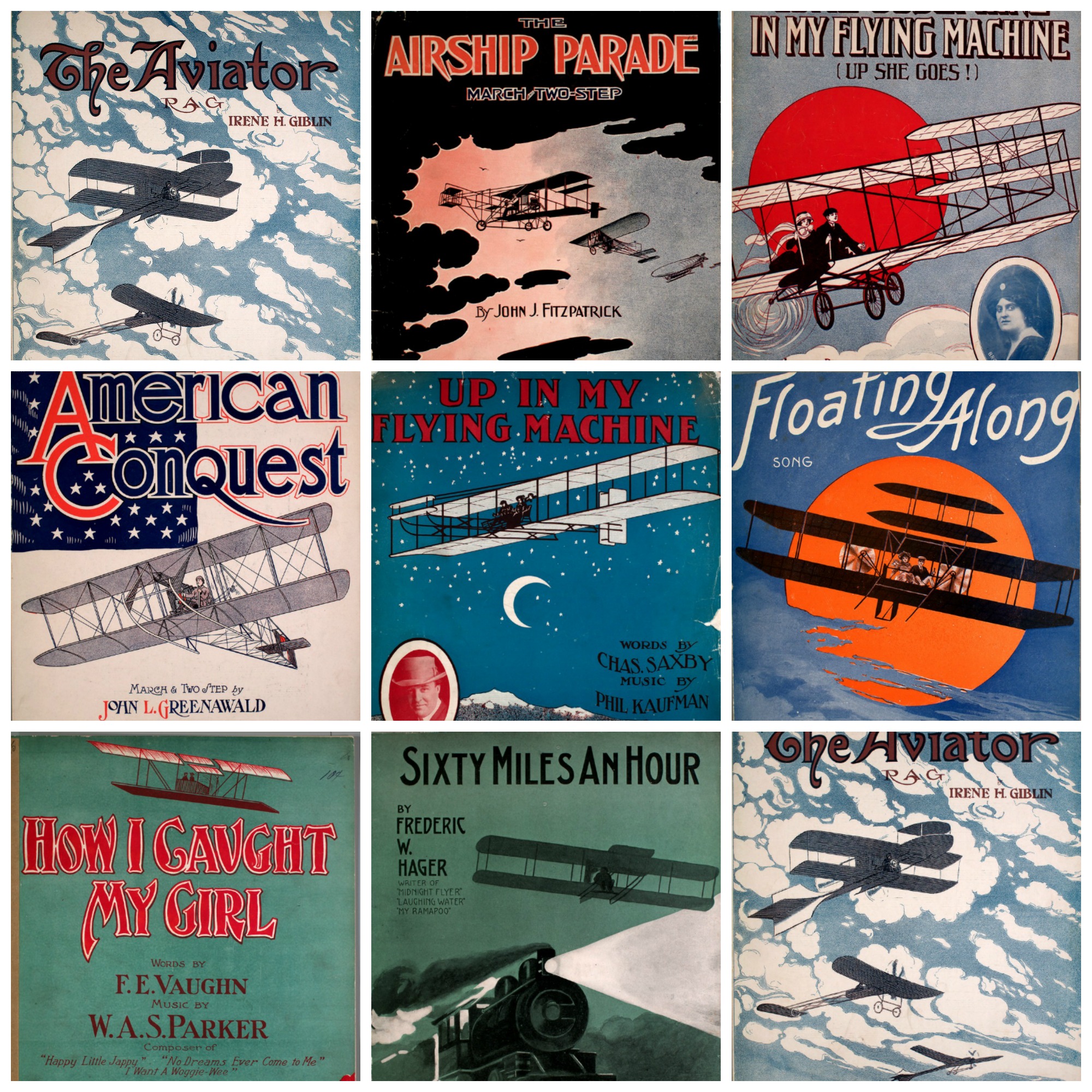
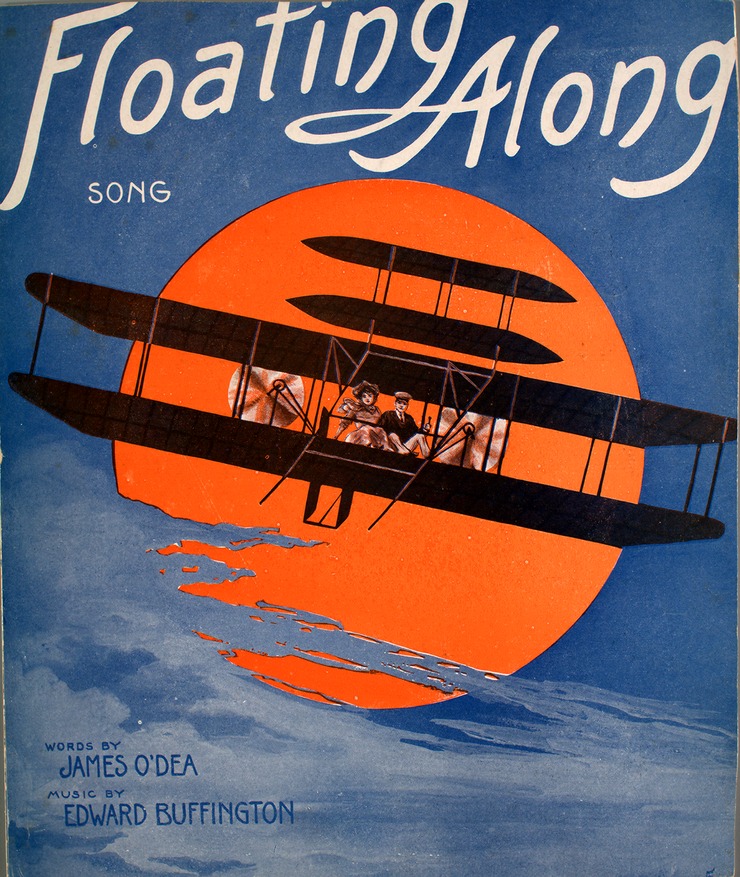
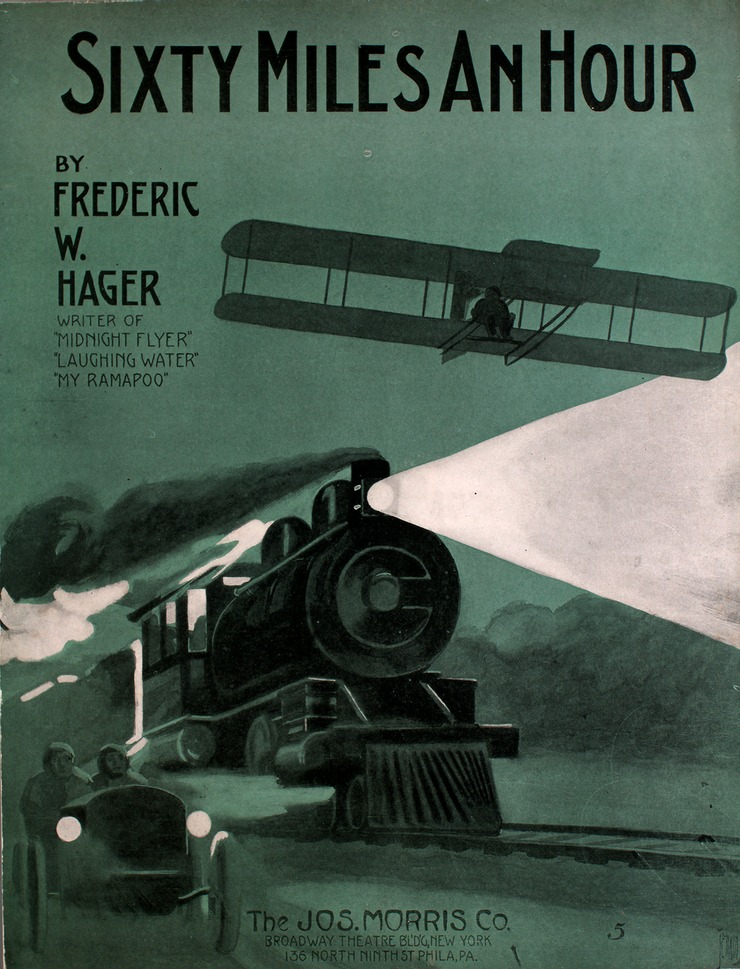
    I’m posting these following sheet music covers because of their lovely airplane covers. They are located at the wonderful (and highly available and useful) Lester Levy Sheet Music Collection at Johns Hopkins University.  

    Aircraft sheet music collage

    Aeroplane floating along

    “I Could Live in An Airplane”, by James O’Dea, with music by Edward Buffington, 1909. [Image source: http://levysheetmusic.mse.jhu.edu/catalog/levy:060.048]


    Aeroplanes levy sixty

    “Sixty Miles an Hour. March and Two-Step’,  Frederick W. Hager, 1910.  [Image source: http://levysheetmusic.mse.jhu.edu/catalog/levy:059.065]

    ·Posted by :

    ·in:


  • Power and Technology of the Year 2000 (from 1927)

    JF Ptak Science Books   Post 2779

    Lubke IRCRAFT BOMBING

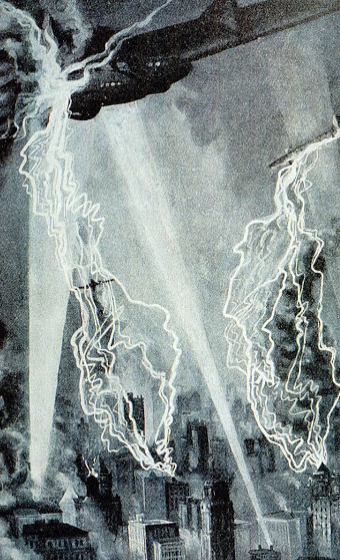
    I found another unexpected source for the initiation of nuclear energy—this one coming in Anton Lubke’s  1927 book, Technik und Mensch im Jahre 2000. The book is thick (372pp) and well-illustrated,  and has what seems to be a  mostly/somewhat progressive look into the future judging what I can cobble together….or from what I can tell, it was at least not terribly negative, though I haven’t been able to determine if the writer gets political, or not. Given the times Lubke (b. 1890) can’t but help to wonder what warfare might look like, and supplies us with one set of possibilities involving vast aircraft (pictured at left) attacking cities with poison gas and electricity. The idea of urban bombing was still pretty new in 1927, as was the idea of attacking cities that weren’t necessarily military targets. Both of the weapons used by Lubke’s aircraft seem as though they would be devastating, and indiscriminate. (Politicians would pull away from the idea of attacking civilian areas and sign treaties to that effect—that all went away with the invasion of China by Japan, and the attack upon cities by Nazi forces in WWII–the Allies followed suit almost immediately thereafter.) Lubke’s image (which appears in the section titled “Der Zukunftskrieg und die Technik”) must have seemed terrifying to his readers of 1927, though they are at least spared the image of the effects on the population in the imagery of the attack. (The Illustrated London News doesn’t hold back from its readers in an issue from 12 November 1932, which shares an exceptionally graphic artist’s interpretation of a poison gas attack on London, right on the front cover.) 

    This is only 16 years removed from what seems to be the first aerial bombing attack of a civilian population on 1 November 1911, when  Lt. Giulio Cavotti dropped the first bomb from a plane on oasis-encamped Libyan troops at Tripoli.  Of course things rapidly in the few years following that, so that by the end of WWI people got a good taste of what it meant to controlling pieces of property without actually occupying them, raining chaos and destruction from above.  20+ years later, in the early 1930’s bombing became more sophisticated, including a new arsenal of poison gas weapons.  The threat from this weapon was agonizing and palpable–the results of gas attacks upon armed combatants in WWI and  the gassing of civilians in the 1920’s and early 1930’s  made a hard strike into the social fabric, an enormous gaping new hole to be filled in the heart of fear.

    There were a number of interwar aerial bombings that took place that kept the issue of mass destruction alive and well.  For example,  Britain used its air arm  very convincingly in Iraq, bombing many places including Bagdhad  in 1923; the Spanish bombed civilians into submission in Morocco, near Tetuan, in 1925, and the French crippled and destroyed  their opponents–both military and civilian, it made no difference–in Damascus, Syria, also in 1925.

    Fiction also harnessed the possibilities of air war, not the least of which included Armageddon-like scenarios for the semi-End of Days through the use of poison gas and “atomic” weapons.  For example, deadly gas used in Anderson Graham’s The Collapse of Homo Sapiens (1923) and Neil Bell’s Valiant Clay (where the poison gas kills 1.5 billion) and Dalton’s Black Death (1934), while Reginald Glossop’s The Orphan of Space (1926) created an alien atomic spaceship which delivered holocaustal death to Soviets and Chinese and Communists in general.  There were many more stories like this, not the least of which were the non-fiction strategy works, like Giulio Douhet, author of Dominion of the Skies (1921), legitimizer of the “strategic” bombing of civilian populations (in spite of the Hague Conference of 1907*), and  JFC Fuller’s The Reformation of War (1923) which emphsized the new importance of air war and power and which also allocated the use of gas, justifying that morality  because it could cause less harm than a conventional attack.

    Back to Lubke: it seems an interesting book, and from what I can see in a very light review there is space devoted to different energy sources than those of 1927: he wrote on solar, wind, tidal, and nuclear (“Atomzertrümmerung”) energy. He also addressed some sort of perpetual motion-something, electrical farming (“Düngung durch Elektrokultur”), and trips to the Moon with the “Mondrakete” (though this adventure into space was already being a well-established part of images of the future in the 1920’s).

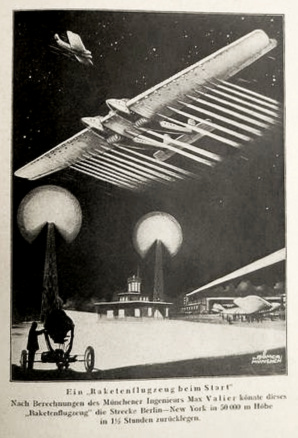
    Lubke aircraftThere’s also this terrific image of a vast rocket plane, the description of which mentions Max Valier, the rocket pioneer, Oberth-popularizer, and founder in 1927 of the (German) Society for Space Travel.  An aircraft/space vehicle like this it is noted could make the Berlin-NYC flight in about 1.5 hours. (Valier was also the first to lose his life in a failed experiment using liquid oxygen, establishing him in a very unfortunate category of “firsts”, becoming probably the first person to lose their lives in rocket flight; this is a similar category to Thomas Selfridge, who became the first person killed in an airplane crash, a 1908 test flight for the army with the pilot Orville Wright.)

    There’s not that much else I can drag out of the Lubke book given my references, though I have just ordered a copy. I’ll get back to this when I’ve had a better look at it. 

    [Image at left from bookseller Versandantiquariat Hans-Jürgen Lange, here:

    https://www.booklooker.de/B%C3%BCcher/Anton-L%C3%BCbke+Technik-und-Mensch-im-Jahre-2000-Erstausg/id/A028NHxY01ZZi]


  • What is the World’s Most-traveled Book?

    JF Ptak Science Books    Post 2778

    What is the world’s most traveled book? This question came to mind after I received an order for a book that had been sent to me from Florida after it arrived there from London, sending it off to someone in Baltimore. Does it go back to London after that and continue its travels?

    Is the Most Traveled Book (MTB) a category of book, or a single title, or a single copy of that title? Is it thousands of people moving the book, or is it just the single book making the trip? If it was just a title, then the number of miles packed on Stephen King books traveling back and forth to the beach or wherever by millions of people over several decades would probably outweigh the travel of all of Homer on a galactic scale. My preference is for the single copy scenario. Also: I’d like this to be a published book rather than not, simply because the boundaries get a bit too misty for me.

    Dr strangelove code bookThe closer we come to the present time, the easier it would have been for a book and a person who might have been traveling with the book, to travel. It increases the chance for people to travel with a book, and with the invention of the middle class, it would encompass more people the chance to come in contact with books and travel with or send them. And of course it is the mode of transportation and the creation of parcel post that would add orders of magnitudes of miles to category—for example you could receive a book from London and send it out to Tokyo where it might be sent to Wellington all in two weeks. In 1822, raking in that sort of mileage would have been nearly impossible for almost all circumstances. No doubt books were carried to Botany Bay from London and then back again, perhaps over and over as the property of the ship’s surgeon or some such, but that would be years worth of travel.

    Maybe it was books carried by people who were professional travelers or at least traveled a lot, like Napoleon or Alexander going to “work”.

    Is it a travel book, like Herodotus, Sterne, Twain, Stark, (or even Kerouac who had the words right in the title?), Xenophon…Cervantes?

    Perhaps it was literature—no doubt Shakespeare, Dante, Sophocles, Euripedes, and Aeschylus have been hauled about for pleasure. What about professional books? I doubt that copies of Newton, Galileo, Copernicus, and so on have traveled very much on their own (though the ideas contained in them are probably among the best-traveled of that sort), but I suspect that anatomies (Vesalius, Gray) have some miles in them. There are no doubt other reference books like that that could have traveled save for their size (like Audubon, which could have been useful in the field but which would have needed their own caravan). There are unliekly titles that have made their way around the world (like Darwin’s Lyell making the long trip on the Beagle), but that book ended its travels when Darwin got home.

    And what about military strategy books like Lao Tsu, Sun Tzu, Clausewitz, Thucydides? If in the field their owners could have lugged them far and wide, passing them along after enforced/sudden “retirement” or when their usefulness ran out.

    What might establish the peripheries of this question are books that keep intact a belief system, or way of life, a secret-or-not codification of a state of well-being? A Bible? Alcoholics Anonymous? Probably that is the first place to visit, the religious book, though offhand it seems that the travel of this sort of book wouldn’t transcend one owner. The Bible and company are enormously popular books and have been printed no doubt in terms of billions of copies, so they have a much better chance of being the leader of the category by sheer numerical possibility. On the other hand some of them were tremendously popular but relatively short-lived, like the “Little Red Book”, which was carried by most Chinese for decades, though I doubt that the work as an inherited object was inter-generational.

    Maybe the best traveled book simply comes down to one that belongs to an aircraft pilot of 40 years’ experience who has been flying with a single title because that is what they had with them on their very first flight, and has become a good luck token. Perhaps it is a King book, or Robert Pirsig; and maybe it is The Cat in the Hat which was an intended gift for a child, the pilot keeping the original as a charm for a successful first flight, and giving away another copy of the book, and so it has made thousands of flights. Maybe the book is never actually read—its just an icon.

    Or perhaps it is an instruction booklet on the reading of nuclear codes and attack plans that has been basically airborne since 1960. This is far less romantic than a Dr. Seuss book, but more, well, “practical”.

    And maybe the most traveled book is less-traveled than the most-traveled map?