A Daily History of Holes, Dots, Lines, Science, History, Math, Physics, Art, the Unintentional Absurd, Architecture, Maps, Data Visualization, Blank and Missing Things, and so on. |1.6 million words, 7500 images, 4.9 million hits| Press & appearances in The Times, Le Figaro, Mensa, The Economist, The Guardian, Discovery News, Slate, Le Monde, Sci American Blogs, Le Pont, and many other places… 5000+ total posts since 2008.

Author: JF Ptak

  • Outsider Charts of End Times and Other Biblical Imagery

    JF Ptak Science Books   Quick Post

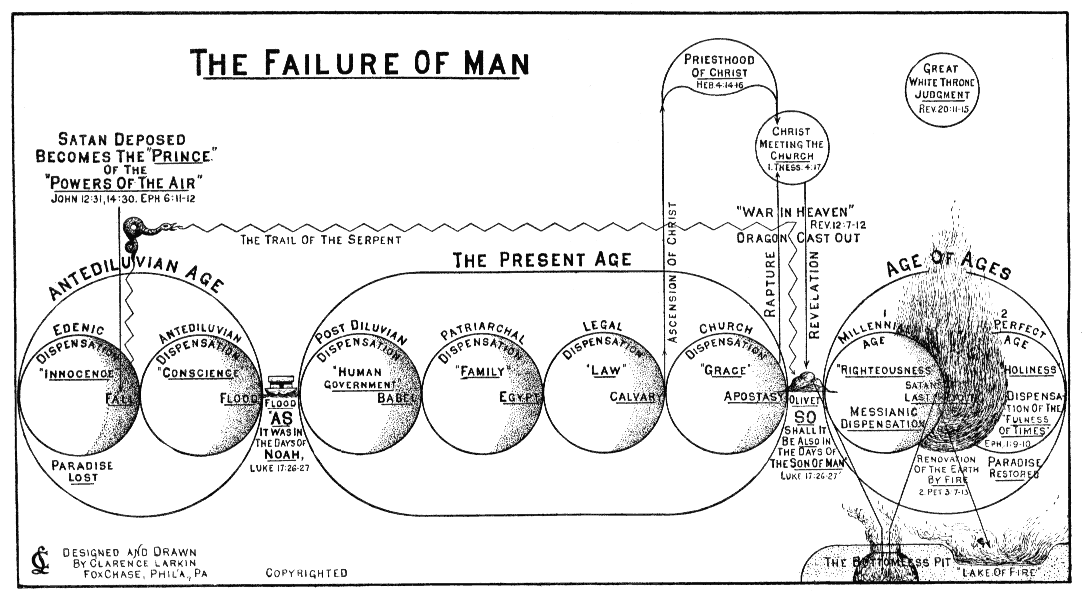
    Larkin Failure of man

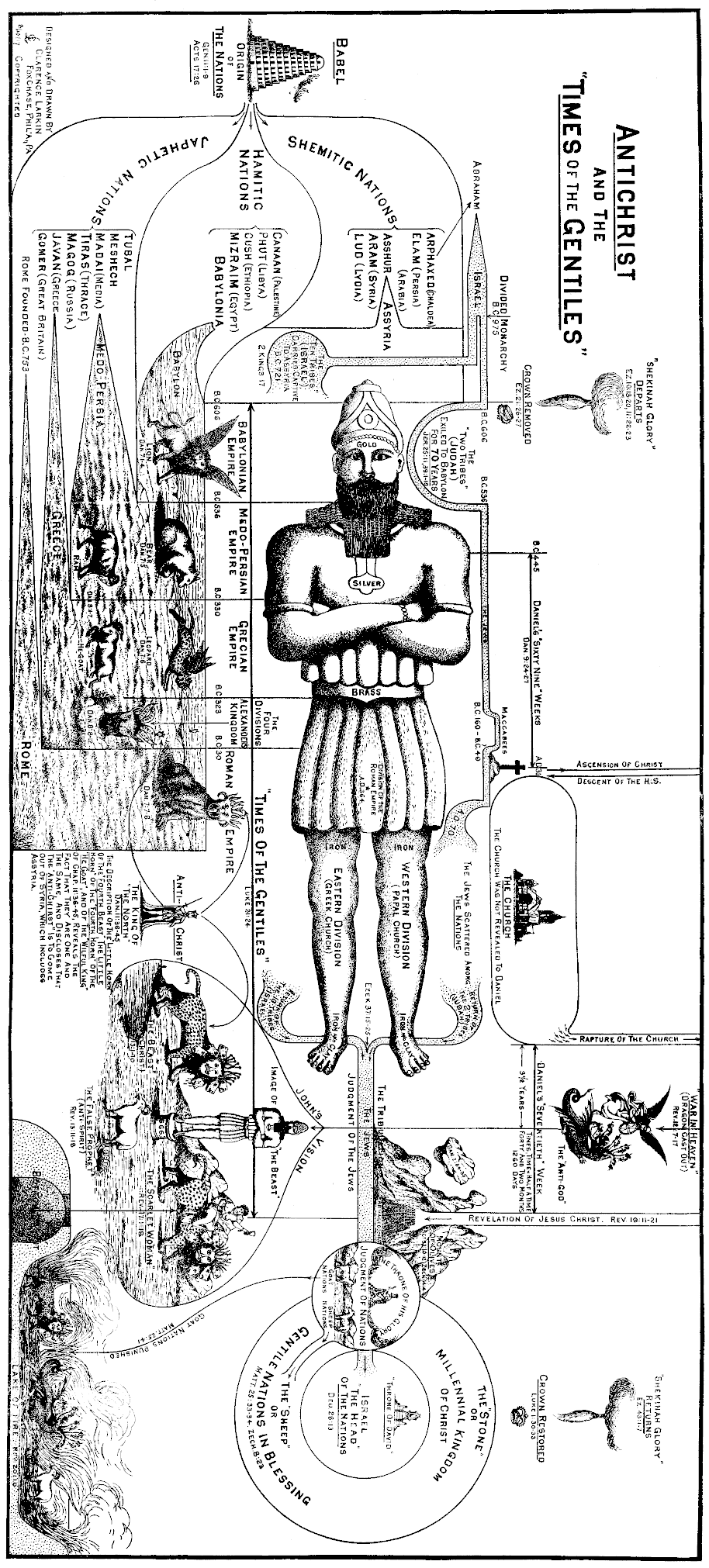
    Wow.  These are some pretty weighty images–I’m not going to pretend that I know much about the symbolism and O.T. history of them at all, and will just stay with admiring what looks to be serious audacity from the simple design and presentation perspective. 

    They appear in Frederick W. Childe’s  Prophecies of Daniel and Revelation Compared  (1927), and were “drawn and designed” by Clarence Larkin.  They have a strong sense to them, and are at the same time kind of aerodynamic and sweeping, streamlined in a way that would take on design a few years later. 

    Revelation map


    ·Posted by :

    ·in:


  • A Word Book on a Book of Words: Counting Crows (and Everything Else) in Ulysses

    JF Ptak Science Books    Post 2132  
    Follow Me on Pinterest

    We’re talking about JJ’s Ulysses, not the older one. 
    Joyce774

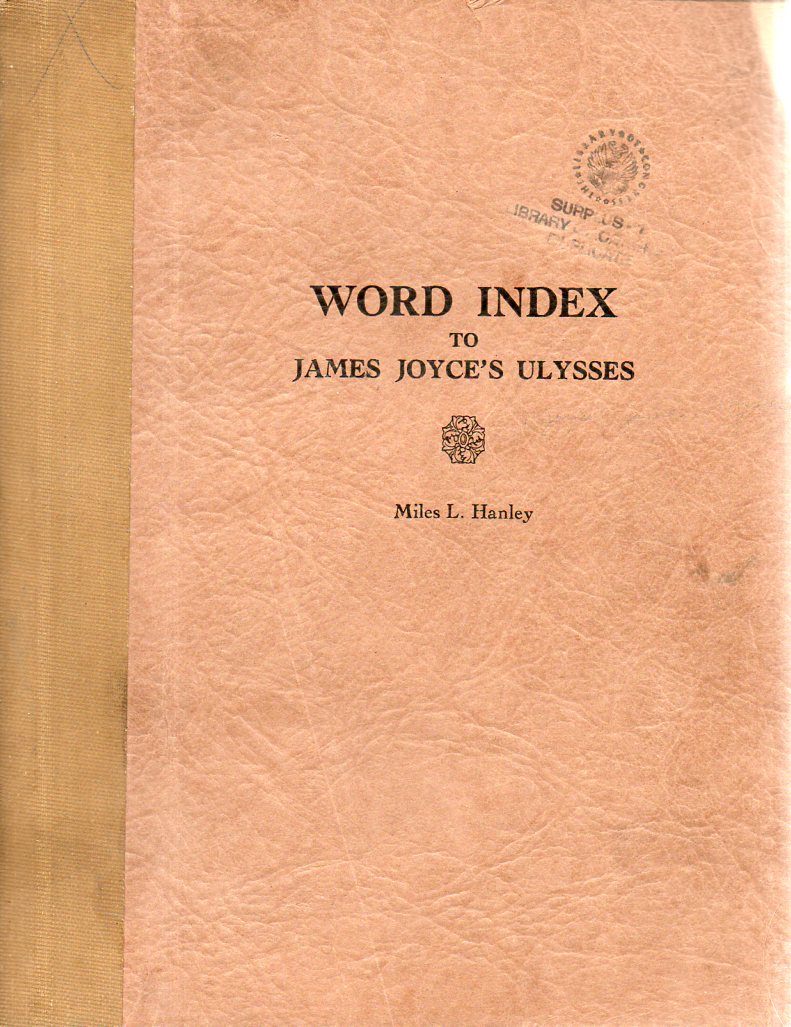
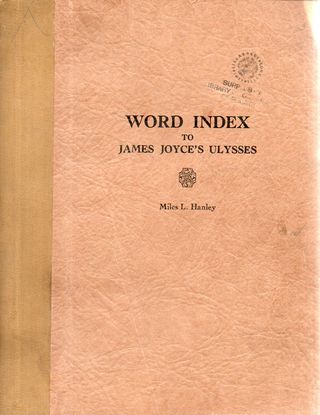
    Miles L. Hanley performed an enormous and exacting (!) task of providing a word census for this first-among-the-Modernists novel.  Joyce used 250,000-odd words to take Mr. Bloom around Dublin that day, 30,000 or so of them different1.

    Hanley’s very precise pre-spreadsheet undertaking was done in a year, somehow, and published in 1937.
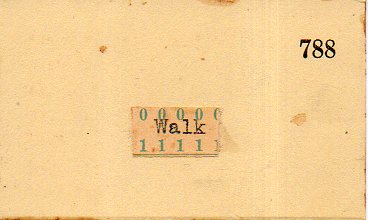
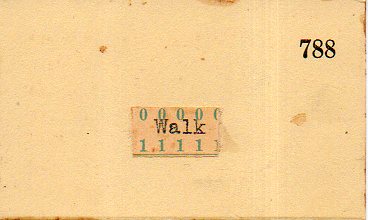
    Joyce 2775What he and his team of 20 or so did was this:  working from the Randomn House edition (the most democratic of the editions at that time and the most accessible to the largest reading audience), he/they typed out each word on a miniature index card (above) and recorded the page and line in the text in which the word occurred.  The cards were specially designed and pre-pasted so that they could be linked together inb long lines and then stored afterwards in six long wooden trays.  At the end of the day there were some 220,000 of these little cards, each of which was checked and double-checked and edited and re-edited and then everything proof-read and then so again.  There was a LOT of small work in this procedure, but it is in the small work that the greatest of this undertaking happened. 

    Among many other things that Hanley recorded was the equipment and production expense, which totaled $148 for the project, most of which was spent of 250,000 1.5×2.5″ cards (which cost $100).  There are two dozen pages of introduction and explanation of process, as well as about the same number in the appendix (which is interesting and useful)–there is basically nothing that is contributed for interpretation, or what any of the word usage/occurrence/frequeJoyce 3776ncy/rarity and so on might mean. That was certainly another project. 
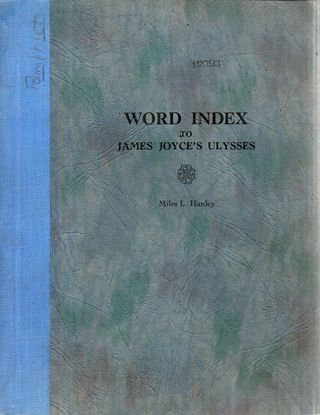
    I must say that this was an extremely sharp operation, well-planned and directed, and done in sort of no time at all. Simply impressive.

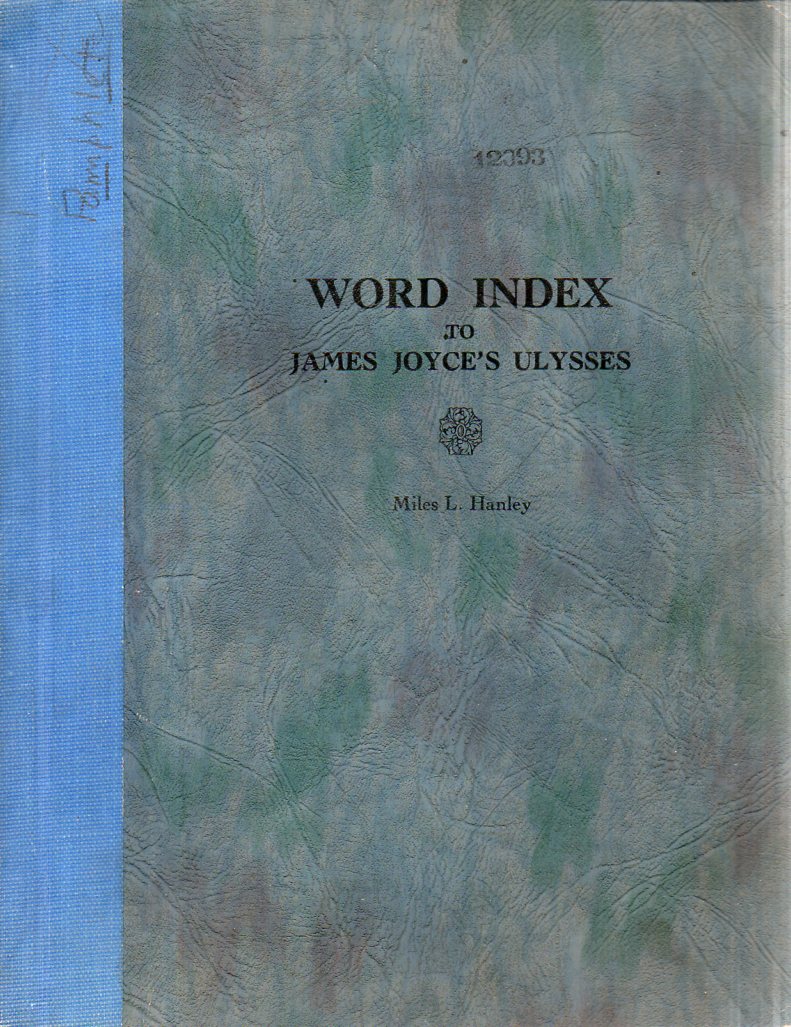
    The first edition of the work is relatively rare (it went through a number of editions and iterations and reprintings), and the one I have in front of me now is from the Library of Congress via the Copyright Office.  It is always troubling to say that something is “rare” and then have two of them, which is the case here–not only that, but both are from the Copyright Office, and (excitingly!) they have their original carbon cards of their LC card catalog cards tucked in.  Pretty cool. 

     Notes:

    1.  Word count is complicated, and inlcudes plurals and other variations of the same word. Suffice to say that it is around 30,000. Or 33,000. 
    ·Posted by :

    ·in:


  • A Mini-Monumental Incidental Image, 1889

    JF Ptak Science Books   Quick Post 
    Follow Me on Pinterest


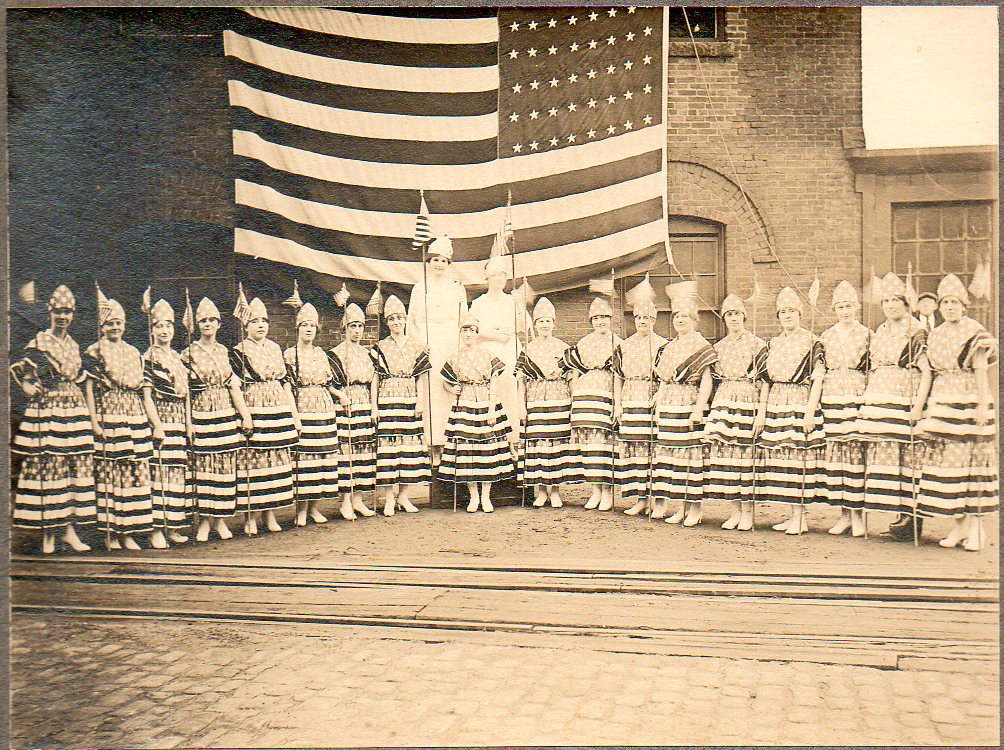
    Women flaGS762[Source: the author]

    This glorious and anonymous photograph features 22 women, 20 of whom appear in U.S. flag dresses in front of a 40-star American flag.  The 40-star appeared in 1889 with the entrance of South Dakota into the Union, one of the four new states in that single year. 

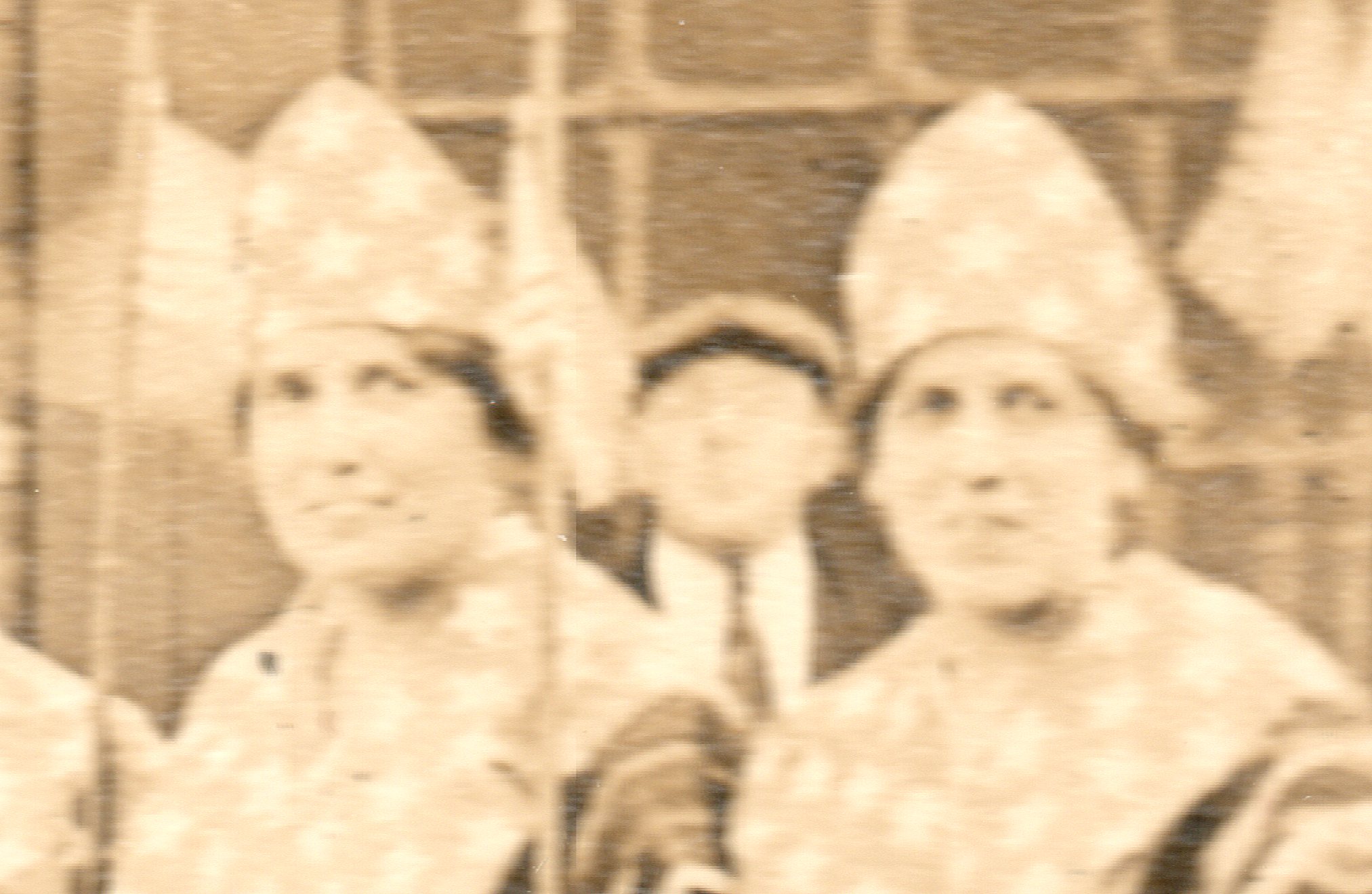
    When I looked though the original, looking for the image-within-the-image, I was surprised by a photobomb by the fellow in the tie and cap.

    Women flaGS764

    Here he is:

    Women flaGS769

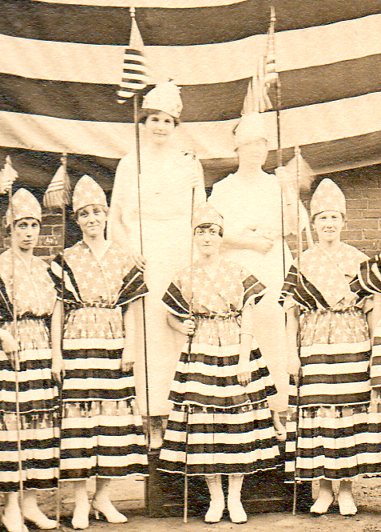
    The outfits/costumes are nothing but stars and stripes, and each woman holds a staff with a small flag. 

    Women flaGS763

    There is a great experience in this not-so-incidental image.

    Women flaGS765


  • Uncomfortable Dissection Placements of Dissected Material(s), 1546

    JF Ptak Science Books   Post 2131 
    Follow Me on Pinterest

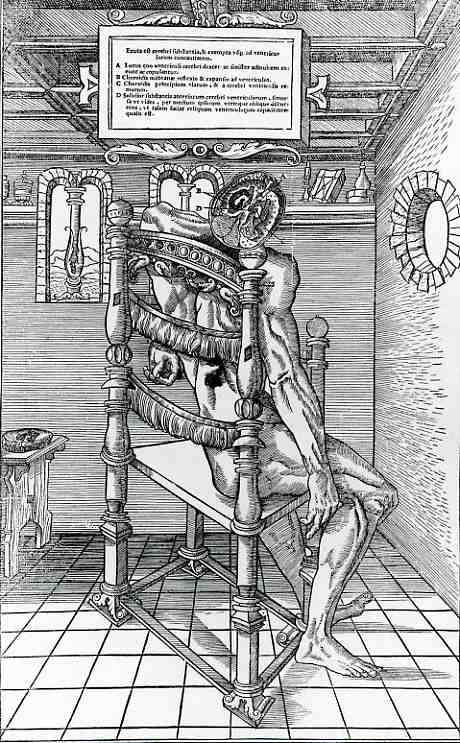
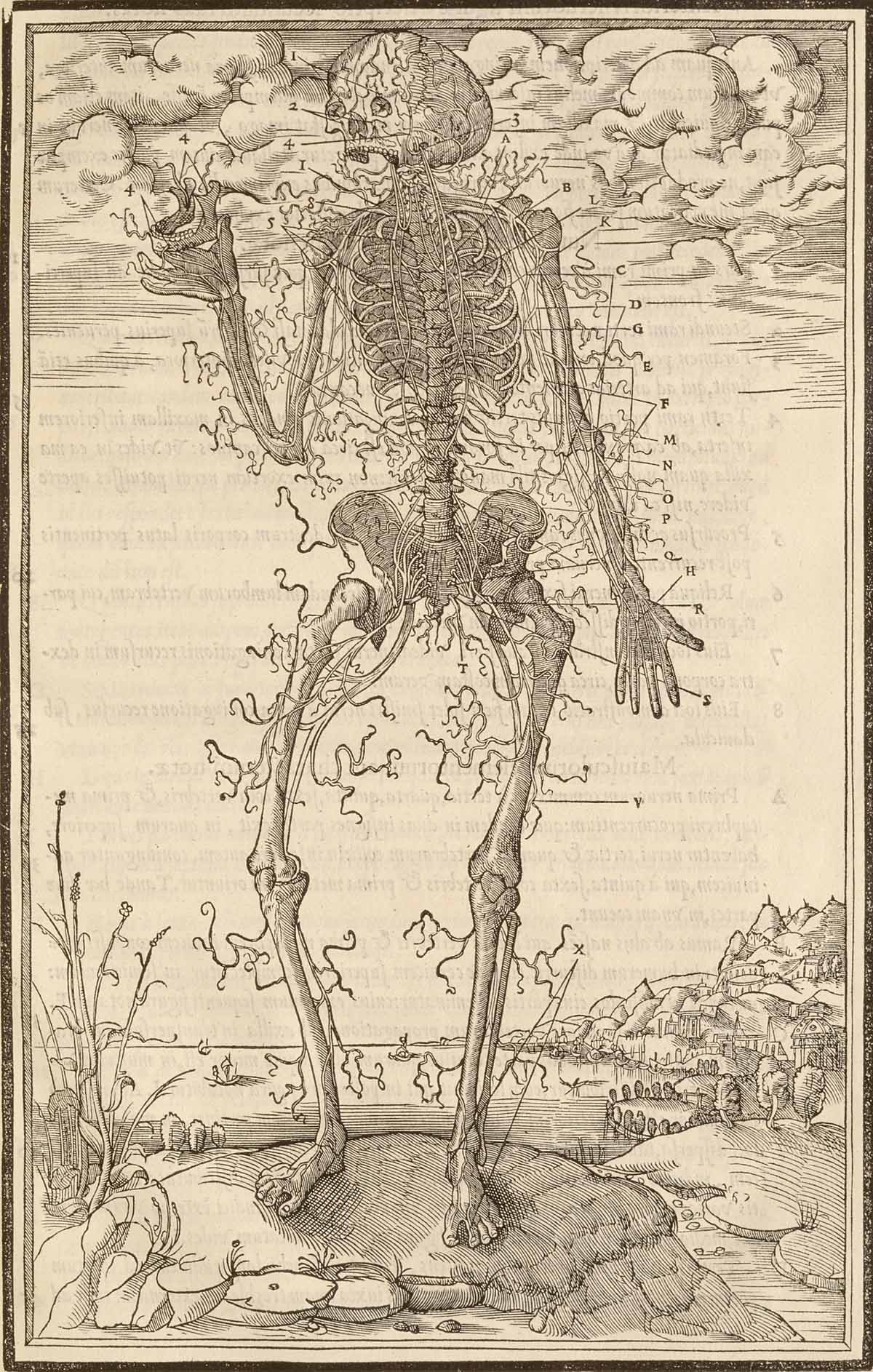
    0 blog dec 27 estienne dissection323

    These remarkable woodcut images come from Charles Estienne’s (1501-1564) De Dissectione Partium corporis Humani linri tres,
    a 375-page opus illustrated with 62 fantastic full-page woodcuts and
    published in 1546  This work is surpassed I think only by the
    masterpiece Fabrica by Vesalius (1543)–the great standard of anatomical illustration.

    The images are remarkable not only for their superior and significant anatomy, but–for me–also for the placement of dissections with the body from which they were taken. 

    The particulars:

    Artist: La Rivière, Étienne de, d. 1569. Engraver: Jollat, Jean “Mercure,” fl. 1530-1545.

    Title: De dissectione partium corporis humani libri tres.

    Publication: Parisiis: Apud Simonem Colinaeum, 1545.

    The entire series of illustrations from the National Library of Medicine, here.

    Estienne

    ·Posted by :

    ·in:


  • A Semi-Proto-Cubist Technical Work, 1908

    JF Ptak Science Books   Post 2130  
    Follow Me on Pinterest

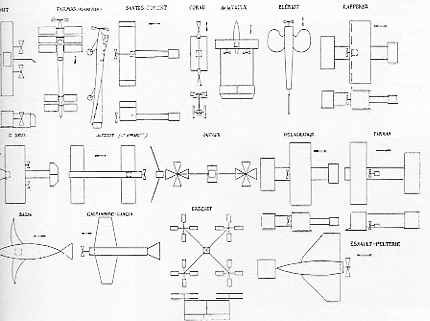
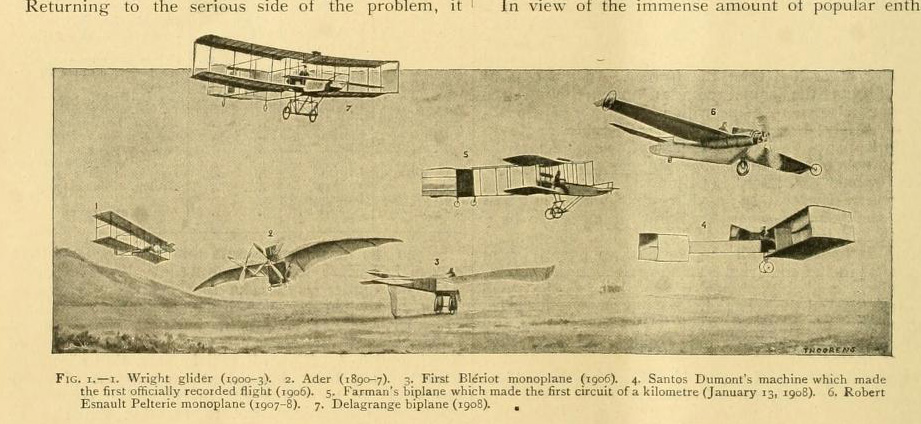
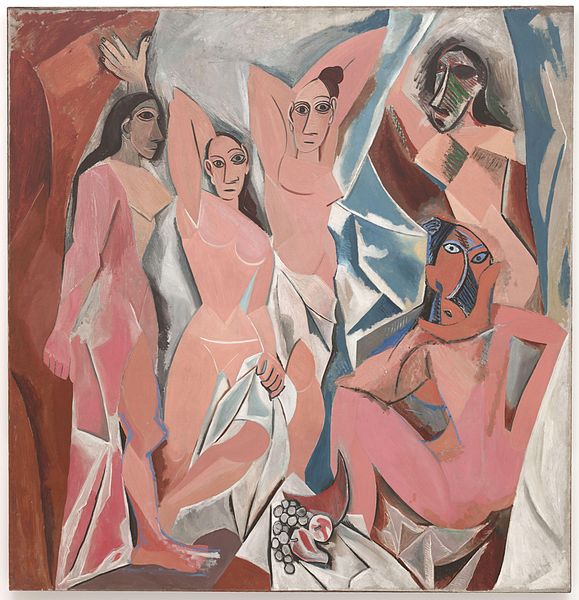
    This graphic from Nature magazine (volume 76, page 670, 1908) features a host of early flyers from five years or so following the first Wright powered flight.  The diagram, which was also made in the first few years of the Cubist movement (and only a year after Picasso’s Demoiselles), has a certain geometrical semi-proto-Cubist feel to it.  The slickee, hard-edged approach to depicting the flying machines and placing them on the single sheet gives the work a modernist artistic feel to it in the earliest period of 20th c modernism in the first movement of abstract art. 


    Aviation cubist
    The other thing is that so far as I can tell no major Cubists used the airplane as a subject matter in a painting in the first few years of the movement–which seems a little odd to me, given that it was such a major technological advance that took place in about the same time period as Cubism. 
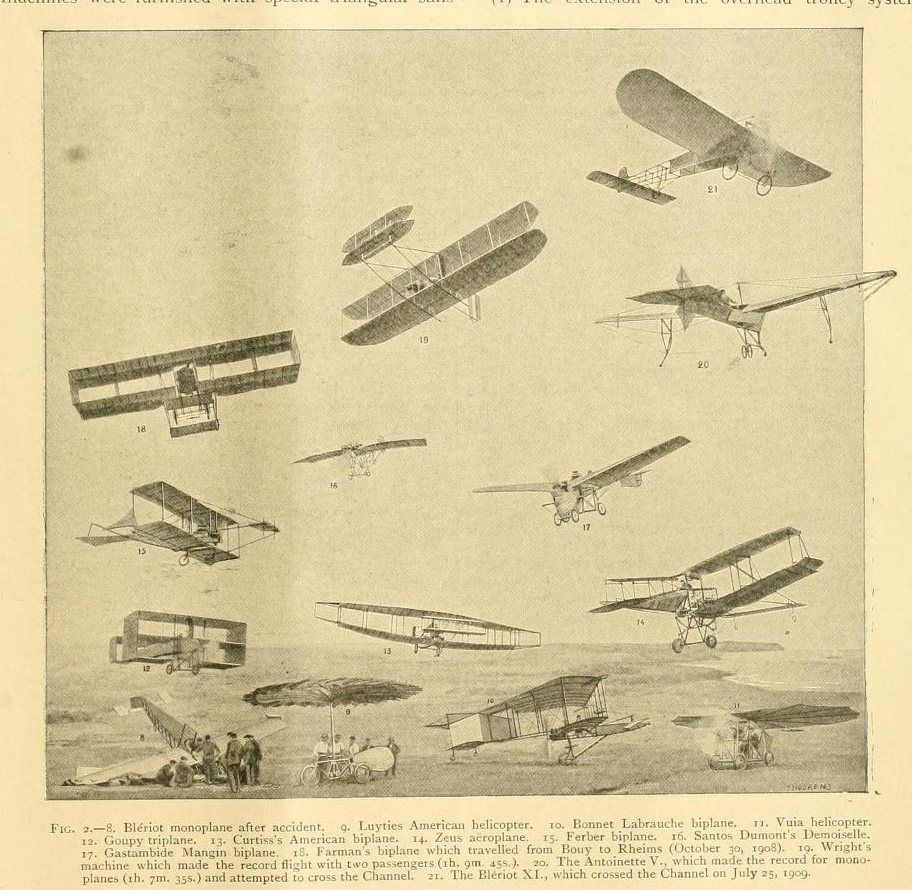
    Just a year later another collective.montage appears ina quite different form;

    Nature aviation

    [Source, Nature, volume 81, page 399, 1909. And the detail, below:]

    Nature aviation 2

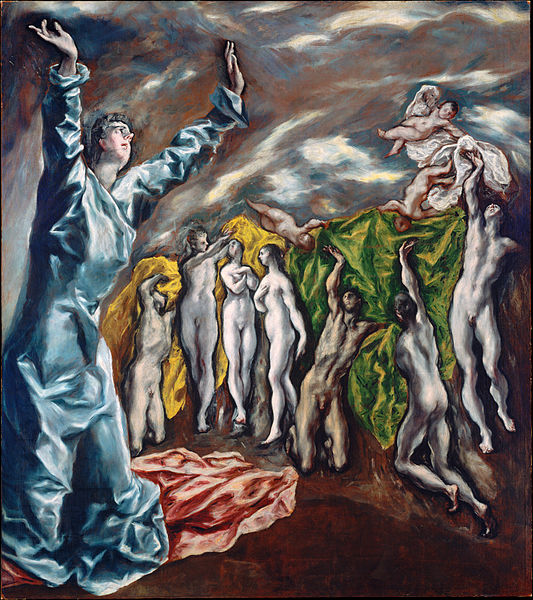
    And speaking of precursors, now that I have mentioned the Picasso I should also say something about El Greco’s The Opening of the Fifth Seal (or The Fifth Seal of the Apocalypse or The Vision of Saint John), painted three hundred years before the Demoiselles.  El Greco (1541 – 7 April 1614) was not of his own time, not really…
    Demoiselles_d'Avignon
    El_Greco,_The_Vision_of_Saint_John_(1608-1614)

    ·Posted by :

    ·in:


  • 11 11 11 2013

    Veterans Day repost:
    I want to thank all Veterans today, all of our Veterans everywhere, for all of your sacrifices.
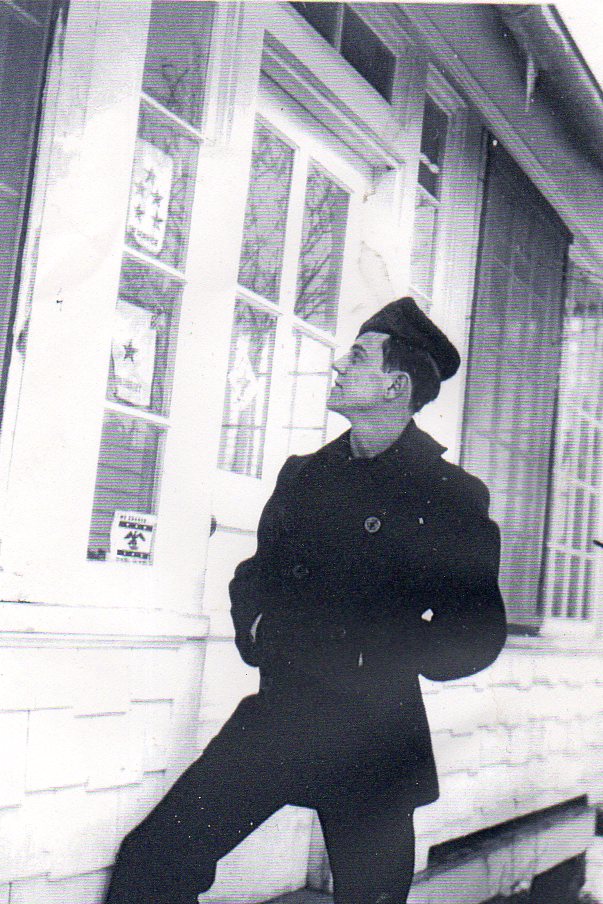
    I particularly want to say to say how much I appreciate the members of our family who have served: Uncle Pete (USMC, WWII), Uncle Ray (RCAF, RAF+USAAF, WWII), Uncle Stan (Navy, WWII), Uncle Alex (Army, WWII), Uncle Joe (Army, Korea), Uncle Jerry (Army, WWII), Uncle Frank (USAAF WWII), Uncle Walter (Navy WWII) and my other Uncle Stanley (Army, WWII), Uncle Francis (Army, WWII), Uncle Vincent (Army, WWII), cousin Billy (USMC, Vietnam) and Grandpa (Army, WWI); Patti’s father Melvin Lonnie (Navy, WWII) and stepfather Boyce (Army, 2nd US Cav WWII), Uncle Guy (USMC WWII), Uncle Max (Army WWII) and her four relatives in the CSA. Nearly everyone was in battle, and nearly everyone came home. [Image: Uncle Walter looking at the 5-star Blue Star flag, Housatonic, Mass, 1943.]

    Brothers 2990

    ·Posted by :

    ·in:


  • A Beautiful Pre-Semi-Visionary Structuralization of Information (1733)

    JF Ptak Science Books   Quick Post  
    Follow Me on Pinterest


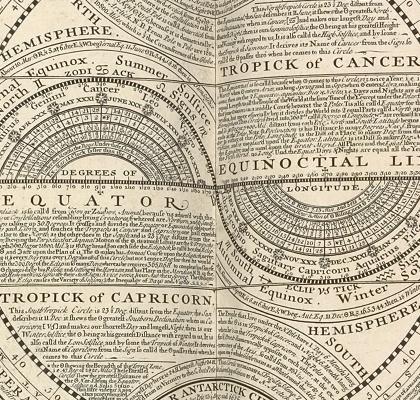
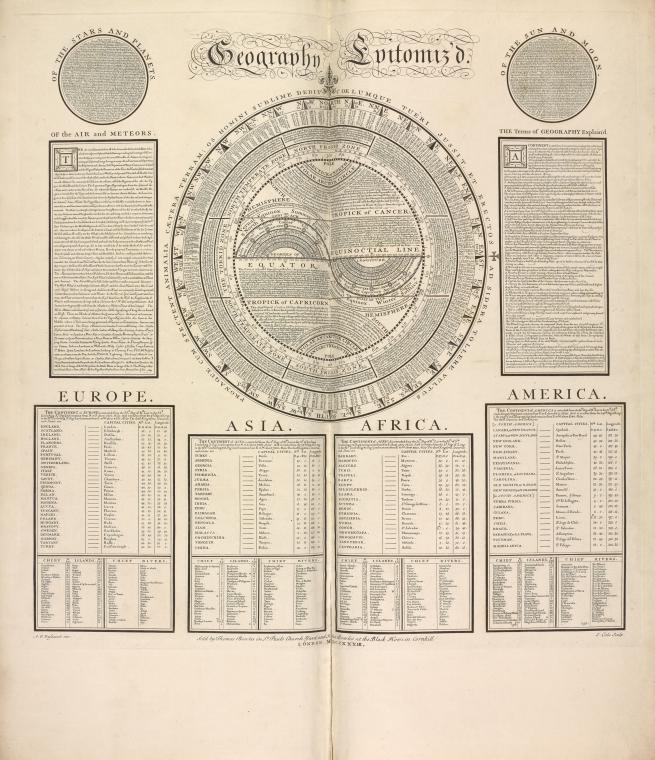
    BowlesThe central image in the opening salvo in Thomas Bowles’ Geography Epitomiz’d. Of The Stars And Planets. Of The Sun And Moon. Of the Air and Meteors. The Terms of Geography Explain’d (1733) reminds me a great deal of later visionary and outsider works.  It is a beautiful way to display and solidify vast chunks of data into a cohesive (and pretty and appealing) whole, an interesting structure that calms the dynamics of divergent information. It’s a lovely piece of design and imagination.
    [Source: New York Public Libraries Digital Collections]

    Bowles thomas


  • Pi-matic-tron Posie Mnemonic Device Fail

    JF Ptak Science Books   Quick Post

    “How I want a drink, alcoholic of course, after the heavy lectures involving quantum mechanics.”--mnemonic device by James Jeans on remembering pi to 15 places, where each word length assoicates a number in pi.  Arndt, Jörg; Haenel, Christoph (2006). Pi Unleashed. Springer-Verlag, pp 44-5.

    There are simpler ways of remembering something than developing an odd mnemonic for remembering pi, especially when the memory device will get you only 30 places or so…and so it hardly feels worth the effort to remember some posie and then write it down to perform a pi-matic numerical translation.  This is especially so when you consider that the man recognized as being the world record holder but not so (Akira Haraguchi) committed the fist 100,000 places of pi and took nearly a day to recite it–megaefforts like this make the smaller accomplishments of remembering pi to 100 places seem fairly insignificant. 

    Some of the people set to remembering pi (piphilologists) use methods similar to this as memory devices, including an entire book of 10,000 words constructed in just this way–many more, I think, use a memory palace/method of loci method, locating numbers and identifying sub-patterns and placing them in connecting “departments” in the brain.  (The Big Book on memory devices is by Frances Yates, The Art of Memory, University of Chicago Press, 1966; also Jonathan Spence, The Memory Palace of Matteo Ricci, Viking Penguin, 1984.)

    I’m not sure what the need is for remembering the number to so many places when it seems as though the first seven digits will be sufficient for most (when “most” = “just about everything”) things. 

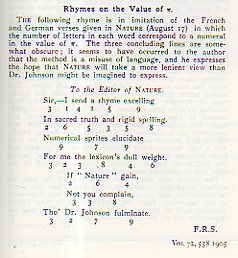
    On remembering pi, from Nature, volume 72, p 558, 1905:

    Pi mnemonic744

    ·Posted by :

    ·in:


  • Molecular Chemistry of Dots of 1947

    JF Ptak Science Books   [Another in the History of Dots series.]
    Follow Me on Pinterest 

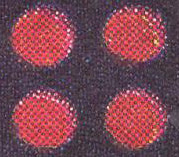
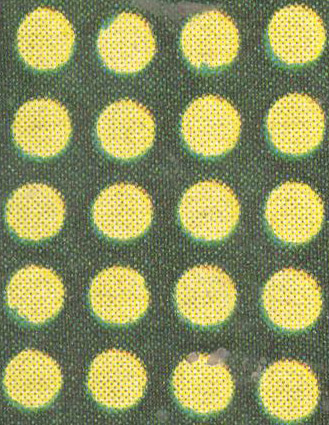
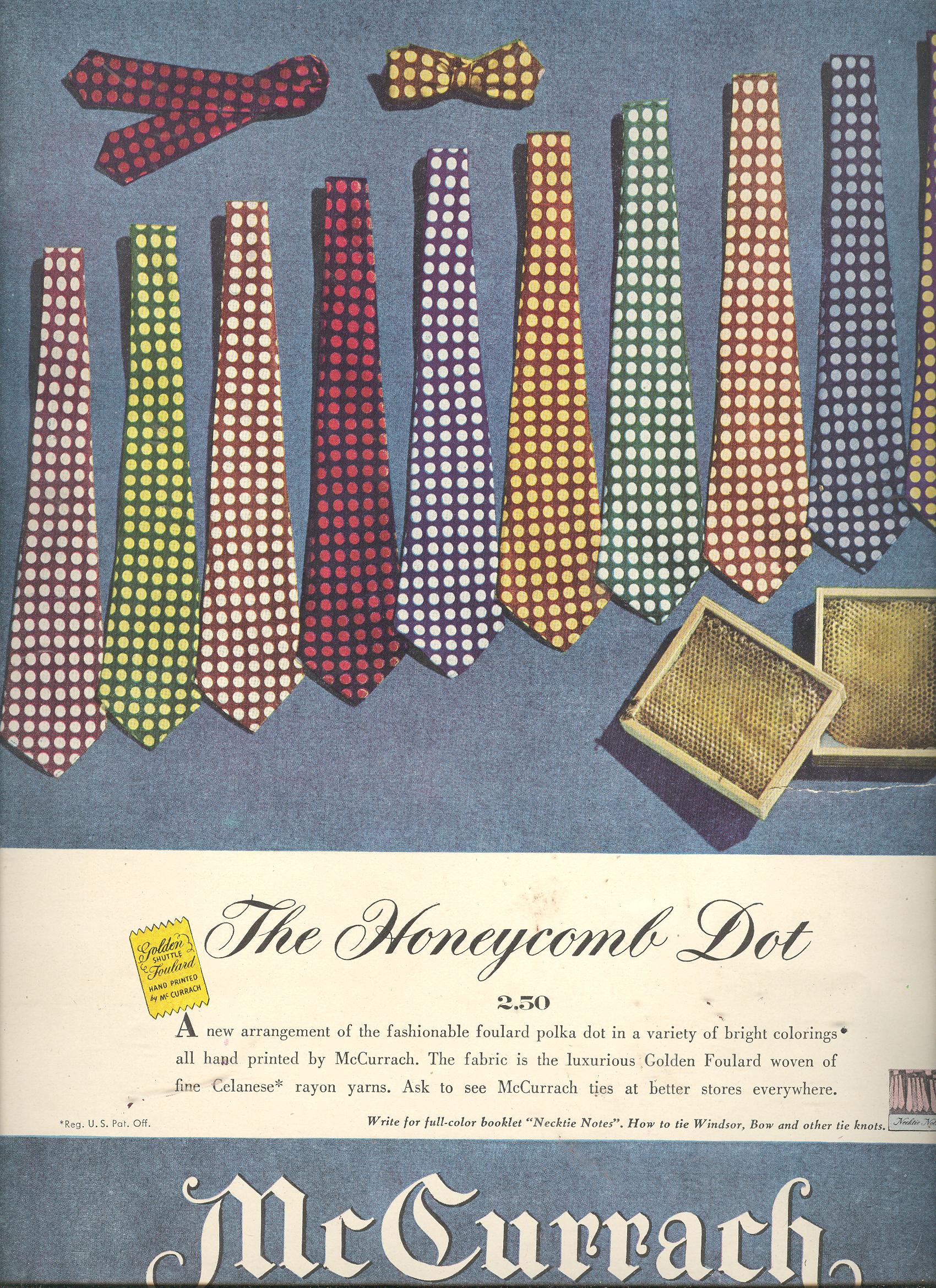
    The molecular chemistry of dots of 1947 is a beautiful thing, worthy of a powers-of-ten episode, though I can only do a gigantically scaled down version of it (a powers-of-two maybe) given pixelation and its dot-defeating and necessary tendency to relieve roundness and introduce squares everywhere. 

    1--may 13 tie dots det 1 

    1--may 13 tie dots det 2

    1--may 13 tie dots det 3

    1--may 13 tie dots det

    1--may 13 tie dots

    ·Posted by :

    ·in:


  • What John Ruskin Was Doing in the Fall of 1869

    JF Ptak Science Books   Quick Post

    Well, there’s busy and then there’s busy. Somehow Dickens and Shakespeare managed to produce dozens of superb works–enough for one great work by dozens of other writers–all in a surprisingly short period of time, like 25 concerted years each, before they gave in to the immortal anti-beloved of eternity.  John Ruskin–writer and art historian and critic–wrote a lot of books in his long life, and generally worked on many other things at the same time, all by hand, all hand-written, all stored in wooden files, all data fetched directly from books that he owned or had to make his way to. 

    I bring up Ruskin because of the letter I found that he wrote to Charles Eliot Norton outlining his activities.  It is an impressive list (pp 180-181):


    ·Posted by :

    ·in: