A Daily History of Holes, Dots, Lines, Science, History, Math, Physics, Art, the Unintentional Absurd, Architecture, Maps, Data Visualization, Blank and Missing Things, and so on. |1.6 million words, 7500 images, 4.9 million hits| Press & appearances in The Times, Le Figaro, Mensa, The Economist, The Guardian, Discovery News, Slate, Le Monde, Sci American Blogs, Le Pont, and many other places… 5000+ total posts since 2008.

Author: JF Ptak

  • Socialism, Civilization, and Fertilizer…and Nazis (1945)

    JF Ptak Science Books  Quick Post

    Fertilizer019

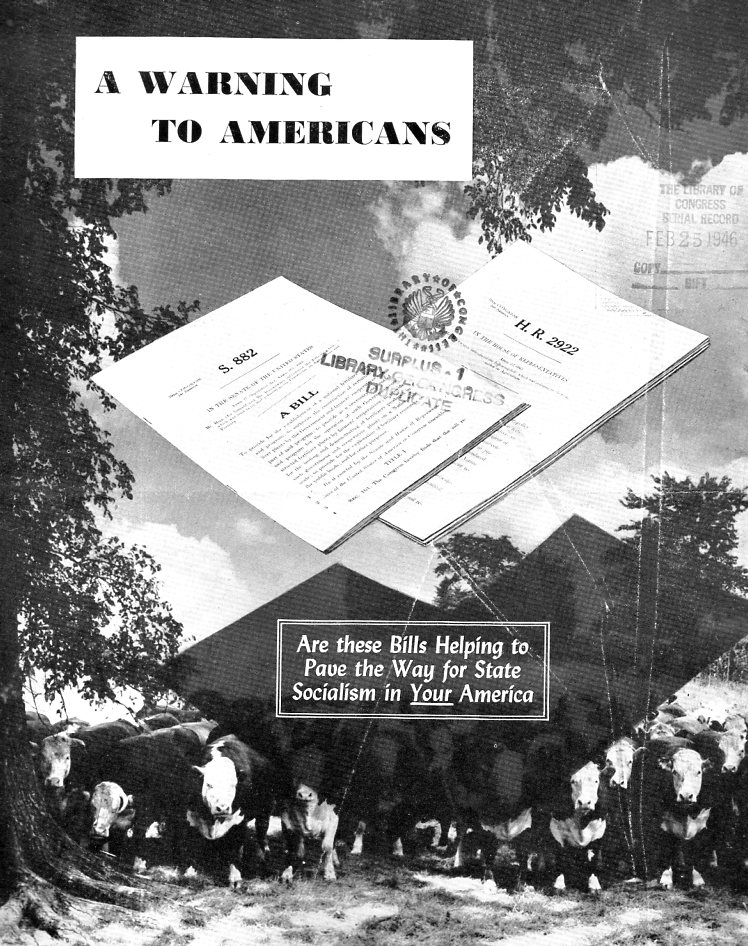
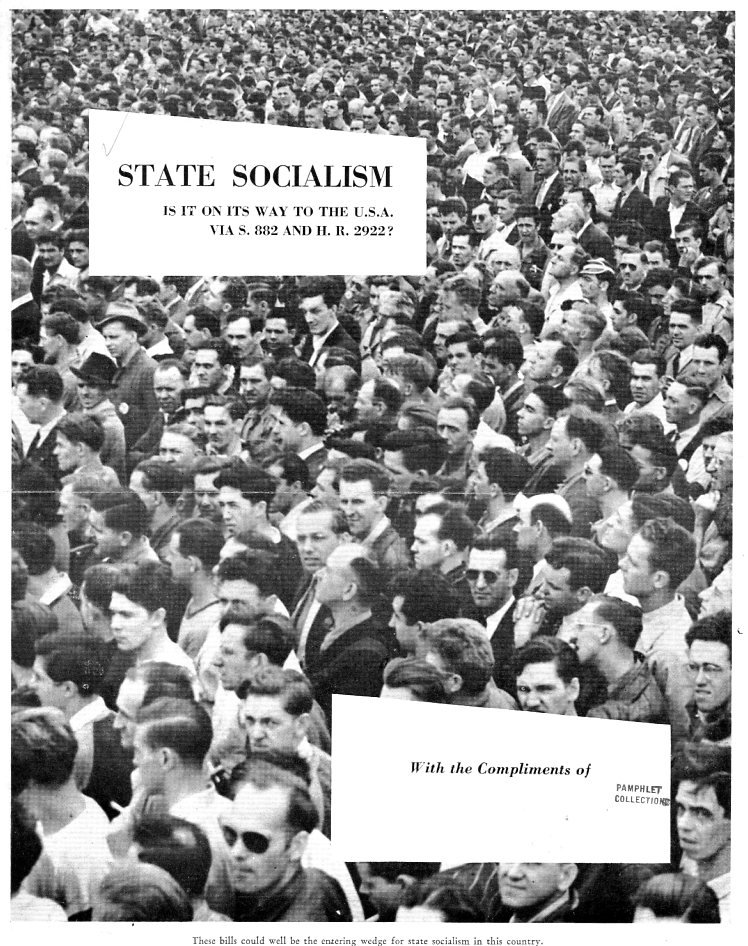
    Such is the state of American society as seen in this brochure (published in 1945), except that the order of concern in the title may be inverted.  A Warning to Americans that “State Socialism” is on its way, coming in forms of not-really-identified Senate Bill 882 and H.R. 2922, which were efforts by Alabama Senators Hill and Bankhead and Virginia congressman Flannagan to introduce federal projects in producing and creating reserves of phosphate and potash.  Seeing at how very heavily and importantly fertilizer is established in the pages of his pamphlet I can only assume that the unnamed source for it was a major producer of U.S. fertilizer which did not care for the introduction of a federal hand and so portrayed it as a wash of socialism.

    Fertilizer020

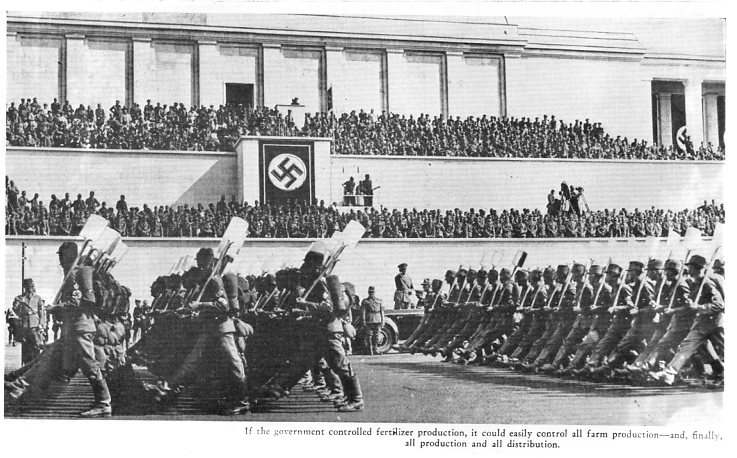
    Actually it was worse than that.  After establishing that fertilizer really helped to win WWII, and how important it was in agriculture, and then repeating how essential it is to all aspects of life, and then repeating that, the author(s)  seemed to ramp  up the hyperbole a notch:

    Fertilizer021One thing is for certain–the pamphlet is a pretty potent piece of lobbying. 


  • The World’s First Journal Devoted to the Computer

    JF Ptak Science Books   Quick Post

    I was grazing in the warehouse and came upon this terrific volume: Mathematical Tables and Aids to Computation (volume 1&2, 1943-1947). It is the collection of the first two volumes of the world’s first journal devoted to the computer, with a big gap in publication caused of course by WWII. There are a number of gems in the 900-odd pages in this volume, including the following papers. (Note that all of the below and more are readable online from Utah at of the MTAC, here.)

    • G. R. Stibitz “Should Automatic Computers be Large or Small?”
    • 3 tight pages on the first appearance in English on the Zuse Z4 computer (1947, “This may be the earliest published description of Zuse’s early computers available to post-World-War-II researchers outside of Germany and Switzerland. See \cite{Ceruzzi:1981:ECK} in an histcomput.bib for many more details)”, 
    • J. H. Curtiss “A Symposium of Large Scale Digital Calculating Machinery” (April 1947), 
    • G. R. Stibitz “Film Slide Rule” (October 1947), 
    •  L. J. C(omrie), “The Application of Commercial Calculating Machines to Scientific Computing” (April 1946), 
    • H. H. Goldstine and Adele Goldstine “The Electronic Numerical Integrator and Computer (ENIAC)” (July 1946), 
    • R. C. A(rchibald) “Conference on Advanced Computation Techniques” (April 1946), 
    • W. G. Bickley and N. W. McLachlan “Mathieu functions of integral order and their tabulation” (January 1946),  
    • W. J. Eckert “Mathematical Tables on Punched Cards” (October 1945), 
    • J. S. Frame “Machines for solving algebraic equations” (January 1945),

    and more. See math.utah.edu for a very full and link-filled list of the papers.

    • The volume is available for purchase int he blog’s bookstore, here.  


    ·Posted by :

    ·in:


  • Votes for Women, 1872: “When we vote we’ll fix those terrible men”

    JF Ptak Science Books   Post 2468

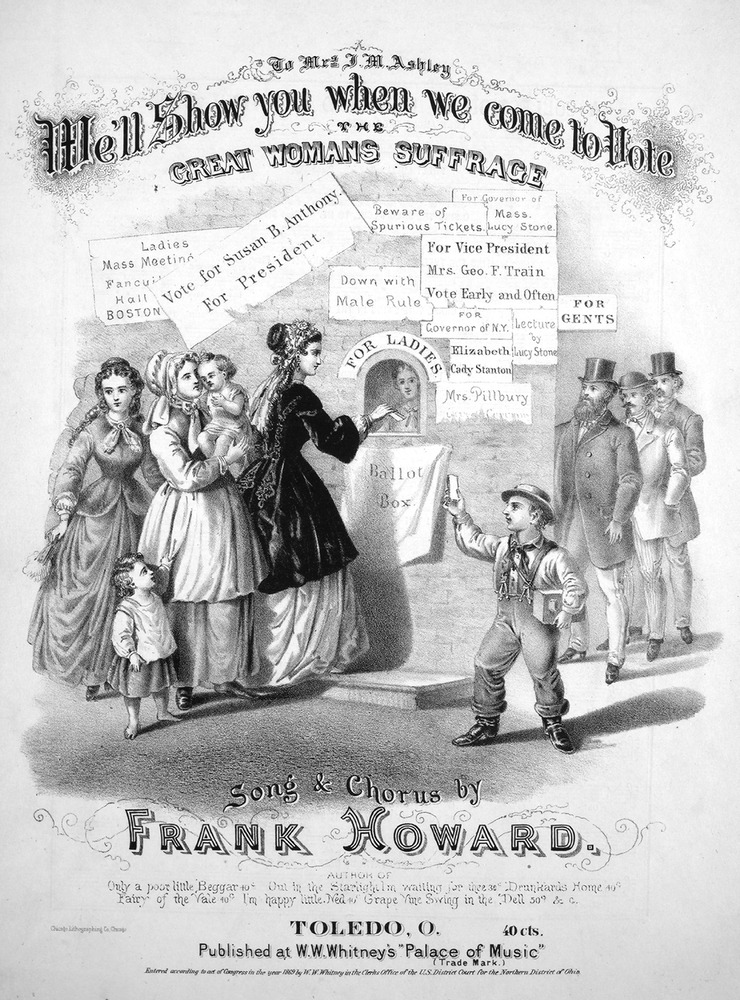
    In-between research bits I’ve been spending some time moving around in the Levy Sheet Music Collection at Johns Hopkins–there’s a lot of interesting stuff and it has a pretty big online footprint.  I’ve been working on an alphabet of illustrated sheet music covers having to do with the Moon, and collecting some images for tanks and aeroplanes–and just yesterday I posted a great piece of sheet music on the telephone (from 1877).  

    Music vote for womenSource: Levy Sheet Music Collection, Johns Hopkins, here: http://levysheetmusic.mse.jhu.edu/catalog/levy:016.127

    The unfortunate piece of this is that while searching “Moon” I bumped into a number of severely racist covers. This has happened before, doing benign searches on “comet” and “stars” and such, looking for the physical sciences in pop music in the early 20th century, and finding racist covers among the few bona fide examples located.  It certainly speaks to an endemic and deep racism in general when you can depict a meteor with a terrible caricature of an African American, or a song called  “If the Man in the Moon was a Coon”.  Taking this a little further I did a search under “coon” and found over 100 non-repeating titles with covers from this collection–many of the covers are astonishingly bad. (Another search on an even more odious word turns up more examples.) On the one had they speak to a searing but very accepting and casual race-hatred and are a lesson in themselves, especially when you can scroll through them all in a single pass. On the other hand, I don’t want to be in such close public proximity to these horrible things.  

    The path regarding posting those covers is not clear.

    In the meantime I would like to share this fantastic womens’ suffrage sheet music, published early on (1872) in the fight for the vote, though the lyrics are much more confrontation than the cover art.  (Except of course that the very imagery of women at a polling station–an event mostly entirely not allowed in the U.S. until 1919–which would have been jarring on its own to nearly any uninspired man looking at it.)  Remember too that this is only three years after the first national suffrage organizations were founded (one by Susan B. Anthony and the other by Lucy Stone), so the national attitude towards the idea of women voting as a popular movement was still quite young.

    The lyrics paint a fairly dismal picture for women, “trodden underfoot we’ve always been”, “locked up like slaves”, “wretched”, “treated with contempt and scorn”. On the other hand when given the right to vote, the refrain at the end of each of teh four stanzas is the same save one word describing men:

    “When we vote we’ll fix those terrible men”. The “cruelest knaves” are then  referred to as “those dreadful men”, “those wicked men”, and then finally as “those awful men”.  Probably this was not so far from the truth.


  • The Wondrous Telephone–Sheet Music from 1877

    JF Ptak Science Books   Quick Post

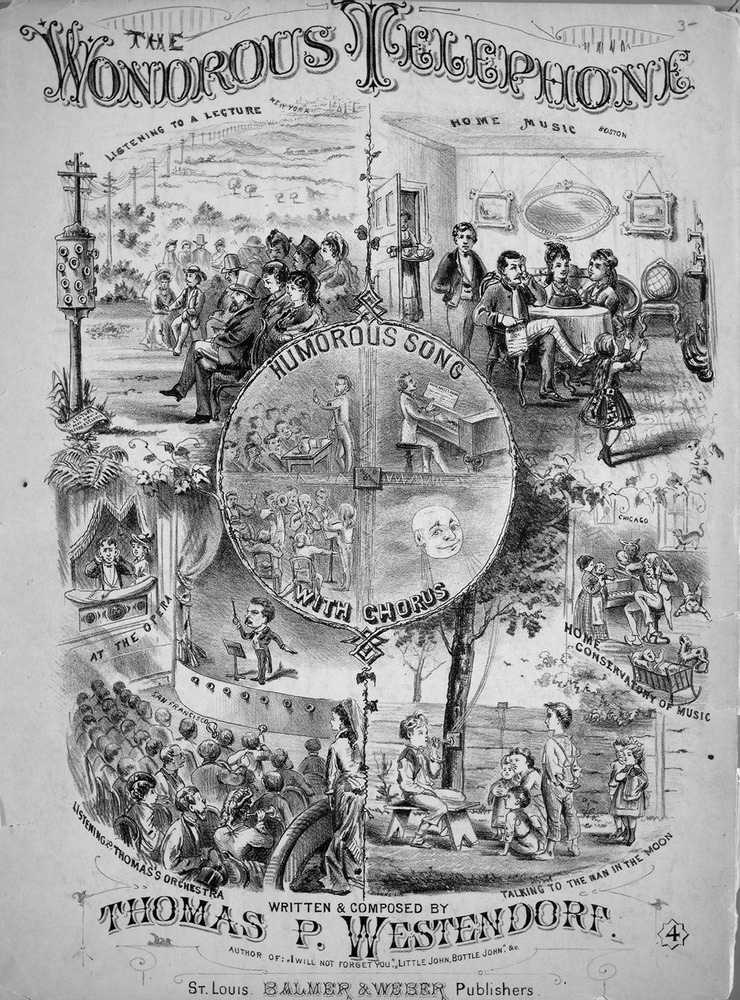
    Just a year after the invention of the telephone appeared this wonderful piece of music–with great cover art that actually took a pretty strong and accurate look into the future.  In 1877 we are told in the lyrics that “all of our secrets will be known” which isn’t such a great thing, and that the “prattle of the distant Mothern’ Law” will become fully available; on the other hand, “the whole world” will be united , and that in the end “we will never be alone” because of the telephone.  For a quick sonnet to the new invention the lyricist invoked a number of fair insights into the future of the telephone.

    SOURCE: Johns Hopkins University,  http://levysheetmusic.mse.jhu.edu/catalog/levy:032.121

    Telephone sheet music

    And the lyrics:

    ·Posted by :

    ·in:


  • A Vocabulaic Sanitary Surprise of Filth in a Plain Vanilla Wrapper

    JF Ptak Science Books    Quick Post

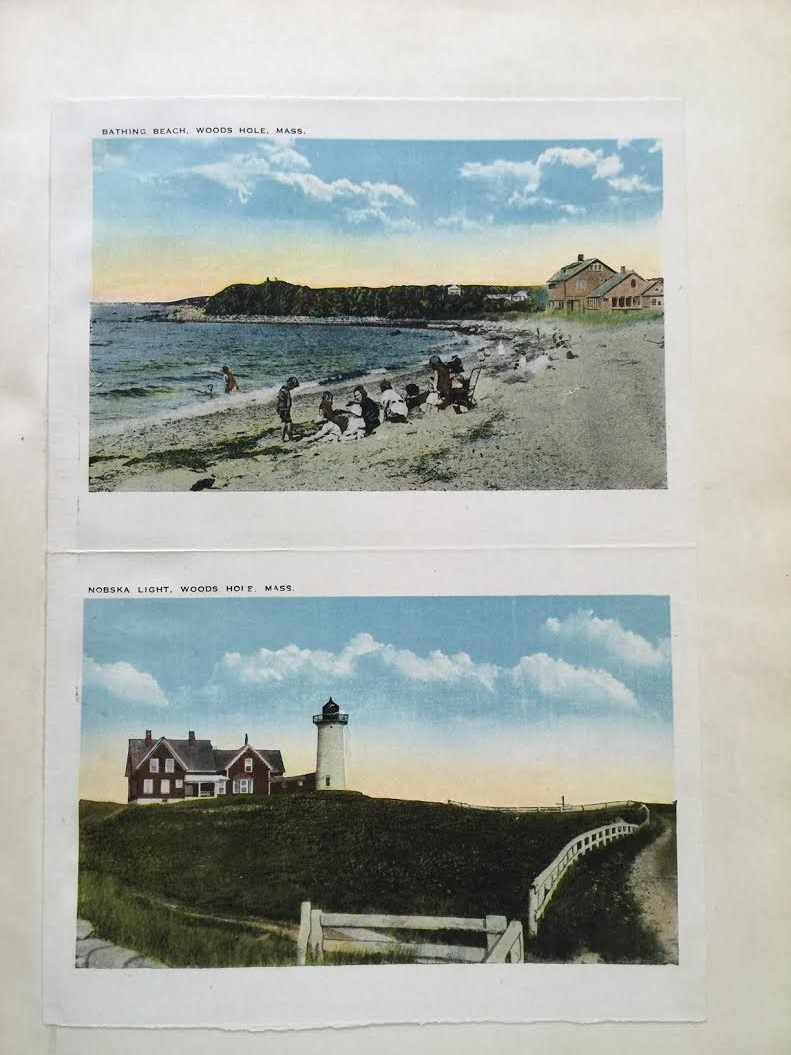
    There is a warehouse of boxes of books set into rows, and at the back of a row of boxes is a column of boxes, and in the bottom box of the column at the bottom of a stack of books sat the unpromising-sounding “A Sanitary Survey of Woods Hole” (1926).  Woods Hole (in Barnstable County on Cape Code) as most people would know it today is the home of the largest privately-funded oceanographic research institution in the U.S. (organized in 1930), though when this report was written in 1926, it was still a fairly sleepy resort town for the privileged of Boston and NYC.

    • This document is available for sale at the blog’s bookstore, here. 

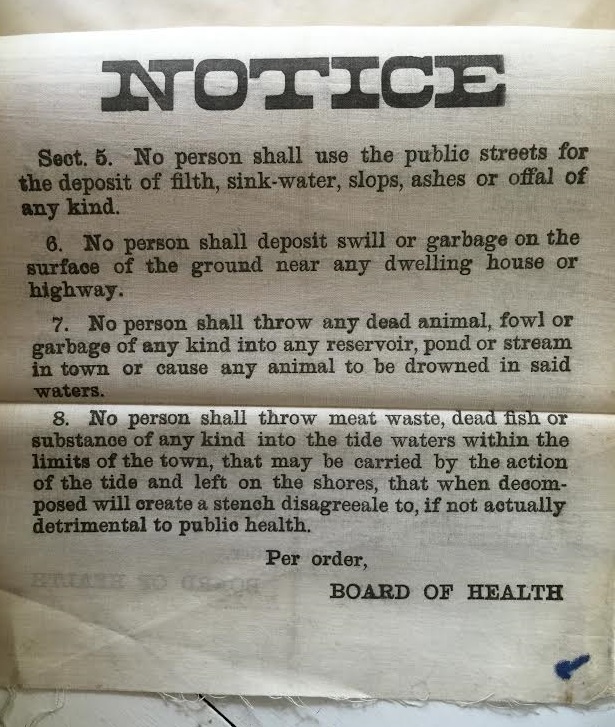
    The report (written by James Bernard Graeser) is pretty much as it says, including a social health history of the small town. But tucked away in the back of this typescript is what seems to be an original health notice (printed on cloth) outlining what people should not be throwing into the ocean and harbor. It uses some surprising language–at least to the 21st century reader–which is a little on the disturbing side, though there would not have been a need to print such a poster and put it up around town if there wasn’t a need.

    WOods Hole

    Strong stuff.  “…(O)r cause any animal to be drowned in such waters”?

    The ironic part of this is that one of the areas referenced is Penzance Point, which was a wealthy summer home development, and which had been built on the site of the  Pacific Guano Company (bust in 1886),  “which produced fertilizer from guano imported from islands in the Pacific Ocean, the Caribbean, and the coast of South Carolina” (Wiki)

    Woods Hole pc

    ·Posted by :

    ·in:


  • Hitler, the Booze Weapon, and a Bizarre Prohibition Myopia, 1943

    JF Ptak Science Books   Post 2464

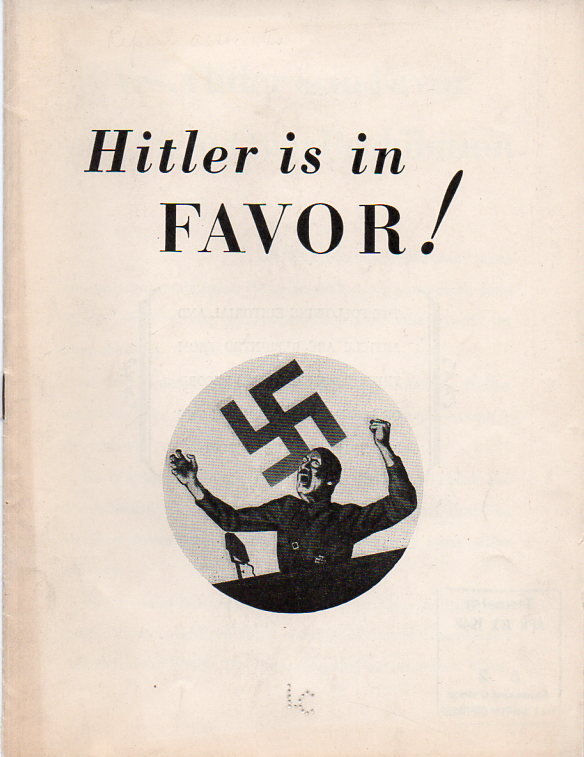
    Until today I had never considered the idea of alcohol as a propagandistic weapon in war until I read Hitler is in Favor (1943), a slim pamphlet that turns out to be an anti-anti-Prohibition statement from the Repeal Associates (of Washington D.C.). The statement “Hitler is in favor” seemed more an interogatory or than a declarative, and the issue of what he was in favor of seemed to be pretty open-ended.  Alcohol was not on the suspect list.  
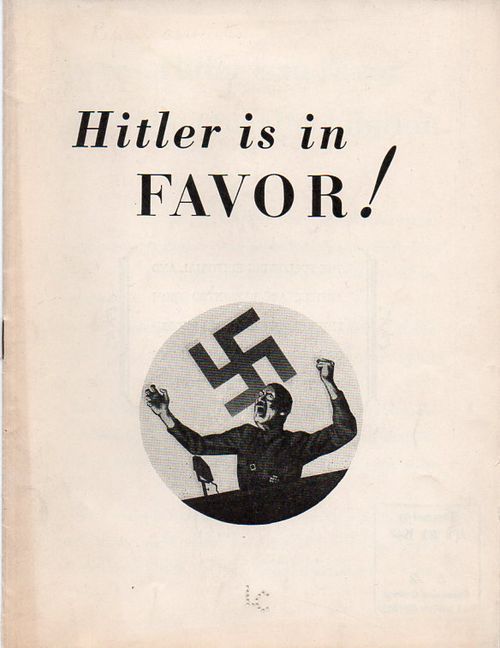
    Hitler is in favor!984

    From what I can tell the pamphlet is a declaration against an earlier pamphlet written by R(overt) Hercod (b. 1876), who was a prominent international figure on the prohibition scene, general secretary  of the International Bureau Against Alcoholism (Laussane, Switzerland), and also active in organizations like the Swiss Total Abstinence Federation and other such groups. He wrote (necessarily) on the evils of alcohol and the need for the reintroduction of prohibition, while recognizing that Hitler was against alcohol, and trying to distance his views from those.

    This however is not achieved in high relief. 

    For example in 1939 Hercod observes in a pamphlet purchased and distributed by the Board of Temperance of the Methodist Church that “(Hitler) knew Prohibition was a good issue for starting up trouble” by trying to cause a wider division between wet/dry forces in the U.S., which I’ve never heard of before as a tool in the Nazi propaganda toolbox.  

    Things get more problematic for the Hercod pamphlet, as the author of Hitler is in Favor points out the “Dr. Hercod has a kind word for Nazi sterilization law, although agreeing that it cannot have much effect in bringing about temperance”.  This sterilization law must have been a subset of other sterilization laws in Germany, this one being the sterilization of “serious cases” of alcoholics which could prove to be a “danger…for the race”. 

    Hercod identifies the German government in 1938 and 1939 as “benevolent”, at least in regards to its participation in organizations like the International Temperance Union, which seems to be an extreme example of single-issue politics.

    Another positive influence seen by Hercod is in Hitler Youth, where even though they “are not required o take a pledge of abstinence…they are expected to abstain from alcohol and tobacco…”

    Then this nugget:  “As to the future of alcohol in German, Dr. Hercod does not believe such a drastic step as prohibition is in the offing”.  

    The sterilization part is a very sobering insistence that this weird intellectual effort is not without its fair share of bizarre, real-life implications, and that there was an overall positive if not foggy interpretation of National Socialism, with everything weighed in terms of prohibition.

    But then the stiffener comes at close of the pamphlet–an incredible statement made in 1939 that no doubt demanded the consumption of an obscuring potion by the writer. The anonymous author notes that Hercod relates “how active German Jews were in temperance movements) in 1939, but then “without promulgation, so far as we know of any special decree to this effect, the Jews disappeared from the temperance societies (when the authorities took control of these societies) where they had often occupied an important place”.  

    In the pursuit of an alcohol-free world Hercod overlooks the Nazi plan for the Jewish-free world.  Being in neighboring Switzerland it seems impossible that Hercod could have missed the previous six years of bitter race laws instituted in Germany (including the Nuremberg Race Laws of 1935), but it seems as though he did.  He also does not seem to have been affected by the Austrian Anschluss, either. Or any of the other Hitler stuff that wasn’t playing out so nicely in 1939.  (I can only assume that all this was written before September, 1939, but…)

    And so that is the end of the tour of this very brief but deeply troubling nine-page pamphlet.  It is  difficult to understand the thinking that makes such extreme disgusting myopia possible, though I think it is helpful to surface such a brew as this to appreciate a part of the low wavelength thinking that contributes to making monstrous social licensing possible. 

  • Bumping into the Invisible: the Coolidge Tube, 1911

    JF Ptak Science Books   Post 2463

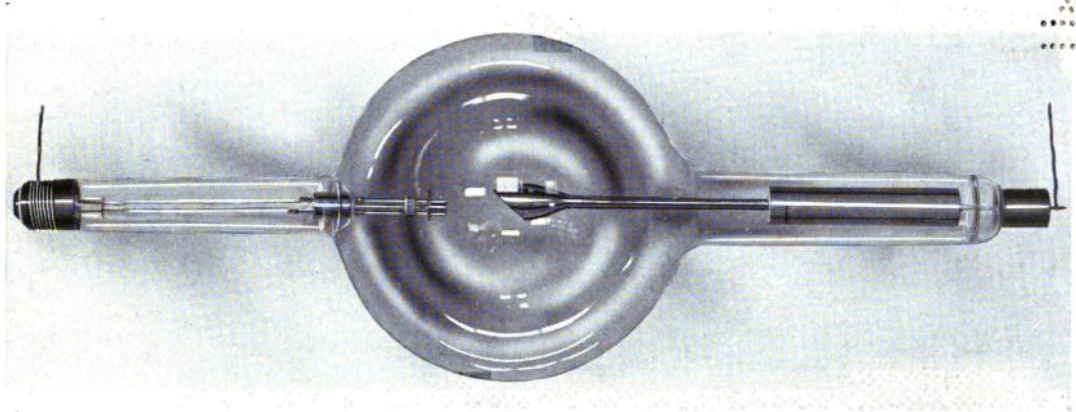
    I’ve bumped into another issue of the Physical Review (December 1911, pp 409-430, volume II (second series), #6) with the important William D. Coolidge  paper, “A Powerful Roentgen Ray Tube With a Pure Electron Discharge”.

    A decade-and-a-half after Wilhelm Roentgen’s discovery of x-rays (an epochal paper published at the tail end of 1895) this is the first appearance of what we think of as the modern X-Ray tube–a design that would be used for decades to come, and which provided clear and more accurate that had been seen, in a way opening this world up, well, exponentially. It is a very significant contribution to the history of science, and it was cool to find it again by chance.

    Coolidge_xray_tube[Source: Wikipedia, showing the Coolidge tube ca. 1917.]


  • A Peep at Some Texas Poker Players, 1930

    JF Ptak Science Books    Post 2462

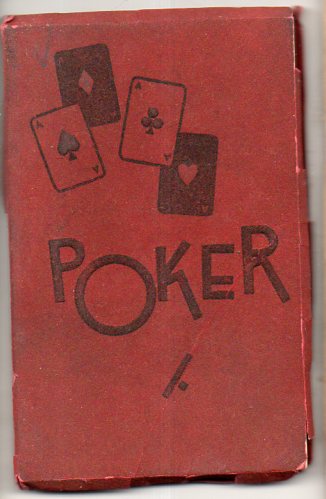
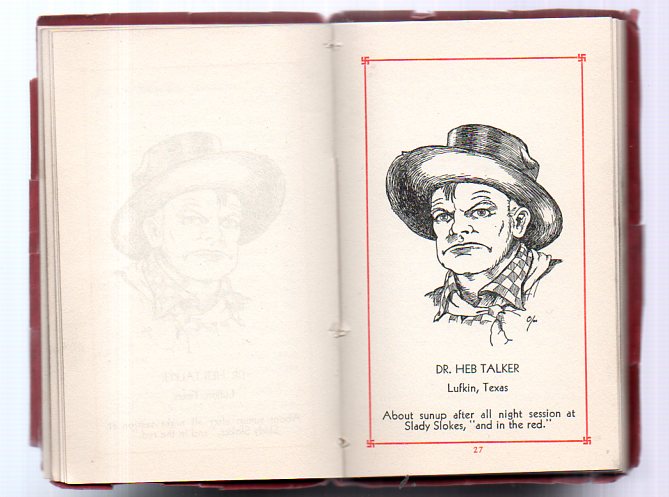
    Here’s an interesting (literally) little book1 on Western poker players and poker in general published in the Great State in 1930.  What makes it very appealing to me is that it has colorful and rusty minute biographies (with drawings) of some of the noteworthy Western players, though it is particularly Texas-centric.(15 of 21 of the players are from that state). 

    Poker584(The Library of Congress Copyright entries for 1930 lists “J.F. Dresing, Jr.” 2 in what may be the author’s chair.)  

    Poker582

    Contents of the pamphlet:

    Introductory:

    • “Rules for Winners (How to win more)” with advice such as “…Get in first blow on arriving home by advising wife of the pre-carious condition of the SICK FRIEND…”
    • The pamphlet also offers “Rules for Losers (How to lose more)” such as “…attempt to “bluff” the winners frequently, and note result….” And “…draw for middle straights whenever the opportunity offers…” and “…never despair…”
    • General Rules, such as “… when the cards are passed around, and the ‘pot not opened,’ do not neglect to mention, ‘honest dealer’”
    • Rules for On-Lookers or Sweaters, such as “…request the cinch players to loosen up…” and “…talk all the time, criticize every man’s play…”

    Wild Cards section:

    • “Addresses to Make Up a Game table”
    • “Experience log to track who owes what”

    And then comes the 21 images of the great Texas poker players and their one-line identifications, which are entertaining and probably not very helpful:

    Damon G. Gaiter, Dallas, Texas, “Who plays them wide open and makes the ‘going’ rough for the Leathered Vested FRATERNITY.”

    B.A. Parrett, Owl-Den, Texas, “Who talks loose, but plays tight.”


  • Map of Rivers and Waterfalls, 1851

    JF Ptak Science Books    Quick Post

    Maps Rivers Waterfalls981

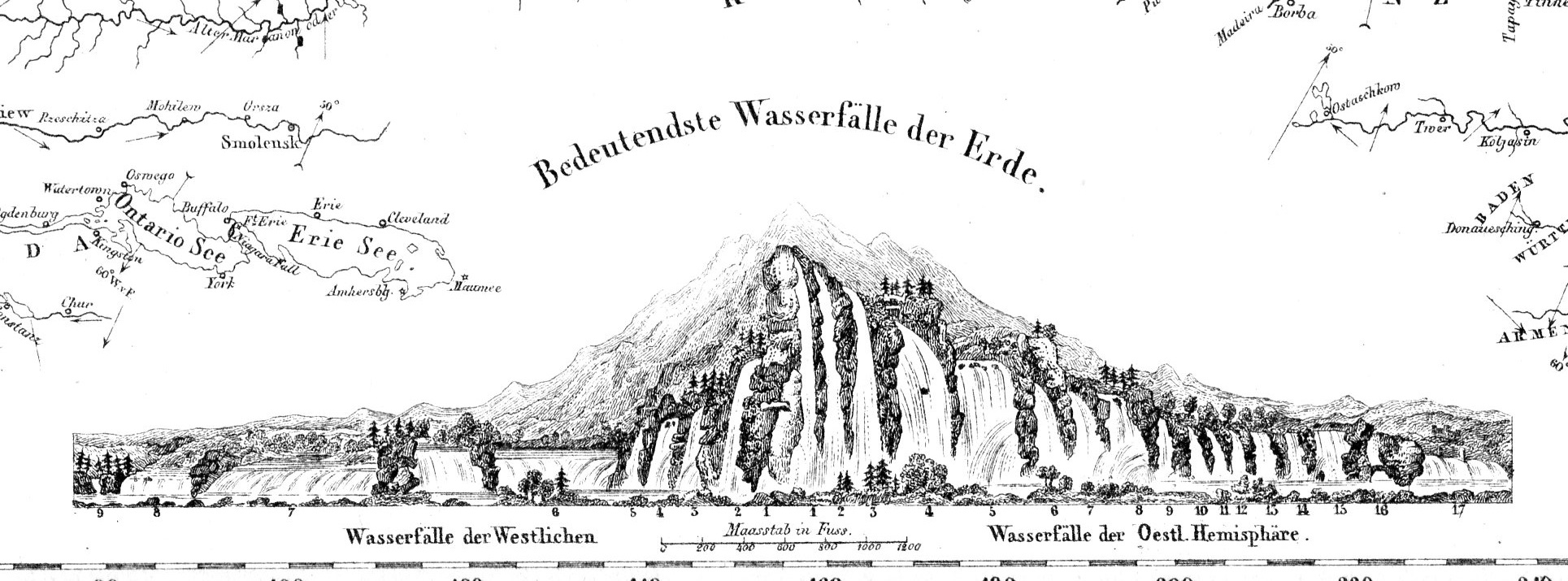
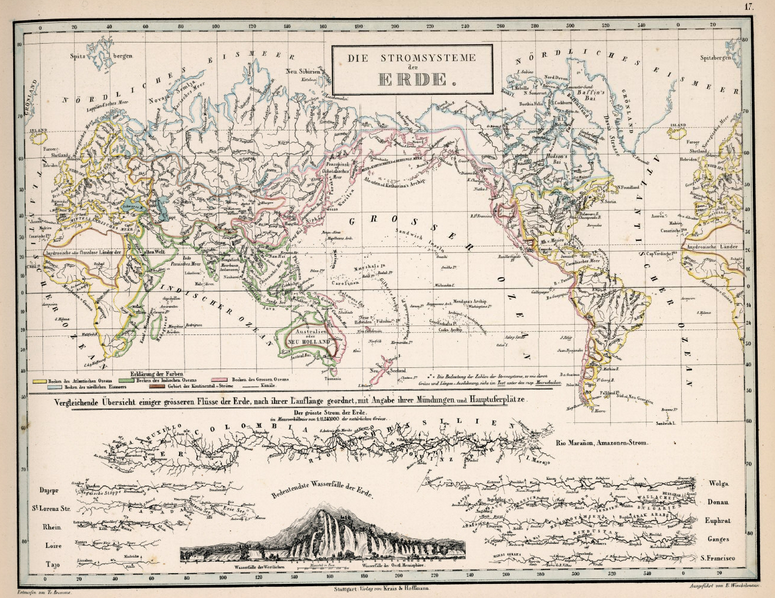
    Before the Neil deGrasse Tyson version and update of Carl Sagan’s landmark television series, Cosmos, there was Alexander von Humboldt, and his enormously influential book of the same title, printed in 1845-1862.  Well, von Humboldt’s (1769-18591) book was actually Kosmos when published in German, which is where it started its life (and which von Humboldt suffered mightily for in it English translation), and in which this map appears.  Von Humboldt was enormously studied and educated and of a high scientific mind over many subjects, one of those 19th century figures who seemed as though they could know everything, a polymath of high order (along the lines of Goethe and von Helmholtz and Thomas Young and others).  He was a meteorologist and biogeographer before those sciences existed; a naturalist, geographer, archaeologist, and explorer, a natural philosopher of magnitudes.

    • The original maps is available for sale at the blog’s bookstore, here.

    Kosmos reflected his lifelong interest in order, and what he did was astonishing–he attempted to unifying the complexities of nature in one book (of five volumes), binding the various branches of science together in a cohesive whole, attempting to show how the laws of the universe acted here on Earth.  It was a very influential work, very progressive, a masterwork of scientific method.  Kosmos.

    Maps--River system


  • An Extraordinary Map of Battle Death–“Body Density Maps”, 1918

    JF Ptak Science Books   Post 2461

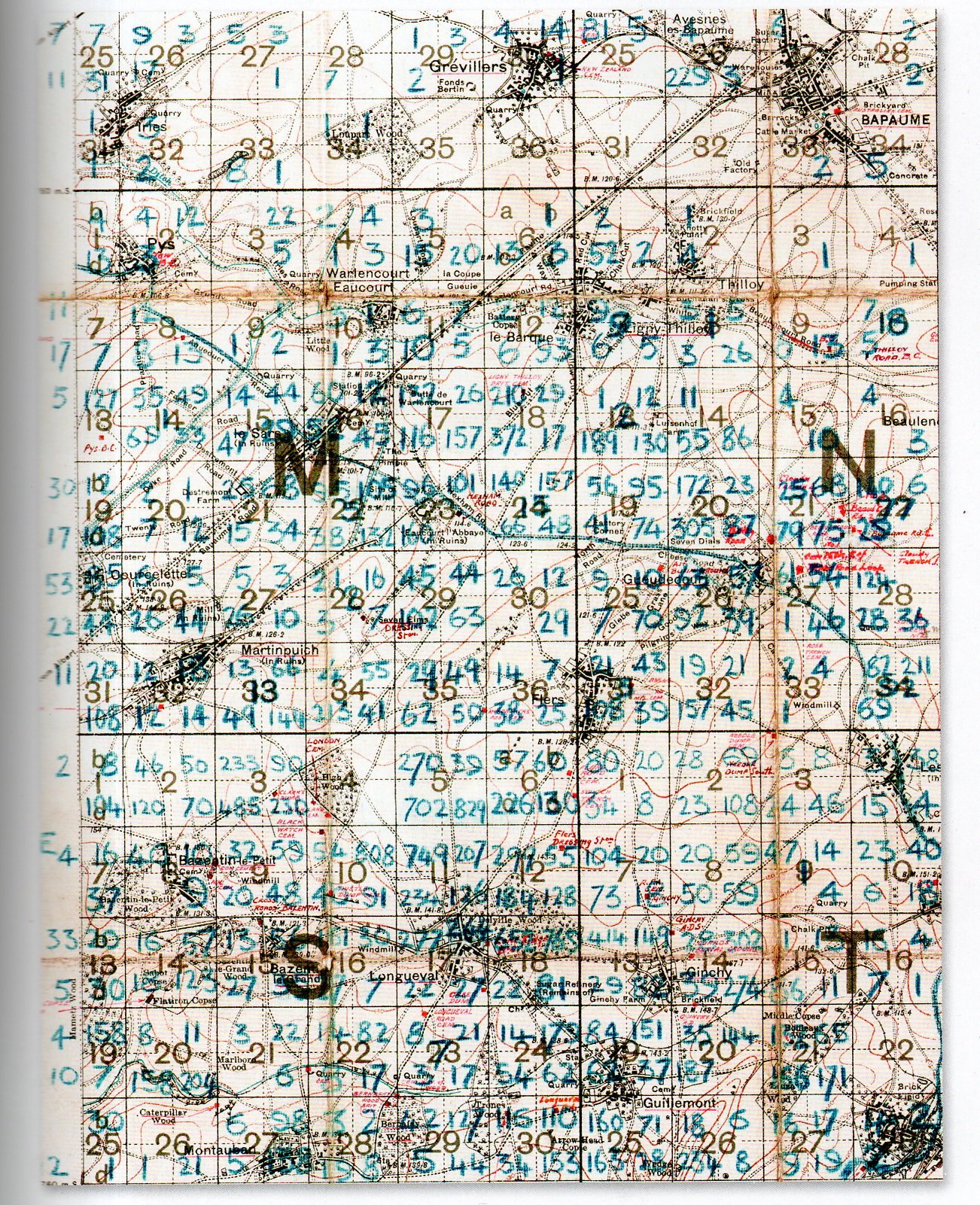
    At first glance this detailed and dense map looks foreboding and somehow off-putting–at least for me, and that was before I understood what the numbers represented.

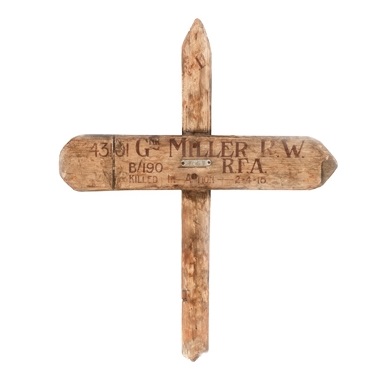
    The blue numbers on this section of a larger map refer to soldiers killed on the battlefield of the 1916 Somme battlefield. It is the work of Lieutenant Colonel Arthur Messer (Assistant Director of Graves Registration and Enquiries in France), who undertook to record the crosses of the Fallen on the battlefield and register their location, and then to re-inter the bodies together in larger cemeteries.  

    MAP DEATH DENSITY977

     [Source: John Hughes-Wilson, The First World War in 100 Objects, Firefly Books, 2014.]

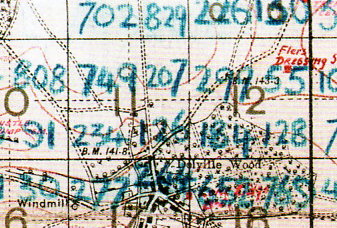
    What we are seeing here are pieces of four 6×6 grids (one complete and three partial) numbered (in red) 1-36, each one of these squares further subdivided into four section.  Each larger square composed of 36 squares is 1000×1000 yards total, meaning that each one of the 36 subdivisions is about 166×166 yards, and each of the four segments of one smaller square is 83 yards. The blue numbers indicate a soldier killed on that field of battle which means that in the large 36-square “M” subdivision  #18 that there were 210+29+372+17 fatalities, or 628 on a 166×166 yard field, or in one case 372 killed on a 83×83 yard plain.   The deaths were even more intense on other areas of the field–in Square S #11 there were 749+207+234+126, or 1,416 deaths in that 166×166 yard field, and 749 on the 83×83 yard field.  It is hard to visualize such loss. I picture a U.S. football field–there are 22 players on the field during play, and that seems to populate the area pretty well–casualties of 749 soldiers on a similar area would be nearly 35 times that, meaning that placed equidistantly and with a few feet on the sides they would cover the field.  There are, what, 75 people on a football team?  That means at the beginning of the game when all of the players and coaches and staff and cheerleaders and member of the band run out onto the field to take their places, they would all be dead–and then some.  That is a lot of death.  

    MAP DEATH DENSITY978

    According to the Imperial War Museum, temporary markers for fallen soldiers looked like this:

    Wooden cross

    After the war the Imperial War Graves Commission replaced the wooden crosses with stone markers.  

    The wooden markers would then returned to the family.  

    [Source: http://www.iwm.org.uk/learning/resources/remembrance-in-the-first-world-war]