A Daily History of Holes, Dots, Lines, Science, History, Math, Physics, Art, the Unintentional Absurd, Architecture, Maps, Data Visualization, Blank and Missing Things, and so on. |1.6 million words, 7500 images, 4.9 million hits| Press & appearances in The Times, Le Figaro, Mensa, The Economist, The Guardian, Discovery News, Slate, Le Monde, Sci American Blogs, Le Pont, and many other places… 5000+ total posts since 2008.

Author: JF Ptak

  • Early “Image” of Hiroshima–as a Cartoon

    JF Ptak Science Books  Quick Post         Part of the Atomic and Nuclear Weapons series

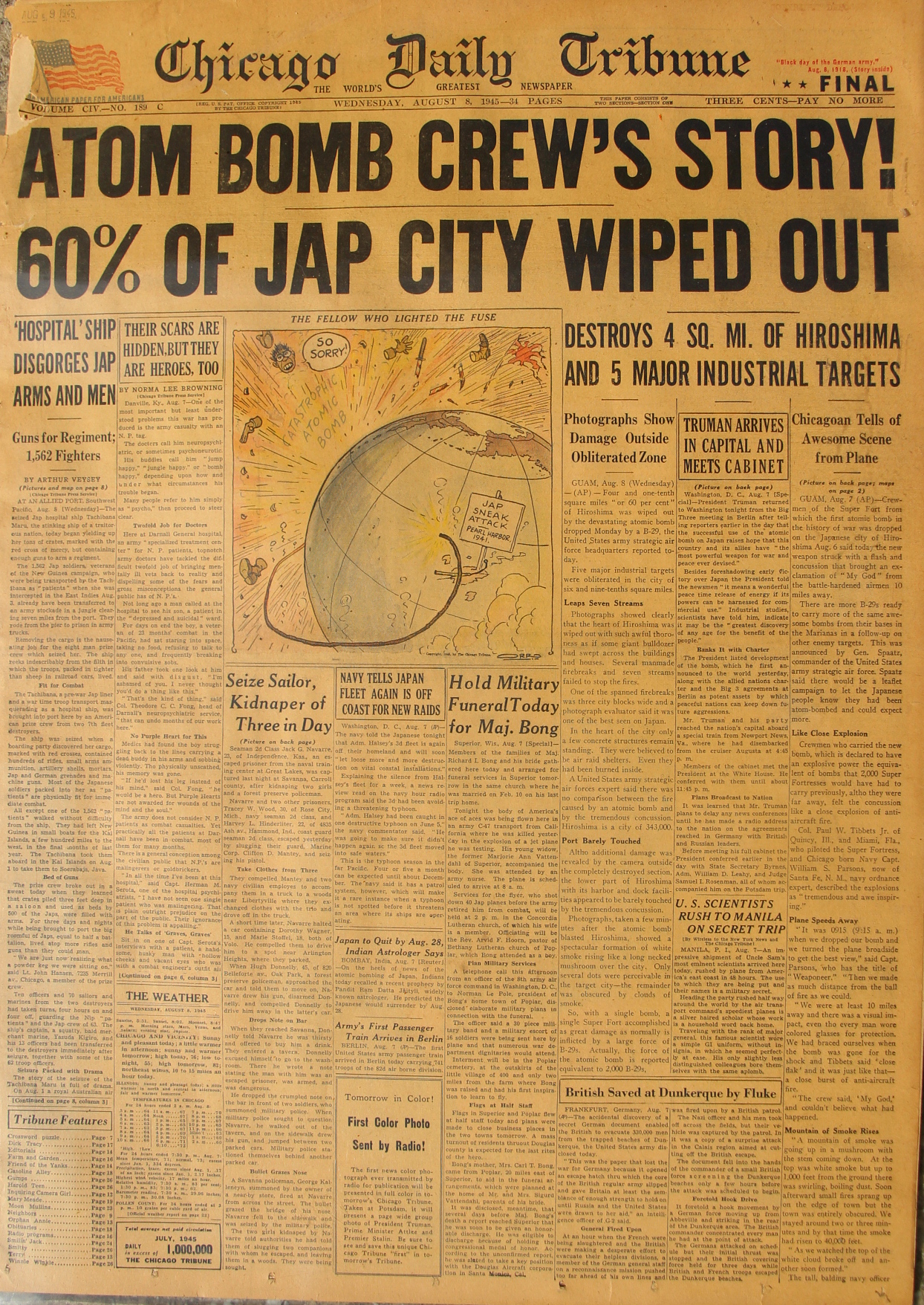
    The Chicago Daily Tribune covered the Hiroshima bombing of 6 August with a number of different articles, including statements from the Enola Gay crew members, explanations of how atomic bombs “worked” from the physics aspects, President Truman’s bearing on the proceedings, news of a number of other B-29’s ready and waiting to be sent on missions with similar bombs, and so on.  That “so on” doesn’t actually include that much coverage at this stage, amounting probably to two or three full pages of text. There were no pictures yet though there were reports of images made from the aircraft showing 4 square miles of total devastation at Hiroshima. 

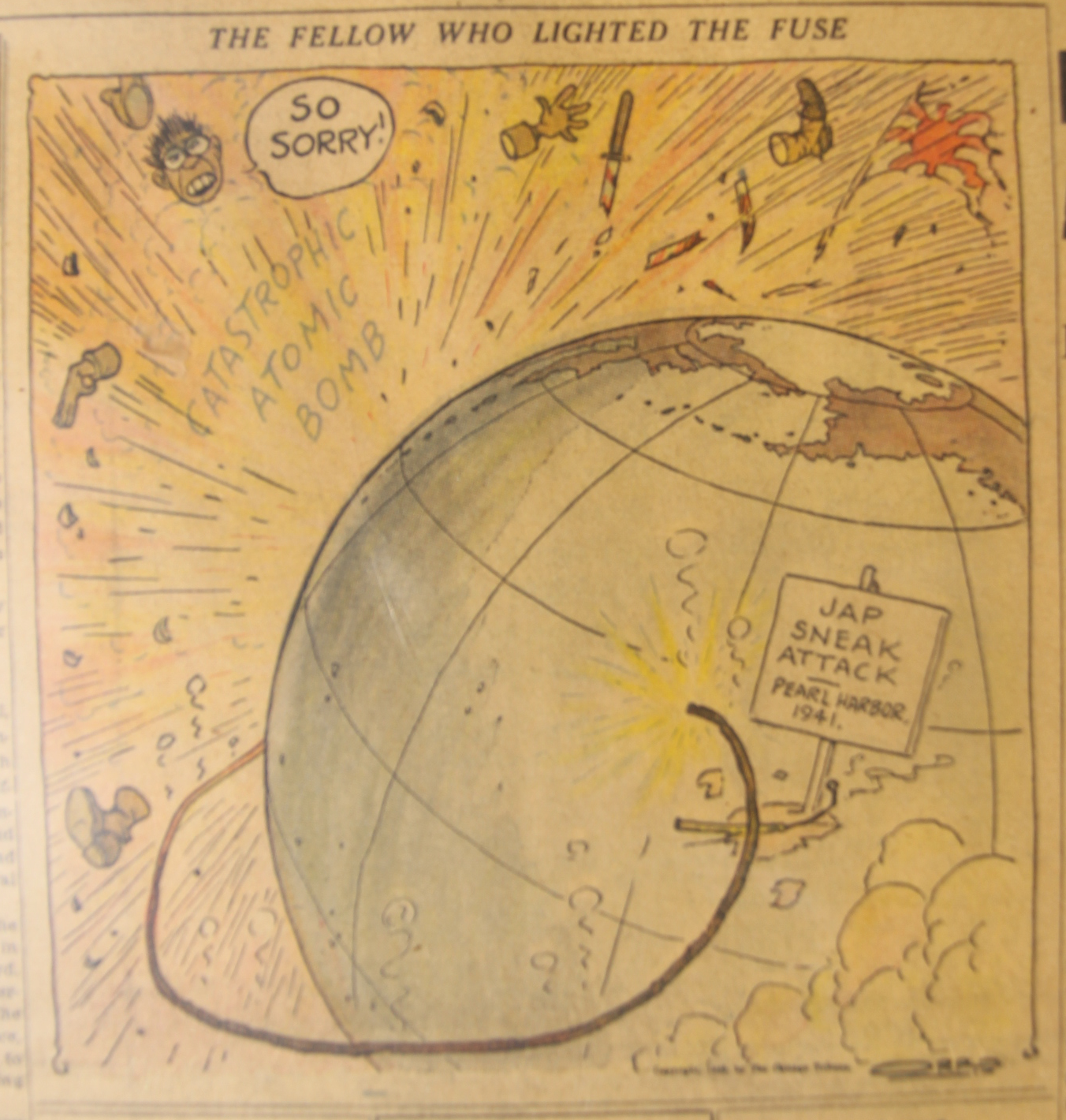
    The only illustration to speak of was this–a very graphic graphic to be sure, which under the circumstances, I suspect was to be expected. 

    Hiroshima newspaper detail


    Hiroshima newspaper full

    ·Posted by :

    ·in:


  • Infographic: the Sizes of Air Forces, 1918-1935

    JF Ptak Science Books  Quick Post

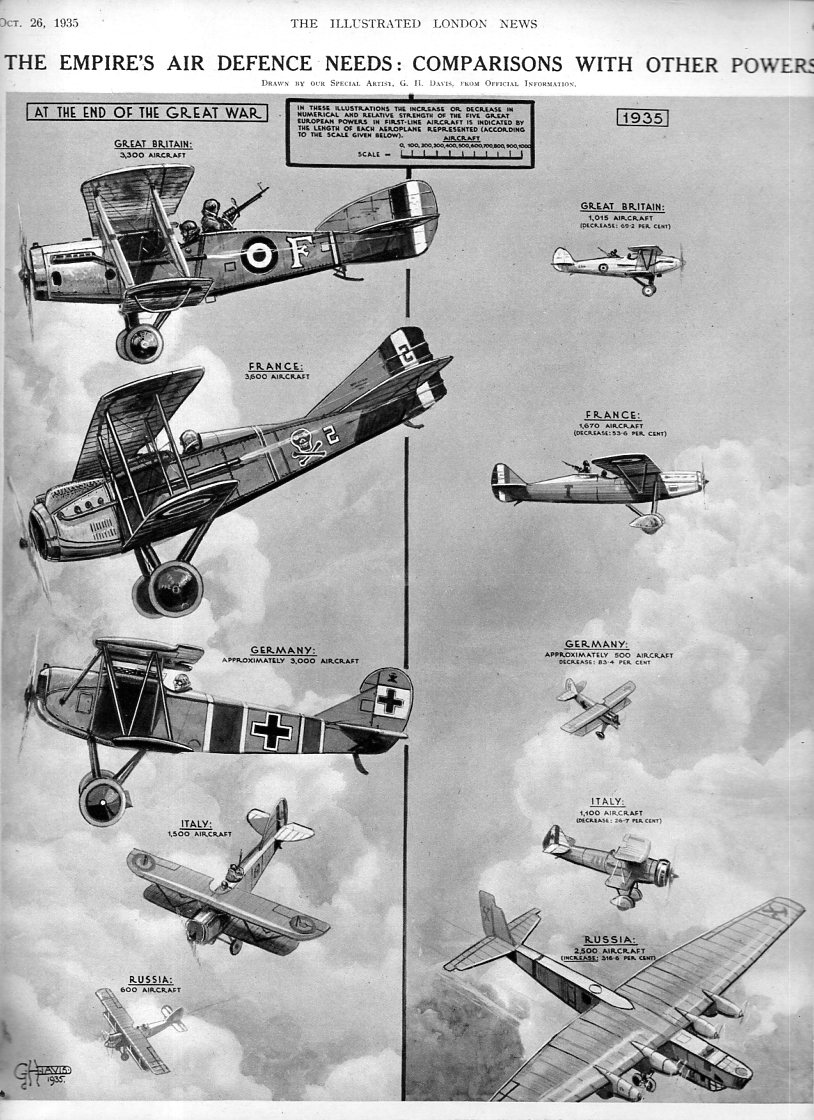
    More work here from the great G.H. Davis–a man whose work has been shared on this blog dozens of times (check this out in the Google search box to the left)–this time showing the changes in air corps from the end of WWII to the middle of the 1930’s. The infographic was published October 26, 1935, in the Illustrated London News, five months after the creation of the Luftwaffe and just a short time longer than that for the renunciation of Versailles.  Hitler was two years in power, and the face of Europe was really about to change…

    Infographic Aviation 1935025


  • Isaac Newton, Alpha and Omega

    JF Ptak Science Books  Quick Post

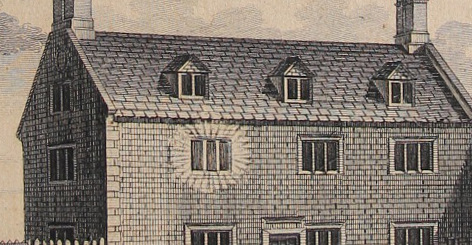
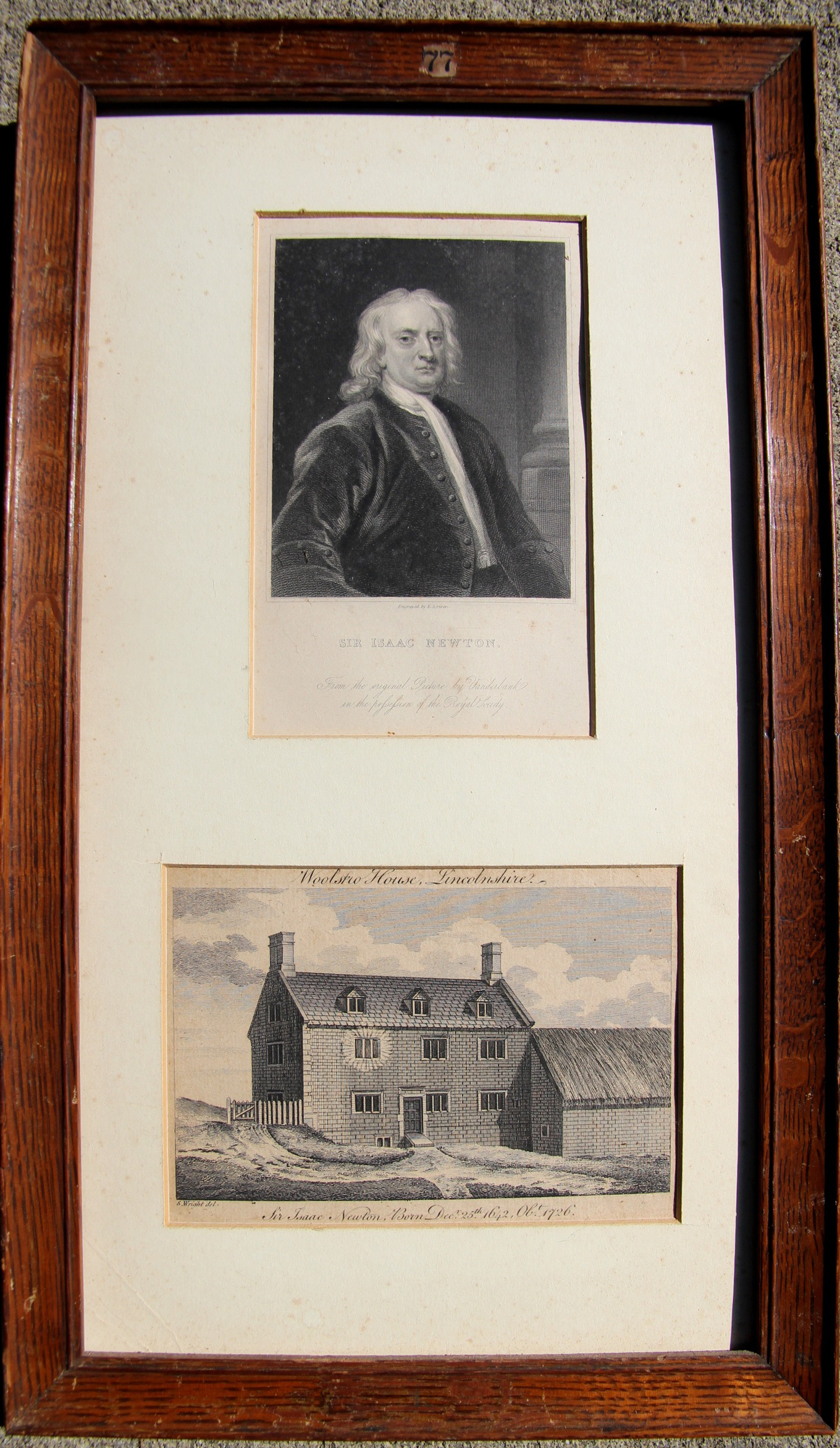
    For many years I’ve had this double-portrait (as it were) of Isaac Newton, an alpha and omega image: it depicts the window of the room in which Newton was born in Woolsthorpe (near Grantham), and then the last portrait made of him in life.  The portrait is very well known; the view of the window with the pure holy light, not so very much.

    Newton alpha omega detail


    Newton alpha omega


  • The 1% in 1910 and 2014

    JF Ptak Science Books   Post 2469

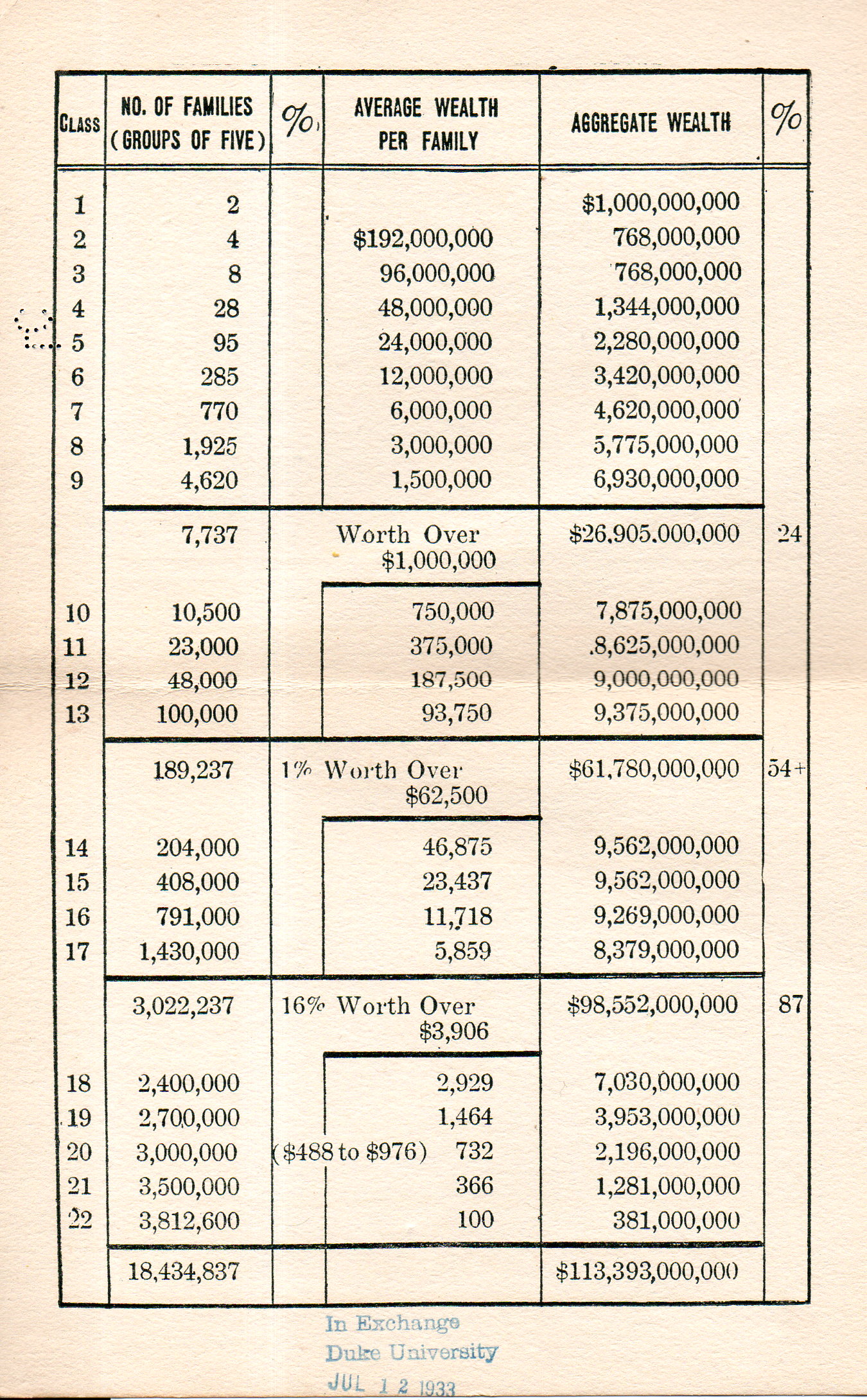
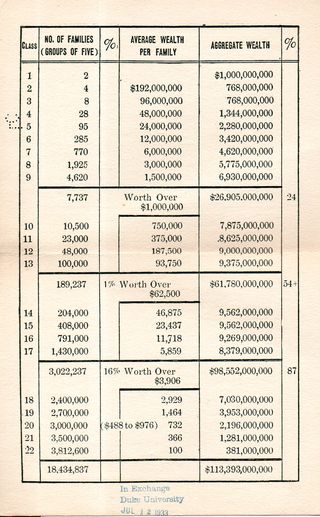
    It is always difficult comparing value of objects over periods of time–this is especially so when trying to compare the value of wealth, in general. And so I won’t be tempted to much to do this while relating the data of this interesting and tiny handout, The Distribution of Wealth in the United States, 1910. It was published in 1912 by Edward G. Hewitt (who curiously locates himself in “Brooklyn Borough”, rather than just “Brooklyn” or the “Borough of Brooklyn”, the incorporation taking place 14 years earlier) and presented in a bit of an odd way, at least to me, dividing the wealth into groups of families. It makes it a little hard to understand, even if there are only 22 divisions to the analysis.

    What attracted my attention in this was the number of millionaire families, which was 7,737 in the total of 18,434,837 families–or about .4%–with an aggregate wealth of $26.9 billion, which was a 22.6% share of the national wealth stated at $115,000,000,000. That millionaires club would be about $24 million in 2014 dollars, using the Bureau of Labor Statistics inflation calculator.
    One percent028

    Secondly, the much-discussed 1% here totaled 189,237 families with wealth of over $62,500, or about $1,494,545 or so in 2014 dollars.

    Since “wealth” really isn’t defined here it is difficult for me to extrapolate the differences between the 1% of 1910 and the 1% of 2015–especially so since I’ve seen several different current interpretations of what the modern 1% actually means.

    In 1910 there were 7,737 families of millionaire status–today there are something like 5.4 million millionaires in the U.S., though that is counted as individuals, or about 1.6% of the population compared to .4% in 1910. And as my friend Jeff Donlan points out, it would be more useful to talk about the 24-millionaires club than simple millionaires, but I don’t have access to that data, at least not for this half-hour post.  

    It is interesting that The Economist in 2012 stated that the average household income of the 1% was $1.2m in 2008, according to federal tax data. I find it very surprising that the 1910 1% (adjusted by BLS) comes in at $1.49m.

    Again, this is all sorts of problematic, but even though stumbling around like I am here with these numbers it is very curious to see how closely those 1% numbers from 1910 and 2014 come together. It feels like this is wrong on many or all levels, and the 1910 data might all be junk for all I know, and that it is like saying that the stars are all the same size because that’s what it looks like here on Earth, but it is strange about how those numbers worked out–at least here, using the stated data.  I’m not saying that what I’m saying above has any value beyond indicating that there may be something interesting here…
    ·Posted by :

    ·in:


  • Powerful Design–Smithereens, 1943

    JF Ptak Science Books   Quick Post

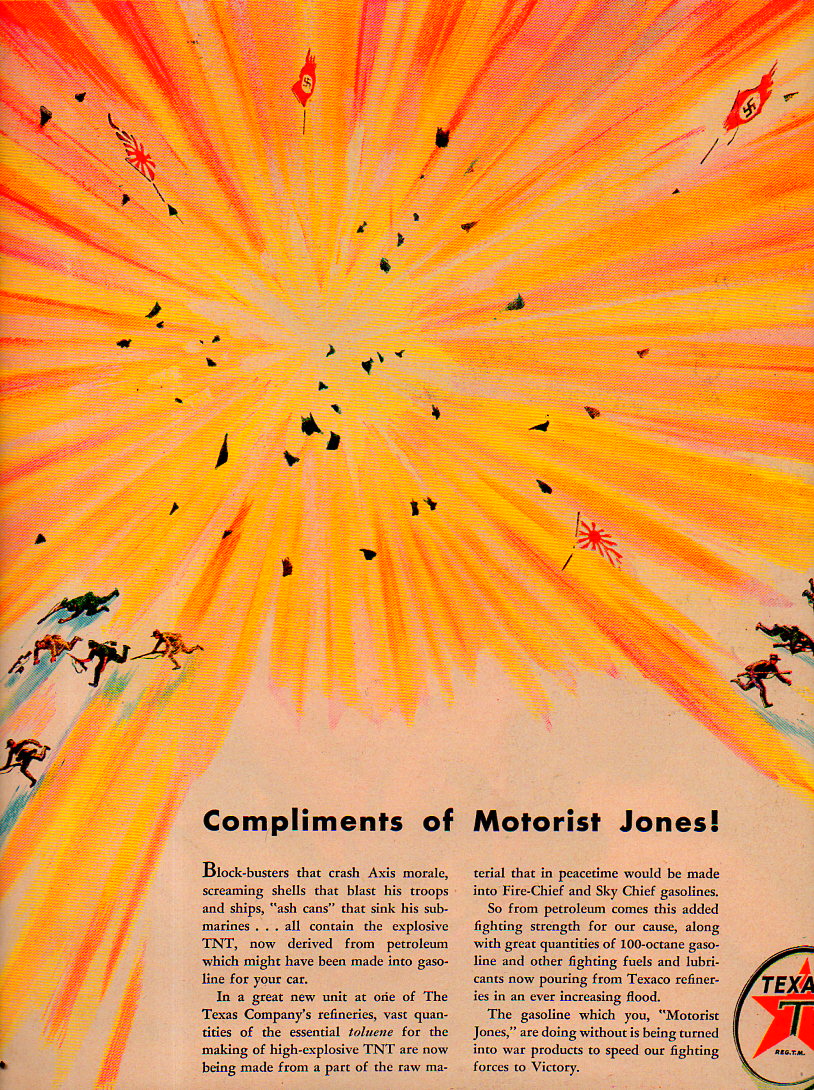
    The Texaco Company was not kidding around when they expressed appreciation for their customers who still bought their product when available after rationing restrictions–they addressed their customers and showed them the result of channeling their rationed petroleum into the production of TNT. The graphic is the result of Texaco applying themselves to the war effort, and they did not want their current and future customers to forget it.  

    Design--Smithereens024[Source: LIFE magazine, November 15 , 1943.]

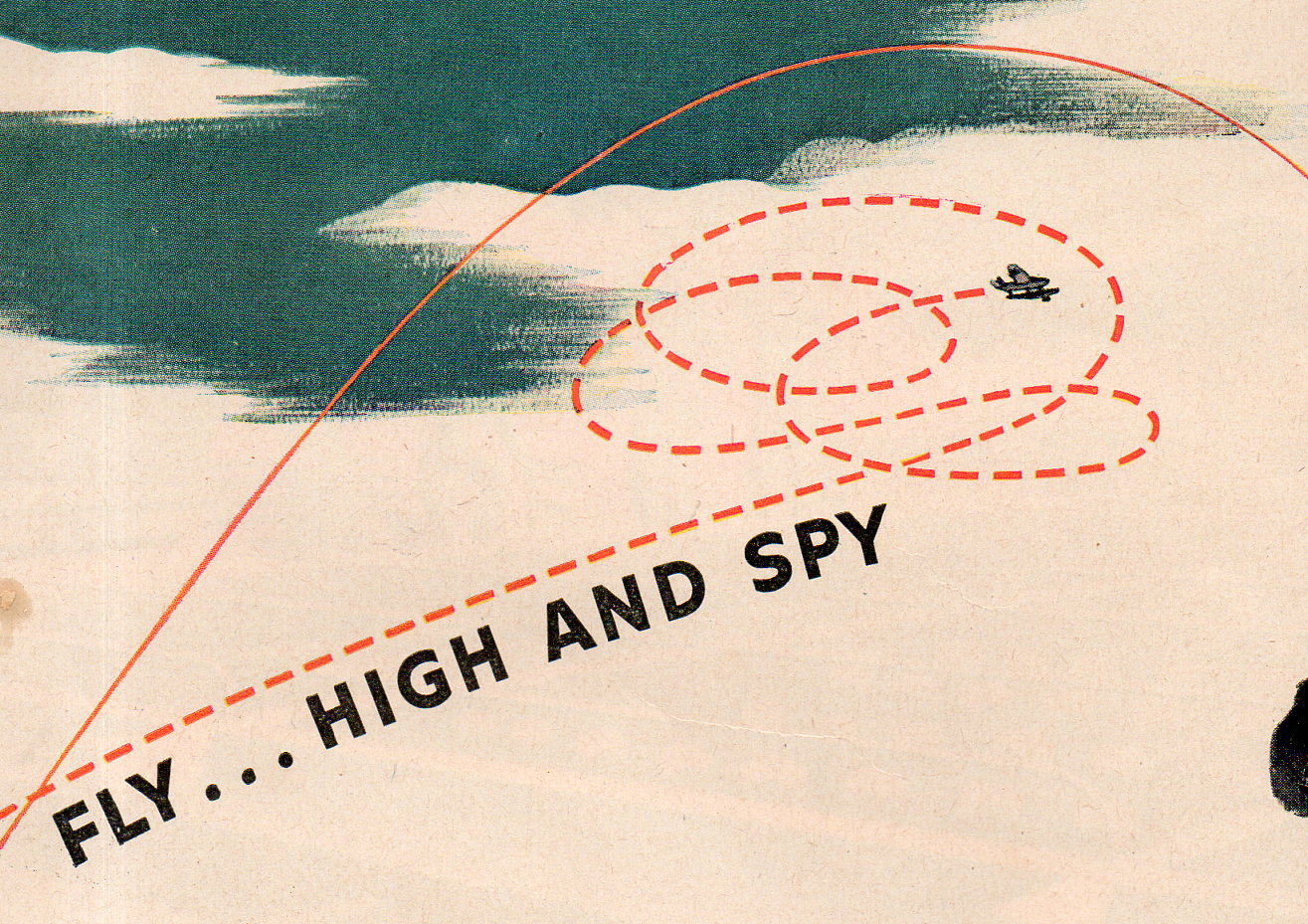
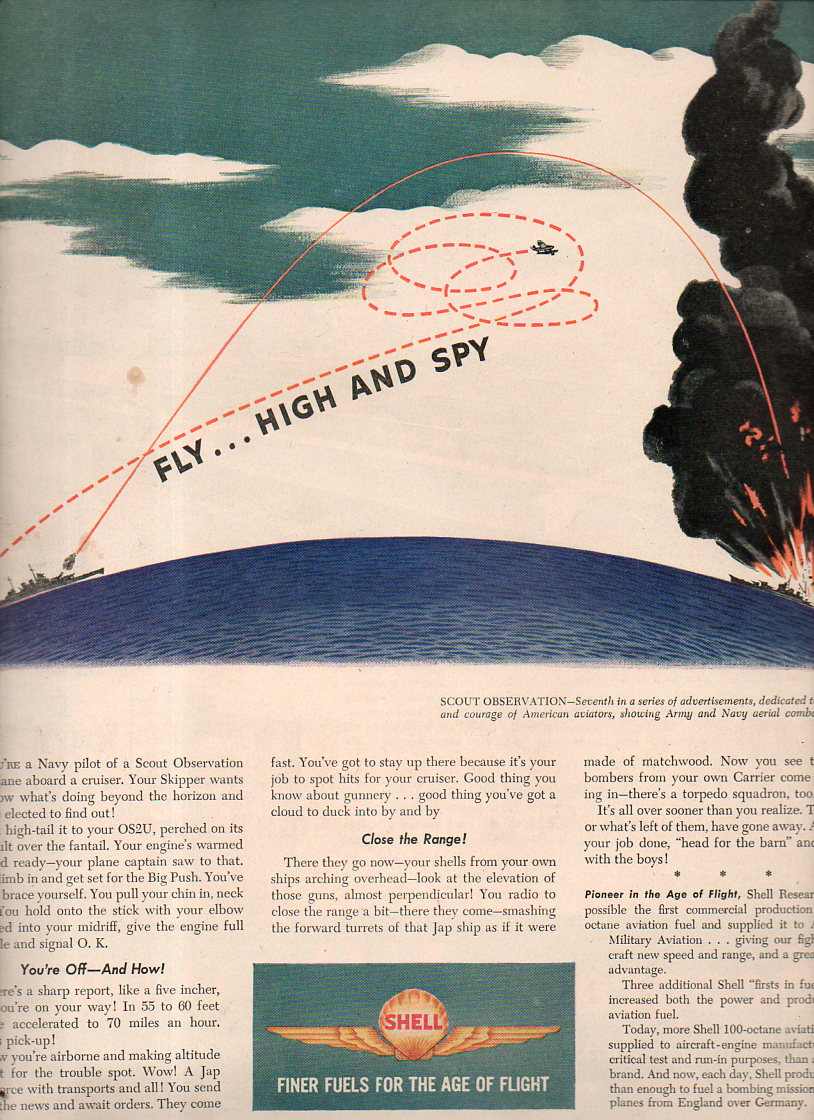
     Additionally, in a similar vein and from later in the year in LIFE,  comes this from Shell Oil:

    Design--smithereens 2027I’m perfectly okay with the “fly…high and spy” part.

    Design--smithereens 2026


  • Great Cover Design–Massiveness and City Profiles

    JF Ptak Science Books   Quick Post

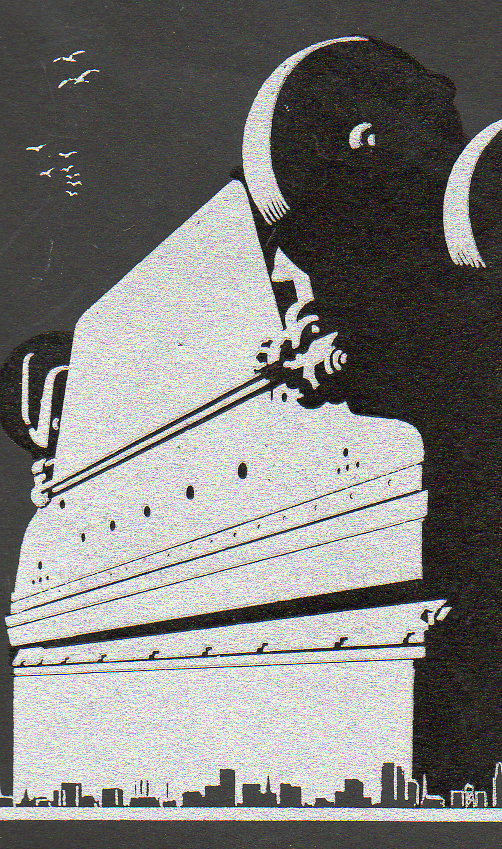
    This fine design belongs to the Cincinnati Shaper Company (Cincinnati, Ohio and “Pioneers of he Steel Press Brake”) Catalog B-1, displaying and promoting their massive and extremely powerful machines for forming shapes in metal.  These were true and beautiful beasts of machinery, ready to punch and curve and trim and notch all manner of metal.  And the cover of their catalog gets that point across very nicely:

    Design--Cincinnati Press Brakes023

    …which is a detail from:

    Design--Cincinnati Press Brakes022


  • Socialism, Civilization, and Fertilizer…and Nazis (1945)

    JF Ptak Science Books  Quick Post

    Fertilizer019

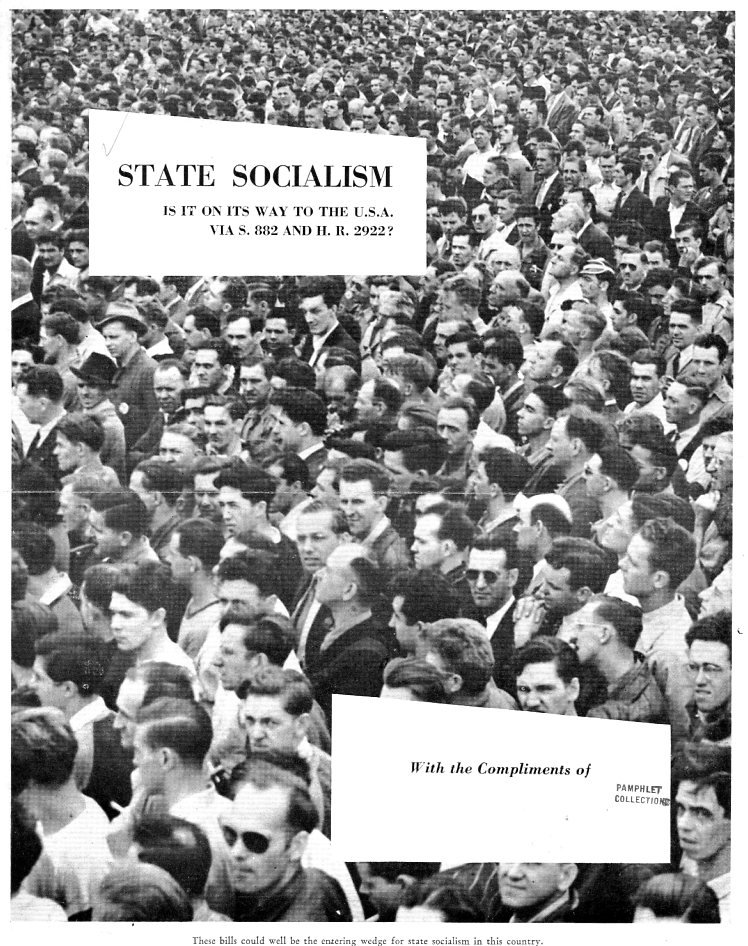
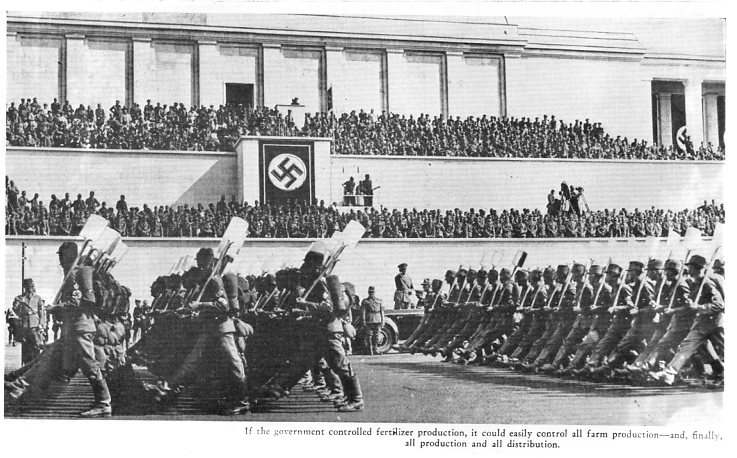
    Such is the state of American society as seen in this brochure (published in 1945), except that the order of concern in the title may be inverted.  A Warning to Americans that “State Socialism” is on its way, coming in forms of not-really-identified Senate Bill 882 and H.R. 2922, which were efforts by Alabama Senators Hill and Bankhead and Virginia congressman Flannagan to introduce federal projects in producing and creating reserves of phosphate and potash.  Seeing at how very heavily and importantly fertilizer is established in the pages of his pamphlet I can only assume that the unnamed source for it was a major producer of U.S. fertilizer which did not care for the introduction of a federal hand and so portrayed it as a wash of socialism.

    Fertilizer020

    Actually it was worse than that.  After establishing that fertilizer really helped to win WWII, and how important it was in agriculture, and then repeating how essential it is to all aspects of life, and then repeating that, the author(s)  seemed to ramp  up the hyperbole a notch:

    Fertilizer021One thing is for certain–the pamphlet is a pretty potent piece of lobbying. 


  • The World’s First Journal Devoted to the Computer

    JF Ptak Science Books   Quick Post

    I was grazing in the warehouse and came upon this terrific volume: Mathematical Tables and Aids to Computation (volume 1&2, 1943-1947). It is the collection of the first two volumes of the world’s first journal devoted to the computer, with a big gap in publication caused of course by WWII. There are a number of gems in the 900-odd pages in this volume, including the following papers. (Note that all of the below and more are readable online from Utah at of the MTAC, here.)

    • G. R. Stibitz “Should Automatic Computers be Large or Small?”
    • 3 tight pages on the first appearance in English on the Zuse Z4 computer (1947, “This may be the earliest published description of Zuse’s early computers available to post-World-War-II researchers outside of Germany and Switzerland. See \cite{Ceruzzi:1981:ECK} in an histcomput.bib for many more details)”, 
    • J. H. Curtiss “A Symposium of Large Scale Digital Calculating Machinery” (April 1947), 
    • G. R. Stibitz “Film Slide Rule” (October 1947), 
    •  L. J. C(omrie), “The Application of Commercial Calculating Machines to Scientific Computing” (April 1946), 
    • H. H. Goldstine and Adele Goldstine “The Electronic Numerical Integrator and Computer (ENIAC)” (July 1946), 
    • R. C. A(rchibald) “Conference on Advanced Computation Techniques” (April 1946), 
    • W. G. Bickley and N. W. McLachlan “Mathieu functions of integral order and their tabulation” (January 1946),  
    • W. J. Eckert “Mathematical Tables on Punched Cards” (October 1945), 
    • J. S. Frame “Machines for solving algebraic equations” (January 1945),

    and more. See math.utah.edu for a very full and link-filled list of the papers.

    • The volume is available for purchase int he blog’s bookstore, here.  


    ·Posted by :

    ·in:


  • Votes for Women, 1872: “When we vote we’ll fix those terrible men”

    JF Ptak Science Books   Post 2468

    In-between research bits I’ve been spending some time moving around in the Levy Sheet Music Collection at Johns Hopkins–there’s a lot of interesting stuff and it has a pretty big online footprint.  I’ve been working on an alphabet of illustrated sheet music covers having to do with the Moon, and collecting some images for tanks and aeroplanes–and just yesterday I posted a great piece of sheet music on the telephone (from 1877).  

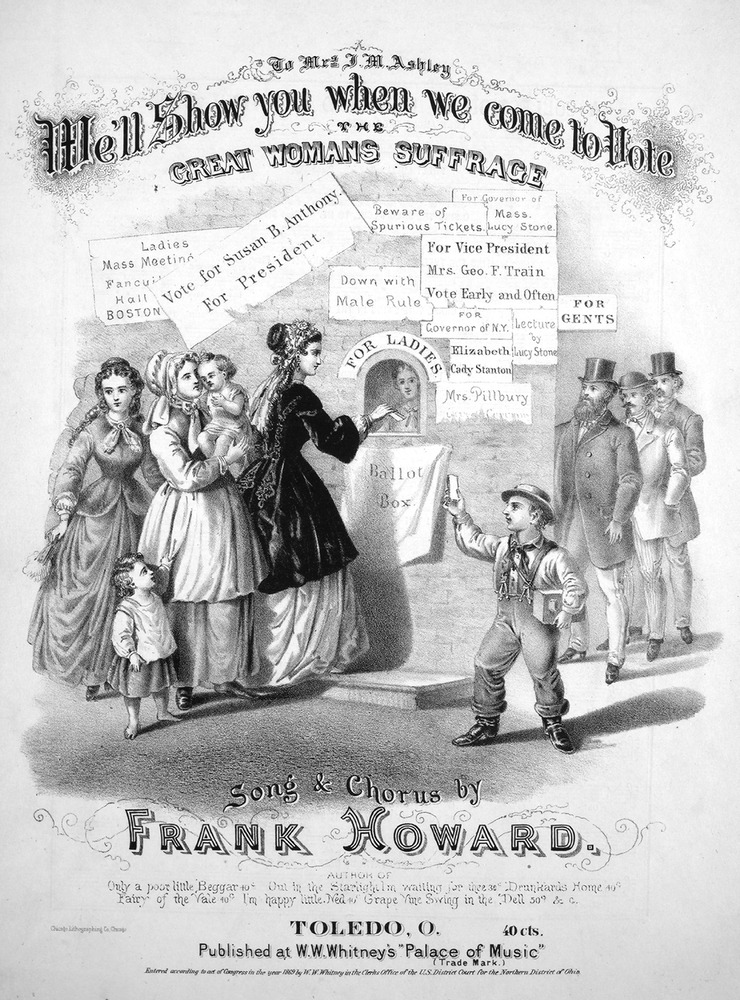
    Music vote for womenSource: Levy Sheet Music Collection, Johns Hopkins, here: http://levysheetmusic.mse.jhu.edu/catalog/levy:016.127

    The unfortunate piece of this is that while searching “Moon” I bumped into a number of severely racist covers. This has happened before, doing benign searches on “comet” and “stars” and such, looking for the physical sciences in pop music in the early 20th century, and finding racist covers among the few bona fide examples located.  It certainly speaks to an endemic and deep racism in general when you can depict a meteor with a terrible caricature of an African American, or a song called  “If the Man in the Moon was a Coon”.  Taking this a little further I did a search under “coon” and found over 100 non-repeating titles with covers from this collection–many of the covers are astonishingly bad. (Another search on an even more odious word turns up more examples.) On the one had they speak to a searing but very accepting and casual race-hatred and are a lesson in themselves, especially when you can scroll through them all in a single pass. On the other hand, I don’t want to be in such close public proximity to these horrible things.  

    The path regarding posting those covers is not clear.

    In the meantime I would like to share this fantastic womens’ suffrage sheet music, published early on (1872) in the fight for the vote, though the lyrics are much more confrontation than the cover art.  (Except of course that the very imagery of women at a polling station–an event mostly entirely not allowed in the U.S. until 1919–which would have been jarring on its own to nearly any uninspired man looking at it.)  Remember too that this is only three years after the first national suffrage organizations were founded (one by Susan B. Anthony and the other by Lucy Stone), so the national attitude towards the idea of women voting as a popular movement was still quite young.

    The lyrics paint a fairly dismal picture for women, “trodden underfoot we’ve always been”, “locked up like slaves”, “wretched”, “treated with contempt and scorn”. On the other hand when given the right to vote, the refrain at the end of each of teh four stanzas is the same save one word describing men:

    “When we vote we’ll fix those terrible men”. The “cruelest knaves” are then  referred to as “those dreadful men”, “those wicked men”, and then finally as “those awful men”.  Probably this was not so far from the truth.


  • The Wondrous Telephone–Sheet Music from 1877

    JF Ptak Science Books   Quick Post

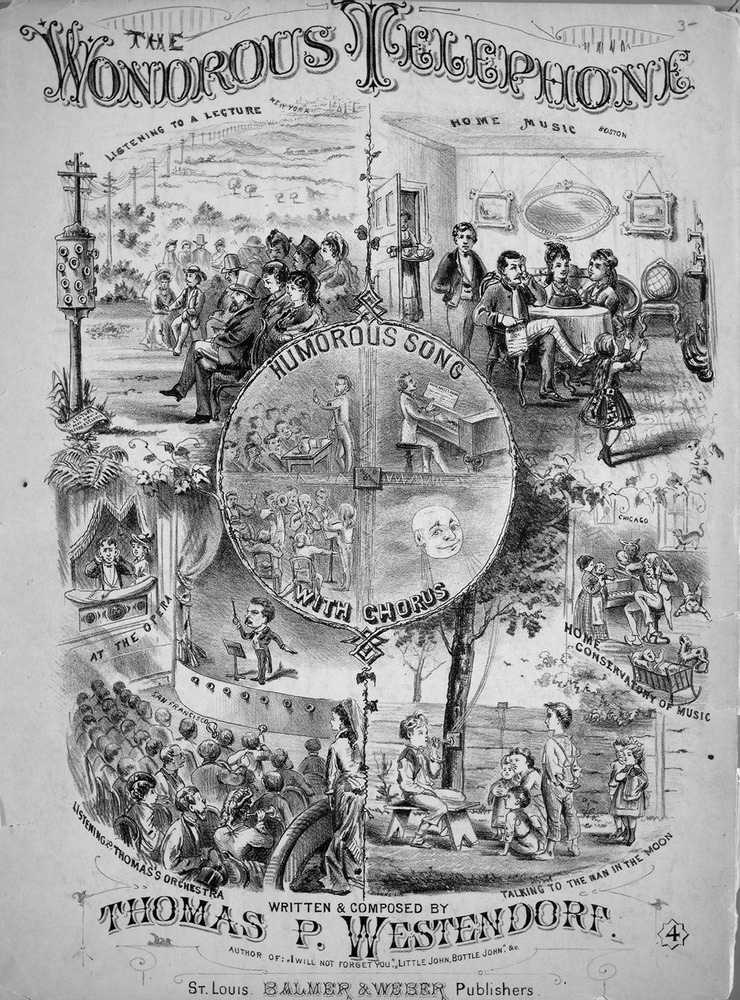
    Just a year after the invention of the telephone appeared this wonderful piece of music–with great cover art that actually took a pretty strong and accurate look into the future.  In 1877 we are told in the lyrics that “all of our secrets will be known” which isn’t such a great thing, and that the “prattle of the distant Mothern’ Law” will become fully available; on the other hand, “the whole world” will be united , and that in the end “we will never be alone” because of the telephone.  For a quick sonnet to the new invention the lyricist invoked a number of fair insights into the future of the telephone.

    SOURCE: Johns Hopkins University,  http://levysheetmusic.mse.jhu.edu/catalog/levy:032.121

    Telephone sheet music

    And the lyrics:

    ·Posted by :

    ·in: