A Daily History of Holes, Dots, Lines, Science, History, Math, Physics, Art, the Unintentional Absurd, Architecture, Maps, Data Visualization, Blank and Missing Things, and so on. |1.6 million words, 7500 images, 4.9 million hits| Press & appearances in The Times, Le Figaro, Mensa, The Economist, The Guardian, Discovery News, Slate, Le Monde, Sci American Blogs, Le Pont, and many other places… 5000+ total posts since 2008.

Category: World War I

  • What Spending $18,000,000,000 Looks Like–Militarily–in 1918.

    JF Ptak Science Books   Post 2455     Part of the series on the Graphic and Interpretative Display of Information

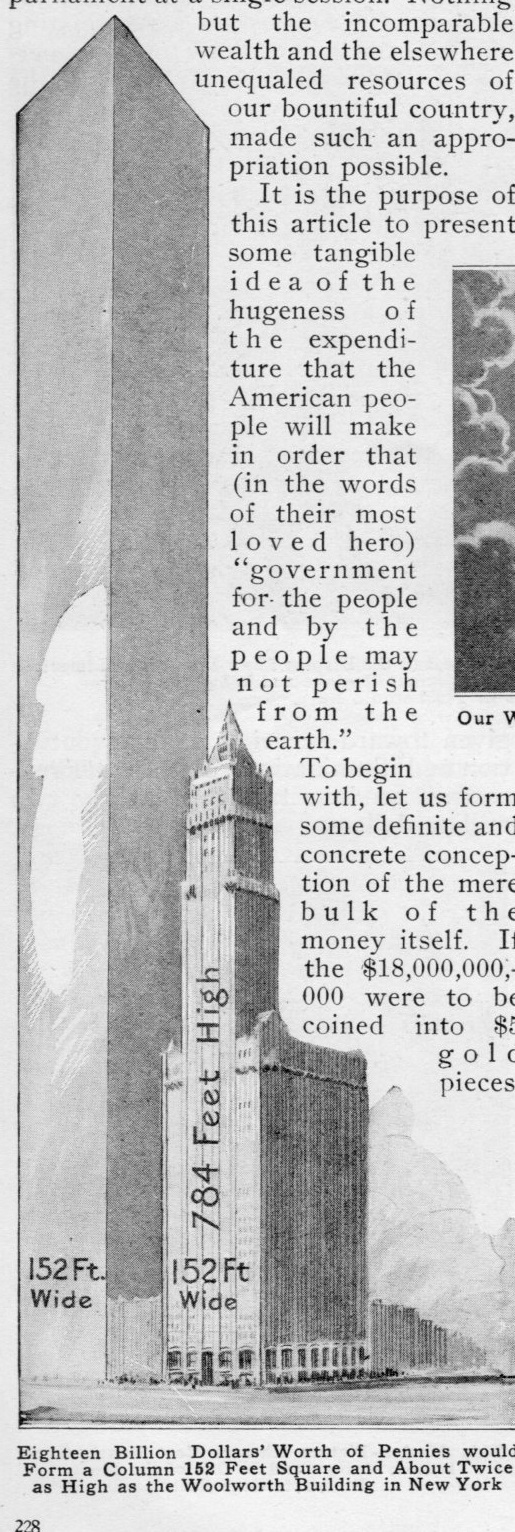
    The February 1918 issue of Popular Mechanics presents an unusual graphic display of quantitative data–what the $18,000,000,000.00 that the just-ended session of Congress for war expenditure would look like if rendered in different forms, and also what it would buy.  The author of “Visualizing the $18,000,000,000 War Fund for for 1918”, Leslie Klug, was trying to put that enormous sum into perspective for the popular reader–the results though may have been a little more mystifying than the sum. For example, he stated that $18bn in $5 gold pieces placed face-to-tail would stretch 3,000 miles; if that amount was rendered in pennies, it would form seven lines of coins from the Earth to the Moon. That penny pile would also be thicker and about twice as high as one of the world’s tallest skyscrapers, the Woolworth Building.  
    Billion planes961

    It is doubtful that this would help the Average Person understand $18bn, mainly because there isn’t much to compare a penny skyscraper with.

    The author seems to have replaced one semi-incomprehensible number with its representation in something even more removed from daily life, re-equating the one big sum of $18bn into smaller but more numerous chunks of the same figure.

    Klug moves on to a more successful visualization–thinking of what that money would buy in planes and tanks.

    Of course the allocated war money was allocated to fund the entire war effort, including, well, everything, and not to be spent on one thing, like planes.  But Klug does create at least two visual images that  hadn’t occurred to me before–super-massive numbers of planes and tanks.

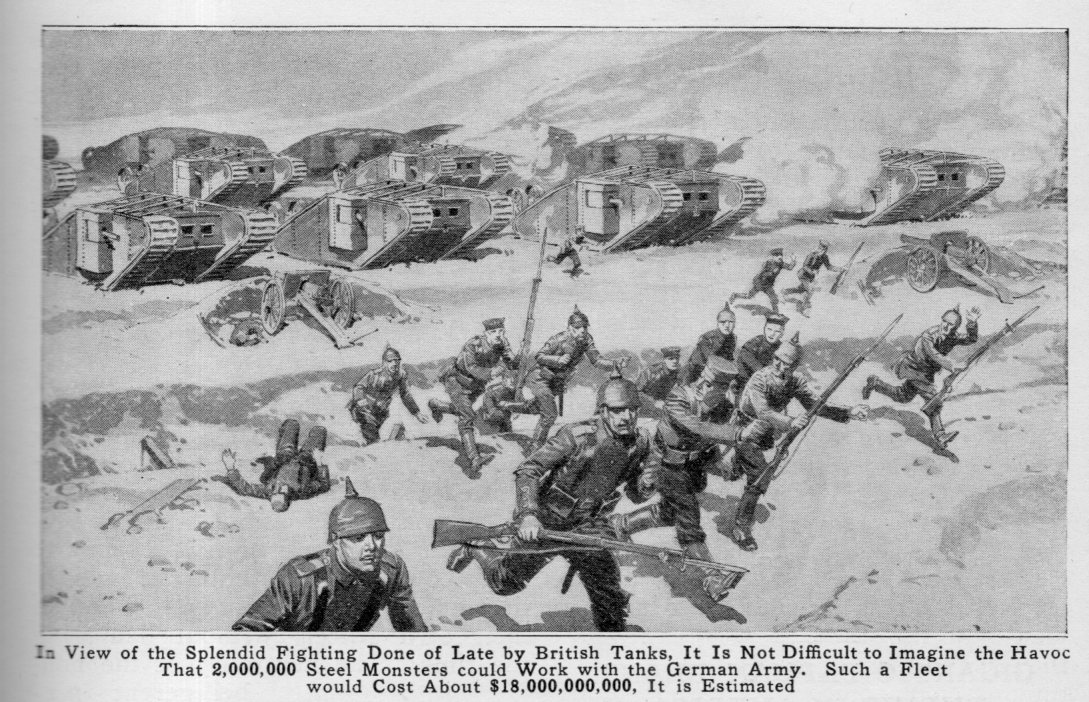
    “Massive amounts” of tanks in my head has always been represented by the Battle of Kursk, fought in the summer of 1943, where the tide of the war was changed and the German offensive in the East broken. It was also the largest tank battle ever fought. It was an enormous victory for the Soviet Army, and the beginning of the end for the Nazis. 4,000,000 people were involved in the battle (with some 200,000 residents of the city of Kursk killed in the process), along with 70,000 artillery pieces, 14,000 aircraft, and 23,000 tanks.  Klug informs the reader that $18bn would buy 2 million tanks–he can imagine the “havoc” it would cost the Germans, but really doesn’t even try to imagine what 2 million tanks would look like, unlike the penny cables to the Moon  And the illustration really doesn’t do any sort of job in displaying the idea of massive tank production, just a little touch of fear.  The 2 million tanks bit comes a little bit into focus if there was something to compare it with–the Kursk–even though trying to imagine that battle of tanks time 100 its accessibility really just begins to dissolve. 

    When I try to think of 2 million tanks in terms of a single advancing army the impossible numbers become slightly more grounded, but not much. A tightly-packed square mile of tanks numbers about, say, 90,000.  That means that you could have a 22-mile long mobile front of tanks that was also one mile deep.  Ouch.
    Billion planes962

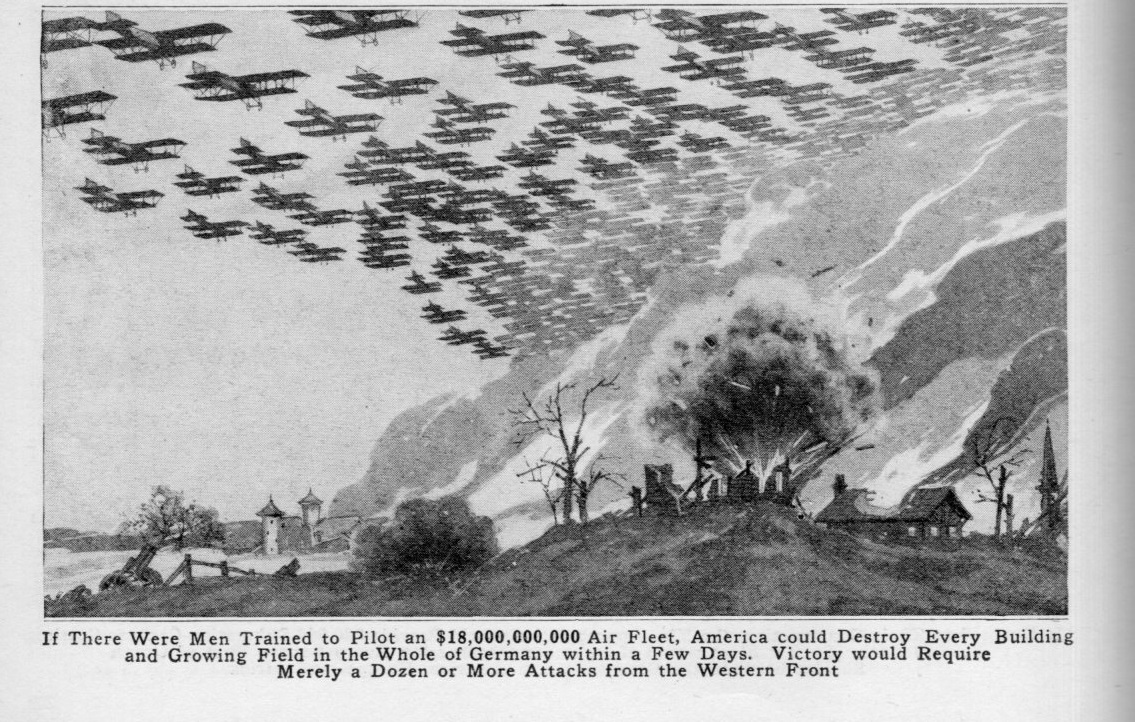
    Planes didn’t do the trick of conveying massiveness, either, though the illustration was a little more evocative of fantastic air power, though Klug doesn’t say how many planes the money would buy. The author does state that such an air power could destroy “every dwelling and planting field” in Germany.  (My guess is there could be 4-6 million aircraft purchased with $18bn.)
    Billion planes960

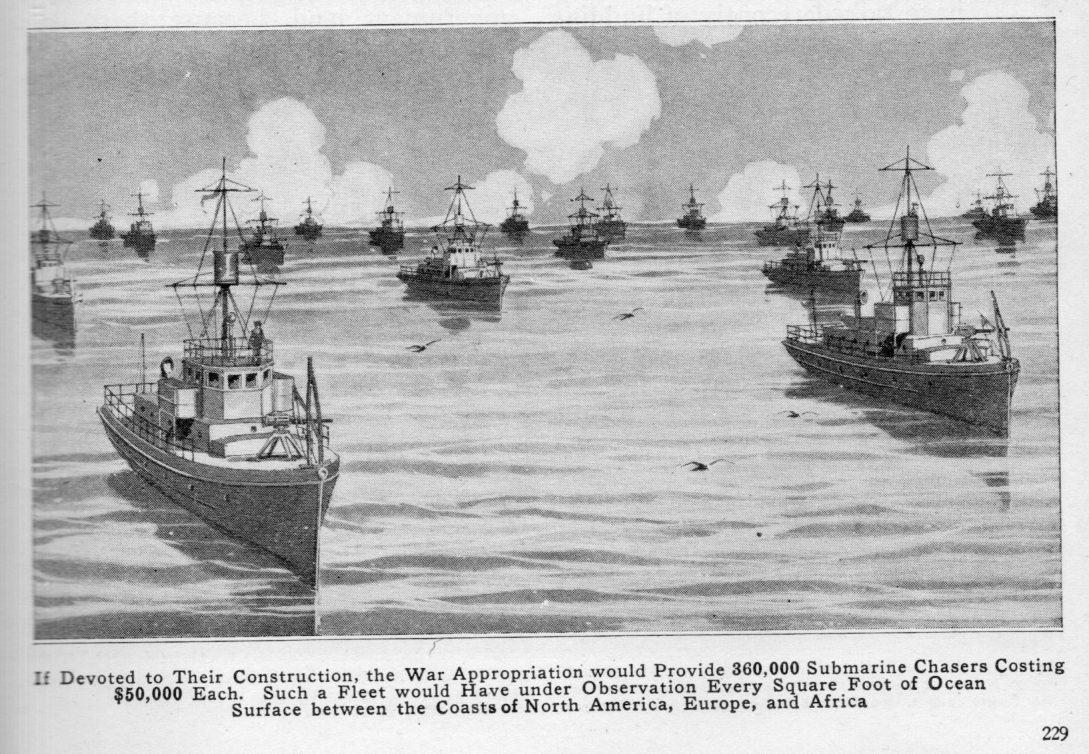
    Perhaps what seems what would be the most accessible of the visualizations comes with the navy, which would receive 360,000 “sub chasers” for the $18bn, a force which (Klug says) would be  capable of covering every square foot of ocean from North America to Europe and beyond–except that the numbers don’t work out.

    The North Atlantic is a big place, something on the order of 41 million square miles, which means that each of the sub chaser would have to cover 118 square miles to cover the ocean, which I think is impossible to do in pre-SONAR days of sub detection, when basically there was optical observation looking for a pipe sticking up out of the water.  I don’t know what the observational power is of a ship looking for a periscope in the ocean, but I know it can’t be the size of D.C. or anywhere near that.  How many ships would it take for this job would be an interesting tea-time question for someone who knows this stuff–but for me, it seems that Klug’s visualization on the naval aspect of  $18bn is wrong.  On the other hand that doesn’t matter at all if you’re doing a little propaganda write-up, like this one.  
    Billion planes963


    In any event that isn’t the way war expenses are handled, though it is a nice exercise in thinking about big numbers.  

  • Portraits Within Portraits Within Portraits: France, German Prisoners, 1918

    JF Ptak Science Books   Quick Post

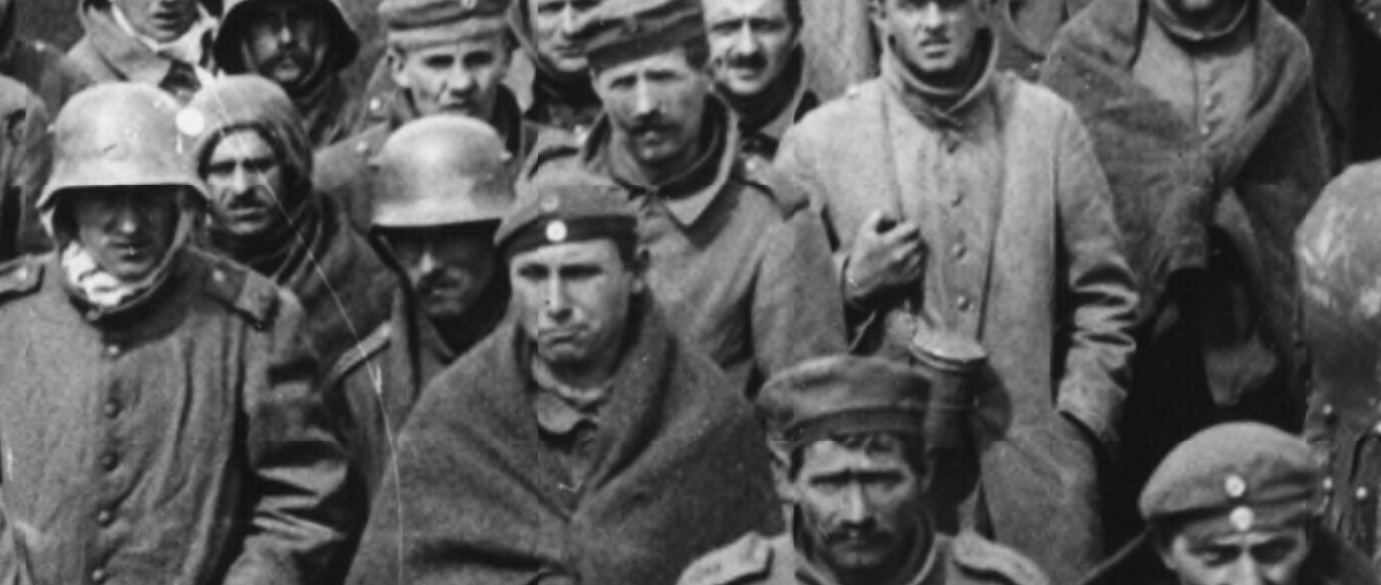
    April, 1918, Givenchy Road, France–this is an official war photograph of captured German soldiers.  There are hundreds of smaller photographs composing the larger full photo of this mass scene of fear, relief, exhaustion, and boredom.  Everywhere a portrait, and each portrait with a different story to tell.  

    • See this blog’s continuing series on WWI photographs, here. 

    WWI--Photos--German Prionser NLS  greater detail

    Also see an earlier post on this site, a similar photograph, the original of which is offered for sale on the blog’s bookstore, here. 

    ·Posted by :

    ·in:


  • I’ve Never Done This Before, and I’ll Never Do It Again (1918)

    JF Ptak Science Books  Quick Post

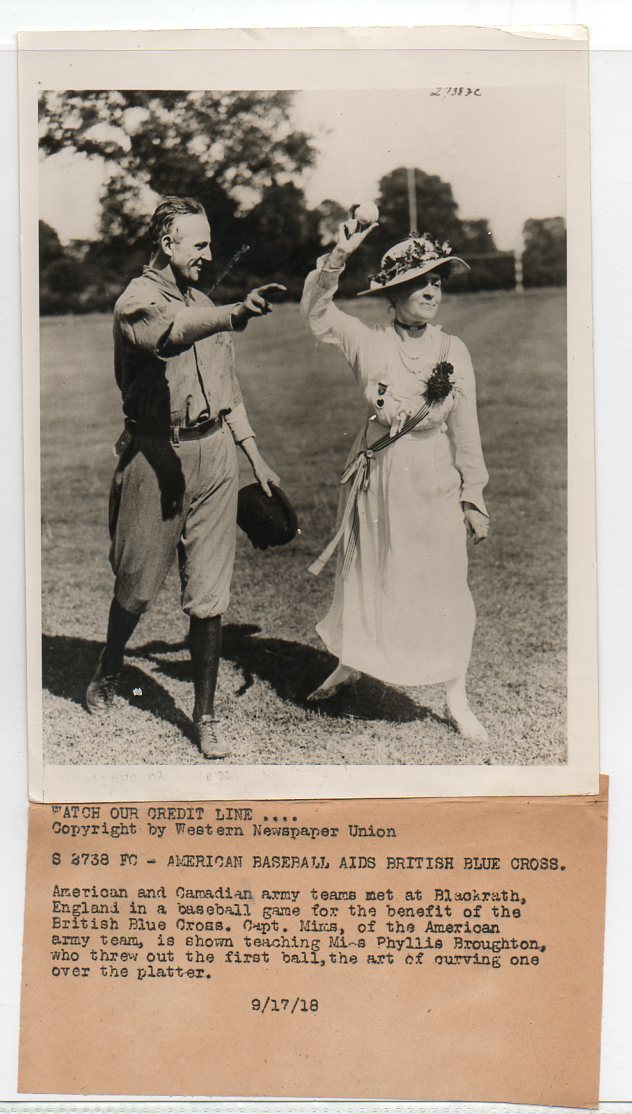
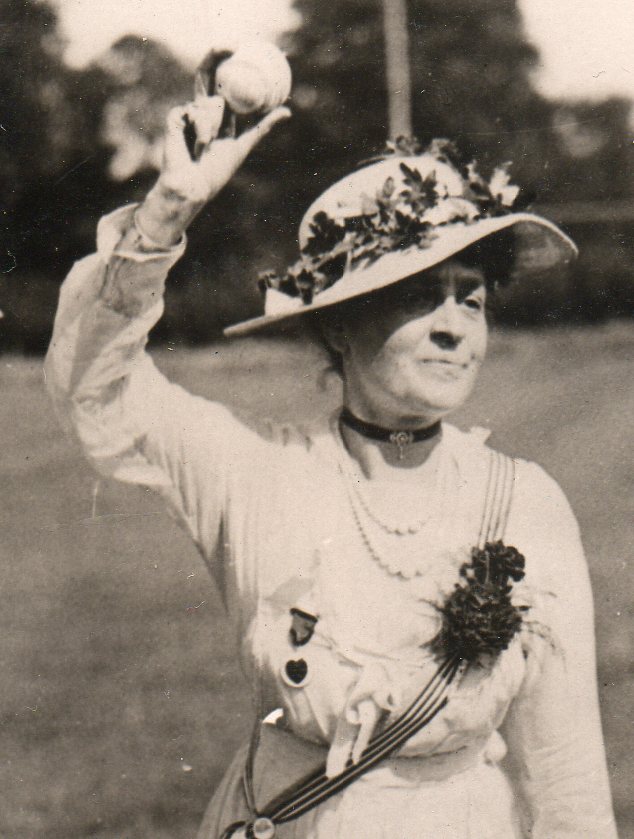
    Here we are at the beginning of a new baseball season, everyone daisy-fresh and dazzlingly shiny, so I thought I’d share this fine image from my collection of World War I news service photographs.  In 1918 all was for fun and  charity of the British Blue Cross, and Ms. Phyllis Broughton joined the festivities, though whether see is entirely reluctant or determined, we’ll never know.  Perhaps both–whatever the case, she did what she was asked to do for a good cause, with a stiff upper lip. 

    (The typed description on the coarse paper was intended for the newspaper ro journal that published the photograph to use for the caption.)

    •  This photograph is available for purchase on the blog’s bookstore, here.

    WWI--e--women-baseball672

    WWI--e--women-baseball det673

    (It seems that this Phyllis Broughton is Ms. Phylis Broughton, star of stage and, well, stage. Read about her here.)


    ·Posted by :

    ·in:


  • Human Advertising Bots: Berlin, 1919

    JF Ptak Science Books   Quick Post

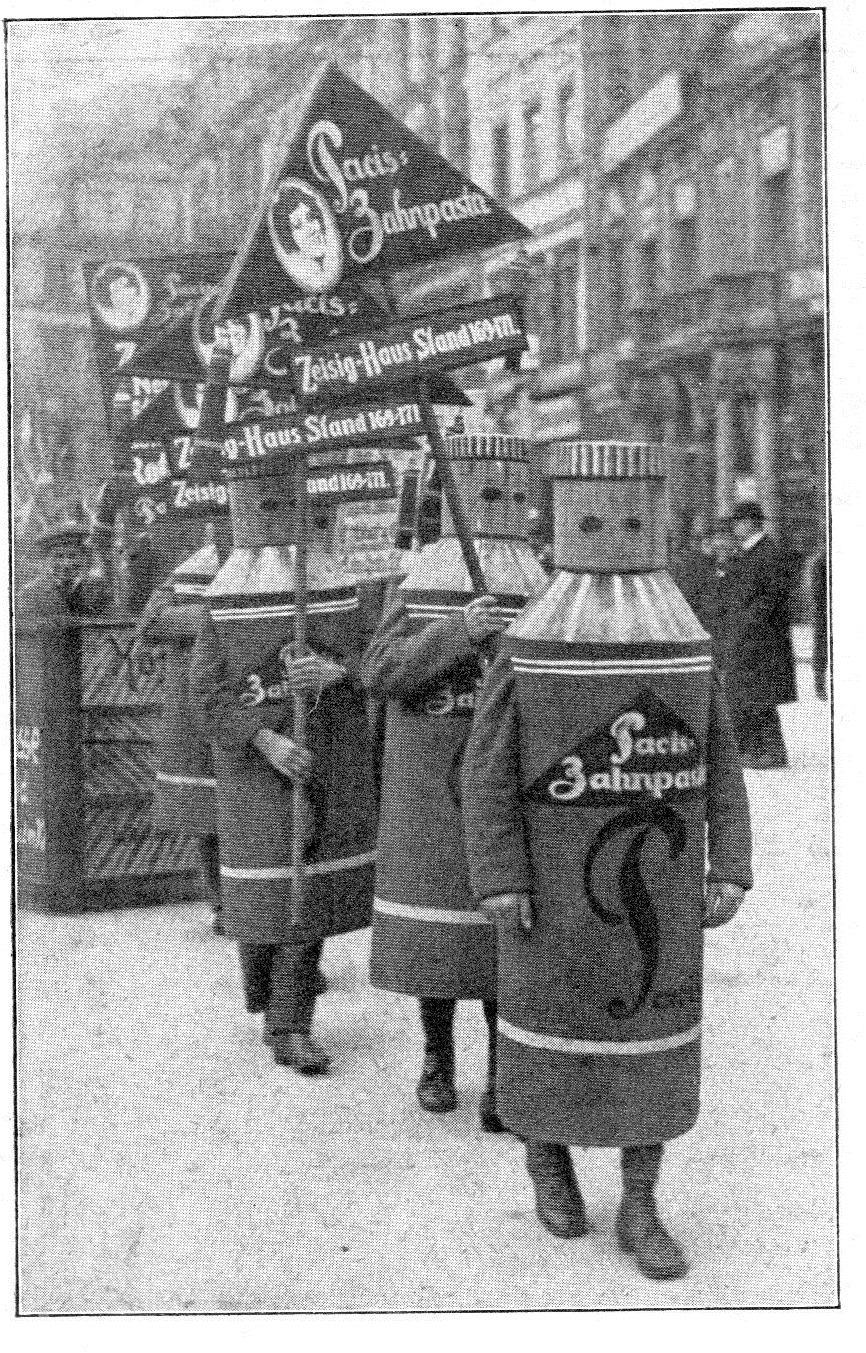
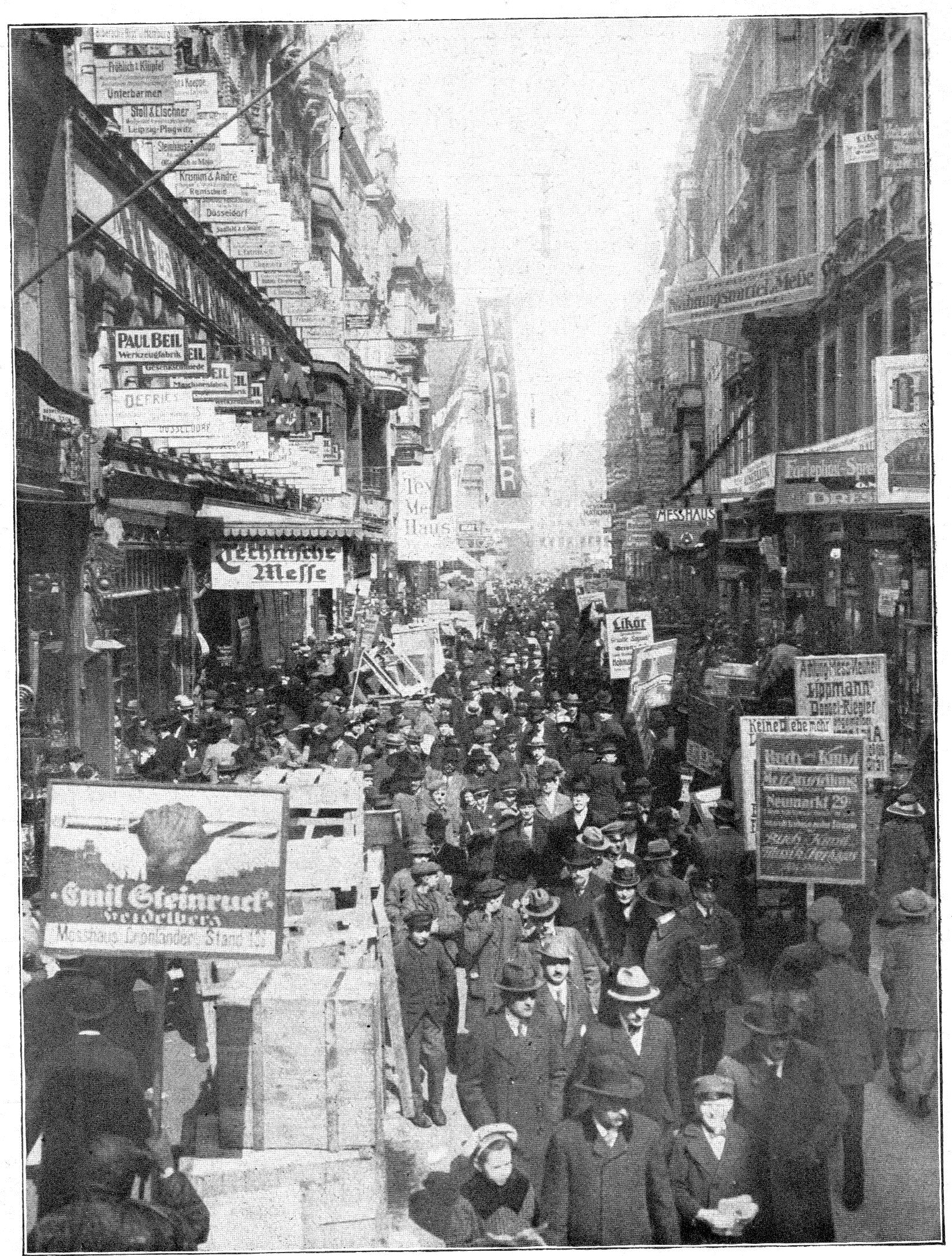
    These two photographs of the streets of Berlin come from the 19 May 1919 issue of Illustrirte Zeitung. Evidently there are lots of people carrying placards and advertisement vehicles, and–as we see in the lead photo–some people wearing costumes of the advertised product. Between the two images, it seems that a good percentage of the crowds are actually advertising media.  

    Gereman ads 1919864

    I don’t know  why this is the case.  Germany certainly was in a bad place seven months after the end of WWI, (recovering from food shortages, experiencing money shortages, numerous political parties fighting among themselves and everyone fighting with Communists),  and just three months before the adoption of the Weimar constitution, and two months after what would be the disastrous Versailles Treaty was signed. Maybe there was a shortage of newsprint, or a shortage of money for people to buy magazines and/or newspapers, which mean people weren’t seeing advertisements and which means that perhaps retailers were being hurt even further, and so an army of placard-holders was let loose on the streets of Berlin and other cities to get out the consumption-reminders..  Or maybe not. In any event, the photographs are stunning.  

    Gereman ads 1919863


  • Can You Volunteer and Work for the Nazis and Not Be One?

    JF Ptak Science Books    Post 2411

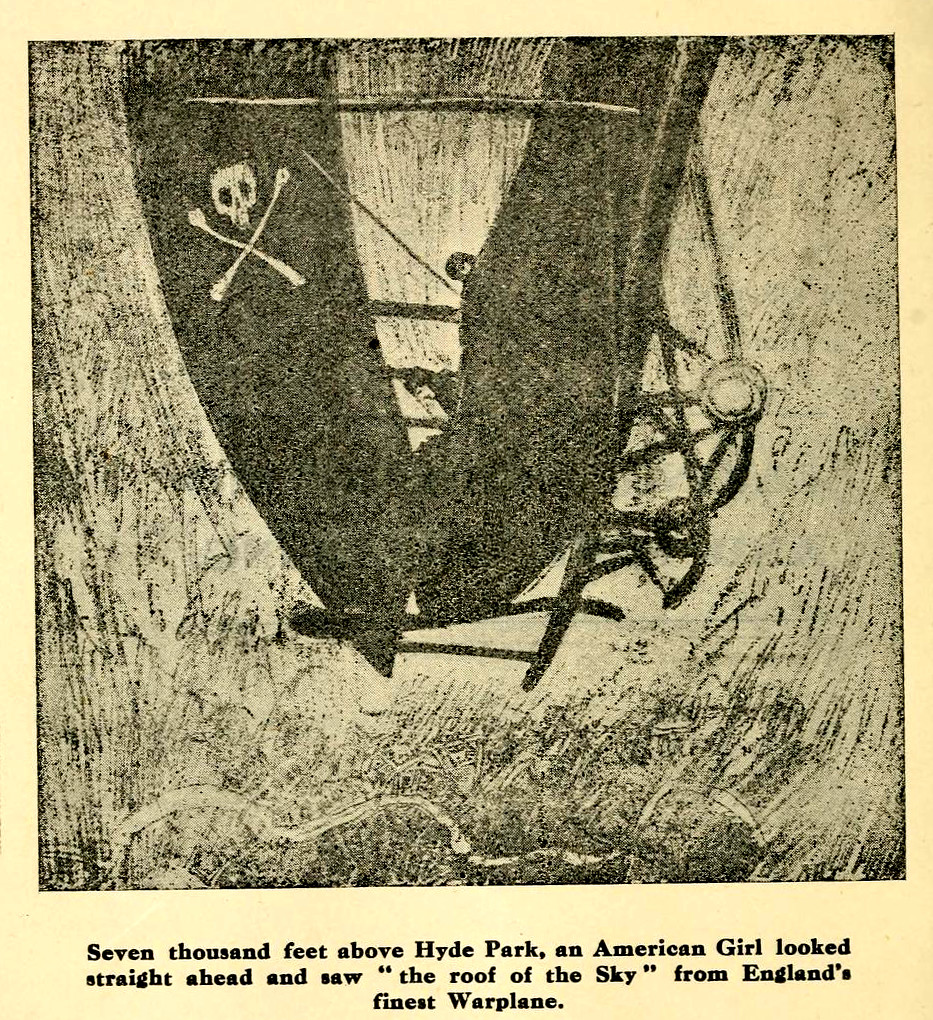
    “I am the first woman to make a flight across London, in one of His Majesty’s war machines; I am the first woman who has been presented by the War Office with a view of Hyde Park from an altitude of almost eight thousand feet.”–Jane Anderson (1916)

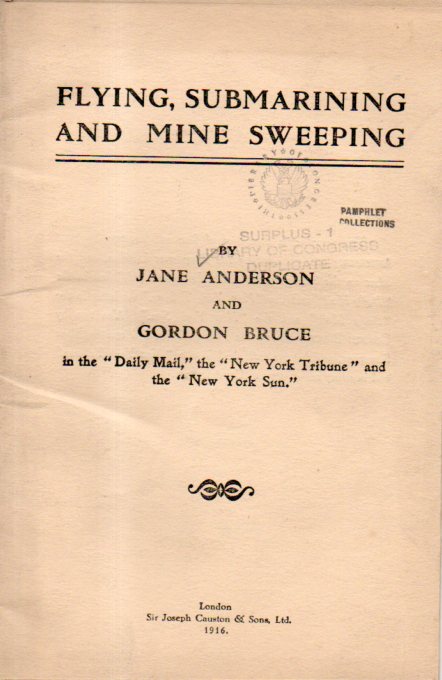
    I was somewhat surprised to see that this pamphlet was co-written by a woman—my 
    experience with WWI pamphlets is that it is vastly dominated by male writers, and I
    would have expected it to stay so especially for this subject matter. Jane Anderson was an
    interesting writer with a free style, and I can tell that she had a good time with her
    experiences. She starts with this, and tells an unusual story in an easy way:
    WWI Pamphlet Female727
    “Seven thousand feet above Hyde Park, an American Girl looked straight ahead and saw "the roof of the Sky" from
    England's finest Warplane.”
    Flyingsubmarinin00ande_0004
    An example of her writing on the sub: "When I looked at her lying with her exposed tubes shining in the sunlight and her bulkheads in strips of rusty
    iron, it seemed incredible that she had been under the coast guns of the enemy, that she could have made
    in her damaged condition a journey of three hundred miles, returning to a safe harbour with the information
    she had been sent to obtain. And, added to this, was the fact that she had made the voyage in a high sea,
    that for twenty hours, defenceless, she evaded the enemy patrols....”

    The pamphlet really is worth a read, and it is available here for free via the Internet Archive.

    The second part of this story is not so great--checking Ms. Anderson's biography
    reveals an ugly twist and deep turn to the far and distant fascist/Nazi right. She was 
    certainly an adventurer, and at some point she winds up marrying nobility in Spain
    and covers the Spanish Civil War--but she goes from journalism to propaganda
    and begins to write and broadcast for the Fascist government. Her good works there
    come to the attention of the Nazis, who pursue their interest in her. Anderson responds,
    and goes to work in service of Adolf Hitler. She writes propaganda, and then is given her
    own radio show. She seems to have been useful for a time, and then perhaps wasn't, but
    she stayed in Germany until the end of the war, arrested after flight finally in 1947 in
    Austria. She was charged with treason, but released for lack of evidence.
    She survived herself, went to Spain, and lived to be 84, dying in 1972.

    From Wiki, we have her wartime story:

    ·Posted by :

    ·in:

    — —

  • Gas Masks of Cloth and Gauze (June 1915)

    JF Ptak Science Books    Post 2414

    Gas mask752

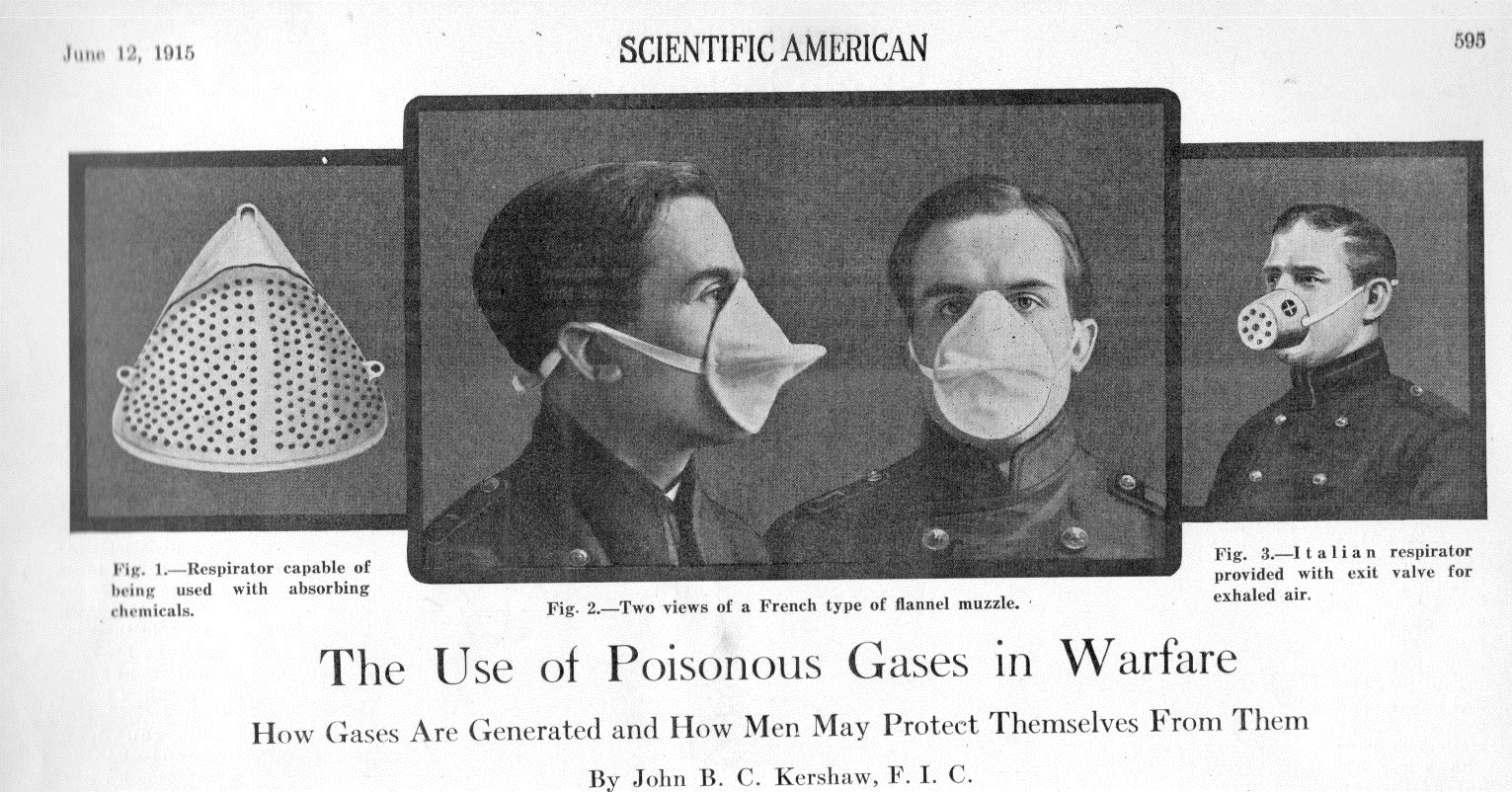
    About two months after the Germans used the first poison gas in WWI  (on April 22, 1915 against French Colonial troops at he Second Battle of Ypres in Belgium) the Scientific American published (on June 12, 1915) an account of some very early responses to the new lethal threat.  This was a more caustic and dangerous form of a warfare that existed for at least 2200 years, going back to the Peloponnesian wars, with pitch- and sulphur-saturated wood that was set alight and buried under siege walls, the noxious smoke incapacity the soldiers within the walls. As the SA article also points out, bellows  were used to propel the nasty and noxious smoke produced in a cauldron of burning charcoal, pitch and sulphur, blown hopefully over the walls and lines of the enemy–this at about the same time as the Athenians and Spartans were having it out.  

    There’s also indications that plague/disease-ridden animal carcasses were catapulted across enemy lines, armies going at one another using rockets of diseased meat. And so on.

    But the 150 tons of chlorine gas that the Germans sent over the French lines on that day was something entirely different–and far more lethal than any other gas previously used. (There was an earlier attempt to use gas in battle, employing an even nastier gas–xylyl bromide. It was dispatched January 15, 1915 against the Russians on the Eastern Front, but due to extreme cold most of the gas froze–it still however was potent enough to kill a thousand soldiers.) 

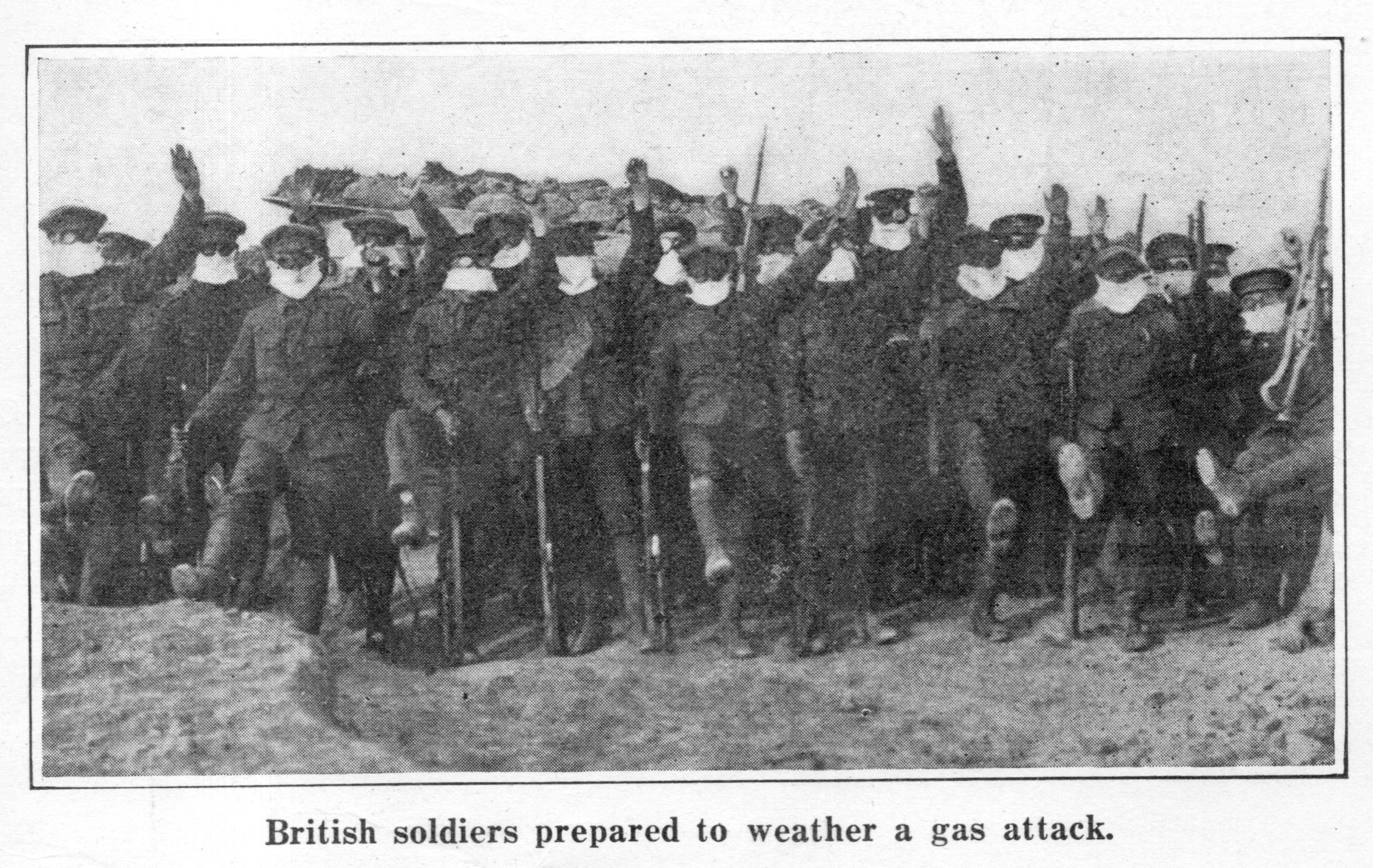
    The early response to protection from gas warfare was inadequate, with masks being sometimes little more than string and cotton gauze. This response was better than no response, because in the end it at least gave some millions of soldiers comfort to know that they were being taken care of, that something was being done to address the gas problem.  Of course this would last only so long as they didn’t have to actually employ the mask.  

    As the war progressed, the gas mask response improved, though so did the lethal varities of gases that were employed.  Even the best of the masks were incapable of defending much against phosgene and diphosgene–and then there was no protection at all from mustard gas, which was another beast entirely.

    It was the illustrations that stopped me in the Scientific American article–first for the flannel muzzle mask (above), which made my heart half-break; and then, just beneath that picture, a portrait of a group of British soldiers wearing cloth masks, who were “prepared to weather a gas attack”.  They were told that adding a little water to the mask would help stop the gas, a lot of which was hopeful expectation and wishful thinking.  

    Gas mask753

    An earlier post appears here, “Gas Masks and Poison Gas, World War I, 1915”, on early (November/December 1915) masks.  


  • A Really Bad Place to Be in a Night Time Attack–Next to a Light-Tube Filled With Bullets (1915)

    JF Ptak Science Books   Quick Post

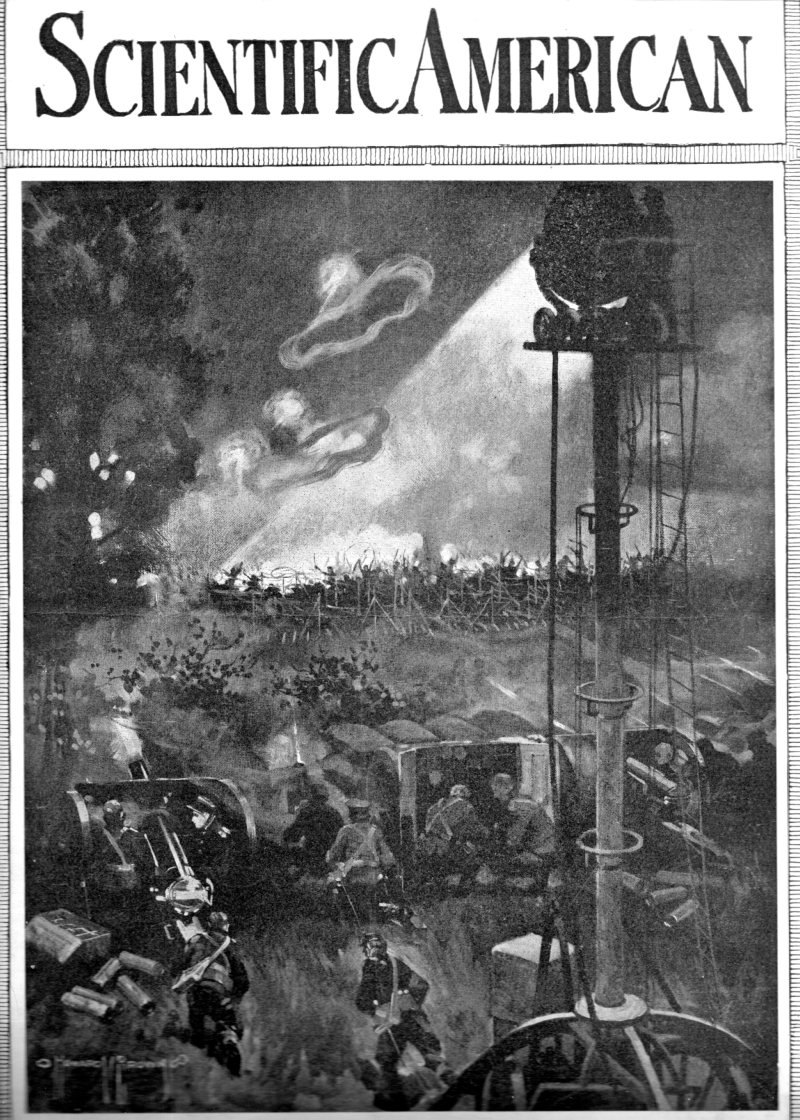
    The searchlight had been used in military operations for several decades before this cover appeared in the Scientific American for June 15, 1915.  Just a few years earlier an idea for using a powerful illuminating source in a dirigible for night time bombing appeared in the Illustrated London News–it was pretty powerful, showing the dark airship against a dark sky, the searchlight piercing its way down to the surface to reveal fleeing African tribesmen.  (Why the target was Africa and tribesmen with spears I can only guess at, but each answer I come up with is not pretty.) The present image seems like a fine idea at first for the defensive position, illuminating an advancing line in a night time attack.  That said, the spotlight seems like a pretty big target, the 5′-wide glowing glass an easy mark from a few hundred feet.  One thing I could say for sure is that I would not want to be the guy up there operating the spot, which right now looks more like a light tube to fill bullets with more than anything else.   

    Sci american  searchlight754

    ·Posted by :

    ·in:

    —

  • An Aviation “First” (1912)

    JF Ptak Science Books

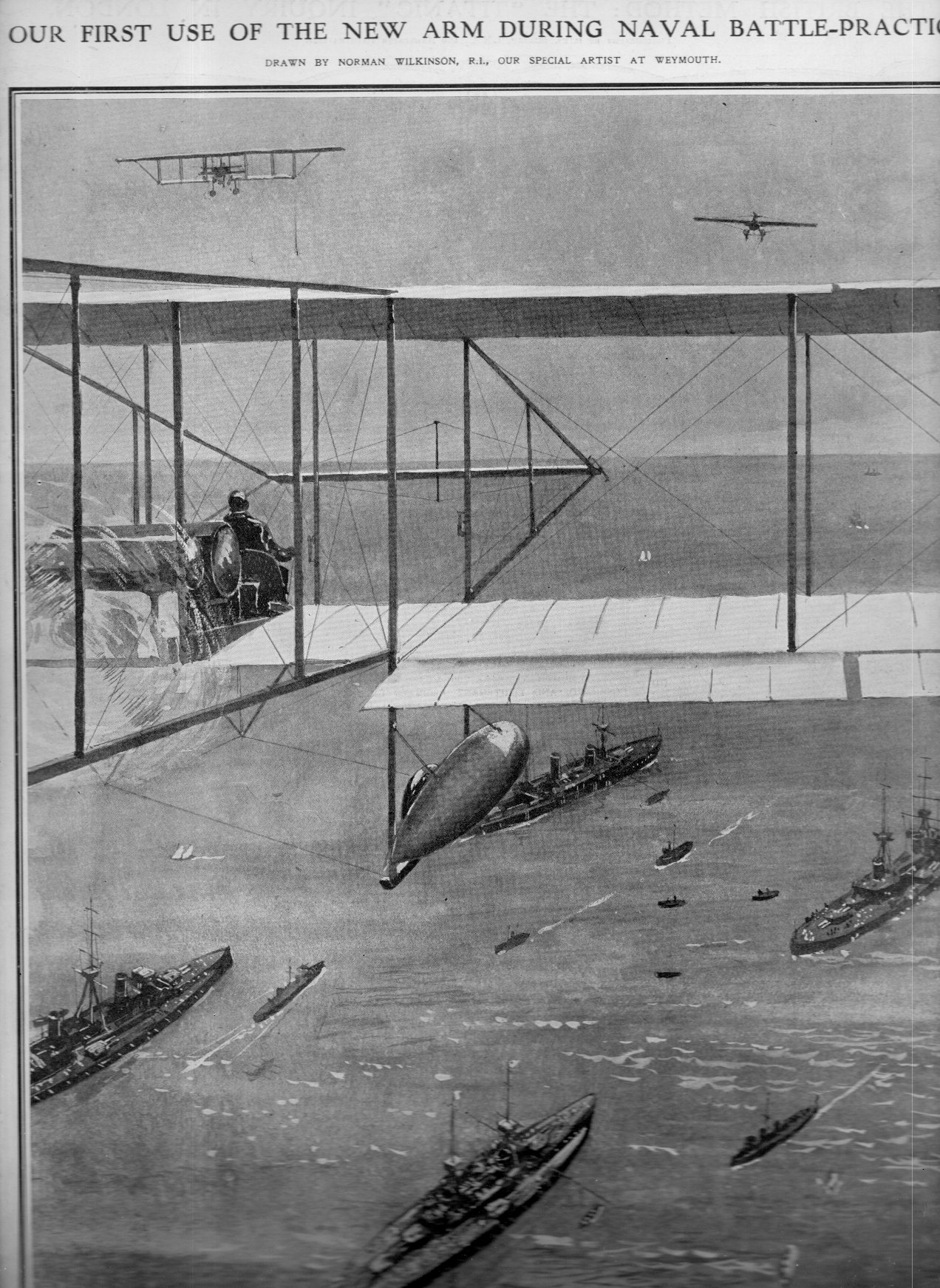
    This is an odd-ish first in the history of aviation “firsts”: the first use of aeroplanes in British naval battle practice.  

    Illustrated London News, May 11, 1912 (p 717)

    Aviation First USe Naval745 And the text:

    Aviation First USe Naval746

    ·Posted by :

    ·in:

    —

  • One Version of What the End of a Soldier’s War Looks Like (1918)

    JF Ptak Science Books    Post 2414

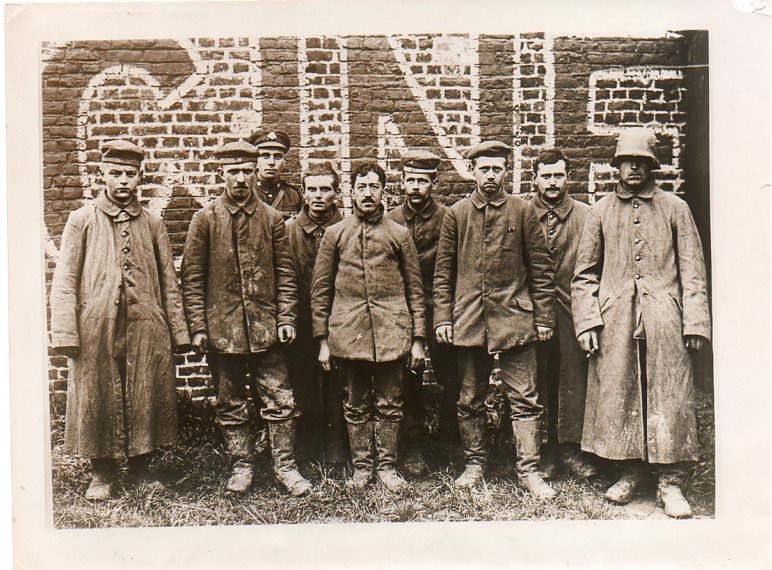
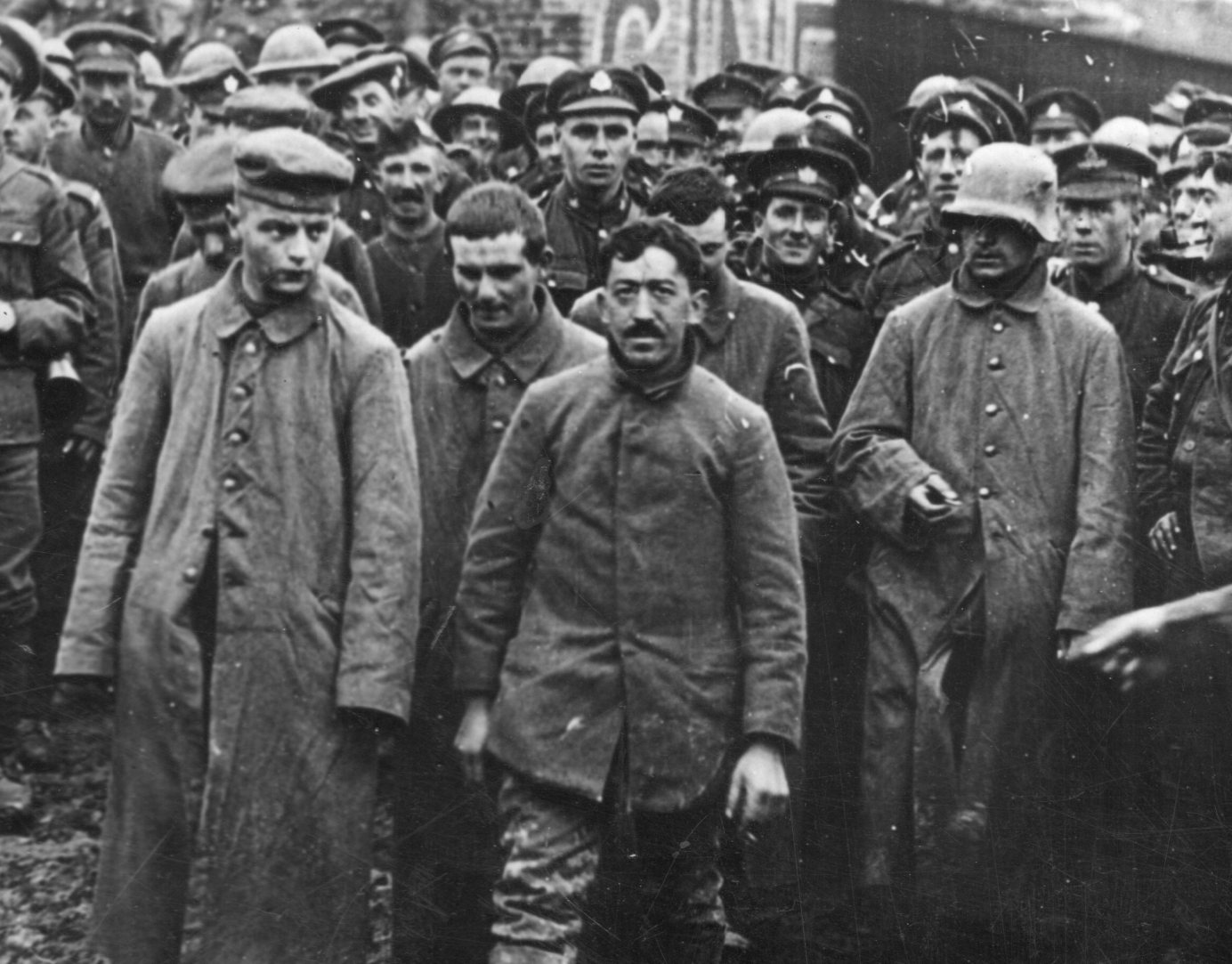
    Earlier in this blog I wrote about an extraordinary WWI news service photograph from a collection here of German prisoners on display, ca. autumn, 1918.  (There’s a description along with tighter, detailed images of the individual faces of the prisoners here.)   In the great wide world of  serendipity, where everything is possible, and nothing seems to be in the place you’d expect it to be, I found another photograph of that same group of POWs. 

    The original photo–truly a fine and remarkable image: 

    WWI photo--german prisoners

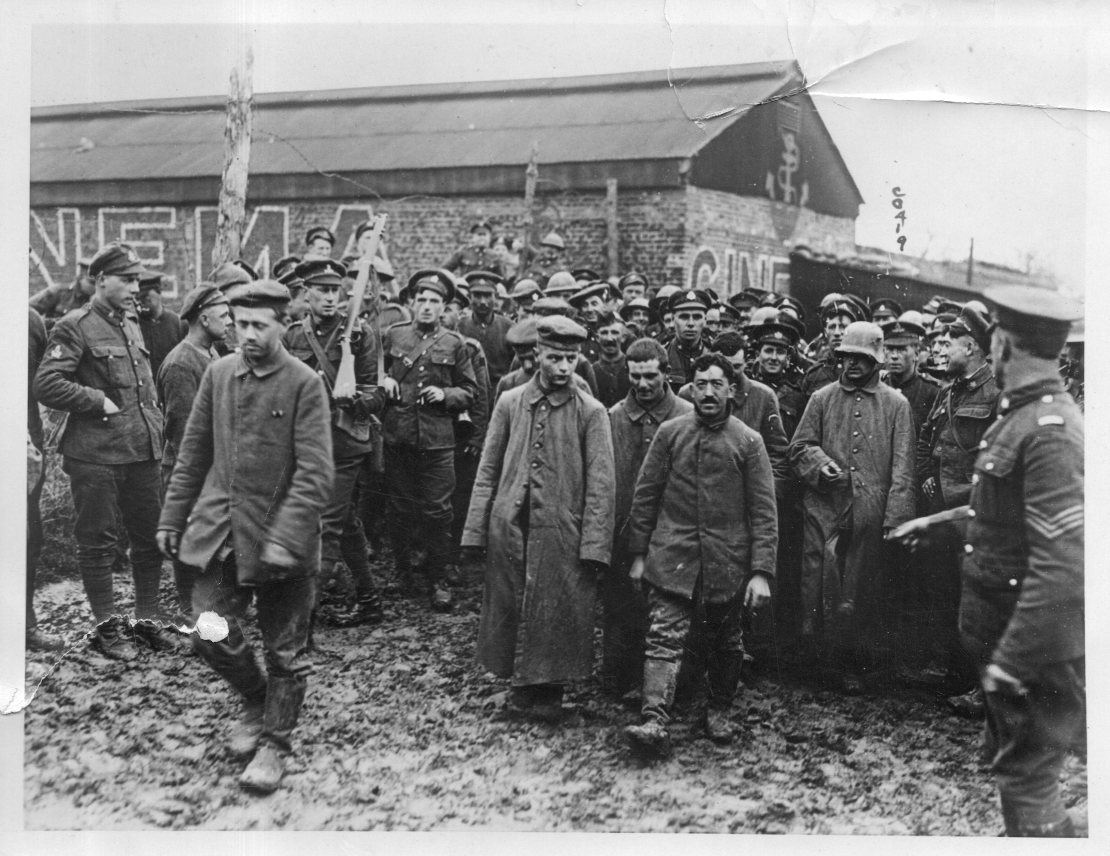
    And the newly-uncovered photograph, showing this group either approaching or leaving the side of the cinema where their group portrait was made:

    WWI photo  GERMAN PRISONER CINEMAal747

    And the detail:

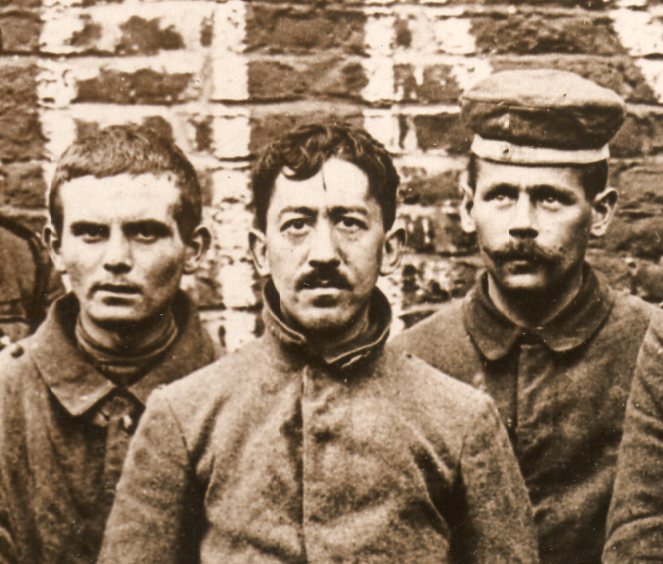
    WWI photo  GERMAN PRISONER CINEMAal748And one of the details from the original post:

    WWI photograph--german prisoners middle069

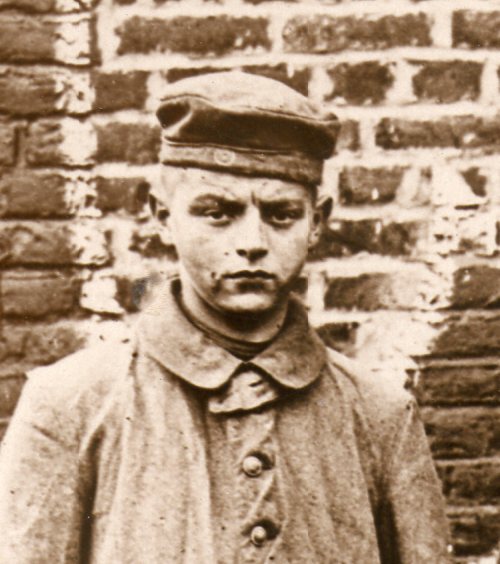
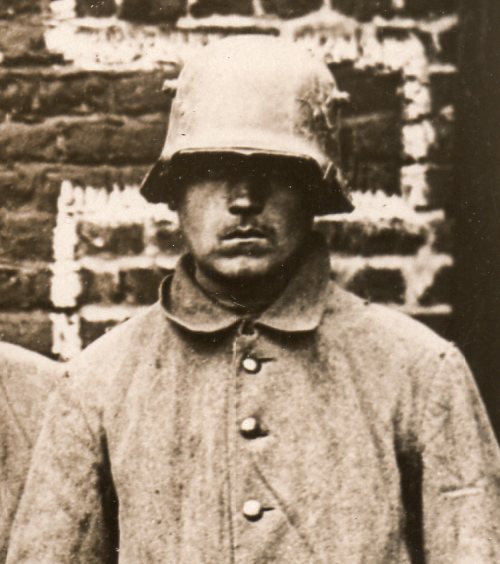
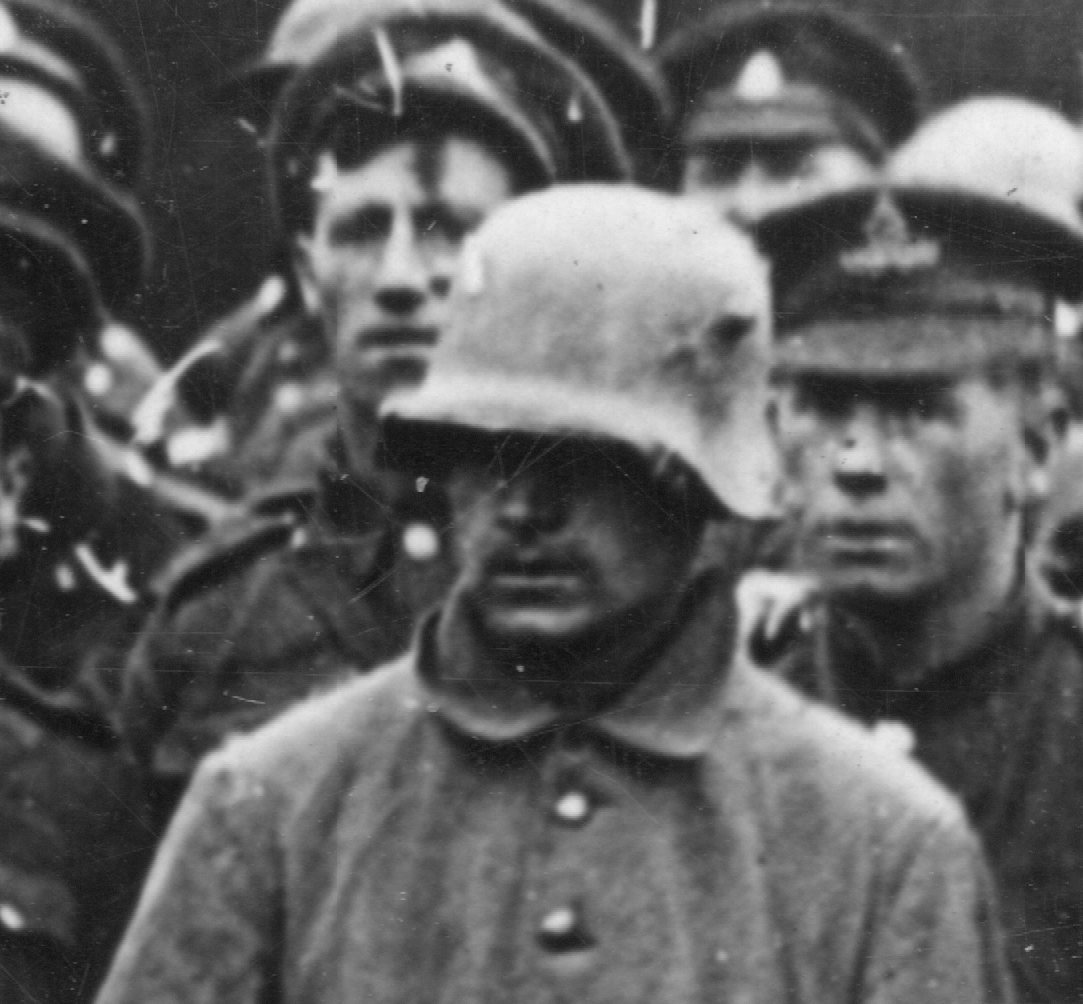
    There’s a lot of surrounding British soldiers and Irish Tommies, and commotion, and mud, and happy/confused/and something else in the faces of the victors as they paraded this end-of-the-war group of soldiers  in the muck.  In the original group portrait the soldiers are bookended by what I see as two extremes of soldiers in the war–the boy on the left, experienced with god-knows-what under his camouflaged and hardened baby fat:

    WWI photograph--german prisoners boy067

    and the guy on the right, who seems so much like a Durer-Death/apocalypse image itself, a thousnad-yard-stare man, a soldier of deep experience, and worn to the nub:

    WWI photograph--german prisoners old068

    He seems to have the same expression in each picture:

    WWI photo  GERMAN PRISONER CINEMAal749

    Maybe he was just bone-tired, though he definitely gives the impression of you-can’t-hurt-me, and perhaps underneath it all he was happy to have made it through the war alive, and hadn’t become one of the 40 million casualties.  In a few months, the war would be over, and perhaps most of the men in this picture got to go home.  

    ·Posted by :

    ·in:

    —

  • Doughboys Marching into the Mist of the Past

    JF Ptak Science Books   Post 1328 (from 2011, revised)

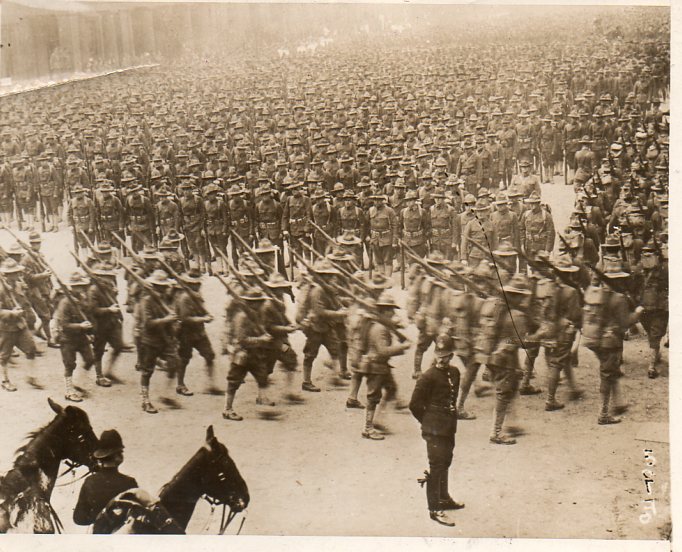
    .003%  That’s what I reckon this column of soldiers would represent of the total casualties of WWI.

    Generally images like this are a virtual image-host for me, a bucket of ice cold water thrown onto a sizzling summer sidewalk, all sorts of ideas steaming from it.  But for photographs of Doughboys1 marching, especially assembling for parade, this one struck me a little more oddly than most, giving instant pause, making me concentrate on the haze, or dust, that allowed the columns of soldiers to blend into one another and fade, losing their boundaries with their mass receding into a dull blur. 

    Marching london 350

    The Western Newspaper Union was selling this image for insertion in newspaper or journal stories about the war, for a small use fee.  There were a few American organizations like Western Newspaper that were created to photographically cover the war, using pools of photographers who would distribute their work anonymously and which was available for common, general use for a small charge.  The photographs allowed out were certainly restricted and censored, though in my stash of these of objects (numbering about a thousand) I’d say that 10% of them look pretty edgy to my eyes.  Most of the action of war was not covered, but then again this aspect was still fairly technically difficult in 1918.  Images of pain were almost never allowed, and certainly not pain of Allied troops.  Aid stations were almost never covered as well, as were dead bodies, or at least those again of Americans or Brits or French or Canadian.  The imaging of the war was certainly under a fair amount of supervision and control. (The original is available for purchase through our blog bookstore. here.)

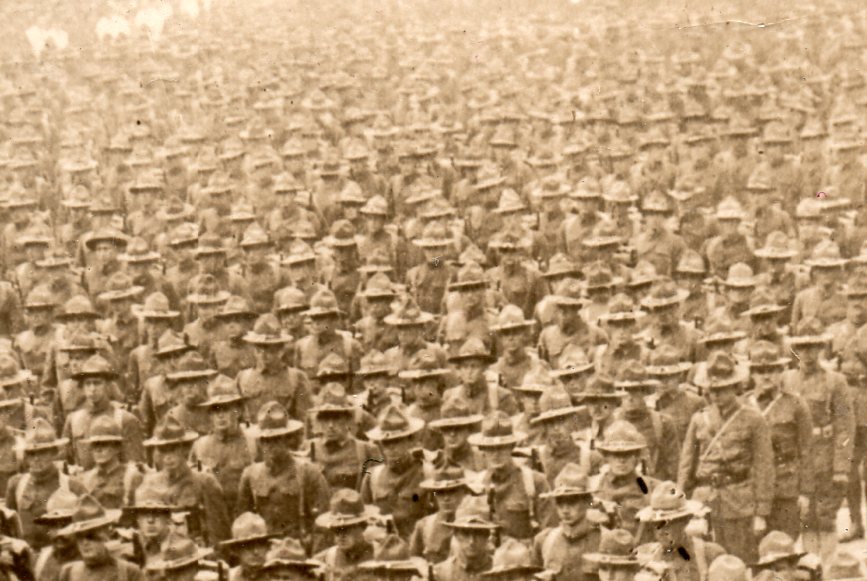
    Marching london det352

    The image shows American troops assembling for a parade through the streets of London before being deployed.  The mistiness of the composition looks like a statistic to me, these men standing for those who had come before and fallen.

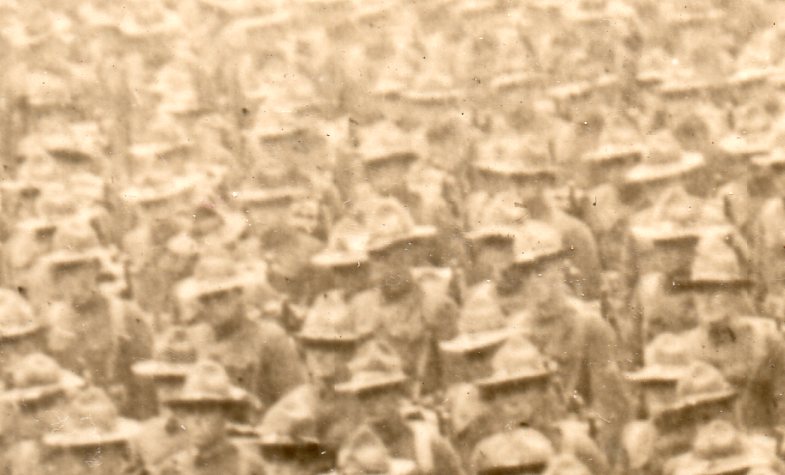
    Marching london det353

     The U.S. lost .13%  of its population to casualties (125,000 killed and 205,000 wounded) during the war–a war which by the time America got here had already been visciously fought for three years, costing dozens of millions of lives.  The figures for everyone else weren’t nearly so “fortunate” as the U.S.:  New Zealand’s 18,000/41,312 killed/wounded amounted to 1.6% of its population.  The U.K. lost 2.19% (964,000/1,663,000), Italy was 3.48% (650,000/953,000 plus 650,000 civilian casualties), while France suffered a 4.29% (1.4 million/4.27 mil) blow of its total population to war.  Things were worse on the other side:  Germany 3.82% (2 mil/2.4 mil plus 426,000 civilian deaths, and the Ottoman Empire 12% (400,000/771,000 plus 2.1 million civilian deaths.   Worst of all was the Ally  Serbia, suffering a catastrophic 16% loss of its population to war, including 275,000/725,000 plus 426,000 civilian casualties.  As gruesome as the numbers were, the Americans felt only a small percentage of the total sting of war–by 11 November, more than 21 million soldiers would have been wounded, with 9.7 million soldiers and 6.8 million civilians killed.  It was an enormous price.

    And that’s what I see in the mist of what may be something like 10,000 soldiers on display n this photograph.  .003%  That’s two of these columns every day, twice a day, for the entire 1550 or so days of the war.   

    Notes

    1.  The origin of the term “Doughboy” is unclear, or varied, or rich, but it is at least pretty oldm beginning around the time of the Mexican American War in 1846-1848–evidently when the soldiers marched through dry, tough terrain they wound up being covered by earth with the color of dough.  Doughboy.

    ·Posted by :

    ·in: