A Daily History of Holes, Dots, Lines, Science, History, Math, Physics, Art, the Unintentional Absurd, Architecture, Maps, Data Visualization, Blank and Missing Things, and so on. |1.6 million words, 7500 images, 4.9 million hits| Press & appearances in The Times, Le Figaro, Mensa, The Economist, The Guardian, Discovery News, Slate, Le Monde, Sci American Blogs, Le Pont, and many other places… 5000+ total posts since 2008.

Category: Photography

  • The History of Obviousness, Part 455(b): Guard Post in a Tree

    JF Ptak Science Books  Quick Post 

    The part about The History of Obviousness that is so wonderful is that sometimes the obviousnesses aren’t evident, or apparent, until they are established–and then of course there is no ghostly memory of their formative semi-hidden natures. Sometimes things are best hidden in plain sight, and sometimes one doesn’t realize that is is raining men-in-bowler-hats until Rene Magritte points it out.  This may be one of those cases where something is so obvious that its extreme nature just blends into the surroundings, even when there aren’t any.

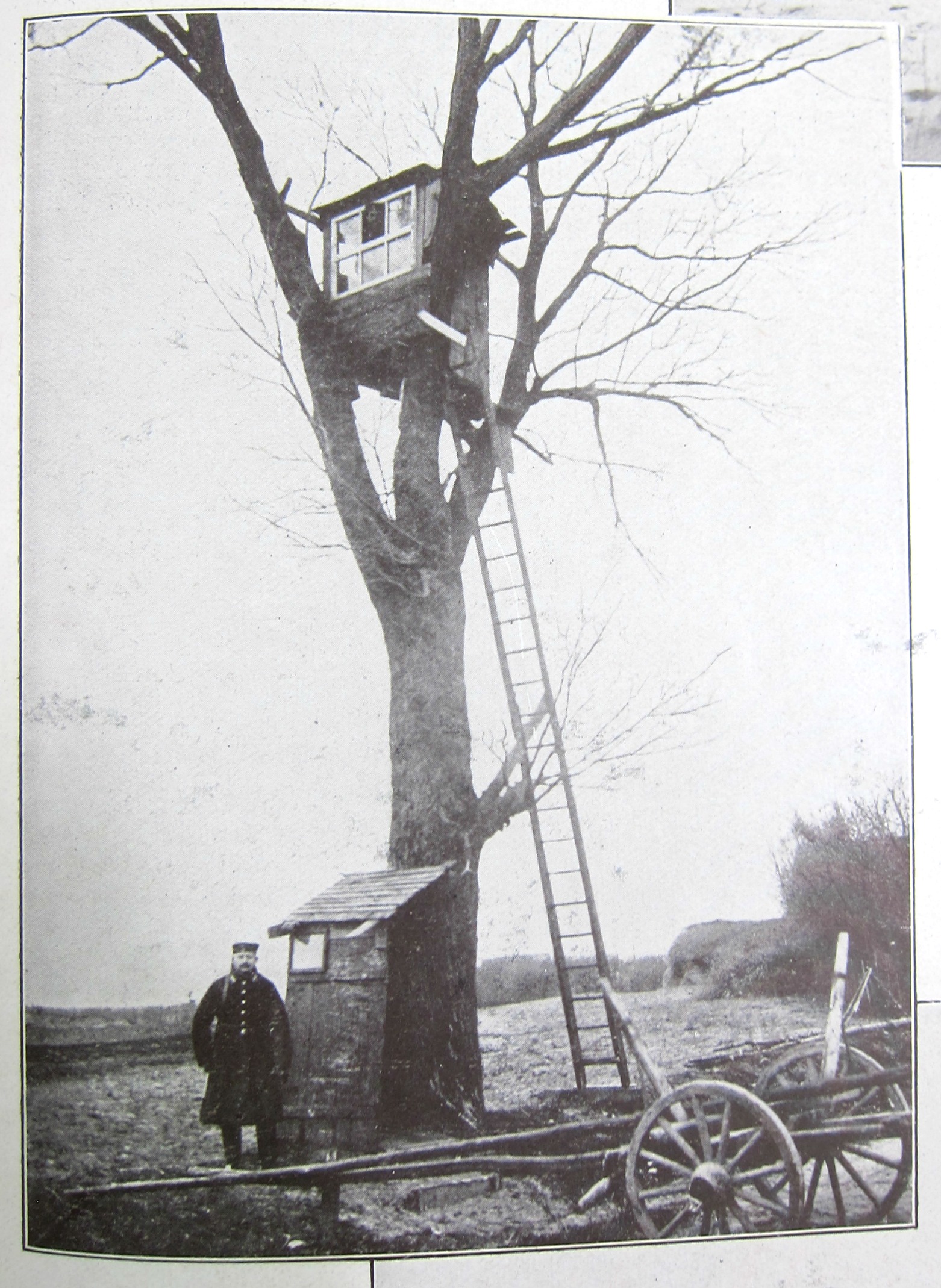
    WWI Project tree house 1914

    [Source: Illustrirte Zeitung, December 31, 1914.]

    So, in the picture above, we have not only a guard/observation station built in a lonely tree, but there’s also a small lean-to at the bottom, with of course a soldier standing next to (but not inside)  it. 

    ·Posted by :

    ·in:

    —

  • The Fall of the Bolsheviks “In a Matter of Weeks”–Petrograd, 1918

    JF Ptak Science Books  (Expanded version of Post 485 from 2008) 

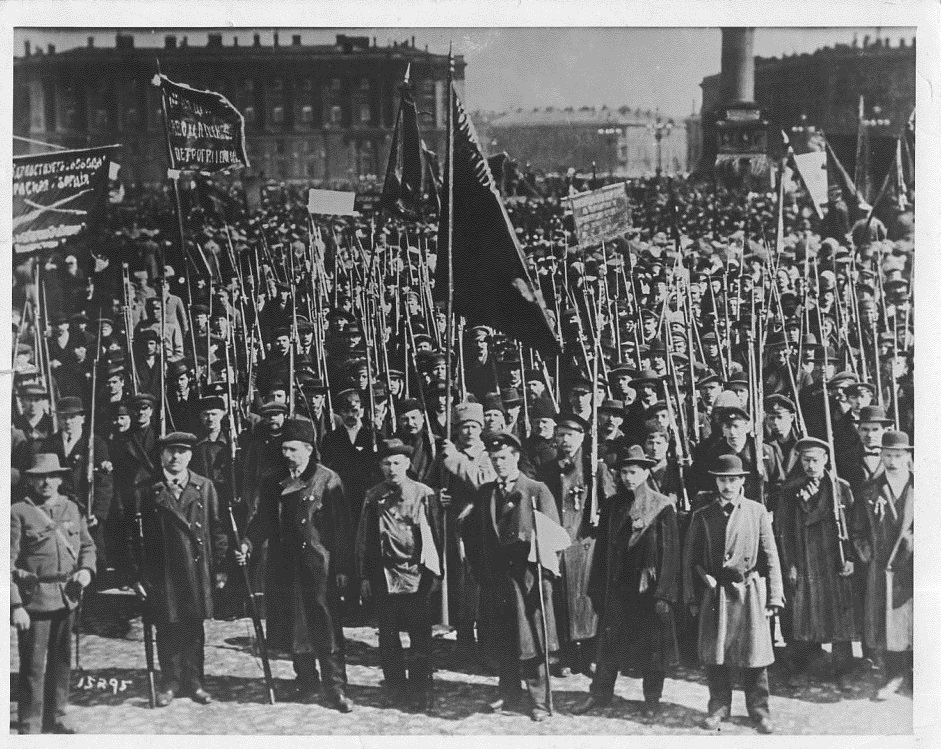
    WWI Petrograd390

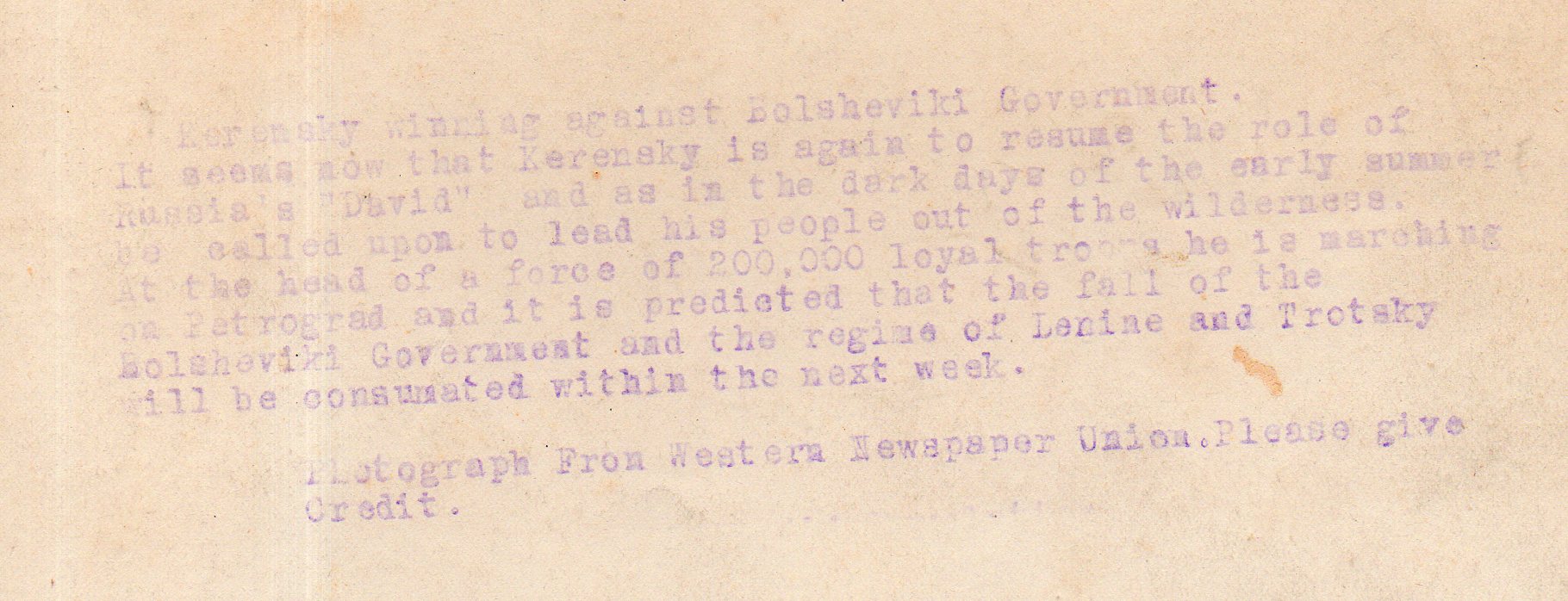
    This photograph–a picture of hope soon dissipated–shows the 1918 portion of the Russian Revolutions of 1917 at just about the time of its, well, “completion”, beginning the period of the Russian Civil War, which would last until the creation of the USSR in 1922.  (The photo is also part of a News Photo Service archive I purchased some years ago in, and was originally released by the Western Newspaper Union.) Alexander Kerensky, who according to the stamped caption of this photograph, was leading an army of “200,000 marching on Petrograd” in order to overthrow “Lenine [sic] and Trotsky” and the “Bolsheiki Revolution”.  Kerensky (1881-1970) was elected second Prime Minister of the Russian Provisional Government under Lenin following the February (1917) Revolution.  A complex of war (WWI) and domestic/social/political directed chaos led Kerensky and Lenin to opposing paths, and, following the October 1917 revolution, the winner was clear.  Kerensky, according to the data on the photo, was a “David” leading an army in opposition deposed to toppling  the Bolsheviks “next week”.  Things did not go as planned, or almost nothing did, and Kerensky’s army drifted, walked and ran, via indifference, fear and belief to the side of the Bolsheviks.  About the only soldiers who stayed loyal to Kerensky was the 1st Petrograd Women’s Battalion, a unit of the 1st Russian Women’s Battalion of Death. (This was the first all-female combat unit in Russia, and although starting out with about a force of 2,000, quickly wasted away under the rigorous and harsh command of its commander, Maria Bochkareva*, down to about a fighting group of 300.)  Kerensky fled the country and began a long series of travels, though ultimately settling in the United States, dying in NYC in 1970 (making him one of the longest surviving principal participants of the Revolutions).

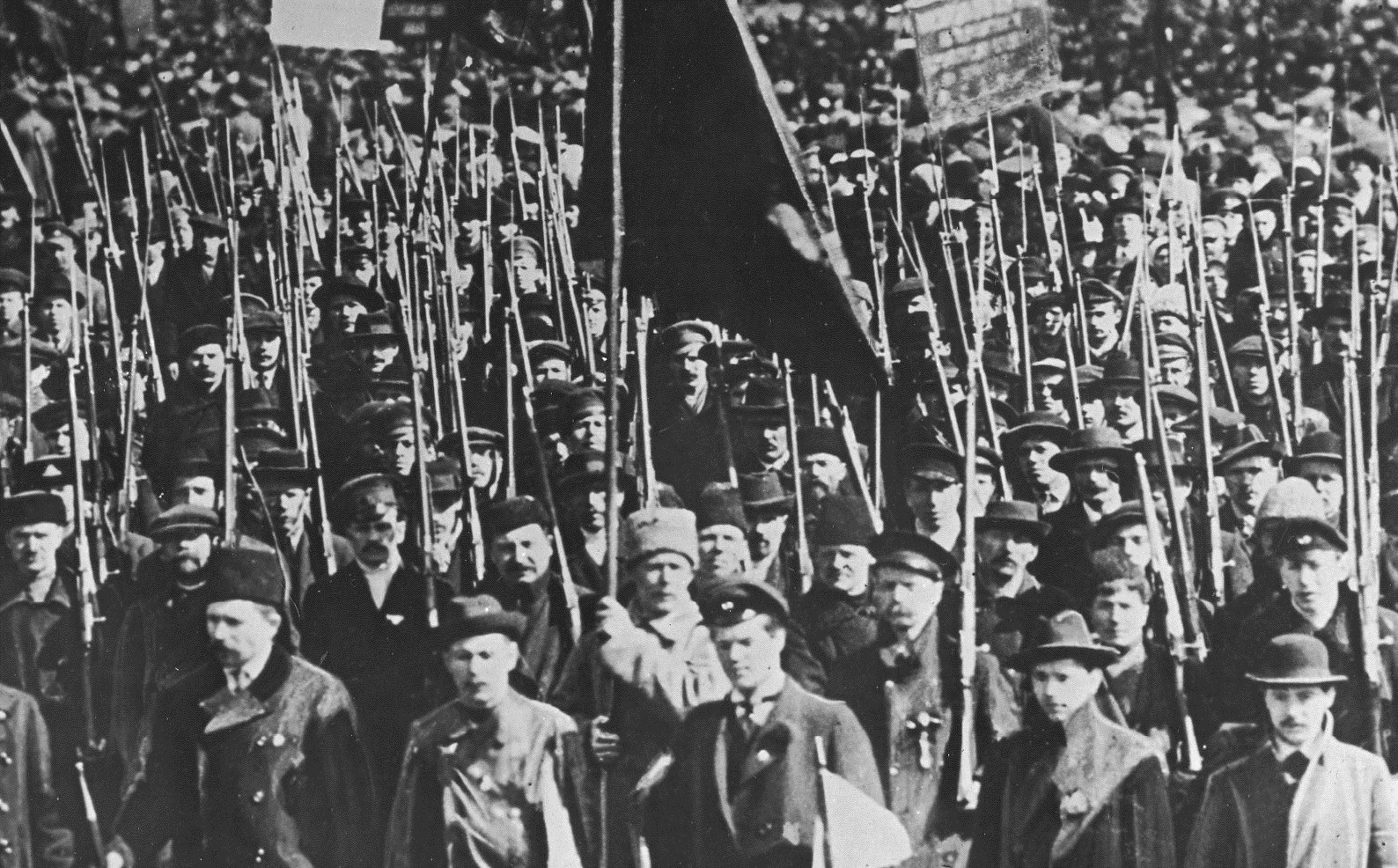
    WWI Petrograd391

    St. Petersburg/Petrograd has a long and important history in the formation of the Russian nation—established in 1703 as the capital of the Russian Empire and remaining so for more than 200 years, it was also the seat of the 1905 Revolution as well as the February and October revolutions of 1917.  Another bit of full-circle was that Kerensky and Vladimir Ilyich Ulyanov (Lenin) were both born in the not-large town of Simbirsk (now called Ulyanovsk).  Kerensky’s father, as it turned out, taught Lenin at the Kazan State University, a great institution of higher learning featuring non-other than the principal founder of non-Euclidean geometry, Nikolai Lobachevsky, as its rector for almost twenty years (1827-1846). 

      WWI Petrograd392

    [The text for the photo stamped on its back]

    *This interesting, severe, passionate woman through intrigue and loss wound up fleeing the Soviet Union in 1918, winding up in NYC and ultimately meeting with Woodrow Wilson, appealing for American support and intervention to halt the Bolsheviks.  She made the same appeal directly to George V, before winding up back in the Soviet Union, where, in 1918, she was captured.  She was ultimately tried and convicted of being an enemy of the people, sentence to death, and then killed by the precursor to the KGB, the Chaka. 

    ·Posted by :

    ·in:

    —

  • Waiting for the End of the War, September 17, 1918

    JF Ptak Science Books   Quick Post

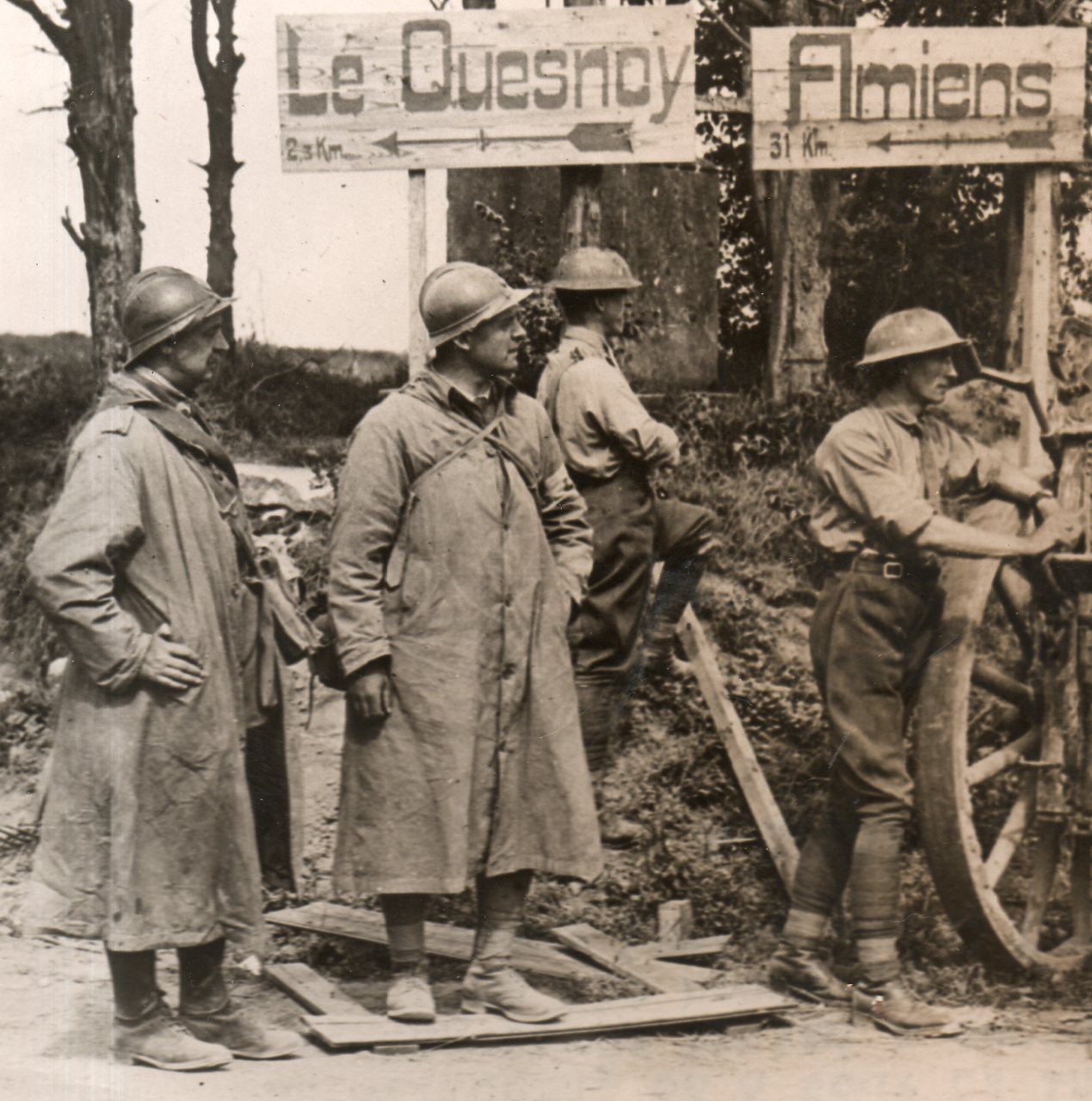
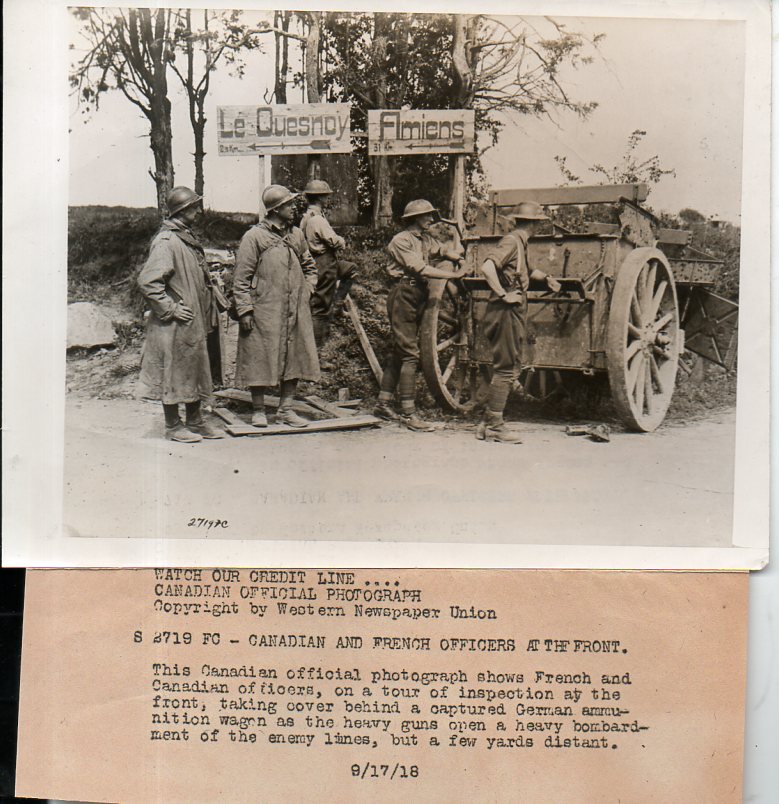
    This photograph, taken about five weeks before the end of the war was declared on 11/11/18, shows a group of French and Canadian officers taking cover behind an abandoned German munitions cart, trying to protect themselves from a near-distant bombardment by German guns.  (In spite of its size it seems as though this may have been a horse-drawn carriage.) They’re on the road leading away from Amiens and Le Quesnoy, and at least one of them seems to have been in the field for a good long time.  I like the composition of this photo–the placement of the soldiers suggests something to me, but I can’t quite figure out what that is…


    WWI Photo Canadian French under fire381


    WWI Photo Canadian French under fire380

    [This is stamped “Canadian Official Photograph…Western Newspaper Union, and printed in 1918. Like all of the other WWI photos on this site that do not have a listed source, this one belongs to me.]

    ·Posted by :

    ·in:

    —

  • Surrendered U-Boats in England and France, 1918 and 1919

    JF Ptak Science Books   Quick Post

    According to the armistice signed on November 11, 1918 (and prior to the Treaty of Versailles which was signed 28 June 1919) in addition to much else Germany agreed to the internment of their High Seas Fleet, surrender 5,000 cannons and 25,000 machine guns and 1,700 aircraft, release all POWs, and deliver all remaining U-Boats, which is the subject of this post.

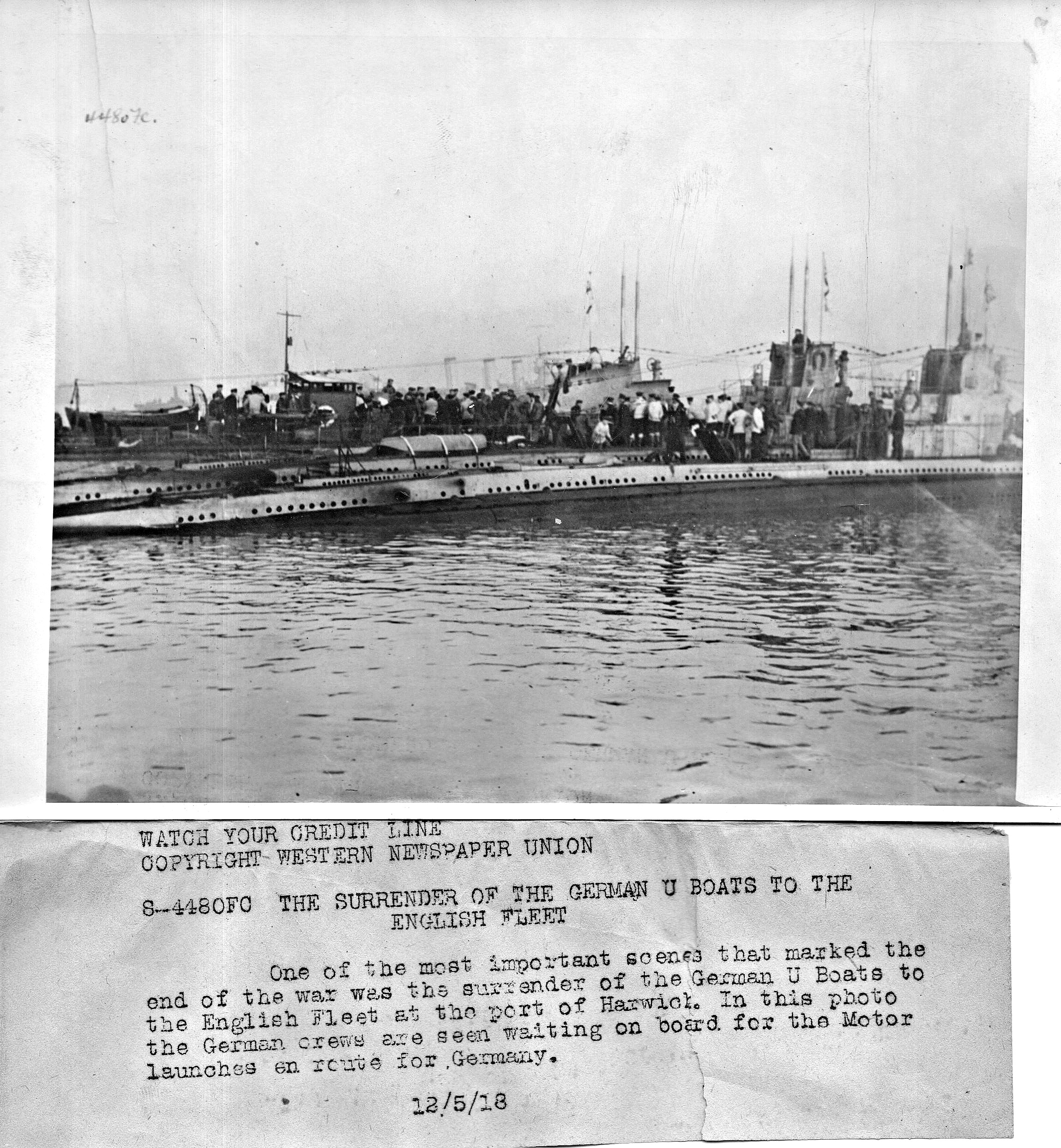
    The subs made their way across the North Sea to the coast of England, near Essex, and were met there by a British force, which then took command of the ships, delivering them to the Port of Harwich.  This began on 21 November and continued for a few weeks, resulting in the surrender of 122 subs and associated craft.  The image below (from a photo pool, this one associated with the Western Newspaper Union) was made during that time and released on 2 December 1918. It looks as though the German crews were still on board at this point, their own flags still flying prior to being replaced by a white ensign.  

    WWI Sub surrender085

    Similar scenes took place in France–here is another News Photo Service photograph showing surrendered German subs being taken in France, together with the paper slip that newspapers and other publishers were supposed to use with the image upon publication.   

    ·Posted by :

    ·in:

    — —

  • Window Shopping for Food and Haircuts with Berenice Abbott, 1935

    JF Ptak Science Books  Blog Bookstore

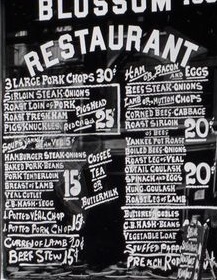
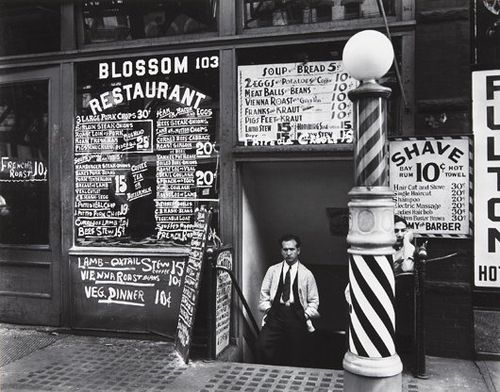
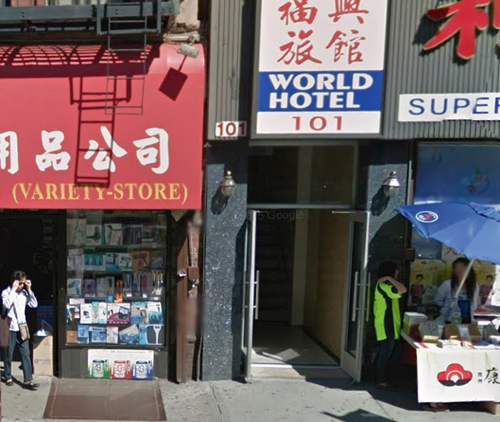
    I enjoy antiquarian window shopping, browsing photos or engravings that depict goods for sale– especially if the prices are posted. I came back to this deep-in-the-Depression-fantastic photo made in 1935 by Berenice Abbott (Springfield, Ohio, 1898-1991). Blossom Restaurant, NYC was part of Abbott’s effort funded by the WPA, this time as a part of her Changing New York Project, and captures the restaurant and neighboring barber shop at 103 Bowery.  The two businesses actually occupied the first floors and basement (respectively) of the Boston Hotel, a standard flop house in a tough and distressed part of the city that rented beds by the day, with 249 small door-less cubicles offering a decent place to spend the night for 30 cents1. 
    Abbott[Image source: New York Public Library, http://digitalcollections.nypl.org/items/510d47d9-4f80-a3d9-e040-e00a18064a99   Also a nice description of the photo and process can be found at the National Museum of American History, http://americanhistory.si.edu/collections/search/object/nmah_1321971]
    Abbott Blossom restaurant menu detail

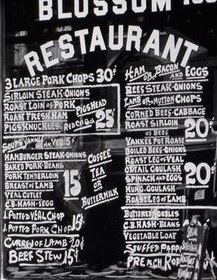
    30 cents seems to be the going rate for a bunch of things going on in this  picture—30 cents for a night in the hotel, 30 cents for the better offers of Morris Gordon’s restaurant. 30 cents for a haircut and shave, 30 cents for a “women’s hair bob”2 and so on.  Which seems about right—a fancy haircut and a decent better-than-average dinner for two will probably cost about the same, today. 

    If you were really on a tight budget, 30 cents would buy you three vegetarian dinners, or 6 offerings of bread and soup, or three visits to the table of meatballs and bans, or pigs feet and kraut. 

    The price of a stick-to-your-ribs meal of sirloin and potatoes and a pot of coffee also cost about the same as a gallon and a half of gasoline (which cost about 20 cents).  The same amount of gas today would get you a serving at McDonalds, or something on that order, and perhaps even a happy take-away for the kids. Perhaps the two even out. 

    30 cents might get you a loaf of bread, and wouldn’t quite get you a dozen eggs.  Now this is remarkable, because if you adjust all of this according to modest CPI measures, the average cost of a dozen eggs in 1935 was 37 cents, or (according to the US Census website generating 1935 to 2009 prices adjusting to CPI) $5.84.  The bread would cost $4.74 in 2009 dollars, which means that the staples today—milk, bread, butter, eggs, were more expensive in 1935 than today.  Ditto gasoline, which cost 19 cents a gallon, or $3 today—actually this would be much more expensive in 1935 as the mileage the cars were getting then (and the octane) was much lower, so the cost of running an automobile was considerably higher.   The cost of the car itself, though, still favors the ‘thirties for modest transportation, which came in at about 600 dollars, or just over $9000 in 2009 dollars3. 

    The 3-cent first class postage stamp of 1935 was more expensive than first class postage in 2009:  47 cents versus 44.  When you look at the increases and bitty spikes of the cost of a first class stamp over time the whole thing looks pretty flat. 

    The average salary for a family of four in 1935 was about 1500/year, which oddly enough is about the same for the poverty guideline level for 2009 established by the Department of Health and Human Services (about $23,000).  Minimum wage legislation didn’t begin until 1938, but if you take a look at one of my earlier posts here on the history of this idea you’ll see that the recent history of legislating  a meaningful level of acceptance for a base living wage is mainly disgraceful, with relatively little accomplished (in adjusted economic terms) for half a century.  (The new minimum wage brings us to about a mid-way point as the highest minimum wages paid in the 76-year history of the program.)

    Notes

    1.A fantastic website and resource for changing aspects of NYC can be found here, at Frank Levere’s Changing New York site. http://www.newyorkchanging.com/

    2. I wrote a little bit about the appearance of women-only hair salons in my post “The Staggering Beauty of Barber Shops” https://historyofideasblog.com/thesciencebookstore/2009/02/the-staggering-beauty-of-barber-shops-naive-surreal-department-22.htm

    3. Other bits of what stuff cost in 1935:

    • Flour (5 lbs)     25.3 cents
    • Bread (lb)         8.3
    • Round steak (lb)  36.0
    • Bacon (lb)        41.3
    • Butter (lb)       36.0
    • Eggs (doz.) 37.6
    • Milk (1/2 gal.)   23.4
    • Oranges (doz.)    22.0
    • Potatoes (10 lbs) 19.1
    • Coffee (lb)       25.7
    • Sugar (5 lbs)     28.2
    • Car: $580
    • Gasoline: 19 cents/gal
    • House: $6,300
    • Bread: 8 cents/loaf
    • Milk: 47 cents/gal
    • Postage Stamp: 3 cents


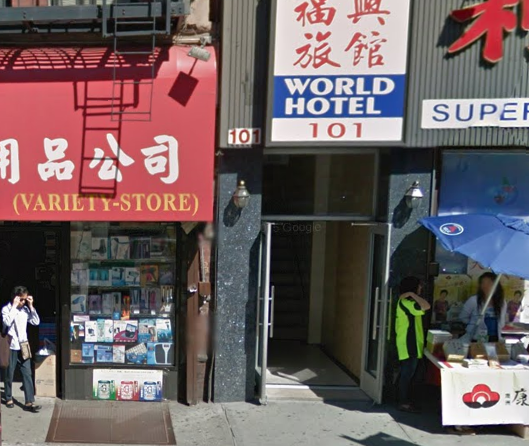
    And 103 Bowery, today (via Google Earth):
    103 Bowery


  • Early Steps in the History of Photographic Self-Interest: the Photo Booth Pre-Selfie

    JF Ptak Science Books   Post 2562

    Before $999 selfie sticks, and before cell phones, there still was life! The agitations of great need for making self portraits has existed no doubt before this semi-delusional time, except of course there wasn’t immediate and total access to the possibility of addressing the somewhat narco-curiosity to self aware recording. Nowadays you can have your own broadcasting service all about yourself all of the time and share it to yourself or to anyone else who can find your conceptual conceit–in the past, not so much so.  

    The antiquarian notation of the idea of the selfie finds itself in the invention of the photo booth. It is perhaps the first true invention that could address this notion of photographic self-allegiance, except that you can’t fit it into your pocket like a cell/sel(f) phone because you fit inside of it.  But it certainly was the only way that you could halfway address an instant need for making a photo of yourself, and do so without undue muss or fuss, and to be able to do it on your own.

    The photo booth was the early version of radical expression of photographic self-interpretation made possible by a hands-free invention.

    The results of the photo booth (around since about 1890 but not fabulously well accepted and ubiquitous until Mr. Anaotl Josepho with his Photomata in 1925) can be charming, and revealing, and be all that you wished it to be, or not.  I’ve collected some examples (below) from the 1930’s-1950”s–the results can be mixed, but almost always interesting.  

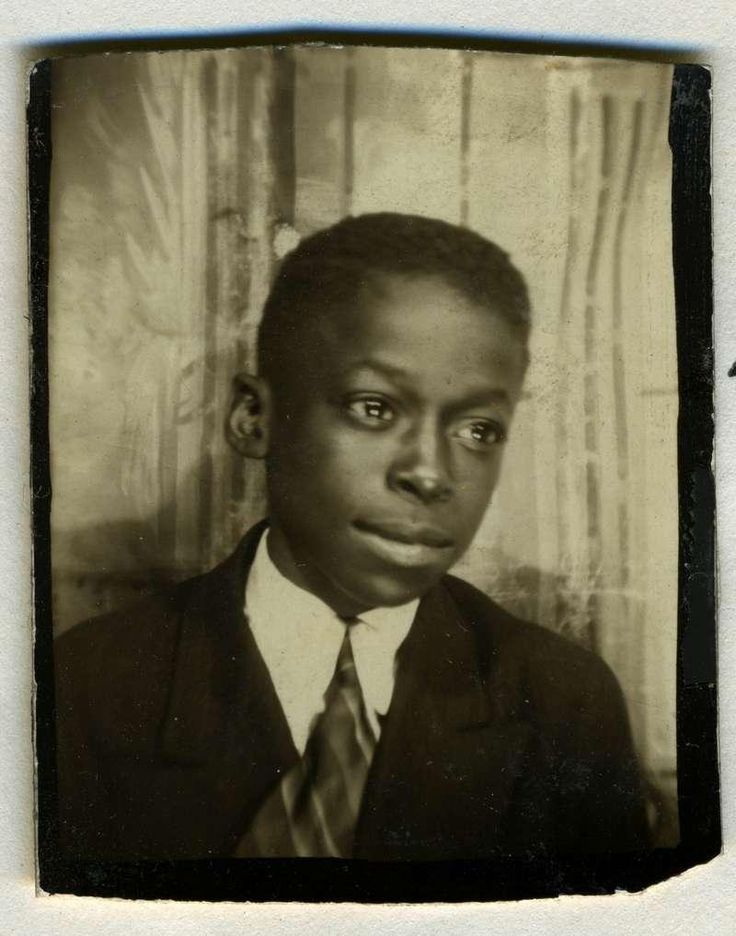
    The young Miles Davis is terrific. 

    Selfies miles davis

    Miles Davis, aged 9. [Source, Pinterest: https://www.pinterest.com/pin/31454897367684842/]

    For an interesting piece on artistic photo booth self portraits by artists, see Jonathan Jones on the Surrealists and the first photobooth in Paris, 1928, in The Guardian, here: http://www.theguardian.com/culture/2004/jun/16/1

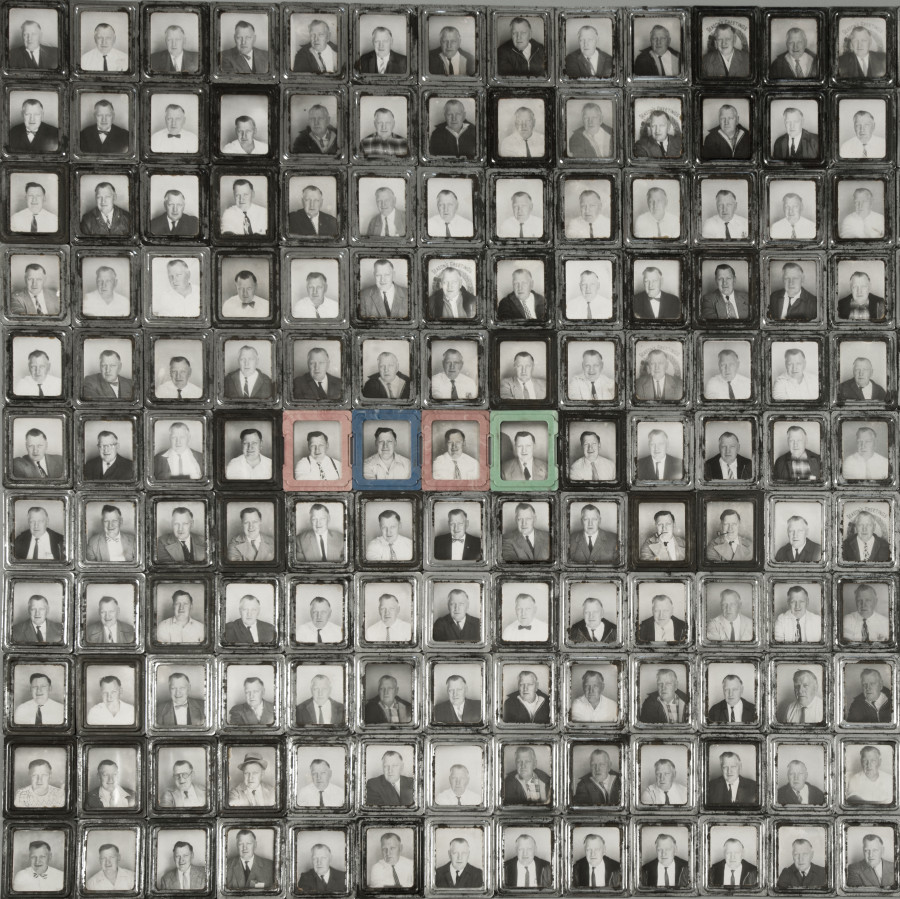
    This is fascinating: 445 photo booth images of/by one unidentified man:

    Selfies 445

    •  See the article by Pricilla Frank, “Exhibition Features 445 Vintage Photobooth Portraits From A Single Unknown Man” in the Huffington Post, here: [http://www.huffingtonpost.com/2014/04/04/445-photobooth-portraits_n_5077544.html]

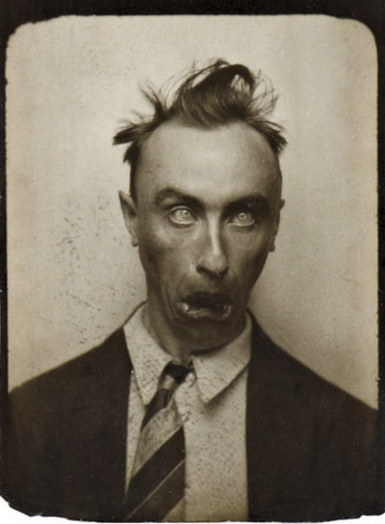
    Selfies Tanguy

    Yves Tanguy [Source, PBS, here: https://pbs.twimg.com/media/CO-mBeXUEAASyM8.png]


  • Curious Hand-Illuminated Victorian Photo Album (ca. 1862)

    JF Ptak Science Books     Post 2525

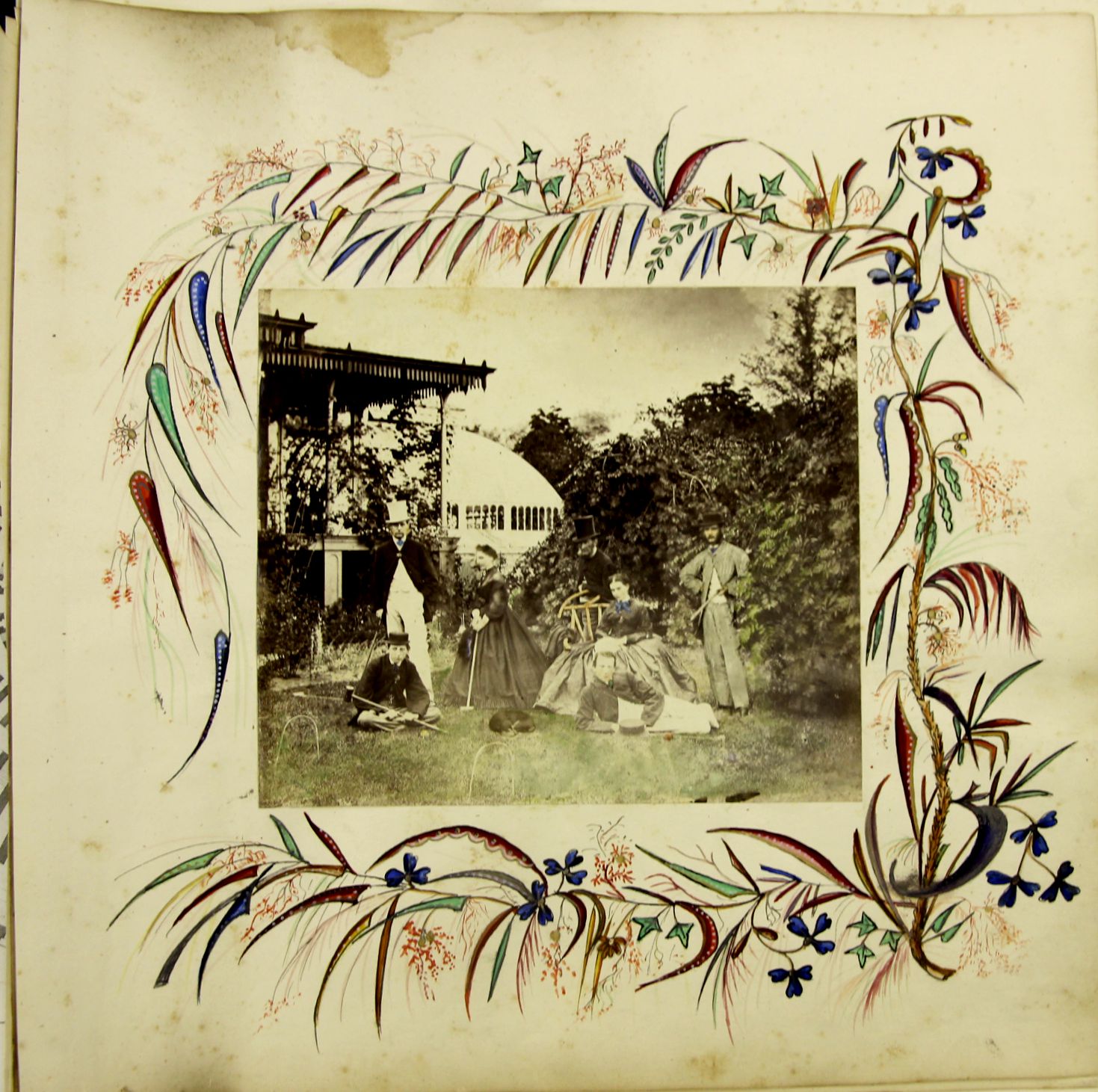
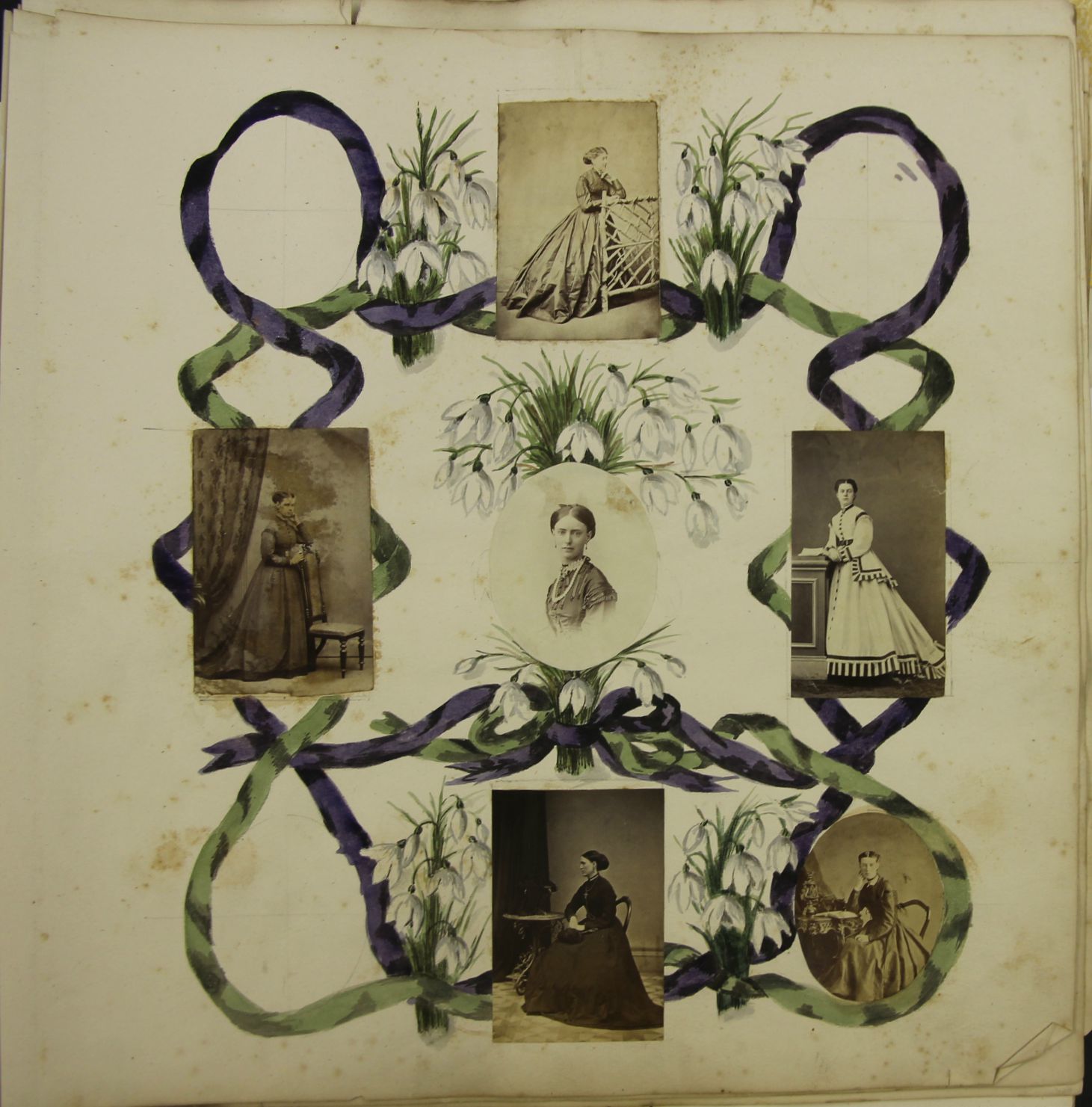
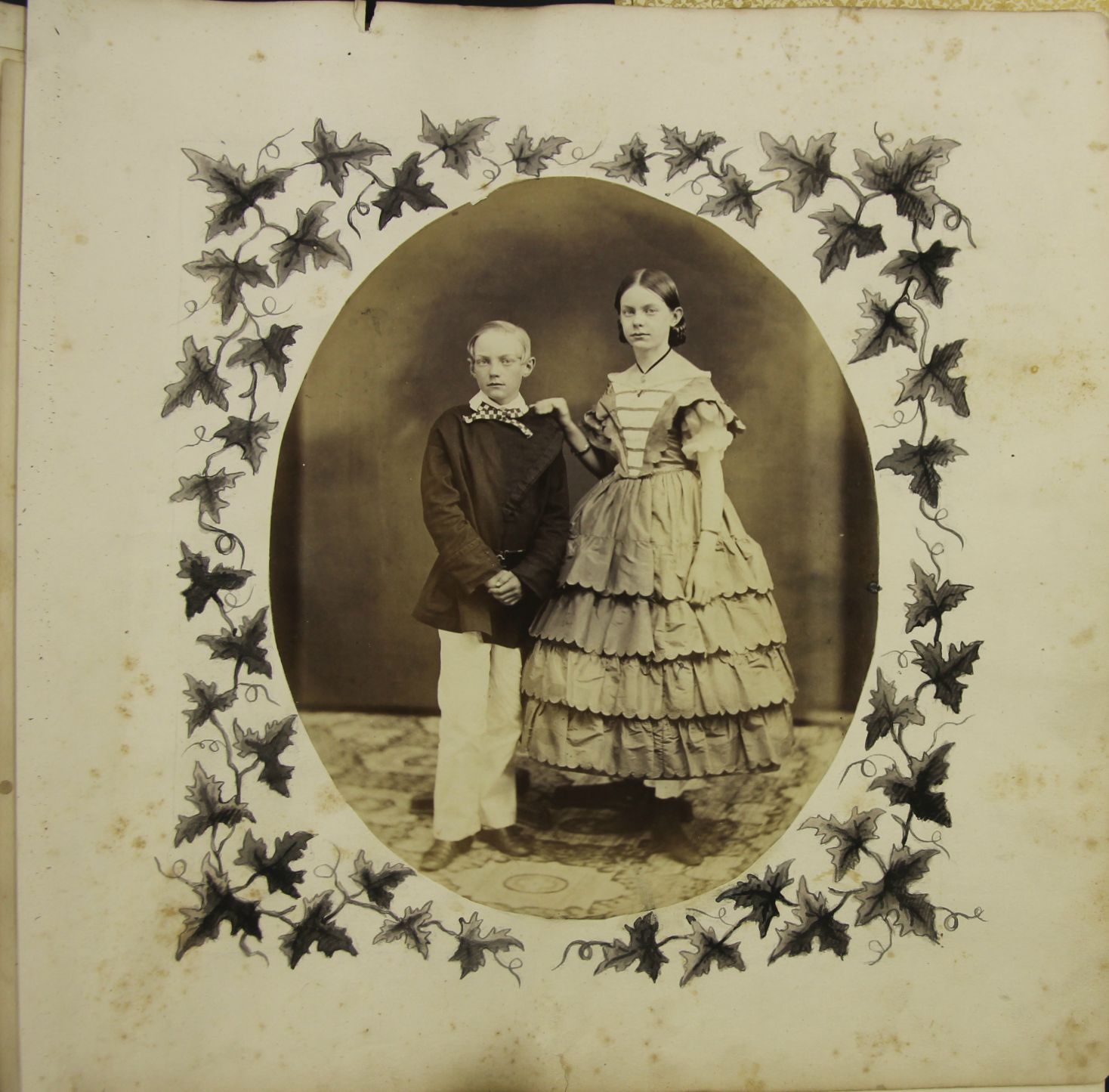
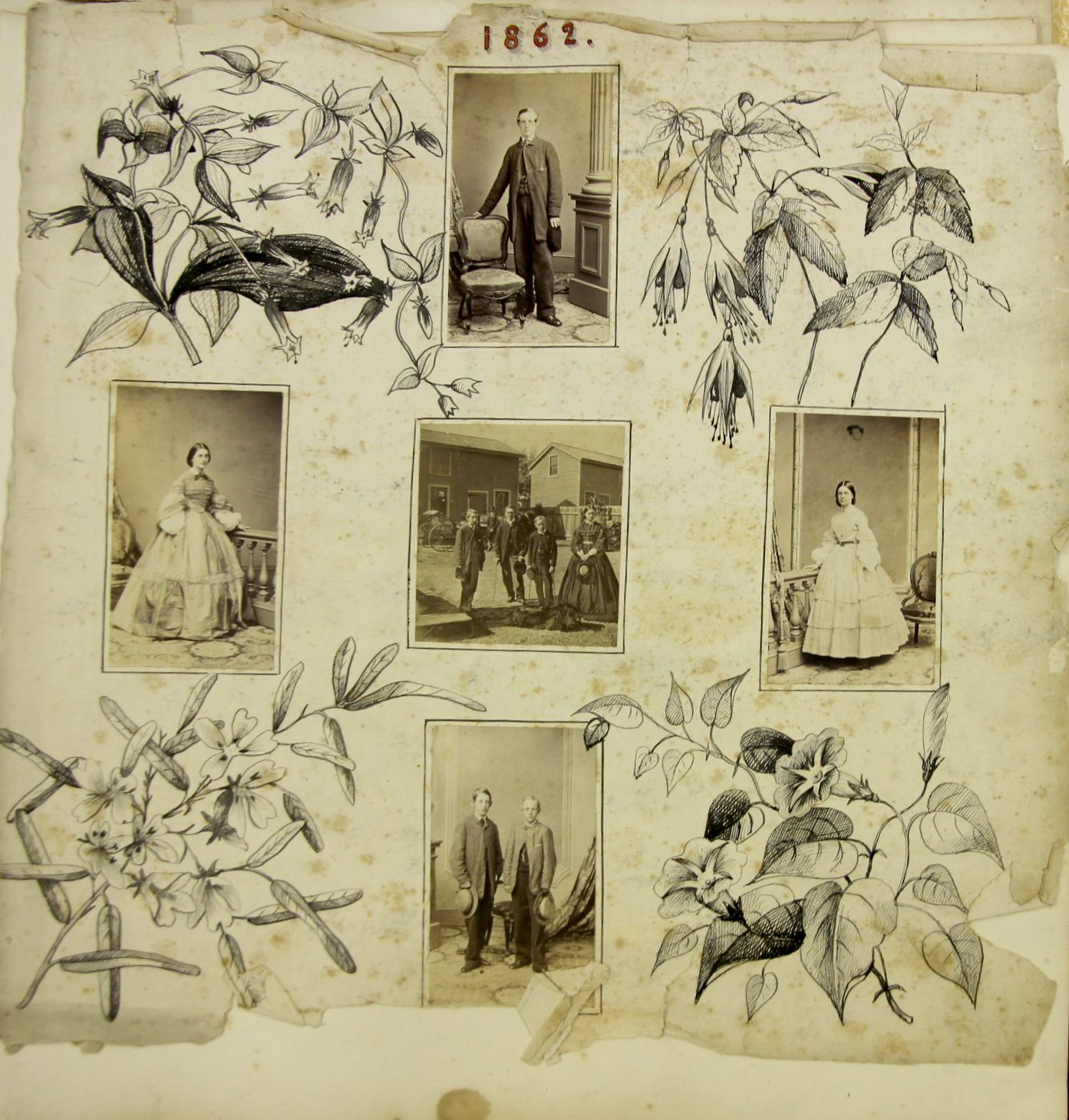
    I found this collection of photographs a number of years ago, mostly for the way that some of the decorated panels were not outfitted with photographs.  The photographs were made in the early 1860s (one is dated 1862) and the decorations I take it were made by hand at the same time or thereabouts.  

    One of the most interesting images is this family portrait–it has one of the most elaborate manuscript “frames”, and it also depicts a space ship in the background. Well, not really–but it is an interesting design for what I suspect was an (iron?) conservatory or greenhouse.  Also handling the photograph in person led me to the very minor discovery that the curled up and sleeping dog was an extra and “photoshopped”–that is, added after the photo was made, a cutout of the dog pasted onto the print. No doubt it would have been difficult to have a dog sitting there for a long period of time with the family without moving given the relatively slow exposure time in 1862.  I find that detail, that the family though enough of the dog to paste it into the final/finished project, to be very touching.  

    Each sheet measures about 16″x 16″   The originals are available on the blog’s bookstore, here.

    Victorian album _16_


    Victorian album _17_


    Victorian album _15_


    Victorian Album _14_


    ·Posted by :

    ·in:

    —

  • An Extraordinary Protest Document to the Chicago World’s Fair of 1933

    JF Ptak Science Books  [An earlier post from 2008, expanded and updated now to August 2017]

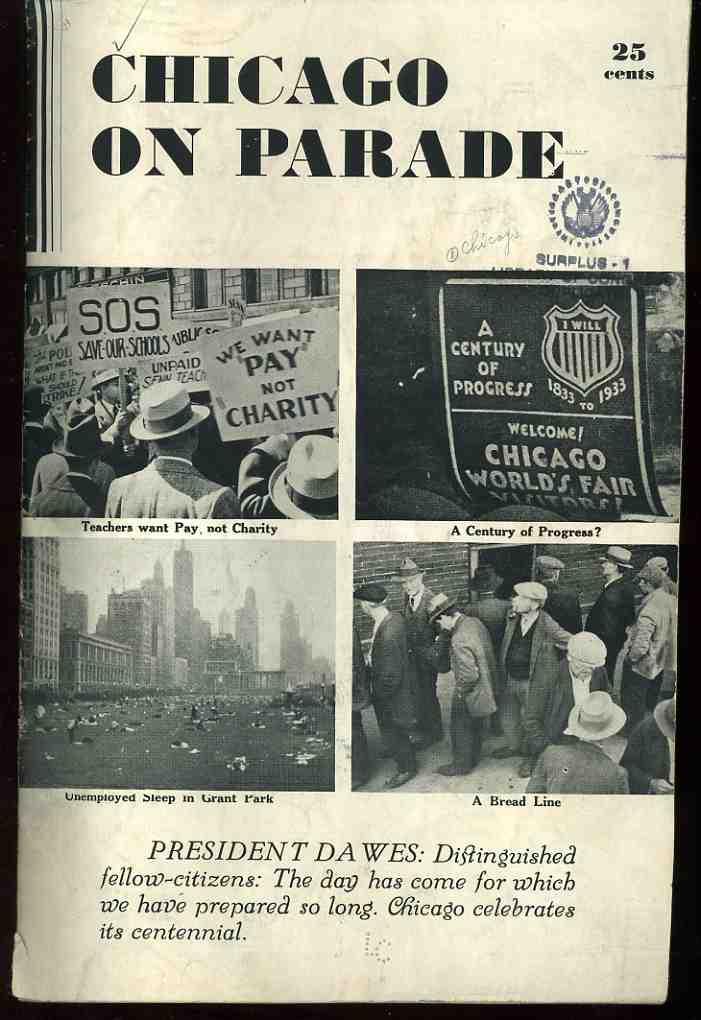
     This short pamphlet is a very strong tonic to those thinking about Chicago’s “Century of Progress” celebration and World’s Fair that was taking place in the middle of the Depression in 1933. Its intent is to reveal the “real” Chicago that took place surrounding the flourished confines of the Fair, protesting that there was a lot of real life beyond the fairgrounds that was far more important than whatever the fair represented in the best that’s-not-real-but-this-is documentarian fashion.  (The Fair was intended to instill hope and foster a little forgetfulness during a time in which the Depression in full swing nationwide, plus relieve some negative impressions of  native-Chicago problems of gangsterisms, race riots, red scare, and economic distress.) As a matter of fact this pamphlet didn’t seem to find much distribution, or at the very least it didn’t get saved in spite of the fantastic documentary images that it contains.  This copy of Herman O. Duncan’s Chicago on Parade (1933), was his own, sent to the Library of Congress as a gift in 1942 before it came to me in 1999. I can find only five other copies of this pamphlet located in libraries world-wide in WorldCat/OCLC (Oxford, Duke, Chicago History Museum, Wisconsin Historical Society, BYU) which makes it seem very strangely underrepresented.

    Chicago on PArade

    Duncan addressed the work directly to the Rufas Dawes (President of the Century of Progress Celebration), and to the mayor of  Chicago and governor of Illinois as a very blunt request to not forget the actual world of real Chicagoans living in dire straits within site of the fairgrounds.  Duncan was obviously taking issue with the many statements of wonderment and flourishes of progress that accompanied the propaganda surrounding the fair, so that the attention of the public would not be “diverted by our political and civic leaders”.  Duncan continued that these photographs, “none of which had been published previously in the United States” could “perhaps suggest a point of reference from which Chicago can measure its Second Century of Progress”.

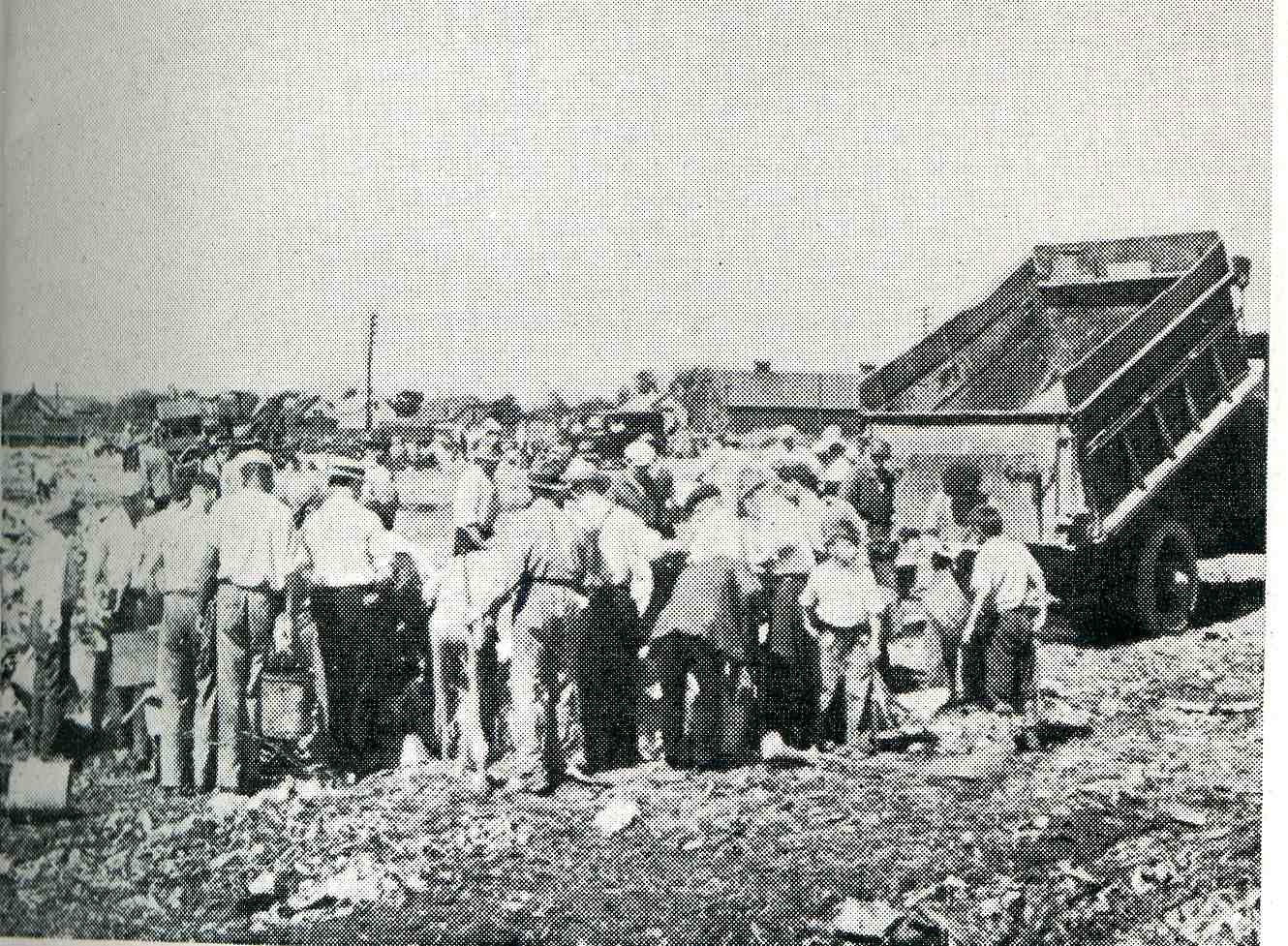
    CHicago on parade dump[Anxious men, women, and children welcoming the rubbish from a garbage truck.]

    Duncan (who unfortunately did not identify the photographer(s)) was very strong in the use of images.  He was not afraid to show long bread lines, people (including children) scavanging at the city dumps, blacks and whites marching together in protest of police brutality, (many hundreds) of people sleeping out of doors in Grant Park (Chicago’s “front yard”),because they had no where else to go, and much more.  The photographs had a real touch of journalistic acumen, and none of the images look forced or posed–they are the real stuff of social documentary, and how they have escaped wide notice is not known to me
    . 

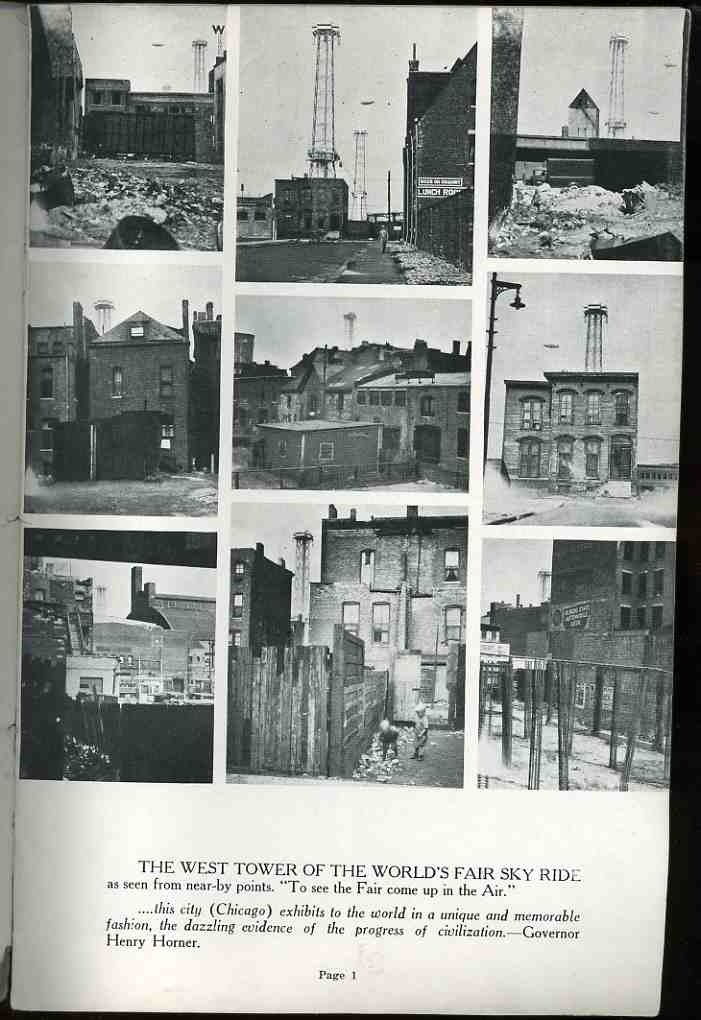
    000-ebay--Nov 4--chic 2986
    Perhaps the strongest statement (outside of the
    photos of the children scrounging for food in dustbins and at the dump) is this series (below) showing views of the city of Chicago that were within site of the tower for the Century of Progress Sky Ride (“See the Fair / Come Up in the Air”).  The series make an elegant and strong and incontrovertible point, and that there was definitely something very wrong going on outside the walls of the celebration which had been scooped out of the city’s east side.  (The images remind me of series of photos of the US Capitol Building that appeared in the great classic of social and cultural recording of class division, Neglected Neighbors, which my friend Andy Moursund introduced me to many years ago in Georgetown.)

    The logo design for the event is terrific and I’m sure that everyone had seen it at least once in their lives, but out of the many hundreds of other pamphlets and display materials that I have here for the expo I’ve got to say that the overwhelming majority of them are luridly colored with a palette found outside nature.

    And anti-nature colors are somewhat schizoid-happy  colors, like MGM technicolor cartoons from 1949, which applies a massively ugly chromo-palette to the blight of the surrounding Depression problems.  Mr. Duncan was determined that this not happen, at least so far as he could help it, and published these arresting images to remind the rest of Chicago that the vividly colored happy face placed over the city like a stamp for the Century of Progress was not the case in fact. 

    There are another few images in the “continued reading” section.

    Note:  click on the photos for a larger, more detail view.


    ·Posted by :

    ·in:

    —

  • The Power of Humble Newsstands, 1938-1943

    JF Ptak Science Books   Quick Post 

    Follow Me on Pinterest

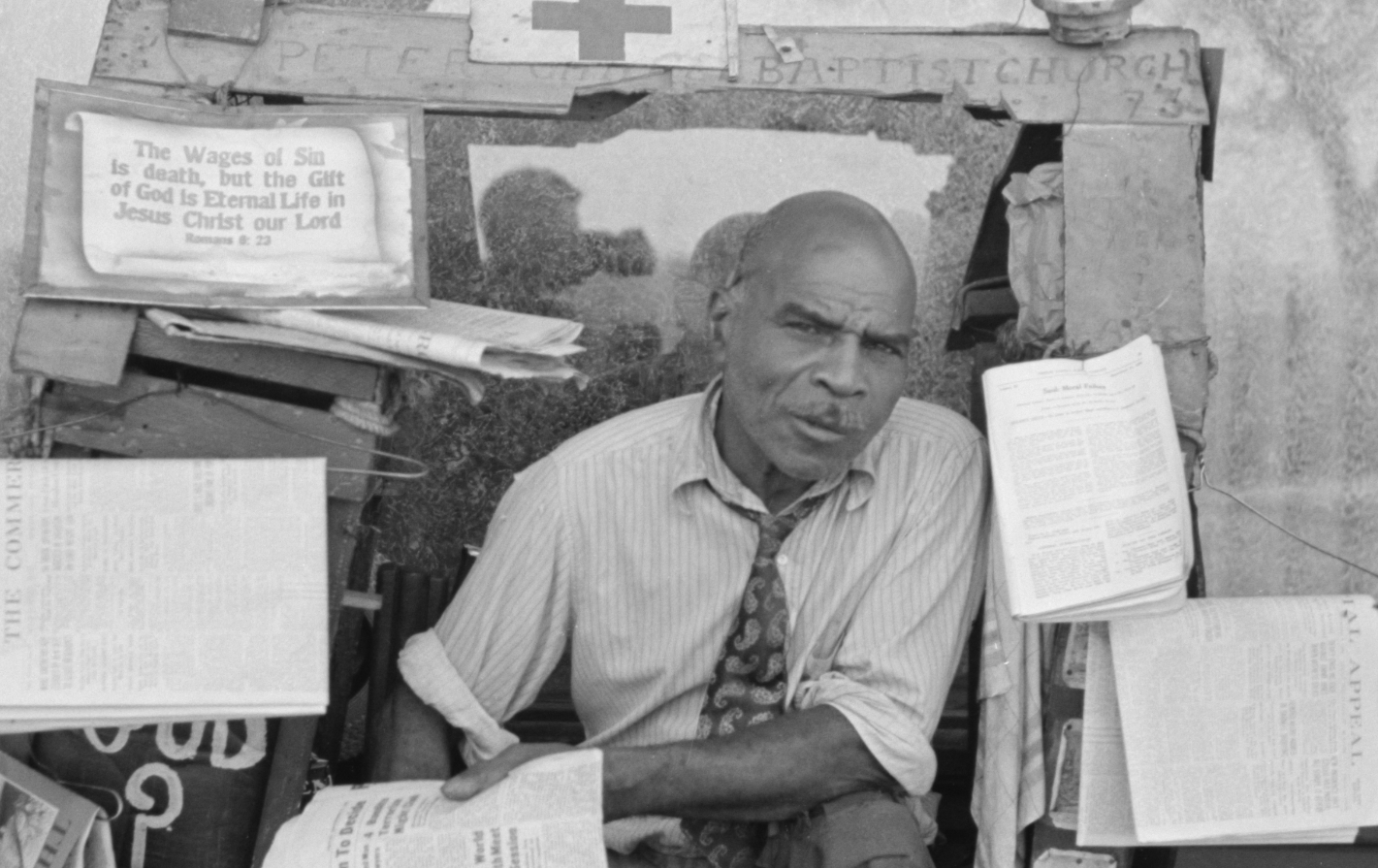
    In reading Paul Rabinowitz’s American Pulp, How Paperbacks Brought Modernism to Main Street (Princeton, 2014) I found several good images of newsstands that form a subcategory at the Library of Congress Prints and Photographs Division’s collection of Depression-era masterworks in the Farms Security Administration (FSA) effort.  I checked out the LC’s FSA holdings online (fantastic) and found some other wonderful examples of exceptional and modest newsstands. 

    This first, by John Vachon, is particularly powerful:

    Newsstand--LC--Russell Lee detail[Detail]

    There are some other posts on this blog concerning the FSA, including:

    ·Posted by :

    ·in:


  • Tired, Wounded, and Underground (1917)

    JF Ptak Science Books   Quick Post

    See the WWI Photography section for more images and for an explanation of the source of the photographs.

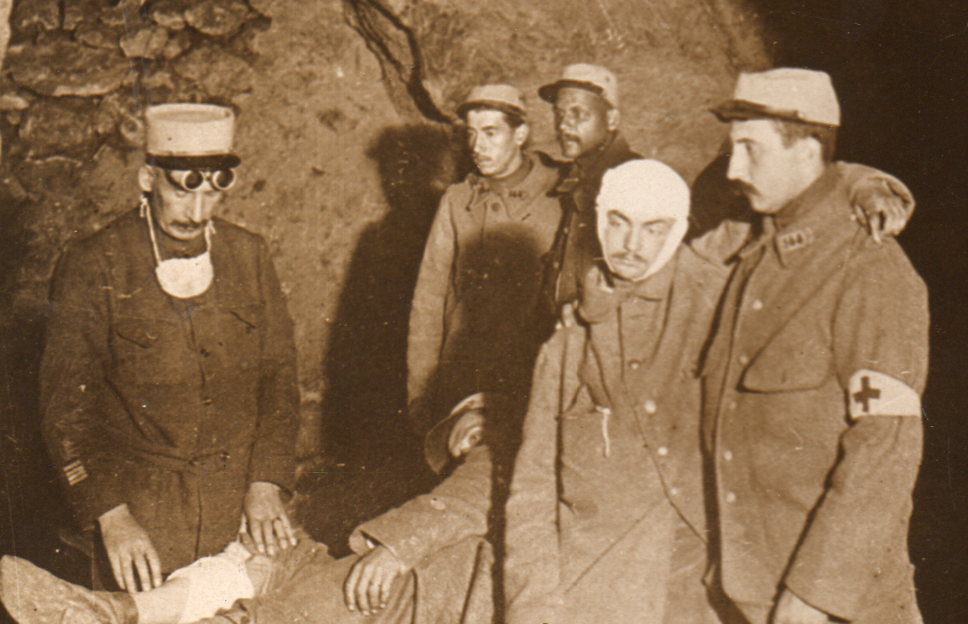
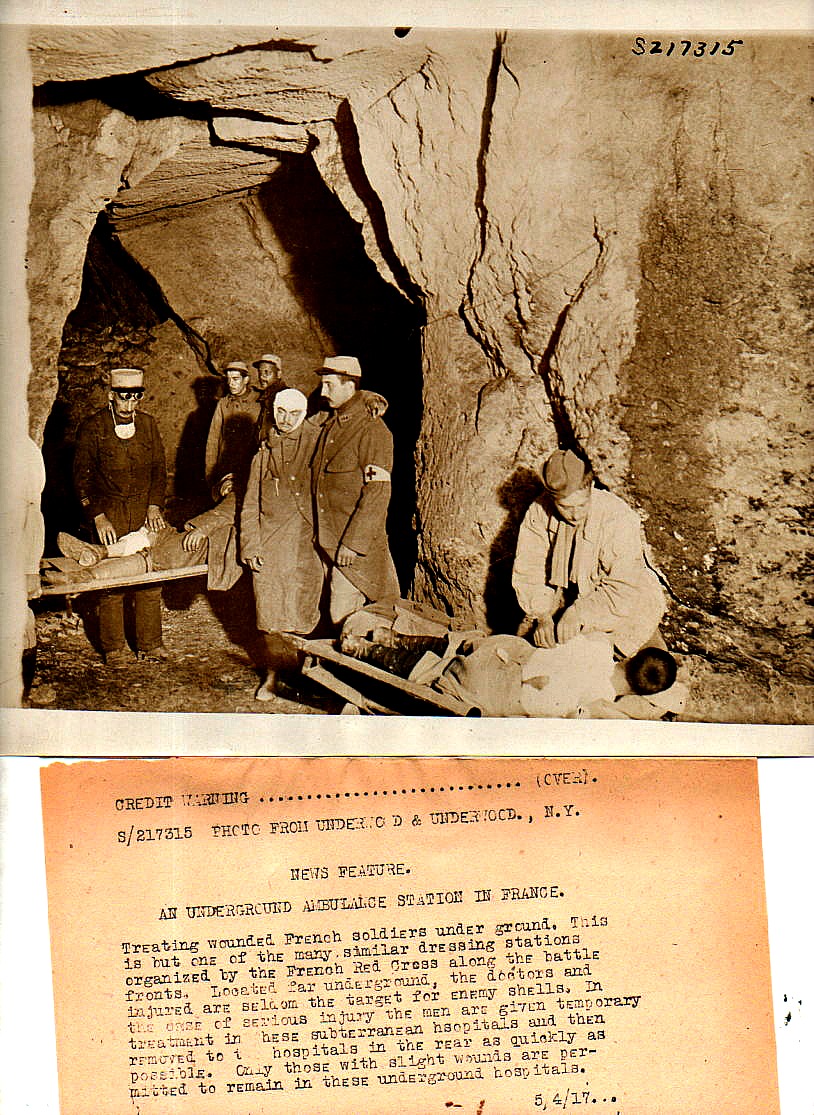
    This is a photograph of an aid station somewhere along the Western Front, 1917. Given the amount of digging going on throughout the course of the war, with the construction of hundreds of thousands of miles of trenches, and then the sapper war to tunnel underneath the tunnels and so on, it is quite possible that this underground shelter was dug out by hand. This is also an insight to the duration of some of those battles–to construct such a station impervious to possibly semi-continuous bombardment meant that the lines of battle were static, with many of the major engagements of hundreds of thousands of soldiers lasting for months, and in some cases, years. 

    The expressions here are difficult, and difficult to actually recognize as anything that isn’t exhaustion. There is a lot of “blankness” in the faces, a deep weariness.  

    WWI Photos--underground  hospital189

    This scene is a detail from the larger and full image (which is also for sale at the blog’s bookstore, here):

    WWI Photos--underground  hospital188

    ·Posted by :

    ·in:

    — —