A Daily History of Holes, Dots, Lines, Science, History, Math, Physics, Art, the Unintentional Absurd, Architecture, Maps, Data Visualization, Blank and Missing Things, and so on. |1.6 million words, 7500 images, 4.9 million hits| Press & appearances in The Times, Le Figaro, Mensa, The Economist, The Guardian, Discovery News, Slate, Le Monde, Sci American Blogs, Le Pont, and many other places… 5000+ total posts since 2008.

Category: Photography

  • The Leonardo Hands of Girl Convicts, Newcastle Prison, 1871.

    JF Ptak Science Books     Post 1538     [Original source photos from Retronaut.]

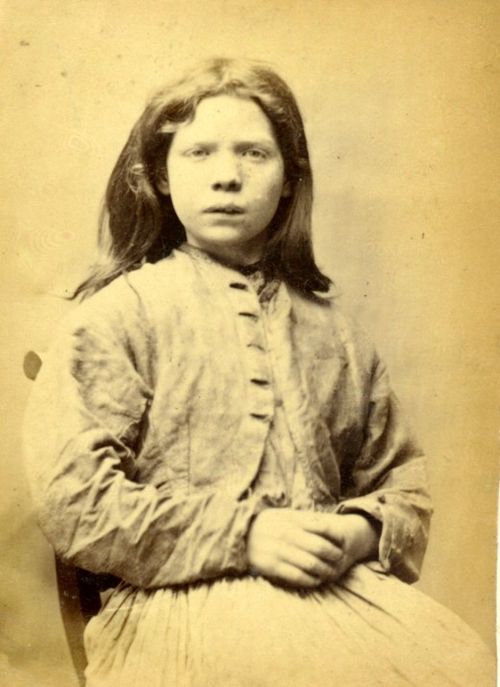
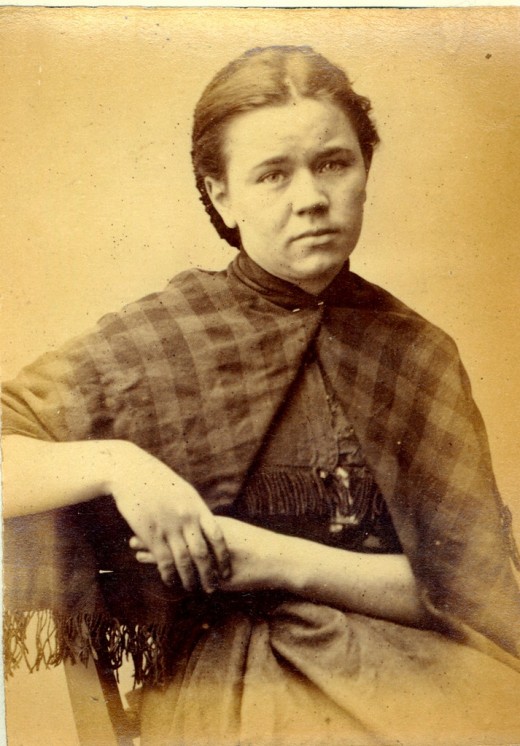
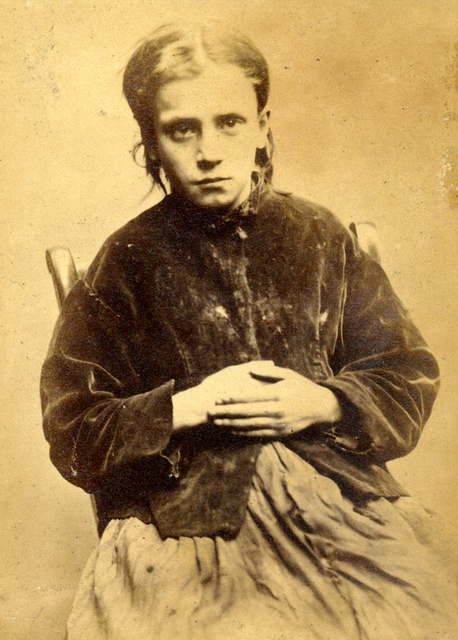
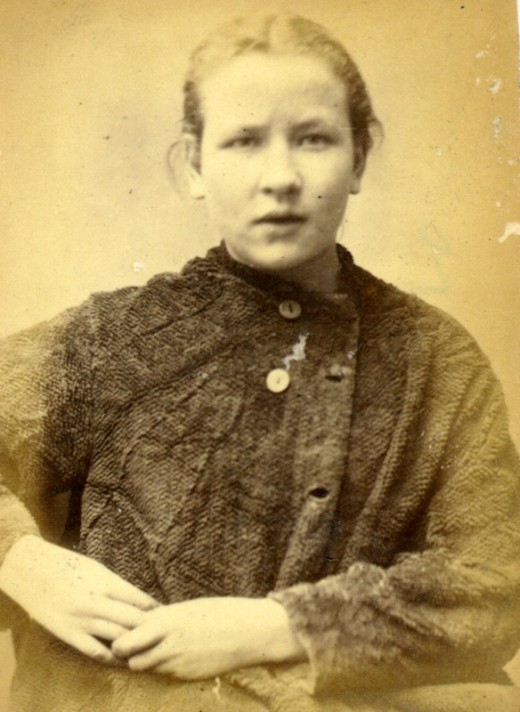
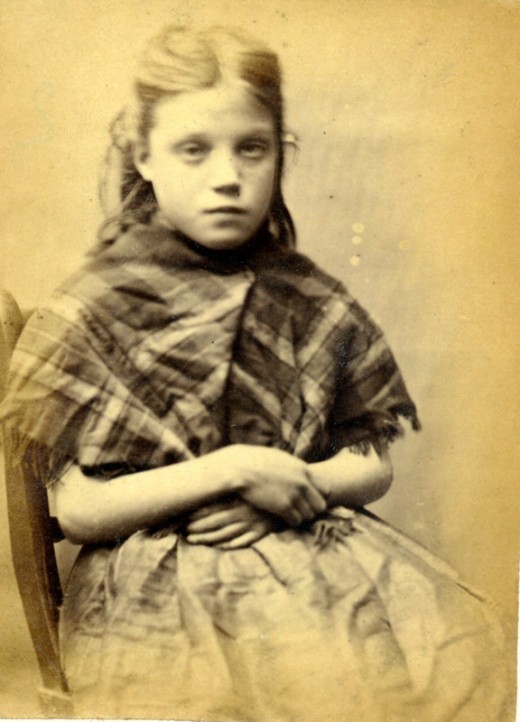
    Undoubtedly the Industrial Revolution passed many by in Newcastle upon Tyne, a metropolitan borough of Tyne and Wear, in North East England.  Its an ancient place, and at one time enjoyed a high Victorian economic mission for production and shipping.  And just as in any time, many were left behind by progress.  These are photographs–mug shots–of children arrested and convicted of petty crimes, sent packing to Newcastle Prison, in 1871.   It seems to me that their hands could do little mischief, their crimes coming I suspect from hunger or need.  

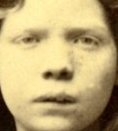
    The hands of Mary Catherine Docherty, serving seven days hard labor for the theft of  iron.  Age:  14.
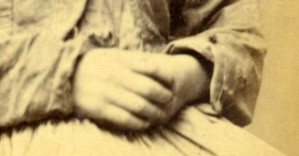
    Newcastle--Mary-Catherine-Docherty-14- detail

    Newcastle--Mary-Catherine-Docherty-14-

    Newcastle--Mary-Catherine-Docherty-14- face

    These hands belonged to Ann Burns, serving 1 month,  convicted of stealing a waistcoat. Age:  18.
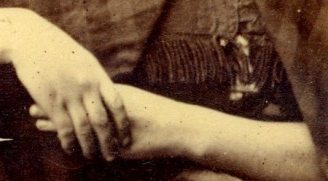
    Convict--Ann-Burns-18-convicted-of-stealing-a-waistcoat-sentenced-to-1-month-520x746

    Newcastle--ann burns full
    The hands of Jane Farrell, serving ten days hard labor for the theft of two boots.  Age:  12.
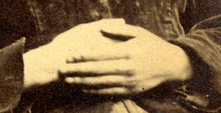
    Newcastle Jane-Farrelll hands

    Newcastle Jane-Farrelll
    The hands of Catherine Kelly, sentenced to three months in prison for the theft of bed linens.  Age:  17.
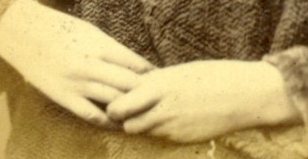
    Newcastle Catherine-Kelly hands
      Newcastle Catherine-Kelly
    The hands of Ellen Woodman, sentenced to seven days of hard labor for stealing iron.  Age:  11
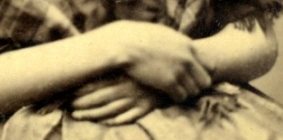
    Newcastle  Ellen-Woodman hnads
    Newcastle  Ellen-Woodman

    Alice Mullholland, sentenced to three months in Newcastle prison for the theft of boots.  Age:  18.

    I suspect that these girls were told to hold their hands together to steady their body for the long exposure by the camera–or perhaps they were just told to hold onto anything, like the chair, or their clothing, or whatever.  These girls chose to hold their own hands, each one of them a Mona Lisa.  The emotions of these young people seem staggering to me, their bodies communicating the realization of the very hard and impossible end to minor crimes committed as a function of desperation.  
    ·Posted by :

    ·in:


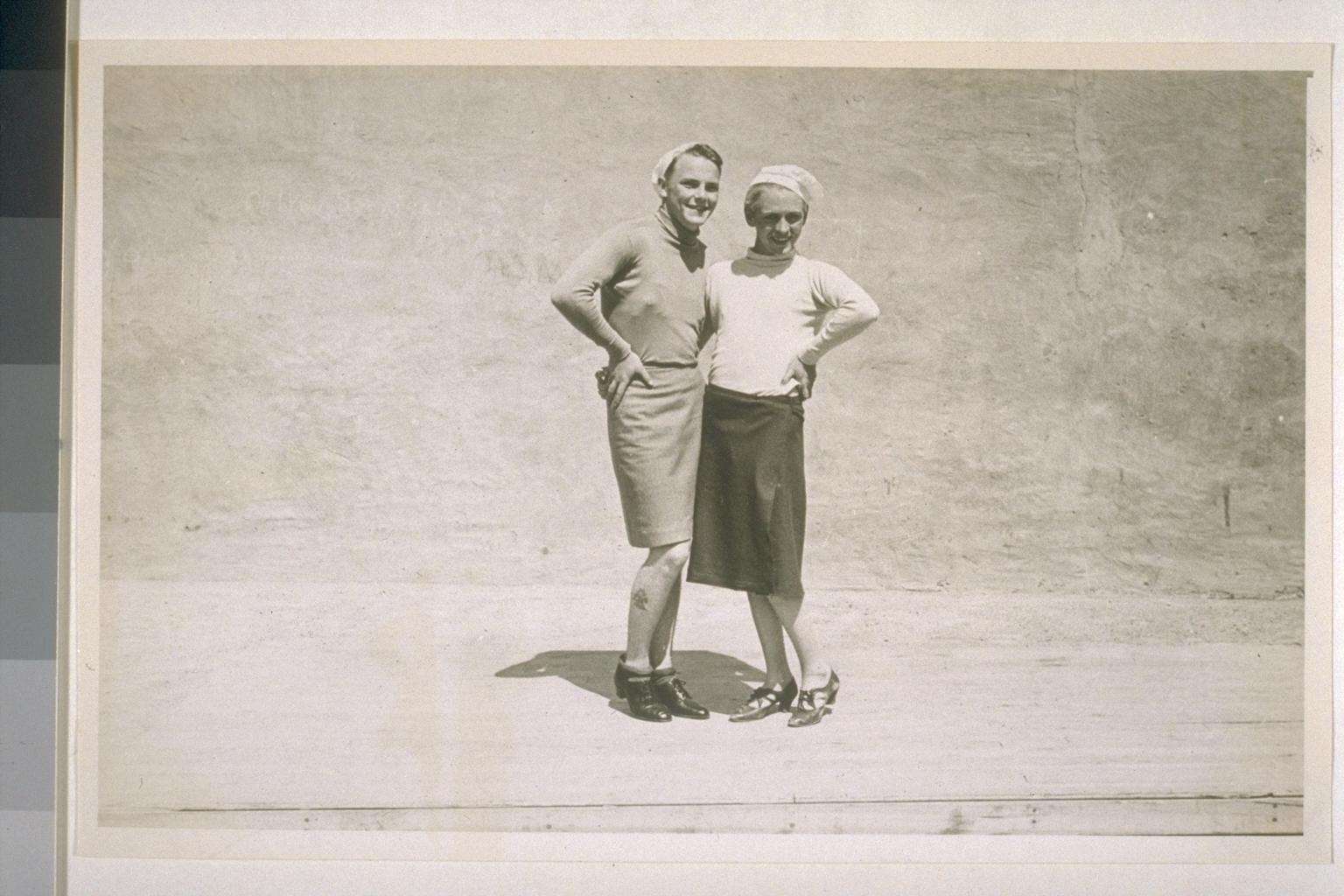
  • San Quentin Prison, Female Impersonators, 1920’s

    JF Ptak Science Books   Quick Post

    Another series sculpted out of the collection of San Quentin Prison photographs at the Bancroft Library, University of California, Berkeley–all are ca, 1925-1935.


    San quentin female impersonators

    ·Posted by :

    ·in:


  • San Quentin Prison Photographs: Baseball, 1920’s

    JF Ptak Science Books   Quick Post

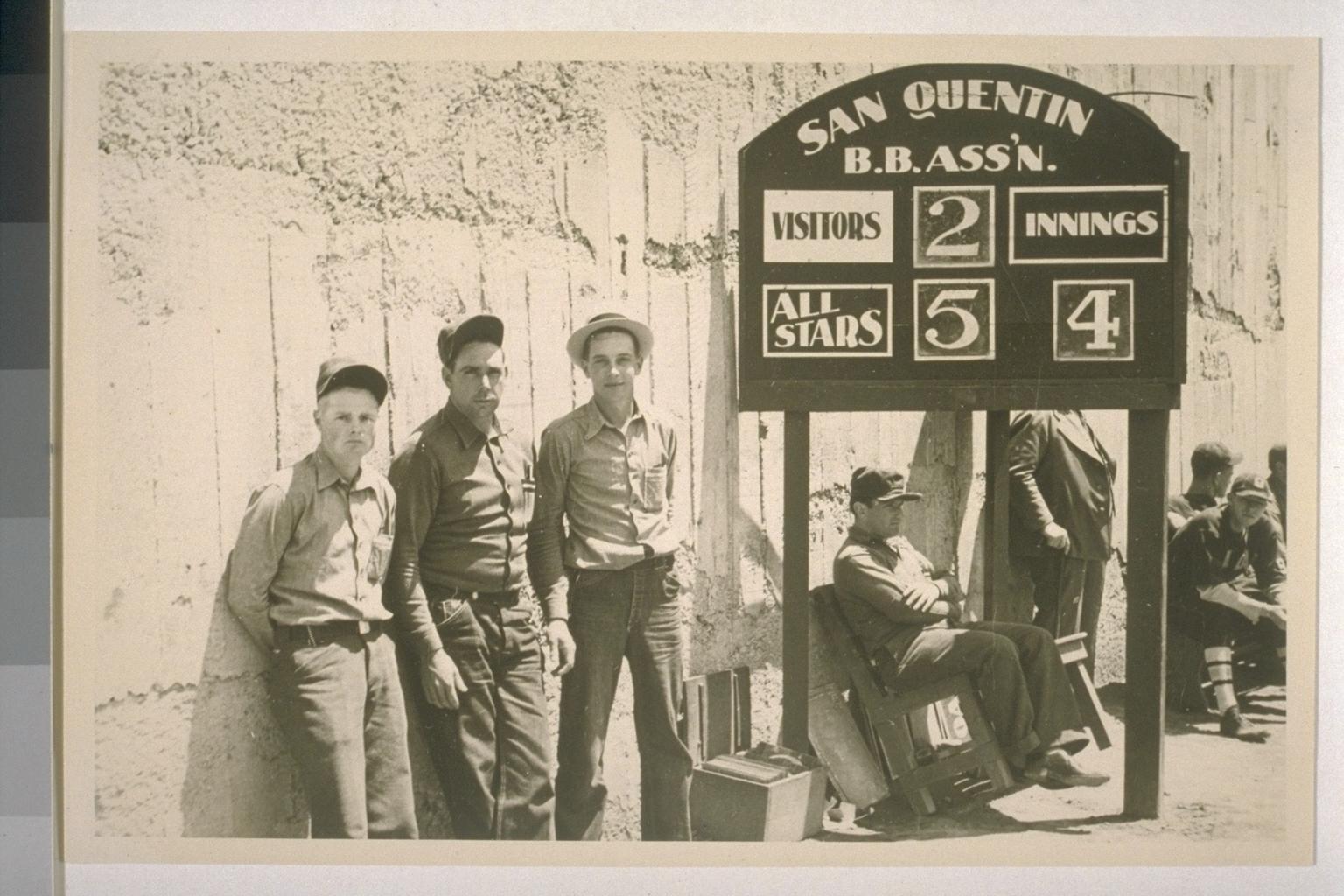
    From the collections of University of California, Berkeley, the Bancroft Library:  “Views of San Quentin Prison and Events, ca. 1925-1935”.

    All images are expandable.

    http://sunsite.berkeley.edu/FindingAids/dynaweb/calher/sanquentin/figures/I0016102A.jpg

    ·Posted by :

    ·in:


  • “China, Glass, Auction & Negro Sales”: Photography of the Sherman Atlanta Campaign, 1864.

    JF Ptak Science Books     Post 1535

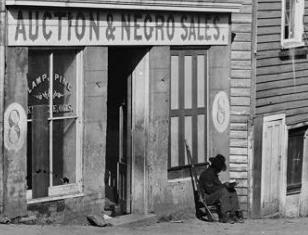
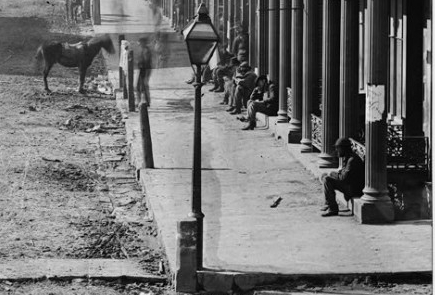
    Atlanta, Georgia.  Whitehall Street:  ” China, Glass, Auction & Negro Sales.” 1864. Photo by George N. Gardner.

    The first name people associate with photography and the American Civil War is Matthew Brady.  Brady did of course come up with the idea for photographically documenting the conflict and made images of his own, but the truth of the matter is that he had a lot of help making his record–other great names from the early period of American photography were employed by him, sent out into the field to record what they saw.  Alexander Gardner, Timothy Sullivan, James Gardner, William Pywell and eighteen others recorded the great events in addition to Brady, though for the most part it was Brady’s name on the finished work.

    One of these men was George Gardner (1819-1902), who at one point owned his own studio in Oswego, New York in 1847, working for himself until he joined the Brady force in 1861.  He left Brady in 1863, but he didn’t leave the war, becoming an official photographer for the United States Army, Chief Engineer’s Office and joining General William T. Sherman and the  Military Department of the Mississippi in 1864, at which point he documented Sherman’s Atlanta Campaign.  (One of the results of this effort was his 61-photograph work, Photographic Views of Sherman’s Campaign (1), published in a sumptuous leather bind in 1866, a big, heavy work with original albumen photographs.)  The images below, however, were not published in this work–all 61 images can be view here, at the collections of the Hargrett Library at the University of Georgia.

    Detail of the first image, above–the three other businesses that I can identify are tobacconists of one form or another.  It looks like a Union private is sitting quietly (reading?)  in front of the auction house, his rifle leaning against the wall.  There were a lot of people going into this place, if grime on the doorway is a testament to a legacy of busy-ness. 

    I wonder if you were coming here as a slave, without the ability to read or distinguish any sort of written character, I wonder what you would think of those two enormous “8” characters painted on the side of the building.  That symbol is an old one for infinity, continuing–I wonder how many cultures would have used that line as its own?

    Barnard negro sales detail

    Atlanta, Georgia, 1864.

    The only reason that the private in the photograph above is captured so clearly is that he was probably reading, which means he was sitting still for the minute or so that it would take to make the exposure.  That’s what gives this image above its qualities of clarity and ghostliness–there are as many suggestions of people as there are imaged folks in this photo.  What we see plainly are the men sitting on the business stoops–look more closely and you’ll see many more moving along the sidewalk, the briefest bits of them being captured by the long exposure. (There is just a hint of someone leaning against the gas light fixture in the foreground.)

    Barnard atlanta street ghosts--detail

    Nashville, Tennessee.  1864


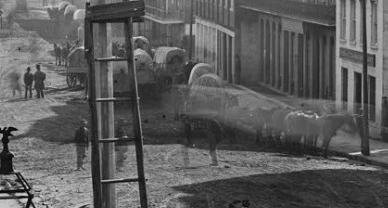
    Atlanta, Georgia.  View on Marietta Street, 1864.

     Detail:

    Barnard atlanta ladder detail

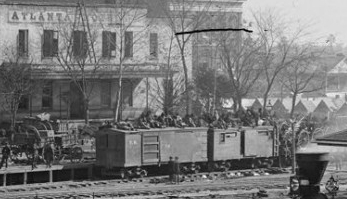
    Atlanta, Georgia.  1864. “Soldiers on boxcars at the depot.”  There was no date that I could find offhand on this image, so I don’t know if the soldiers were coming, or going, or already there and just trying to catch a breeze on top of the cars. It had to be after the end of the campaign, after Atlanta’s mayor James Calhoun surrendered the city following  the entry of Henry Slocum’s XX Corps on 2 September 1864, and sufficiently after that for the men to climb on top of the boxcar and not get fried by a scorching Georgia late summer sun.  They certainly weren’t busy pulling up the rails like they did in so many other locations in the city and vicinity, ensuring a de-mobilization of what had to this point been a primary center for Confederate munitions supply and manufacture. 

     Detail:

    Barnard atlanta boxcars detail
     

    Notes:

    1.  The full title of the book is Photographic Views of Sherman’s Campaign, Embracing Scenes of the Occupation of Nashville, the Great Battles around Chattanooga and Lookout Mountain, the Campaign of Atlanta, March to the Sea, and the Great Raid through the Carolinas.


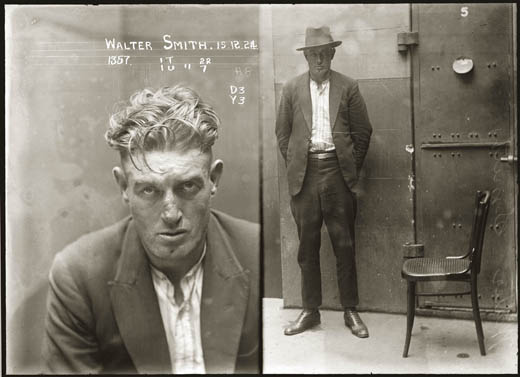
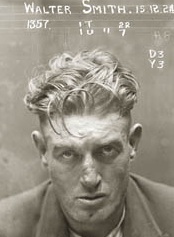
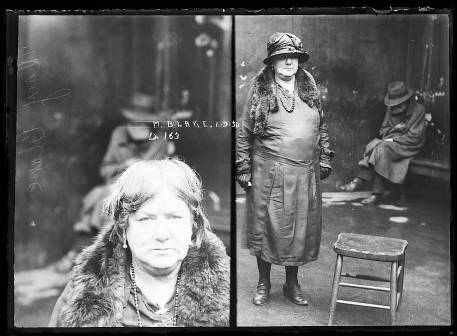
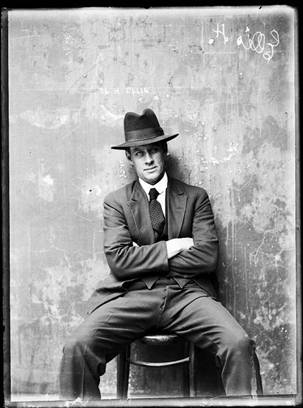
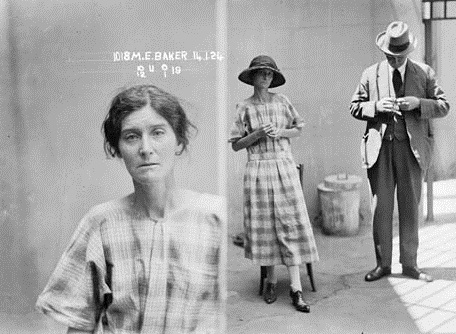
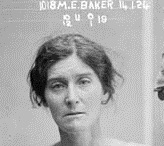
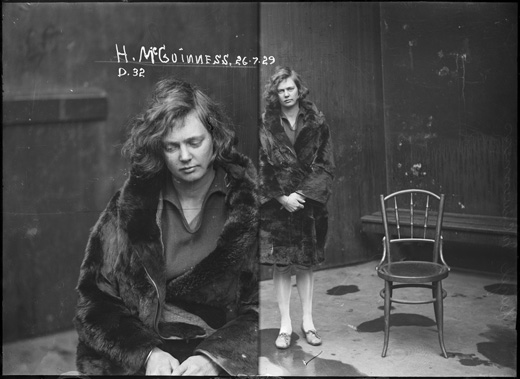
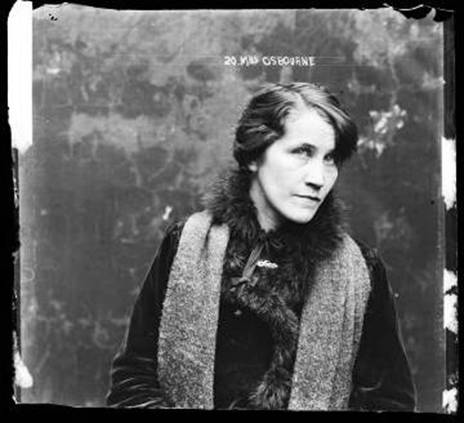
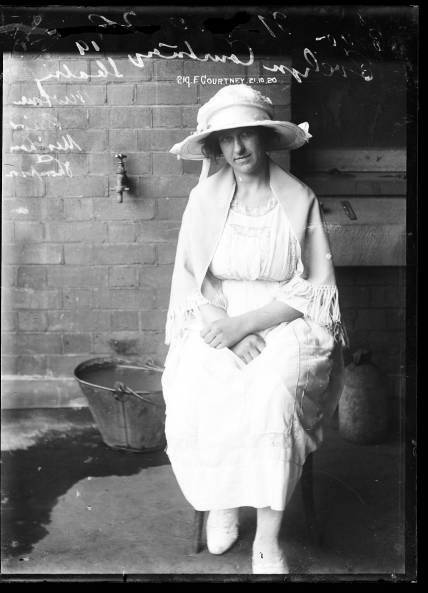
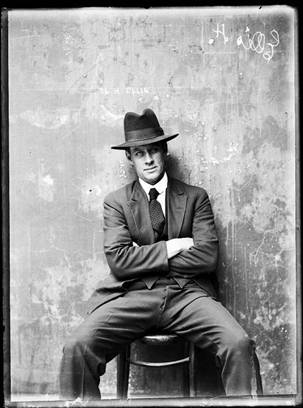
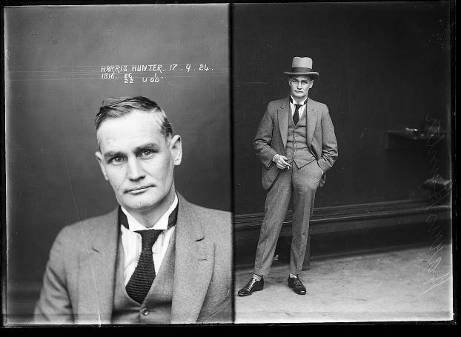
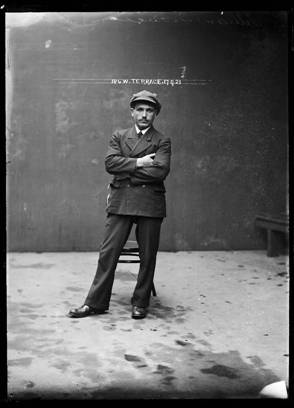
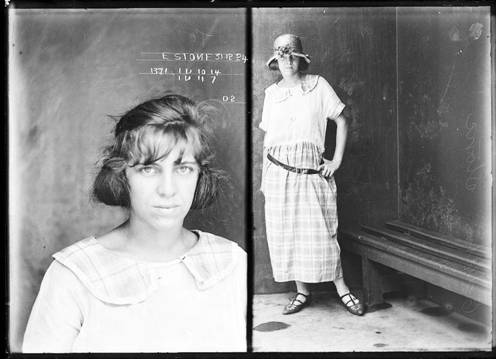
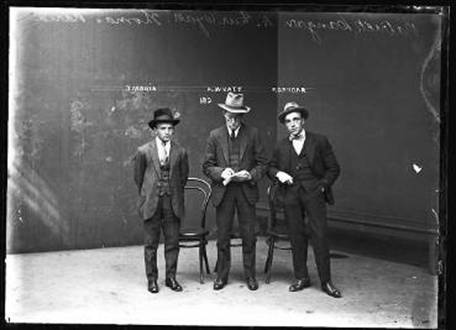
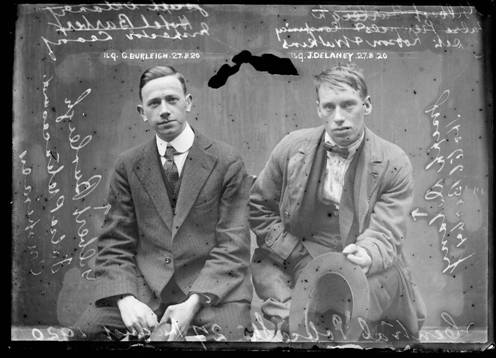
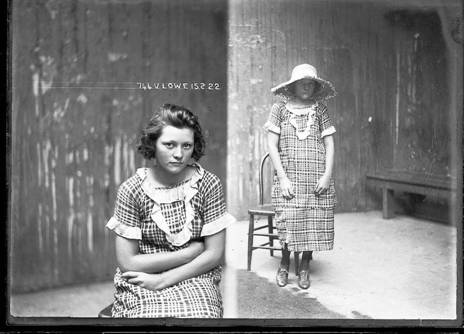
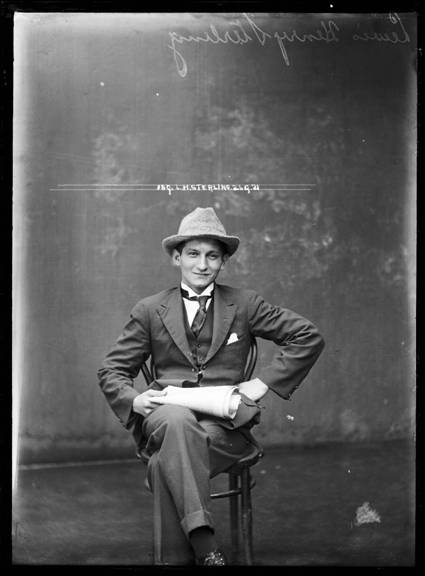
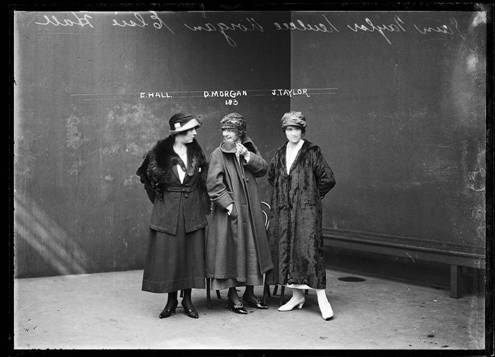
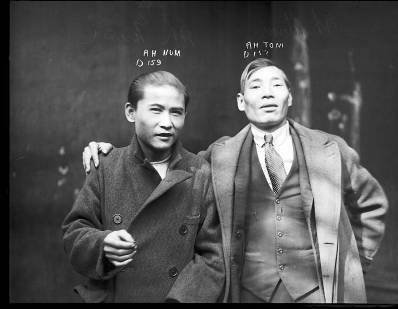
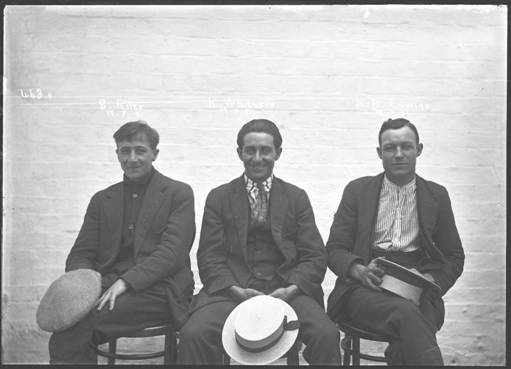
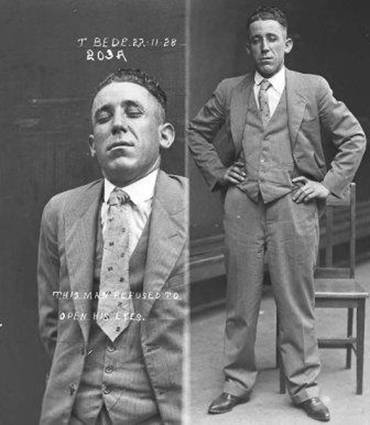
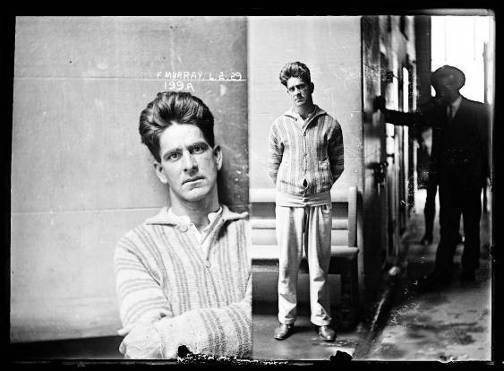
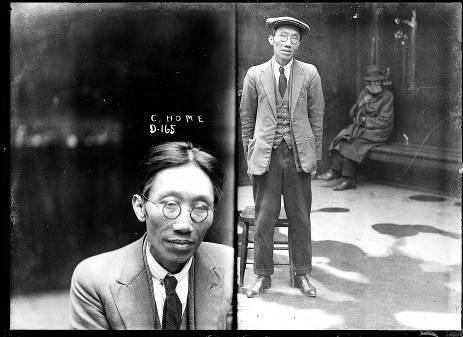
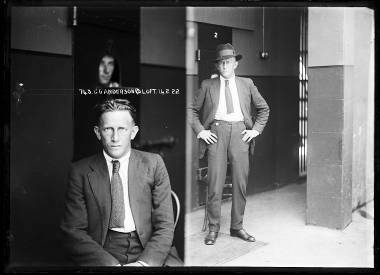
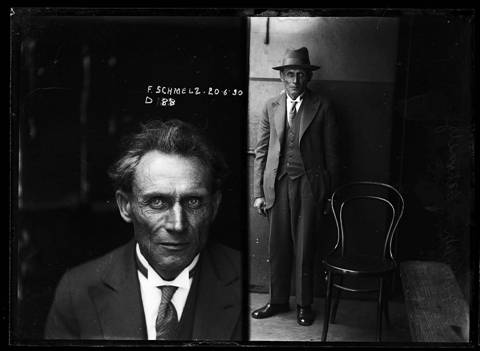
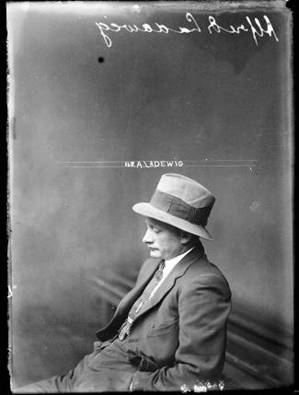
  • Picturing Naive-Disturbia: the Spectacular Loneliness of Australian Mug Shots

    JF Ptak Science Books   Quick Post

    For a thorough discussion of the series see the excellent article “Public eye, private eye: Sydney police mug shots, 1912-1930”, by Peter Doyle, in  Scan Journal (vol 2 number 3 December 2005)

      Australian mug shots

     Australian mug shots 1

    23

    11

    Aussie mug shot 2

     
    Aussie mug shot 2b

    Early-sydney-mug-shots-4

    4

     6

      Early-sydney-mug-shots-21

    10

    12

    13

    14


    Then there are photos like this, below, where the annotations become part of the art of the image:


    15


    16


    17


    18


    19


    20


    21


    22


    Early-sydney-mug-shots-11


    24

    .

    25


    26


    27


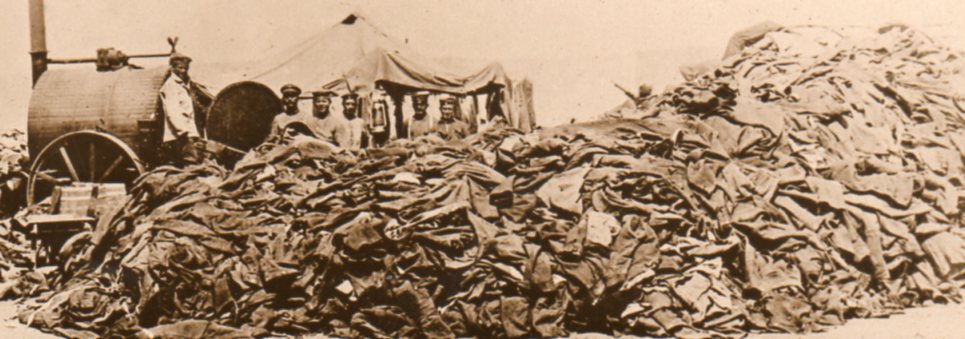
  • Tree Rings of Soldiers’ Uniforms, 1918

    JF Ptak Science Books   Quick Post

    WWI german uniforms500

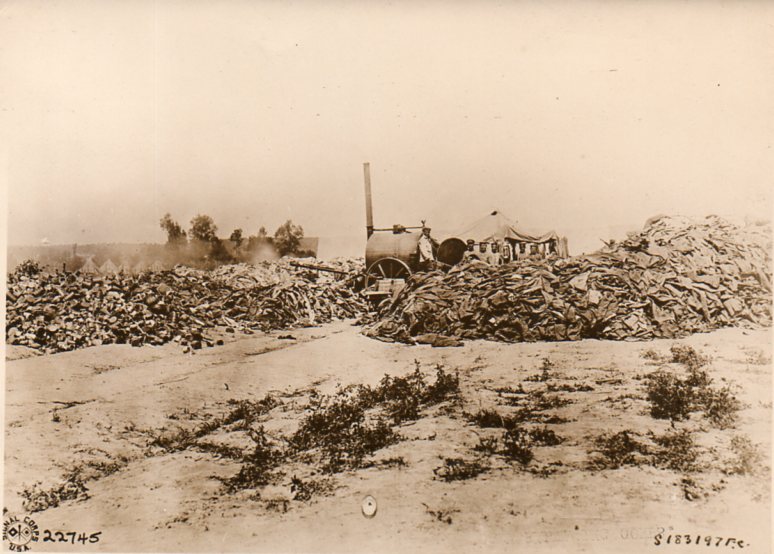
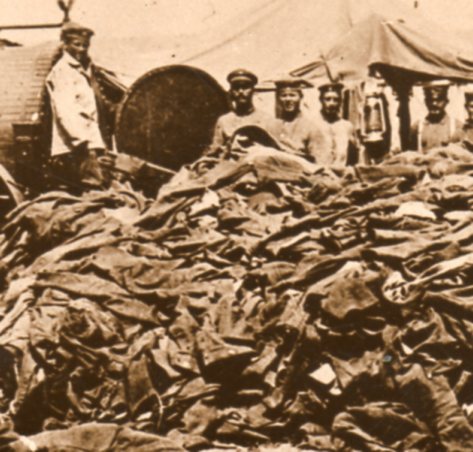
    Aside from the strong impact that this 1918 image [the original available at our blog bookstore, here] makes, the enormous mounds of clothing of captured German solders that were routinely handled as part of their processing, it struck a deeper chord to an older image still (that we’ll see below).  The photograph seems threatening to me, even though the action taking place in it wasn’t, it was mundane–the men, who I believe are German POW’s, are processing the clothing for disinfection and cleaning.  But the size of the mound reminds us of the magnitude of the numbers of the dozens of millions who were killed during WWI, as well as the millions who were taken prisoner.  What remains to be said about this image is how often that pile of clothing was replaced:  is it a monthly, or weekly, or daily pile?  My guess is that it was more daily than anything else, if for no other reason than there is an enormous oil lamp in the background of the photo, suggesting that the process went on all day and into the night.  My initial reaction is that this pile was replicated often during any given month….

    WWI german uniforms499
     
    WWI german uniforms498

    And the image it reminds me of are those made of the enormous mounds of buffalo hides, piles readied for shipment away from the Plains by rail. 

    Buffalo-Hides-lg

    I am in no way suggesting that the prisoner were skinned like the buffalo, not in any way.  But they do bear a resemblance in the way that thousands of men or buffalo could be represented in such a compact space, flattened husks of the living thing, gross representations of big numbers. 


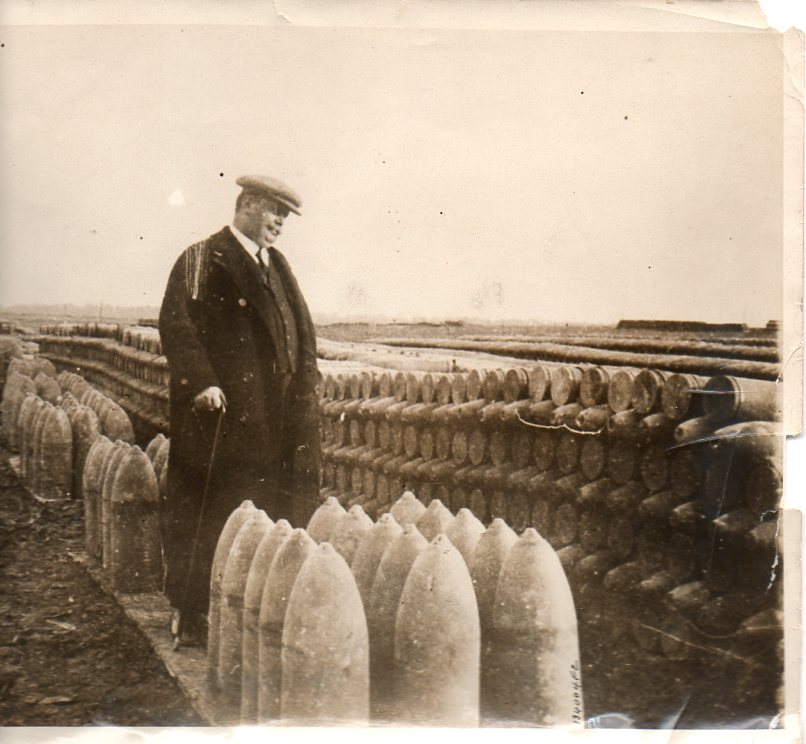
  • A Field of Artillery Shells–a Miniscule Sample of the 40,000,000 Shells Fired at Verdun, 1916

    JF Ptak Science Books  Post 1388 (out of order!)

    I just finished posting this from yesterday on a sea of shells and what those explosives meant in terms of overall destructive firepower for WWI.  This explosives image is a little easier, in a way, just showing hints of the vastness of what might be an acre of large ammunition.  

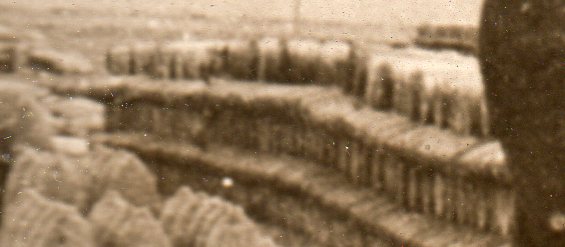
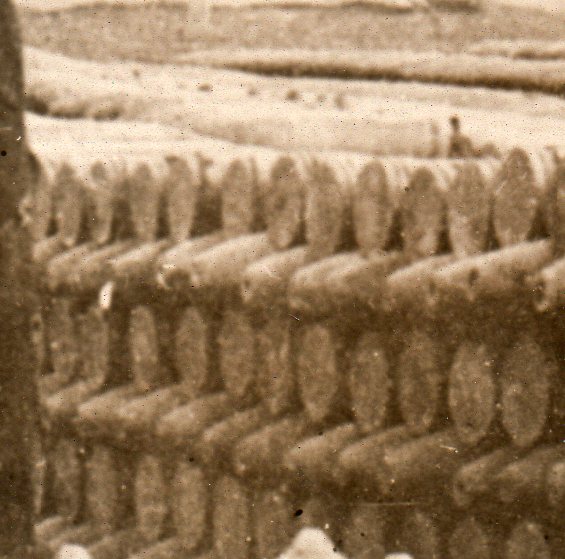
    This photo (dated 15 April 1916 by the news photo service of Underwood and Underwood) shows a French senator–H. Charles Humbert–viewing “a field literally covered with shells”,  the photo really only giving some glimpse of the extent of the palleted shells, which fade into the distance behind M. Humbert and extend deeply into the field in front of him.  (The original photo is available here at our blog bookstore.)

    WWI shells162

    M. Humbert (1866-1927) would’ve had more of an interest in this scene than most, as he represented the Meuse district, and at this point int he war the shells were headed to a part of that area, Verdun. Verdun of course was one of the major battles of WWI, fought from  21 February to 18 December 1916, in the hills and dales of north-eastern France, at Verdun-sur-Meuse. There were 306,000 battlefield deaths at Verdun, plus another 500,000 wounded, in what may have been one of the most gruesome battles of modern times. 

    Humbert was also an Army veteran and wrote on the military, and as it turns out, as the war approached he adopted a call to arms for more canons and more shells for the defense of France the inadequacy of the defenses of the French Army, and the insufficiency of officers and munitions  (“Des canons, des munitions!”).  He certainly would’ve been relieved with what he saw here.  Of course this is photo would represent a percentage well to the right of the decimal place of all those shells used at Verdun, which numbered an inconceivable 40 million.  When this photo was made in April the battle was already wicked and had been fought for two months–there were still eight months of gore to go. 

    WWI shells163
    WWI shells164

    ·Posted by :

    ·in:

    — —

  • Ephemeral Uniqueness in Large Crowds, 1917

    JF Ptak Science Books  Post 1390

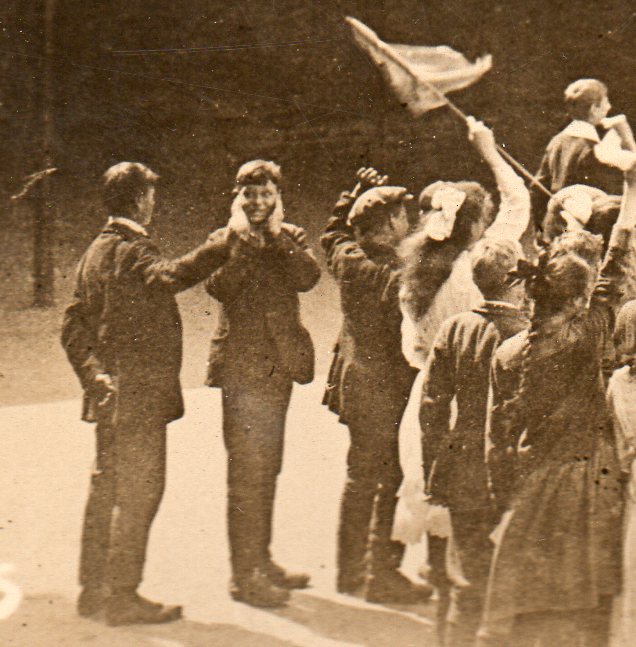
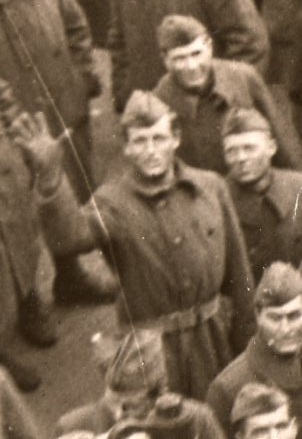
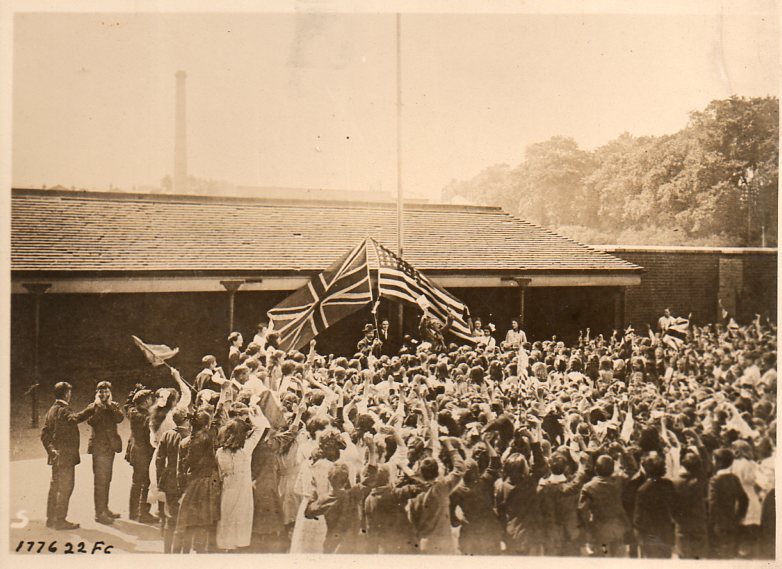
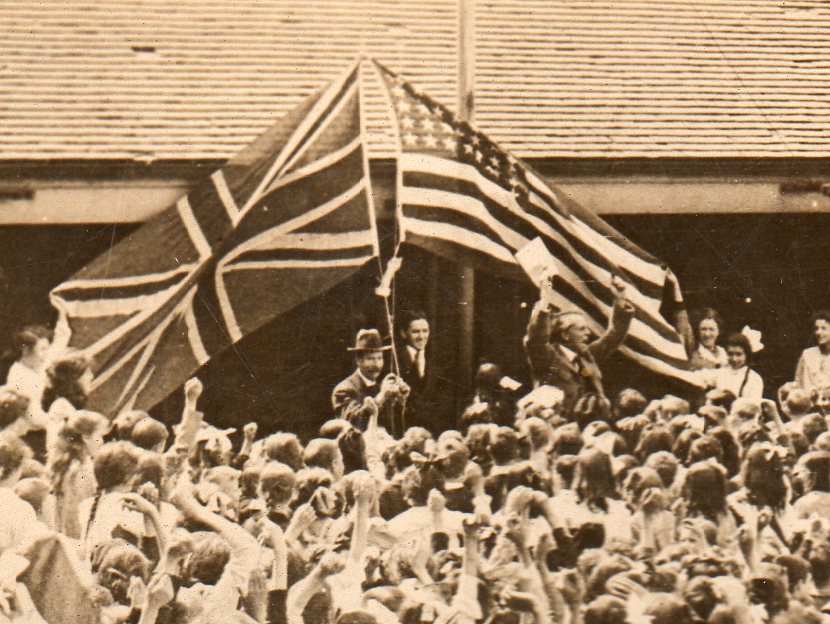
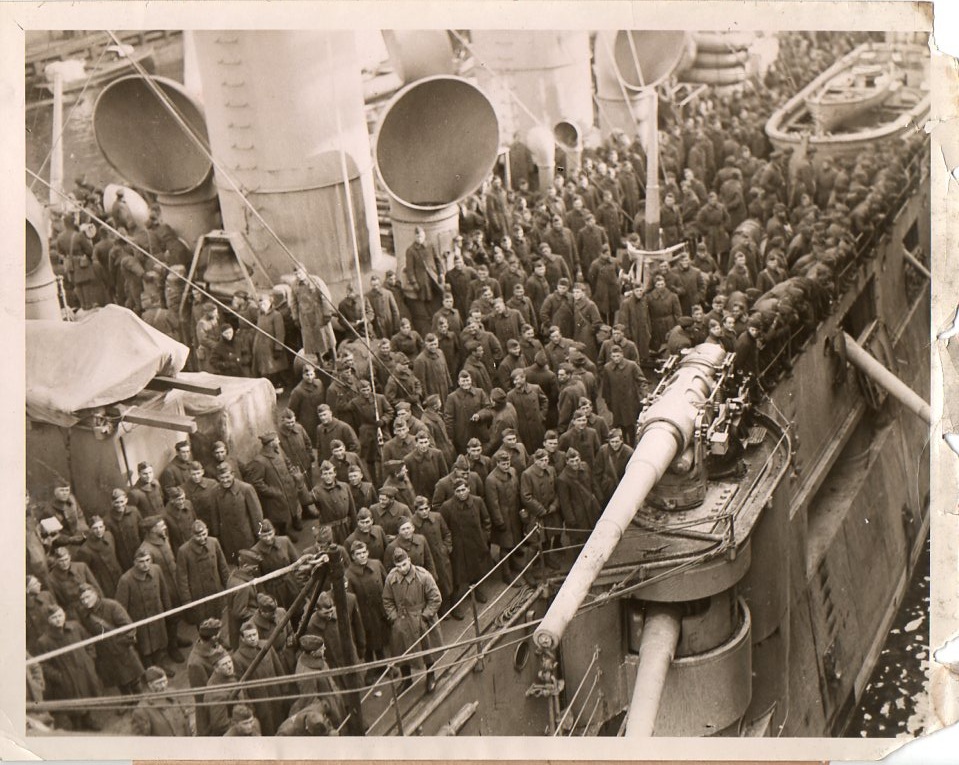
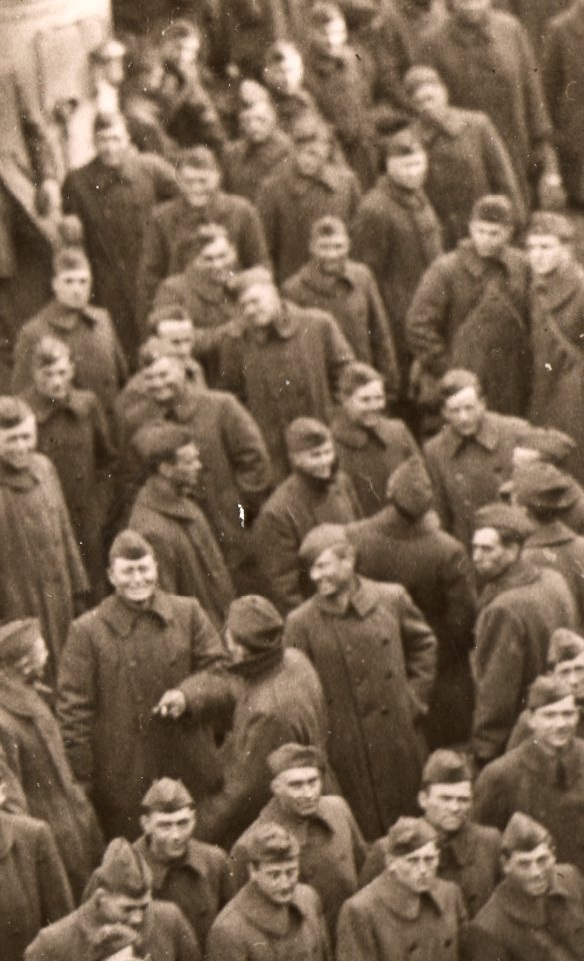
    There are 1500 or so of these news service war photographs here, and one of the remarkable things that I’ve discovered about them–trivial things to be sure compared with their overall message, ephemeral bits of semi-nothing–is that in many of the very-large-group images that there is sometimes just a single person who is doing something that no one else is doing, and it has been captured almost forever in the photo.  There are photos of thousands of troops, all facing east, with on solitary soldier facing west; there’s the solitary waver; there’s the one bare-headed man in  a sea of a thousand men with hats; there’s the one person raising his hat to the photographer in a sea of people looking at the camera but not raising their arms.  Then of course there’s the group photo of a mass of German WWI POWs, with only one soldier without a hat or helmet, and he looks just like me. 

    Here are two other examples–the first is a detail from a photo showing British children cheering their American allies in 1917, showing one man clearly reacting to the hundreds of screams by covering his ears.  And is the only one doing so.  The second detail shows a large contingent of American soldiers leaving for Europe on a steamer–there is only one man  who turns to the camera and waves.

    Both original photographs are available from our blog bookstore, here.

    WWI troops ship171

    The second detail:

    WWI troops ship167
    The entire first image, showing the children cheering the raising of the two flags:

    WWI troops ship169

    And this:

    WWI troops ship170

    And the second, showing a group of hundreds of soldiers waiting to leave Hoboken, New Jersey, for the fight in Europe, 1917.  Most are pulling themselves inside their coats as much as possible; I suspect being right there on the harbor–and seeing the floating bits of ice in the water–that it was wet and very cold.  Our one adventurous Doughboy gives the camera a spread-fingered wave….he also seems to be quite tall.  He is the lone waver.  There also seem to be a lot of smiles in the crowd. 

      WWI troops ship166

    WWI troops ship168


  • German Military Medical Retreat, Coastal Poland, 1915

    JF Ptak Science Books  Quick Post

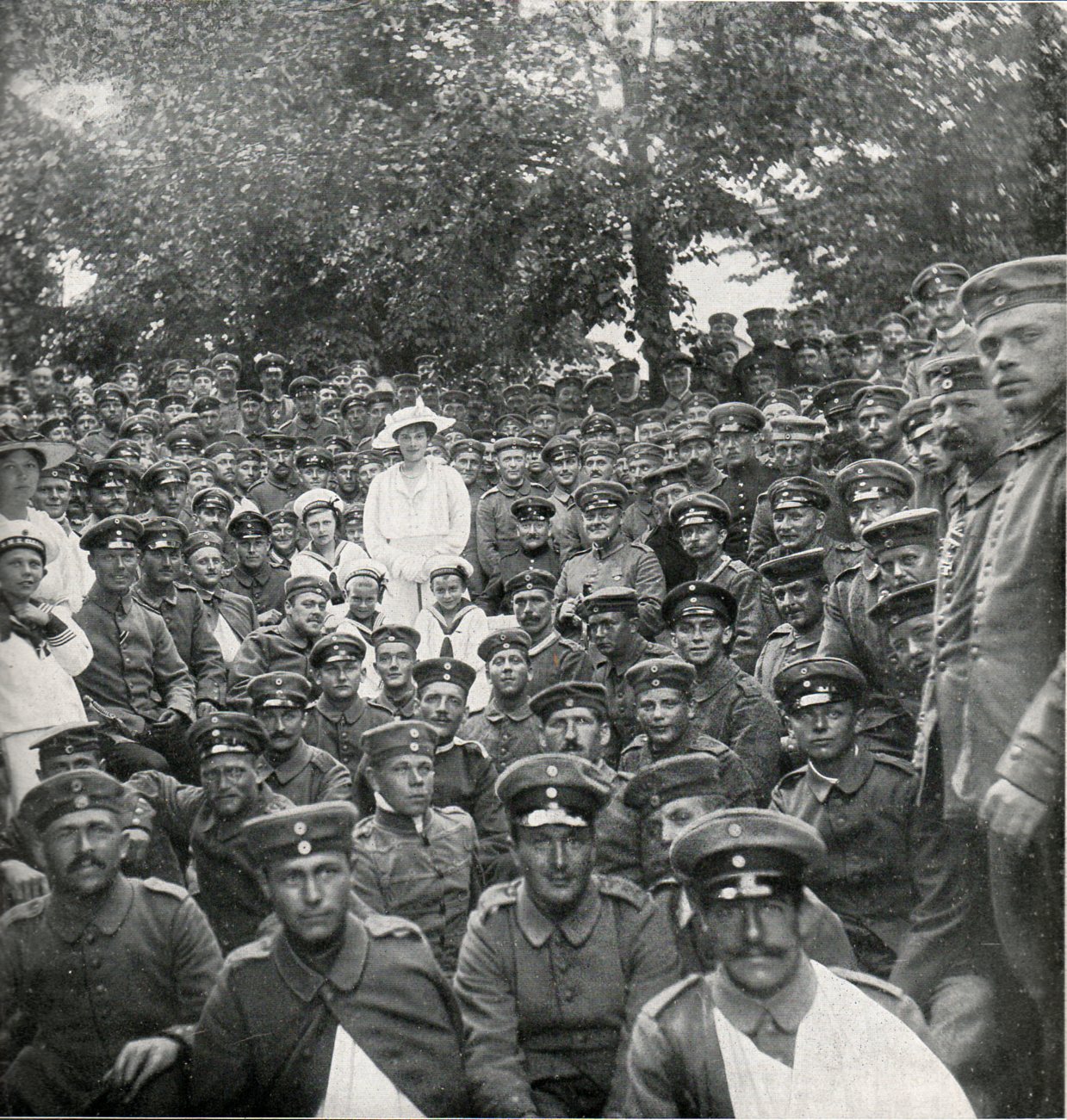
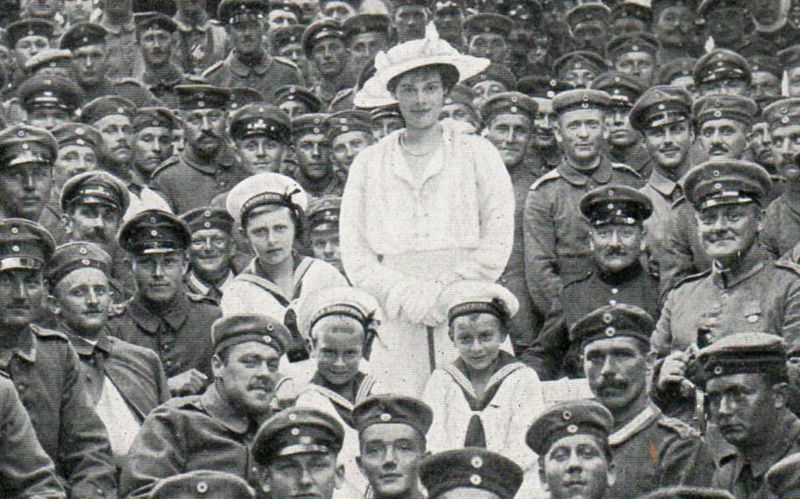
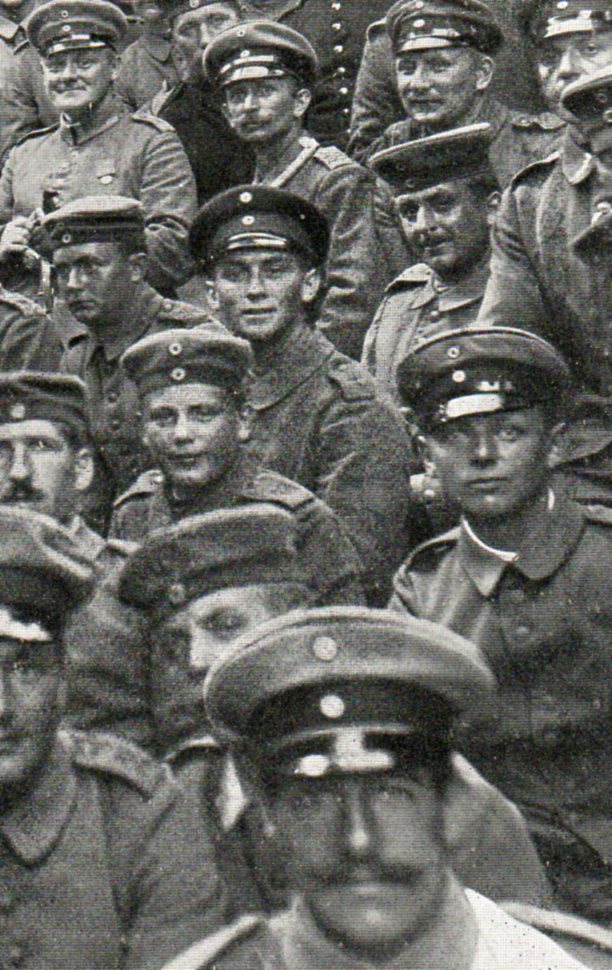
    This image, from the 22 Juli 1915 issue of the Illustrirte Zeitung (Leipzig) shows a collection of German soldiers that were treated at a medical aidstation.  The woman in white is the German crown princess, accompanied by her four navy-uniform-clad sons, are adrift in a sea of wounded and recovering soldiers who I guess were given leave from the war, celebrating their survival at the old spa and vacation spot Ostseebad, in Zoppot (Sopot, Poland).  (The issue may be purchased at our blog bookstore.)
    Wwi german red cross304

    And the detail:

    Wwi german red cross305

    And another:

    Wwi german red cross306

    ·Posted by :

    ·in:

    — —

  • A Million Miles of Barbed Wire? (1918)

    JF Ptak Science Books   Quick Post

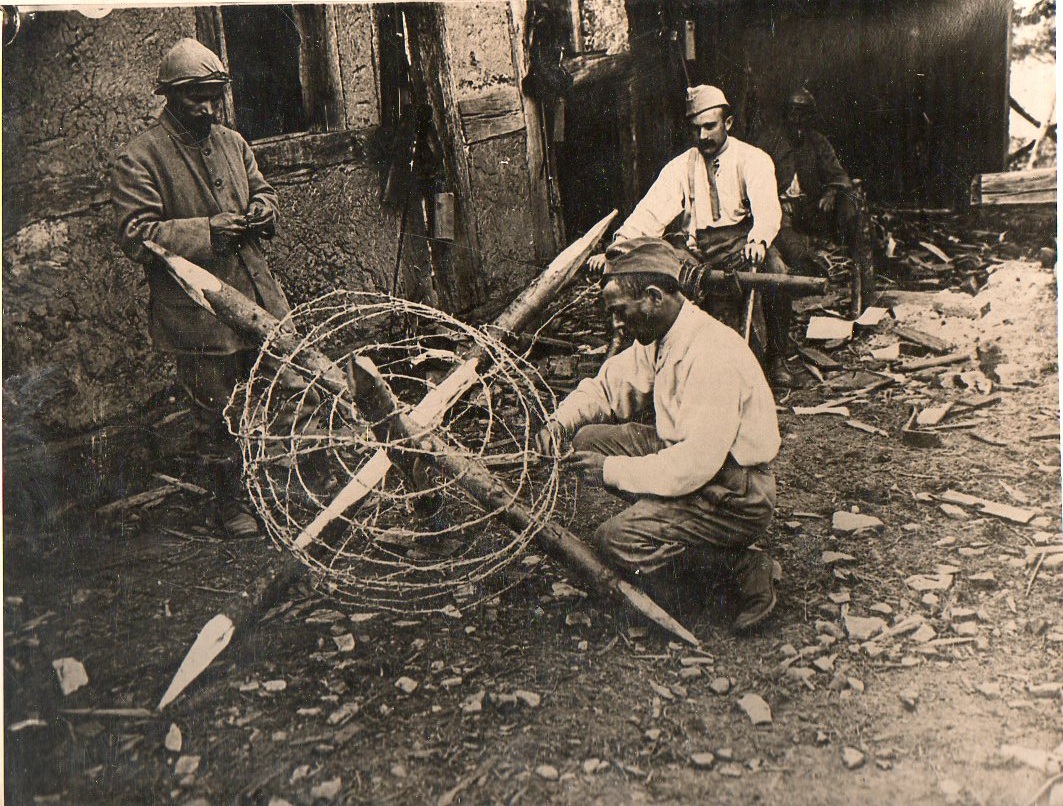
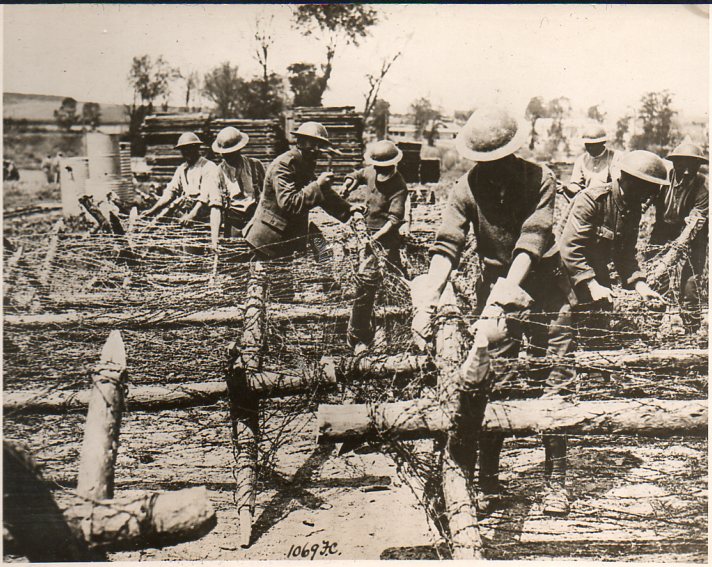
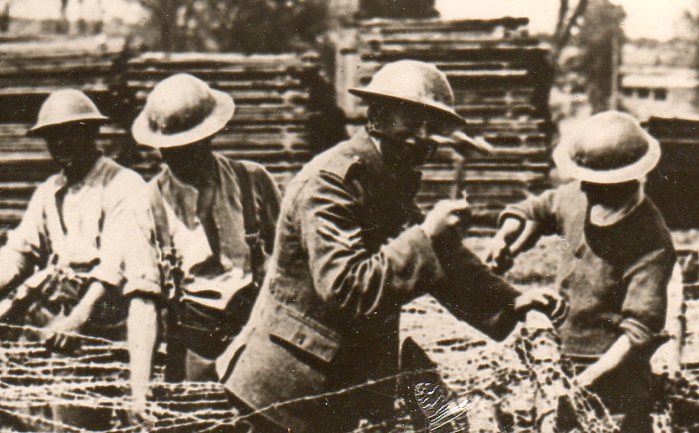
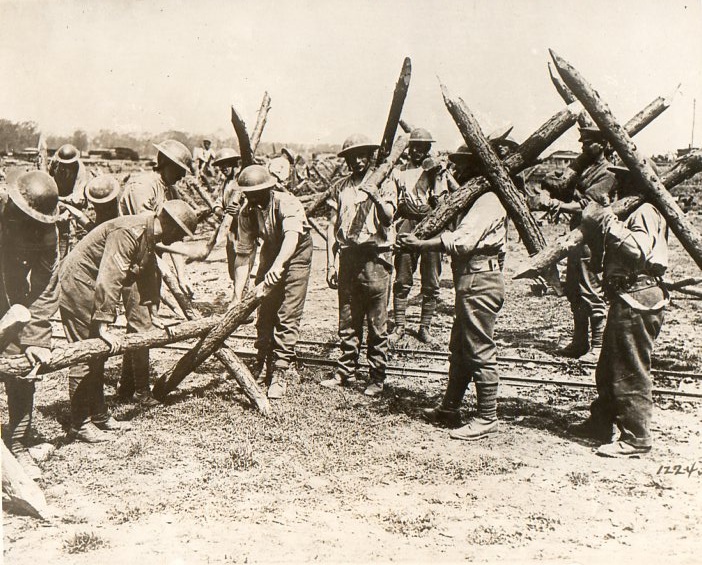
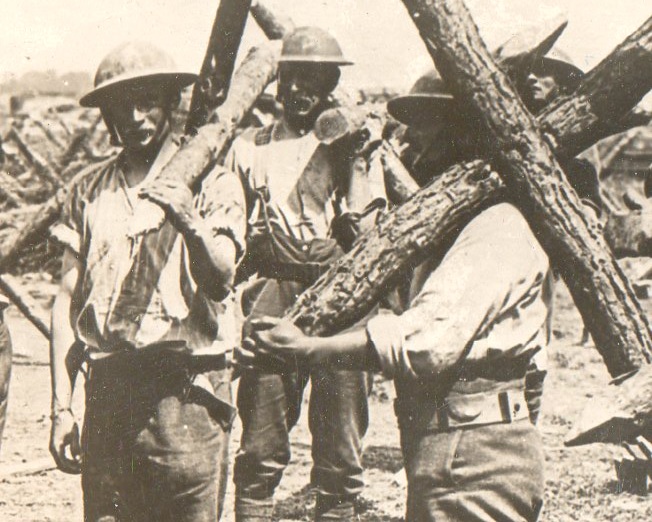
     The following photos were found in my small collection of World War I news photo service images, all of which were made in 1918.  They show the preparation of barbed wire entanglements–these were devilish things, made to grab a soldier and suck them in into a deeper hold when resisted, like a sort of sharp, metallic quicksand.  Since there were something like 12-25,000 miles of trenches dug during WWI, I think that it might be a safe bet to say that there were a million miles of barbed wire fencing laid down–that would be equal to about 75 feet of wiring for every soldier who served, or about 200 feet for every person killed. Given the tactics, the trenches, the barbed wire, the machine guns, the gas, and so on, it is no wonder that there was very little advancement over battlefields that stretched for miles and involved hundreds of thousands of troops, costing (sometimes) hundreds of thousands of casualties.  It would have been just insane-nasty to have to charge through fields of this stuff while being bombed and shot at by people in holes.  (All three original photos are available at our blog bookstore.)

    No gloves, here, not for the soldier weaving the wire or for the spinner in the background:

    Arbed wire301

    I notice that in this photograph the only person wearing gloves is the lead model, front-and-center:

    Arbed wire297
    Arbed wire298

    Here’s the support staff assembling the

    Arbed wire299
    Arbed wire300

    ·Posted by :

    ·in:

    —