A Daily History of Holes, Dots, Lines, Science, History, Math, Physics, Art, the Unintentional Absurd, Architecture, Maps, Data Visualization, Blank and Missing Things, and so on. |1.6 million words, 7500 images, 4.9 million hits| Press & appearances in The Times, Le Figaro, Mensa, The Economist, The Guardian, Discovery News, Slate, Le Monde, Sci American Blogs, Le Pont, and many other places… 5000+ total posts since 2008.

Category: Absurdist, Unintentional

  • Daily Dose of Dr. Odd: Canaries as Fortune Tellers

    JF Ptak Science Books   Quick Post

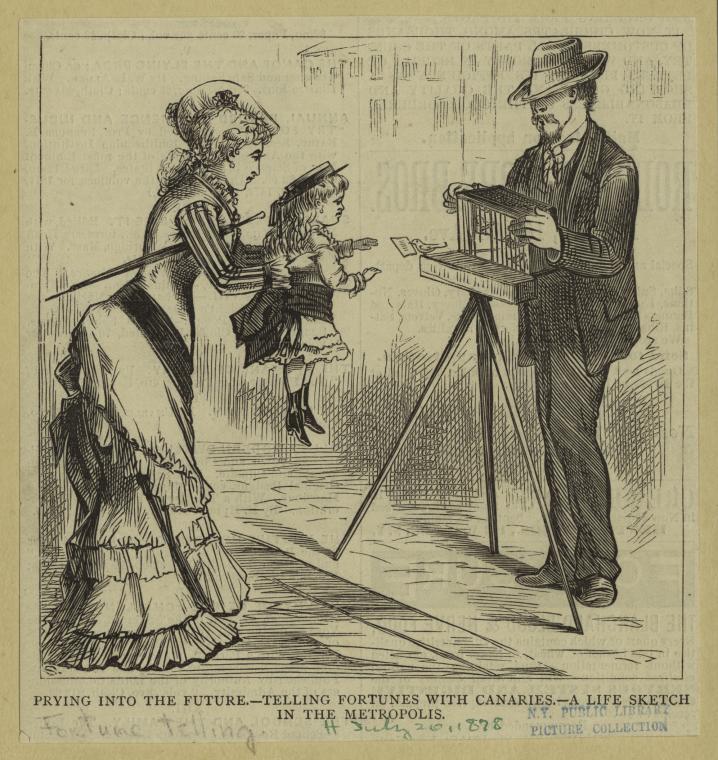
    Prying into the future--  telling fortunes with canaries-- a life sketch in the metropolis..
    What I know for sure about the future vision of canaries can be summarized very quickly: if it was 150 years ago, and you were a miner, and you were down in the mines, and the canary being carried in the cage in front of you suddenly keeled over and died, it was a very good indicator that if you didn’t get out of the mine very quickly that your future would be extremely limited.  I’m guessing that ths canary was trained to retrieve a bit of paper for some cotter, to the delight of the young observer. On the other hand it is at least as good as 99% of other sources of predicting future events.
    [Source:  “Prying into the future– telling fortunes with canaries– a life sketch in the metropolis (1878)”, New York Public Library Digital Collections, here.]

  • Magnificent Mundane Daily: Maps of Shoe-Related of Cow-dom

    JF Ptak Science Books   Quick Post

    And so starts a new series for this blog, a series dedicated to the quiet magnificence of near-nothingness, sublime bits of subtle interest.  It is bold antique regularity that will be surfaced here, stuff that once upon a time was necessary and new, but now has an abstract out-of-context beauty that transcends its earlier commonness. 

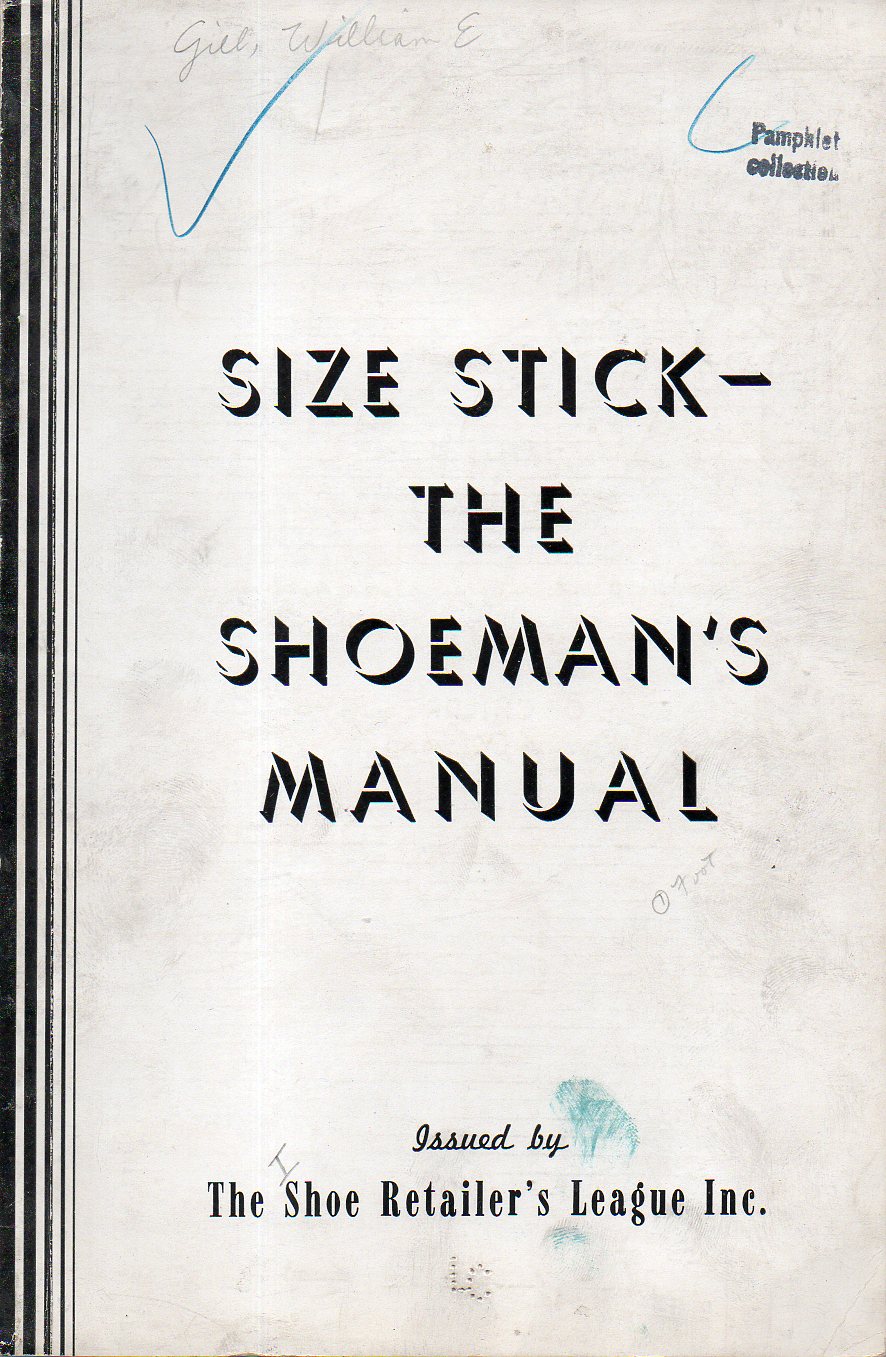
    For example, the unexpected title of this 95-page, well-constructed pamphlet distributed by the Shoe Retailer’s League Inc.:

    Map cow582

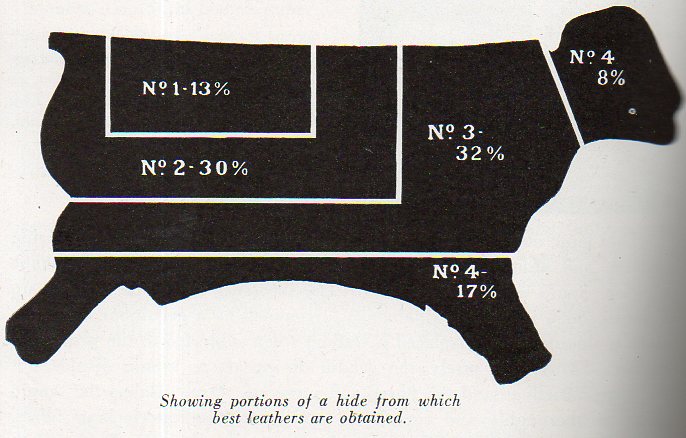
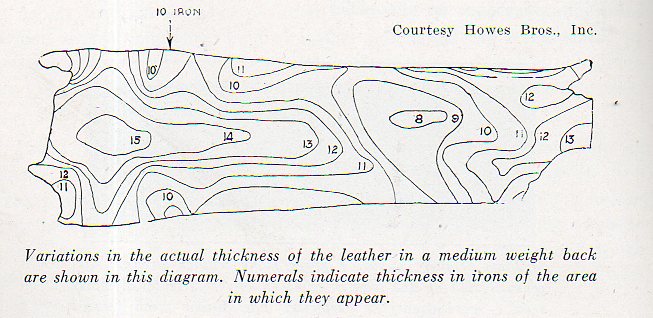
    offers a few unexpected carto-bombs.  In addition to all manner of shoes and shoe salesmanship information there are the following two maps of the applied cowdom:

    Map cow581
    being a map of shoe-useful parts of the cow; and, secondly,

    Map cow580

    which portrays a geology of the thickness of the shoe-useful parts ot eh cow and a corollary of the above.

    I’ve never seen either map before. 


  • Magritte-Like Disorienting Geometry in Found-Art Urban Design, 1925

    JF Ptak Science Books  Quick Post

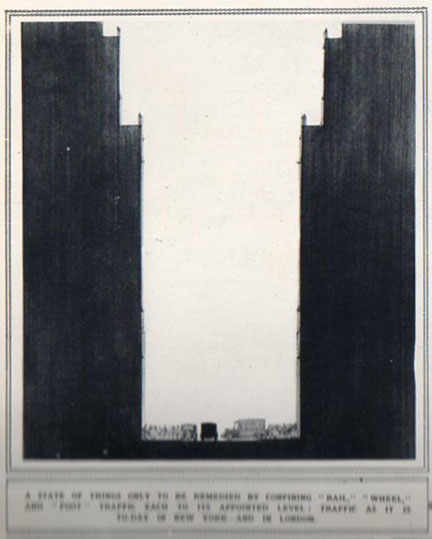
    Future street630 a

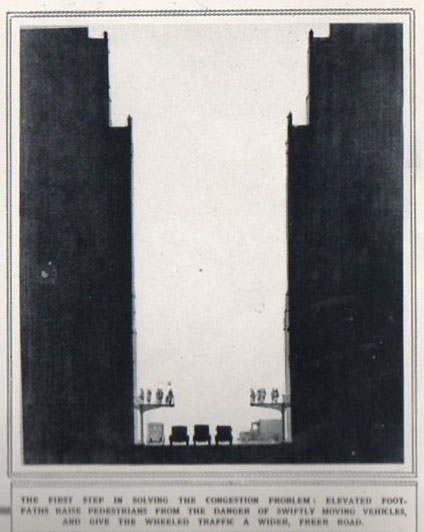
    These images “Traffic on Three Levels; Solving Street Congestion” from the Illustrated London News (15 August 1925) struck me as something much more–or much less?–than their appeal to urban design.  I think that it is very difficult to look at these images and not see them from the top, down. Even by the time you get to the fourth image at bottom right, the design still pulls attracts your eye to the top of the image and away from the traffic scene below.

    They seem to have that sense of abstract art, achieving a type of geometry and disorientation, both at the same time, pulling you into the work and de-arranging it at teh same time.  And that to me makes it highly artful, if unintentional.  They are sort of hallucinating–I know that is a bit of a stretch–but their confusion of the expected with this sort of misty, unknown atmosphere, has a sense of Rene Magritte to them had he worked his magic in geometrical blocks. 

    Future street630 b


  • Color Angels, Synesthesia and Body Building: Outsider Logic and Art, 1630-1925

    JF Ptak Science Books   Post 1829

    Vision from the inside out, or from another version of the outside-in, from the very Outside, can be very fruitful things, idea-engineers, inspirations.  They might have real insight of lasting applied value, or imaginary insight into the unexpected and imagined, with nothing of immediate or future values save for sense impressions  that might trigger thinking in unexpected ways or areas.

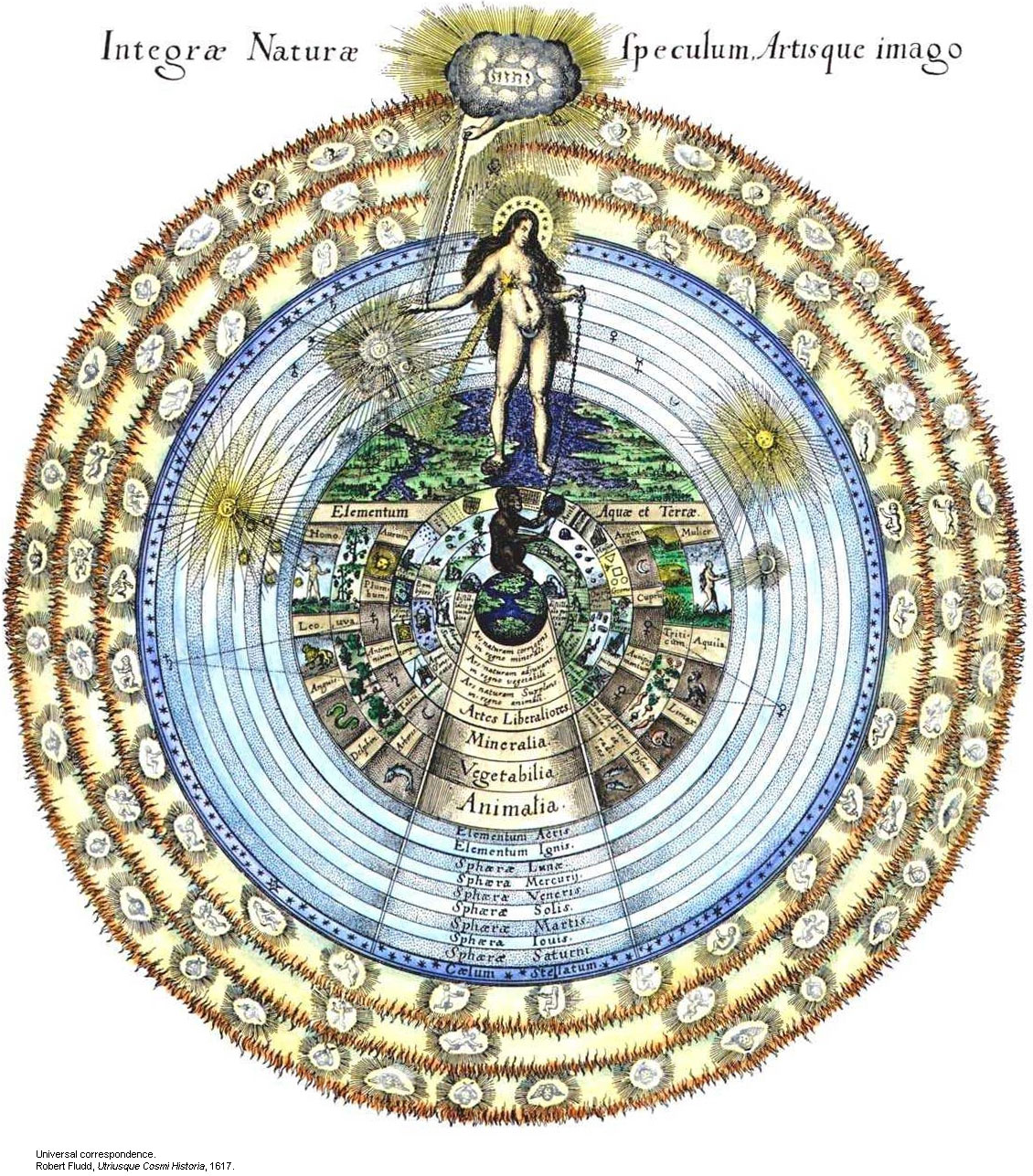
    There are occasionally great finds in mounds of experimental thinking that find a foothold in the outside world, such as in the case (further) below of Robert Fludd.  Fludd (1574-1637) was a Welsh-born, London-based (and Oxford- and Padua-educated)  astrologer, Paracelsian physician, occultist, Qabalist, hermeticist, semi-cosmologist and energetic thinker who found inspiration and solution in many ususual areas, some of which didn’t really exist. 

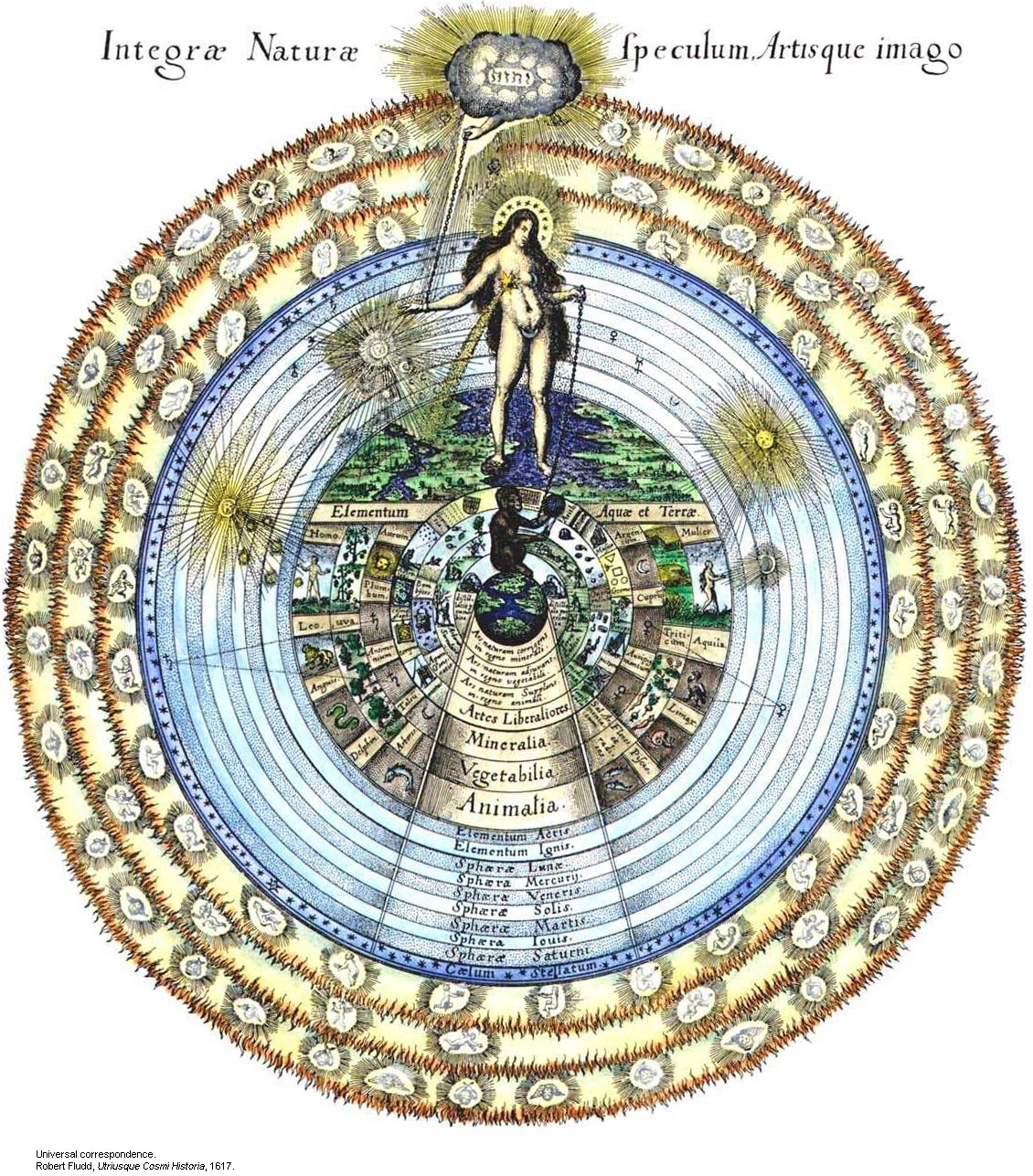
    For example,  a visionary of a different sort, as his celestial sphere will show:
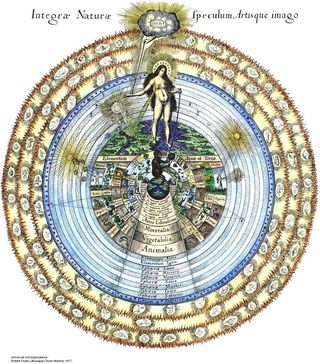
    Spheres--robert fludd
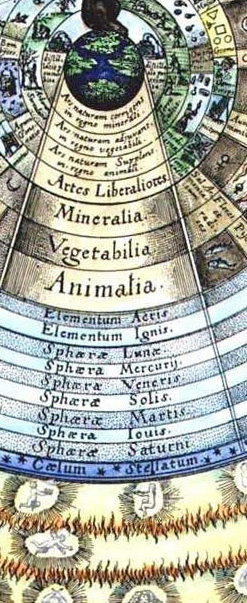
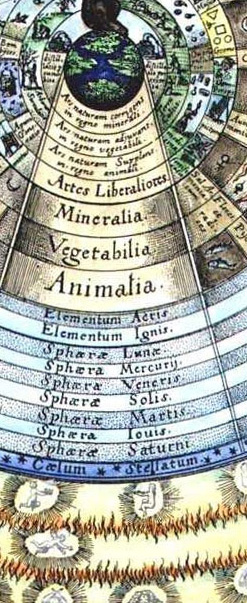
    And here in detail:

    Universal Correspondence from Fludd’s Utriusque Cosmi Historia, 1617.Rob
    Spheres--robert fludd det

    Fludd’s (1574-1637)  features a complicated astrological existence well beyond the point of Copernicus.  In addition to everything else, real and imagined, Rosicrucianism and astrology and puffy-birds, Fludd looked deeply into the real stuff of the world in this book in addition to all of the other make-believe–optics, the musical intervals, perspective drawing, hydraulic engineering, construction of lifting machines, military engineering and many other interesting, physical science topics.  But this drawing, right there on the title page, reveals Fludd’s real interests and shows what governs what he does.  Everything else, the math and and the physics, services this need.  Of course the image is beautiful, which is why it is here, but it is also a deeply personal, exploitative, cover-all for the things that Fludd *wanted* to find.

    So in the middle of all of this, Fludd wrote  his Pulsus seu nova et ARcana Pulsuum Historia e Sacro Fonte Radicaliter Extrata…(Published in Frankfurt in 1630), which was a tall but realtively skinny work on what at the time was a skinny topic:  the pulse.  In addition to discussing an listing all manner of data and observations ancient and modern on the subject, Fludd visits the newish and vastly important work of William Harvey, De Motu Cordis (1629), and gives it the first published favorable review.  This was a big deal at the time as Harvey’s epochal work was still feeling its way around for support.  And here it was, in an unlikely place, a book filled with useful and not information, its writer claiming a certain association with mystical medicine and universal knowledge and getting the whole deal with Harvey right. 
    +()+outsider coverThere are some other more recent contributions in our Outsider Logic collection that reach the limits of outside, reaching far into the aspects of knowledge that lies more or less completely hidden and inaccessible to the vast majority of readers.  Sometimes bumping into outré thinking like this is very useful because it is just so very different; and sometimes this thought process is just and only that: very different.

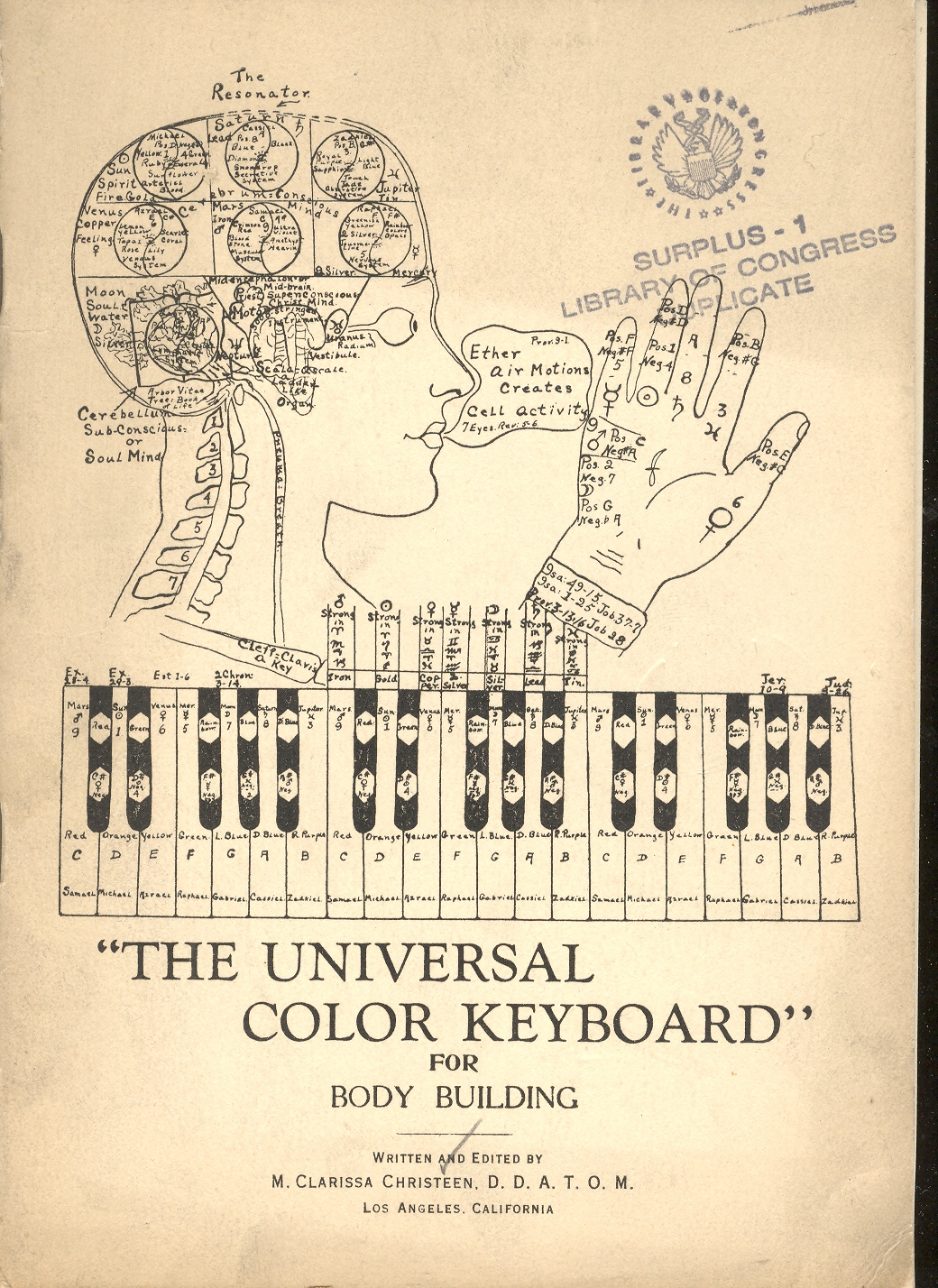
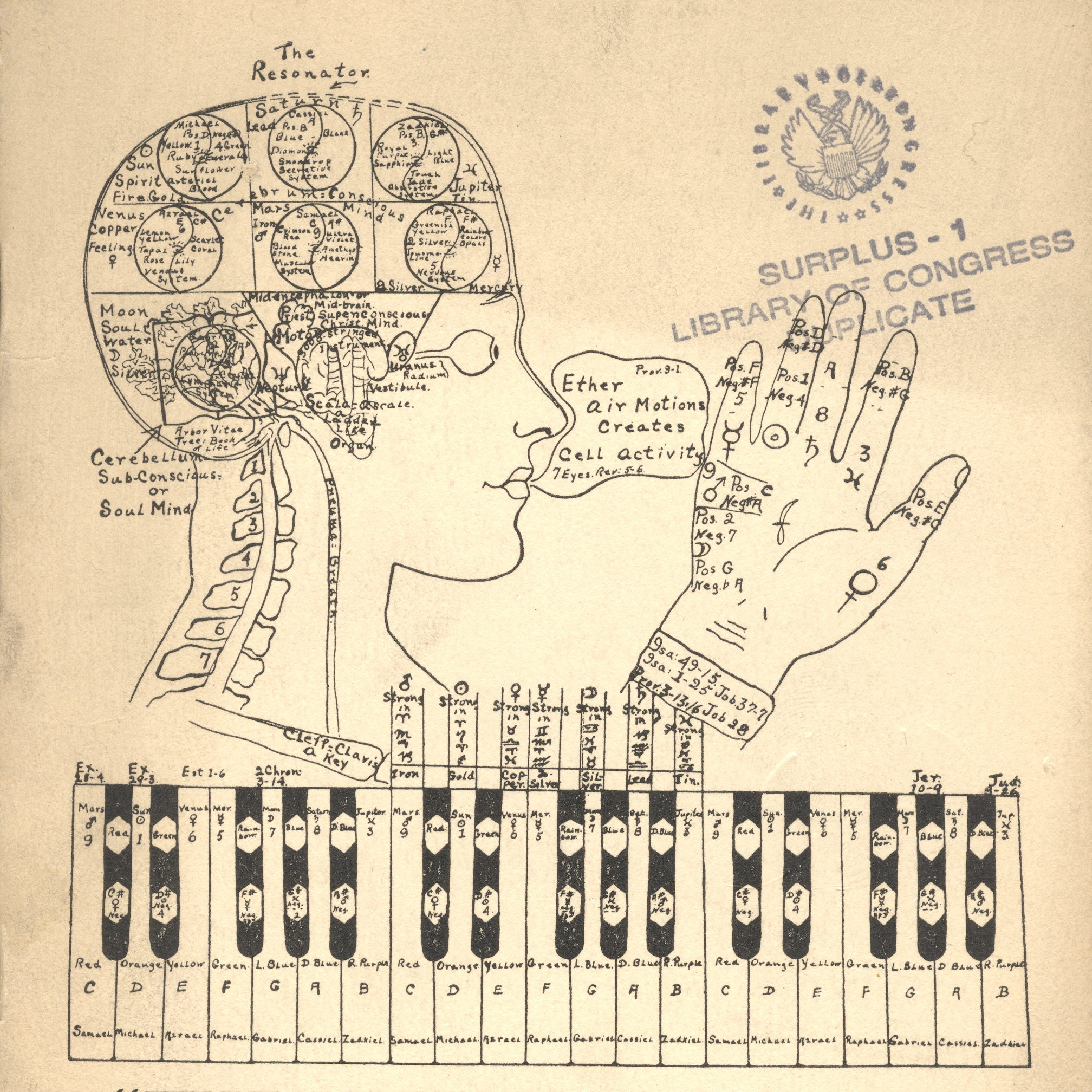
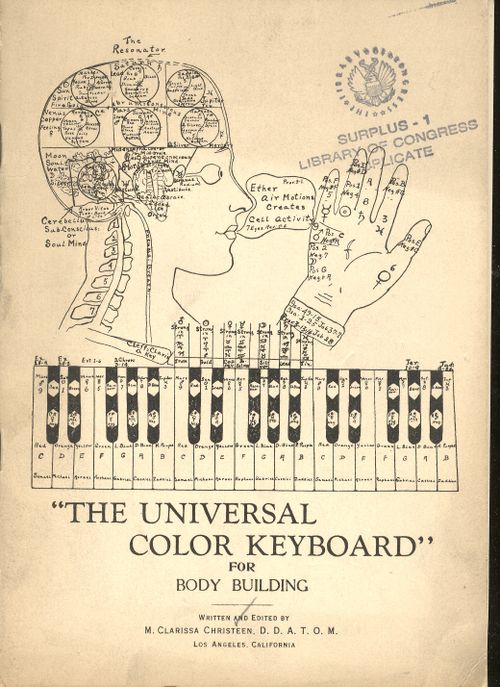
     This is last bit is probably the case for W. Clarissa Christeen’s  (“D.D.A.T.O.M.”)The Universal Color Keyboard for Body Building. But what Ms. Christeen absolutely does have going for her is her artwork, which is, in its own special way, quite sensational—I’m really sorry that the pamphlet is limited to only two pieces of her work, as I’d really like to see more.  +()+outsider cover det
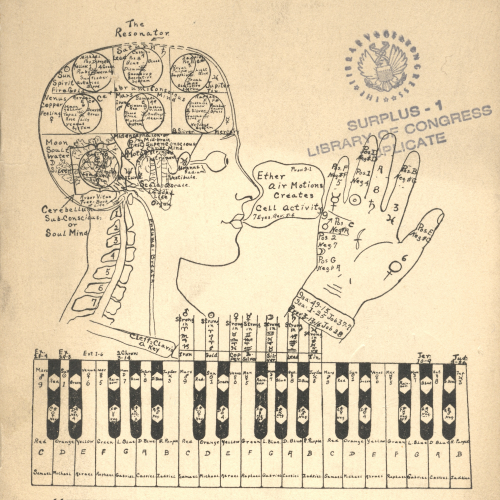
    Her philosophy is at the very least odd, though it may spring from a synesthesia.  Or not. 

    “Syn” (Greek, “together” and “Aisthesis” (“sensation”) combine to form this very interesting word and ability, being an automatic response to a stimulus by one sense when that stimulus is usually associated with another sense.  For example, there are “synesthetes” who perceive color as an auditory input, basically hearing yellow and so on; more famously are the musicians composing tone poems associating sound with color.  There are letter-color and number-color associatons, as well as taste-senses from colors and sounds and so and on.  For example in Kandinsky’s On the Spiritual in Art there is an attempt to relate color theory to touch and smell; Franz Liszt wrote color music; Isaac Newton attempted to establish the common distribution and association between color and tone frequencies; Rameau constructed a clavencin oculaire while Rimington made a color organ; Richard Feynman spoke of colored equations, and Nabokov recorded  (Speak, Memory) letter/color visions.  THese are just a few examples of some of the more well-known practicing synesthetes. 

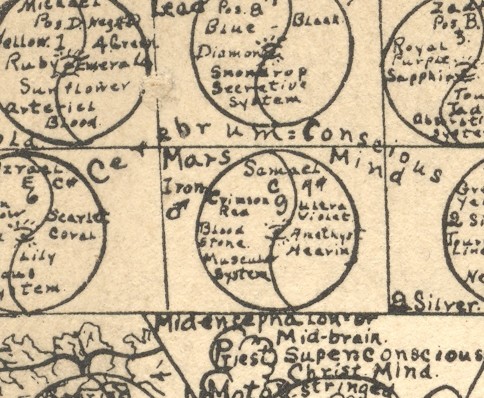
    In any event Ms. Christeen may be of that mold, and is attempting the universal perfection of mind and body through the combination of color and music (and scent), which “is valuable in building body-tissues of a harmonized order…the music chosen for social functions, the key notes being for the planet ruling or governing the day or the hours etc..  This brings celestial and terrestrial vibrations in direct contact, without interrupted angles which produce in harmony; in other words the creative powers which produce these various waves f light and sound or color or tone, acts upon the lower octave, matter or material manifestations recreating it, transforming it, and raising the vibrations of the said matter or material manifestations, thus, refining the temperature and quality of germ or tissue, etc.”

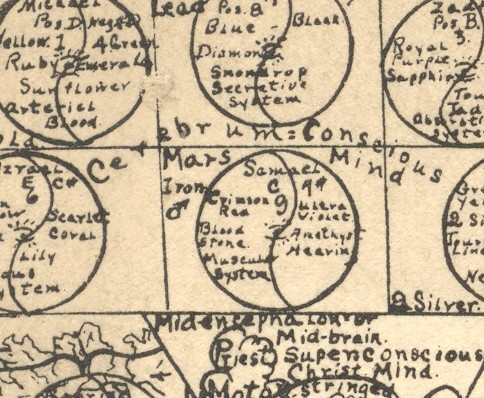
    This is a long passage, but I include it because, well, I just had no idea when an abrupt turn was going to be made in the discourse; nor did I have any idea of what the principles were of what was being discussed.  And this is still all on page one.  Sometimes passages like these are breathtaking, as in leaving you without breath, because their foundation for understanding is so elusive.  All you’re left with, sometimes, is a “wow!” reaction, like appreciating a pitcher who has just struck you out on three roughed-up-greasy-spit-laden nastiness pitches that were invisible and illegal, and didn’t matter at all.(What the figure in the cover illustration is saying. by the way, is “Ether air motions creates cell activity”, with a couple of Biblical references, somehow.)
    +()+outsider cover ultra det


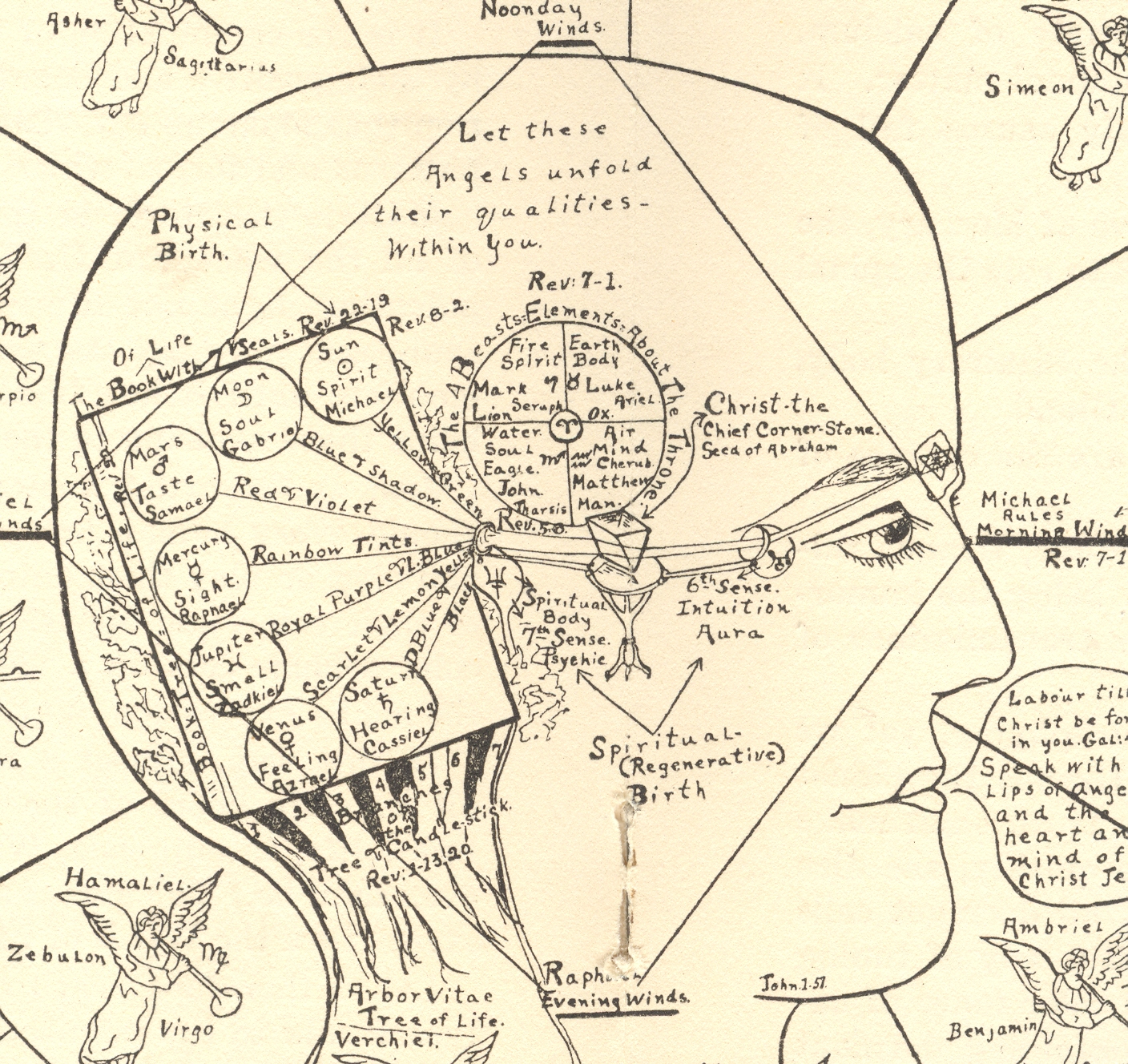
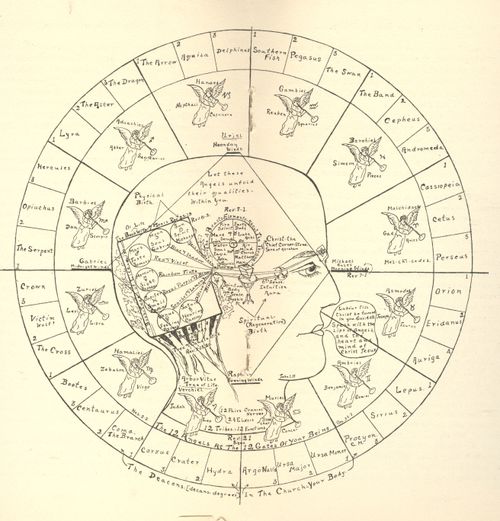
    +()+outsider inside I do know that the major divulged secret is the Universal keynote (and “keyboard”) and its control through music and fragrance of all that is, “each individual is to harmonize his or her astral colors to the universal keynote that he or she may be surrounded by a correcting aura, which sends out its streamers of light rays into the cosmos”.  Things get more deeply possessed after this, stretching into the Old Testament and astrology, which we don’t need to get into here. 
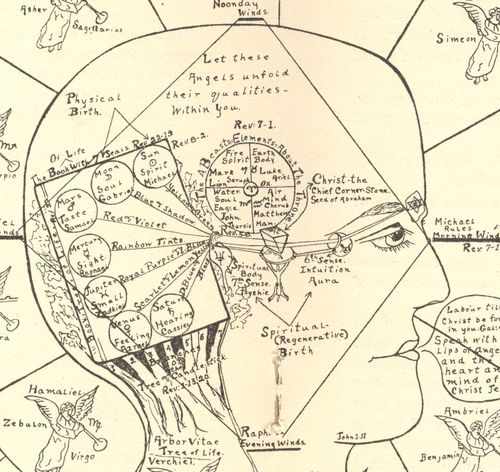
    +()+outsider insidedet As I said, perhaps Ms. Christeen was a synesthete, and perhaps multiply so.  In 1925, when this book was written, there mayn’t’ve been a place for people to go who had advanced sensibility of seeing colors in music, and perhaps colors in fragrance. Perhaps Ms. Christeen was working out there in Los Angeles completely alone, trying to figure out just what her special and very different gift actually was.  Perhaps her life was greatly enlivened by her synesthesia, and sent herself out on a mission to the world to have other people experience it, too,, with the help of her color-relational charts.  I do feel for her, though I have absolutely no connection to what she was trying to explain.  I do find the artwork fascinating—a true “outsider” contribution. 

    (By the way, I don’t think that we ever got to the “body building” part in this work.  Also, I think the “DDATOM” after Ms. Christeen’s name meant something like “Doctor of Divinity of the Atom” or something like that–it wasn’t mentioned in the text.)

     And so there you have it.  I think that I’m just making the point that the outcome of some of this very provocative work doesn’t necessarily come into play in its ultimate evaluation, and that it should all be judged by what short of thinking that it excites in its reader. 


  • Daily Dose of Dr. Odd: Chess Covers from Science Fiction Pulpworld

    JF Ptak Science Books  Quick Post

    I don’t often see pulp sci fi covers decorated with chess figures, but I did find these three, recently.  The first, “Tomorrow and Tomorrow” is interesting because of teh author.  Or “authors”, as Lewis Padgett is a pseudonym for a husband and wife writing team, Henry Kuttner and C.L. Moore.  And although there is a small sub-genre of married people.couples writing books together, few of them have taken a separate name for their efforts.  “Padgett” is one of them.  In any event, the chess pieces are unusual, and their appearance on the cover of a journal such as this makes this doubly-so. 
    Astounding Stories 194 - Chess - Atomic War - Tomorrow And Tomorrow - January 1947 - Danger


  • Daily Dose of Dr. Odd: Physcial Culture, 1920, Part II: Women & Cigarettes

    JF Ptak Science Books    Quick Post

    This is a continuation of the Health-into-the-Future post–for MEN!–brought to modernity in 1920 or so via your friendly neighborhood tobacco conglomerate.  Yes, these are tobacco cards, given away with a pack of smokes, and were intended in their coy way to try and keep the smoker living longer tobacco-filled lives–after all, the longer a smoker lives, the more they can smoke, and so it was to the producers’ benefit to keep their subjects both loyal and healthful. [Source:  New York Public Library Digital Collections, here.]

    Exercise 1. For the thigh muscles.

  • French Canadian Bean Soup & Fevered Last Words From a Bullet in the Belly

    JF Ptak Science Books    Post 1851

    Dutch schultz mug

    “STEVENS:  Yet you invented the coincidence.
    TEMPLE:  Mrs Gowan Stevens did.
    STEVENS:  Temple Drake did. Mrs Gowan Stevens is not even fighting in this class. This is Temple Drake’s.
    TEMPLE: Temple Drake is dead.
    STEVENS:  The past is never dead. It’s not even past.”
    –Mr. William Faulkner, Requiem for a Nun

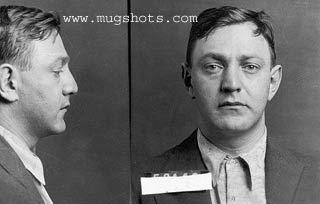
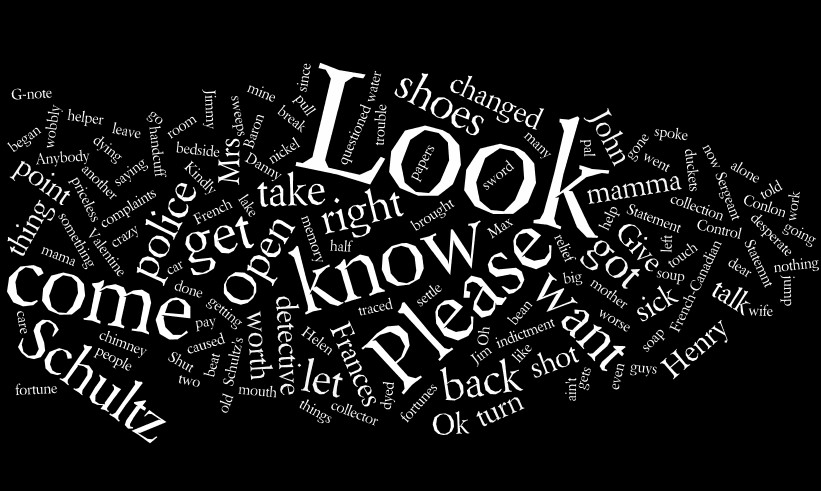
    Wordle--dutchclean

    This is a Wordle of the stenographic recording of the last words of the gangster Dutch Shultz, slipping quickly into dark oblivion, the stenographer (F.J. Lang) at the foot of his deathbed recording all the man had to say. Arthur (Dutch Schultz) Flegenheimer was in rough shape, laying there in Newark, shot with a bullet in his belly, spiking a 106-degree temperature, and sliding back and forth between states of  insanity and lucidity. And say stuff he did–responding to the questions of a police detective (including a Sergeant Luke Conlon), Schultz’s answers are remarkable for their tapestry of wrenching artfulness of drug-induced and mind-slipping schizo blather, sprinkled with infection induced fancy.  The cops were looking to see who it was that shot and put the Dutchmen in the bed–they weren’t going to get any responses worth anything.  A number of the law enforcement officials, local and federal, tried to analyze the oracle after Schultz’s death, but couldn’t make any sense of it all.

    William S. Burroughs, a supreme black-humorist and still dead, had at this idea and transcript long ago, and did a wonderful job with the story, a real achievement. 

    I wonder what the last words were of F.J. Lang and Sgt. Conlon.

    This is about the only place where I can add a note about another notorious gangster, Arnold Rothstein, partner of Meyer Lansky and fixer of the Black Sox World Series of 1919. He also had police questioning him as he lay dying, shot by an unnamed and uncaught assailant in NYC in November 1928. When asked who shot him, one of Rothstein’s final replies was “Me mudder did it”. 

    ·Posted by :

    ·in:


  • Daily Dose of Dr. Odd: Planking & Physical Culture for Ordinary Folk–Men, 1920

    JF Ptak Science Books  Quick Post

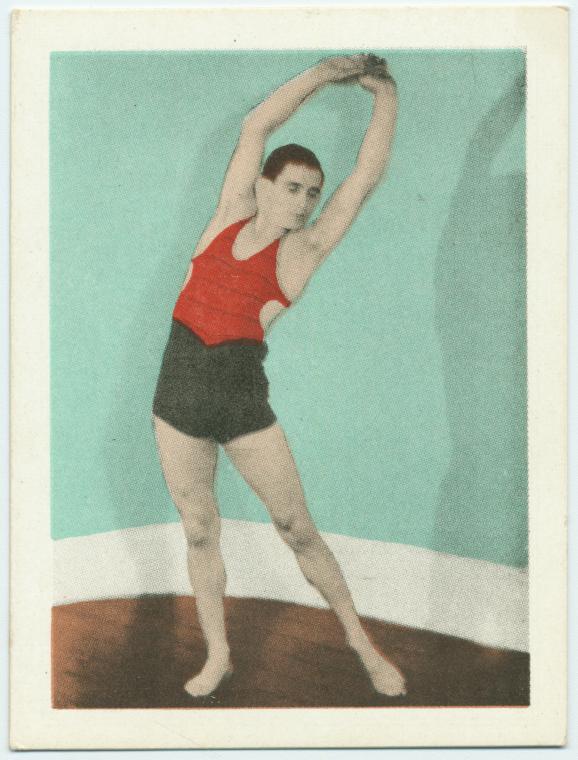
    Exercise 9. Stretching exercise.

    It is little wonder that in the advanced period of modern communication and all-points-being-connected-to-almost-every-other-point (at least in the U.S.) that the aspect of physical culture was made available to the great unwashed and slightly-privileged masses.  These images (available from the New York Public Library Digital Collection) introduced bunches of people to the possibilities of being physically fit, and doing something about it. 

    There has been instruction of physical training for many centuries, but outside of military exercise and its related bits teaching everyday people how to keep themselves healthy via exercise just didn’t exist.  Perhaps this interest exhibited below was a result of recent medical issues like the massive influenza outbreak, or polio, or rubella, and that physical exercise might be able to address that.  Or perhaps it had to do with the physical culture shown the troops during WWI.  In any event, the distribution of that information by the early ’20’s was certainly close to being free, so that it could reach people as never before.  And in this special case, the free-ness came with a purchase of a pack of smokes, as these are tobacco cards; so the longer you smoked the more you would look at these cards, and via the same sort of constant exposure that brought you to smoking in the first place might lead you to exercising and getting healthier so that you could live longer to smoke more ciggies. 

    All of the exercises could be done without equipment, meaning that anyone–at any time–could take a sip from the fitness cup.  Or men could–there was a separate set of images for women, which will follow in just a moment on this blog. 

    Exercise 12. For the serrated muscles under the arms.
    The rest of the series are available, below:

  • On Being Obvious–Towards an Illustrated Alphabet of the Obvious

    JF Ptak Science Books    Post 1850

    “It is obvious that we can no more explain a passion to a person who has never experienced it than we can explain light to the blind.”–T.S. Eliot
    “We have now sunk to a depth at which restatement of the obvious is the first duty of intelligent men”.– George Orwell 
    “There is nothing more deceptive than an obvious fact.”–Arthur Conan Doyle
    The obvious thing about the full sense of obviousness is that it isn’t obvious. Sure, there are plenty of aspects and bits of obviousness that are obvious, but like reverse plasma flashes of lightning, and the great bulk of icebergs, and the tops of clouds and the interiors of mountains, there is much more to the state of Being Obvious than necessarily meets the eye, even when the clues are all visual. 

    Dutch soldier next to a sea mine
    What is it that makes something “obvious”?  There must be hundreds of reasons to label something so, yet the cause of the labeling is much fuller than the label it wears.  There can be a rich and varied life in the obvious and its different stages, as rich and varied as snow and fog and clouds, though those examples seem to have more qualifiers and descriptors than the obvious does.  “Painfully”and “woefully” obvious are certainly two qualifiers for different states of obviousness, though at this level of inspection the different levels of obviousness seem to be a little oblivious. And yet there seems to be great depth in so many different aspects of The Obvious.
    It would be nice to be able to construct a Geometry of the Obvious–of course this is entirely plausible so long as it doesn’t actually have to mean anything or be rigorous in any way.  A fantasy geometry would then be pretty easy to construct (which also is being used for the letter “G” in our alphabet):
    G   Geometrically Obvious:

    Mar 23 center of levity cvr det 2

    It would be easy to assume that the visual assumption for the Aspect of Obvious would be the center of the image, though it is not necessarily so, even in this imaginary compilation of defining the obvious aspect of the photo. The stuff that makes something obvious can be anywhere.

    And so to lay the groundwork for an Alphabet of The Obvious I’ve made a few selections, below–suggestions really for what the categories and assignments to letters might be. 

    For example,this would be a fine example of:

    A  The Absurd & Doubly Out of Place Obviousness–the horse seems to be the one with a sense of irony for the surroundings its quiet semi-absurdiy: 

    Arthur Tress
     
    B  Better-Him-Than-Me Obviousness:
    Absurd aug 3greggsegal7 
     

    ·Posted by :

    ·in:

    —

  • Imaging Aliens, Part II: Baseball Cards as Though They Were Drawn by Aliens

    JF Ptak Science Books   Post 1833  (Continuing “Imaging Aliens, Part I:  American Traders in Yokohama Bay, 1859“)


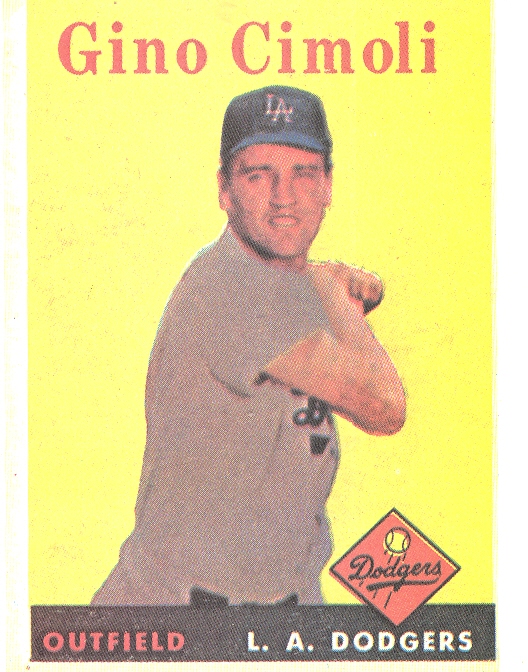
    BLOG==july 9--baseball 1 These images—American baseball cards from the 1950’s and early 1960’s—seem to come from an removed, unknown source, at least to me.  The odd thing is that I have a recollection for some of these designs, seen in my tender years, and seeing them now is an odd assault on my memory.  I do remember the dark reds and the severe cut-outs, but now they look so unusual, so unnatural,  BLOG==july 9--baseball 2 bizarre, as though the artist who rendered the design had never seen baseball players—or men—before.  They might as well have been aliens pouring themselves from their space ship (why do those spaceships have landing lights?), or Americans disembarking from their tall ships in Yokohama harbor in 1859.

      I must point out that these images come from what I think may be a fantastic baseball book:  Brendan Boyd & Fred Harris The Great American Baseball Card Flipping, Trading and Bubble Gum Book (1973).  It is solidly funny, witty, and insightful, and the book covers things far beyond baseball cards, even in its remarkable and scant 150 pages.  Oh, and they know their baseball cold cold cold, and they know it far and away beyond just the numbers.

    The only weird thing about Mr. Gino Cimoli (1923-2011) was his baseball card when he was with the Dodgers. He was actually the first California-born hitter to play for the newish Dodger California club, and was a decent fielder and batter though not often gifted, and managed to be the fourth outfielder in difficult-to-break outfields, like the 1960 Pirates (having Bob Skinner, Bill Virdon and Roberto Clemente)  and the 1961 Milwaukee Braves (where he found himself behind two other good players and Hank Aaron). He did play an important role in filling up the holes in the 1960 club, and conbtributed to their pennant, but found himself traded the next year, anyway. He was with his third team in three years in 1962 when he managed 15 triples (!) for the KC Athletics, following with 11 triples the next year–a pretty good feat, epecially when you’re 6’2 and 200+ pounds. 

    But his basebal card is onbe of the oddest bits I’ve ever seen.

    BLOG==july 9--baseball 3

    Little or nothing needs to be said about Mr. John Sain or that day of rain. I’ve included this card because of the bizarro choice of graphic backdrop, which means nothing.

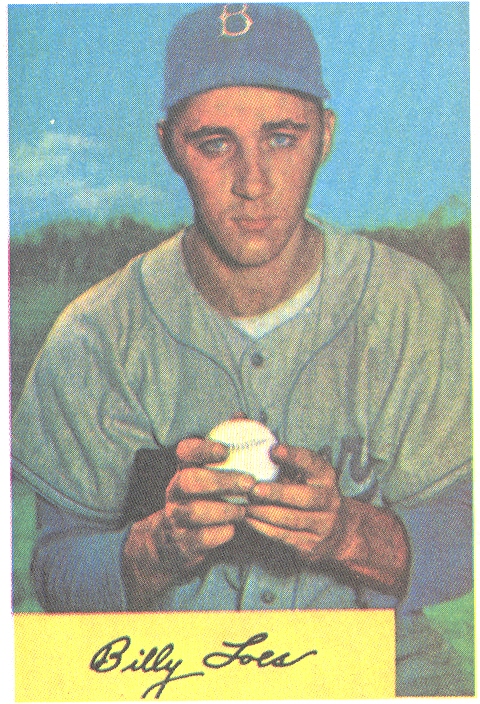
    Lastly, I could not help but publish this card for Billy Loes in large format.  I have no idea what anyone–the designer, the photographer, or Billy–was thinking when his card was put together.  In the annals of Surreal Baseball Art, Billy Loes’ card is a post-anticipatory (?) early Kandinsky. 

    I should also point out that Billy Loes was a good pitcher: he had four very good years for Brooklyn 1952-1955, but things went badly for him in 1956.  He managed to stay on for another five seasons, which means that folks thought he might come back.  He didn’t.