A Daily History of Holes, Dots, Lines, Science, History, Math, Physics, Art, the Unintentional Absurd, Architecture, Maps, Data Visualization, Blank and Missing Things, and so on. |1.6 million words, 7500 images, 4.9 million hits| Press & appearances in The Times, Le Figaro, Mensa, The Economist, The Guardian, Discovery News, Slate, Le Monde, Sci American Blogs, Le Pont, and many other places… 5000+ total posts since 2008.

Author: JF Ptak

  • A Fire Ship of 1818

    JF Ptak Science Books   Quick Post

    I came upon this article in The Annals of Philosophy for April 1818, suggestively entitled  and not-ignorable “A Plan for a Fire Ship”, by Col. Mark Beaufoy.  It turns out to be a simple plan with a not-so-simple way of guiding in a ship meant take fire/explode amidst an opposing fleet/flotilla. I am far from knowing anything about naval history, so all I am doing here is reporting on this interesting article, though I have no little doubt that there is a rich history of remotely-guided bomb ships in the history of naval warfare. (The idea sounds pretty expensive to me…)

     “[Beaufoy, 1764-1827]…devoted much of his life to naval experiments at the Greenland Dock with James Scott and Captain John Luard of the “Society for the Improvement in Naval Architecture”. He published the results of his work in one of the leading scientific journals of the day, The Annals of Philosophy. In 1815 he described a recording tide meter, and in the same article went on to describe the power of the wind on square sails and the resistance to motion both in air and water of different shapes.”–Wikipedia  (Beaufoy does mention the use of square sails in the article.)
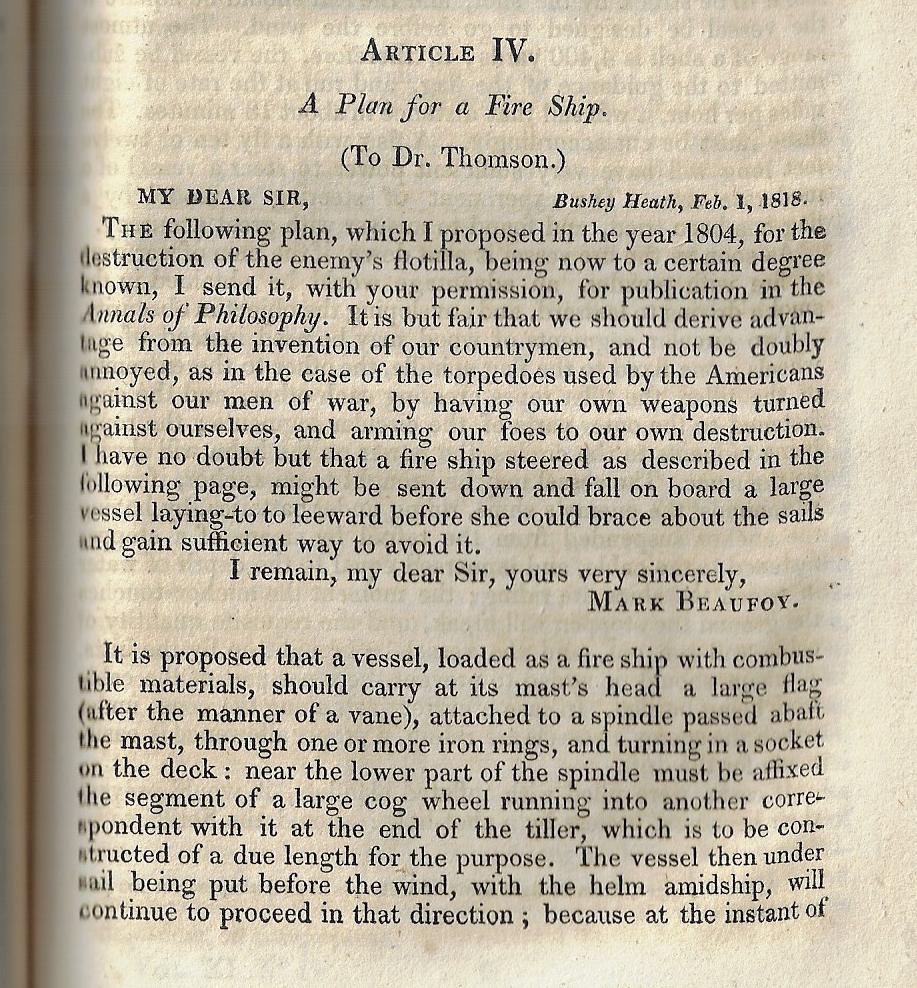
    Flame ship _1_

    ·Posted by :

    ·in:


  • On Nationalizing Essential Industries and Resources of the U.S. (1934)

    JF Ptak Science Books   Quick Post

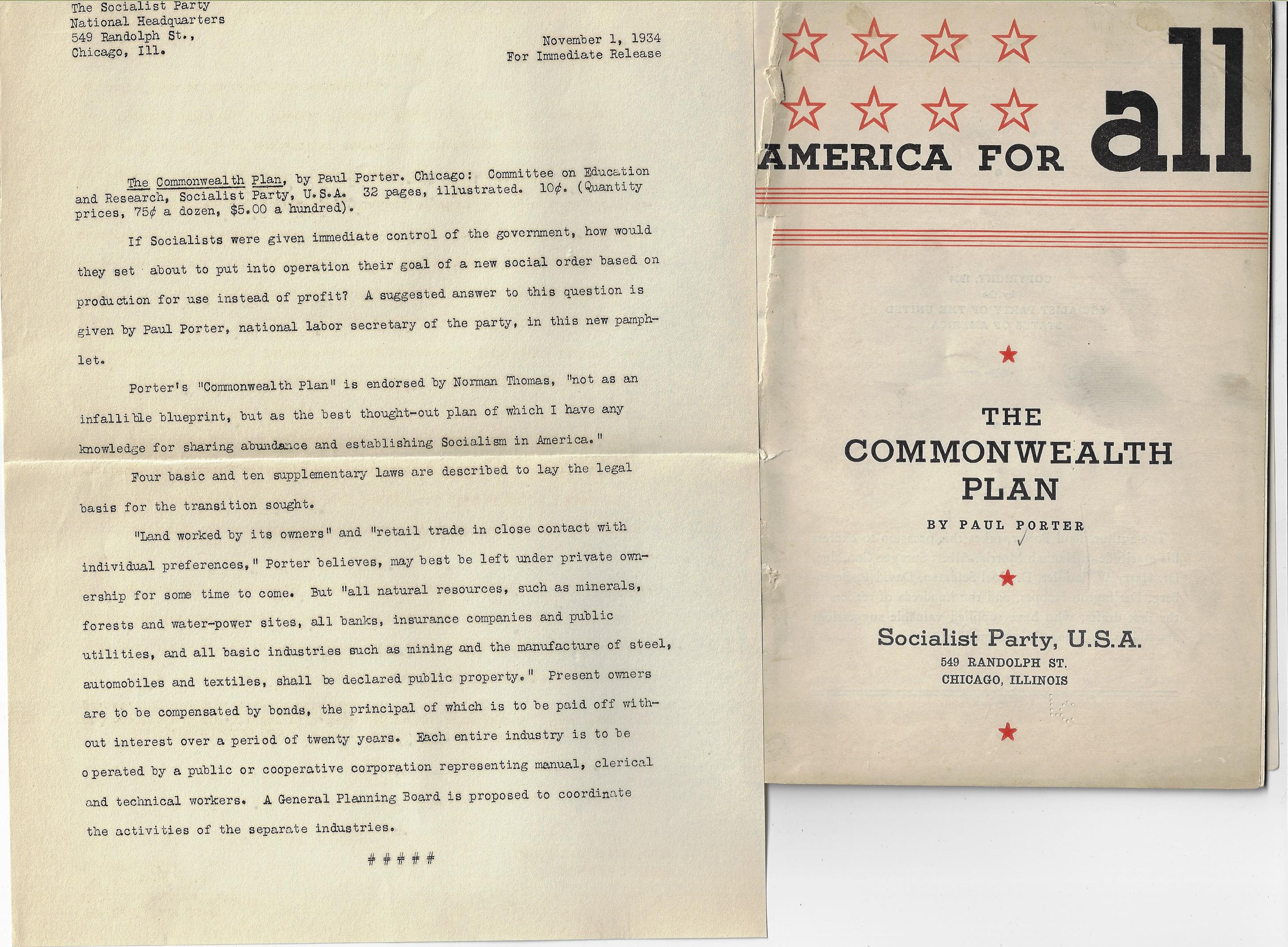
    Here’s an idea that didn’t go very far, brought to you by the Socialist Party, U.S.A. in 1934. Paul Porter’s America for All took a little too much liberty with the existing sentiment that “America” should be owned by “all”, and applying it very liberally (sorry) and literally:

    Socialist _3_


    Socialist part 1934 _2_

    ·Posted by :

    ·in:


  • The Department of “What is It?” (#7): What are the Ultra Famous Holes that this Hole Puncher Punched?

    JF Ptak Science Books Quick Post

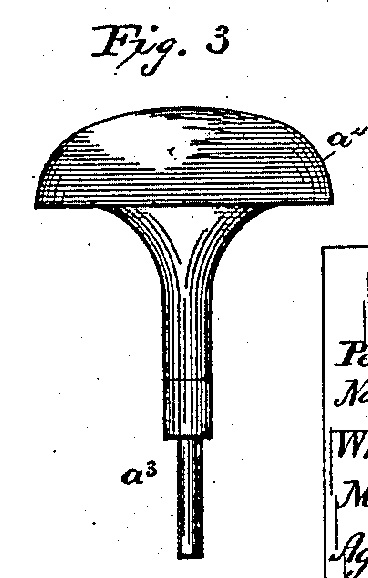
    This is one of the most important hole punchers in the history of holes, and also in the history of counting and figuring out what to do with counted things.  Do you know who filed this drawing as part of their patent report, and what famous contribution this thing made? 

    What is Itt ollerith hole puncher detail

    ·Posted by :

    ·in:


  • Public Instruction on Gas Attacks (1939)

    JF Ptak Science Books  Quick Post

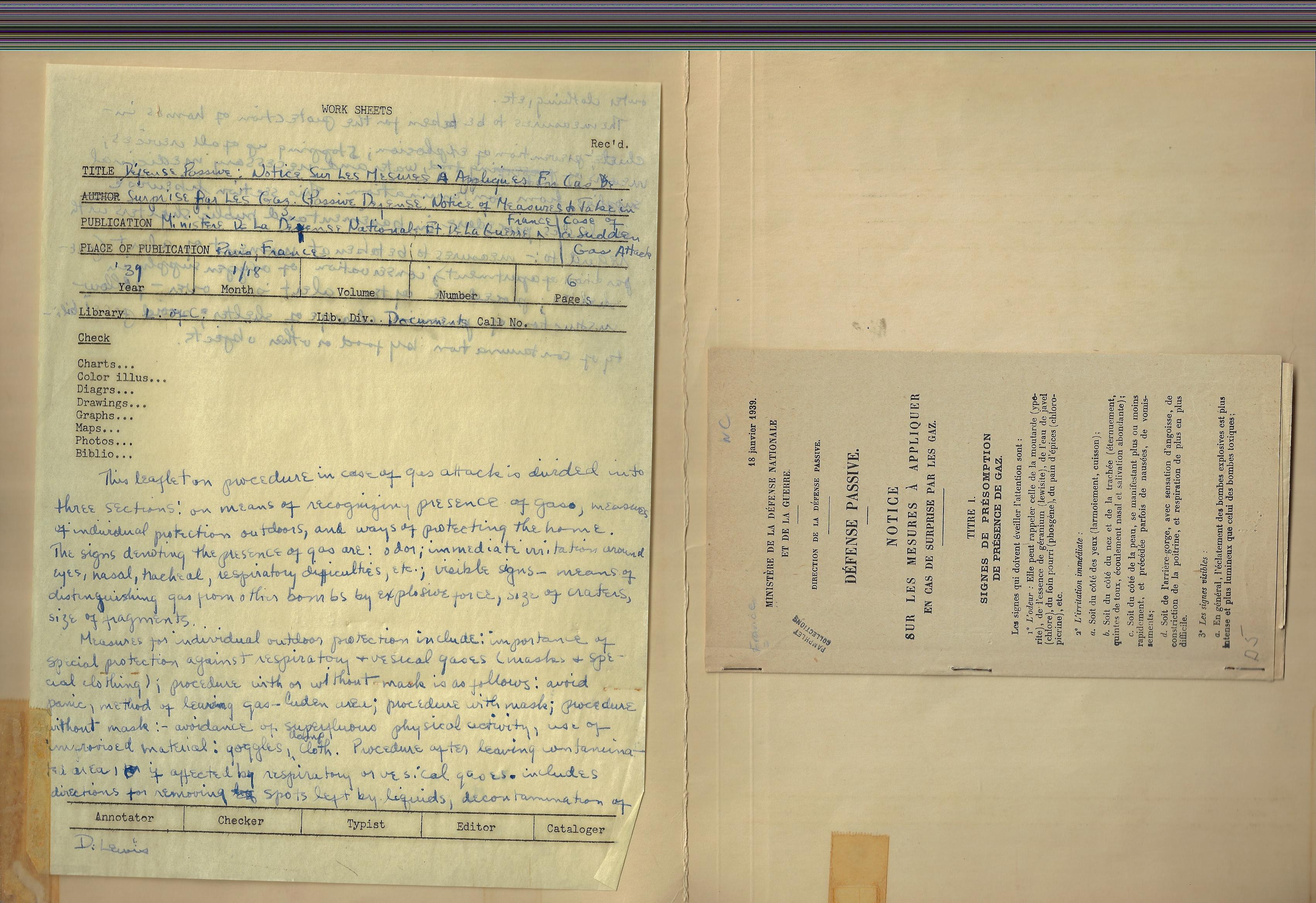
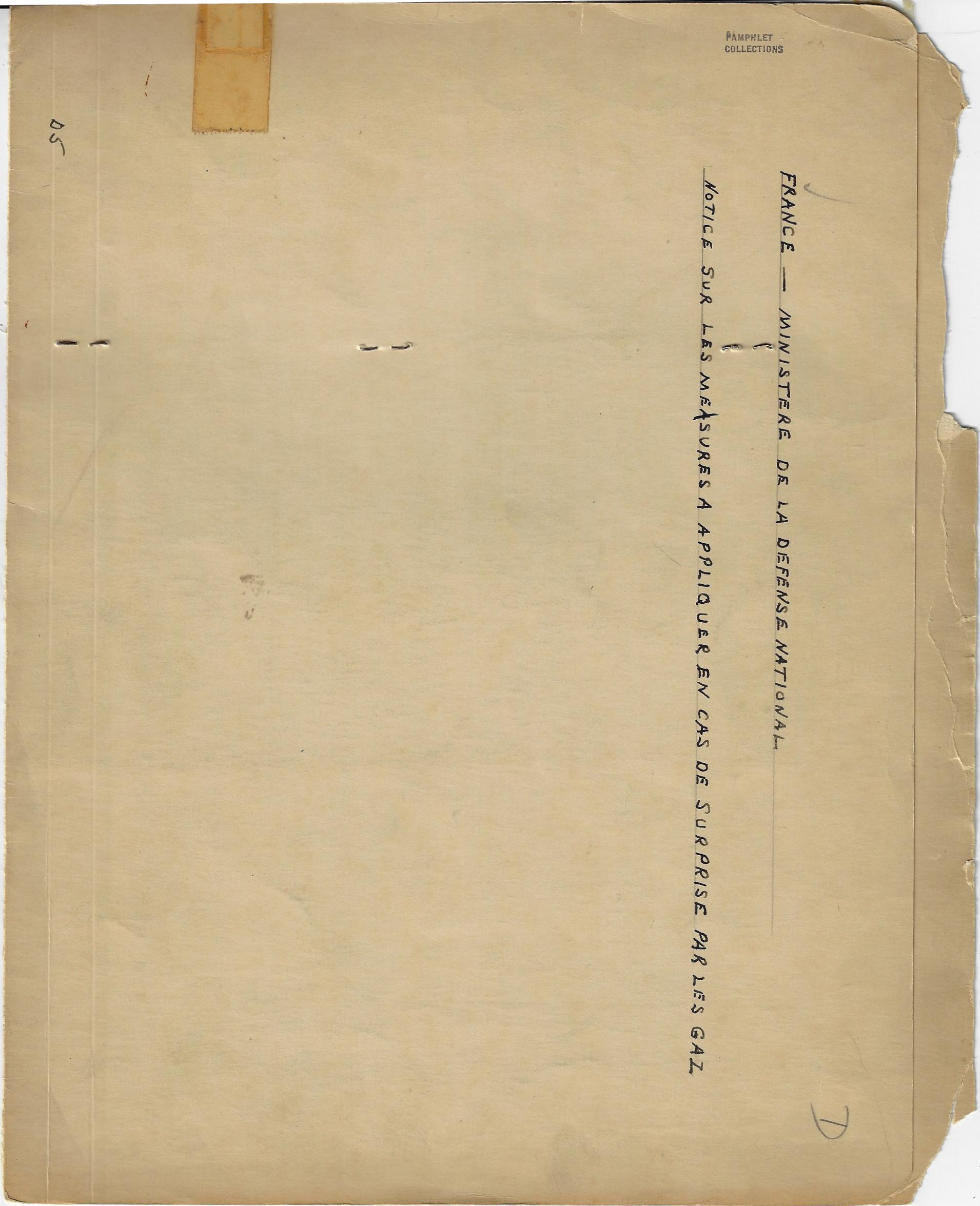
    I have perhaps four or five pamphlets on gas attacks presented int eh manner of the one I’m displaying today–someone, somewhere did a good and thorough job of cataloging these instructions for a general population on what to do in the event of a poison gas attack.  There are also 50 or so items that had once been in the library of the OSS that are similar in presentation/preservation to the gas attack pamphlets, though those all have at least two indications (a stamp and hand written cataloging) stating their point of origin, and the one below does not.  The pamphlet is stapled into a manila folder,and opposite it is a worksheet with cataloging details and a fairly extensive abstract of the pamphlet (by hand) in English.  Very curious, and interesting.  

    The pamphlet:  Notice sur les Mesures a Appliquee en cas de Surprise par les Gaz, printed in France in January 1939 by the Ministere de la Defense National.  There is still eight more months of peace to be waged and lost, Hitler already on the move in Czechoslovakia and Austria, and of course Japan already fighting their all-out war in China already for seven years. 

    [Images are very expandable.]

    WWII gas attack france _2_


    WWII gas attack france _1_

    ·Posted by :

    ·in:

    —

  • RED in Black & White–Fringe Right-Wing Anti-Communist Groups and the Fascist Horse They Rode in On (1937)

    JF Ptak Science Books  Quick Post

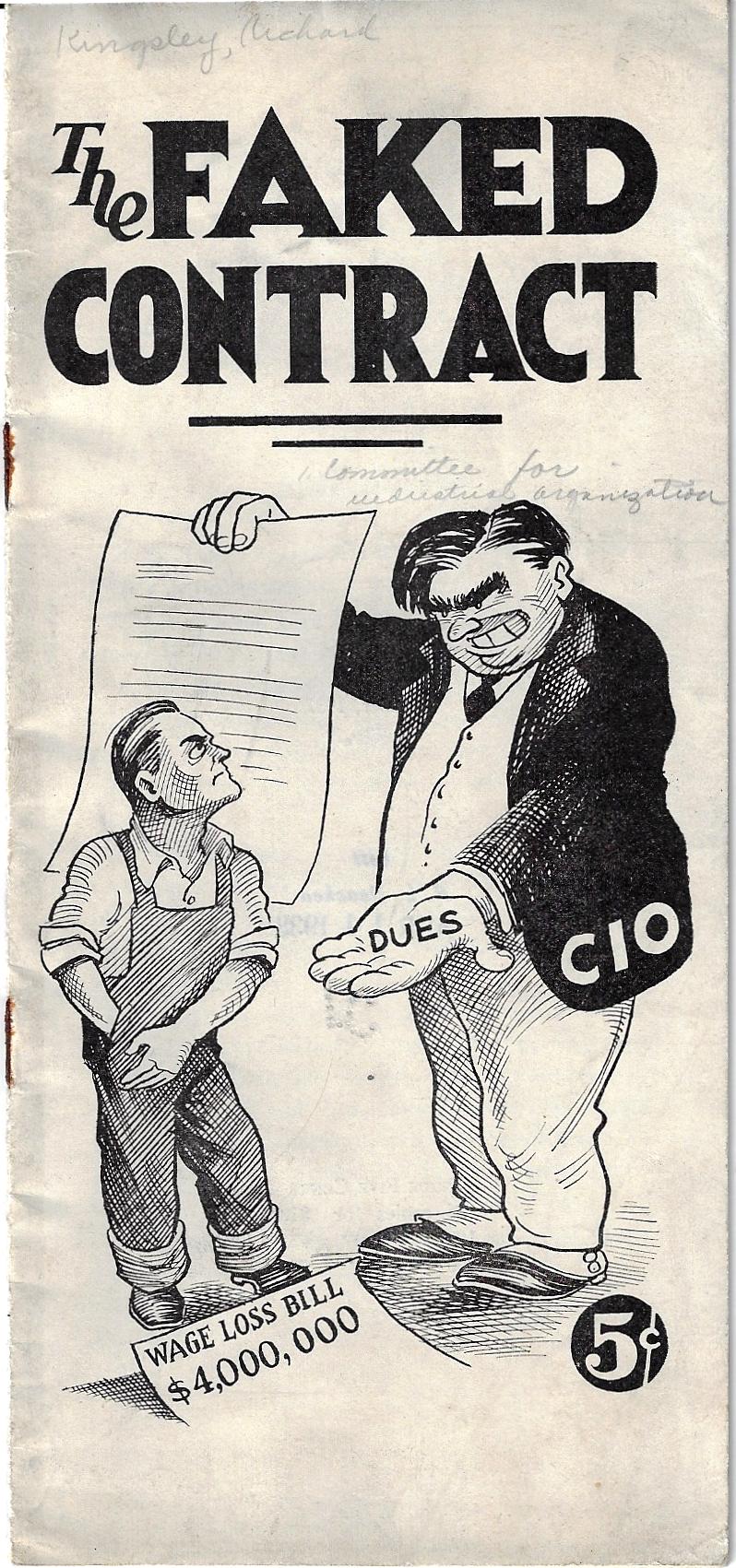
    Labor pamphlets faked contractIn a year when the political leader of the United States and his spokespeople have tried to make themselves responsible for defining language and veracity according to their own needs, the word “faked” jumped out to me from the cover of this pamphlet. This doesn’t have anything to do with the allegations of “fake news” today, when the presidential press person defines “fake news” as new that does not agree with the vision of the White House and the president himself s impossibly scourges entities like the New York Times as dealing in “fake news”, as this is of a particularly high height of an attack on reason and logic. This “fake” is far more localized, and accuses the CIO and John Lewis of sharp moves in extorting money from union members as well as trying to coerce the U.S. into becoming a Soviet America. 

    Most  of the contents of this pamphlet is summed up nicely on its back wrapper in the advertisements for other pamphlets sold by the publisher, the Constitutional Educational League. “Join the CIO and Help Build a Soviet America”, “Communism’s Iron Grip on the CIO”, “Vote for John L. Lewis and Communism”, and “Battalions of Death” are all part and parcel of the Leagues ambitious attack on the CIO and unions.  (Later, in 1949, the League would publish “Hitler was a Liberal” by Joseph Kamp–he was a very prolific guy, writing from an outpost in a watchtower on the very far right. “The Hell with G.I. Joe!”, printed in 1944, is another one–there must be three dozen little pamphlets that he wrote and published, warning against infiltration from the left, and even in the early 1950’s wondering about whether Dwight Eisenhower would succumb to Commie urges.)

    The thing is, however, that in 1942, the Constitutional Educational League–in business at this point for about 20 years–was one of 28 organizations indicated as having conspired against the U.S. as an agent of the Axis Powers. So there’s that.


    ·Posted by :

    ·in:


  • A Non-Metaphorical “Microbe” (1917)

    JF Ptak Science Books   Quick Post

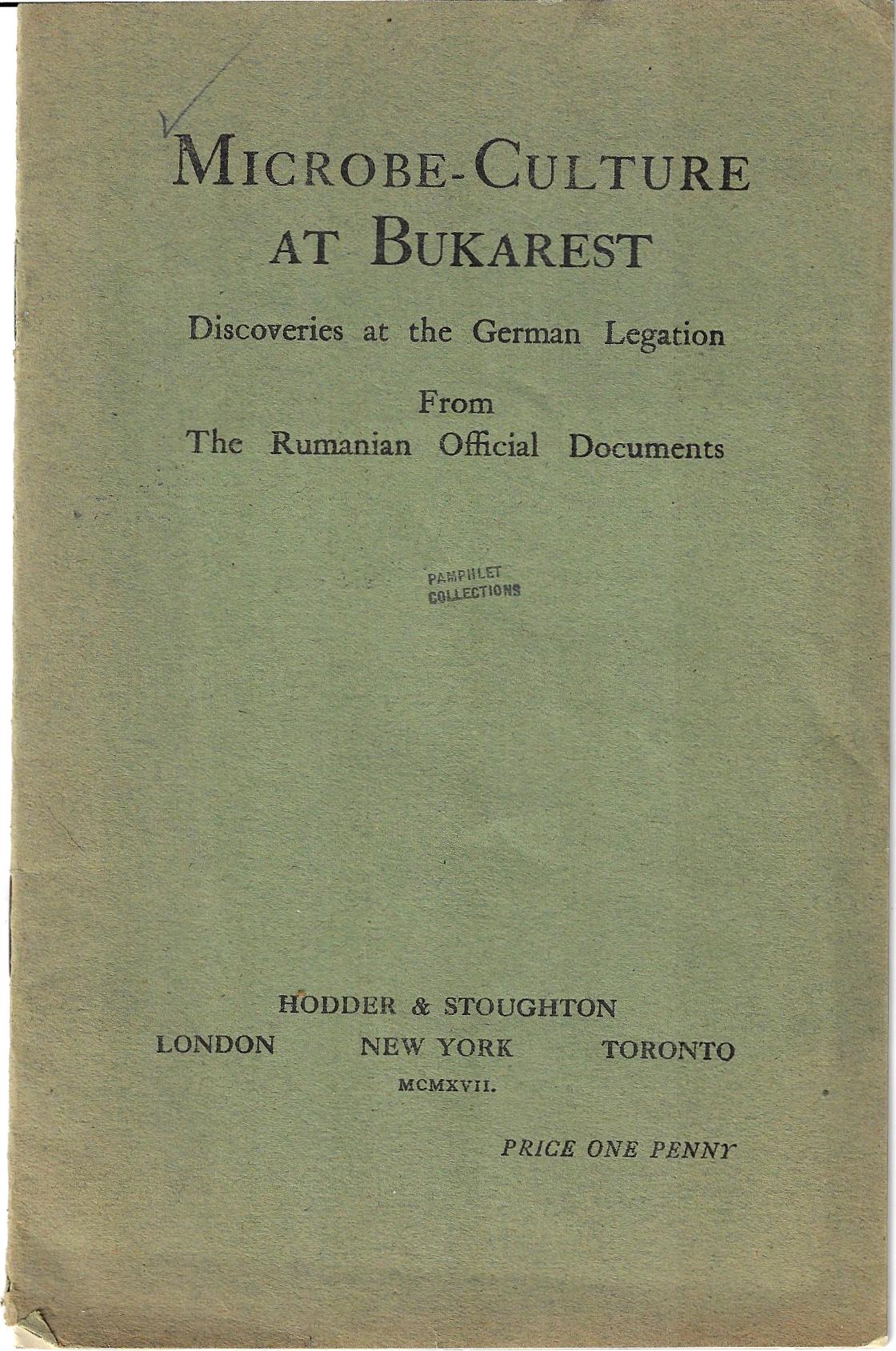
    WWI Microbe BukarestI was certain at first glance that this little pamphlet was referring figuratively to the Germans in Romania as “germs”. Romania was a neutral country for a good part of WWI though it is my impression that they never warmed to the idea of Germany as a friendly non-combatant, and so they would treat them as you would turn away from someone’s coughing fit.

    This is not the case. They were talking about real microbes, and in particular, the bacterium Bacillus anthracis that some contingent of Germans was manufacturing in Bucharest, evidently with the intent to infect horses and mules that were on their way to the Russian front, a real nasty piece of business.  Now the use of biological weapons had been around for perhaps thousands of years (in crude form), though in more recent times it wasn’t much used at all, though there are notable exceptions (as with the Japanese against the Chinese during the Sino-Japanese war that was fought for seven years leading into WWII.  The use of biological weapons had been outlawed at the Hague Conference, but that didn’t necessarily stop everybody, as this pamphlet states. So the not-metaphorical microbes were not to be used, though poison gases of all sorts was an option.  


    ·Posted by :

    ·in:


  • The Department of “What is It?” (#6) Careless Chaos Catcher.

    JF Ptak Science Books   Quick Post      

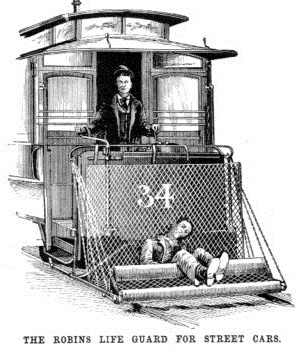
    Okay, so I’ve given it mostly away in the title–if not for that, this wouldn’t be a very obvious contraption, would it?  

    People catcher detail

    There must have been a lot of people who had a problem with street cars in the 19th and early 20th centuries because in my meanderings through the Scientific American I have seen quite a few suggestions for dealing with the pedestrian vs the heavy moving metal problem. Many of them have to do with the humanified locomotive cow-catcher–that is an apparatus that would somewhat safely scoop up the unfortunate pedestrian before they became very fatally unfortunate.  Here’s just one example, found in the February 3, 1894 issue:


    Pepople catcher380

    Neither the scoopee nor the scooper look pleased.  

    This problem is better illustrated by an early film of street traffic–it is amazing in a way that the orchestration of non-fatalities is so seemingly superb, the coercive element of the destruction of liminal space pretty well hidden in the seeming confusion. 

     [Via youtube, “From trolley, down Broadway and Union Square. Street scenes, stores, crowds, carriages.–Early 1900’s”]

    ·Posted by :

    ·in:


  • The Wright Stuff–Pushing the Edge of the Envelope in Berlin, 1912

    JF Ptak Science Books   Quick Post

    There are many posts on this site about looking at images straight-on, and on looking straight down from a height, and looking through the perspective of someone else’s eyeballs to make it seem as though you were the machine gunner/engineer/pilot and so on.  With this in mind I think that there is not one image among the (probably) 7500 antique images on this blog showing that shows people in the act of looking straight up…until today.  And in comes via a fine example, a poster made to celebrate an aeroplane/air show at the Johannistal field in Berlin in 1912. It was the largest field in Berlin until the late 1920’s, and it hosted many pioneer aviation efforts and events, and at this one in May there would be an appearance of a Wright flier.  

    Aviation 1912_0002

    It is just a very interesting graphic–more so given that at this point (and probably another decade or so to come) that if anyone heard an airplane flying overhead, it was still an event enough for just about everyone to look up.  

    [Image source: Exlibris Buchkunst und Angewandtegraphik, 22/1, 1912.]


  • The Department of “What is It?” #5 (1923)

    JF Ptak Science Books      

    So, this is clearly film of some sort, and seems to be a picture of something, but a picture of what? This is a positive of a negative, and the major hint here is that the year it was made was 1923. 

    Talkie detail


    Answer below:


  • Rocket to the Moon, 1930

    JF Ptak Science Books  Post 2683

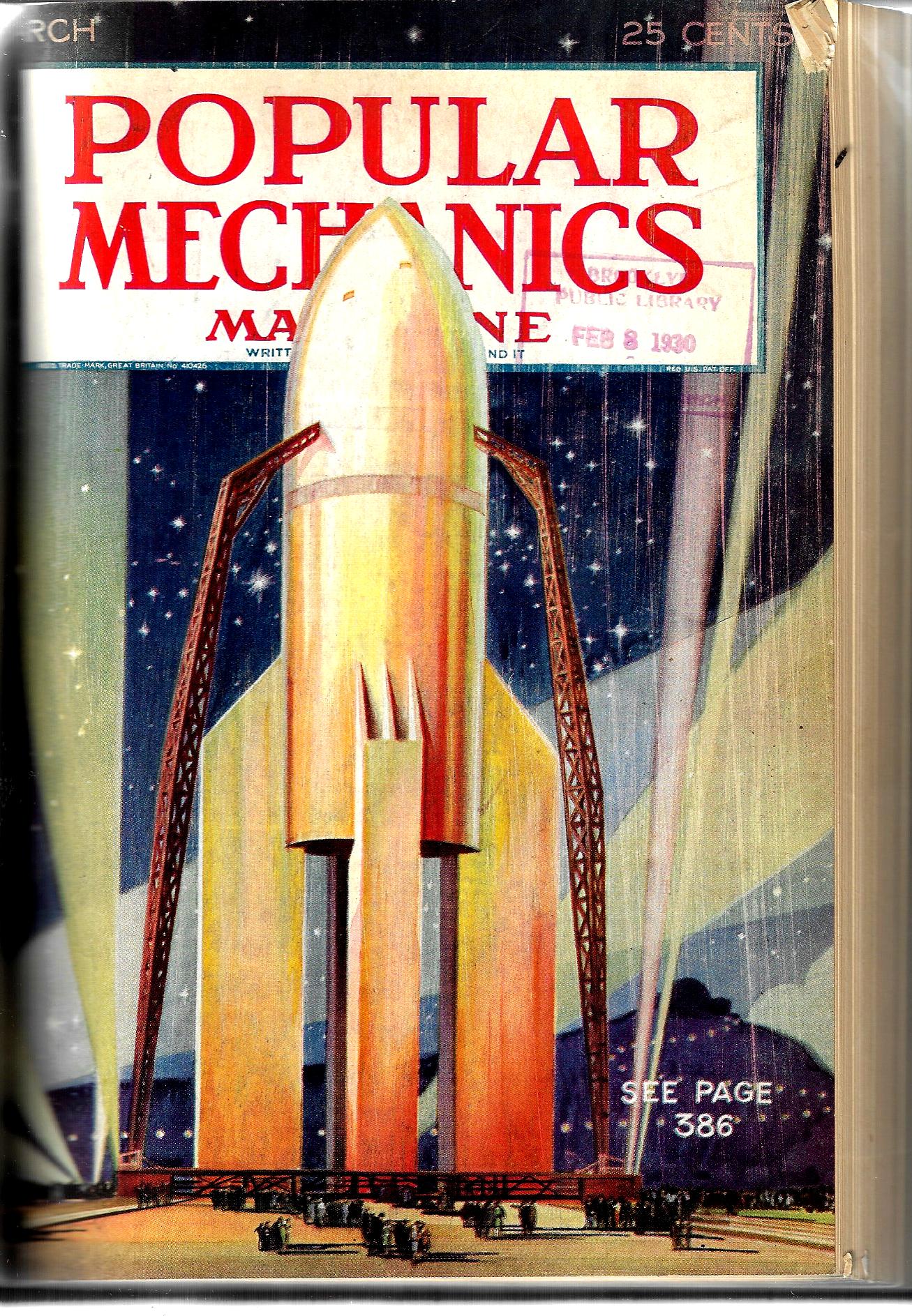
    This is a king-hell cover for Popular Mechanics, appearing in March, 1930, and I was about to say it reminded me of other rocket ship designs from that era except that this one is actually earlier than those I was thinking of, which were generally technical and tech-pop.  When I read the article it turns out that this was a riff on the rocket that had just recently appeared in the Fritz Lang movie, Die Frau im Mond (“Woman in the Moon”, October 15, 1929). The article was about the “realistic” nature of the film and the possibilities it displayed for actual space flight–as it turns out folks who know something about this genre contend that the Lang film may be the first serious sci-fi movie about sending people to the Moon.  

    Rocket Pop Mech 1930

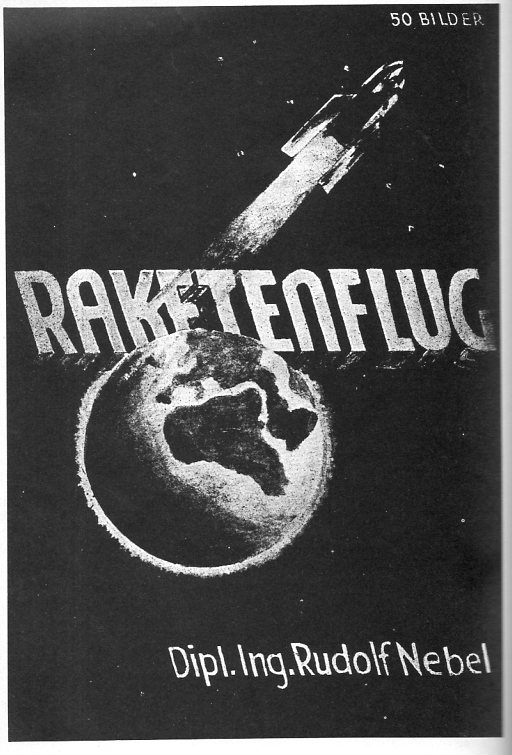
    This looks somewhat like the design of a ship on the front cover of Raketenflug, by Rudolf Nebel . (Nebel. 1894-1978, was a very early member of the Raketenflugplatz, assistant to Hermann Oberth and very nearly the first to successfully conduct an experiment with a liquid-fueled rocket, beaten to the finish line by a man whose work he was not familiar with, Robert Goddard.  He defined right-wing in the Weimar era, and was part of a paramilitary organization called Stralheim; Wernher von Braun seems to have succeeded in the avenue that Nebel tried to travel along.  Nebel published this work in 1932, a year before the Nazi party came into power, and before his crotchety problems with the SA began.

    Rocket nebel

    And also like Otto Gail’s ship: 

    Rocket Gail

    Gail (1896-1956)  was more a science journalist, popularizer, science fiction and fantasy writer than anything else, though his descriptions of preparations for launching a spacecraft to the Moon as well as the experiences of the crew were fairly lifelike.

    And the original culprit (via Wiki):

    Rocket frau im Mond