A Daily History of Holes, Dots, Lines, Science, History, Math, Physics, Art, the Unintentional Absurd, Architecture, Maps, Data Visualization, Blank and Missing Things, and so on. |1.6 million words, 7500 images, 4.9 million hits| Press & appearances in The Times, Le Figaro, Mensa, The Economist, The Guardian, Discovery News, Slate, Le Monde, Sci American Blogs, Le Pont, and many other places… 5000+ total posts since 2008.

Category: Women, History of

  • Women, Work, and Bombs: 1918

    JF Ptak Science Books   Quick Post
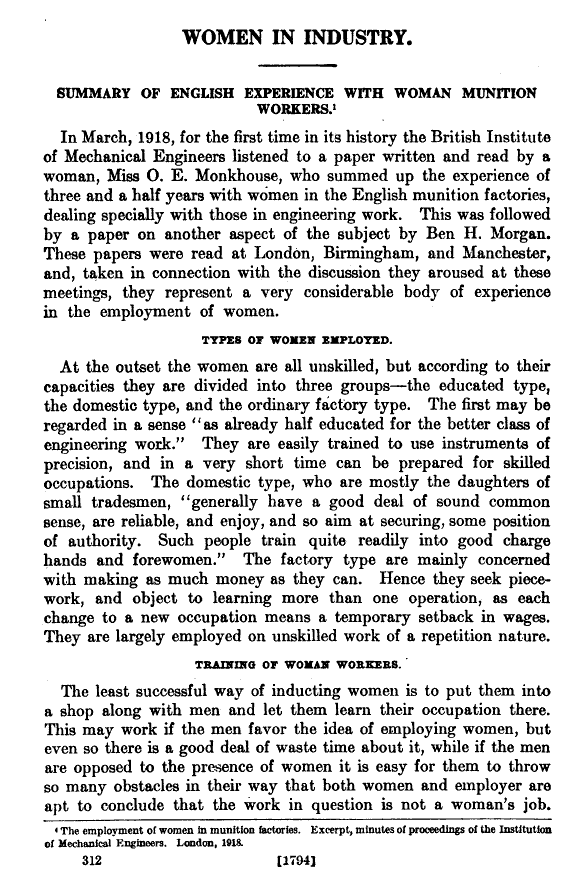
    I came across an interesting little story in Nature (March 28, 1918) about women munitions workers.  It is a note based on a report written by Miss O.E. Monkhouse–and as it was noted in the Monkhouse piece that it was the first paper read by a woman before the British Institute of Mechanical Engineers–and summarizes the work of a million women workers in wartime bomb  factories.  It is probably a valuable report for its telling of the number and nuts and bolts, and of course for the history of the introduction of women into a work environment where they had never been before, and in great numbers,  but it still must suffer through the painful prejudices and opinions of the times. Ms. Monkhouse though is an elegant spokesperson and proponent for equality, and makes several arguments for the abilities of women being equal to that of men, which makes this short article well worth the read. 

    Women in industry


    ·Posted by :

    ·in:

    —

  • Can You Volunteer and Work for the Nazis and Not Be One?

    JF Ptak Science Books    Post 2411

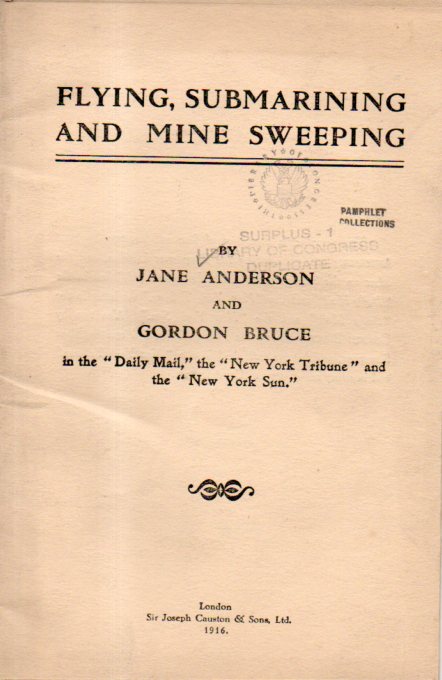
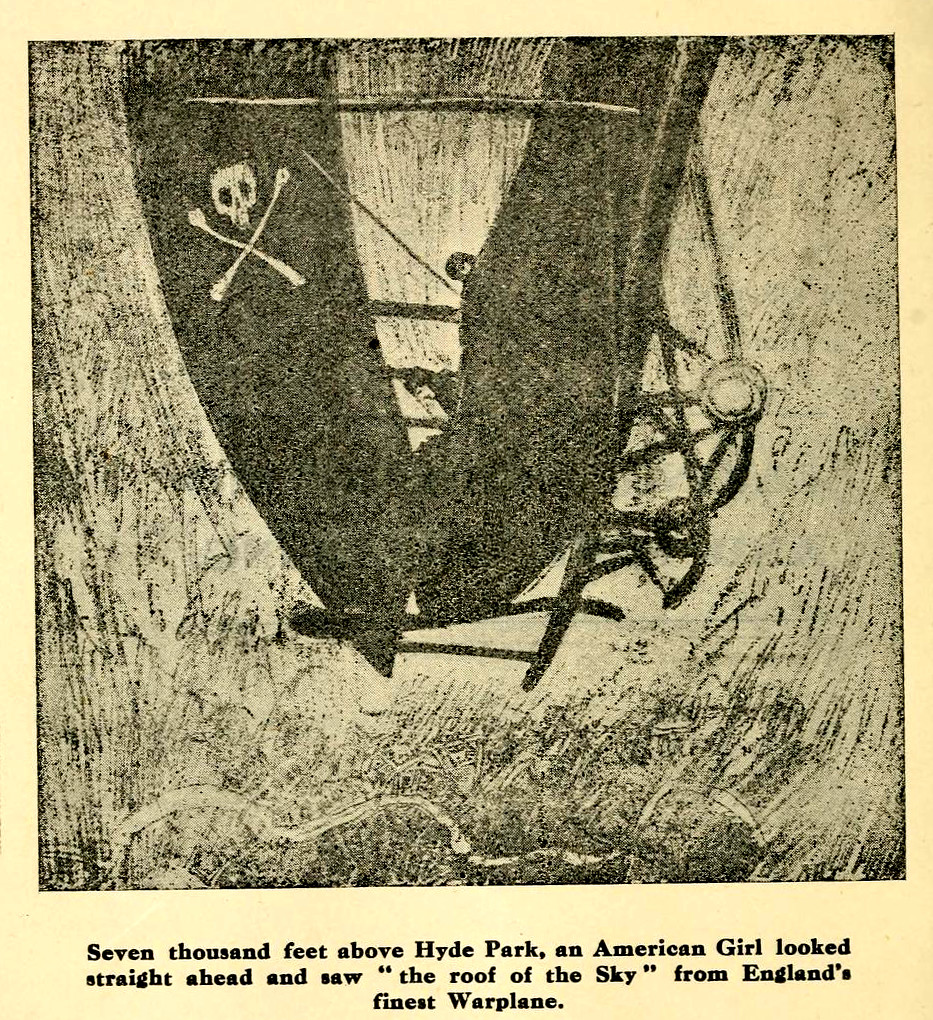
    “I am the first woman to make a flight across London, in one of His Majesty’s war machines; I am the first woman who has been presented by the War Office with a view of Hyde Park from an altitude of almost eight thousand feet.”–Jane Anderson (1916)

    I was somewhat surprised to see that this pamphlet was co-written by a woman—my 
    experience with WWI pamphlets is that it is vastly dominated by male writers, and I
    would have expected it to stay so especially for this subject matter. Jane Anderson was an
    interesting writer with a free style, and I can tell that she had a good time with her
    experiences. She starts with this, and tells an unusual story in an easy way:
    WWI Pamphlet Female727
    “Seven thousand feet above Hyde Park, an American Girl looked straight ahead and saw "the roof of the Sky" from
    England's finest Warplane.”
    Flyingsubmarinin00ande_0004
    An example of her writing on the sub: "When I looked at her lying with her exposed tubes shining in the sunlight and her bulkheads in strips of rusty
    iron, it seemed incredible that she had been under the coast guns of the enemy, that she could have made
    in her damaged condition a journey of three hundred miles, returning to a safe harbour with the information
    she had been sent to obtain. And, added to this, was the fact that she had made the voyage in a high sea,
    that for twenty hours, defenceless, she evaded the enemy patrols....”

    The pamphlet really is worth a read, and it is available here for free via the Internet Archive.

    The second part of this story is not so great--checking Ms. Anderson's biography
    reveals an ugly twist and deep turn to the far and distant fascist/Nazi right. She was 
    certainly an adventurer, and at some point she winds up marrying nobility in Spain
    and covers the Spanish Civil War--but she goes from journalism to propaganda
    and begins to write and broadcast for the Fascist government. Her good works there
    come to the attention of the Nazis, who pursue their interest in her. Anderson responds,
    and goes to work in service of Adolf Hitler. She writes propaganda, and then is given her
    own radio show. She seems to have been useful for a time, and then perhaps wasn't, but
    she stayed in Germany until the end of the war, arrested after flight finally in 1947 in
    Austria. She was charged with treason, but released for lack of evidence.
    She survived herself, went to Spain, and lived to be 84, dying in 1972.

    From Wiki, we have her wartime story:

    ·Posted by :

    ·in:

    — —

  • Women Collegian Armed Confederates, 1903

    JF Ptak Science Books  Quick Post

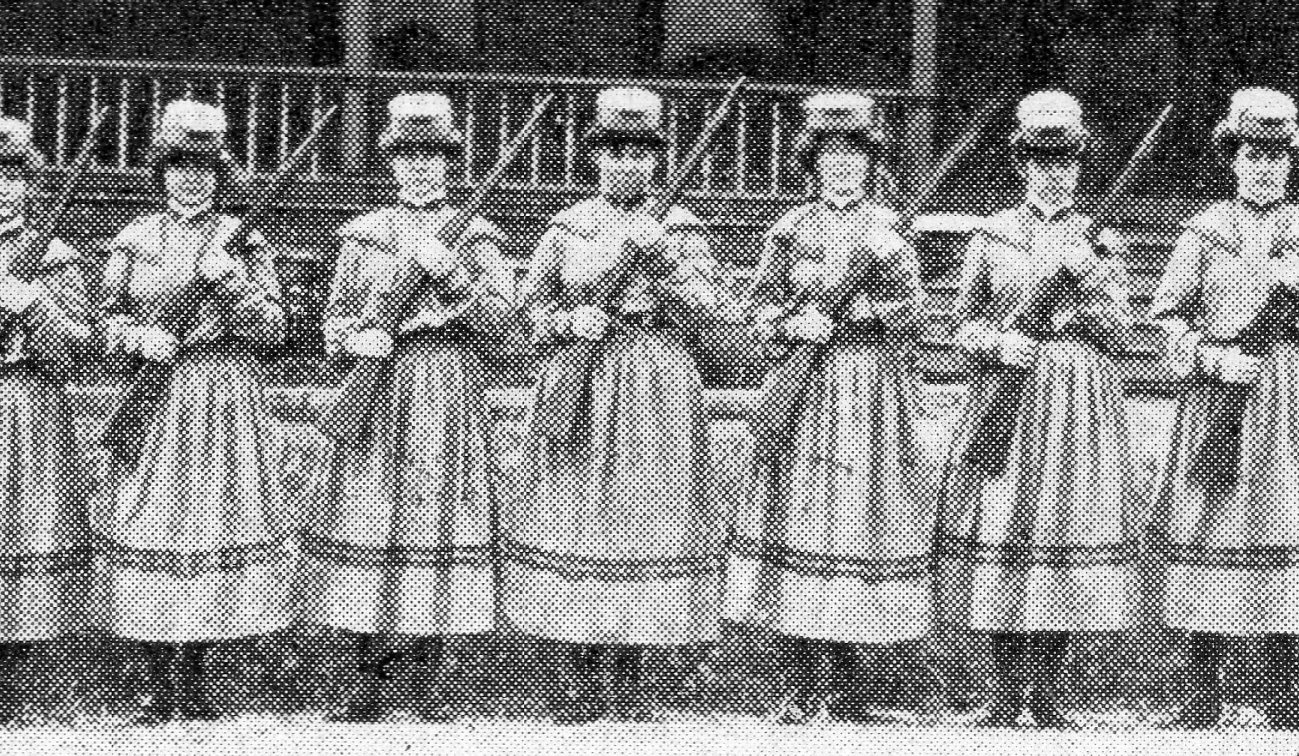
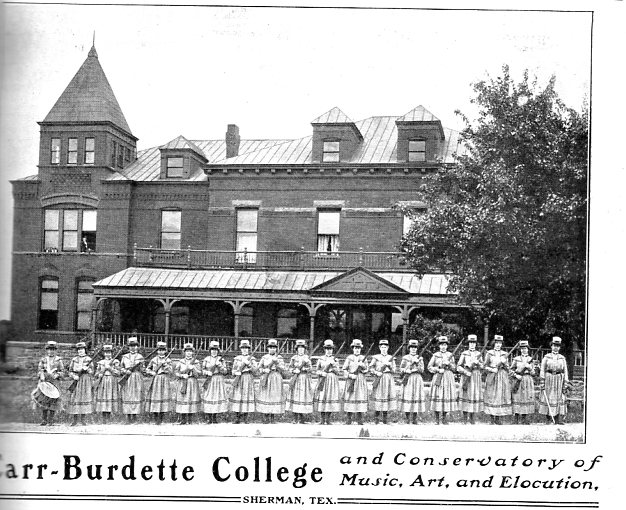
    Carr-Burdette College and Conservatory of Music, Art, and Eloqution (Oxford comma in the original), of Sherman, Texas, advertised themselves as the “Petit Wellesley of the South” in The Confederate Veteran for 1903.  I’m slightly surprised to hear of Texas as “Southern” or in the “South”, because in my head Texas always plays out as Texas, Confederate State or not.  Sherman is due west of Paris, way up north, north of Dallas, nearly in Oklahoma, jsut south of the Red River, and several turns and twists away from Archer City to the sotuh west. 

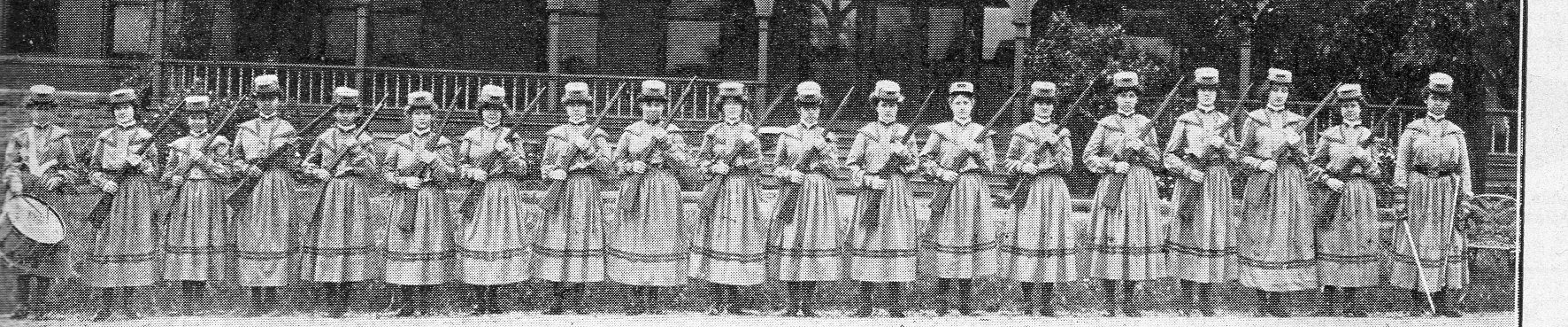
    It also advertised the Girls Military Company  (“the only one in the South”) “organized to give mental concentration and physical development”. And it isn’t just any military company, either: “the college furnishes the company with handsome Confederate uniforms, guns, drum, etc.”

    Confed vet women372

    In any event, Carr-Burdette lasted from 1894-1929, and their two brick buildings were razed after the property was sold in 1939.  I have no idea why the structures were taken down.  The photograph of the Girl Military Company sure is a handsome thing, though.  

    Confed vet women373

    Confed vet women371

    ·Posted by :

    ·in:


  • Women’s Land Army of England, 1918

    JF Ptak Science Books   Quick Post

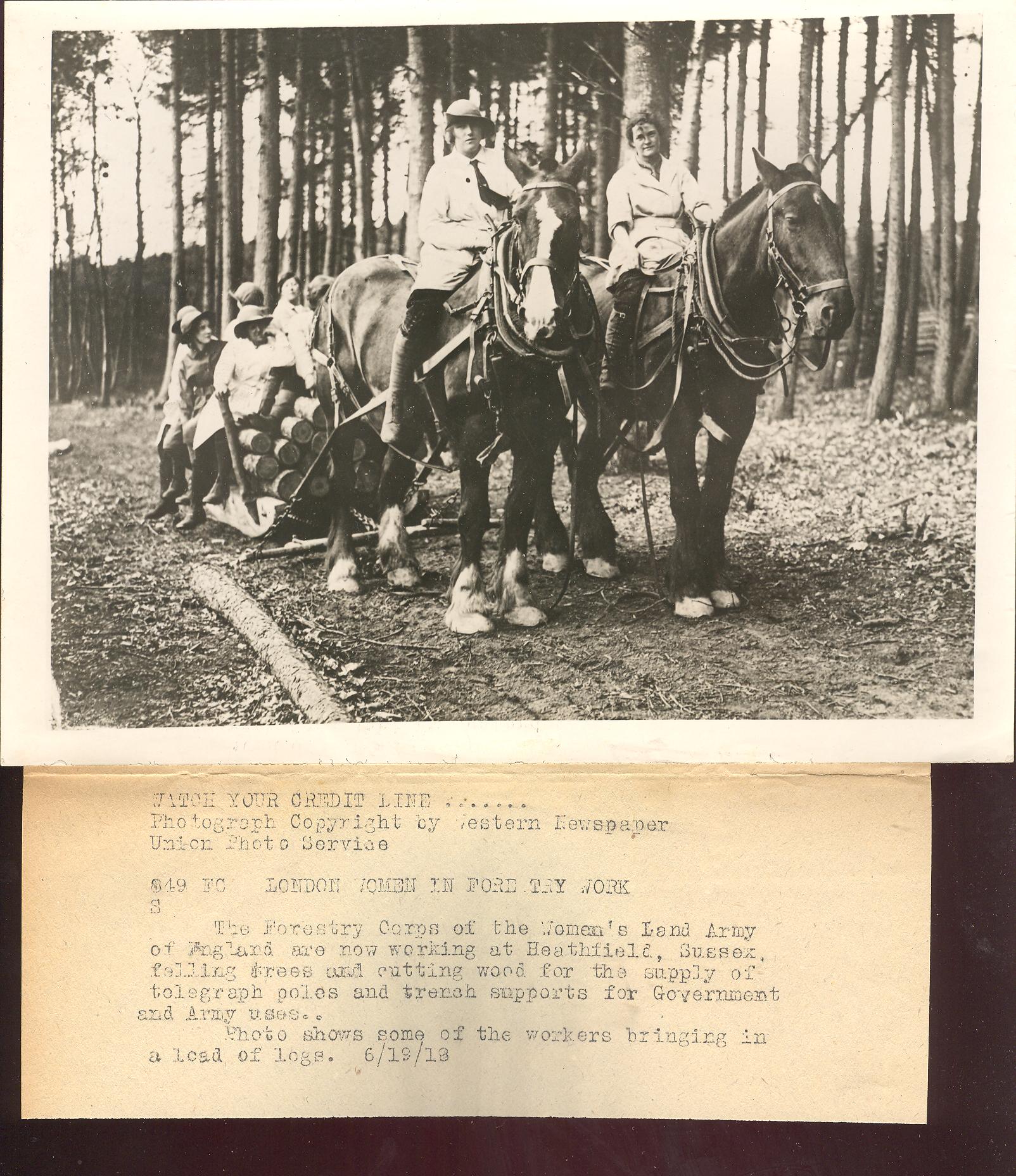
    What a great name–the Women’s Land Army of England.  This was a voluntary service that recruited women to work in jobs (generally in agriculture and forestry and such) that were left unfilled by men going into military service.  The “Land Girls” performed a huge variety of work and were a very necessary part of the economic and social structure of the U.K., a Florence the Farmer response to Rosie the Riveter.

    The image below is of  a continent of the Forestry Corps of the Women’s Land Army of England, working at cutting telegraph poles, and commanding some great-looking draft horses.  (The horse on the right–ears back–looks big and perhaps a little sensitive.)  The horses are pulling a land sled filled with at least five other women and a load of telegraph poles that don’t look particularly long…

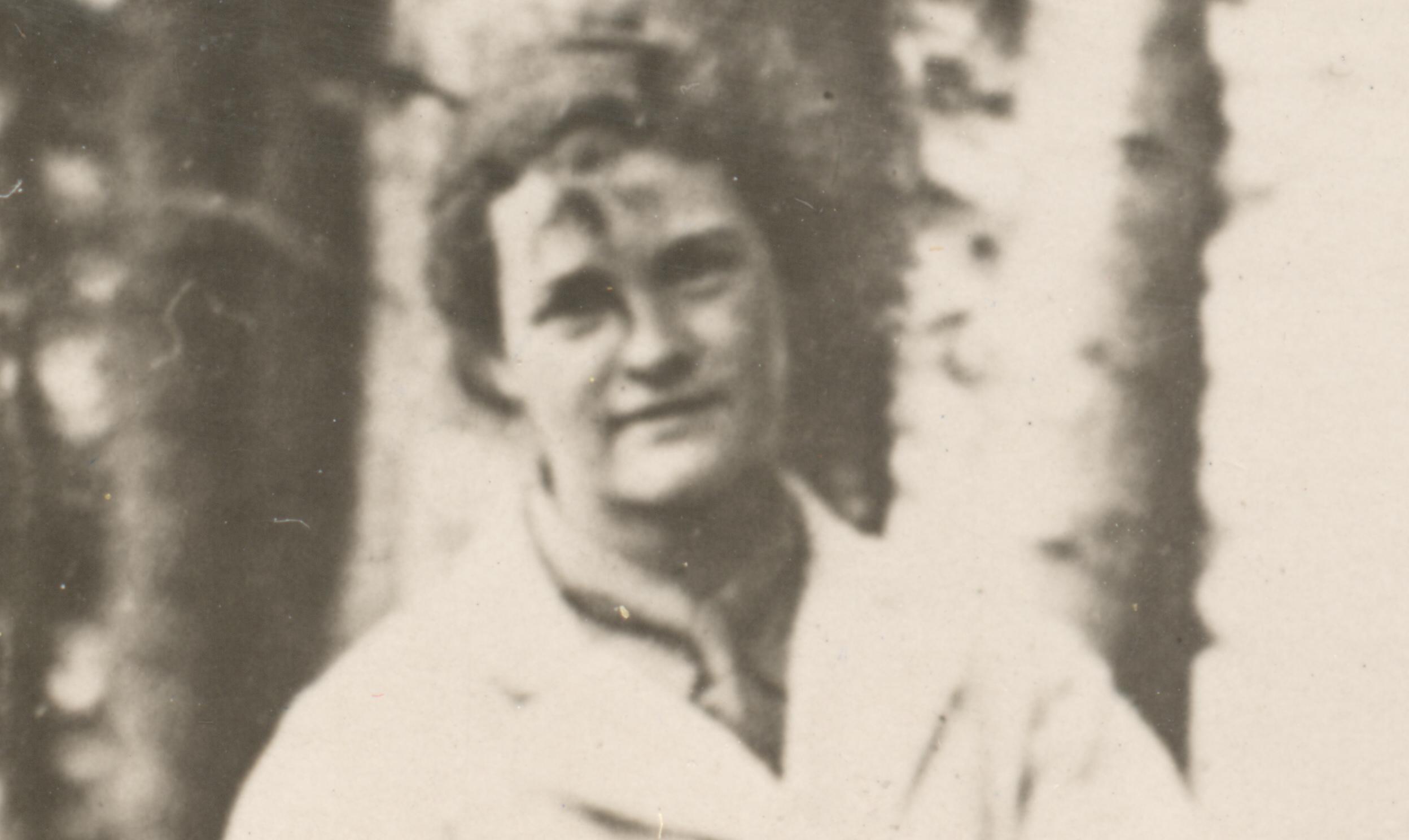
    I love that the women are wearing ties.

    [The original photograph can be purchased via this blog’s store, here.]

     
    1 april 27 women horses

    1 april 27 women horses det

    ·Posted by :

    ·in:

    —

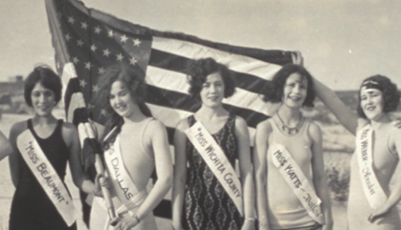
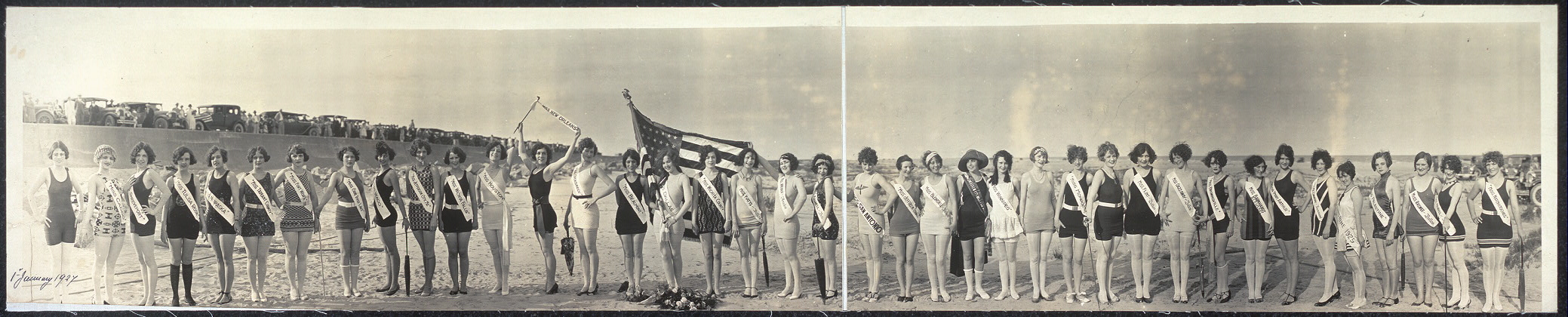
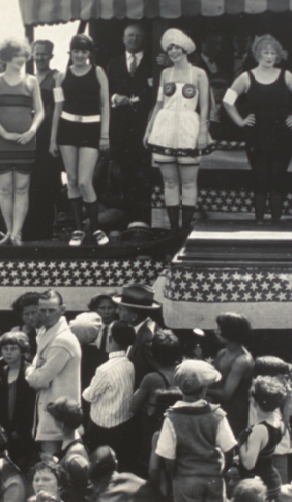
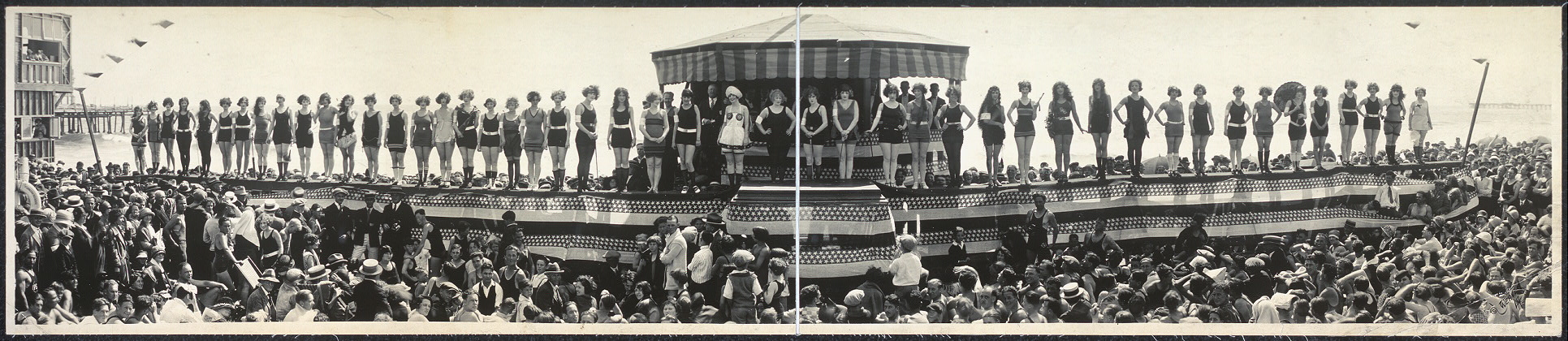
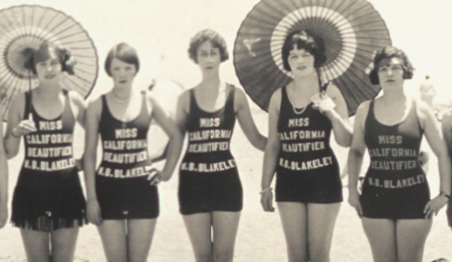
  • Beauty Pageant Panoramic Photos & Found Serendipities, 1920’s-’30’s

    JF Ptak Science Books  Post 2246                                                                 Follow Me on Pinterest

    These images come from the Library of Congress website–many of them wound up in my pinterest account.  The link for both for each image are found below.  Photographs like this–wide panoramas of big groups of people–are fascinating for the collection of moments that it captures, wall-to-wall serendipities.    [See the  Library of Congress panorama collection.]

    Beauty Galveston Detail

    Galveston Beauty Review, 1927 [detail]


    Beauty Galveston 1926


    Beauty--0crystal piuer detail


    Detail of below, featuring an unfortunate bath suit selection and a clump of men and boys.  Perhaps it is more “wad” than “clump”, like a murder of crows.   

    Beauty Crustal piuer

    Bathing Girl Parade, Crystal Pier, California 

    BEauty balboa beach detail

    Balboa Beach Bathing Beauty Parade, 1925 (detail from below) 

    Beauty balboa beach


    ·Posted by :

    ·in:


  • Daily Dose from Dr. Odd: Let Your Man fill Your Eyes With Smoke

    JF Ptak Science Books  Quick PostDaily Dose from Dr. Odd series

    Follow Me on Pinterest


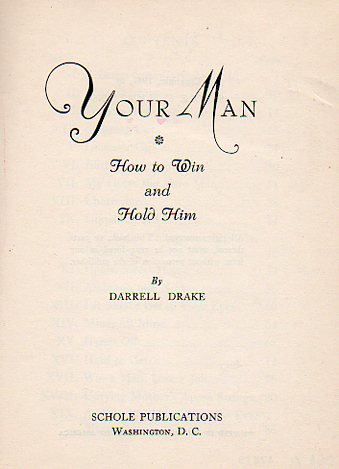
    Man Keep225Darrell Drake was full of advice, not much of which seems to have weathered the wearying bits of time very well.  Most of what he has to offer has to do with being coy, reserved, and retiring, and so much so to the point of being insipid acquiescing in the superior qualities of the man, forever in the back seat, quiet and demure, patient and understanding and making the back-step always the job of the woman. Not much of a surprise.  But what was very unexpected was the chapter called “Let Smoke Get in Your Eyes”, a four-page baiting in which he warns women against the antagonism of correcting the manners and behavior of the man, so much so that she should be well willing to have  smoke blown into her eyes rather than suggest that the smoker not do so–you don’t see that every day. 


  • On Educating Women in the Sciences, Nature Magazine, 1871

    JF Ptak Science Books    Quick Post  Follow Me on Pinterest

    Nature099[The decorative gilt-stamped title of the cover of the volumes of my run of the great journal, Nature, 1871]

    In the 23 November 1871 issue of Nature appears “Science for Women”, a sort of unsigned editorial.  It is one in an interesting series of (for the most) part positive revelations about the education of women in the sciences, a step towards, well, not “equality”, but a normalization, a rapprochement,  extending the field of technical education away from the ruling/private school/university class of men towards women. This was happening at a time when there was not only a distinct division between men and women in education but also between the classes. 

    ·Posted by :

    ·in:


  • Doing Your Laundry at Home, 1922

    JF Ptak Science Books  Quick Post

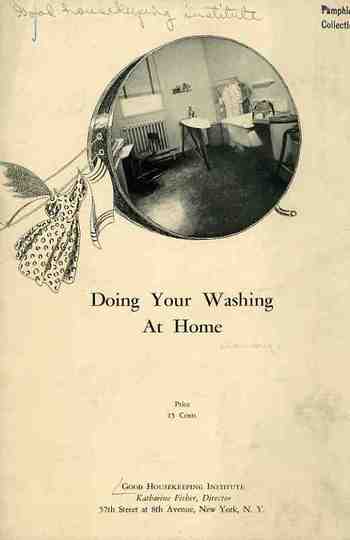
    This anatomy of convenience first seems to be the opposite of what it was–the newly-established laundry room as a place in which great chunks of time were spent on repetitive and numbing labor.

    Doing the laundry at home–where else was the laundry being done? By some middle class people the laundry was being taken care of elsewhere, and then also at home but by someone else–at least by semi-imaginary standards of the day in 1922. Perhaps to distinguish itself a little more clearly this pamphlet should have been called Doing Your Laundry at Home Yourself. 

    Good Housekeeping was presenting the Laundry Room, complete with all of the modern conveniences, including an electric washing machine, which (although there is no electric dryer in site) would have saved perhaps a waking week in the life of the average housekeeper by relegating hand-washing the laundry to an electrical convenience.  Blogjuly_17_work_laundry335

    ·Posted by :

    ·in:


  • “Vote Against the Terrible Men”, 1869

    JF Ptak Science Books  Quick Post, Election Day

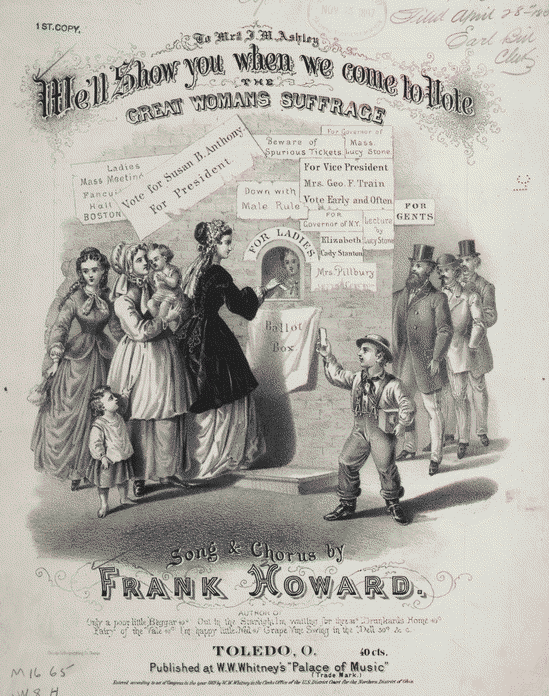
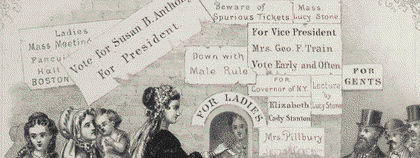
    This piece of Suffragette music was published in the incredibly-named “Palace of Music”by W.W. Whitney in Toledo, Ohio in about 1869.  For most intents and purposes the women’s vote movement was still in its first generation, and still five decades away from a  national vote for women. The music and words were those of Frank Howard (not of the Baltimore Orioles, as this Mr. Howard was born in 1823).  Images courtesy of the vast colelctions at/connected to the Library of Congress, here.

    Vote terrible men

    Vote terrible men_edited-1

    ·Posted by :

    ·in:


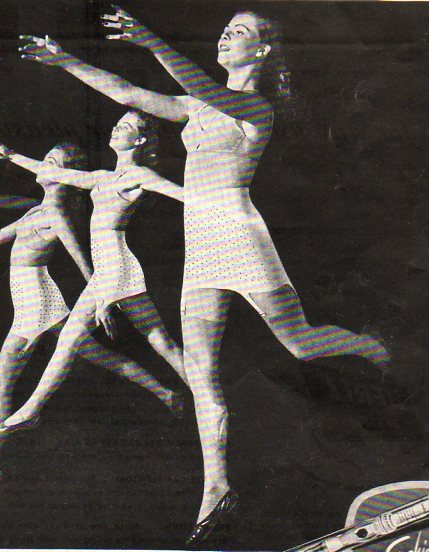
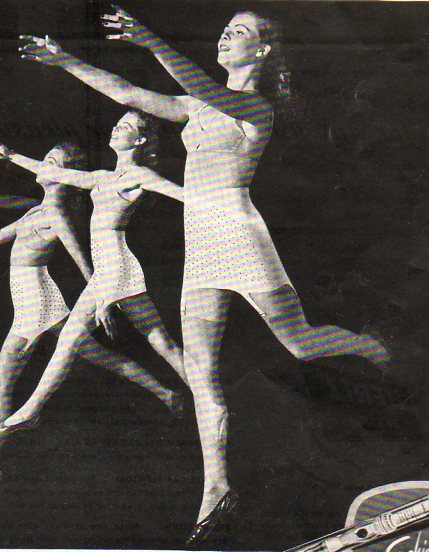
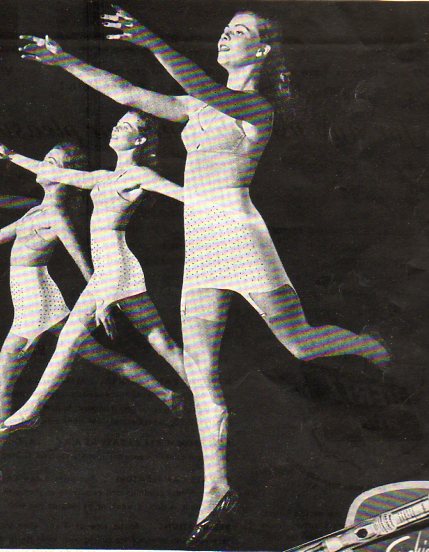
  • Girdle vs. Goedel: the Pink Ice Girdle Ballet of 1951 vs. Logic. Part I of the History of Holding Things In

    JF Ptak Science Books  

    Girdle--a det428[My thanks to Patti Digh for providing the idea for the Goedel part of this adventure into Playtex and Logic–she did so because (a) they fit together and (b) girdle/Goedel sounded almost identical to a woman who once lived in Munich!]   

    In the long history of Holding Things In, perhaps the newest of its
    members was upon us only recently. In the long, deep past we have held
    our breath, hidden our anger, stowed our emotions, and so on, but it was
    only recently that we began to hold our bellies in.  One of the masters of Holding Things In for this period turns out to be the sublime logician and re-inventor of modern mathematics (by putting one piece of the great Hilbert to sleep), Kurt Goedel, who towards the mistakenly-self-engineered end of his life, Goedelheld on to everything, virtually–he organized and filed almost very piece of paper that he came into contact with at any level, became ever more reclusive, and at the end (due to his theories of people/institutions wanting to kill him) refused food and, of all things, water.  Surrounded by the smartest people on the planet (including his friends Einstein and von Neumann) up there at the Institute for Advanced Study at Princeton, Goedel withered away until he had almost no shadow. It is a bad irony that he could be so inconceivably unmovable and restrained while at the same time, and in the same life, offered such incredible newness to the maths–both ends of the mountain at the same time.

    1951, the year in which these girdle advertisements appeared in Life magazine, was also the year that Goedel present us with the Goedel  metric, and also in which he received (with Julian Schwinger) the first Albert Einstein award (and of course delivered his famous Gibbs lecture  “Some basic theorems on the foundations of mathematics and their implications”).

    The popular introduction of the girdle I think that
    this happened at about the same time for the sexes, only these
    conveniences were much more often advertised for women than they were
    for men.  Slender and non-existent waistlines for women were more of a cultural identifier
    than a slim-hipped man, and the ads for his cheaters appeared far less
    frequently than those for women.

    The first widespread appearance of the girdle for the sake of vanity must have occurred during the 19th century, or perhaps a little later is my best guess–but the first time the device began to appear for the common woman must’ve come around the time when there was time for leisure, or shopping, or of being seen in public in short intervals.  And that I believe is a Victorian-age invention.

    But the binder doesn’t come into fabulous presence until the distribution of mass population illustrated magazines, or I should say the advertisements that made these magazines possible:  production like LIFE (from which these 1951 images come) reached far more women than the popular older periodicals like Harper’s Weekly or other polite mid-19th century journals for women.  The advertisements were certainly more enticing, the possibilities more rewarding, and the girdle comfort levels far higher than their predecessors, and the availability of disposable income for women far greater–and so incidentals like the girdle became more greatly commodified, and moved into the “essentials” category. 

    The idea of these ads seem horribly revolutionary: on the one hand, the badly-named and hyphenated  Playtex product “Pink-Ice” squeezed women into new tight but  malleable molds, while at the same time promised some sort of ballet-like freedom because of it. Like the creeping (“two steps forward and one step back”) communism of the time, Playtex promised the possibilities of enhanced freedom through restrictive clothing (in a “peace through strength” vision).  In any event, and in spite all of what I just wrote, the pictures are kind of amazing.  

    [I’m well aware that this may be one of the worst things ever written about Kurt Goedel–the Renault Dauphine of Goedeliana.  But it doesn’t matter, because in all of his powers, Goedel could absolutely prove that g_d existed, and that  I don’t.]