A Daily History of Holes, Dots, Lines, Science, History, Math, Physics, Art, the Unintentional Absurd, Architecture, Maps, Data Visualization, Blank and Missing Things, and so on. |1.6 million words, 7500 images, 4.9 million hits| Press & appearances in The Times, Le Figaro, Mensa, The Economist, The Guardian, Discovery News, Slate, Le Monde, Sci American Blogs, Le Pont, and many other places… 5000+ total posts since 2008.

Author: JF Ptak

  • An Audio Internet for Six (1888)

    JF Ptak Science Books  Post 2838

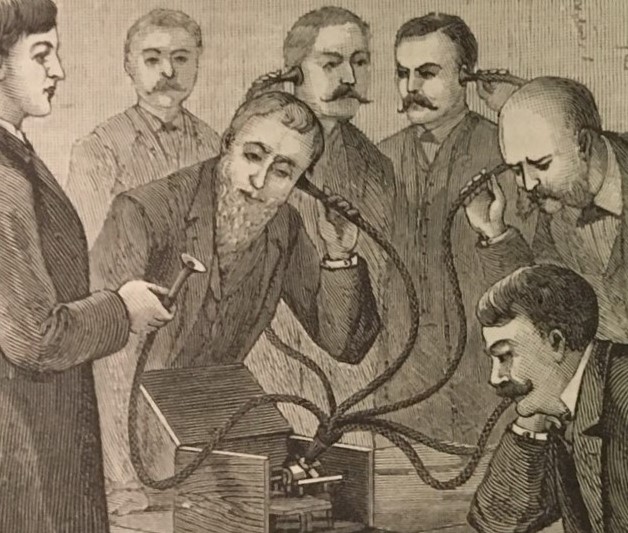
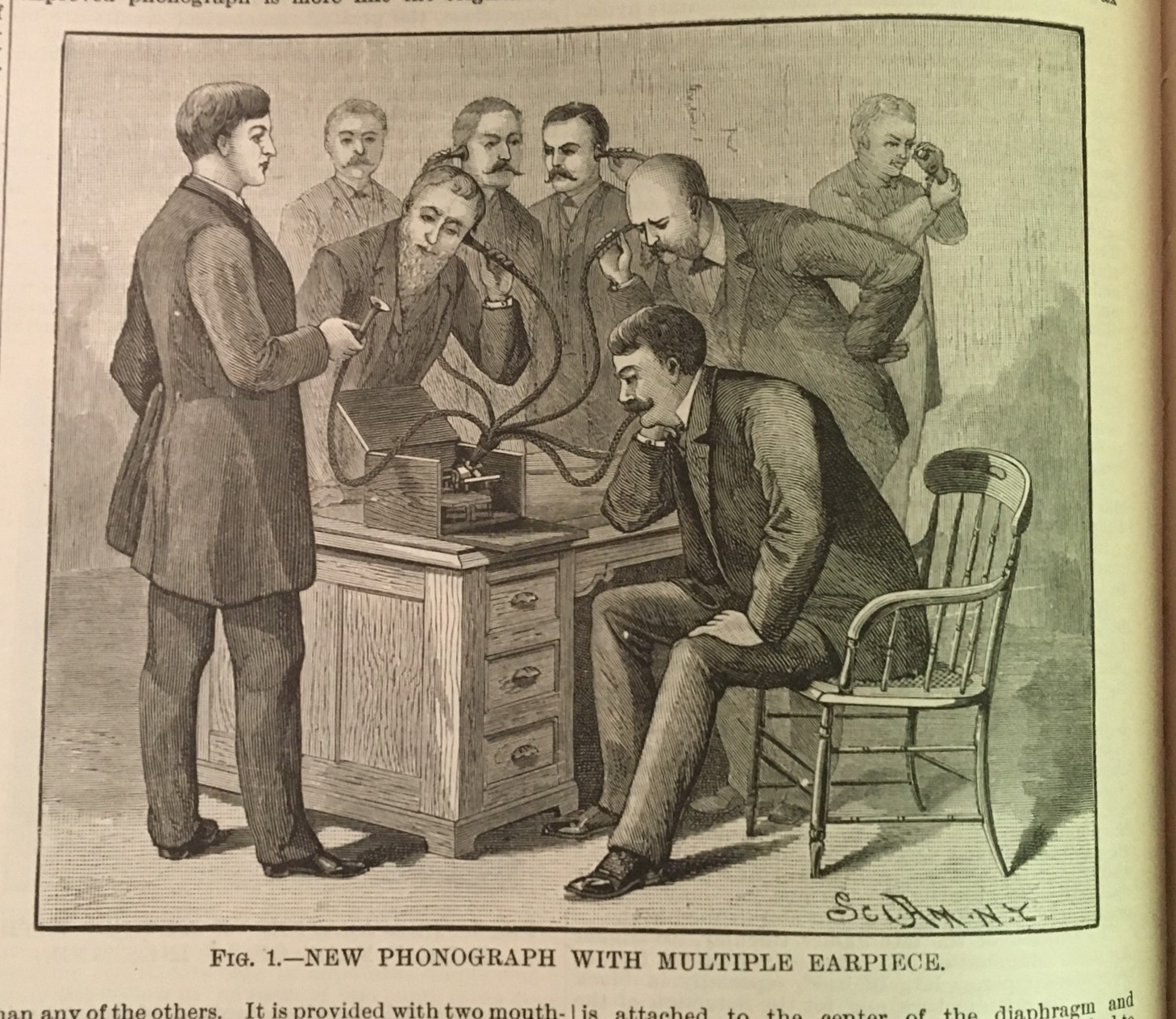
    This device isn’t so much a six-person internet as it is…well, it isn’t that at all. It was however one of the first times where a group of people could share a recorded piece on their own earphones, though.  This was Thomas Edison’s new photograph of 1888:
    Sci Am SUpp 1888 Edison phonograph _2_

    Thomas Edison–who in a furious few years in the mid 1870’s–invented the light bulb and the phonograph  (the later coming as a direct byproduct on work done on the telephone and telegraph)..He celebrates his phonograph in the North American Review (May 1878)  and then lists what he saw as the readymade faits acomplis of the phonograph, the first of which was weirdly/spectacularly worded:   “1. The captivity of all manner of sound-waves heretofore designated as fugitive, and their permanent retention.”  Do you hear a soundtrack with that description?  I did.  He proceeded with less fanfare: “2. Their reproduction with all their original characteristics at will, without the presence or consent of the original source, and after the lapse of any period of time. 3. The transmission of such captive sounds through the ordinary channels of commercial intercourse and trade in material form, for purposes of communication or as merchantable goods. 4. Indefinite multiplication and preservation of such sounds, without regard to the existence or non-existence of the original source. 5. The captivation of sounds, with or without the knowledge or consent of the source of their origin.
    Sci Am SUpp 1888 Edison phonograph _2_


    Edison then goes on to list what he saw as distinct “possibilities” for the use of the phonograph in the not-too-distant future. There are ten major prospects, the “bookish” aspect and the first major assault on the way we read is listed fourth (though he wasn’t necessarily weighting his list in any way).  Some of the others in this list (all of which cam to fruition) include: 1.Dictation and letter writing—using the phonograph to record letters and correspondence, which was baldly aimed at the business and corporate trade as the machine was relatively difficult to operate and expensive. 2  Phonographic “books”. I noticed that that Edison did not change the word “book” in any way, even though the book is no longer there with the application of the phonograph, just the read and spoken words.  “Books may be read by the charitably-inclined professional reader, or by such readers especially employed for that purpose, and the record of such book used in the asylums of the blind, hospitals, the sick-chamber, or even with great profit and amusement by the lady or gentleman whose eyes and hands may be otherwise employed; or, again, because of the greater enjoyment to be had from a book when read by an elocutionist than when read by the average reader.” 3. Family records. “For the purpose of preserving the sayings, the voices, and the last words of the dying member of the family [emphasis mine] as of great men the phonograph will unquestionably outrank the photograph.”4. Toys:  “A doll which may speak, sing, cry, or laugh, may be safely promised our children for the Christmas holidays ensuing. Every species of animal or mechanical toy such as locomotives, etc. may be supplied with their natural and characteristic sounds.”

    Edison continued, writing on the phonograph’s application for the study of elocution, speaking clocks, language preservation (as in documentation of the proper way of speaking a certain language, something that would’ve come in handy in the spike of disappearing languages at the end of the 19th century), telephone recorders and pedagogical lessons.

    There was a lull in activity on the phonograph for Mr. Edison between the machine’s invention and 1888—this was the first major iteration/improvement the man made on his machine in nearly 10 years. The most significant reach was replacing the surface of the recording foil cylinder with wax, which was more reliable. In any event, in this picture (published in Scientific American Supplement in March 1888, we see the new instrument, equipped as it was for six private listeners.
    ·Posted by :

    ·in:


  • The USAF “Flying Saucer” Prototype (1954)

    JF Ptak Science Books   Quick Post

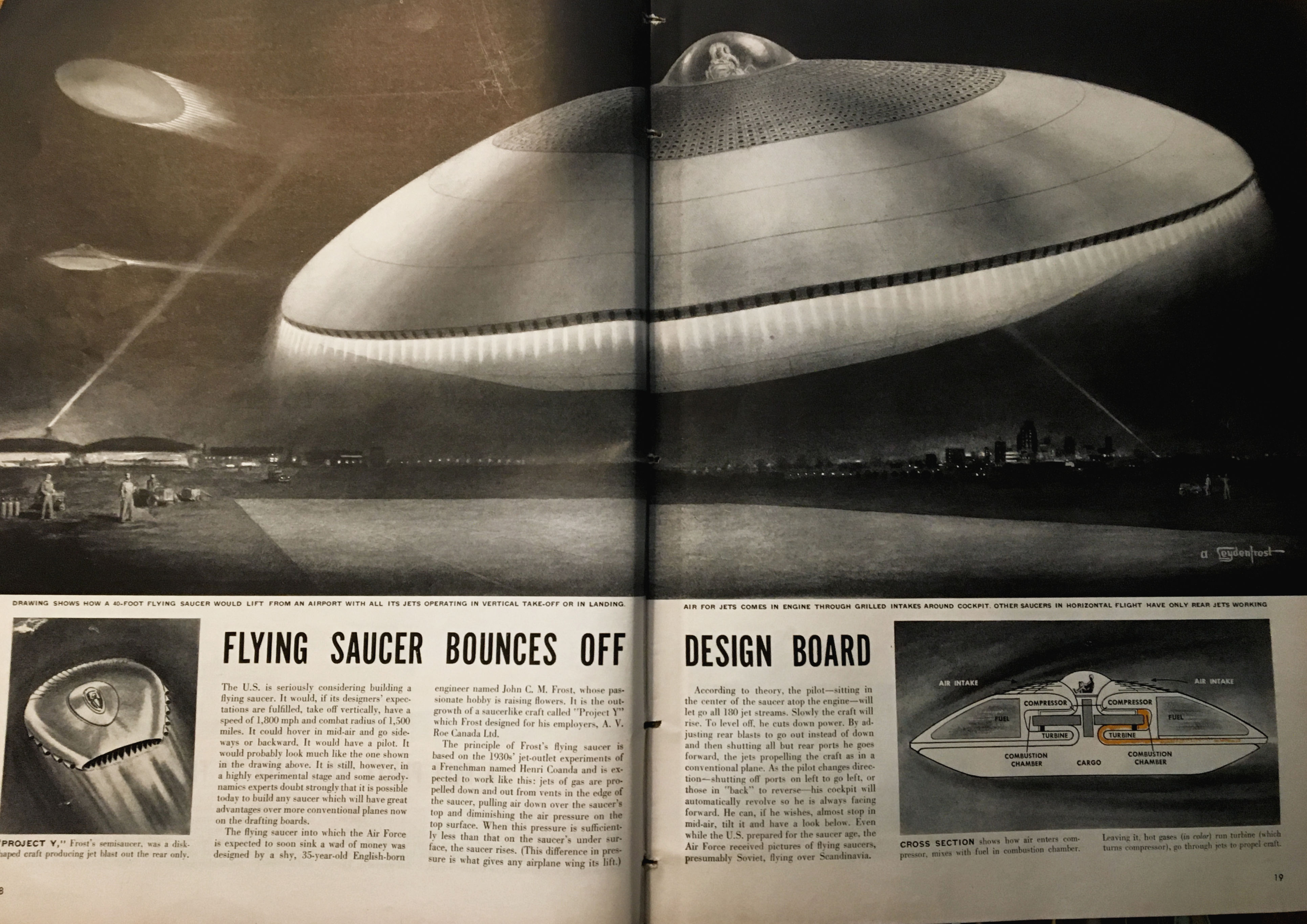
    Appearing as a splashy double-page spread in LIFE magazine for May 31, 1954 is the great “Project Y” USAF flying saucer. It was the continuation of the work carried out by John C.M. Frost (1915-1979) who was a superior engineer who worked for de Haviland and Avro Canada, and who continued his VTOL work with the Air Force under the “Project Y”. This aircraft was to fly 1500-2000 mph and have a 1500 mile range. Of course, this particular aircraft didn’t get very far for Frost, a person with numerous successes, but it did experience some fair amount of attention.

    Life 1954 Flying Saucer

    ·Posted by :

    ·in:

    —

  • A World of Untranslatable Colors and no Color Vocabulary (1638)

    JF Ptak Science Books  Post 2837

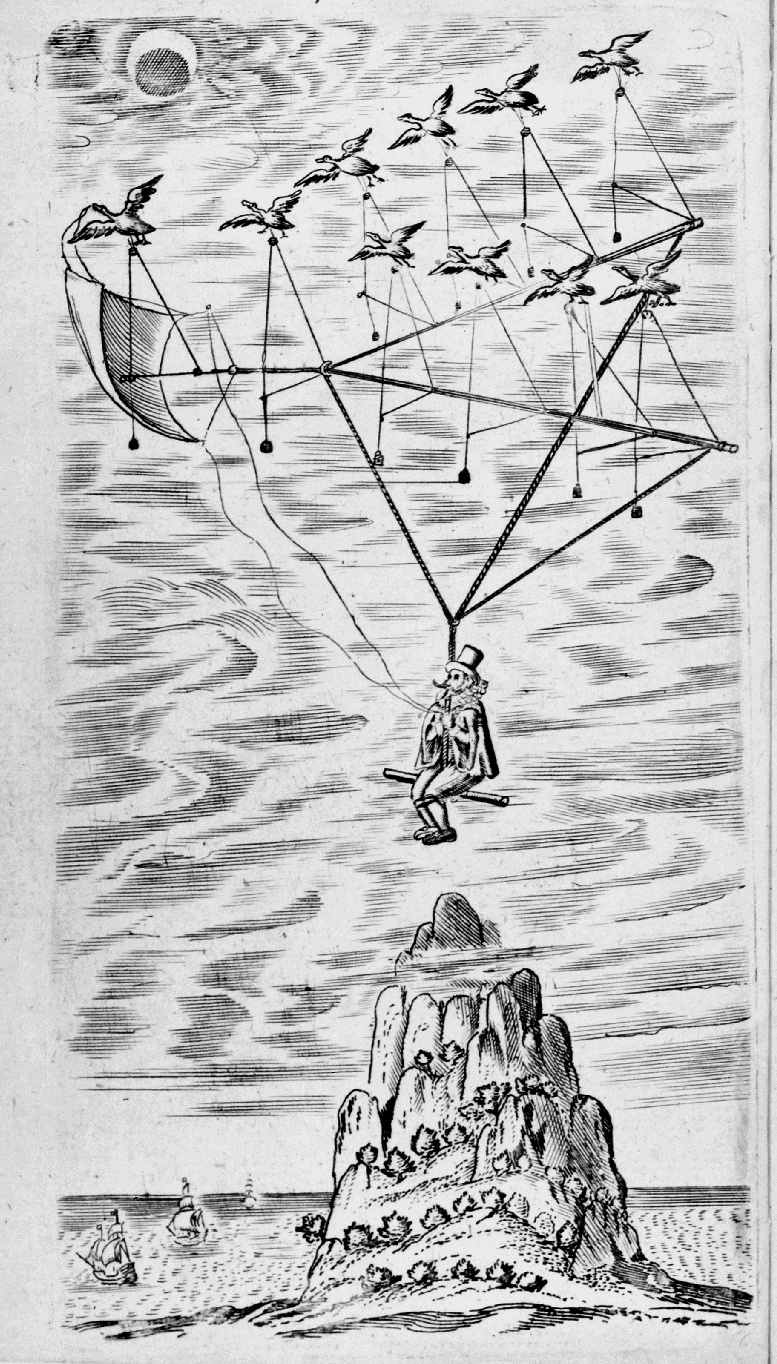
    Godwin (1)There was something that caught my eye as I paged through an online copy of Francis Godwin’s The Man in the Moone or A Discourse of a Voyage Thither by Domingo Gonsales (1638), something beside this work being about the first English language trip to the Moon. There were other earlier trips made to our friendly neighbor before Godwin (whose work was published posthumously) like the late Greek Lucian first century ACE).  And there were contemporaries who wrote in other languages, like Cyrano and Kepler (Somnium, 1638); Aphra Behn’s farce (The Emperor of the Moon 1687) and Margaret Cavendish  (The Blazing World 1688); and John Wilkins (The Diversity of a World in the Moon, (1638) to name a few…and then there’s the wide world of the plurality of worlds, like the wonderful Fontenelle…and of course later there were trips to the Moon made by Verne and Wells, and so on.

    Godwin’s book is short and quick, deceptively simple but not so—there’s a bit of introduction where we are shown a little bit of the influence of Galileo’s Sidereus (1610), and the frontis depicts the flying machine by which the intrepid traveler, Senior Gonsales flies off to the Moon. This is a craft powered by a sort of wild swan, which struggles mightily to free itself of the Gilbertian great magnet, but once free of that, the “flight” took twelve days. Our traveler may also be the first one to get to the Moon by accident: he flees a fiasco in which he kills someone in a duel winds up in St. Helena, and then has a problem with the British fleet off Tenerife, from which he flies off again with his bird machine…he hadn’t intended to go to the Moon, but that is what happened.  

    Here’s what I found so interesting: once he gets there, Gonsales tries to describe clothing and—even more fascinating—he tries to find words for colors that he has never seen before. Marvelous.

    “[T]heir colour and countenance [was] most pleasing, and their habit such, as I know not how to expresse. For neither did I see any kind of Cloth, Silke, or other stuffe to resemble the matter of that whereof their clothes were made; neither … can I devise how to describe the colour of them ….

    It was neither blacke, nor white, yellow, nor redde, greene nor blew, nor any colour composed of these.

    But if you ask me what it was then; I must tell you, it was a colour never seen in our earthly world, and therefore neither to be described unto us by any, nor to be conceived…. Only this I can say of it, that it was the most glorious and delightfull, that can possibly be….”

    And that, I’m afraid, is where I left off. As I’ve said elsewhere on this blog I only give each one of these post an hour’s time maximum, and after my fumbling around in the Godwin, I’m about at my limit. This much-studied book deserves a lot more than what I can give it here in 700 words, but this will have to do for now, for me. The bottom line here is that I don’t think that I’ve ever read anything by anyone before, say, 1920 and the real birth of the sci fi genre (with which I’m am not very familiar) that tries to describe a color that was without description. 

    [Image source: Wikipedia Commons.]

    Oh, before I go, Godwin also introduces us to the imaginary language of the Lunarians, which he describes as being beautiful, and very expansive, as the vocabulary can change given its tone. (He also notes that only one language is spoken on the Moon, which he credits as an advantage over the terrestrial polyglot.) This is also part of a long history of imaginary languages in early literature (for example, More’s Utopia and Rabelais’ Gargantua…)  The Lunar world is a Utopia, and evidently part of that blissful state is maintained by trading out ill-behaved Lunarian children with well-behaved children of Earth. 


  • Found Portraits: Camouflage at the Front, 1918

    JF Ptak Science Books   Quick Post

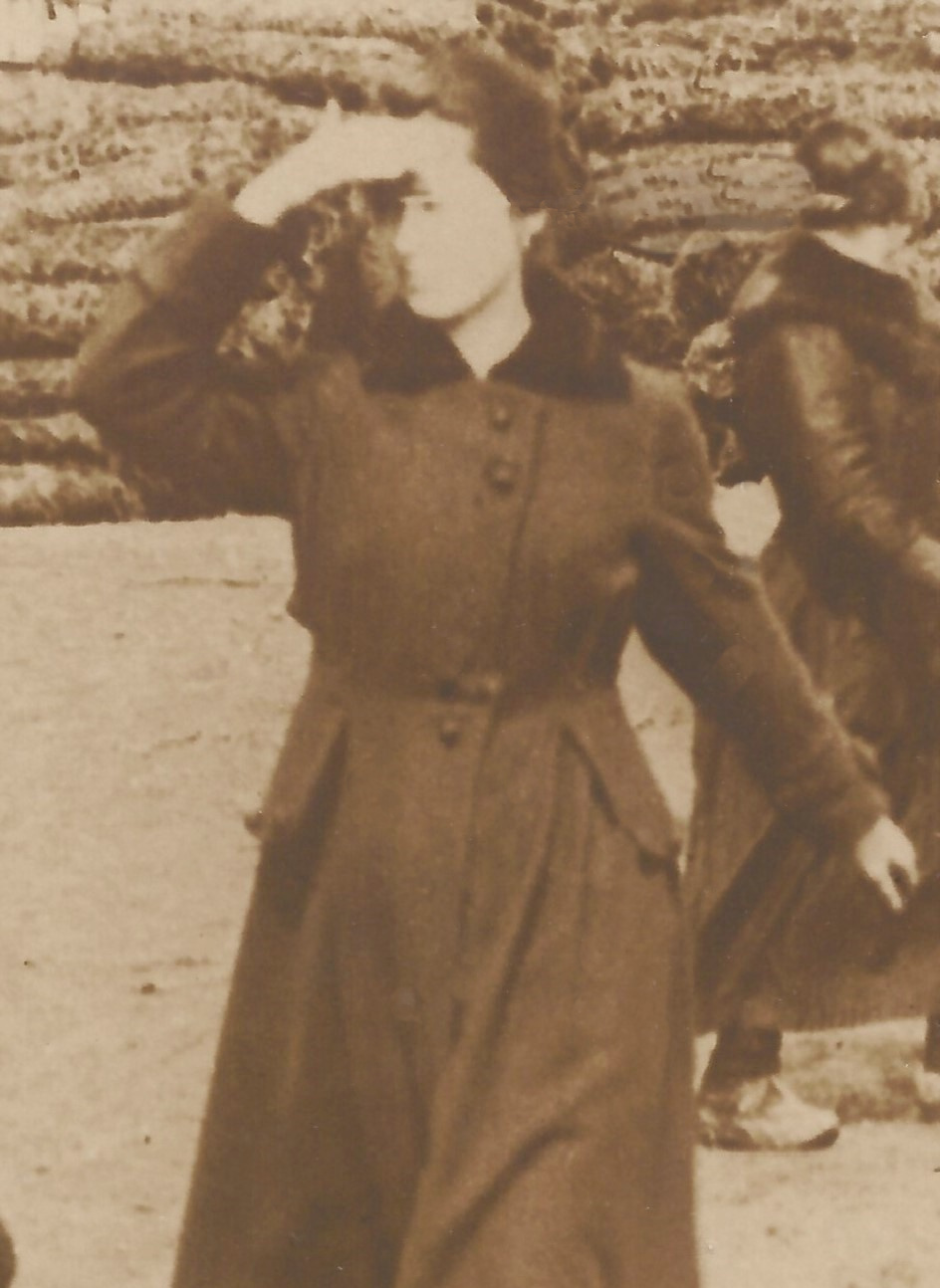
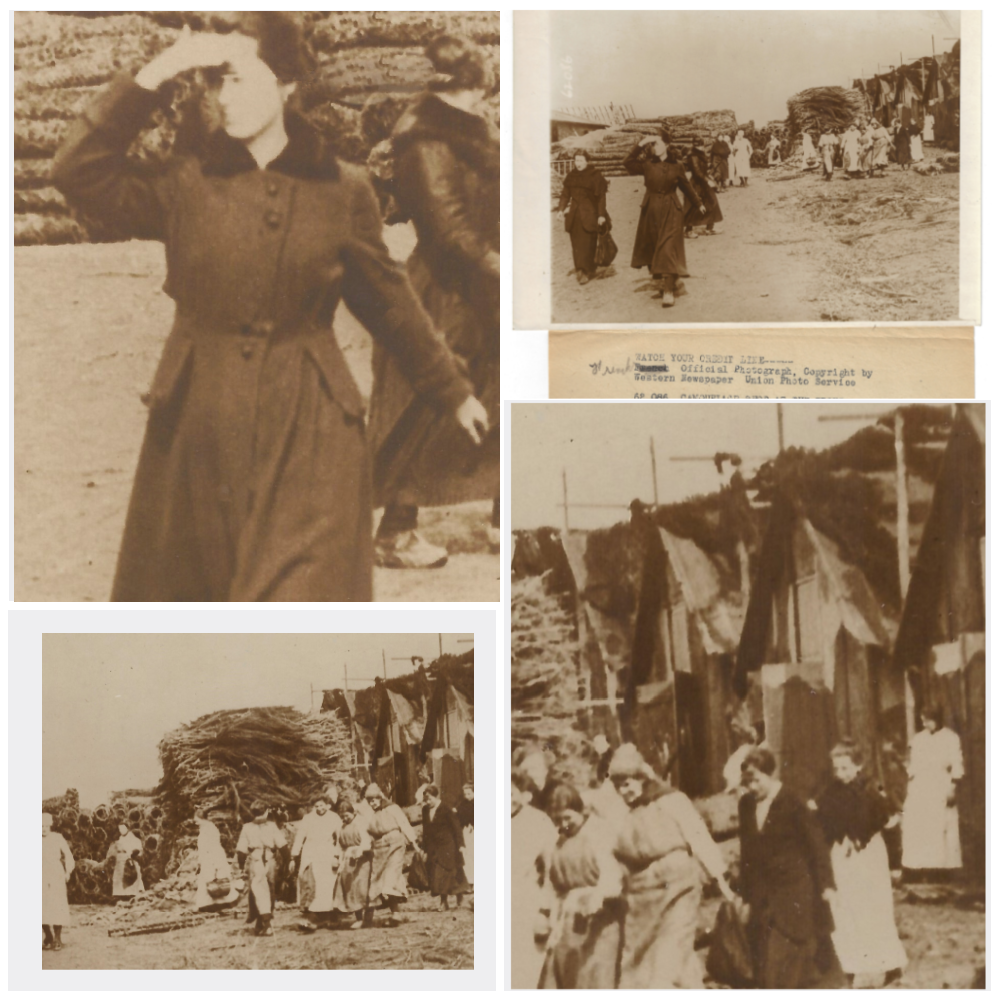
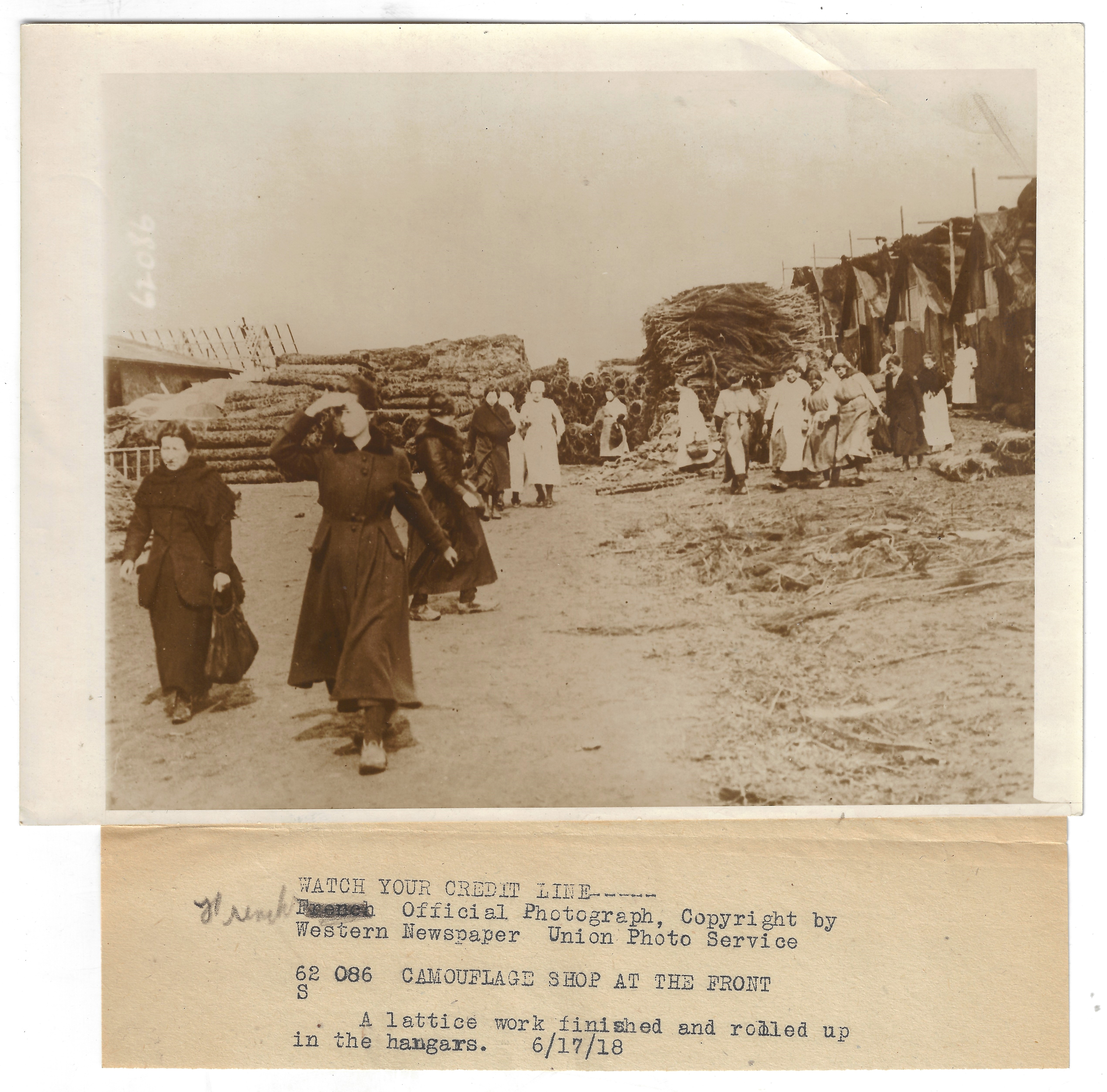
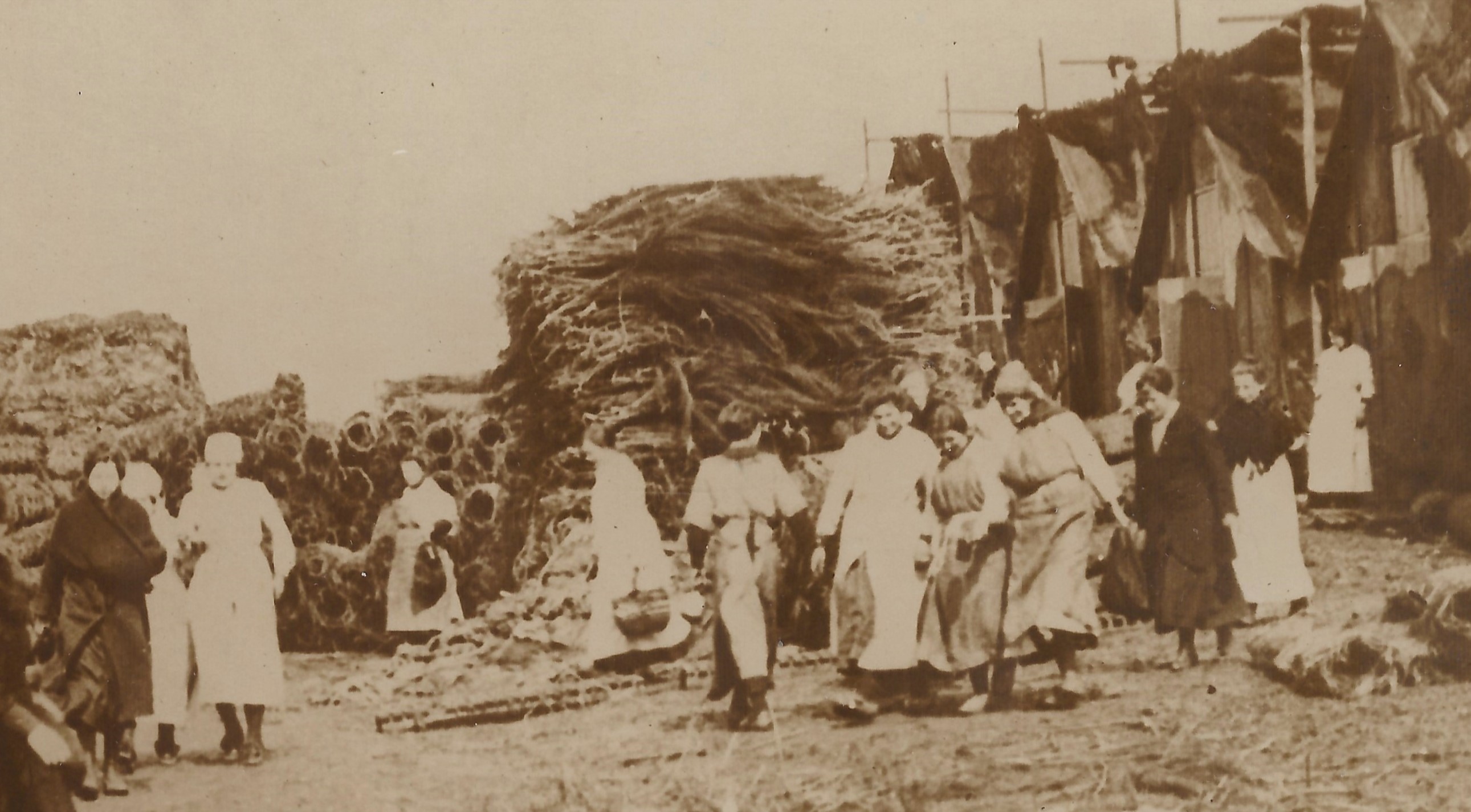
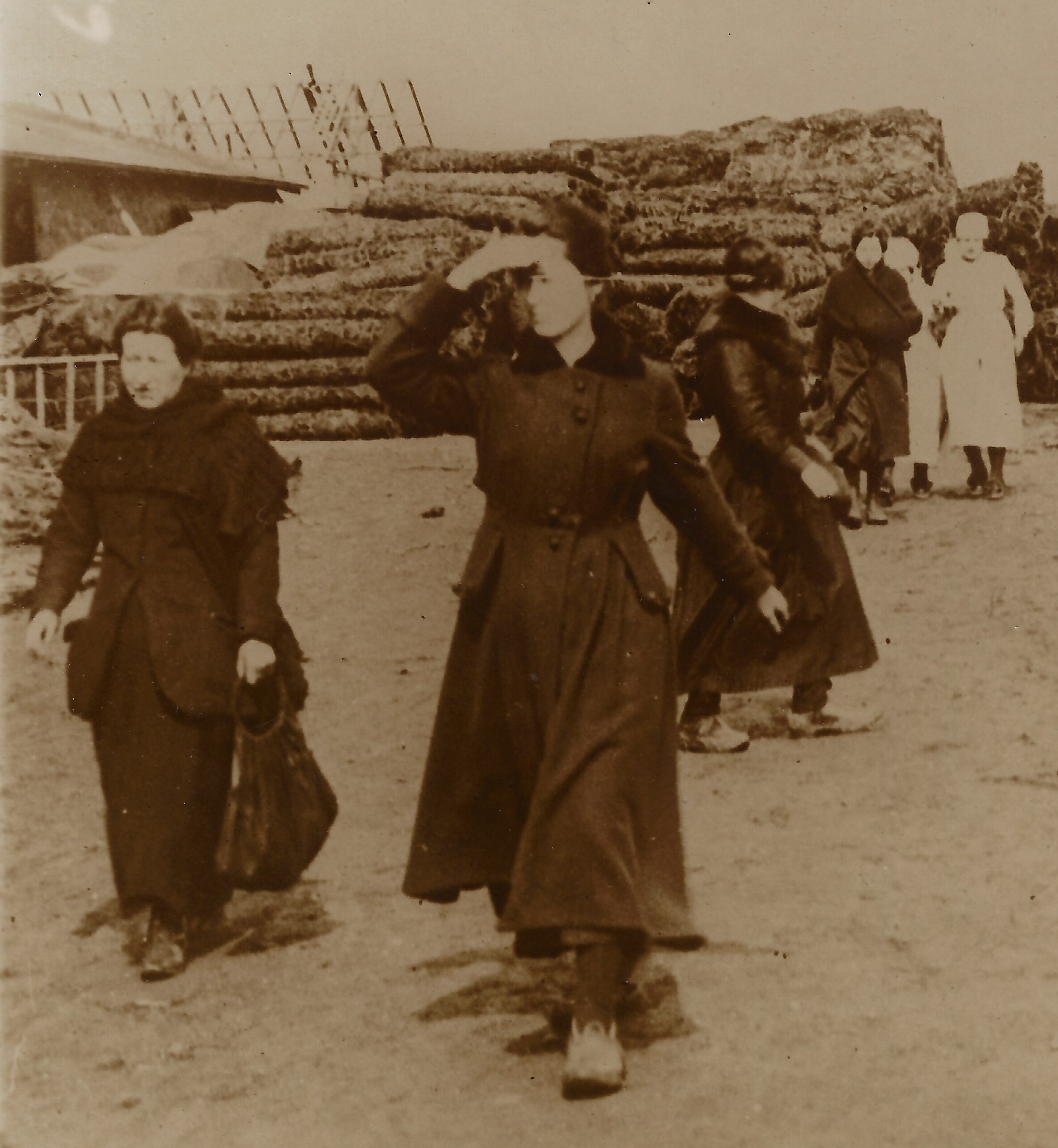
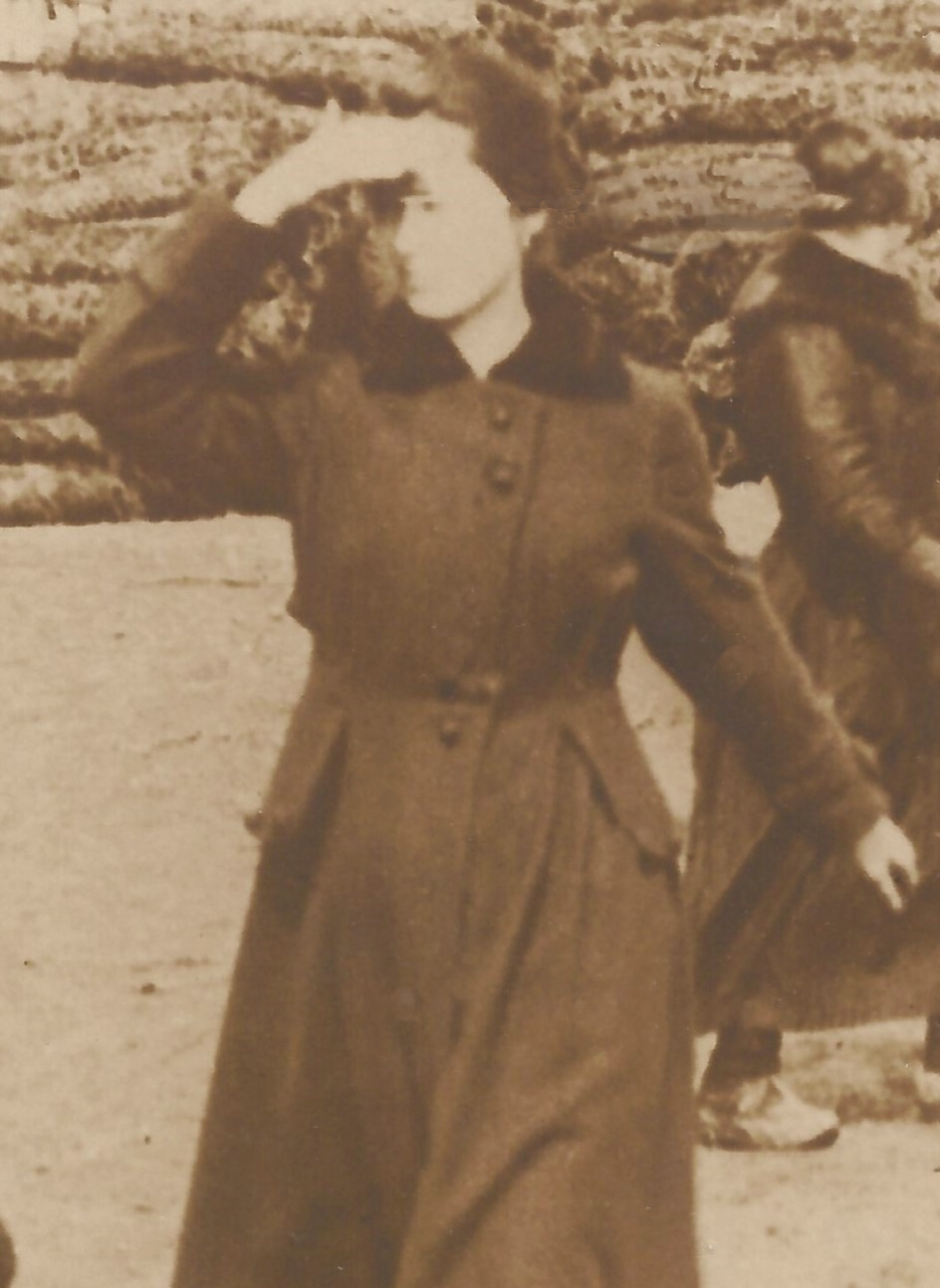
    WWI Photos camouflage detail _5_Just a few days ago I made a post here about camouflage (“Art & Artists as Wartime Magi–Making Things Disappear, 1918”, and now comes another, a WWI news service photo, “Camouflage Shop at the Front”.  Camouflage imagery has been relatively scarce in my experience with WWI photographs, particularly one like this, with women workers at the front (“A lattice work finished and rolled up in the hangars, 6/17/18”), shown at shift change or lunch break. Women were heavily involved in the production of camouflage during WWI (as with the U.S. Women’s reserve Camouflage Corps), with some netting and uniform designs being produced in domestic settings and then sent to the front. 

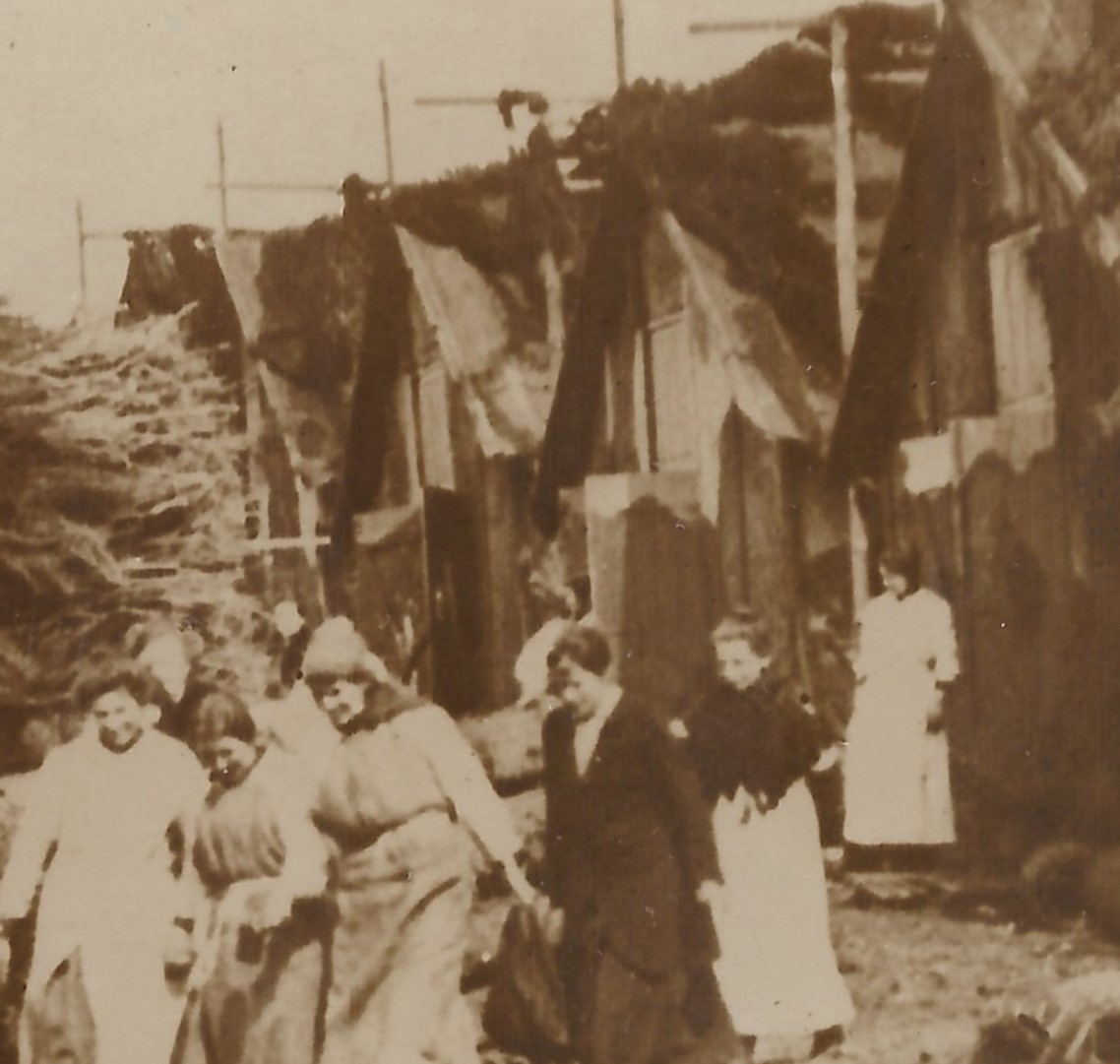
    What draws me in here, in this photo, is the woman at front-left: she seems tallish and ramrod-straight…and I like the long swing of her left arm. I imagine that it is lunch since there are no shadows to speak of and it was obviously sunny, and at some point of the 17th day of June 1918, these workers were on their way to a break. (I suspect that the date wasn’t very accurate for when the photo was made, as everyone here is wearing pretty heavy clothing for June, somewhere in north-eastern France or Belgium.  They were constructing camouflage made of rags and natural bits, piles of which you can see in the detail. The “hangars” are small ganged huts covered by camouflage netting.

    In any event I share this as I don’t easily see another example online quite like this one. 

    Collage of the full image and detail:WWI Photos camouflage  collage

    The full image, along with the suggested caption to be used on publication (supplied by the photo news agency):

    WWI Photos camouflage detail _2_

    The hangars:

    WWI Photos camouflage detail _2_Camouflage bits:

    WWI Photos camouflage detail _2_
    WWI Photos camouflage detail _2_

    ·Posted by :

    ·in:

    — —

  • Rare Document on Straggling Surrenders of Japanese Forces, September 23, 1945

    JF Ptak Science Books  Quick Post

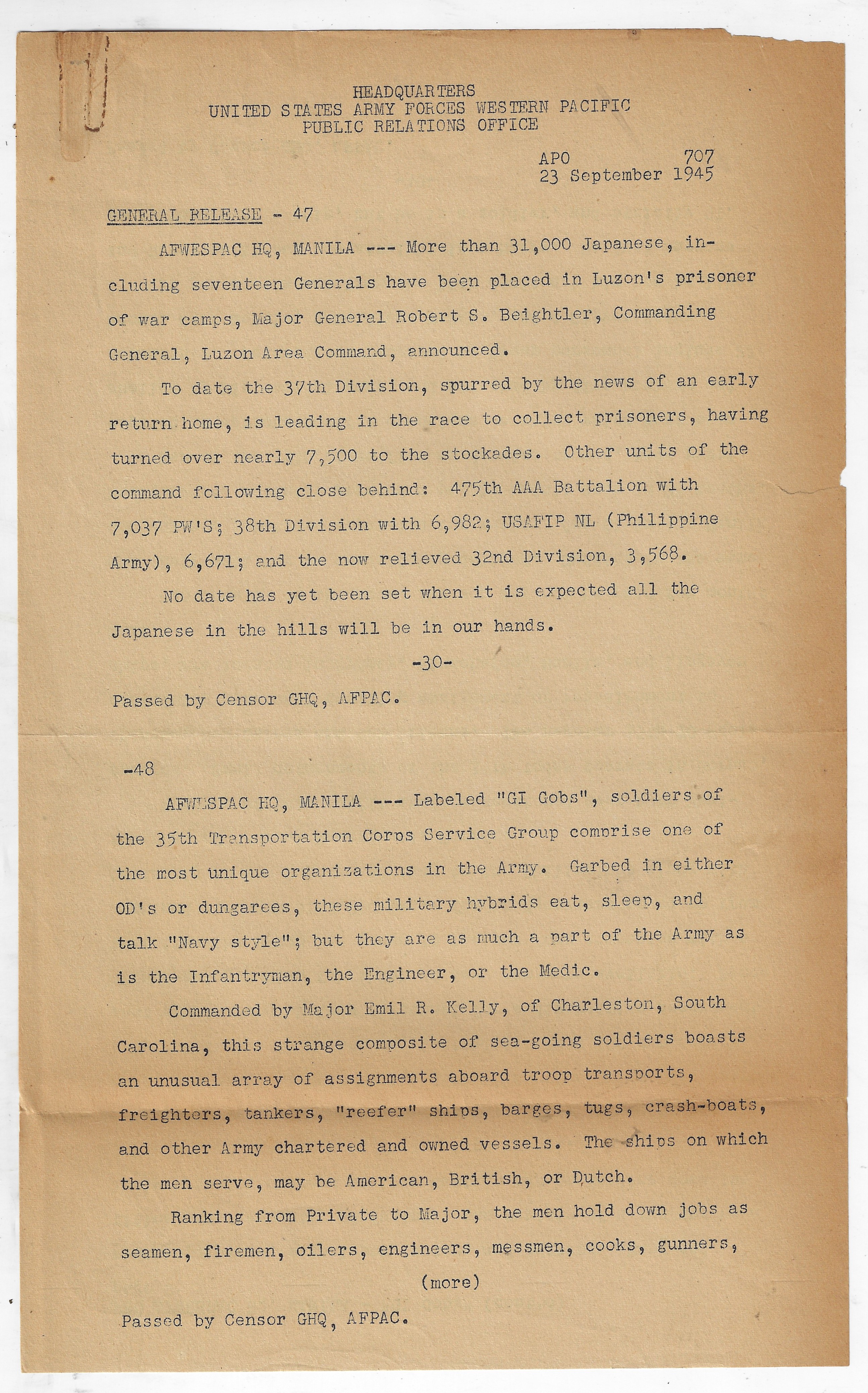
    Philippines 23 Sept 1945 Even though WWII in the Pacific was ended on 15 August 1945 (or at least the surrender was initiated then) and the surrender papers signed aboard the USS Missouri in Tokyo Bay on 2 September 1945 (“VJ Day”), there were many elements of the Japanese Army that took weeks and in some cases months to actually lay down their weapons and submit. (There are some rare cases of individual soldiers lasting for years and decades past the surrender, refusing to give in, living their lives in remote places.)

    This document–“Headquarter / United States Army Forces Western Pacific / Public Relations Office / General Release – 47, APO 707, 23 September 1945”–released by the propaganda/public relations office of the U.S. Army Force Western Pacific, details some of the process of large forces of Japanese forces in the Philippines coming in to surrender. The  rare, short document is reproduced in full, here. 

    Stating that 31,000 Japanese soldiers (and 17 generals) had already been placed under guard in Luzon’s POW camps, the three-paragraph document ends with this interesting statement:

    “No date has yet been set when it is expected all the Japanese in the hills will be in our hands.”

    ·Posted by :

    ·in:


  • Art & Artists as Wartime Magi–Making Things Disappear, 1918.

    JF Ptak Science Books   Quick Post

    Its a little difficult to think of Ellsworth Kelly, Jacques Villon, Grant Wood, Laslo Moholy-Nagy and Thomas Hart Benton as painters-for-war.  But its true, and true for many of hundreds of other artists in the 1915-1918 era. Its not as though they were in the trenches gunning down the enemy or lobbing hand grenades into the swirling gun smoke. They werecamofleurs, camouflage1 experts, artists employed as magicians, Wartime Magi, employed/drafted to make ships and such disappear. 

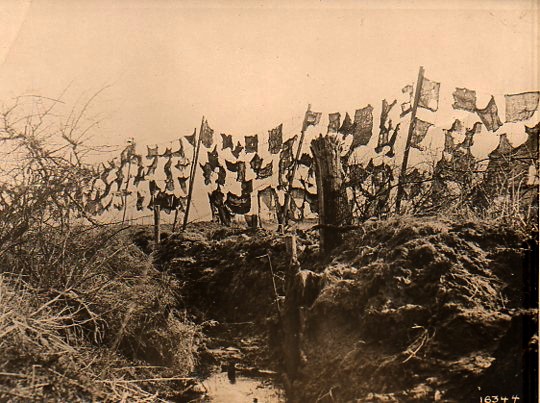
    WWI Photos camouflage _1_

    Ever since it was (sort of) first noticed in 1915 that designs odd to the environment, stark geometric patterns and such, were capable of fooling the eye, people with  design capacity were pressed into service, rendering offensive and defensive instruments of war optically semi-impervious with variations of the then-five-year-old modern nonrepresentational art. That must’ve been a very odd position to wake up to every morning. 

    WWI Photos camouflage _2_

    Of course the idea of camouflage in the animal world is probably 250 million years old–animals and insects have been blending into their environment for eons, and I’m sure too that early hominids did their fair share of walking behind brush.  But the idea of hiding great amalgamations of very heavy metal with paint is really quite modern.

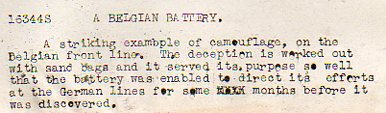
    In this photograph, the camouflage is more a more futuristic conception of art than the abstract and cubist approaches that were taken during the war, this looking more like assemblages of found material more than anything else.  And, according to the text that accompanied the photograph (which comes from 1918, from the Underwood & Underwood news photo service agency), the camouflage–empty sandbags thrown on a barbed wire fence) successfully concealed a gunnery emplacement for months on end. 

    Notes

    1. A fine bibliography on camouflage appears here, at Leonardo Online.

    • The definition of “camouflage” from the Oxford English Dictionary shows that it is a young word, in English:
    • (n) The disguising of any objects used in war, such as camps, guns, ships, by means of paint, smoke-screens, shrubbery, etc., in such a way as to conceal it from the enemy; also, the disguise used in this way; freq. attrib.
    • 1917    Daily Mail 25 May 4/4   The act of hiding anything from your enemy is termed ‘camouflage’.
    • 1917    Daily Mail 16 July 5/3   The King paid a visit to what is called a camouflage factory.

    • 1922    C. E. Montague Disenchantment viii. 108   A French aerodrome across which the French camouflage painters had simply painted a great white high-road.

    ·Posted by :

    ·in:

    — —

  • Beauty and Confusion in the Details: Grenade-Throwing and Rifle Practice (1918)

    JF Ptak Science Books   Quick Post

    Here are another couple of enjoyable, interesting, and somewhat endlessly mine-able images from an archive of WWI news photo service agencies, all of which are from 1918.  Photographs were made by pools of photographers working for several different photographic news agencies. The content of the images were generally secured and approved by the Committee for Public Information (CPI), which came into existence by executive order under President Woodrow Wilson on April 13, 1917, and which was charged with the task of wining the hearts and minds of the people of the U.S., to gain public support for the war and for American participation.  

    The way that many newspapers obtained the war images that they published in their papers was via a semi-centralized pool of war images.  The newspaper would request, say, a photo of German prisoners, and would contact one of these photographic agencies—for example, say, the Central News Photo Service of 26-28 Beaver Street, NYC—and purchase the rights for republication, and then print it in the newspaper along with the story.  In almost every case the photo would be accompanied by a caption mimeographed onto an attached piece of cheap paper, or have the information stamped on the reverse.

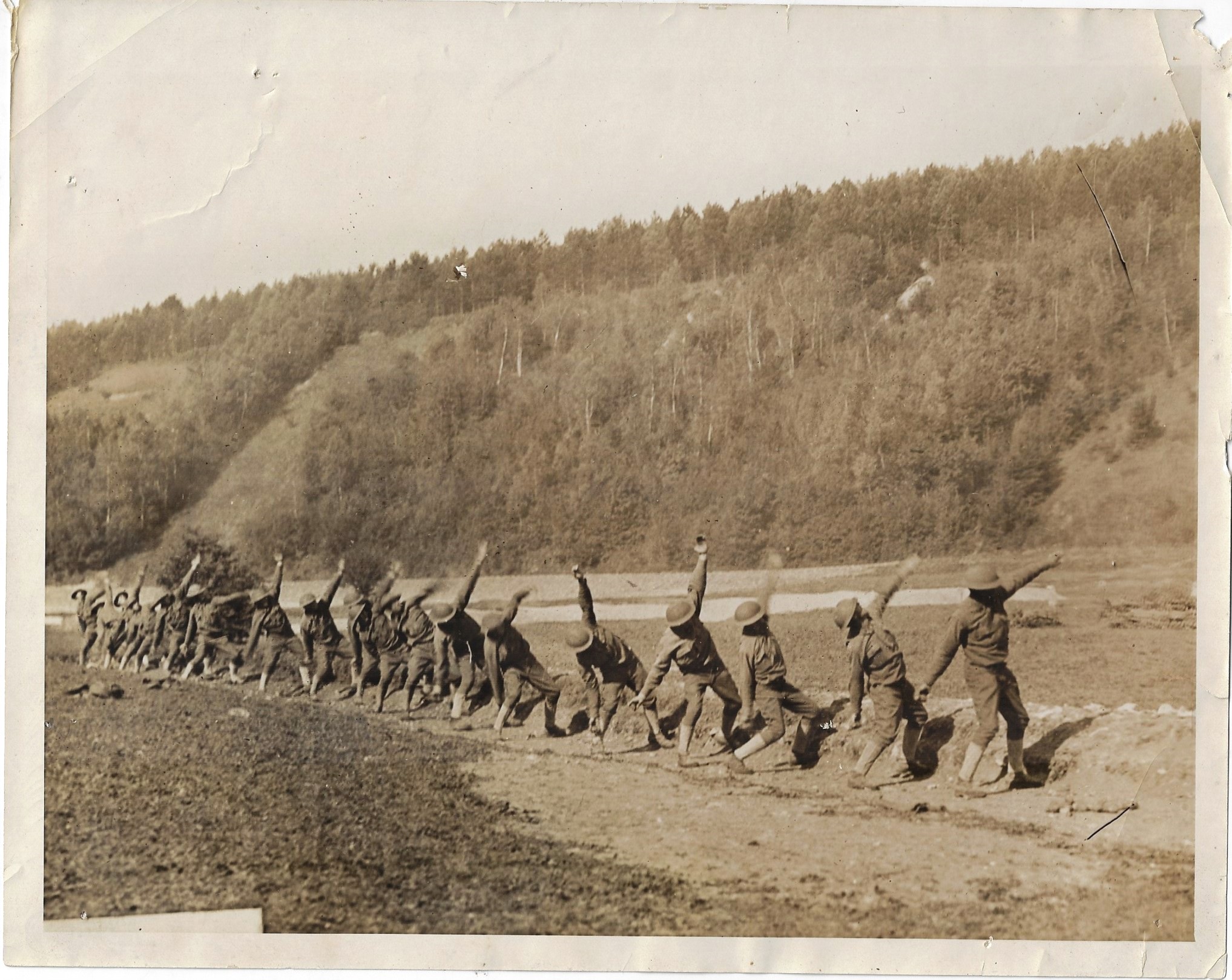
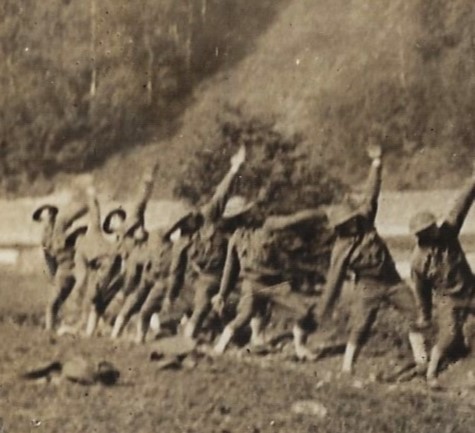
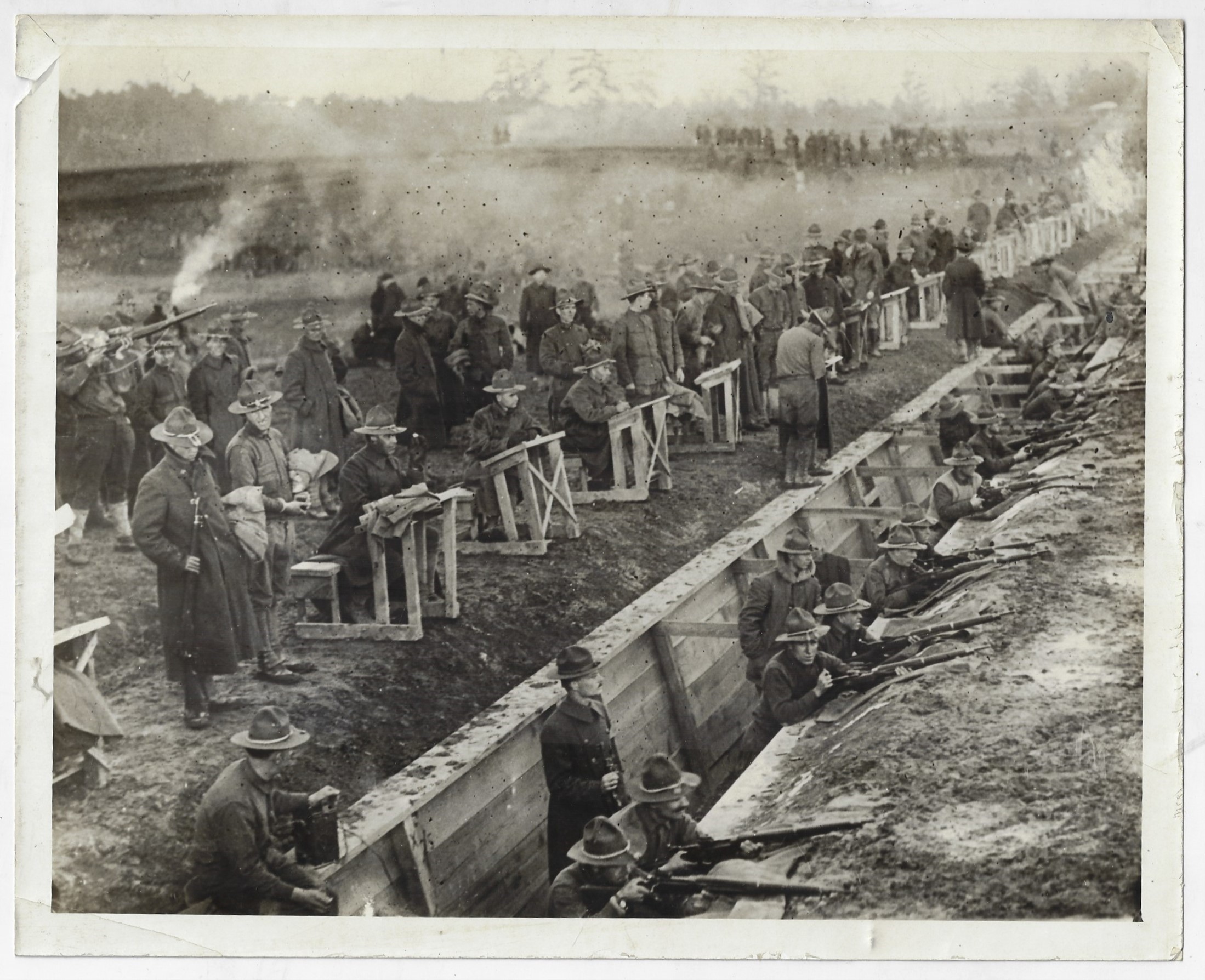
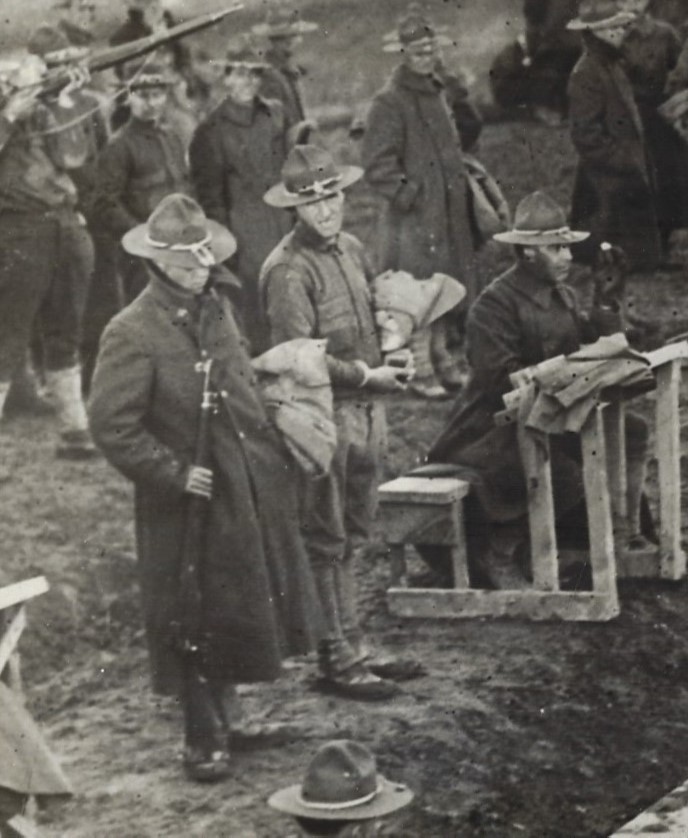
    I’d like to share the following two images of U.S. soldiers practicing their trade–the top features grenade throwing, and the bottom shows a pit at a rifle range.  The Doughboys heaving the grenades were doing so according to plans and design, and in spite of its apparent awkwardness, must’ve worked well. The detail image is challenging for sure, the soldiers seeming to be just about entangled among themselves. 

    WWI photos hand grenade

    asns

    WWI Photos hand grenades _2_

    The scene in the rifle pit seems more orderly if not somewhat  more distressed:

    WWI Photos rifle practice

    And as usual with these large group photos, there are many smaller fine images waiting in the detail:

    WWI Photos rifle practice

    ·Posted by :

    ·in:

    —

  • Rare First-Hand Account of the Japanese Surrender in Japan and the Philippines

    JF Ptak Science Books  

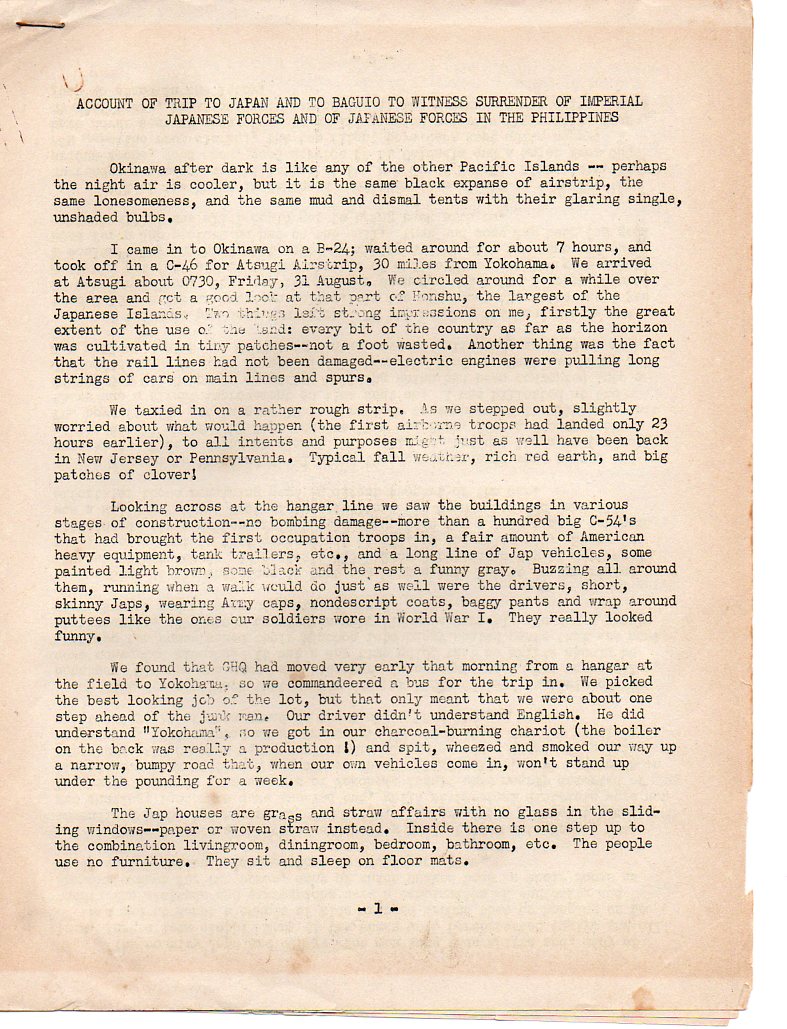
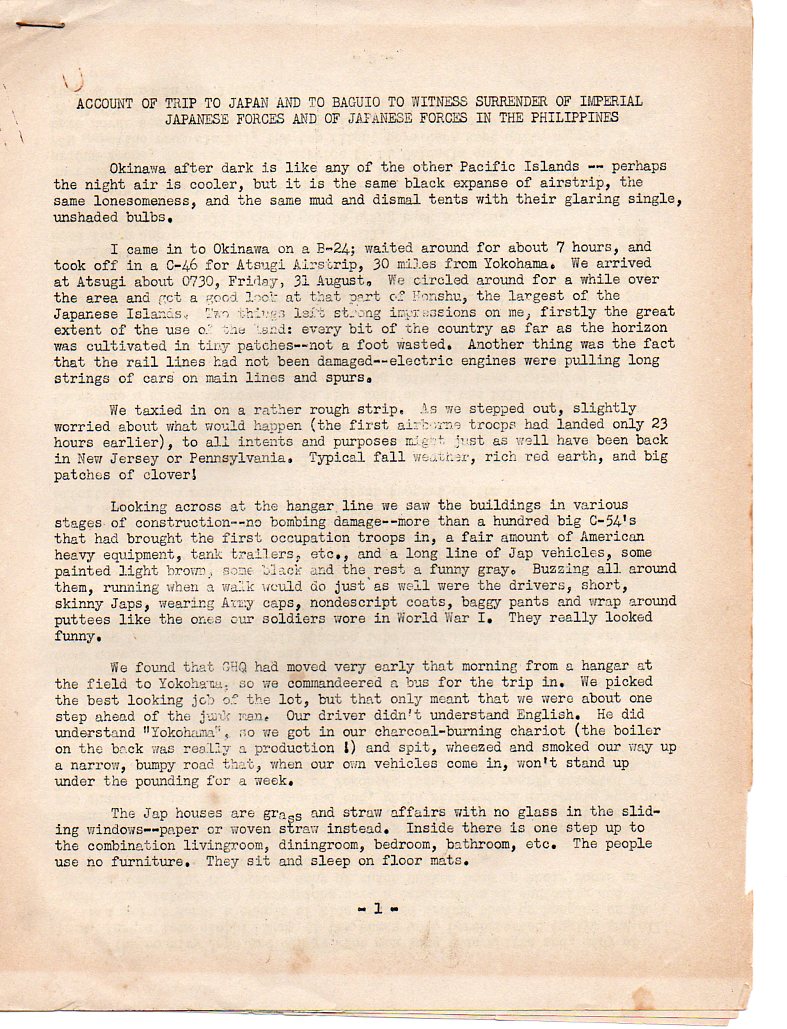
    Deglin _1_I’m doing a quick-share of this five-page document written by Lt. Col. Theodore Deglin (“PRO AFWESPAC”, Public Relations Officer, Armed Fores Western Pacific, Philippines), called “Account of a Trip to Japan and to Baguio to Witness Surrender of Imperial Japanese Forces and of Japanese Forces in the Philippines”. Its an interesting perspective coming from a PR guy who settled into the role of a public relations officer for the commanding officer of U.S. forces in the Philippines.  After serving as public relations director for Madison Square Garden (1935-1942), T.L. Deglin became a Lt. Col. in the U.S. Army (and later a full colonel) in a public relations capacity, finding himself a witness on 2 September 1945 to the Japanese surrender on the U.S.S. Missouri. He and his party then leaves immediately for Baguio (in the Philippines) to bear witness and report on the surrender of Japanese forces in the Philippines, including the arrest of the Beast of Manila, General Yamashita. What follows below is his full five-page (1750 word) description of those events.  The report is an offset-printed production, so it did see some sort of distribution, but I can find no mention of it anywhere. 

    An example of Deglin’s reporting from the desk of the USS Missouri:

    • “General MacArthur is a terrific showman. Every move of his is dramatic and beautifully timed. He spoke briefly, then instructed the Jap foreign minister to sign for the emperor of Japan and the Japanese government. The skinny, bespectacled, top-hatted minister, Shigemitsu, limped forward, pulling his game leg after him. He sat down, facing MacArthur, and had trouble getting the leg under the table. He fiddled around, picked up a pen, put it down, looked at his watch, looked around, looked at his watch again until everyone was slightly nervous, and the general looked quite irritated. Frankly, I could think of only one thing: that a kamikaze plane was going to dive out of the clouds at this time and blow us all over Tokyo Bay. No such excitement, however; the old boy signed both copies of the surrender document and limped back to his position. Then General Umezu, chief of staff for the Imperial Japanese Army, signed quickly.”

    Here’s an example of Deglin’s reporting from Baguio:

    • “The conference room was set up with a long table. On one side were a dozen high, hand-carved chairs. On the other side were four wooden folding chairs. The newsreel cameras, still photographers, and radio broadcasters were all set up in their places. Then the Japs were brought in. They were led to the side of the table where the small chairs were and started to sit down but were instructed to remain standing. They were kept standing for nearly 10 minutes; then the top generals came in and sat down. After them came a group of 15 brigadier and major generals. Then the correspondents were herded in—about 35 of them.
      The ceremony was partially designed for the radio broadcast. The surrender document was read, Yamashita was asked if he understood the terms (an interpreter stood behind him), he answered “yes,” the documents (four copies) were signed, the generals filed out, and Yamashita was turned over to the MPs for delivery to New Bilibid Prison near Manila. Incidentally, when he left Baguio he wore a string of ribbons. Guess who has them now!

    The rest of the document appears below:

    ·Posted by :

    ·in:


  • Roosevelt as Hiding in Hitler’s Shadows (1940 anti-Roosevelt campaign literature)

    JF Ptak Science Books  Quick Post

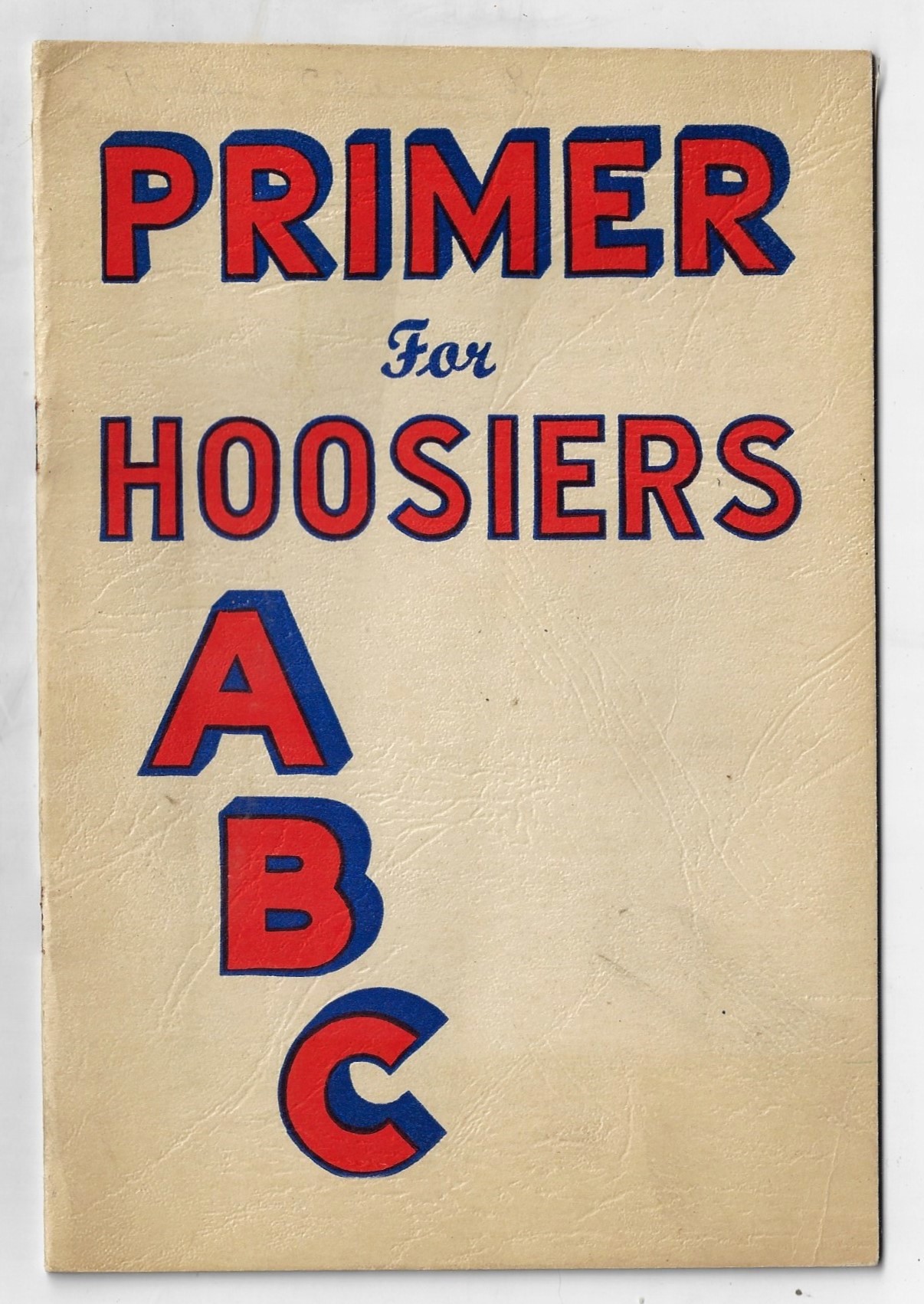
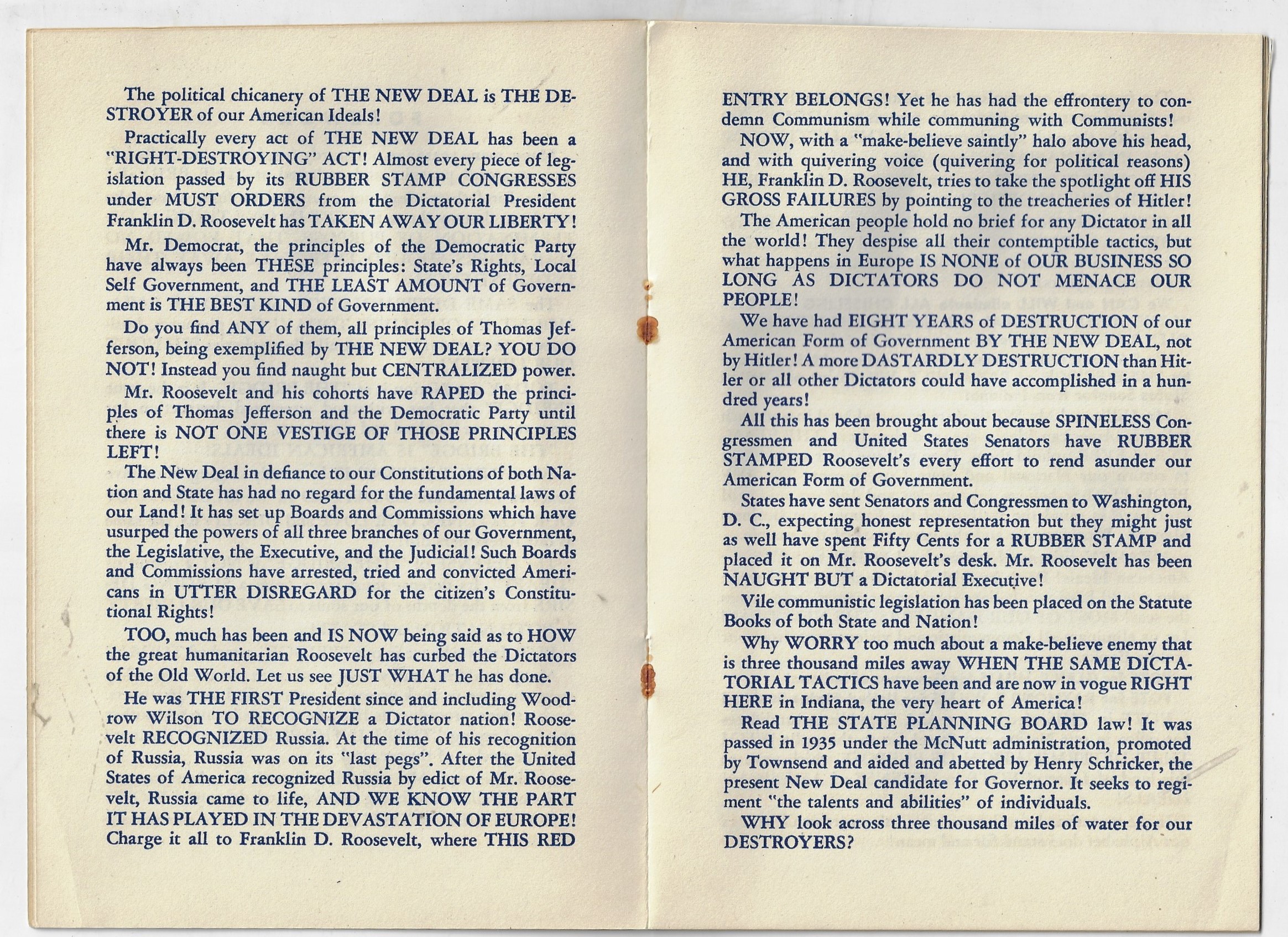
    FDR diatribe _2_I’ve together a little collection of 75 or so anti-FDR pamphlets from 1936-1944, though “anti-” is probably a little too temperate to describe the vast majority of them. Most are ripping, tearing, rending, insulting, vicious, accusatory…you get the picture. This one is special as it has FDR hiding behind Hitler. The author, Charles R. Parker, writes in his Republican-backing pamphlet on the campaign of 1940 that “Roosevelt tries to take the spotlight off HIS GROSS FAILURES by pointing out the treacheries of Hitler!…what happens in Europe is none of our business”.

    He continues: “We have eight years of destruction of our American form of government by the New Deal, not by Hitler! A more dastardly destruction than Hitler or all other Dictators could have accomplished in a hundred years!”

    It goes on like this for the length of this short, stubby, and not-well-written piece, until it falls off its own cliff.

    Roosevelt’s win in 1940 was his “weakest”, taking 85% of the electoral votes and 55% of the popular vote over Wendell Wilkie (who would be dead before the end of the war. I can’t find much about Mr. Parker, though for me he has written one of the best (where “best” equals “worst”) of the worst appraisals of Roosevelt. He finishes off the pamphlet stating “We can only vote one of two ways! We can either Vote American and choose Life, or anti-Amreican and reap Death.”

    FDR diatribe_1_

    ·Posted by :

    ·in:


  • The Domestic Front, WWI (1918)

    JF Ptak Science Books  Quick Post

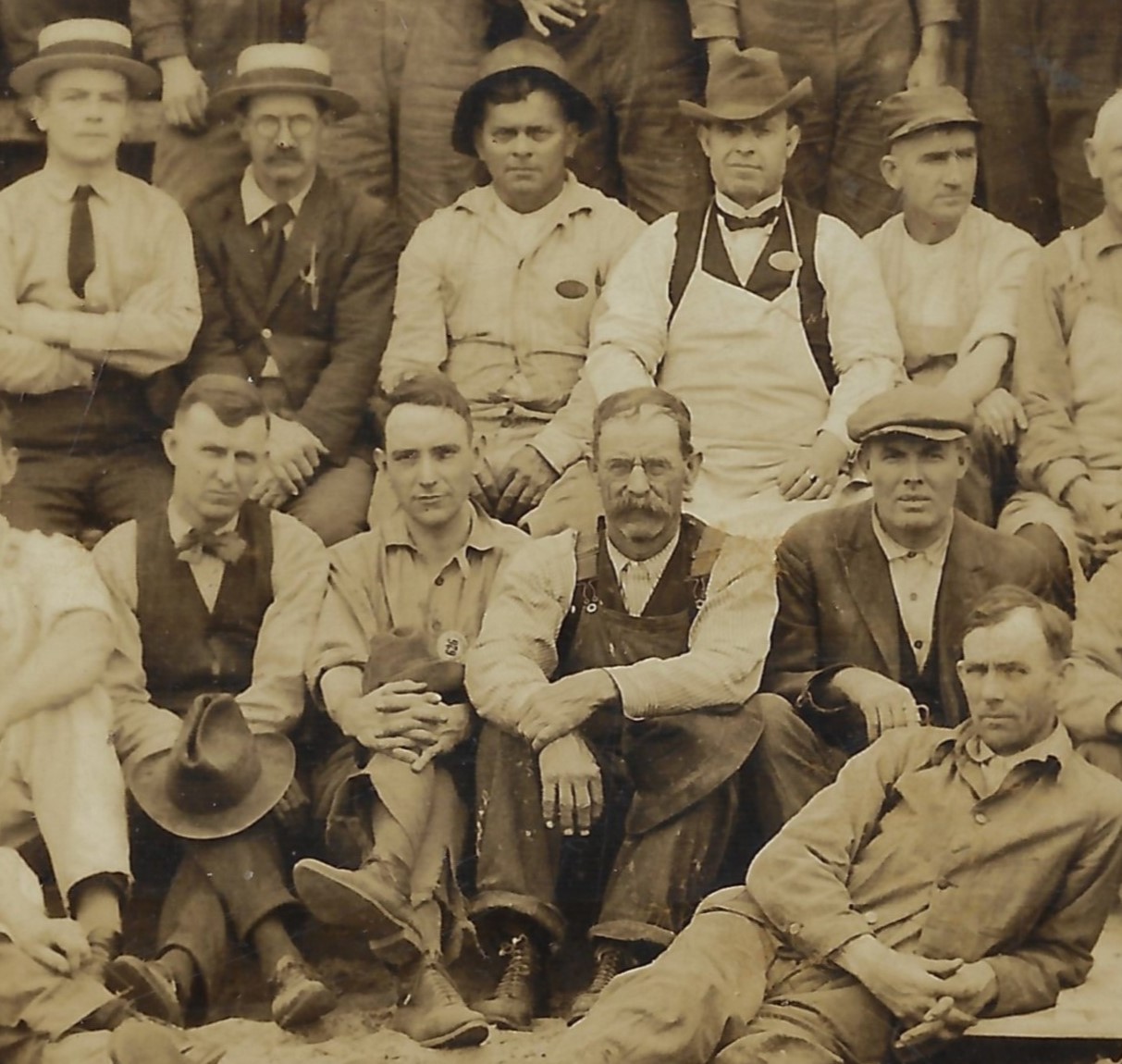
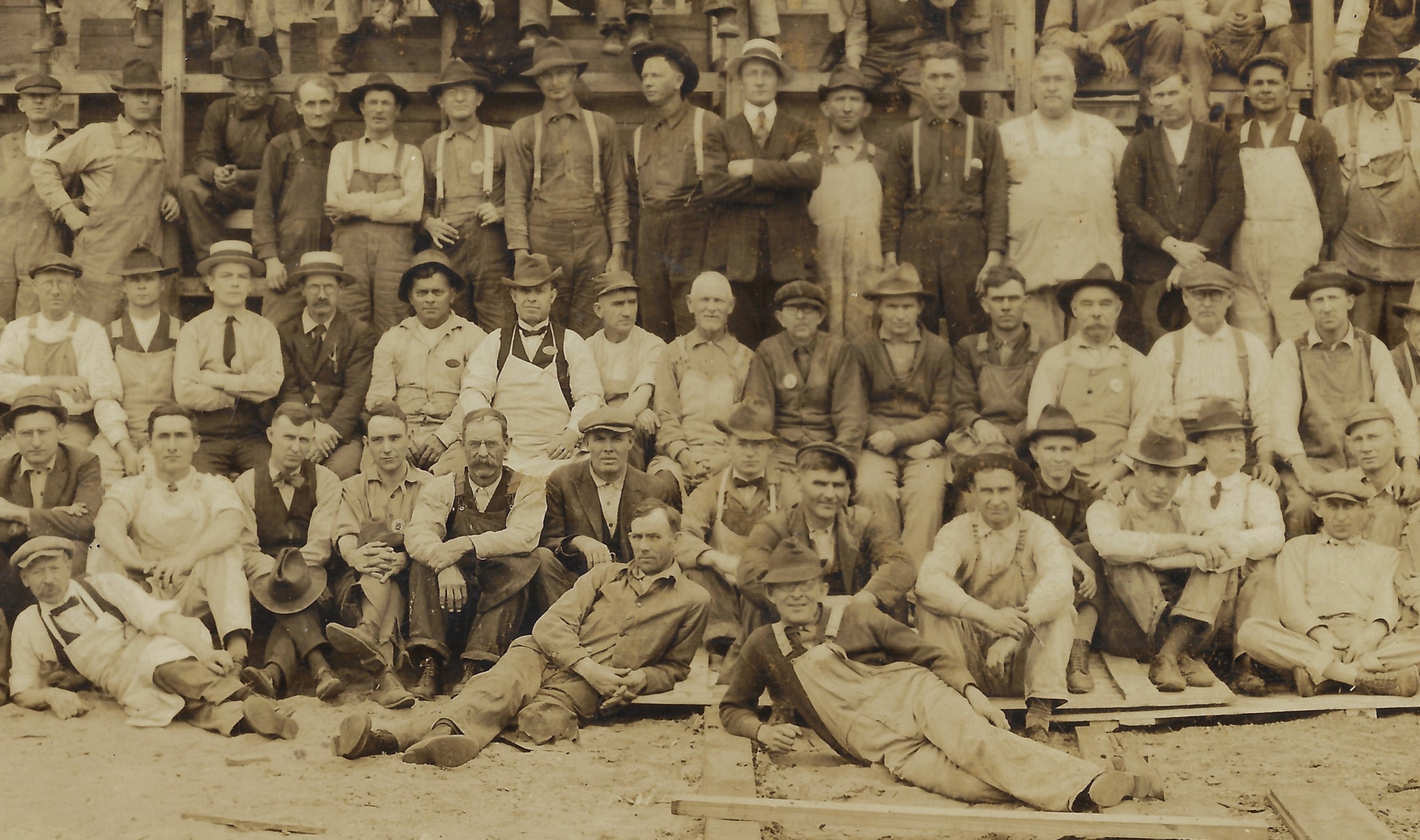
    This is yet another fantastic image from the small (800-item) News Photo Service archive here.  I’d say only 15% of it focused on the domestic end of the war, and there were very few posed images of them–this was an entirely unusual image, so far as this archive is concerned.  Every face a story, here, and I don’t have any doubt that someone could dive into this photograph and make up a character for each one of these men, none of whom are identified. Id like to say that this was a woodshop for aeroplanes, as that is how the image struck me on first exposure, but I have no proof of that. That said, identified or not, this is a terrific photo.  

    WWI Photos Group Large Aero _1_


    WWI Photos group large aero 3

    ·Posted by :

    ·in:

    —