A Daily History of Holes, Dots, Lines, Science, History, Math, Physics, Art, the Unintentional Absurd, Architecture, Maps, Data Visualization, Blank and Missing Things, and so on. |1.6 million words, 7500 images, 4.9 million hits| Press & appearances in The Times, Le Figaro, Mensa, The Economist, The Guardian, Discovery News, Slate, Le Monde, Sci American Blogs, Le Pont, and many other places… 5000+ total posts since 2008.

Category: Technology, History of

  • Great and Complex Bicycle Illustrations, 1885

    JF Ptak Science Books  Quick Post

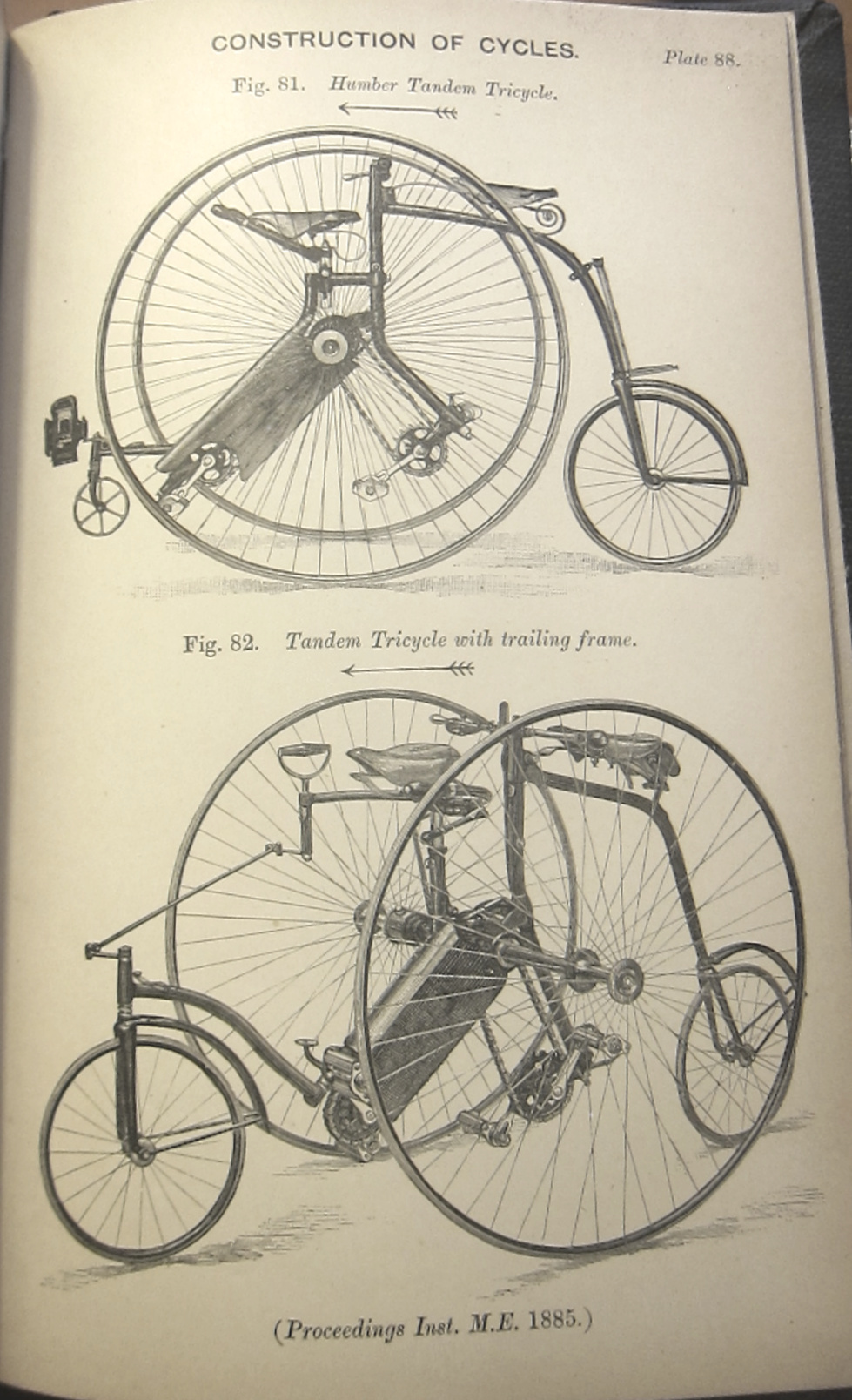
    This post comes from the blog bookstore part of this site, and is just a quick note to surface the unusual and scarce images. The article in question is “On the Construction of Modern Cycles” by Robert Ed. Phillips and appears in the Institution of Mechanical Engineers, Proceedings, and was published by the Institution in October 1885. The paper appears in the issue of pp 461-552 occupying pp 467-521, much of which is occupied by 39 fantastically well-illustrated engraved plates (numbered 62-100). The illustrations are beautifully detailed and feature all manner of technical aspects of bicycles. (Two years hence, in 1887, Phillips would published a lovely book, The Pleasures, Objects, and Advantages of Cycling (London, by Simpkins.)Bicycles 1885 _1_


    ·Posted by :

    ·in:


  • A Bad Place to Be in 1868

    JF Ptak Science Books  Quick Post 

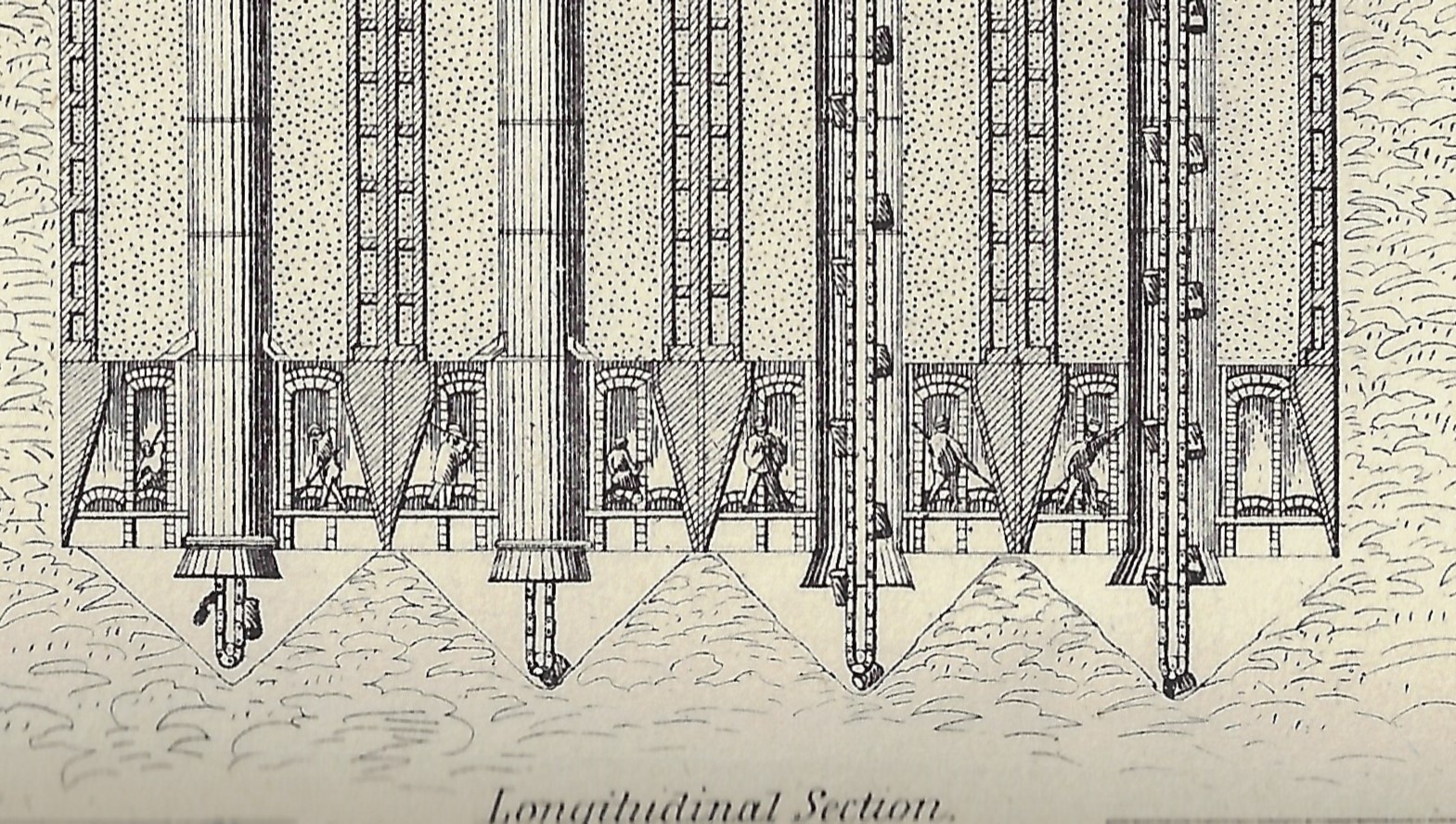
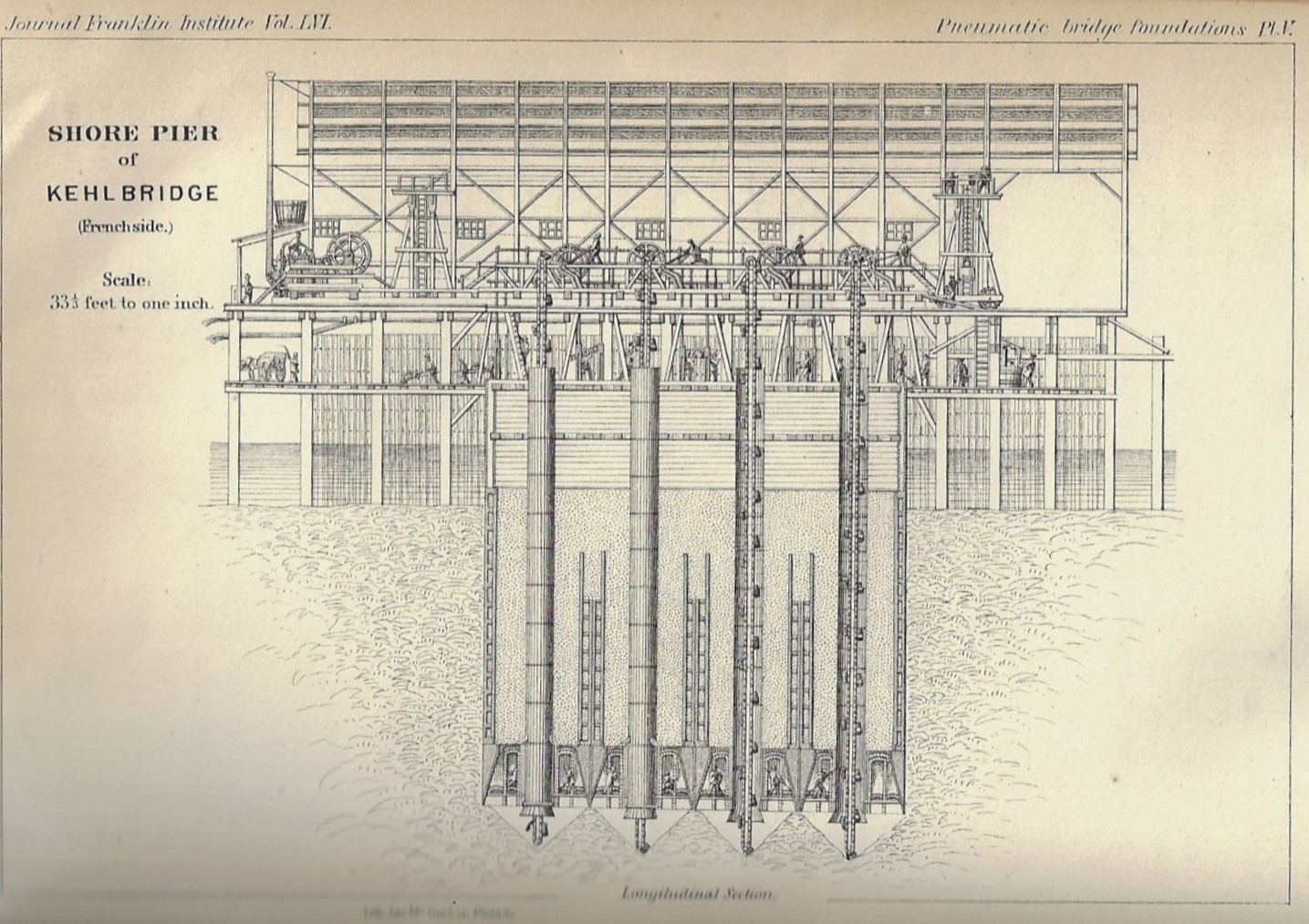
    There have been a number of posts to this blog on “Bad Places to Be”–that is, very unpleasant surrounds in which someone was working, or found themselves to be. For example, sappers digging under opposing sapper’s tunnels to place explosive charges under trenchworks, or being in a tiny observation gondola let on a cable suspended from a dirigible, or digging a tunnel, or being a U-Boat crew member in late 1943, and so on. And then there’s the impossible scenario of being the man with the job of crawling through the burnt and enormous timbers of the Brooklyn ‘Bridge’s east caisson, crawling though tiny spaces to chisel out damaged sections of the gigantic woodworks upon which tons of rock were placed, and doing this in mostly the dark and underwater.  Really, quite incredible. But then again it was a terrifically difficult and dangerous job to be a workman anywhere in those caissons–the environment was dank, dark, fetid, muddy, slippery, hot, and on top of it all, crowded. And so to today’s issue: the building of the pier for Kehl Bridge, found in the July 1868 issue of Journal of the Franklin Institute. It was quite a massive undertaking, and of course my eye is drawn immediately to the bottom of the image, where the men with the most impossible jobs labored. Here’s the detail:

    JFI 1868 caisson _3_ detail

    Which is a section of this image:

    JFI 1868 caisson _2_

    I feel an instant chill looking closely at images like this…

    ·Posted by :

    ·in:


  • The Ineffable Beauty of Gutters (1867)

    JF Ptak Science Books  Quick Post

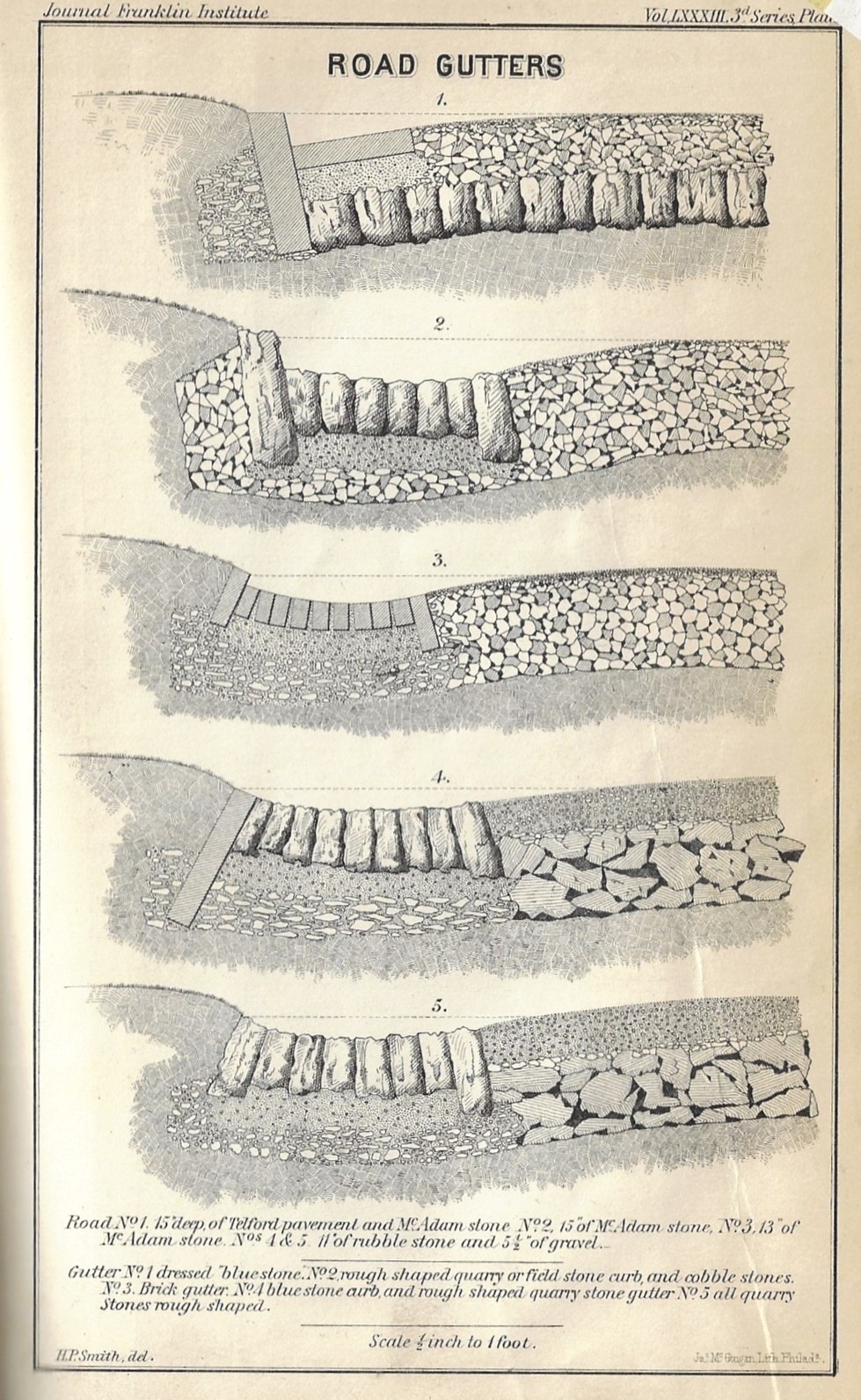
    This is really an ultra-quick post, as I just wanted to share this delightful and lovely image of profiles of different sorts of gutters.  I do recall seeing images like this on occasion, here and there, over the last few decades, though I think that they were either about Roman construction or cross-sections of streets in Paris and London.  In any event, these profiles are from a paper written by supervising engineer of the construction of New York City’s Central Park, and they are a delight to look at. 

    JFI 1867 road gutters


  • Social Life on the pre-Internet (1922)

    JF Ptak Science Books  Quick Post

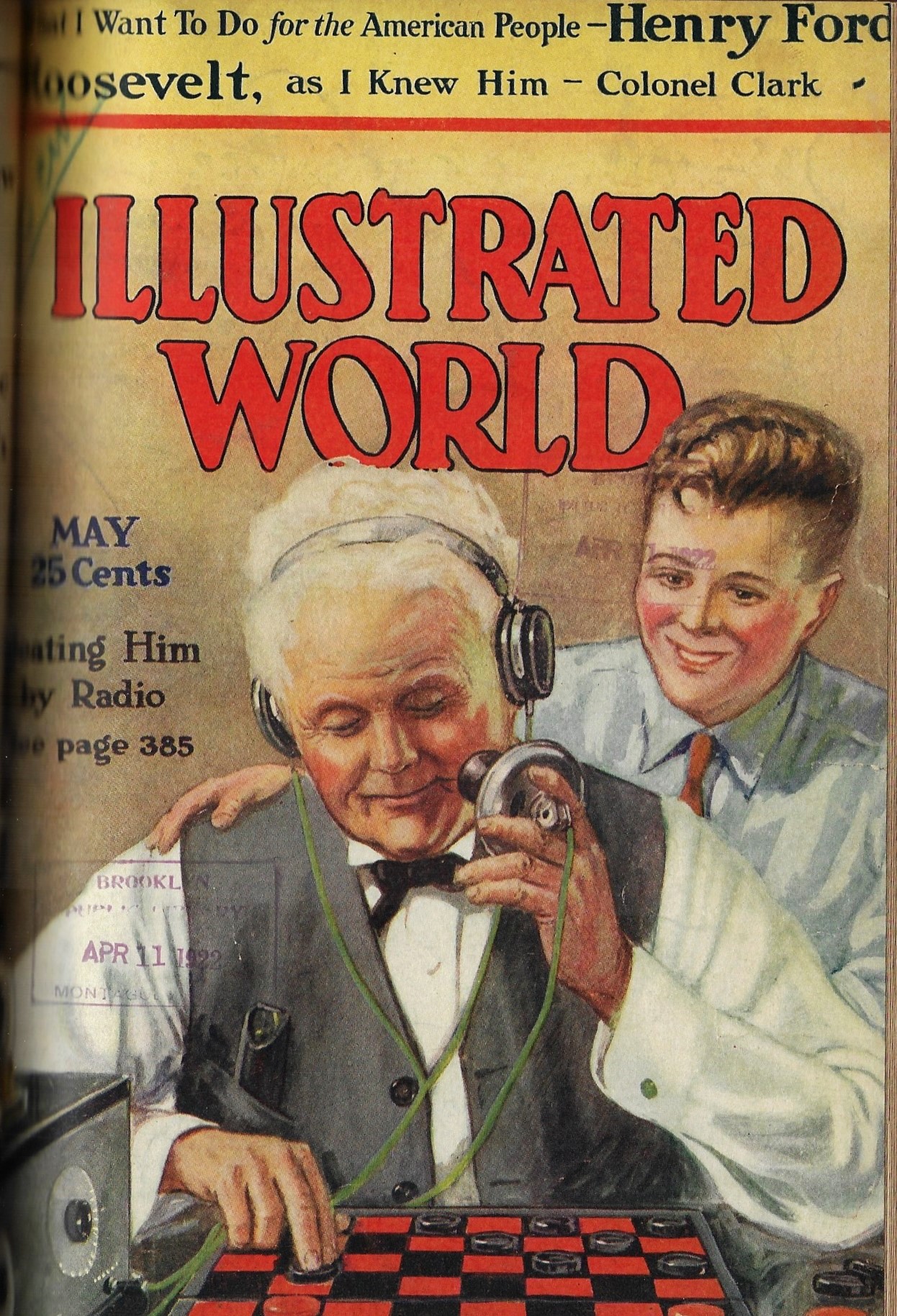
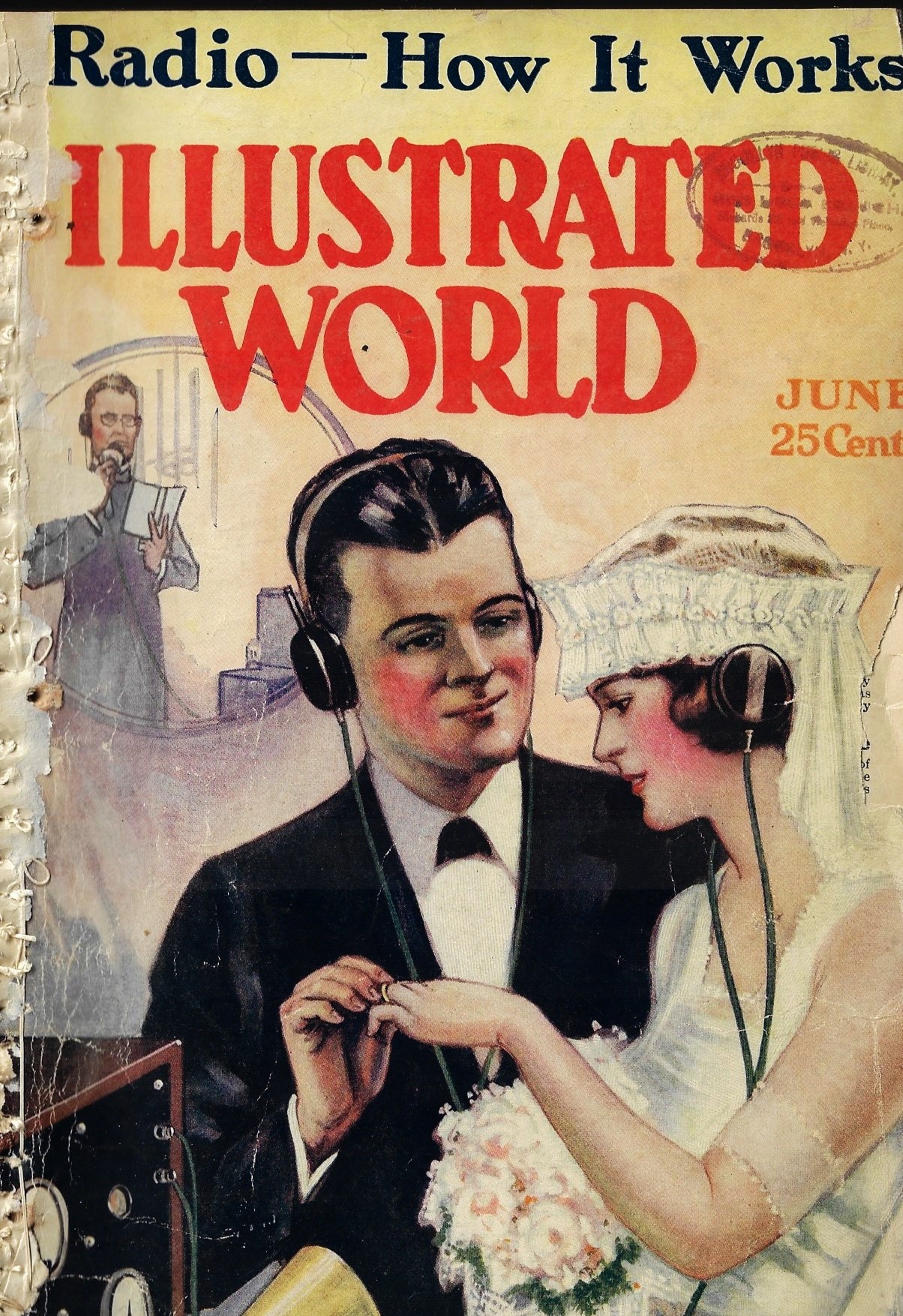
    The “pre-Internet” here of course is radio, just as the wired telegraph was the pre-radio, and so on down the turtle stack, and these images and stories from Illustrated World from 1922 celebrate the newness of that invention. The thing about radio though was that the makings for commercial broadcast radio were in place for a good solid decade–maybe even 15 years–before the bright idea landed within someone to broadcast on radio out into the rest of the U.S.  That first honor belongs to KDKA, using Westinghouse equipment and operating from “east Pittsburgh” on November 2, 1920, and discussing the presidential election returns for the Harding-Cox context…and delivering the news so that people could hear it before they read it.  By the time these covers appear in IW radio broadcasting was two years deep, and the idea of expanding the medium’s scope was certainly presenting itself–people had gotten married and played checkers before remotely by telegraph, but with some time-lag; and certainly there was no sound involved. This was pretty hot stuff in 1922, a real barometric increase in the possibilities of electronics. (By the way, just two years later, in 1924, there would be 600 commercial broadcast stations, and another three years later RCA would found NBC and go nation-wide.)

    Illus World 1922 radio checkers Illus World 1922 radio marriage


  • On Not Discovering X-Rays (1890)

    JF Ptak Science Books  Quick Post

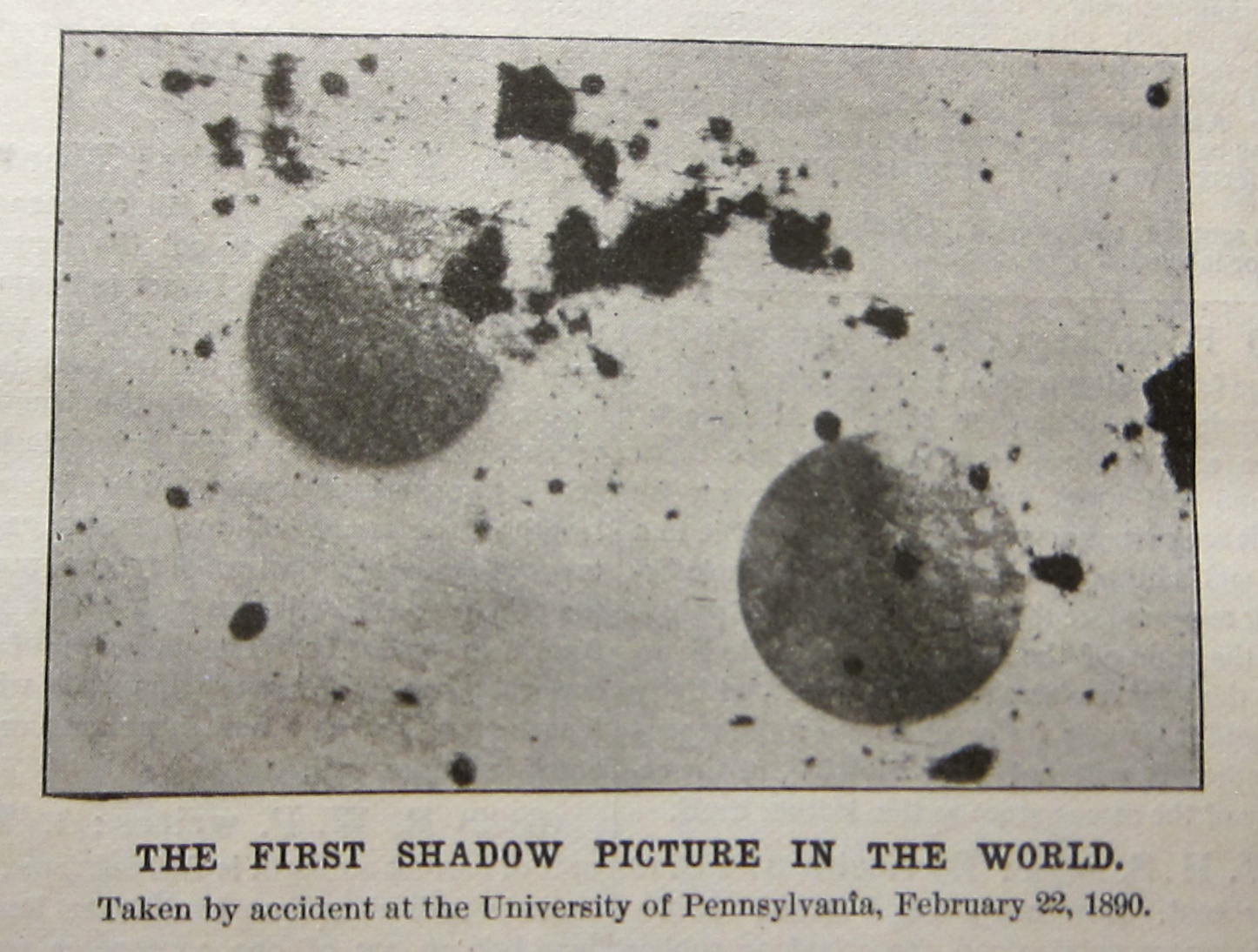
    In the long list of “photographic firsts” the following is a rare case–a first that wasn’t a first that may have became a first, though no one recognized it as such until the true first was recognized. Huh?

    Sci Am 1896 shadow pic

    This is the story of Arthur W. Goodspeed (1860-1943) and William Jennings (1860-1946) and their brief brush with immortality. While using a Crookes tube and  photographing electric sparks and brush discharges in their lab at the University of Pennsylvania in 1890 they produced a photograph of unknown certainty and imagery. They did not pursue the anomaly and stowed the photographic plate away in archives. After the Roentgen discovery in 1895 and seeing the first results in early 1896 they knew exactly what it was they had photographed, and just hadn’t recognized that what they were seeing was revolutionary. They retrieved and published the photograph along with their story in Science on February 14, 1896 (vol 3 #59), and a short account of the narrative was published in Scientific American on April 11, 1896, along with the photograph. To their great credit the two physicists made no claim to discovery:

    • “We can claim no merit for the discovery—for no discovery was made. All we ask is that you remember, gentlemen, that six years ago. day for day, the first picture in the world by cathodic ray was taken in the Physical Laboratory of the University of Pennsylvania.”

    I reprint the article and the photo below.  


  • Bomb-Dropping Torpedo Plane Guided by Wireless (1917)

    JF Ptak Science Books  Quick Post

    Pop  Mech 1917  aerial maps

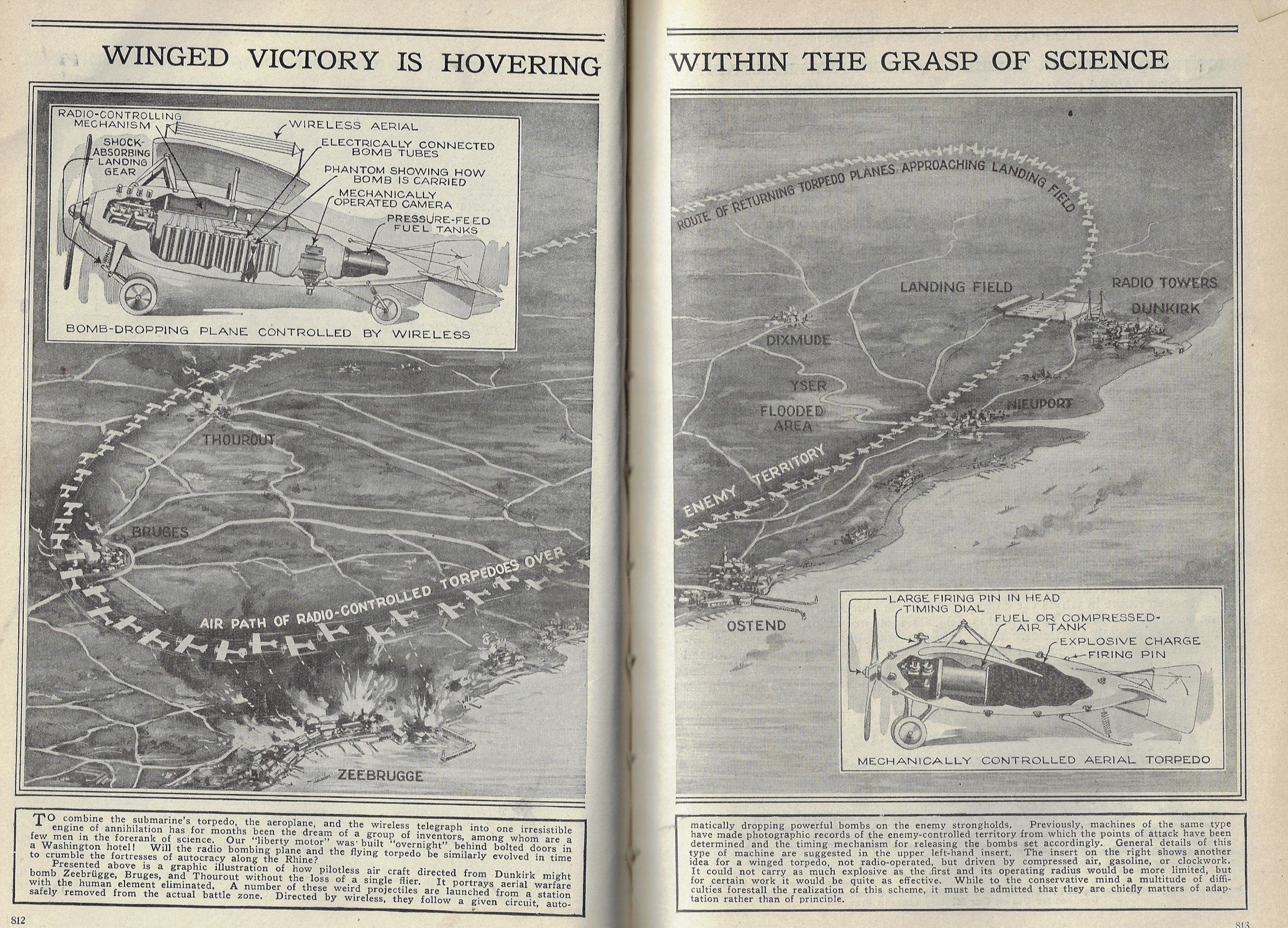
    This illustration appeared in the December 1917 issue of Popular Mechanics, just a year away from the end of WWI. This was a promotion for the idea of a remote-controlled miniature-aircraft, which was equipped with bombs and suggested to be an “irresistible engine of annihilation”.  The map displays how the aircraft–or multi-squadrons of them–could be controlled from Dunkirk to bomb targets in Zeebrugge, Bruges, and Thourout, “without the loss of a single flier”. 

    • “Will the radio bombing plane and the flying torpedo be similarly evolved in time to crumble the fortresses of autocracy along the Rhine?”.

    The small inset of the flying machine at bottom right seems to be little more than a bomb (a “mechanically controlled aerial torpedo”).


  • The Urban Rooftop Airport Idea in 1920

    JF Ptak Science Books  Quick Post

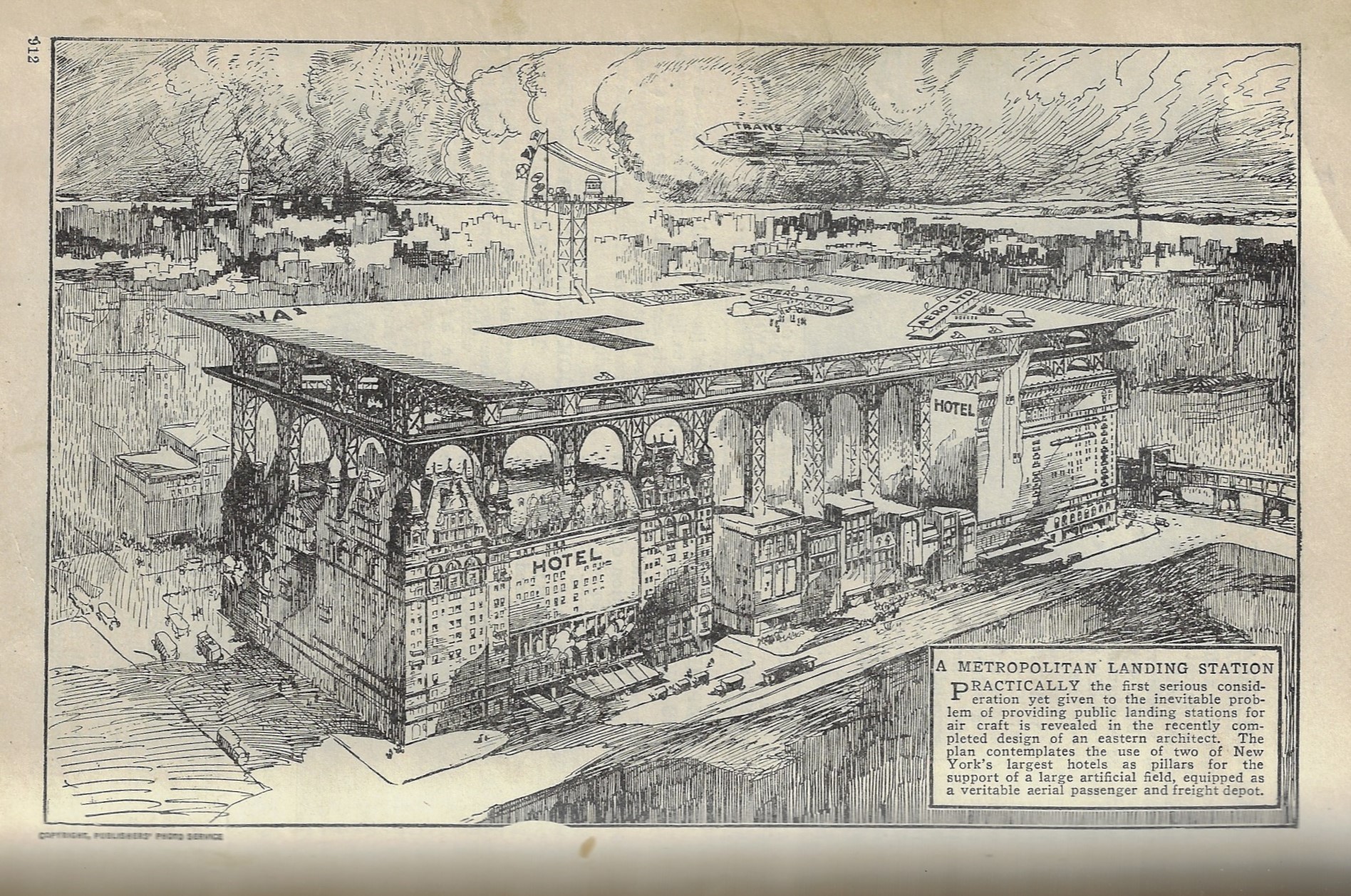
    This is another unexpected find of an urban rooftop airport1/dirigible docking station from 1920.  The idea has a certain amount of sense to it, especially here in the still relatively restricted early history of aviation, just 13 years past Kill Devil Hills, and two past the great expansion of flight following the end of WWI. It is an interesting mix of modernity when coupled with growth of the skyscraper2, which is just living through the beginning of its fourth decade.  On the other hand…well, there are a lot of obvious problems with an idea like this, too many to go through in a simple post just intending to share an evocative image. It was a tempting peek into the future, and as we can see one of the dirigibles advertisers “transatlantic”, the first of which wouldn’t occur by dirigible uintil the Graf Zeppelin in 1928. The planes are way too big, and so on. (Is that the Plaza Hotel in the foreground?) The rendering itself is very pretty, and has a certain Renaissance-y quality too it, especially with the etching-like rendering of the sky.  

    If you’re interested there are probably ten posts on such ideas in this blog–just enter “airport” in the Google search box for the site and you’ll find them.
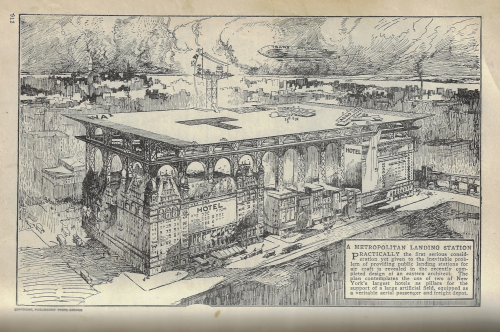
    Pop Mech 1920 Airport city building

    (Source: Popular Mechanics, December 1920, pg 912.)

    Notes.

    1. “Airport” and “Air port” first appears in the OED in 1902 in the great Brooklyn Eagle, though I’m unsure of its aviation context ( Brooklyn Daily Eagle 10 Apr. 1/2   “I hope New York will be the greatest airport in the world”). There is a clearer usage in 1914 (Times 16 Mar. 5/3   “The time will come when, with the development of aviation, every town of importance will need an air-port as it now needs a railway station”) that leaves no doubt the reference is for airplanes.  

    2. “Skyscraper” (and “sky scraper” and “sky-scraper”) in the architectural sense draws on a long history of common and colloquial use: it first appears in the Oxford English Dictionary as a nautical term relating to a tall horse (1788), and then used to refer to a  sail (1791), tall bonnet (1800), high flying ball in sports (1842), tall person (1847), exaggerated story (1890), and so on.  The use of the term relating to a tall building (generally 10 to 13 floors high) appears in 1883
  • A Review of a WWII German History of Rocket Development Film (1950)

    JF Ptak Science Books  Quick Post

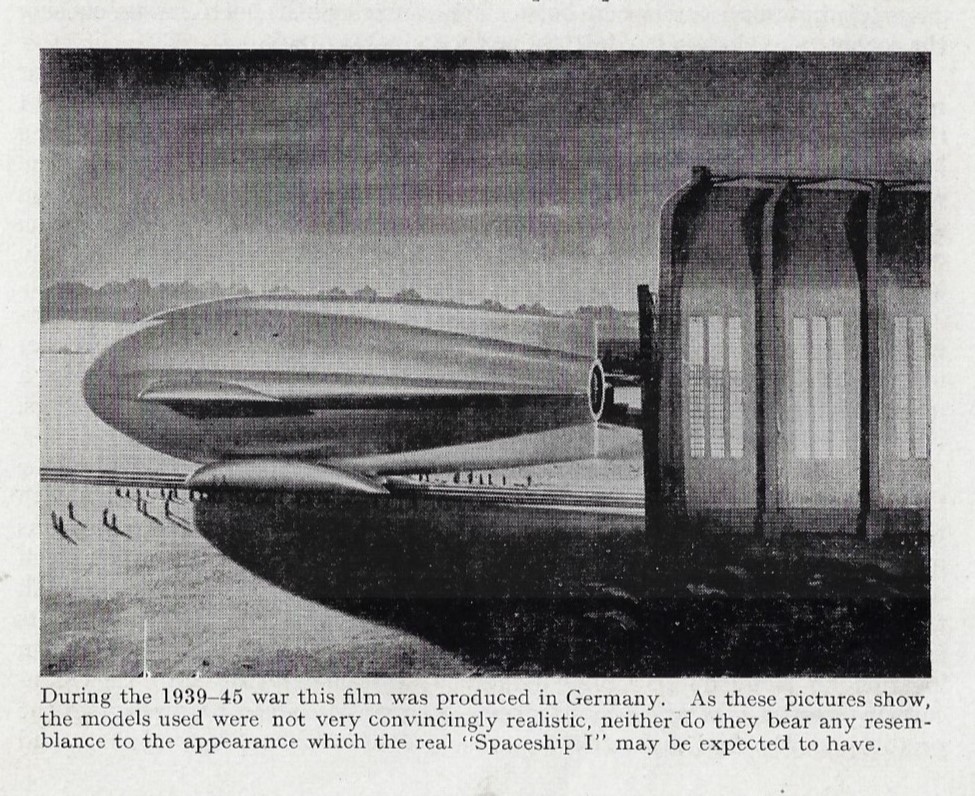
    The gem in the title to this short post bubbled into view while looking through an issue of the Journal of the British Interplanetary Society (March 1950) for a biography of Wernher von Braun. The two-page biographical notice was perfunctory and the war years were sanitized (stating that after interrogation there “was no room for doubt” that von Braun’s real interests were only in interplanetary travel and high altitude research).  

    Rocket development history of -2_ DETAIL

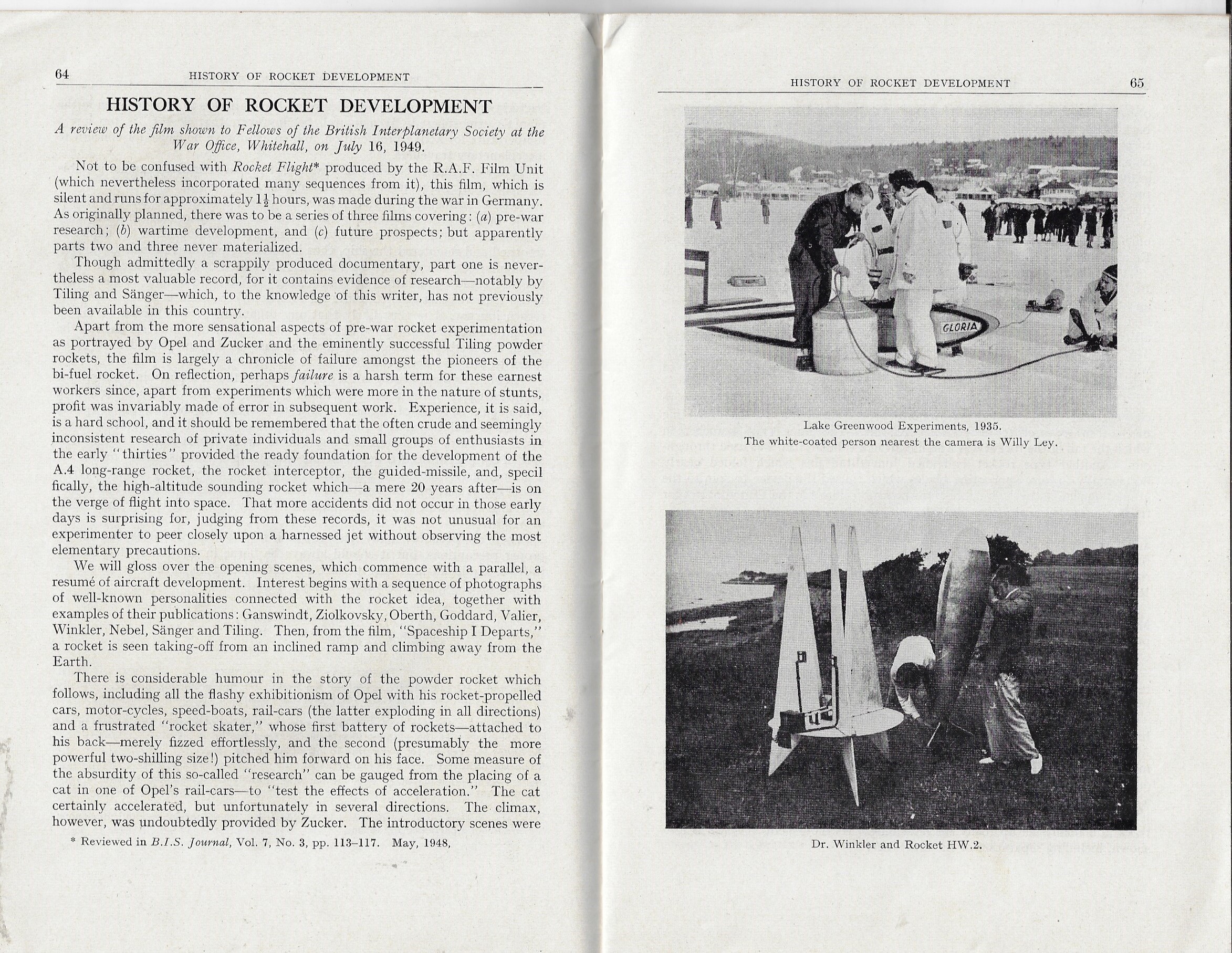
    The review of the German film on rocket development is another story–I’ve reproduced the eight-page tightly packed review below, as it is very useful and in the face of not having the viewable film it serves as a good outline.

    I found the references to “Spaceship I” (pictured above) to be very intriguing, though outside of two images of models for the proposed dirigible-like behemoth almost no other information is presented. 

    Rocket development history of -1_

    ·Posted by :

    ·in:


  • Another Segment in the History of Lines: Lining Up to the Fractionating Tower (1949)

    JF Ptak Science Books  Quick Post

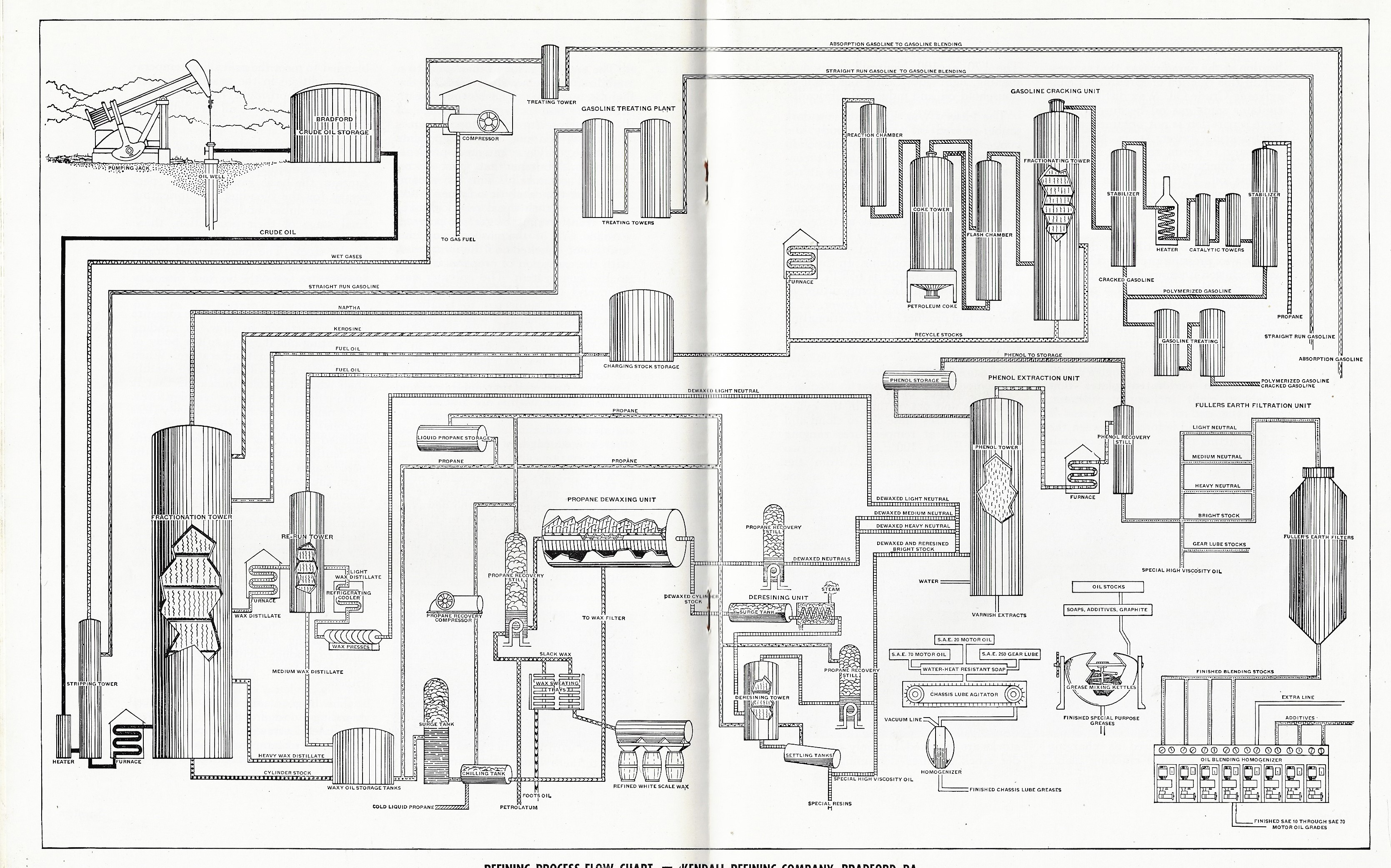
    At first glance this display of data looks a bit like a plate of straightened/geometrizied spaghetti, though it is actually a very good representation of the oil production process, from pump to purchase:

    Oil schematic

    Delivery, fractionating, and distillation process from A Refinery Process Bulletin, Kendall Refining Company, 1949.

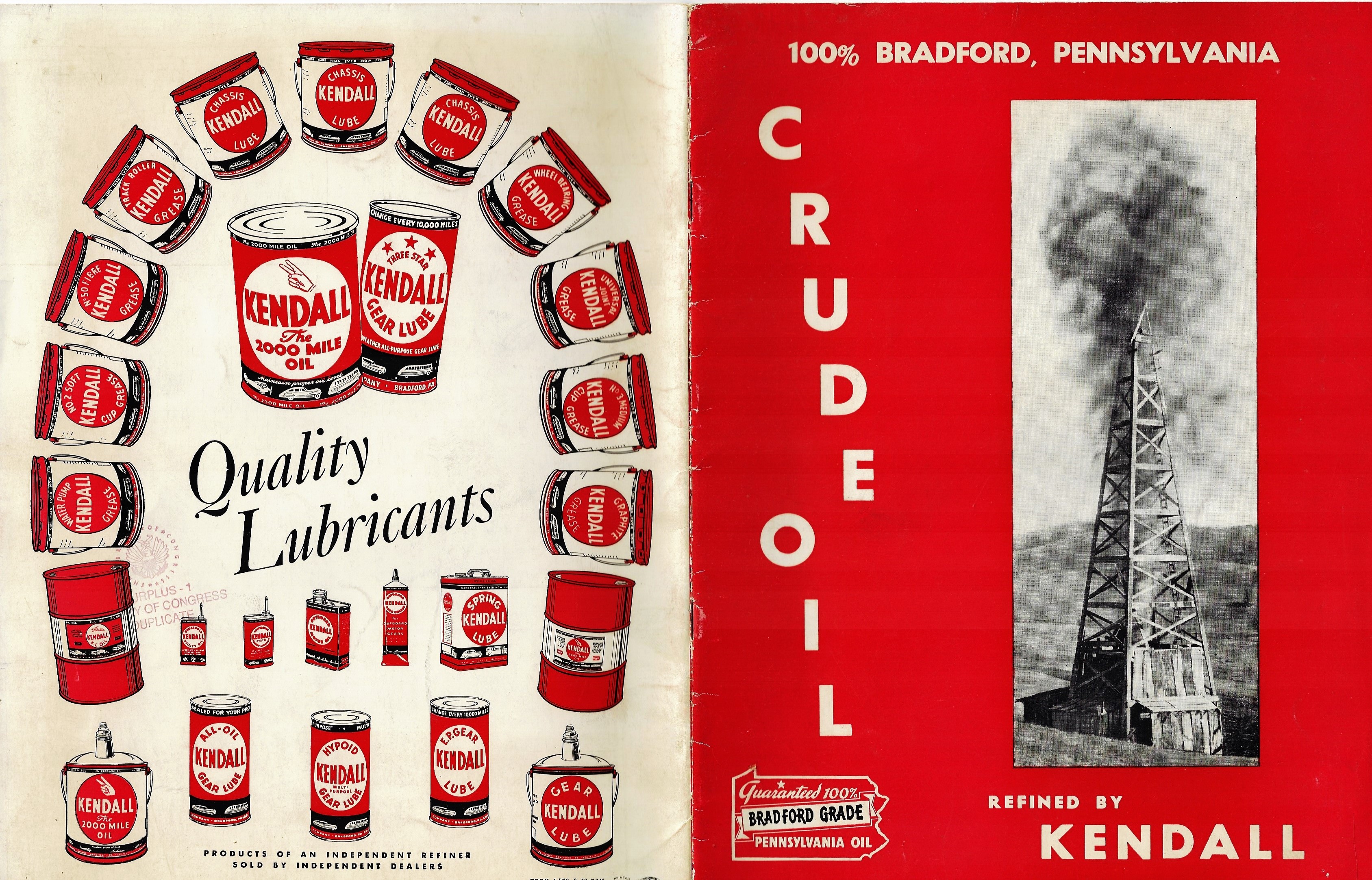
    Also, here’s the attractive and nicely-designed front and back cover of the publication:


  • The Geometry of Pebble-Making (1878)

    JF Ptak Science Books  Quick Post

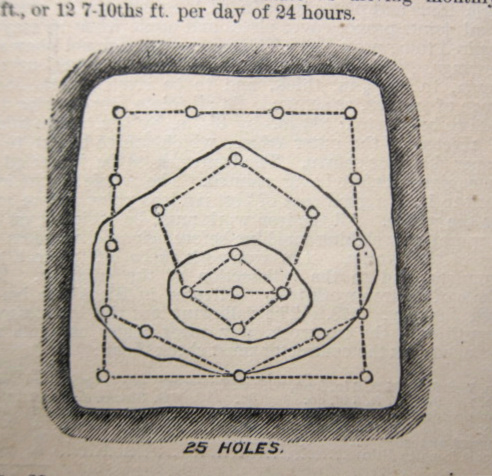
    Holes boring tunnelHere’s a good, no-longer-missing missing part of entries for the virtually bottomless History of Holes section of this blog—blasting holes drilled into rock faces for tunneling, appearing in an article in the Scientific American Supplement, February 2, 1878.  I’ve never considered the placement of the holes drilled through rock before, mostly I guess because I’ve never though about it before today–also I have no doubt that I would not have been able to figure out what sort of info was being represented in the small drawings if they were out of context. The circles and lines standing apart from any explanation or legend could’ve represented any number of things, from pole or column placement to fort construction, though blasting holes would’ve been far from my guess list of what these geometries were.

    There are a number of tunnels under consideration, all of different lengths, through different media, of different dimensions, and so on, all of which come into play when considering drilling and blasting one’s way through 20,000 or 50,000 running feet of mountain.

    The article was dryly fascinating, particularly in the human elements. On average it seemed as though for the tunnels surveyed in the article that 15-30 feet of earth would be removed each day, which seems like a lot given the time and the space to work in. Most of the excavating faces seem to have been about 8′ x 10′, or about 80 square feet, and in that space there were usually six workers operating the drills at one time. That seems to me to be very very cramped quarters operating big and noisy machines generating a lot of dust, all of which was happening with not-great lighting with a questionable air supply. That was one tough job.