A Daily History of Holes, Dots, Lines, Science, History, Math, Physics, Art, the Unintentional Absurd, Architecture, Maps, Data Visualization, Blank and Missing Things, and so on. |1.6 million words, 7500 images, 4.9 million hits| Press & appearances in The Times, Le Figaro, Mensa, The Economist, The Guardian, Discovery News, Slate, Le Monde, Sci American Blogs, Le Pont, and many other places… 5000+ total posts since 2008.

Category: Technology, History of

  • Another London Underground: Water, 1929

    JF Ptak Science Books  Quick Post

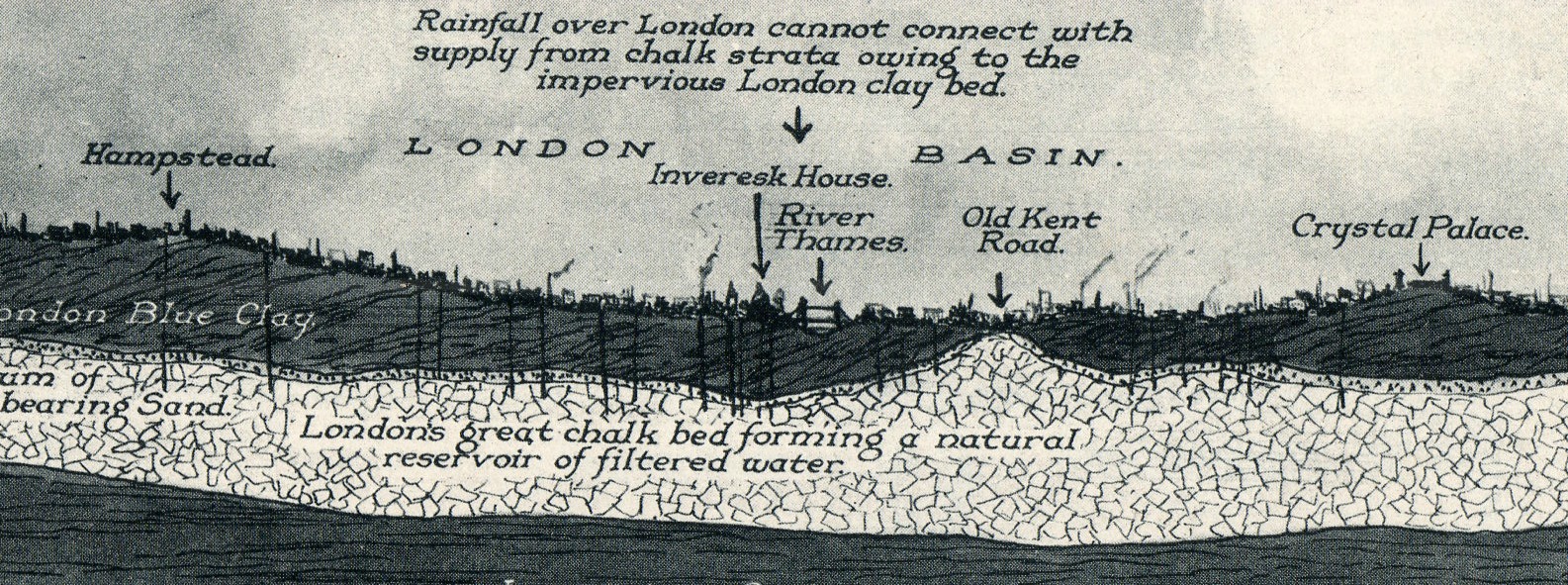
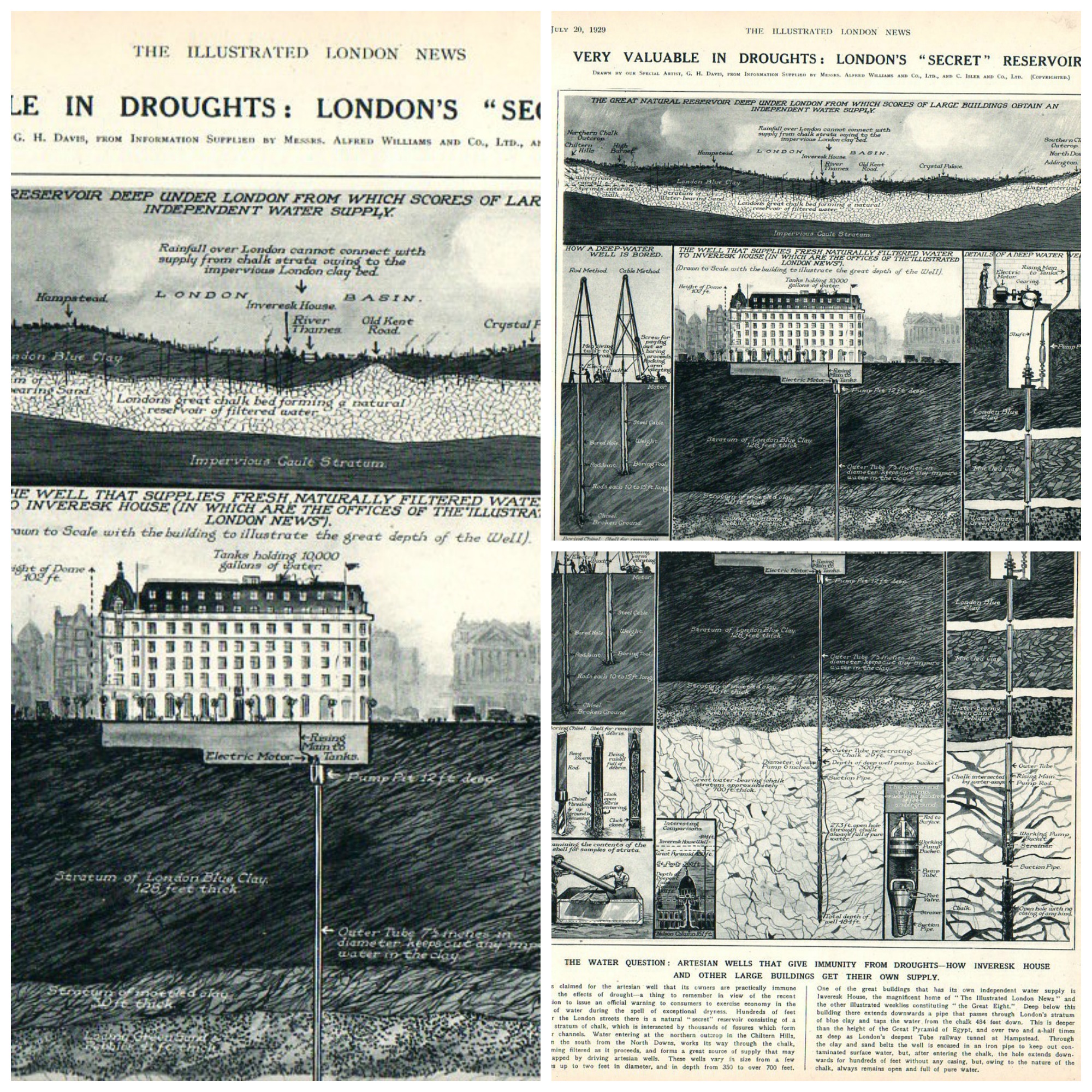
    On the heals of two water-related posts in the last two days (one of the waterless Jornada del Muerto in New Mexico and the other on the well at the Turin citadel as a reverse-tower) comes this fine image of a geological/hydrological cross section of London, from the Illustrated London News for July 20, 1929. 

    London underground water143

    All elements of this collage are very (screen-filling) clickable, and sharp:

    London underground collage


  • Low-Tech Prep for War, 1911-1941

    JF Ptak Science Books   Quick Post

    I’ve bumped into three interesting instances of using replacements for the actual equipment in preparing for war.  When you think of the action and order and behavior expected of them, and then observe the materials they were given to prepare to do so, it is absolutely remarkable to think of how they responded, and of the enormous valor and courage with which all of this was accomplished. 

    Case A:  Flight Simulator, 1911

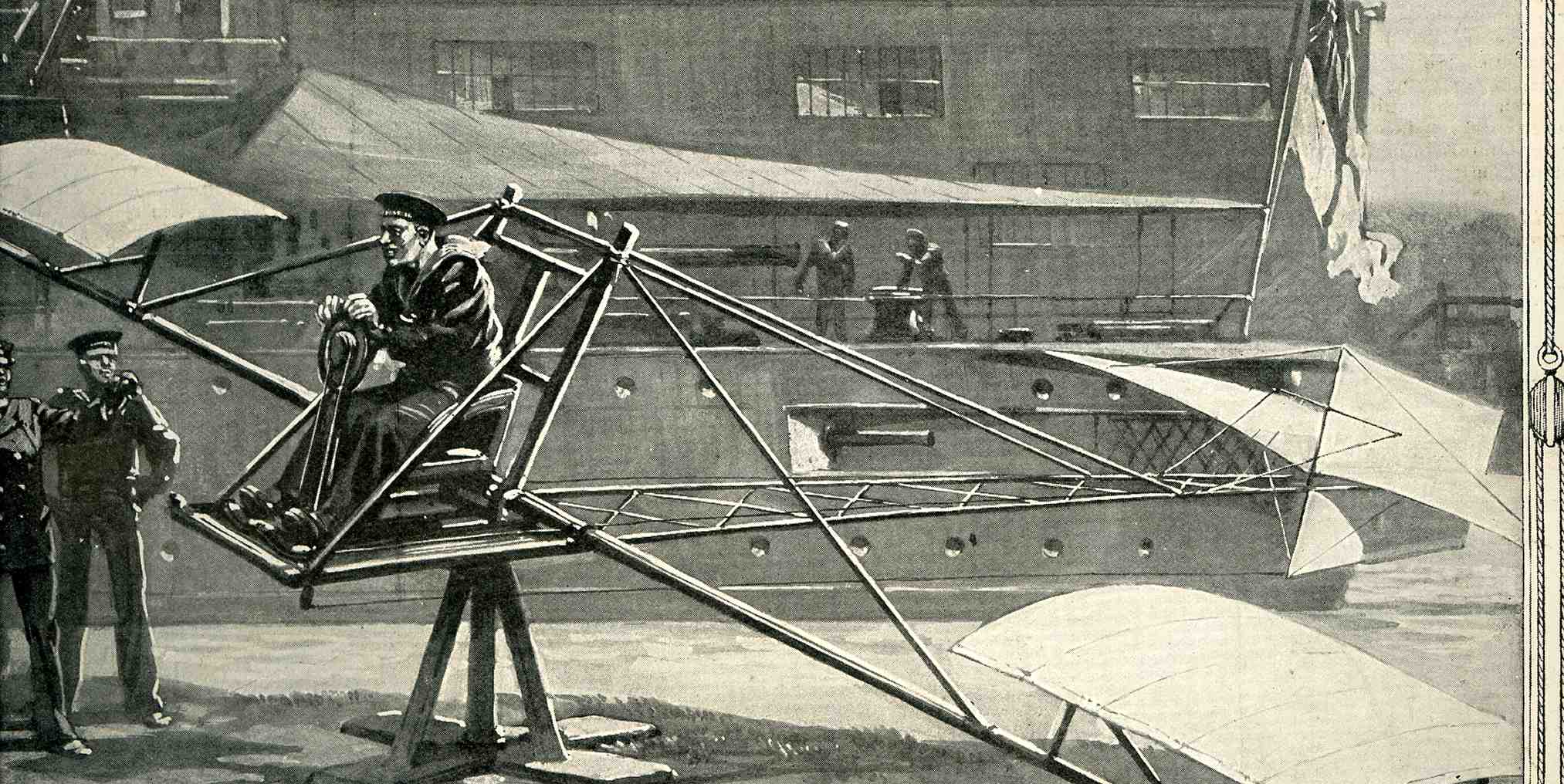
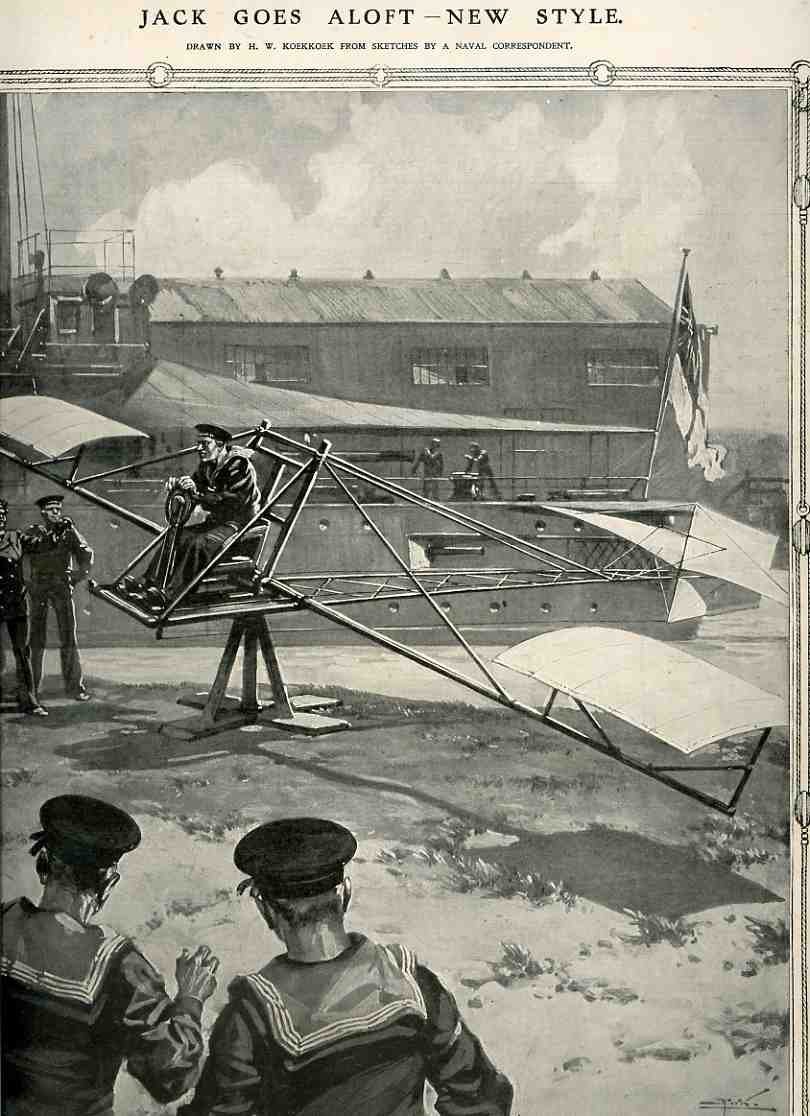
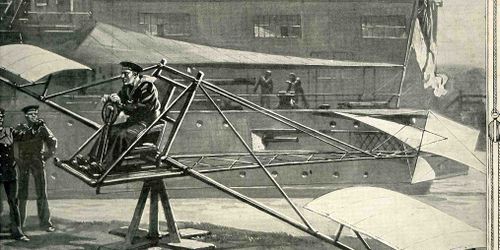
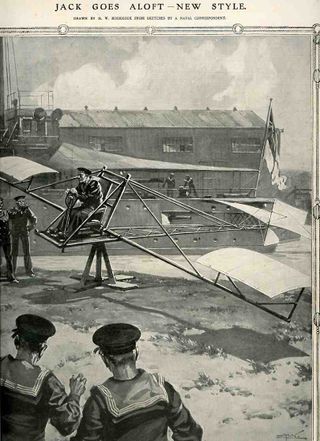
    Just three years after the Wright Brothers arrived in Europe to revolutionize European flying, and following an order of magnitude series of advancement and achievement, the British Navy was already beginning to train classes of sailors as aviators in  dynamic flight-free devices. This idea of simulating flight enabled the training (and more importantly, the selection) of aviators before anybody actually got into a plane, speeding the process of determining who was fit for flight and who was not, quickening the British pace to form a fighting force in the air.
    00-blog--Oct 28 sea plane trainer951

    This interesting graphic appeared in The Illustrated London News for 29 July 1911, and was entitled “Jack Goes Aloft–New Style…Trying to Keep a Stationary Machine Steady in a Wind; Sailors Practicing with a Dummy Aeroplane”.  This was five months before the establishment of the Royal Naval Flight School, but more importantly, just a few months after the historic flight of Eugene Ely, who took off in his aircraft from the deck of the USS Pennsylvania in the Mare Island Navy Yard–of more profound interest perhaps is the fact that Ely landed his plane on the same restricted deck space. (In a way the primitive stopping mechanisms use by Ely are sort of in use today. ) I am sure that few naval people missed the significance of this event–I know that across the ocean Winston Churchill was instantly at work on the idea of using aircraft on ships. But it seems that after all of the initial successes in the U.S. that when everything was said and done, the Brits took the lead in modernizing their navy to include aircraft. 
    00-blog--Oct 28 sea plane trainer950


    ·Posted by :

    ·in:

    —

  • Paper Love–Moveable Paper Prints: the Protos Automobile, 1925

    JF Ptak Science Books  Quick Post

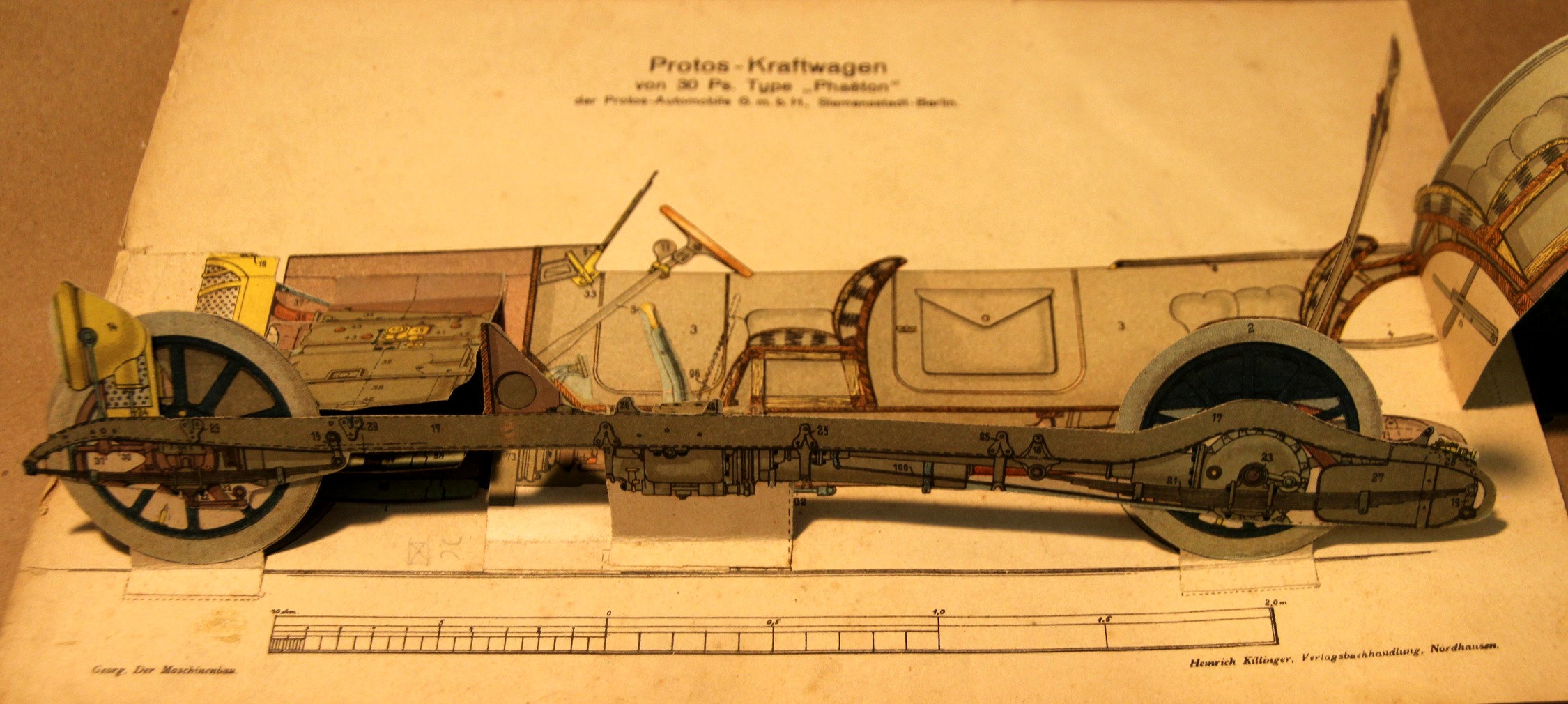
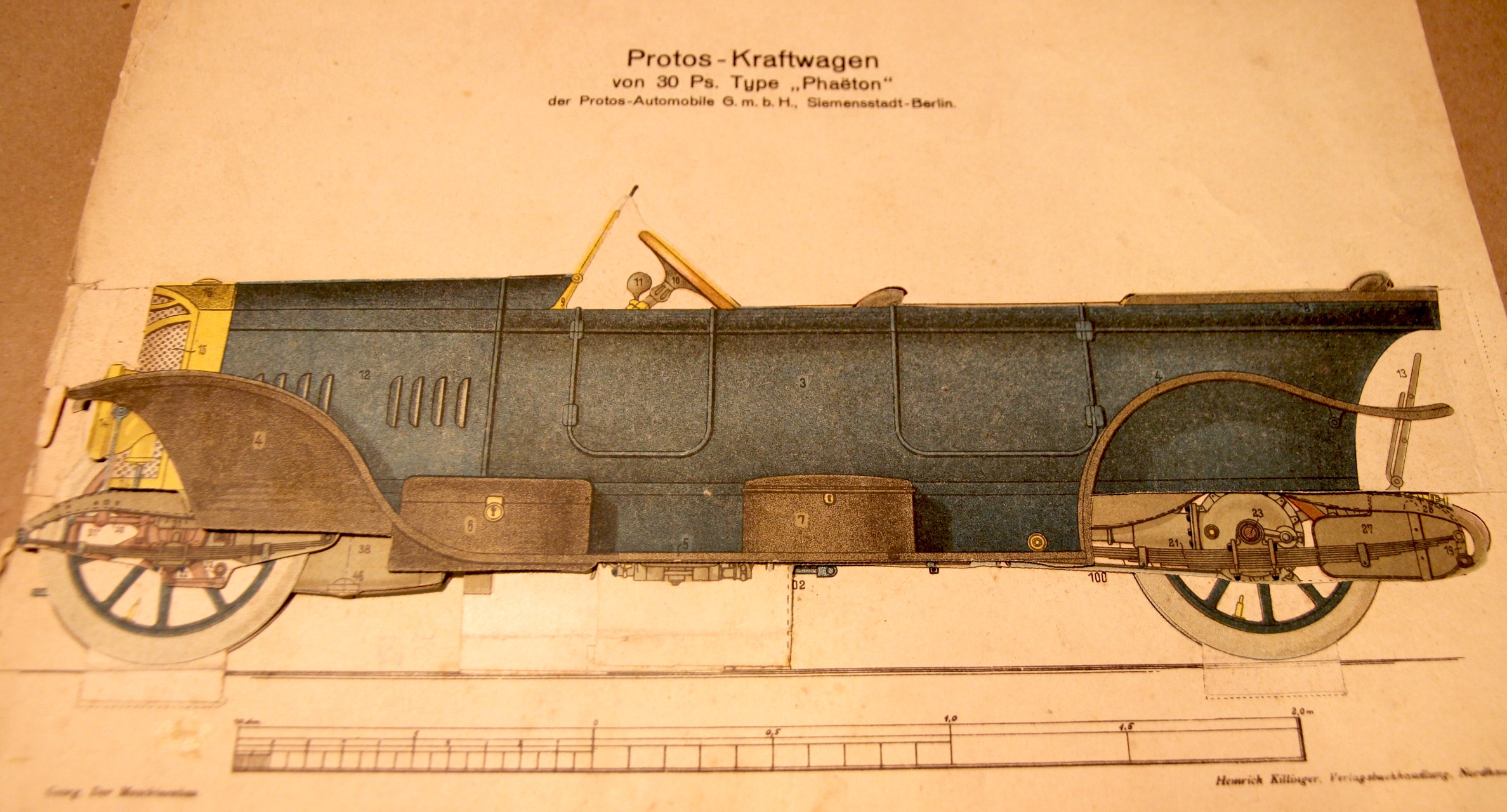
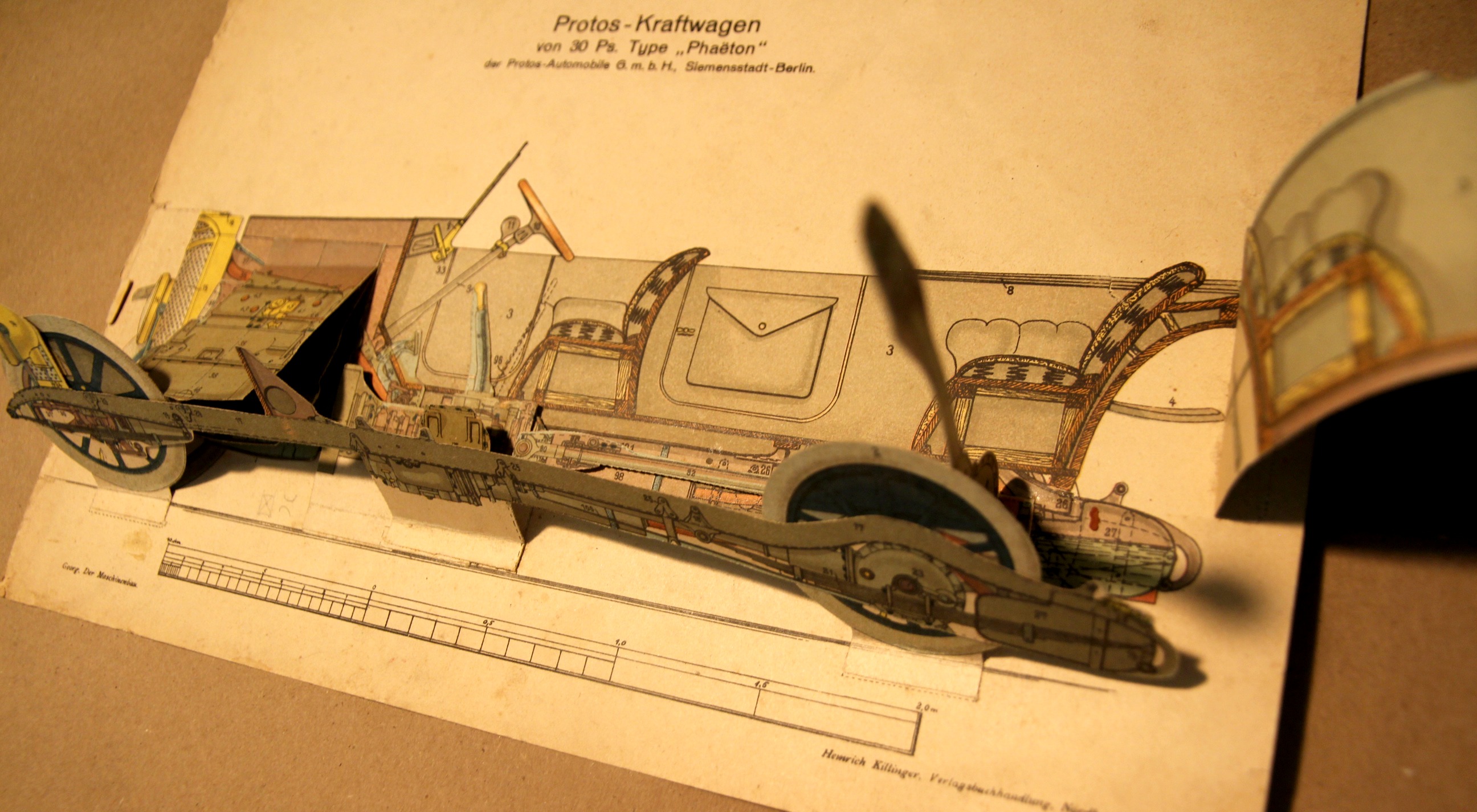
    The moveable book (flapbook) has long been interesting to me–unfortunate though that in my own fields they weren’t used very often. There are some very notable exceptions–early geometries would occasionally be published with many of the geometric illustrations made to pull out a little with the tug of a string to show you the construction in 3-D. Then of course there are the paper dissection manikins, where you can find nearly-life-sized paper anatomies with hundreds of movable/liftable flaps, and smaller examples of the body and specific organs that can be simple or not simple whatsoever.  These were time-intensive efforts, and in their own way they provided a sort of pre-MRI MRI by revealing the various layers of 3-D objects with 2-D tools–and they’re beautiful and captivating objects.

    (And this example is for sale at the blog bookstore, here.)

    Moveable_car_3

    This plate appears in Der Maschinenbau. Modelle.Zeichenerklärungen zu den Modellen des Werkes, by R. Georg, printed by Heinrich Killinger in Nordhausen in 1925.  The major detraction here is an old 5-inch tear that has been repaired verso with aacid-free tape, otherwise in nice condition. 

    The full image, “unmoved”:

    Moveable_car

    Moveable_car_2_


  • A Remarkbly- and Completely-Disappeared Invention from 1890

    JF Ptak Science Books 

    I’ve written a number of times on this blog about my interest in collecting the artwork of children–kid art from say before 1900–and how difficult it is to actually find examples. Most of that has been serendipitous, finding scribbles and drawings of notebooks, and ledgers,  and free endpapers of schoolbooks, that sort of thing.  There are a number of reasons for this scarcity–the greatest being lack of paper, and pencils, or paints; that, coupled with the stuff needing to survive multiple generations of house cleans and moves and so on, well, it just means that not a lot has survived. 

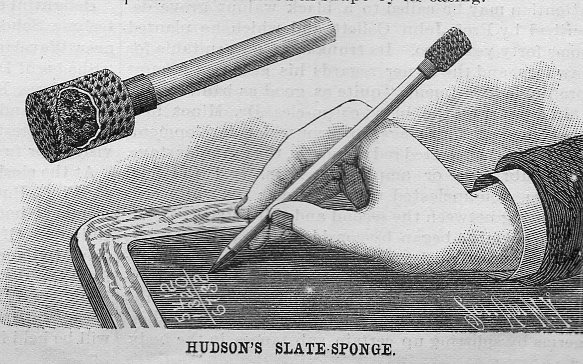
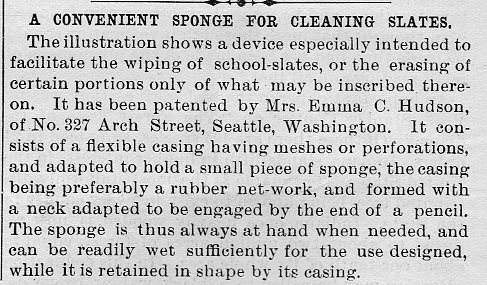
    Scientific american slate pen sponge102[Source: Scientific American, September 13, 1890]

    Lack of paper or paper being too expensive was a big deal, and so kids used slates, which means that very little has survived on the slate itself.  And to further point out the ephemeral nature of slate-written/drawn material, I present the slate eraser sponge! It is a little bit of a thing that fits over the slate stylus and allows a really thorough erasure/sponging of anything on your slate.  No only was the slate stuff gone, it was double-gone. 

    This is also an invention that is remarkably well nested in the dustbin of abandoned and unnecessary useful inventions that worked superbly for about two decades, and were never heard from again. 


    And the text:

    Scientific american slate pen sponge103


  • Technology–a Beautiful Tunnel Image of 1890

    JF Ptak Science Books   Post 2472

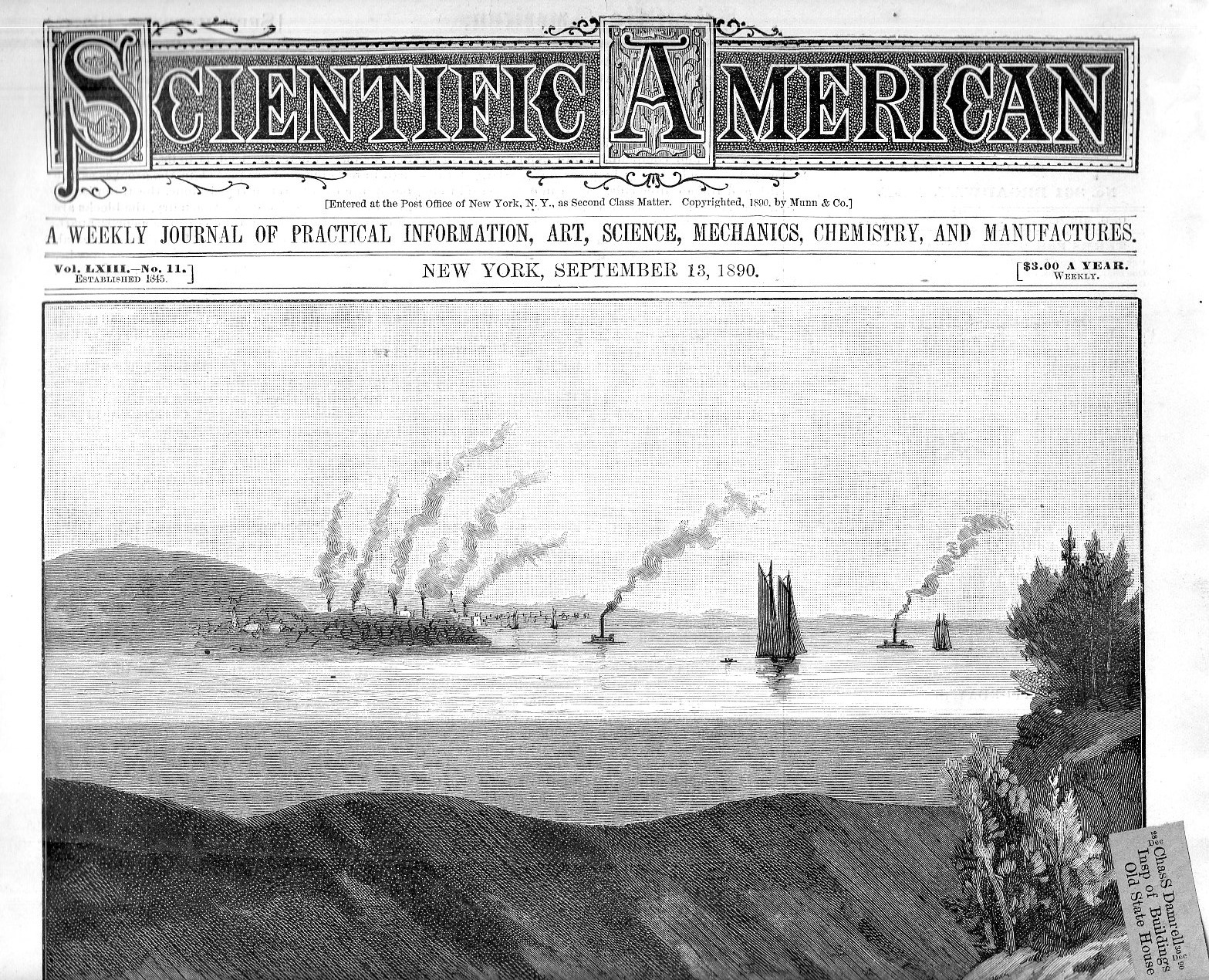
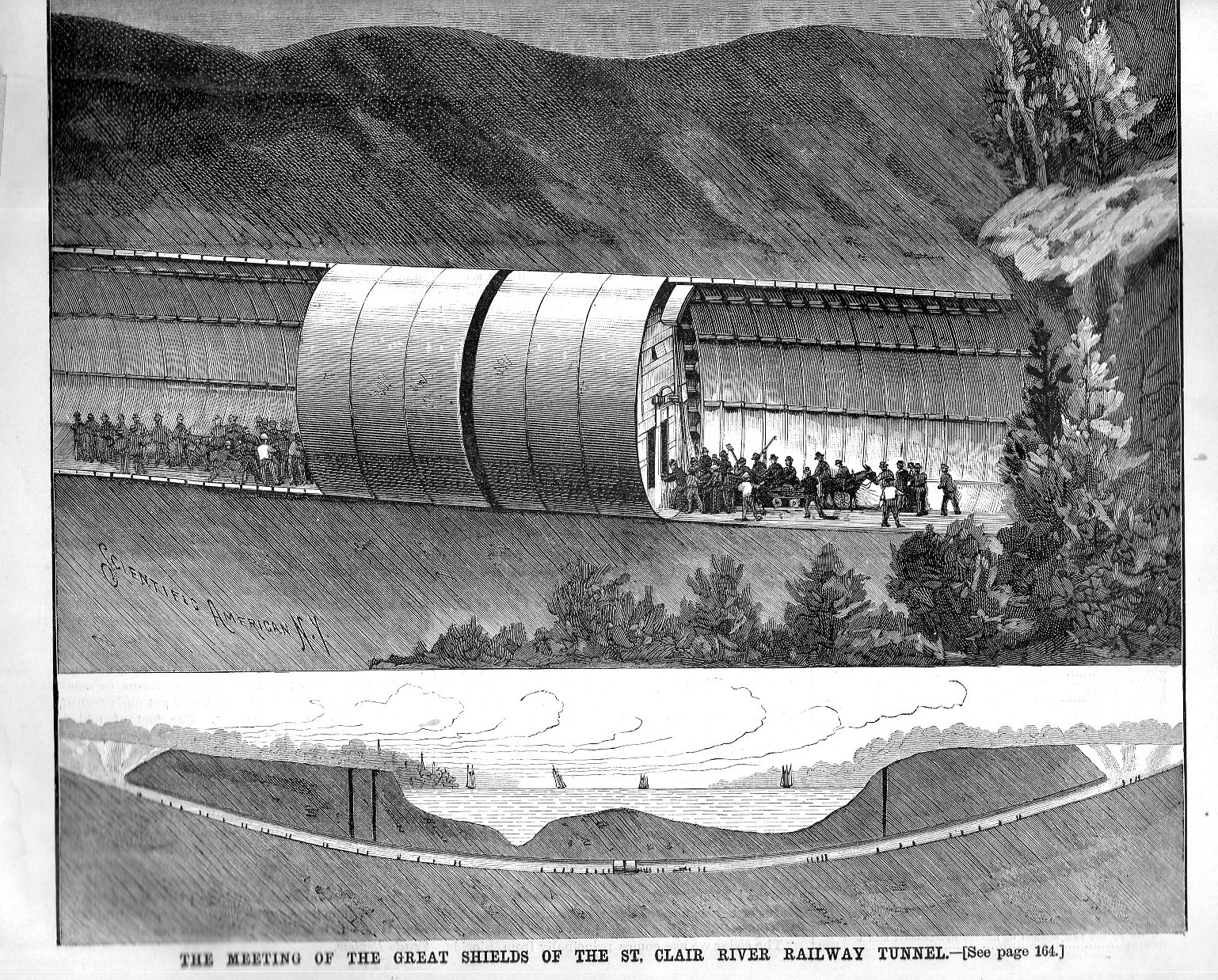
    Life going on underground has always been very interesting to me–particularly so when a good tech story is accompanied by great art.  This is certainly the case with the cover story for the September 15, 1890 issue of Scientific American, featuring the St. Claire Tunnel between Ontario and Port Huron, Michigan. This was the world’s first “full size” (that is, large enough for a train) tunnel and spanned (?) 6,025′ between tunnel portals and 2,290 of river width, making for a great technological achievement.

    [The issue is too large for the scanner so it is reproduced in two scans with a gap in the middle.]

    Sci american 1890 st claire094

    Sci american 1890 st claire092

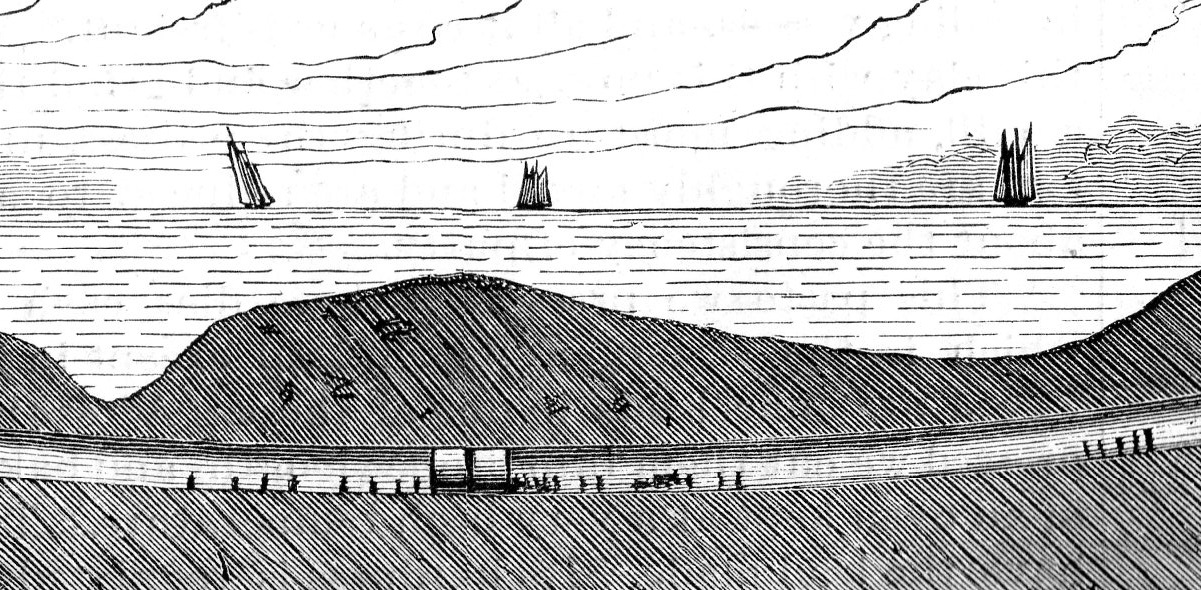
    The Scientific American celebrates the meeting of the two tunneling halves, each just about to join their excavation efforts at midway under the river. It is interesting that the artist would include those 40 tiny figures at work around the “Great Shields”, which were functioning as a sort of enclosure for the working going on to remove the earth.  Better yet is the smallish inset at bottom depicting the scale of the venture–in Real Life those images of people in the inset are only 1mm tall. 

    Sci american 1890 st claire093

    • This issue is available for purchase via the Blog Bookstore, here. 
    • We have nearly 4000 Scientific American issues available, overall, some bound as half-year issues, some as single weeklies, from 1845-1930 or so.  If you have any interest in this journal please send an email…

    ·Posted by :

    ·in:


  • Illustrious Crowded-but-not-So Technical Engravings, 1851

    JF Ptak Science Books

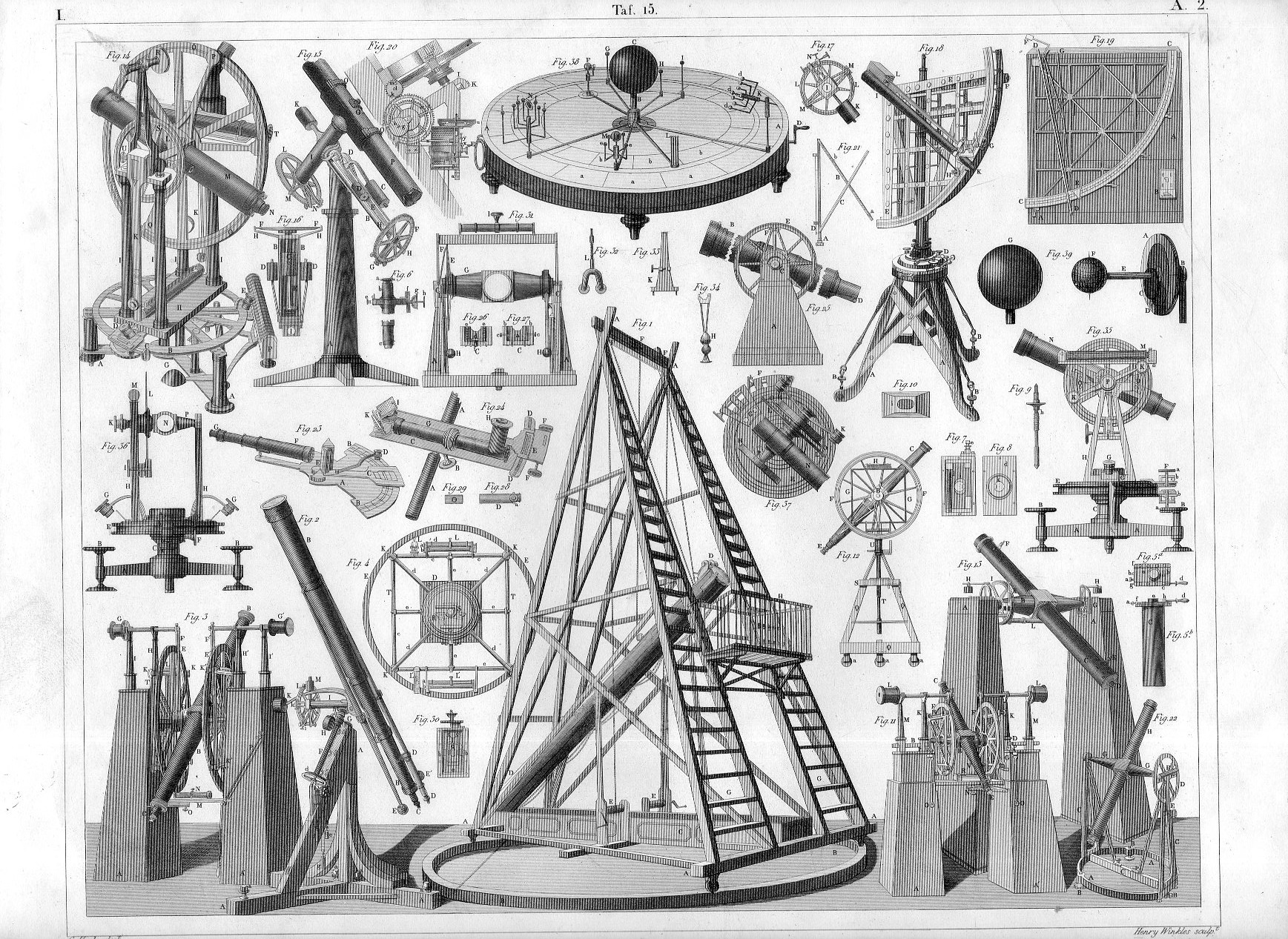
    J.G. Heck wrote and compiled a fascinating and complex work entitled The Iconographic Encyclopedia of Science, Literature and Art, and was published in America for the first time in 1851 following Spencer Baird’s translation from its original German.

    The key to his work is the amount of data displayed on each of the 500 engraved plates illustrating this work and the way in which it is arranged.  The design and layout of the 30,000 items on these 500 plates was a work of genius, and for my money it is easily the best-presented complex means of the display of data and objects that was published in the 19th century.

    Here are some general examples of scientific instruments and experimental display apparatus in the physical and chemical sciences. 

    • All are available for purchase via the blog’s bookstore, here.

    Heck astronomy077

    ·Posted by :

    ·in:


  • The Telephone-Wife (Lonely No More), 1925

    JF Ptak Science Books   Quick Post

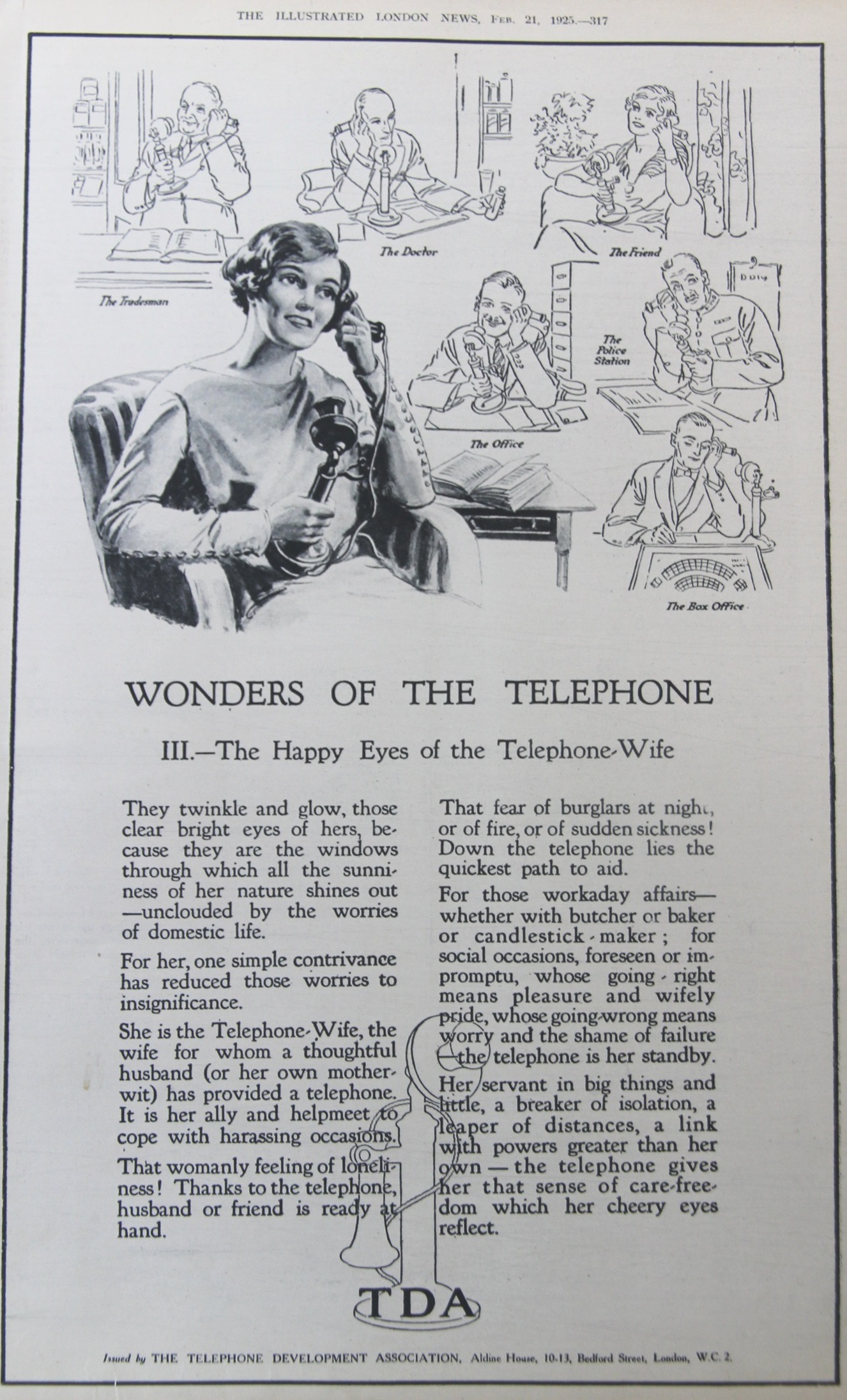
    I’m sure that there’s a song in this, somewhere, if only we had the power to return to 1925 to write the thing.  This add spoke to the married couples of the U.K., an appeal from the Telephone Development Association (TDA, of London), reminding people what the telephone was good for. Not the least of the reasons for installing a ‘phone in the house to help reduce worries to insignificance, and rid her of “that womanly feeling of loneliness”. 

    Telephone-wife[Source: The Illustrated London News, February 21, 1925.]


  • Powerful Design–Smithereens, 1943

    JF Ptak Science Books   Quick Post

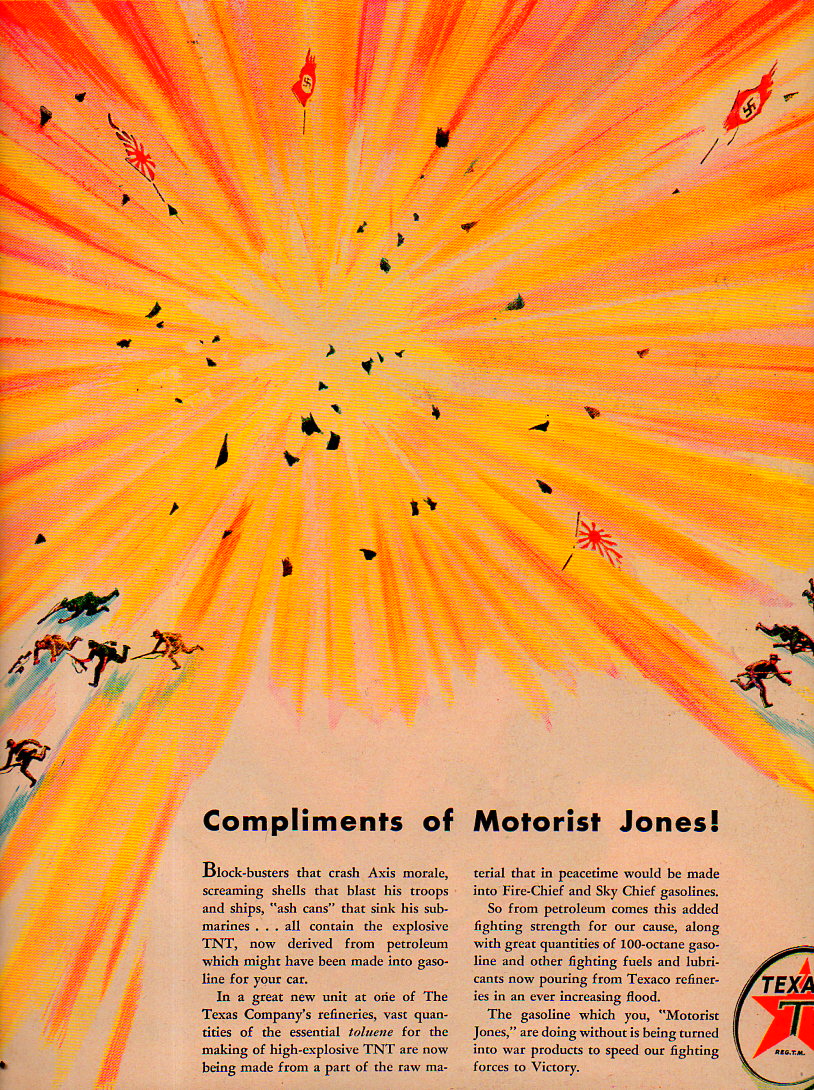
    The Texaco Company was not kidding around when they expressed appreciation for their customers who still bought their product when available after rationing restrictions–they addressed their customers and showed them the result of channeling their rationed petroleum into the production of TNT. The graphic is the result of Texaco applying themselves to the war effort, and they did not want their current and future customers to forget it.  

    Design--Smithereens024[Source: LIFE magazine, November 15 , 1943.]

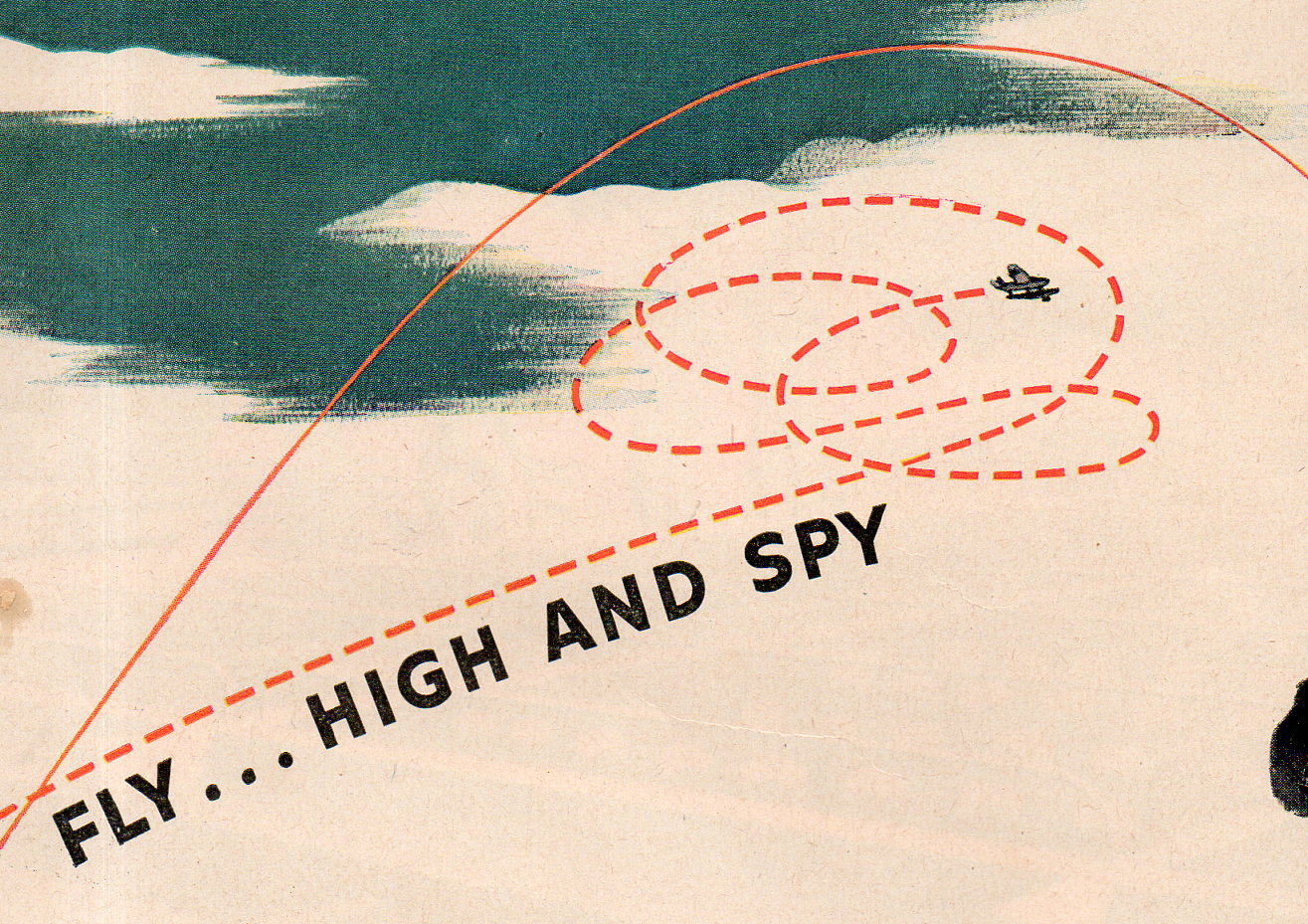
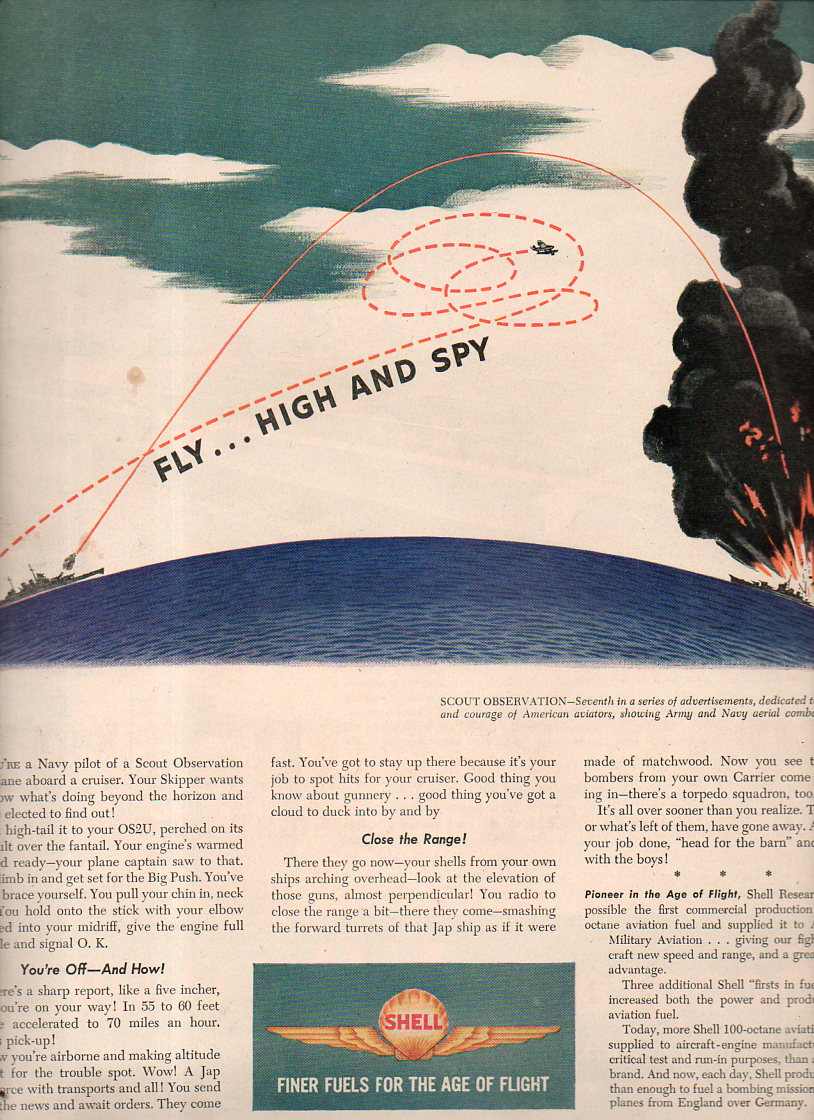
     Additionally, in a similar vein and from later in the year in LIFE,  comes this from Shell Oil:

    Design--smithereens 2027I’m perfectly okay with the “fly…high and spy” part.

    Design--smithereens 2026


  • Great Cover Design–Massiveness and City Profiles

    JF Ptak Science Books   Quick Post

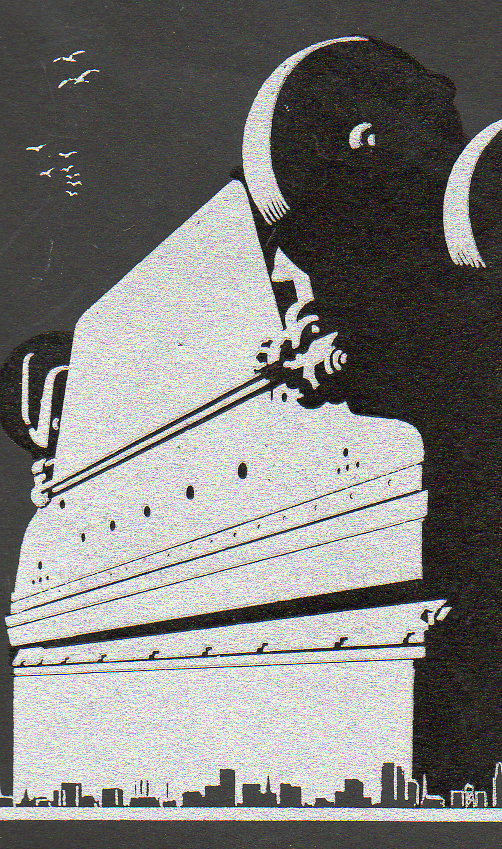
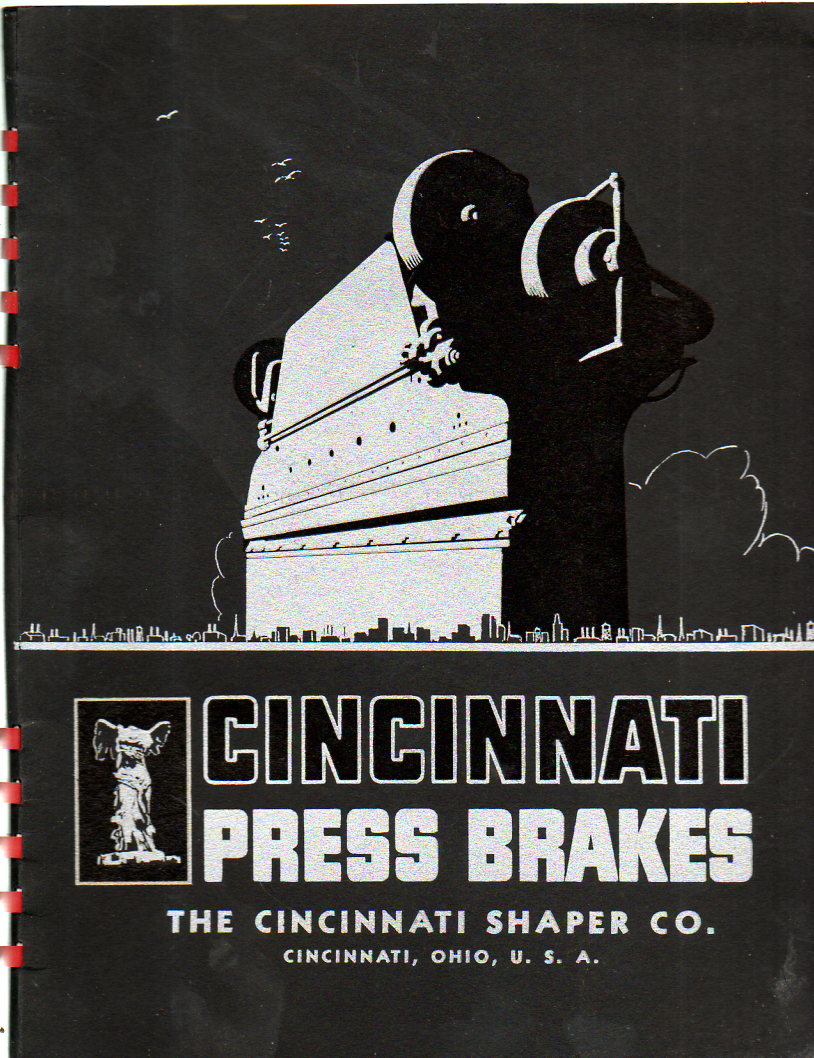
    This fine design belongs to the Cincinnati Shaper Company (Cincinnati, Ohio and “Pioneers of he Steel Press Brake”) Catalog B-1, displaying and promoting their massive and extremely powerful machines for forming shapes in metal.  These were true and beautiful beasts of machinery, ready to punch and curve and trim and notch all manner of metal.  And the cover of their catalog gets that point across very nicely:

    Design--Cincinnati Press Brakes023

    …which is a detail from:

    Design--Cincinnati Press Brakes022


  • The Wondrous Telephone–Sheet Music from 1877

    JF Ptak Science Books   Quick Post

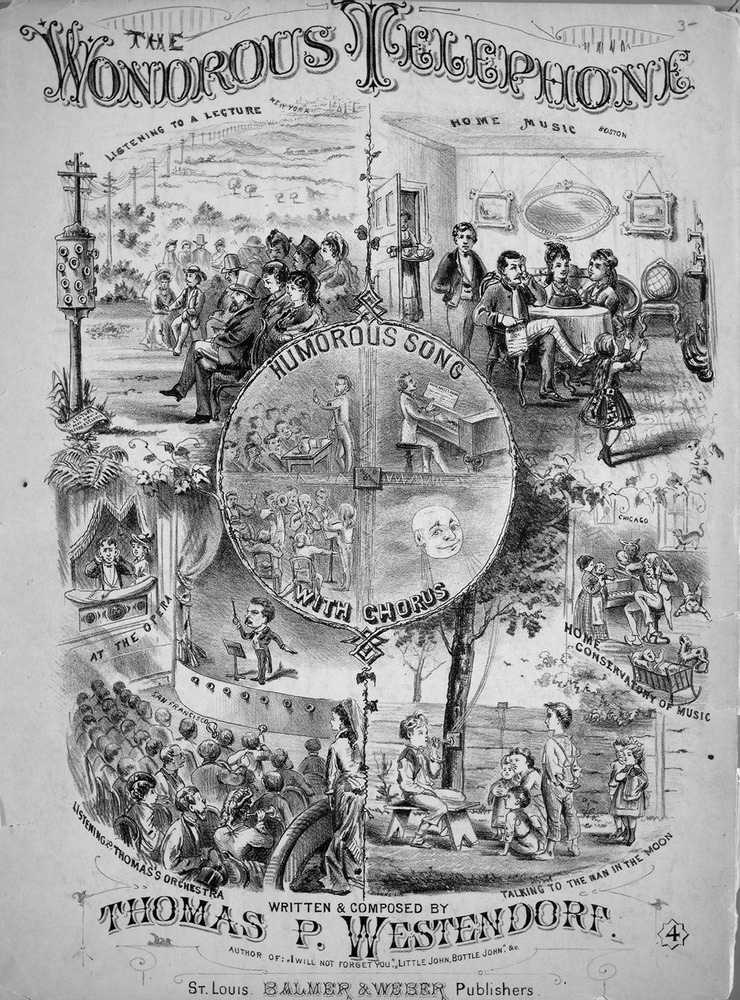
    Just a year after the invention of the telephone appeared this wonderful piece of music–with great cover art that actually took a pretty strong and accurate look into the future.  In 1877 we are told in the lyrics that “all of our secrets will be known” which isn’t such a great thing, and that the “prattle of the distant Mothern’ Law” will become fully available; on the other hand, “the whole world” will be united , and that in the end “we will never be alone” because of the telephone.  For a quick sonnet to the new invention the lyricist invoked a number of fair insights into the future of the telephone.

    SOURCE: Johns Hopkins University,  http://levysheetmusic.mse.jhu.edu/catalog/levy:032.121

    Telephone sheet music

    And the lyrics:

    ·Posted by :

    ·in: