A Daily History of Holes, Dots, Lines, Science, History, Math, Physics, Art, the Unintentional Absurd, Architecture, Maps, Data Visualization, Blank and Missing Things, and so on. |1.6 million words, 7500 images, 4.9 million hits| Press & appearances in The Times, Le Figaro, Mensa, The Economist, The Guardian, Discovery News, Slate, Le Monde, Sci American Blogs, Le Pont, and many other places… 5000+ total posts since 2008.

Category: World War I

  • WWI Photos (cont,)–a Corps of Women Aiding Soldiers at the Front

    JF Ptak Science Books   

    0 blog jan 12baker377

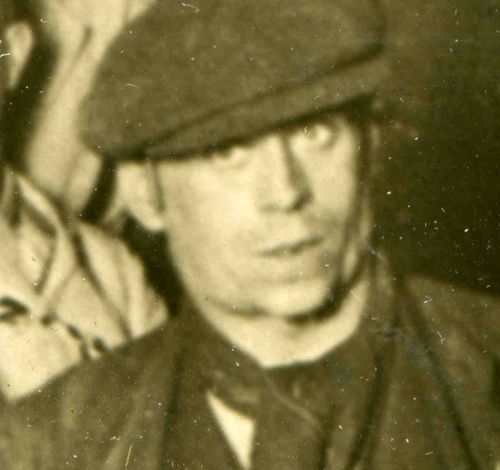
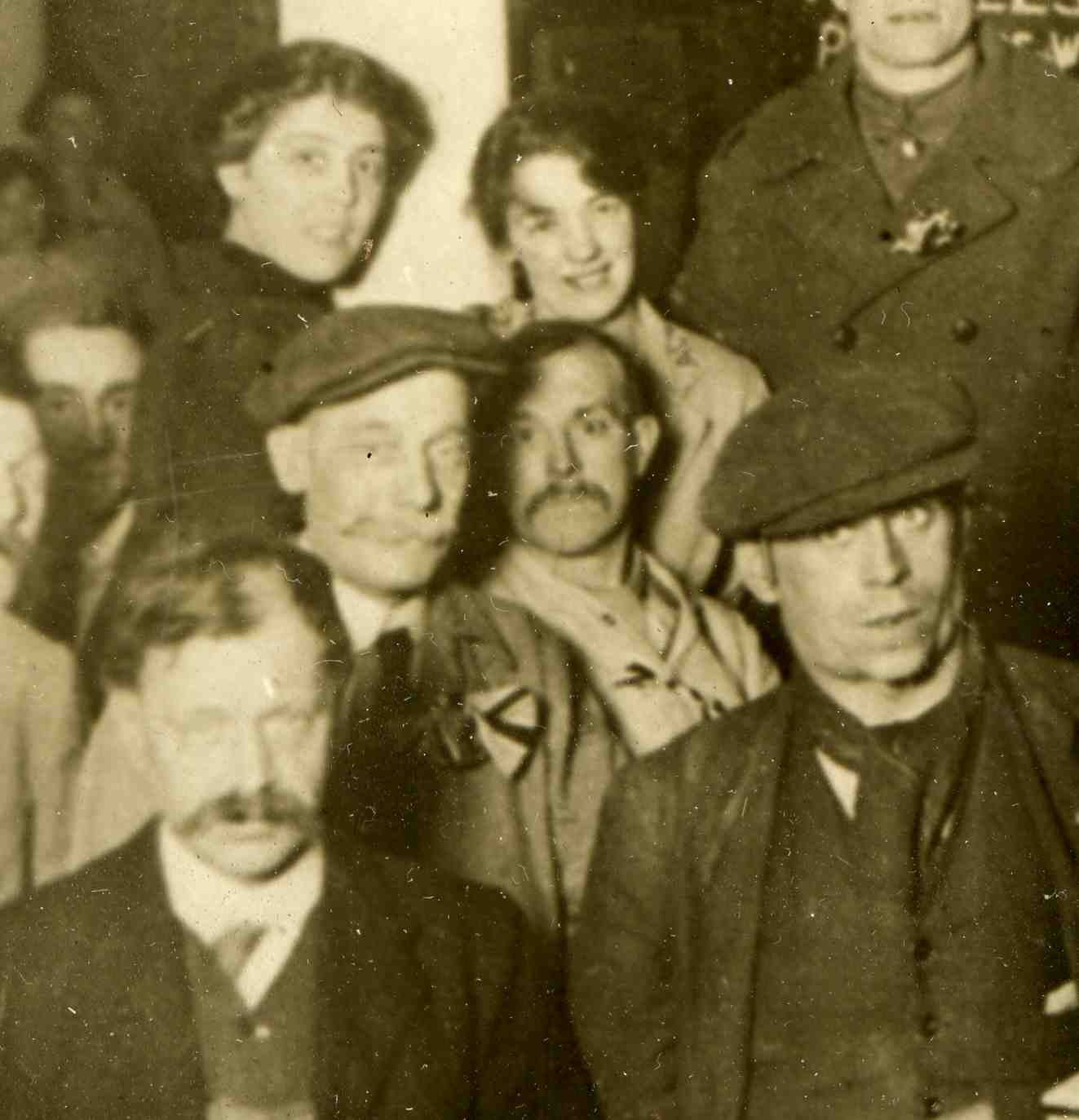
    This is another magnificent group portrait from my collection of News Service Photographs from World War I.  This is image is from mid-1918 and depicts nurses, wounded and recovering soldiers and an assortment of volunteers preparing relief packages for other wounded soldiers in field hospitals.  My experience with these images is that are many levels of portraits within the larger group portrait–looking at them under magnification is an addictive process, and quite often there are some lovely surprises.  

    The original can be purchased from us here.

    0 blog jan 12baker379

    0 blog jan 12baker378

    ·Posted by :

    ·in:


  • A Captured German Three-Inch, 1918

    JF Ptak Science Books   Quick Post

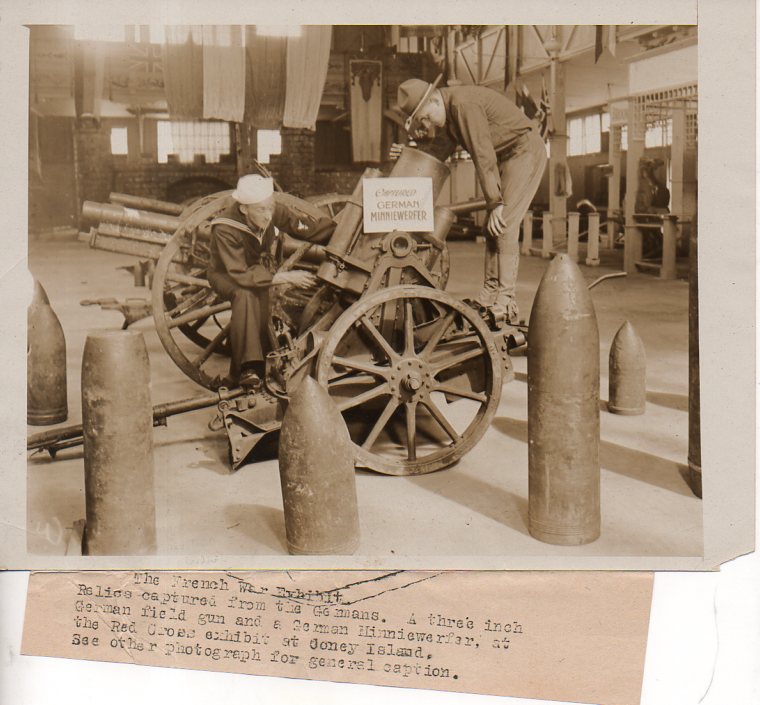
    The American soldier in thiis news service photo is having a good hard look at the business end of a captured German Hinniewerfer, a three-inch field guin used to devastating effects throughout the war.  We are told via the supplied typed caption that the display was installed on Coney Island (Brooklyn) as part of a Red Cross fund-raising exhibit.  (The original photograph is available on our blog bookstore, here.)

    WWI Photo Captured German artilleryh177

    ·Posted by :

    ·in:


  • World War I Photos (cont.) Telegraphs and Woods, 1918

    JF Ptak Science Books  Quick Post

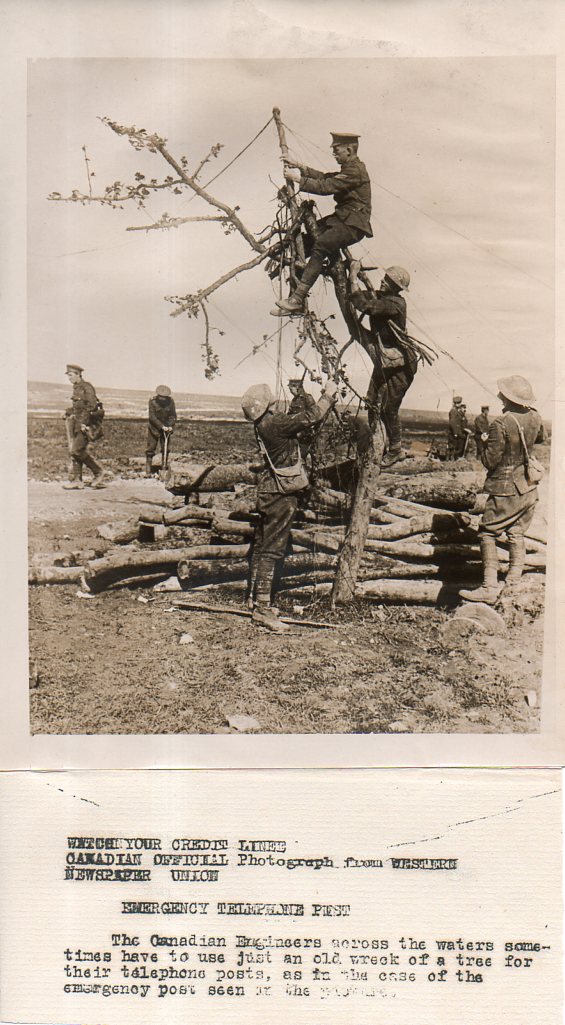
    During World War I battlefields that began as forests ended as plains.  And since telephonic communications depended upon wires, and since the wires needed to go somewhere, anything that survived that was head-and-shoulders above the ground was of particular use, especially to the telephone corps and especially for the use of telephone wires.  This news service photo (provided by the Western Newspaper Union) shows a rather desolate scene, with Canadian engineers working the wreck of a lone tree for all it was worth…as is plainly visible, there is nothing else like it in the near or remote vicinity.  

    WWI Photo Telegraph176It was the practice of the agencies providing these images for worldwide distribution to also include typed captions for the photographs.  

    This image can be purchased from this blog’s WWI Photography site, here. 

    ·Posted by :

    ·in:


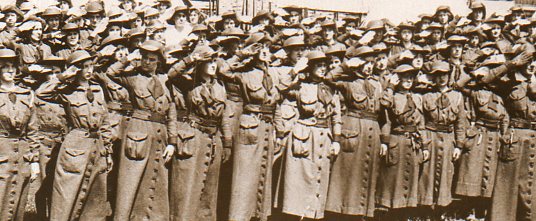
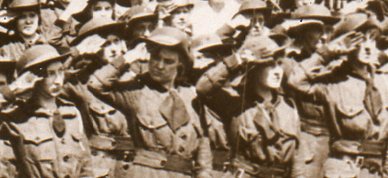
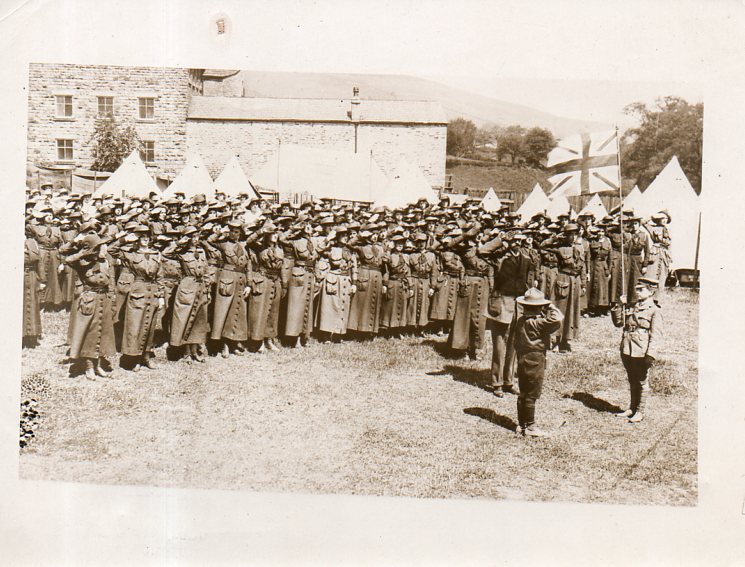
  • WWI Photos (cont.): a Contained Sea of Women’s Salutes Ca. 1918

    JF Ptak Science Books

    Follow Me on Pinterest

    This is one of approximately 250 photographs in a small collection of World War I News Photo Service photographic images, all made in 1918.  Photography during WWI was extremely controlled, and many of the images that came to appear in newspapers and magazines were selection from an approved photographic pool of images.

    The original of this photograph can be puchased via our blog store, here.  

    WWI Photo WOmen saluting174

    And a greater detail:

    WWI Photo WOmen saluting175

    Both of which are paper dissections of the full image:

    WWI Photo WOmen saluting173


    ·Posted by :

    ·in:


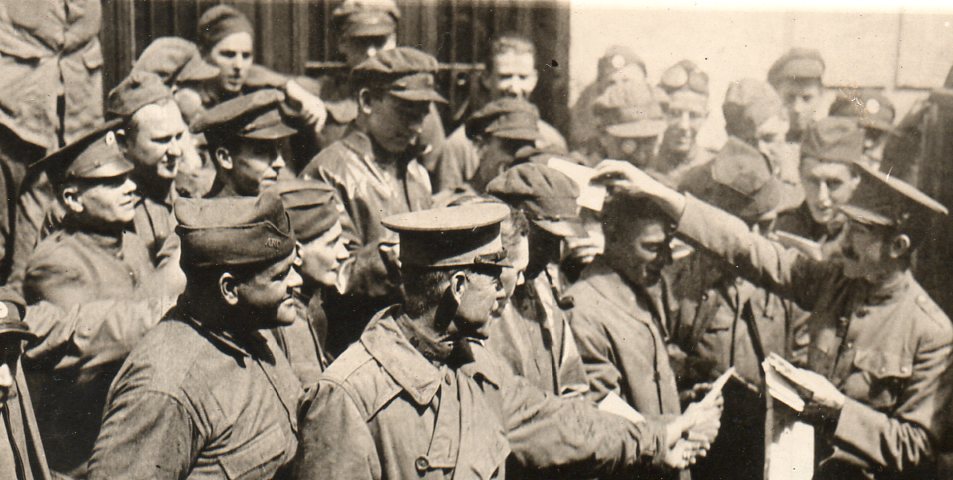
  • World War I Photography (cont): Mail Call

    JF Ptak Science Books    

    Follow Me on Pinterest

    This is one of approximately 250 photographs in a small collection of World War I News Photo Service photographic images, all made in 1918.  Photography during WWI was extremely controlled, and many of the images that came to appear in newspapers and magazines were selection from an approved photographic pool of images.

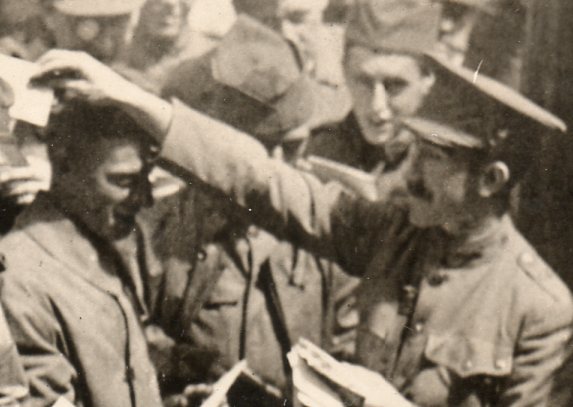
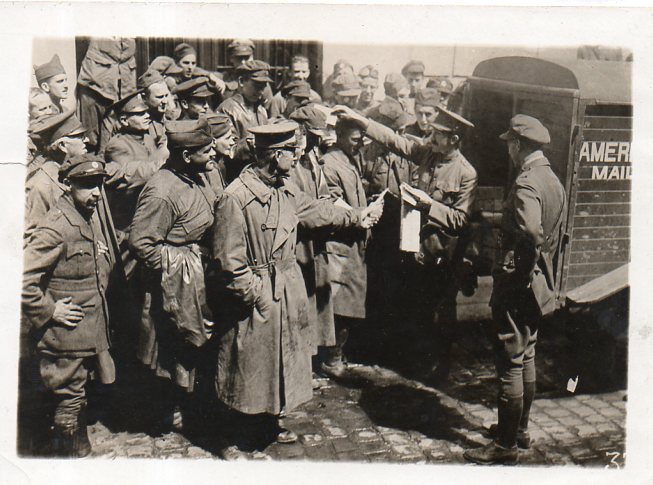
    Mail Call, end of 1918.  (The original photo can be urchased via the WWI Photography store on this blog, here.)

    Text on verso: “What a letter from home means in France.  Group of American Red Cross chauffeurs in Paris at mail distribution at their garage.”  The back is also stamped “Bureau Publicity Lake Div. American Red Cross, for release October 2”.

    WWI Photo Mail168 With teh following detail:

    WWI Photo Mail169

    Both of which are details from the following:

    WWI Photo Mail167

    ·Posted by :

    ·in:


  • A Cemetery for Craters

    JF Ptak Science Books  Post 2364                                                           History of Holes series

    [Thanks to Jonathan Harvey for surfacing this image earlier today.]

    Cemetery for Craters.  That is what came to mind reading an article on WWI and the Hooge Crater Cemetery

    Craters are holes usually filled with dead people, a cemetery powering its way through the air looking for a place to land.  You can assume that many of the shells fired dfuring WWI were indeed flying cemeteries which landed and exploded, making their crater and creating a cemetery in it. 

    This is what the town of Hooge looked like after the vicious fighting that took place there in the  Battle(s) of Ypres: 
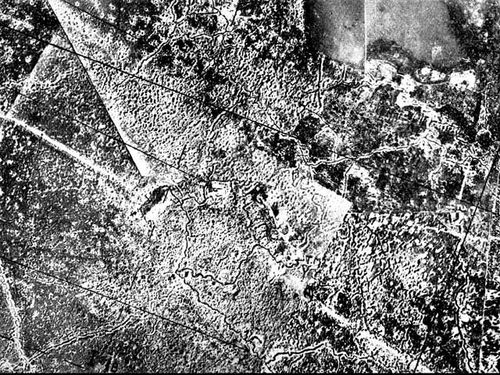
    Crater hooge aerial

    [Source: Australians on the Western Front]

    The Hooge Crater Cemetery is actually a cemetery in Hooge, Belgium, which was a salient in the massive ultra-battle of Ypres, which was just about a war in itself, along with other gigantic battles such as Verdun and the Somme. And Gallipoli.  And Brusilov. And another two dozens battles in which 100,000+ were killed.  Ypres was actually three major battles which were fought in 1914, 1915 and 1917; the Hooge Crater was made by a giant mine placed by the British in the German lines on 30 July 1915.  Since the geography of Hooge was fairly flat, and since the mine made such a huge crater with massive uplifts, it became a significant part of the battlefield itself–it was captured and lost and re-captured numerous times over a three year period, the last time in September 1918, right before the end of the war.  

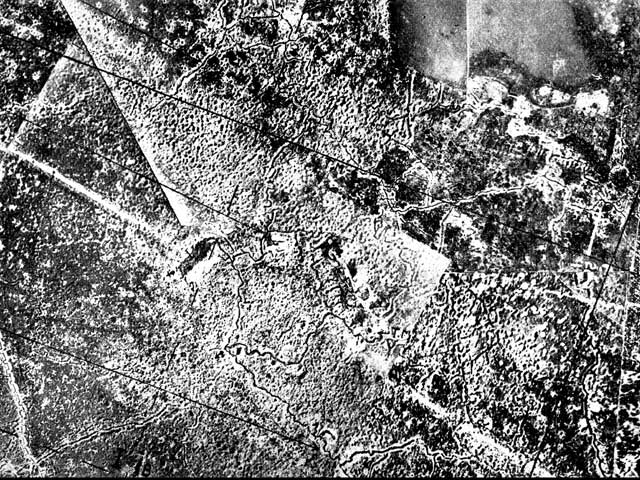
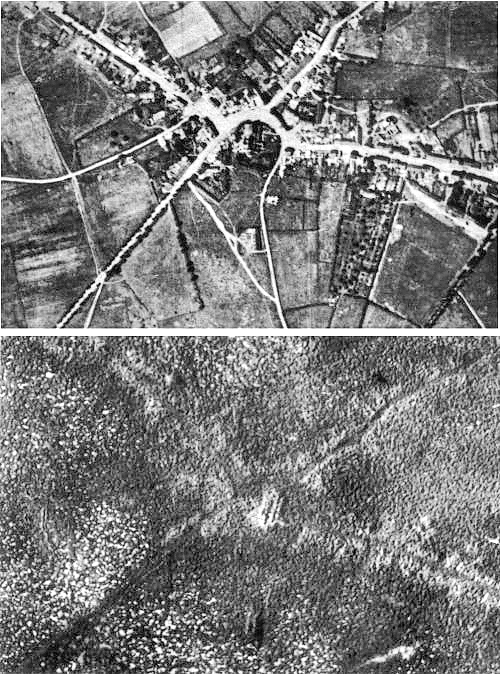
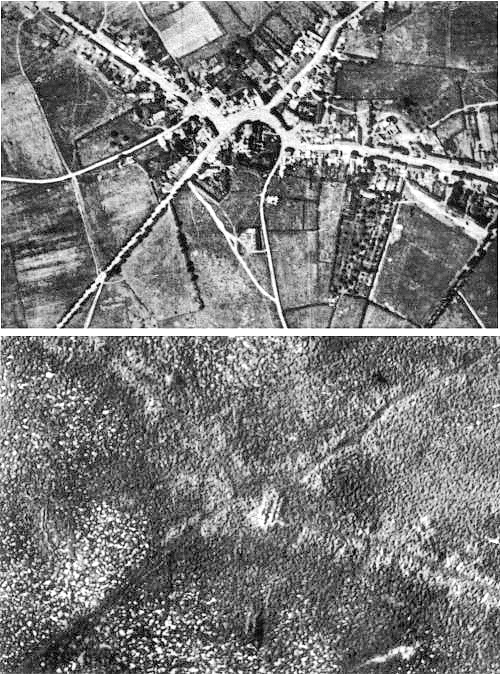
    I didn’t find a before/after aerial for Hooge, but I did for the village of Passchendaele, which turned into another cemetery of craters, especially after the vicious fighting that took place there in the Third Battle of Ypres in 1917.  Nothing but holes: 
    Crater passchendaele_aerial_view

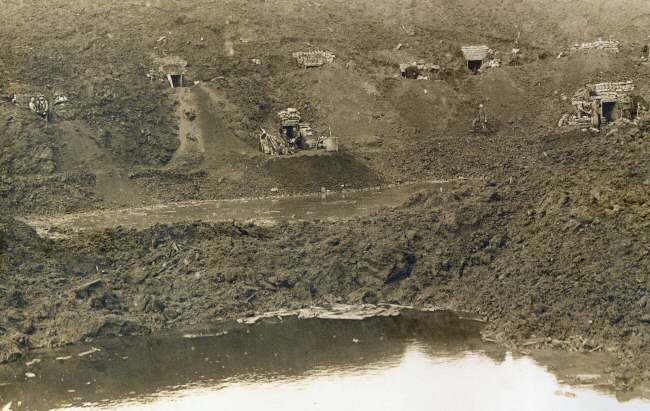
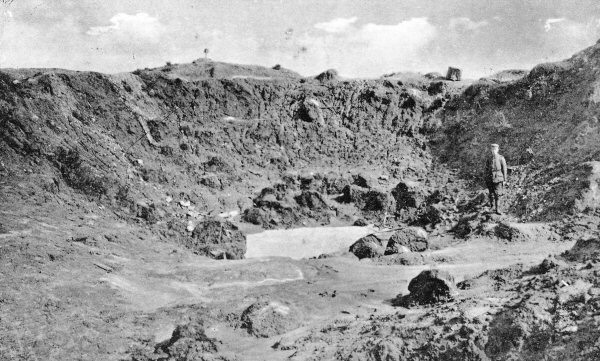
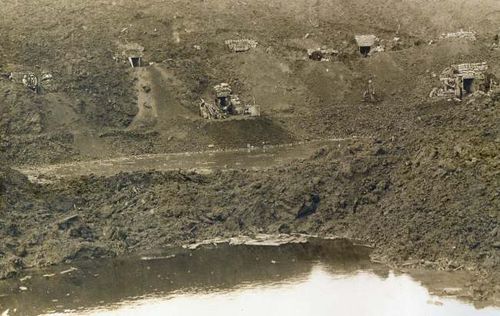
    The Hooge Crater was made by an explosive at the end of a 200′ tunnel dug by the175th Tunnelling Company of the Royal Engineers under No Man’s Land to find itself under the German entrenchments–when the charges placed at the end of the tunnel were exploded, it created a crater 20′ deep and 150′ across.  

     This is what it looked like from a crater’s-eye-view, with dugouts being made its walls:
    Crater hooge dugouts

    [Source: World War I Battlefields:  Hooge, here.]

    And another:
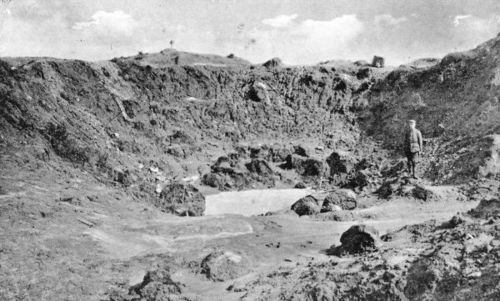
    Hooge_crater_1915[Source: World War I Battlefields:  Hooge, here.]

    I recollect that there were hundreds of millions of artillery rounds fired during WWI, most I think above 75mm (I cannot find this source offhand)–in any event the total number of crater creators was somewhere in the vicinity of the world’s population, something on that order.  A lot. 

    And the very odd thing is that there were enough holes made to perhaps bury every other person on the planet.  
    ·Posted by :

    ·in:

    —

  • A Pie Line and Sugar Angel, 1918–US Troops in Paris

    JF Ptak Science Books 

    0 ebay 16 pie line280

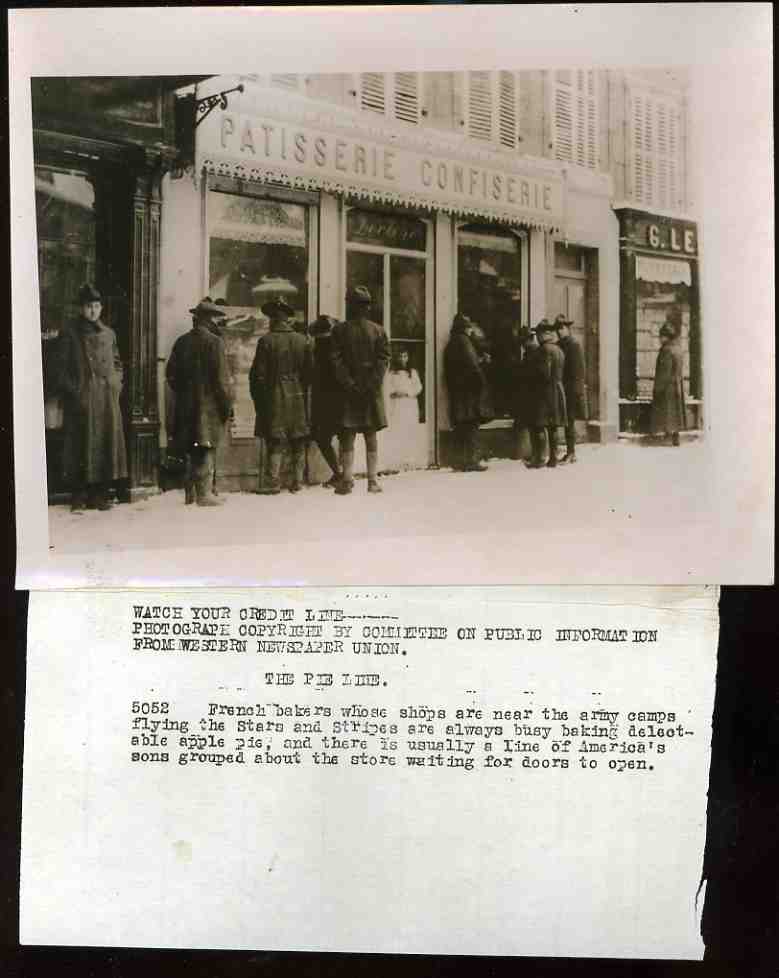
    There’s definitely an angelic figure in this photograph, an image made showing American Doughboys lining up in front of a bakery/candy store (high-sugar delivery transport systems enhancer) in Paris in 1918.  This photograph is a News Photo Service item, produced by the Western Newspaper Union, which would send photographs (and their captions) on demand  to newspapers and magazines requesting a scene, say, of American soldiers waiting patiently in line for apple pie at a Parisian bakery.  The caption says that “America’s sons (were) grouped about the store waiting for doors to open” so that they could have at the apple pie. They are waiting for something, to be sure; it doesn’t seem quite right that a bakery would not be open during daylight hours (though the shutters on the upper floors are closed still) in the winter (I see snow), but then again I’m not an expert on the hours kept by small business in Paris during WWI. 

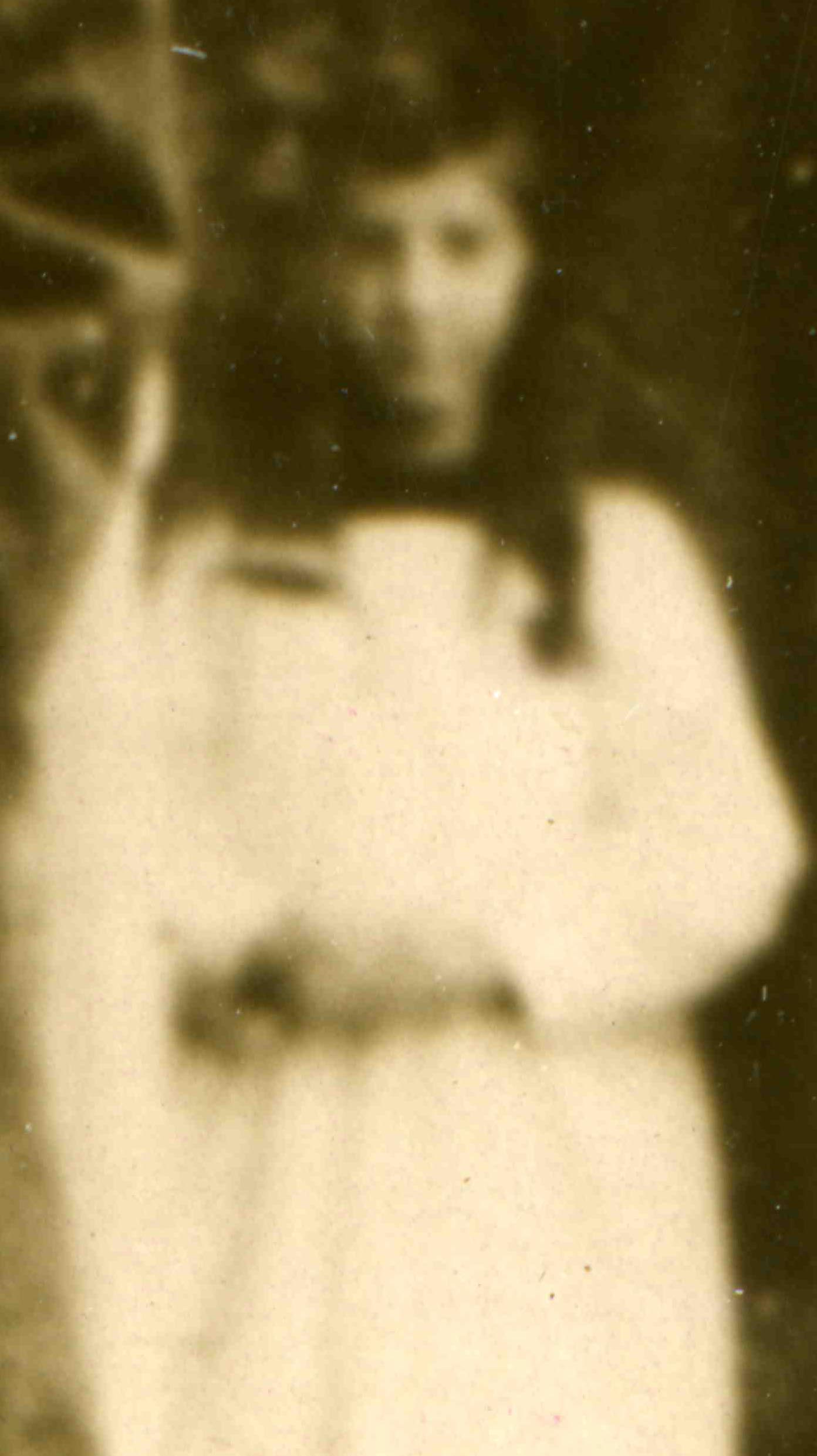
    I am taken with the figure of the small girl in the windowed-door of the bakery, standing there with her hands clasped, framed by the window pane, dressed in flowing white.  Is the place really closed, or did the soldiers simply have no money for these treats, the little girl standing there in the unlocked doorway wondering why all of these soldiers just don’t come inside?  Were the men paid in scrip with no value in the streets of the city?  The good news is that these men were alive, and it may have been November or December of 1918, which means that the killing of millions and millions of soldiers and civilians had just about come to an end, so they could probably stay living,  safely making their idle if not penniless way around the snowy streets of Paris, wanting and waiting to go home.

    This photograph is available for sale at our blog store, here. 

    0 ebay 16 pie line281


    ·Posted by :

    ·in:


  • On Vast Numbers in War, 1918

    JF Ptak Science Books   Quick Post

    WWI  UK official capture
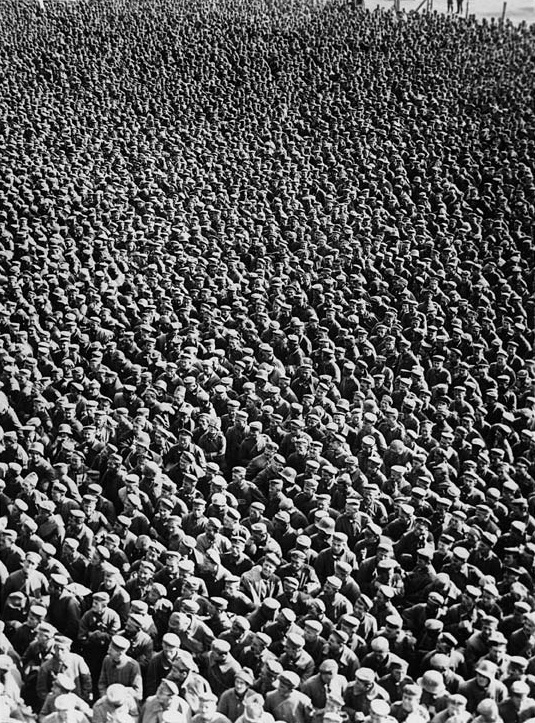
    [Source: National Library of Scotland, First World War Official Photographs, here. My estimate is that there are about 10,000 soldiers in this photo, or about 1/10th of 1 percent of all German POWs of WWI]

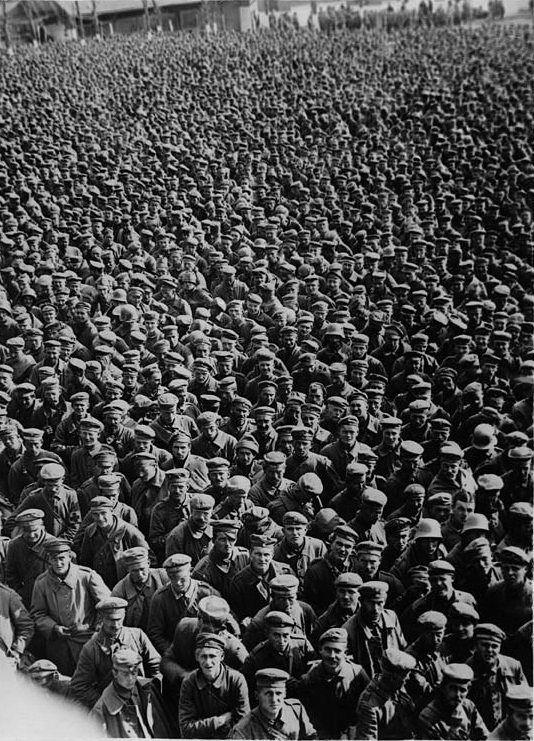
    At the end of WWI the Imperial German Army was losing battles, and int hose losing battle thousands and thousands of soldiers were killed and wounded, and thousands more were taken prisoner.  This remarkable photograph is a tale in itself of the vastness of the undertaking of that war–it is a small section of one large group of German prisoners taken in the battle of St. Quentin Canal, October 2, 1918.  Five weeks before the end of the war, and I am sure every German soldier knew the war was lost.  Perhaps it was a physical relief to be captured at this point, to be removed from the feed line of death in which millions perished and placed under guard for the remainder of what would be from this point a short end-game.  The photograph has a visceral feeling of hope to it, these men now not going to die, their lives saved to short-wait the end of the war, becoming part of the fortunate 35% of the entire German army of 11.2 million who made it out–they were a piece of the million soldiers taken prisoner, and not part of the 6 million comrades who were killed or wounded.  

    Here’s another view of the same mass of men, taken froma  slightly different angle, though here many men are looking at the photographer:

    WWI official capture facing towwards

    From the National Library of Scotland site:

    ·Posted by :

    ·in:


  • Fantastic Image of Germans on the Moon, 1918

    JF Ptak Science Books  Quick Post  WWI Photos

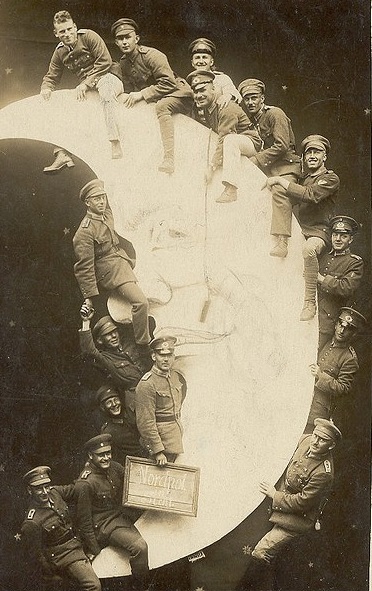
    Nearly all of the WWI photos that have appeared on this blog are from my own collection–this one, this fabulous one below, is not.  It is a fantastic image that I think would bring up notions of crazy proofer types looking to establish the idea that Nazis actually went to the Moon and have been hiding there since 1945–but no. it is just a great photo.  Also:  I’ve seen a number of photographic postcards like this from folks at a country fair or some such thing, having their picture made sitting with the Man in the Moon–soldiers included.  But I’ve never seen one with this many people involved.  

    WWI--soldiers on moon[Source: Odd History, Pinterest account, here.]


    ·Posted by :

    ·in:


  • A Girl and her Submarine, 1918

    JF Ptak Science Books  

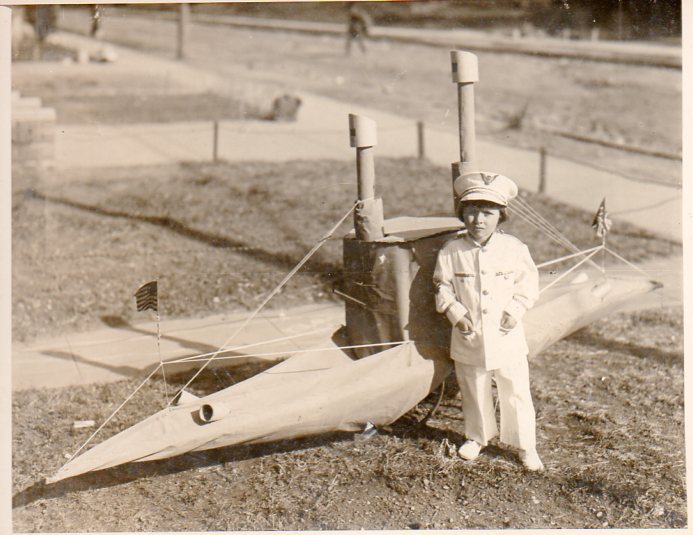
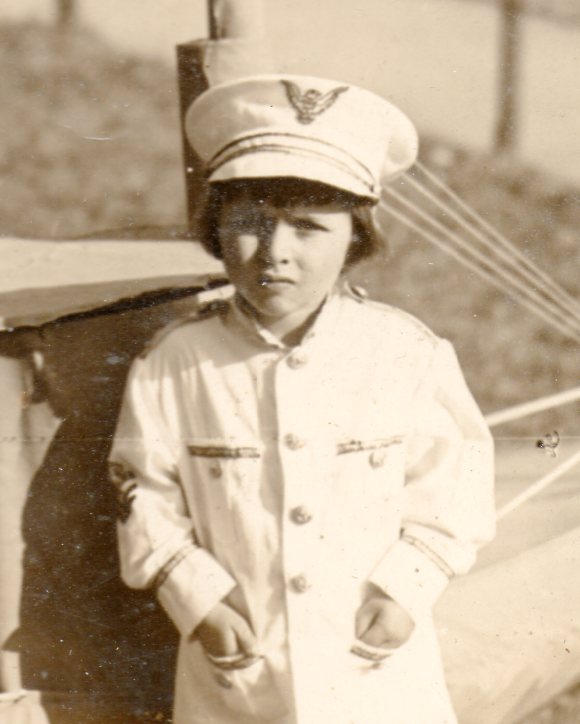
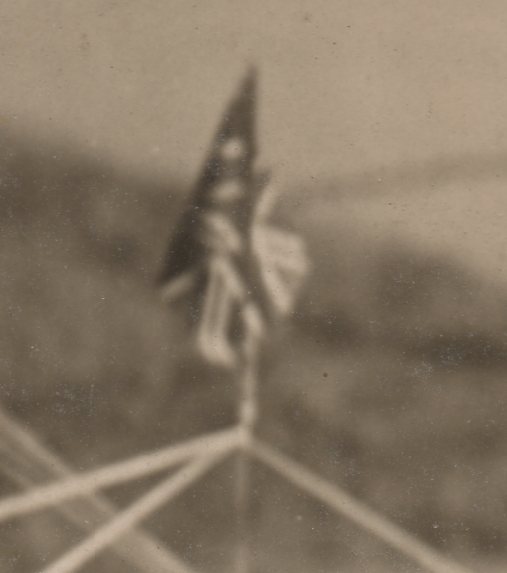
    I could hardly resist this 1918 image:  the young girl, her hands in her pockets,  ribbons on her chest, her submarine fashioned over a tricycle with the two flags (Stars and Stripes and the Union Jack).

    WWI photo--girl submarine249

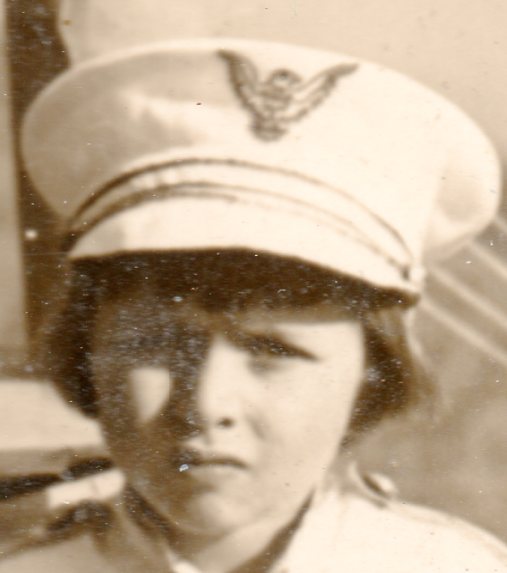
    The sun is low, rising or setting, and it is catching the girl in the face, the home-fashioned hardboard visor of her home-grown officer’s headgear doing nohing to shade her eyes.  She’s in her dress whites, maybe proud of someone else’s handiwork on her ten foot long submarine. 

    The image comes from my small archive of 200 or so WWI  news service photos, this one no doubt intended to stir some home fires to help raise money or spirits.  I have no idea of the image was ever published. 

    And of course the details:

    WWI photo--girl submarine250

    And this of the stern flag, the Union Jack:

    WWI photo--girl submarine251

    And this, with the hand-sewn eagle on the hand-made jacket, with all of the trimmings a creation of mom, or someone else as kind:

    WWI photo--girl submarine252

    And you can purchase the original: World War I news service photo, made 1918.  8×6 inches.  Good condition.  $350

    ·Posted by :

    ·in:

    —