A Daily History of Holes, Dots, Lines, Science, History, Math, Physics, Art, the Unintentional Absurd, Architecture, Maps, Data Visualization, Blank and Missing Things, and so on. |1.6 million words, 7500 images, 4.9 million hits| Press & appearances in The Times, Le Figaro, Mensa, The Economist, The Guardian, Discovery News, Slate, Le Monde, Sci American Blogs, Le Pont, and many other places… 5000+ total posts since 2008.

Category: Social History

  • An Uncommon Reference to a More Uncommon Reference from the OSS Library (1944)

    JF Ptak Science Books  Post 2640

    Here’s an uncommon book, referenced in a very obscure publication, written by a politician and operative whose time had come and gone, and from a library that did not exist to the public. Andre Marty’s Pour liberer le Patrie des Armes our la France, Confiance en le peuple. (“For the Liberation of the Homeland, ARMS for France/Have Trust in its  People”) is a small publication made from an address made by him on 25 July 1944, one month exactly before the liberation of Paris. It was incendiary and was not of course printed in Nazi-occupied France; rather it was printed at Editions Liberte, in the still-safe Algiers. Marty (1886-1956) was a long-time member and leading official of the French Communist Party, and at the time of this writing he had been sent to Algeria from the Soviet Union, where he had been working directly with the Comintern since 1939.  Marty returned to France soon after the liberation of Paris where he attempted a revolution or some such thing, trying to take advantage of the chaos and confusion of the newly-forming French government. 
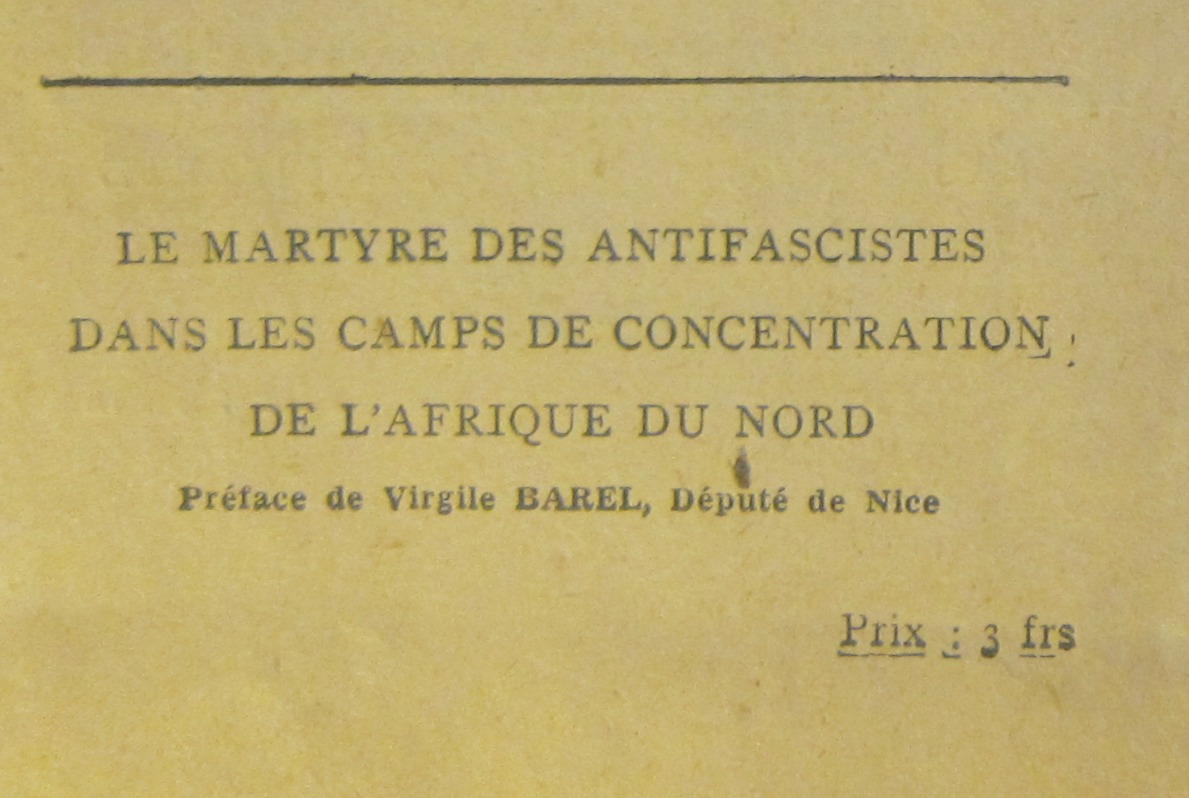
    Algeria concnetration camp

    In the back of the short pamphlet there was an advertisement among the ads for a provocatively-titled book, Le Martyrs des Antifascistes dans les Camps de Concentration de l’Afrique du Nord. It is unusual first of all because it is about a concentration camp and there was still nearly a year left of WWII; secondly, although I cannot find a copy of it online, I assume that the camp is a Vichy camp, set up to contain and work and kill Jews, anti-fascists, and other perceived enemies of Vichy France and Germany. More so than the present pamphlet, this is what would make for good reading. Also, this ad sits among a number of others that refer to the coming liberation of Algeria from France–something that would not happen until the end of a complicated and awful war of liberation fought from 1954 to 1962.  The Vietnamese operated under the same assumption, that the end of the war would bring about their freedom, too, from the French–the French would be done there in another nine years, replaced by the U.S., and then another 30 years of war.  The end of WWII brought with it high clarity and deep complexities, with thousands of varied decisions affecting the lives of hundreds of millions of people.  August 1945-August 1946  was a very involved and potentially dangerous year, full of joy, relief, desperation, hope, hunger, revenge, gratitude, homelessness, and so on. 
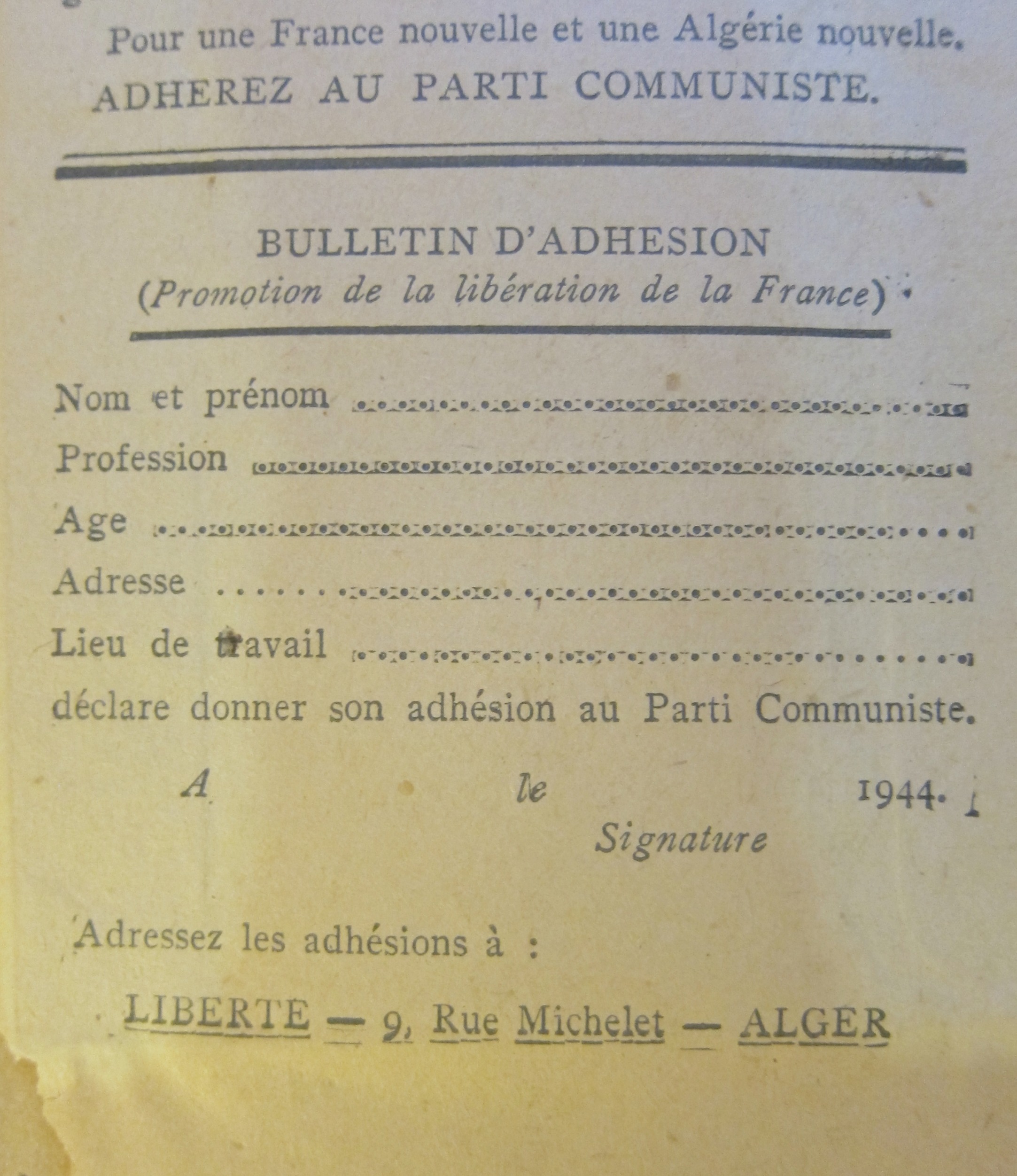
    Algeria freedom

    The last bit on this unusual pamphlet–my copy comes from the Library of Congress, having been sent there from the library of the Office of Strategic Services (O.S.S.), which was the direct predecessor of the C.I.A., the library holding things classified and not, though it was not for the use of  the general population. According to the WorldCat/OCLC, there are no copies of this in libraries in North and South America, with only three copies located institutionally in Europe. 

    Using a simple search on WorldCat for the period 1930-1938 there seem to be about 33 distinct and different titles using “concentration camp” in the title or having “concentration camp” as a keyword—so, not all that many; not unknown, of course, but still, not too many. There’s about an equal distribution between German/Soviet concentration camps, with Spain and Cyprus making appearances. A quick look for 1940-1944 shows 103 titles, 90+ of them being distinct and separate. Beyond 1944 the data on WorldCat gets a little tricky to use in such a quick way as I have been using it—the numbers get bigger and the classifications grow wider, so I really can’t offhandedly say how many books were published in, say, 1945/6 using the previously-mentioned criteria. This at least gives some idea of the relative opacity of the topic within a restricted parameter.

    Some of the interesting titles from the early period include:

    The Sonnenburg Concentration Camp. New York City: Workers International Relief and the International Labor Defense, 1934. 

    Chernavin “Life in Concentration Camps in USSR.” The Slavonic and East European Review12.35 (1934): 387-408.

    Appalling Facts. Letters from German Concentration Camps.Martin Lawrence: London, 1935

    Niemöller, Martin, and A. S. Duncan-Jones. From U-Boat to Concentration Camp : The Autobiography of M. Niemöller.London, 1936.

    Nazi Germany : Its Concentration Camps, Penitentiaries and Jails.New York: Labor Chest, 1938


    Note:

    Being part of the OSS library the Marty pamphlet has a borrower’s card in a slip on the rear cover, and it shows that it was borrowed “indefinitely” by Henry B. Hill, 1907-1990, “…professor of history, University of Kansas, who developed British history there and later at Wisconsin”.–Cloak & Gown: Scholars in the Secret War, 1939-1961 by Robin W. Winks (New York: William Morrow, 1987), pp. 495-97.  I have about 50 or so of these former OSS Library pamphlets, and they almost all have these call slips, and they almost all have been borrowed at one time or another.  And for those names I could find they all had gone on to interesting lives. 
     

    ·Posted by :

    ·in:


  • The First Moscow Show Trial (1928)

    JF Ptak Science Books  Quick Post

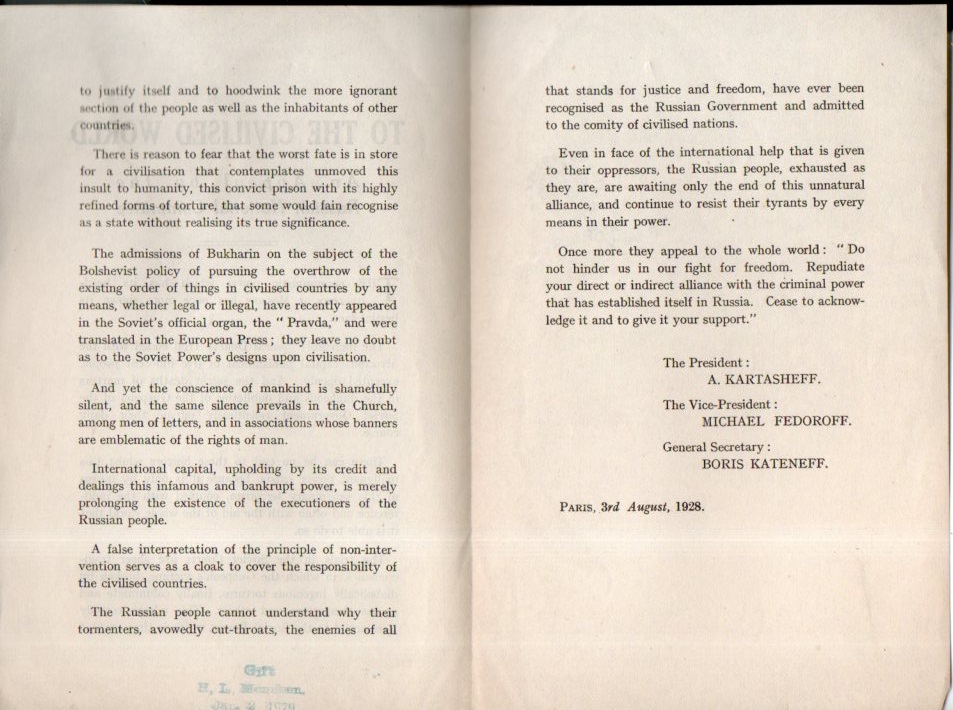
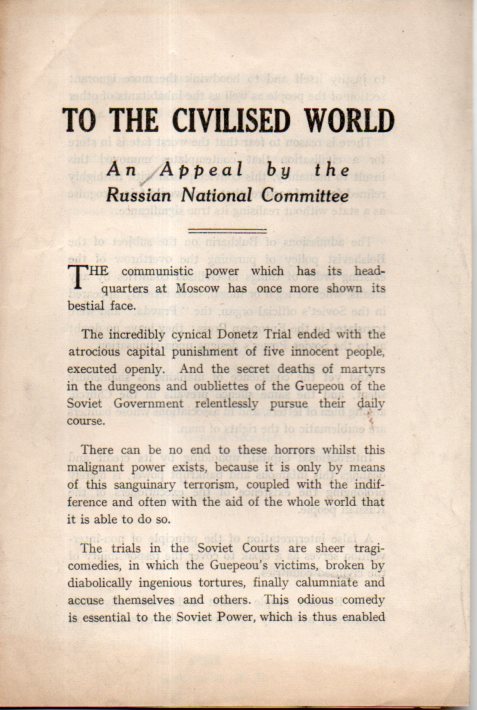
    Russian show trial 1928746A.Kartasheff,  Michael Federoff, and Boris Kateneff’s  To the Civilized World, an Appeal by the Russian National Committee is a four-page leaflet and  strongly-worded plea to the world-at-large to not recognize the Communist government in Moscow, this based on the behavior of the government and judicial system is the first of the show trials, “the incredibly cynical Donetz trial”.  I’ve included the three pages of the indictment against the “bestial face” of the “communistic power which has its headquarters at Moscow”.  The authors ask readers to “not hinder us in our fight for freedom” and to “repudiate your direct and indirect alliance with the criminal power that has established itself in Russia”.  To the great tragedy of many dozens of millions of people, this was just the beginning of the Stalinist purge.

    This was also H.L. Mencken’s copy, given over in January 1929. I can’t find him writing on the trial in 1928, but it does make an appearance in his American Mercury in November 1937 in a savage article “Ten Years of Soviet Terror” (by the magazine’s “Moscow Correspondent”, an anonymous writer kept so for the sake of protection):

     “The famous Shakhty trial in May, 1928, was the signal for a nation-wide persecution· of engineers and technicians, which lasted for fully three years. Hundreds were shot on the thinnest evidence and on mere suspicion of sabotage, thousands were herded into concentration camps. They became the technical personnel in the vast structure of forced labor under the command of the GPU which, at its height, employed more than 2,000,000 prisoners.” Also:


    “The first major political trial to have the effect of seriously aggravating the internal political situation in the Soviet Union was the so-called Shakhty case. The defendants were engineers and technicians in the coal industry of the Donetz basin. They were accused of “wrecking,” deliberately causing explosions in the mines, and maintaining criminal ties with the former mine owners, as well as less serious crimes, such as buying unnecessary imported equipment, violating safety procedures and labor laws, incorrectly laying out new mines, and so on. At the trial some of the defendants confessed their guilt, but many denied it or confessed to only some of the charges. The court acquitted four of the 53 defendants, gave suspended sentences to four, and prison terms of one to three years to 10. Most of the defendants were given four to 10 years. Eleven were condemned to be shot, and five of them were executed in July 1928. The other six were granted clemency by the All-Union Central Executive Committee.”–
    Medvedev, Roy. Let History Judge. New York: Columbia University Press, 1989, p. 258 via Espresso Stalinist  https://espressostalinist.com/the-real-stalin-series/moscow-trials/

    Russian show trial 1928747

    ·Posted by :

    ·in:


  • Communism Questions, Asked and Answered (1937-9) Concerning the Commie New Deal, Commie FDR, and Frank Zappa

    JF Ptak Science Books  Quick Post

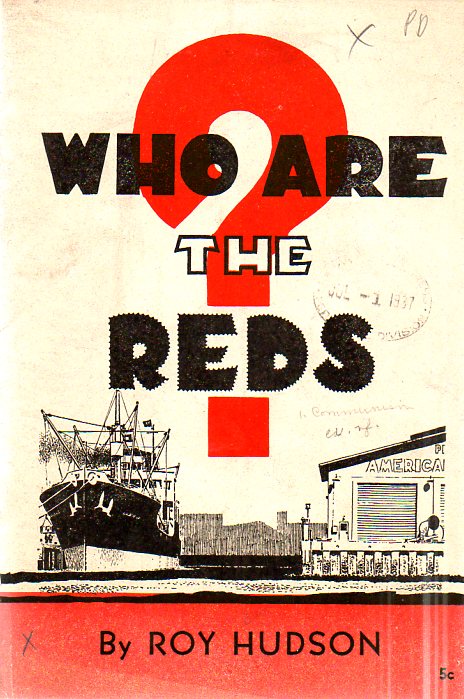
    The question asked by Roy Hudson in 1937 (with the striking red-question-marked cover and the germ-y, bacterial typeface for “Reds”:

    It has happened here695


    Who are the reds692

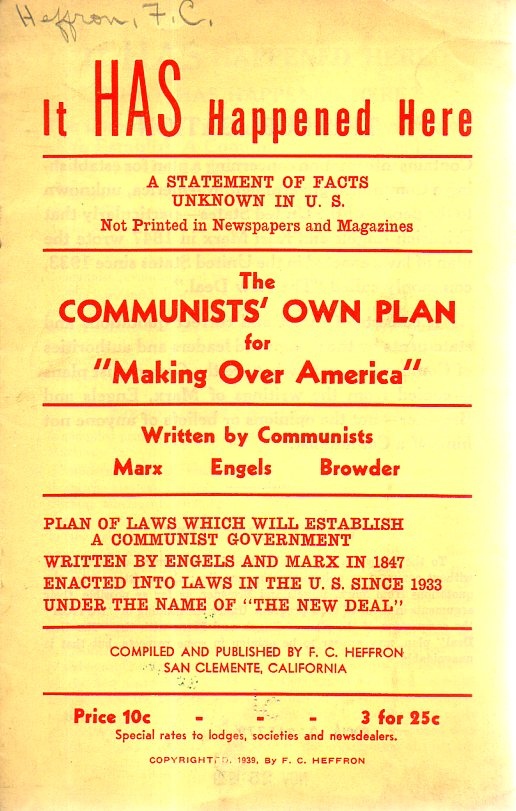
    And the answer–the Reds are us, the U.S. turned inside out by none other than Franklin Roosevelt by using The New Deal to incorporate Marx/Engels Communism and scuttle Capitalism and Democracy:

    It has happened here693

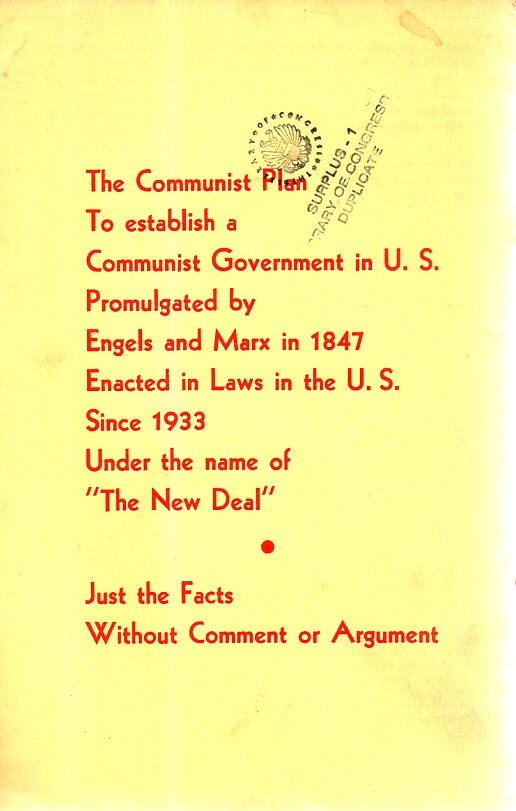
    And the rear cover:

    It has happened here694


    It Can Happen Here is an early version of a title of numerous variants, including the pre-trumpian 1935 Sinclair Lewis novel It Can’t Happen Here, the 1964 movie It Happened Here (where Hitler has taken over England, and includes machine-gunning murders of children), and of course Frank Zappa’s “It Can’t Happen Here” (which has nothing to do with the previous bits or anything else, except “Suzy”) to name a few.  It Can Happen Here is a bit of a lie, as the case is made that Can=Did.


  • An Empty Notebook for Hitler Youth, with Map (1941)

    JF Ptak Science Books  Quick Post   A History of Blank, Empty, and Missing Things series 

    Hans Trzebiatowsky & Karl Spaethe–two engineers turned propagandists–wrote the study/notebook for “students” working through modern German history, Merk- und Arbeitsblatter fuer Reichskunde, which was published in Magdeburg in 1941. It was very successful, as the title page states that this edition (“18…23 Auflage”) was the “1058 ,,, 1035, Thausend” which seems to put the print run over one million. Given that there were 66 million people in Germany in 1940, and that 6.6 million were soldiers, this may mean that just about every child between the ages of 12-17 had one of these–in any event, if those publication numbers were accurate, then the publication must have been ubiquitous. 

    The paperback publication is tall (about 12″) and densely written, and for all of that is only 24 pages long.  It is designed with perforation along the left-hand edge of the sheets so that the page could be removed and gathered in a two-ring binder. After dealing with the first and second Reichs in pages 1 and 2, the rest of the issue is a history and philosophy lesson on the Third Reich, presented for the Hitler Jugend in the best interests of the Nationalsozialistche Deutsche Arbeiter-Partei. 

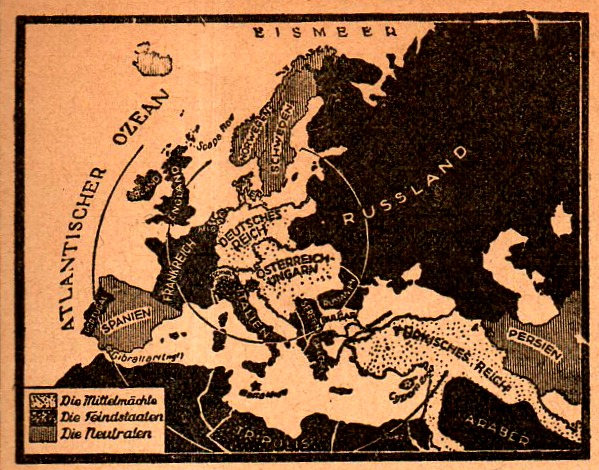
    The images in the publication were striking, and even for a bored general student or Hitler Youth could have lazily flipped through these pages without noticing them and having soem sort of message delivered. For example, this map that shows the state of the alliances in WWI and how the rest of the world outside of these allies stood against Germany:

    Spaethe652

    (Map is about 100% larger than the original)

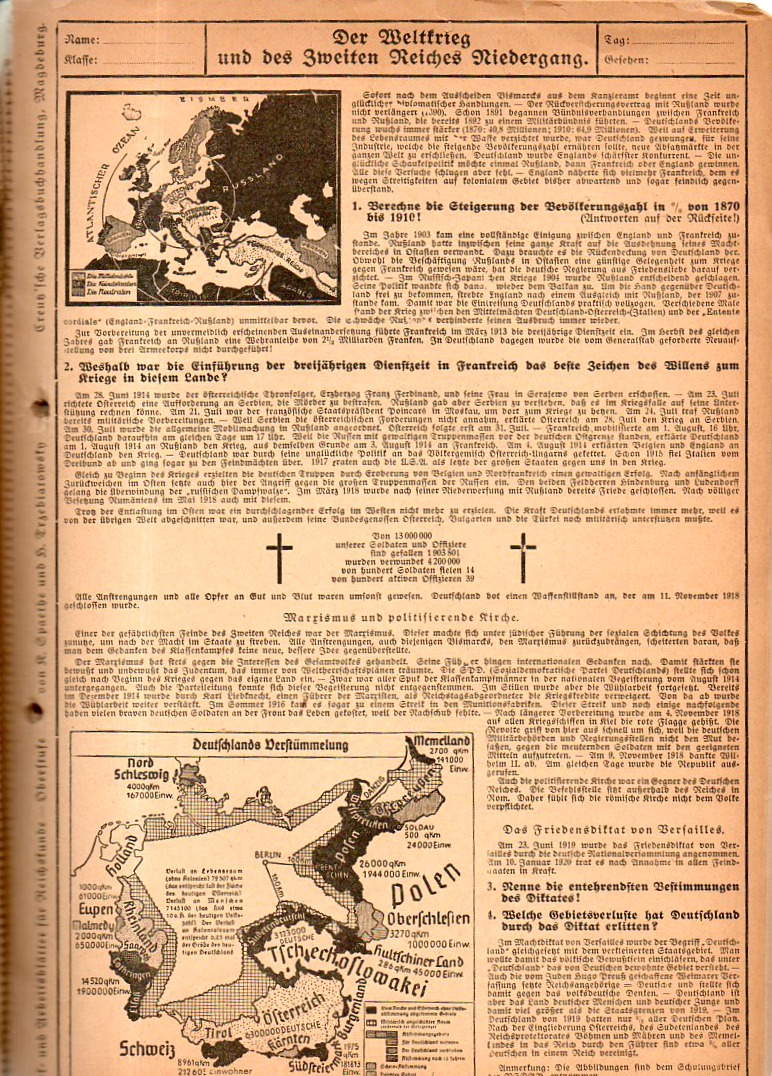
    It should be understood though that the booklet was most definitely not a picture book for kids, as it was detail-heavy and brimming with Nazi needs:

    Spaethe651

    The book was definitely intended for instruction, as the back of every sheet of text is a 40-line ruled notebook page, ready for note–my copy hasn’t a word in it.  

    Blank empty


  • A.B.C.’s of Marxism (1939)

    JF Ptak Science Books   Quick Post

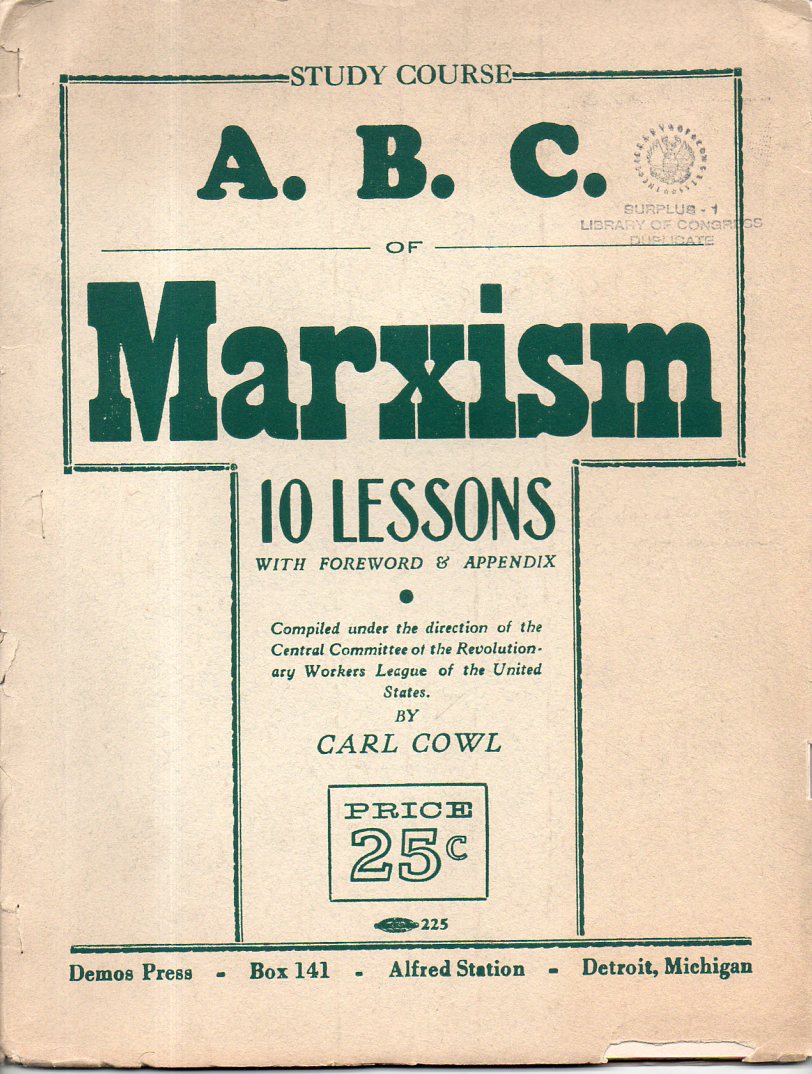
    ABC of MArxism583

    The author of this pamphlet (written and probably published in 1939) was described in  at age 95 in 1995 as “America’s oldest living revolutionary”. He did write a very concise catechism on Marxism, though it wasn’t actually a literal A-B-C of the subject, though it did deal with the basics of the philosophy.  It does seem from arm’s length that Cowl led an interesting and very full life (http://pubs.socialistreviewindex.org.uk/sr208/obit.htm).

    “HE IS America’s oldest living revolutionary. Carl Cowl, aged 95, not only remains a committed Marxist; by a curious process of osmosis he now looks a dead ringer for his famous mentor. When he visited Marx’s tomb in Highgate Cemetery in London last week, one young schoolgirl even asked him if he and Marx were one and the same person. “I told her no, I wasn’t, that Marx was a good deal more important than I have ever been.” Secretly, you suspect, he is flattered at being mistaken for the Great Bearded One…Almost 80 years since he first became a socialist, Cowl’s faith in socialism’s future remains as strong as ever.”–Independent,.http://www.independent.co.uk/news/uk/home-news/marxism-never-died-for-carl-95-1590586.html

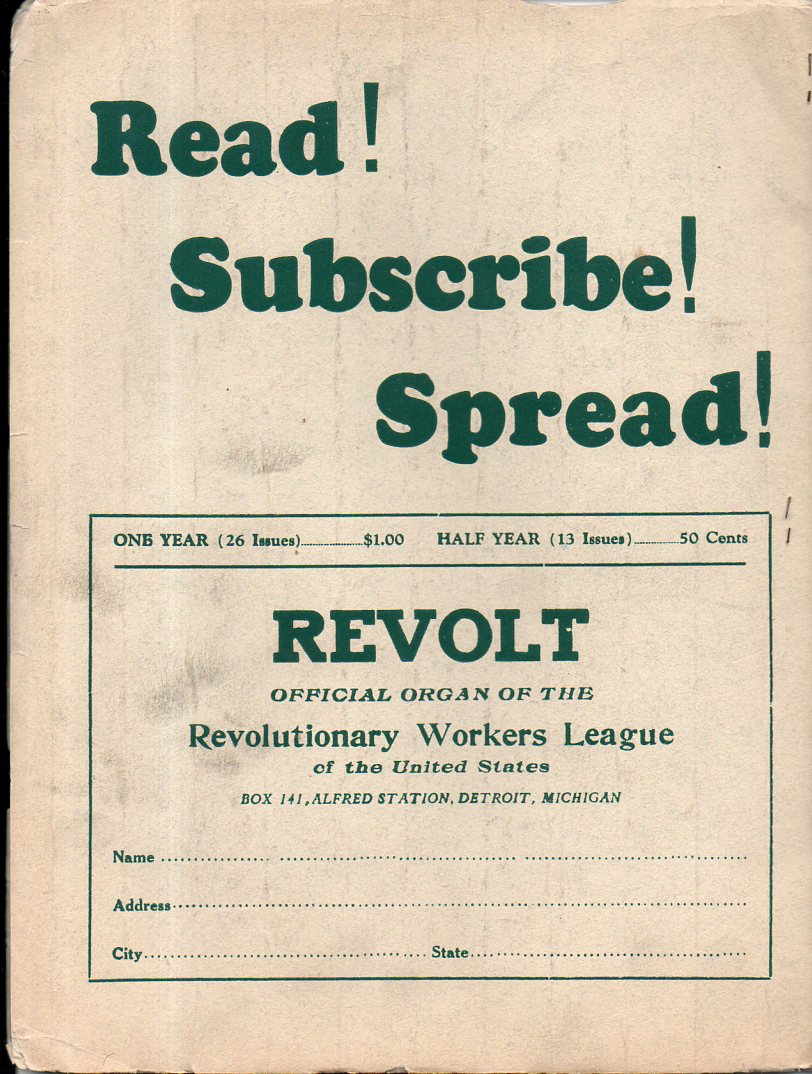
    ABC of MArxism584

    ·Posted by :

    ·in:


  • Ukrainian War Casualties Released and Sent to the Gulags or Death in the USSR (1945-6)

    JF Ptak Science Books   Post 2627

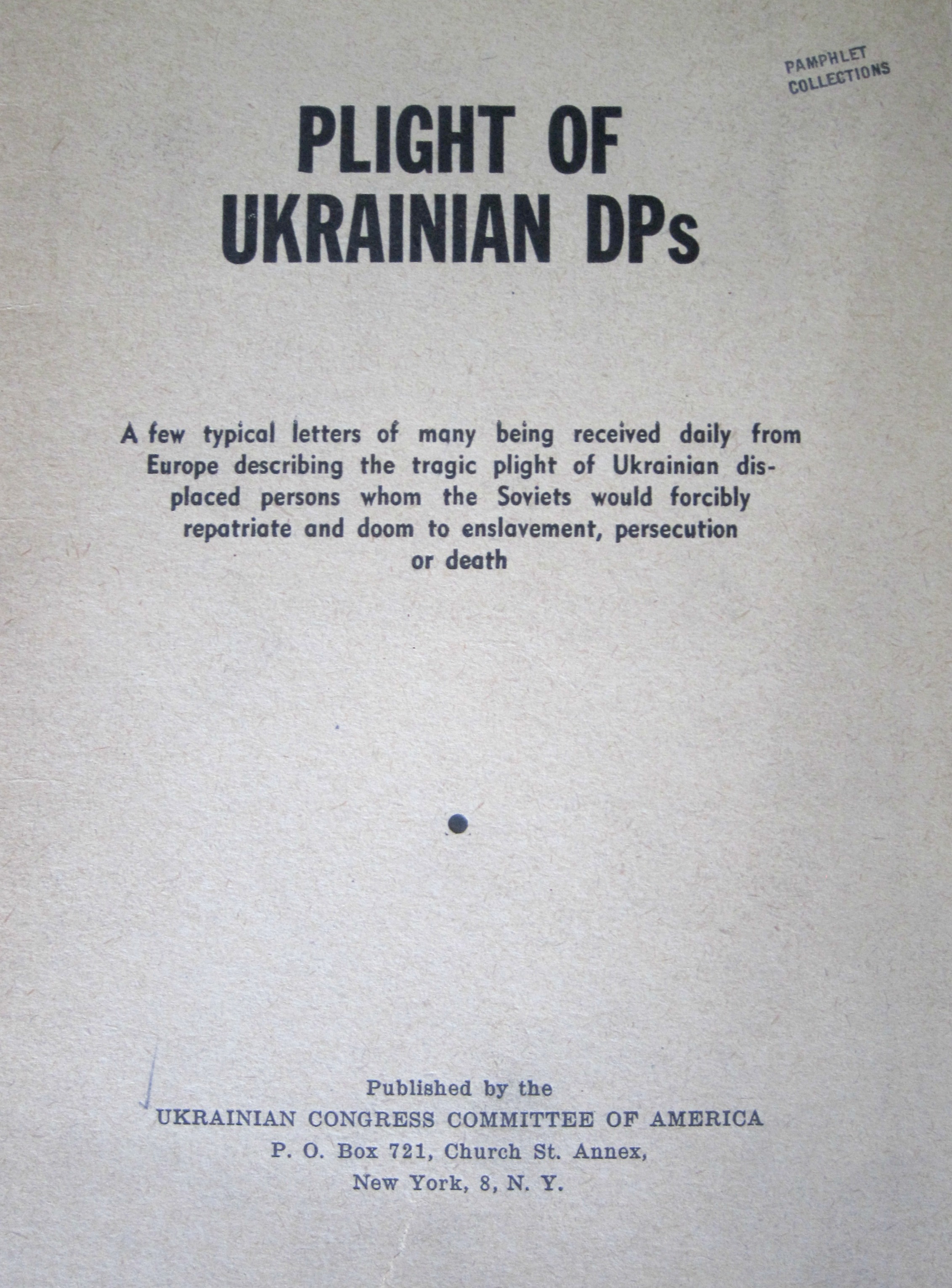
    This pamphlet–published not after March 26, 1946, with the latest letter in the text being September 25, 1945–describes the “plight” of Ukrainian “DPs” at the end of WWII. “Plight” is a very weak word for their situation, as is the term designated them, “DP” or “displaced person”. These people–several million of them–had been slave laborers, taken by the Nazis in the advance through Central Europe, and sent to work in German factories and fields. Many were theoretically and semi-practically paid a wage, though in general much of that went to providing themselves food and clothing and such that enabled them to work. These people were known as Ostarbeiter (Eastern Laborer), and at the end of the war, many were repatriated to their country of origin. Of the 3-5 million Ostarbeiter, about 2.5 remained alive at war’s end, with the vast majority–over 2 million–being from the Ukraine. This pamphlet details some of the terrible accounts of Ukrainians being repatriated to the Soviet Union and being treated as plagued outsiders, criminals, and worse, some simply executed, while hundreds of thousands of others were sent on for “re-education”, with many winding up in the Gulags. It was a terrible position to be in–the slave returned home after the war to be treated as a criminal, and slave again. The conditions for repatriation to the Soviet Union were so bad that by October 1945 General Eisenhower forbade this action in the U.S. Occupied Zones. 

    I’ve reprinted the full text below. (Plight of Ukrainian DPs : a few typical letters of many being received daily from Europe describing the tragic plight of Ukrainian displaced persons whom the Soviets would forcibly repatriate and doom to enslavement, persecution or death, ca. 1945/6, or 1945 according to WorldCat/OCLC.)

    IMG_7602

    NOTE: good, clear images are available when you click on the page images; double-click for giant images. 

    ·Posted by :

    ·in:


  • H.L. Mencken and Beer

    JF Ptak Science Books  Quick Post

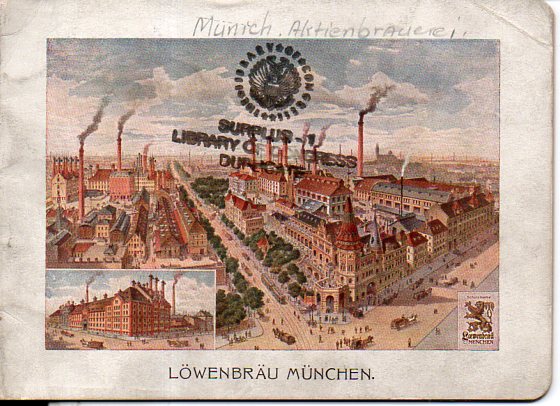
    Lowenbrau _1_523

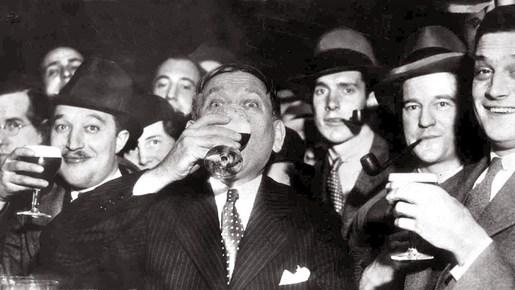
    I found this nice association copy of an unusual pamphlet1–the work is on the Lowenbrau brewery in Munchen (with a nice bird’s-eye view of the massive works), and it was given once upon a time to the Library of Congress by none other than the Bard of Baltimore, H.L. Mencken (1880-1956), who was known to enjoy his suds.  As a matter of fact, here’s a sort of quietly iconic picture of the man from the Baltimore Sun, legally enjoying his drink in Baltimore in 1933, right after the repeal of prohibition (1920-1933).

    Mencken drinking beer

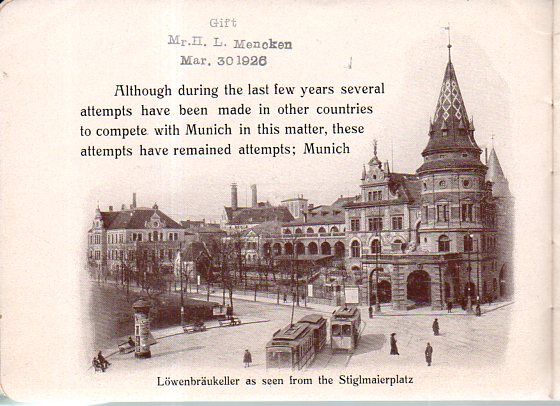
    And this, gifting the pamphlet seven years earlier:

    Lowenbrau _2_524

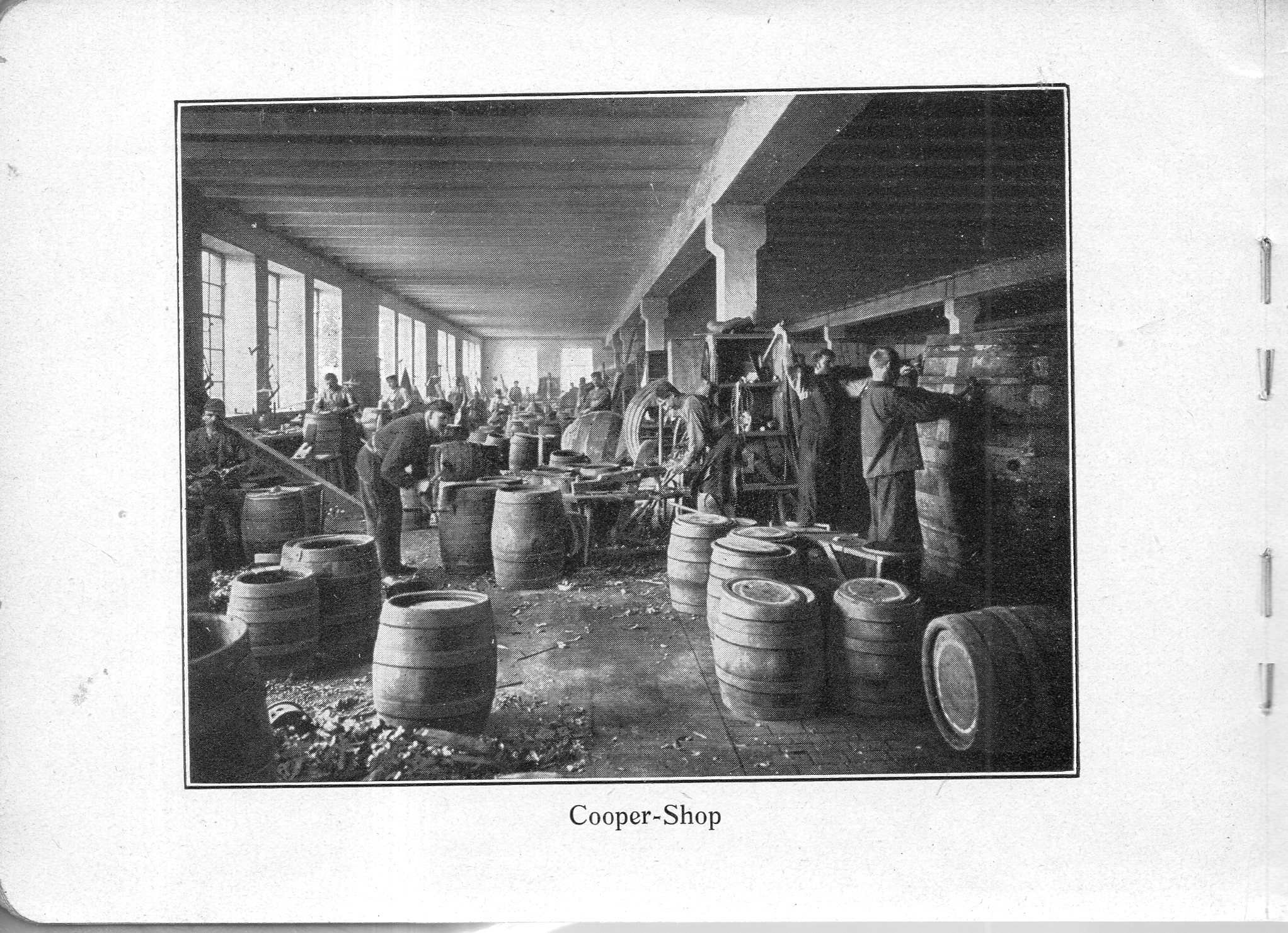
    But what I really liked was this photo of the cooper works, dozens of folks working on the barrels to be filled with beer, an entire industry dedicated to packaging liquid and grain, all gone now:

    Lowenbrau _2_525


    Notes:

    1. Aktienbrauerei zum Lowenbrau in Munchen,  which was probably published by the brewery, and printed pre-WWI, ca. 1910 or so.  

    ·Posted by :

    ·in:


  • “The Reich is Split Up/Further Resistance is Senseless” 1945

    JF Ptak Science Books   Quick Post

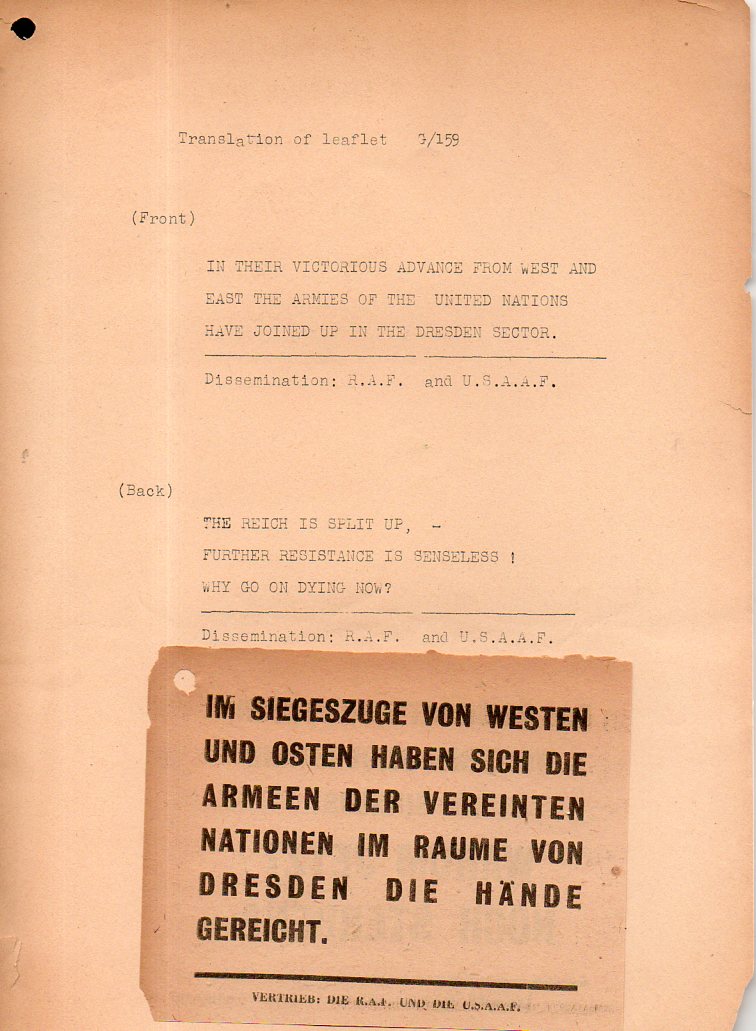
    I’d hate to have been in some Wehrmacht hellhole foxhole in March 1945 and have this fall on me from the sky–I imagine there was little doubt that even the lowest ranking soldier knew that they were in the grip of some enormous vise.  

    Leaflet reich is split up467


  • Acknowledging the Murder of 4 Million Jews, 1944

    JF Ptak Science Books   Quick Post

    Uhl 400k _4_

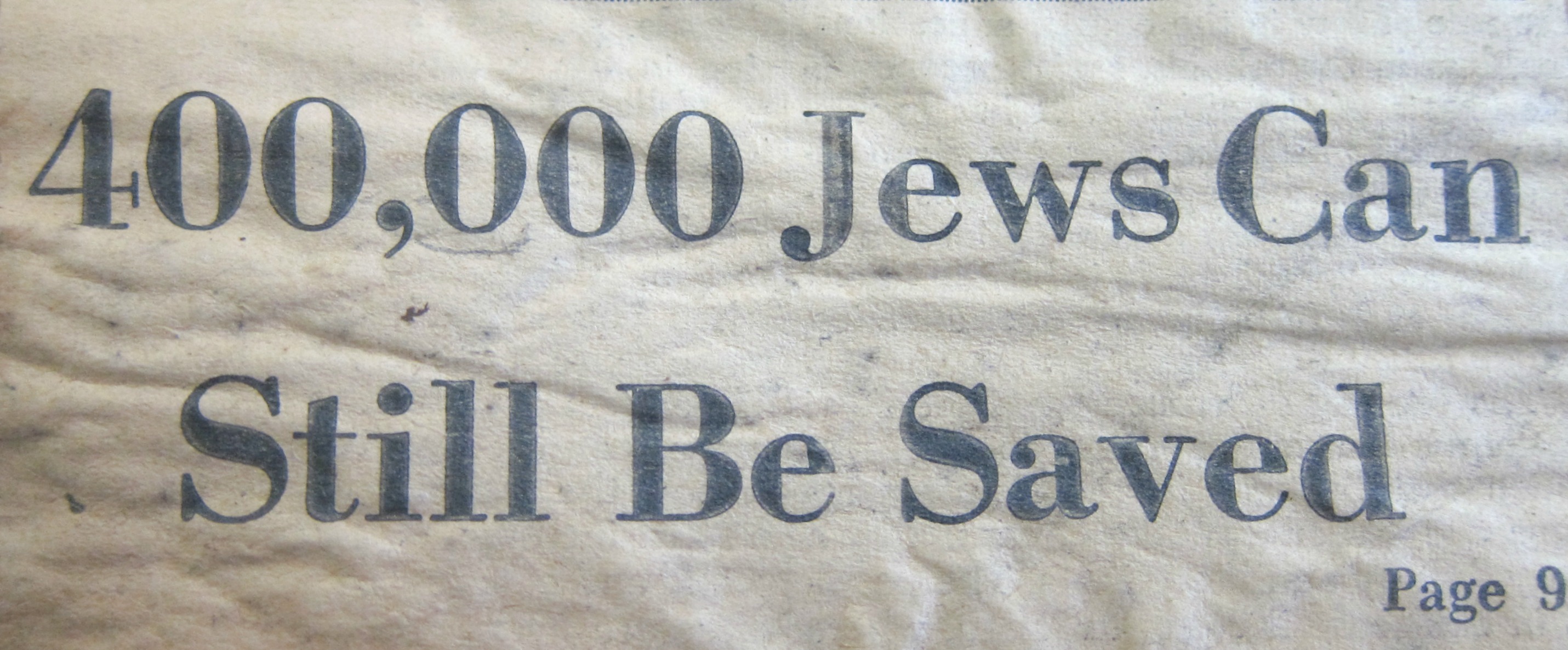
    I have posted on this blog many times on the Holocaust, and in my reading travels in that area I do not often see contemporary reporting using massive numbers to describe what was happening to the Jews. I own a part of the archive of Alexander Uhl, a superior reporter who had seen fighting in the Spanish Civil War while covering the war there for Associated Press, and who had also covered  WWII in Europe, reporting for the great PM newspaper and for which he was awarded the French Legion of Honor medal.  As I was looking through a collection of his snipped articles from PM for 1943 and 1944 I came upon this, on coming to the rescue of 400,000 Jews who could “still be saved”, which for some reason appeared on page nine of the old-line Leftie newspaper.  

    Uhl opens the July 31, 1944 article talking about having covered the Bermuda Conference  (“a most unhappy conference if there ever was one”, in late April, 1943), where U.S. and U.K. representatives (of not particularly high standing) met to discus how to save the remaining Jews of Europe. Uhl reports that affairs were no closer to a solution 14 months later than at Bermuda, where the conduct of the war was of primary importance and the “refugee problem” not. (There are many variations and interpretations of the Allied response at this conference,  though from my reading the majority approach a withering appraisal of the thing.1)

    Uhl then goes on to cite the Jewish Agency for Palestine that two-thirds of the 6.5 million Jews of Europe (in 1939) have disappeared, “either killed by the Nazis or died of suffering and privation”. That is a big number. (I am in no way saying that this is an historic assessment, as there were numerous other reports on the murder/disappearance of millions of Jews, examples of which can be found in contemporary newspaper accounts relating to the Bermuda Conference. I am stopping here today because it still seems to me to be a rare-enough discussion of a large number of murdered Jews to make notice of it.) 

    Uhl gets to the point of his story, which is to say that there were 400,000 Jews in Hungary can still be saved if there were enough ships to transport them and enough places to accept them. “If not, they will be doomed to the same fate as the rest of Europe’s Jewry”.  Uhl makes note of the 1500 entry permits allowed for Jews  into Palestine as dictated by the government of Great Britain, which as Uhl reported showed no inclination to change anything.

    I reprint the article below for the rest of the story.  (I ma told by someone who knows that PM is a rarely-held newspaper in institutions and does not often show up online.) 

    ·Posted by :

    ·in:


  • “Franco in Power is the death of Spain…”: Rare Anti-Franco Circular, 1943

    JF Ptak Science Books  Post 2621

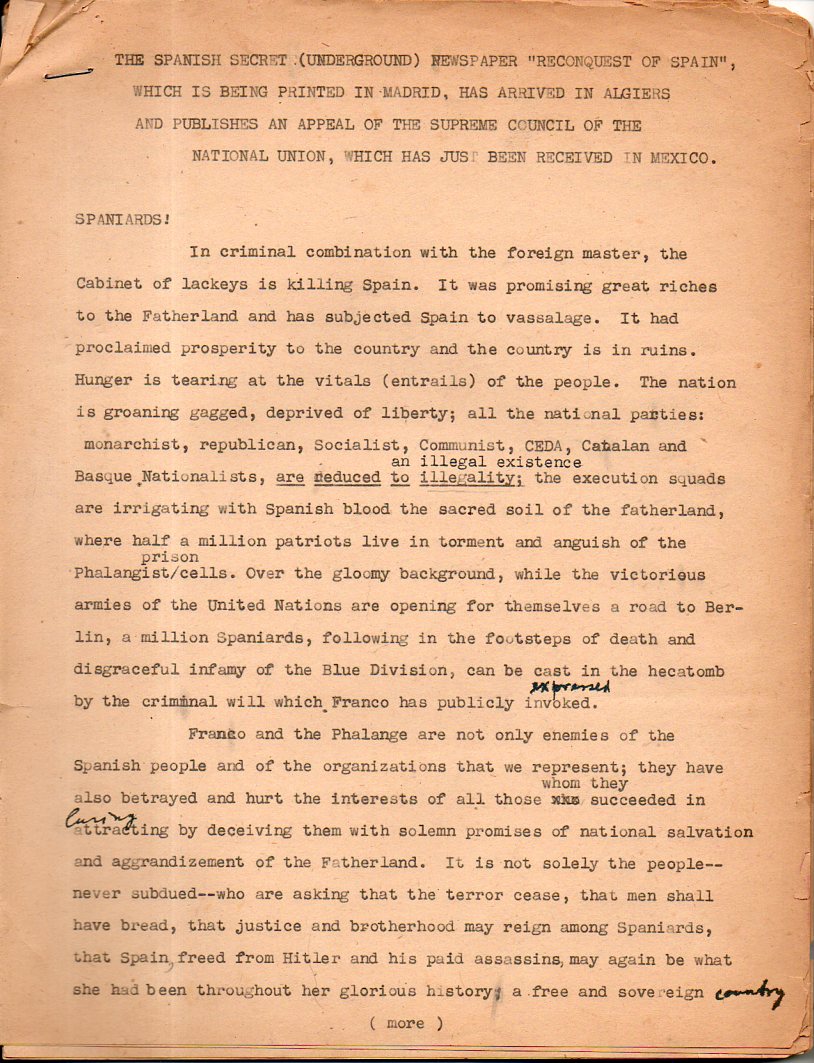
    The Spanish Secret (Underground) Newspaper “Reconquest of Spain”, which is being Printed in Madrid, Has Arrived in Algiers and Publishes an Appeal of the Supreme Council of the National Union, Which Has Just been Received in Mexico, is a rare offset publication–five leaves long and approximately 1500 words–was which published in  December 1943, and which seems to be a general call-to-arms to overthrow the Spanish right-wing leader Francisco Franco (still dead after all of these years). The Spanish Civil war was overwhelmingly over by 1939, though there was still considerable resistance to Franco–much of that at this point (1943) not in Spain. The Spanish government for their part were busy trying to keep their non-neutral neutrality at an optimum price and profit, selling material to the Nazis, and holding out for a more-beneficial payout to themselves from Hitler for joining the Axis outright, which never did happen.    The publication refers to an underground secret newspaper called the “reconquest of Spain”, which I guess would be simply called the Reconquista, which in recently history would have referred to the fight against Franco from 1936 to 1939, and also ()in the deeper past) the 700-year-long fight to establish a Christian kingdom in Spain free of Islamic occupation (ca. 700-1500). Unfortunately my knowledge of Spain during WWII regarding the Republican fight is extremely limited, and so I can’t say anything further about the newspaper–I’m not even sure if this publication below is a reprint of the text of the newspaper (which it seems to be, perhaps) or not.  In any event, here’s some samples from the publication:

    • Spanish civil war

    [Provenance: from the estate of Alexander Uhl,  Associated Press reporter in Spain during the Revolution. WorldCat/OCLC locates 0 copies.]


    “We are uniting to fight, to mobilize the Spanish people in the defense of its very life, to radically extirpate the foreign domination from the soil of Spain…”

    “Franco in Power is the death of Spain…”

    “This is a wartime call to Spaniards to honor their fatherland and overthrow the Nazis and Franco…”

    “Spaniards! In criminal combination with the foreign master, the Cabinet of lackeys is killing Spain. It was promising great riches to the Fatherland and has subjected Spain to vassalage. It had claimed prosperity to the country and the country is in ruins… “

    “The nation is groaning, gagged, deprived of liberty…”

    “…the execution squads are irrigating with Spanish blood the sacred soil of the fatherland…”

    “Over the gloomy background, while the victorious armies of the United Nations are opening for themselves a road to Berlin, a million Spaniards, following the footsteps of death and disgraceful infamy of the Blue Division, can be cast in the hecatomb by the criminal will which Franco has publicly invoked…”

    “We are uniting to fight, to mobilize the Spanish people in the defense of its very life, to radically extirpate the foreign domination from the soil of Spain…”

    “It is not a fight of internal tendencies, but a united attack of the entire nation in order to recover its independence and its sovereignty…”

    “We are inviting publicly, solemnly, the Spaniards who profess other political creeds and most especially the Catholics of the two branches and the army, to participate with us in the Supreme Council of the National Union…to overthrow Franco and the Phalange…”

    “No honorable Spaniard can fail the call of his Fatherland…and can honor themselves by taking part in this genuine crusade of liberation which today demands unanimous national effort. No desertion will make us lower the colors…”

    ·Posted by :

    ·in:

    —