A Daily History of Holes, Dots, Lines, Science, History, Math, Physics, Art, the Unintentional Absurd, Architecture, Maps, Data Visualization, Blank and Missing Things, and so on. |1.6 million words, 7500 images, 4.9 million hits| Press & appearances in The Times, Le Figaro, Mensa, The Economist, The Guardian, Discovery News, Slate, Le Monde, Sci American Blogs, Le Pont, and many other places… 5000+ total posts since 2008.

Category: Uncategorized

  • Anti-FDR Cartoon Book, 1944

    JF Ptak Science Books   Quick Post

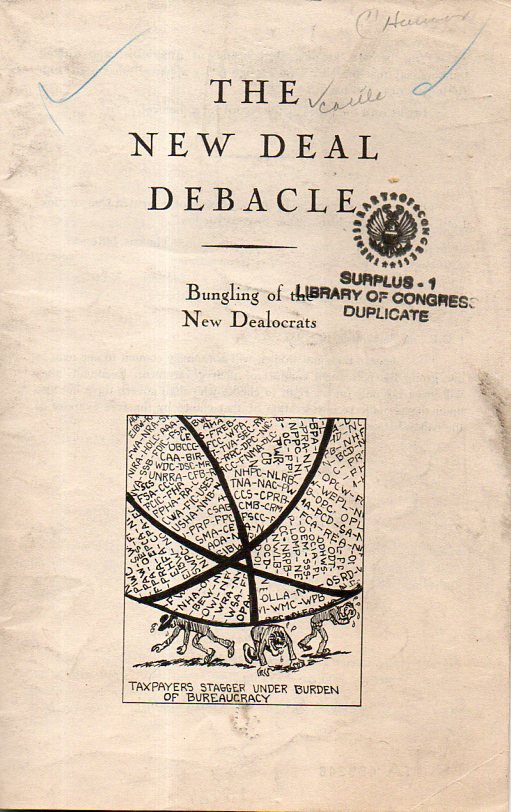
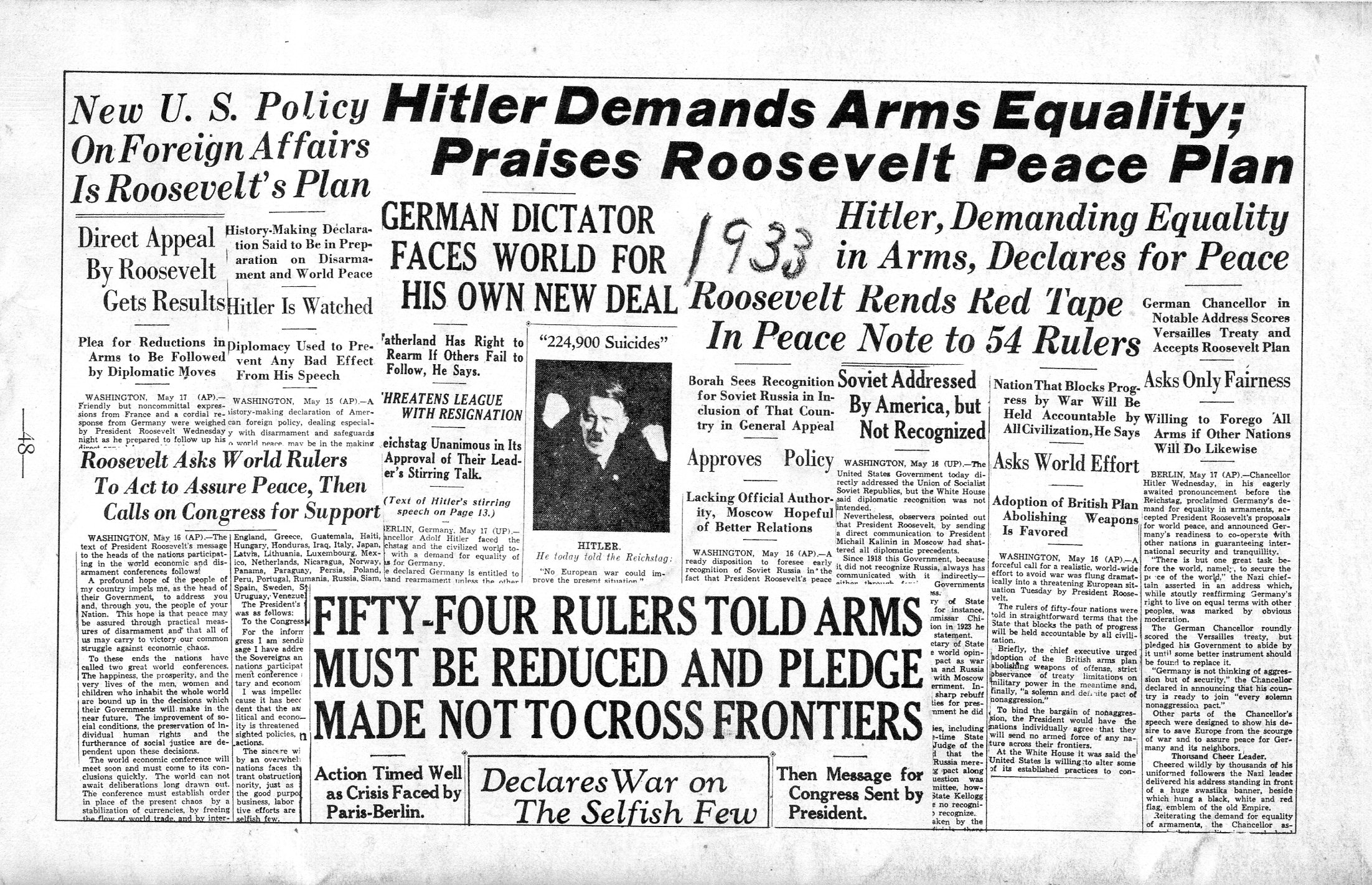
    It takes all kinds, as this pamphlet clearly if not not cleverly shows. There was some opposition to FDR as he went for his fourth term as president in 1944–by the summer of that year the outcome of WWII had swung positively towards the Allies, the Depression was broken, and for fighting in a world war the U.S. was in pretty good shape. There was of course opposition to his re-election, though in hindsight it is hard to see the why of the question, even including the unprecedented fourth term following the unprecedented third term. But the man was doing his job: he had basically saved the country and now was winning the war.  Even though FDR trounced Thomas Dewey in that election, it wasn’t as though a sizable percentage of U.S. citizens hadn’t had enough of him: FDR received 53% of the popular vote, won 36 of 48 states, and slammed the electoral college 432-99.  Still, there were only 3 million votes separating Roosevelt from Dewey in the popular vote (25 mil-22 mil), which seems odd, as it feels particularly uncomfortable thinking of Thomas Dewey heading the U.S. war effort for the closing two years or so of the war. Lincoln crushed the lead-footed Gen’l McClellan in the electoral college in 1864, and wound up beating him handily in the popular vote–but given the stature of Lincoln at that point, one might have expected him to pull more than a 10-point difference over the field commander who felt he never had enough troops, but he didn’t. Anyway, this pamphlet–written by Melissia Castle with cartoons by Pearl Porterfield–took long and myopic aim at the New Deal, trying to crush the enthusiasm for FDR.  I can’t find anything on Ms. Castle, and can only find a possible little bit for Ms. Porterfield (as a studio hairdresser and colorist to Marilyn Monroe and Jean Harlow, though I am not sure if this is the correct Pearl Porterfield)–the book itself also seems to be pretty much nowhere, so it looks as though it probably was published to little effect.   
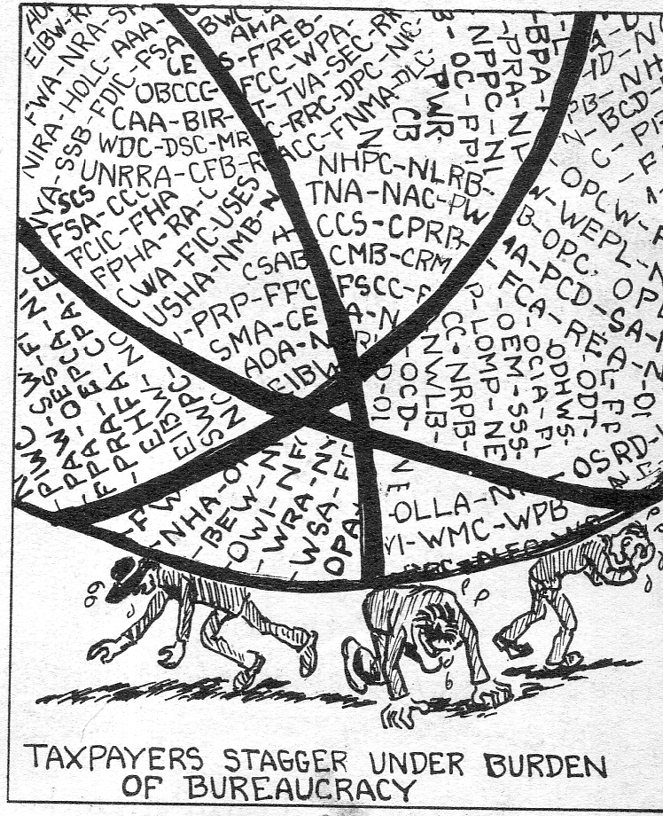
    New deal debacle613

    New deal debacle612

    And the confusing back cover: 
    New deal debacle614

    ·Posted by :

    ·in:


  • Not-Pouillet’s Law, But Pouillet on Population (1842)

    JF Ptak Science Books   Quick Post

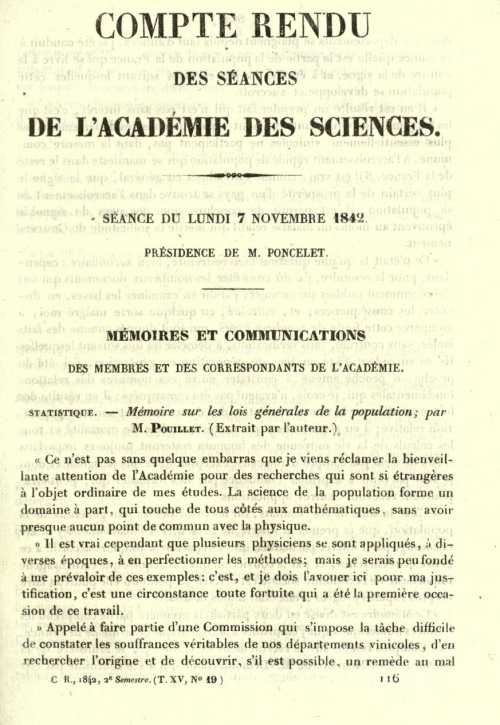
    Pouillet populztionThe other day I retrieved the year 1842 from the mass of the great Comptes Rendus down in the studio, and among the unexpected papers was a truly unexpected one, and it belonged to the physicist Claude-Servais-Mathias-Marie-Roland Pouillet. Pouillet–mostly know as Claude or Mathias–is best remembered today for Pouillet’s Law and his association with Ohm’s Law, though unfortunately this paper was five years past the first appearance of his law (and 15 years past Ohm’s).  What was unexpected here was that this was a long contribution by the physicist Pouillet on the laws of population–now Pouillet had a long and varied career, and published a number of papers in a wide array of physics topics, so the population dynamics paper seemed fairly well outside his scope.  It is also–for the Comptes Rendus–quite long at 16 pages.  

    This is outside of my own area, and although I can’t see any reference to the work of Malthus (1798) or related, I’m afraid the whole thing leaves me behind.  And so I include a link to the full paper found at the Biodiversity Library (http://biodiversitylibrary.org/item/20656#page/875/mode/1up)

    ·Posted by :

    ·in:


  • Fine Ad for Darwin’s “Variation of Animals…” 1869

    JF Ptak Science Books   Quick Post

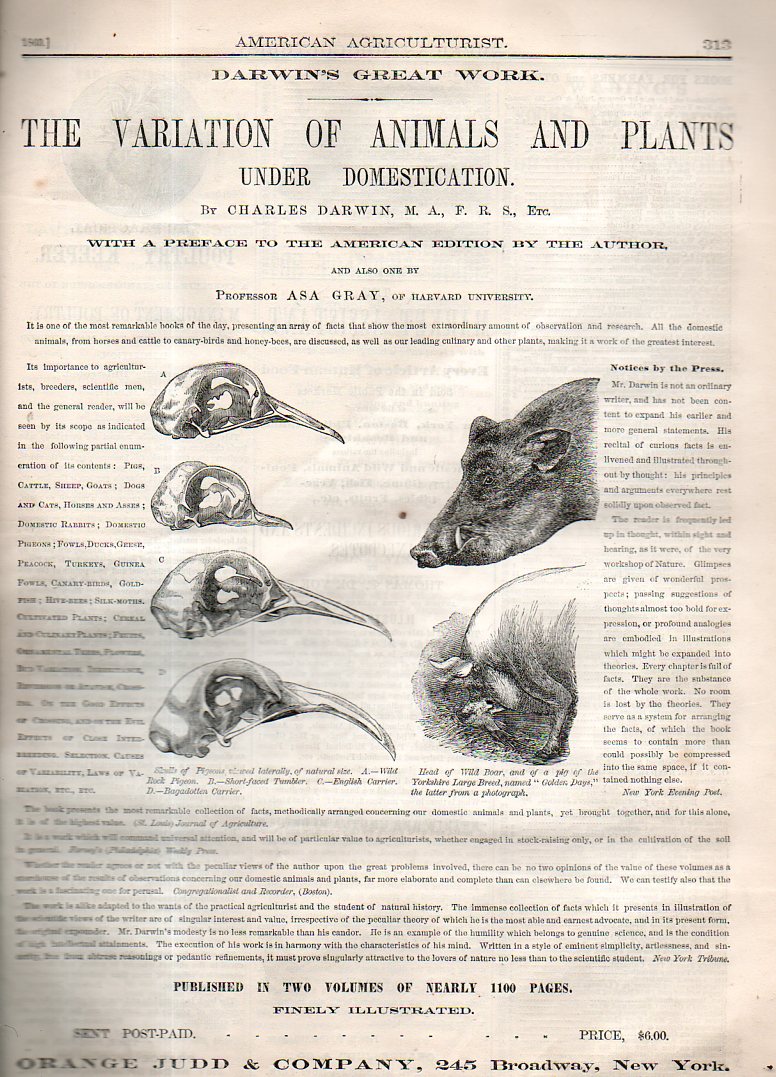
    I don’t often see big full page contemporary advertisements for works by Charles Darwin, so I was surprised and happy to see this big boy (12×9″) in the August 1869 issue of American Agriculturalist for the Farm, Garden, and Household..  The first U.S. edition appeared in the previous year–but no matter, there was a lot of practical material in the book that no doubt the farmer/gardener readers of this very practical magazine could have used.  The six dollar price tag was a lot–more than 100 dollars in 2016 terms, and about a week’s wages for a laborer, or a half-week’s wages for a professional.

    Darwin ad460

    ·Posted by :

    ·in:


  • Not-Usual WWI Photos: Saved Sailors, Crossbows, Bike Corps, and a Long Line in the Snow

    JF Ptak Science Books   Quick Post

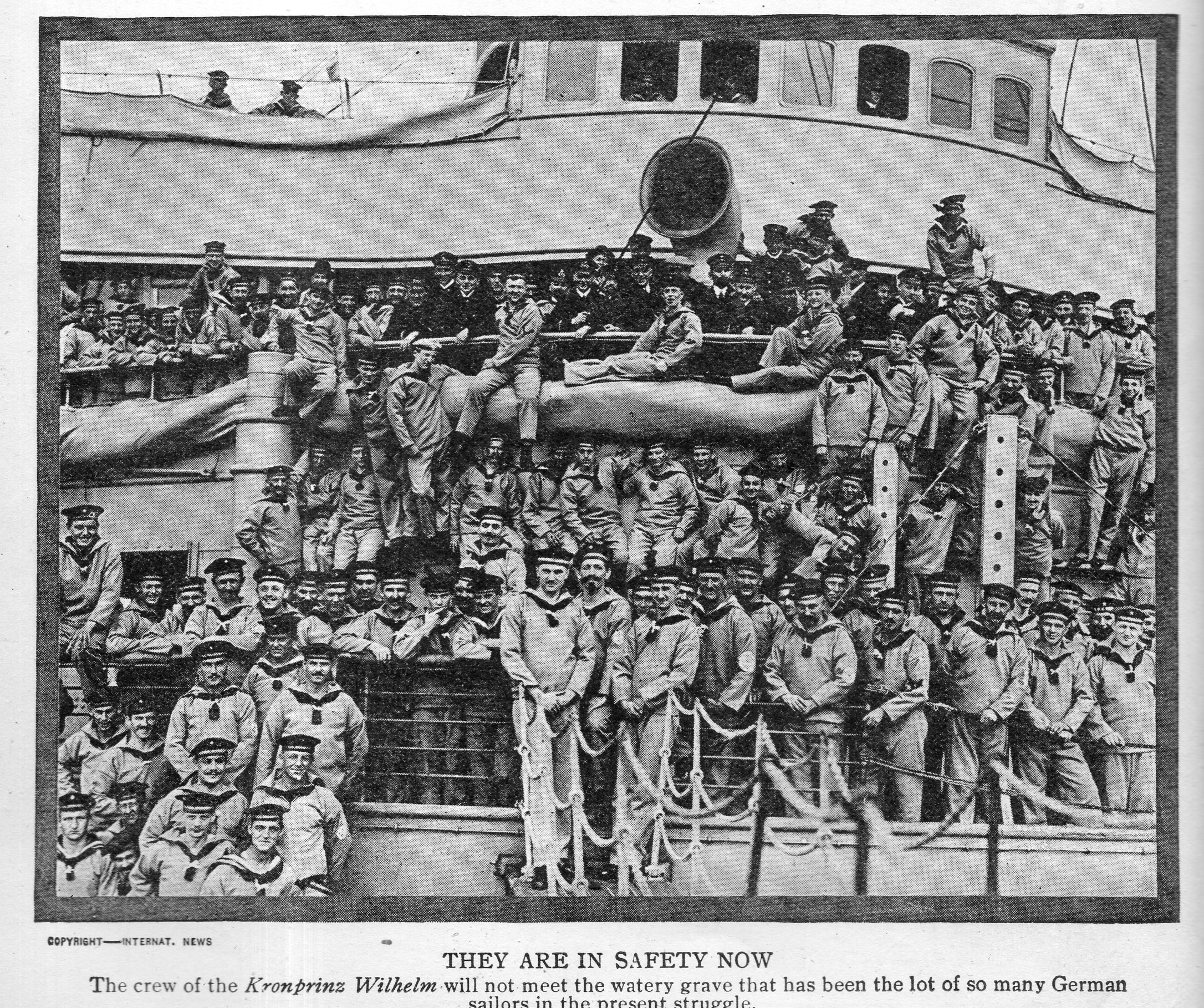
     These four photos originate in one short article in the June, 1915 issue of Technical World Magazine, each a big story in themselves, and in each, in every face, another long subset of big stories.  For example, the photo of the crew of the commerce raider Kronprinz Wilhelm, looking very relieved not to be sick or dead, internees in Virginia (and later POWs in Georgia) after a series of setbacks following a devastating campaign against the Allies at sea. 

    Wwi sailors german rescued453


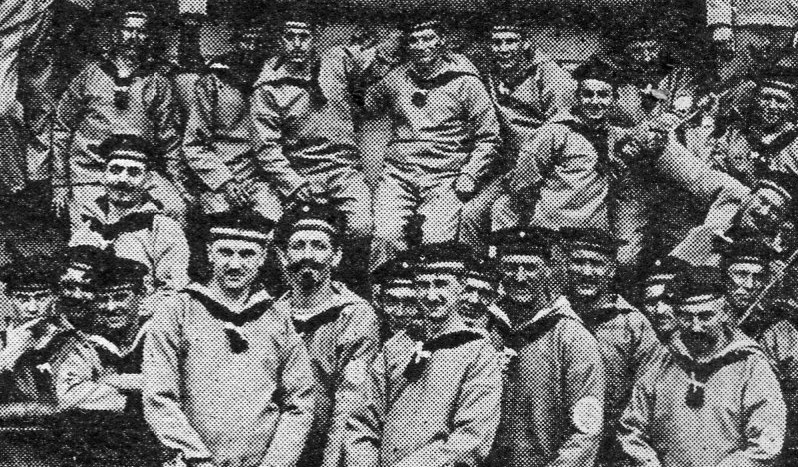
    And a detail from the image: 

    Wwi sailors german rescued detail 453


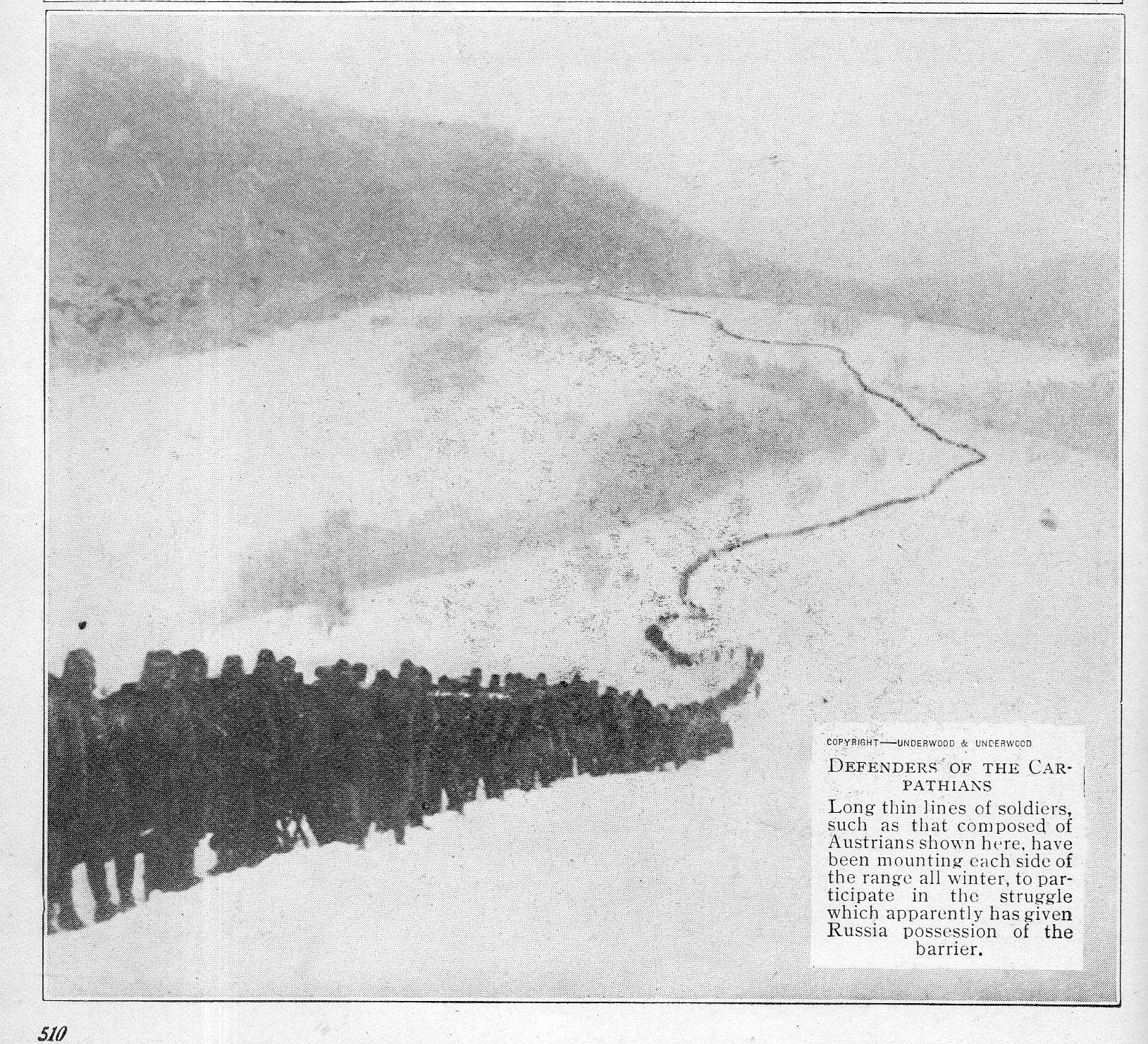
    And this one, this one looks like nothing but cold, a long narrow ribbon of black winding its way through a few miles of valley, from one mountain to the next, pushing through the snow to meet some sort of fate.  Fighting in the cold, in the snow, in the wind, in the dark, without proper clothing, and sometimes without food, is unimaginable to me. The campaign in the Carpathians between Austria-Hungary and Russia in the winter of 1915 was the beginning of the idea of Total War in WWI, and the first major campaign in the Far Eastern Front that would eventually lead to massive chaos and some 10 million casualties. And this is what part of that looked like–a long line of soldiers, on the move, not well-equipped, to fight in massively hostile wintry conditions.  


    Wwi long line in snow456


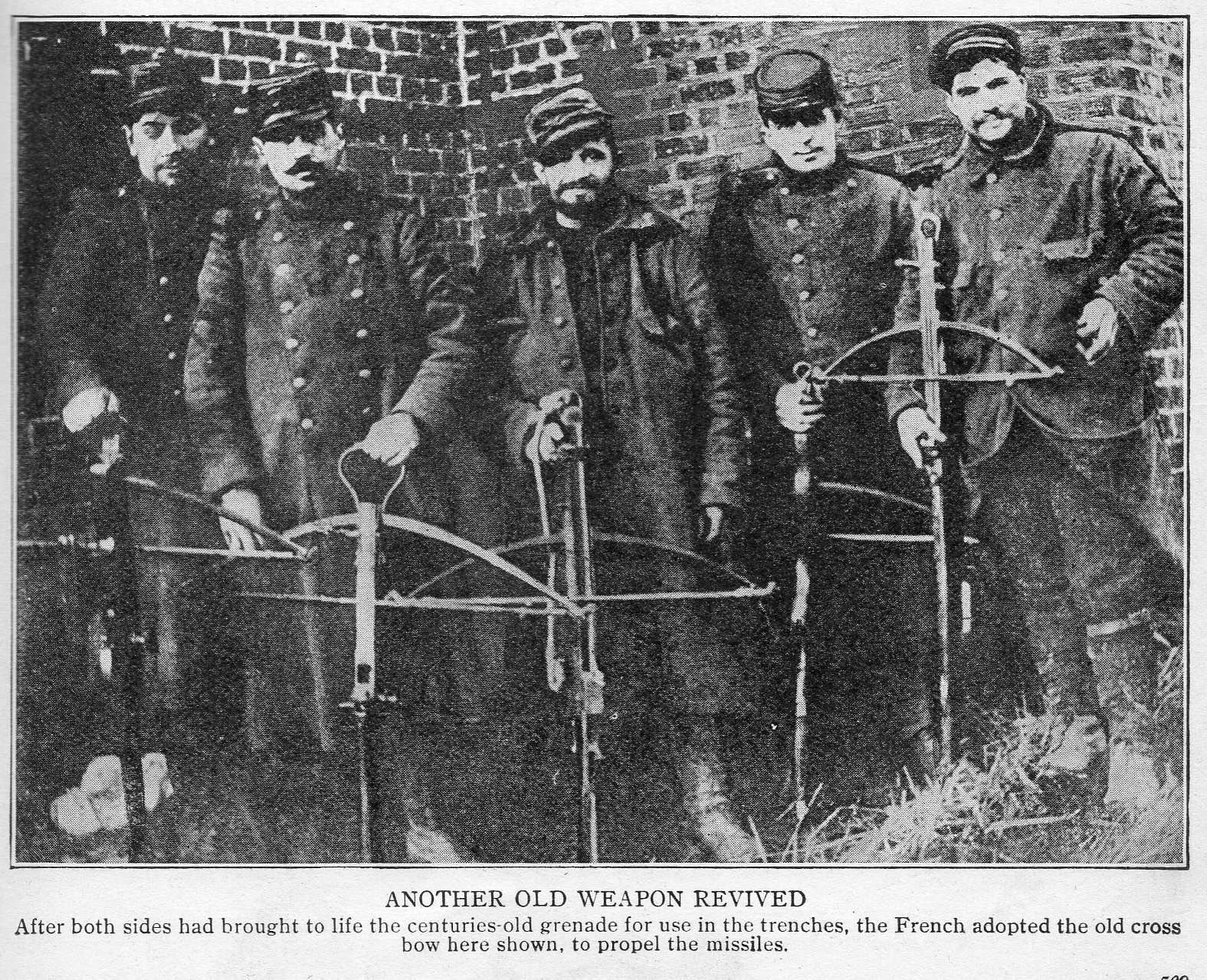
     And these soldiers, with their crossbows, using them evidently to launch grenades (two antiquarian tools of war, both still very effective): 

    Wwi crossbow454


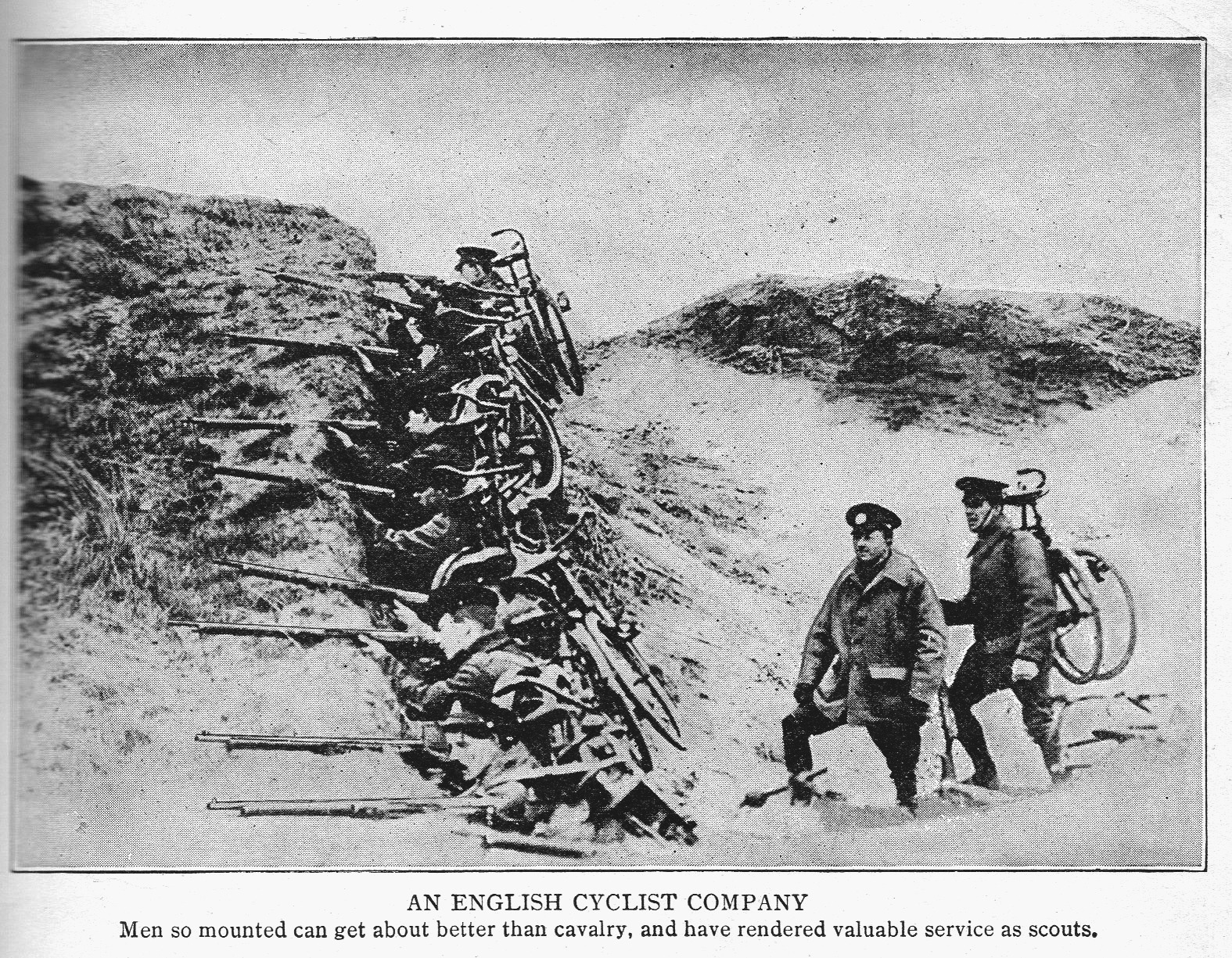
     And of course, the bike corps–I’ve never really understood this idea. Elsewhere on the blog I’ve written two posts relating to soldiers and bikes (one of whom was a bike corps airborne!) and it all just seems too heavy and cumbersome to be worth the effort of struggling with the potentially life-threatening bike.  And let’s face it–these bikes are not specialty light-weight bikes…

    Wwi bike corps455


    ·Posted by :

    ·in:


  • Under That Heel

    JF Ptak Science Books  Quick Post

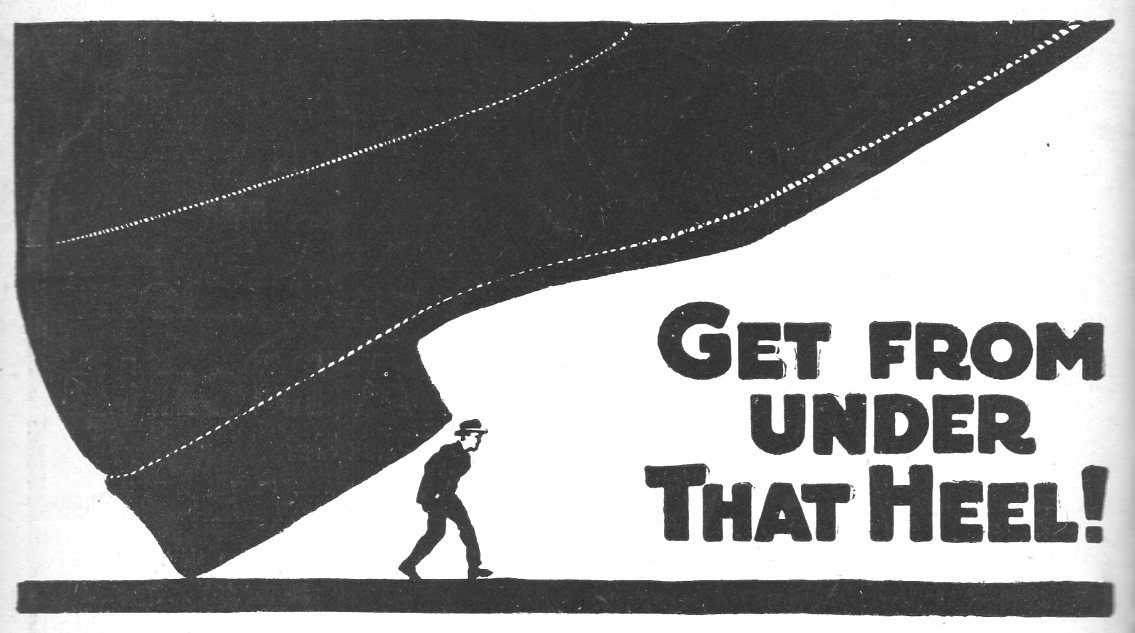
    This interesting design comes from the American School of Correspondence of Chicago Illinois, and although it is initially intimated that the heel in question was “Capitalism”, it was the individual who kept them heel on themselves.  A little correspondence school here and there would help the progress of “Labor” and advancement–also interesting to note that both labor and capital have capitalized first letters.  

    Button under heal438

    [Source: Illustrated World, June 1916]

    ·Posted by :

    ·in:


  • Data Visualization and Enormity: the Daily Cost of War, 1917

    JF Ptak Science Books   Quick Post

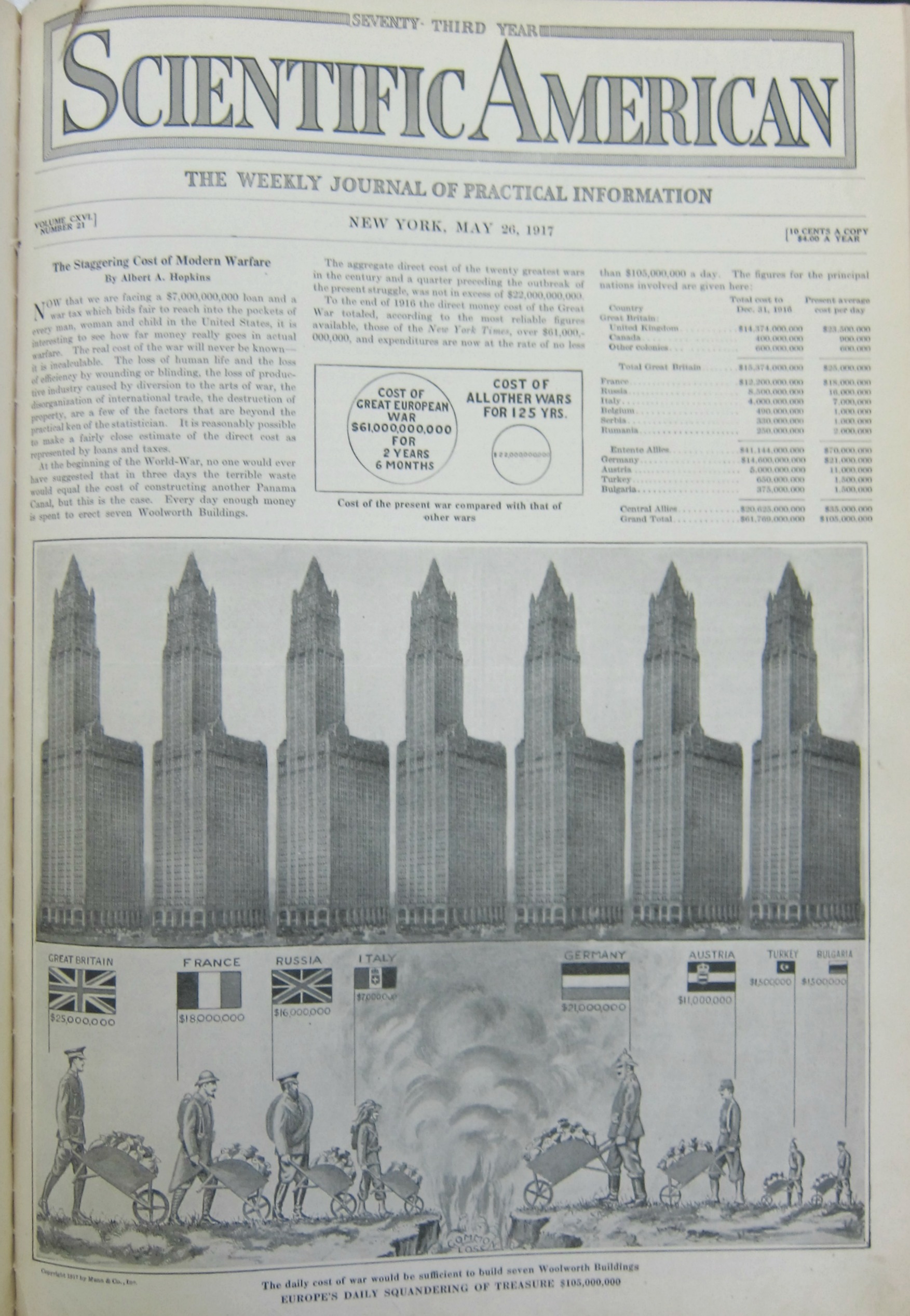
    The first thing that a reader in the U.S. will probably notice in this graphic is that there is no “United States” entry–that is because the U,S, had only entered the war seven weeks before this image was made after having been steadfastly neutral for the war’s first 2.5 years.  That said the daily cost of war was made accessible and understandable to the readership of the Scientific American by putting costs in terms of the construction of the then-tallest building in the world, the Woolworth Building (the world record holder for height from 1911-1930). 

    Overall, for the eight major combatants, the total daily cost of the war was the equivalent of the cost for building eight Woolworth Buildings, every day.  At the end of the war that would have been a stack of Woolworth Buildings that was 30 x 30 Woolworths by 150 Woolworths tall.  

    And just for perspective, the daily cost for Great Britain was 25 million pounds in 1917, which using the B of E calculator for inflation, would be about 1.2 billion pounds today (per day).  This is roughly in league wit the cost of U.S. involvement in the 2003 Iraq war at about 700 million dollars a day (since 2003). 

    There are many ways of looking at this data, though the Scientific American wanted to approach the expenditure in terms of gigantic piles of waste.  

    • See also an earlier post here on data visualization and the measuring of things with the Woolworth Building:  https://historyofideasblog.com/thesciencebookstore/2016/06/data-vizualization-automobiles.html

    Dataviz WWI war expenses full

    [Source: Scientific American, May 26, 1917.]

    ·Posted by :

    ·in:


  • Communism and the Path of Death (1942)

    JF Ptak Science Books  Quick Post

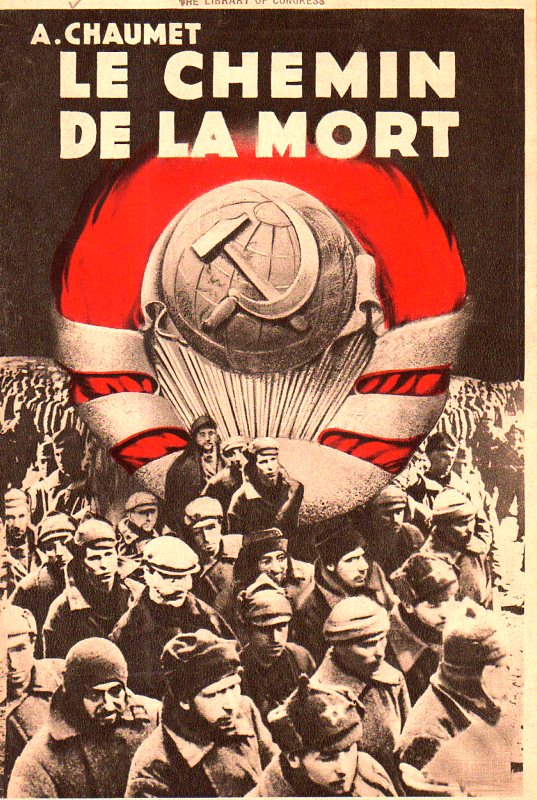
    The design of the cover of this pamphlet attracted my attention straight-away–the back story to it makes this something else, entirely.  It turns out that Le Chemin de la Mort was the death train of Communism, and their author, A(ndre) Chaumet, turns out to be a vicious racist and anti-Semite, and was a member/leader of a acronymic-potpourri of French nationalist/fascist groups. What is particularly eyebrow-raising is that among other things Chaumet was vice-president of the Association of Anti-Jewish Journalists (!); he was also the leader of the National Socialist People’s Party which joined in 1936 with Francisme fascist league, and was a Petainist and collaborator, and accepted money from the Nazis to better his work in France; he was the editor of Petit catechisme anti-Juif and on and on, a very busy man.  I can’t find out what happened to Chaumet after the war, but I imagine whatever it was, it wasn’t so great. So the “interesting” part of the design of the pamphlet falls away for me in the layers of discovery about the author, whose well of darkness seems to have no bottom.  

    One thing is for sure, though–Germany created an insatiably-wide path of death when it invaded the U.S.S.R. in June 1941 (Unternehmen Barbarossa)–and then that turned around, and the death path of Communism worked its way to Berlin, though Chaumet at this time had no idea about any of that. 

    Le Chemin de la Mort152


    ·Posted by :

    ·in:


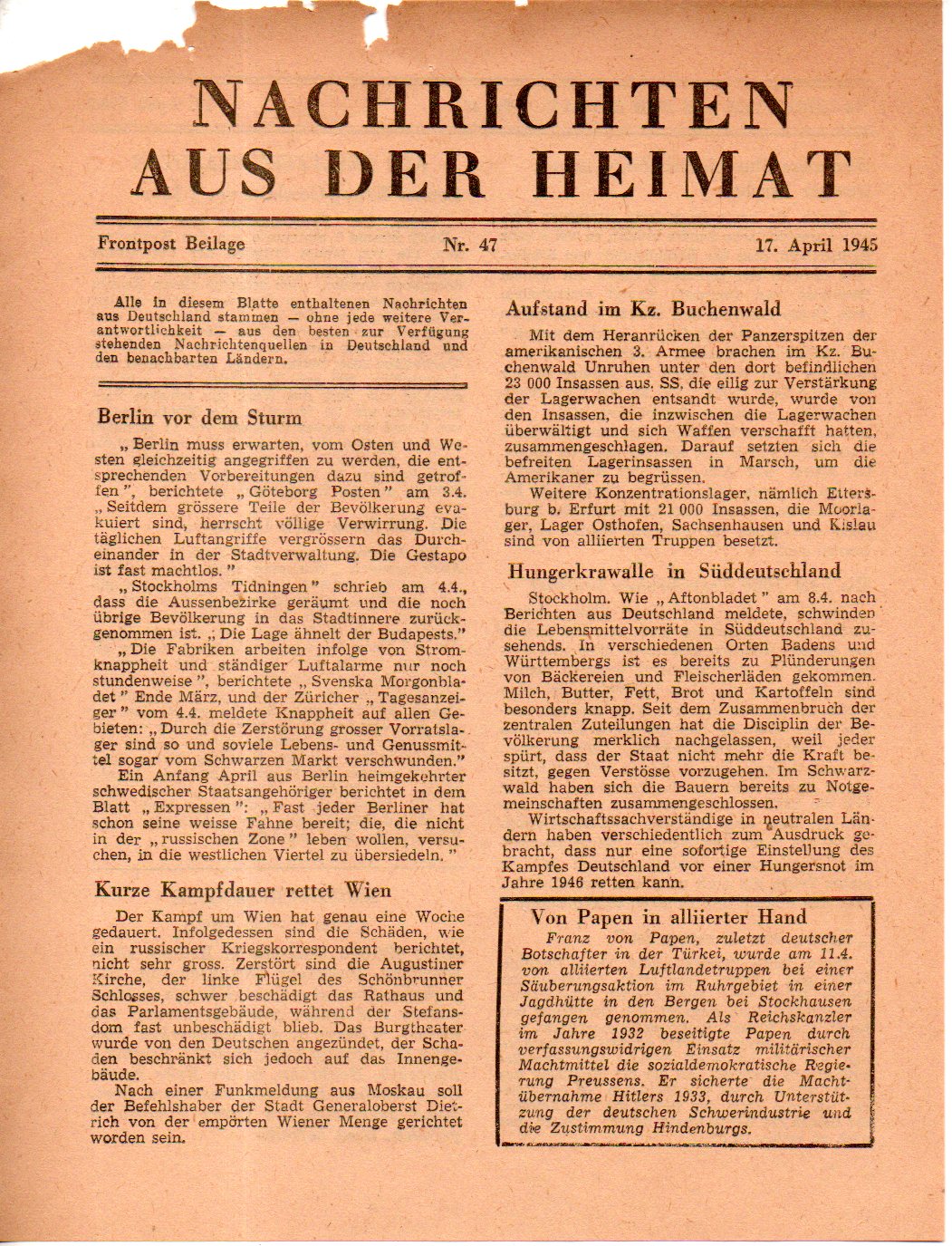
  • An Unusual Report on the April 11, 1945 Revolt at Buchenwald

    JF Ptak Science Books  Post 2602

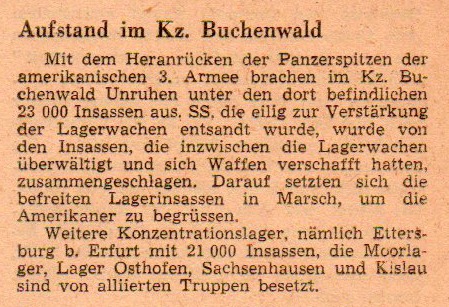
    During WWII the Allied forces engaged in extraordinary subversive and hearts-and-minds psychological warfare against the Axis military machine and its population.  The mechanics of the effort undertaken by the OSS and other agencies is long and complex (and potentially confusing) and too much for getting into right here, though I did want to address one example of their work. This comes in an archive that I have here (formerly part of the “Pamphlet Collection” at the Library of Congress) and is a single-sheet newspaper leaflet printed to be dropped from planes on the enemy lines. Nachrichten aus der Heimat (“News from Home”) was made to resemble, well, news from Germany that just wasn’t being disseminated, like the report of Berlin under attack) and other unflattering military news that was intended to weaken the will of the soldier to fight and the civilian to support Hitler’s regime.  This issue, dated 17 April 1945, also carries a short notice regarding the Buchenwald concentration camp (“Kz”, Konzentrationslager, one of 1000+  that were built from 1933-1945 by the Nazis) that comes six days after its liberation. Beginning in early April 1945 the camp (along with many others) was partially evacuated in an attempt to cover up the activities there, the result being many thousands of deaths due to prolonged marches and executions. On the morning of 11 April there was a revolt by some of the remaining prisoners–as stated in the published note below–who were able to seize control of the camp; elements of the 3rd Army 6th Armored arrived at the camp and liberated it later that afternoon.  There were still 23,000 people at Buchenwald at that time, and the condition of the prisoners and the camp were appalling.That part however was left out of the Nachrichten report–only the revolt part of the liberation is mentioned, while the nature of the camp and its “political prisoners” was left unspoken. Why this is the case I do not know–perhaps the forces at work in crafting the propaganda thought it not-expedient to mention the horrors for teh consumption of the German soldier thinking that might play against a willing to surrender/cooperate.  The story of the liberation of the camp was the main thrust of the intelligence, showing another part of the Reich collapsing and failing.  The Holocaust would have to wait.  

    Buchenwald revolt detail

    All that said the rest of the world would find out about Buchenwald right away. Edward R, Murrow was the first reporter there on the 12th, and on the 15th he reported on the radio exactly what he saw there–it is a very powerful piece of reporting. Murrow actually moves to the first person viewpoint to do most of the report–something that “the reporter” certainly would not do.  

    • For text of the Murrow report see: https://www.jewishvirtuallibrary.org/jsource/Holocaust/murrow.html and another  http://www.scrapbookpages.com/Buchenwald/Liberation3.html (“If I have offended you by this rather mild account of Buchenwald, I’m not in the least sorry….”)
    • Murrow’s radio broadcast can be heard here: https://youtu.be/1o-CUOiKCCg

     A few days later Eisenhower and Patton and a host of others toured the Ohrdruf concentration camp (a sub-camp of Buchenwald)–their visit was graphically reported by the Illustrated London News on teh 28th of April–you can see the story here: https://historyofideasblog.com/thesciencebookstore/2008/09/eisenhower-at-t.html

    Buchenwald revolt124

    This one piece is part of a 164-item propaganda leaflet collection that my bookstore is selling–here’s a link to the full collection:https://historyofideasblog.com/books/2016/04/wwii-psychological-operations-leaflets-and-related-materials-january-april-1945.html

    ·Posted by :

    ·in:


  • History of Ideas Blog Twitter Hits for February, 2016

    JF Ptak Science Books  

    This is the month in review for this blog’s twitter feed, featuring tweets for pieces that I have written for this blog and that have brought in at least a few thousand engagements. (Most of the tweets from here–on average there are 150 so a month–do not reach a thousand. Sometimes the attraction and reach makes sense; sometimes not.  I have no idea what it is that attracts people to a story. That said, here are some of the most popular tweets:


     A Ghost Print of a Buried Manhattan:   


    What the Sound of the End of War Looked Like, 11/11/1918    


    The history of the future of massiveness.  


    ·Posted by :

    ·in:


  • Looking Straight Ahead Series: the Whitley Bomber

    JF Ptak Science Books   Quick Post

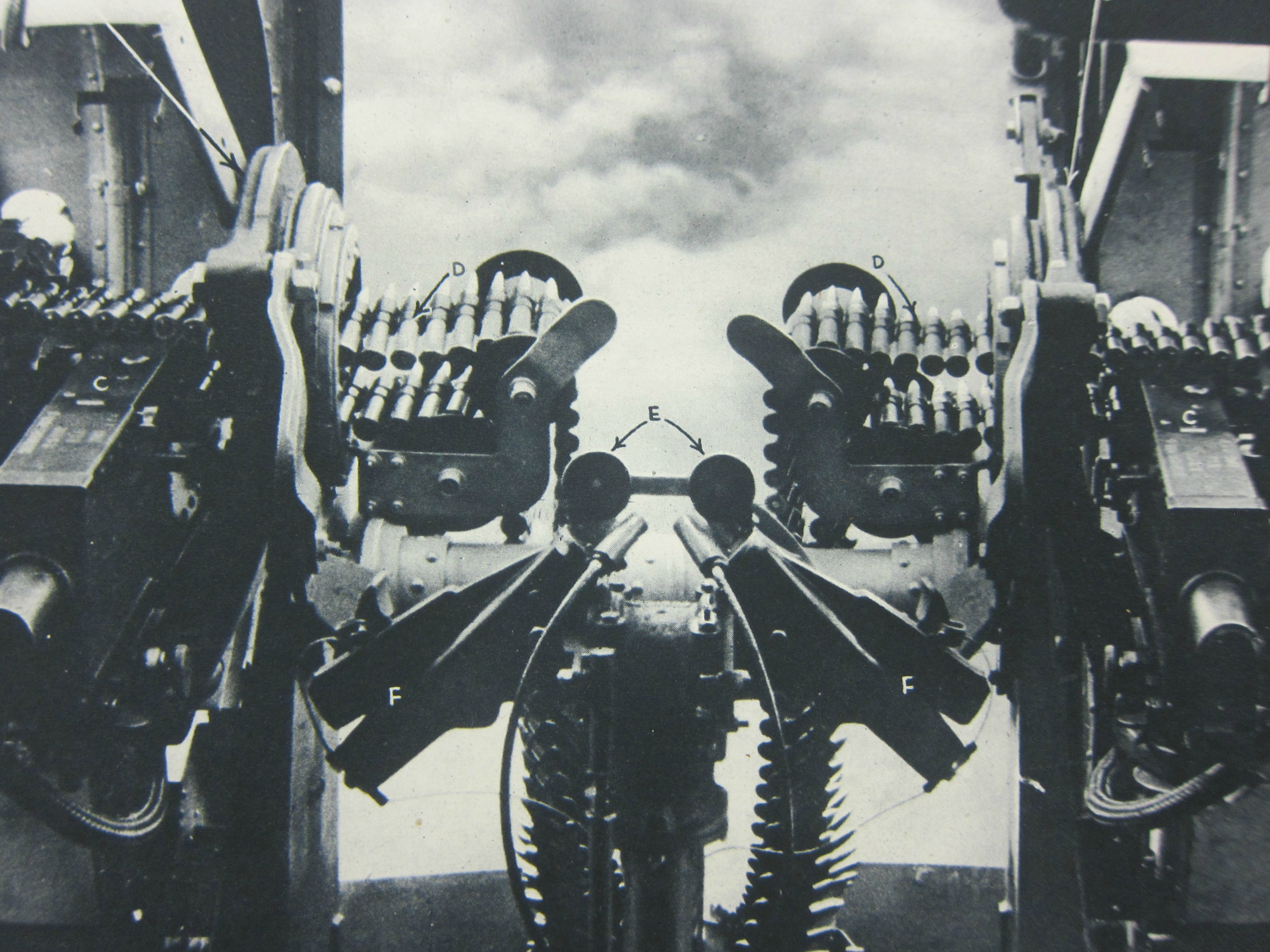
    There are a number of posts on this blog that focus on what turns out to be an unexpectedly unusual perspective–looking at things straight-on. Straight-on as in straight across, and straight up, and straight down, and in images that are not architectural plans or elevations. Today’s entry is similar to an earlier post looking through a Vickers gun sight–this one is looking out from behind the tail gunner’s seat in an Armstrong Whitworth A.W. 38 Whitley.

    Here are a few examples of previous efforts on this subject on this blog:

    • The Straight Series: Looking Straight Through a Vickers Gun Sight, 1916 https://historyofideasblog.com/thesciencebookstore/2015/08/jf-1.html
    • Vision: Looking Straight Up, Down, Across and Through–1525-1905  https://historyofideasblog.com/thesciencebookstore/2009/07/vision-looking-straight-up-down-across-and-through15251905.html
    • Points of View: Inside Looking Out, Outside Looking in, and in-Between  https://historyofideasblog.com/thesciencebookstore/2009/02/points-of-view-inside-looking-out-outside-looking-in-and-inbetween.html
    • Crystallizing a Scarce Perspective: Looking Straight Down & the Art of Photography  https://historyofideasblog.com/thesciencebookstore/2014/03/looking-straight-down-the-art-of-photography.html


    Whitley bomber big

     So, just for perspective’s sake, the two bits labeled “E” are the buttons/triggers located in grips for the four guns which are just barely seen (over-and-under) just to the left and right of the ammunition feeds, and the gunner’s seat would be just a little bit below and back from where the foreground begins. In any event, if you were crowded aft and looked straight out of the back of this workhorse of a medium bomber, this is what you’d see. 

    ·Posted by :

    ·in: