A Daily History of Holes, Dots, Lines, Science, History, Math, Physics, Art, the Unintentional Absurd, Architecture, Maps, Data Visualization, Blank and Missing Things, and so on. |1.6 million words, 7500 images, 4.9 million hits| Press & appearances in The Times, Le Figaro, Mensa, The Economist, The Guardian, Discovery News, Slate, Le Monde, Sci American Blogs, Le Pont, and many other places… 5000+ total posts since 2008.

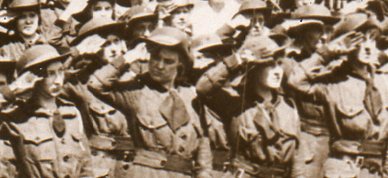
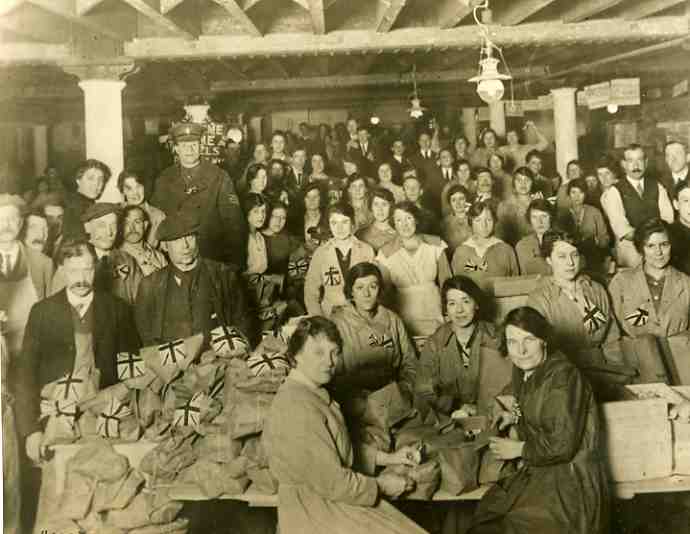
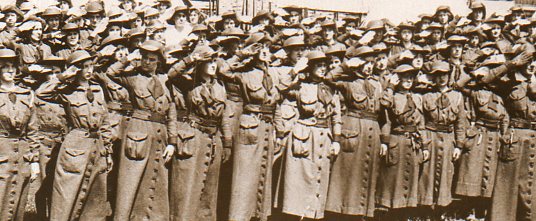
  • A Sea of Salutes from a Female Corps

    JF Ptak Science Books

    Follow Me on Pinterest

    This is one of approximately 250 photographs in a small collection of World War I News Photo Service photographic images, all made in 1918.  Photography during WWI was extremely controlled, and many of the images that came to appear in newspapers and magazines were selection from an approved photographic pool of images.

    Image, ca. late 1918, 4.5×7″.  Very good condition.  $150
    WWI Photo WOmen saluting174

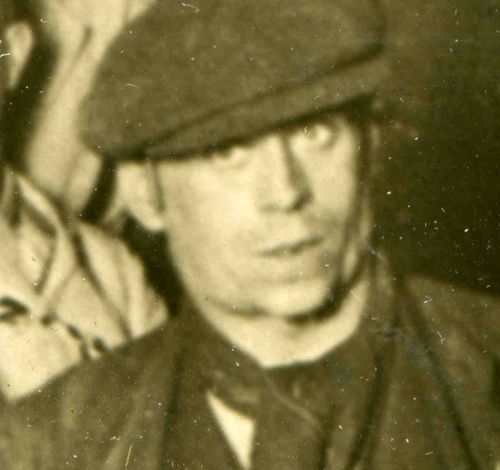
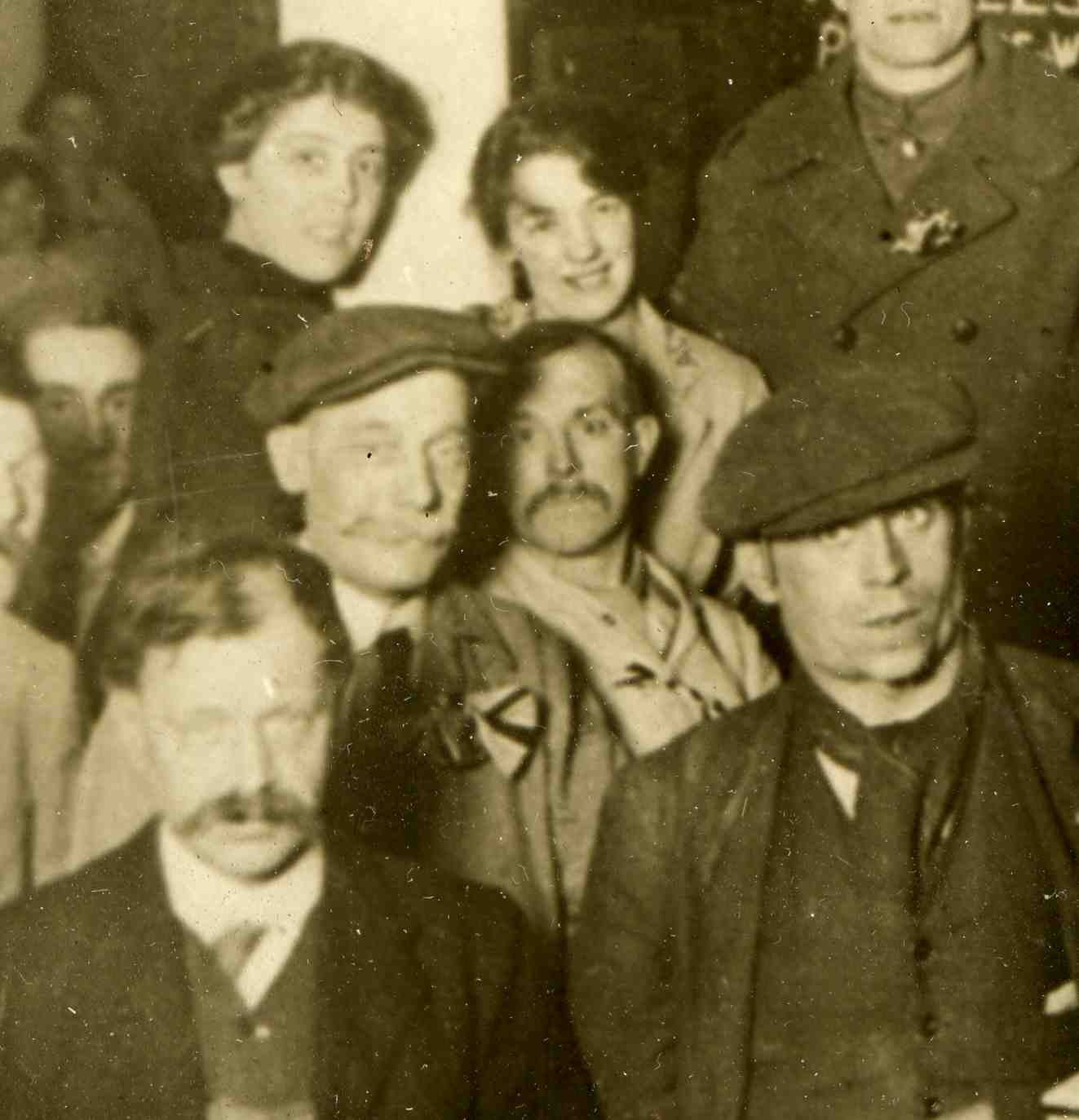
    And a greater detail:

    WWI Photo WOmen saluting175

    Both of which are paper dissections of the full image:
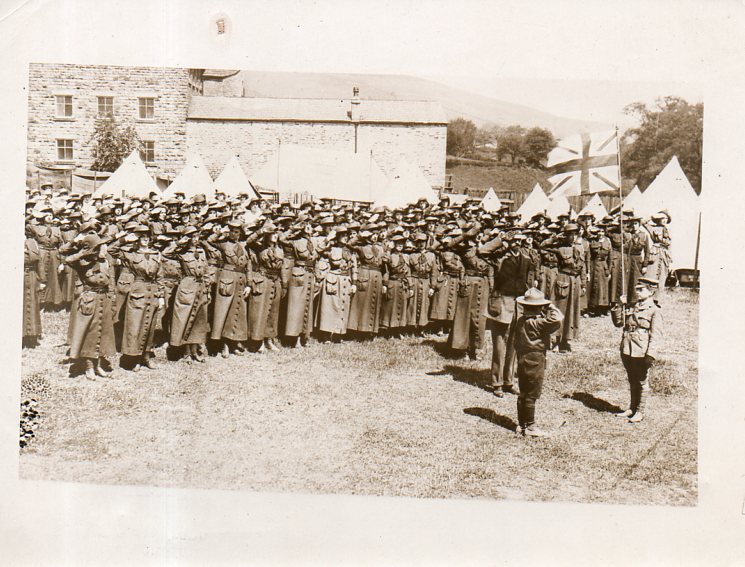
    WWI Photo WOmen saluting173


    ·Posted by :

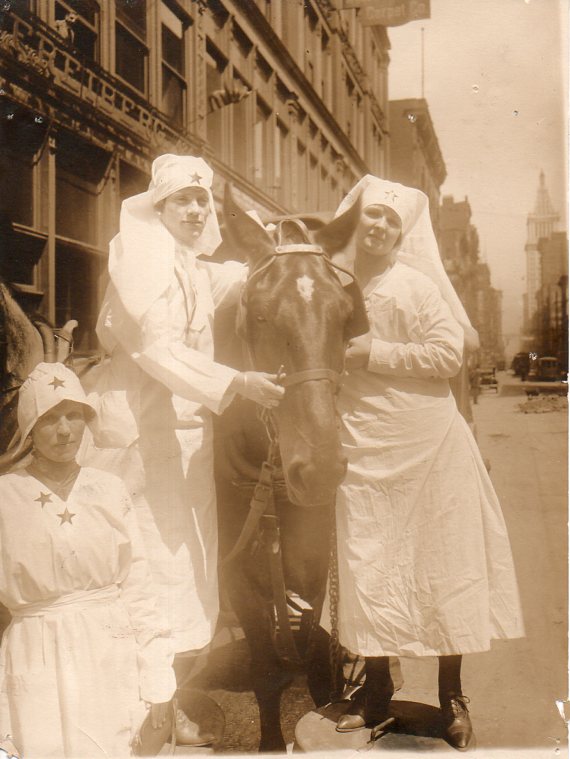
  • WWI Photography–Female Charity Workers

    JF Ptak Science Books

    Follow Me on Pinterest

    This is one of approximately 250 photographs in a small collection of World War I News Photo Service photographic images, all made in 1918.  Photography during WWI was extremely controlled, and many of the images that came to appear in newspapers and magazines were selection from an approved photographic pool of images.

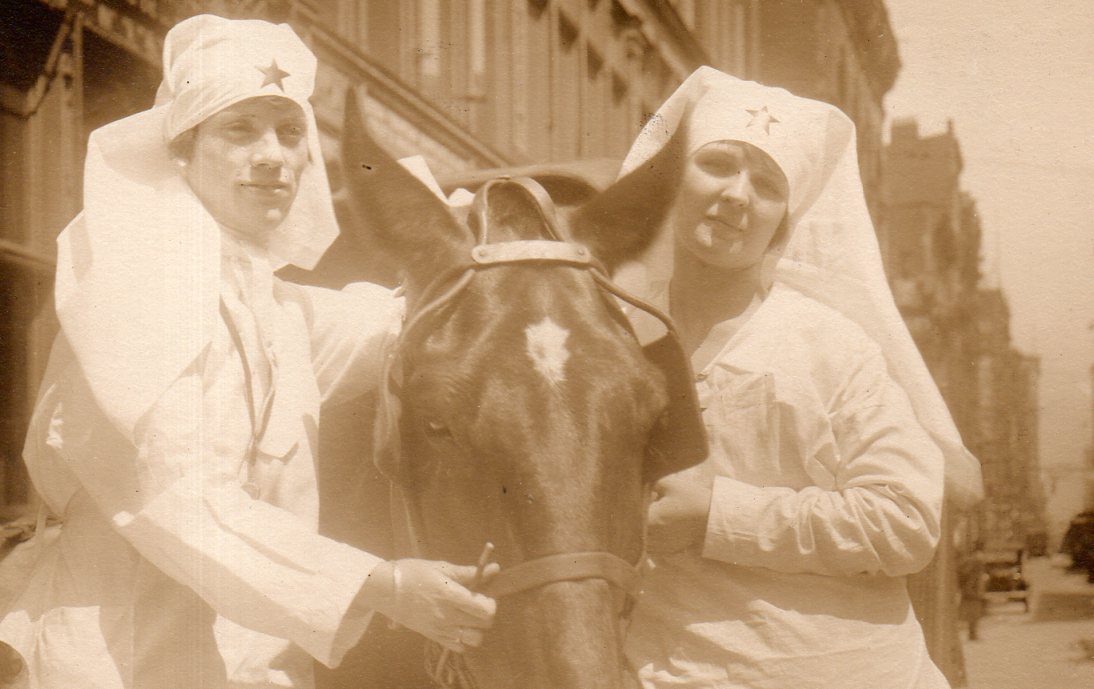
    Image of three women as volunteers–the woman in the foreground is actually standing even though it looks as though she is kneeling; the other two women are standing on trash cans to get the upper hand on the horse.  This is a simple and lovely image.  

    8×6 inches.  Nicely septia toned.  The image has six tiny pin pricks in the upper right and upper left corners.  $100

    WWI Photo  three nurses and horse170

    Detail:

    WWI Photo  three nurses and horse172

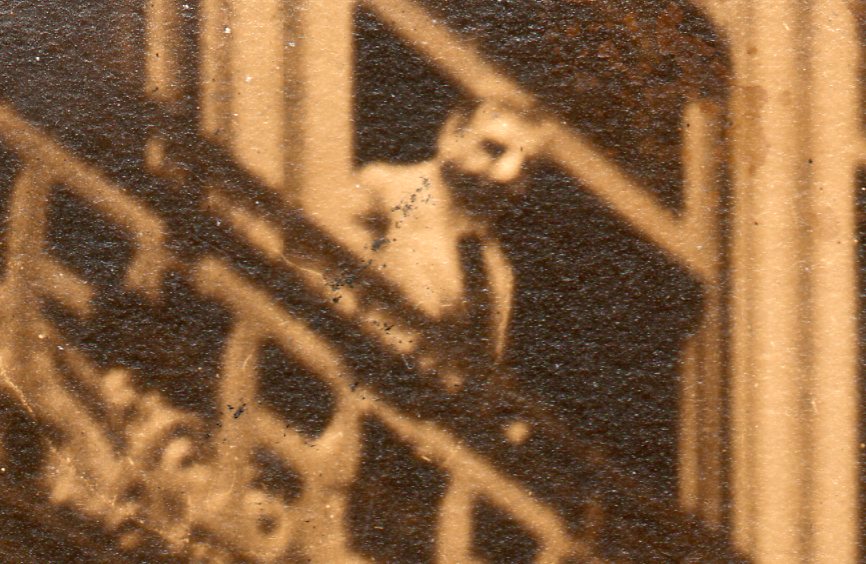
    And–in the upper left corner, a man leans from a window for a better look:

    WWI Photo  three nurses and horse171

    ·Posted by :

  • Mail Call, 1918

    JF Ptak Science Books    

    Follow Me on Pinterest

    This is one of approximately 250 photographs in a small collection of World War I News Photo Service photographic images, all made in 1918.  Photography during WWI was extremely controlled, and many of the images that came to appear in newspapers and magazines were selection from an approved photographic pool of images.

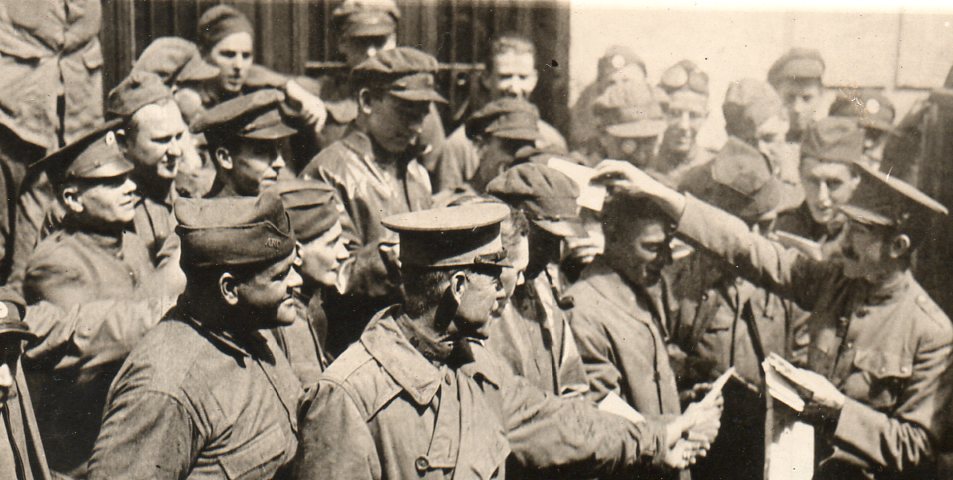
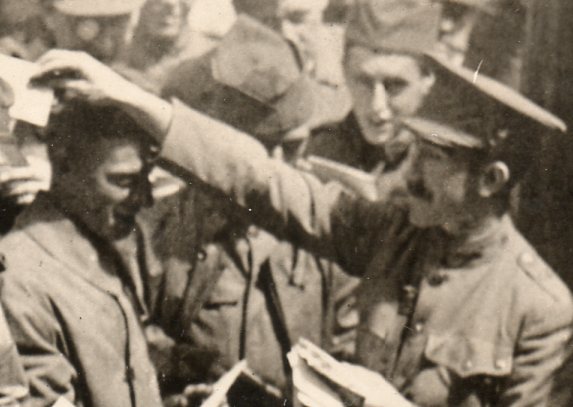
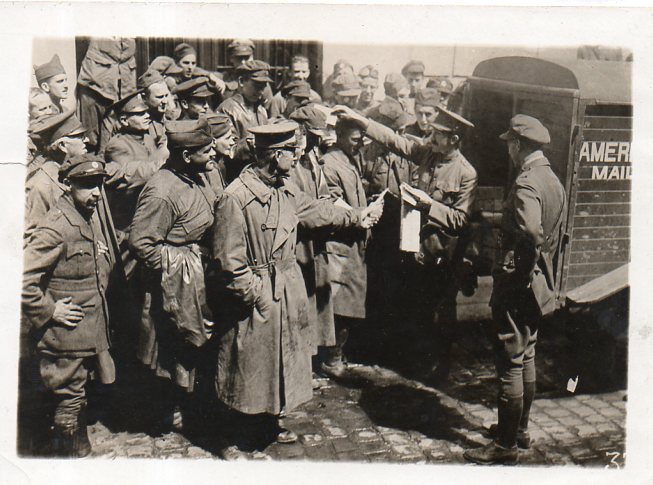
    Mail Call, end of 1918.  Original photograph. 6.5×4.5 inches.  Fine condition, save for one short teat of about a half-inch in the left margin extenbding very sliughtly into the image.  $175


    Text on verso: “What a letter from home means in France.  Group of American Red Cross chauffeurs in Paris at mail distribution at their garage.”  The back is also stamped “Bureau Publicity Lake Div. American Red Cross, for release October 2”.

    WWI Photo Mail168 With teh following detail:

    WWI Photo Mail169

    Both of which are details from the following:

    WWI Photo Mail167

    You might also like:

    ·Posted by :

  • A Pie Line and Sugar Angel, 1918: U.S. Troops in Paris

    JF Ptak Science Books 

    0 ebay 16 pie line280


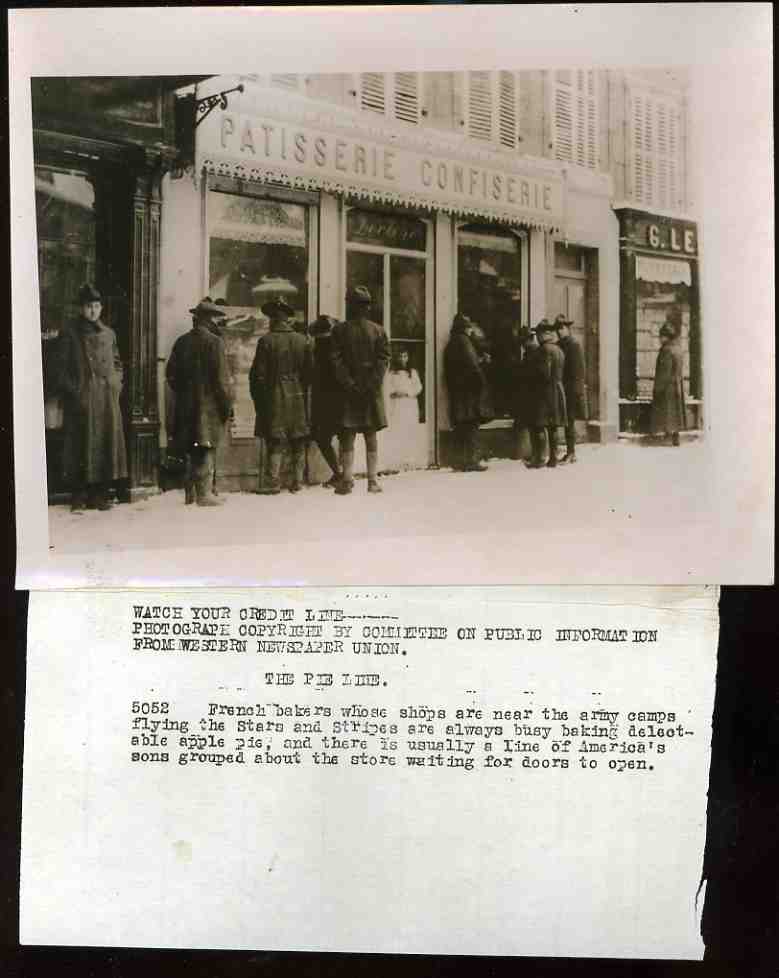
    9×6 inches, 1918. Original photograph.  $200

    There’s definitely an angelic figure in this photograph, an image  made showing American Doughboys lining up in front of a bakery/candy store (high-sugar delivery transport systems enhancer) in Paris in 1918.  This photograph is a News Photo Service item, produced by the Western Newspaper Union, which would send photographs (and their captions) on demand  to newspapers and magazines requesting a scene, say, of American soldiers waiting patiently in line for apple pie at a Parisian bakery.  The caption says that “America’s sons (were) grouped about the store waiting for doors to open” so that they could have at the apple pie. They are waiting for something, to be sure; it doesn’t seem quite right that a bakery would not be open during daylight hours (though the shutters on the upper floors are closed still) in the winter (I see snow), but then again I’m not an expert on the hours kept by small business in Paris during WWI. 

    I am taken with the figure of the small girl in the windowed-door of the bakery, standing there with her hands clasped, framed by the window pane, dressed in flowing white.  Is the place really closed, or did the soldiers simply have no money for these treats, the little girl standing there in the unlocked doorway wondering why all of these soldiers just don’t come inside?  Were the men paid in scrip with no value in the streets of the city?  The good news is that these men were alive, and it may have been November or December of 1918, which means that the killing of millions and millions of soldiers and civilians had just about come to an end, so they could probably stay living,  safely making their idle if not penniless way around the snowy streets of Paris, wanting and waiting to go home.

    0 ebay 16 pie line281


    ·Posted by :

  • Volunteer Efforts to Aid the Wounded, 1918

    JF Ptak Science Books   

    0 blog jan 12baker377

    This is another magnificent group portrait from my collection of News Service Photographs from World War I.  This is image is from mid-1918 and depicts nurses, wounded and recovering soldiers and an assortment of volunteers preparing relief packages for other wounded soldiers in field hospitals.  My experience with these images is that are many levels of portraits within the larger group portrait–looking at them under magnification is an addictive process, and quite often there are some lovely surprises.  

    Image: 9×6 inches. Good condition.  $300


    href=”https://historyofideasblog.com/a/6a00d83542d51e69e2010536c93917970c-pi”>0 blog jan 12baker379

    0 blog jan 12baker378

    ·Posted by :

  • Found-Portraits within Portraits, 1918

    JF Ptak Science Books  


    0 blog jan 12baker374

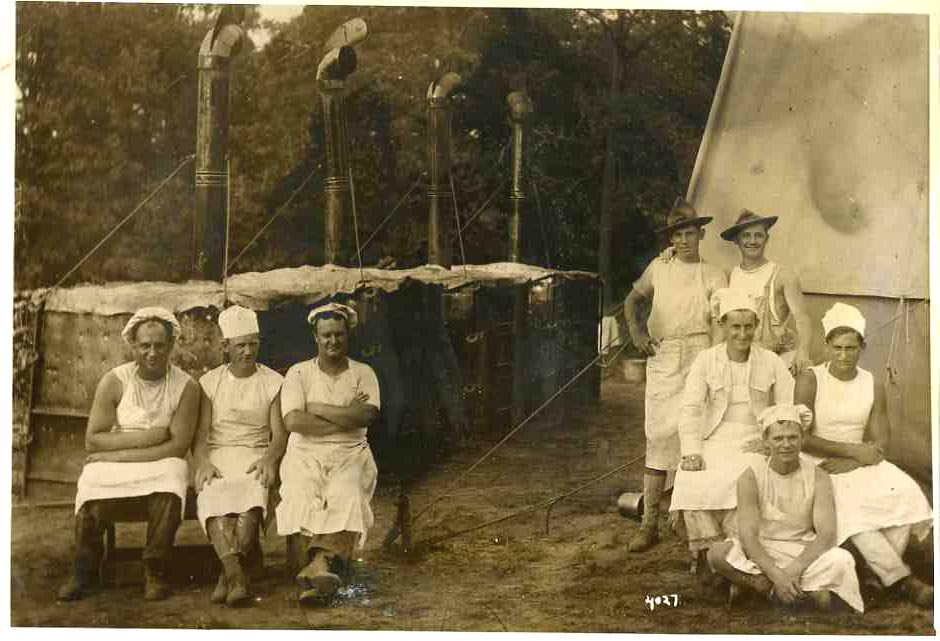
    Original photograph, 1918. 9×6 inches.  Good condition.  $350 


    In my collection of WWI News Photo Service Agency photographs I would say that half or so of them show  scenes like this–semi-informal group portraits of military support groups.  250 portraits like this seem to be a lot, and I’m not sure why these images are so well represented. Except of course that there weren’t that many images (overall) of active-battle scenes. 

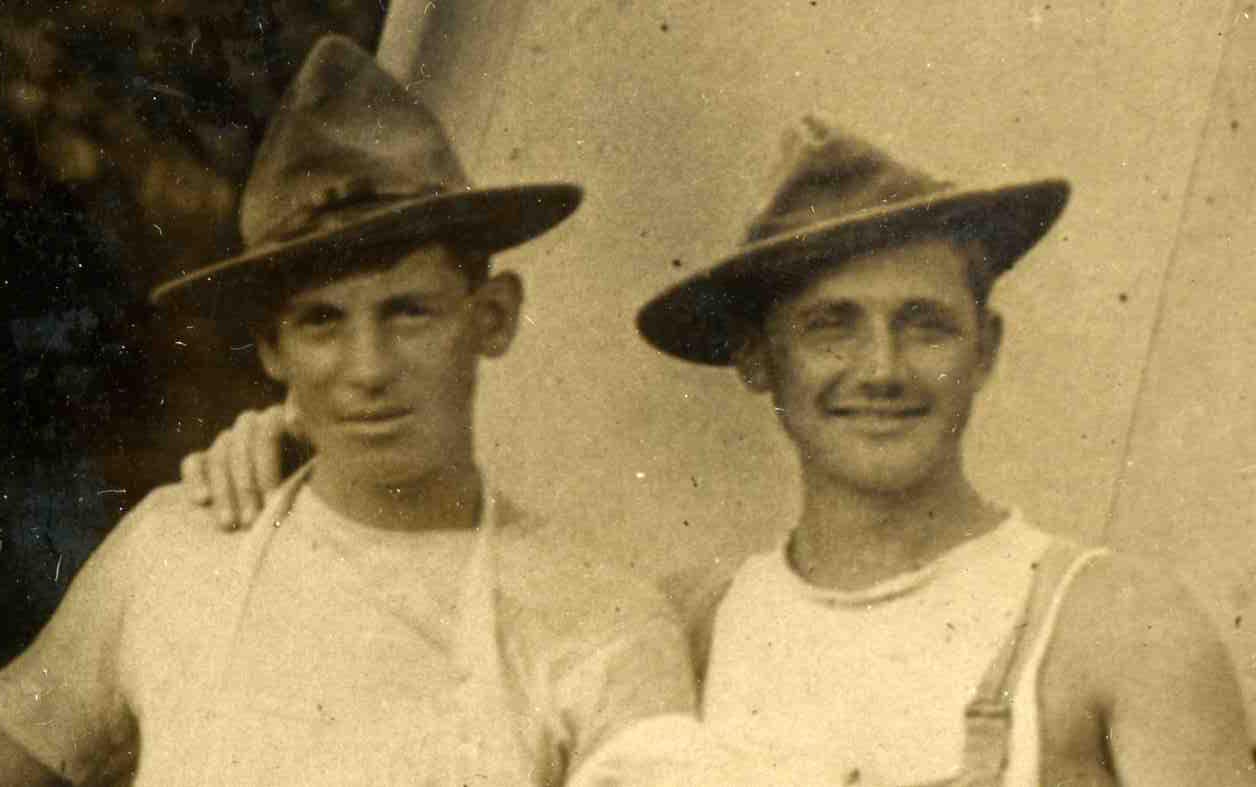
    These bakers, working at a front-line support station, from my read were probably taking a break, and the photographer took the opportunity to draw them together for the portrait.  I don’t know why they’re separated so, but they do look as though they have a real camaraderie–it is just a wonderful picture, full of friendship and loyalty, and I’m sure it has never been published before.  

    0 blog jan 12baker375

    ·Posted by :

  • Christmas Mail, 1917

    JF Ptak Science Books  

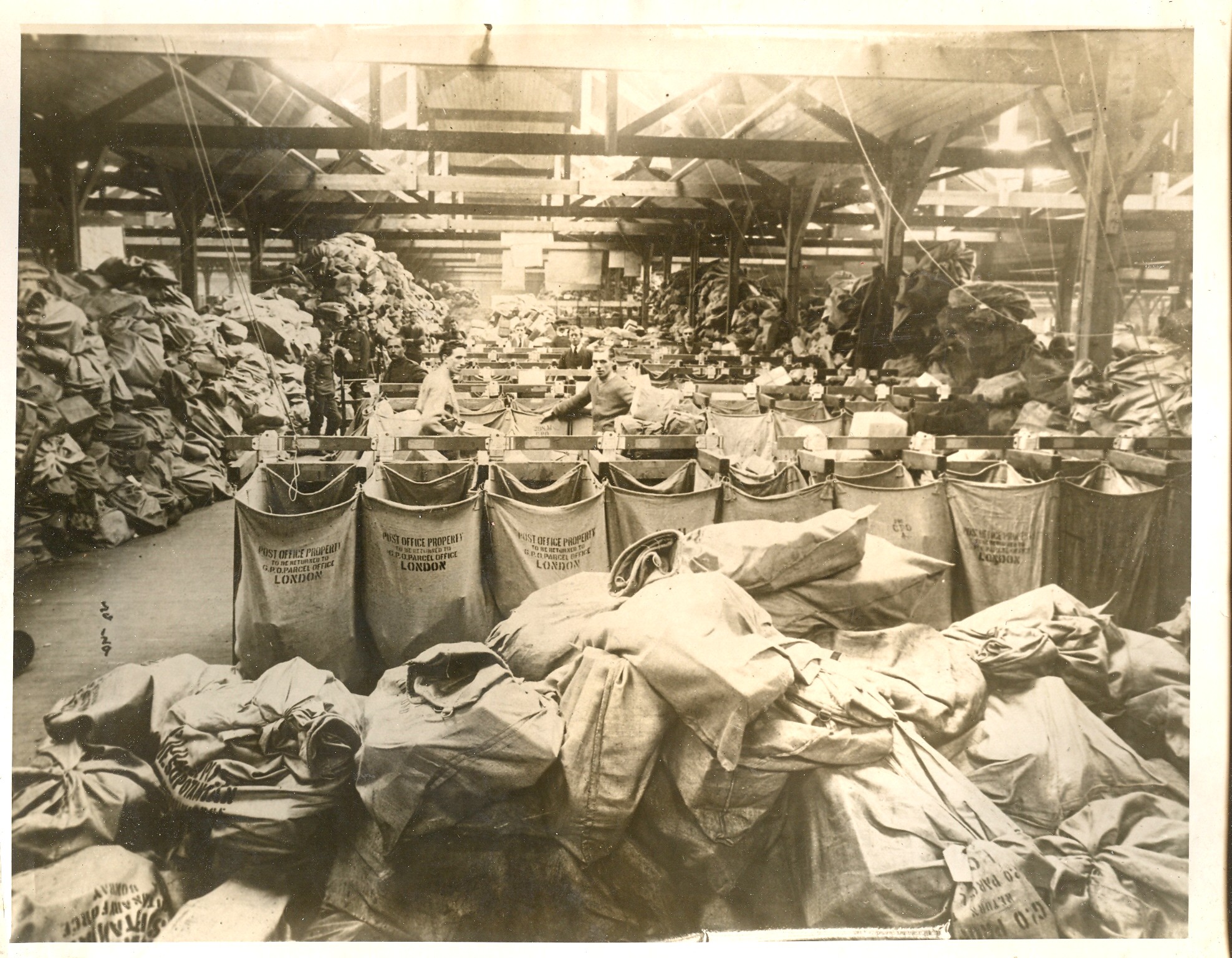
    This is the U.S. Army mail depot at Regents Park, London, braced for and under siege by  Christmastime mail in 1917. It strikes me that there may be a million items in this photo–at this time in the war there were something like 35 million people in the services for all countries dedicated to the war effort, which is approximately half the number that served in total.  If these letters in this picture were bodies, I reckon that there would be five more rooms like this necessary to tell the visual picture of the war dead and wounded.  This aside, I initially focused on the guy in the rear with the white shirt and tie, standing there pretty much overwhelmed by the task of moving all of that stuff…and perhaps with the idea that much of the mound would wind up being undeliverable because the recipient was killed.  I wonder if that mail was returned, or not?

    WWI photo Xmas mail

     Original photograph, 1917.  9×6 inches. Good condition.  $175

    ·Posted by :

  • A Census of War Dogs, 1918

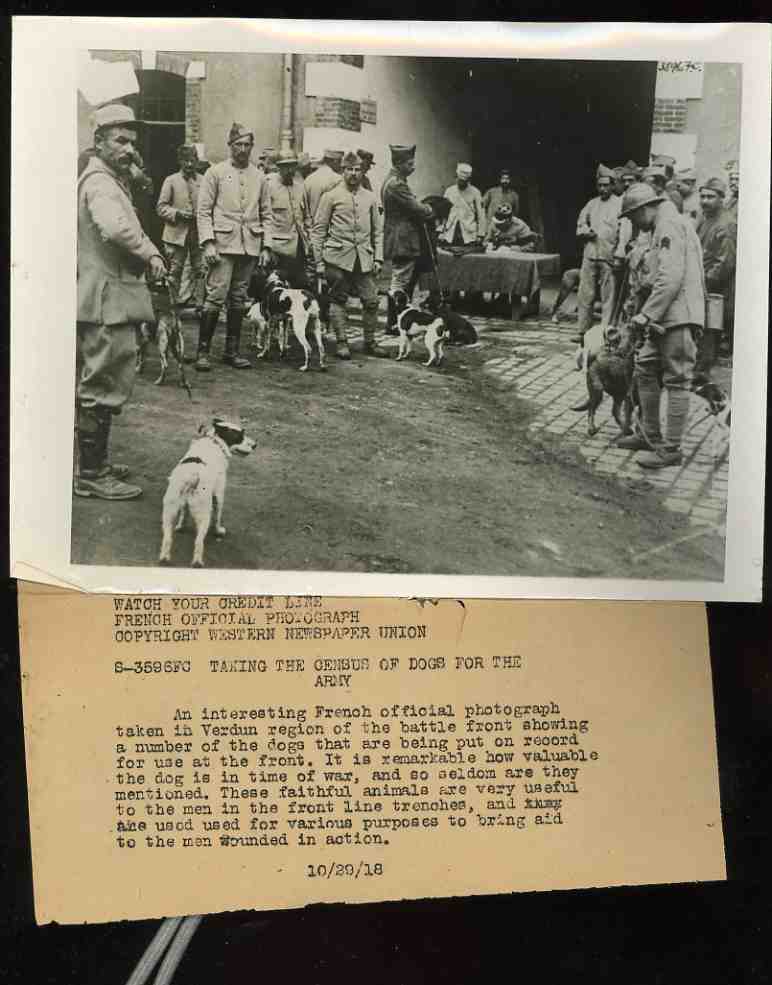
    Original photograph, 1918.  9×6 inches.  Good condition.  $200

    0--blog---dec 2 dog census172

    I wonder what the French officer sitting behind the table at the center background thought about at night, after his day was done.  I wonder what it was that went through his head, his eyes fluttering, as he slipped into sleep?  As the accompanying caption of this photo states, this was a census of dogs, a census of army dogs in the French army, taken at “the battle front” of Verdun, and dated 10 October 1918.  Did he think of his duties expended throughout the day, and weeks and months?  Counting dogs as a war effort may have been a hard thing to consume.  Perhaps this officer had already seen his share of war, perhaps he had fought from 1914 and onwards, this position being relatively benign, a reward for years of impossibly difficult service in a bloody war. Or perh

    ·Posted by :

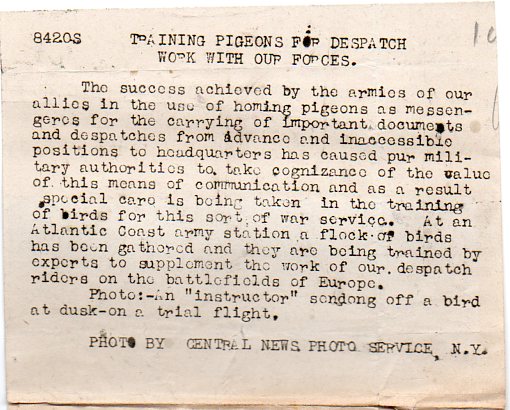
  • A Series of Original WWI Photos Relating to Carrier Pigeons

    Original photograph, 1918.  8×6 inches.  Good condition.  $125

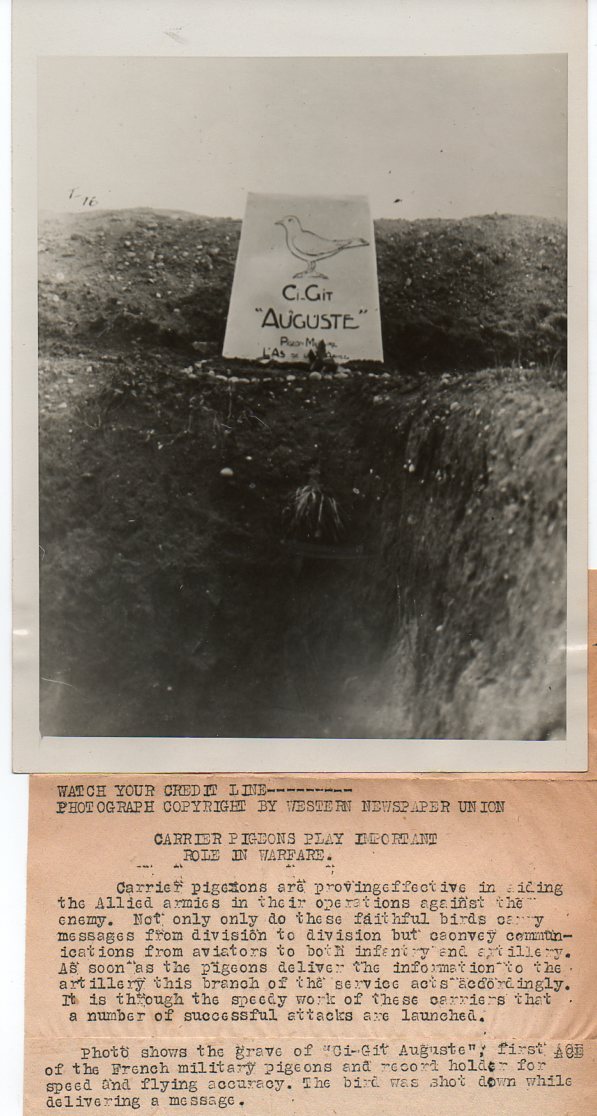
    Here’s a series of three photographs relating to carrier pigeons in WWI.  The first is a magnificent photograph of a memorial to a carrier pigeon named Auguste, a famous flyer who evidently performed invaluable services time after time, a bird of splendid behavior whose actions no doubt saved the lives of many soldiers, and who was shot down by German troops in commission of an assignment.  Auguste’s comrades constructed this makeshift memorial in the trenches for the heroic animal.

    WWI--pigeon714

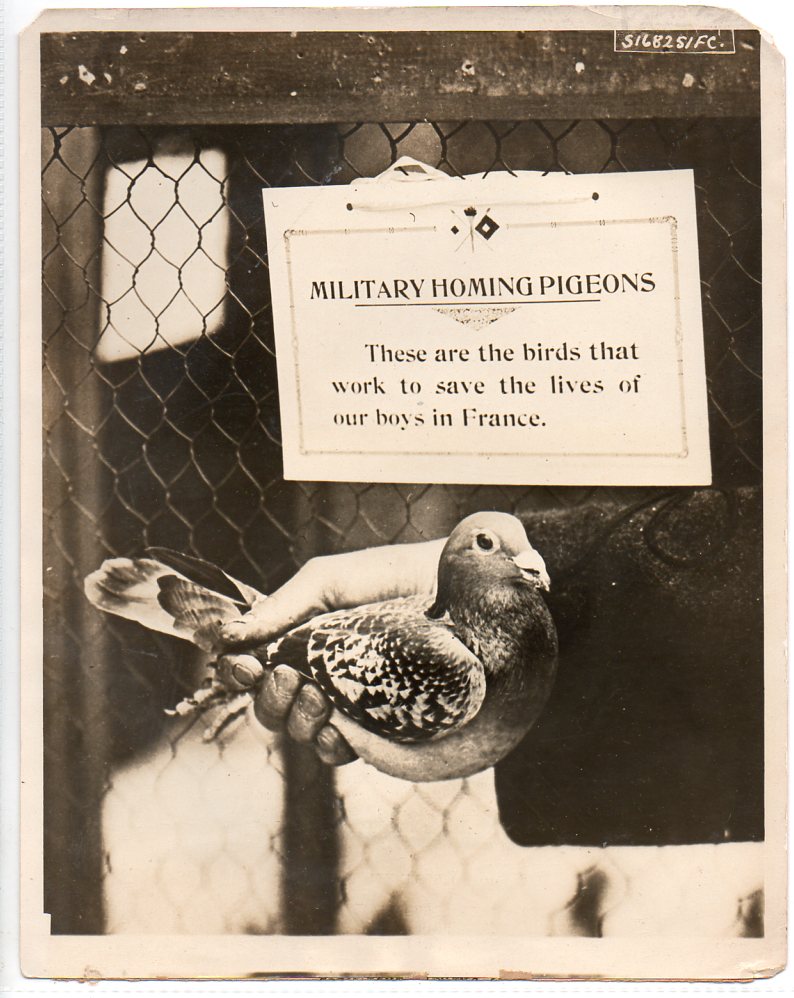
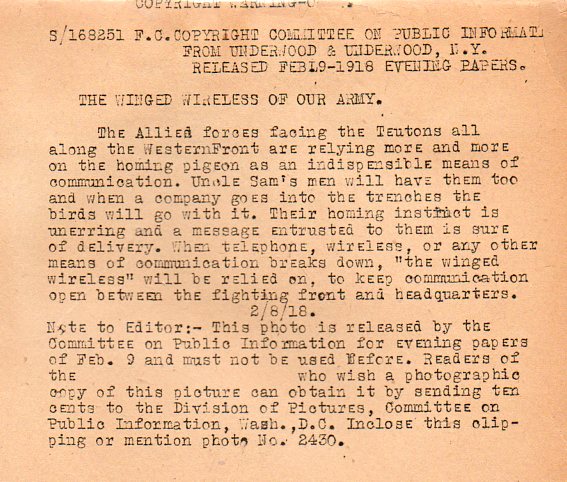
    And another photograph that told the story of the pigeon in very plain  language:

    Original photograph, 1918.  9×6 inches. Good condition.  $75 

    WWI--pigeonb715

    WWI--pigeonbb716


    Original photograph, 1918.  9×3 inches.  Good condition.  $75

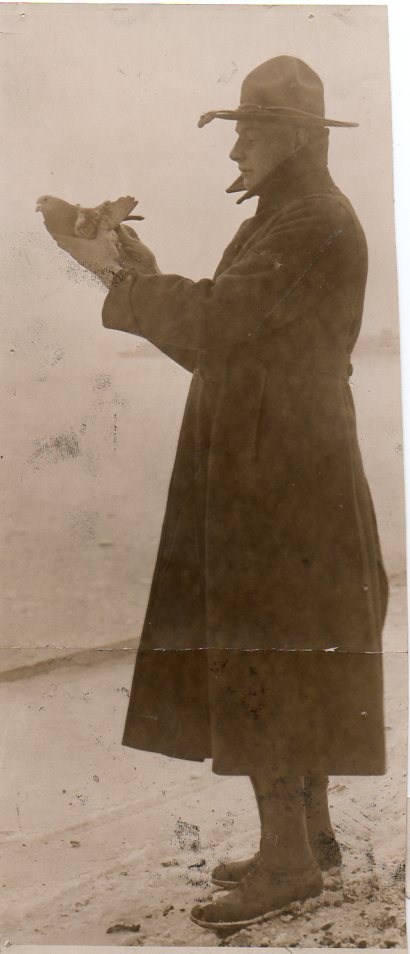
    And yet another appreciative handler of a valuable reseource:

    WWI--pigeonc717 
    WWI--pigeoncc718

    ·Posted by :

  • Amusement and Relief, 1918

    JF Ptak Science Books  Follow Me on Pinterest

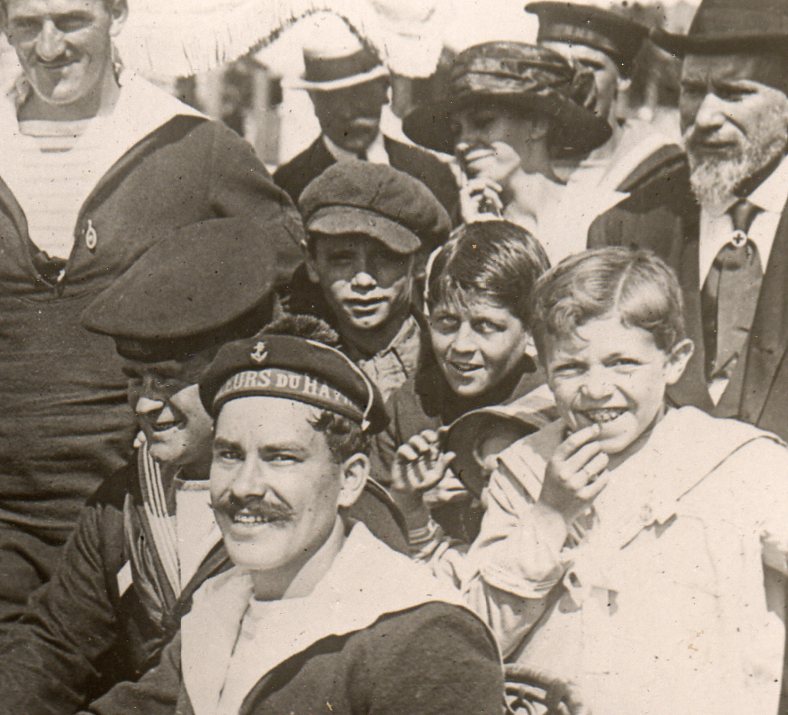
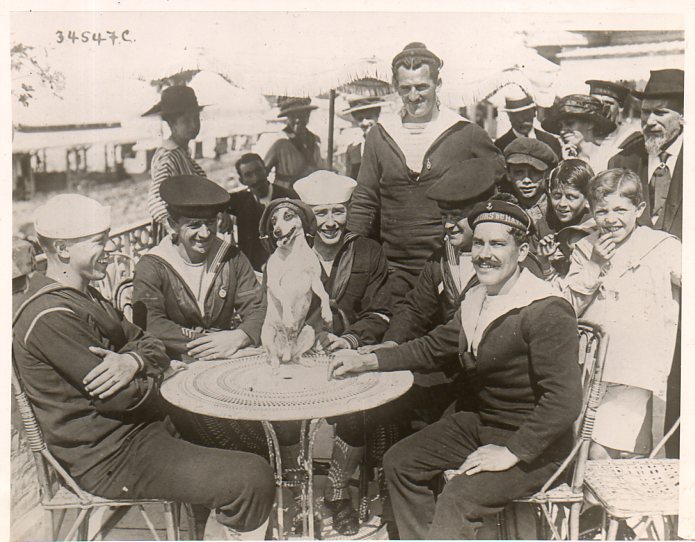
    In a moment of levity at the end of WWI, these sailors from America and the U.K. and France got together for a bit, and turned their little doggie mascot into a small attraction of sorts, entertaining themselves and the small curious crowd surrounding tthem.  The photograph was made anonymously by the Western Newspaper Union and is stamped “British Official Photograph”, and published on 10 October 1918.

    WWI--Doggie photo detail026
    Which is a delightful detail from the full scale image, which measures 5×8″, and is in good condition.   The original photograph:  $275

    WWI--Doggie photo025

    And this intriguing woman, who appears in the upper right corner:


    WWI--Doggie photo detail028


    ·Posted by :

  • WWI U.S. Standardized Ship Launch, 1918–The “Agawam”

    JF Ptak Science Books

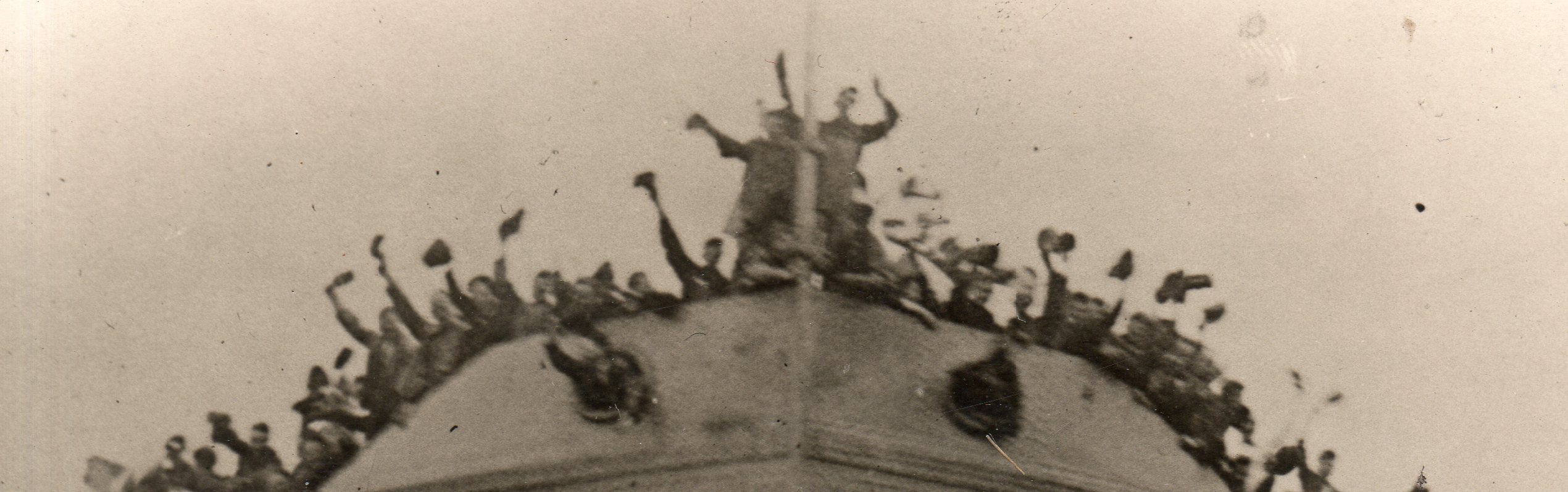
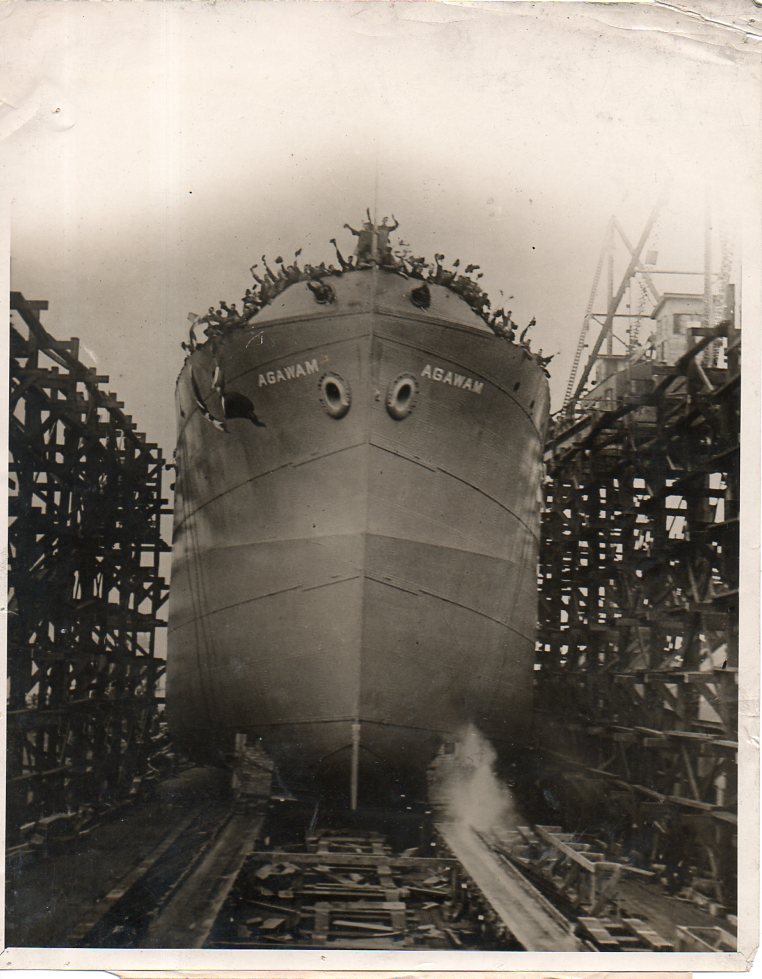
    WWI Photo--ship launch128[A detail from:]

    WWI Photo--ship launch127

    This great photograph was made in 1918 and stamped on the reverse “Photo by Central News Photo Service” of NYC. It shows the launching of the U.S.S. Agawam, the first standardized ship launched by the U.S. Navy (according to a New York Times article for May 3, 1918, (“FIRST FABRICATED SHIP; The Agawam, Forerunner of Standardized Fleet, to be Launched Today”).

    The photograph measures 10×7″, and is in good condition, with one small tack hole in upper left corner and a bumped right corner.  Good condition.  $175

    The image reminds me in a way of the launching of the Dreadnought, which in some ways was another beginning of WWI, or at least of the naval race right before the war and of the competition for naval superiority between the Germany and England.  And I remember how King Edward VII, rickety with illness, climbed the stairs to deliver his speech, and to break open the bottle of Australian wine against the Dreadnought‘s bow. Except that the bottle didn’t break on the first attempt–a somewhat forbidding element, except that it was her bow that Dreadnought used to sink a German sub.  The ship revolutionized naval technology and Germany played catch-up to it (and in effect an entire new class of battleship) right to the beginning of the war.  Less than 15 years later, the Dreadnought was sold for scrap.  

    ·Posted by :